 Cykeo RFID IoT Solution Products R&D Manufacturer
How Far Can a Passive RFID Tag Be Read? The Numbers You Can Actually Use.
567Wondering how far a passive RFID tag can be read? We break down real-world ranges for UHF, HF, and LF tags and what factors actually affect the distance.
MoreAll RFID Product
how far does rfid transmit depends on the RFID frequency, tag type, reader power, antenna design, tag orientation, and surrounding materials. LF and HF RFID are generally short-range technologies, while passive UHF/RAIN RFID can typically be read several meters away. GS1 states that UHF RFID can reach up to 10 meters depending on the environment, with exceptional systems reaching considerably farther.
There is no single RFID transmission distance.
That distinction matters when someone compares a library HF reader with a warehouse UHF gate and asks why one reads at 20 centimeters while another reaches across a loading area.
| RFID Type | Typical Operating Frequency | Practical Read Range | Common Applications |
|---|---|---|---|
| LF RFID | 125–134 kHz | 10–50 cm | Access control, animal identification |
| HF RFID | 13.56 MHz | 10 cm–1 m | Libraries, tickets, cards |
| UHF / RAIN RFID | 860–930 MHz | Up to about 10 m | Warehousing, logistics, retail |
| Active RFID | Varies | 100 m or more | Long-range asset tracking |
GS1 identifies LF systems at approximately 10–50 cm, HF systems at 10 cm–1 m, and UHF/RAIN systems at ranges of up to 10 m, depending on conditions. Active RFID can exceed 100 m because the tag has its own power source and radio transmitter.
The number that matters for an actual installation is not the theoretical maximum. It is the distance at which the system maintains the required read reliability.
For warehouse, retail, and logistics applications, passive UHF RFID is usually the relevant technology.
A passive UHF tag does not continuously broadcast. The reader generates an electromagnetic field, the tag harvests energy from that field, and its chip changes the way the antenna reflects the signal. The reader detects this backscatter and converts it into digital information.
GS1’s current EPC Gen2 standard covers UHF RFID operation in the 860–930 MHz range.
This creates an important engineering trade-off:
In other words, RFID range is a system property, not simply a tag specification.
This is one of the details that becomes obvious during field commissioning.
A pallet tag that reads reliably while facing the antenna may become difficult to detect when rotated 90 degrees. GS1 specifically identifies antenna directivity, antenna gain, polarization, and tag orientation as important factors affecting the volume in which tags can be read.
That is why a range test performed with a single tag held perfectly still can give a misleading impression of a warehouse deployment.
The strongest RFID reader is not automatically the best installation.
Metal is a common problem. GS1 notes that metallic objects can reflect and diffract electromagnetic waves, while liquids can absorb RF energy and detune a tag antenna. Dedicated on-metal RFID tags use different antenna and packaging designs to compensate for these conditions.
Typical range-reducing conditions include:
For this reason, a claim such as “this RFID reader works at 15 meters” should always be treated as a test condition, not a guaranteed operational distance.
At Cykeo, the more useful question during deployment is usually not “How far can it read?”
It is:
“At what distance can it read the required tags reliably without reading items outside the intended zone?”
That second question changes the antenna layout.
For a warehouse entrance, for example, excessive range can become a problem. A reader that detects pallets several meters beyond the doorway may create unwanted reads from adjacent staging areas. In a retail environment, the same issue can appear when merchandise near a self-checkout station is unintentionally detected.
GS1 also emphasizes that the shape of the RFID read volume can be more important than maximum distance itself.
That is why Cykeo RFID system design focuses on controlled coverage, antenna positioning, tag selection, and read-zone validation rather than simply increasing RF output.
A useful field test should include:
GS1 documentation notes that RFID readability is affected by the chip, antenna, tag construction, and environment, and recommends testing solutions to document functionality.
That is particularly important when the installation involves metal racks, forklifts, conveyors, dock doors, or densely packed cartons.
For passive UHF RFID, several meters is a realistic working expectation. GS1 reports ranges of up to 10 meters depending on the environment, while its RFID guidance also documents test results reaching 20 meters for standard solutions under specified conditions.
RFID Journal has documented even wider variation: passive UHF systems may operate around 10 feet in some handheld configurations, while specialized phased-array systems have demonstrated considerably longer distances.
Those numbers should not be interpreted as a universal promise. They demonstrate how dramatically reader architecture, antenna technology, tag construction, and installation conditions influence the result.
| Factor | Effect on Range |
|---|---|
| RFID frequency | Determines basic operating characteristics |
| Reader output power | Higher permitted power can increase usable range |
| Antenna gain and pattern | Controls RF coverage and direction |
| Tag antenna | Determines how efficiently energy is harvested |
| Tag orientation | Can strongly affect coupling |
| Metal | May reflect and disturb RF energy |
| Water/liquid | Can absorb energy and detune tags |
| Installation geometry | Defines the practical read zone |
| Interference | Can reduce consistency and reliability |
The engineering target is therefore not the longest possible transmission distance. It is the right read distance for the application.
Technical perspective from Cykeo RFID engineering: In practical RFID projects, range problems are often blamed on the reader first. That is rarely the whole story. Tag orientation, antenna placement, product composition, and the physical boundaries of the read zone can matter just as much. A stable five-meter read zone can be more valuable than an uncontrolled fifteen-meter read.
For commercial passive UHF RFID, 10 meters is a useful reference point, not a universal ceiling. GS1 states that passive UHF/RAIN tags typically have read ranges of several meters, with systems reaching up to 15 meters in special cases; phased-array readers with high sensitivity can reach around 20 meters.
GS1’s system architecture documentation also gives up to 10 meters as a typical read range while emphasizing that absorbing or shielding materials can substantially reduce or extend the distance.
That distinction is important for a Cykeo deployment. A reader specified for long-distance operation still needs a controlled RF zone. Otherwise, the system may successfully read the target tag—and then successfully read the wrong tag sitting several meters behind it.
Cykeo UHF RFID systems are designed around the relationship between reader, antenna, tag, communication interface, and application software, rather than treating read distance as an isolated specification.
A typical fixed-reader architecture contains:
Current GS1 EPC Gen2 UHF RFID Standard 3.0.1 specifies the RFID air interface for 860–930 MHz communication.
For projects requiring ISO 18000-6C / EPC C1G2 compatibility, this standardized air interface provides the foundation for interoperability between compliant readers and tags.
A high-power reader does not automatically create a better RFID installation.
The antenna determines where useful RF energy is concentrated and therefore where tags are likely to respond. GS1 specifically identifies antenna directivity, gain, polarization, and tag orientation as factors affecting the actual read volume.
This is where practical engineering starts to separate itself from a laboratory range figure.
For a dock door, the desired zone may be a narrow corridor. For a conveyor, it may be a moving belt. For a warehouse aisle, the objective can be a longer directional field without unintentionally reading inventory on the neighboring rack.
The target is controlled coverage, not maximum RF distance.

The environment can change the result dramatically.
GS1 notes that metal reflects and diffracts electromagnetic waves, while water and liquids can absorb RF energy and detune RFID tags. Dedicated on-metal tags and specialized antenna designs can mitigate these effects.
In a warehouse, that means the same reader may perform differently when the tagged product changes from:
The tag is part of the RF system.
A standard label tag mounted on cardboard should not be evaluated against an on-metal tag mounted on a steel component as though they were interchangeable.
GS1’s RFID testing guidance makes the same broader point: RFID readability depends on the chip, antenna, tag encapsulation, and surrounding environment, and testing the complete solution is important before deployment.
For applications where read distance matters, Cykeo’s UHF RFID architecture can be configured around several practical requirements:
| Requirement | Cykeo-oriented approach |
|---|---|
| Long-distance identification | UHF reader + appropriately selected antenna |
| Multiple-tag inventory | Anti-collision and multi-tag inventory processing |
| Controlled read zone | Antenna orientation and RF power adjustment |
| Industrial deployment | Fixed-reader architecture and wired communication |
| Different tag materials | Tag selection according to substrate |
| Software integration | Ethernet/serial communication and application interfaces |
| Dense tag environments | Reader configuration and inventory optimization |
| Outdoor/industrial use | Appropriate reader enclosure and installation design |
For Cykeo UHF reader modules such as the CYKEO-M4L, the architecture integrates the RF front end and baseband processing into a compact module, supporting EPC C1G2 / ISO 18000-6C and other RFID protocols. The module supports adjustable output power and multi-tag recognition, making it suitable for OEM equipment where the RF section needs to be integrated into a larger machine.
For industrial fixed-reader deployments, Cykeo’s CYKEO-RA9L uses an integrated UHF reader/antenna structure designed for applications where installation conditions are less forgiving than a laboratory bench.
The practical advantage is not simply “more range.” It is the ability to configure the RFID system around the required read zone.
At a receiving dock, RFID can identify tagged cartons or pallets as they pass through a defined doorway. Several-meter UHF capability allows the reader to capture tags without requiring an operator to point a scanner at each item.
The antenna layout is critical here. A wider field is not necessarily better if inventory staged next to the dock is also detected.
Retail stores often need reliable reading without line-of-sight. GS1 describes RAIN RFID as a technology used for fast asset identification and inventory, with read ranges up to 10 meters depending on the environment.
For apparel, the useful range is often deliberately controlled rather than maximized.
Shorter-range HF RFID systems may be preferable where precise near-field interaction is required. This illustrates an important point: longer RFID range is not automatically better RFID.
Metal-heavy production environments require greater attention to tag construction and placement. On-metal RFID tags can be designed specifically for these conditions.
A professional site acceptance test should record more than maximum distance.
| Test item | What to verify |
|---|---|
| Read distance | Maximum stable operating distance |
| Read rate | Percentage of required tags successfully captured |
| Tag orientation | Performance at multiple orientations |
| Tag density | Behavior with multiple tags simultaneously |
| False reads | Detection outside the intended zone |
| Moving speed | Performance during actual product movement |
| Materials | Performance on representative products |
| Interference | Stability around other RF equipment |
GS1 documentation reports up to 20 m reading distance for standard EPC Gen2v2 solutions in specified testing, while also stressing that RFID readability depends on the complete installation.
That is a useful engineering reference—but it should not become a marketing promise for every installation.

A passive UHF RFID tag can typically be read several meters away. GS1 cites up to about 10 meters for many UHF/RAIN applications, with specialized systems capable of longer distances.
Yes. GS1 documents specialized UHF systems reaching around 15 meters and phased-array systems reaching approximately 20 meters. The actual range depends heavily on the reader, antenna, tag, orientation, and environment.
It can increase usable range, but power alone does not determine performance. Antenna gain, polarization, tag sensitivity, regulatory limits, interference, and installation geometry also matter.
RFID can operate around metal when an appropriate on-metal tag and antenna design are used. Conventional tags can perform poorly because metal reflects and diffracts RF energy.
Yes. Water and liquids can absorb RF energy and detune the RFID tag antenna, reducing sensitivity and read range. Specialized tag designs can improve performance in these environments.
No. A long uncontrolled range can cause false reads from neighboring products or zones. In many logistics and retail installations, accurately defining the read volume is more important than achieving the maximum possible distance.
Test the complete system under actual operating conditions: reader, RFID antenna, tags, products, orientation, movement, surrounding materials, and interference. GS1 recommends testing RFID solutions to document their functionality before deployment.
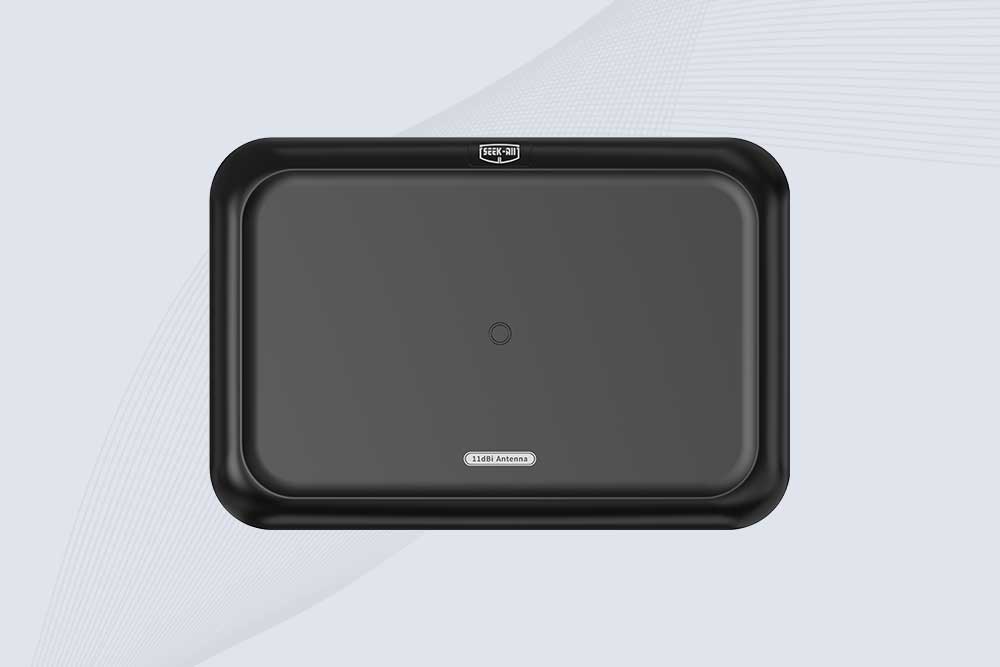
SSD-A11 UHF RFID antenna features 840–960 MHz adjustable frequency, ≥10.5 dBi gain, circular polarization and 50Ω impedance for fixed RFID systems.
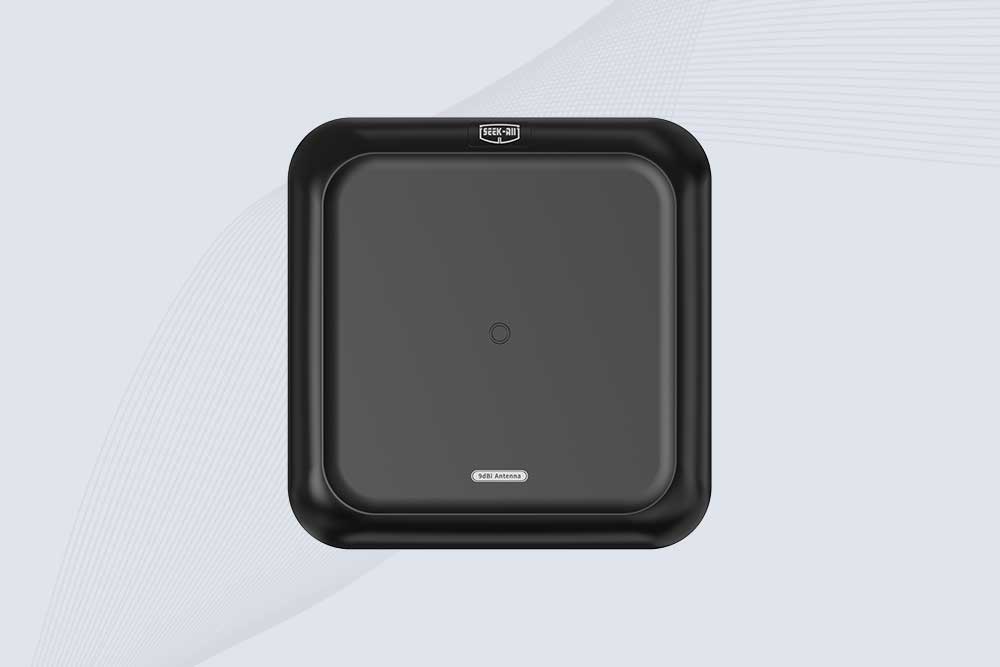
SSD-A09 is a 9 dBi UHF RFID antenna with 840–960 MHz adjustable frequency, circular polarization, 50Ω impedance and directional 60° × 60° coverage.
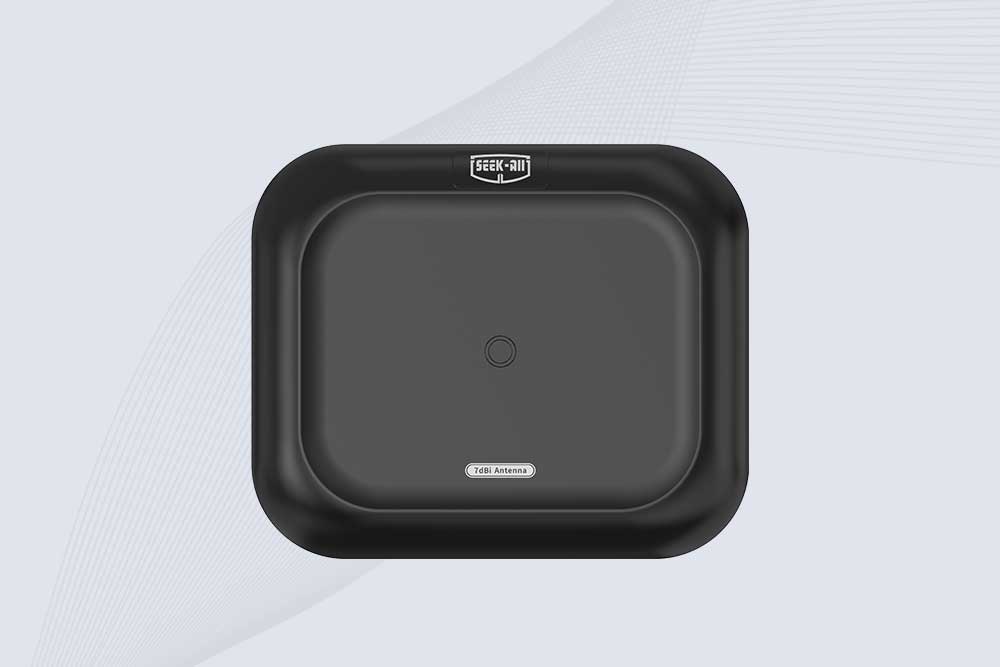
Explore the SSD-A07 UHF RFID antenna with 7 dBi gain, circular polarization, adjustable 840–960 MHz frequency, and 60°/75° beamwidth for stable RFID read/write performance.

SSD-A06 UHF RFID antenna with circular polarization, adjustable 840–960 MHz frequency, ≥4.5 dBi gain, and a compact directional design for RFID systems.
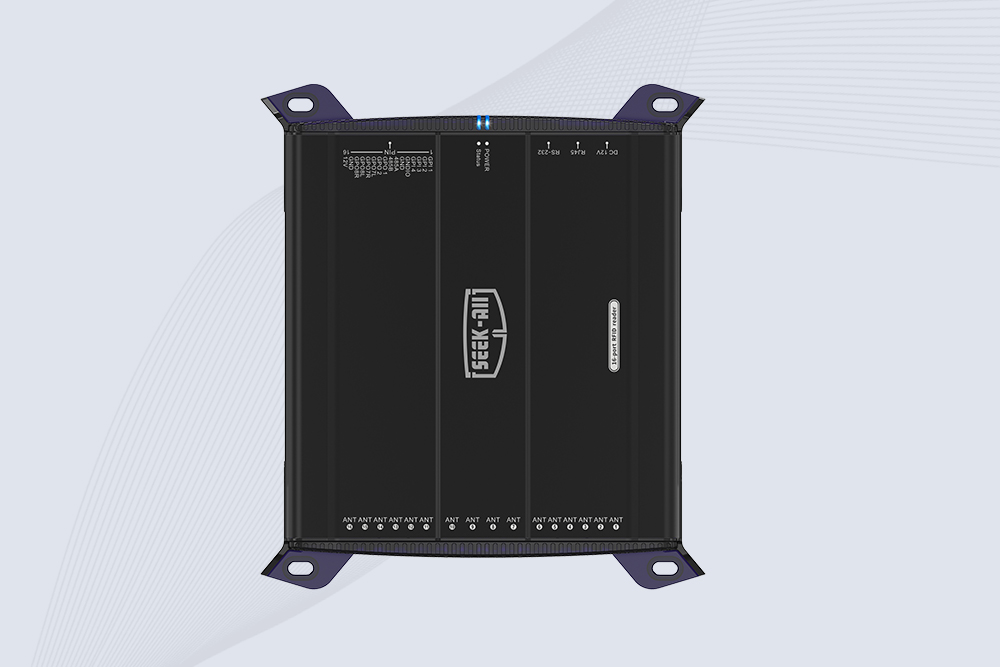
SSD-R16L Multi-Channel RFID Infrastructure for Automated Inventory Management ✔️ 16-Port High-Density RFID Reading Equipped with 16 SMA antenna ports, SSD-R16L supports multi-antenna deployment for warehouses, retail stores, logistics, production lines, and large-area RFID identification. ✔️ High-Speed & Long-Range Performance With up to 33…
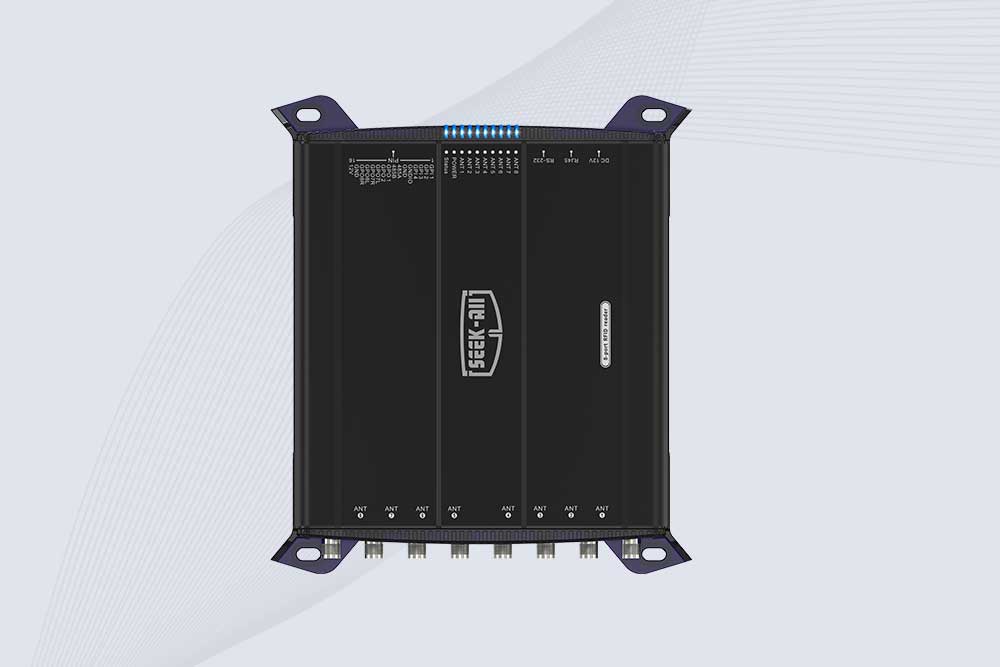
SSD-R8L 8-port UHF RFID reader with 33dBm output, up to 20m reading range and 600+ tags/s recognition. Ideal for warehouse, logistics, retail and asset tracking.
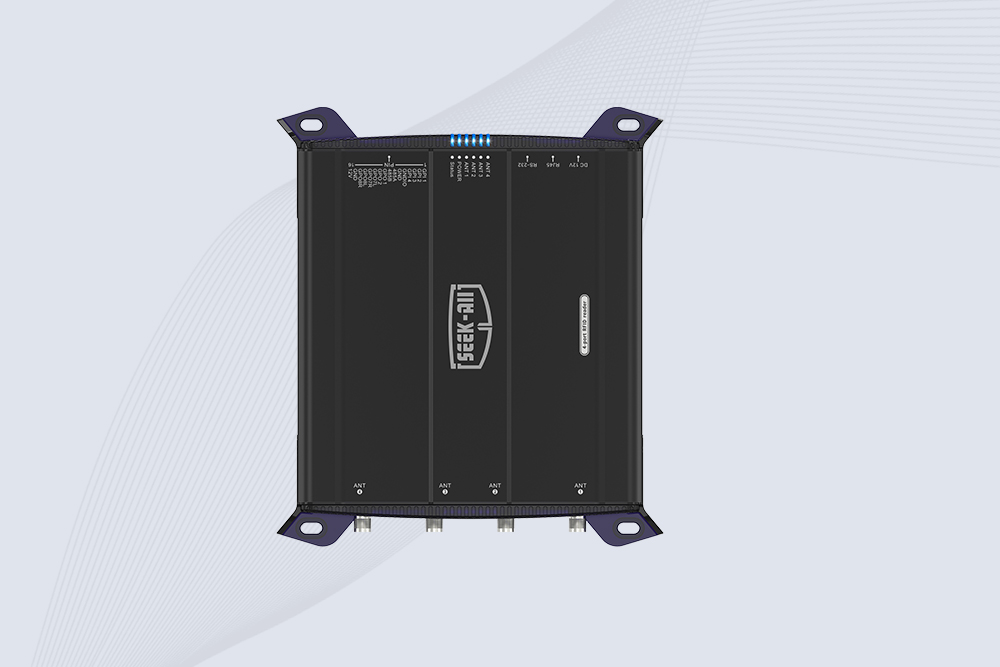
SSD-R4L is a 4-port UHF RFID fixed reader with 33dBm output power, up to 20m reading range, EPC C1G2 support and 600+ tags/s reading speed.
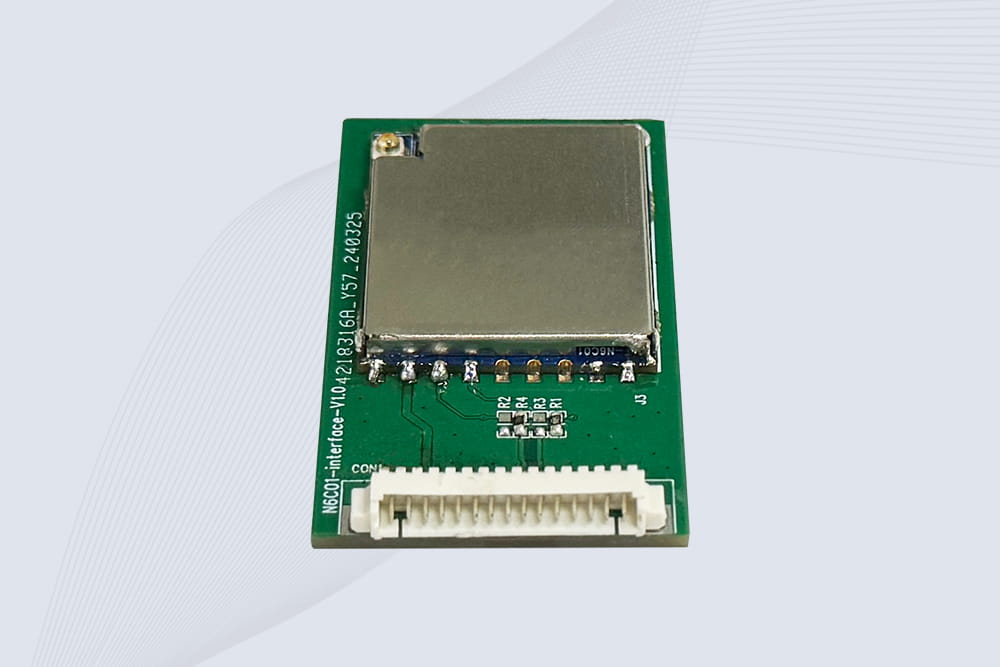
CYKEO Embedded RFID Modules are designed for compact industrial and IoT devices that require stable UHF performance. These UHF RFID Modules support global protocols, flexible power control, and reliable multi-tag reading for smart cabinets, production lines, and asset tracking systems.
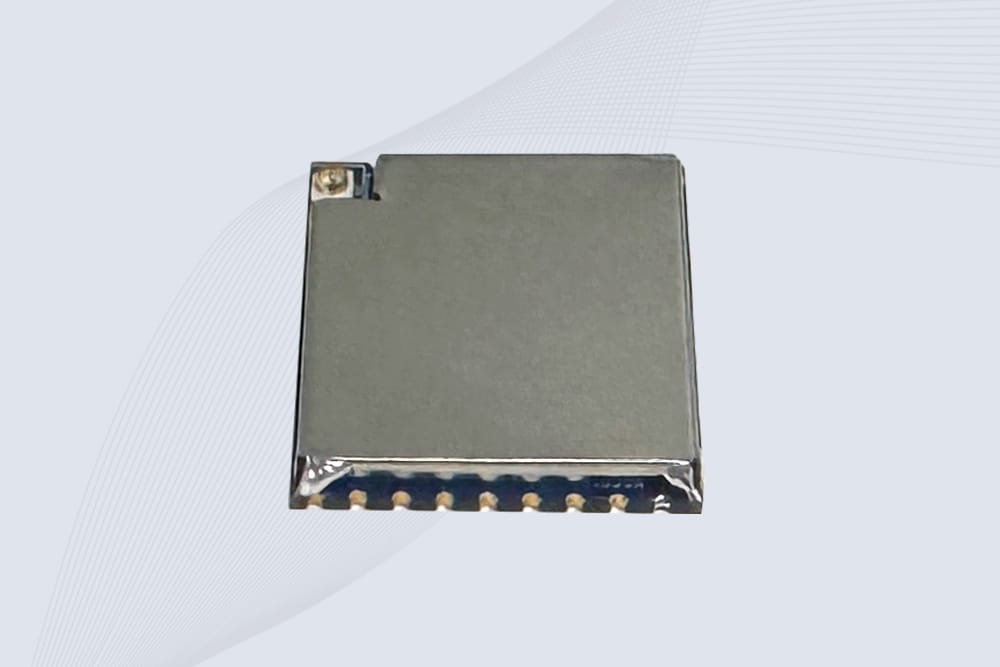
CYKEO Embedded RFID Module is built for compact IoT and industrial devices that need stable UHF performance. This UHF module supports global protocols, low power operation, and reliable multi-tag reading for smart lockers, production lines, and always-on RFID systems.
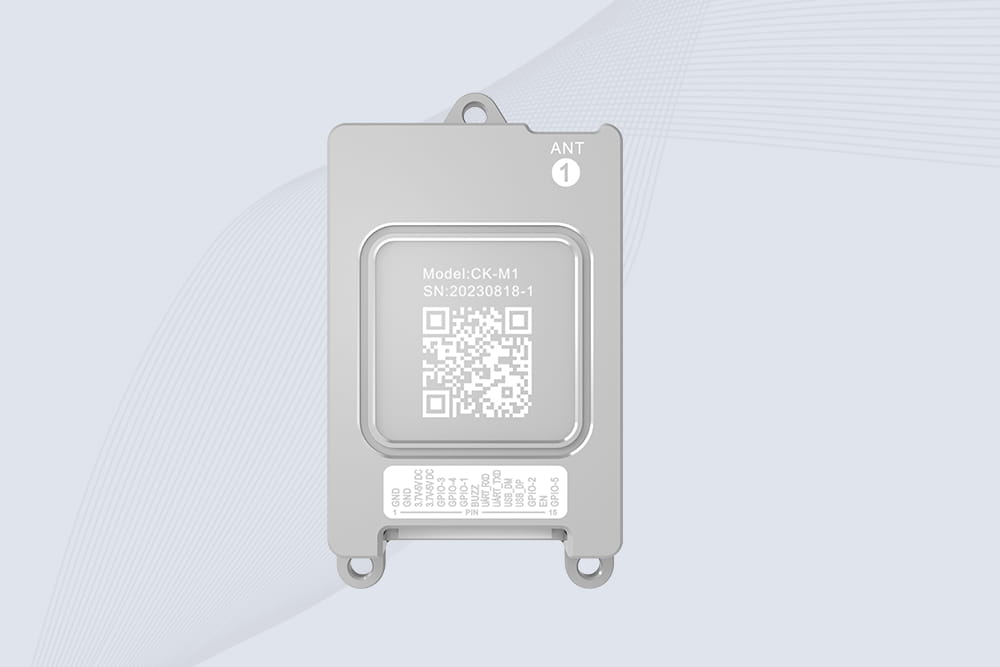
CYKEO CYKEO-M1 drone rfid module is a compact UHF RFID reader module designed for drones and UAV platforms. It supports long-range aerial scanning, fast multi-tag reading, and stable performance in wind, vibration, and outdoor environments.
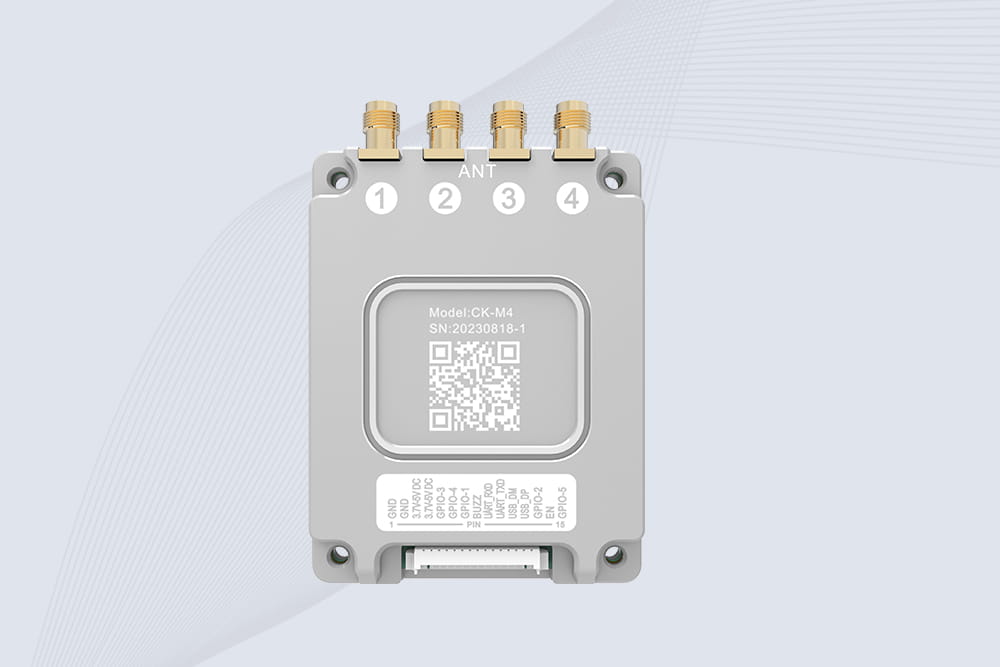
CYKEO CYKEO-M4 RC522 RFID Module is an industrial-grade UHF RFID reader with 4 ports, supporting ISO, EPC, and GB protocols. High-speed, accurate reading for IoT, automation, and warehouse applications.
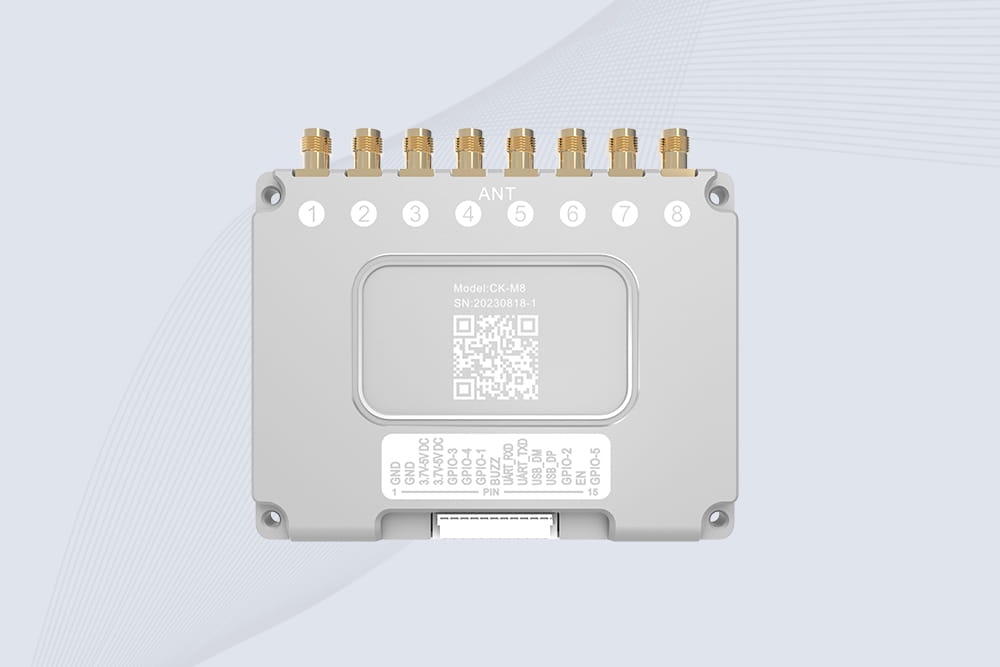
CYKEO CYKEO-M8 Module RFID is an 8-port UHF R2000 RFID Module designed for high-density, multi-tag environments. Stable 33dBm output, ISO & GB protocol support, ideal for warehouses, factories, and automated systems.
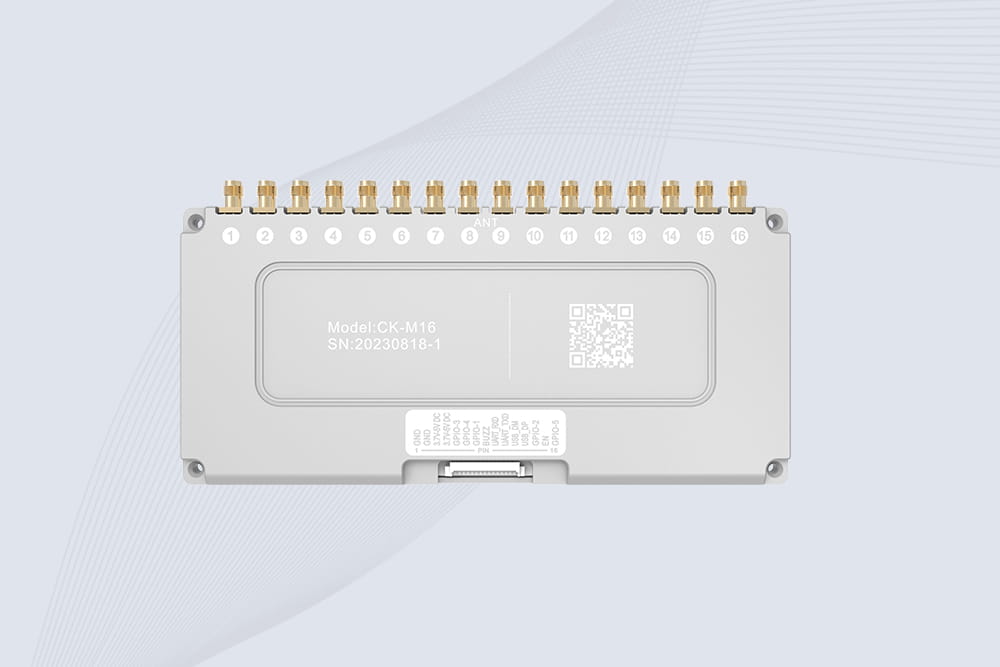
CYKEO CYKEO-M16 RFID Module is a 16-port UHF RFID reader module based on the R2000 chipset. Designed for dense tag environments, it supports ISO and GB standards and delivers stable multi-antenna control for industrial automation.
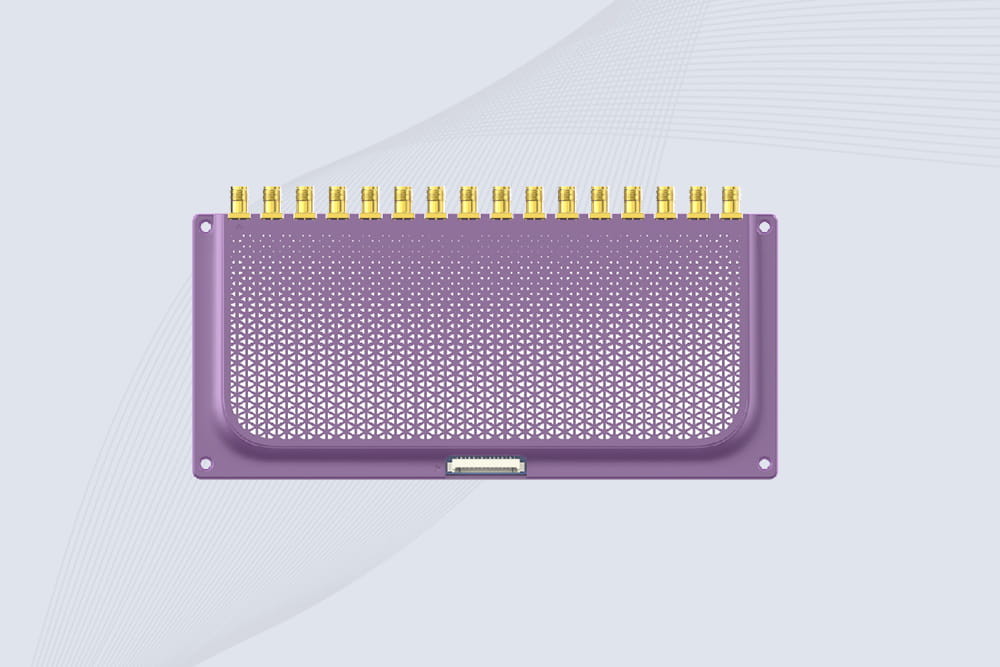
The CYKEO CYKEO-M16L RFID Reader Module is a 16-channel UHF RFID core designed for dense tag environments. With adjustable 33dBm output, multi-protocol support, and stable multi-antenna control, this RFID Tag Reader Module fits industrial automation, warehouse systems, and large-scale IoT deployments.
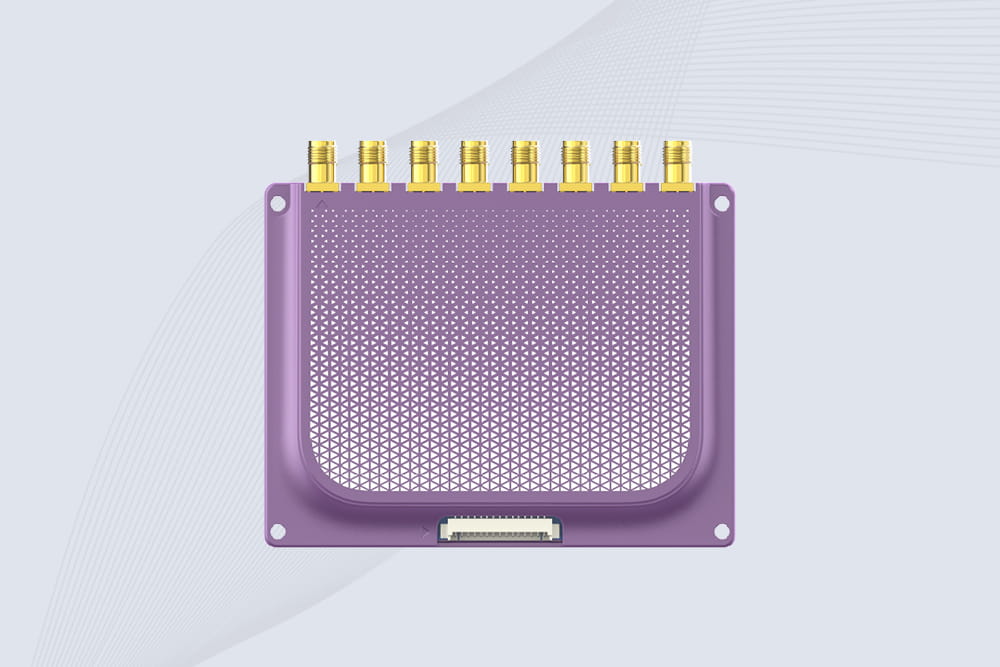
CYKEO CYKEO-M8L module RFID is a compact industrial UHF module built for dense tag and multi-antenna environments. With 8 RF ports, adjustable 33 dBm output, and ISO & GB protocol support, it is widely used in factories, warehouses, and automated tracking systems.
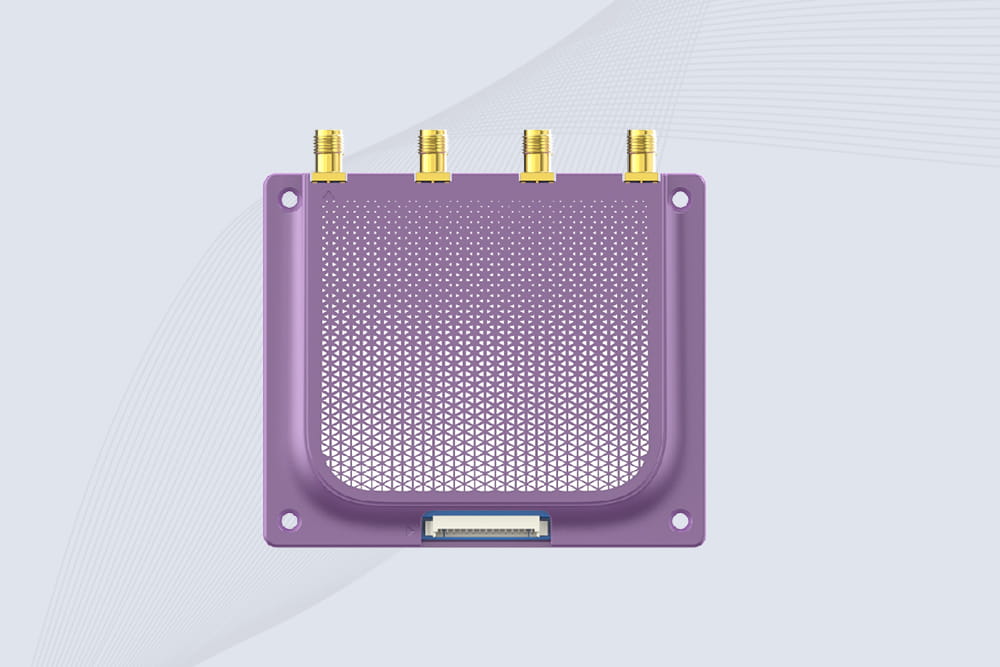
CYKEOCYKEO-M4L UHF RFID Module is a compact 4-channel RFID tag reader module designed for dense tag environments. Supporting ISO and GB protocols, it delivers stable reads up to 10 meters for industrial and IoT systems.
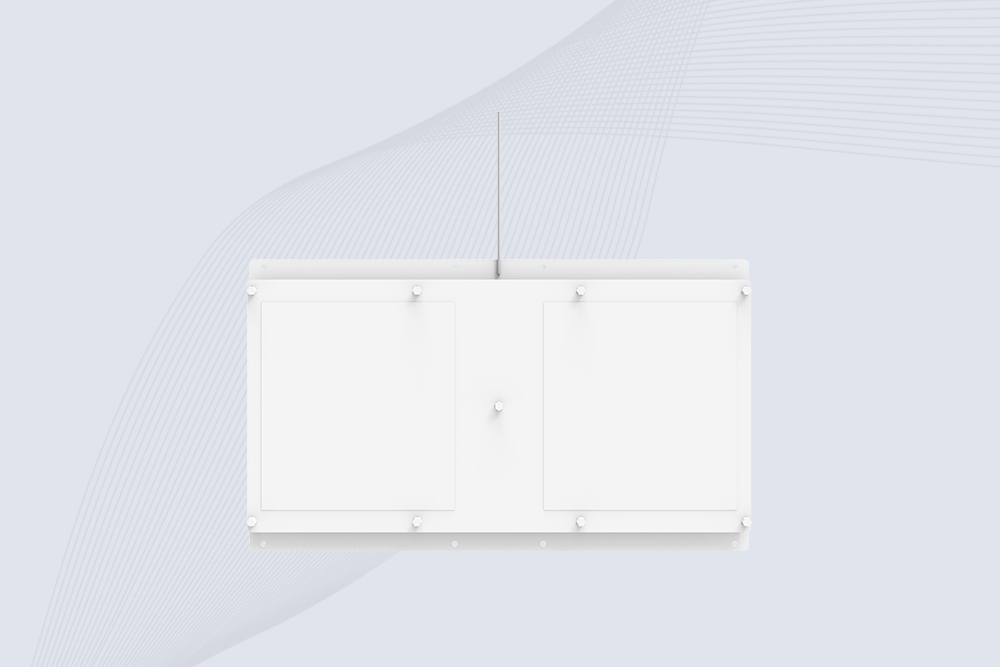
Cykeo CYKEO-A11 UHF RFID reader antenna delivers 11dBi gain, 840-960MHz frequency range, and IP65 ruggedness for retail, logistics, and industrial RFID systems. Features low VSWR and easy installation.

CYKEO Antenna RFID Reader delivers stable long-range UHF performance with a 10.5dBi directional design, built for warehouses, conveyor portals, and industrial RFID systems. This rfid reader antenna provides 20m+ read distance and rugged IP67 protection.

Cykeo CYKEO-PHF3 industrial HF RFID Antenna offers 24-point dynamic tracking, ISO 14443A/15693 protocols, metal-environment stability for archives/libraries/manufacturing.

Cykeo CYKEO-A5B industrial Linear RFID Antenna delivers 5dBi gain, ≤1.5:1 VSWR, and IP65 rugged design for warehouse, production line, and logistics UHF systems.

Cykeo’s CYKEO-B12 Long Range RFID Antenna delivers 15m+ read range with 12dBi gain, IP65 rugged design, and global 840-960MHz UHF support. Ideal for warehouse/logistics asset tracking.
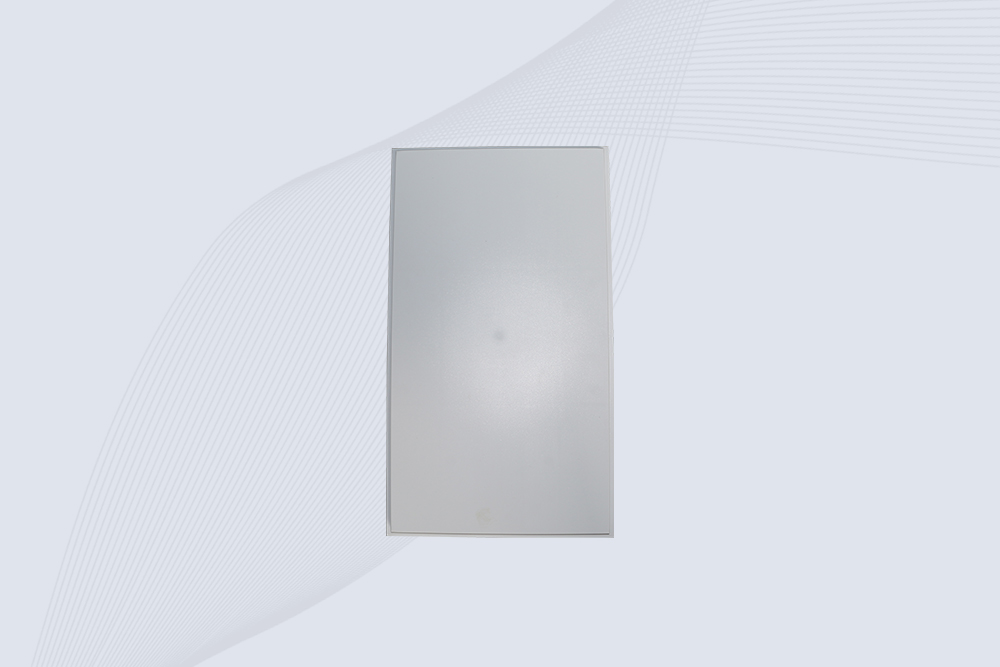
Cykeo CYKEO-B10 Long Distance RFID Antenna offers 10dBi gain, 840-960MHz frequency range, IP65 rating, and 20m+ coverage for logistics/warehousing/ETC systems. Low VSWR ensures stable signal transmission.
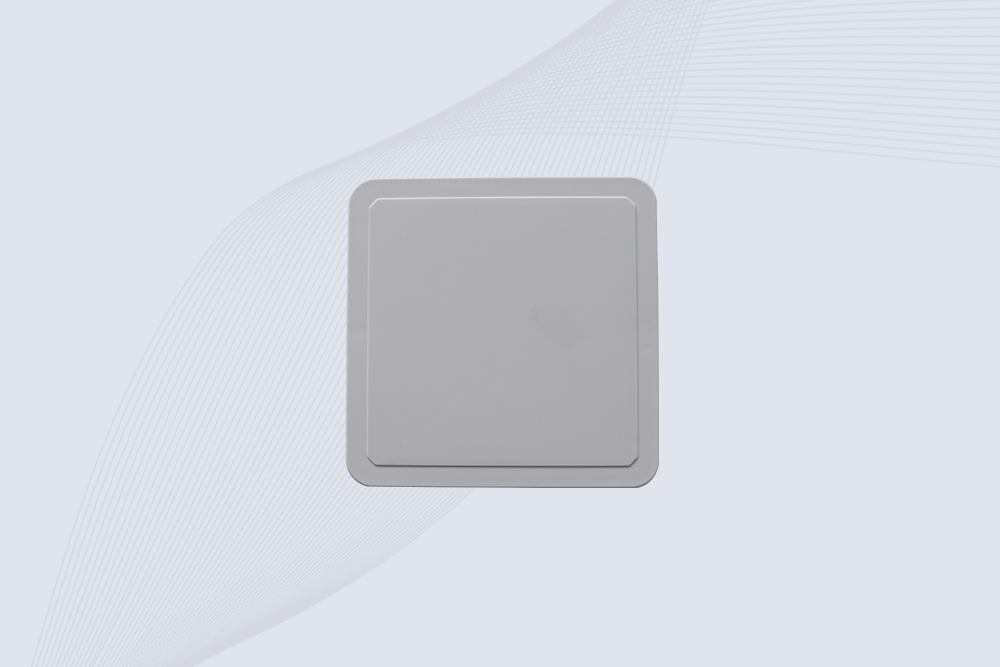
Cykeo CYKEO-A6 UHF RFID panel antenna features 6dBi gain, 840-960MHz broadband, IP65 metal-ready housing for logistics/smart retail. 18mm ultra-thin design with tool-free mounting.

Cykeo CK-A3 industrial antenna RFID UHF offers 5m+ tag detection, ≤1.3:1 VSWR, IP65 rugged design, and global UHF spectrum compatibility (840-960MHz) for warehouses, factories, and retail.
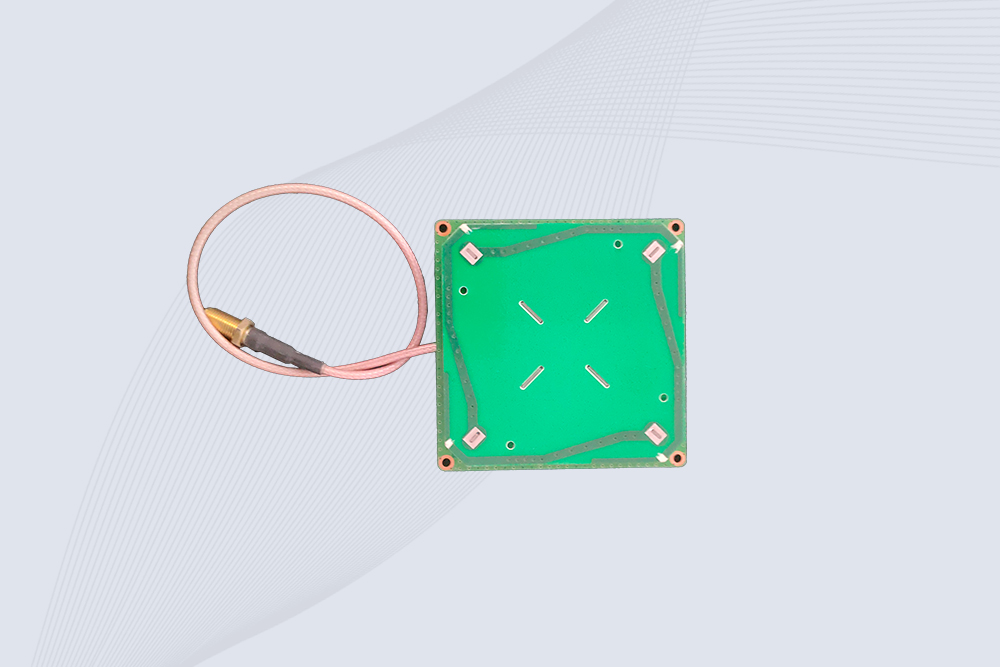
Cykeo CYKEO-B5 directional RFID antenna provides 5dBi gain with 60° narrow beamwidth for precise inventory tracking. IP65-rated, global UHF frequency support, and low VSWR.
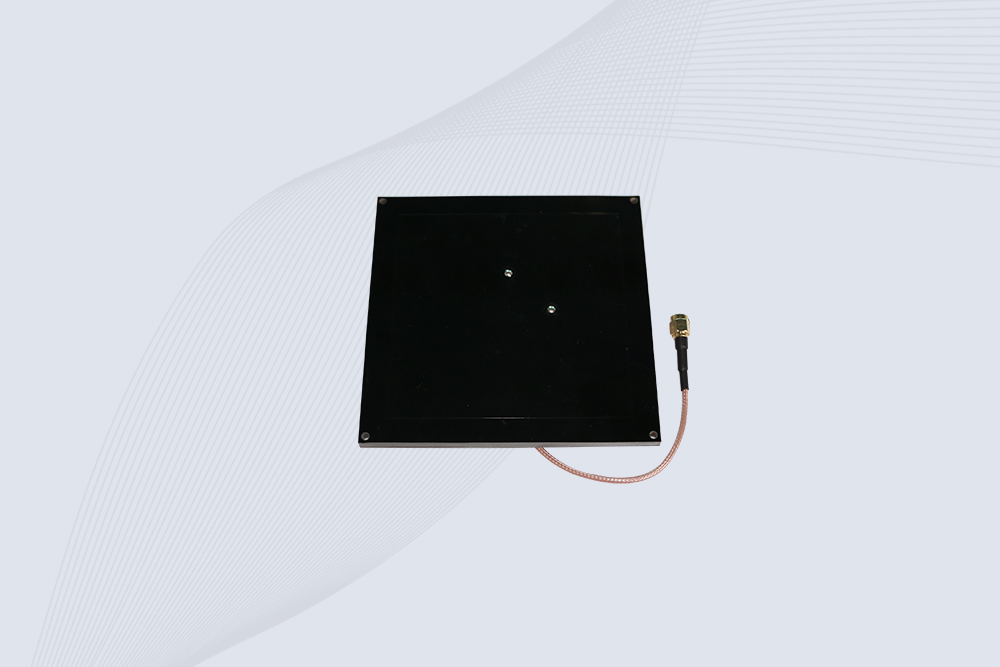
Create your own high-performance DIY RFID antenna! 5dBi gain, 840-960MHz tunable, step-by-step guides. Compatible with Arduino, Raspberry Pi, and commercial UHF readers.
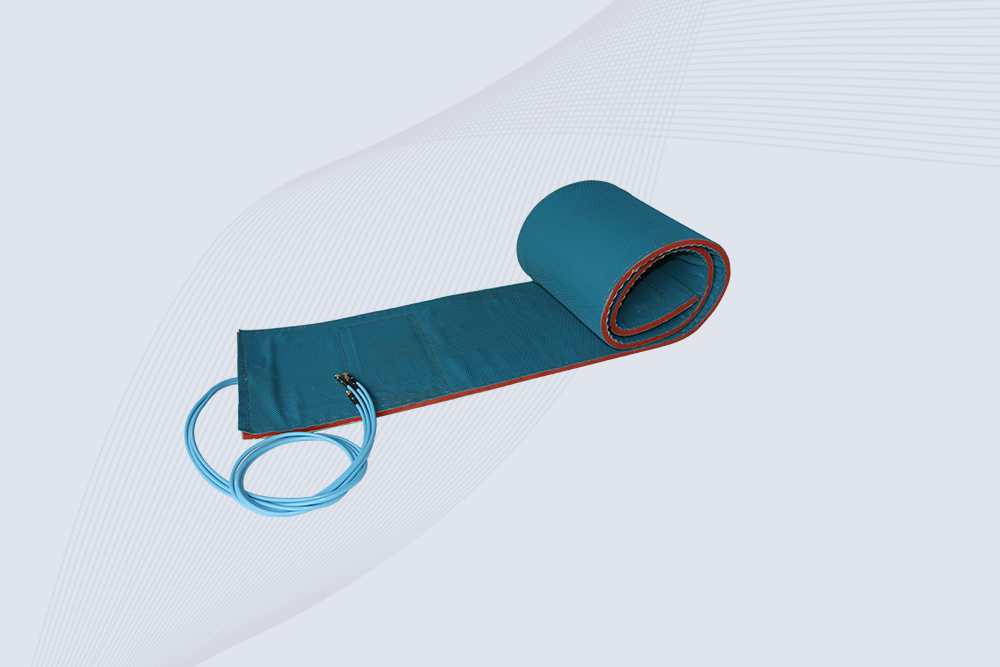
Cykeo CYKEO-A7 Flexible RFID Antenna features 840-960MHz wideband tuning, 7dBi gain, and IP68 rating for medical/retail/industrial curved surface deployments. 98% read accuracy with peel-and-stick installation.

Cykeo CYKEO-B5A industrial Passive RFID Antenna delivers 5dBi gain, 70° beamwidth, and -40°C~55°C operation for warehouses/smart cabinets. Compatible with Zebra/Impinj readers.
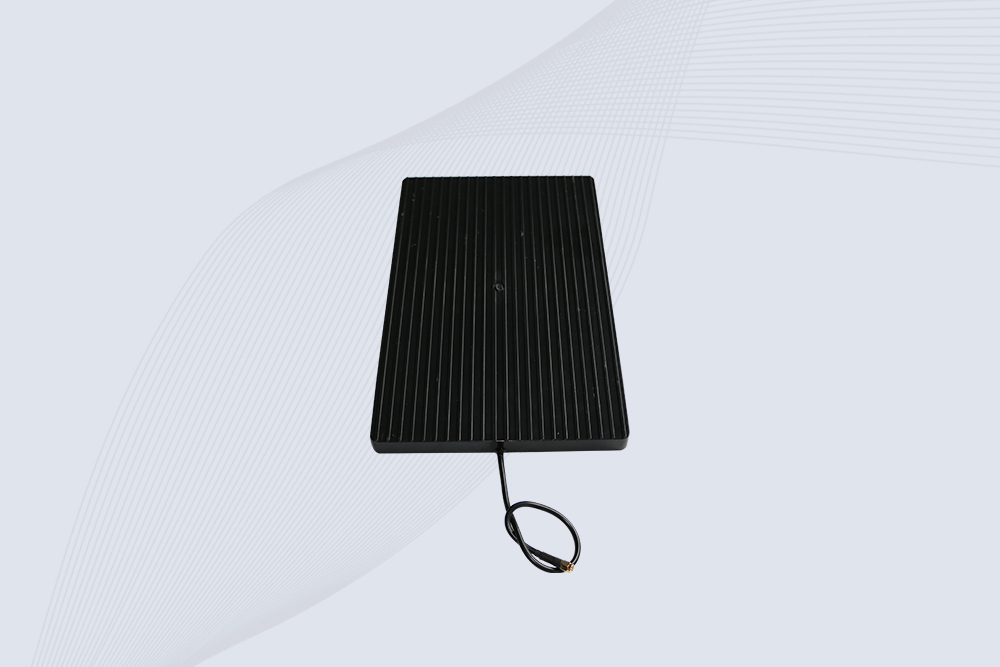
Cykeo’s CYKEO-A9B High Gain RFID Antenna delivers 15m+ read range with 9dBi amplification. Features IP54 rugged design, 840-960MHz bandwidth, and 80° beamwidth for warehouse/manufacturing RFID systems.

Cykeo’s enterprise-grade 8dbi Impinj RFID Antenna 10m+ read range with 840-960MHz tuning. Features IP65 housing, 1.4 VSWR, 35° beamwidth for retail/warehouse RFID systems.
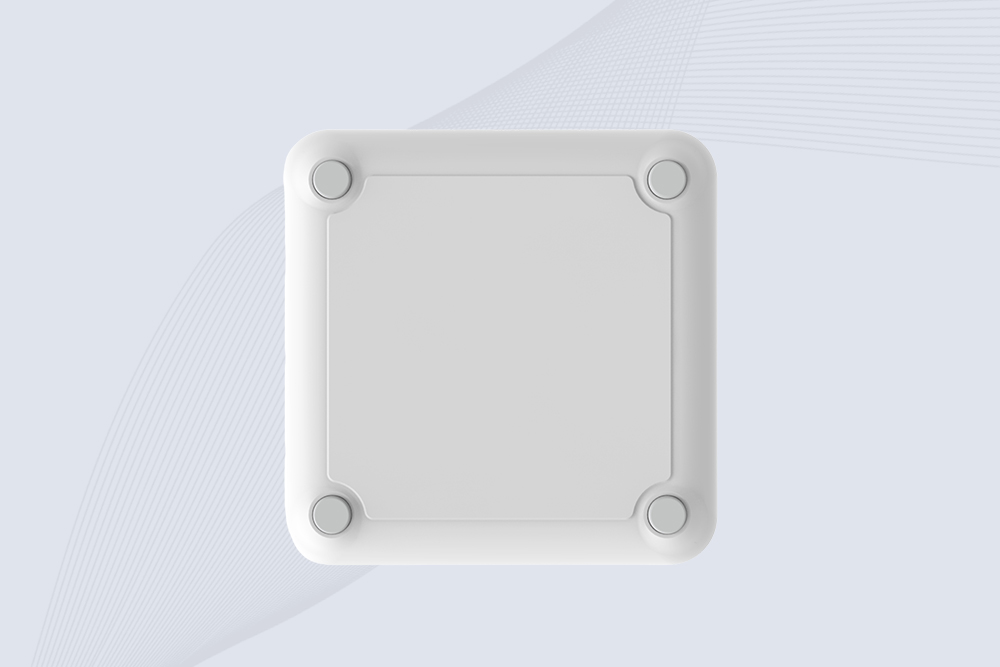
Cykeo CYKEO-A9 industrial UHF RFID antenna delivers 9dBi gain, 840-960MHz frequency range, and IP65 protection for warehouse/logistics/retail RFID systems. Features N-type connector and ≤1.3:1 VSWR.
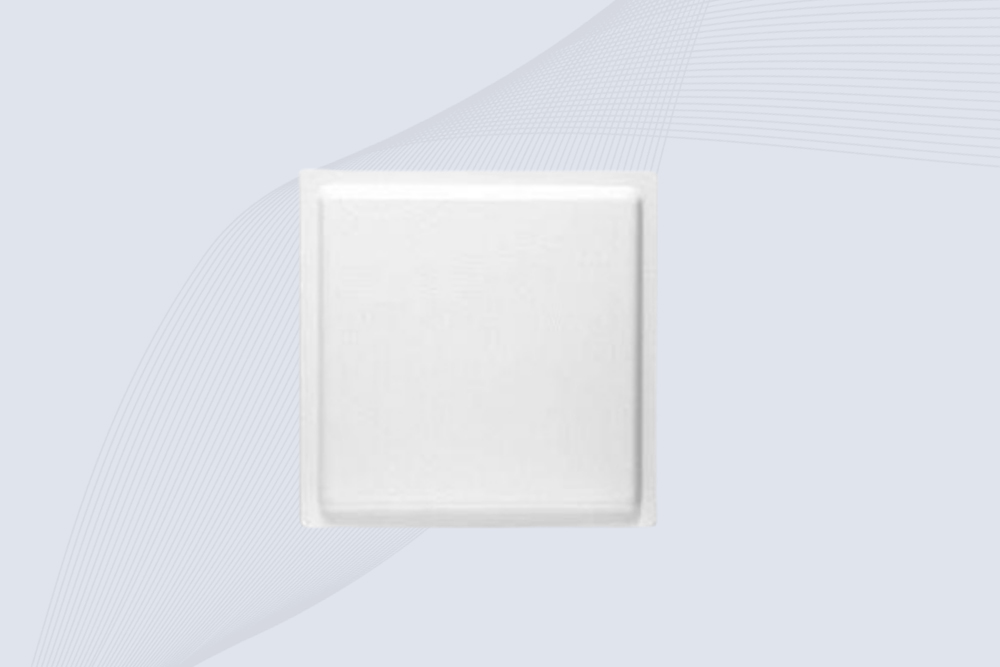
CYKEO UHF RFID Antenna built for long-distance and industrial applications. This antenna rfid uhf delivers strong gain, outdoor durability, and reliable tag performance in warehouses, yards, and vehicle ID systems.
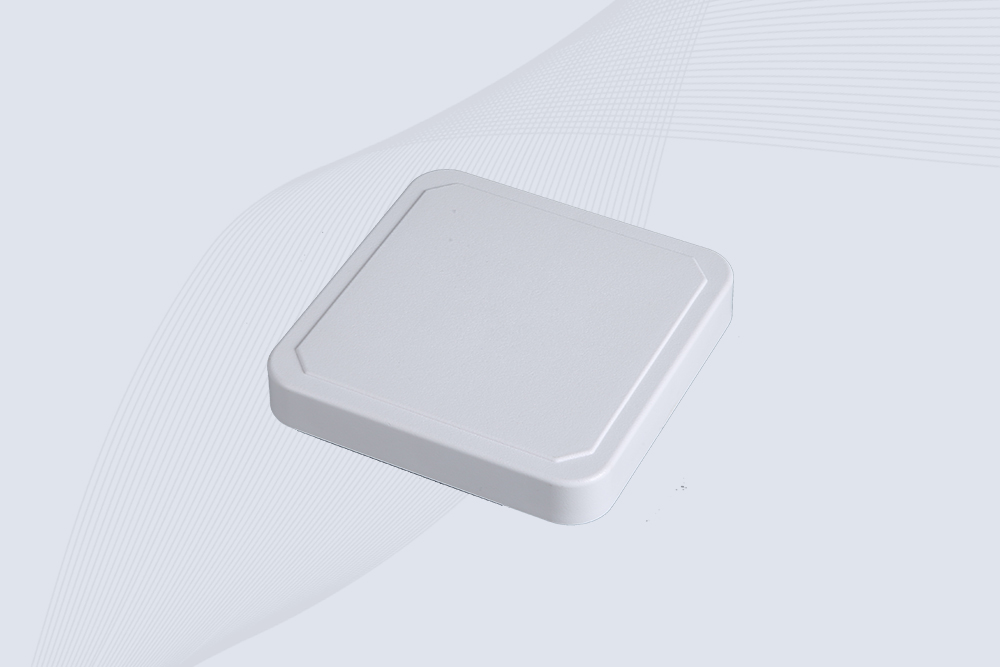
CYKEO Antenna RFID delivers reliable long-range UHF performance in warehouses, retail shelves, and cold-chain environments. This compact uhf rfid antenna provides stable reads with circular polarization and ultra-wide 840–960 MHz support, ideal for industrial tracking, smart shelves, and asset monitoring.
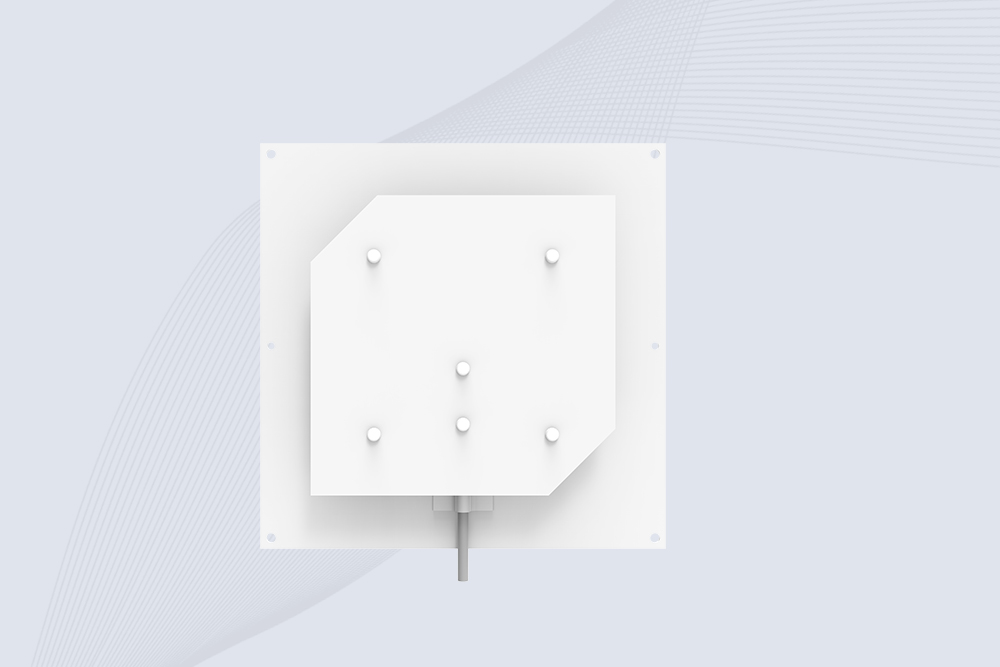
Cykeo’s CYKEO-C8 UHF RFID antennas delivers 8dBi gain, 840-960MHz full-band coverage, and IP65 ruggedness for manufacturing/warehouse RFID systems. Industrial RFID Antennas Features
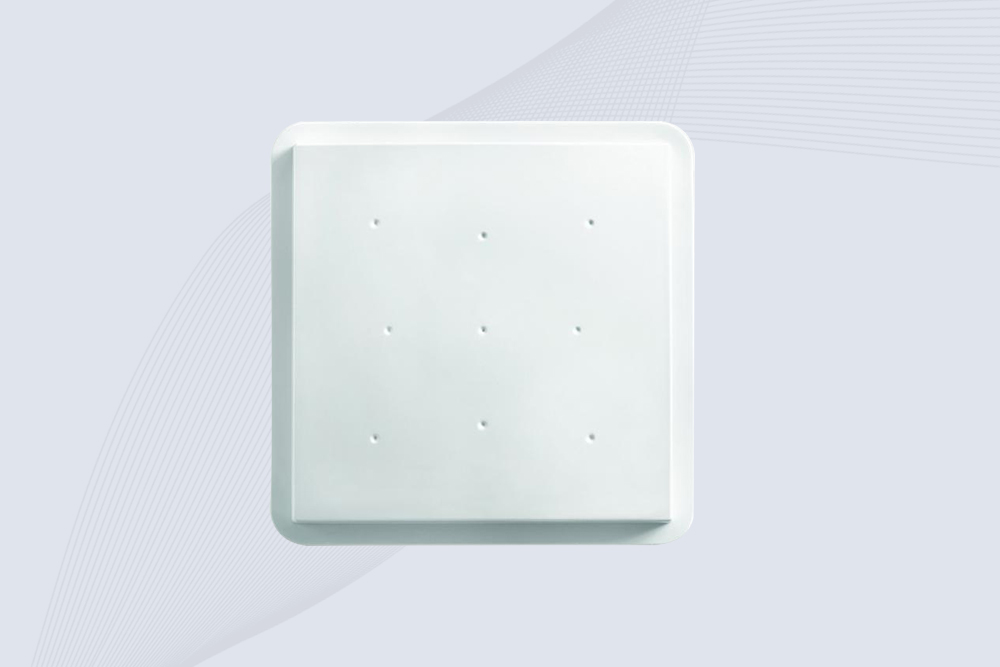
Cykeo’s 8dBi UHF RFID antenna and reader kit delivers 10m+ range, 840-960MHz broadband, and IP65 ruggedness for factories, warehouses, and logistics. ISO 18000-6C & EPC Gen2 certified.
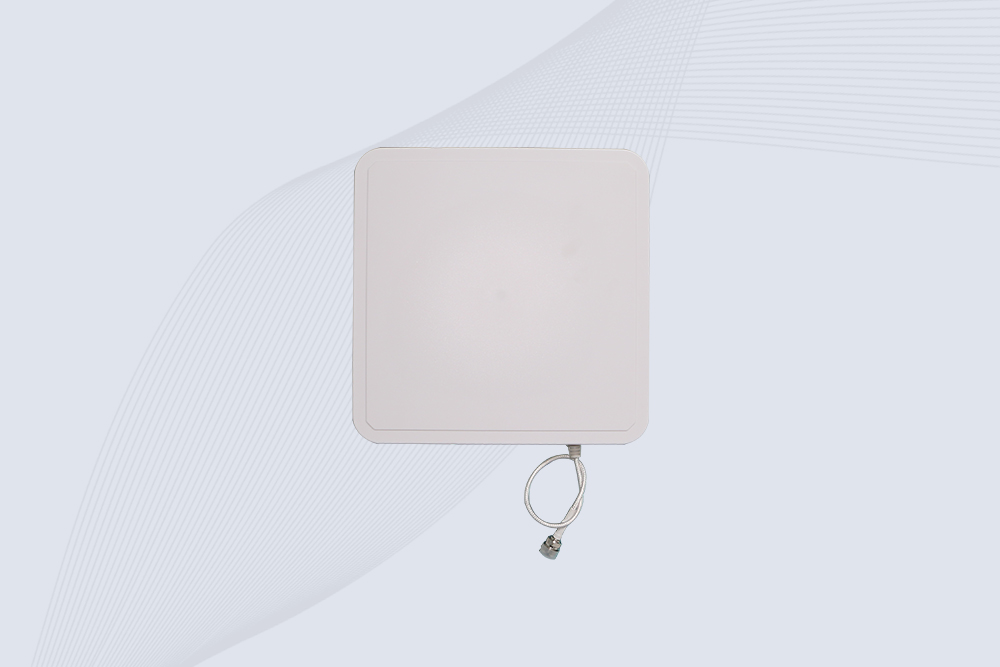
Cykeo CYKEO-A9A industrial UHF RFID reader and antenna kit delivers 10m range, 500 tags/sec, IP65 ruggedness for manufacturing/logistics. Supports EPC Gen2, ISO18000-6C.
Cykeo’s CYKEO-A12C UHF Large RFID Antenna delivers 12dBi gain, 840-960MHz global frequency, IP65 ruggedness for logistics/warehousing/automotive. 40° beamwidth ensures stable 15m+ tag reads.

CYKEO Near Field RFID Antenna provides precise 5–30 cm reading for shelves, cabinets, and workstations. This compact rfid shelf antenna delivers stable short-range performance around metal and clutter, ideal for pharmacies, libraries, and electronics sorting.
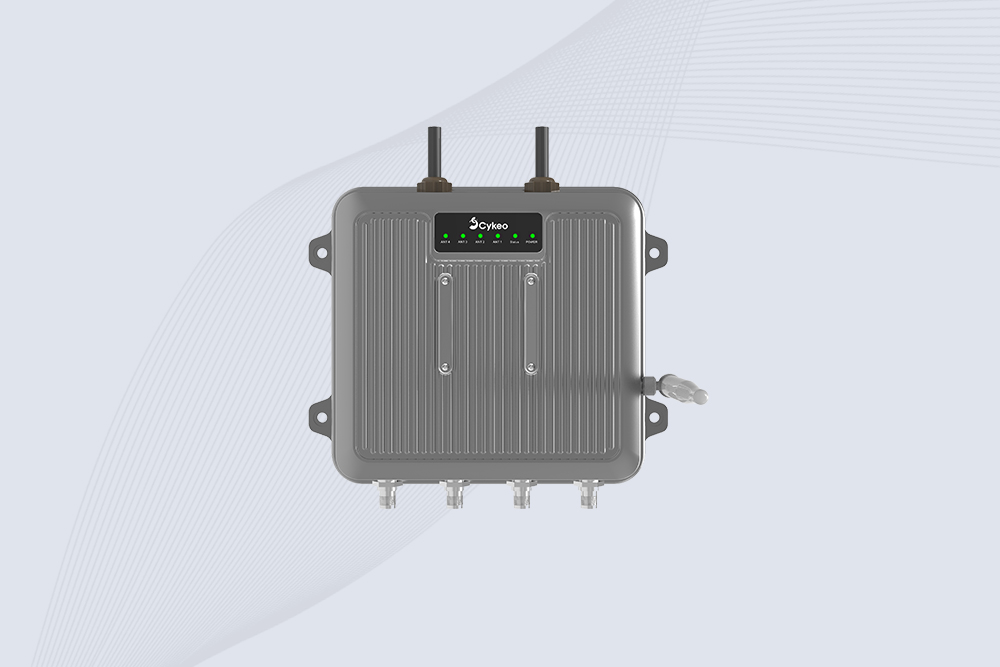
Cykeo CYKEO-C1 industrial Forklift RFID Reader features 20m read range, 600 tags/sec scanning, Impinj R2000 chipset, and IP67 rugged design. Ideal for warehouse logistics and manufacturing. Supports ISO 18000-6C/6B protocols.
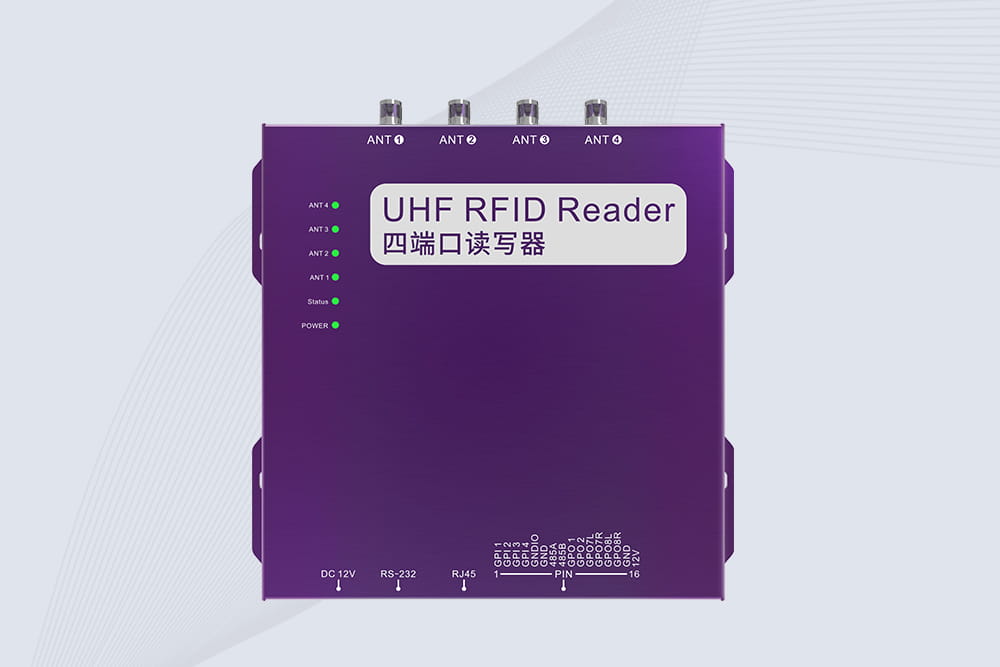
Cykeo CYKEO-R4 industrial UHF RFID Fixed Reader features 4 TNC ports, 400+ tags/sec speed, IP67 housing, and global frequency compliance for vehicle inspection, smart warehouse, and asset management systems.
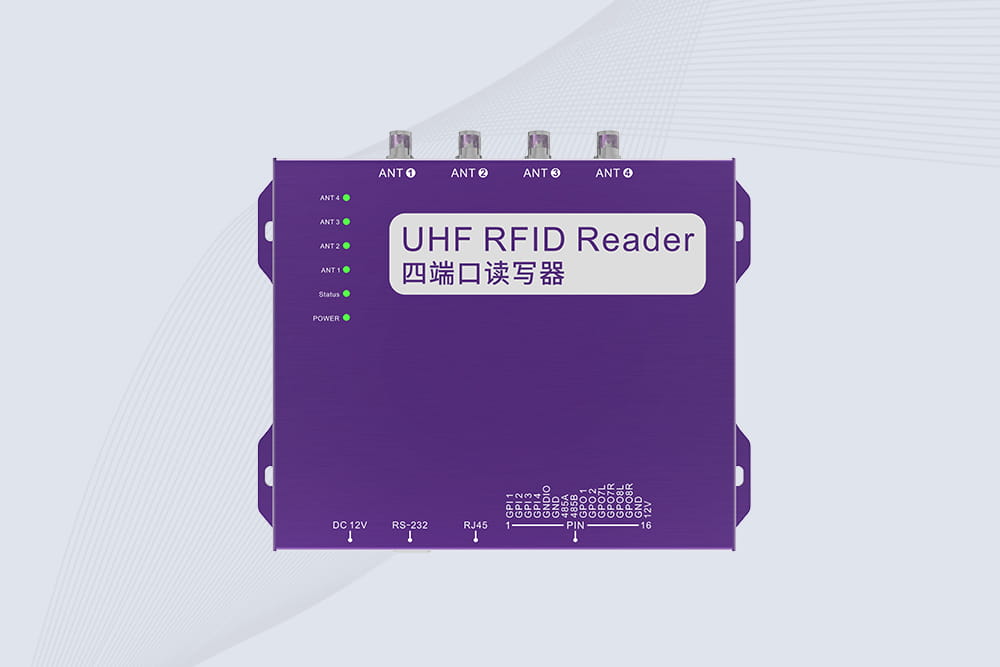
Cykeo’s CYKEO-R4L 4-port Fixed UHF RFID Reader delivers 400 tags/sec scanning, ISO 18000-6C compliance, and IP65 protection. Ideal for warehouse automation, manufacturing WIP tracking, and logistics management.
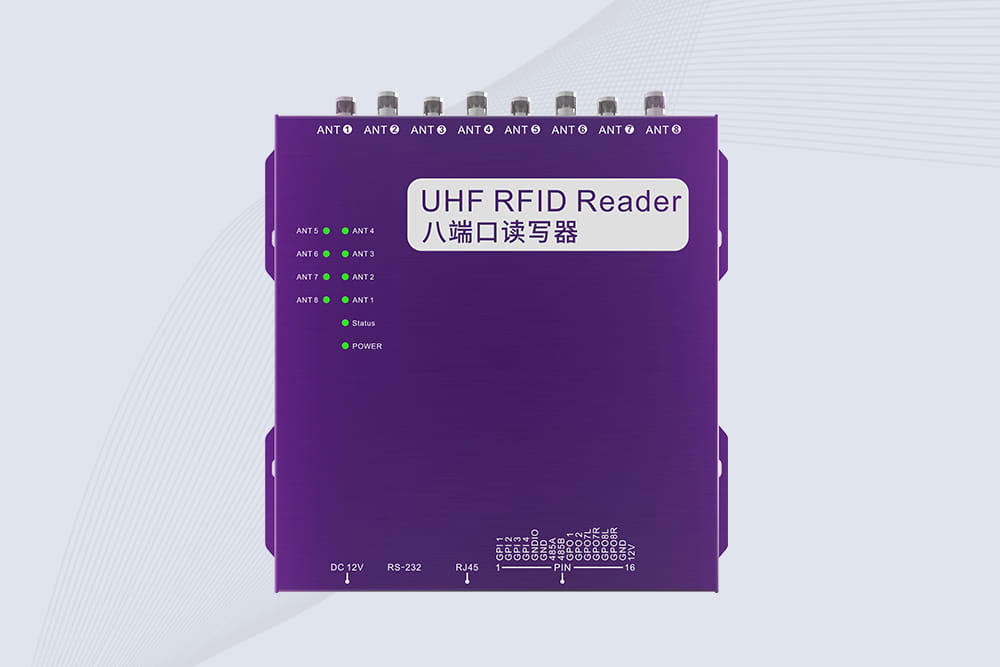
CYKEO CYKEO-R8L Fixed RFID Reader with 8-port UHF design, Impinj-based RF core and up to 20m read range. An industrial Fixed RFID Reader for vehicle inspection, warehouse portals, smart manufacturing lines and secure access checkpoints.
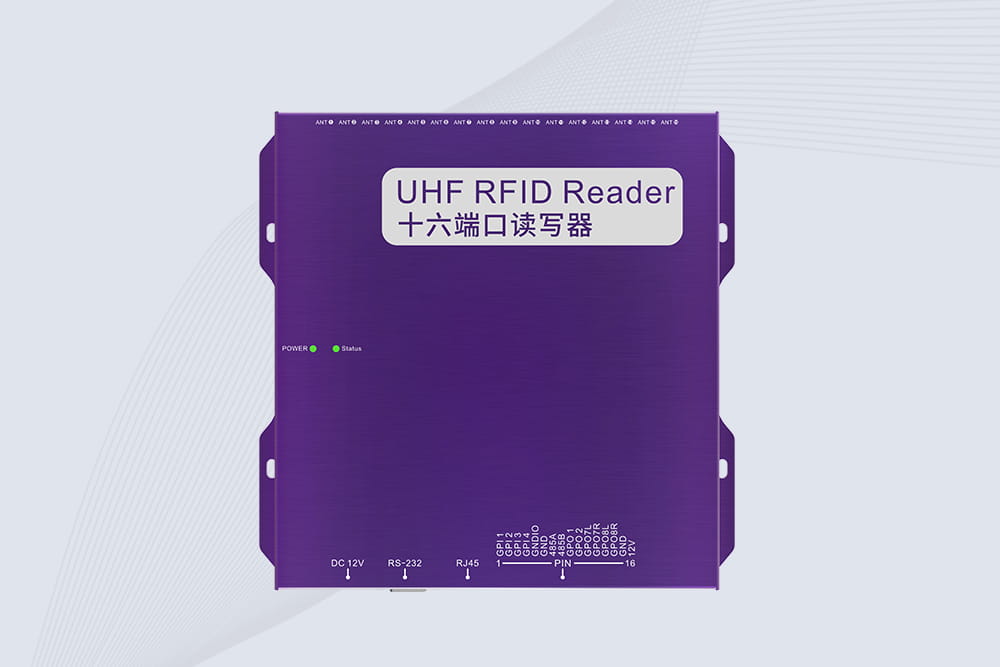
RFID Fixed Reader from CYKEO – the CYKEO-R16L 16-port UHF fixed reader for warehouses, smart cabinets, and production lines. Long-range, multi-tag reading, stable performance for 24/7 industrial use.

Wondering how far a passive RFID tag can be read? We break down real-world ranges for UHF, HF, and LF tags and what factors actually affect the distance.
More
The CYKEO CK-A12 12dBi RFID Antenna delivers long-range UHF performance with stable circular polarization, low VSWR, and rugged IP65 housing. Designed for intelligent parking, access control, logistics, and warehouse automation.
More
Learn how a long range RFID reader for parking system helps reduce congestion, automate vehicle access, and improve parking security for residential, commercial, and industrial facilities.
More
Learn how to safely update firmware on handheld RFID readers like Zebra or Impinj. Follow our detailed guide to avoid errors, improve performance, and enable new features.
More