If you’ve ever been stuck in a long line at a parking gate waiting for the car in front to scan a card or talk to security, you already understand the problem most parking facilities are trying to solve.
Traditional parking access systems slow everything down. During rush hours, vehicles pile up at entrances, security staff get overwhelmed, and drivers become frustrated. That’s why more property managers are now using a long range RFID reader for parking system projects.
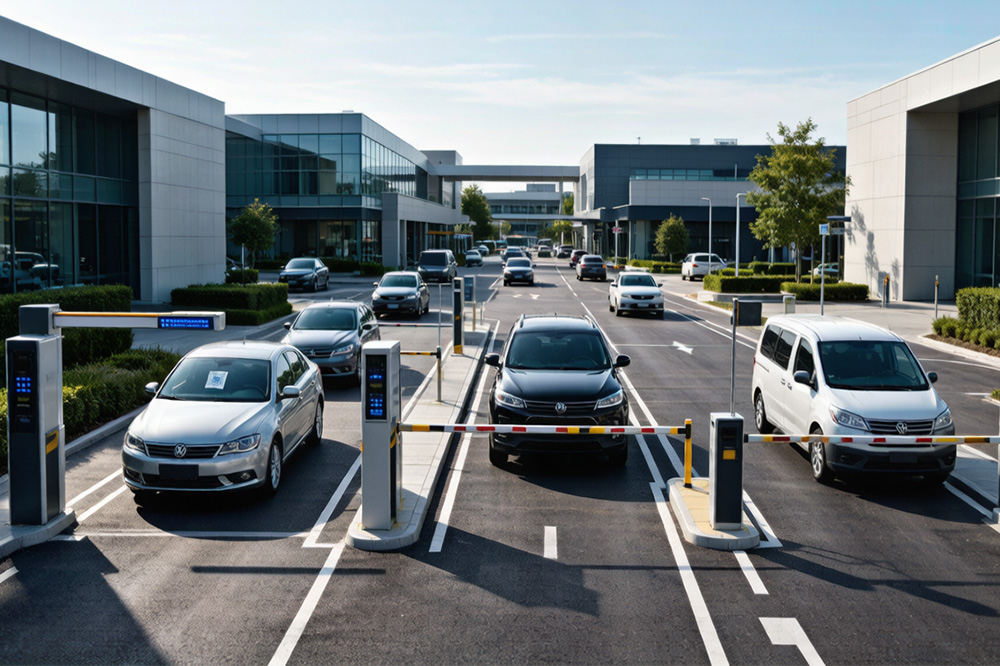
Instead of stopping at the gate, vehicles with RFID tags can be identified automatically while approaching the entrance. The gate opens almost instantly, traffic keeps moving, and the entire process feels much smoother.
For commercial buildings, apartment communities, factories, hospitals, and logistics centers, this kind of upgrade can make a noticeable difference in daily operations.
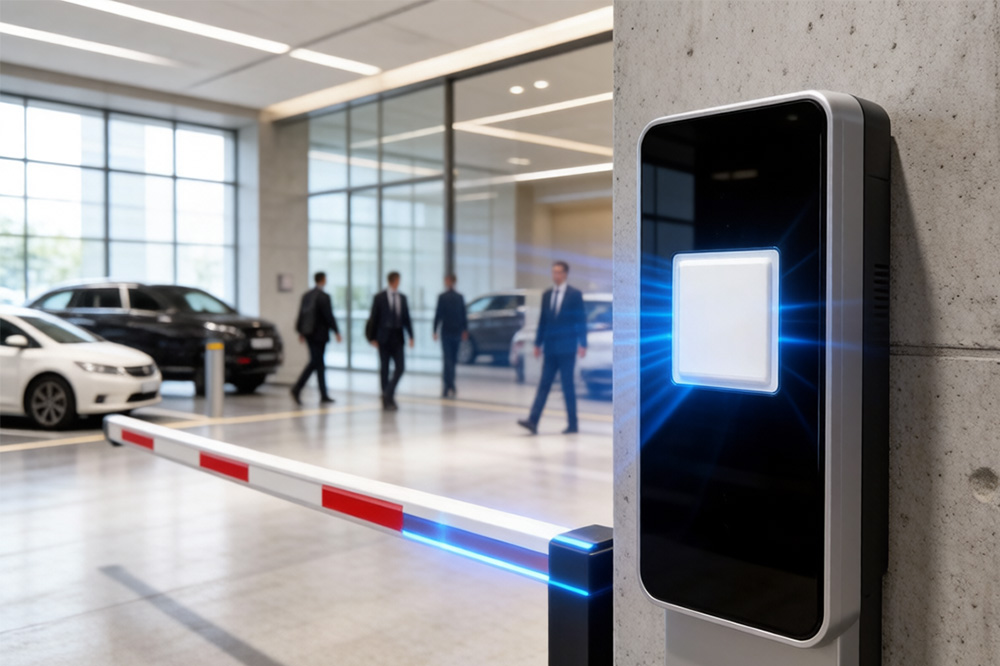
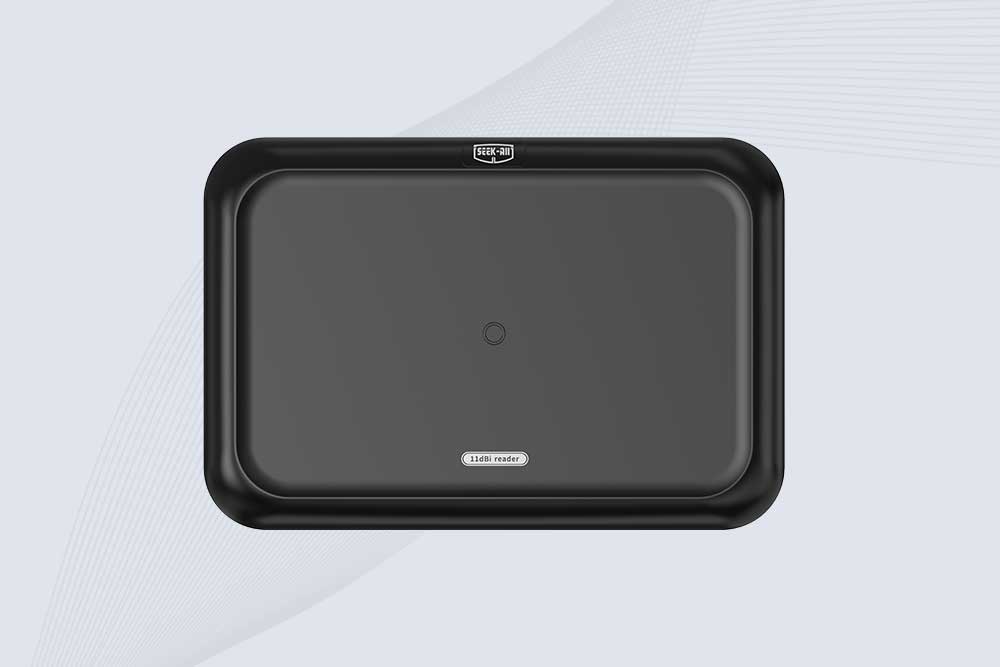
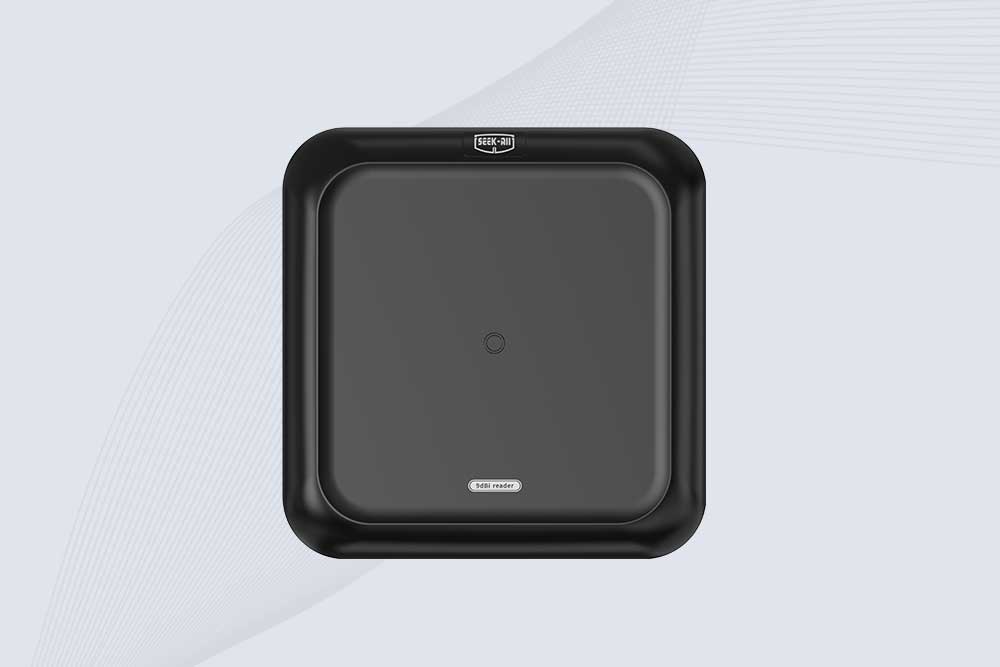
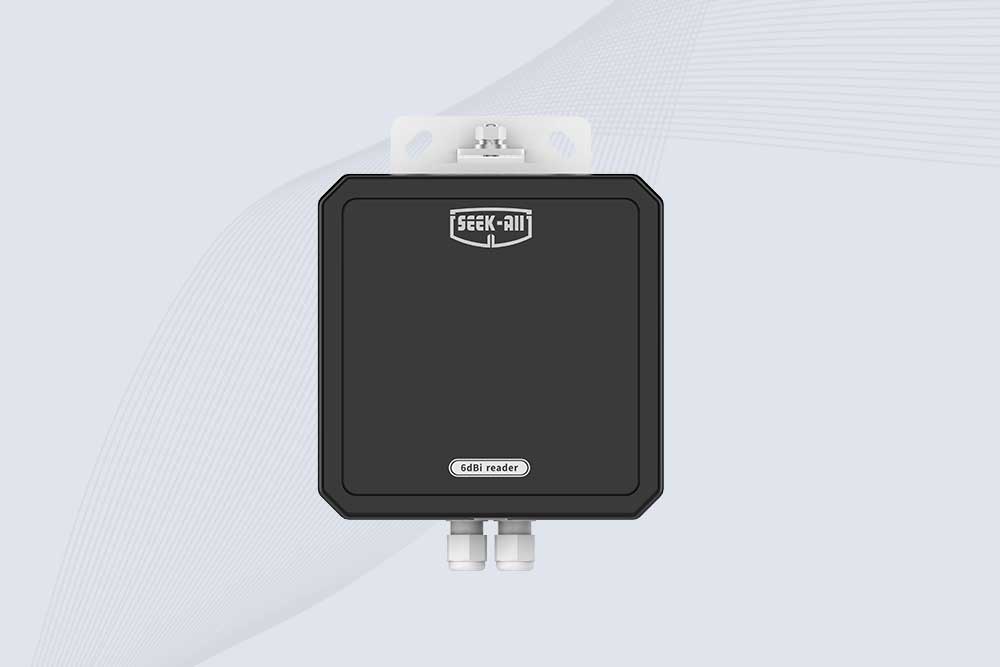
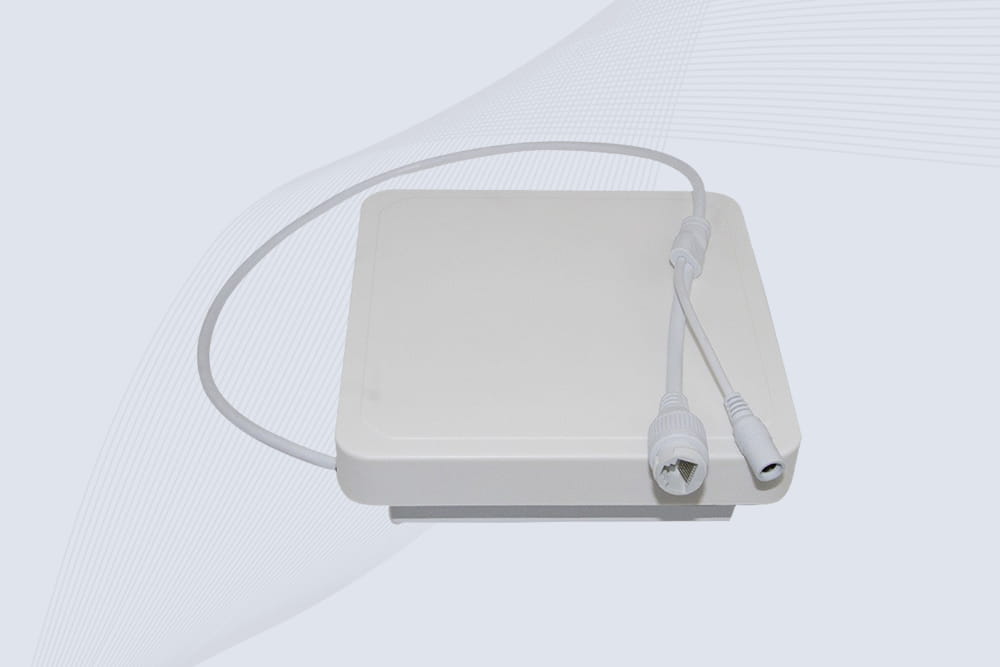
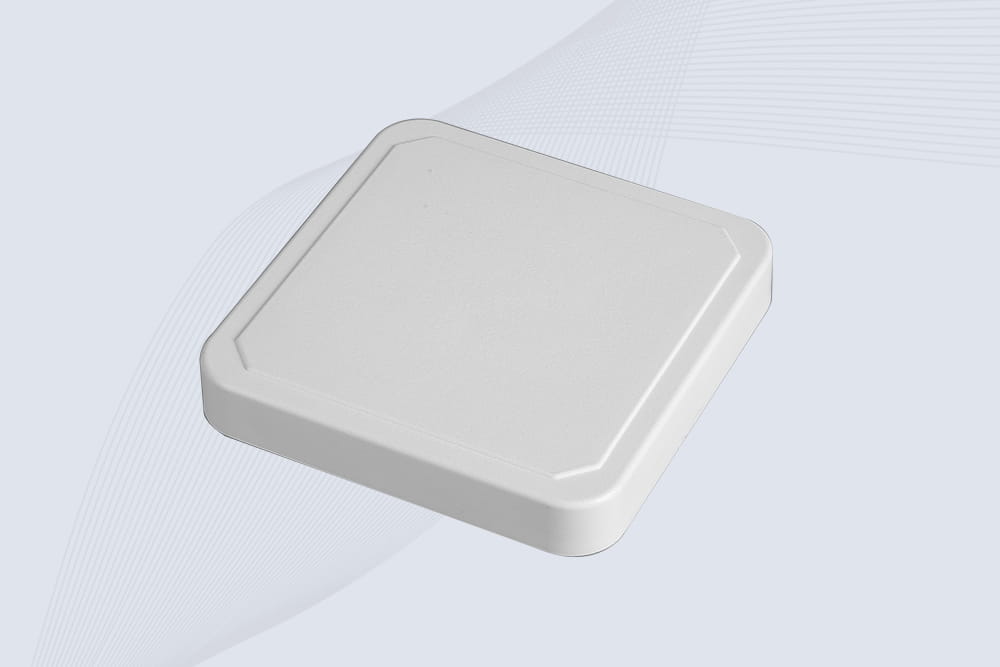
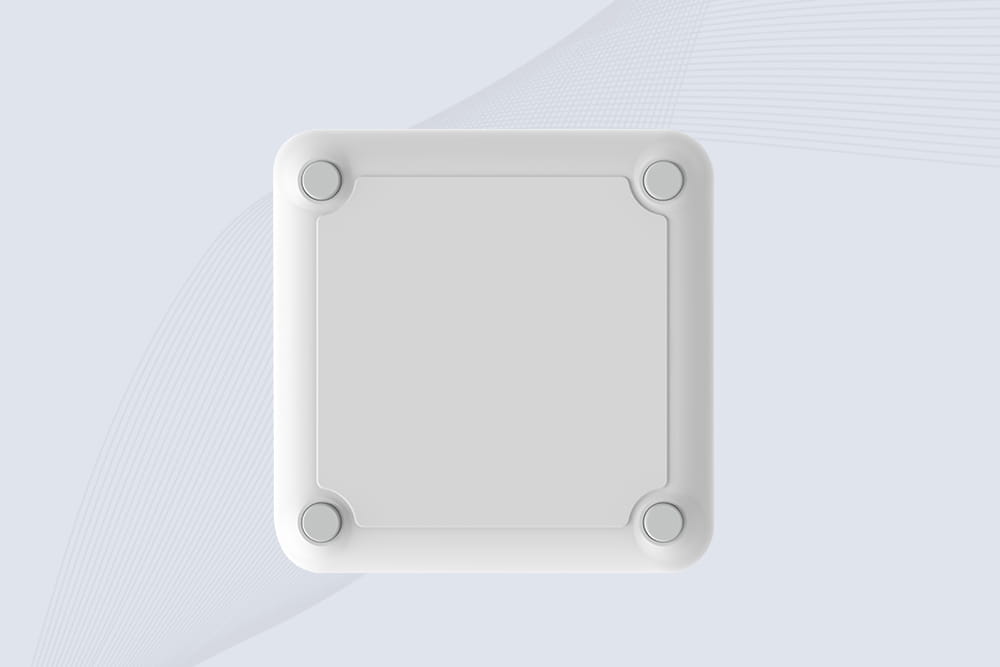
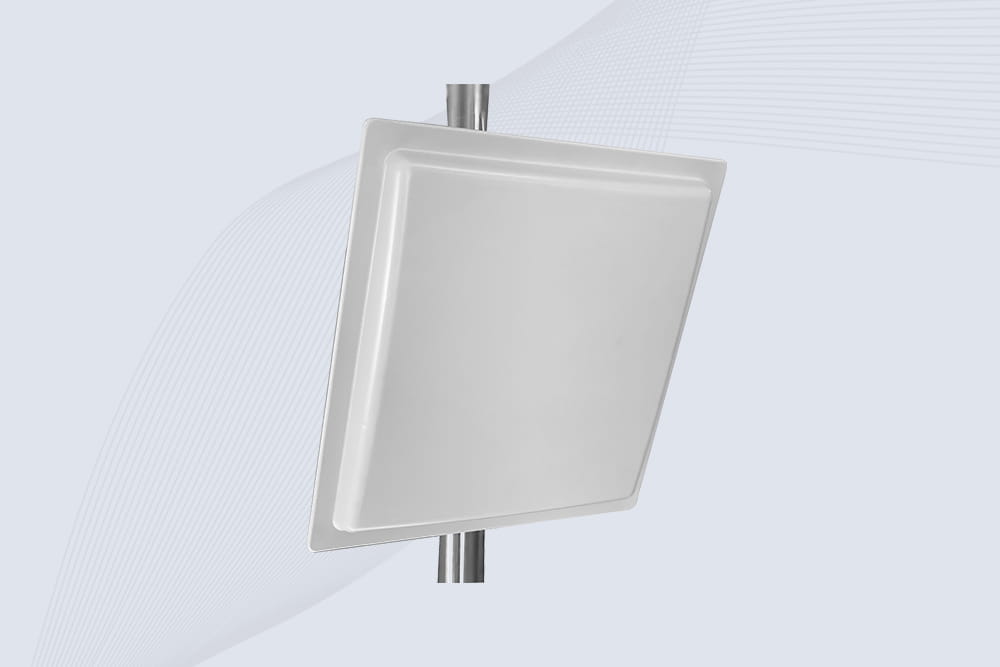
If you’re planning a parking access project, this type of long range RFID reader is commonly used for vehicle identification and automated gate control.
What Is a Long Range RFID Parking System?
A long-range RFID parking system uses RFID readers and vehicle tags to control access automatically.
Usually, the RFID tag is attached to the windshield or placed inside the vehicle. When the car gets close to the gate, the reader detects the tag information from several meters away and checks whether the vehicle is authorized.
If the vehicle has permission to enter, the barrier opens automatically.
The driver doesn’t need to stop, swipe a card, lower the window, or speak with security.
Most systems include:
Long-range RFID reader
RFID windshield tags
Automatic barrier gate
Parking management software
Access control database
Optional camera or license plate recognition system
The entire process normally takes only a few seconds.
Why RFID Parking Systems Are Becoming More Popular
A lot of parking facilities originally relied on security guards, paper permits, or basic card systems. Those methods still work, but they become inefficient once traffic volume increases.
RFID solves many of those everyday problems.
Faster Entry and Exit
This is usually the first thing people notice.
Drivers no longer need to stop at the gate and wait for manual verification. Vehicles move through entrances much faster, especially during morning and evening rush hours.
In residential communities or office buildings where hundreds of cars enter within a short period of time, reducing delays at the gate has a huge impact.
Better Traffic Flow
Long vehicle lines at entrances create unnecessary congestion.
RFID access control helps keep traffic moving continuously because vehicles are identified automatically while approaching the gate.
This becomes especially useful in places like:
Apartment complexes
Corporate campuses
Hospitals
Industrial parks
Logistics facilities
Employee parking lots
Improved Security
RFID parking systems also make vehicle access easier to manage.
Each tag can be linked to a specific vehicle, employee, resident, or authorized visitor. If a vehicle is not registered in the system, access can simply be denied.
Some facilities combine RFID with surveillance cameras or license plate recognition for an extra layer of security.
Lower Operating Costs
Many parking operators eventually realize that too much manual management increases labor costs and creates more opportunities for mistakes.
Automated RFID systems reduce the need for constant supervision at parking entrances while improving overall efficiency.
Common Places Where RFID Parking Systems Are Used
Residential Communities
Apartment buildings and gated neighborhoods often use RFID access systems to allow residents to enter automatically while keeping unauthorized vehicles out.
Residents appreciate not having to stop every time they return home.
Office Buildings
Office parks and corporate campuses use RFID parking systems to manage employee vehicle access and reduce congestion during peak commuting hours.
Hospitals
Hospital entrances can become extremely busy throughout the day.
RFID parking access helps staff vehicles move through entrances more efficiently while maintaining controlled access.
Warehouses and Logistics Centers
Truck traffic at logistics facilities can easily create delays if vehicle access is handled manually.
RFID systems help speed up truck entry and improve traffic management around loading areas.
Industrial Facilities
Factories and restricted industrial sites often use RFID vehicle access control to improve security and monitor vehicle movement more effectively.
Choosing the Right Long Range RFID Reader
Not every RFID reader performs well in parking environments.
Outdoor installations face challenges like weather exposure, vehicle speed, signal interference, and continuous daily operation. That’s why parking systems usually require industrial-grade RFID equipment.
Here are a few things buyers normally pay attention to.
Stable Reading Distance
The reader should detect vehicle tags consistently from the required range without frequent missed reads.
Outdoor Durability
Parking equipment needs to handle rain, heat, dust, sunlight, and changing temperatures.
Multi-Lane Performance
In busy parking areas, the system should still identify vehicles accurately even when multiple cars are nearby.
Easy Software Integration
Most parking projects need the RFID system to work with gate controllers, parking software, and sometimes camera systems.
Compatibility matters.
RFID Parking Systems vs Traditional Parking Access
Compared with older parking access methods, RFID systems are simply more practical for high-traffic environments.
Feature
Traditional Parking Access
RFID Parking System
Vehicle Entry Speed
Slower
Faster
Driver Convenience
Moderate
High
Traffic Congestion
Higher
Lower
Manual Work
More
Less
Security Management
Basic
More Advanced
Scalability
Limited
Better
Final Thoughts
A long range RFID reader for parking system setup is one of the most effective ways to improve vehicle access control without making the process inconvenient for drivers.
Instead of creating bottlenecks at entrances, RFID technology helps vehicles move through parking gates quickly and automatically.
For residential properties, commercial buildings, hospitals, warehouses, and industrial facilities, that means better traffic flow, stronger security, and less day-to-day management pressure.
As more facilities move toward automated access control, RFID parking systems continue to become one of the most practical long-term solutions for modern vehicle management.
SSD-RA06L is an industrial UHF RFID reader with a built-in 6 dBi antenna, 3 m read range, 600+ tags/s, Ethernet, RS232, and optional Wi-Fi, 4G, and PoE.
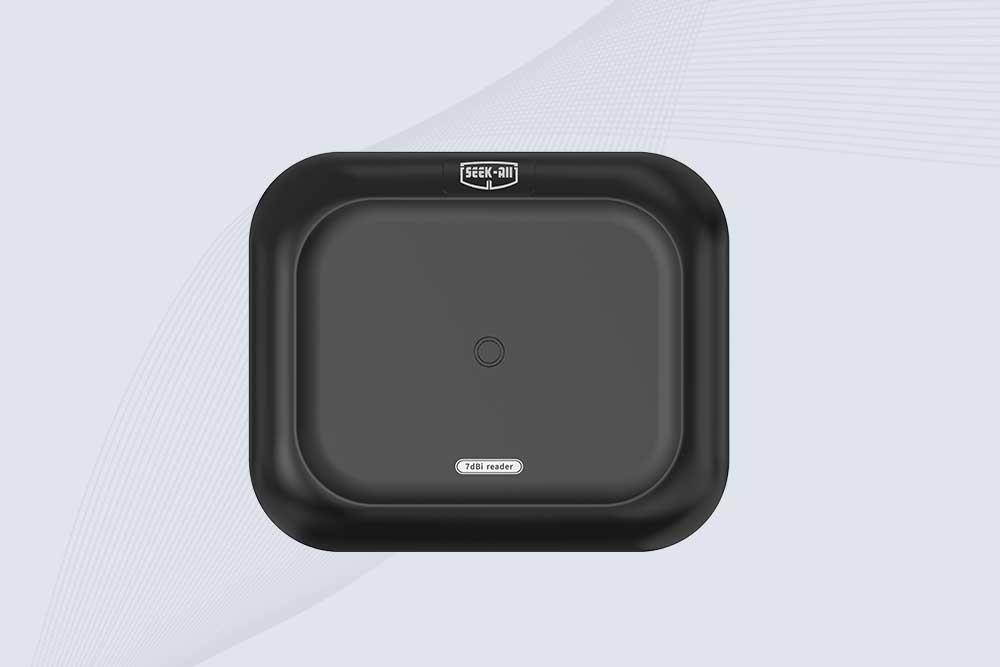
SSD-RA07L industrial UHF RFID reader with integrated 7 dBi antenna, up to 6 m reading distance, over 600 tags/s, Ethernet, RS232, and optional Wi-Fi, 4G, and PoE.
Cykeo’s industrial long range RFID reader delivers 20-meter scanning, 500+ tags/sec speed, and IP67 waterproof design for automated warehouses, logistics, and harsh environment applications.
Cykeo’s CYKEO-RA6L industrial RFID long range reader features 20m read distance, 500 tags/sec speed, and IP67 protection. Ideal for warehouse automation, manufacturing WIP tracking, and smart logistics. Supports ISO 18000-6C/6B protocols.
CYKEO Long Range RFID Tag Reader built for outdoor and industrial operations. This Outdoor RFID Reader delivers 20m read distance, fast tag processing, and IP67 durability for wide-area tracking.
Cykeo CYKEO-RA12L industrial Long Range RFID Reader delivers 20m read range, 200+ tags/sec scanning, and IP67 protection for manufacturing/logistics applications. Supports ISO 18000-6C/GB protocols.
RFID Industry Writer | IoT & Asset Tracking Analyst
James writes about RFID technology, asset tracking, and the practical challenges of digital transformation across warehousing, retail, manufacturing, and logistics.
His work focuses on how RFID is applied in real-world operations—improving inventory visibility, automating workflows, and helping businesses manage assets with greater accuracy and efficiency.
He regularly covers topics including UHF RFID, smart cabinets, RFID portals, tool tracking, warehouse automation, and industrial IoT trends..
Struggling with RFID tags on metal surfaces? Learn how to choose the best RFID cable tags for metal, avoid signal issues, and improve read performance in industrial environments.
Inventory control tag solutions from Cykeo use UHF RFID technology to improve warehouse accuracy, reduce manual counting time, and enable real-time asset visibility.
Learn how RFID scanner inventory systems improve accuracy, cut counting time, and streamline warehouse operations. Real tips on setup, tag placement, and avoiding common mistakes.
 Cykeo RFID IoT Solution Products R&D Manufacturer