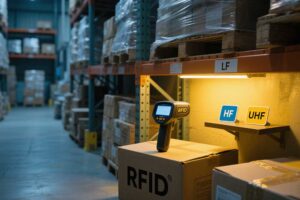
It depends on the RFID technology and tracking architecture. Passive UHF RFID is commonly read across several meters, while active RFID can reach 100 meters or more. Actual tracking distance also depends on tag design, reader power, antenna placement, orientation, materials, interference, and the required read-zone accuracy.
RFID is often described as if a tag has a fixed “range.” In real installations, that is too simplistic.
A warehouse pallet can be identified several meters from a fixed reader. The same tag may become difficult to detect when its orientation changes, when it is surrounded by metal, or when liquid-filled products sit between the tag and antenna.
There is another distinction worth making: RFID reading is not automatically the same as continuous location tracking.
A passive UHF tag usually tells the system that it has been detected by a particular reader or antenna. With multiple readers, antennas, portals, or zones, software can infer where the tagged item is located. Active RFID can support longer-range location systems because the tag has its own battery.
RFID Tracking Range Depends on the RFID Type
The first decision is the RFID frequency and tag architecture.
RFID technology
Typical tracking/read behavior
Typical range
LF RFID
Short-range identification
Up to about 1 m
HF RFID
Near-field identification
Centimeters to around 1 m
Passive UHF / RAIN RFID
Long-range item identification
Several meters
Active RFID
Battery-powered tracking
100 m+ possible
GS1 identifies passive UHF RFID as generally providing read ranges of several meters, with approximately 10 meters commonly achievable and specialized configurations reaching around 15–20 meters. Active RFID can reach 100 meters or more.
That makes passive UHF particularly useful for inventory and logistics, where the objective is often to identify an item as it passes a defined point rather than continuously calculate its coordinates.
Passive UHF RFID Tracking
Passive UHF tags have no battery. They obtain energy from the reader’s RF field and respond through backscatter.
The practical result is a system that can identify large numbers of tagged objects without requiring each tag to contain a power source.
GS1’s UHF RFID guidance places the technology broadly around 860–930 MHz, depending on regional allocation, and identifies several-meter read distances as typical.
For warehouse tracking, that range can be enough to create useful zones:
Receiving area
Put-away zone
Storage aisle
Packing station
Shipping dock
Return processing area
The item does not need GPS. It needs to cross a properly designed RFID detection area.
Tracking Distance Is Not the Same as Maximum Read Distance
This is where many RFID projects become unnecessarily complicated.
Suppose an antenna can detect a pallet at 12 meters.
That sounds impressive.
But if the pallet is supposed to be registered only when it passes through a shipping doorway, detecting it while it is still 8 meters inside the warehouse can create premature events.
For that application, a controlled 4–6 meter detection zone may be more useful than a theoretical 12-meter range.
GS1 explains that antenna directivity, gain, polarization and tag orientation affect the readable volume.
In practical RFID tracking, the shape of the read zone matters as much as its maximum distance.
What Determines How Far RFID Can Be Tracked?
1. Reader transmit power
More RF power can increase the energy available to a passive tag, but increasing power does not automatically produce proportionally greater tracking distance.
Reader performance must be considered together with antenna gain, cable loss, tag sensitivity and local regulations.
For example, the Impinj R700 specification lists up to 33 dBm transmit power and receive sensitivity down to −92 dBm in its published specifications.
These figures describe reader capability, not guaranteed field range.
2. RFID antenna design
RFID Antenna selection determines how the RF field is distributed.
A directional antenna is useful when a warehouse needs a defined passage zone. A broader pattern can be preferable when several directions must be covered.
Polarization also matters. If tagged products arrive with inconsistent orientation, a poorly selected antenna configuration can create missed reads even when the nominal distance looks adequate.
3. Tag sensitivity and antenna
The tag is not simply a passive serial number.
Its antenna and RFID IC determine how effectively it receives energy and returns its response.
RAIN RFID system-design guidance identifies tag sensitivity, backscatter, orientation, interference, reflection, absorption, radiated power and antenna propagation among the variables that affect system performance.
This is why a tag that performs well on a cardboard carton may behave very differently when attached to a metal tool, liquid container or densely packed product.
4. The surrounding material
Metal and liquids deserve particular attention.
Metal can reflect RF energy and influence the electrical behavior of the tag antenna. Liquids can absorb RF energy. Dense product stacks can also create shielding and multipath effects.
For engineering validation, testing a loose RFID label on a workbench is therefore not enough.
The actual product should be tagged.
Then test it in the actual orientation.
Then test it while moving.
That sequence usually reveals more than another round of theoretical range calculations.
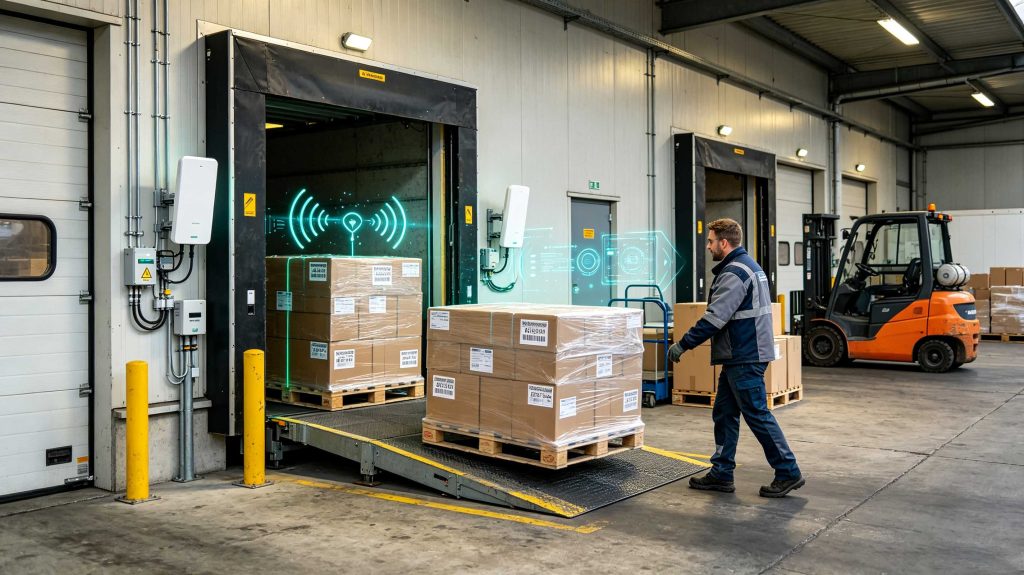
A fixed UHF RFID system can establish controlled tracking zones across receiving, storage, and shipping areas.
How Far Can Active RFID Be Tracked?
Active RFID changes the range equation because the tag contains its own power source.
Instead of relying entirely on the RF energy supplied by a reader, an active tag can transmit over substantially greater distances. GS1 states that active RFID can reach 100 meters or more, depending on system design.
This makes active RFID appropriate for applications such as:
Large equipment tracking
Yard and facility asset visibility
High-value mobile assets
Long-range location monitoring
Real-time asset location systems
The trade-off is straightforward: active tags require a battery and introduce additional tag-management considerations.
For item-level retail and warehouse inventory, passive UHF is often more practical.
For continuous location over a large facility, active RFID may be the better architectural choice.
RFID Tracking: Read Point or Continuous Location?
There are two very different ways to interpret “tracking.”
Read-point tracking records where an item was detected.
For example:
Receiving → Storage → Packing → Shipping
Each reader creates a location event.
Real-time location tracking, by contrast, attempts to determine the item’s current position continuously or at frequent intervals. That normally requires a different infrastructure, such as active RFID, multiple readers, location algorithms, or other positioning technologies.
This distinction should be settled before selecting hardware.
A business that only needs to know whether a pallet entered the shipping area does not necessarily need a real-time location system.
Cykeo Engineering View: Design the Zone, Not Just the Distance
At Cykeo, RFID tracking should be evaluated around the physical movement of the asset.
For a warehouse entrance, the important question is not:
“Can the reader reach 15 meters?”
It is:
“Can the system reliably identify the correct tagged pallet when it crosses this doorway, while avoiding pallets still inside the rack?”
That changes the engineering work.
A practical test should examine:
Actual tag and product combination
Reader output power
Antenna gain and polarization
Mounting height and angle
Tag orientation
Product density
Metal and liquid exposure
Reader-to-reader interference
Movement speed
Required detection boundary
False-read and missed-read behavior
This approach also makes the system easier to maintain. When the physical tracking zone corresponds to a real business process, the software events are easier to interpret.
RFID tracking can automatically create location events as tagged pallets pass through a controlled shipping zone.
Key Takeaways for RFID Tracking Design
Passive UHF: typically several meters, with around 10 meters commonly achievable in suitable conditions.
Specialized passive systems: can reach approximately 15–20 meters in favorable configurations.
Active RFID: can reach 100 meters or more.
Reader power alone: does not determine tracking distance.
Antenna geometry: determines where tags can actually be detected.
Tag construction: strongly affects performance on real products.
Tracking accuracy: often depends more on read-zone control than maximum range.
For most warehouse and logistics deployments, how far can rfid be tracked is therefore best answered by looking at the complete RFID system—not the tag alone. A well-designed passive UHF installation can provide several-meter coverage, while active RFID extends tracking considerably farther when battery-powered location visibility is required.
How Far Can RFID Be Tracked in a Real Deployment?
The practical answer depends on what “tracked” means. RFID does not normally transmit GPS-style coordinates from a passive tag. A reader detects the tag when it enters the reader’s interrogation zone, and software can then associate that read with a known doorway, shelf, workstation, conveyor, or other location.
For passive UHF RFID, GS1 states that the typical read range is up to about 10 meters, while other installations can extend or reduce that distance according to antenna design, tag orientation, reader performance, and surrounding materials. GS1 also notes that specially configured UHF systems can reach 15 meters, with some high-sensitivity phased-array systems reaching 20 meters under specific conditions.
That distinction matters on a warehouse floor.
A reader mounted above a dock door does not need to “track” a pallet across the building. It needs to reliably identify the pallet at the moment it passes through the defined read zone. The location is inferred from the reader, antenna, time, and event logic.
RFID Tracking Range Depends on the Read Zone
In field installations, the antenna pattern is often more important than the headline distance.
Deployment factor
Effect on RFID tracking
Reader output power
Determines available RF energy
Antenna gain and direction
Shapes the interrogation zone
Tag antenna orientation
Strongly affects coupling
Metal surfaces
Can detune or reflect RF energy
Water-rich materials
Can absorb UHF energy
Reader sensitivity
Affects weak-tag detection
Tag construction
Determines RF performance
Reader placement
Controls where an event is registered
GS1 specifically identifies antenna directivity, gain, polarization, and tag orientation as important variables affecting the RFID read volume.
This is where deployment experience becomes more useful than a maximum-range number.
A pallet stacked with cartons may read cleanly from one direction and become inconsistent when the tagged item is rotated 90 degrees. A metal cage can create another problem: the tag is technically within range, but the RF environment around it is no longer the same as the open test area.
Passive UHF RFID: The Practical Tracking Choice
Passive UHF RFID is widely used for item identification, inventory, logistics, and asset tracking because tags can be read without direct line of sight. GS1 identifies UHF passive RFID, also called RAIN RFID, as one of the most broadly implemented RFID technologies in industry.
The current EPC Gen2 family operates in the UHF range. GS1’s Gen2 air-interface specification defines operation around 860–930 MHz, while regional regulations determine the usable frequencies and permitted transmission levels.
For a tracking project, the better engineering question is therefore not:
“How many meters can the tag reach?”
It is:
“Where must the system recognize the tag, and where must it not recognize it?”
That second question is often harder.
How Cykeo Can Control RFID Tracking Zones
Cykeo RFID systems can be configured around controlled identification points rather than treating RFID as an unrestricted radio beacon.
A typical architecture can include:
UHF RFID tags attached to garments, cartons, pallets, tools, books, or assets
Fixed RFID readers positioned at controlled detection points
Directional antennas designed around the required coverage area
Infrared triggering where the application requires controlled reading
Ethernet communication for connection with management software
Data filtering and anti-collision processing to separate useful tag events
Audible and visual alarms for security-gate applications
Application software for event records, inventory status, and movement history
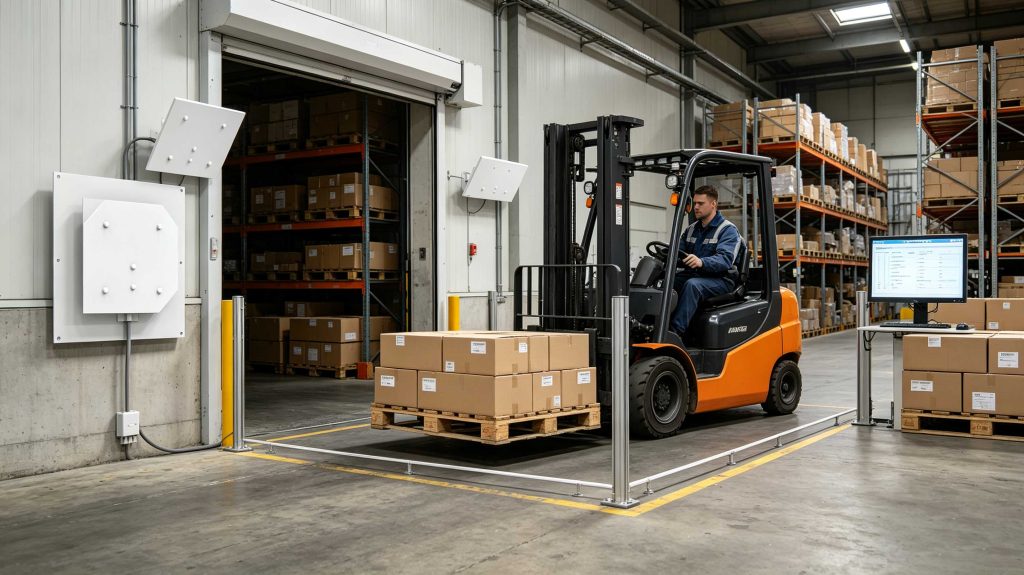
For example, a retail exit gate can be designed so that the reader captures tagged merchandise only when a customer enters the defined passage. A warehouse dock can use a similar principle, but with a wider zone designed around pallets and forklifts.
The objective is controlled detection—not maximum RF propagation.
GS1’s architecture documentation describes RFID readers as transmitting commands and energy to passive tags, while the tags respond by backscattering information to the reader.
A controlled RFID read zone captures pallet movement as tagged goods pass through the warehouse dock.
RFID Tracking Applications
The same principle can be adapted to several environments.
Warehouse and Logistics
RFID readers can register:
Receiving events
Dock-to-stock movement
Pallet transfers
Shipping confirmation
Returnable container movement
Asset movement between zones
GS1 notes that RAIN RFID can capture unique EPC identifiers at high rates and at distances exceeding 10 meters in appropriate implementations, supporting supply-chain visibility without requiring direct line-of-sight contact.
Retail and Apparel
Retail RFID often uses item-level tagging. Instead of scanning individual barcodes one by one, a reader can inventory multiple tagged products within its interrogation zone.
This is particularly useful for:
Self-checkout
Stockroom inventory
Smart shelves
Loss-prevention gates
Store-to-store transfers
For Cykeo self-service retail applications, controlled read-range design is important because merchandise outside the checkout area should not accidentally become part of the transaction.
Libraries and Institutional Assets
RFID can identify multiple tagged books or assets as they pass through a defined gate. A security gate can combine RFID identification with infrared triggering, people counting, and audible/visual alarms.
This approach is less about long-distance tracking and more about knowing exactly when an item crosses a defined boundary.
A UHF RFID self-checkout station identifies multiple tagged garments simultaneously before payment.
FAQ: How Far Can RFID Be Tracked?
1. Can passive RFID be tracked from 100 meters away?
Normally, no. Passive RFID does not continuously broadcast its location. GS1 describes typical passive UHF read ranges as up to around 10 meters, with longer distances possible in specialized installations.
2. Does a longer RFID range always mean better tracking?
No. Excessive range can create unwanted reads. In retail exits, libraries, and warehouse lanes, a precisely shaped read zone can be more valuable than maximum distance.
3. What is the typical UHF RFID tracking distance?
For passive UHF RFID, approximately 10 meters is a useful general reference. GS1 also documents special cases reaching 15 meters and, with particular equipment, up to 20 meters.
4. Can RFID track an item continuously?
Passive RFID generally identifies an item when it enters a reader’s interrogation zone. Continuous location tracking requires multiple readers, carefully positioned detection points, or an RTLS architecture.
5. Does metal reduce RFID tracking range?
It can. Metal may reflect, shield, or alter the RF field, while liquids and other absorbing materials can also reduce performance. GS1 specifically notes that absorbing or shielding materials can substantially change read distance.
6. Can one RFID reader identify multiple tags?
Yes. UHF EPC Gen2 systems are designed for inventorying multiple tags. This is one reason RAIN RFID is widely used for apparel, logistics, inventory, and asset identification.
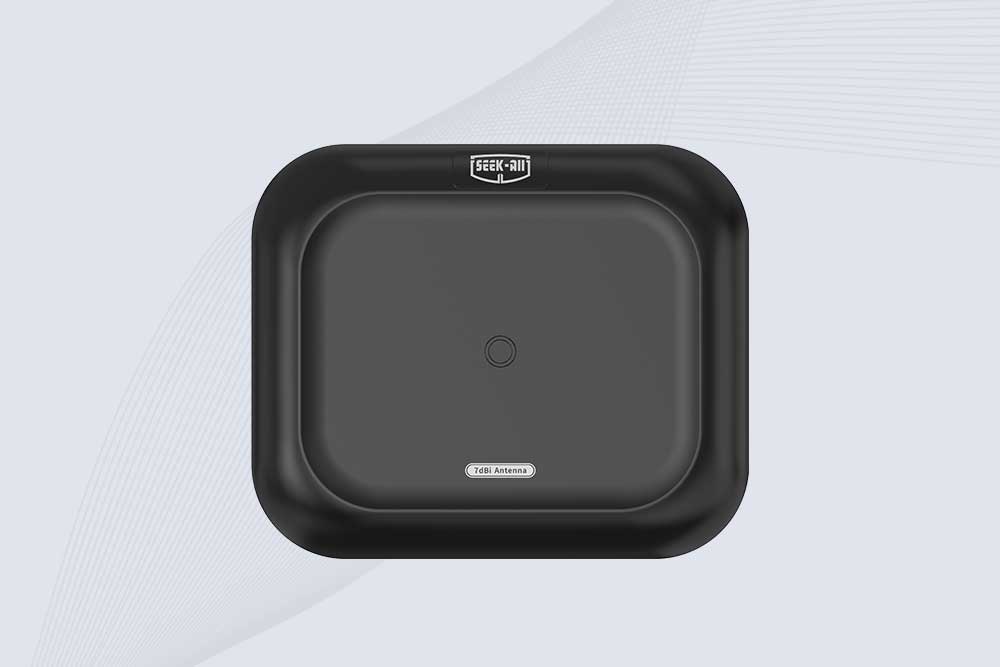
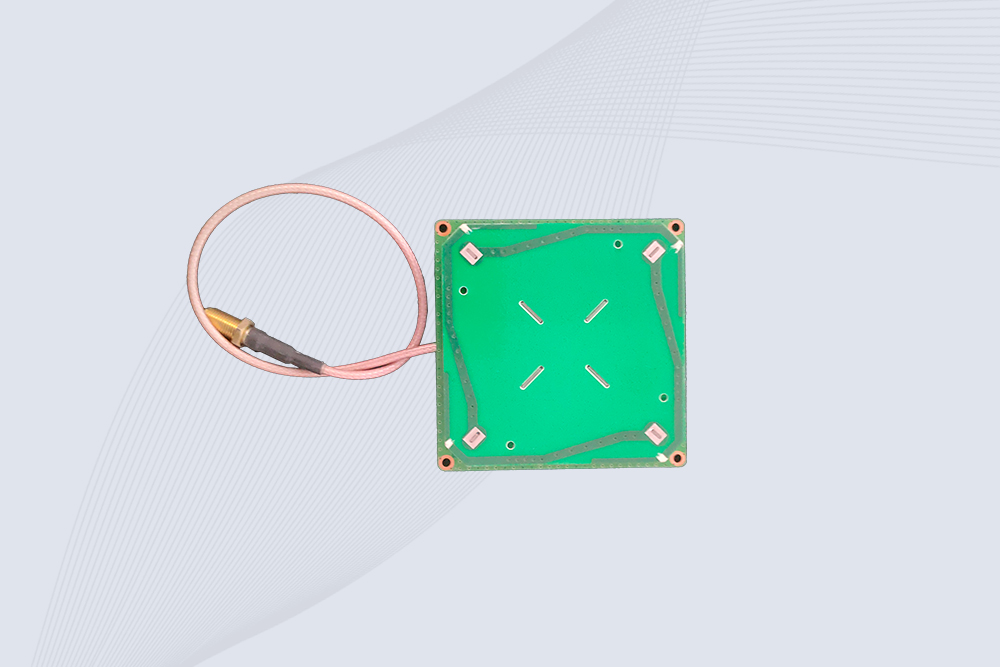
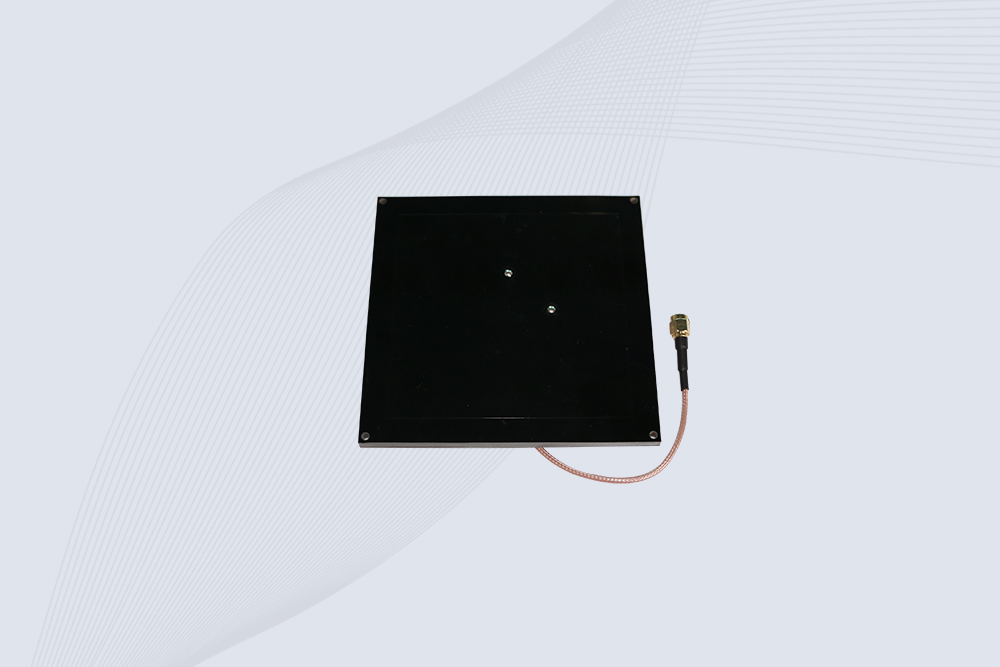
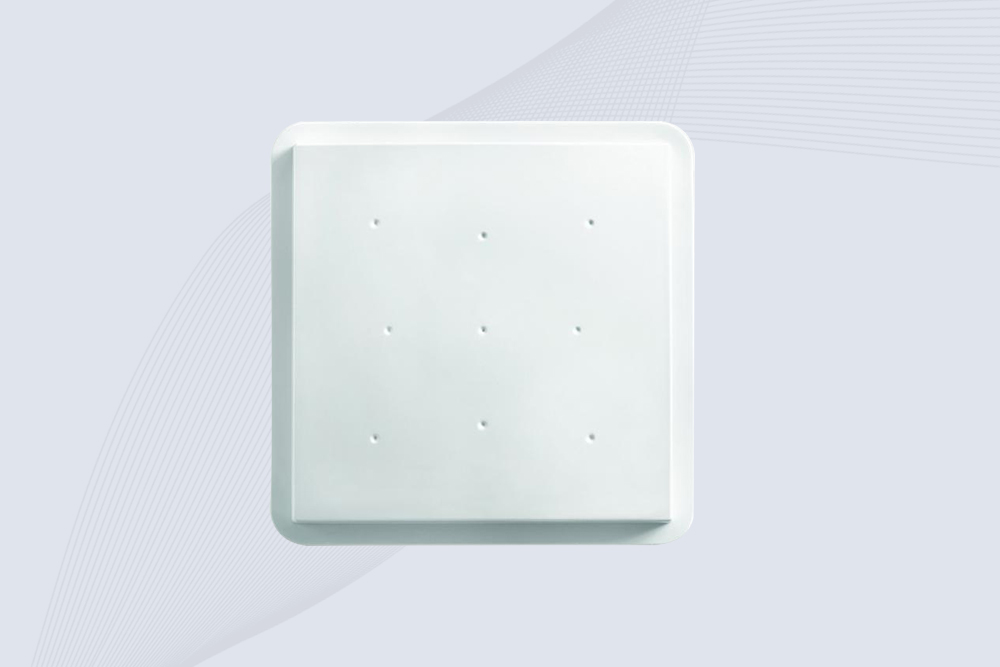
Explore the SSD-A07 UHF RFID antenna with 7 dBi gain, circular polarization, adjustable 840–960 MHz frequency, and 60°/75° beamwidth for stable RFID read/write performance.
SSD-A06 UHF RFID antenna with circular polarization, adjustable 840–960 MHz frequency, ≥4.5 dBi gain, and a compact directional design for RFID systems.
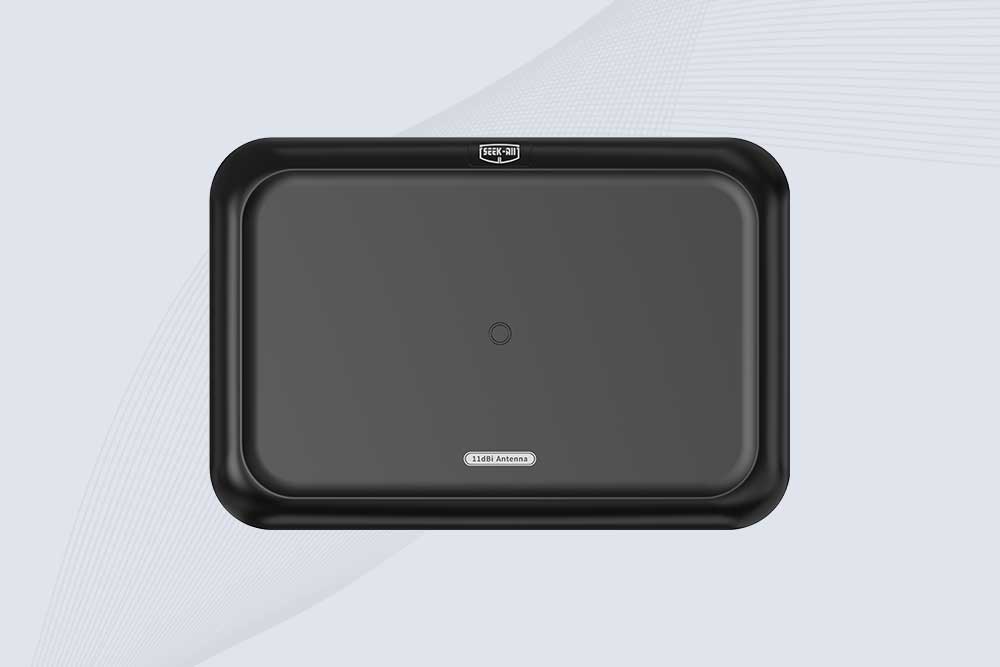
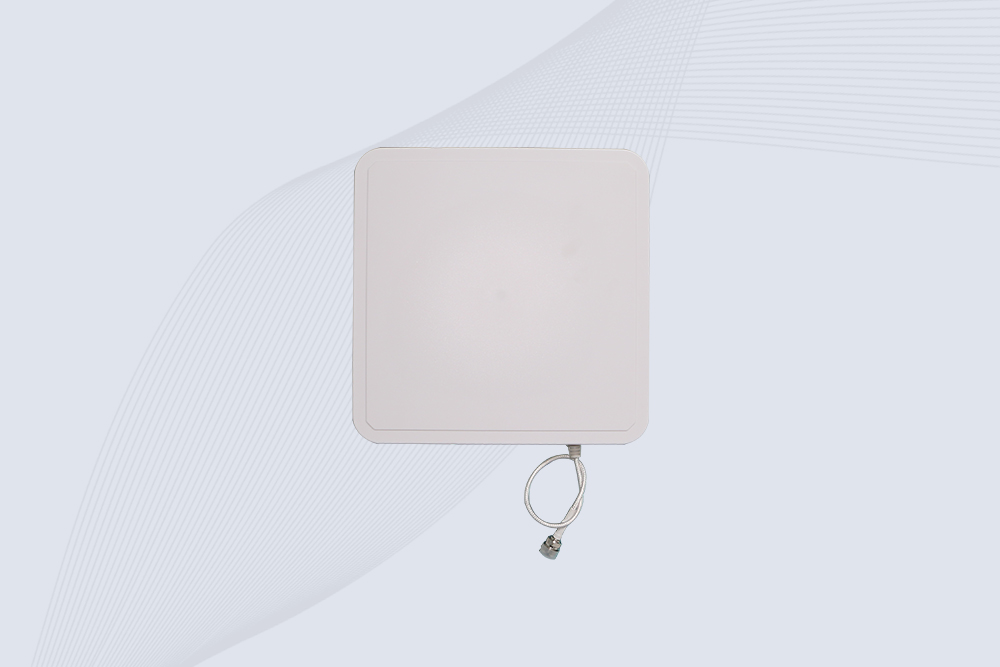
Cykeo CYKEO-A11 UHF RFID reader antenna delivers 11dBi gain, 840-960MHz frequency range, and IP65 ruggedness for retail, logistics, and industrial RFID systems. Features low VSWR and easy installation.
CYKEO Antenna RFID Reader delivers stable long-range UHF performance with a 10.5dBi directional design, built for warehouses, conveyor portals, and industrial RFID systems. This rfid reader antenna provides 20m+ read distance and rugged IP67 protection.
Cykeo CYKEO-A5B industrial Linear RFID Antenna delivers 5dBi gain, ≤1.5:1 VSWR, and IP65 rugged design for warehouse, production line, and logistics UHF systems.
Cykeo’s CYKEO-B12 Long Range RFID Antenna delivers 15m+ read range with 12dBi gain, IP65 rugged design, and global 840-960MHz UHF support. Ideal for warehouse/logistics asset tracking.
Cykeo CYKEO-B10 Long Distance RFID Antenna offers 10dBi gain, 840-960MHz frequency range, IP65 rating, and 20m+ coverage for logistics/warehousing/ETC systems. Low VSWR ensures stable signal transmission.
Cykeo CYKEO-A6 UHF RFID panel antenna features 6dBi gain, 840-960MHz broadband, IP65 metal-ready housing for logistics/smart retail. 18mm ultra-thin design with tool-free mounting.
Cykeo CK-A3 industrial antenna RFID UHF offers 5m+ tag detection, ≤1.3:1 VSWR, IP65 rugged design, and global UHF spectrum compatibility (840-960MHz) for warehouses, factories, and retail.
Cykeo CYKEO-B5 directional RFID antenna provides 5dBi gain with 60° narrow beamwidth for precise inventory tracking. IP65-rated, global UHF frequency support, and low VSWR.
Create your own high-performance DIY RFID antenna! 5dBi gain, 840-960MHz tunable, step-by-step guides. Compatible with Arduino, Raspberry Pi, and commercial UHF readers.
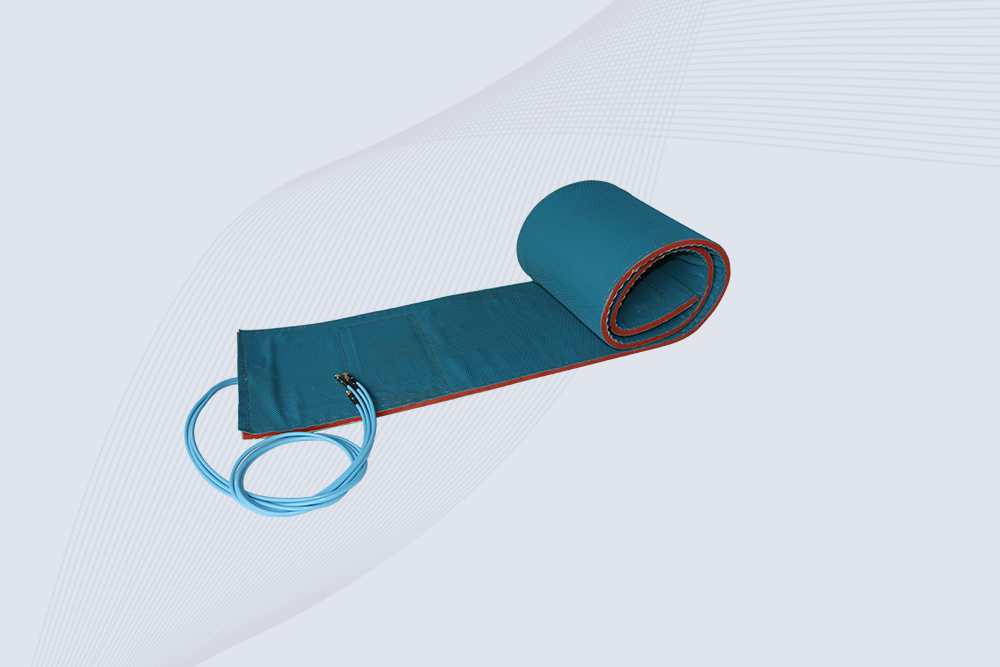
Cykeo CYKEO-A7 Flexible RFID Antenna features 840-960MHz wideband tuning, 7dBi gain, and IP68 rating for medical/retail/industrial curved surface deployments. 98% read accuracy with peel-and-stick installation.
Cykeo CYKEO-B5A industrial Passive RFID Antenna delivers 5dBi gain, 70° beamwidth, and -40°C~55°C operation for warehouses/smart cabinets. Compatible with Zebra/Impinj readers.
Cykeo’s CYKEO-A9B High Gain RFID Antenna delivers 15m+ read range with 9dBi amplification. Features IP54 rugged design, 840-960MHz bandwidth, and 80° beamwidth for warehouse/manufacturing RFID systems.
Cykeo’s enterprise-grade 8dbi Impinj RFID Antenna 10m+ read range with 840-960MHz tuning. Features IP65 housing, 1.4 VSWR, 35° beamwidth for retail/warehouse RFID systems.
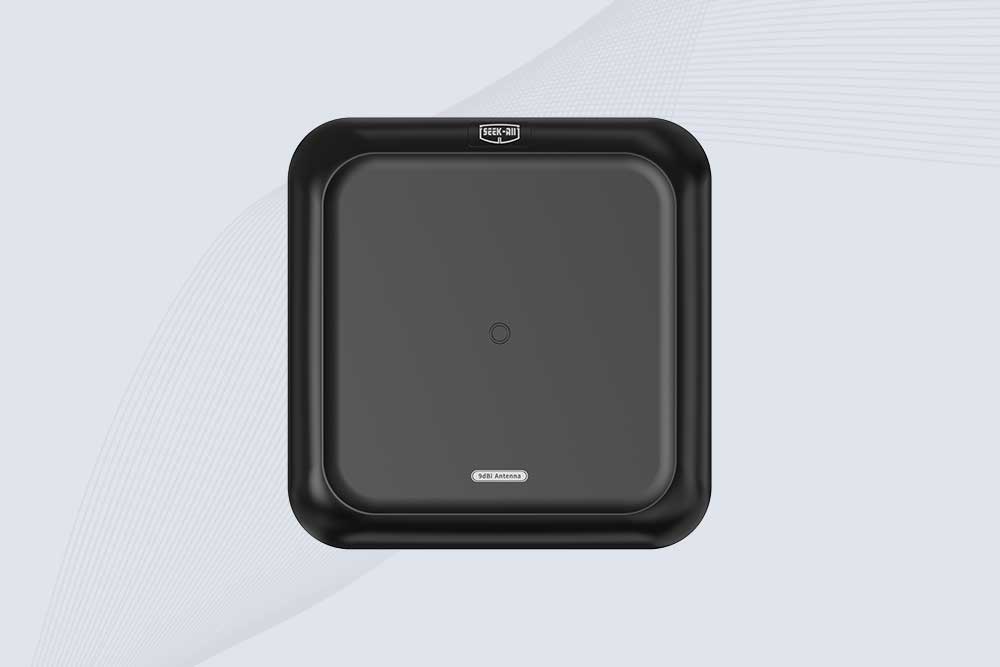
Cykeo CYKEO-A9 industrial UHF RFID antenna delivers 9dBi gain, 840-960MHz frequency range, and IP65 protection for warehouse/logistics/retail RFID systems. Features N-type connector and ≤1.3:1 VSWR.
CYKEO UHF RFID Antenna built for long-distance and industrial applications. This antenna rfid uhf delivers strong gain, outdoor durability, and reliable tag performance in warehouses, yards, and vehicle ID systems.
CYKEO Antenna RFID delivers reliable long-range UHF performance in warehouses, retail shelves, and cold-chain environments. This compact uhf rfid antenna provides stable reads with circular polarization and ultra-wide 840–960 MHz support, ideal for industrial tracking, smart shelves, and asset monitoring.
Cykeo’s CYKEO-C8 UHF RFID antennas delivers 8dBi gain, 840-960MHz full-band coverage, and IP65 ruggedness for manufacturing/warehouse RFID systems. Industrial RFID Antennas Features
Cykeo’s 8dBi UHF RFID antenna and reader kit delivers 10m+ range, 840-960MHz broadband, and IP65 ruggedness for factories, warehouses, and logistics. ISO 18000-6C & EPC Gen2 certified.
Cykeo’s CYKEO-A12C UHF Large RFID Antenna delivers 12dBi gain, 840-960MHz global frequency, IP65 ruggedness for logistics/warehousing/automotive. 40° beamwidth ensures stable 15m+ tag reads.
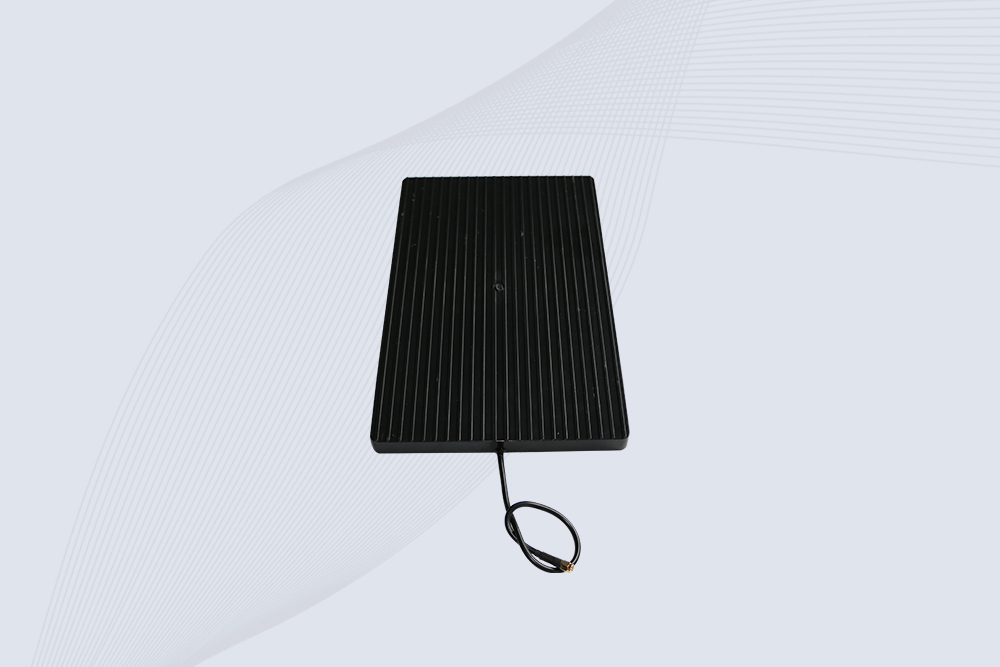
CYKEO Near Field RFID Antenna provides precise 5–30 cm reading for shelves, cabinets, and workstations. This compact rfid shelf antenna delivers stable short-range performance around metal and clutter, ideal for pharmacies, libraries, and electronics sorting.
An RFID access control Gate system primarily consists of tags, RFID readers, antennas, and control software. When a person or object carrying an RFID tag passes through the access control gate, the RFID reader emits a radio frequency signal to ac...
RFID barrier gates are becoming a common sight in parking lots, residential communities, and workplaces. Here’s a closer look at how they work, why they matter, and what it’s like to actually use them in daily life.
Wondering what happens if an RFID reader picks up multiple RFID tags? We explain tag collision, how readers handle simultaneous reads, and anti-collision technologies. Real guidance from CYKEO engineers.
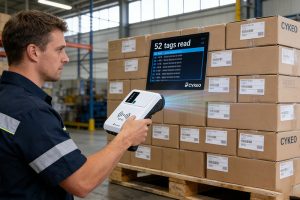
Discover whether handheld RFID scanners work with all tag types, including UHF, NFC, and passive tags. Learn about compatibility factors and how to choose the right scanner.
 Cykeo RFID IoT Solution Products R&D Manufacturer