 Cykeo RFID IoT Solution Products R&D Manufacturer
How to Add RFID Module in Proteus
1375Struggling with how to add RFID module in Proteus? Follow our practical guide to find, install, and simulate common RFID readers like EM-18 in your schematic design.
MoreAll RFID Product
how far can rfid tags be read depends on the RFID frequency, tag type, reader power, antenna design, tag orientation, and surrounding materials. Passive UHF RFID tags typically read several meters away, with GS1 citing ranges up to 10 meters in normal deployments and up to 15 meters in special cases.
That number is useful—but incomplete.
In actual RFID projects, the first question I ask is not “What is the maximum distance?” It is “Where should the tag be readable, and where should it stop being readable?” That difference determines whether an installation performs reliably.
RFID does not have one universal reading distance. Different frequency families behave very differently.
| RFID technology | Typical operating/read range | Common applications |
|---|---|---|
| LF RFID | About 10–50 cm | Access control, animal identification |
| HF RFID | About 10 cm–1 m | Tickets, cards, documents |
| NFC | Usually below 10 cm | Phones, payments, short-range interaction |
| Passive UHF / RAIN RFID | Up to about 10 m depending on conditions | Inventory, logistics, apparel, asset tracking |
| UHF special installations | Up to 15 m or more | Long-range industrial identification |
| Active RFID | 100 m or more can be possible | RTLS, high-value asset tracking |
These ranges come from GS1’s technical guidance rather than a vendor’s maximum-performance claim. GS1 identifies LF systems around 125/134 kHz, HF systems primarily around 13.56 MHz, and passive UHF/RAIN RFID in the 860–930 MHz range. For UHF, GS1 states that read ranges can reach 10 meters depending on the environment, while specially configured systems can reach 15 meters and highly sensitive phased-array systems can reach 20 meters.
The important phrase is depending on the environment.
A passive RFID tag does not continuously broadcast its own signal. The reader supplies RF energy, the tag’s chip uses that energy, and the tag communicates by backscattering information toward the reader.
That makes the antenna-to-tag relationship critical.
In a warehouse test, a tag lying flat on a carton may produce a clean read at one position. Rotate the carton, place it beside a metal pallet frame, or stack several tagged cartons together, and the result can change quickly.
GS1 specifically identifies antenna directivity and gain, electromagnetic polarization, and tag orientation as major factors affecting the volume in which tags can be read.
UHF RFID tags have an antenna, and the antenna has a preferred RF response. If the tag’s orientation is unfavorable relative to the reader antenna’s polarization, the effective read distance can fall sharply.
This is why a reliable installation should be tested with the actual:
A laboratory distance figure cannot substitute for this test.
Metallic objects can reflect and alter electromagnetic waves. Liquids can absorb RF energy and detune RFID antennas. GS1 notes that water-rich environments can drastically reduce RAIN RFID performance, while purpose-designed on-metal tags can mitigate some of the problems associated with metal surfaces.
That is why the same reader may perform differently on:
The tag is only one part of the RF system.
A strong RFID installation deliberately shapes the reading area.
For example, suppose a fixed reader is installed beside a warehouse doorway. A theoretical 10-meter range may sound impressive, but reading tags 10 meters away is undesirable if the doorway is supposed to record only goods crossing that specific lane.
The engineering target becomes a controlled read zone.
GS1’s system architecture states that passive UHF RFID read range is typically up to 10 meters, but can be substantially reduced or extended by absorbing or shielding materials. It also emphasizes that tags inside the interrogation zone are captured by the reader and passed into application-level processing.
That creates a useful distinction:
Maximum range: how far the system can potentially detect a tag.
Usable range: how far it can detect the intended tag consistently.
Controlled range: where the system detects the intended tag while minimizing unwanted reads.
For commercial RFID deployments, the third number is usually the one that matters.
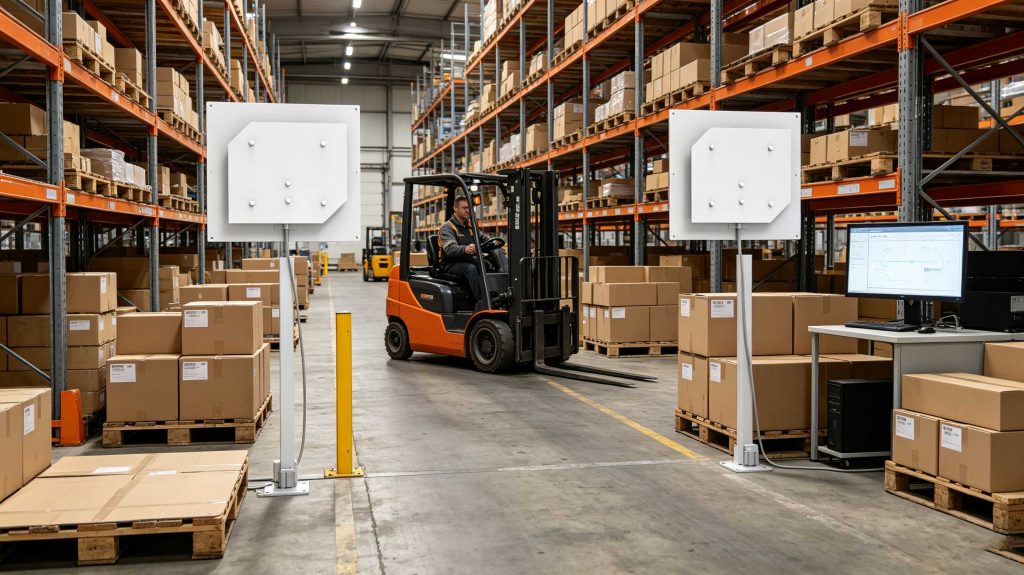
LF RFID normally operates over short distances. GS1 lists typical LF ranges around 10 to 50 cm, making this frequency suitable for controlled access and identification applications where a narrow interaction zone is desirable.
HF RFID commonly operates at 13.56 MHz and generally provides reading distances from approximately 10 cm to 1 meter, depending on the system and application.
For logistics, retail, warehouse, and asset identification, passive UHF is the range class that usually attracts the most attention.
GS1 describes passive UHF/RAIN RFID as capable of read distances up to approximately 10 meters depending on environmental conditions. Special configurations can extend this further.
GS1’s architecture documentation also confirms that the normal read range is typically up to 10 meters, while shielding and absorbing materials can substantially alter that distance.
At Cykeo, a useful RFID range specification should be tied to the application rather than presented as an isolated number.
A practical evaluation considers:
One GS1 reference on RFID testing also emphasizes that readability depends on the chip, antenna, tag construction, environment, distance, and orientation, and recommends testing the complete solution rather than relying on theoretical assumptions.
If the requirement is simply to know how far can rfid tags be read, passive UHF RFID generally operates over several meters, with around 10 meters being a useful industry reference and longer ranges possible in specialized conditions.
But a good RFID system is not designed around the longest possible distance. It is designed around a predictable detection zone.
For a warehouse dock, that may mean a pallet is identified as it crosses a doorway. For retail, it may mean multiple garments are recognized inside a self-checkout station without accidentally reading merchandise several meters away. For an RFID security gate, it may mean detecting an item at the exact passage point while minimizing reads from adjacent shelves.
That is where antenna design, tag selection, reader configuration, and site testing become more important than a single range number.
How far can rfid tags be read? In practice, the answer is determined by the entire RFID system—not the tag alone.
RFID read distance is not a single specification. In an actual deployment, the result comes from the interaction between tag design, reader power, antenna gain, frequency, tag orientation, material, and the surrounding RF environment.
For UHF RFID, the commonly used EPC Gen2 / ISO 18000-63 family is designed for long-range passive identification. The GS1 EPC/RFID framework describes UHF RFID as suitable for automatic identification without requiring direct line of sight.
The practical factors I check first during an RFID installation are:
| Factor | Effect on read distance |
|---|---|
| RFID frequency | Determines propagation characteristics and regulatory operating range |
| Reader output power | Higher permitted power can extend usable range |
| Antenna gain | Concentrates RF energy toward the reading zone |
| Tag antenna design | Strongly affects backscatter performance |
| Tag orientation | Poor alignment can reduce coupling and response |
| Metal or liquids | Can absorb, detune, or reflect RF energy |
| Reader sensitivity | Determines whether weak tag responses can be decoded |
| Local RF interference | Can reduce consistency at the edge of the zone |
That last point is easy to underestimate. A tag that reads at 8 meters on a clean test bench may behave differently beside steel shelving, electrical equipment, liquid-filled products, or densely packed cartons.
Passive UHF tags do not contain their own battery. The reader supplies RF energy through its antenna, and the tag responds by modulating and reflecting part of that received energy back toward the reader.
That is why saying “RFID tags can be read from X meters” without specifying the test conditions is technically weak.
A typical long-range UHF installation can achieve several meters of read distance, while specialized tag, reader, and antenna combinations can extend beyond that. Cykeo’s UHF RFID platforms can be configured for applications where controlled long-distance identification is required, while near-field products are intentionally designed for much shorter zones.
During deployment, tag placement often produces a larger practical difference than changing the reader itself.
A clothing tag hanging freely in a warehouse aisle behaves differently from the same tag compressed between several metal-backed packages. A tag attached directly to metal needs an antenna structure designed for that environment. A standard label may detune badly.
For long-range deployments, I normally validate:
The objective is not simply to obtain the longest possible distance. Controlled detection is usually more valuable than maximum detection.
That distinction becomes important at warehouse doors, conveyor lines, retail exits, and loading docks. A reader that detects a tag too far outside the intended zone can create duplicate reads or unwanted inventory events.
Cykeo RFID systems are designed around the complete reading environment rather than treating the reader as an isolated component.
For UHF applications, Cykeo technologies can support ISO 18000-6C / EPC C1G2 environments, multi-tag identification, adjustable RF output, filtering and anti-collision processing. Depending on the application, fixed readers, integrated antenna readers, desktop readers, and embedded RFID modules can be selected for very different reading zones.
A practical architecture may include:
This architecture is particularly useful when the customer needs a predictable reading boundary rather than simply asking for maximum range.
RFID antennas can be positioned around dock doors, conveyor stations or staging areas. Tags can then be identified as goods move through predefined checkpoints.
RFID enables multiple tagged garments to be identified without scanning individual barcodes. In a self-checkout environment, the reading zone needs to be deliberately constrained so nearby merchandise does not enter the transaction.
Short-range RFID systems can intentionally limit the reading field. This is useful for registration desks, self-service stations and controlled item handling.
For tools, containers and equipment, tag selection becomes especially important when assets contain metal components or operate in electrically noisy environments.
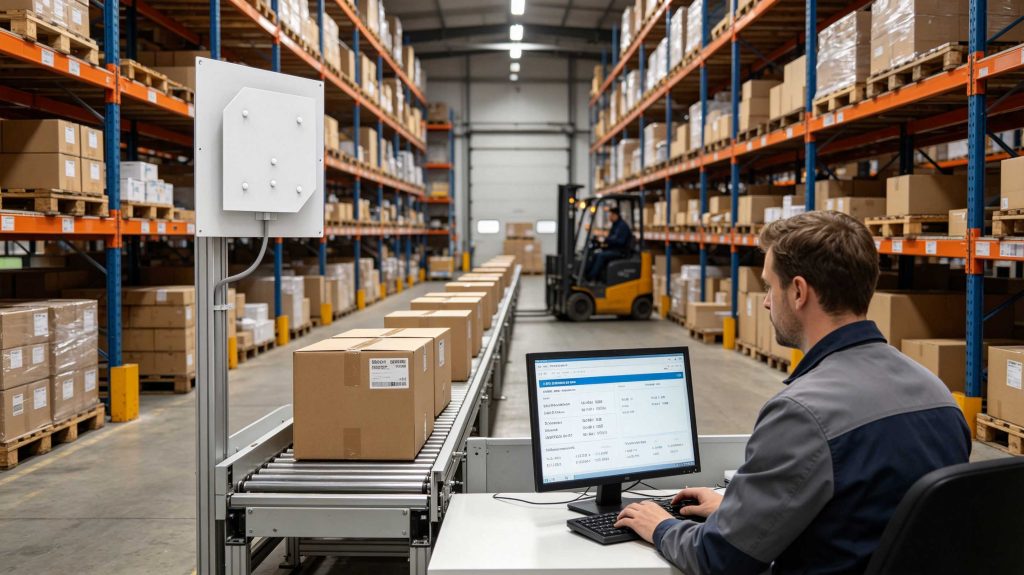
Passive UHF RFID tags are commonly used for several-meter reading ranges. Actual performance depends on the reader, antenna, tag, power level, orientation and surrounding materials.
Yes, under suitable UHF conditions, a 10-meter read can be technically achievable. It should not, however, be treated as a guaranteed distance for every tag or application.
Not necessarily. RFID systems can identify tags without direct visual alignment, but antenna polarization and tag orientation can significantly influence read consistency.
It can. Metal may reflect RF energy or detune a conventional RFID tag. On-metal RFID tags use specially designed antenna structures to maintain performance near conductive surfaces.
Yes. Water and other conductive liquids can absorb or alter RF energy, potentially reducing the effective read range. Tag construction and placement should therefore be tested on the actual product.
No. In many deployments, an overly large reading zone creates unwanted reads. The better target is a stable, application-specific detection area.
Yes. Cykeo offers UHF RFID reader technologies for applications requiring multi-tag identification, adjustable RF output and controlled reading zones. The final range depends on the selected reader, antenna, tag and installation environment.
The question how far can rfid tags be read has no universal distance figure. For a reliable RFID deployment, the meaningful specification is the distance achieved with the selected tag, reader, antenna, product material and installation geometry under real operating conditions.
For Cykeo RFID projects, read range is therefore treated as an engineering parameter—not a standalone marketing number. The final target is a reading zone that remains stable when people, cartons, metal structures and moving assets enter the environment.
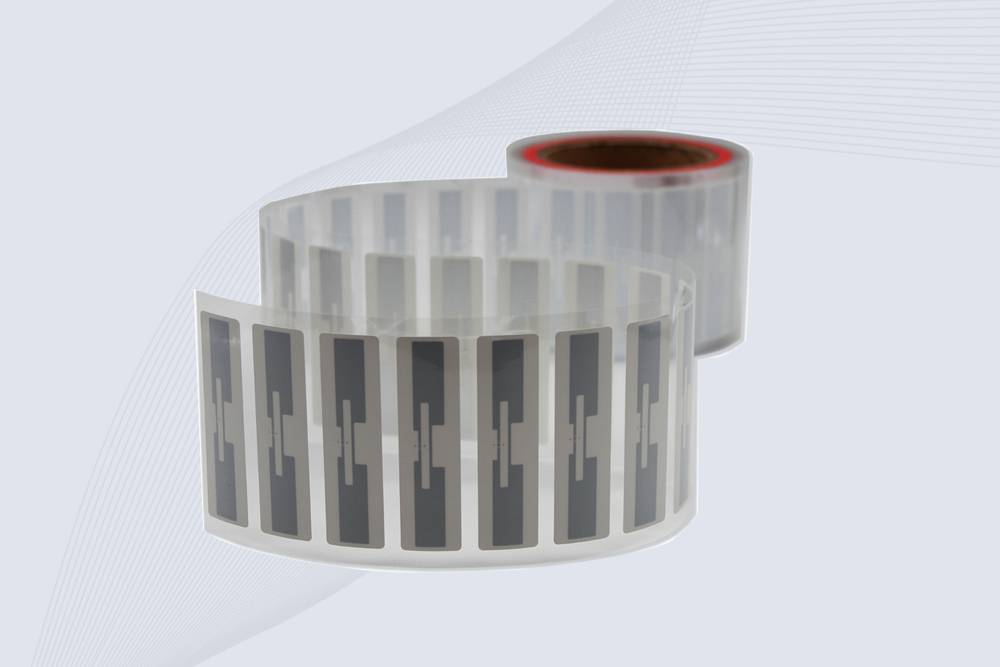
CYKEO Passive RFID Tags are made for wet and high-humidity environments where standard labels do not last. This rfid passive tag is often used around liquids, chemicals and temperature changes, providing stable reading distance and long data life for industrial tracking.
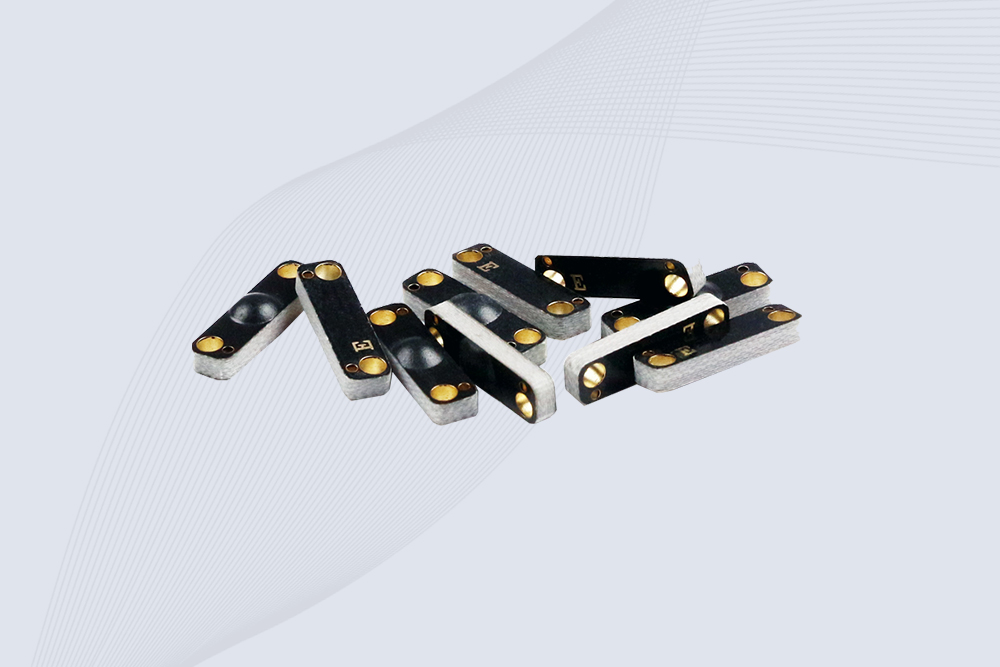
CYKEO CYKEO-PCB1504 Metal RFID Tags is a compact anti-metal UHF RFID solution built for direct mounting on metal surfaces. With stable 8-meter read range, Ucode-8 chip, and long data retention, this rfid metal tag fits tools, containers, automotive parts, and industrial asset tracking.
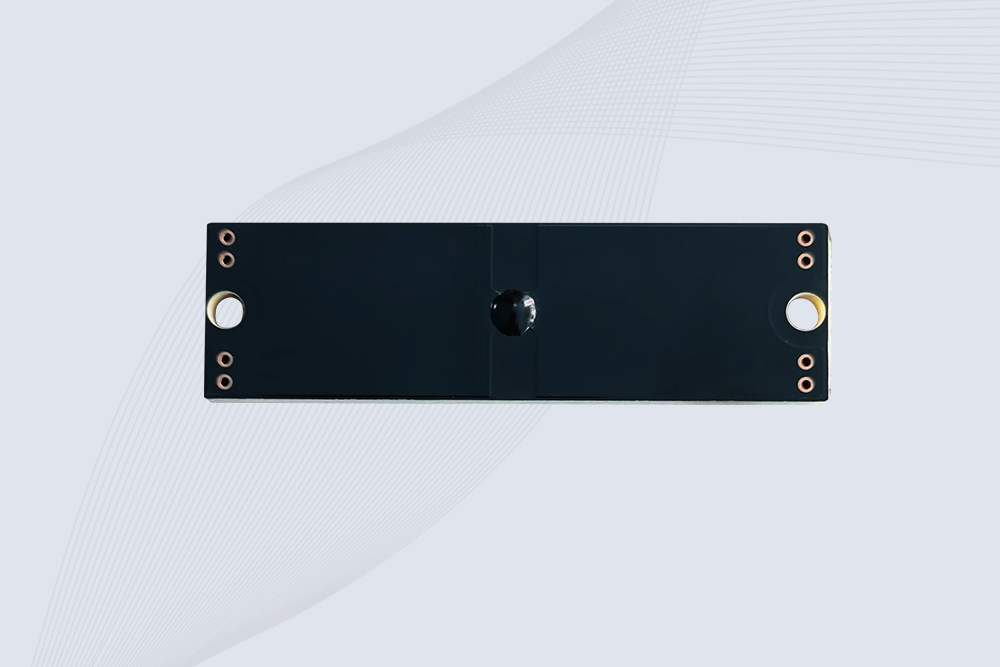
CYKEO CYKEO-PCB7020 On-Metal RFID Tags are designed for reliable tracking on steel and metal surfaces. Built with an FR4 epoxy body and industrial-grade chips, these On-Metal RFID Tags deliver stable performance, long data life, and chemical resistance, making them a dependable RFID anti-metal tag for harsh environments.
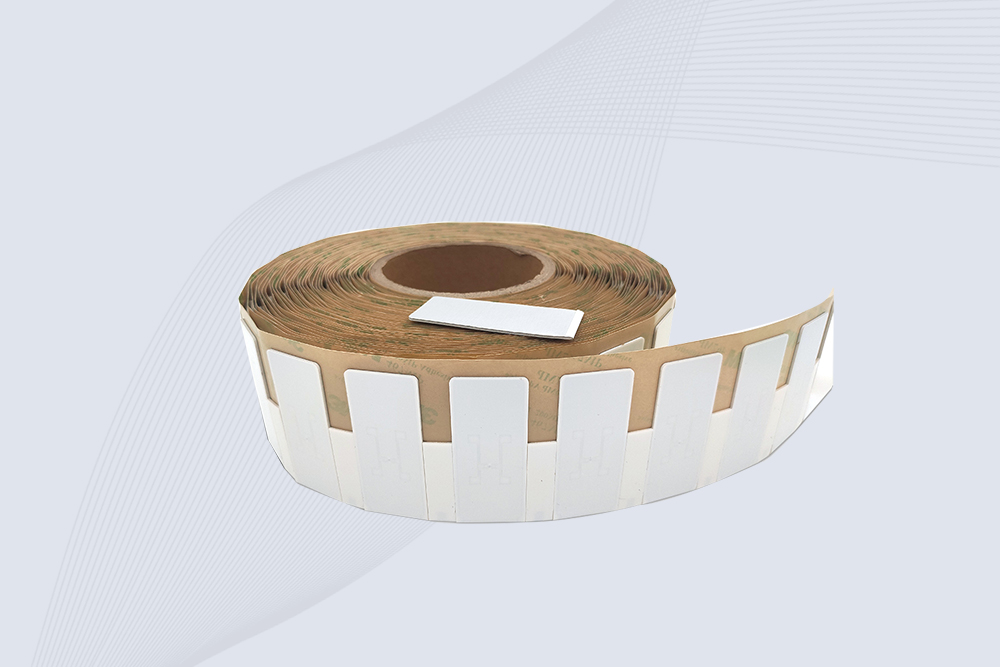
The CYKEO CYKEO-60-25 Anti-Metal RFID Tag is built for metal surfaces where standard tags fail. Designed for long-range performance, harsh environments, and stable data retention, this Anti-Metal RFID Tag is ideal for industrial assets, containers, and equipment tracking using on metal RFID tags.
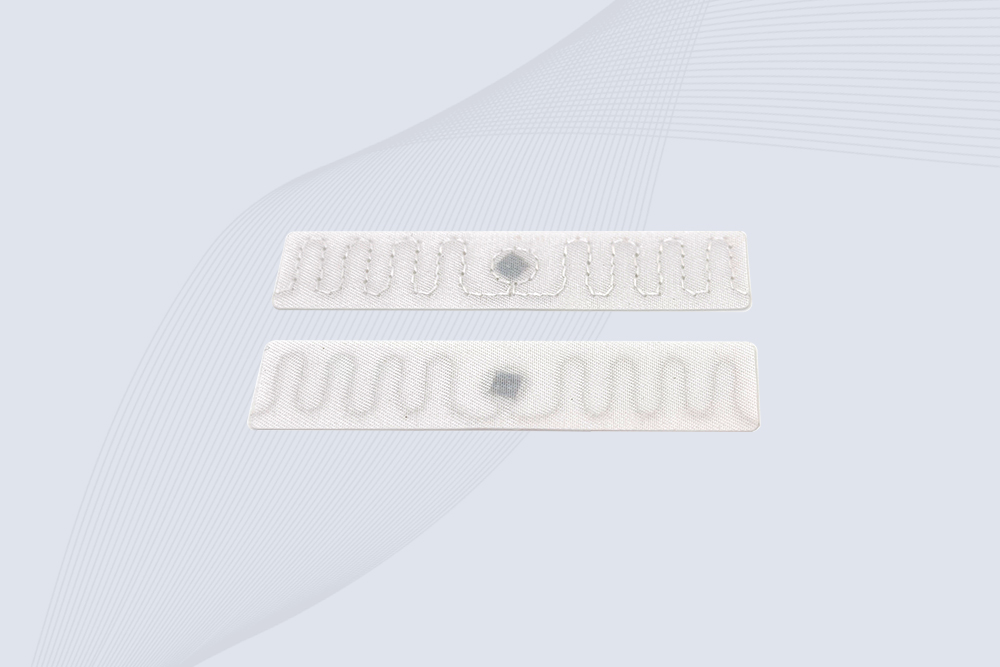
The CYKEO RFID Laundry Tag is designed for long-term textile identification in harsh laundry environments. Built to withstand high heat, chemicals, and repeated washing, this RFID Laundry Tag delivers stable performance for hotels, hospitals, and industrial laundry operations using laundry rfid tags at scale.
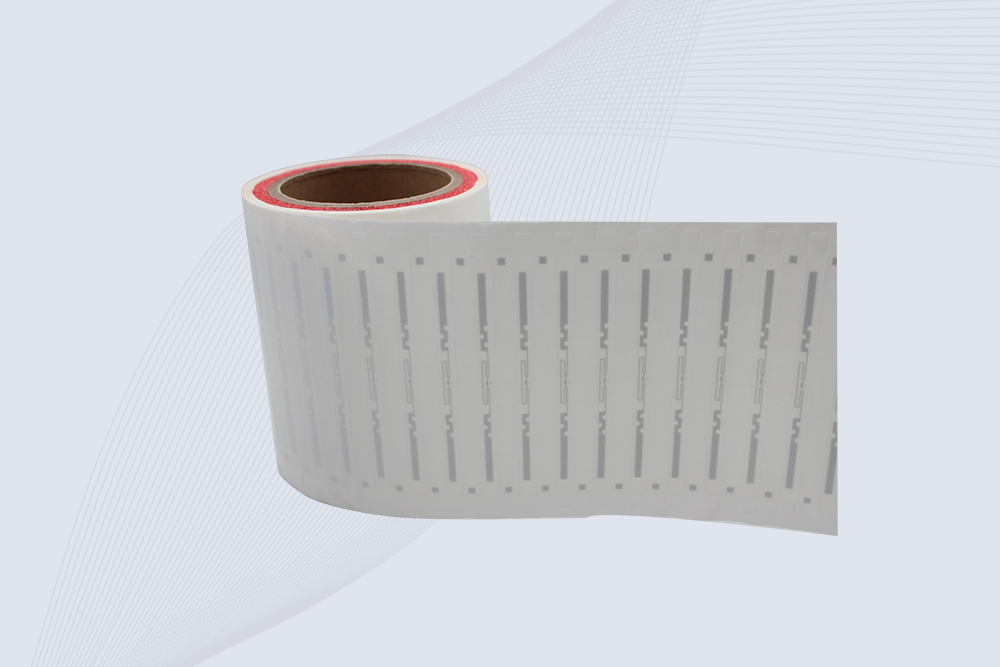
The CYKEO CYKEO-125-7 RFID Book Tag is designed for reliable book and document tracking in libraries and archives. This RFID Book Tag delivers long read range, dense placement support, and stable performance on shelves, making it a practical rfid tag on books for library automation, file management, and archival systems.
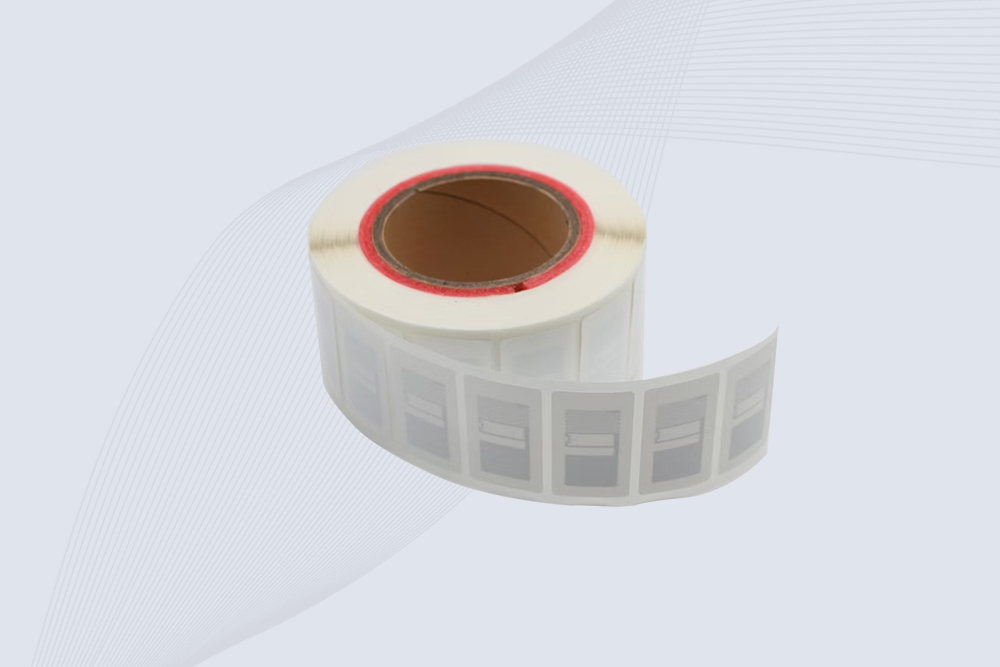
CYKEO RFID tags in hospitals are designed for sterile environments where accuracy matters. These autoclavable RFID tags support long-term tracking of surgical tools, implants, and medications, helping hospitals improve visibility, compliance, and patient safety.

CYKEO RFID Cable Tie Tag is built for reliable identification on metal surfaces. This UHF RFID Cable Tie Tag is widely used in rfid tags for inventory systems, industrial asset management and Hospital RFID Tags, offering stable read performance, long service life and global EPC Gen2 compatibility.
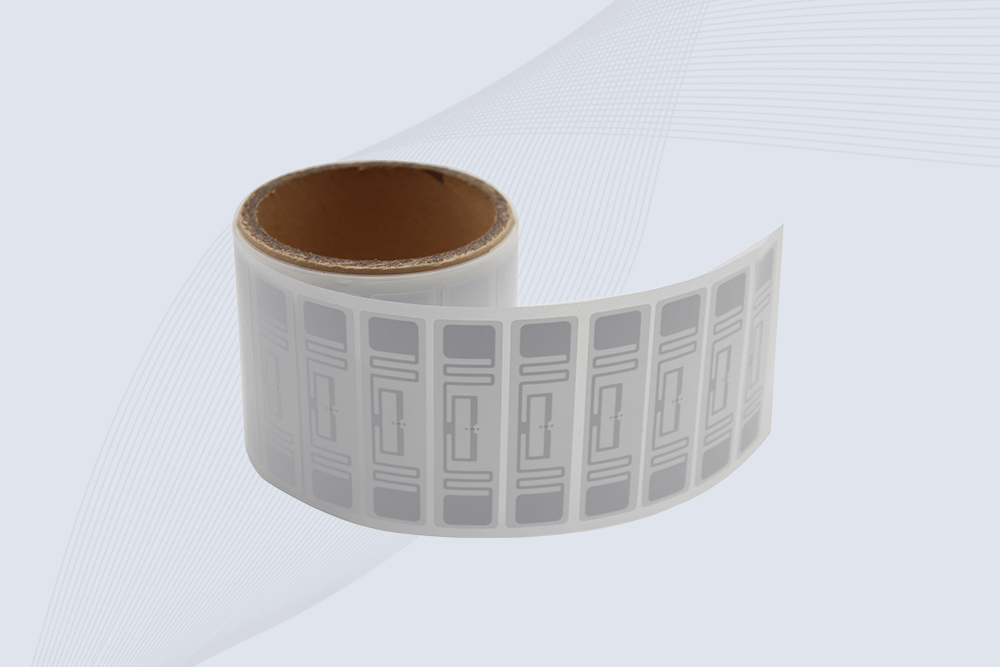
CYKEO RFID Asset Tag is designed for stable identification of metal assets in industrial environments. This UHF RFID Asset Tag is commonly used for rfid tag asset tracking on equipment, tools and containers, providing reliable reads, long service life and ISO/IEC 18000-6C support.
CYKEO UHF RFID Card is designed for fast identification and long-term use in industrial and commercial systems. Supporting ISO 18000-6C, this UHF RFID Card works at 860–960 MHz and is suitable for custom RFID cards used in asset tracking, access control and inventory management.
CYKEO HF RFID Cards are designed for secure and stable access control systems. These 13.56 MHz RFID key cards support ISO 14443-A, reliable rewriting and long service life, making HF RFID Cards suitable for offices, campuses, events and membership management.
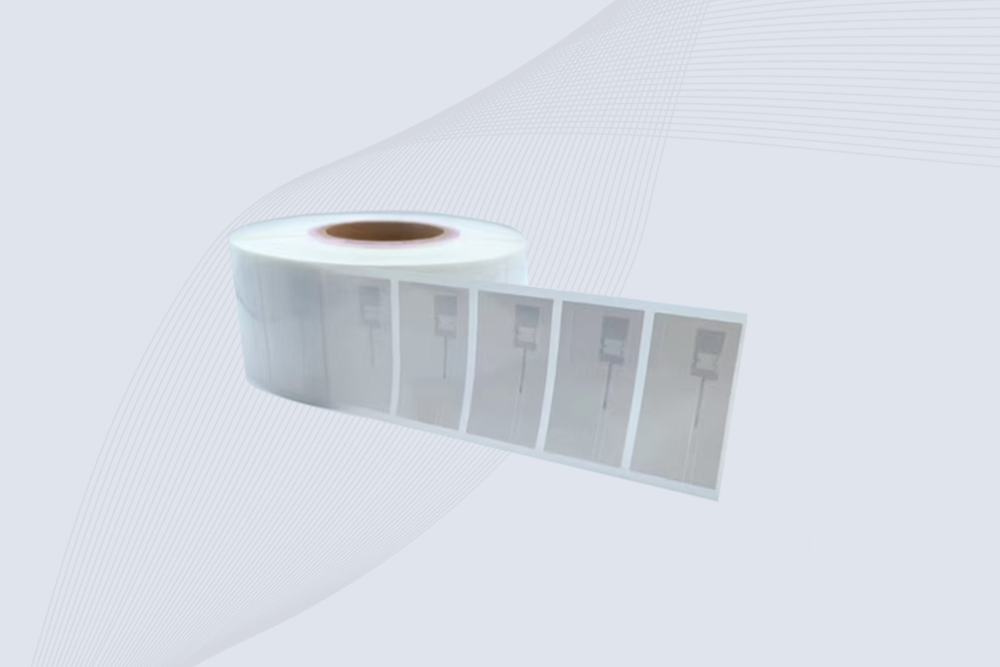
CYKEO UHF RFID Tag is designed for reliable tracking of metal jewelry and high-value items. This Jewelry RFID Tag supports long-range reading up to 8 meters, anti-counterfeit protection and stable performance on metal, making it suitable for retail, inventory control and asset management.
Struggling with how to add RFID module in Proteus? Follow our practical guide to find, install, and simulate common RFID readers like EM-18 in your schematic design.
More
Explore the industries that benefit most from handheld RFID scanners, including healthcare, manufacturing, and event management. See how Cykeo drives efficiency.
More
Discover why iPhones can't emulate RFID cards natively. Learn how Cykeo's Bluetooth device turns your iPhone into an RFID emulator for keycards & badges.
More
Understand RFID antenna range and the factors that affect reading distance, including antenna gain, RFID tags, reader power, installation environment, and application design.
More