 Cykeo RFID IoT Solution Products R&D Manufacturer
RFID Antenna Issues? Quick Fixes for Poor Read Range, Interference & More
1195Struggling with RFID antenna problems? Learn how to troubleshoot read errors, interference, and connectivity issues with step-by-step solutions.
MoreAll RFID Product
how far can rfid transmit depends on the RFID type, frequency, tag design, reader power, antenna, and installation environment. Passive UHF RFID commonly operates across several meters, while active RFID can reach tens or even hundreds of meters in suitable conditions.
That is the short answer. The longer answer matters when an RFID system is being installed.
In field testing, I rarely treat the maximum distance printed on a reader specification sheet as the actual working range. A tag that responds reliably at one distance in an open laboratory can behave very differently when it is attached to a carton, surrounded by metal racks, or carried through a busy warehouse doorway.
One technical distinction is worth making early.
RFID systems generally fall into three practical groups:
| RFID type | Typical operating range | Power source | Common applications |
|---|---|---|---|
| LF RFID | Centimeters | Passive | Animal identification, access |
| HF RFID | A few centimeters to around 1 m | Passive | NFC, libraries, cards |
| UHF RFID | Several meters | Usually passive | Logistics, retail, inventory |
| Active RFID | Tens to hundreds of meters | Battery-powered | Asset and location tracking |
The exact distance varies considerably. Frequency alone does not determine performance.
For long-range logistics applications, UHF RFID is usually the more relevant technology. The EPC Gen2 family, now maintained within the GS1 EPC/RFID standards framework, was specifically developed for passive UHF identification at scale.
Several variables interact during a real installation:
This is why a range test should be performed using the actual tag and actual product, not just an RFID reader sitting on a workbench.
Passive RFID tags have no internal battery. They rely on energy supplied by the reader’s RF field. Their advantages are low tag cost, compact construction and long service life.
UHF passive RFID is particularly effective when hundreds of tagged items need to be identified as they move through a defined area.
Typical examples include:
Active RFID tags contain a battery and can transmit their own radio signal. This changes the range and application model.
Active systems are better suited to applications where the business needs longer-range presence detection or asset-location information rather than simply identifying an item when it passes a reader.
The trade-off is equally clear: active tags are larger, more expensive and require battery management.
The first installation I would distrust is the one that only worked perfectly on an empty test floor.
A warehouse introduces steel beams, pallet racks, forklifts, liquids, dense cartons and moving people. Reflections can create unexpected read zones. A tag facing the antenna may respond strongly; the same tag rotated 90 degrees can become much less reliable.
That is why RFID commissioning should include multiple tag orientations, realistic product loading and movement through the intended reading area.
A good test records more than distance:
| Test parameter | What to observe |
|---|---|
| Read distance | Maximum and stable operating distance |
| Read rate | Percentage of expected tags detected |
| Tag orientation | Performance at different angles |
| Product condition | Empty, full and mixed loads |
| Movement | Stationary vs. moving tags |
| Adjacent zones | Unwanted reads outside the target area |
| Repeated reads | Duplicate-event behavior |
This produces useful engineering data instead of a single impressive range figure.
Cykeo develops UHF RFID reader technologies around practical identification environments, including fixed readers, integrated antenna readers and embedded RFID modules.
For systems using ISO 18000-6C / EPC C1G2, capabilities such as adjustable output power, anti-collision processing, tag filtering and multi-tag recognition are important because range alone does not determine system quality.
A useful deployment question is therefore not:
“How far can this RFID reader transmit?”
It is:
“At what distance can the system consistently identify the required tags while ignoring tags outside the intended area?”
That shift in thinking usually makes the difference between a demonstration and a production system.
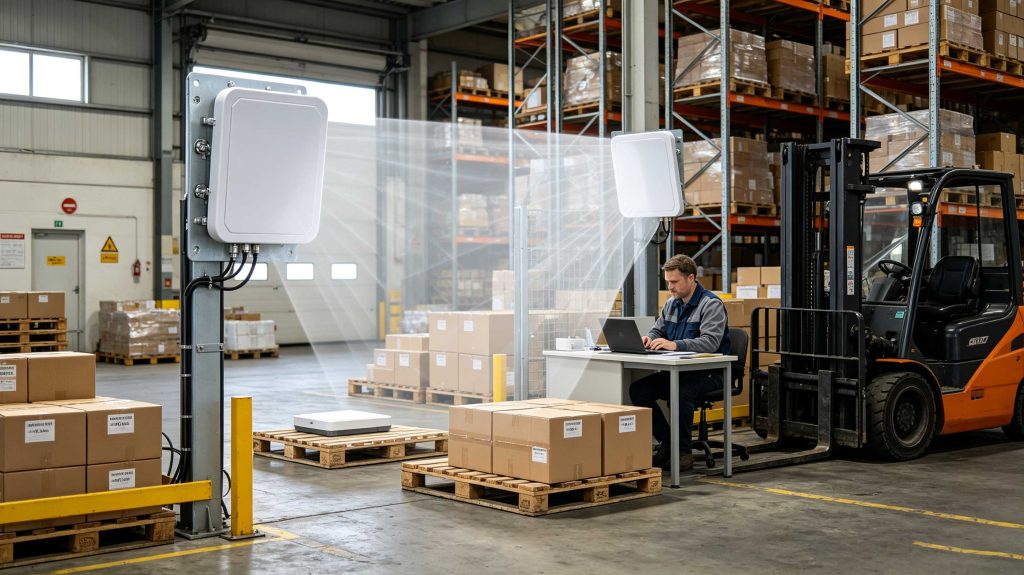
The phrase RFID transmission range can be misleading because RFID does not have one universal distance specification. GS1 explicitly notes that there is no single “typical” RFID read range. For passive UHF/RAIN RFID, the typical range is several meters, with exceptional systems reaching substantially farther under specialized conditions.
For an engineering project, I would evaluate these variables before quoting a distance:
| Technical factor | Practical impact |
|---|---|
| RFID frequency | Determines propagation behavior and applicable regional rules |
| Reader output power | Influences the available RF energy at the tag |
| Antenna gain | Shapes and concentrates the reading field |
| Tag antenna | Determines how efficiently the tag receives and backscatters RF energy |
| Tag orientation | Can materially change UHF read performance |
| Product material | Metal and liquids can attenuate or detune RFID |
| Reader sensitivity | Affects weak-response detection |
| RF interference | Can reduce stability at the edge of the zone |
| Antenna placement | Determines the actual geometry of the reading field |
GS1 describes passive UHF RFID as operating in the 860–930 MHz region and notes that environmental conditions can produce ranges of up to approximately 10 meters, while specialized configurations can achieve more.
The important word is configuration.
A 10-meter laboratory reading is not automatically a 10-meter warehouse reading.
There is an important technical distinction behind the wording how far can RFID transmit.
A passive UHF RFID tag normally has no battery. The reader sends RF energy to the tag. The tag uses that energy and changes the reflection characteristics of its antenna to send information back through backscatter. GS1 describes this reader-to-tag energy transfer and tag backscatter mechanism directly in its EPC/RFID system architecture.
The current GS1 EPC Gen2 UHF standard defines the RFID air-interface framework for this type of passive-backscatter system, with the current standard version listed as 3.0.1, published February 26, 2026.
So the useful engineering question is not simply:
“How many meters can the RFID signal travel?”
It is:
“At what distance can the reader reliably energize and decode the required tag under actual operating conditions?”
That distinction becomes critical in production.
One of the most common mistakes in RFID deployment is concentrating too heavily on reader specifications.
The antenna determines where the RF energy goes. Its gain, polarization, radiation pattern, installation height and angle all affect the usable reading volume. GS1 specifically identifies antenna directivity, gain, electromagnetic polarization and tag orientation as important factors in determining the shape of the RFID read volume.
In a warehouse doorway, for example, a narrow directional antenna can be preferable to a broad field.
The goal is not to detect everything within 15 meters.
The goal is to detect the right items at the right checkpoint.
That difference affects:
Cykeo’s RFID approach combines reader hardware, antenna design, tag selection and software-level processing rather than treating transmission distance as an isolated specification.
A typical UHF RFID architecture contains:
The tag carries the electronic identification data and communicates with the reader through the selected RFID protocol.
The reader generates the RF field, manages tag communication and receives the returned tag response.
Cykeo UHF reader technologies support applications using ISO 18000-6C / EPC C1G2, with features such as adjustable RF output, anti-collision processing, filtering and multi-tag recognition depending on the reader configuration.
The antenna establishes the physical reading area. Antenna selection should follow the application rather than simply choosing the highest-gain model.
Repeated tag observations can be filtered and converted into meaningful events before reaching the business application.
GS1 also identifies Low Level Reader Protocol (LLRP) as a standardized interface between software and readers, while EPCIS provides a framework for sharing visibility-event data.
The final layer converts RFID observations into inventory, logistics, retail, access-control or asset-management actions.
This architecture is why RFID distance should be considered a system-level result, not simply a reader specification.
UHF RFID is particularly suitable when pallets, cartons or returnable containers must be identified while moving through a defined checkpoint. Several-meter reading distances make it possible to avoid individual barcode scans.
For a loading dock, however, excessive range can create unwanted reads from adjacent staging areas. Antenna positioning and RF power need to be tuned around the physical doorway.
RFID can identify multiple tagged garments simultaneously. Here, controlled range is especially important around self-checkout stations and security exits.
A reader that sees merchandise on a neighboring shelf may have impressive sensitivity but poor application control.
Tools, containers and work-in-progress assets often introduce metal surfaces. Standard labels may not perform consistently when mounted directly on conductive materials, making tag construction and installation testing essential.
Shorter reading zones can be deliberately designed for registration desks, circulation points and security gates. Not every RFID application benefits from maximum range.
A proper range test should use the actual tag, actual product and actual environment.
I recommend recording at least:
A useful acceptance test is not “the tag was detected once at 12 meters.”
It is closer to: the required tags were consistently detected within the defined zone while neighboring tags remained outside the transaction or inventory event.
That is a much more meaningful production specification.
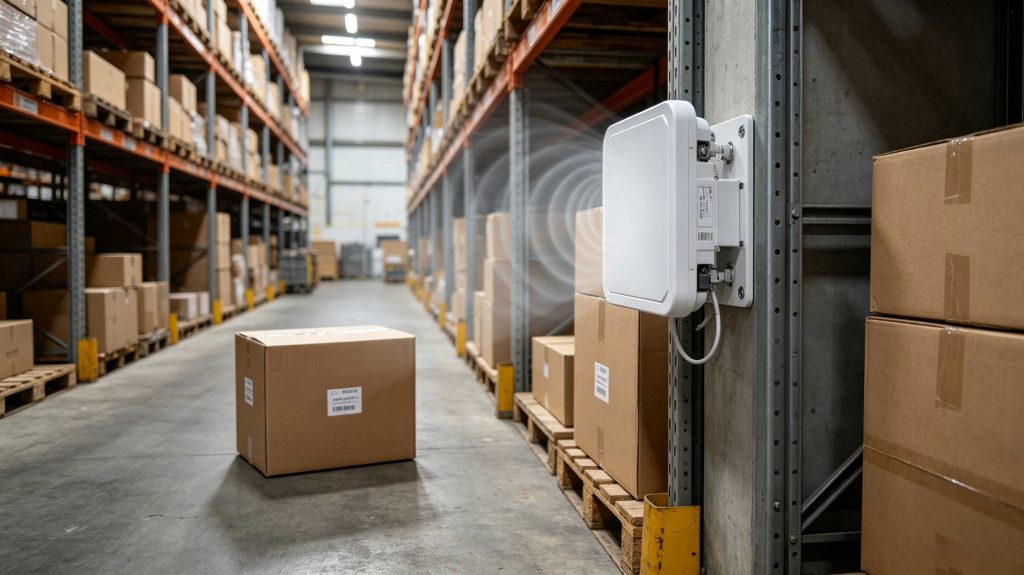
Passive UHF RFID commonly operates over several meters. GS1 states that UHF passive RFID typically reaches several meters, with up to 15 meters possible in special cases and longer distances possible with highly specialized reader and antenna configurations.
Yes. UHF RFID systems can reach around 10 meters in suitable environments. The actual distance depends on tag construction, antenna configuration, reader power, orientation and environmental conditions.
It can in specialized configurations. GS1 notes that phased-array antennas and highly sensitive UHF readers can achieve readings up to approximately 20 meters in particular conditions. This should not be interpreted as the normal range for every passive RFID installation.
Yes. Two tags using the same RFID protocol can have noticeably different performance because their antenna designs, physical dimensions and intended mounting surfaces differ.
Metal can significantly affect RFID performance by reflecting RF energy and changing the electrical characteristics of the tag antenna. On-metal tags are designed specifically for applications involving conductive surfaces.
Yes. Tag orientation relative to the reader antenna can change the strength and consistency of the response. GS1 specifically identifies polarization and tag orientation as factors affecting the RFID reading volume.
No. A controlled and repeatable reading zone is often more valuable than maximum distance. In logistics, retail and access-control applications, excessive range can produce unwanted reads.
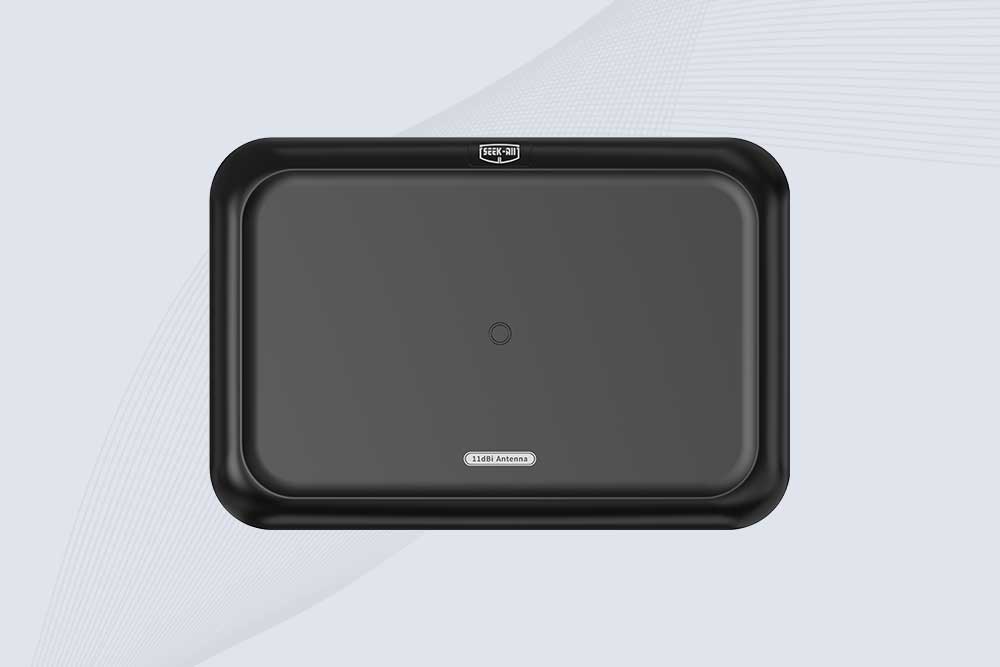
SSD-A11 UHF RFID antenna features 840–960 MHz adjustable frequency, ≥10.5 dBi gain, circular polarization and 50Ω impedance for fixed RFID systems.
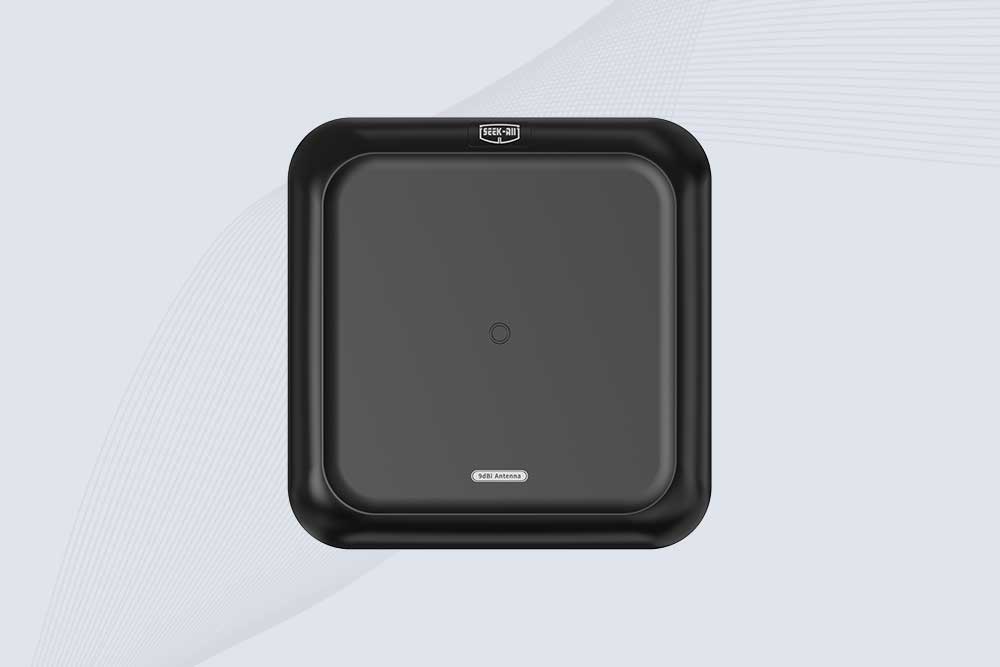
SSD-A09 is a 9 dBi UHF RFID antenna with 840–960 MHz adjustable frequency, circular polarization, 50Ω impedance and directional 60° × 60° coverage.
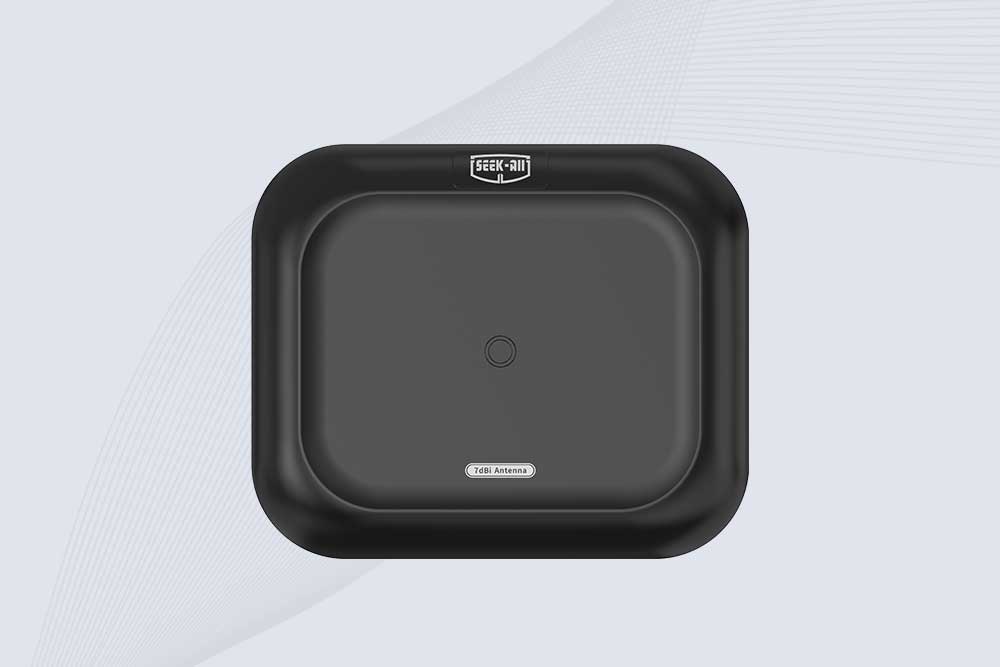
Explore the SSD-A07 UHF RFID antenna with 7 dBi gain, circular polarization, adjustable 840–960 MHz frequency, and 60°/75° beamwidth for stable RFID read/write performance.

SSD-A06 UHF RFID antenna with circular polarization, adjustable 840–960 MHz frequency, ≥4.5 dBi gain, and a compact directional design for RFID systems.
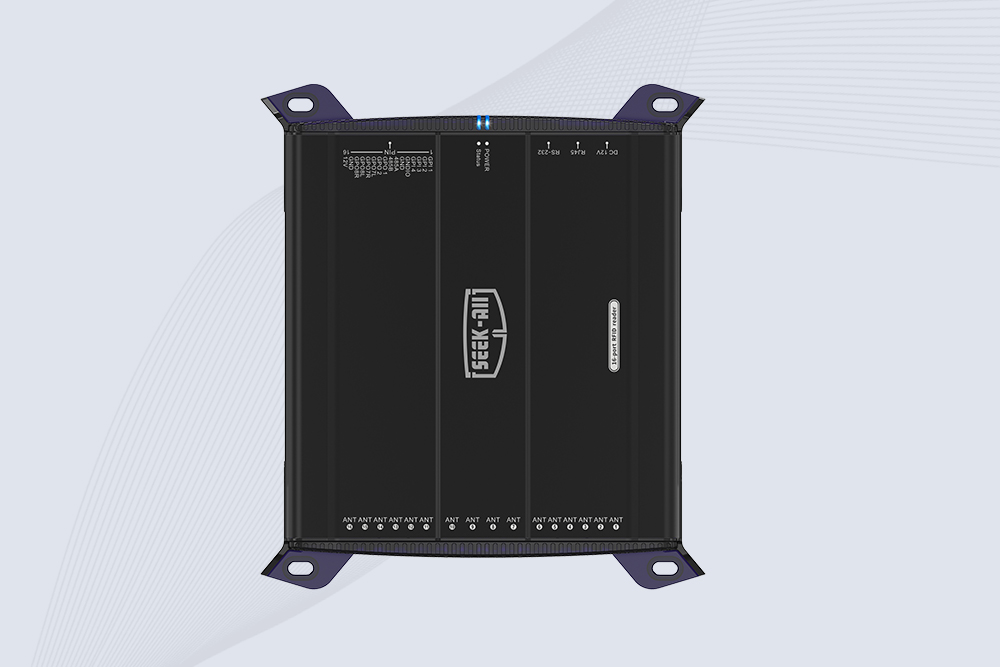
SSD-R16L Multi-Channel RFID Infrastructure for Automated Inventory Management ✔️ 16-Port High-Density RFID Reading Equipped with 16 SMA antenna ports, SSD-R16L supports multi-antenna deployment for warehouses, retail stores, logistics, production lines, and large-area RFID identification. ✔️ High-Speed & Long-Range Performance With up to 33…
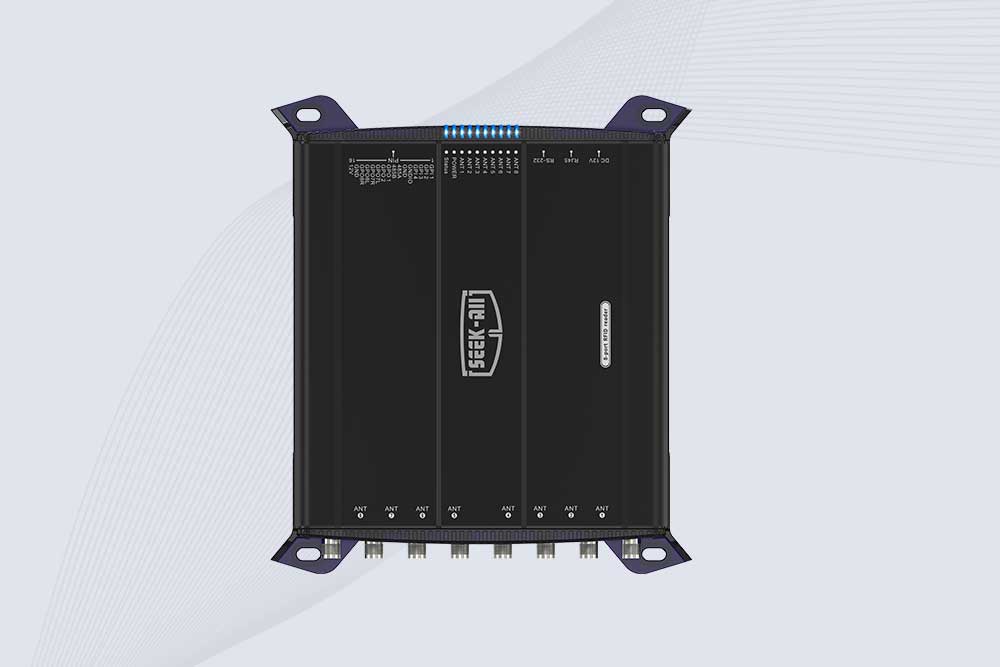
SSD-R8L 8-port UHF RFID reader with 33dBm output, up to 20m reading range and 600+ tags/s recognition. Ideal for warehouse, logistics, retail and asset tracking.
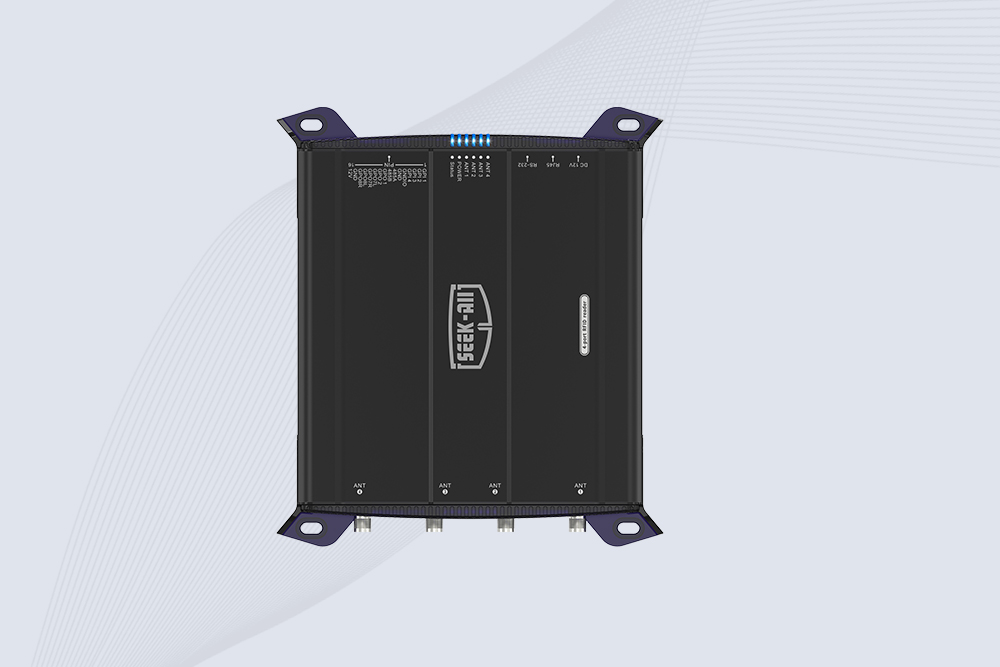
SSD-R4L is a 4-port UHF RFID fixed reader with 33dBm output power, up to 20m reading range, EPC C1G2 support and 600+ tags/s reading speed.
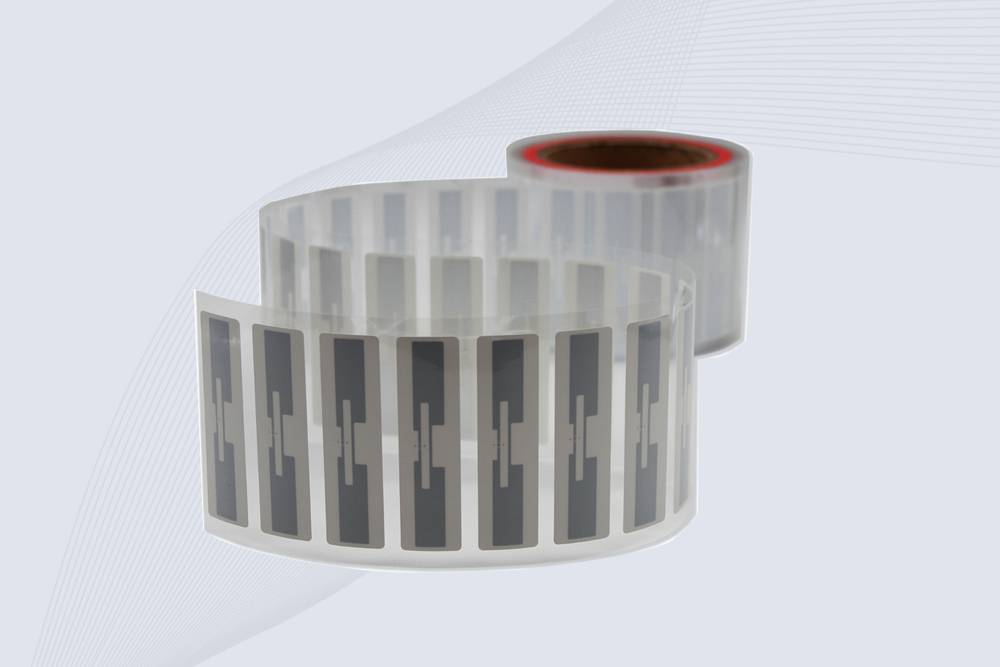
CYKEO Passive RFID Tags are made for wet and high-humidity environments where standard labels do not last. This rfid passive tag is often used around liquids, chemicals and temperature changes, providing stable reading distance and long data life for industrial tracking.
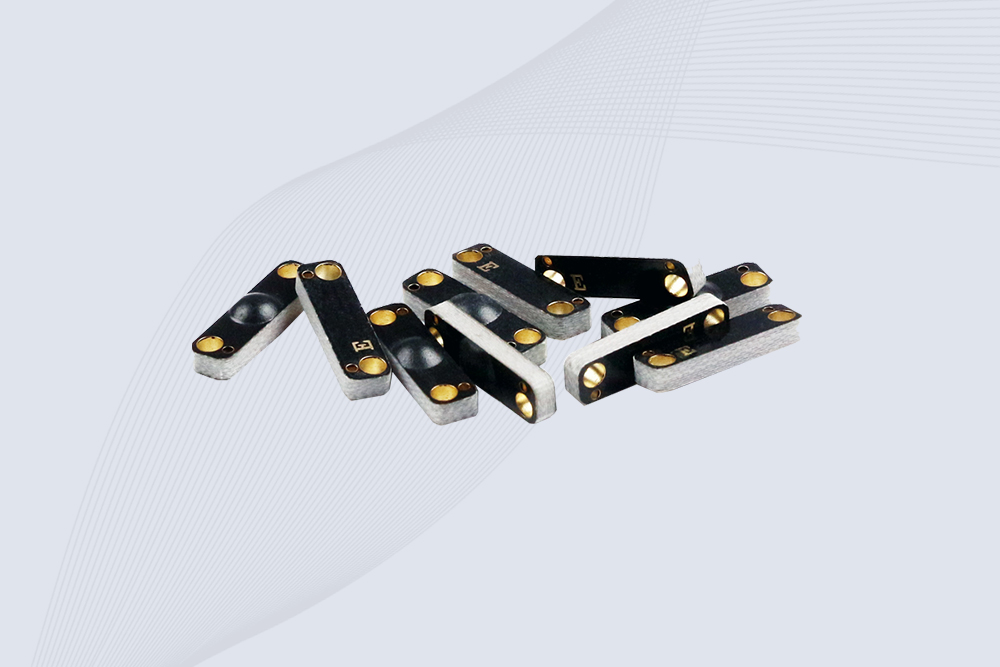
CYKEO CYKEO-PCB1504 Metal RFID Tags is a compact anti-metal UHF RFID solution built for direct mounting on metal surfaces. With stable 8-meter read range, Ucode-8 chip, and long data retention, this rfid metal tag fits tools, containers, automotive parts, and industrial asset tracking.
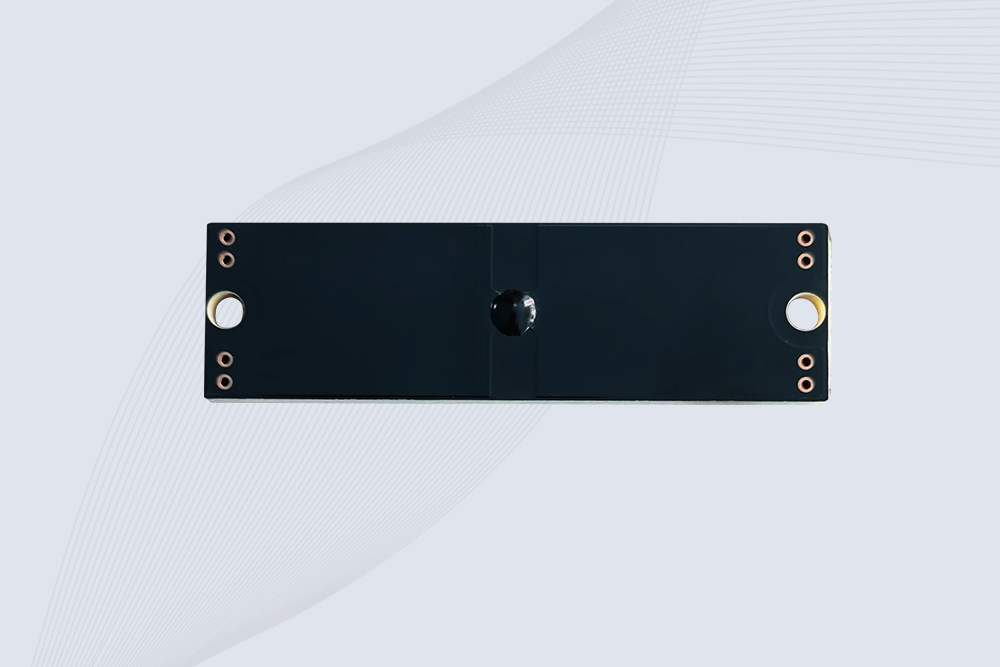
CYKEO CYKEO-PCB7020 On-Metal RFID Tags are designed for reliable tracking on steel and metal surfaces. Built with an FR4 epoxy body and industrial-grade chips, these On-Metal RFID Tags deliver stable performance, long data life, and chemical resistance, making them a dependable RFID anti-metal tag for harsh environments.
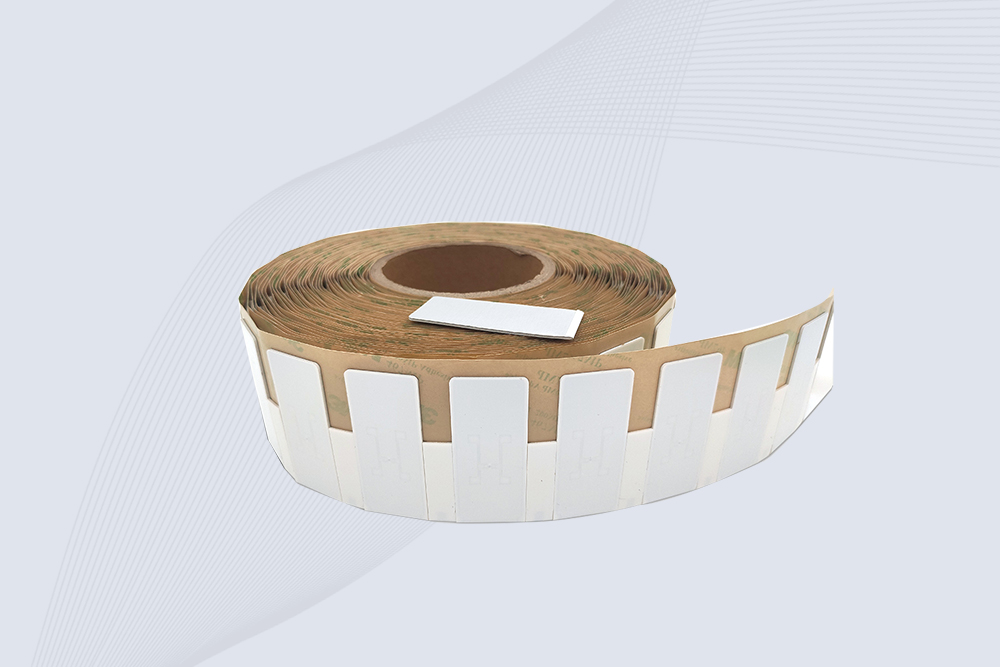
The CYKEO CYKEO-60-25 Anti-Metal RFID Tag is built for metal surfaces where standard tags fail. Designed for long-range performance, harsh environments, and stable data retention, this Anti-Metal RFID Tag is ideal for industrial assets, containers, and equipment tracking using on metal RFID tags.
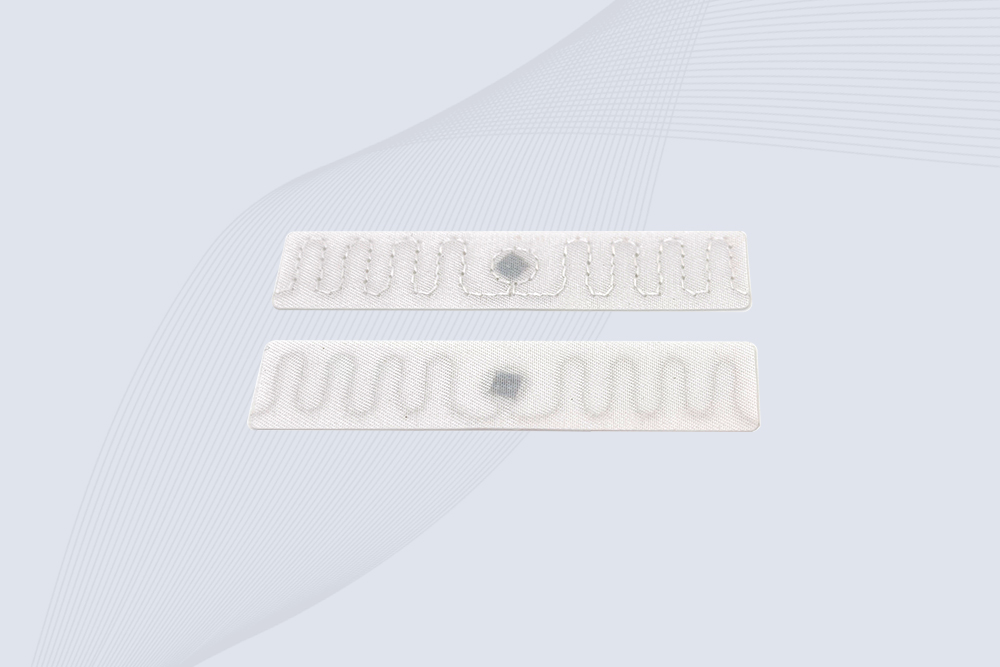
The CYKEO RFID Laundry Tag is designed for long-term textile identification in harsh laundry environments. Built to withstand high heat, chemicals, and repeated washing, this RFID Laundry Tag delivers stable performance for hotels, hospitals, and industrial laundry operations using laundry rfid tags at scale.
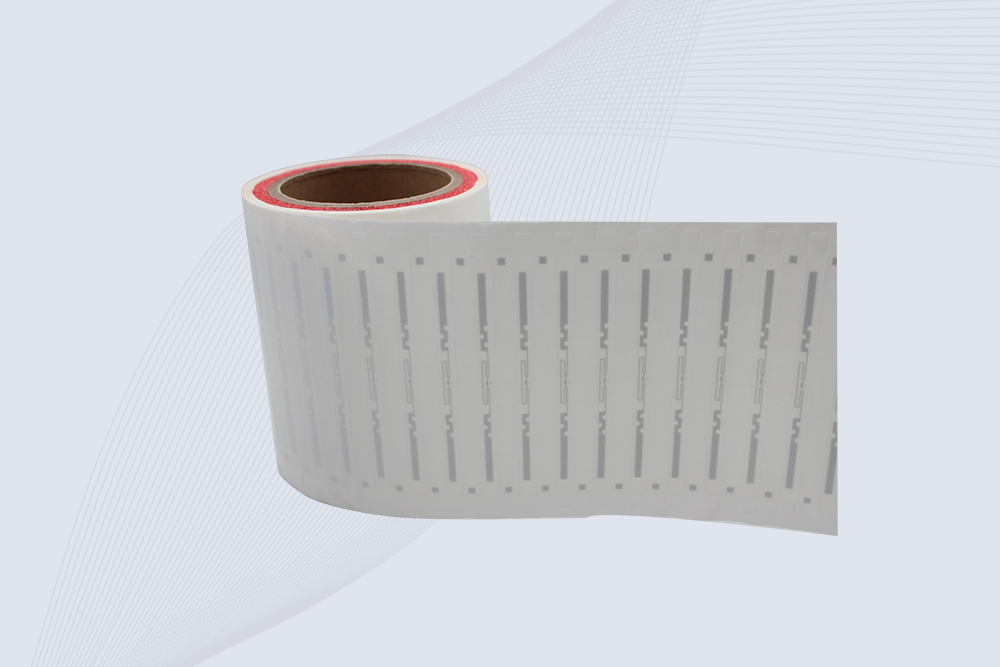
The CYKEO CYKEO-125-7 RFID Book Tag is designed for reliable book and document tracking in libraries and archives. This RFID Book Tag delivers long read range, dense placement support, and stable performance on shelves, making it a practical rfid tag on books for library automation, file management, and archival systems.
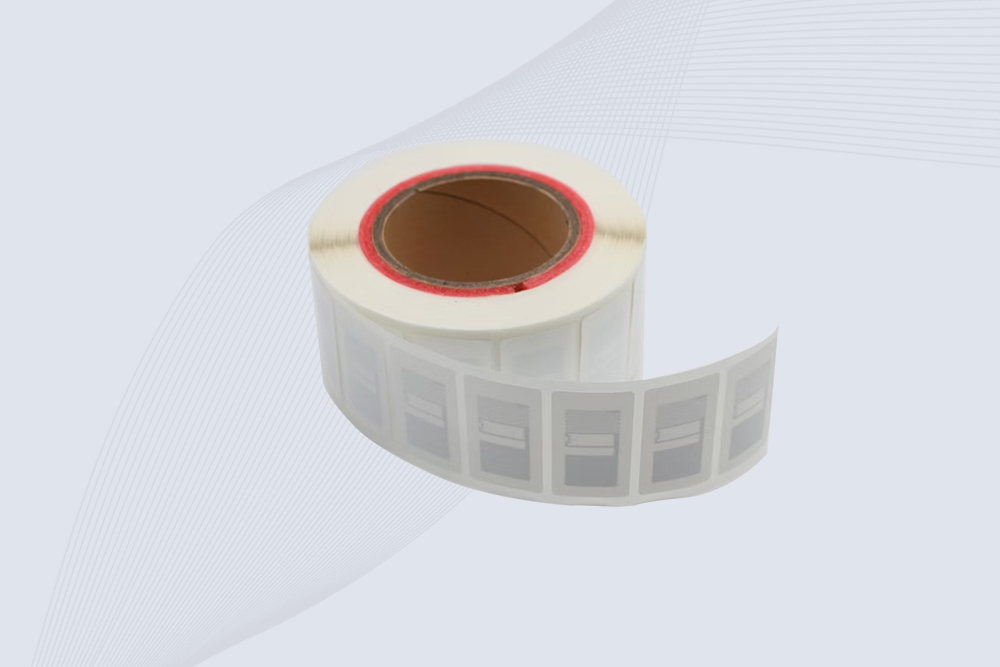
CYKEO RFID tags in hospitals are designed for sterile environments where accuracy matters. These autoclavable RFID tags support long-term tracking of surgical tools, implants, and medications, helping hospitals improve visibility, compliance, and patient safety.

CYKEO RFID Cable Tie Tag is built for reliable identification on metal surfaces. This UHF RFID Cable Tie Tag is widely used in rfid tags for inventory systems, industrial asset management and Hospital RFID Tags, offering stable read performance, long service life and global EPC Gen2 compatibility.
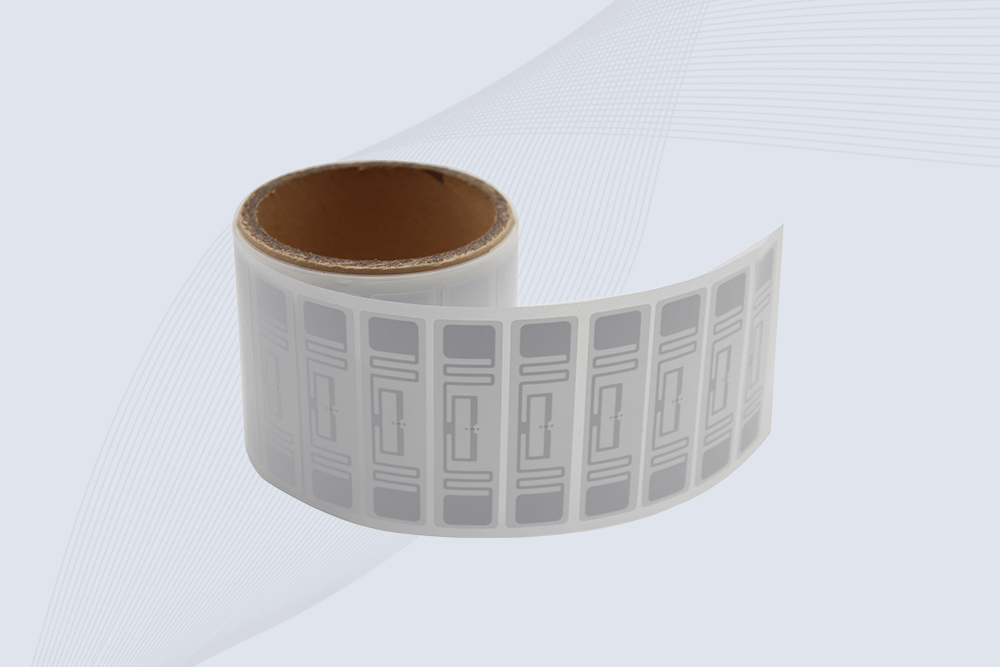
CYKEO RFID Asset Tag is designed for stable identification of metal assets in industrial environments. This UHF RFID Asset Tag is commonly used for rfid tag asset tracking on equipment, tools and containers, providing reliable reads, long service life and ISO/IEC 18000-6C support.

CYKEO UHF RFID Card is designed for fast identification and long-term use in industrial and commercial systems. Supporting ISO 18000-6C, this UHF RFID Card works at 860–960 MHz and is suitable for custom RFID cards used in asset tracking, access control and inventory management.
CYKEO HF RFID Cards are designed for secure and stable access control systems. These 13.56 MHz RFID key cards support ISO 14443-A, reliable rewriting and long service life, making HF RFID Cards suitable for offices, campuses, events and membership management.
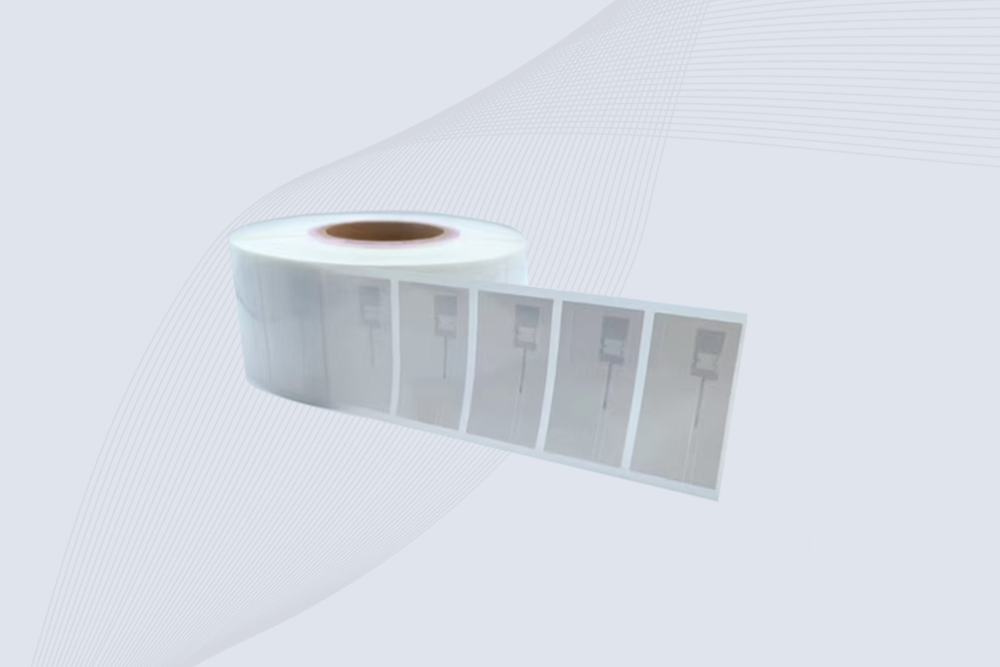
CYKEO UHF RFID Tag is designed for reliable tracking of metal jewelry and high-value items. This Jewelry RFID Tag supports long-range reading up to 8 meters, anti-counterfeit protection and stable performance on metal, making it suitable for retail, inventory control and asset management.
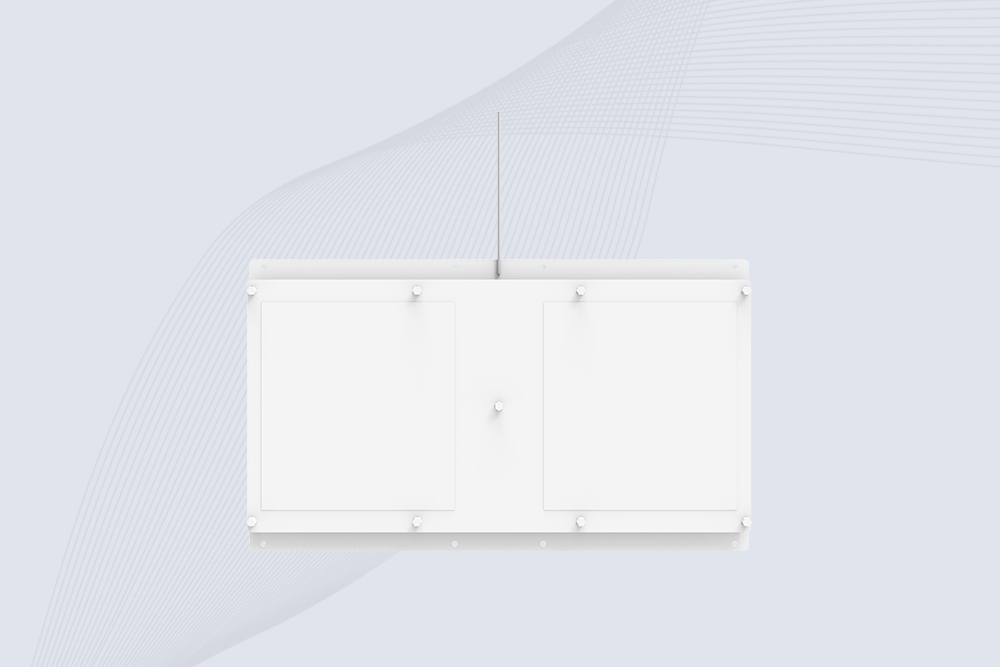
Cykeo CYKEO-A11 UHF RFID reader antenna delivers 11dBi gain, 840-960MHz frequency range, and IP65 ruggedness for retail, logistics, and industrial RFID systems. Features low VSWR and easy installation.

CYKEO Antenna RFID Reader delivers stable long-range UHF performance with a 10.5dBi directional design, built for warehouses, conveyor portals, and industrial RFID systems. This rfid reader antenna provides 20m+ read distance and rugged IP67 protection.

Cykeo CYKEO-PHF3 industrial HF RFID Antenna offers 24-point dynamic tracking, ISO 14443A/15693 protocols, metal-environment stability for archives/libraries/manufacturing.

Cykeo CYKEO-A5B industrial Linear RFID Antenna delivers 5dBi gain, ≤1.5:1 VSWR, and IP65 rugged design for warehouse, production line, and logistics UHF systems.

Cykeo’s CYKEO-B12 Long Range RFID Antenna delivers 15m+ read range with 12dBi gain, IP65 rugged design, and global 840-960MHz UHF support. Ideal for warehouse/logistics asset tracking.
Cykeo CYKEO-B10 Long Distance RFID Antenna offers 10dBi gain, 840-960MHz frequency range, IP65 rating, and 20m+ coverage for logistics/warehousing/ETC systems. Low VSWR ensures stable signal transmission.
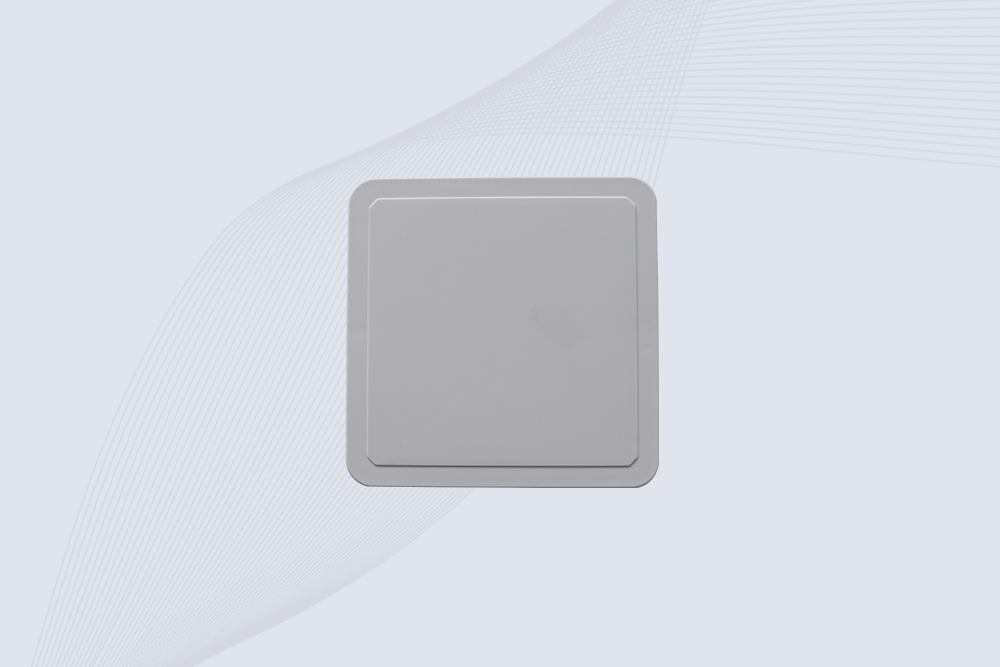
Cykeo CYKEO-A6 UHF RFID panel antenna features 6dBi gain, 840-960MHz broadband, IP65 metal-ready housing for logistics/smart retail. 18mm ultra-thin design with tool-free mounting.

Cykeo CK-A3 industrial antenna RFID UHF offers 5m+ tag detection, ≤1.3:1 VSWR, IP65 rugged design, and global UHF spectrum compatibility (840-960MHz) for warehouses, factories, and retail.
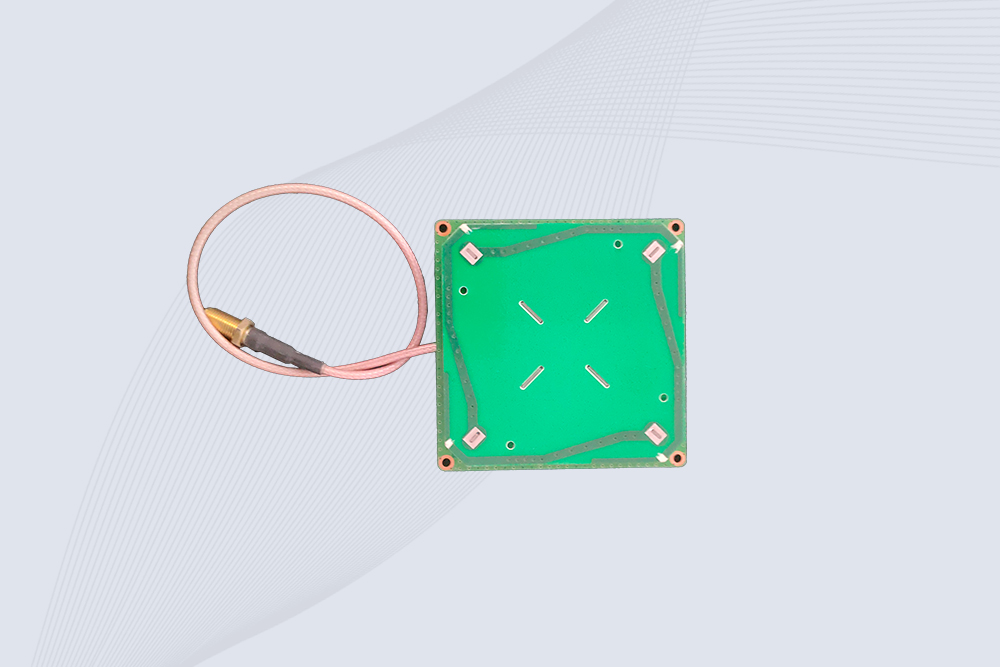
Cykeo CYKEO-B5 directional RFID antenna provides 5dBi gain with 60° narrow beamwidth for precise inventory tracking. IP65-rated, global UHF frequency support, and low VSWR.
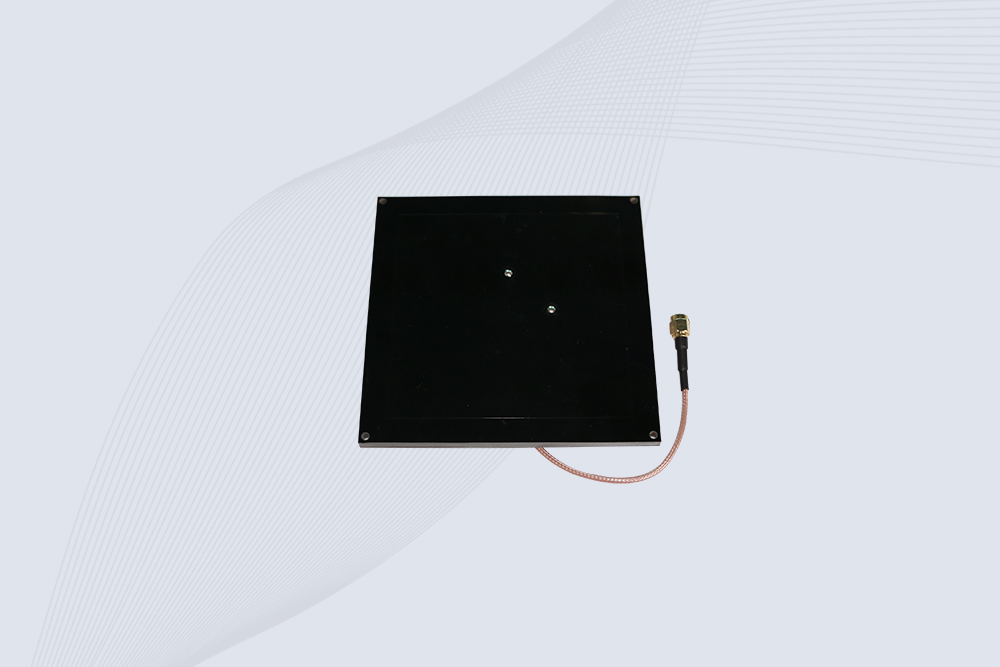
Create your own high-performance DIY RFID antenna! 5dBi gain, 840-960MHz tunable, step-by-step guides. Compatible with Arduino, Raspberry Pi, and commercial UHF readers.
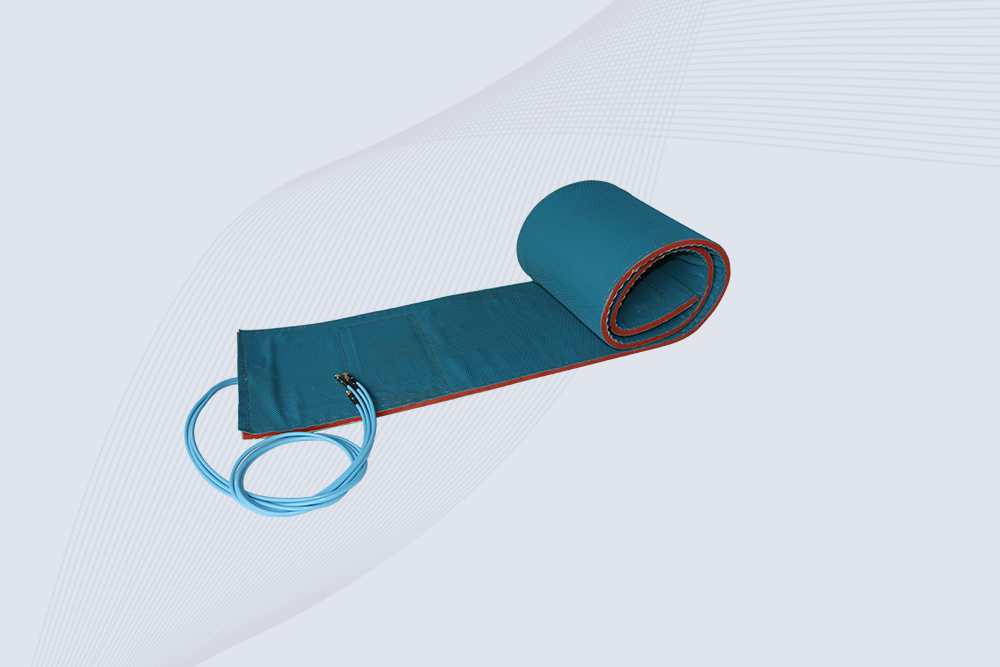
Cykeo CYKEO-A7 Flexible RFID Antenna features 840-960MHz wideband tuning, 7dBi gain, and IP68 rating for medical/retail/industrial curved surface deployments. 98% read accuracy with peel-and-stick installation.

Cykeo CYKEO-B5A industrial Passive RFID Antenna delivers 5dBi gain, 70° beamwidth, and -40°C~55°C operation for warehouses/smart cabinets. Compatible with Zebra/Impinj readers.
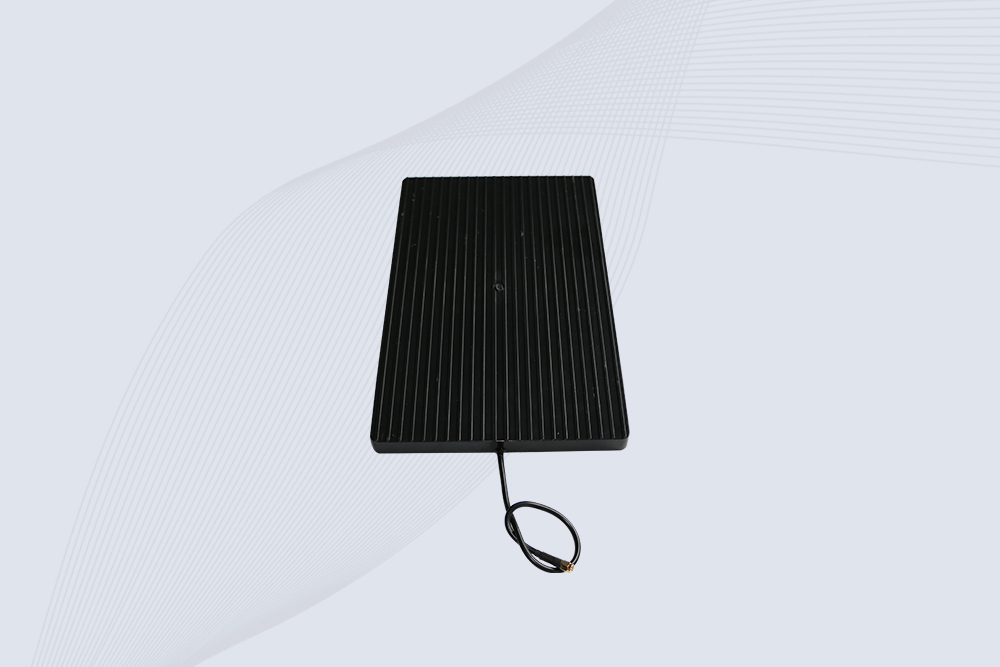
Cykeo’s CYKEO-A9B High Gain RFID Antenna delivers 15m+ read range with 9dBi amplification. Features IP54 rugged design, 840-960MHz bandwidth, and 80° beamwidth for warehouse/manufacturing RFID systems.

Cykeo’s enterprise-grade 8dbi Impinj RFID Antenna 10m+ read range with 840-960MHz tuning. Features IP65 housing, 1.4 VSWR, 35° beamwidth for retail/warehouse RFID systems.
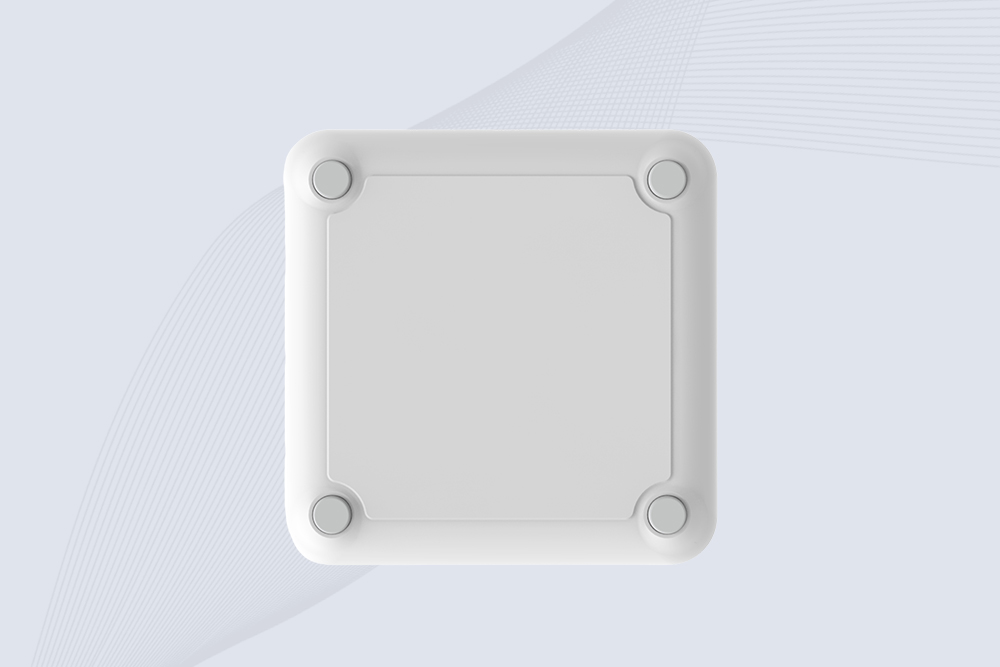
Cykeo CYKEO-A9 industrial UHF RFID antenna delivers 9dBi gain, 840-960MHz frequency range, and IP65 protection for warehouse/logistics/retail RFID systems. Features N-type connector and ≤1.3:1 VSWR.
CYKEO UHF RFID Antenna built for long-distance and industrial applications. This antenna rfid uhf delivers strong gain, outdoor durability, and reliable tag performance in warehouses, yards, and vehicle ID systems.
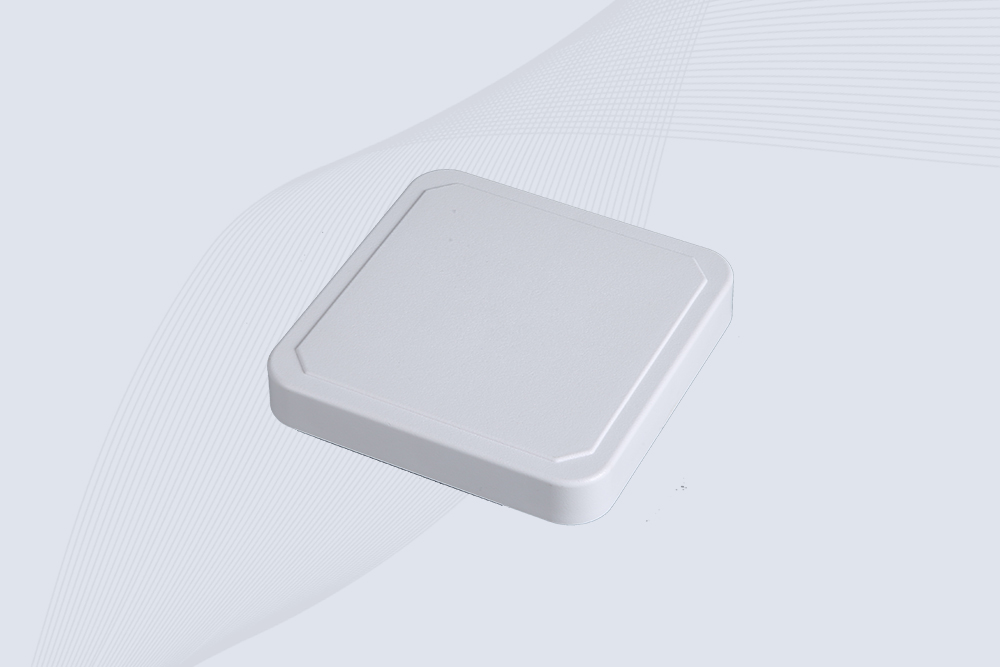
CYKEO Antenna RFID delivers reliable long-range UHF performance in warehouses, retail shelves, and cold-chain environments. This compact uhf rfid antenna provides stable reads with circular polarization and ultra-wide 840–960 MHz support, ideal for industrial tracking, smart shelves, and asset monitoring.
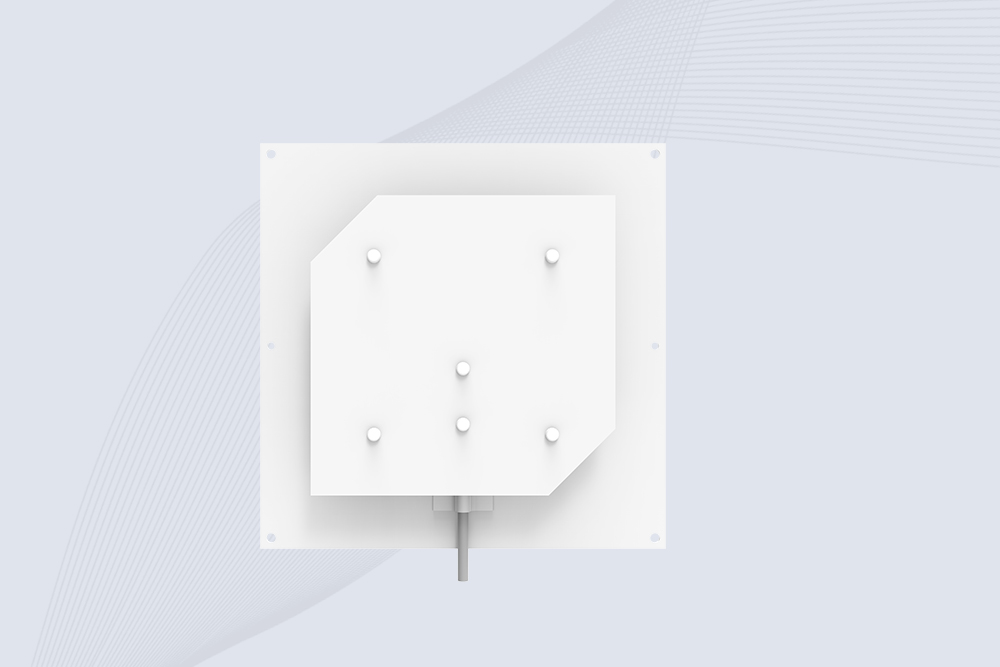
Cykeo’s CYKEO-C8 UHF RFID antennas delivers 8dBi gain, 840-960MHz full-band coverage, and IP65 ruggedness for manufacturing/warehouse RFID systems. Industrial RFID Antennas Features
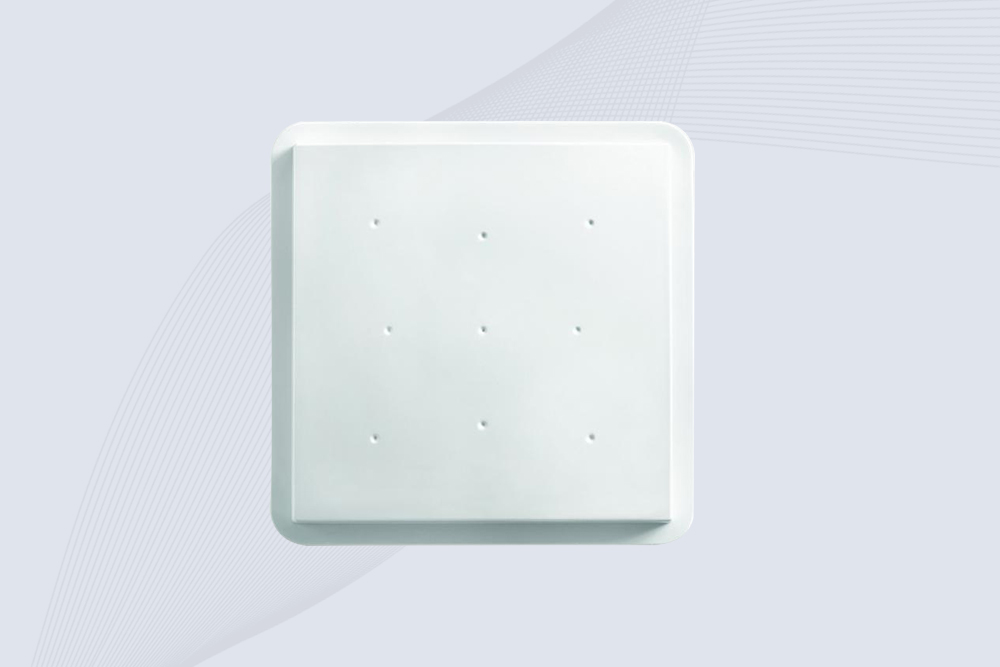
Cykeo’s 8dBi UHF RFID antenna and reader kit delivers 10m+ range, 840-960MHz broadband, and IP65 ruggedness for factories, warehouses, and logistics. ISO 18000-6C & EPC Gen2 certified.
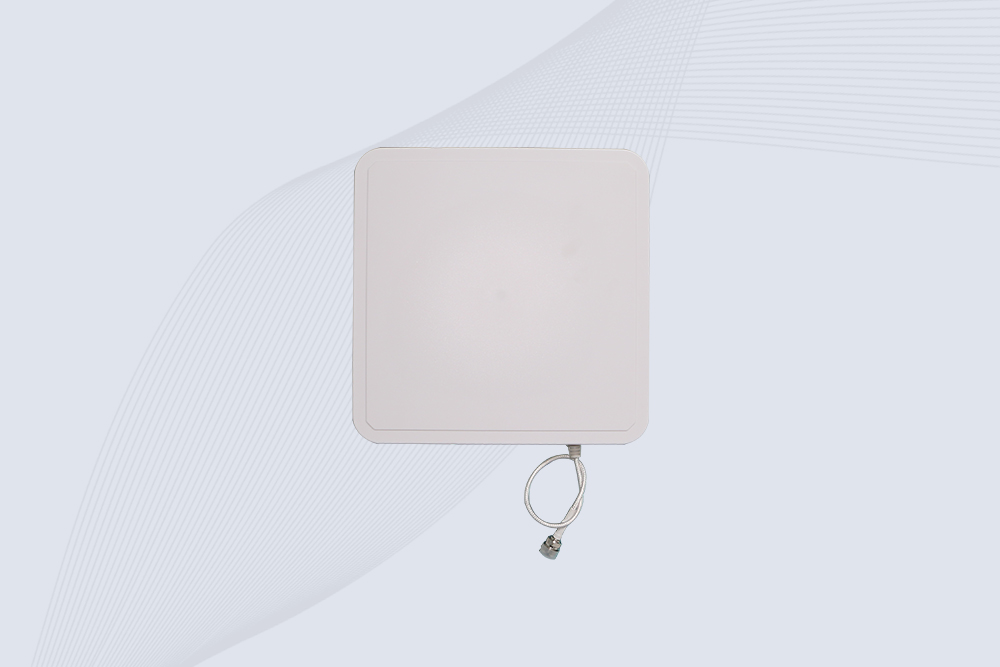
Cykeo CYKEO-A9A industrial UHF RFID reader and antenna kit delivers 10m range, 500 tags/sec, IP65 ruggedness for manufacturing/logistics. Supports EPC Gen2, ISO18000-6C.
Cykeo’s CYKEO-A12C UHF Large RFID Antenna delivers 12dBi gain, 840-960MHz global frequency, IP65 ruggedness for logistics/warehousing/automotive. 40° beamwidth ensures stable 15m+ tag reads.

CYKEO Near Field RFID Antenna provides precise 5–30 cm reading for shelves, cabinets, and workstations. This compact rfid shelf antenna delivers stable short-range performance around metal and clutter, ideal for pharmacies, libraries, and electronics sorting.
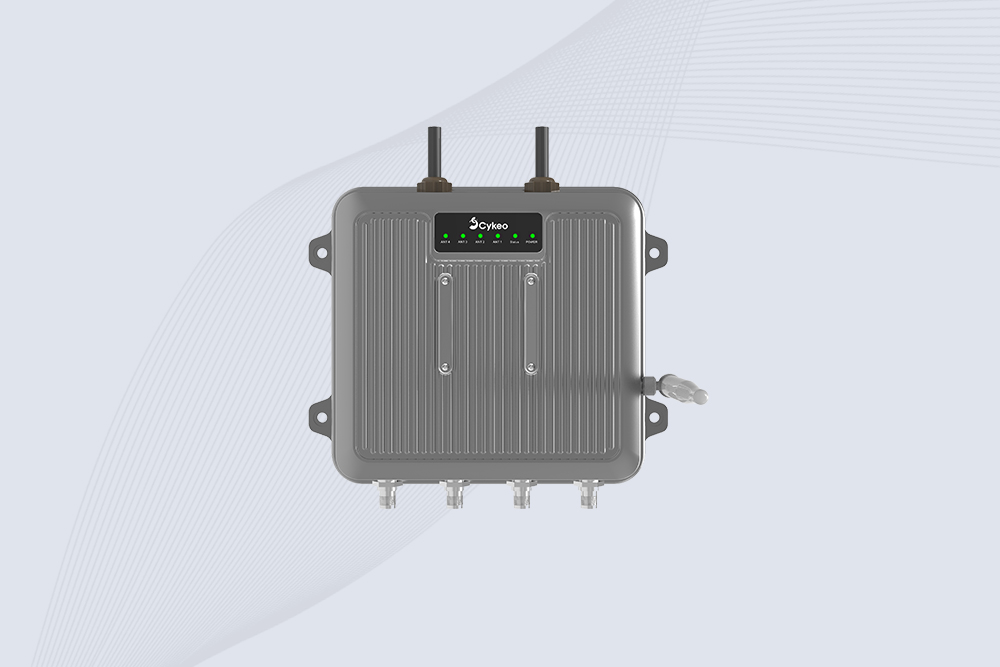
Cykeo CYKEO-C1 industrial Forklift RFID Reader features 20m read range, 600 tags/sec scanning, Impinj R2000 chipset, and IP67 rugged design. Ideal for warehouse logistics and manufacturing. Supports ISO 18000-6C/6B protocols.
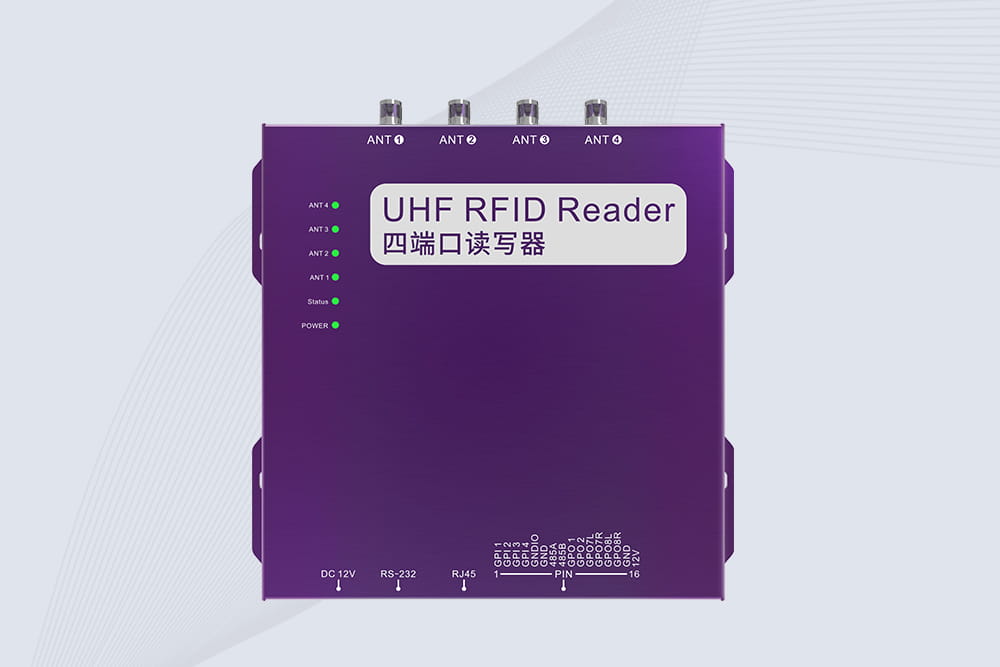
Cykeo CYKEO-R4 industrial UHF RFID Fixed Reader features 4 TNC ports, 400+ tags/sec speed, IP67 housing, and global frequency compliance for vehicle inspection, smart warehouse, and asset management systems.
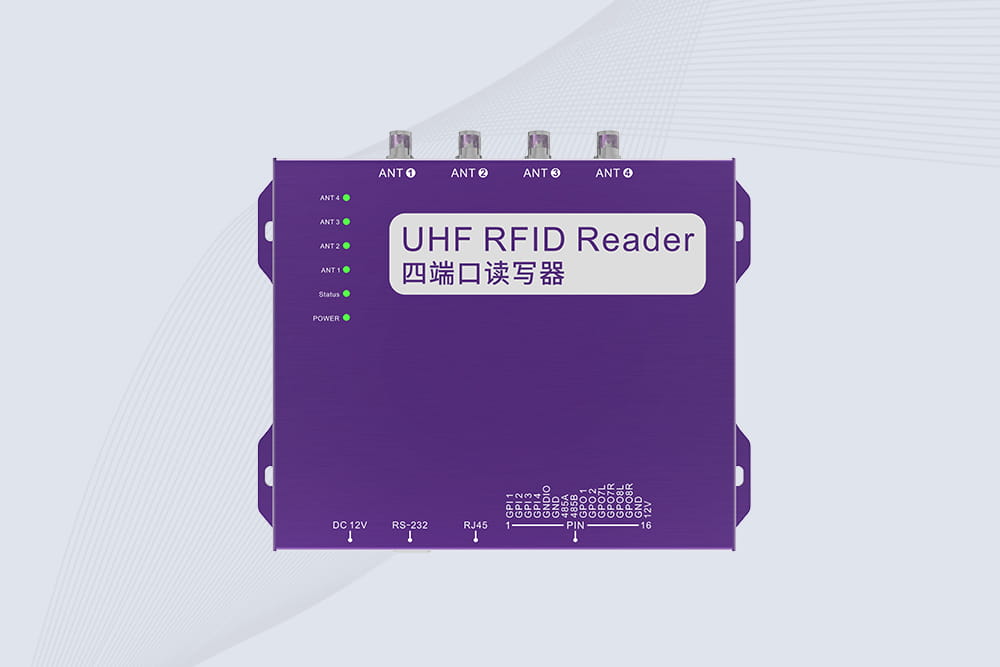
Cykeo’s CYKEO-R4L 4-port Fixed UHF RFID Reader delivers 400 tags/sec scanning, ISO 18000-6C compliance, and IP65 protection. Ideal for warehouse automation, manufacturing WIP tracking, and logistics management.
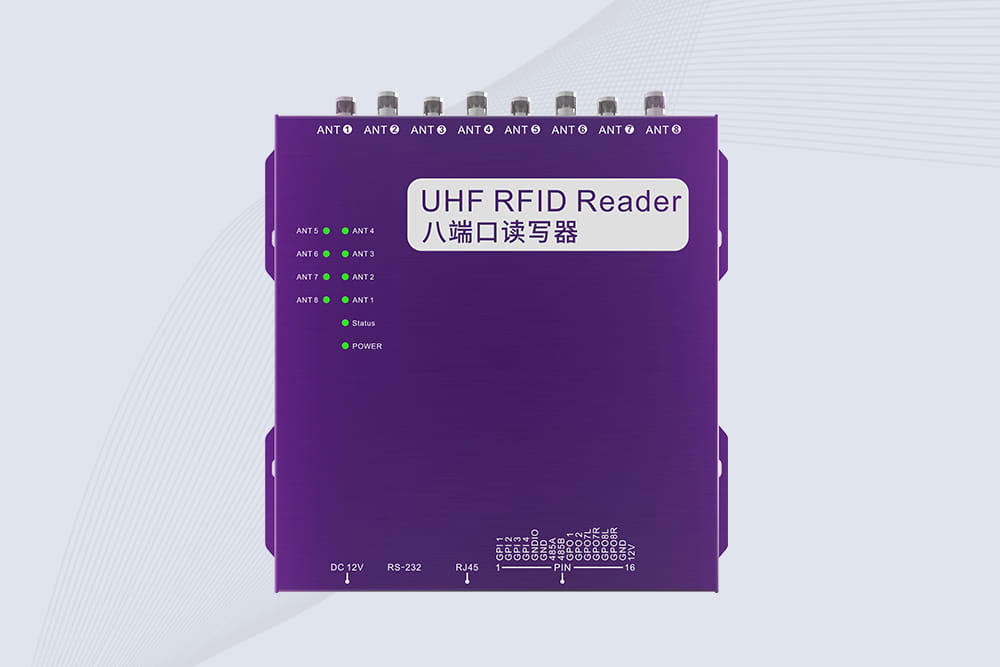
CYKEO CYKEO-R8L Fixed RFID Reader with 8-port UHF design, Impinj-based RF core and up to 20m read range. An industrial Fixed RFID Reader for vehicle inspection, warehouse portals, smart manufacturing lines and secure access checkpoints.
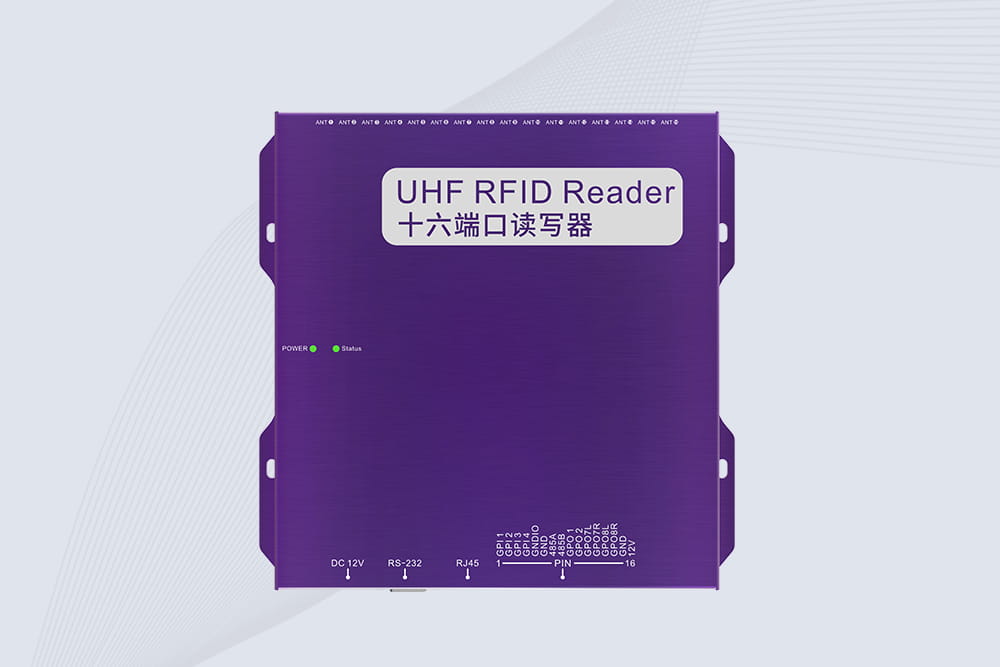
RFID Fixed Reader from CYKEO – the CYKEO-R16L 16-port UHF fixed reader for warehouses, smart cabinets, and production lines. Long-range, multi-tag reading, stable performance for 24/7 industrial use.

Struggling with RFID antenna problems? Learn how to troubleshoot read errors, interference, and connectivity issues with step-by-step solutions.
More
RFID cards are written by using a compatible RFID writer, programming software, and verified data transfer into the correct card memory area for identificati...
More
Discover how to customize RFID tag modules for harsh industrial environments like high heat, metal surfaces, and chemical exposure. Expert tips and case studies included.
More
Discover small tool tracking devices from Cykeo for automated tool management, RFID tracking, secure checkout, and real-time inventory visibility in industrial environments.
More