 Cykeo RFID IoT Solution Products R&D Manufacturer
RFID vs. Barcode Scanners: Which Saves More for Logistics?
1395Cykeo compares RFID and barcode scanners for logistics cost savings. Discover why 63% of warehouses now prefer UHF RFID for 90% faster scans and 40% lower labor costs.
MoreAll RFID Product
You can write RFID by using an RFID reader writer, compatible software, and the correct tag protocol to encode data into the chip memory. The process requires selecting tags, configuring parameters, writing information, and verifying stored data for reliable operation.
Writing RFID data is not simply placing information onto a chip. In practical projects, how to write rfid depends on the tag type, frequency range, memory structure, reader compatibility, and application requirements.
During my work with RFID deployment projects for warehouse tracking and industrial identification systems, I have seen many first-time implementations fail because teams focused only on the writing software and ignored tag selection or memory configuration. A successful RFID writing process starts before the first command is sent to the reader.
At Cykeo, our engineering team works with UHF RFID systems based on EPC Gen2 / ISO 18000-6C standards, supporting applications such as inventory management, asset tracking, and industrial automation. Field testing has shown that writing accuracy is affected by antenna position, output power settings, tag material, and surrounding interference.
According to GS1, EPC-based RFID systems are designed to provide unique identification and support standardized data exchange across supply chains. Proper encoding practices help organizations maintain consistent item identification throughout the product lifecycle.
The basic method for how to write RFID tags requires three essential components:
| Component | Purpose |
|---|---|
| RFID tag | Stores identification data and user information |
| RFID reader writer | Communicates with the RFID chip and sends write commands |
| Encoding software | Controls memory access and verifies written data |
In a typical factory environment, an operator does not manually type commands into a terminal. Instead, the workflow usually involves connecting the RFID reader writer to a computer, opening the encoding application, selecting the correct memory area, entering the required information, and completing a verification read.
For UHF RFID tags, the EPC memory bank is commonly used for identification data, while reserved and user memory areas may store additional information depending on tag capabilities. Incorrect memory selection is one of the most common causes of failed RFID writing operations.
A practical example from an industrial labeling project involved hundreds of UHF tags being attached to metal containers. Initial writing attempts showed inconsistent results because the tags were positioned directly against metal surfaces without suitable tag design. After switching to anti-metal RFID tags and adjusting reader parameters, the writing stability improved significantly.
The actual workflow for writing RFID tags usually includes these stages:
Before writing data, confirm:
For industrial applications, UHF RFID tags following EPC Gen2 standards are commonly selected because they support fast identification and multiple tag reading.
A suitable reader writer provides communication between software and the RFID chip.
Common connection methods include:
Professional RFID writing stations often include power adjustment, tag filtering, and verification functions because uncontrolled writing environments can create duplicate or incorrect records.
After data entry, the reader sends a write command to the RFID chip. A verification step should always follow.
A reliable process normally includes:
Skipping verification may create problems later, especially when thousands of tagged items enter warehouses or production environments.

To understand how to write rfid, it is important to know how information moves between the reader and the chip.
An RFID reader writer generates a radio signal that powers communication with the tag. After authentication and command exchange, the system writes data into available memory sections.
Different RFID technologies use different operating frequencies:
| RFID Type | Frequency | Common Applications |
|---|---|---|
| LF RFID | 125–134 kHz | Animal identification, access control |
| HF RFID | 13.56 MHz | Cards, libraries, NFC applications |
| UHF RFID | 860–960 MHz | Warehouse, retail, logistics tracking |
In my experience supporting RFID integration projects, the most overlooked factor is not the writing command itself but the relationship between the tag and the operating environment. A tag that performs well on cardboard may behave differently when attached to liquids, metal surfaces, or dense product packaging.
This is why professional RFID implementation requires testing before large-scale deployment. The writing process must match the real application environment rather than only the laboratory conditions.
When companies move from testing to mass deployment, how to write RFID tags becomes a production efficiency issue rather than a simple encoding task. A warehouse, manufacturing plant, or retail operation may need thousands of RFID tags written with unique identifiers before products enter circulation.
In large-scale RFID projects, engineers normally create a controlled encoding workflow. The operator does not manually enter every tag number. Instead, the system imports product information from databases, assigns unique EPC values, writes the information into RFID memory, and automatically verifies each result.
A professional bulk writing process often includes:
During RFID deployment projects, one common issue I have encountered is excessive write speed without verification. Some teams attempt to maximize throughput but later discover that a small percentage of tags contain incorrect or incomplete data. In supply chain environments, even a small error rate can create inventory inconsistencies.
The solution is not simply increasing writing speed. The better approach is balancing throughput, tag positioning, antenna performance, and verification accuracy.
Understanding RFID memory structure is essential for accurate tag programming.
Most UHF RFID tags include several memory sections:
| Memory Area | Function |
|---|---|
| EPC Memory | Stores unique electronic product codes |
| TID Memory | Contains manufacturer-defined tag information |
| User Memory | Stores additional application data |
| Reserved Memory | Handles security-related information |
Before performing RFID tag writing, engineers must decide where the information should be stored.
For example:
Writing unnecessary information into limited memory areas can reduce system flexibility. In professional projects, I usually recommend defining the data structure before purchasing large quantities of tags.
This small preparation step often prevents expensive re-tagging work later.
The RFID reader writer is the bridge between software commands and the physical RFID chip. Its performance directly affects writing reliability.
A suitable RFID writer should provide:
The device should maintain consistent communication between the software platform and RFID tags, especially when writing multiple tags continuously.
Different tags and environments require different power levels. Excessive power may create interference, while insufficient power can cause failed writing attempts.
Industrial applications often require batch processing. Reader writers with anti-collision technology can manage multiple tags within the operating field.
Professional RFID solutions should support:
Cykeo RFID reader writer solutions are designed for industrial RFID applications, supporting integration requirements for inventory systems, production management, and asset tracking platforms.

Many RFID writing problems are caused by practical deployment details rather than software errors.
Different RFID tags support different protocols and memory structures. A writing tool designed for HF cards may not work with UHF industrial labels.
Metal surfaces, liquids, and dense materials can influence RFID communication. Testing should always happen with the actual tagged object.
A successful write command does not always mean the stored data is correct. Reading back the information is a necessary quality control step.
Without a defined coding method, different departments may create inconsistent RFID records.
For example, warehouse teams may use one identification format while production teams use another. A unified RFID data strategy avoids these issues.
At Cykeo, RFID writing technology is developed around practical industrial requirements rather than isolated laboratory testing.
Our engineering experience covers:
In real deployment environments, RFID performance depends on the complete system: tag selection, reader configuration, software workflow, and application design.
A reliable how to write rfid solution is not only about sending information into a chip. It is about ensuring that the written data remains accurate, searchable, and useful throughout the entire operational process.
No. Only RFID readers with writing capability can write data to RFID tags. Standard read-only readers can identify tags but cannot modify memory information.
RFID writing usually requires encoding software provided by the reader manufacturer or integrated through an SDK/API. The software controls tag selection, memory writing, and verification.
Yes. Many RFID tags support rewriting unless specific memory areas have been permanently locked. Rewrite capability depends on tag type and security settings.
The writing time depends on tag technology, memory size, reader performance, and system configuration. Industrial systems can process many tags through optimized workflows.
Information may include identification numbers, product codes, inventory references, manufacturing details, or application-specific data depending on available memory.
Common causes include incorrect tag type, insufficient reader power, poor tag placement, environmental interference, or incompatible software settings.
Yes. RFID writing normally requires software or an integrated system that communicates with the RFID reader writer and manages the encoding process.
Learning how to write rfid requires more than understanding a single encoding command. Reliable RFID writing combines compatible tags, professional reader writer hardware, correct memory planning, software integration, and verification procedures.
From small desktop encoding stations to industrial production systems, the writing process determines whether RFID data can support accurate tracking and automation.
With practical experience in RFID deployment, Cykeo focuses on creating reliable RFID solutions that help businesses improve identification accuracy, operational visibility, and long-term data management.

Discover SSD-D4AL, a USB-HID UHF RFID reader with 4/8/16 antenna options, Impinj E710/X3M1 chipset, plug-and-play USB power, and OEM customization.
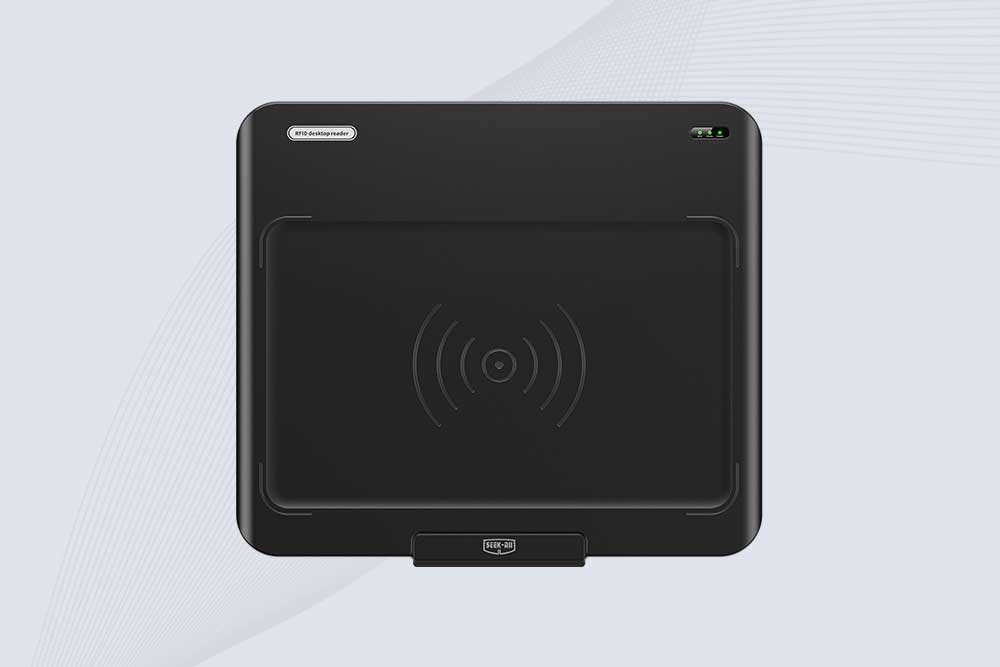
SSD-D3AL is a USB-HID UHF RFID reader with 0–30 cm reading, 0–15 cm writing, over 600 tags/s recognition, USB plug-and-play operation and OEM Logo customization.
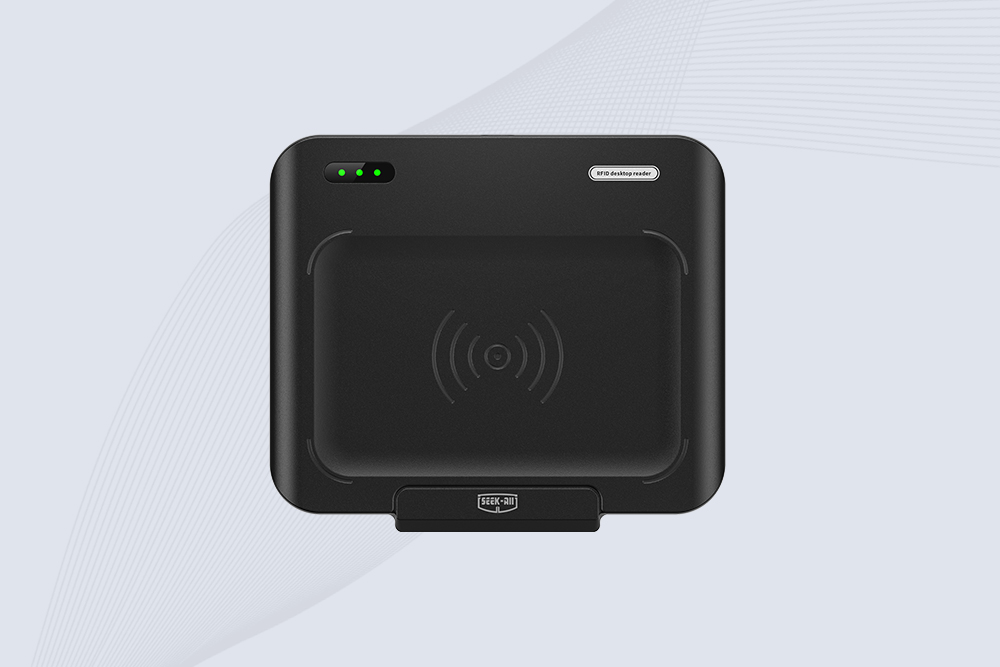
SSD-D1AL is a compact USB UHF RFID reader with Impinj E710/X3M1 chipset, USB-HID, 600+ tags/s recognition, 4/8/16 antenna support and plug-and-play USB power.

CYKEO CYKEO-D1LA USB RFID Reader is a compact desktop solution with near-field control for precise tag reading and encoding. Powered by USB, supporting ISO 18000-6C, and built for stable batch writing, this usb rfid tag reader fits retail, libraries, offices, and controlled RFID encoding tasks.
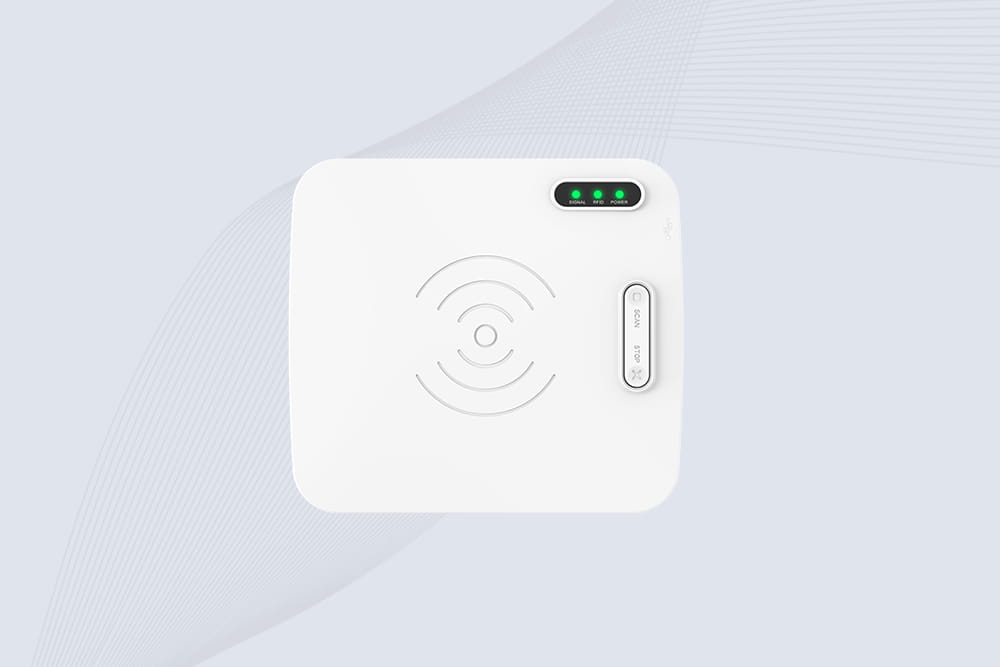
CYKEO CYKEO-D1L RFID scanner USB is a compact desktop UHF RFID scanner designed for short-range tag writing and verification. This usb rfid scanner supports batch encoding, stable 0–26 dBm output, and works across Windows, Linux, and Android systems.
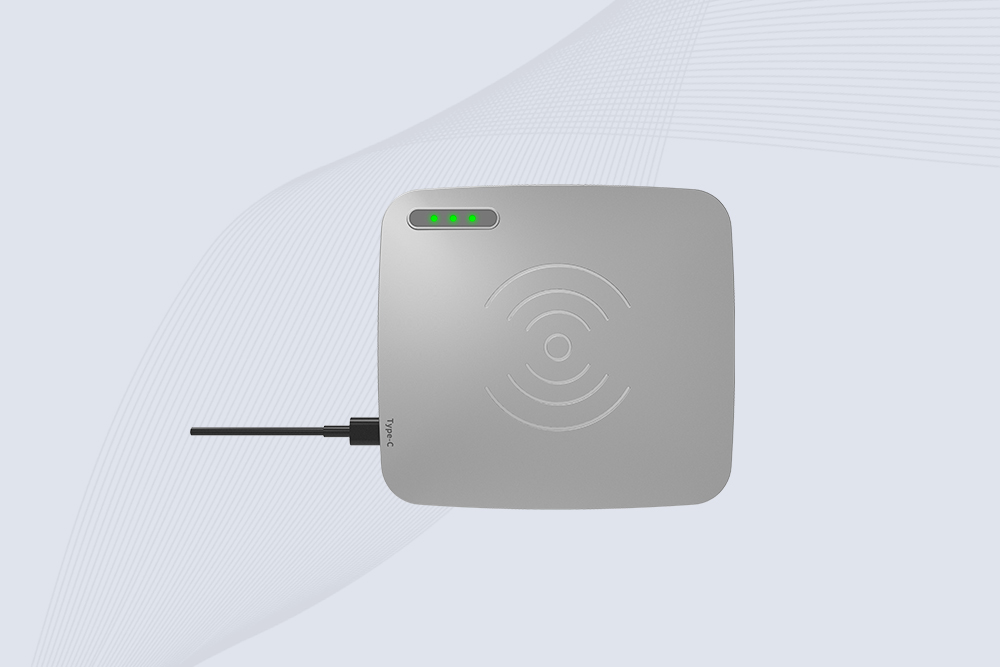
CYKEO CYKEO-D1C USB RFID Card Reader is a near-field UHF desktop writer designed for secure, short-range tag encoding. With USB-C connectivity and stable 26 dBm output, this rfid reader usb c is ideal for badge issuance, label encoding, and controlled desktop RFID workflows.
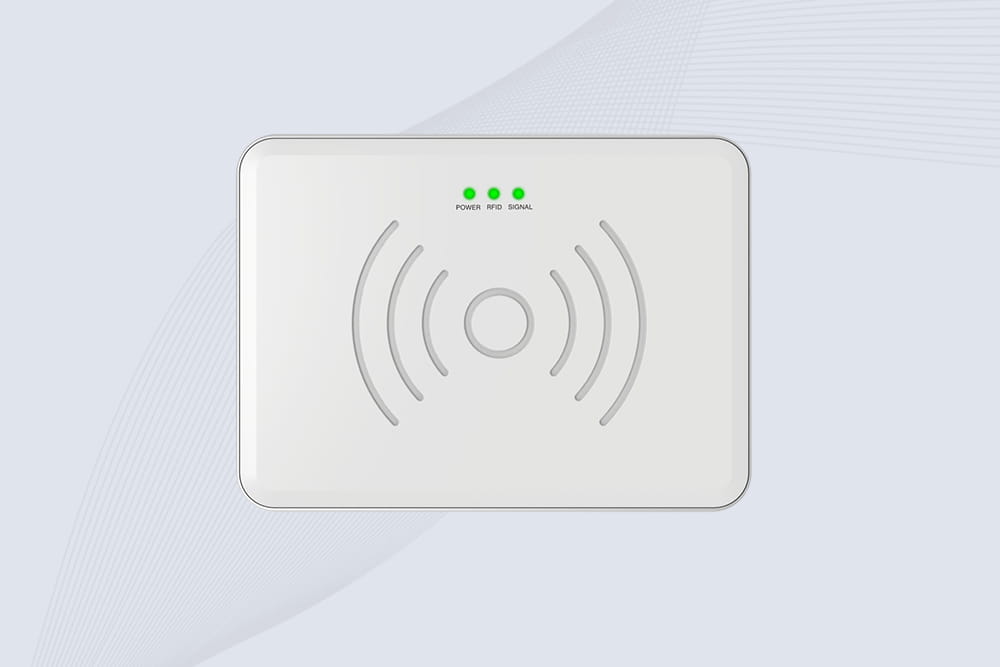
CYKEO CYKEO-D2L RFID Reader USB is a compact desktop encoder built on the Impinj R500 chip. With near-field control and stable USB power, this usb rfid card reader delivers precise tag writing for offices, retail counters, and small-scale logistics encoding tasks.
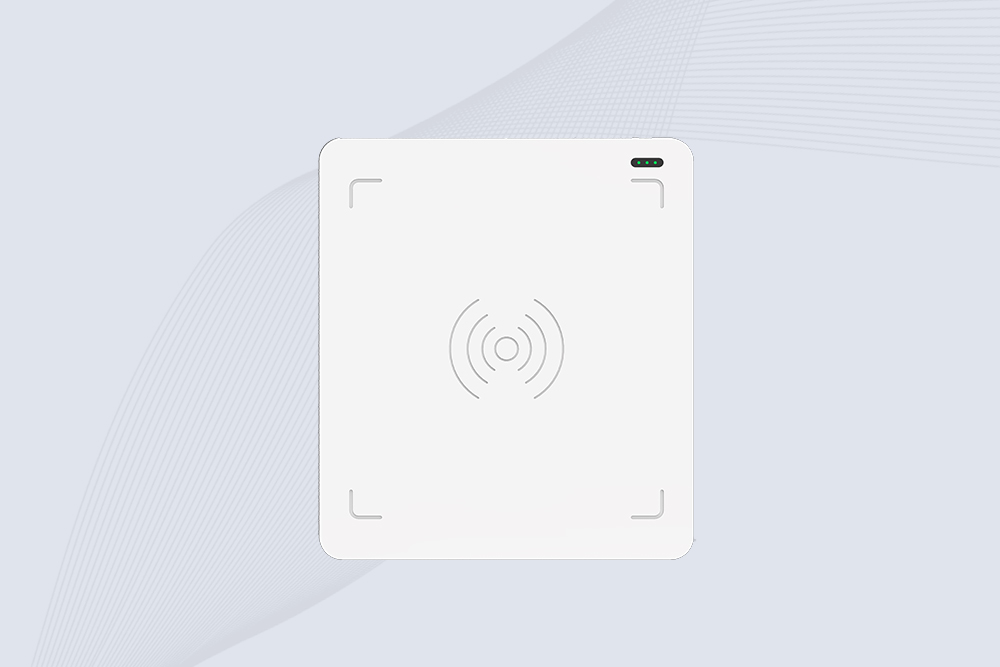
CYKEO CYKEO-D3L USB RFID Tag Reader delivers stable UHF tag reading and writing for daily desktop and light industrial tasks. Designed for controlled short-range operation, this USB RFID Tag Reader works reliably with rfid tag and reader systems in libraries, tool tracking, and inventory registration.
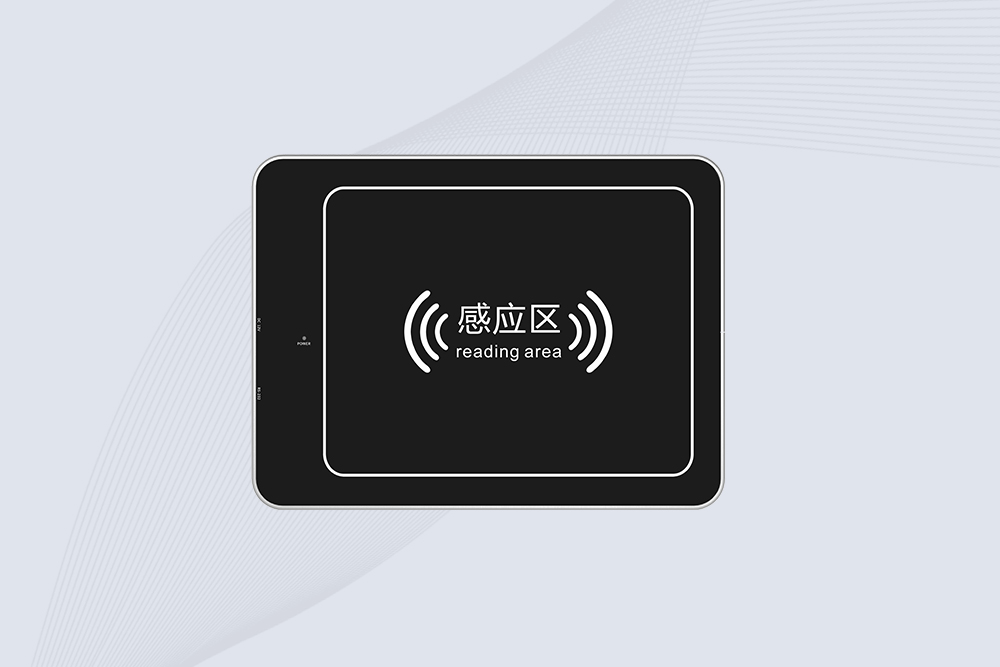
The CYKEO CYKEO-D4L UHF RFID Tag Reader is a stable Desktop RFID Reader designed for accurate tag registration, borrowing, and return workflows. Built with the Impinj R2000 chip, this UHF RFID Tag Reader delivers controlled short-range reads for libraries, asset tracking, and inventory management environments.
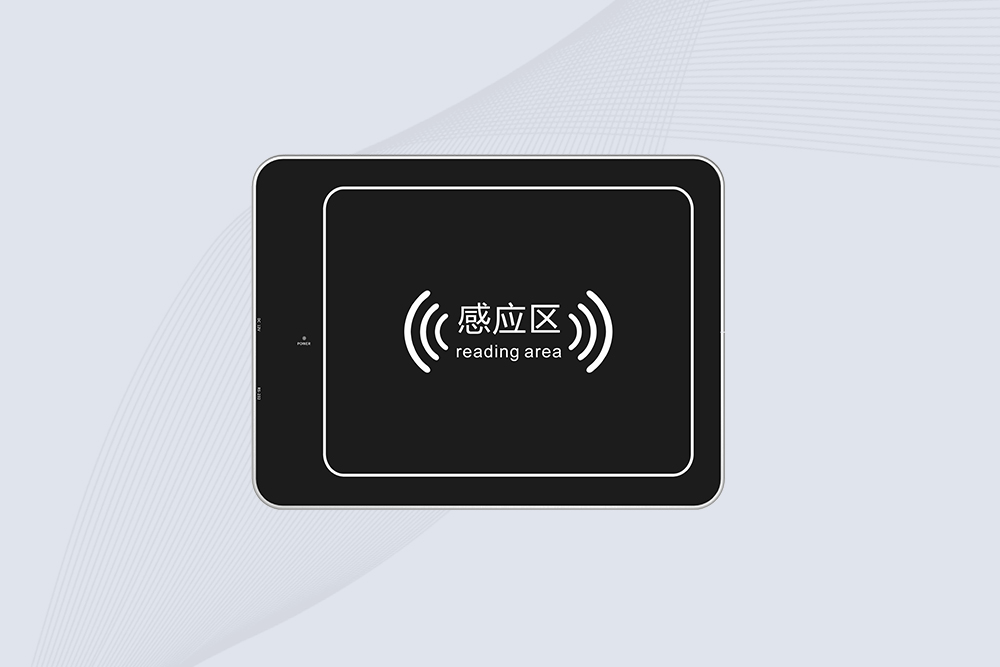
The CYKEO CYKEO-D5L Desktop RFID Card Reader is a stable UHF RFID Card Reader designed for controlled short-range reading and writing. Built for libraries, tool rooms, and asset desks, this UHF RFID Card Reader supports dense tag handling, secure data processing, and easy USB integration.
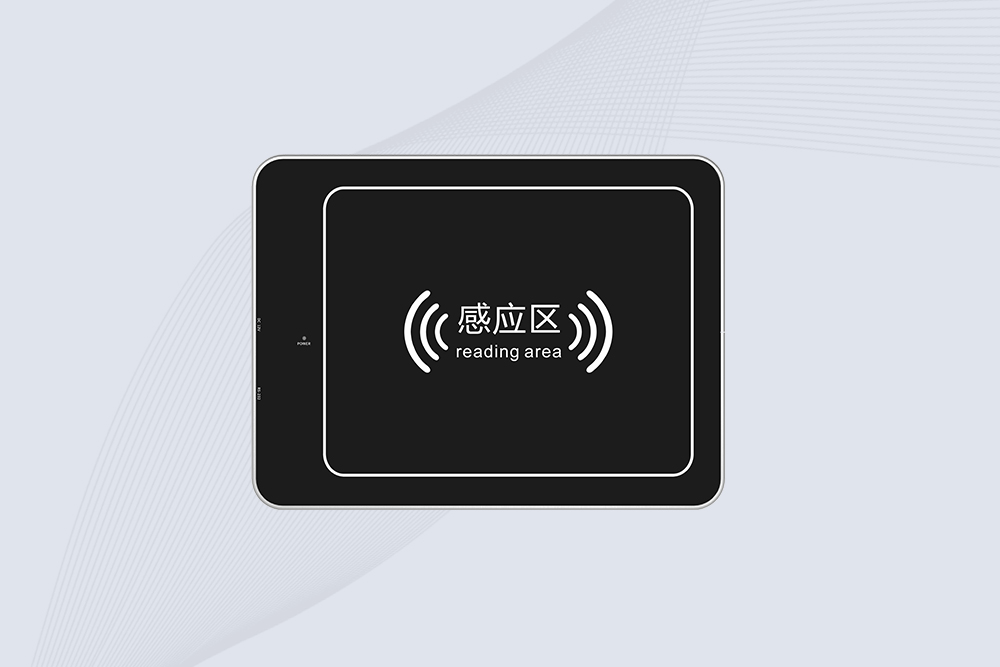
The CYKEO CYKEO-D6L RFID Reader Writer is a heavy-duty Desktop RFID Reader designed for short-range, high-accuracy tag programming. Built for libraries, labs, and asset desks, this RFID Reader Writer supports batch processing, stable 33dBm output, and seamless integration with existing management systems.
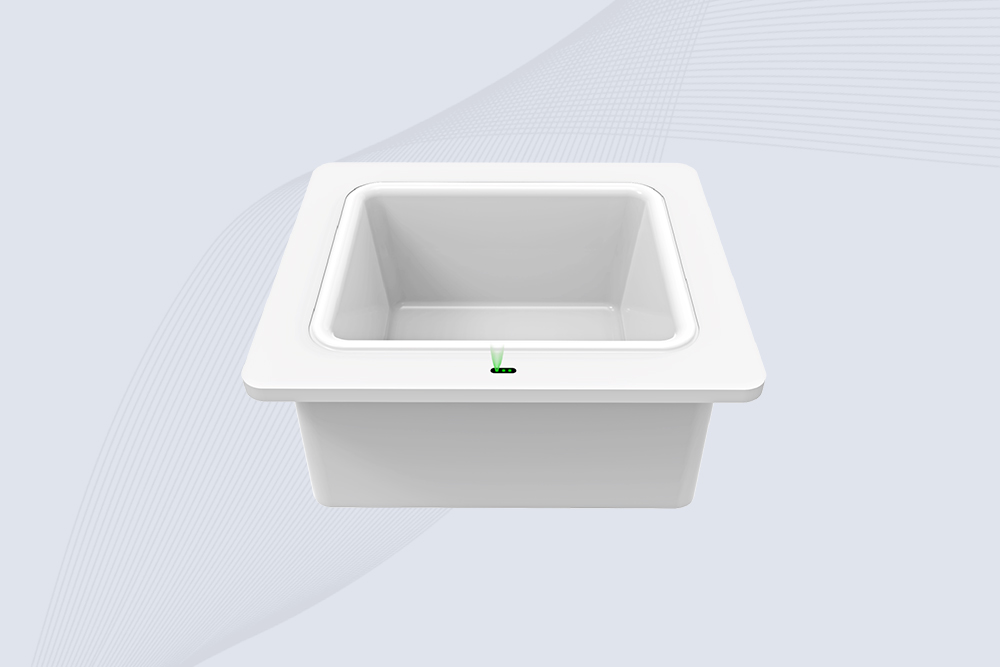
Cykeo CYKEO-D8B UHF RFID tunnel and RFID Desktop Reader features 30+ items batch reading,
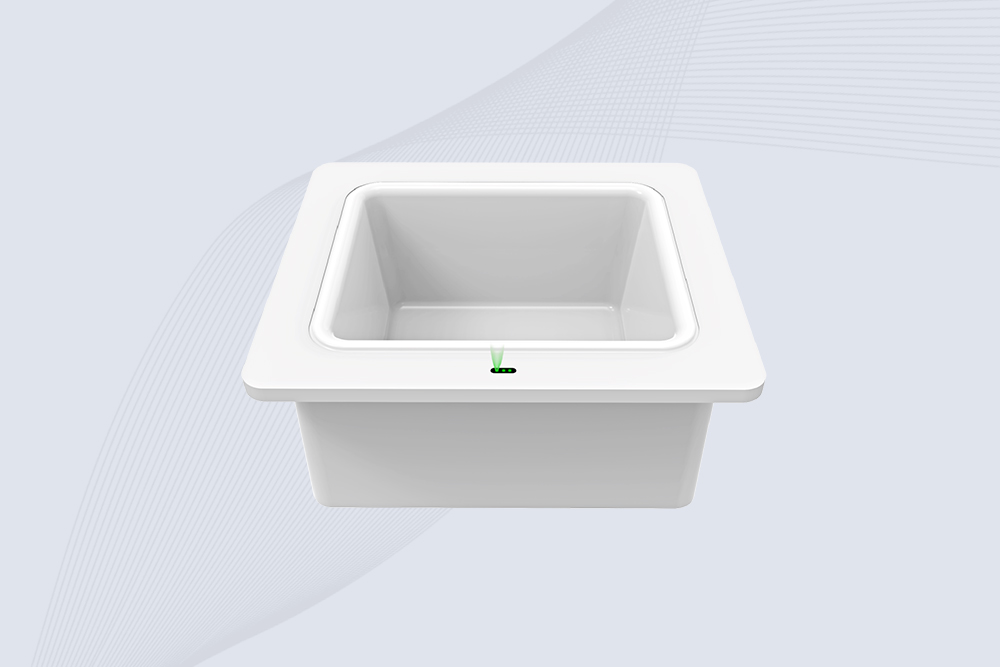
Cykeo CYKEO-D8A embedded RFID badge reader offers 30+ tags/sec scanning, 20cm anti-crosstalk precision, and DC 12V power for unmanned stores, warehouses, and smart inventory systems.
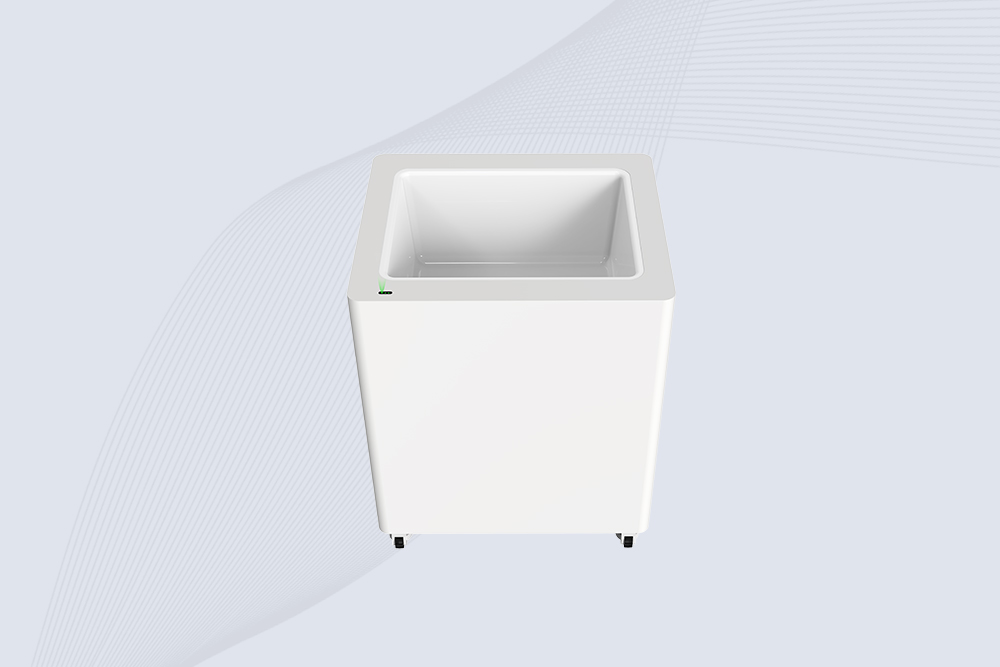
Cykeo’s CYKEO-D8C UHF RFID gate reader achieves 200-tag/batch scanning with adjustable power control, ideal for retail inventory and smart warehouse management.

Cykeo compares RFID and barcode scanners for logistics cost savings. Discover why 63% of warehouses now prefer UHF RFID for 90% faster scans and 40% lower labor costs.
More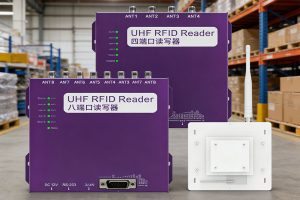
best RFID reader to pair with the CK-A10A 10dBi antenna,Check out my top picks for Cykeorfid readers that give you better range, accuracy, and overall performance — tested in real-world environments.
More
Discover how rfid tags labels improve inventory accuracy, asset visibility, and supply chain efficiency. Learn how to choose the right RFID labels with expert insights from Cykeo.
More
Learn how to protect data in long-range RFID networks from interception or tampering. Discover Cykeo’s encryption, authentication, and compliance strategies for secure operations.
More