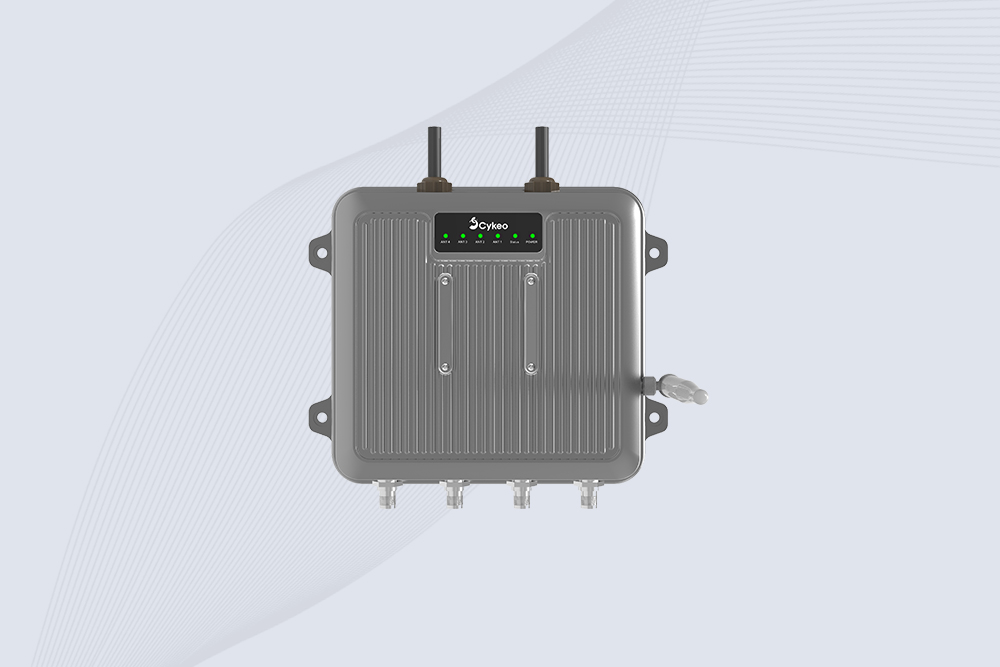
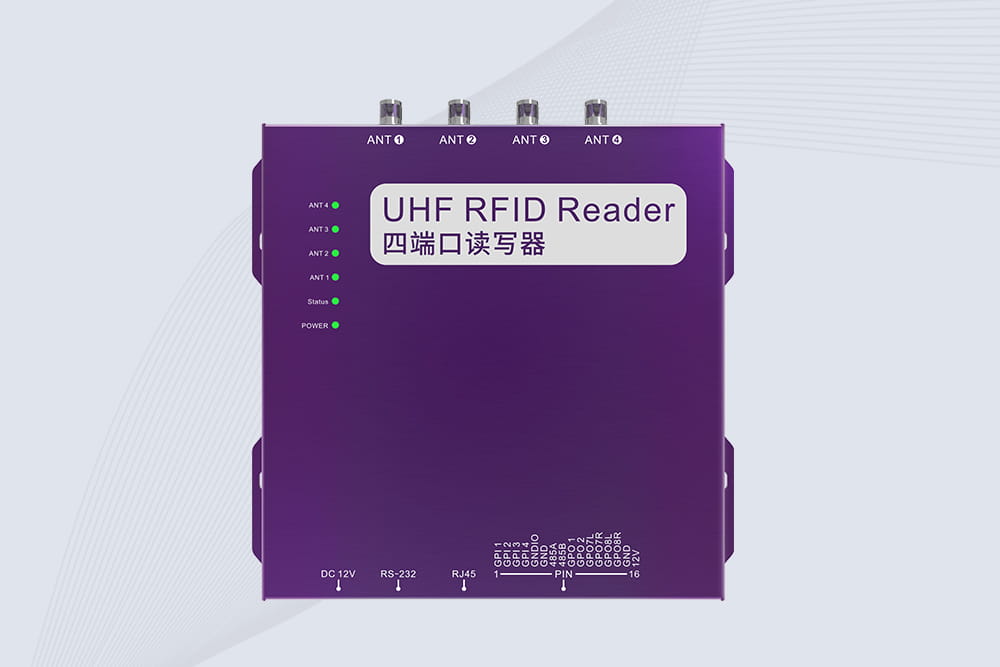
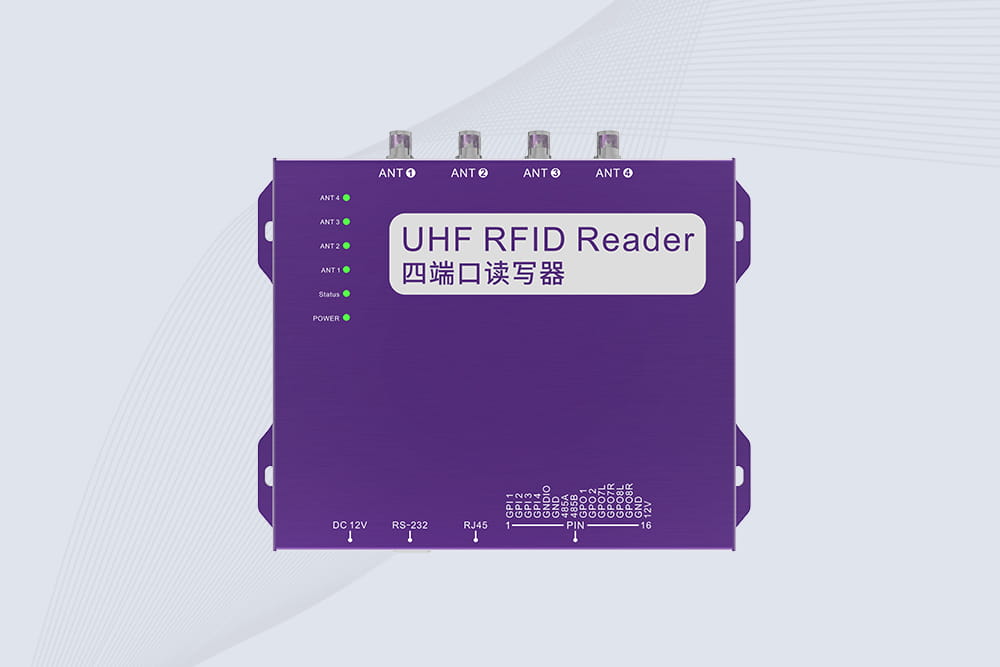
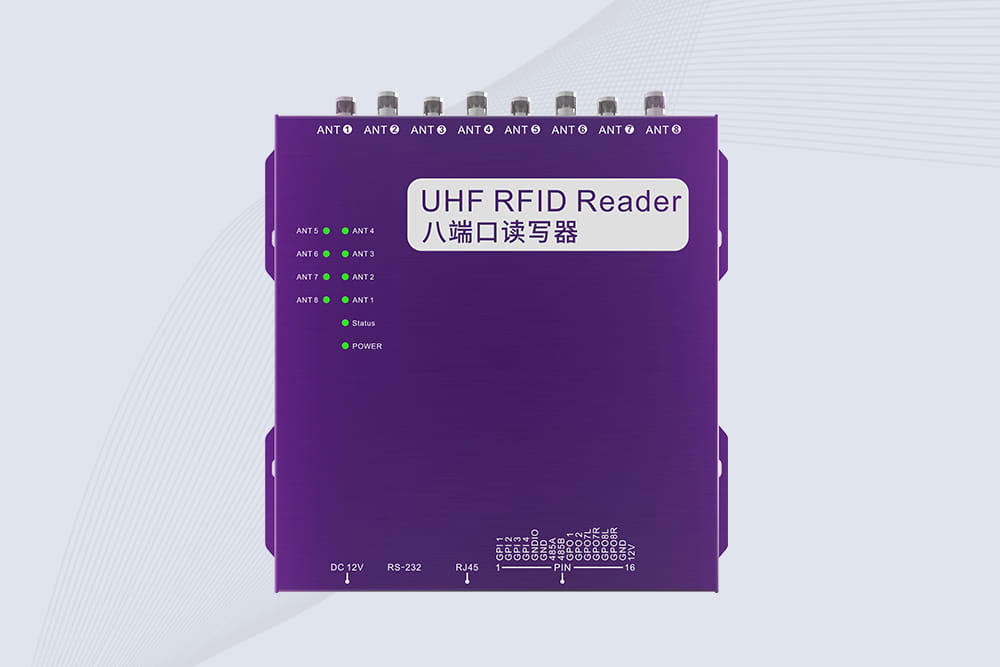
How rfid scanners work is based on radio-frequency communication: the scanner sends RF energy through an antenna, activates compatible RFID tags, receives their backscattered responses, separates multiple tag signals, and converts the responses into digital identification data.
That is the mechanism. The difficult part starts when the scanner leaves the test bench.
A warehouse scanner may face metal shelving, densely packed garments, moving cages, electrical equipment and hundreds of tags inside the same RF field. The useful result is not simply detecting a tag. It is identifying the right tags at the right operational point without filling the inventory system with irrelevant reads.
GS1 describes RFID as automatic identification using radio waves, with RAIN RFID being the most frequently used UHF RFID technology.
What Is an RFID Scanner?
An RFID scanner is commonly used to describe equipment that reads RFID tags wirelessly. In industrial UHF systems, the device is more accurately an RFID reader or interrogator.
Unlike a barcode scanner, it does not need to visually inspect a printed pattern.
The scanner communicates with the tag through radio frequency.
Stores identification data and responds to the reader
Communication interface
Transfers decoded data to software
Application software
Converts tag reads into inventory or process events
GS1 explains that a typical RFID system consists of a reader and transponder, with the reader sending electromagnetic waves and receiving the tag’s response. Passive tags draw energy from the reader’s field and return information using backscatter.
So the scanner is not merely “looking” for a label.
It is creating the conditions under which the tag can communicate.
How RFID Scanners Communicate With Tags
The basic communication path is:
RFID scanner → antenna → RF field → tag → backscatter → antenna → scanner → digital data
When a passive UHF tag enters the RF field, electromagnetic energy reaches the tag antenna. The tag uses the available energy to operate its chip.
The chip then responds by modulating the reflected signal.
This is called backscatter communication.
GS1 specifically describes passive RFID tags as having no radio transmitter of their own. Instead, they draw power from the reader’s electromagnetic field and modulate the signal returned to the reader.
That distinction explains why passive UHF RFID can identify products without a battery inside every label.
A single reading event
A typical UHF inventory exchange involves several stages:
The scanner generates an RF signal.
The antenna establishes the reading field.
A compatible tag receives enough energy to operate.
The scanner sends an inventory command.
The tag prepares its response.
The tag backscatters its encoded information.
The scanner receives and decodes the response.
The identification data is transferred to the application.
The entire exchange is designed to happen quickly.
For warehouse inventory, that speed matters because the scanner may encounter many tags rather than one.
How UHF RFID Scanners Read Multiple Tags
This is where how RFID scanners work becomes significantly different from conventional barcode scanning.
Imagine a wheeled cage containing 300 tagged garments.
A barcode scanner normally requires the operator to position the scanner so that each barcode can be optically captured. RAIN RFID works differently. GS1 notes that RFID can read tags when they are within the reader’s range and can identify multiple items on a pallet without requiring every item to be read individually.
The scanner therefore needs a way to manage a population of tags.
EPC Gen2 does this through an inventory process with anti-collision mechanisms. The current GS1 Gen2 specification defines random-slotted collision arbitration, in which tags use response slots controlled by the interrogator. The standard’s Q parameter regulates the probability of tag responses in an inventory round.
In practical terms:
300 tags do not simply answer at once.
The scanner manages the conversation.
That is one reason UHF RFID is useful for batch inventory, apparel handling, hotel linen processing and warehouse receiving.
RFID Scanner Frequency Matters
RFID is not one single radio technology.
GS1 identifies LF, HF and UHF RFID as the major frequency categories. Passive UHF/RAIN RFID operates in the 860–930 MHz range and is used for fast asset identification, inventory and tracking.
RFID technology
Typical frequency
Typical characteristic
LF
125 / 134 kHz
Short-range identification
HF
13.56 MHz
Short-to-medium range applications
UHF / RAIN
860–930 MHz
Fast item identification and inventory
For applications involving clothing, leather goods, hotel linen, electrical meters and warehouse products, UHF is particularly relevant because the technology is designed for rapid identification of multiple tagged items.
How Far Can an RFID Scanner Read?
There is no universal RFID scanning distance.
GS1 reports that passive UHF RFID tags typically have a reading range of several meters, with up to 15 meters in very special cases. It also notes that specialized UHF readers using phased-array antennas can reach up to 20 meters under particular conditions.
But distance is only one part of the specification.
The readable volume depends heavily on:
Reader output power
Antenna gain and directivity
Antenna polarization
Tag orientation
Product material
RF interference
Reader sensitivity
Physical installation
GS1 specifically states that the shape of the readable volume can be more important than maximum reading distance.
That point becomes obvious at a warehouse door.
If the scanner reads 15 meters in every direction, it may capture tags on nearby shelves that were never supposed to be included in the shipping transaction.
A good installation therefore asks a different question:
Where should the scanner read—not merely how far can it read?
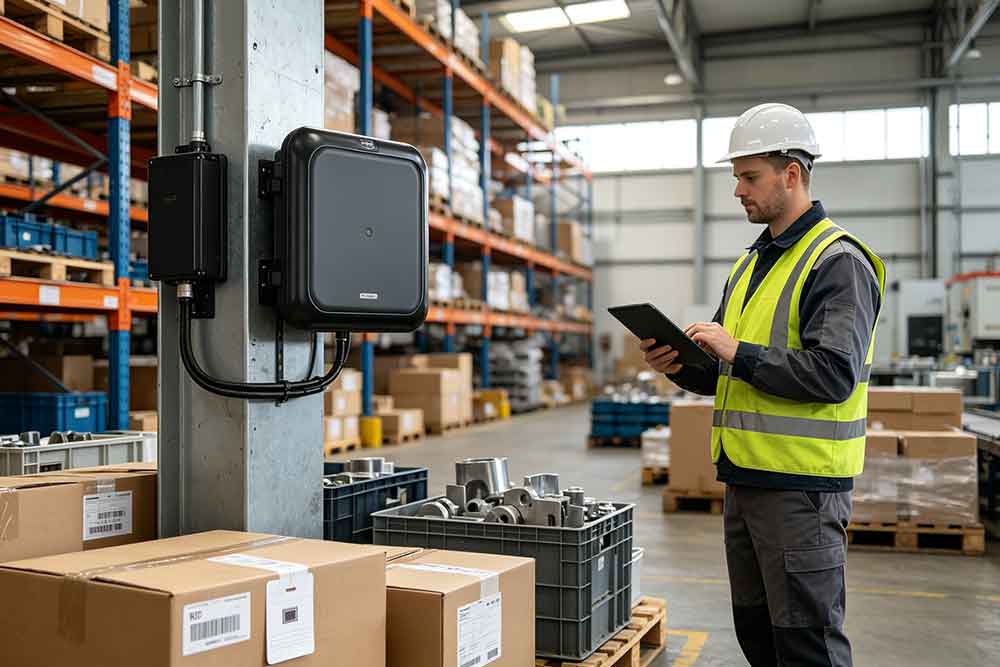
A fixed UHF RFID scanner identifies multiple tagged products as a warehouse trolley enters a controlled receiving area.
Why RFID Scanner Antennas Matter
The scanner and antenna perform different jobs.
The scanner generates and processes the RF signal.
The antenna determines how that signal enters the physical environment and how returning signals are received.
A poorly positioned antenna can undermine an otherwise capable scanner.
GS1 identifies antenna directivity, gain, electromagnetic polarization and tag orientation as important factors affecting the readable volume.
For a fixed installation, antennas may be positioned for:
Warehouse portals
Receiving stations
Shipping stations
Conveyor systems
Inventory channels
Production checkpoints
Smart shelves
Forklift applications
This is also why RFID scanner specifications should never be evaluated independently of the antenna.
What Happens When RFID Scanners Encounter Metal or Water?
Real products are rarely RF-neutral.
Metal can reflect and diffract electromagnetic waves, while water and other liquids can absorb RF energy and affect tag sensitivity. GS1 notes that specialized on-metal RFID tags and antenna designs can help mitigate these effects.
This matters in industrial applications.
An electrical meter mounted on or near metal behaves differently from a cardboard carton.
A garment behaves differently from a liquid-filled container.
A hotel linen trolley is different again.
During an actual deployment, I would therefore test the scanner using the real product, real tag placement and real load density rather than relying only on a single-tag laboratory demonstration.
How RFID Scanner Data Reaches Inventory Software
Once a tag response has been decoded, the scanner still has one more job: communicate that identification data to the application.
A simplified architecture is:
RFID Tag → Antenna → Scanner → Signal Processing → EPC → Ethernet/Interface → Inventory Software
GS1 identifies the Low Level Reader Protocol (LLRP) as a software-to-reader interface that provides detailed control of RFID reader operations. GS1’s RFID standards framework also includes tag data, reader management and application-level event standards.
The division of responsibility is important.
The scanner knows:
“This EPC was detected.”
The warehouse application can determine:
“This EPC belongs to item A, shipment B, and receiving transaction C.”
That distinction keeps the RF layer and business layer manageable.
RFID Scanner Performance: What Should Be Tested?
A specification sheet cannot reproduce a warehouse.
For a serious deployment, test the scanner with:
The intended RFID tag
Actual product materials
Expected tag quantity
Actual trolley or cage
Real antenna positions
Nearby tagged inventory
Real movement speed
Maximum and reduced reader power
Ethernet or other communication interface
Software duplicate-read filtering
One particularly useful test is to deliberately place tagged products outside the intended reading zone.
If the scanner identifies them, the system may need a different antenna orientation, lower output power, shielding, enclosure or software filtering.
That is a more meaningful test than simply measuring maximum distance.
A practical deployment sequence
Product → Tag → Antenna → Scanner → Reading zone → Software event
Every link needs to work.
For Cykeo applications, this is especially relevant to high-volume UHF RFID environments involving apparel, hotel linen, electrical meters, leather goods and warehouse logistics.
Fixed RFID Scanners vs. Handheld RFID Scanners
The most suitable RFID scanner for inventory depends on where the identification needs to happen.
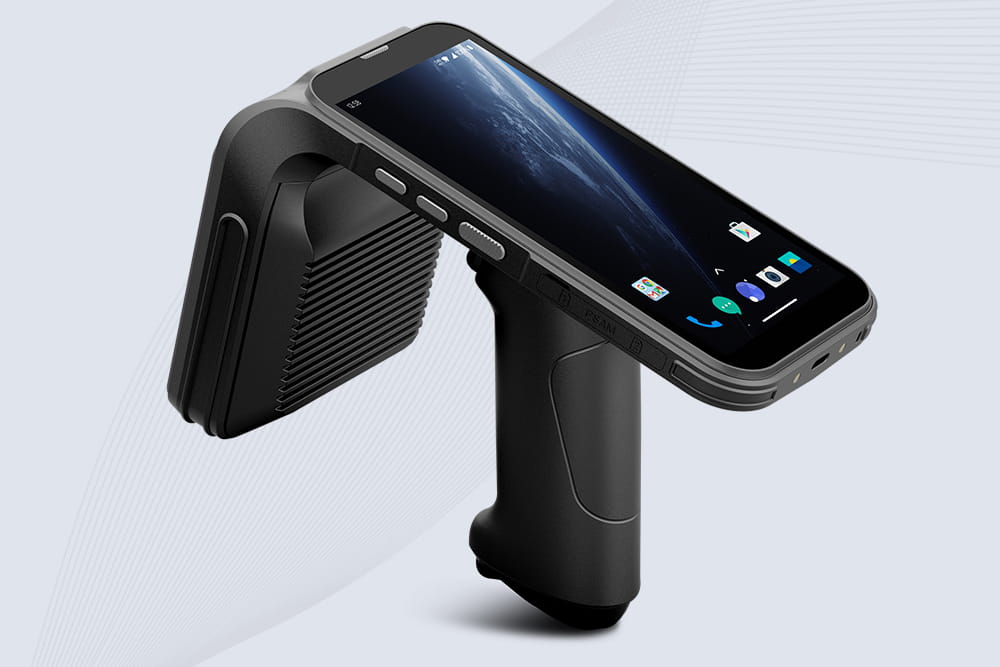
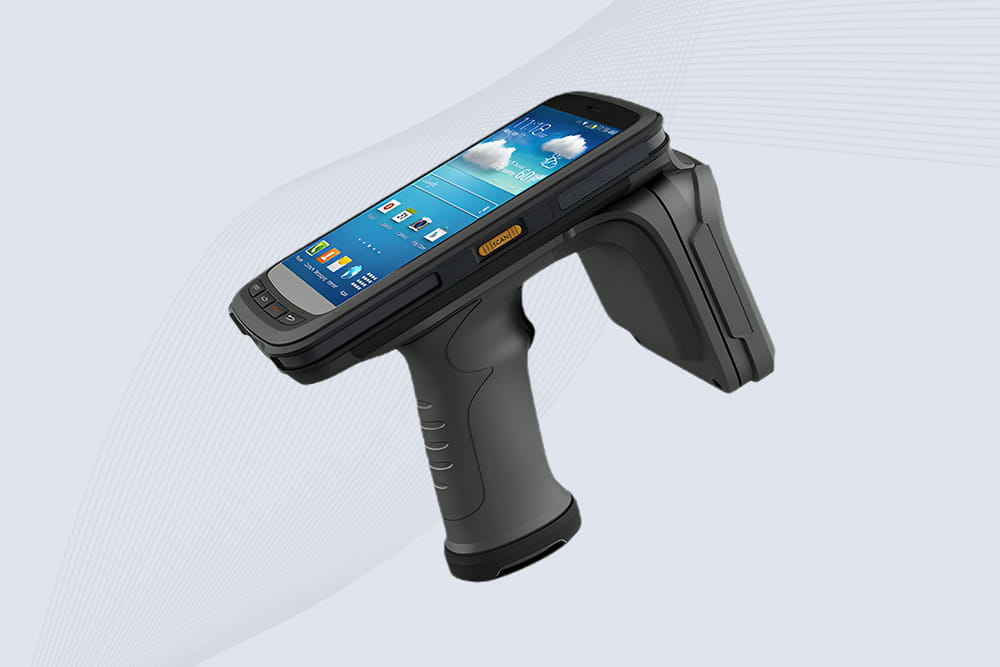
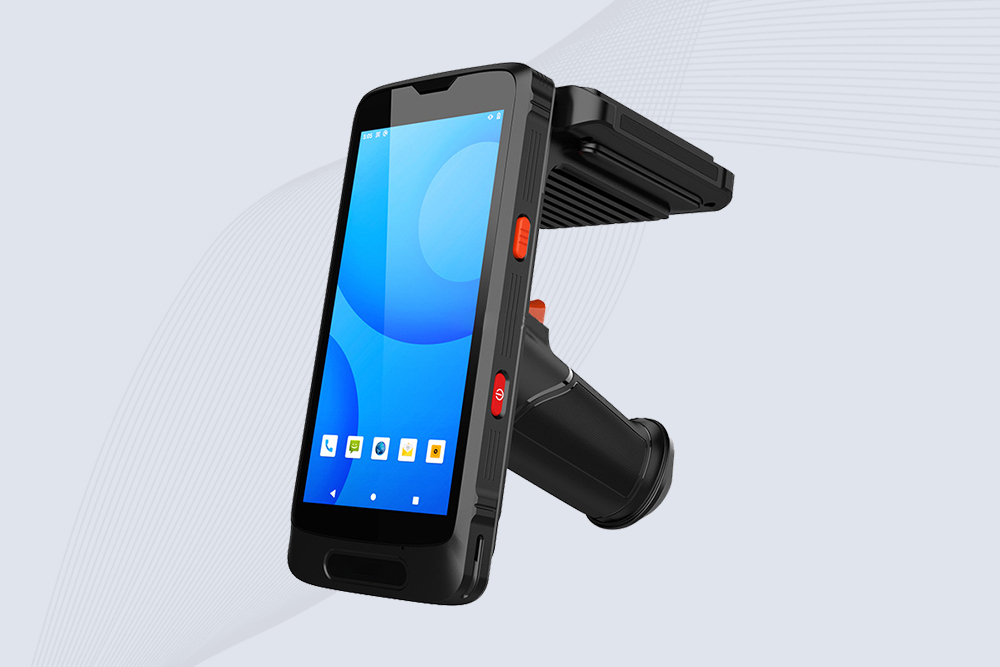
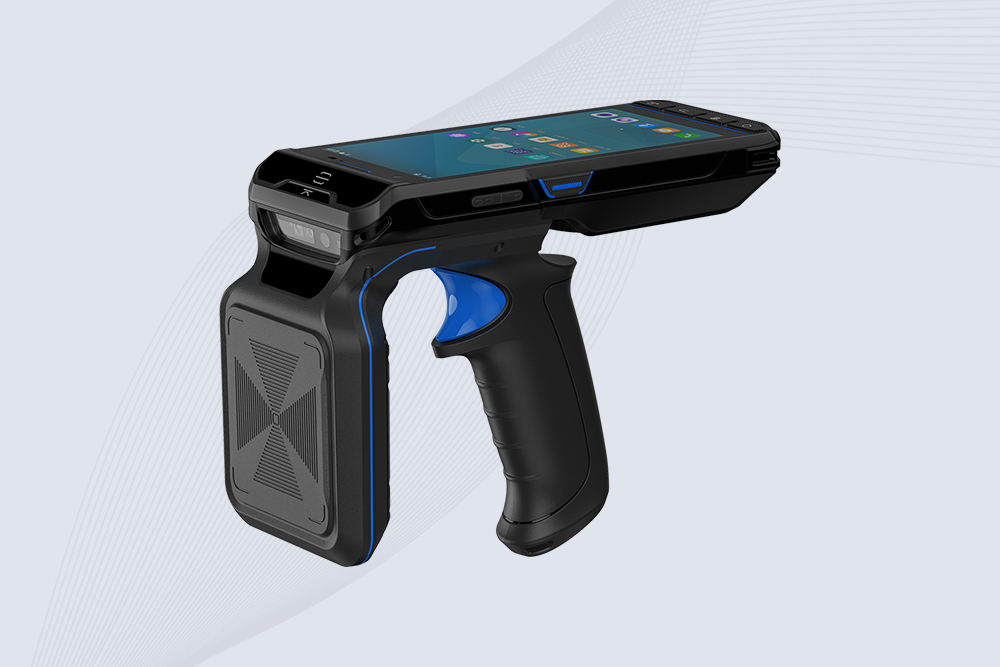
GS1 identifies handheld/mobile, fixed, embedded and integrated RFID reader form factors. Fixed readers can use external antennas for portal, tunnel and overhead configurations, while handheld readers are commonly used for mobile inventory, exception handling and receiving operations.
For a warehouse entrance, a fixed scanner has a clear advantage: the RF environment stays in one engineered location.
For cycle counting, mobility matters more. An operator can walk through the storage area rather than moving products to a fixed station.
The two approaches can also coexist.
How RFID Scanners Improve Inventory Management
The value of how RFID scanners work becomes more obvious when the same identification task is repeated thousands of times.
GS1 has published examples showing inventory accuracy improving from 63% to 95% and inventory counting rates increasing from 250 to 20,000 items per hour in specific RFID implementations. These are case-based figures, not a performance guarantee for every deployment.
That distinction matters.
An RFID scanner does not automatically produce 95% or 99% inventory accuracy. The result depends on tag quality, product construction, antenna design, scanner configuration, installation and software.
What RFID changes is the method of identification.
Move tagged inventory → scanner inventories tags → software matches EPCs → transaction is recorded
That difference becomes substantial when the product count is high.
Cykeo RFID Scanner Solutions for Industrial Identification
Cykeo UHF RFID solutions are designed around item-level identification and high-volume reading requirements.
Applicable configurations can provide:
Up to 33 dBm output power on applicable models
ISO 18000-6C / EPC C1G2 compatibility
Multi-tag identification
Adjustable RF output
Ethernet communication
Optional Wi-Fi on applicable configurations
Fixed-reader architectures
Integration with application software
One practical example is the UHF RFID inventory channel.
For apparel, hotel linen, electrical meters and other individually tagged goods, a large batch can move into a controlled reading area. PLC-controlled shutters can close the passage during the inventory event, helping isolate the target goods from RFID tags outside the intended zone.
This is a more deliberate approach than simply increasing scanner power.
The physical environment becomes part of the RFID system.
RFID Scanner Applications by Industry
Apparel and Retail
RFID labels attached to individual garments allow scanners to identify products during receiving, storage, replenishment and shipping.
The benefit is particularly visible when a trolley contains many items. The operator does not need to expose every garment individually to an optical scanner.
Hotel Linen
Sheets, towels, uniforms and other textile products can carry RFID tags.
A fixed scanner at a transfer point can identify a batch as it moves between storage, laundry and hotel operations.
Electrical Industry
Individually identified electrical meters and related equipment can be tracked during inbound receiving, storage and outbound dispatch.
The reader captures the RFID identity while the inventory application handles the transaction.
Leather Goods and Luggage
Item-level identification is useful when individual products need to retain their own digital identity through warehouse handling.
Logistics and Warehousing
Fixed RFID scanners can be positioned at:
Receiving doors
Shipping doors
Conveyor lines
Inventory channels
Sorting stations
Production checkpoints
Forklift-mounted systems
GS1 specifically identifies portal, tunnel, overhead and forklift configurations among fixed-reader applications.
A fixed UHF RFID scanner identifies individually tagged garments as they move through an automated sorting line.
How to Control the RFID Reading Zone
A reliable UHF RFID scanner system begins with the reading zone rather than the reader specification.
Before installation, evaluate:
Tag quantity — Test the actual expected batch.
Product orientation — RFID performance changes when tag orientation changes.
Antenna position — Establish where the RF field should begin and end.
Nearby tags — Test for unwanted reads outside the target area.
Metal structures — Include racks, cages and equipment in the test.
Movement speed — Reproduce actual trolley or conveyor conditions.
Reader power — Determine the lowest reliable setting.
GS1 states that passive UHF read range depends on reader power, RF interference, antenna characteristics, polarization and tag orientation. It also notes that the shape of the readable volume may be more important than maximum distance.
That is a useful engineering distinction.
A scanner that reads farther is not necessarily a scanner that performs better.
If the required reading zone is three meters wide, reading tags fifteen meters away may create a problem rather than solve one.
RFID Scanner Communication and Software Integration
The RF reading event is only the first layer.
A typical architecture looks like this:
RFID Tag → Antenna → RFID Scanner → Signal Processing → EPC → Ethernet/Interface → Inventory Software
GS1’s system architecture describes readers transmitting standardized commands and supplying operating energy to passive tags. The tag responds by changing the reflection characteristics of its antenna, creating the backscattered signal received by the reader.
For application integration, GS1 includes Low Level Reader Protocol (LLRP) among its RFID software interfaces.
This separation is useful in practical systems.
The scanner reports:
EPC 3001 detected.
The application determines:
EPC 3001 = Product A → expected in shipment B → receiving transaction completed.
The scanner handles RF identification.
The software handles business meaning.
What Should Be Tested Before Selecting an RFID Scanner?
A single-tag demonstration is rarely enough.
For a production evaluation, use the actual:
RFID label
Product material
Product quantity
Tag placement
Trolley or cage
Antenna arrangement
Reader mounting position
Nearby inventory
Movement speed
Software interface
Then test both sides of the problem:
Can the scanner reliably read the intended products?
and:
Can it avoid reading products that are outside the transaction?
The second question is frequently ignored.
It should not be.
GS1’s current EPC Gen2 documentation defines mechanisms for tag selection and inventory management, while Gen2v3 also introduces capabilities intended to reduce interference from fringe tags. The latest archived Gen2v3.0.1 release is dated February 26, 2026.
For a warehouse deployment, that makes controlled tag populations and well-defined RF boundaries increasingly important.
Frequently Asked Questions About How RFID Scanners Work
1. How do RFID scanners work?
RFID scanners transmit RF energy through an antenna, activate compatible passive tags, receive their backscattered responses and decode the returned information. The resulting tag data can then be transferred to inventory or warehouse software.
2. Can RFID scanners read multiple tags at once?
Yes. UHF RFID uses anti-collision and inventory procedures to manage multiple tags within the RF field. The Gen2 protocol uses random-slotted collision arbitration and the Q parameter to regulate tag response opportunities.
3. How far can an RFID scanner read?
Passive UHF RFID typically operates over several meters. GS1 reports up to 15 meters in very special cases, while specialized high-sensitivity systems using phased-array antennas can reach up to 20 meters. Actual performance depends on the complete RF system.
4. Do RFID scanners require line of sight?
No. Unlike optical barcode scanners, UHF RFID does not require direct visual alignment. However, tag orientation, antenna polarization, metal, liquids and RF interference can affect the reading result.
5. Is a higher-power RFID scanner always better?
No. Higher power can increase the RF coverage area, but excessive coverage can also create unwanted reads. Reader power should be selected together with antenna configuration, tag characteristics and the intended reading boundary.
6. What is the difference between an RFID scanner and an RFID reader?
In many commercial contexts, the terms are used interchangeably. “RFID reader” or “interrogator” is the more technically precise term for equipment that communicates with RFID tags, while “RFID scanner” is often used to describe the same equipment from an operational perspective.
7. Can RFID scanners connect to warehouse management systems?
Yes. RFID readers can communicate with application software through supported interfaces and protocols. GS1 includes LLRP among its RFID software interfaces for reader control and integration.
Cykeo’s Practical Engineering Perspective
After evaluating RFID equipment for warehouse and item-level identification, I would not select a scanner because its specification sheet promises the greatest distance.
I would start with the physical event.
Where does the product move?
How many tags are present?
What is behind the reading zone?
What material surrounds the tag?
How quickly does the inventory move?
Then the scanner, antenna and software configuration can be selected around those conditions.
For Cykeo applications involving apparel, hotel linen, electrical meters, leather goods and warehouse inventory, this approach is particularly important because high-volume identification depends on controlled reading, not simply powerful transmission.
The practical answer to how rfid scanners work is therefore broader than “the scanner reads the RFID tag.”
It creates an RF field, manages tag communication, receives backscatter, resolves multiple responses, decodes identification data and delivers that information to the system that operates the inventory process.
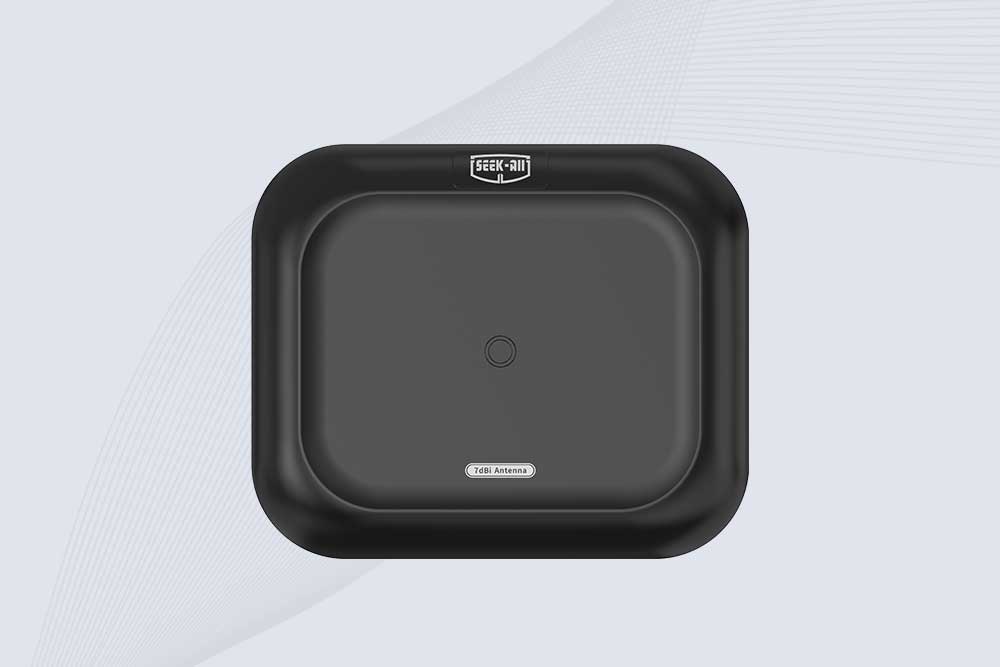
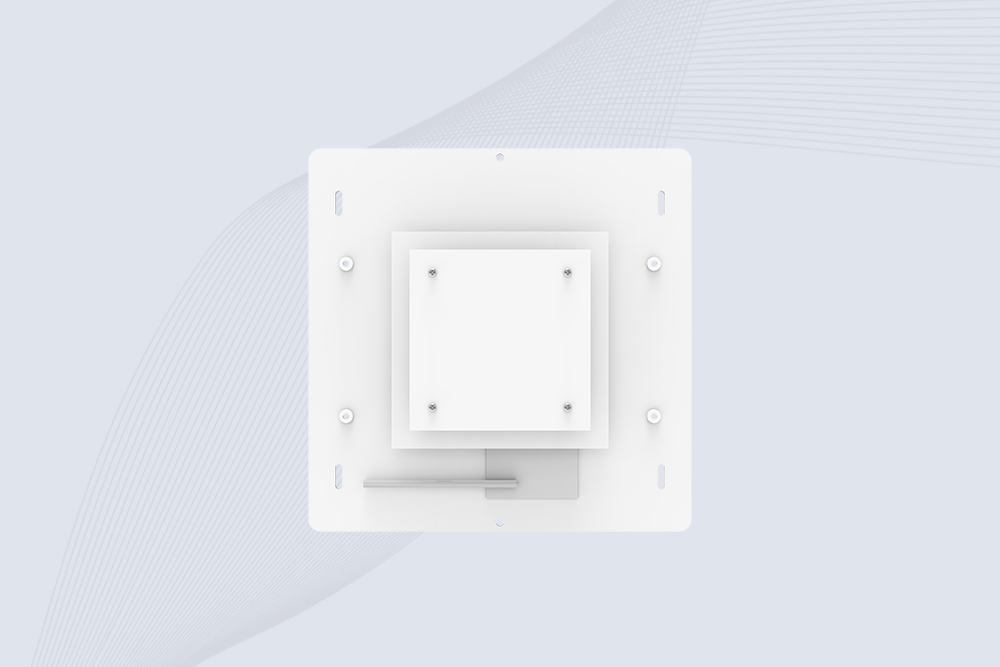
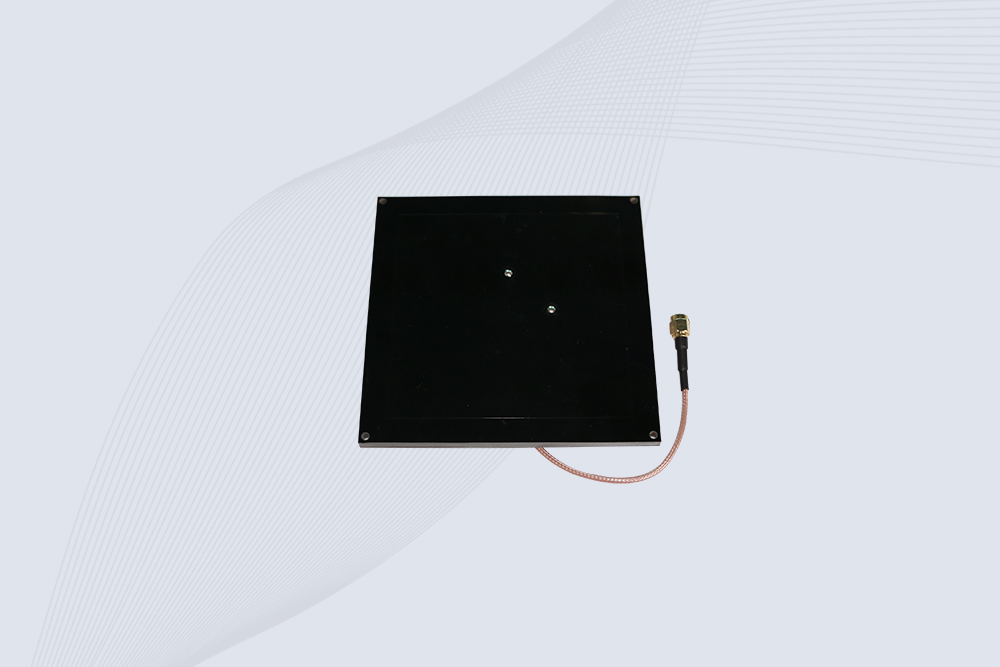
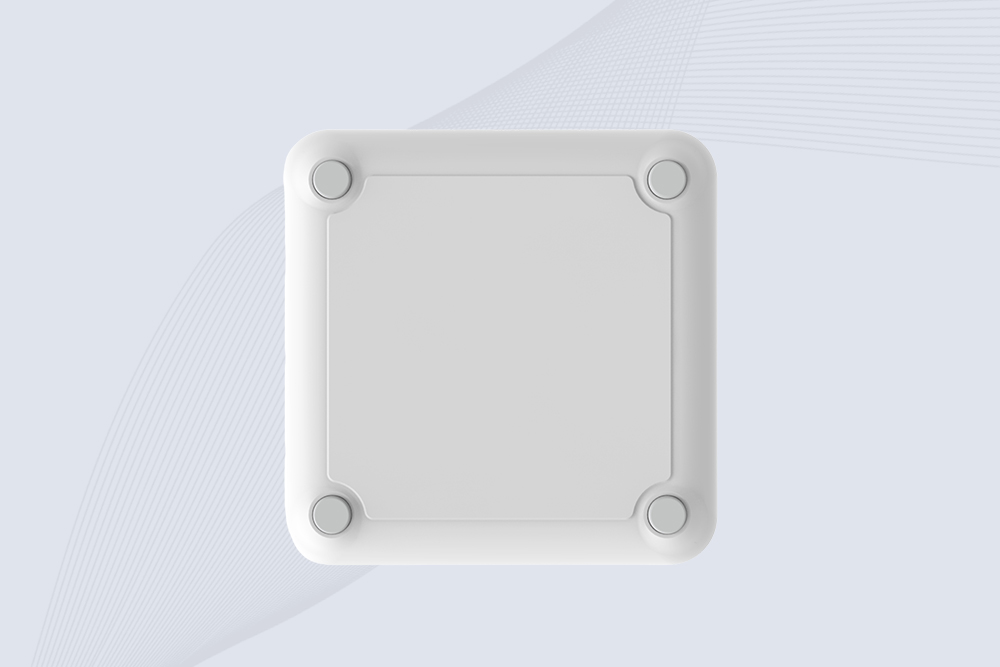
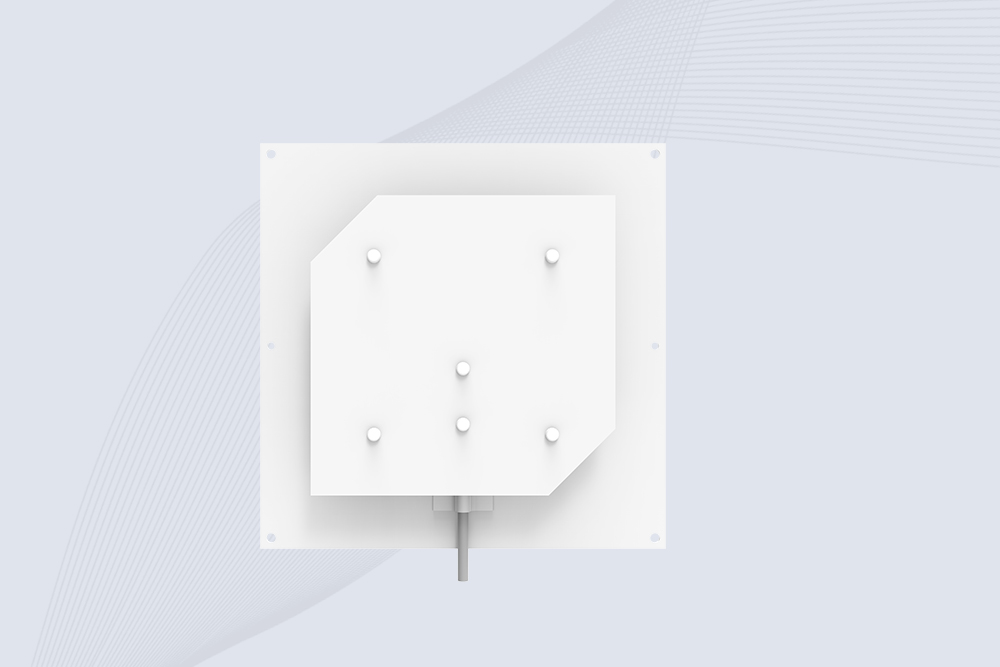
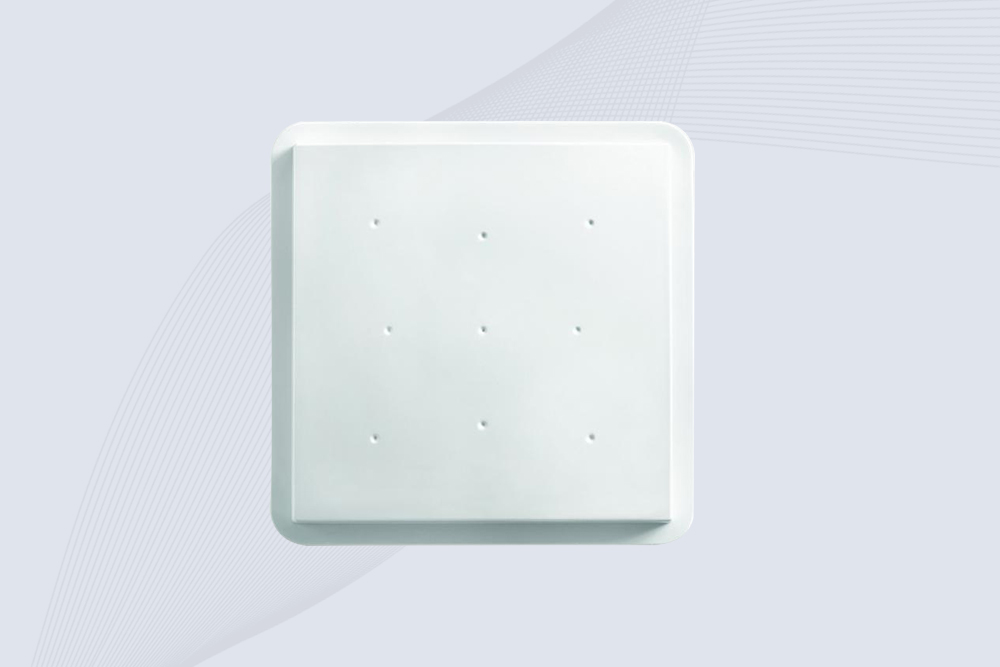
Explore the SSD-A07 UHF RFID antenna with 7 dBi gain, circular polarization, adjustable 840–960 MHz frequency, and 60°/75° beamwidth for stable RFID read/write performance.
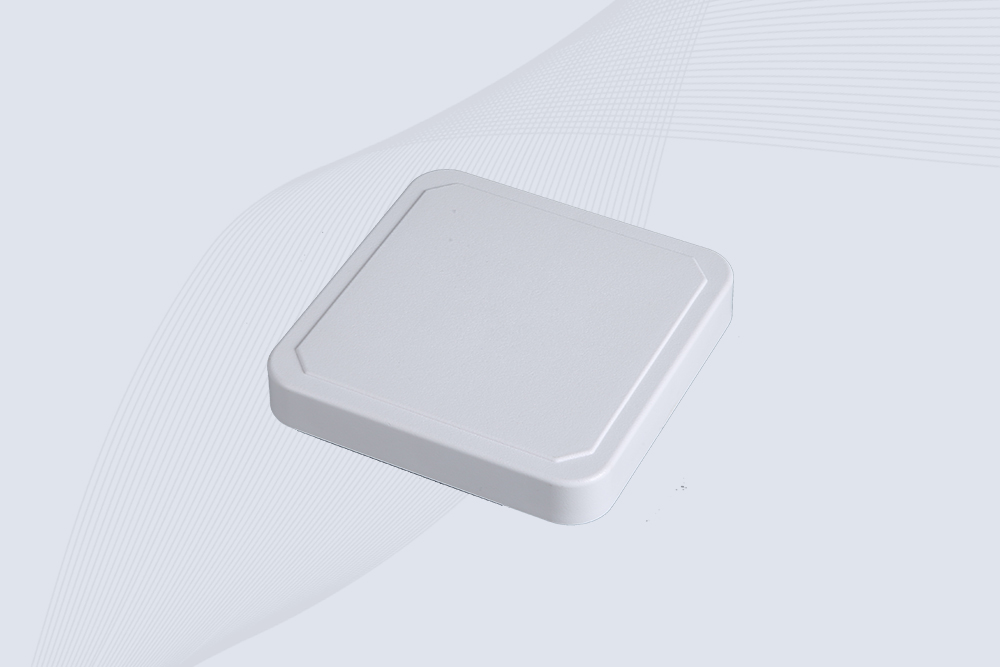
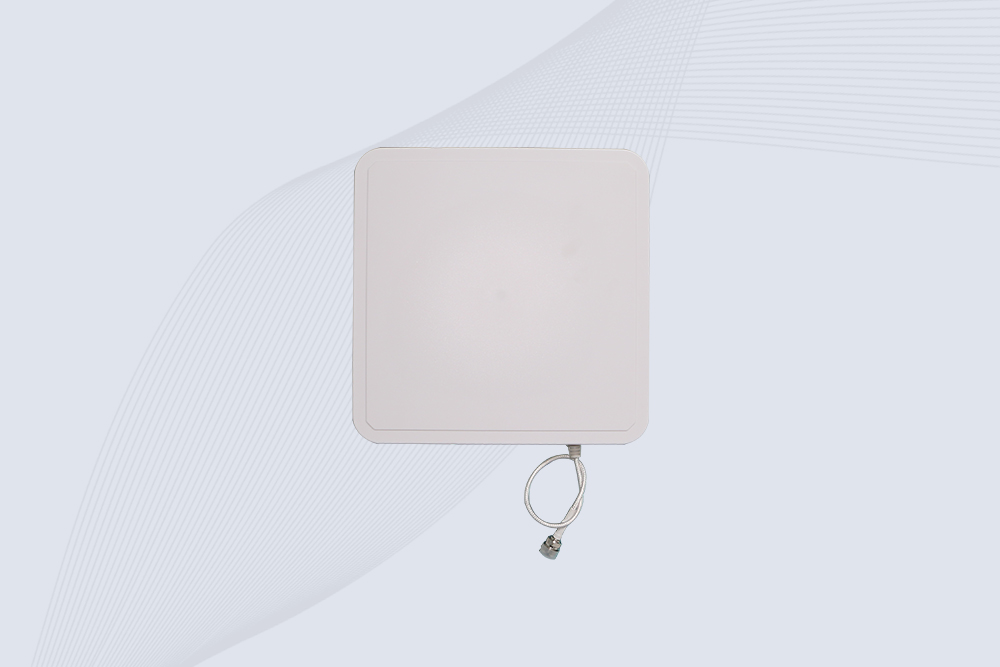
SSD-A06 UHF RFID antenna with circular polarization, adjustable 840–960 MHz frequency, ≥4.5 dBi gain, and a compact directional design for RFID systems.
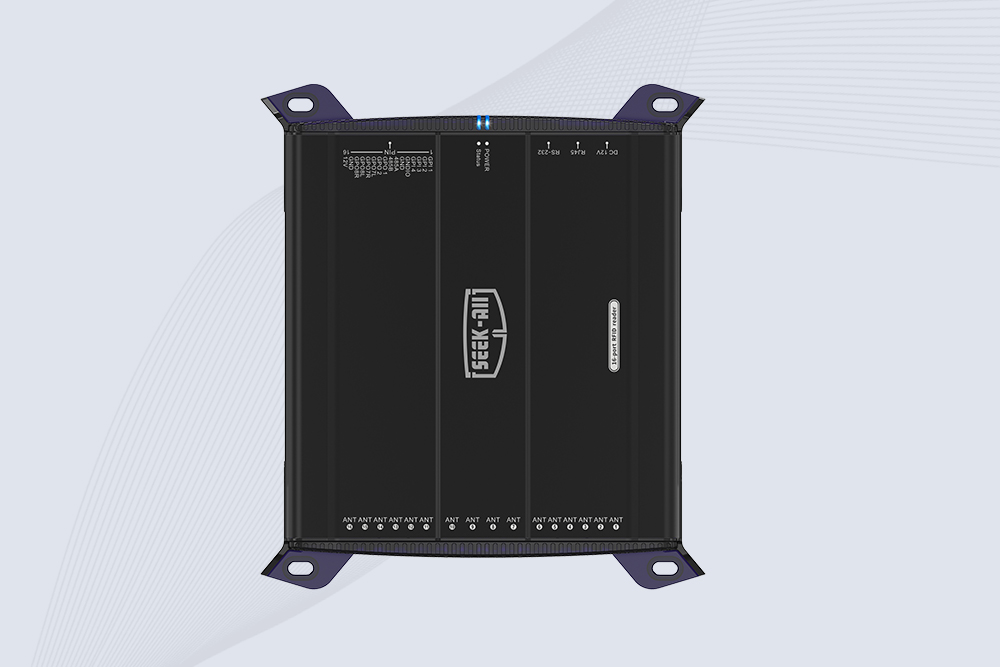
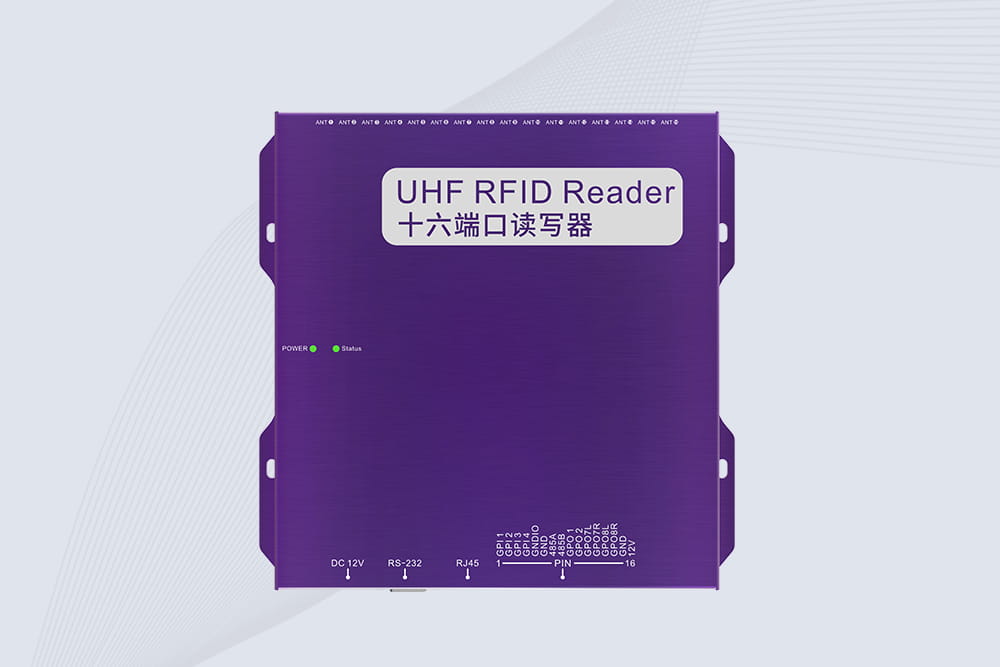
SSD-R16L Multi-Channel RFID Infrastructure for Automated Inventory Management ✔️ 16-Port High-Density RFID Reading Equipped with 16 SMA antenna ports, SSD-R16L supports multi-antenna deployment for warehouses, retail stores, logistics, production lines, and large-area RFID identification. ✔️ High-Speed & Long-Range Performance With up to 33…
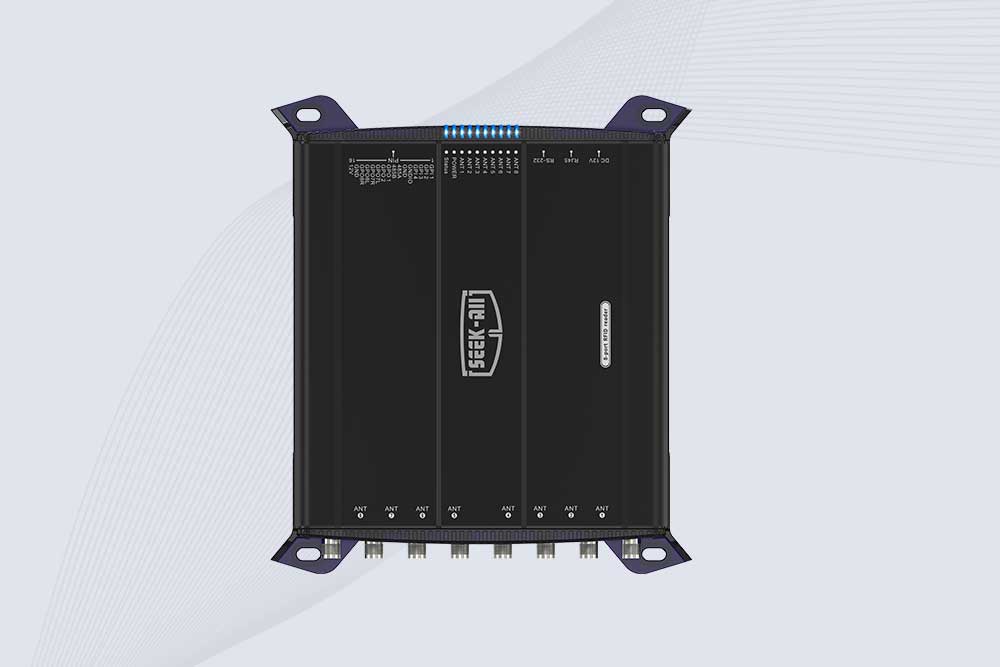
SSD-R8L 8-port UHF RFID reader with 33dBm output, up to 20m reading range and 600+ tags/s recognition. Ideal for warehouse, logistics, retail and asset tracking.
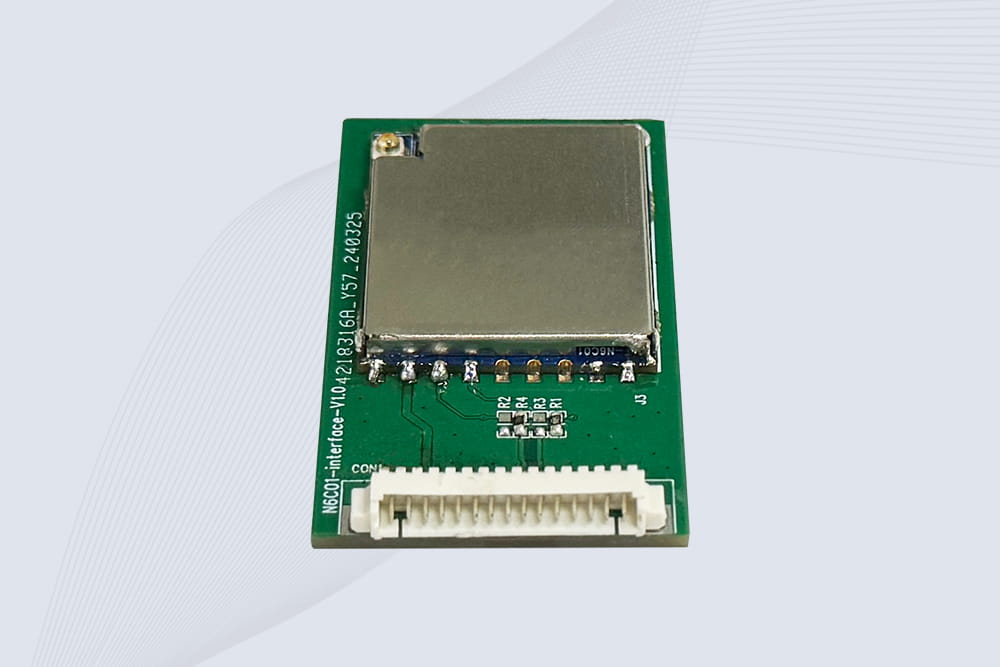
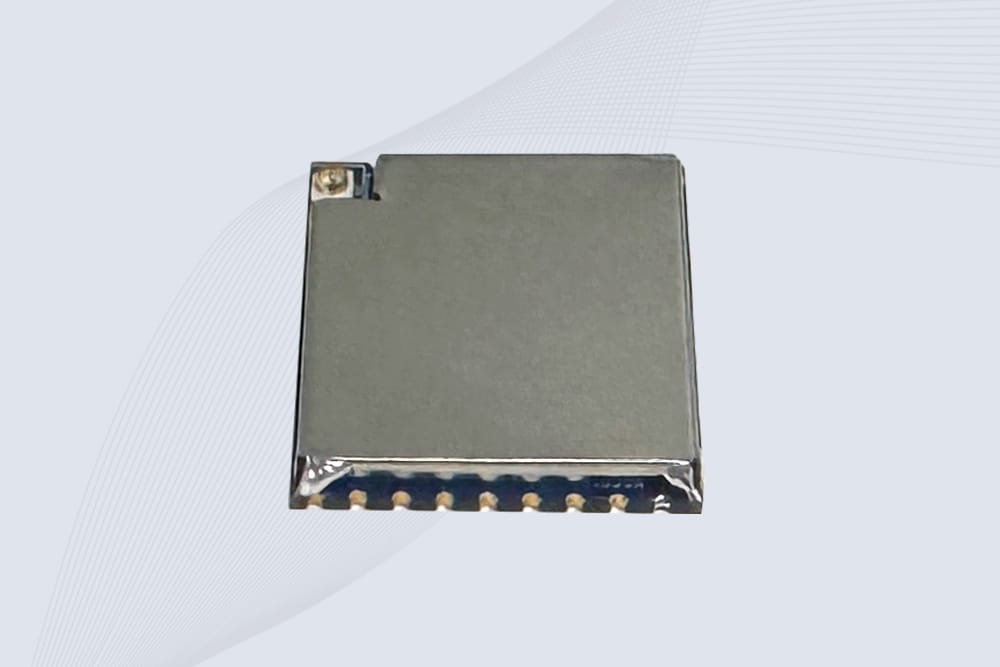
CYKEO Embedded RFID Modules are designed for compact industrial and IoT devices that require stable UHF performance. These UHF RFID Modules support global protocols, flexible power control, and reliable multi-tag reading for smart cabinets, production lines, and asset tracking systems.
CYKEO Embedded RFID Module is built for compact IoT and industrial devices that need stable UHF performance. This UHF module supports global protocols, low power operation, and reliable multi-tag reading for smart lockers, production lines, and always-on RFID systems.
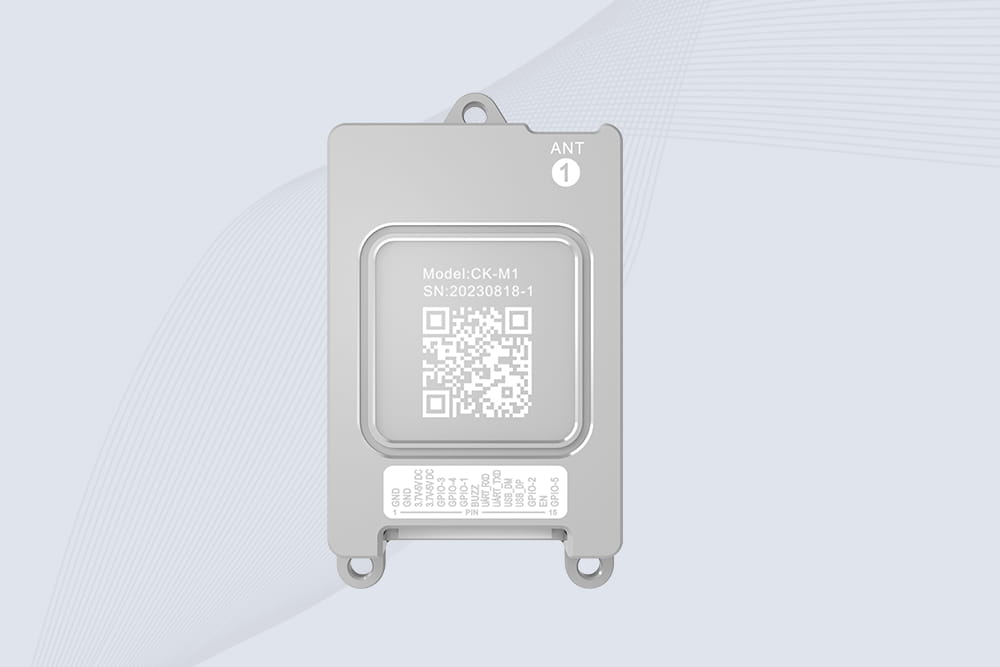
CYKEO CYKEO-M1 drone rfid module is a compact UHF RFID reader module designed for drones and UAV platforms. It supports long-range aerial scanning, fast multi-tag reading, and stable performance in wind, vibration, and outdoor environments.
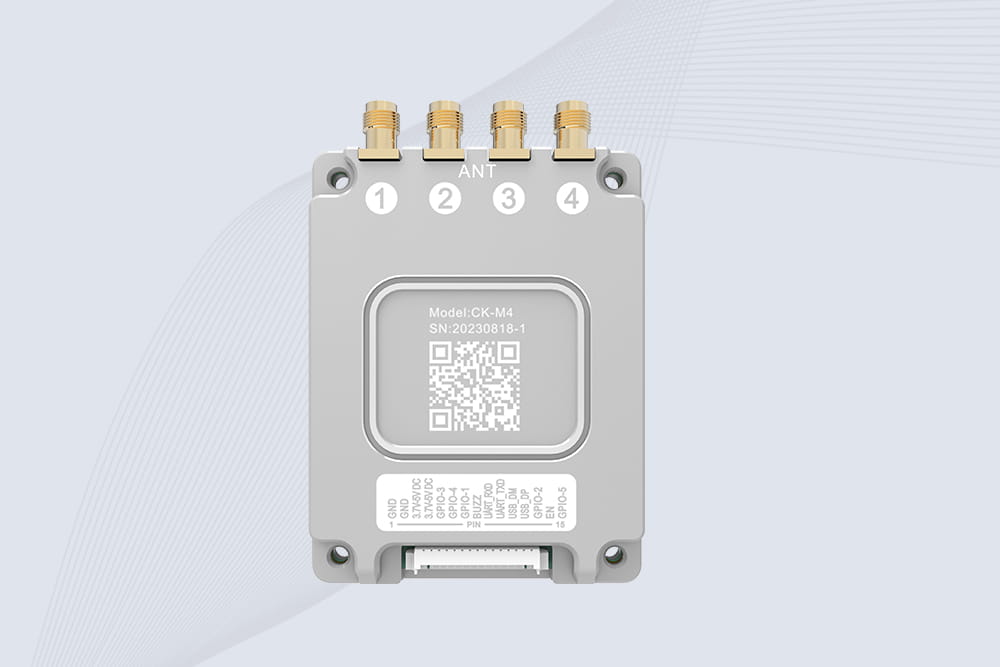
CYKEO CYKEO-M4 RC522 RFID Module is an industrial-grade UHF RFID reader with 4 ports, supporting ISO, EPC, and GB protocols. High-speed, accurate reading for IoT, automation, and warehouse applications.
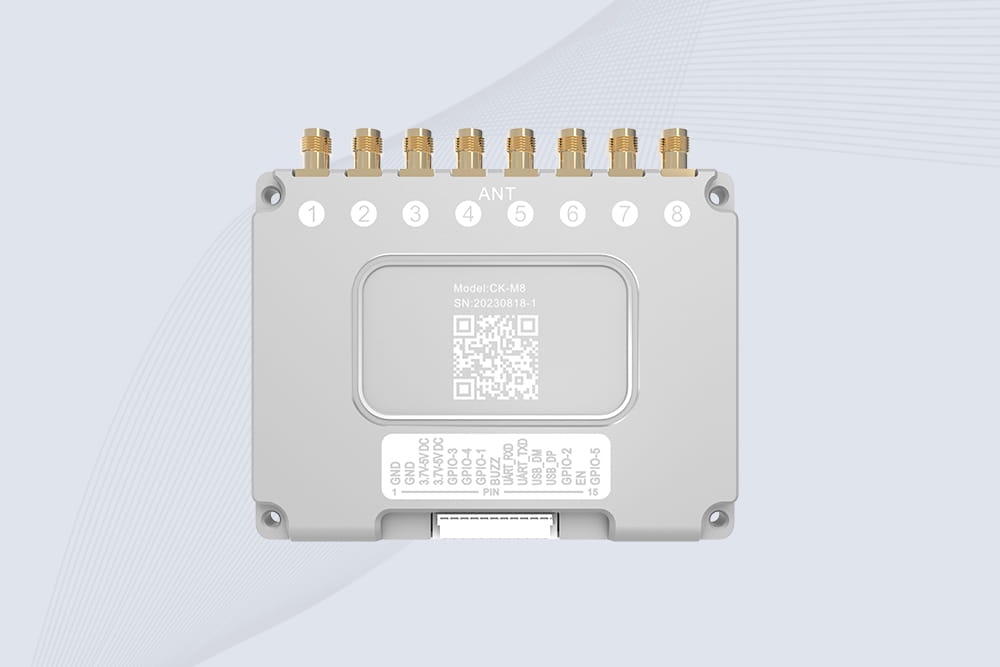
CYKEO CYKEO-M8 Module RFID is an 8-port UHF R2000 RFID Module designed for high-density, multi-tag environments. Stable 33dBm output, ISO & GB protocol support, ideal for warehouses, factories, and automated systems.
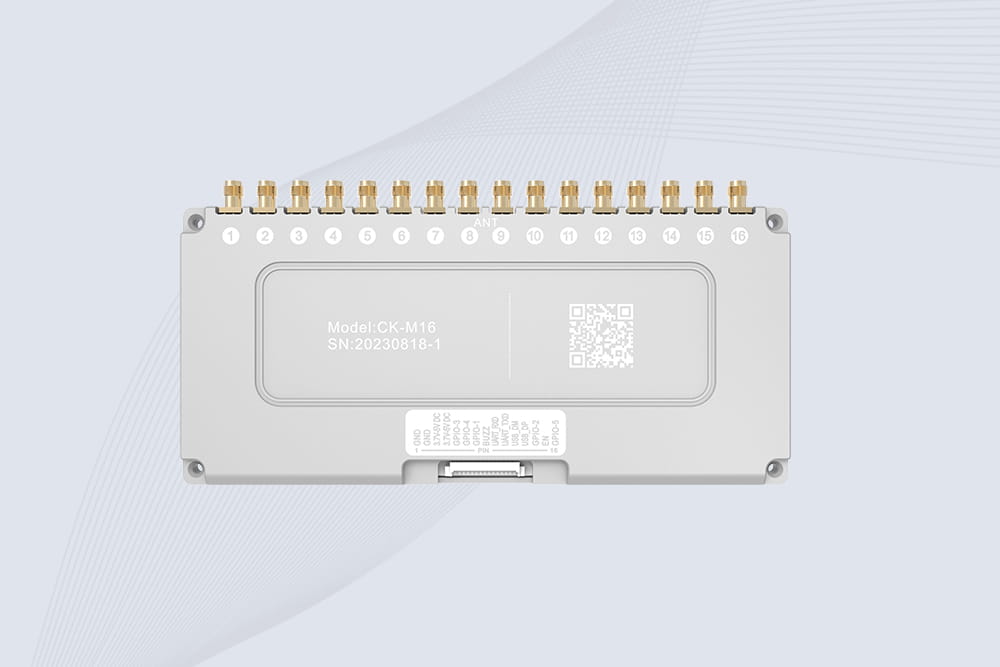
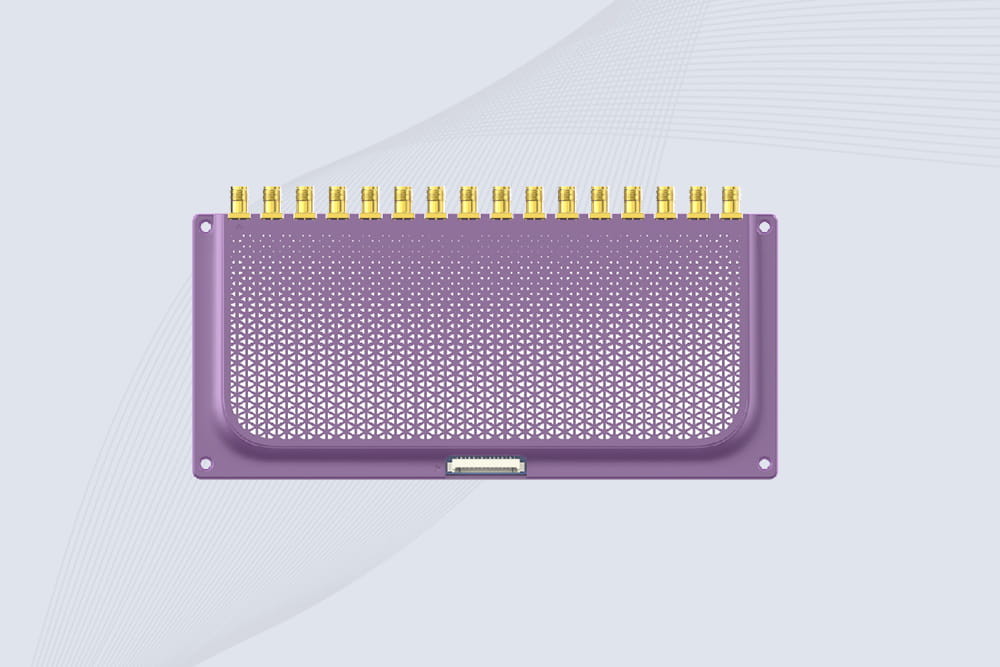
CYKEO CYKEO-M16 RFID Module is a 16-port UHF RFID reader module based on the R2000 chipset. Designed for dense tag environments, it supports ISO and GB standards and delivers stable multi-antenna control for industrial automation.
The CYKEO CYKEO-M16L RFID Reader Module is a 16-channel UHF RFID core designed for dense tag environments. With adjustable 33dBm output, multi-protocol support, and stable multi-antenna control, this RFID Tag Reader Module fits industrial automation, warehouse systems, and large-scale IoT deployments.
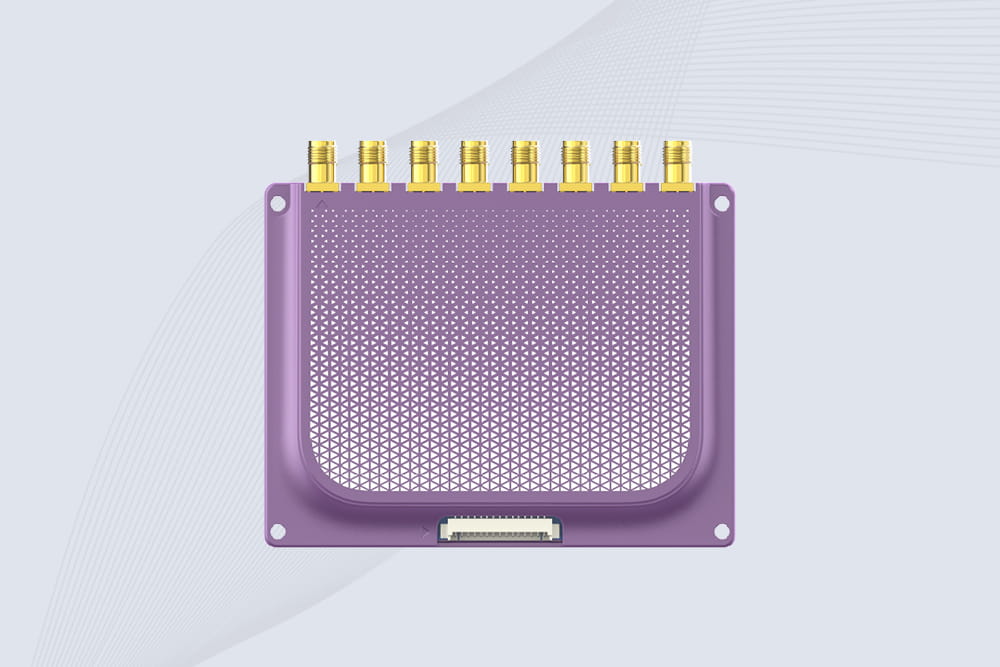
CYKEO CYKEO-M8L module RFID is a compact industrial UHF module built for dense tag and multi-antenna environments. With 8 RF ports, adjustable 33 dBm output, and ISO & GB protocol support, it is widely used in factories, warehouses, and automated tracking systems.
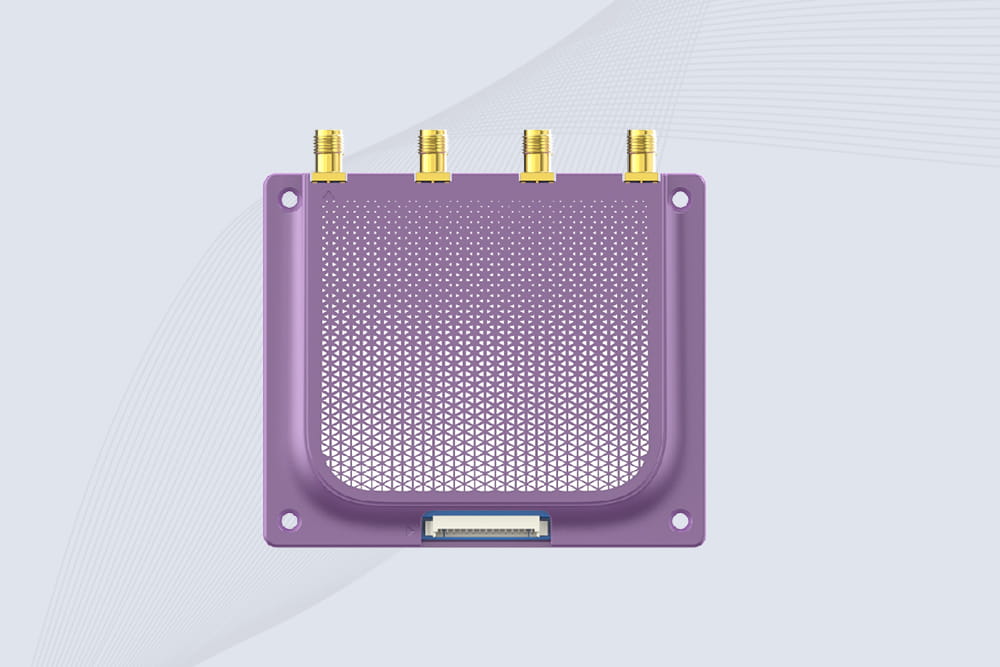
CYKEOCYKEO-M4L UHF RFID Module is a compact 4-channel RFID tag reader module designed for dense tag environments. Supporting ISO and GB protocols, it delivers stable reads up to 10 meters for industrial and IoT systems.
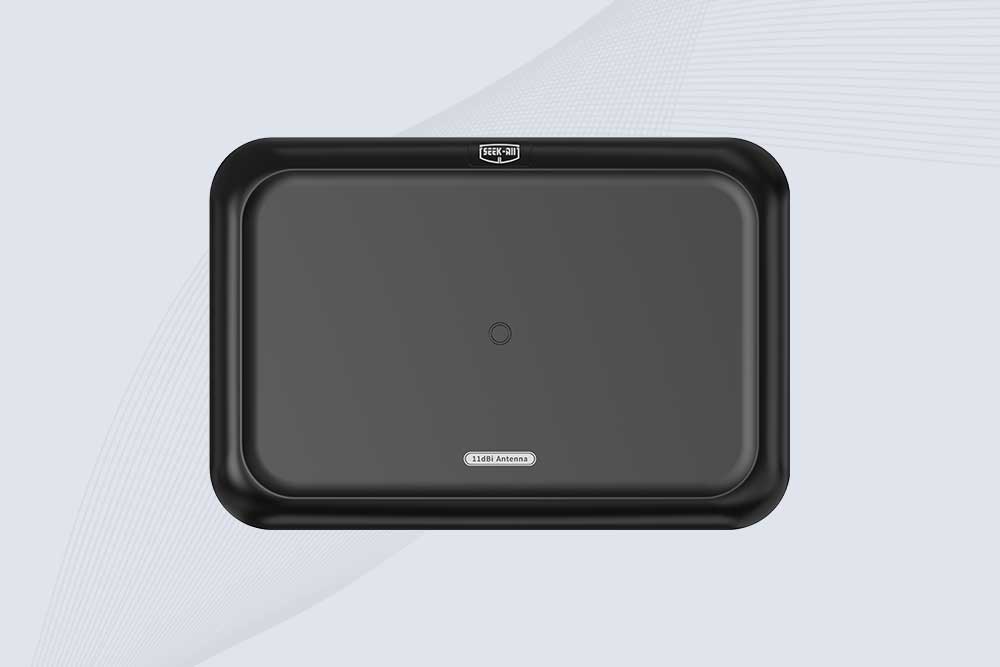
Cykeo CYKEO-A11 UHF RFID reader antenna delivers 11dBi gain, 840-960MHz frequency range, and IP65 ruggedness for retail, logistics, and industrial RFID systems. Features low VSWR and easy installation.
CYKEO Antenna RFID Reader delivers stable long-range UHF performance with a 10.5dBi directional design, built for warehouses, conveyor portals, and industrial RFID systems. This rfid reader antenna provides 20m+ read distance and rugged IP67 protection.
Cykeo CYKEO-A5B industrial Linear RFID Antenna delivers 5dBi gain, ≤1.5:1 VSWR, and IP65 rugged design for warehouse, production line, and logistics UHF systems.
Cykeo’s CYKEO-B12 Long Range RFID Antenna delivers 15m+ read range with 12dBi gain, IP65 rugged design, and global 840-960MHz UHF support. Ideal for warehouse/logistics asset tracking.
Cykeo CYKEO-B10 Long Distance RFID Antenna offers 10dBi gain, 840-960MHz frequency range, IP65 rating, and 20m+ coverage for logistics/warehousing/ETC systems. Low VSWR ensures stable signal transmission.
Cykeo CYKEO-A6 UHF RFID panel antenna features 6dBi gain, 840-960MHz broadband, IP65 metal-ready housing for logistics/smart retail. 18mm ultra-thin design with tool-free mounting.
Cykeo CK-A3 industrial antenna RFID UHF offers 5m+ tag detection, ≤1.3:1 VSWR, IP65 rugged design, and global UHF spectrum compatibility (840-960MHz) for warehouses, factories, and retail.
Cykeo CYKEO-B5 directional RFID antenna provides 5dBi gain with 60° narrow beamwidth for precise inventory tracking. IP65-rated, global UHF frequency support, and low VSWR.
Create your own high-performance DIY RFID antenna! 5dBi gain, 840-960MHz tunable, step-by-step guides. Compatible with Arduino, Raspberry Pi, and commercial UHF readers.
Cykeo CYKEO-A7 Flexible RFID Antenna features 840-960MHz wideband tuning, 7dBi gain, and IP68 rating for medical/retail/industrial curved surface deployments. 98% read accuracy with peel-and-stick installation.
Cykeo CYKEO-B5A industrial Passive RFID Antenna delivers 5dBi gain, 70° beamwidth, and -40°C~55°C operation for warehouses/smart cabinets. Compatible with Zebra/Impinj readers.
Cykeo’s CYKEO-A9B High Gain RFID Antenna delivers 15m+ read range with 9dBi amplification. Features IP54 rugged design, 840-960MHz bandwidth, and 80° beamwidth for warehouse/manufacturing RFID systems.
Cykeo’s enterprise-grade 8dbi Impinj RFID Antenna 10m+ read range with 840-960MHz tuning. Features IP65 housing, 1.4 VSWR, 35° beamwidth for retail/warehouse RFID systems.
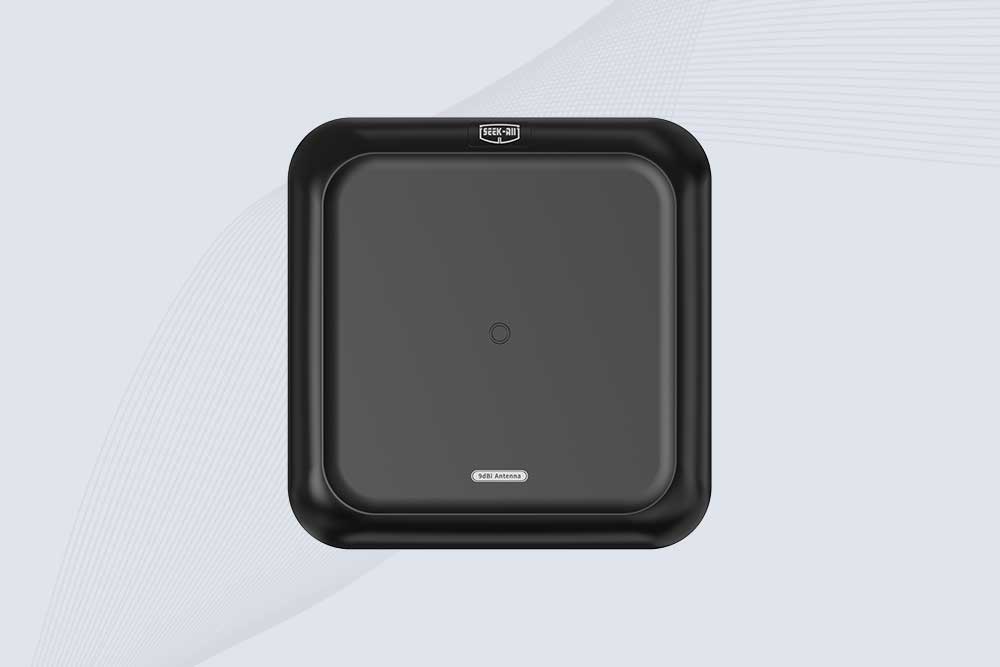
Cykeo CYKEO-A9 industrial UHF RFID antenna delivers 9dBi gain, 840-960MHz frequency range, and IP65 protection for warehouse/logistics/retail RFID systems. Features N-type connector and ≤1.3:1 VSWR.
CYKEO UHF RFID Antenna built for long-distance and industrial applications. This antenna rfid uhf delivers strong gain, outdoor durability, and reliable tag performance in warehouses, yards, and vehicle ID systems.
CYKEO Antenna RFID delivers reliable long-range UHF performance in warehouses, retail shelves, and cold-chain environments. This compact uhf rfid antenna provides stable reads with circular polarization and ultra-wide 840–960 MHz support, ideal for industrial tracking, smart shelves, and asset monitoring.
Cykeo’s CYKEO-C8 UHF RFID antennas delivers 8dBi gain, 840-960MHz full-band coverage, and IP65 ruggedness for manufacturing/warehouse RFID systems. Industrial RFID Antennas Features
Cykeo’s 8dBi UHF RFID antenna and reader kit delivers 10m+ range, 840-960MHz broadband, and IP65 ruggedness for factories, warehouses, and logistics. ISO 18000-6C & EPC Gen2 certified.
Cykeo’s CYKEO-A12C UHF Large RFID Antenna delivers 12dBi gain, 840-960MHz global frequency, IP65 ruggedness for logistics/warehousing/automotive. 40° beamwidth ensures stable 15m+ tag reads.
CYKEO Near Field RFID Antenna provides precise 5–30 cm reading for shelves, cabinets, and workstations. This compact rfid shelf antenna delivers stable short-range performance around metal and clutter, ideal for pharmacies, libraries, and electronics sorting.
Cykeo CYKEO-C1 industrial Forklift RFID Reader features 20m read range, 600 tags/sec scanning, Impinj R2000 chipset, and IP67 rugged design. Ideal for warehouse logistics and manufacturing. Supports ISO 18000-6C/6B protocols.
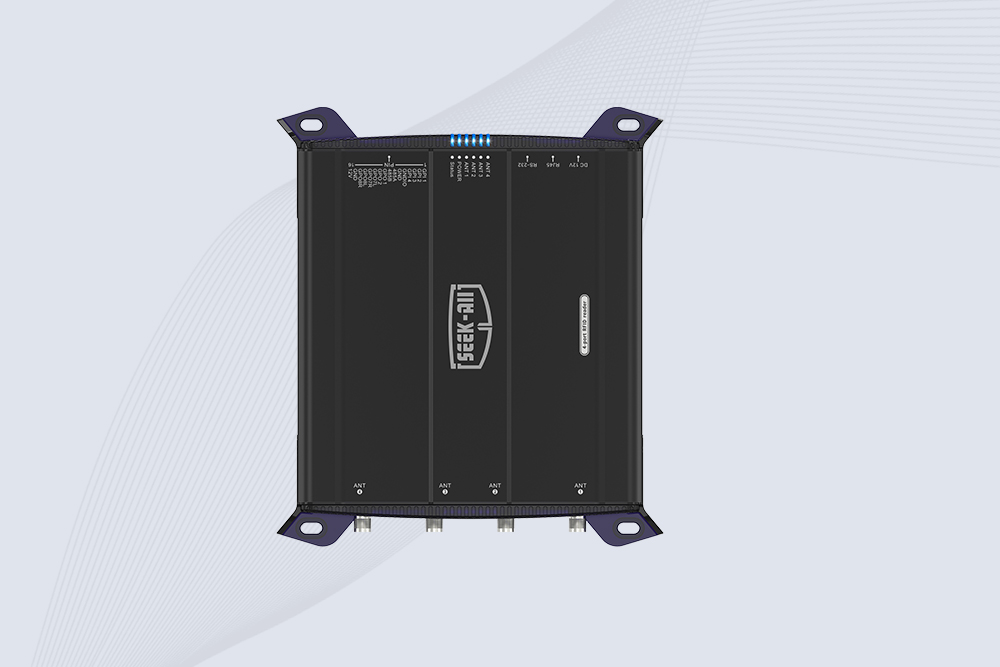
Cykeo CYKEO-R4 industrial UHF RFID Fixed Reader features 4 TNC ports, 400+ tags/sec speed, IP67 housing, and global frequency compliance for vehicle inspection, smart warehouse, and asset management systems.
CYKEO CYKEO-R8L Fixed RFID Reader with 8-port UHF design, Impinj-based RF core and up to 20m read range. An industrial Fixed RFID Reader for vehicle inspection, warehouse portals, smart manufacturing lines and secure access checkpoints.
RFID Fixed Reader from CYKEO – the CYKEO-R16L 16-port UHF fixed reader for warehouses, smart cabinets, and production lines. Long-range, multi-tag reading, stable performance for 24/7 industrial use.
RFID chips provide electronic identification and data communication, enabling UHF RFID systems to identify products, assets, pallets, and components automati...
Discover why hospitals rely on portable RFID readers for medical equipment tracking. Learn about real-time visibility, cost savings, and compliance with healthcare standards.
Tag system for inventory solutions help businesses track assets, reduce stock errors, and improve warehouse efficiency through RFID and smart inventory management.
Discover what RFID wireless theft really means. From card skimming to retail loss prevention, learn real-world risks, how criminals exploit RFID, and the best defenses to secure your data and assets.
 Cykeo RFID IoT Solution Products R&D Manufacturer