 Cykeo RFID IoT Solution Products R&D Manufacturer

What Is RFID for Asset Tracking and Inventory Management?
146Discover how RFID for asset tracking and inventory management improves visibility, inventory accuracy, and operational efficiency. Learn proven RFID strategies from Cykeo experts.
MoreAll RFID Product
A long range RFID scanner can automatically identify tagged tools, equipment, carts, containers, and other reusable assets as they move through designated areas. It helps companies reduce manual asset checks and build a more accurate record of where assets were last detected.
A missing tool doesn’t always look like a serious problem when you have hundreds of other tools.
Until someone needs it.
Then the search starts.
A technician checks the workshop. Someone calls another department. Another person looks in a storage room. Ten or twenty minutes later, everyone is still asking the same question: where was it last used?
This is one of the practical reasons companies consider RFID asset tracking.
By attaching an RFID tag to tools, equipment, carts, containers, or other reusable assets, a long range RFID scanner can automatically detect those assets when they pass through selected locations.
The goal isn’t to create a magical real-time map of every object in a factory.
The more realistic goal is often simpler:
Know what was detected, where it was detected, and when it was detected.
That information alone can save a surprising amount of time.
RFID can be used with many types of reusable assets.
Examples include:
The RFID tag gives each asset a unique identification number.
When the asset enters an RFID reading zone, the reader detects the tag and sends the identification data to the asset management system.
The software can then associate the event with a location.
For example:
Tool ID 00258 → Maintenance Room → 14:32
Later:
Tool ID 00258 → Production Area B → 15:06
That is already much more useful than a simple inventory list.

Traditional inventory counting works reasonably well when equipment stays in one place.
The problem starts when assets move.
Tools move between departments. Containers move between factories. Carts move from production to storage. Maintenance equipment can spend the whole day traveling around a facility.
A barcode label can identify these assets, but someone normally needs to scan it.
RFID can work differently.
A fixed long range RFID scanner can be installed at a doorway, production entrance, warehouse gate, or equipment room.
When a tagged asset passes through the area, the system can automatically record the detection.
This is where fixed RFID readers often make more sense than handheld scanners.
A handheld RFID reader is useful when someone needs to search a particular area.
A fixed reader is useful when you want the system to automatically capture movement.
In many projects, the two approaches work together.
This is one of the first questions an RFID system integrator should ask.
There is no universal “best” position.
The installation depends on how the asset moves.
Common locations include:
A reader can detect tools entering or leaving a controlled tool room.
This can create a basic checkout and return history without requiring workers to scan every tool manually.
A long range RFID scanner can identify tagged containers, carts, pallets, or equipment moving through a warehouse entrance.
Readers can be positioned between production zones to record equipment movement.
RFID can help track tools and test equipment moving between maintenance rooms and production areas.
Reusable containers and transport equipment can be identified when they leave or return to a facility.
The key is to place the reader where the asset naturally passes.
This sounds obvious, but it is worth mentioning.
If a customer says, “We want one RFID reader to track every tool in a 500-square-meter workshop,” I would immediately ask how they expect the system to know which room the tool is in.
RFID detection is not the same thing as precise indoor positioning.
A long range reader can detect a tag within its RF coverage, but that doesn’t automatically tell you the exact physical coordinates of the asset.
For asset tracking, controlled checkpoints are often easier to manage.
For example:
Each reader represents a known detection point.
The software then builds an asset movement history from those events.
Reader power isn’t the only way to influence RFID performance.
Antenna direction is equally important.
Suppose a reader is installed near a doorway.
If the antenna faces directly toward the passage, the system can create a relatively controlled reading area.
If antennas are positioned carelessly, the reader may detect tags outside the intended zone.
That can produce confusing records.
A tool might still be inside the workshop, but the system could detect it near the doorway and record a movement event.
For this reason, antenna installation should be tested at the actual site rather than decided only from a specification sheet.
RFID tool tracking sounds straightforward until you look at the tools themselves.
Many industrial tools contain metal.
Some have motors.
Others contain batteries or electronic components.
And tools are often stored tightly together.
A standard RFID label may not perform well when attached directly to a metal surface.
An on-metal RFID tag is usually a better starting point.
The physical position also matters.
For example, attaching a tag to the end of a metal tool may produce a very different result from attaching it near the handle.
Before standardizing the tag, test:
A few minutes of testing can prevent a lot of troubleshooting later.
Metal containers are another common RFID application.
A metal bin can interfere with a standard RFID tag, especially when the tag is mounted directly against the metal surface.
For this application, a suitable on-metal tag can improve consistency.
The antenna setup matters too.
If dozens of metal containers are stacked together, the reader may not see every tag in exactly the same way.
So don’t assume that “long range” means every container will be read from a long distance.
The effective reading distance depends on the complete combination of:
Reader + antenna + RFID tag + mounting surface + environment
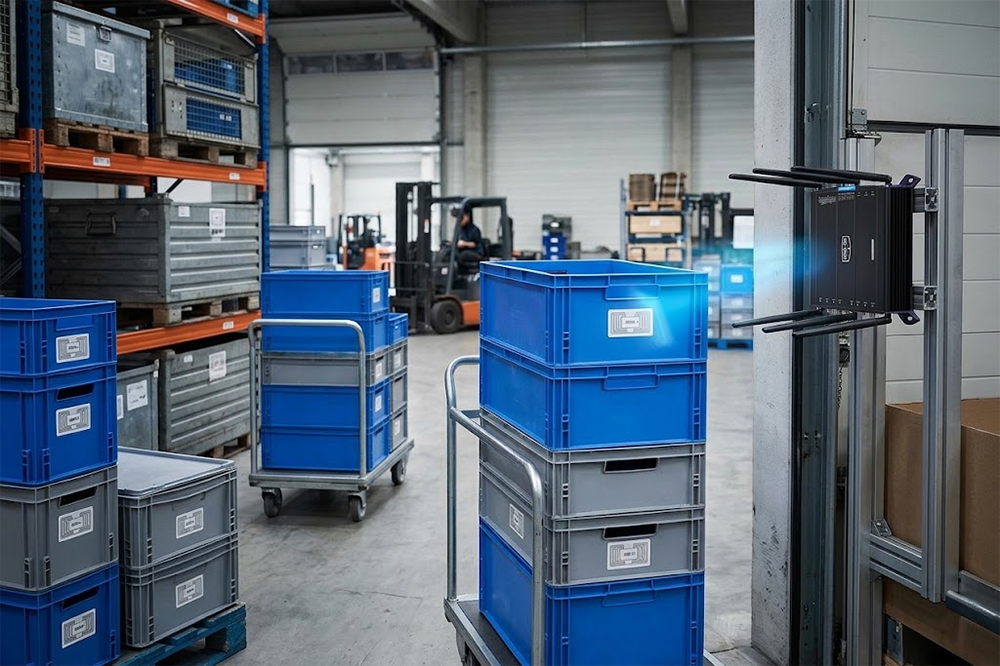
Consider a factory with 300 reusable production containers.
Every Friday, someone needs to count them.
The traditional process might involve walking around the facility, checking storage areas, and manually recording quantities.
With RFID, fixed readers can automatically record container movements at selected checkpoints.
A handheld RFID scanner can then be used for periodic verification.
The result isn’t necessarily a completely hands-free inventory system.
Instead, RFID reduces the amount of routine manual checking.
That distinction makes the business case easier to understand.
A reader detecting EPC numbers is only the first step.
Imagine the reader reports:
That’s useful for an engineer testing the hardware.
It isn’t enough for an asset manager.
The software needs to translate those EPCs into information such as:
The RFID reader provides identification.
The asset management software provides meaning.
This is why RFID projects often require integration with ERP, MES, WMS, maintenance software, or custom asset management platforms.
Imagine a maintenance department with 150 tools.
A fixed RFID reader is installed at the entrance.
Each tool receives an RFID tag.
When a technician takes a tool out, the reader detects it.
When the tool comes back, another detection event is generated.
The software can then show:
Tool: Electric Torque Wrench 08
Last Location: Production Area 3
Last Detected: 10:46
Status: In Use
If the tool doesn’t return by the expected time, the system can flag it for checking.
This isn’t complicated technology.
The difficult part is designing the reading zone so that the system generates reliable events.
This is another point worth keeping in mind when selecting a reader.
If you are tracking equipment through a doorway, you don’t necessarily want the reader to detect the same tool from 15 meters away.
You may only want to know when it crosses the doorway.
A smaller, controlled reading area can actually produce better asset tracking data.
The goal should be reliable detection at the correct location, not simply the maximum reading distance.
Before deploying an RFID asset tracking system, test the complete environment.
At minimum:
Try the system with realistic movement.
Don’t only hold one RFID tag in front of the antenna.
Walk through the doorway carrying several tagged tools.
Push a cart through.
Move multiple containers together.
Test the conditions that workers will actually create.
That’s where the useful information appears.
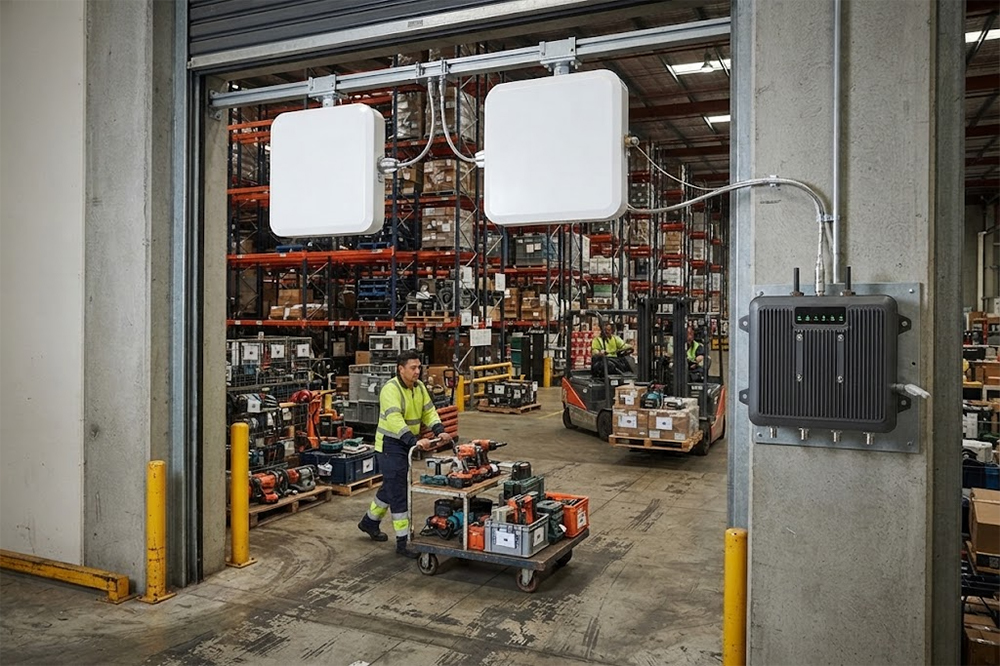
For distributors and RFID solution providers, several hardware specifications deserve attention:
If the project involves tools, containers, or industrial equipment, also ask about compatible on-metal RFID tags and antennas.
A complete product combination is usually more valuable than a reader sold without application support.
For RFID asset tracking, the actual asset should be part of the test.
A reader may perform well with a small paper RFID label but poorly with a steel toolbox.
It may read one empty container easily but struggle when the container is filled with metal components.
It may work perfectly at the entrance but create unwanted reads from nearby storage racks.
These are normal engineering issues.
They don’t necessarily mean RFID isn’t suitable.
They mean the system needs to be adjusted around the real application.
For manufacturers, warehouse operators, RFID distributors, and system integrators, a sample test is usually the fastest way to find out whether a particular reader, antenna, and tag combination will work.
If an RFID asset tracking system is not reading consistently, it is worth checking the tag, antenna position, reader power, and surrounding materials. These issues are also common in long range RFID scanner reading problems.
For assets moving through warehouse entrances, controlling the reading area is especially important, just as it is when reducing RFID misreads at warehouse gates.
Reusable pallets and transport containers can also become part of a broader RFID pallet tracking system when they move between warehouses and production areas.
RFID can track tools, equipment, carts, pallets, reusable containers, production fixtures, maintenance kits, and many other physical assets. The main requirement is that the asset can carry a suitable RFID tag.
Yes. Metal tools can be tracked with suitable on-metal UHF RFID tags. Tag placement is important because mounting the tag directly against metal can significantly affect RFID performance.
Usually, a single reader is not the best solution for tracking assets across an entire facility. Fixed readers are normally installed at specific checkpoints so that each RFID detection corresponds to a known location.
Not automatically. A standard fixed RFID reader generally tells the system that a tag was detected within its reading area. Multiple readers or more advanced positioning technologies may be needed for more detailed location information.
They serve different purposes. Fixed readers are useful for automatically recording asset movement at doors and checkpoints. Handheld readers are useful for searching, auditing, or locating tagged assets in a specific area. Many systems use both.
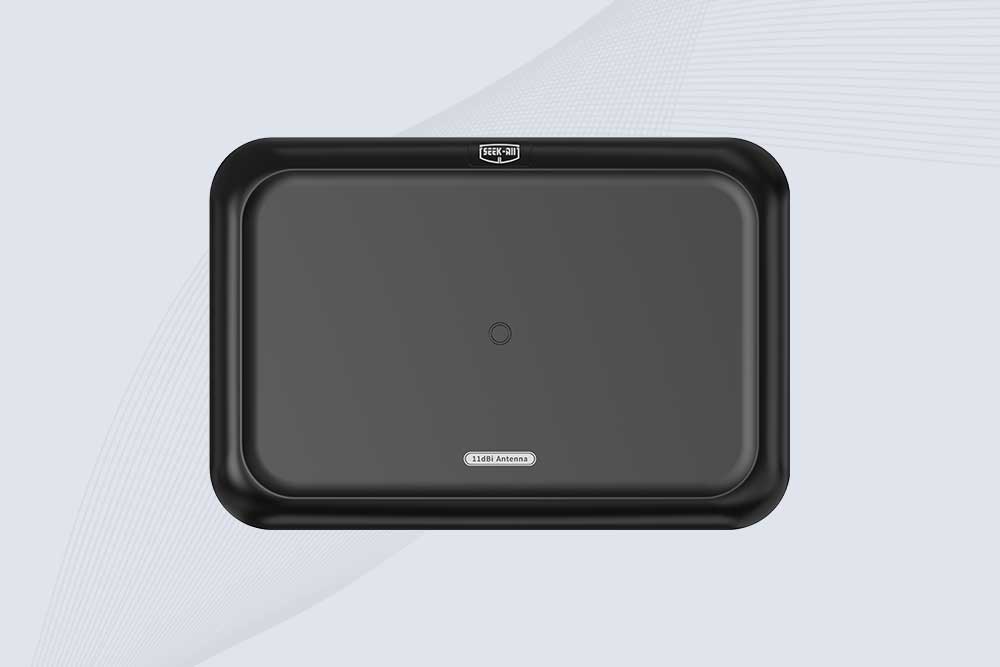
SSD-A11 UHF RFID antenna features 840–960 MHz adjustable frequency, ≥10.5 dBi gain, circular polarization and 50Ω impedance for fixed RFID systems.
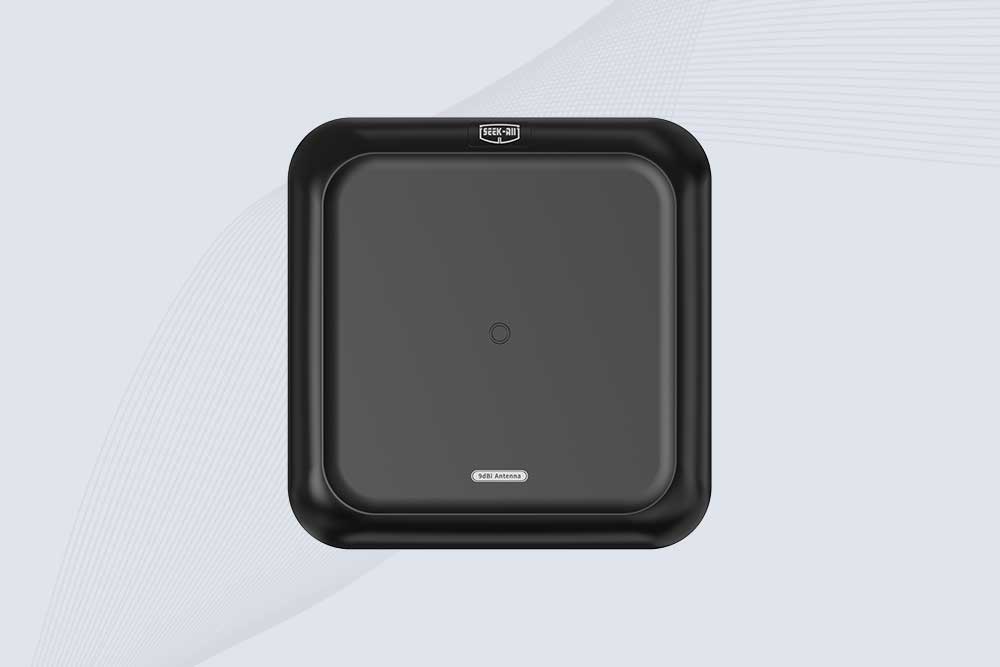
SSD-A09 is a 9 dBi UHF RFID antenna with 840–960 MHz adjustable frequency, circular polarization, 50Ω impedance and directional 60° × 60° coverage.
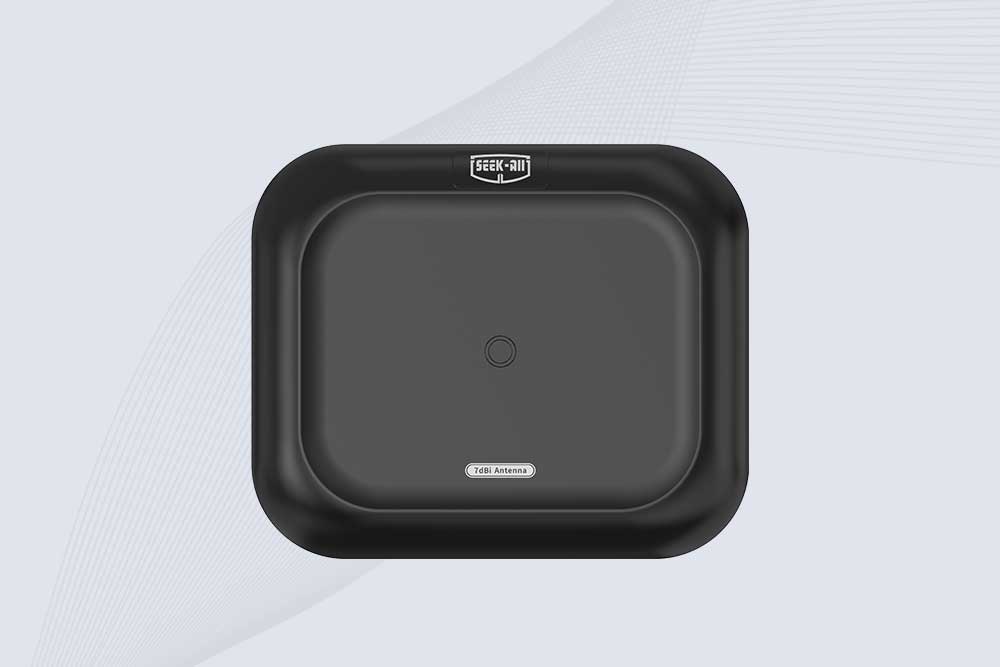
Explore the SSD-A07 UHF RFID antenna with 7 dBi gain, circular polarization, adjustable 840–960 MHz frequency, and 60°/75° beamwidth for stable RFID read/write performance.

SSD-A06 UHF RFID antenna with circular polarization, adjustable 840–960 MHz frequency, ≥4.5 dBi gain, and a compact directional design for RFID systems.
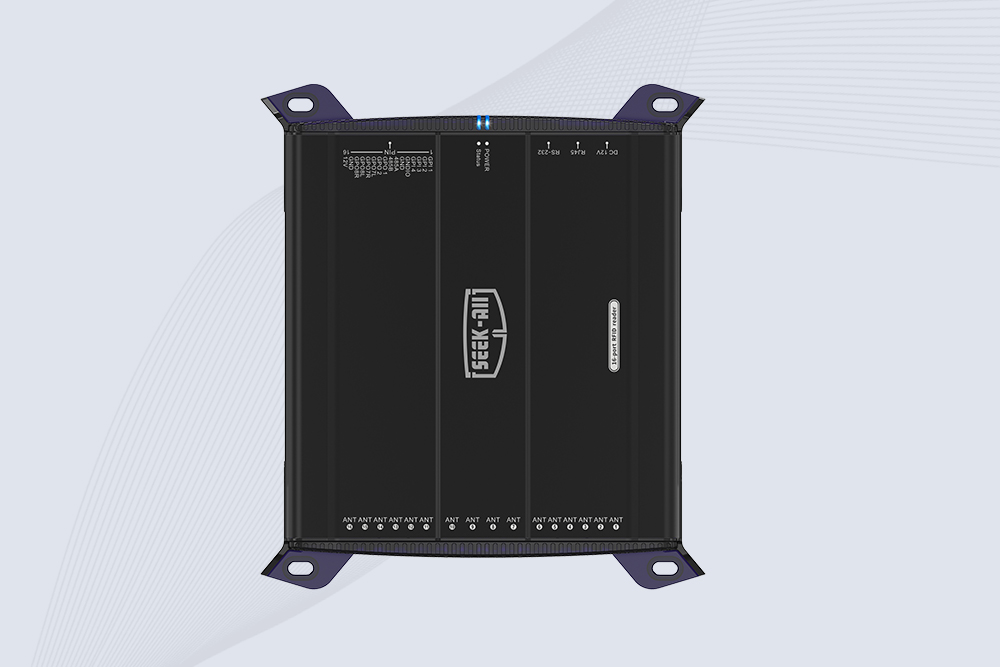
SSD-R16L Multi-Channel RFID Infrastructure for Automated Inventory Management ✔️ 16-Port High-Density RFID Reading Equipped with 16 SMA antenna ports, SSD-R16L supports multi-antenna deployment for warehouses, retail stores, logistics, production lines, and large-area RFID identification. ✔️ High-Speed & Long-Range Performance With up to 33…
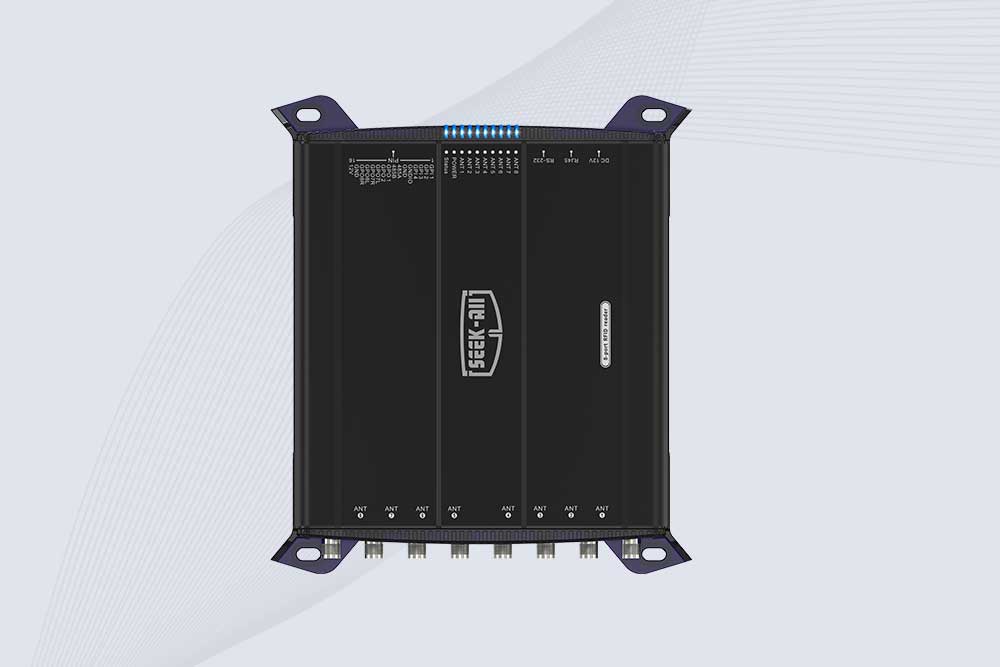
SSD-R8L 8-port UHF RFID reader with 33dBm output, up to 20m reading range and 600+ tags/s recognition. Ideal for warehouse, logistics, retail and asset tracking.
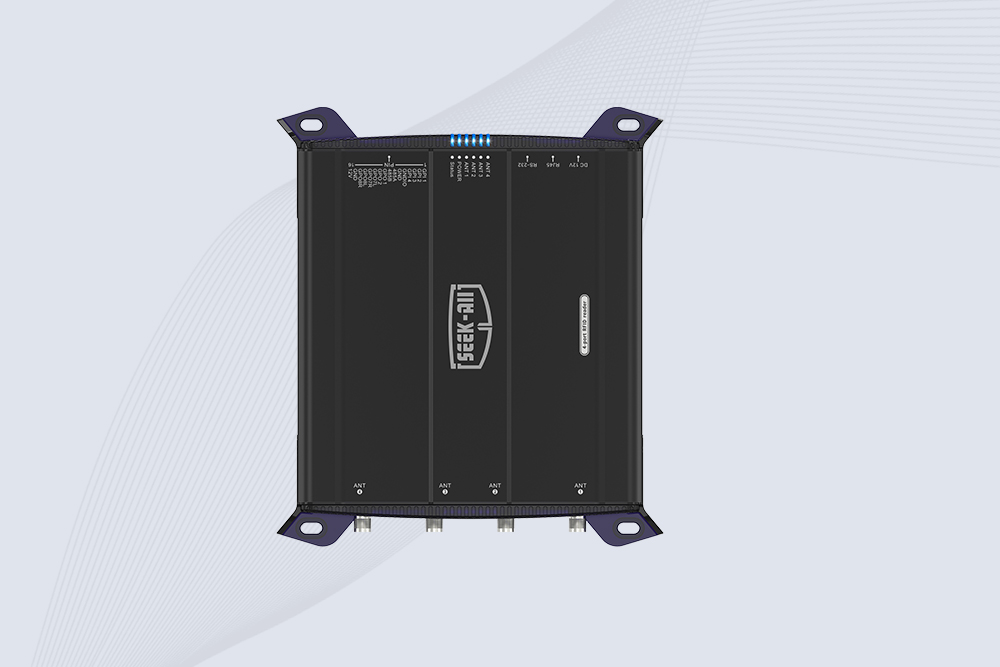
SSD-R4L is a 4-port UHF RFID fixed reader with 33dBm output power, up to 20m reading range, EPC C1G2 support and 600+ tags/s reading speed.
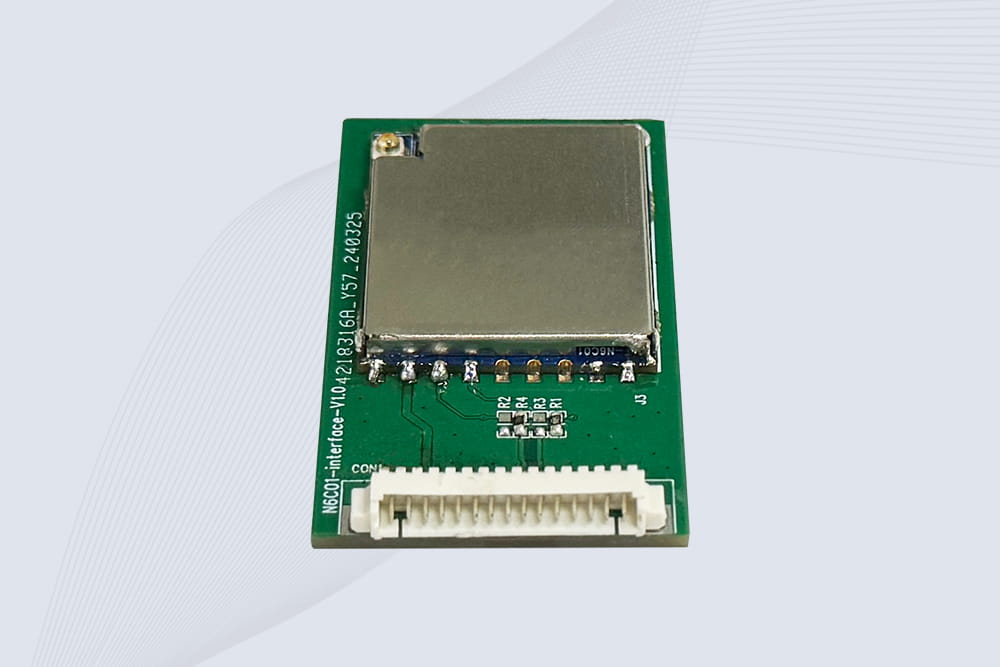
CYKEO Embedded RFID Modules are designed for compact industrial and IoT devices that require stable UHF performance. These UHF RFID Modules support global protocols, flexible power control, and reliable multi-tag reading for smart cabinets, production lines, and asset tracking systems.
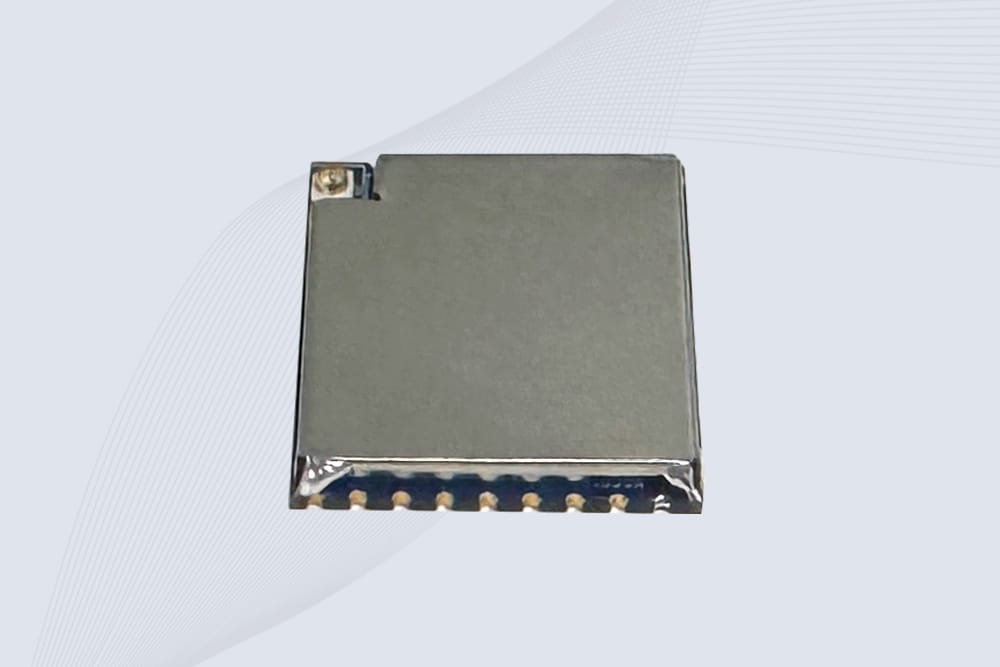
CYKEO Embedded RFID Module is built for compact IoT and industrial devices that need stable UHF performance. This UHF module supports global protocols, low power operation, and reliable multi-tag reading for smart lockers, production lines, and always-on RFID systems.
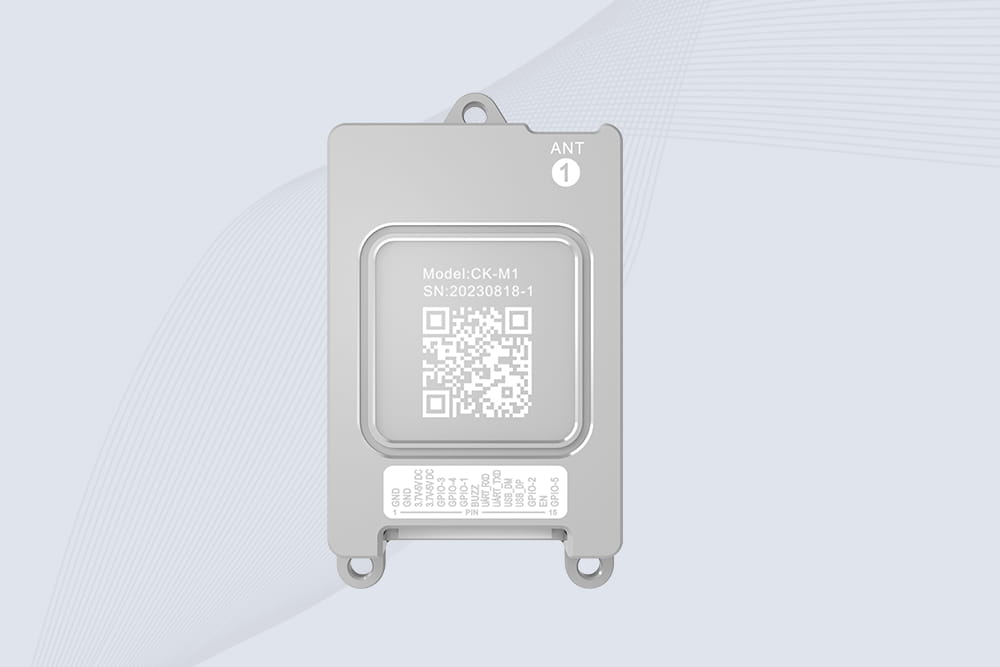
CYKEO CYKEO-M1 drone rfid module is a compact UHF RFID reader module designed for drones and UAV platforms. It supports long-range aerial scanning, fast multi-tag reading, and stable performance in wind, vibration, and outdoor environments.
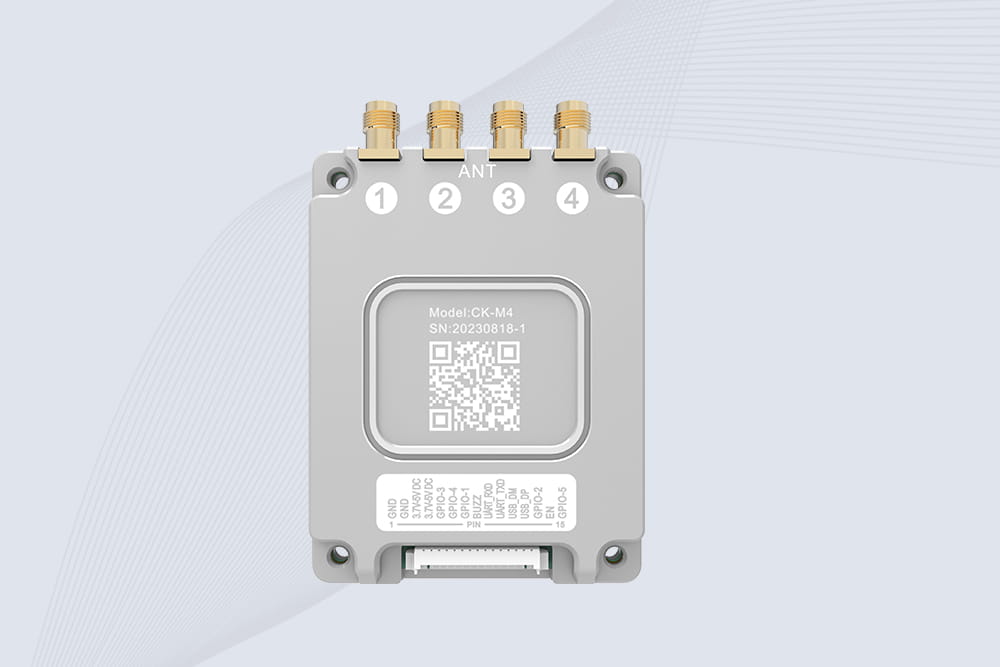
CYKEO CYKEO-M4 RC522 RFID Module is an industrial-grade UHF RFID reader with 4 ports, supporting ISO, EPC, and GB protocols. High-speed, accurate reading for IoT, automation, and warehouse applications.
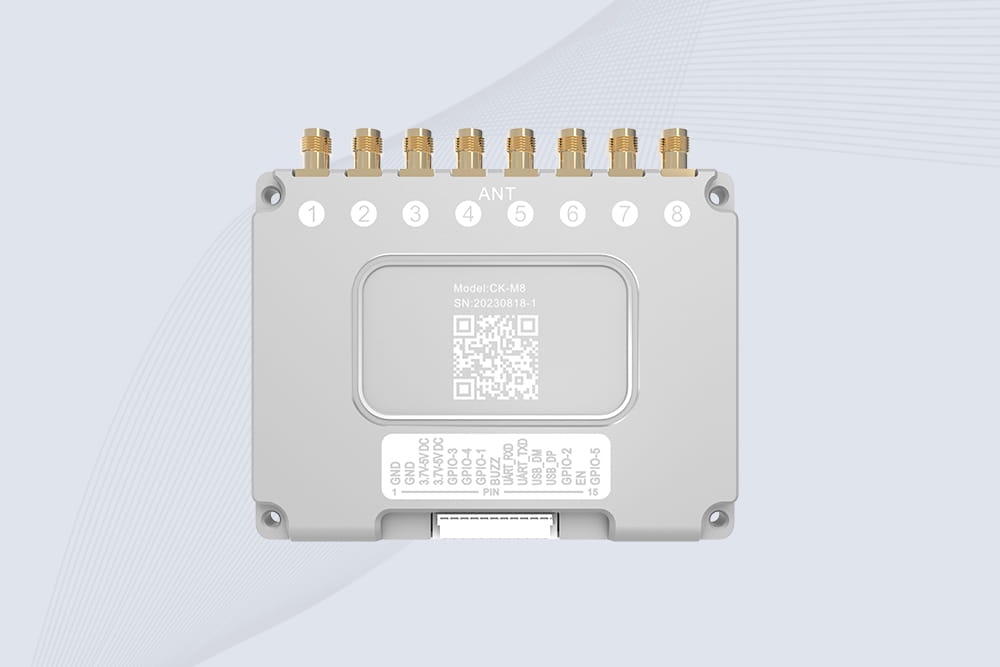
CYKEO CYKEO-M8 Module RFID is an 8-port UHF R2000 RFID Module designed for high-density, multi-tag environments. Stable 33dBm output, ISO & GB protocol support, ideal for warehouses, factories, and automated systems.
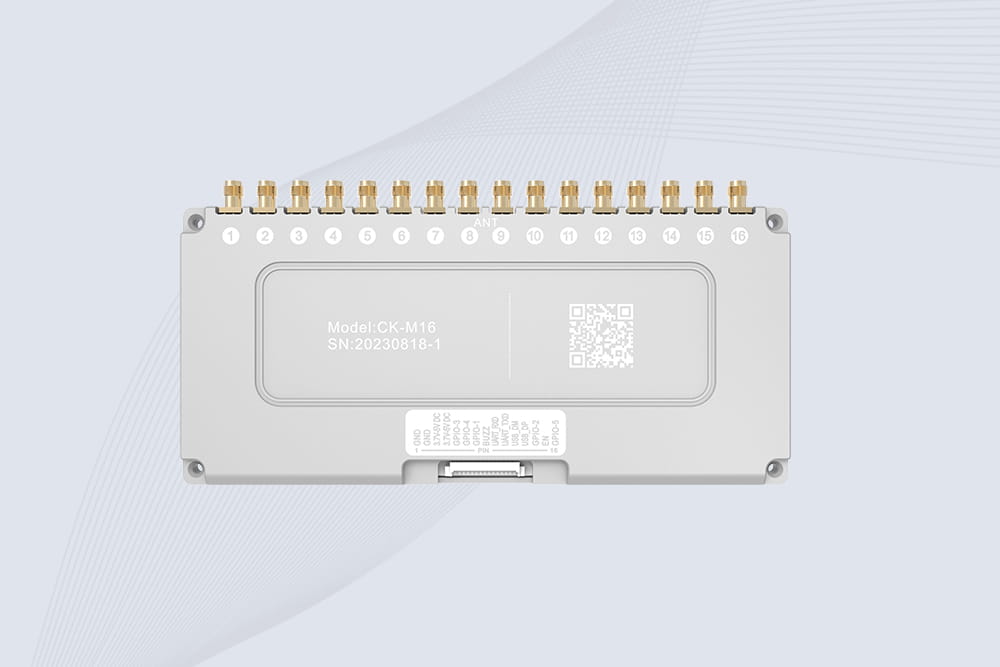
CYKEO CYKEO-M16 RFID Module is a 16-port UHF RFID reader module based on the R2000 chipset. Designed for dense tag environments, it supports ISO and GB standards and delivers stable multi-antenna control for industrial automation.
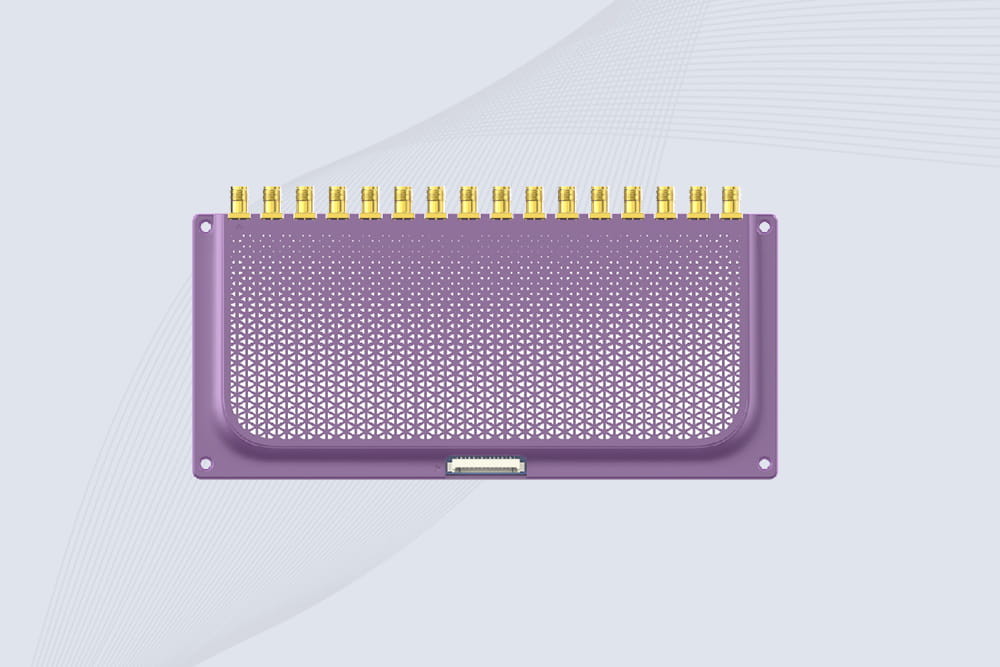
The CYKEO CYKEO-M16L RFID Reader Module is a 16-channel UHF RFID core designed for dense tag environments. With adjustable 33dBm output, multi-protocol support, and stable multi-antenna control, this RFID Tag Reader Module fits industrial automation, warehouse systems, and large-scale IoT deployments.
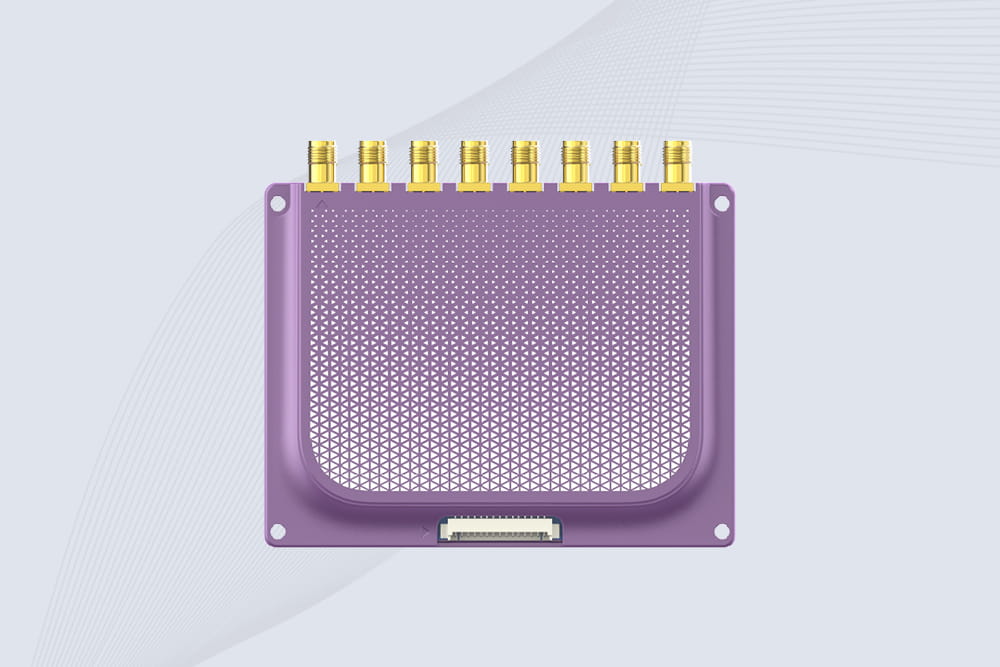
CYKEO CYKEO-M8L module RFID is a compact industrial UHF module built for dense tag and multi-antenna environments. With 8 RF ports, adjustable 33 dBm output, and ISO & GB protocol support, it is widely used in factories, warehouses, and automated tracking systems.
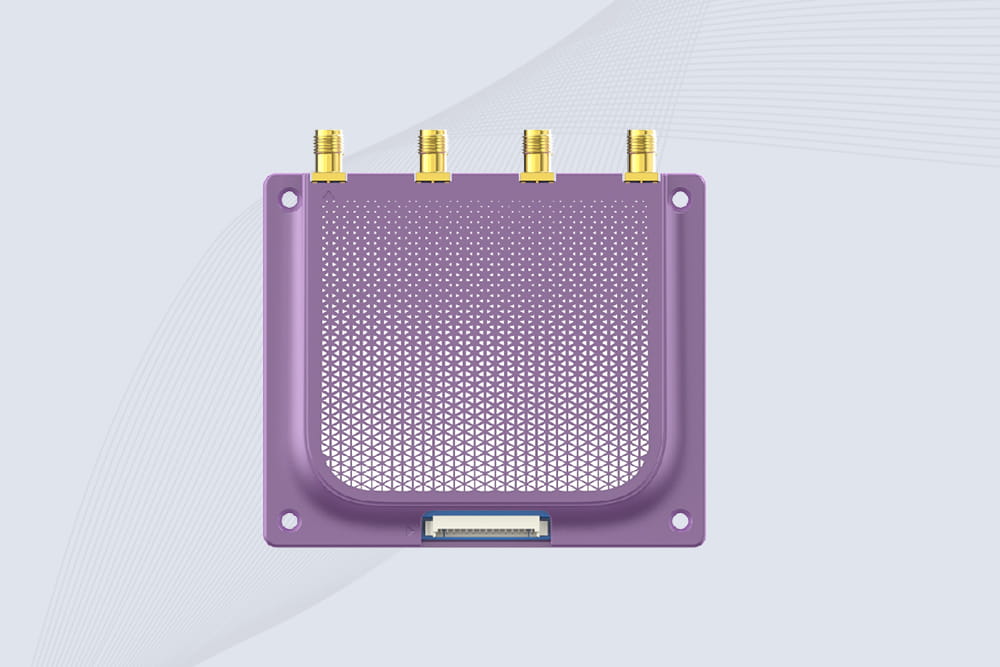
CYKEOCYKEO-M4L UHF RFID Module is a compact 4-channel RFID tag reader module designed for dense tag environments. Supporting ISO and GB protocols, it delivers stable reads up to 10 meters for industrial and IoT systems.
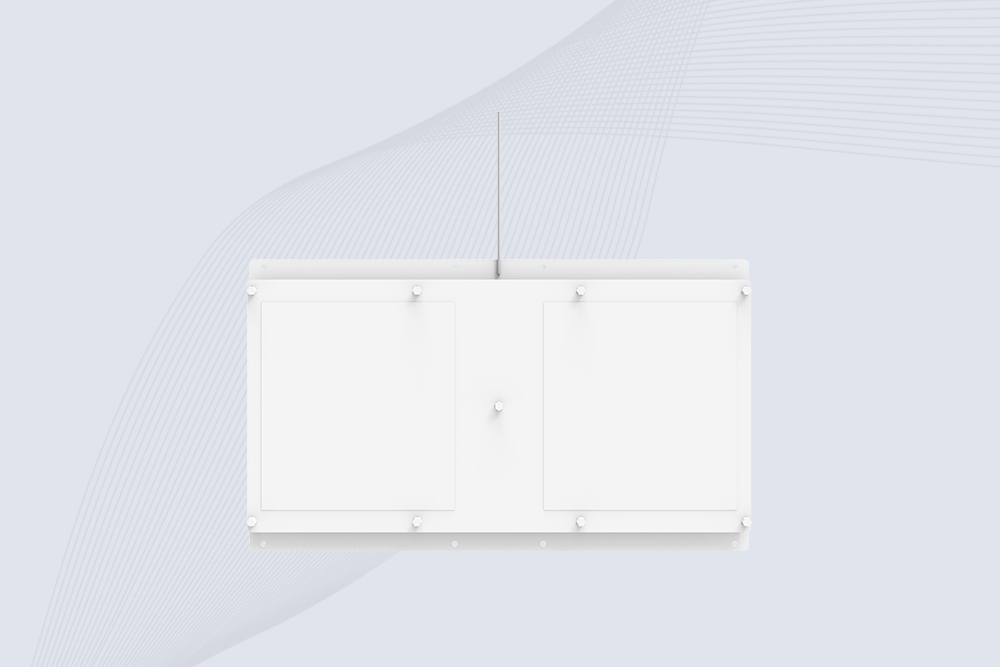
Cykeo CYKEO-A11 UHF RFID reader antenna delivers 11dBi gain, 840-960MHz frequency range, and IP65 ruggedness for retail, logistics, and industrial RFID systems. Features low VSWR and easy installation.

CYKEO Antenna RFID Reader delivers stable long-range UHF performance with a 10.5dBi directional design, built for warehouses, conveyor portals, and industrial RFID systems. This rfid reader antenna provides 20m+ read distance and rugged IP67 protection.

Cykeo CYKEO-PHF3 industrial HF RFID Antenna offers 24-point dynamic tracking, ISO 14443A/15693 protocols, metal-environment stability for archives/libraries/manufacturing.

Cykeo CYKEO-A5B industrial Linear RFID Antenna delivers 5dBi gain, ≤1.5:1 VSWR, and IP65 rugged design for warehouse, production line, and logistics UHF systems.

Cykeo’s CYKEO-B12 Long Range RFID Antenna delivers 15m+ read range with 12dBi gain, IP65 rugged design, and global 840-960MHz UHF support. Ideal for warehouse/logistics asset tracking.
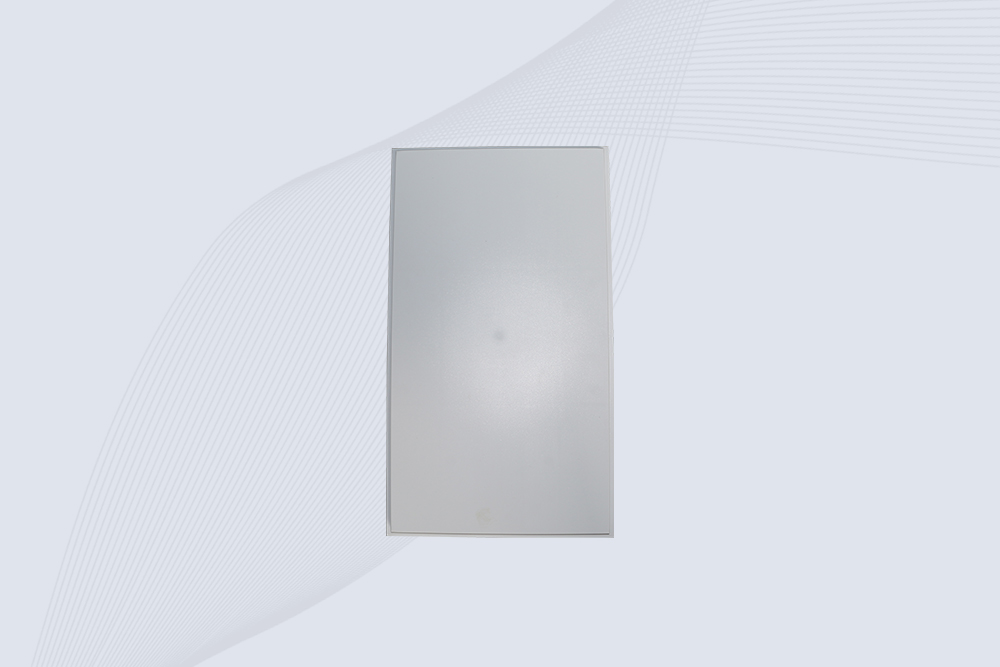
Cykeo CYKEO-B10 Long Distance RFID Antenna offers 10dBi gain, 840-960MHz frequency range, IP65 rating, and 20m+ coverage for logistics/warehousing/ETC systems. Low VSWR ensures stable signal transmission.
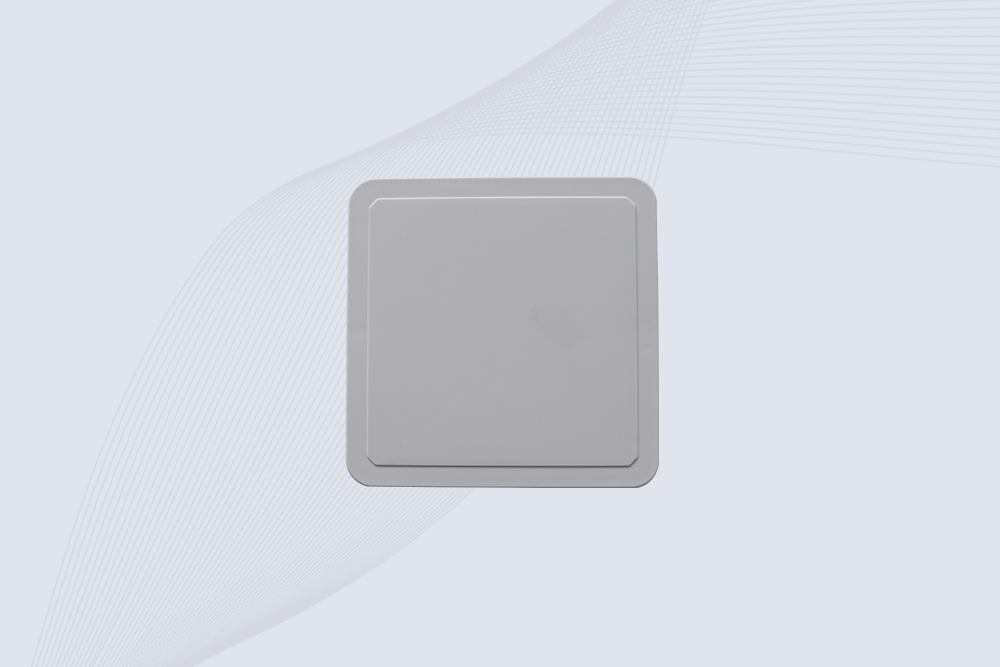
Cykeo CYKEO-A6 UHF RFID panel antenna features 6dBi gain, 840-960MHz broadband, IP65 metal-ready housing for logistics/smart retail. 18mm ultra-thin design with tool-free mounting.

Cykeo CK-A3 industrial antenna RFID UHF offers 5m+ tag detection, ≤1.3:1 VSWR, IP65 rugged design, and global UHF spectrum compatibility (840-960MHz) for warehouses, factories, and retail.
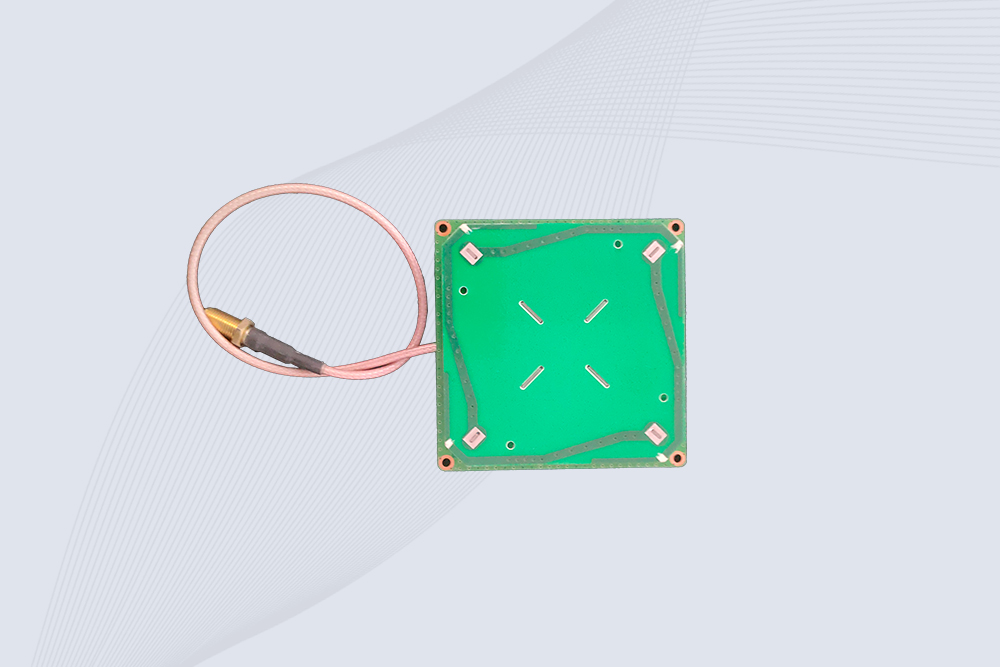
Cykeo CYKEO-B5 directional RFID antenna provides 5dBi gain with 60° narrow beamwidth for precise inventory tracking. IP65-rated, global UHF frequency support, and low VSWR.
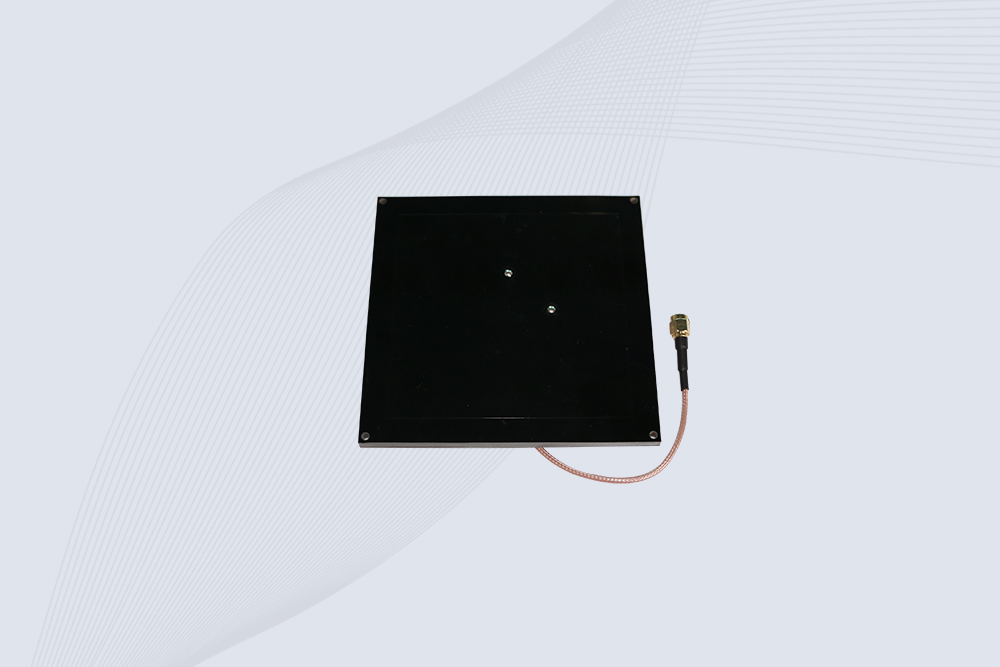
Create your own high-performance DIY RFID antenna! 5dBi gain, 840-960MHz tunable, step-by-step guides. Compatible with Arduino, Raspberry Pi, and commercial UHF readers.
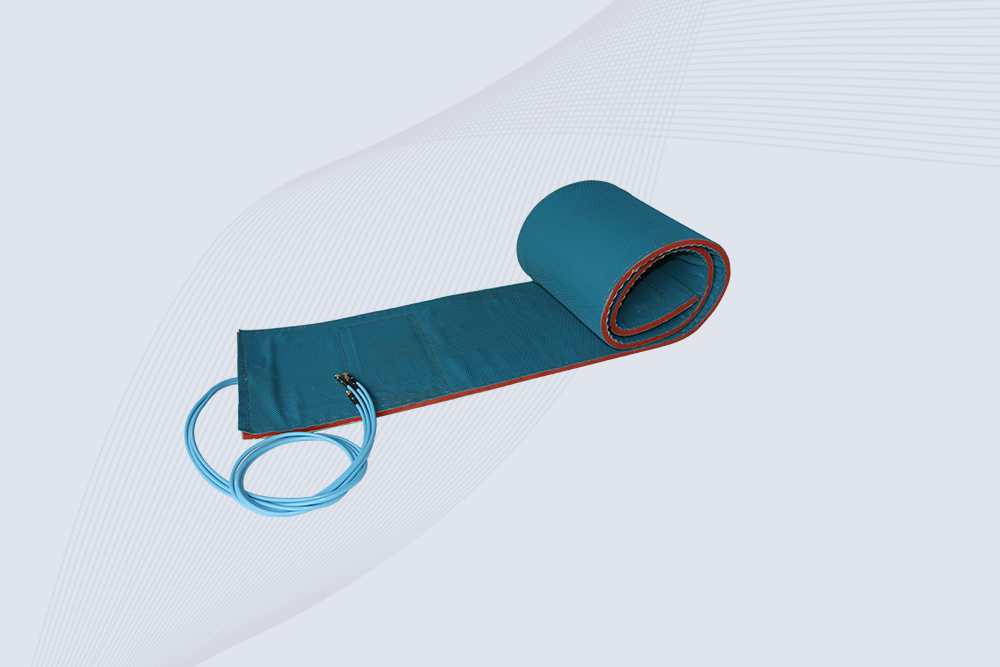
Cykeo CYKEO-A7 Flexible RFID Antenna features 840-960MHz wideband tuning, 7dBi gain, and IP68 rating for medical/retail/industrial curved surface deployments. 98% read accuracy with peel-and-stick installation.

Cykeo CYKEO-B5A industrial Passive RFID Antenna delivers 5dBi gain, 70° beamwidth, and -40°C~55°C operation for warehouses/smart cabinets. Compatible with Zebra/Impinj readers.
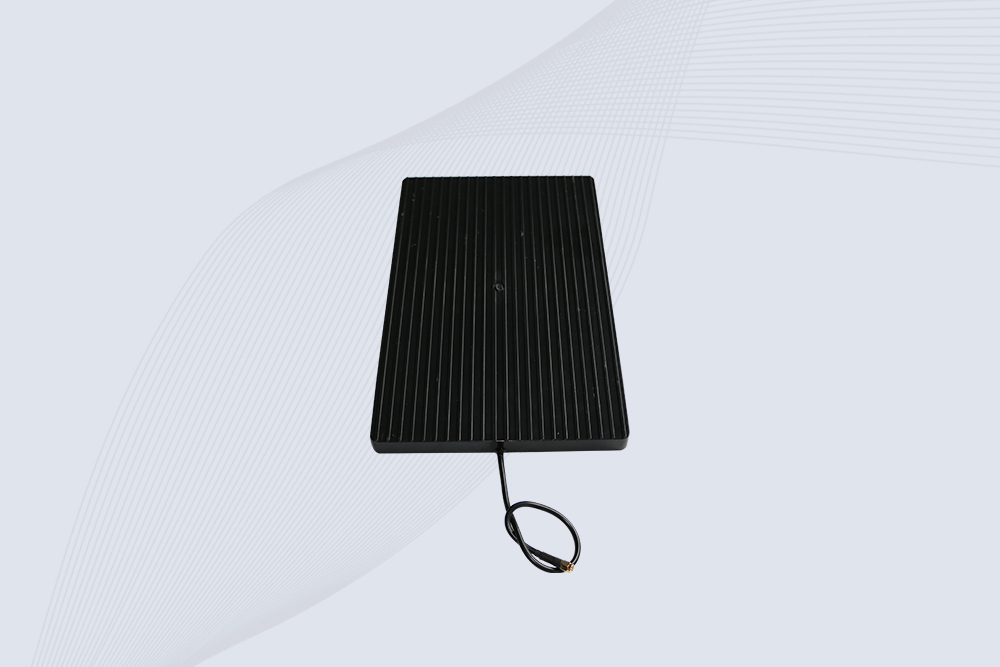
Cykeo’s CYKEO-A9B High Gain RFID Antenna delivers 15m+ read range with 9dBi amplification. Features IP54 rugged design, 840-960MHz bandwidth, and 80° beamwidth for warehouse/manufacturing RFID systems.

Cykeo’s enterprise-grade 8dbi Impinj RFID Antenna 10m+ read range with 840-960MHz tuning. Features IP65 housing, 1.4 VSWR, 35° beamwidth for retail/warehouse RFID systems.
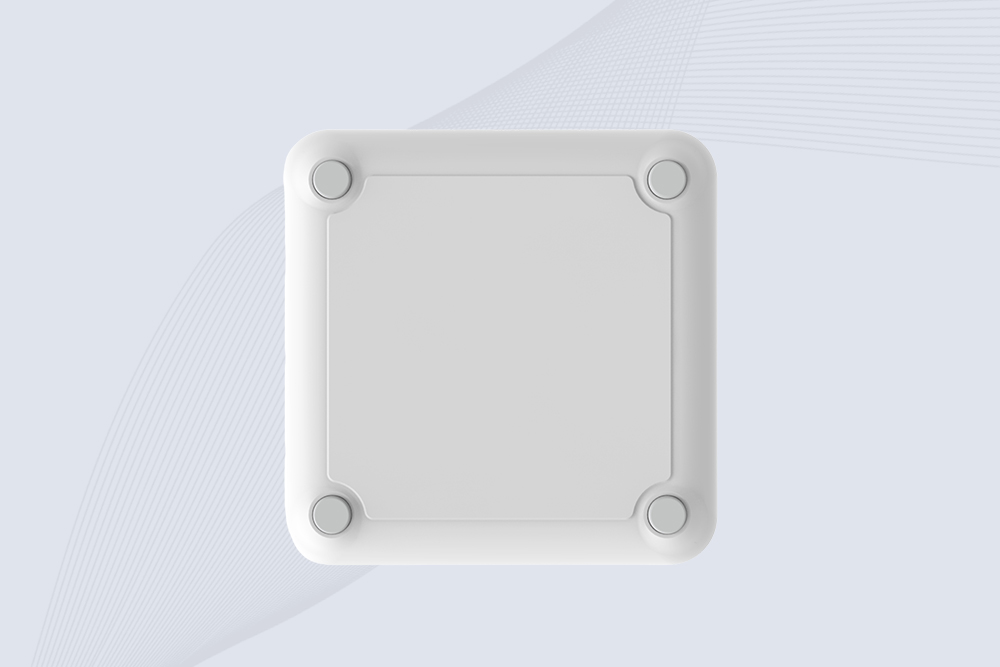
Cykeo CYKEO-A9 industrial UHF RFID antenna delivers 9dBi gain, 840-960MHz frequency range, and IP65 protection for warehouse/logistics/retail RFID systems. Features N-type connector and ≤1.3:1 VSWR.
CYKEO UHF RFID Antenna built for long-distance and industrial applications. This antenna rfid uhf delivers strong gain, outdoor durability, and reliable tag performance in warehouses, yards, and vehicle ID systems.
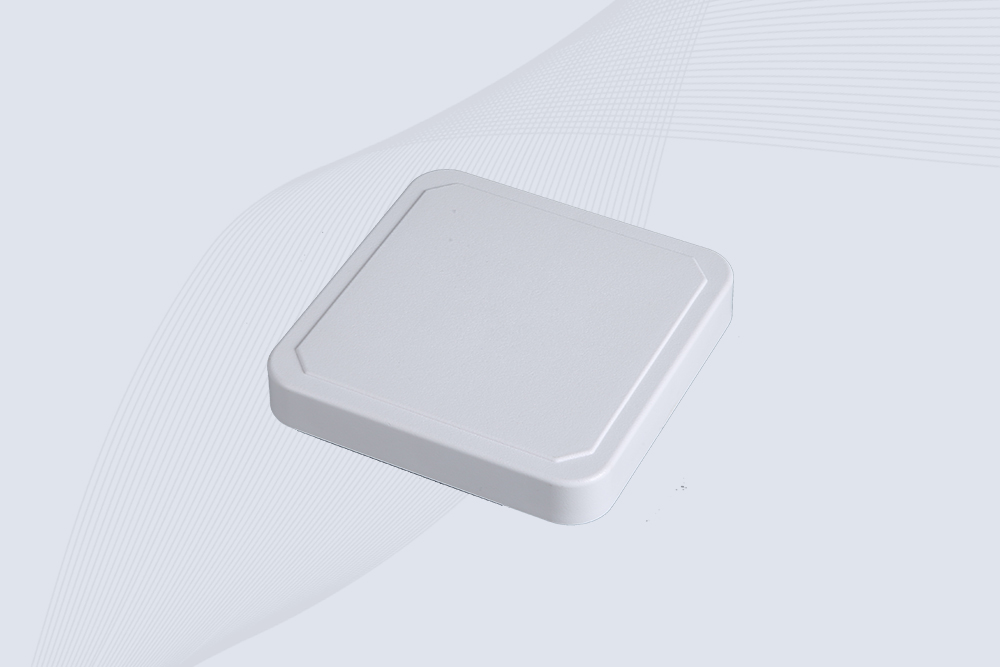
CYKEO Antenna RFID delivers reliable long-range UHF performance in warehouses, retail shelves, and cold-chain environments. This compact uhf rfid antenna provides stable reads with circular polarization and ultra-wide 840–960 MHz support, ideal for industrial tracking, smart shelves, and asset monitoring.
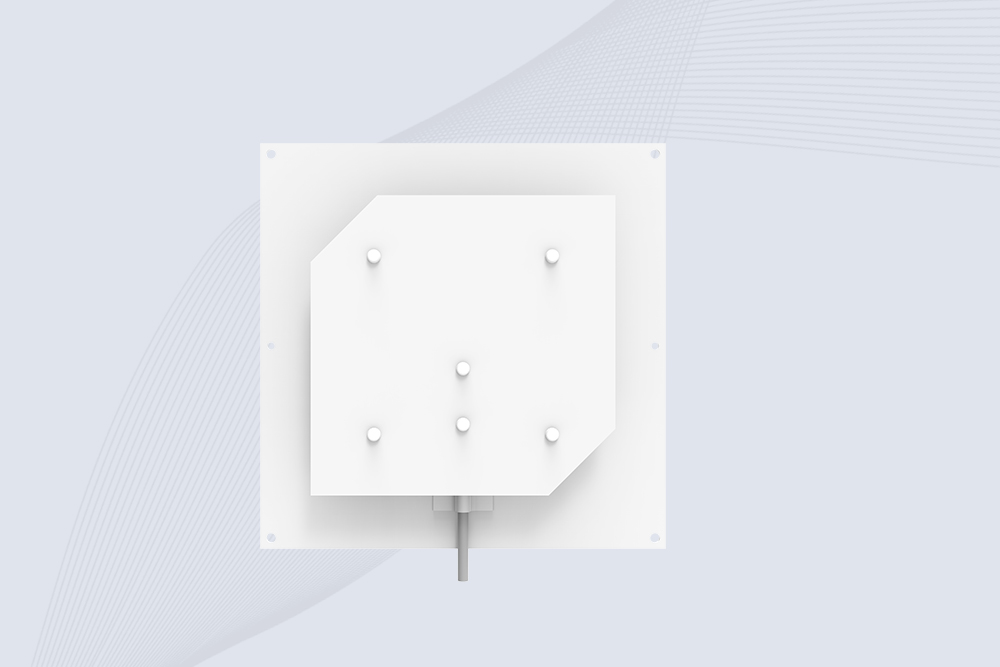
Cykeo’s CYKEO-C8 UHF RFID antennas delivers 8dBi gain, 840-960MHz full-band coverage, and IP65 ruggedness for manufacturing/warehouse RFID systems. Industrial RFID Antennas Features
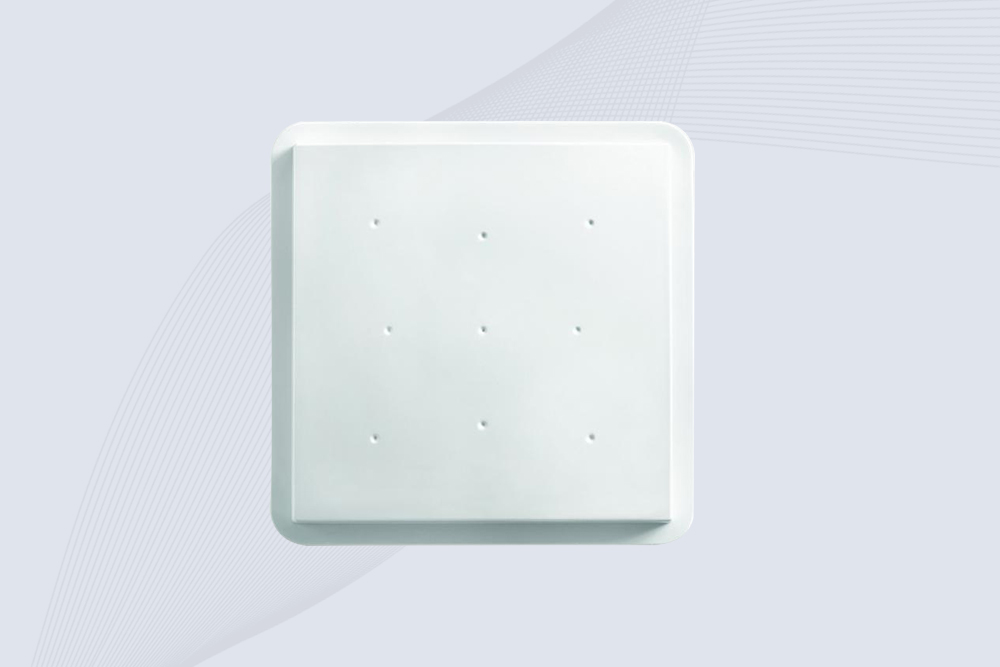
Cykeo’s 8dBi UHF RFID antenna and reader kit delivers 10m+ range, 840-960MHz broadband, and IP65 ruggedness for factories, warehouses, and logistics. ISO 18000-6C & EPC Gen2 certified.
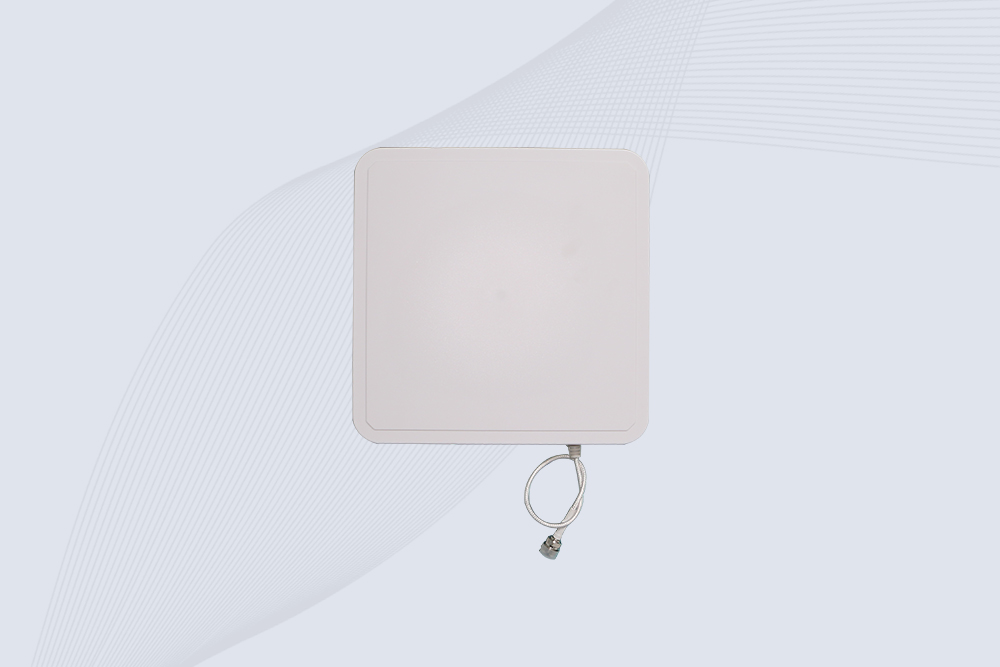
Cykeo CYKEO-A9A industrial UHF RFID reader and antenna kit delivers 10m range, 500 tags/sec, IP65 ruggedness for manufacturing/logistics. Supports EPC Gen2, ISO18000-6C.
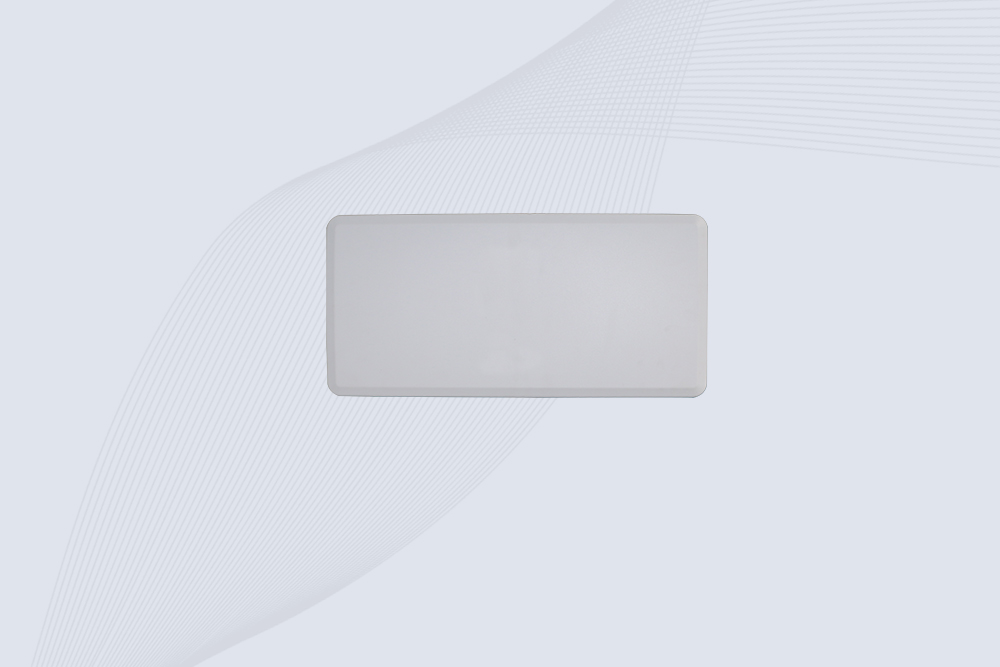
Cykeo’s CYKEO-A12C UHF Large RFID Antenna delivers 12dBi gain, 840-960MHz global frequency, IP65 ruggedness for logistics/warehousing/automotive. 40° beamwidth ensures stable 15m+ tag reads.

CYKEO Near Field RFID Antenna provides precise 5–30 cm reading for shelves, cabinets, and workstations. This compact rfid shelf antenna delivers stable short-range performance around metal and clutter, ideal for pharmacies, libraries, and electronics sorting.
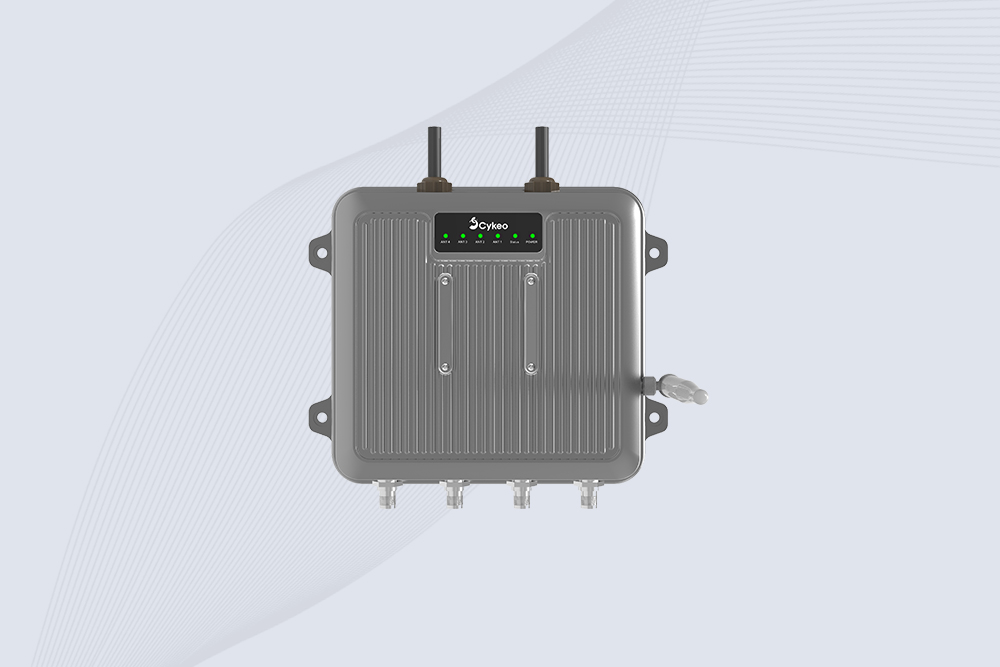
Cykeo CYKEO-C1 industrial Forklift RFID Reader features 20m read range, 600 tags/sec scanning, Impinj R2000 chipset, and IP67 rugged design. Ideal for warehouse logistics and manufacturing. Supports ISO 18000-6C/6B protocols.
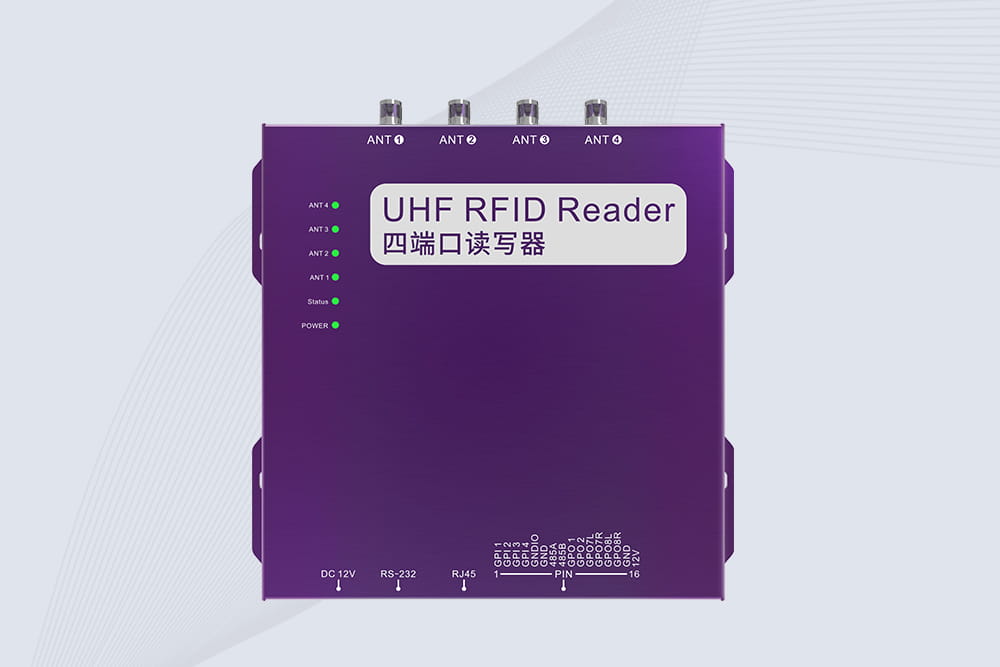
Cykeo CYKEO-R4 industrial UHF RFID Fixed Reader features 4 TNC ports, 400+ tags/sec speed, IP67 housing, and global frequency compliance for vehicle inspection, smart warehouse, and asset management systems.
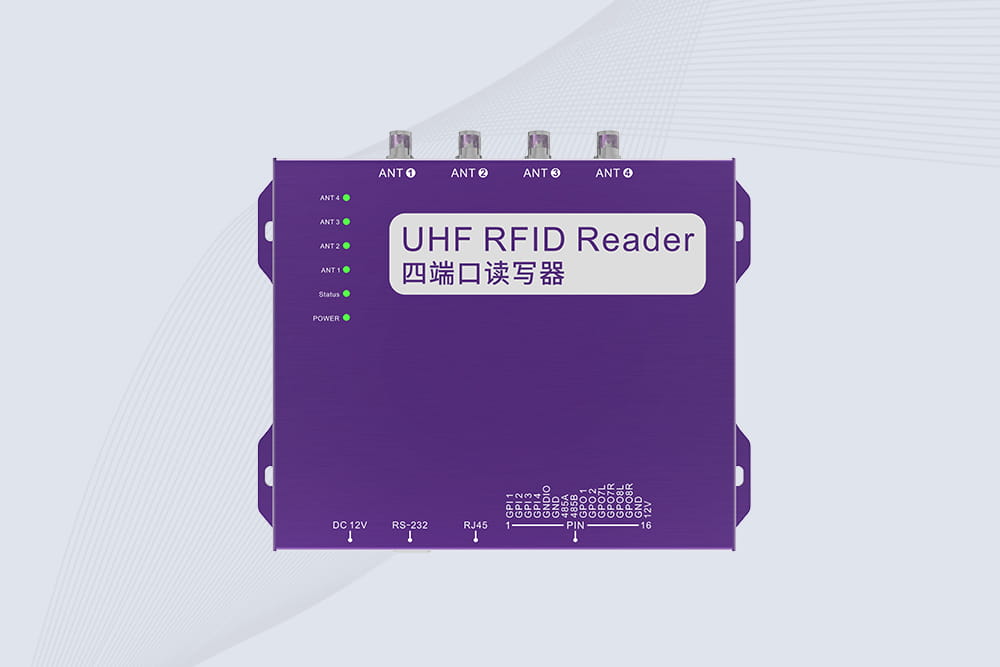
Cykeo’s CYKEO-R4L 4-port Fixed UHF RFID Reader delivers 400 tags/sec scanning, ISO 18000-6C compliance, and IP65 protection. Ideal for warehouse automation, manufacturing WIP tracking, and logistics management.
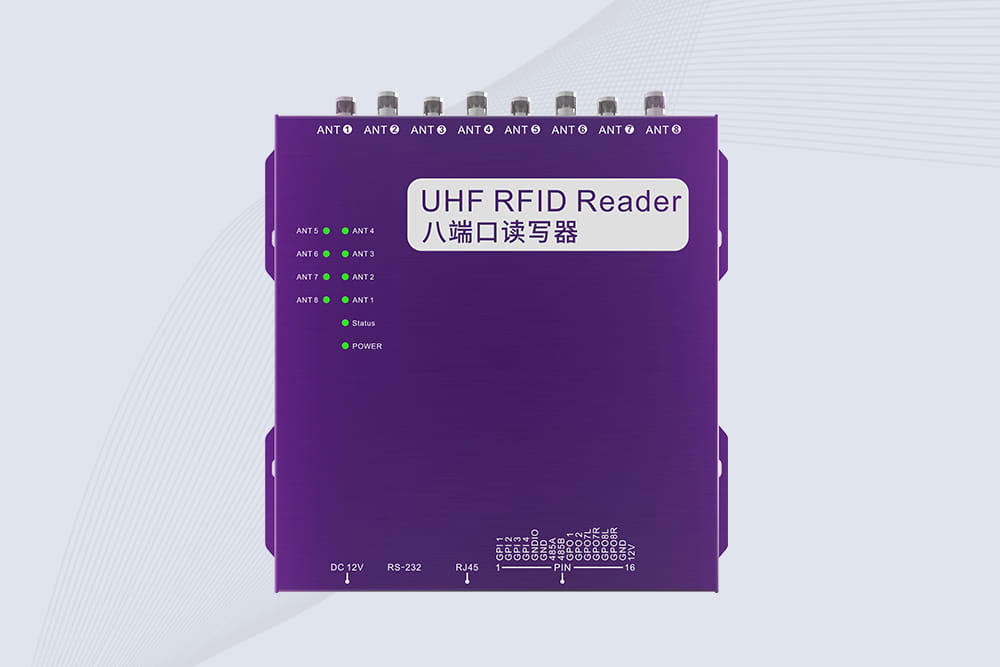
CYKEO CYKEO-R8L Fixed RFID Reader with 8-port UHF design, Impinj-based RF core and up to 20m read range. An industrial Fixed RFID Reader for vehicle inspection, warehouse portals, smart manufacturing lines and secure access checkpoints.
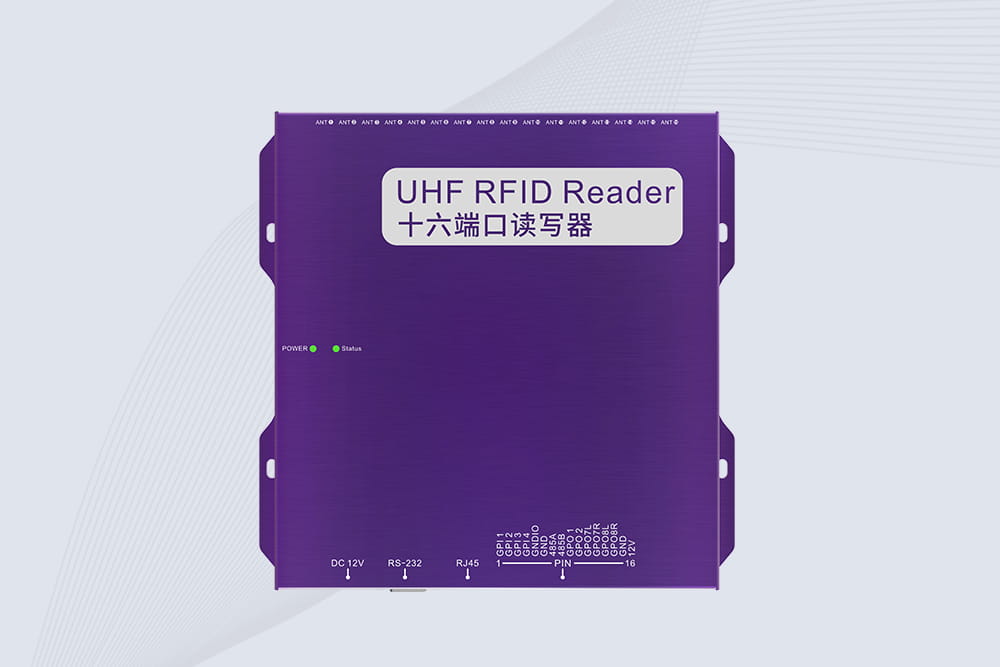
RFID Fixed Reader from CYKEO – the CYKEO-R16L 16-port UHF fixed reader for warehouses, smart cabinets, and production lines. Long-range, multi-tag reading, stable performance for 24/7 industrial use.
RFID Industry Writer | IoT & Asset Tracking Analyst
James writes about RFID technology, asset tracking, and the practical challenges of digital transformation across warehousing, retail, manufacturing, and logistics.
His work focuses on how RFID is applied in real-world operations—improving inventory visibility, automating workflows, and helping businesses manage assets with greater accuracy and efficiency.
He regularly covers topics including UHF RFID, smart cabinets, RFID portals, tool tracking, warehouse automation, and industrial IoT trends..
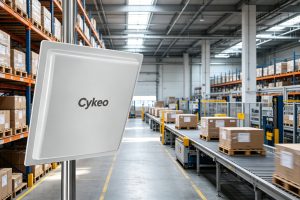
Discover how RFID for asset tracking and inventory management improves visibility, inventory accuracy, and operational efficiency. Learn proven RFID strategies from Cykeo experts.
More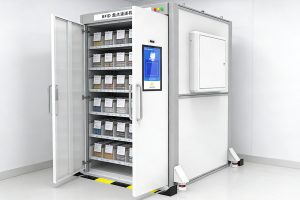
Learn why procurement teams choose armoire RFID smart cabinets for asset control and inventory visibility. Discover cost benefits, loss reduction, and why RFID cabinets outperform traditional storage solutions.
More
Discover the cost benefits of fixed RFID readers vs. barcode systems. Learn how Cykeo’s RFID solutions reduce labor, errors, and long-term expenses in warehouses and retail.
More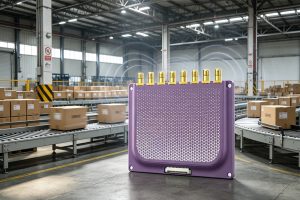
Learn how UHF RFID reader modules work and what OEM manufacturers and system integrators should consider before choosing one for industrial RFID applications.
More