 Cykeo RFID IoT Solution Products R&D Manufacturer

How Many Antennas Do You Need for RFID Reader?
173Learn how RFID reader antenna ports work and how to choose between 4-port, 8-port and multi-antenna RFID readers for warehouses, gates and industrial applica...
MoreAll RFID Product
Long range RFID scanner can automatically identify products as they move along a conveyor, reducing manual barcode scanning and improving real-time tracking. For reliable conveyor RFID performance, the reader, antenna, tag position, conveyor speed, reading zone, and software trigger should be designed together.
A conveyor looks simple when it is empty.
Once hundreds or thousands of cartons start moving through it every hour, product identification becomes a different problem.
A barcode scanner needs to see the barcode.
An RFID system can identify tags without requiring the label to face the reader directly.
That makes UHF RFID particularly interesting for conveyor applications.
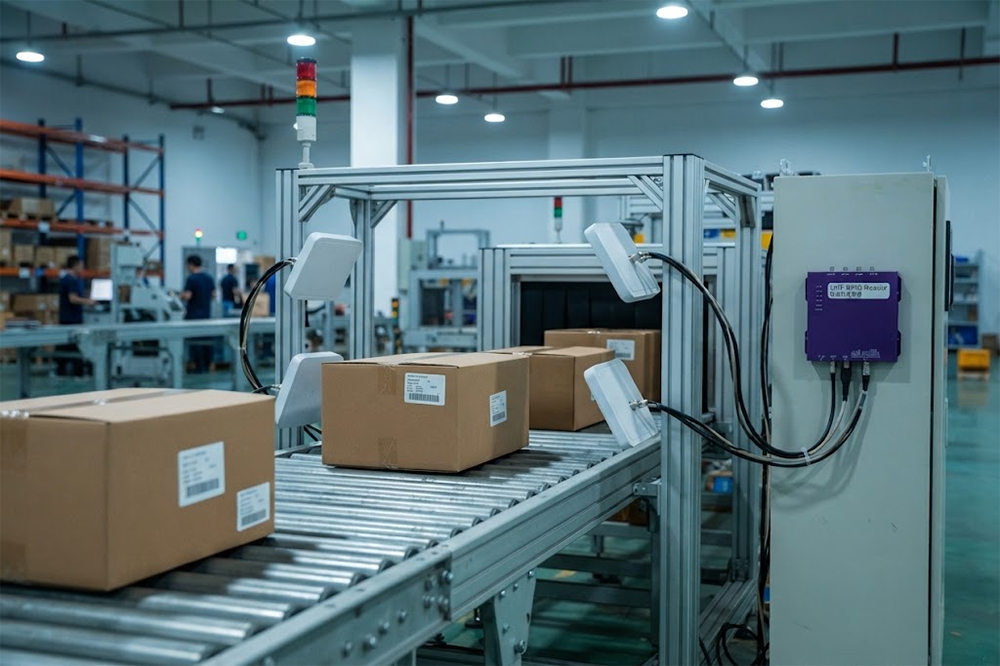
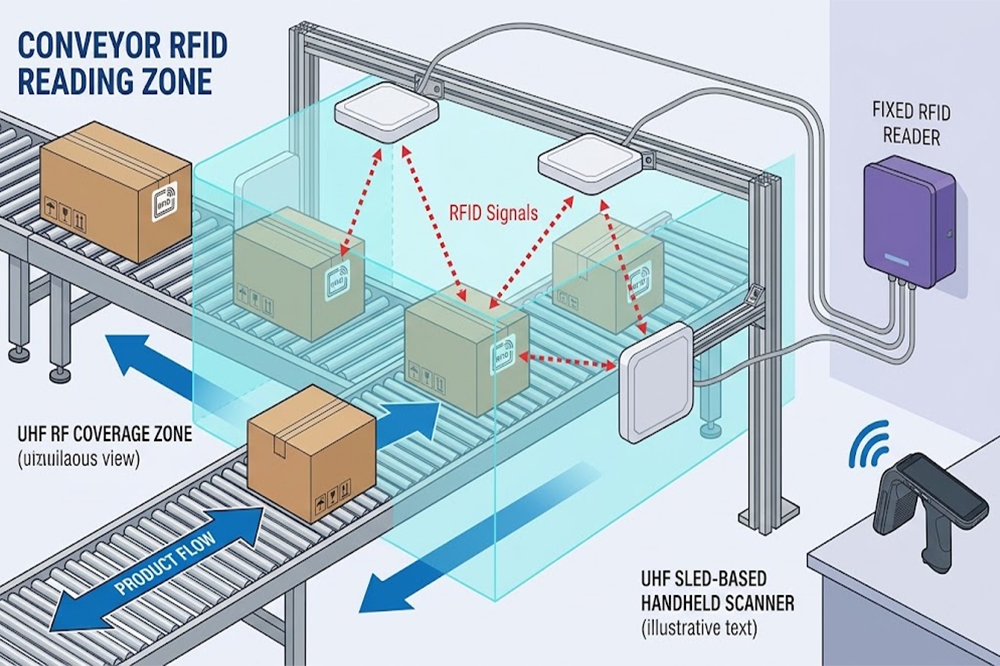
A long range RFID scanner can be installed beside or around a conveyor to identify products while they are moving through a defined reading zone.
The goal isn’t necessarily to read a tag from the greatest possible distance.
The goal is to make sure the right tag is detected at the right point while the product is moving.
That sounds simple.
In practice, conveyor speed, tag orientation, carton spacing, antenna position, and nearby products all matter.
A traditional conveyor tracking system may rely on:
RFID adds another identification method.
Each product, carton, tote, or pallet can carry RFID tag with a unique EPC.
As the item moves through the reading area, the RFID reader detects the tag.
The software can then associate the EPC with a product record.
A simple process looks like this:
Product enters conveyor → RFID tag enters reading zone → reader detects EPC → software identifies product → system records movement
For automated warehouses and production facilities, this can happen without an employee stopping the product.
This is probably one of the first questions an RFID integrator should ask.
How fast does the conveyor move?
A carton traveling at 0.2 meters per second is very different from one traveling at 2 meters per second.
The faster the product moves, the shorter the time available for the reader to identify its RFID tag.
For a slow conveyor, the reading zone can be relatively simple.
For a high-speed conveyor, antenna arrangement and reader configuration become much more important.
The system needs enough RF coverage for the tag to be detected before it leaves the reading area.
A conveyor RFID system shouldn’t simply point an antenna at the belt and hope for the best.
The reading zone needs to match the conveyor.
For example, suppose cartons are moving in a straight line.
The antenna can be positioned to cover the area where the tags are expected to pass.
If tags may appear on the top, side, or bottom of cartons, a single antenna may not provide enough coverage.
Additional antennas may be required.
But adding more antennas isn’t always the answer.
Too much RF coverage can make it harder to determine exactly when a product entered the reading zone.
The installation needs balance.
There are several possible positions.
An antenna is installed beside the conveyor.
This can work well when RFID tags are consistently placed on the side of cartons.
The antenna is mounted above the conveyor.
This can be useful when labels are normally placed on top.
Multiple antennas cover different directions.
This is useful when tag orientation is inconsistent.
Antennas surround the conveyor section to create a more controlled reading zone.
This can provide stronger coverage for difficult applications.
The correct arrangement depends on the customer’s products.
A supplier may demonstrate a reader with a tag placed perfectly in front of the antenna.
The customer then installs the same reader on a conveyor.
Some cartons are tagged on the top.
Others on the side.
A few have the tag partially covered.
Now the performance looks different.
This isn’t necessarily a reader problem.
It is a system-design problem.
If possible, standardize RFID tag placement.
If that isn’t practical, design the antenna arrangement around the possible tag positions.
Conveyor systems can move products very close together.
For example:
Carton A → 10 cm gap → Carton B → 15 cm gap → Carton C
The reader may detect all three tags within a short period.
That’s useful.
But the software needs to know which detection belongs to which product movement.
This becomes especially important when products are being sorted.
A reader may provide the EPC.
A sensor or PLC may provide the timing.
The software can combine both pieces of information.
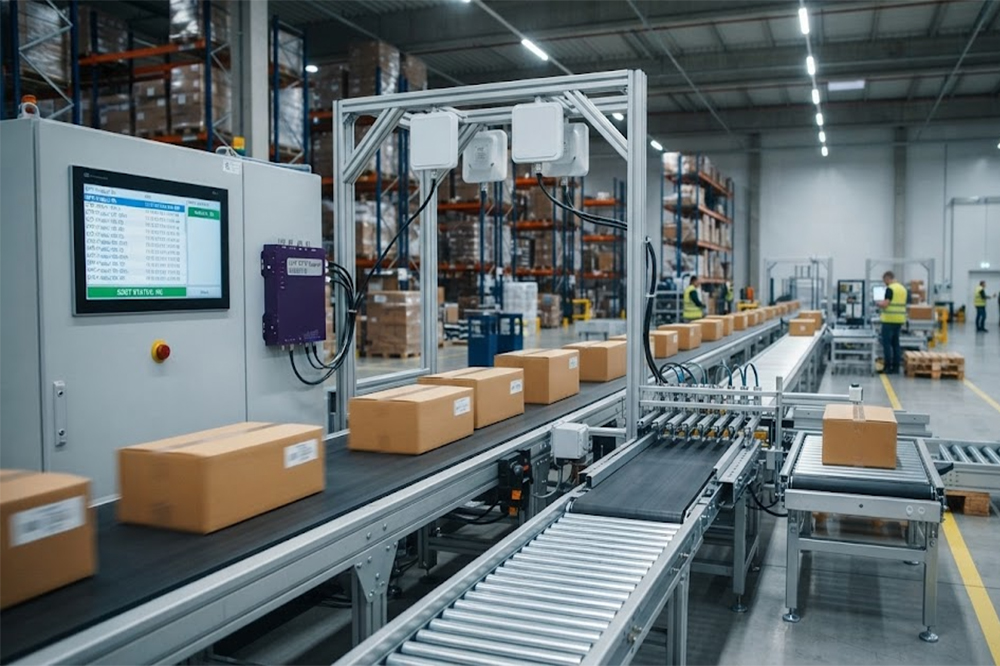
This is one reason conveyor RFID projects often involve more than the RFID reader itself.
Many industrial conveyor systems already use PLCs.
The RFID reader may need to communicate with the PLC or control system.
Depending on the reader, integration may use:
The exact interface depends on the equipment and system architecture.
For a system integrator, this should be checked before selecting the RFID scanner.
The RF performance may be excellent, but if the communication architecture doesn’t fit the customer’s automation system, the project becomes unnecessarily complicated.
In some conveyor applications, an RFID reader continuously scans.
In others, the system uses a photoelectric sensor or PLC signal to trigger the reading process.
For example:
Carton detected by sensor → RFID scan activated → EPC collected → sorting decision made
This can help control the reading window.
It may also reduce unnecessary RFID reads outside the intended conveyor position.
Whether triggering is needed depends on the application.
For high-speed systems, timing deserves particular attention.
Imagine Carton A is entering the RFID zone.
Carton B is only 30 cm behind it.
The reader detects both.
That may be perfectly normal from the RFID reader’s perspective.
The application now needs to distinguish them.
Several approaches can help:
The best solution depends on the conveyor design.
Sometimes a small increase in carton spacing solves a problem that would otherwise require much more complicated software.
Industrial conveyors often contain metal frames, rollers, motors, brackets, and support structures.
That means the RF environment can be more complicated than a simple warehouse shelf.
The RFID tag may also be attached to a product containing metal.
If the tag is mounted directly against metal, a standard RFID label may not work reliably.
In that case, an on-metal RFID tag may be more appropriate.
Testing the actual product is essential.
A reader that performs well with an empty cardboard box may behave differently with the customer’s finished product.
Liquid-filled products can also affect RFID performance.
This matters for industries such as:
A carton containing several bottles of liquid is not necessarily an easy RFID target.
If the customer handles these products, test the actual packaging.
It is much better to discover this during a sample test than after the conveyor system has already been installed.
A conveyor usually doesn’t require extreme RFID range.
In many applications, the antenna is relatively close to the product.
That can actually make the system easier to control.
A buyer may still search for a “long range RFID scanner,” but the important specification is the effective reading zone around the conveyor.
For example:
Required reading area: 1 meter
may be more useful than:
Maximum reading distance: 20 meters
The shorter controlled zone can make product timing and identification easier.
If a carton can carry tags on different sides, multiple antennas can reduce blind spots.
For example:
Left antenna + right antenna
or:
Top antenna + side antennas
The actual configuration depends on the carton size and tag placement.
However, more antennas also mean more RF design considerations.
The integrator should avoid creating a huge overlapping reading area unless the application requires it.
The reader and antenna configuration should be designed around the conveyor’s actual dimensions.
If products move quickly, a normal warehouse RFID test isn’t enough.
Test the system at:
Low speed
Normal speed
Maximum operating speed
Then test different product spacing.
Also test different tag positions.
For a high-speed sorting line, it can be useful to repeat the same product many times.
If the system works nine times out of ten, that may not be acceptable for a commercial sorting operation.
Reliability needs to be measured over repeated runs.
UHF RFID readers are designed for multi-tag identification.
However, conveyor applications have a different pattern from static inventory.
Tags are constantly entering and leaving the RF field.
The reader may encounter:
Tag A → Tag B → Tag C → Tag D
within a very short period.
If multiple products overlap in the reading zone, the system needs to identify them efficiently.
Testing the expected throughput is therefore more meaningful than simply testing the maximum number of tags in a stationary environment.
The reader provides EPC numbers.
The software determines what those EPC numbers mean.
For example:
EPC 1 → Product A → Conveyor 2 → Sorting Lane 4
The system may then activate a sorting mechanism.
This is where RFID becomes part of the automation system.
A good conveyor RFID project therefore needs communication between:
RFID reader
Sensors
PLC
WMS/MES/ERP
Sorting equipment
The exact architecture depends on the application.
Imagine a logistics company has a conveyor moving 1,500 cartons per hour.
Each carton carries a UHF RFID tag.
The customer wants to identify every carton and send it to the correct sorting lane.
The integrator starts with a fixed RFID reader and two antennas.
The initial test works well at low speed.
At normal speed, several tags are missed.
The team checks the tag position.
Some labels are facing away from the antennas.
They adjust the tag placement and add another antenna.
Then they discover that cartons placed too close together sometimes create timing problems.
The software is adjusted to combine the RFID data with the conveyor sensor.
The system becomes much more stable.
This is a typical example of why conveyor RFID is a complete system-design task rather than simply a reader installation.
Before approving a conveyor RFID system, test:
Use actual customer products.
Try all normal tag locations.
Test actual operating speeds.
Test both normal and minimum spacing.
Test the expected number of tags entering the reading zone.
Include difficult products.
Adjust height and angle.
Check whether nearby products are detected.
Verify RFID data against sensor or PLC events.
Run hundreds or thousands of passes if possible.
The last point is often skipped.
It shouldn’t be.
For distributors and wholesalers, conveyor RFID projects can involve larger hardware quantities.
A customer may need several readers across:
Before purchasing in bulk, confirm:
Long-term availability also matters.
Once an automation customer standardizes on a particular reader, they may expect to purchase the same model for future conveyor lines.
Conveyor systems move continuously.
That makes testing more demanding than simply placing a tag in front of an RFID reader.
The sample test should reproduce the actual situation as closely as possible.
Use the customer’s:
If possible, run a large number of test cycles.
The objective is not to prove that the reader can read a tag.
It is to determine whether the reader can reliably identify products during normal production or logistics operations.
No.
Some low-volume operations may not justify RFID tags and reader hardware.
Barcode scanning can remain a practical option.
RFID becomes more attractive when the customer needs:
The business case matters as much as the technology.
A long range RFID scanner can turn a normal conveyor into an automatic product identification point.
But the reader alone doesn’t create the solution.
The antenna must cover the right area.
The tags need to be positioned correctly.
The reading zone needs to match conveyor speed.
The software needs to associate EPC data with the correct product event.
And the system should be tested using real products rather than ideal demonstration tags.
For RFID distributors and system integrators, this is also where choosing a supplier becomes important.
A supplier that can provide RFID readers, compatible antennas, sample units, technical support, OEM options, and stable bulk supply can make a conveyor project much easier to develop.
If you are sourcing a long range RFID scanner for conveyor tracking, automated sorting, production lines, packaging systems, or logistics automation, start with the conveyor speed, product dimensions, tag position, reading distance, product material, required throughput, and estimated quantity. Those details provide a much better basis for reader selection and sample testing.
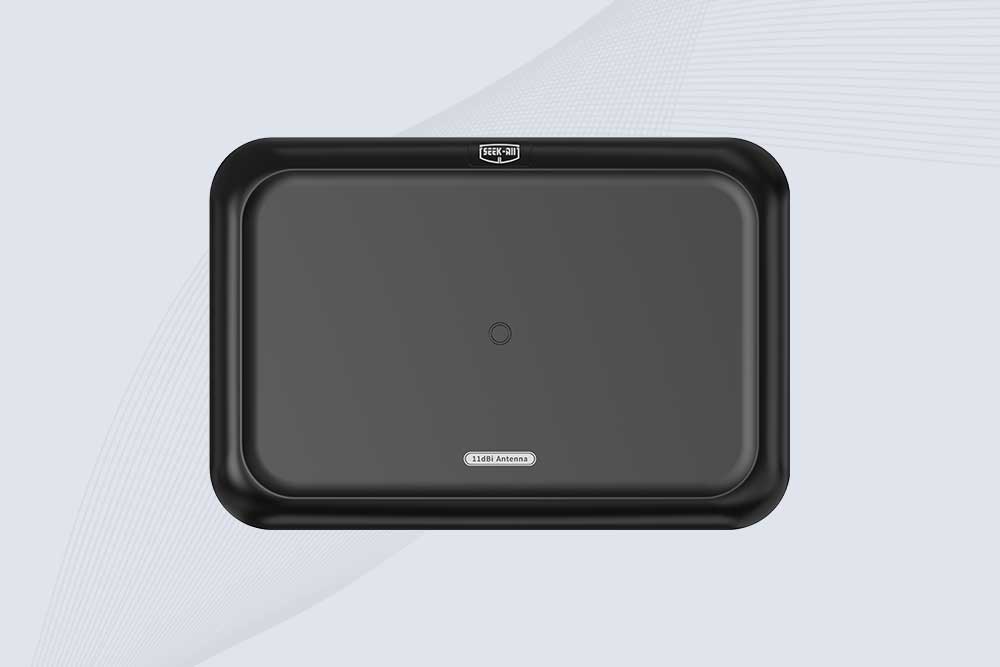
SSD-A11 UHF RFID antenna features 840–960 MHz adjustable frequency, ≥10.5 dBi gain, circular polarization and 50Ω impedance for fixed RFID systems.
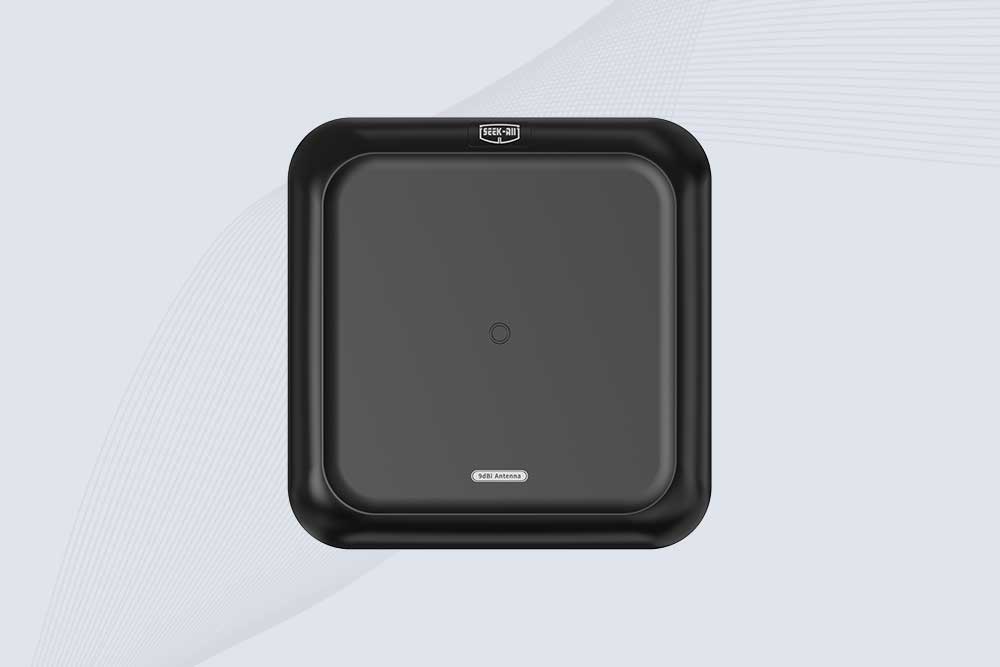
SSD-A09 is a 9 dBi UHF RFID antenna with 840–960 MHz adjustable frequency, circular polarization, 50Ω impedance and directional 60° × 60° coverage.
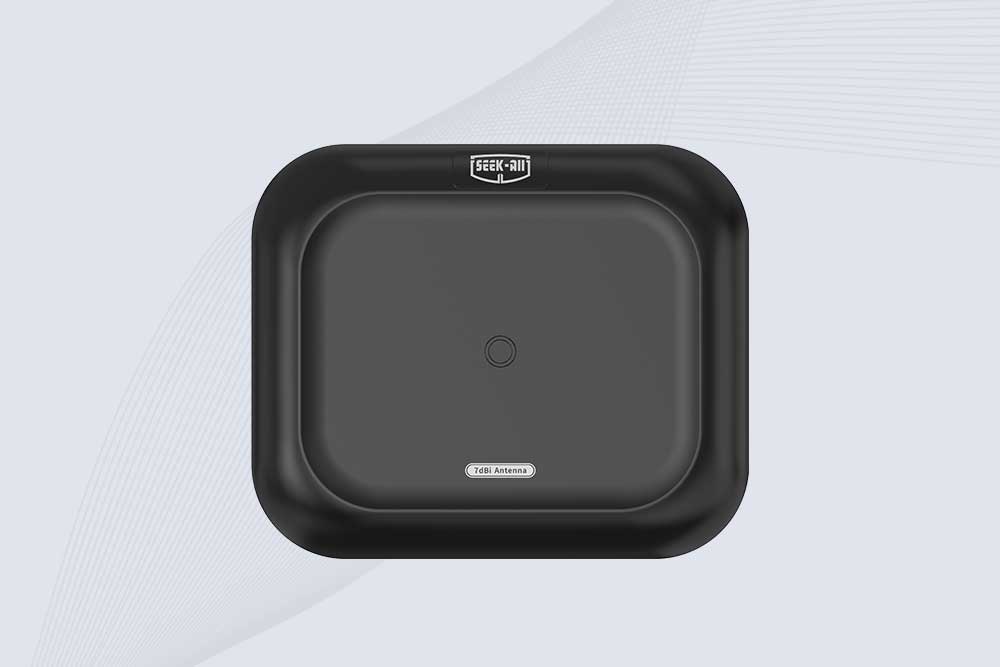
Explore the SSD-A07 UHF RFID antenna with 7 dBi gain, circular polarization, adjustable 840–960 MHz frequency, and 60°/75° beamwidth for stable RFID read/write performance.

SSD-A06 UHF RFID antenna with circular polarization, adjustable 840–960 MHz frequency, ≥4.5 dBi gain, and a compact directional design for RFID systems.

Discover SSD-D4AL, a USB-HID UHF RFID reader with 4/8/16 antenna options, Impinj E710/X3M1 chipset, plug-and-play USB power, and OEM customization.
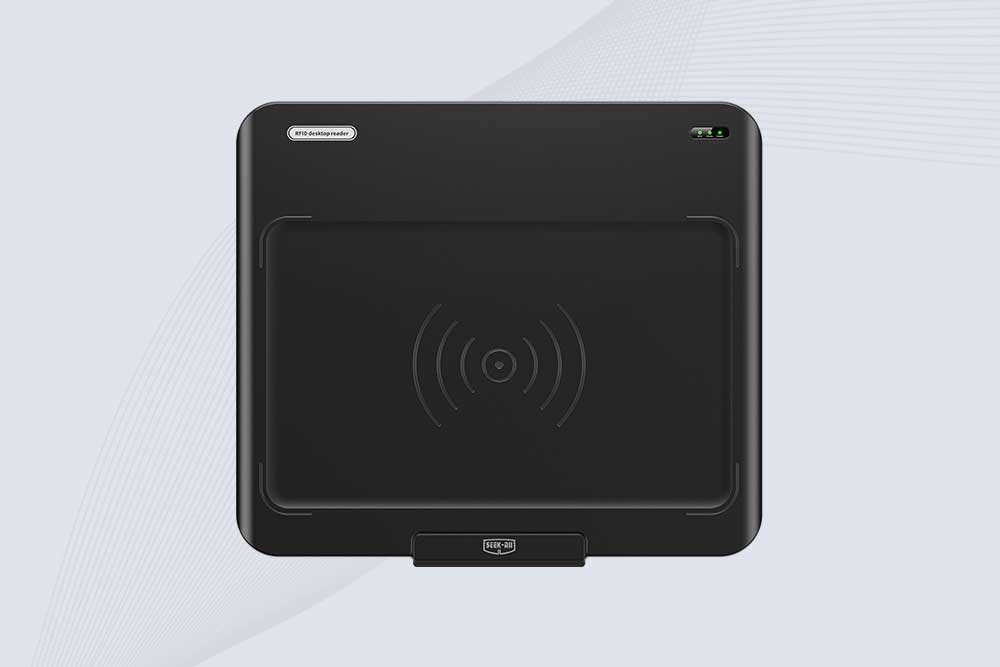
SSD-D3AL is a USB-HID UHF RFID reader with 0–30 cm reading, 0–15 cm writing, over 600 tags/s recognition, USB plug-and-play operation and OEM Logo customization.
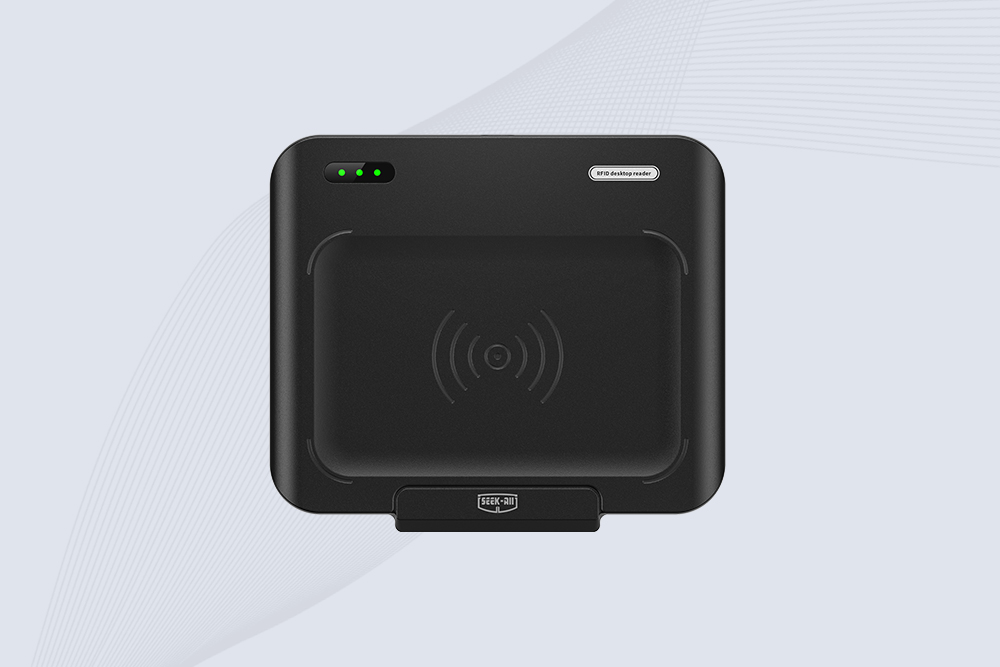
SSD-D1AL is a compact USB UHF RFID reader with Impinj E710/X3M1 chipset, USB-HID, 600+ tags/s recognition, 4/8/16 antenna support and plug-and-play USB power.
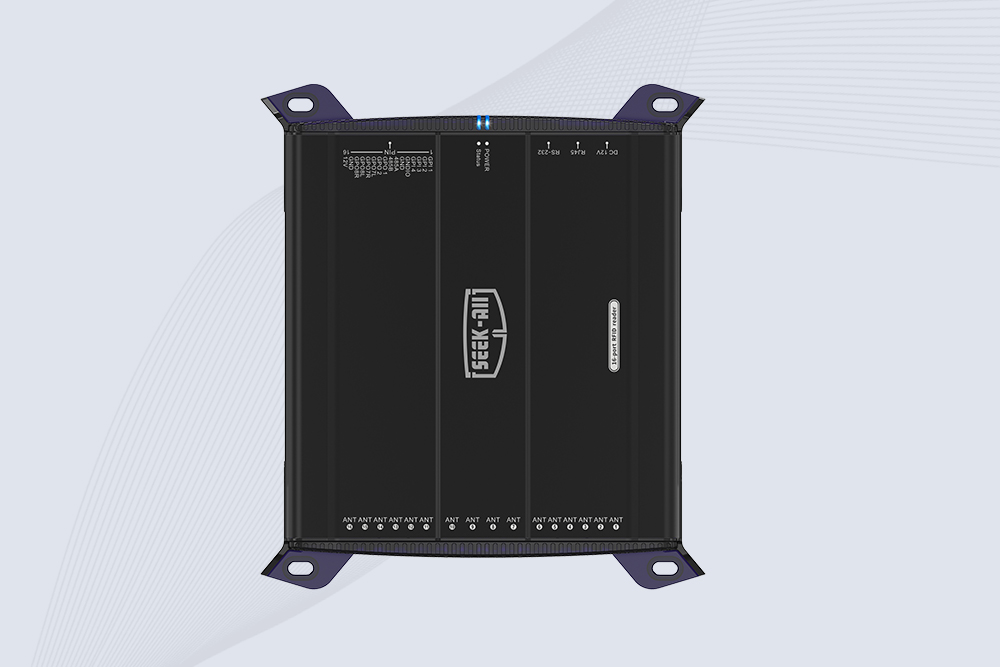
SSD-R16L Multi-Channel RFID Infrastructure for Automated Inventory Management ✔️ 16-Port High-Density RFID Reading Equipped with 16 SMA antenna ports, SSD-R16L supports multi-antenna deployment for warehouses, retail stores, logistics, production lines, and large-area RFID identification. ✔️ High-Speed & Long-Range Performance With up to 33…
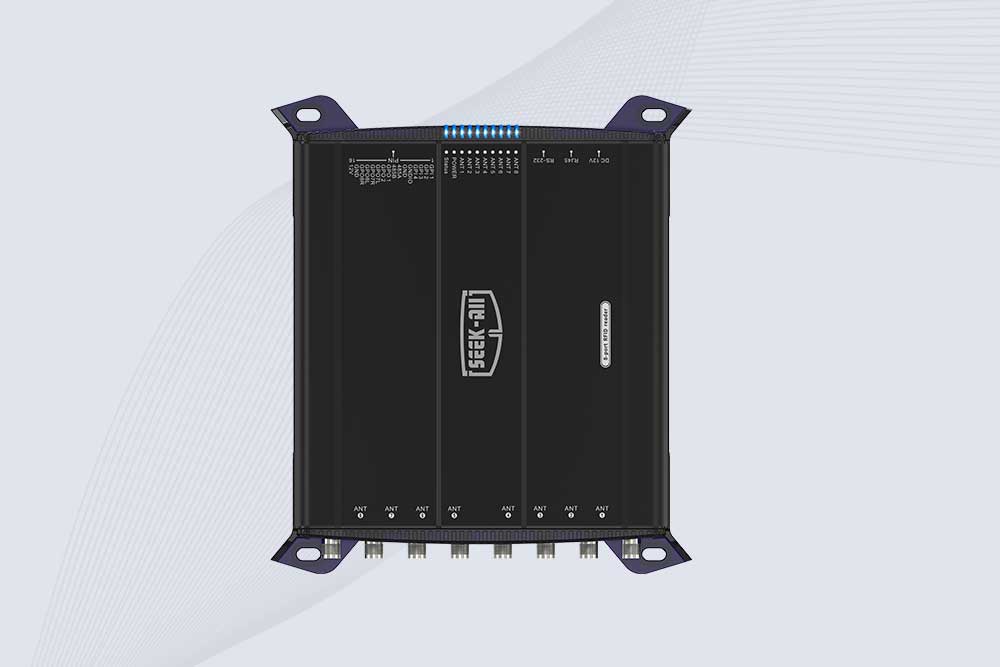
SSD-R8L 8-port UHF RFID reader with 33dBm output, up to 20m reading range and 600+ tags/s recognition. Ideal for warehouse, logistics, retail and asset tracking.
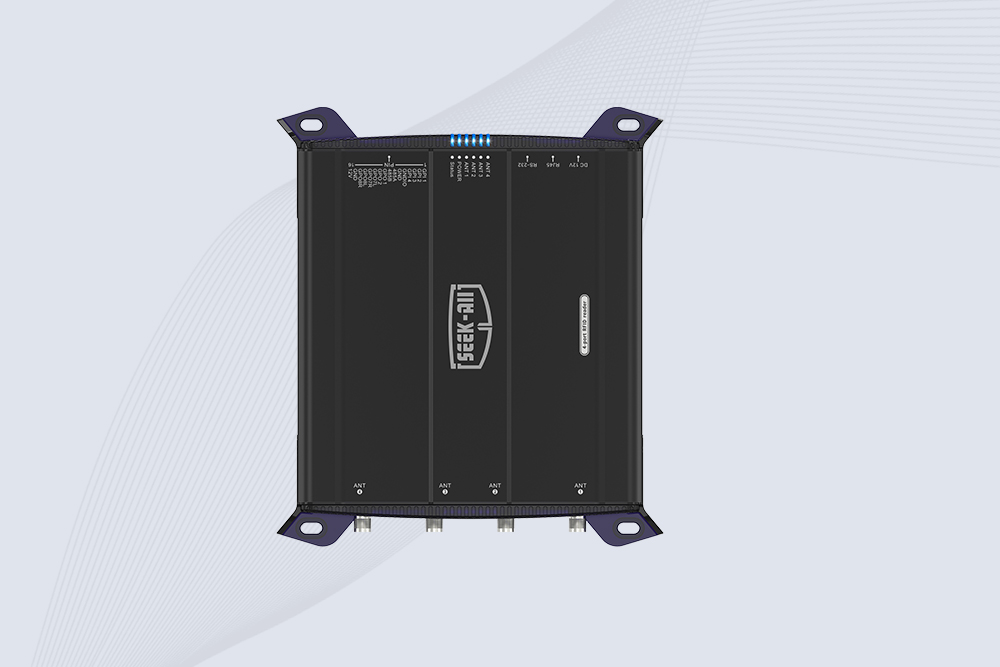
SSD-R4L is a 4-port UHF RFID fixed reader with 33dBm output power, up to 20m reading range, EPC C1G2 support and 600+ tags/s reading speed.

CYKEO CYKEO-D1LA USB RFID Reader is a compact desktop solution with near-field control for precise tag reading and encoding. Powered by USB, supporting ISO 18000-6C, and built for stable batch writing, this usb rfid tag reader fits retail, libraries, offices, and controlled RFID encoding tasks.
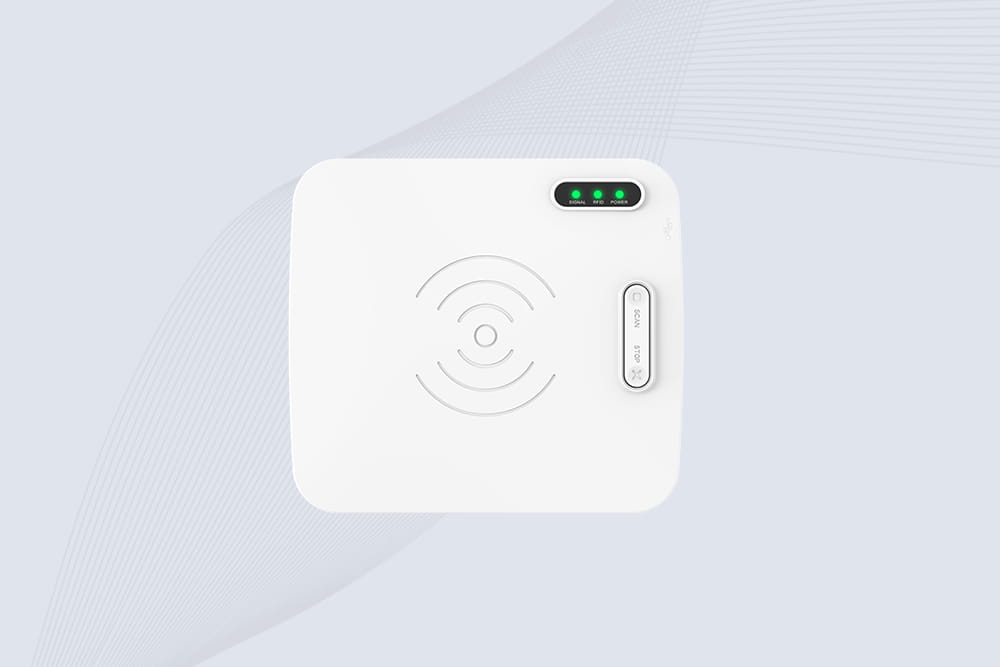
CYKEO CYKEO-D1L RFID scanner USB is a compact desktop UHF RFID scanner designed for short-range tag writing and verification. This usb rfid scanner supports batch encoding, stable 0–26 dBm output, and works across Windows, Linux, and Android systems.
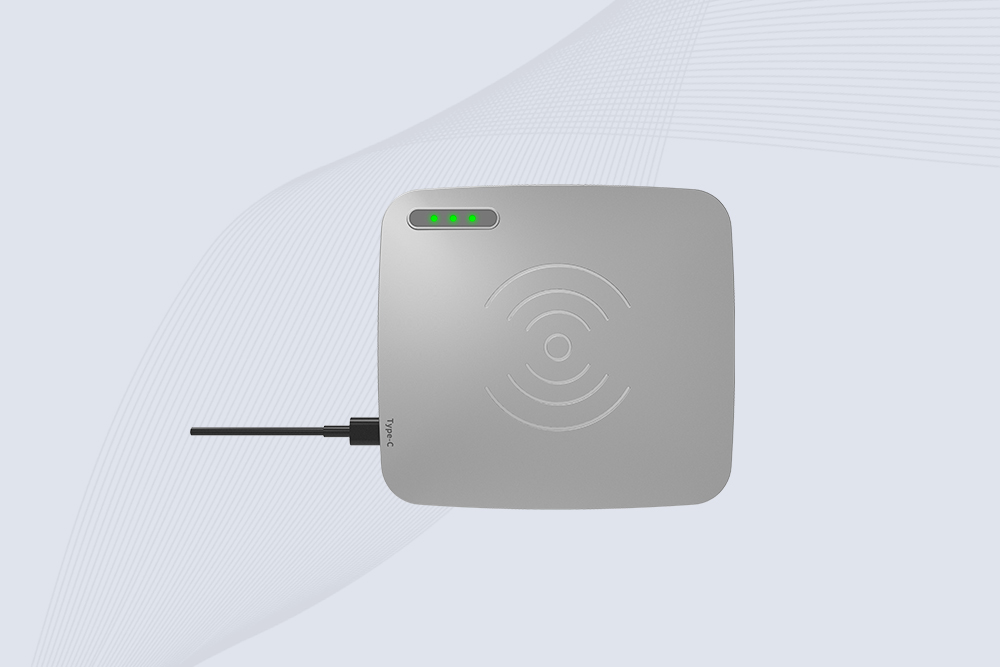
CYKEO CYKEO-D1C USB RFID Card Reader is a near-field UHF desktop writer designed for secure, short-range tag encoding. With USB-C connectivity and stable 26 dBm output, this rfid reader usb c is ideal for badge issuance, label encoding, and controlled desktop RFID workflows.
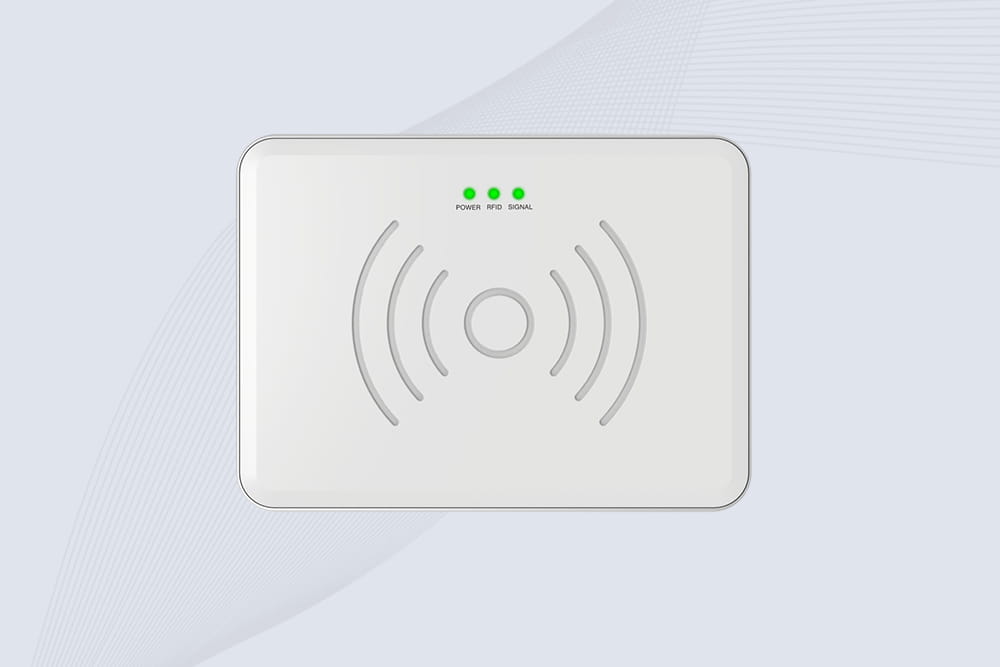
CYKEO CYKEO-D2L RFID Reader USB is a compact desktop encoder built on the Impinj R500 chip. With near-field control and stable USB power, this usb rfid card reader delivers precise tag writing for offices, retail counters, and small-scale logistics encoding tasks.
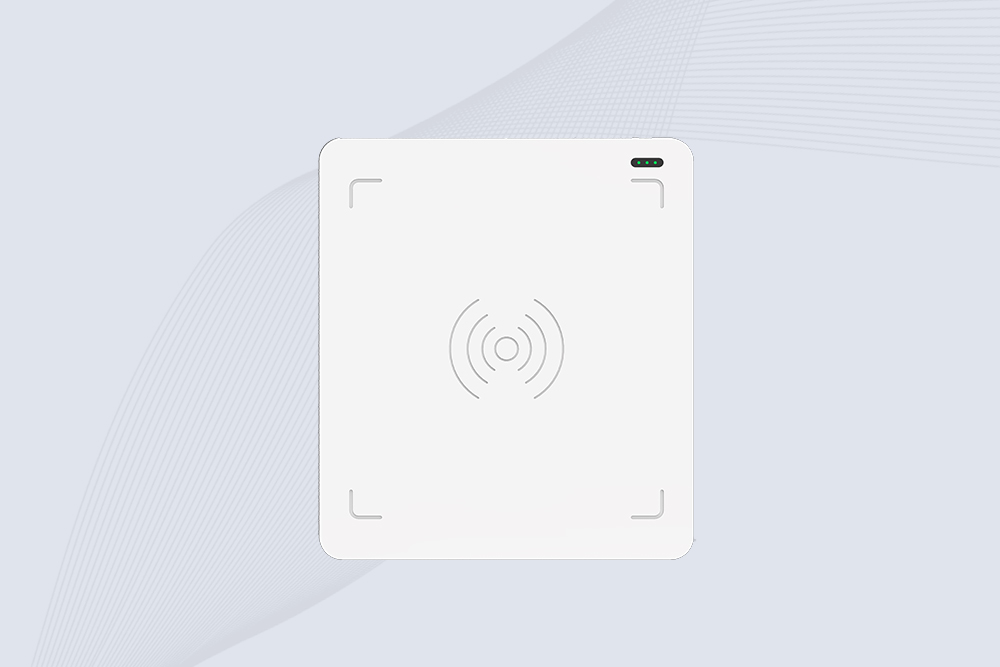
CYKEO CYKEO-D3L USB RFID Tag Reader delivers stable UHF tag reading and writing for daily desktop and light industrial tasks. Designed for controlled short-range operation, this USB RFID Tag Reader works reliably with rfid tag and reader systems in libraries, tool tracking, and inventory registration.
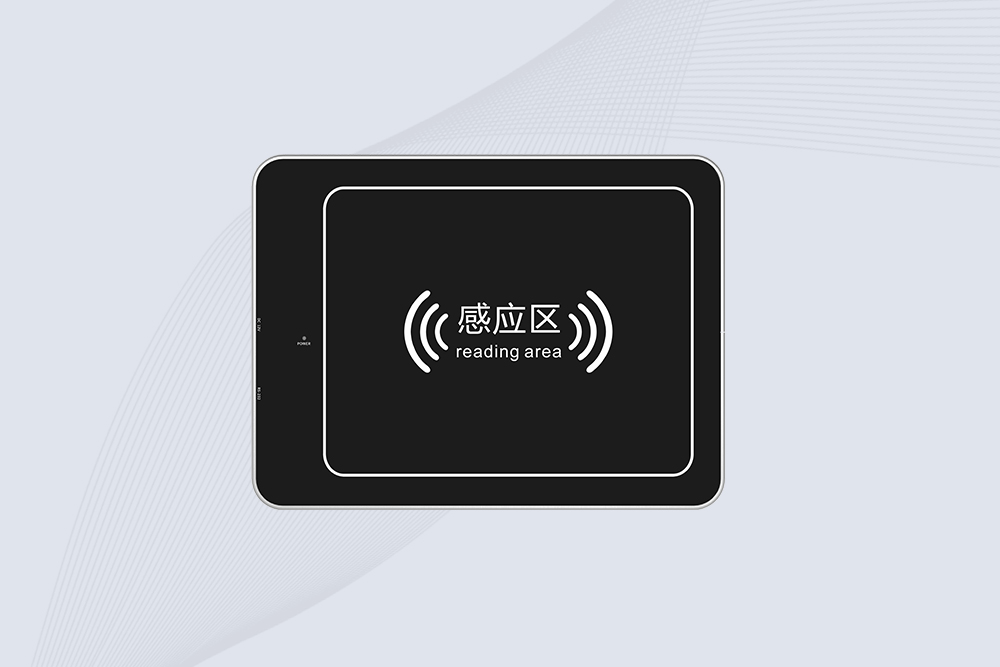
The CYKEO CYKEO-D4L UHF RFID Tag Reader is a stable Desktop RFID Reader designed for accurate tag registration, borrowing, and return workflows. Built with the Impinj R2000 chip, this UHF RFID Tag Reader delivers controlled short-range reads for libraries, asset tracking, and inventory management environments.
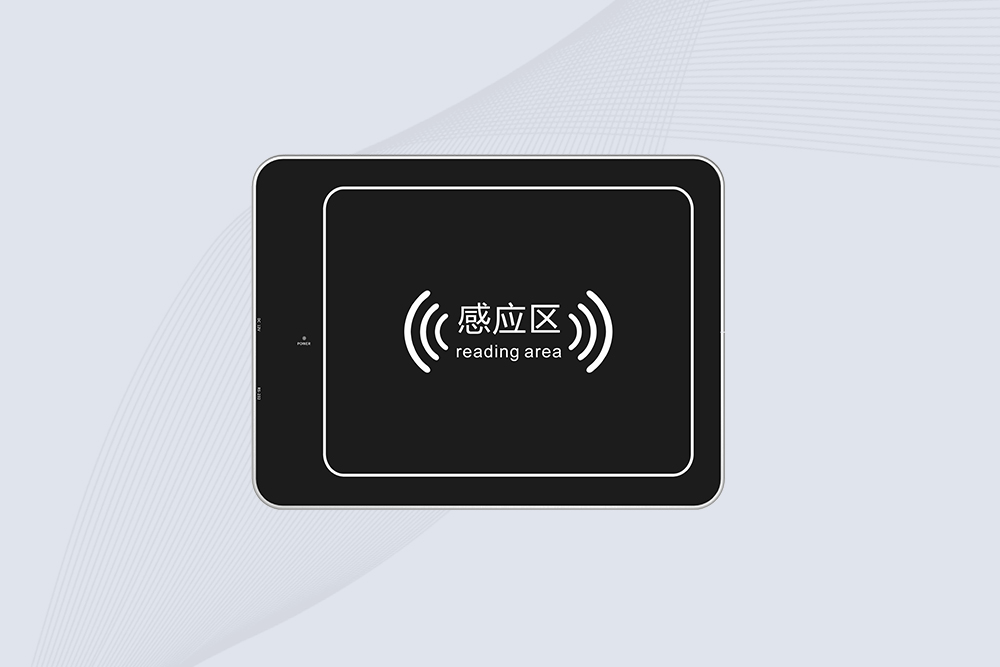
The CYKEO CYKEO-D5L Desktop RFID Card Reader is a stable UHF RFID Card Reader designed for controlled short-range reading and writing. Built for libraries, tool rooms, and asset desks, this UHF RFID Card Reader supports dense tag handling, secure data processing, and easy USB integration.
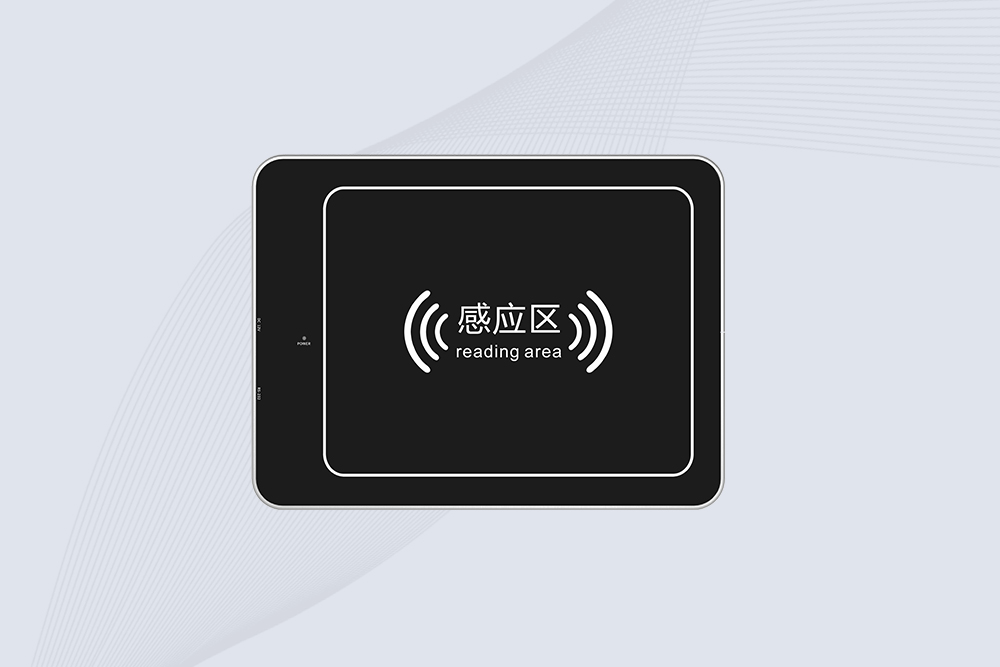
The CYKEO CYKEO-D6L RFID Reader Writer is a heavy-duty Desktop RFID Reader designed for short-range, high-accuracy tag programming. Built for libraries, labs, and asset desks, this RFID Reader Writer supports batch processing, stable 33dBm output, and seamless integration with existing management systems.
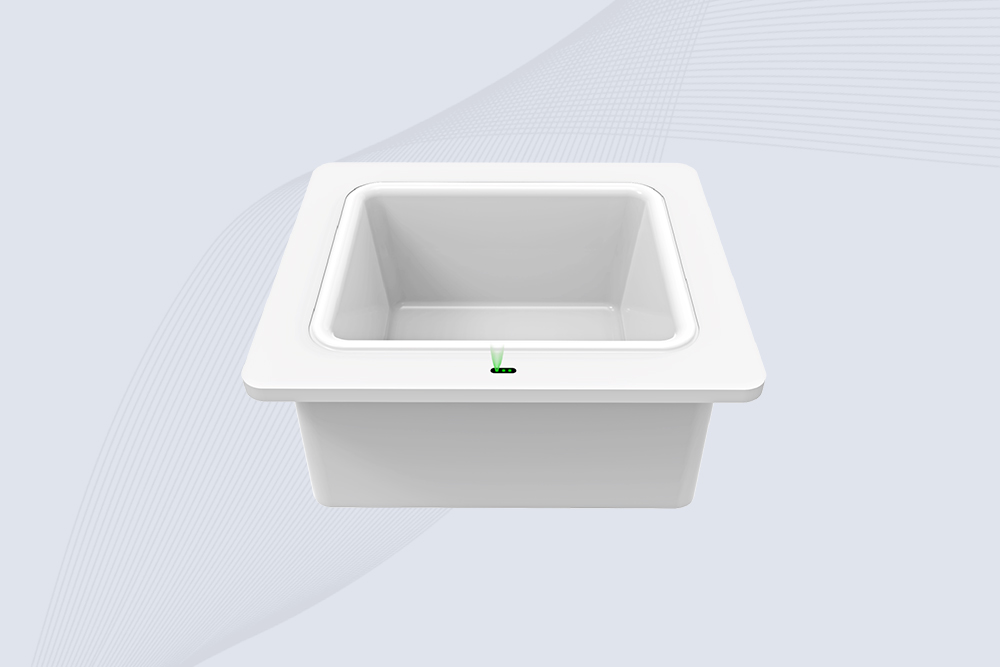
Cykeo CYKEO-D8B UHF RFID tunnel and RFID Desktop Reader features 30+ items batch reading,
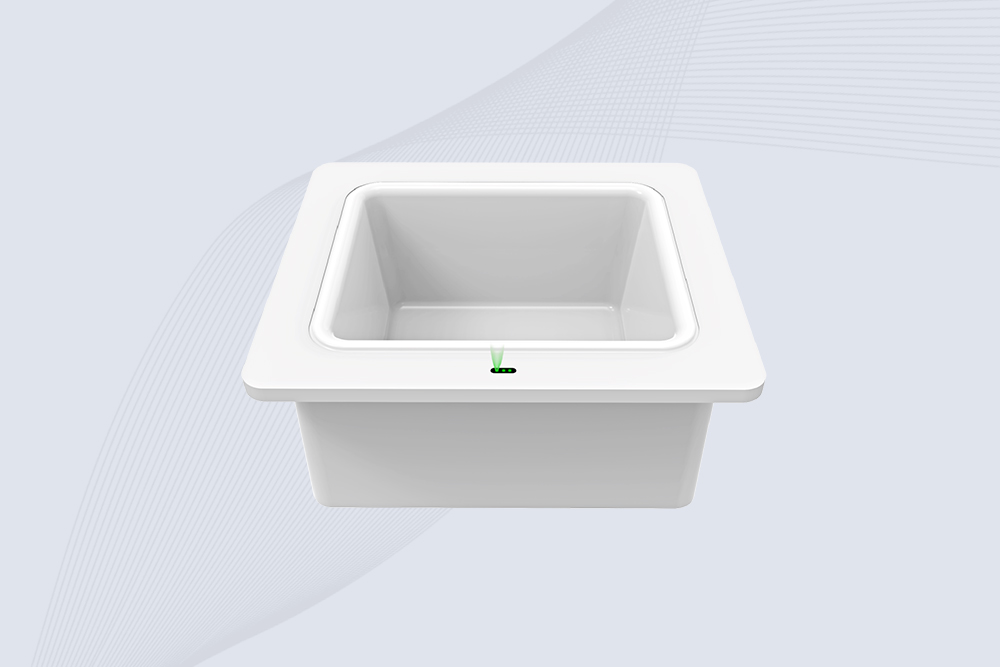
Cykeo CYKEO-D8A embedded RFID badge reader offers 30+ tags/sec scanning, 20cm anti-crosstalk precision, and DC 12V power for unmanned stores, warehouses, and smart inventory systems.
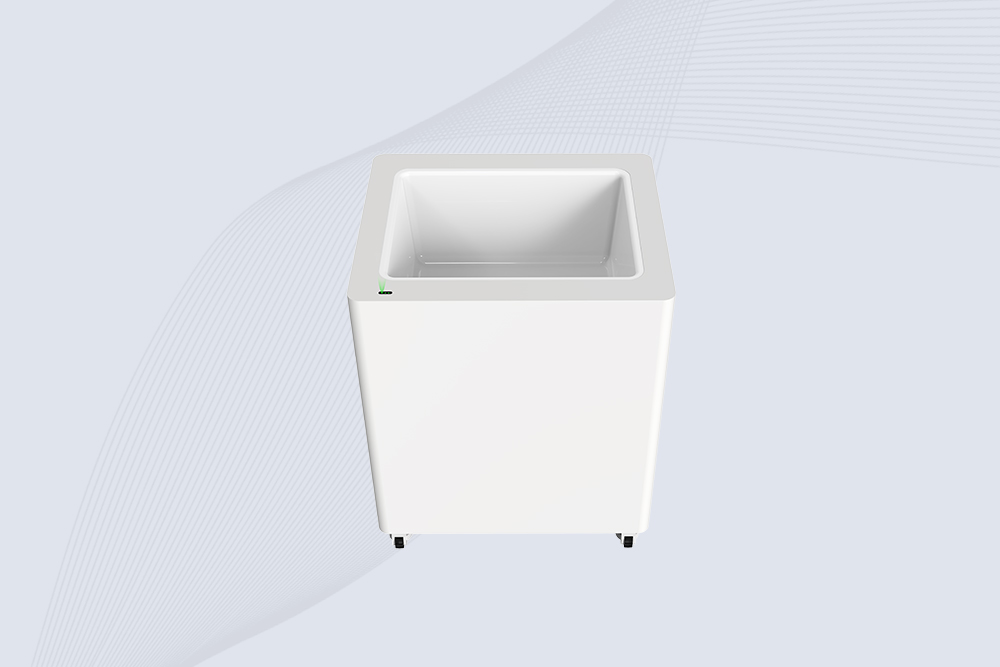
Cykeo’s CYKEO-D8C UHF RFID gate reader achieves 200-tag/batch scanning with adjustable power control, ideal for retail inventory and smart warehouse management.
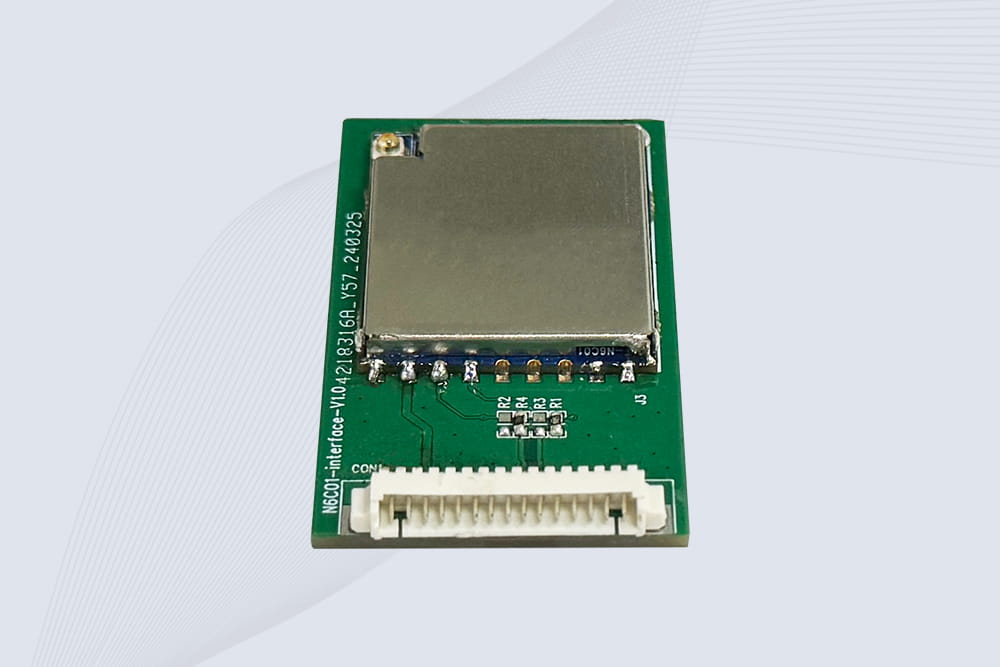
CYKEO Embedded RFID Modules are designed for compact industrial and IoT devices that require stable UHF performance. These UHF RFID Modules support global protocols, flexible power control, and reliable multi-tag reading for smart cabinets, production lines, and asset tracking systems.
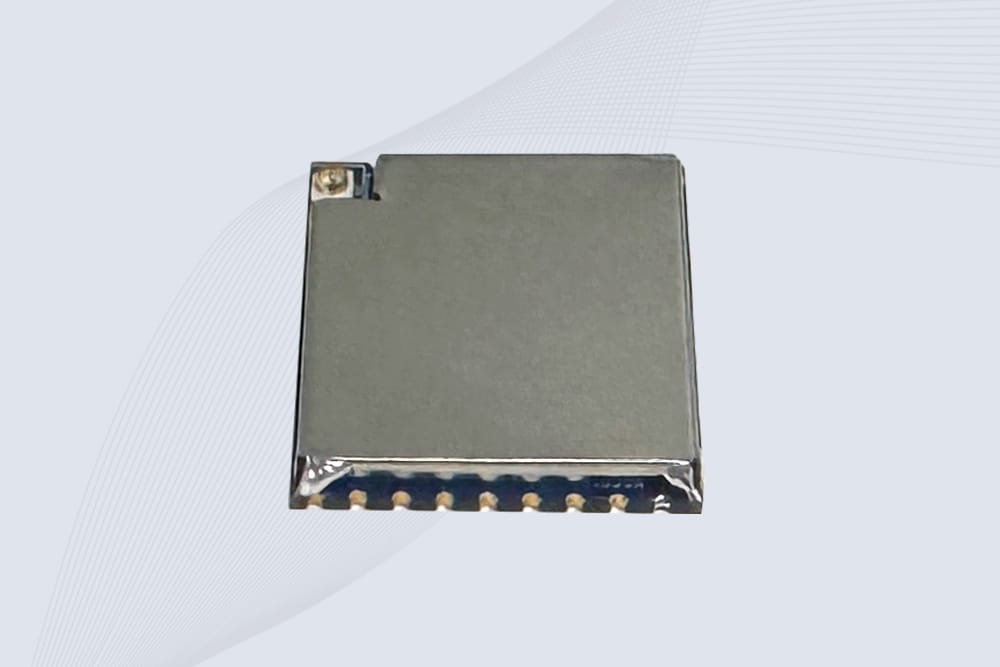
CYKEO Embedded RFID Module is built for compact IoT and industrial devices that need stable UHF performance. This UHF module supports global protocols, low power operation, and reliable multi-tag reading for smart lockers, production lines, and always-on RFID systems.
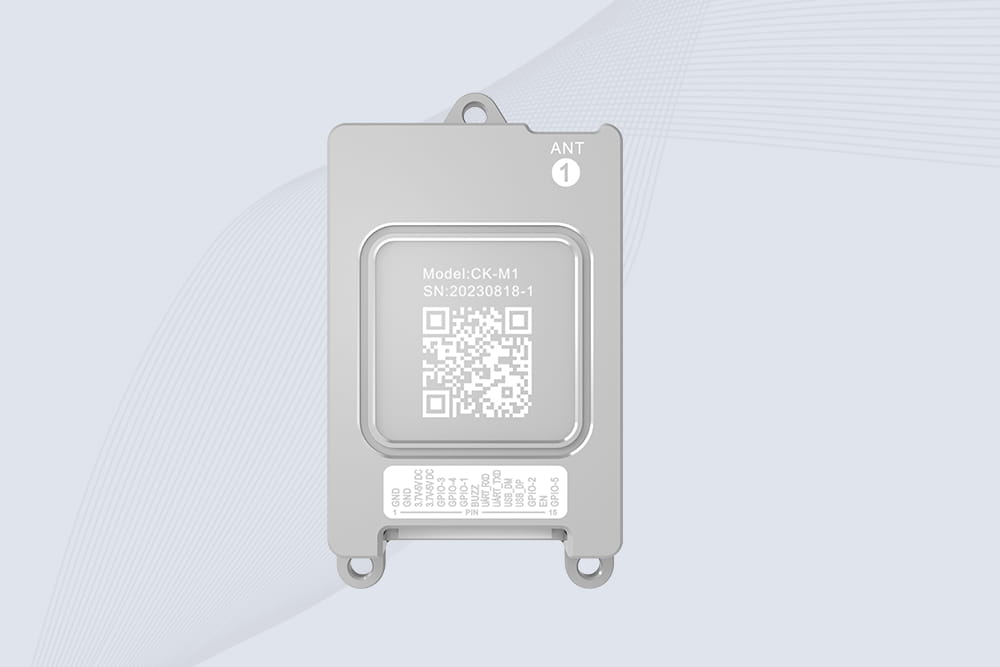
CYKEO CYKEO-M1 drone rfid module is a compact UHF RFID reader module designed for drones and UAV platforms. It supports long-range aerial scanning, fast multi-tag reading, and stable performance in wind, vibration, and outdoor environments.
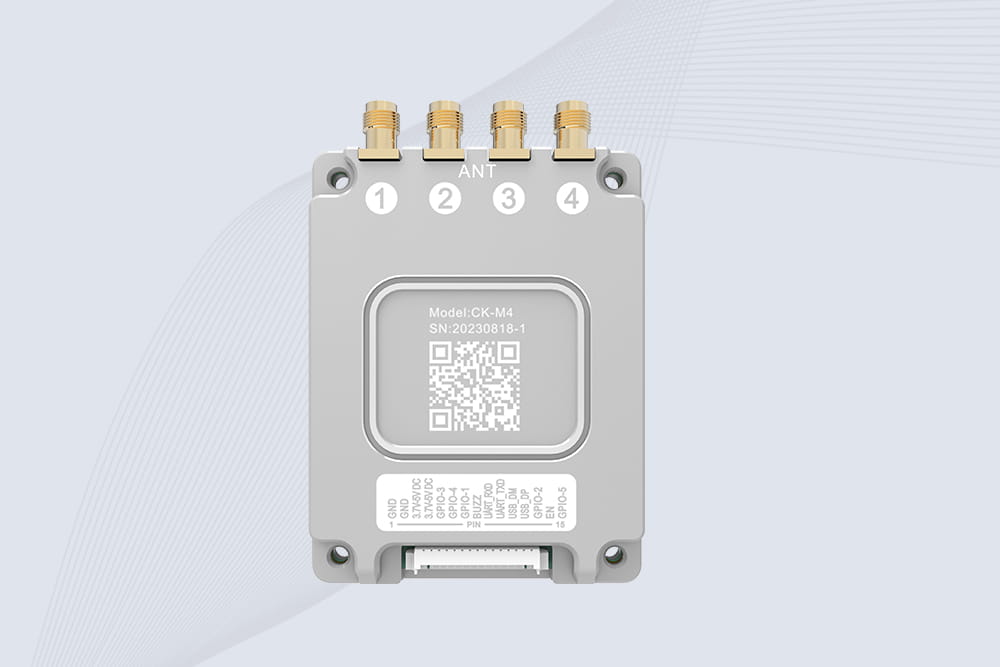
CYKEO CYKEO-M4 RC522 RFID Module is an industrial-grade UHF RFID reader with 4 ports, supporting ISO, EPC, and GB protocols. High-speed, accurate reading for IoT, automation, and warehouse applications.
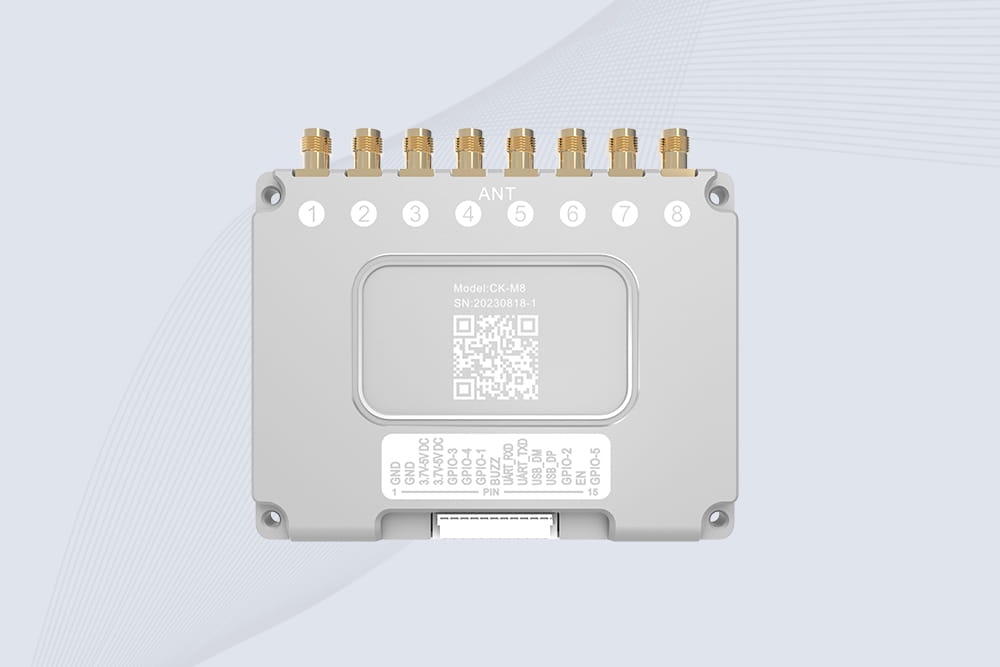
CYKEO CYKEO-M8 Module RFID is an 8-port UHF R2000 RFID Module designed for high-density, multi-tag environments. Stable 33dBm output, ISO & GB protocol support, ideal for warehouses, factories, and automated systems.
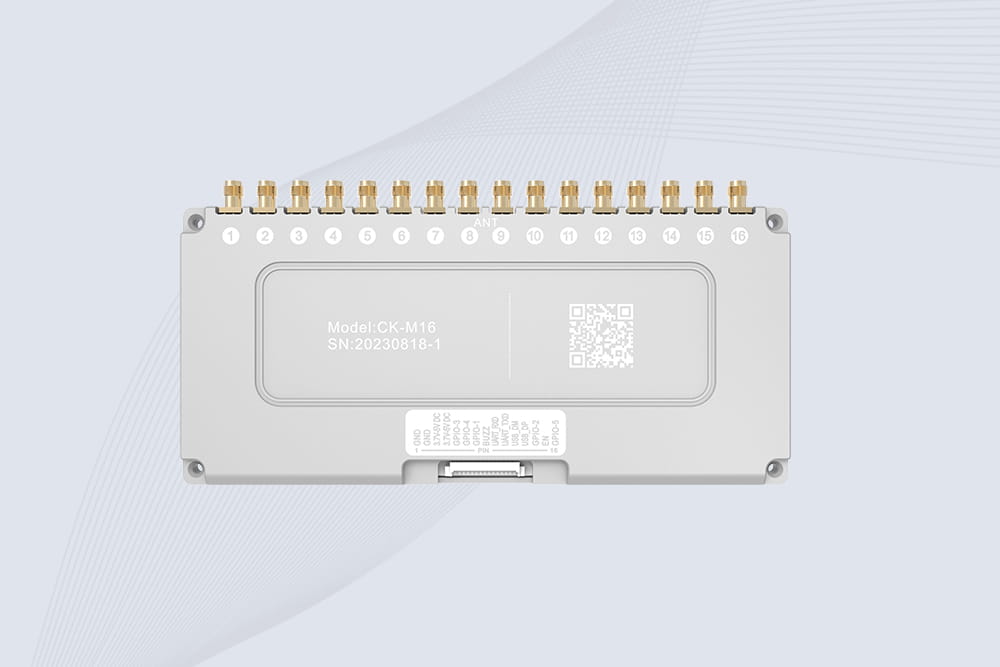
CYKEO CYKEO-M16 RFID Module is a 16-port UHF RFID reader module based on the R2000 chipset. Designed for dense tag environments, it supports ISO and GB standards and delivers stable multi-antenna control for industrial automation.
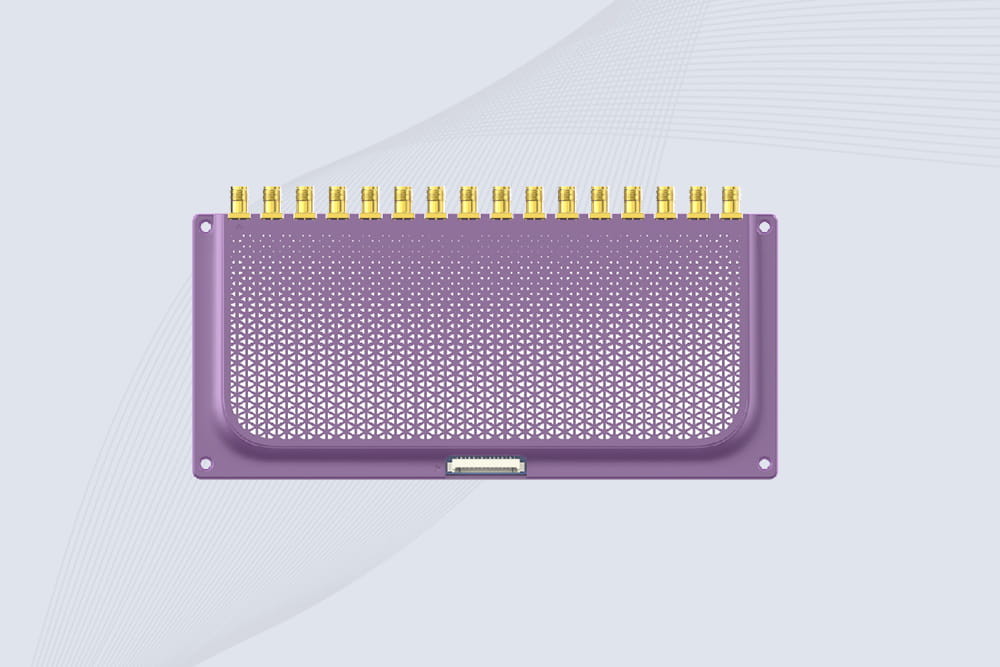
The CYKEO CYKEO-M16L RFID Reader Module is a 16-channel UHF RFID core designed for dense tag environments. With adjustable 33dBm output, multi-protocol support, and stable multi-antenna control, this RFID Tag Reader Module fits industrial automation, warehouse systems, and large-scale IoT deployments.
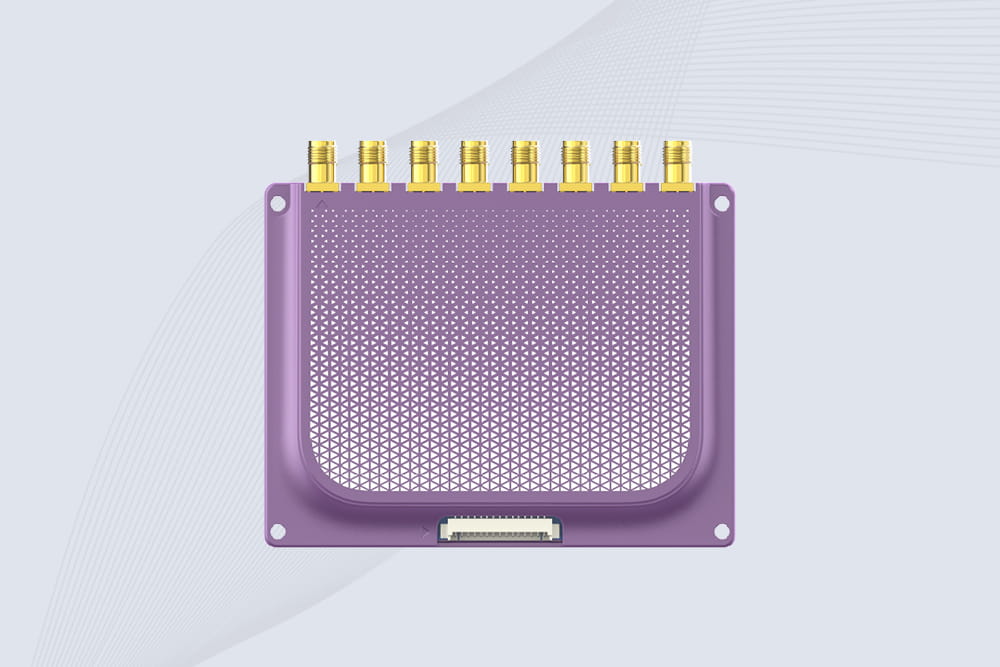
CYKEO CYKEO-M8L module RFID is a compact industrial UHF module built for dense tag and multi-antenna environments. With 8 RF ports, adjustable 33 dBm output, and ISO & GB protocol support, it is widely used in factories, warehouses, and automated tracking systems.
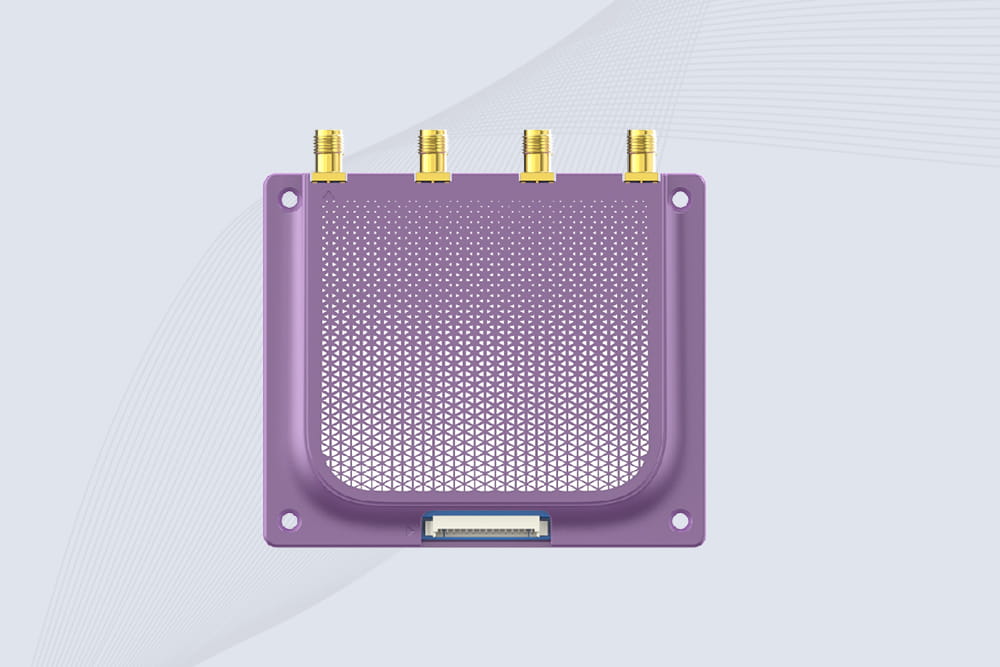
CYKEOCYKEO-M4L UHF RFID Module is a compact 4-channel RFID tag reader module designed for dense tag environments. Supporting ISO and GB protocols, it delivers stable reads up to 10 meters for industrial and IoT systems.
Cykeo CYKEO-A11 UHF RFID reader antenna delivers 11dBi gain, 840-960MHz frequency range, and IP65 ruggedness for retail, logistics, and industrial RFID systems. Features low VSWR and easy installation.
CYKEO Antenna RFID Reader delivers stable long-range UHF performance with a 10.5dBi directional design, built for warehouses, conveyor portals, and industrial RFID systems. This rfid reader antenna provides 20m+ read distance and rugged IP67 protection.

Cykeo CYKEO-PHF3 industrial HF RFID Antenna offers 24-point dynamic tracking, ISO 14443A/15693 protocols, metal-environment stability for archives/libraries/manufacturing.

Cykeo CYKEO-A5B industrial Linear RFID Antenna delivers 5dBi gain, ≤1.5:1 VSWR, and IP65 rugged design for warehouse, production line, and logistics UHF systems.

Cykeo’s CYKEO-B12 Long Range RFID Antenna delivers 15m+ read range with 12dBi gain, IP65 rugged design, and global 840-960MHz UHF support. Ideal for warehouse/logistics asset tracking.
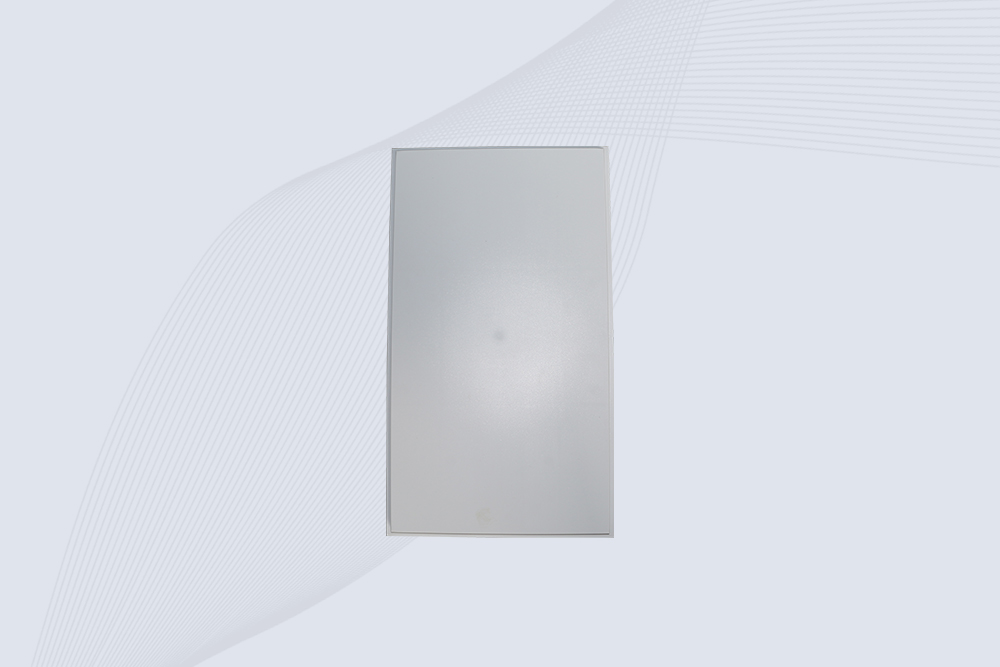
Cykeo CYKEO-B10 Long Distance RFID Antenna offers 10dBi gain, 840-960MHz frequency range, IP65 rating, and 20m+ coverage for logistics/warehousing/ETC systems. Low VSWR ensures stable signal transmission.
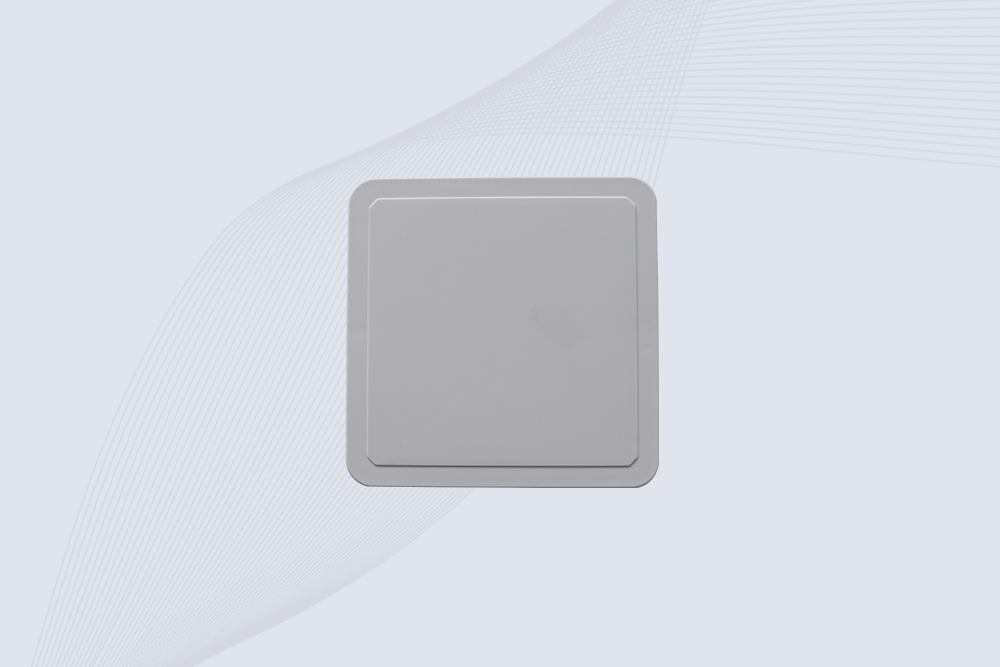
Cykeo CYKEO-A6 UHF RFID panel antenna features 6dBi gain, 840-960MHz broadband, IP65 metal-ready housing for logistics/smart retail. 18mm ultra-thin design with tool-free mounting.

Cykeo CK-A3 industrial antenna RFID UHF offers 5m+ tag detection, ≤1.3:1 VSWR, IP65 rugged design, and global UHF spectrum compatibility (840-960MHz) for warehouses, factories, and retail.
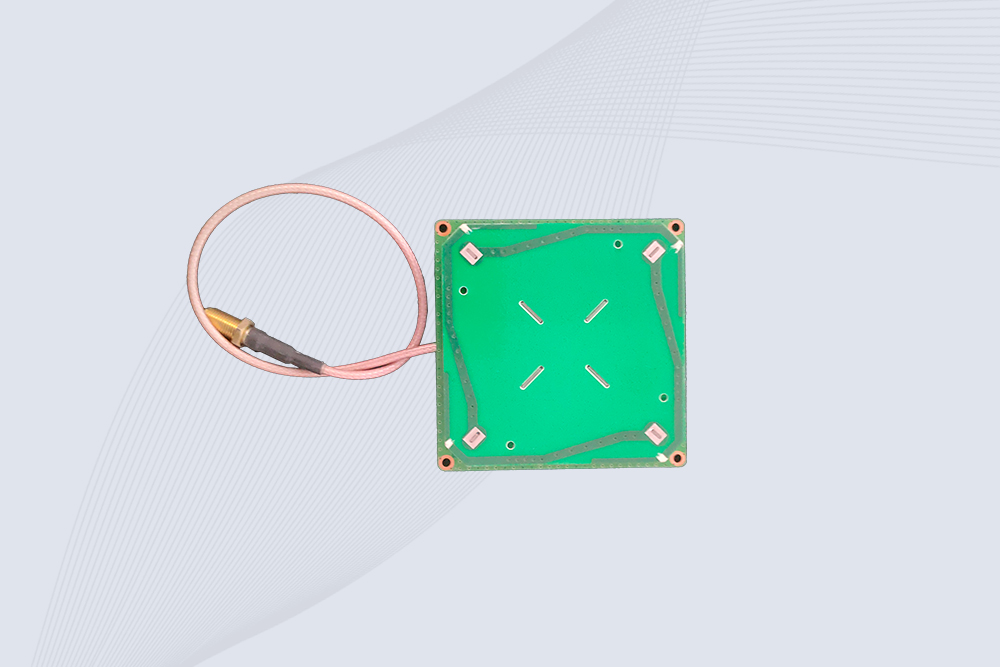
Cykeo CYKEO-B5 directional RFID antenna provides 5dBi gain with 60° narrow beamwidth for precise inventory tracking. IP65-rated, global UHF frequency support, and low VSWR.
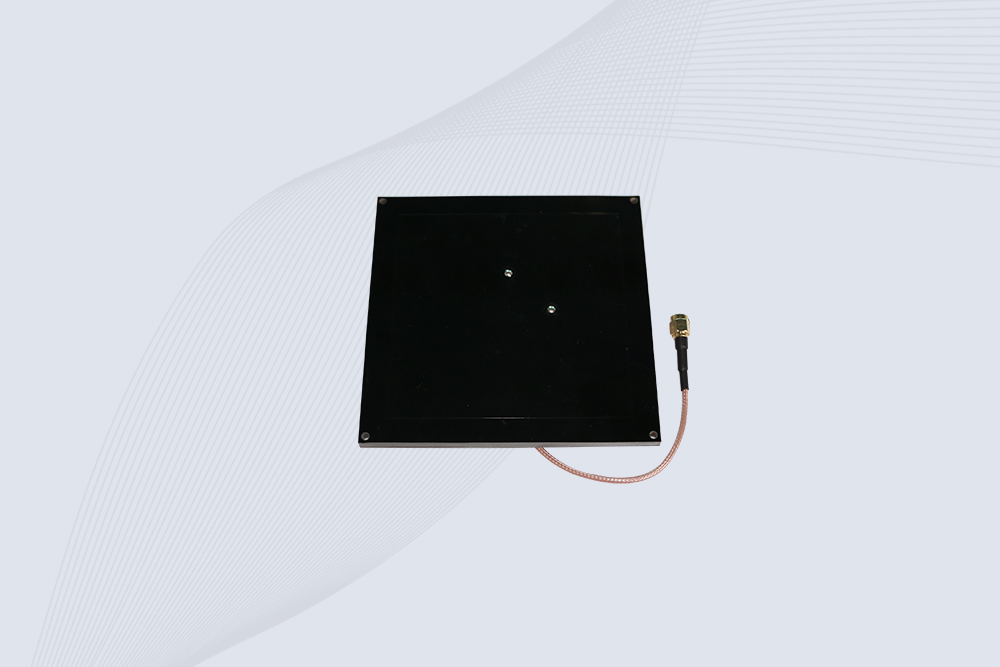
Create your own high-performance DIY RFID antenna! 5dBi gain, 840-960MHz tunable, step-by-step guides. Compatible with Arduino, Raspberry Pi, and commercial UHF readers.
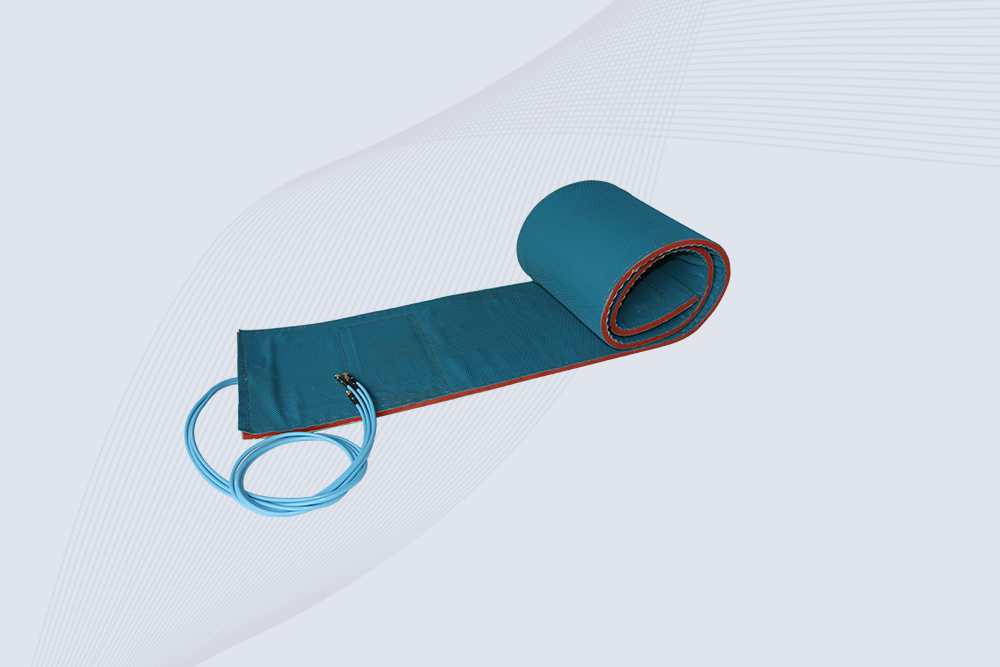
Cykeo CYKEO-A7 Flexible RFID Antenna features 840-960MHz wideband tuning, 7dBi gain, and IP68 rating for medical/retail/industrial curved surface deployments. 98% read accuracy with peel-and-stick installation.
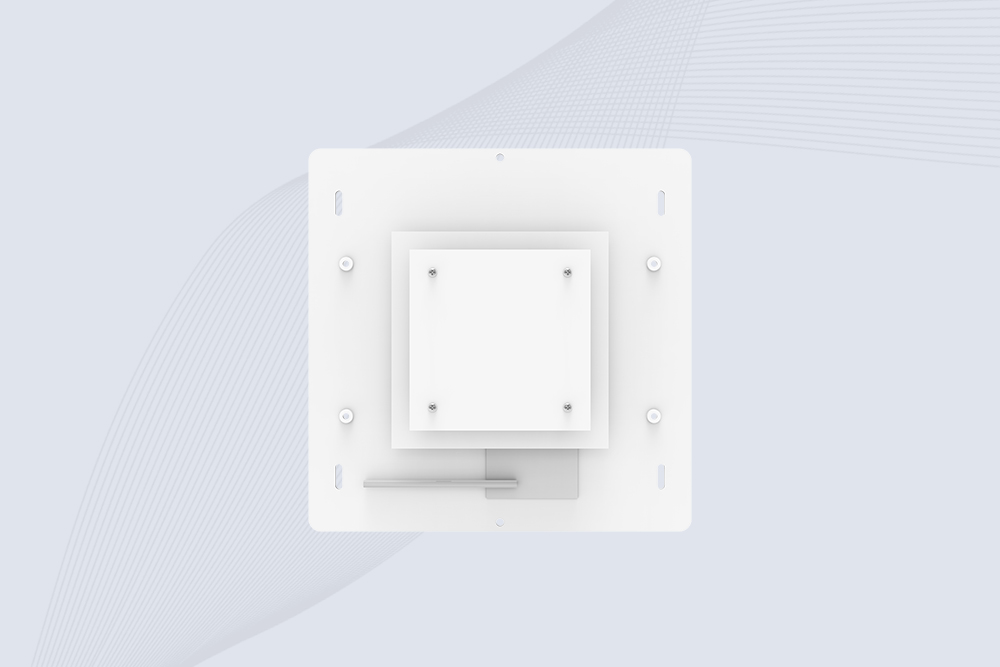
Cykeo CYKEO-B5A industrial Passive RFID Antenna delivers 5dBi gain, 70° beamwidth, and -40°C~55°C operation for warehouses/smart cabinets. Compatible with Zebra/Impinj readers.
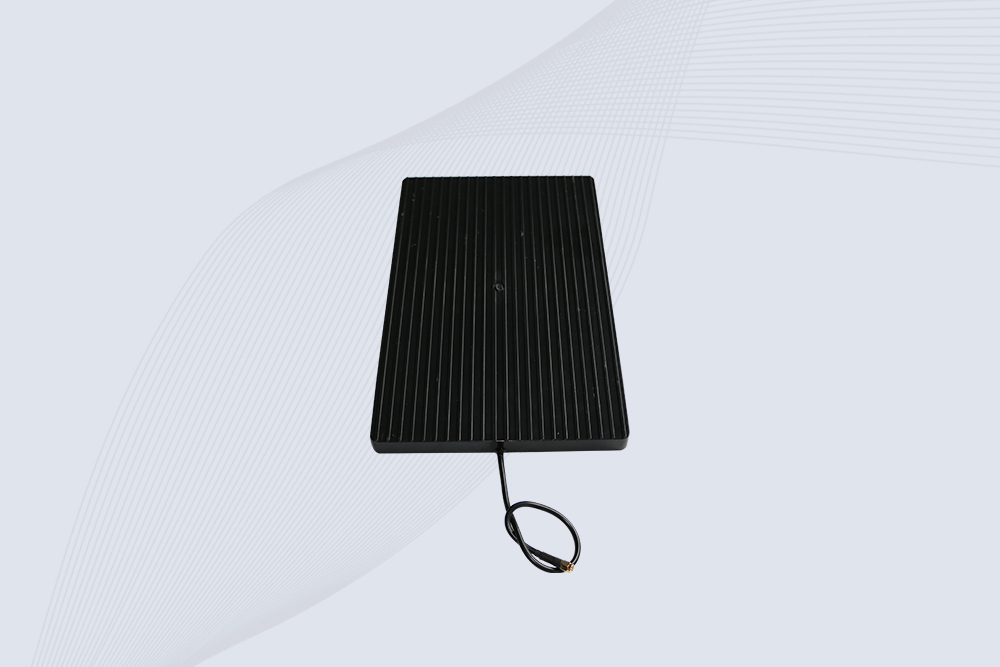
Cykeo’s CYKEO-A9B High Gain RFID Antenna delivers 15m+ read range with 9dBi amplification. Features IP54 rugged design, 840-960MHz bandwidth, and 80° beamwidth for warehouse/manufacturing RFID systems.

Cykeo’s enterprise-grade 8dbi Impinj RFID Antenna 10m+ read range with 840-960MHz tuning. Features IP65 housing, 1.4 VSWR, 35° beamwidth for retail/warehouse RFID systems.
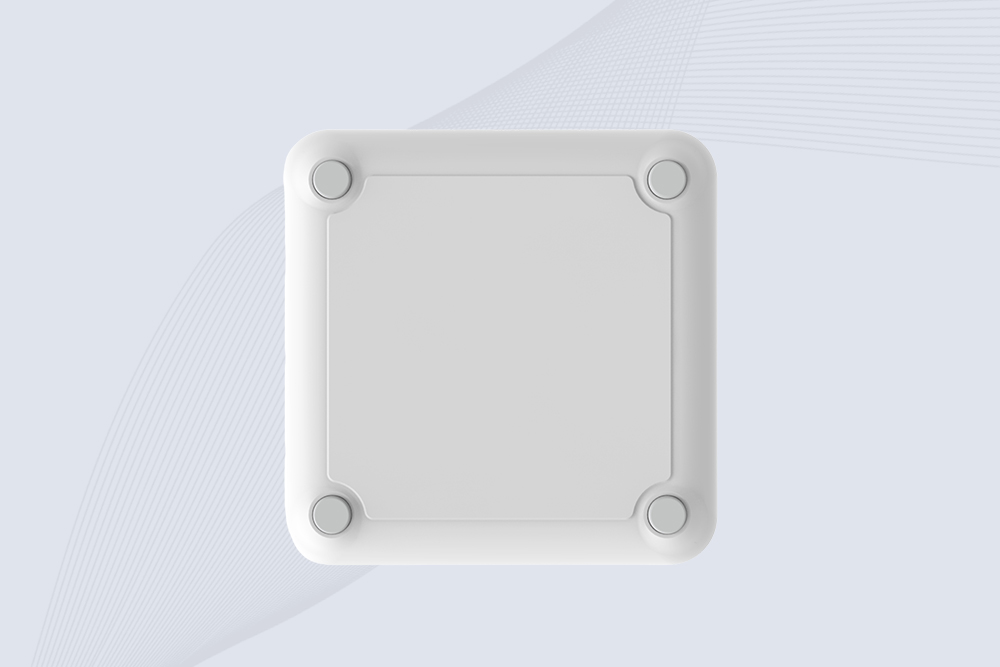
Cykeo CYKEO-A9 industrial UHF RFID antenna delivers 9dBi gain, 840-960MHz frequency range, and IP65 protection for warehouse/logistics/retail RFID systems. Features N-type connector and ≤1.3:1 VSWR.
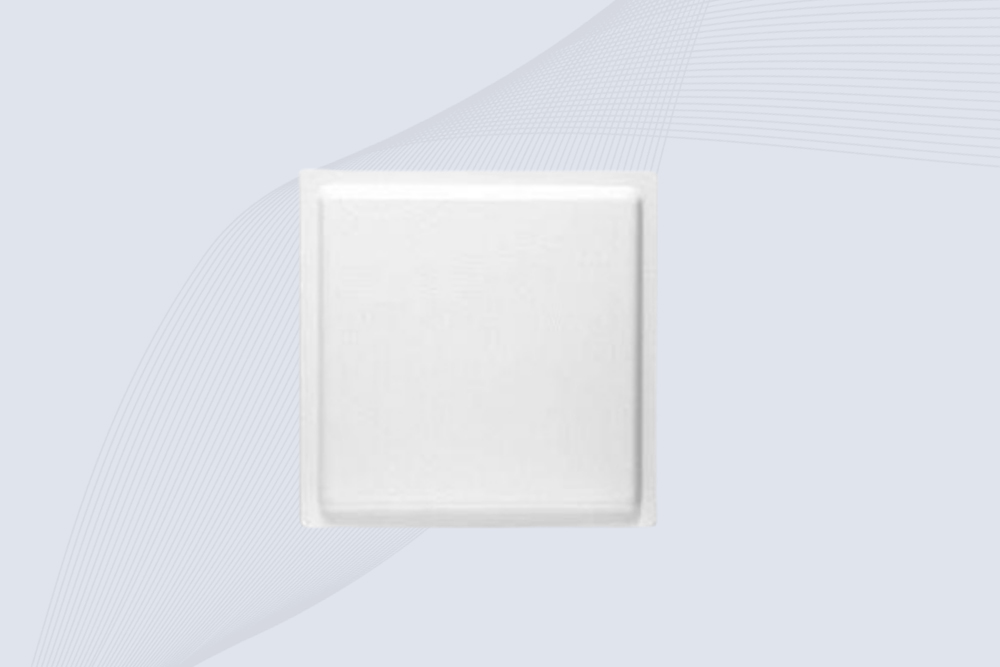
CYKEO UHF RFID Antenna built for long-distance and industrial applications. This antenna rfid uhf delivers strong gain, outdoor durability, and reliable tag performance in warehouses, yards, and vehicle ID systems.
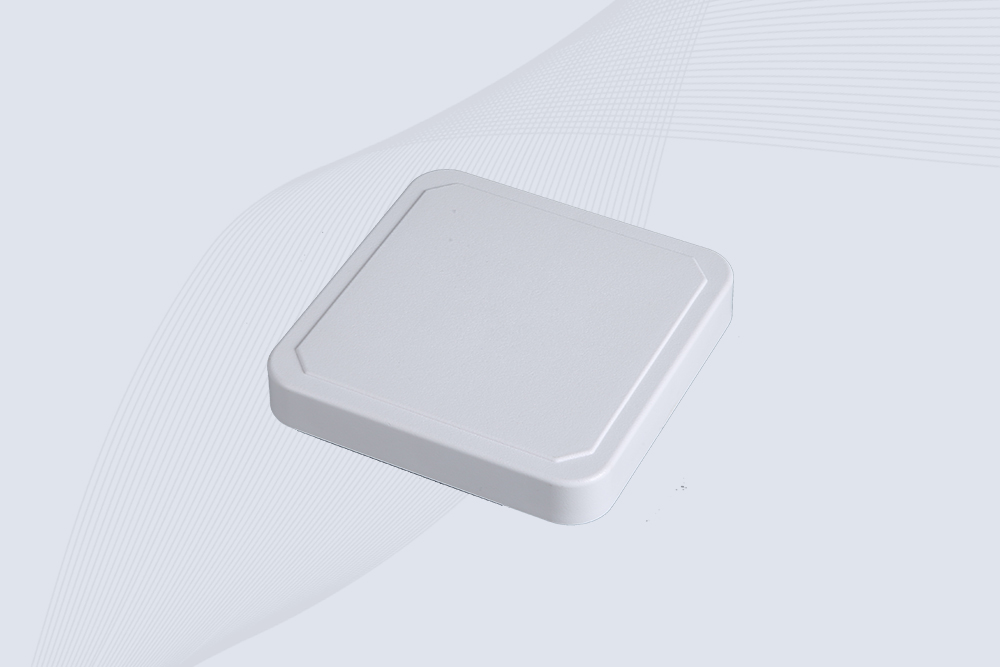
CYKEO Antenna RFID delivers reliable long-range UHF performance in warehouses, retail shelves, and cold-chain environments. This compact uhf rfid antenna provides stable reads with circular polarization and ultra-wide 840–960 MHz support, ideal for industrial tracking, smart shelves, and asset monitoring.
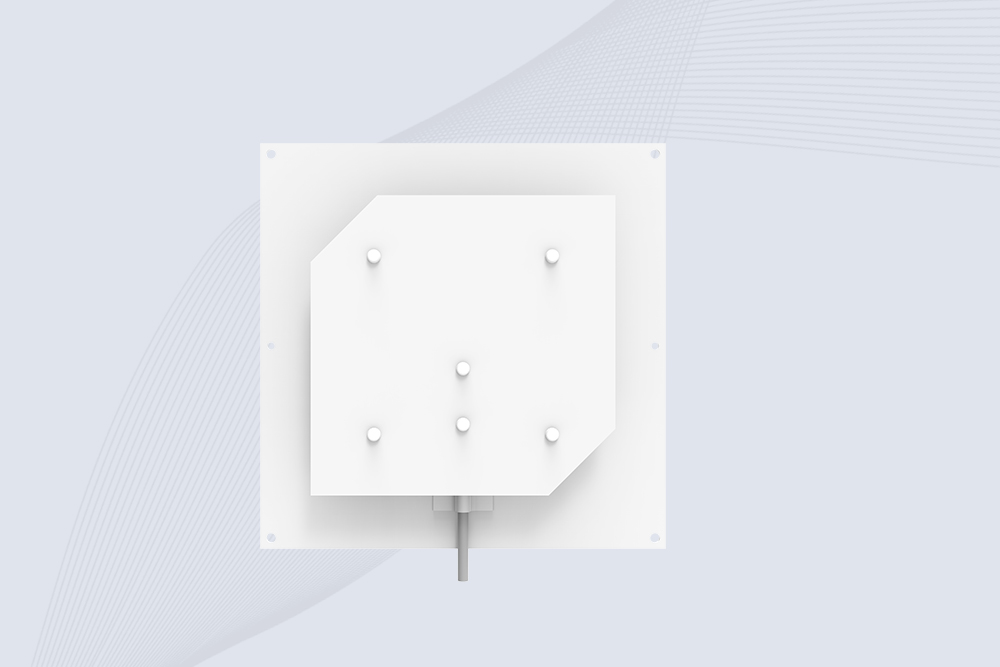
Cykeo’s CYKEO-C8 UHF RFID antennas delivers 8dBi gain, 840-960MHz full-band coverage, and IP65 ruggedness for manufacturing/warehouse RFID systems. Industrial RFID Antennas Features
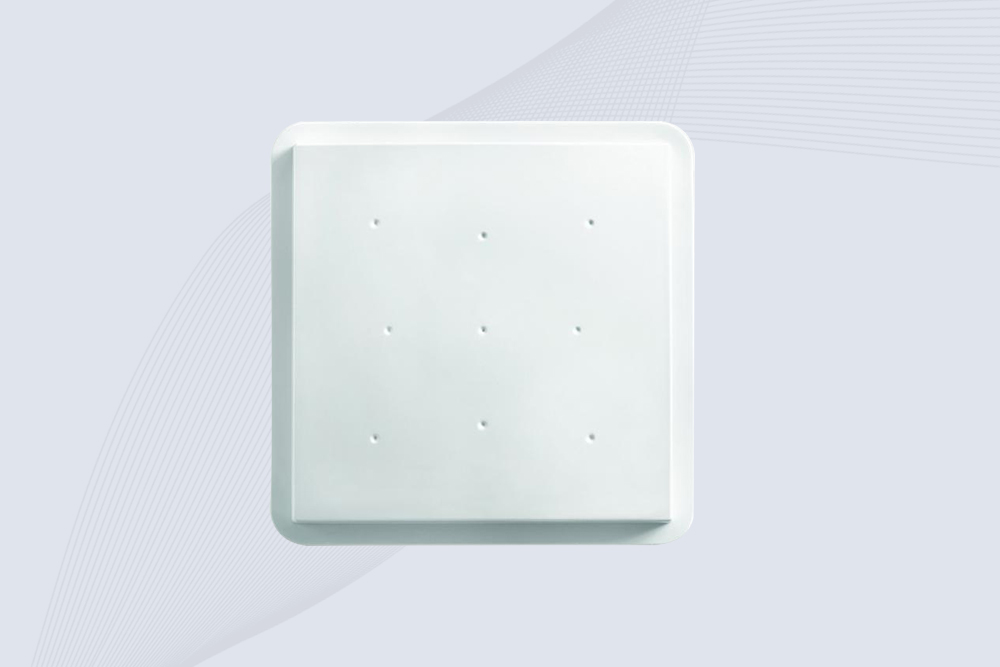
Cykeo’s 8dBi UHF RFID antenna and reader kit delivers 10m+ range, 840-960MHz broadband, and IP65 ruggedness for factories, warehouses, and logistics. ISO 18000-6C & EPC Gen2 certified.
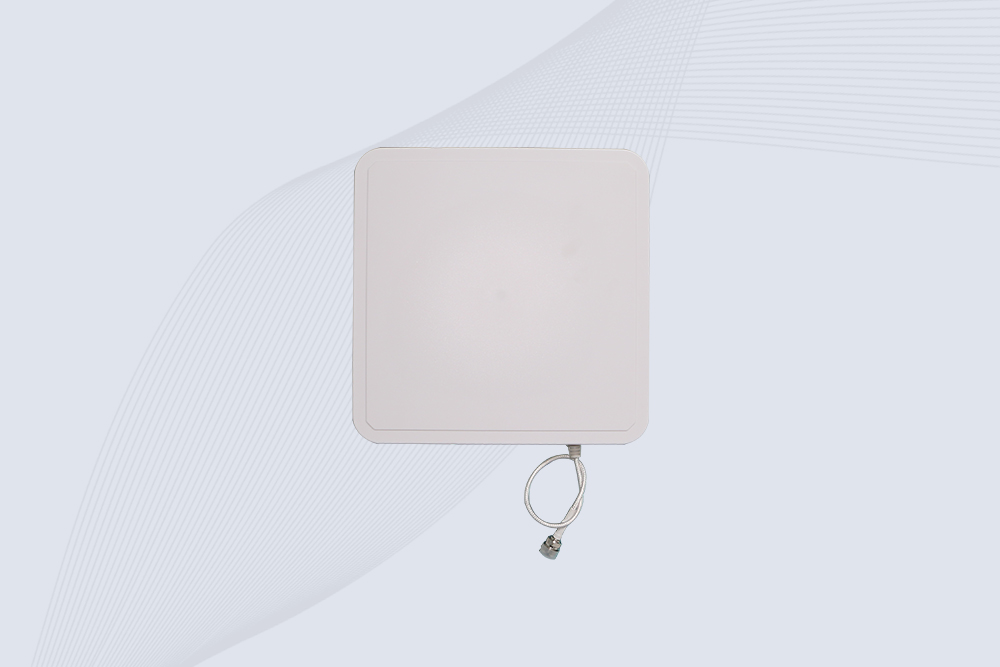
Cykeo CYKEO-A9A industrial UHF RFID reader and antenna kit delivers 10m range, 500 tags/sec, IP65 ruggedness for manufacturing/logistics. Supports EPC Gen2, ISO18000-6C.
RFID Industry Writer | IoT & Asset Tracking Analyst
James writes about RFID technology, asset tracking, and the practical challenges of digital transformation across warehousing, retail, manufacturing, and logistics.
His work focuses on how RFID is applied in real-world operations—improving inventory visibility, automating workflows, and helping businesses manage assets with greater accuracy and efficiency.
He regularly covers topics including UHF RFID, smart cabinets, RFID portals, tool tracking, warehouse automation, and industrial IoT trends..

Learn how RFID reader antenna ports work and how to choose between 4-port, 8-port and multi-antenna RFID readers for warehouses, gates and industrial applica...
More
Looking for RFID tags for tool tracking? Discover the best on-metal RFID tag solutions for industrial tools, with tips for durability, mounting, and bulk buying.
More
Imagine walking into a crowded event, people everywhere, or managing hundreds of pieces of equipment spread across warehouses. Now, think about trying to gather useful data in both situations—without losing your mind. That’s exactly where RFID dat...
More
Learn how to make a RFID reader module from scratch. Our guide covers frequency choice, key components like the MFRC522, antenna tuning, and common pitfalls for a functional prototype.
More