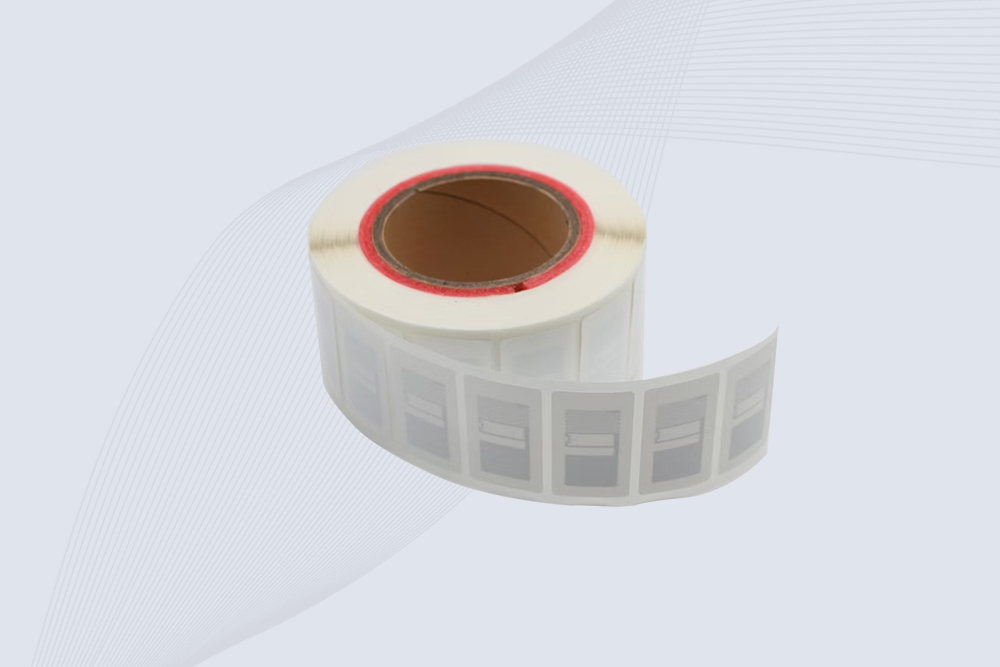
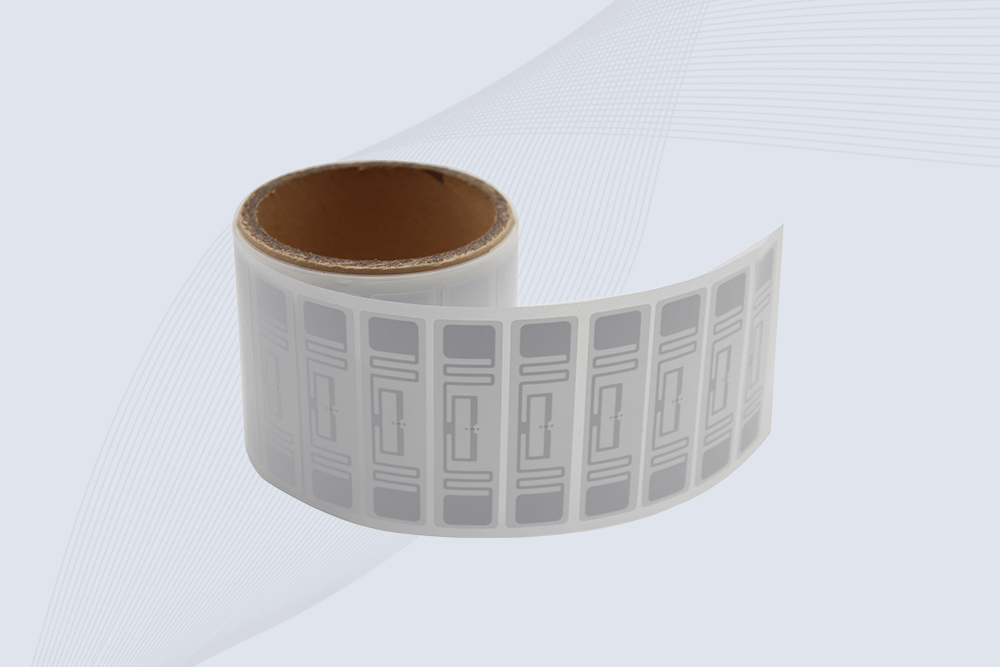
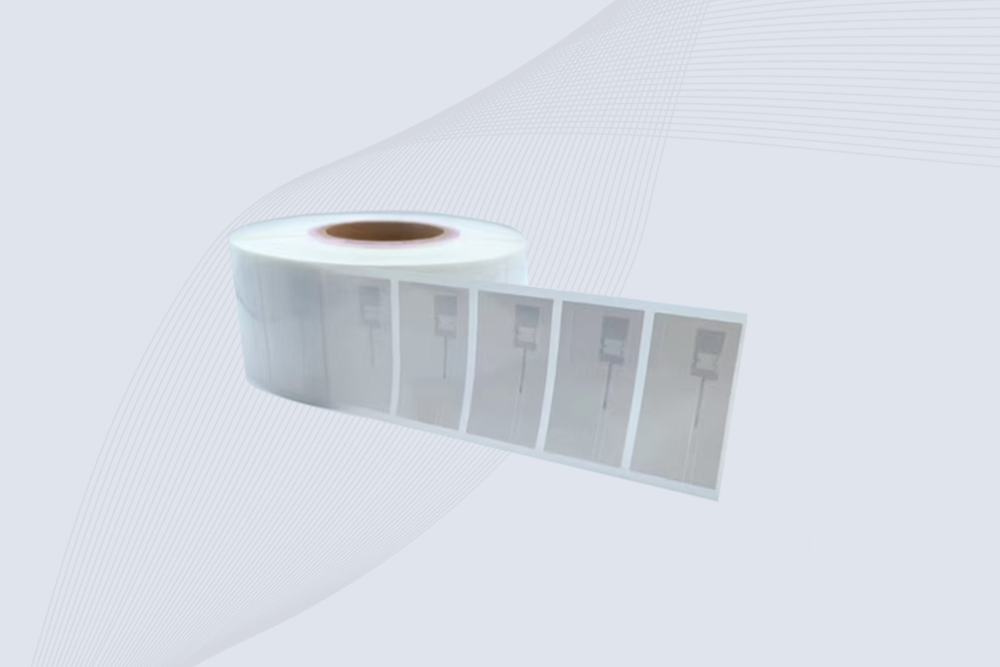
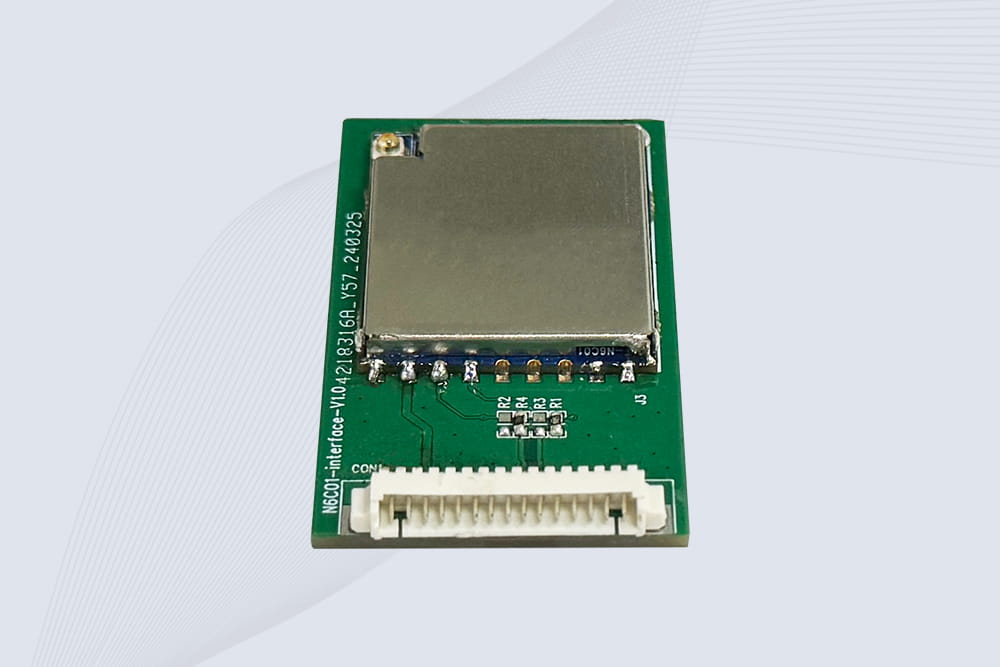
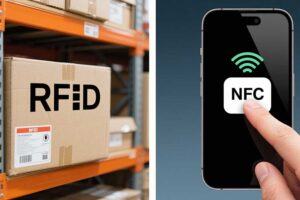
Passive RFID tags work by collecting electromagnetic energy from an RFID reader, using that energy to activate their chip, and returning information through backscatter. They contain no conventional internal battery. The reader supplies operating energy and commands; the tag responds by changing its antenna characteristics to reflect a coded signal.
That description covers the physics, but not quite the reality of an RFID installation.
When a passive tag is placed on a carton moving past an antenna, several things happen in fractions of a second. The reader establishes an RF field. The tag antenna captures part of that energy. The chip wakes up, waits for the reader’s command, processes it, and changes the electrical load on its antenna. The reader then detects the resulting backscatter.
GS1 describes passive RFID in essentially these terms: readers transmit commands and operating energy, while passive tags obtain their operating energy from the reader and communicate by modulating the reflection coefficient of their antenna.
What Are Passive RFID Tags?
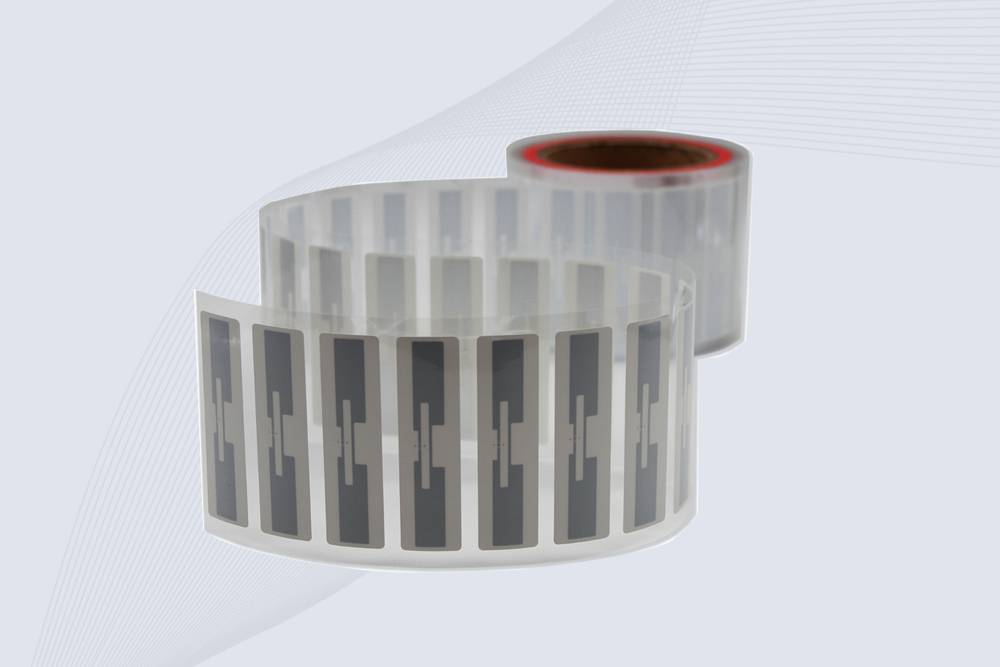
A passive RFID tag is a small electronic identification device built around an RFID integrated circuit and antenna.
Unlike an active RFID tag, it normally has no battery-powered transmitter.
Receives RF energy and participates in backscatter
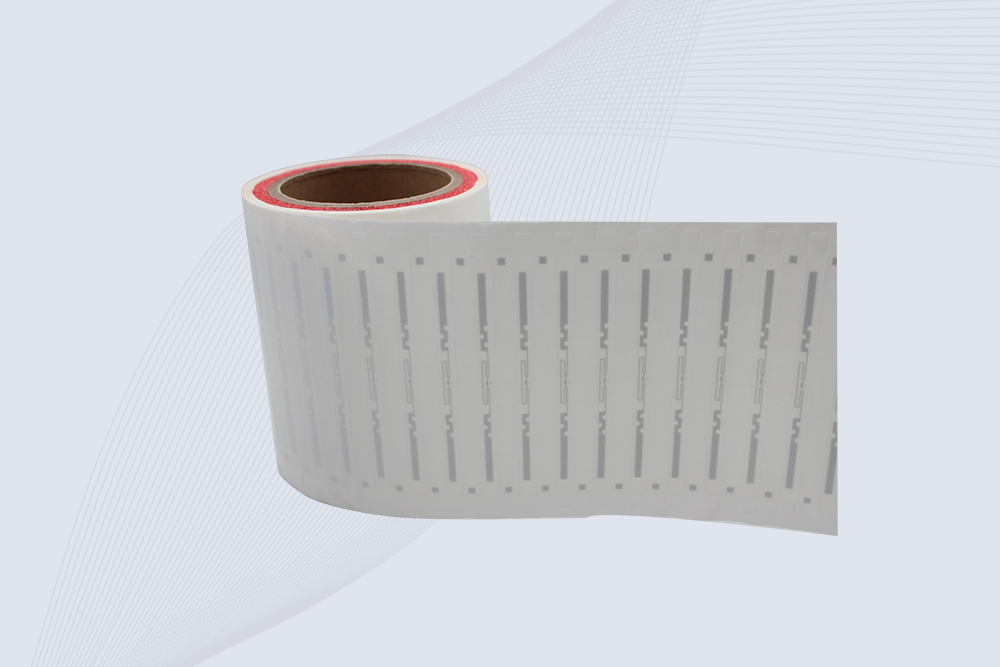
Substrate/inlay
Holds the antenna and IC together
Reader
Supplies RF energy, commands the tag and receives its response
Software
Converts tag reads into usable business information
NIST describes passive RFID tags as devices that use electromagnetic energy received from the reader to respond. The backscattered signal contains only a fraction of the reader’s transmitted power, which is one reason passive-tag range and performance depend strongly on the RF link.
This is also why passive tags can be extremely small.
There is no battery pack.
No oscillator.
No conventional radio transmitter.
For high-volume identification, that physical simplicity is a major advantage.
How Passive RFID Tags Get Power
The first event is not data transmission.
It is energy harvesting.
A fixed or handheld RFID reader sends an RF signal through its antenna. When a passive tag enters the effective RF field, its antenna receives a small amount of electromagnetic energy.
The tag’s RF circuit converts that received energy into electrical power for the IC.
GS1’s EPC Gen2 specification describes passive UHF RFID as a passive-backscatter, interrogator-talks-first system operating in the 860–960 MHz range. The tag receives both information and operating energy from the reader’s RF signal.
That distinction is important.
A passive RFID tag does not “turn on” because someone presses a button.
It becomes operational because sufficient RF energy reaches its antenna.
Why Tag Sensitivity Matters
The amount of available energy is small, and not every tag needs exactly the same amount.
NIST’s research into passive UHF RFID backscatter found that the minimum received-backscatter behavior of an assembled tag varies with factors including reader transmit power, tag antenna tuning and chip power sensitivity.
In practical testing, this becomes obvious.
A label that performs reliably on corrugated cardboard may behave very differently when placed directly against a steel tool.
The chip did not suddenly become defective.
The RF environment changed.
How Passive RFID Tags Communicate
Once the tag has harvested enough energy, it does not simply broadcast its ID.
The reader talks first.
GS1’s Gen2 architecture uses a half-duplex communication model. The reader sends a command; the tag responds when instructed.
The basic sequence is:
Reader transmits RF energy.
Tag antenna captures energy.
RFID IC becomes operational.
Reader sends an inventory or access command.
Tag processes the command.
Tag changes its antenna loading.
The altered reflection carries the response.
Reader receives and decodes the backscatter.
The tag is therefore not behaving like a miniature Wi-Fi device.
It is participating in a controlled RF conversation.
RFID Backscatter: The Core of Passive UHF
Backscatter is the technical feature that makes passive UHF RFID practical.
The reader continuously provides an RF carrier. The passive tag changes the reflection characteristics of its antenna in response to commands.
Those changes create a modulated signal that propagates back toward the reader.
GS1’s EPC Gen2 specification explicitly defines this behavior as modulation of the tag antenna’s reflection coefficient.
NIST has also studied passive RFID backscatter as a measurement problem because the useful tag response exists alongside the much stronger transmitted RF carrier.
That is a useful detail when evaluating readers.
The reader is not merely waiting for a powerful wireless transmission from the tag.
It is trying to recognize a comparatively weak modulated response.
The Two-Way RF Link
A passive RFID system has two important directions:
Forward link: Reader → Tag
Reverse link: Tag → Reader
NIST research found that either link can become the primary range limitation depending on the characteristics of the reader and tag, with multipath behavior also differing between the two paths.
This explains why increasing reader power does not automatically solve every range problem.
If the tag cannot harvest sufficient energy, the forward link is limiting.
If the tag can operate but its backscatter cannot be detected reliably, the reverse link becomes the problem.
A passive UHF RFID tag harvests operating energy from the reader’s RF field before responding through backscatter.
What Happens When Several Passive Tags Enter the RF Field?
A warehouse rarely presents one tag at a time.
A pallet might carry dozens of tagged cartons. A retail fixture can contain many tagged products. A manufacturing station can have multiple tagged workpieces within the same antenna field.
If all tags simply responded at the same instant, the reader would have difficulty separating their signals.
Passive UHF RFID therefore uses an inventory protocol and anti-collision mechanisms.
GS1’s Gen2 standard defines logical operations for tag selection and inventory. Its current Gen2v3 specification also adds capabilities for selecting specific tags and reducing interference from fringe tags.
This matters because multi-tag reading is not just an RF-power problem.
Reader protocol behavior matters.
Tag population matters.
Antenna geometry matters.
Interference matters.
Why Passive RFID Read Range Changes in the Real World
A specification might say that a UHF RFID reader can read tags several meters away.
That number is useful.
It is not the same thing as a guaranteed production read zone.
GS1 notes that passive UHF RFID range depends on variables including reader power, antenna characteristics, tag orientation and the surrounding environment.
Consider a simple comparison:
Installation condition
Likely RF concern
Cardboard carton
Usually favorable for conventional UHF labels
Plastic tote
Generally manageable, depending on contents
Steel tool
Requires careful tag/antenna selection
Liquid-filled product
RF absorption and detuning can become significant
Dense pallet
Tag-to-tag interaction and orientation
Moving forklift
Changing geometry and read-zone exposure
NIST has experimentally evaluated passive UHF tags from 860–960 MHz, measuring power harvesting and backscatter performance across 20 tag samples from nine manufacturers and three chip manufacturers.
That study is a useful reminder that “passive UHF RFID tag” does not describe one identical RF component.
Tag construction matters.
Passive RFID Tags and Metal
Metal is one of the fastest ways to expose weaknesses in a poorly selected RFID tag.
A conventional label designed for cardboard may not maintain the same impedance and radiation behavior when bonded directly to steel.
An on-metal RFID tag uses a different physical construction to account for the conductive surface.
This is why RFID engineers normally ask what the tag will be attached to before choosing the inlay.
The question is not merely:
“Which chip has the longest range?”
It is:
“Which tag antenna can maintain a useful RF response on this object?”
That is a much more productive engineering question.
How Passive RFID Tags Store Identification Data
The RFID chip can contain multiple memory areas depending on its design and standard implementation.
For EPC-based UHF systems, common memory concepts include:
EPC memory — commonly used for serialized identification.
TID memory — identifies characteristics associated with the tag IC.
User memory — available on some tags for additional application data.
Reserved memory — used for security-related information such as access and kill passwords.
GS1’s Tag Data Standard defines how EPC-related information is encoded and represented, while the Gen2 air interface defines tag memory and access operations.
A practical RFID system therefore does not need to put an entire product record inside the tag.
The tag can provide an identifier.
The enterprise system can provide everything else.
For example:
RFID tag: EPC = 3034...A721
Warehouse database: SKU → supplier → purchase order → location → shipment status
That division is one reason RFID can scale economically.
Passive RFID Tags Are Not All the Same
The phrase “passive RFID tag” describes the power architecture, not one universal physical format.
A passive tag may be designed as:
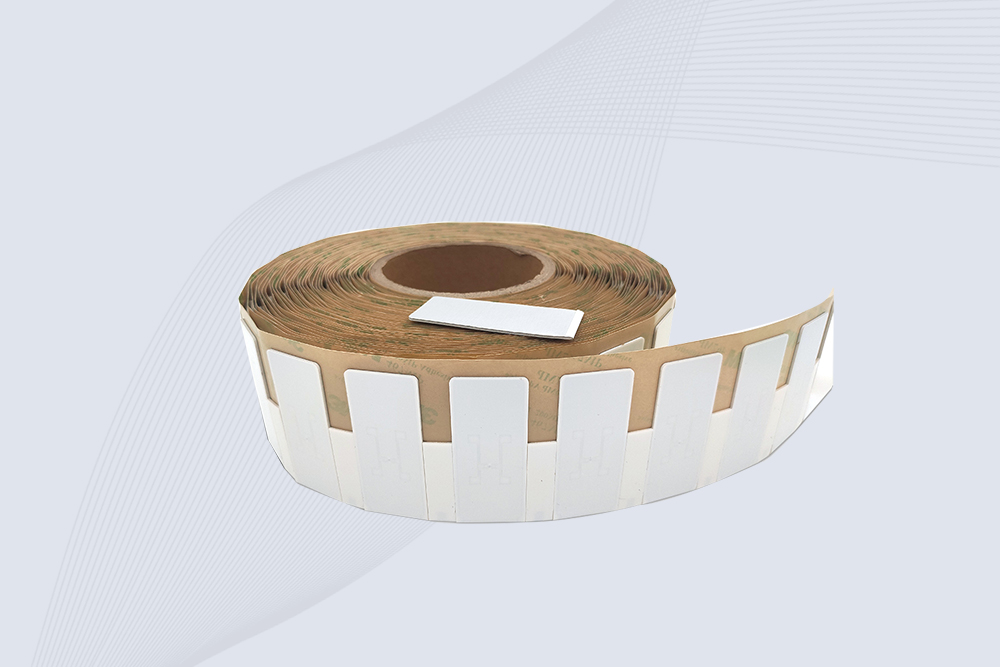
Paper RFID label
Plastic encapsulated tag
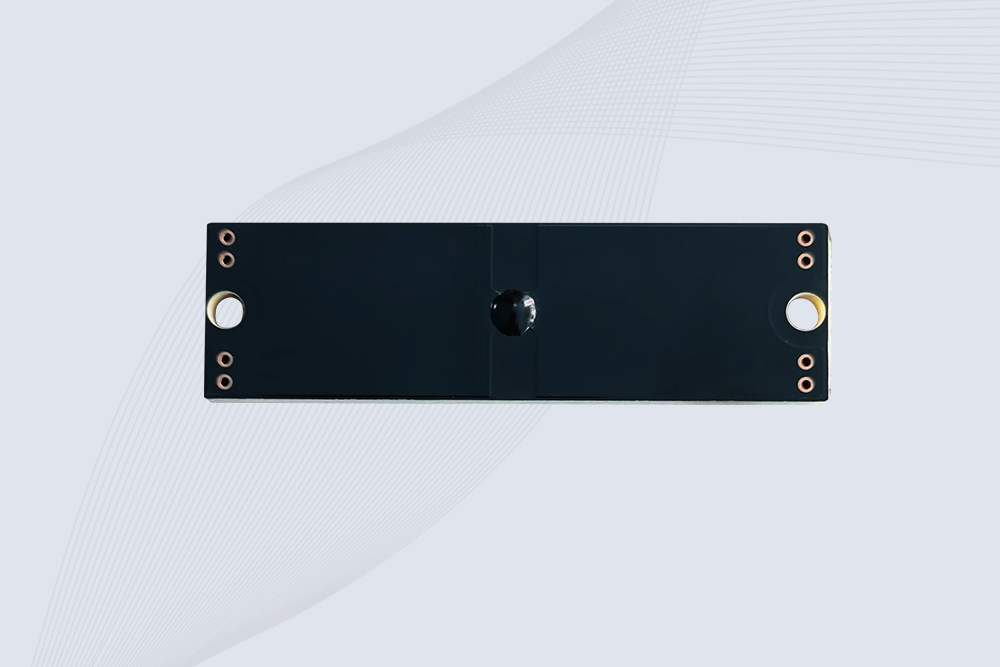
On-metal industrial tag
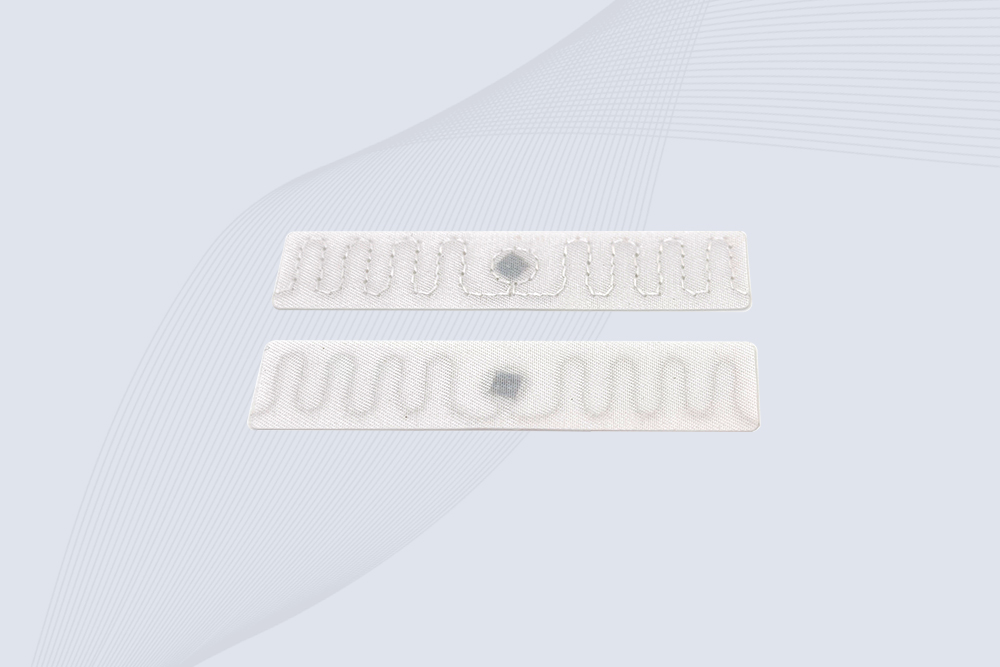
Textile RFID tag
Hard-shell asset tag
Small embedded inlay
Tamper-evident RFID label
The underlying communication principle remains similar, but the antenna construction can change dramatically.
NIST’s measurements of 20 passive UHF tag samples across nine manufacturers demonstrate this variation empirically.
For procurement teams, this is a useful distinction.
Chip selection and tag selection are not the same decision.
Where Passive RFID Tags Are Used
Passive RFID is especially useful where large numbers of objects need automated identification.
Common applications include:
Industry
Example
Logistics
Carton and pallet identification
Warehousing
Receiving and inventory
Retail
Item-level inventory
Manufacturing
Work-in-process tracking
Libraries
Book and media identification
Healthcare
Supply and asset identification
Aviation
Tool and equipment management
Automotive
Parts and container tracking
The strongest use cases tend to share one characteristic:
The organization needs to identify physical objects repeatedly without requiring line-of-sight scanning.
That is where passive RFID has a very different operating model from conventional barcode workflows.
How Cykeo Approaches Passive UHF RFID
Cykeo’s UHF RFID solutions support industrial passive-tag applications using standards such as ISO 18000-6C / EPC C1G2.
Its UHF reader portfolio includes adjustable RF output, multi-tag identification, tag filtering and industrial communication capabilities.
For example, Cykeo’s published reader specifications include models supporting up to 33 dBm RF output, adjustable power and multi-tag recognition above 400 tags/s under stated test/application conditions.
These numbers should be treated as engineering specifications rather than universal field guarantees.
The practical deployment question is always broader:
What tag? What object? What antenna? What distance? What movement speed? What RF environment?
That is how we evaluate passive RFID systems in the field.
What Engineers Should Test Before Deployment
A passive RFID proof-of-concept should use the actual operating environment as early as possible.
Tag validation
Test the intended tag on the actual object.
Test different orientations.
Check performance after packaging.
Test metal and liquid conditions where applicable.
Reader validation
Confirm protocol compatibility.
Establish useful RF output.
Test multiple tags rather than one ideal sample.
Monitor read consistency instead of only maximum range.
Antenna validation
Check polarization.
Confirm coverage.
Measure the actual read zone.
Test antenna overlap and unwanted reads.
Operational validation
Test real conveyor or forklift speeds.
Test full pallets.
Test partially empty pallets.
Test worst-case tag orientation.
Repeat tests at different times and operating conditions.
NIST’s dedicated RFID interference work demonstrates why environmental testing matters: its experimental procedures measured tag-reading success and throughput while varying interference power, reader/interferer topology, frequency-hopping behavior and antenna polarization.
That is considerably more informative than a single maximum-distance measurement.
Key Facts About How Passive RFID Tags Work
Passive RFID tags normally have no internal battery.
The reader provides operating energy through its RF field.
The tag IC activates when sufficient energy is available.
The reader sends commands before the tag responds.
Passive UHF tags communicate through backscatter.
The tag modifies its antenna reflection characteristics to encode its response.
Reader power alone does not determine performance.
Tag antenna design, orientation, mounting material and RF environment all matter.
Multiple tags require inventory and anti-collision mechanisms.
Passive RFID is particularly useful for high-volume automated identification.
The engineering details behind how passive RFID tags work become most important when the tag leaves the laboratory and enters a warehouse, factory, retail store or outdoor asset environment.
How Passive RFID Tags Work in a Real Read Cycle
The phrase how passive RFID tags work becomes much clearer when the reader-tag exchange is viewed as an actual inventory cycle rather than as a simple “reader scans tag” operation.
A typical passive UHF interaction looks like this:
RF field → tag activation → reader command → tag response → backscatter → reader decoding → software event
The reader continuously provides the RF energy needed by passive tags. When a tag has enough available energy, its IC can respond to the reader’s inventory command. GS1 describes this architecture as passive, reader-powered and half-duplex: the reader and tag do not communicate simultaneously.
That distinction becomes important when many tags are present.
How Passive RFID Tags Handle Multiple Tags
A warehouse portal may encounter dozens of tags within the same antenna field.
They cannot all return their EPC data at exactly the same instant.
EPC Gen2 therefore includes inventory and tag-selection procedures that allow the reader to manage which tags participate in the exchange. GS1’s Gen2v3 specification adds further selection capabilities and mechanisms intended to reduce interference from unwanted fringe tags.
Anti-Collision Is More Than “Reading Faster”
When evaluating a reader, look beyond a headline tag-count figure.
Important variables include:
Number of tags inside the field
Tag orientation
Reader sensitivity
RF output power
Antenna polarization
Antenna placement
Reader-to-reader interference
Tag response timing
Required read completeness
Movement speed
A reader that performs well with 20 isolated tags is not automatically suitable for a pallet containing hundreds of closely packed tags.
That is where protocol behavior and RF engineering meet.
Passive RFID Read Range: What Actually Sets the Limit?
There is no single universal passive RFID read distance.
GS1 notes that UHF passive RFID can identify EPC-tagged objects at distances well beyond 10 meters in appropriate installations and without line-of-sight contact. Actual range depends on the equipment, tag and environment.
The useful range is constrained by two linked paths:
Forward Link
Reader → Tag
The reader must deliver enough RF energy for the tag IC to operate.
Reverse Link
Tag → Reader
The tag must return a detectable backscatter signal.
GS1’s technical architecture describes this as an asymmetric link: the reader sends substantially more energy toward the tag than the tag returns through backscatter.
NIST research reaches the same practical conclusion from measurement work: passive-tag backscatter performance depends on reader transmit power, tag antenna tuning and chip power sensitivity.
This is why simply increasing transmitter power is not a universal fix.
Why Tag Antenna Design Matters
The RFID chip is only one part of the inlay.
The antenna determines how effectively the tag interacts with the RF field and how effectively its response can be backscattered.
NIST tested 20 passive UHF RFID tag samples spanning 9 tag manufacturers and 3 chip manufacturers across the 860–960 MHz range. The study found measurable differences in power-harvesting and backscatter performance among tag designs.
That number—20 samples—is worth remembering because it illustrates an easy procurement mistake.
Two tags can both be described as:
“Passive UHF RFID tag.”
They can still behave differently in the same installation.
Cardboard Is Not Steel
A conventional adhesive UHF inlay may work very well on corrugated packaging.
Place that same inlay directly against steel, however, and the antenna’s electrical environment changes.
For industrial assets, specialized on-metal RFID tags use different antenna and substrate structures to maintain useful RF characteristics around conductive surfaces.
This is why tag testing should happen on the actual asset.
Not just on a sample sheet.
Passive RFID Tags and Memory
Another practical question is how much information a passive RFID tag actually carries.
For EPC Gen2 tags, GS1 identifies four memory banks:
Memory bank
Typical purpose
Reserved
Access and kill passwords
EPC
Object identifier
TID
Tag/chip information
User
Application-specific information, where supported
GS1 confirms that the TID memory identifies information about the tag itself, while User Memory is intended for application data separate from the object’s primary identifier.
In many deployments, the EPC is the important part.
For example:
Tag
EPC: 3034 1234 5678 9001
Enterprise system
SKU → product → purchase order → warehouse → location → status
The RFID tag identifies the physical object.
The backend system holds the larger business record.
That approach avoids treating a tiny RFID chip like a miniature database.
Read and Write Are Not the Same Task
Passive RFID readers can often both read and write compatible tag memory.
But writing is generally more demanding than simply detecting a tag.
A write operation requires a stable enough RF connection for the reader’s command and the tag’s memory operation to complete successfully. The physical environment, tag design and distance therefore matter.
Cykeo’s published CK-R4L specifications, for example, state a 0–15 m reading distance and 0–8 m writing distance, while explicitly noting that actual performance depends on transmission power, antenna type, tag type and application environment.
That difference is sensible engineering.
A successful inventory read does not automatically mean a successful write at the same distance.
A fixed UHF RFID system captures multiple passive tags as tagged cartons move through a defined warehouse read zone.
Passive RFID Performance: The Numbers Need Context
Cykeo’s published CK-R4L specifications provide a useful example of how reader performance is normally documented.
The device is specified with:
840–960 MHz operating frequency
ISO 18000-6C / EPC C1G2 support
Up to 33 dBm ±1 dBm RF output
1 dB output-power adjustment steps
Four TNC antenna ports
Fixed-frequency or frequency-hopping operation
RSSI support
Tag-data filtering
0–15 m stated read distance
0–8 m stated write distance
>400 tags/s stated tag-recognition speed under specified conditions
These figures are useful when comparing hardware.
They should not be converted into a promise such as “every tag will be read at 15 meters.”
Cykeo itself qualifies the stated distance by identifying transmit power, antenna type, tag type and application environment as influencing factors.
For a real deployment, the more useful measurement is often:
How many required tags are successfully captured within the actual operating window?
Field Testing: What I Would Check First
After working through RFID deployments, I would not begin with maximum reader power.
I would begin with the object.
1. Tag placement
Where exactly is the tag attached?
A few centimeters of placement can change orientation, coupling and exposure to surrounding materials.
2. Material
Is the tag mounted on:
Cardboard?
Plastic?
Glass?
Steel?
Fabric?
A liquid-containing product?
3. Antenna geometry
Is the antenna pointing toward the expected tag path?
Is the polarization compatible with the tag orientation?
4. Read-zone containment
Can the system read the intended objects without also reading objects outside the process?
This is frequently overlooked.
A reader that detects everything is not necessarily performing better.
5. Real movement
Test the actual forklift.
The actual conveyor.
The actual pallet.
The actual packaging.
Static bench testing cannot reproduce every multipath and orientation condition found on a production floor.
Common Mistakes With Passive RFID Tags
“Passive means short range.”
Not necessarily. Passive UHF systems can operate over several meters and, in appropriate configurations, beyond 10 meters.
“More power always means better RFID.”
No. Reader power is only one component of the RF link. Antenna design, tag sensitivity, orientation and environmental conditions also affect performance.
“All UHF tags perform the same.”
They do not. NIST’s testing across 20 passive UHF tag samples demonstrated measurable differences between tag constructions and generations.
“RFID tags transmit like Wi-Fi.”
Conventional passive UHF tags communicate by backscatter rather than using their own conventional radio transmitter.
“The RFID chip stores the whole product record.”
Usually, the tag provides an identifier such as an EPC, while the enterprise system stores the richer business information. GS1’s EPC architecture is designed around this separation.
FAQ: How Passive RFID Tags Work
1. Do passive RFID tags need batteries?
No. Conventional passive RFID tags receive their operating energy from the RF field generated by the reader. They use that energy to operate the chip and respond through backscatter.
2. How do passive RFID tags communicate?
The reader sends RF energy and commands. Once activated, the tag changes the reflection characteristics of its antenna, producing a modulated backscatter response that the reader detects and decodes.
3. How many passive RFID tags can one reader read?
There is no universal number. Modern passive UHF protocols support multi-tag inventory, but practical throughput depends on reader architecture, tag population, antenna configuration, RF interference, tag orientation and required read reliability. GS1’s Gen2 architecture is specifically designed for inventory operations involving multiple tags.
4. Can passive RFID tags be read without line of sight?
Yes. UHF passive RFID does not require the optical line of sight required by conventional barcode scanning. GS1 identifies RAIN RFID as capable of capturing unique identifiers without line-of-sight contact and at distances well beyond 10 meters in suitable applications.
5. Can passive RFID tags work on metal?
Yes, but the correct tag construction is important. A conventional label may perform poorly when directly attached to metal, while specialized on-metal tags are designed for conductive surfaces.
6. Can passive RFID tags be rewritten?
Compatible RFID tags can support memory-write operations. However, write performance depends on tag capabilities, reader configuration, RF conditions and distance. A reader’s maximum read range should not automatically be treated as its maximum write range.
7. How long can a passive RFID tag last?
Because conventional passive tags do not depend on an internal battery, they do not have a battery-limited operating lifetime. Physical durability, adhesive performance, environmental exposure and antenna/IC integrity become the more relevant considerations. GS1 describes passive tags as batteryless devices with a theoretically very long operating life.
Final Technical Perspective
The practical answer to how passive RFID tags work is not simply “the reader powers the tag.”
The complete mechanism is more precise:
RF energy reaches the tag → the antenna harvests energy → the IC activates → the reader issues commands → the tag modulates its antenna load → backscatter returns information → the reader decodes the response → software turns the identifier into an operational event.
The physics explains the first half.
The installation determines whether the second half works reliably.
NIST’s research is particularly useful here because it connects measurable backscatter performance with reader transmit power, antenna tuning and chip power sensitivity rather than treating RFID range as a single specification.
For Cykeo deployments, the same principle applies. A capable UHF reader, appropriate antenna, correctly selected passive tag and properly controlled read zone have to work together.
The best RFID installation is not necessarily the one that produces the greatest theoretical range.
It is the one that consistently identifies the right physical objects at the right process point.
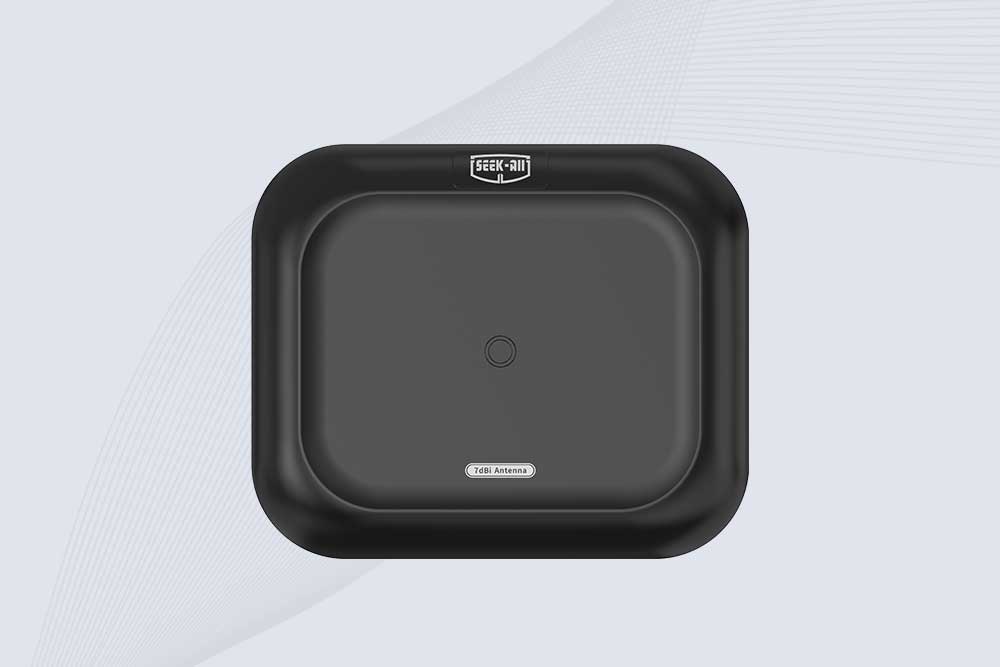
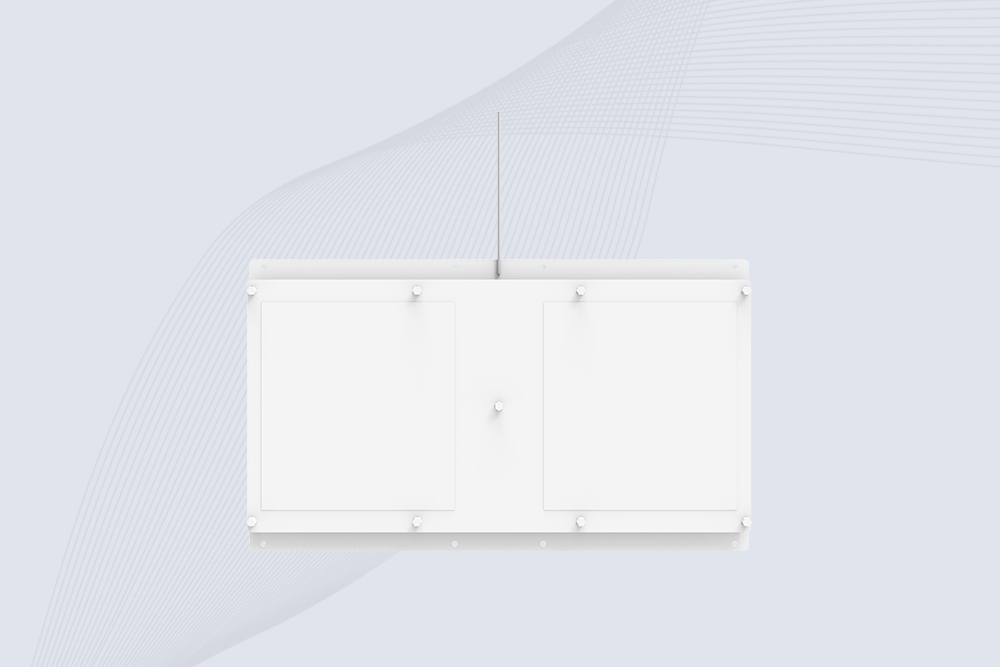
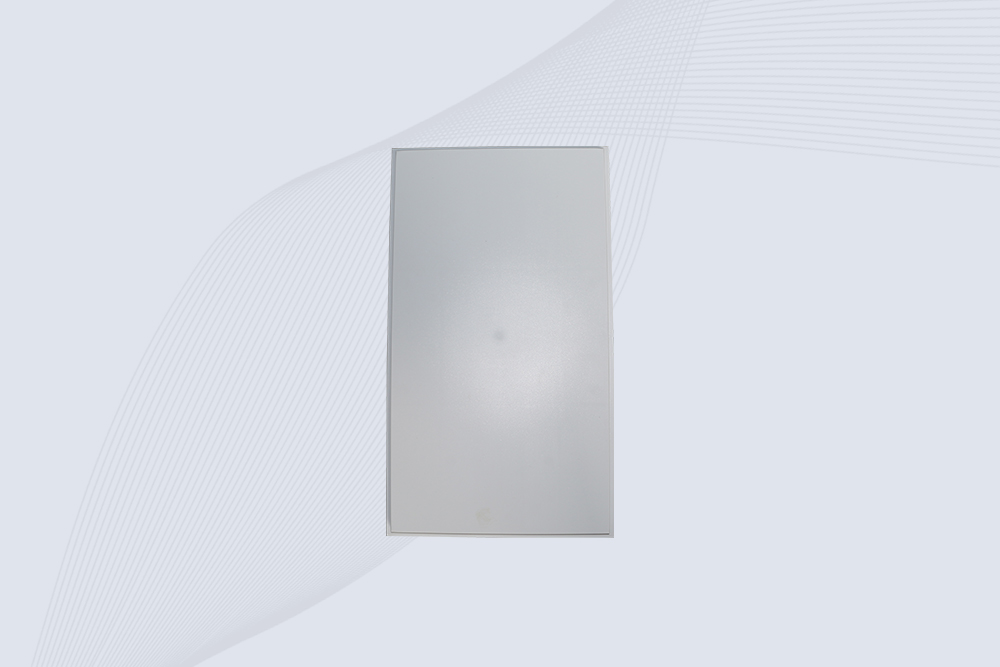
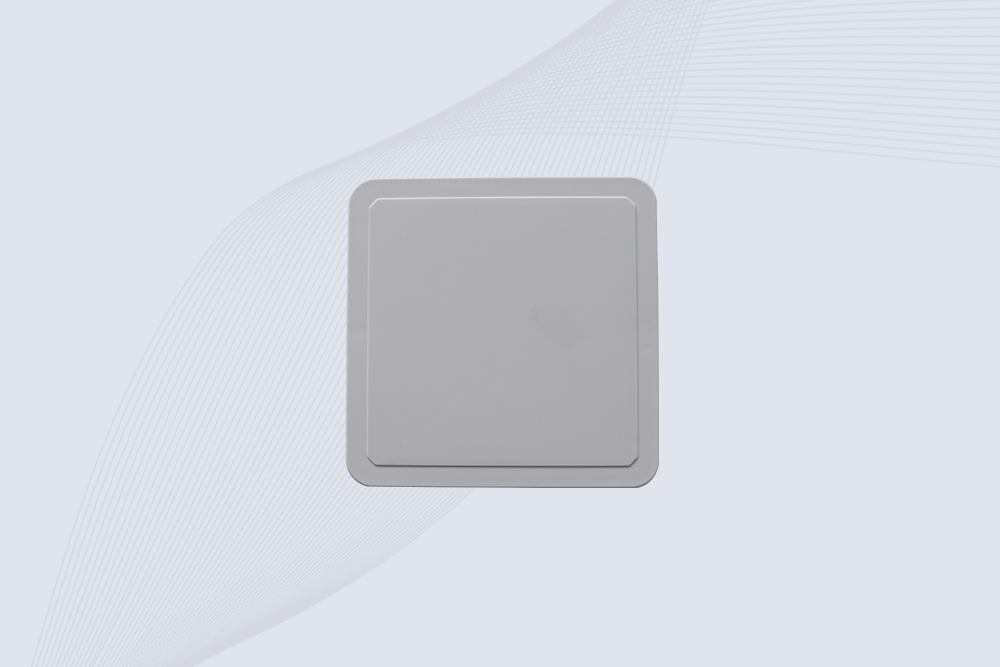
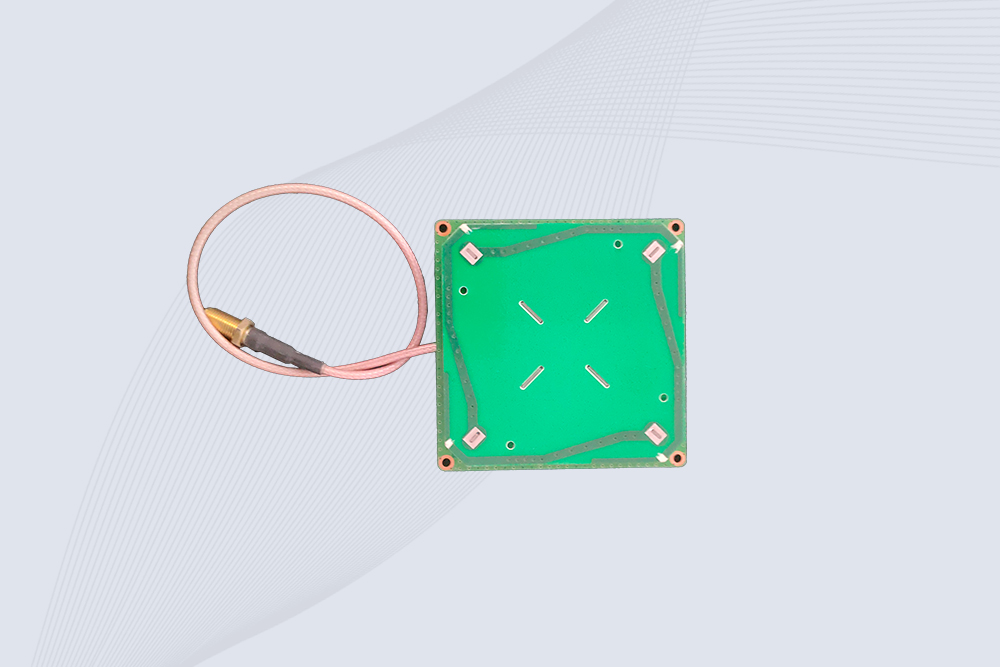
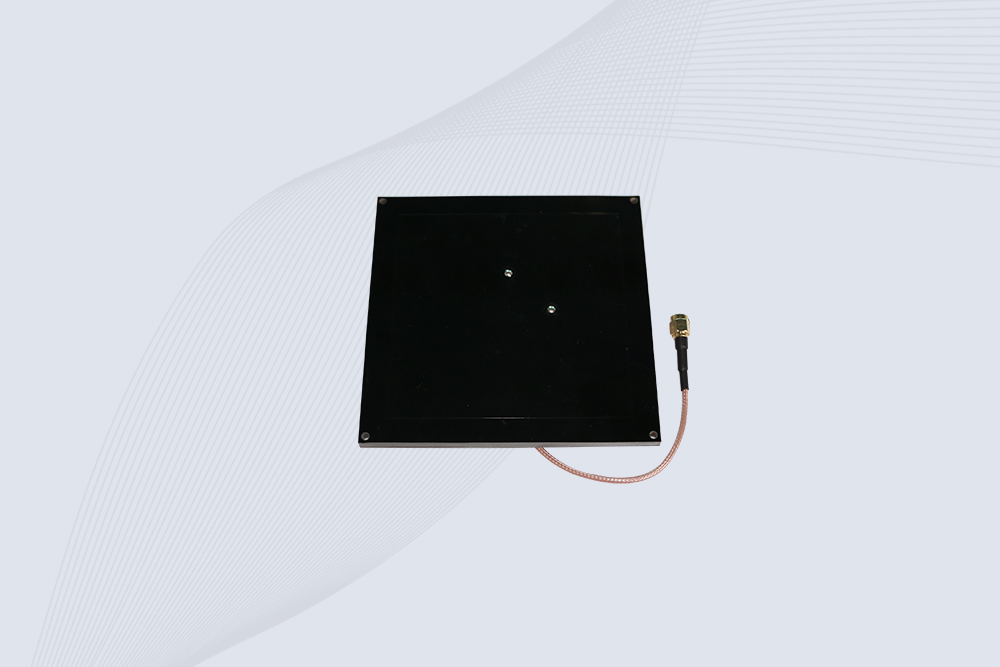
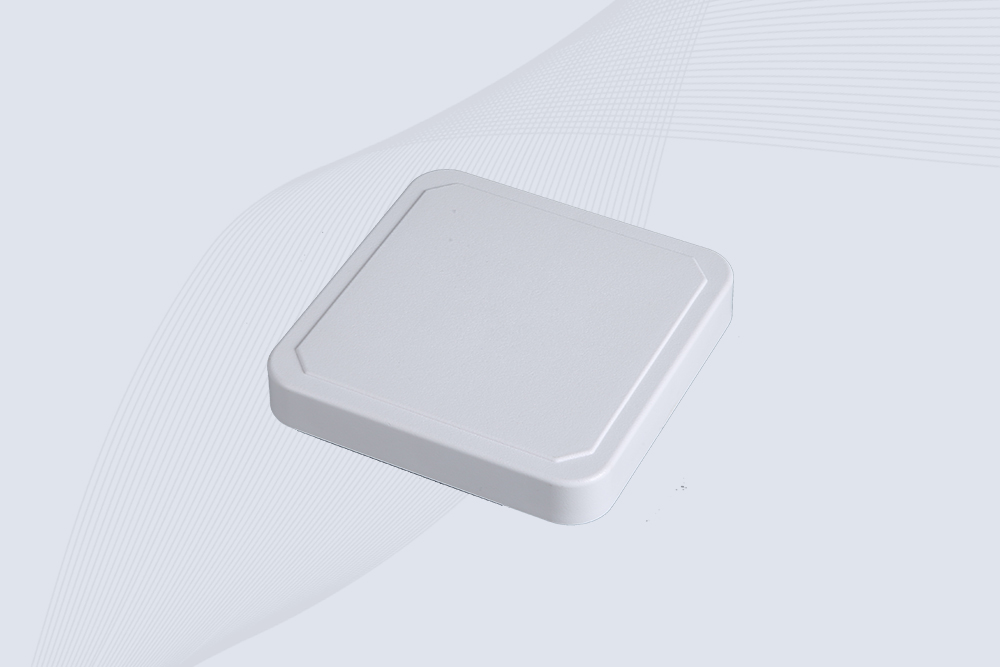
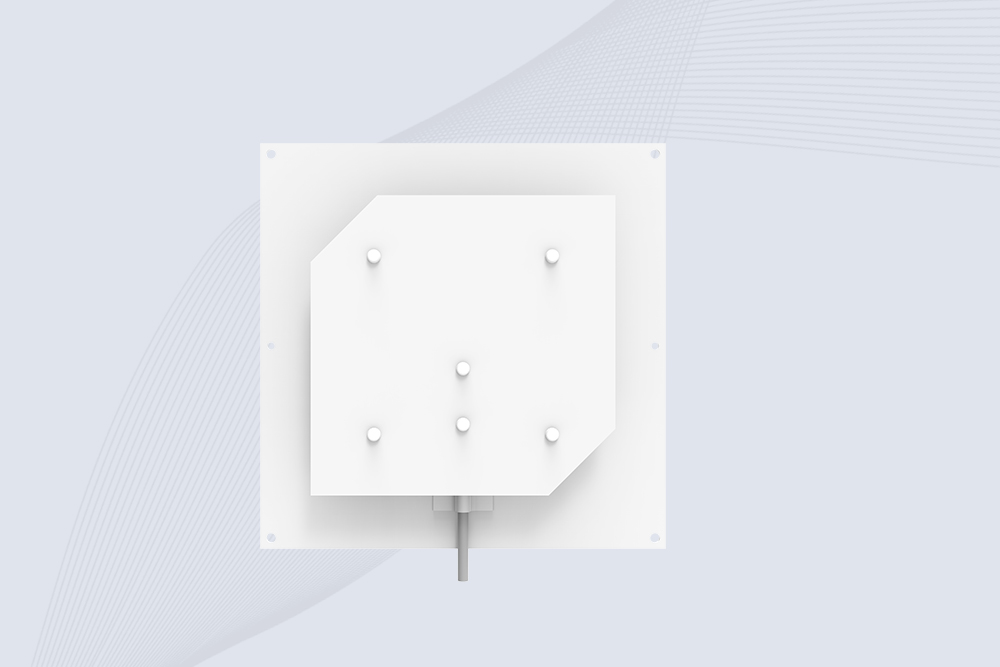
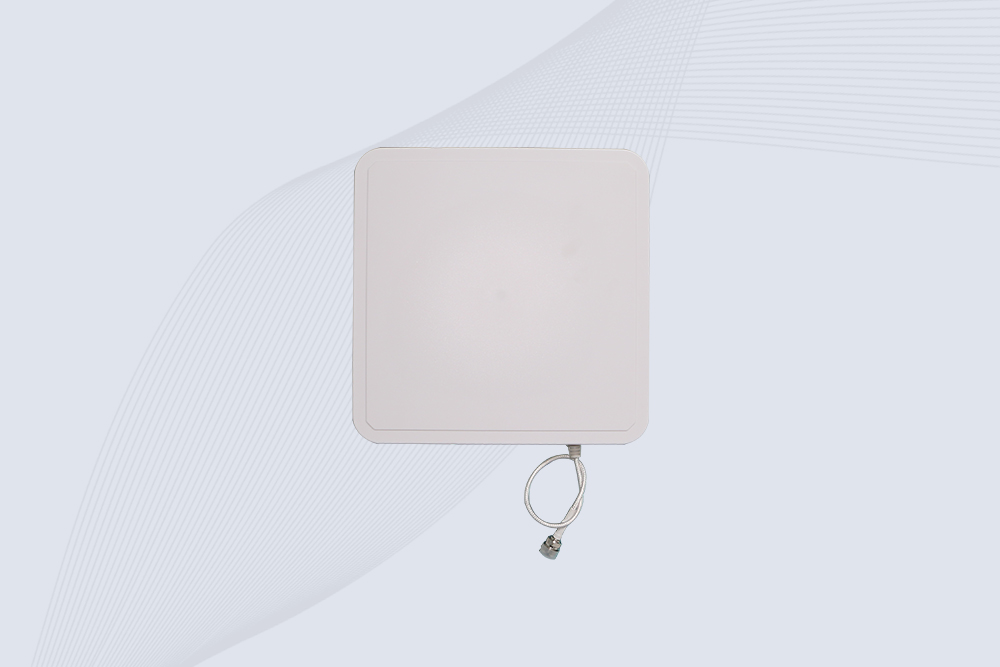
Explore the SSD-A07 UHF RFID antenna with 7 dBi gain, circular polarization, adjustable 840–960 MHz frequency, and 60°/75° beamwidth for stable RFID read/write performance.
SSD-A06 UHF RFID antenna with circular polarization, adjustable 840–960 MHz frequency, ≥4.5 dBi gain, and a compact directional design for RFID systems.
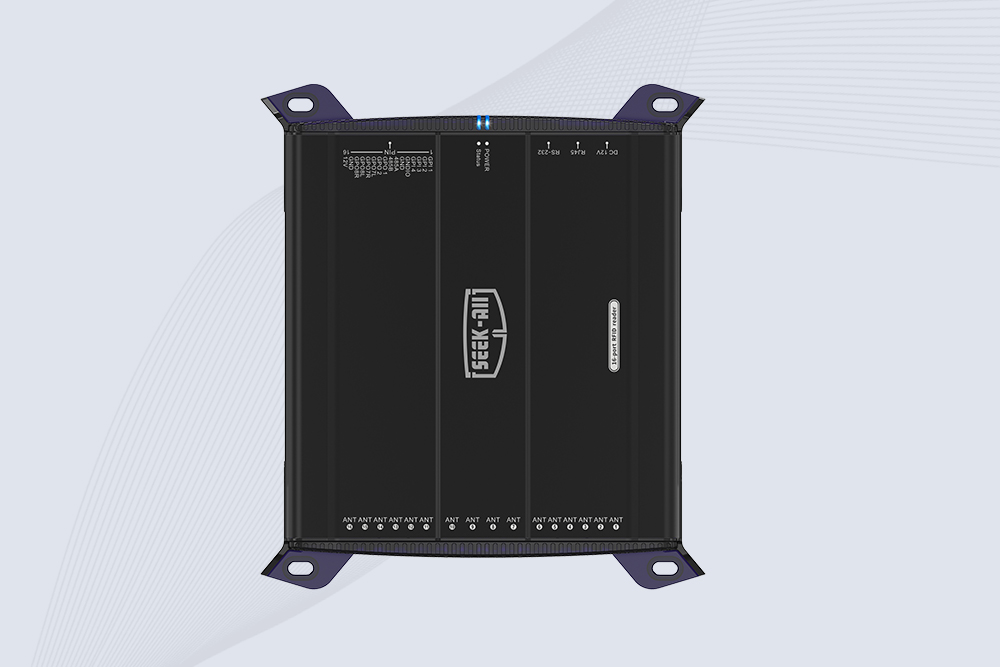
SSD-R16L Multi-Channel RFID Infrastructure for Automated Inventory Management ✔️ 16-Port High-Density RFID Reading Equipped with 16 SMA antenna ports, SSD-R16L supports multi-antenna deployment for warehouses, retail stores, logistics, production lines, and large-area RFID identification. ✔️ High-Speed & Long-Range Performance With up to 33…
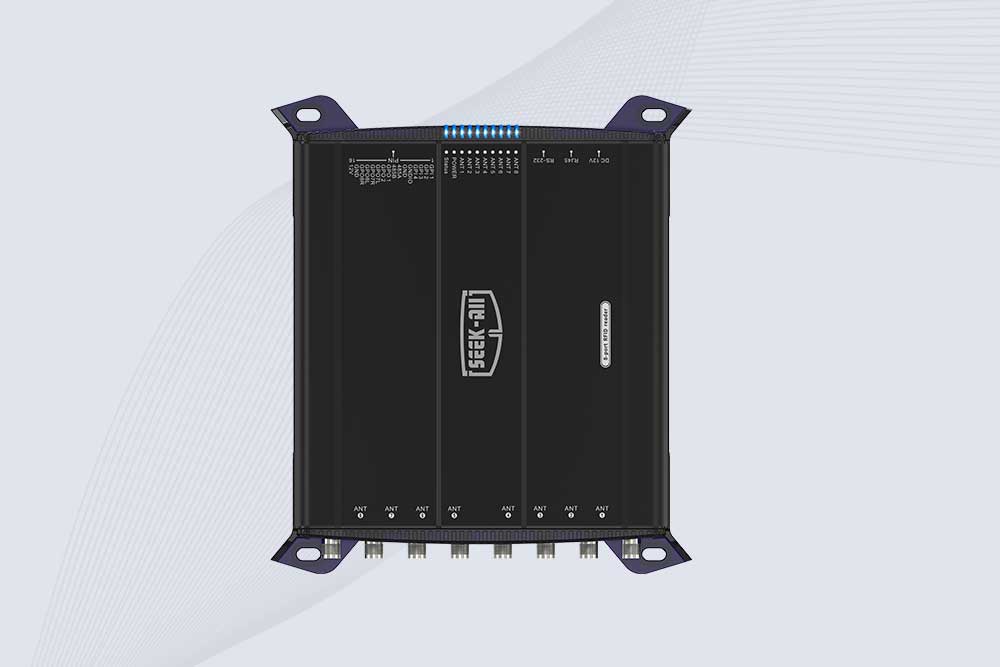
SSD-R8L 8-port UHF RFID reader with 33dBm output, up to 20m reading range and 600+ tags/s recognition. Ideal for warehouse, logistics, retail and asset tracking.
CYKEO Passive RFID Tags are made for wet and high-humidity environments where standard labels do not last. This rfid passive tag is often used around liquids, chemicals and temperature changes, providing stable reading distance and long data life for industrial tracking.
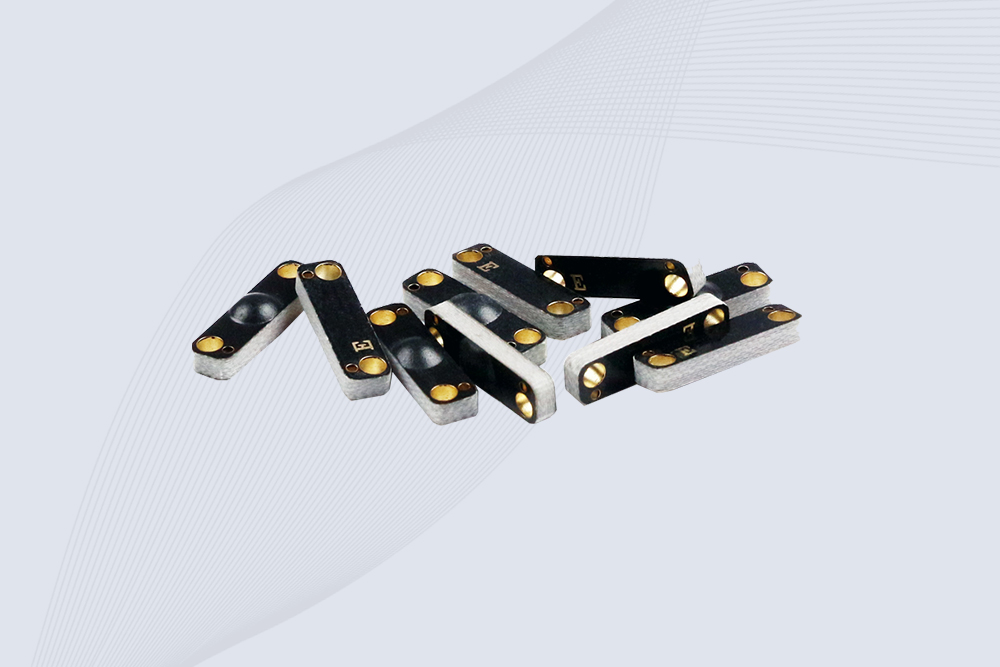
CYKEO CYKEO-PCB1504 Metal RFID Tags is a compact anti-metal UHF RFID solution built for direct mounting on metal surfaces. With stable 8-meter read range, Ucode-8 chip, and long data retention, this rfid metal tag fits tools, containers, automotive parts, and industrial asset tracking.
CYKEO CYKEO-PCB7020 On-Metal RFID Tags are designed for reliable tracking on steel and metal surfaces. Built with an FR4 epoxy body and industrial-grade chips, these On-Metal RFID Tags deliver stable performance, long data life, and chemical resistance, making them a dependable RFID anti-metal tag for harsh environments.
The CYKEO CYKEO-60-25 Anti-Metal RFID Tag is built for metal surfaces where standard tags fail. Designed for long-range performance, harsh environments, and stable data retention, this Anti-Metal RFID Tag is ideal for industrial assets, containers, and equipment tracking using on metal RFID tags.
The CYKEO RFID Laundry Tag is designed for long-term textile identification in harsh laundry environments. Built to withstand high heat, chemicals, and repeated washing, this RFID Laundry Tag delivers stable performance for hotels, hospitals, and industrial laundry operations using laundry rfid tags at scale.
The CYKEO CYKEO-125-7 RFID Book Tag is designed for reliable book and document tracking in libraries and archives. This RFID Book Tag delivers long read range, dense placement support, and stable performance on shelves, making it a practical rfid tag on books for library automation, file management, and archival systems.
CYKEO RFID tags in hospitals are designed for sterile environments where accuracy matters. These autoclavable RFID tags support long-term tracking of surgical tools, implants, and medications, helping hospitals improve visibility, compliance, and patient safety.
CYKEO RFID Cable Tie Tag is built for reliable identification on metal surfaces. This UHF RFID Cable Tie Tag is widely used in rfid tags for inventory systems, industrial asset management and Hospital RFID Tags, offering stable read performance, long service life and global EPC Gen2 compatibility.
CYKEO RFID Asset Tag is designed for stable identification of metal assets in industrial environments. This UHF RFID Asset Tag is commonly used for rfid tag asset tracking on equipment, tools and containers, providing reliable reads, long service life and ISO/IEC 18000-6C support.
CYKEO UHF RFID Card is designed for fast identification and long-term use in industrial and commercial systems. Supporting ISO 18000-6C, this UHF RFID Card works at 860–960 MHz and is suitable for custom RFID cards used in asset tracking, access control and inventory management.
CYKEO HF RFID Cards are designed for secure and stable access control systems. These 13.56 MHz RFID key cards support ISO 14443-A, reliable rewriting and long service life, making HF RFID Cards suitable for offices, campuses, events and membership management.
CYKEO UHF RFID Tag is designed for reliable tracking of metal jewelry and high-value items. This Jewelry RFID Tag supports long-range reading up to 8 meters, anti-counterfeit protection and stable performance on metal, making it suitable for retail, inventory control and asset management.
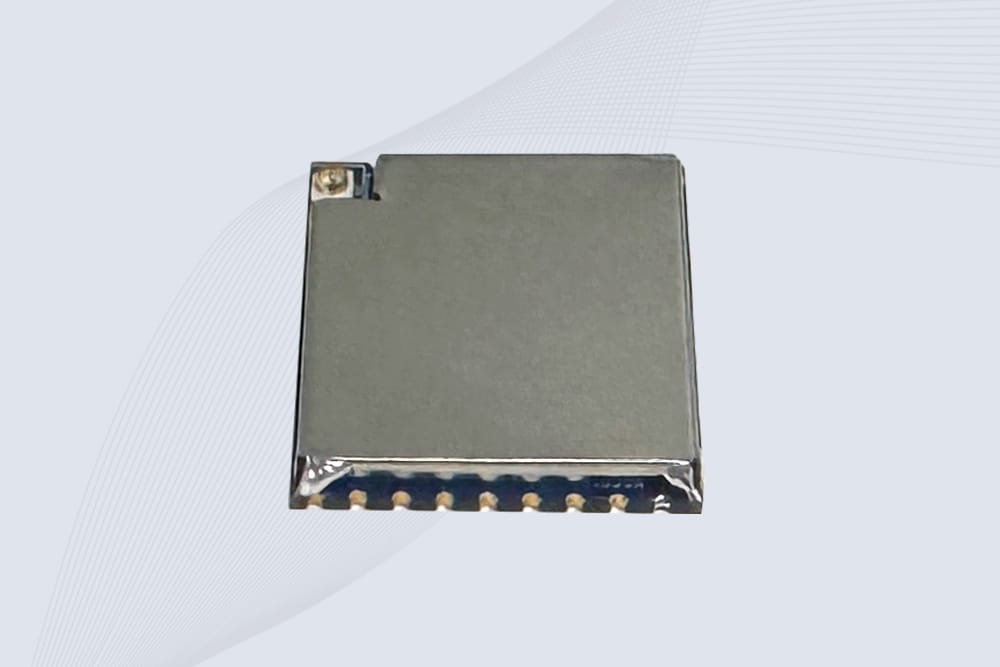
CYKEO Embedded RFID Modules are designed for compact industrial and IoT devices that require stable UHF performance. These UHF RFID Modules support global protocols, flexible power control, and reliable multi-tag reading for smart cabinets, production lines, and asset tracking systems.
CYKEO Embedded RFID Module is built for compact IoT and industrial devices that need stable UHF performance. This UHF module supports global protocols, low power operation, and reliable multi-tag reading for smart lockers, production lines, and always-on RFID systems.
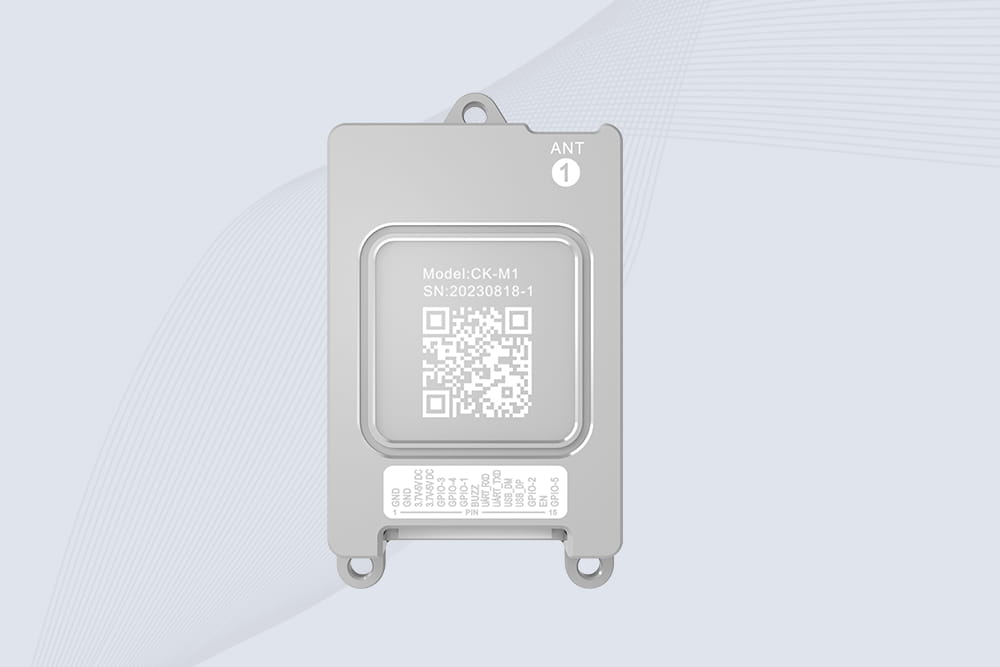
CYKEO CYKEO-M1 drone rfid module is a compact UHF RFID reader module designed for drones and UAV platforms. It supports long-range aerial scanning, fast multi-tag reading, and stable performance in wind, vibration, and outdoor environments.
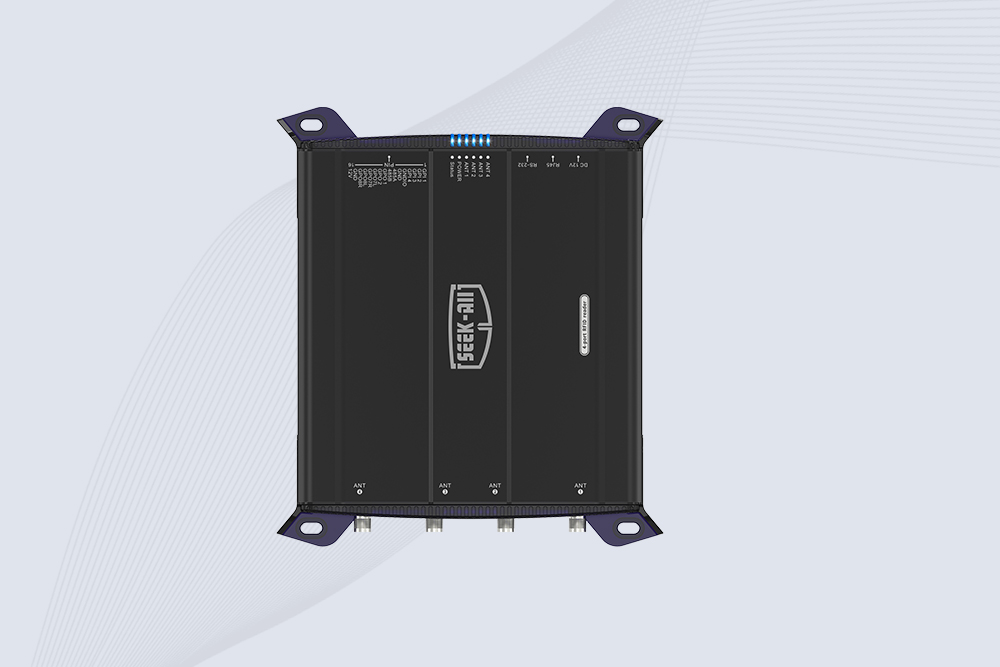
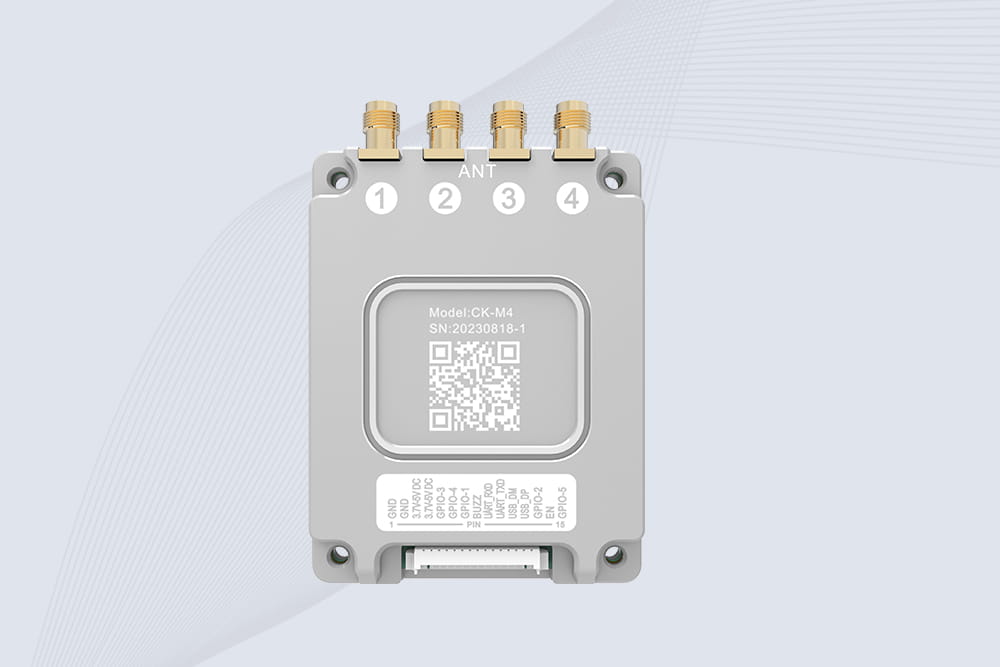
CYKEO CYKEO-M4 RC522 RFID Module is an industrial-grade UHF RFID reader with 4 ports, supporting ISO, EPC, and GB protocols. High-speed, accurate reading for IoT, automation, and warehouse applications.
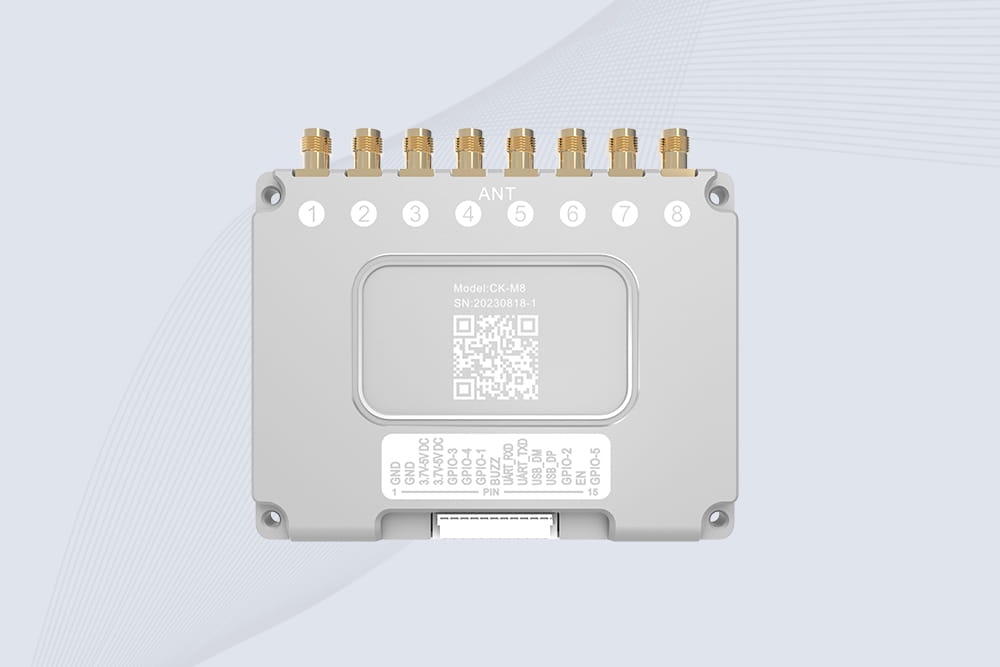
CYKEO CYKEO-M8 Module RFID is an 8-port UHF R2000 RFID Module designed for high-density, multi-tag environments. Stable 33dBm output, ISO & GB protocol support, ideal for warehouses, factories, and automated systems.
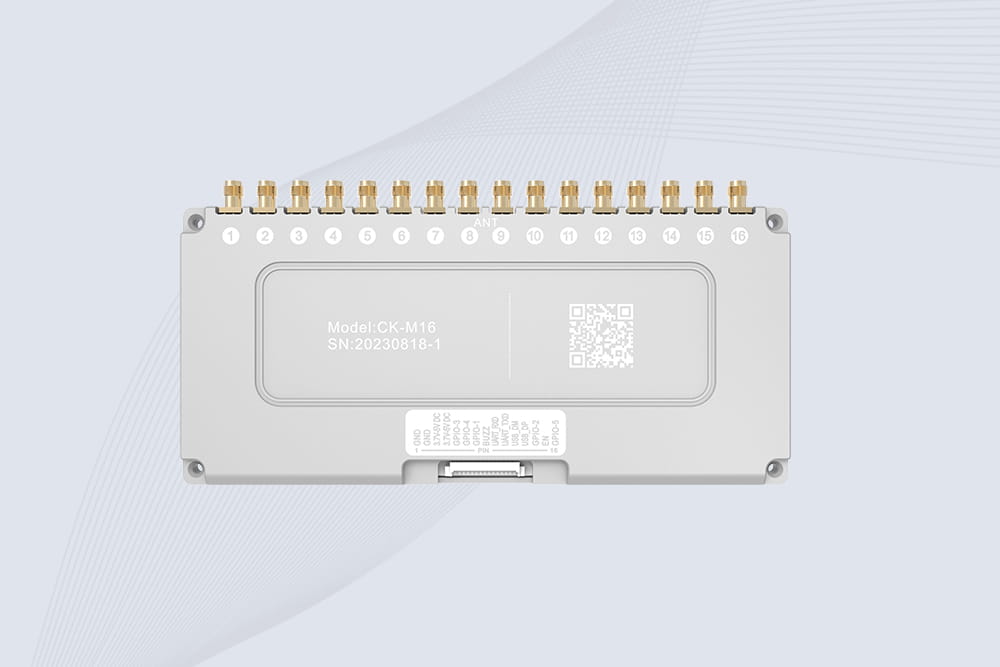
CYKEO CYKEO-M16 RFID Module is a 16-port UHF RFID reader module based on the R2000 chipset. Designed for dense tag environments, it supports ISO and GB standards and delivers stable multi-antenna control for industrial automation.
The CYKEO CYKEO-M16L RFID Reader Module is a 16-channel UHF RFID core designed for dense tag environments. With adjustable 33dBm output, multi-protocol support, and stable multi-antenna control, this RFID Tag Reader Module fits industrial automation, warehouse systems, and large-scale IoT deployments.
CYKEO CYKEO-M8L module RFID is a compact industrial UHF module built for dense tag and multi-antenna environments. With 8 RF ports, adjustable 33 dBm output, and ISO & GB protocol support, it is widely used in factories, warehouses, and automated tracking systems.
CYKEOCYKEO-M4L UHF RFID Module is a compact 4-channel RFID tag reader module designed for dense tag environments. Supporting ISO and GB protocols, it delivers stable reads up to 10 meters for industrial and IoT systems.
Cykeo CYKEO-A11 UHF RFID reader antenna delivers 11dBi gain, 840-960MHz frequency range, and IP65 ruggedness for retail, logistics, and industrial RFID systems. Features low VSWR and easy installation.
CYKEO Antenna RFID Reader delivers stable long-range UHF performance with a 10.5dBi directional design, built for warehouses, conveyor portals, and industrial RFID systems. This rfid reader antenna provides 20m+ read distance and rugged IP67 protection.
Cykeo CYKEO-A5B industrial Linear RFID Antenna delivers 5dBi gain, ≤1.5:1 VSWR, and IP65 rugged design for warehouse, production line, and logistics UHF systems.
Cykeo’s CYKEO-B12 Long Range RFID Antenna delivers 15m+ read range with 12dBi gain, IP65 rugged design, and global 840-960MHz UHF support. Ideal for warehouse/logistics asset tracking.
Cykeo CYKEO-B10 Long Distance RFID Antenna offers 10dBi gain, 840-960MHz frequency range, IP65 rating, and 20m+ coverage for logistics/warehousing/ETC systems. Low VSWR ensures stable signal transmission.
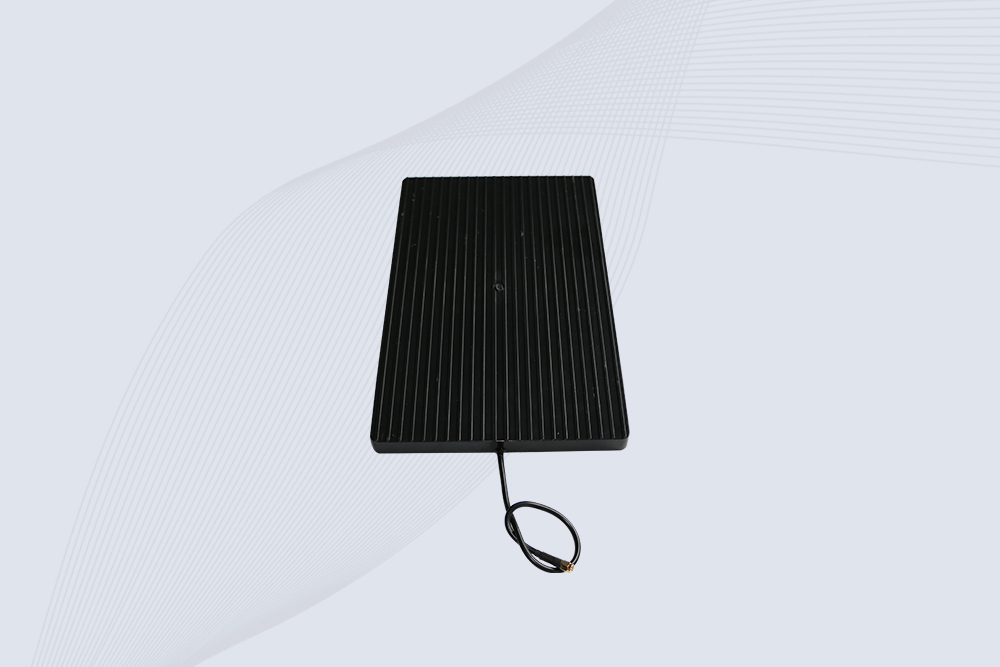
Cykeo CYKEO-A6 UHF RFID panel antenna features 6dBi gain, 840-960MHz broadband, IP65 metal-ready housing for logistics/smart retail. 18mm ultra-thin design with tool-free mounting.
Cykeo CK-A3 industrial antenna RFID UHF offers 5m+ tag detection, ≤1.3:1 VSWR, IP65 rugged design, and global UHF spectrum compatibility (840-960MHz) for warehouses, factories, and retail.
Cykeo CYKEO-B5 directional RFID antenna provides 5dBi gain with 60° narrow beamwidth for precise inventory tracking. IP65-rated, global UHF frequency support, and low VSWR.
Create your own high-performance DIY RFID antenna! 5dBi gain, 840-960MHz tunable, step-by-step guides. Compatible with Arduino, Raspberry Pi, and commercial UHF readers.
Cykeo CYKEO-A7 Flexible RFID Antenna features 840-960MHz wideband tuning, 7dBi gain, and IP68 rating for medical/retail/industrial curved surface deployments. 98% read accuracy with peel-and-stick installation.
Cykeo CYKEO-B5A industrial Passive RFID Antenna delivers 5dBi gain, 70° beamwidth, and -40°C~55°C operation for warehouses/smart cabinets. Compatible with Zebra/Impinj readers.
Cykeo’s CYKEO-A9B High Gain RFID Antenna delivers 15m+ read range with 9dBi amplification. Features IP54 rugged design, 840-960MHz bandwidth, and 80° beamwidth for warehouse/manufacturing RFID systems.
Cykeo’s enterprise-grade 8dbi Impinj RFID Antenna 10m+ read range with 840-960MHz tuning. Features IP65 housing, 1.4 VSWR, 35° beamwidth for retail/warehouse RFID systems.
Cykeo CYKEO-A9 industrial UHF RFID antenna delivers 9dBi gain, 840-960MHz frequency range, and IP65 protection for warehouse/logistics/retail RFID systems. Features N-type connector and ≤1.3:1 VSWR.
CYKEO UHF RFID Antenna built for long-distance and industrial applications. This antenna rfid uhf delivers strong gain, outdoor durability, and reliable tag performance in warehouses, yards, and vehicle ID systems.
CYKEO Antenna RFID delivers reliable long-range UHF performance in warehouses, retail shelves, and cold-chain environments. This compact uhf rfid antenna provides stable reads with circular polarization and ultra-wide 840–960 MHz support, ideal for industrial tracking, smart shelves, and asset monitoring.
Cykeo’s CYKEO-C8 UHF RFID antennas delivers 8dBi gain, 840-960MHz full-band coverage, and IP65 ruggedness for manufacturing/warehouse RFID systems. Industrial RFID Antennas Features
Cykeo’s 8dBi UHF RFID antenna and reader kit delivers 10m+ range, 840-960MHz broadband, and IP65 ruggedness for factories, warehouses, and logistics. ISO 18000-6C & EPC Gen2 certified.
Cykeo’s CYKEO-A12C UHF Large RFID Antenna delivers 12dBi gain, 840-960MHz global frequency, IP65 ruggedness for logistics/warehousing/automotive. 40° beamwidth ensures stable 15m+ tag reads.
CYKEO Near Field RFID Antenna provides precise 5–30 cm reading for shelves, cabinets, and workstations. This compact rfid shelf antenna delivers stable short-range performance around metal and clutter, ideal for pharmacies, libraries, and electronics sorting.
Use rfid tag android phones to read, write, and manage RFID tags fast. Learn real setup steps, compatibility limits, and field-tested tips from CYKEO engineers.
Descubre cómo funciona el RFID en logística, sus ventajas, aplicaciones reales en almacenes y los retos que debes tener en cuenta antes de implementarlo.
How is RFID used in retail? Discover how RFID improves inventory accuracy, smart checkout, product tracking, and retail automation with Cykeo technology.
 Cykeo RFID IoT Solution Products R&D Manufacturer