 Cykeo RFID IoT Solution Products R&D Manufacturer
What is RFID Technology, and What Are RFID Tags?
977Learn what RFID technology is, how RFID tags work, and their role in industries like logistics and healthcare. Discover Cykeo’s sustainable RFID solutions.
MoreAll RFID Product
How is RFID used in retail? RFID is used in retail by attaching electronic tags to products and using RFID readers to automate inventory tracking, improve checkout efficiency, manage product information, and create smarter shopping experiences.
RFID has changed retail operations by transforming individual products into connected digital assets. Instead of relying only on manual barcode scanning, retailers can identify, track, and manage thousands of items through wireless communication technology.
In Cykeo retail solution projects, engineers often find that the biggest improvement does not come from replacing scanners. It comes from redesigning the entire product management process. A product entering a store, moving to a shelf, being purchased, and leaving the checkout area can become part of one connected data flow.
According to GS1, RFID based on EPC standards is widely adopted in retail supply chains to improve product visibility and inventory management.
For modern retailers, RFID is becoming an important foundation for smart stores, unmanned shops, automated checkout systems, and real-time inventory control.
When people ask how is RFID used in retail, the answer begins with product identification.
A retail RFID system normally includes four key elements:
| RFID Component | Retail Function |
|---|---|
| RFID Tag | Stores unique product identification data |
| RFID Reader | Reads product information wirelessly |
| Antenna System | Creates RFID communication coverage |
| Retail Software | Processes inventory and sales information |
The workflow is:
Unlike barcode systems, RFID does not require direct scanning of each item.
This allows retailers to manage products in situations where speed matters:
Inventory accuracy is one of the strongest reasons retailers adopt RFID technology.
Traditional inventory management often depends on manual counting. Employees walk through stores, check products, and update records. This process takes time and can introduce errors.
RFID creates a different workflow.
A store employee using an RFID handheld reader or fixed RFID system can quickly identify tagged products and update inventory information.
Common applications include:
Retailers can understand:
This is especially valuable for fashion, electronics, supermarkets, and chain retail stores.
RFID allows businesses to reduce manual inventory operations.
Typical RFID inventory applications include:
According to AIM Global RFID Resources, RFID technology improves supply chain visibility by enabling automated identification and data collection.
Retail checkout is one of the most visible RFID applications.
Traditional checkout requires:
RFID checkout changes this process.
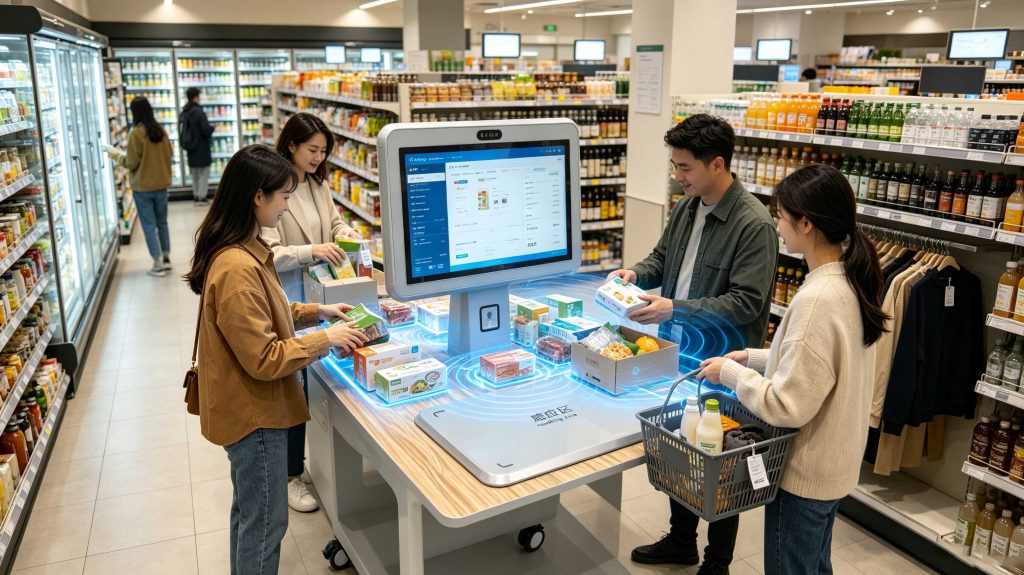
Customers can place multiple RFID-tagged products on a reading platform. The system identifies items automatically, displays purchase information, and supports faster payment.
Cykeo RFID retail checkout platforms combine:
This approach supports:
Retail RFID is not limited to stores.
The technology creates visibility across the entire supply chain.
A typical RFID retail journey:
Manufacturer → Distribution Center → Store → Shelf → Checkout → Inventory Database
At each stage, RFID helps businesses understand product movement.
Applications include:
| Retail Stage | RFID Usage |
|---|---|
| Manufacturing | Product identification |
| Warehouse | Receiving and sorting |
| Transportation | Shipment tracking |
| Store | Inventory management |
| Checkout | Automated payment processing |
This connected approach helps retailers reduce information gaps between physical products and digital systems.
Retail security is another important RFID application.
RFID systems can support:
For example, when a customer completes payment, the RFID system can update the security status of the purchased item.
This creates a smoother customer experience while supporting store protection.
Cykeo develops RFID solutions based on real operational environments.
Retail projects involve more than installing RFID readers. Engineers must consider:
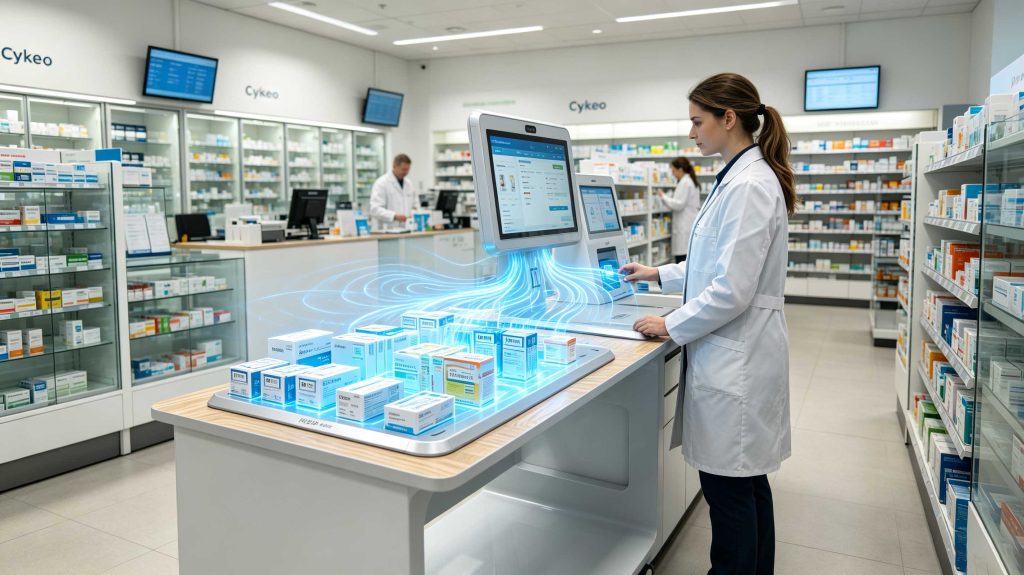
A supermarket, pharmacy, and tool warehouse may all use RFID, but the deployment logic is different.
In practical applications, the best RFID system is the one that disappears into the workflow. Customers see a simple checkout process. Store managers see accurate data. Behind both experiences is a carefully designed RFID identification architecture.
Retail environments require RFID systems that are fast, stable, and easy to integrate. A retail solution is successful only when technology works naturally behind customer interactions.
Cykeo RFID retail systems are designed around practical store operations, combining UHF RFID identification, self-service interaction, inventory management, and security functions into one connected architecture.
The main technical advantages include:
| Cykeo RFID Advantage | Retail Value |
|---|---|
| High-performance UHF RFID identification | Rapid recognition of multiple products |
| Multi-tag reading capability | Supports batch product identification |
| Integrated checkout platform | Combines scanning, payment display, and data updates |
| 21.5-inch HD touchscreen | Provides intuitive customer interaction |
| Network communication interface | Enables connection with retail software |
| Compact all-in-one structure | Simplifies installation in stores |
The biggest challenge in retail checkout is not recognizing one product. It is efficiently processing many products at the same time.
Cykeo RFID checkout platforms use advanced UHF RFID technology to identify multiple tagged items in a single operation.
A typical customer process becomes:
This workflow reduces the repeated actions required by traditional barcode scanning.
For supermarkets, chain stores, and unmanned shops, this means shorter waiting times and smoother customer experiences.
Modern retail requires both convenience and security.
Cykeo RFID checkout solutions support product security management by allowing RFID tag status updates during the purchasing process.
Before payment:
Product RFID Tag → Active Security Status
After successful payment:
Transaction Confirmation → RFID Security Status Updated
This integration helps retailers reduce separate security operations and create a more efficient checkout process.
Typical applications include:
RFID creates value because it connects physical products with digital management systems.
The complete retail data flow can be described as:
RFID Product Tag
↓
Cykeo RFID Reader Platform
↓
Retail Checkout System
↓
Inventory Database
↓
Business Analysis Platform
This architecture allows retailers to monitor:
For multi-store retail groups, this digital connection helps managers make decisions based on real operational data rather than manual reports.
RFID technology is expanding beyond traditional supermarkets.
| Scenario | RFID Application |
|---|---|
| Hospital Pharmacy | Medicine identification and inventory control |
| Medical Supply Warehouse | Consumable management and tracking |
| Supermarket | Fast checkout and inventory visibility |
| Chain Stores | Centralized product management |
| Unmanned Retail | Self-service purchasing |
| Tool Warehouse | Equipment borrowing and return tracking |
The same RFID foundation can support different industries because the core requirement remains similar: identifying physical objects accurately.
Retailers adopt RFID because it improves both operational efficiency and customer convenience.
The benefits include:
Customers spend less time waiting because products can be recognized together instead of scanned individually.
Retail teams receive more reliable information about product availability.
Employees spend less time performing repetitive inventory tasks.
Self-service systems provide customers with faster and more convenient purchasing options.
According to GS1 EPC RFID Standards, standardized RFID identification supports better product visibility throughout supply chains and retail operations.
Retail is moving toward intelligent and autonomous operations.
Future RFID retail systems will increasingly combine:
The role of RFID is expanding from simple product identification into a complete retail intelligence infrastructure.
A product is no longer only an item on a shelf. With RFID, it becomes a connected digital asset with information about movement, availability, and transaction history.
RFID is used in retail by attaching electronic tags to products and using RFID readers to automatically identify items, manage inventory, improve checkout speed, and connect products with digital systems.
RFID automatically collects product information, helping retailers track inventory levels, reduce manual counting, and improve stock accuracy.
Yes. UHF RFID systems can identify multiple tagged products simultaneously, making them suitable for smart checkout and automated inventory operations.
RFID provides higher automation because it does not require direct scanning of each product. Barcode systems remain useful, but RFID offers stronger multi-item identification capability.
Yes. RFID supports unmanned retail by enabling automatic product recognition, self-service checkout, and digital inventory updates.
RFID tags can be applied to clothing, food products, medicine packages, electronic devices, tools, and many other retail items.
RFID reduces checkout time, supports self-service purchasing, and provides faster product recognition, creating a smoother shopping process.
How is RFID used in retail explains how modern stores connect physical products with digital management systems. RFID technology enables automatic identification, faster checkout, accurate inventory control, and smarter retail operations.
From supermarkets and chain stores to pharmacies and unmanned shops, RFID helps businesses reduce manual processes while improving customer convenience.
Cykeo RFID retail solutions combine advanced UHF identification technology, touchscreen interaction, and integrated data management to support the development of smart commerce.
RFID is no longer only a product identification method. It is becoming the digital foundation for the next generation of retail automation.
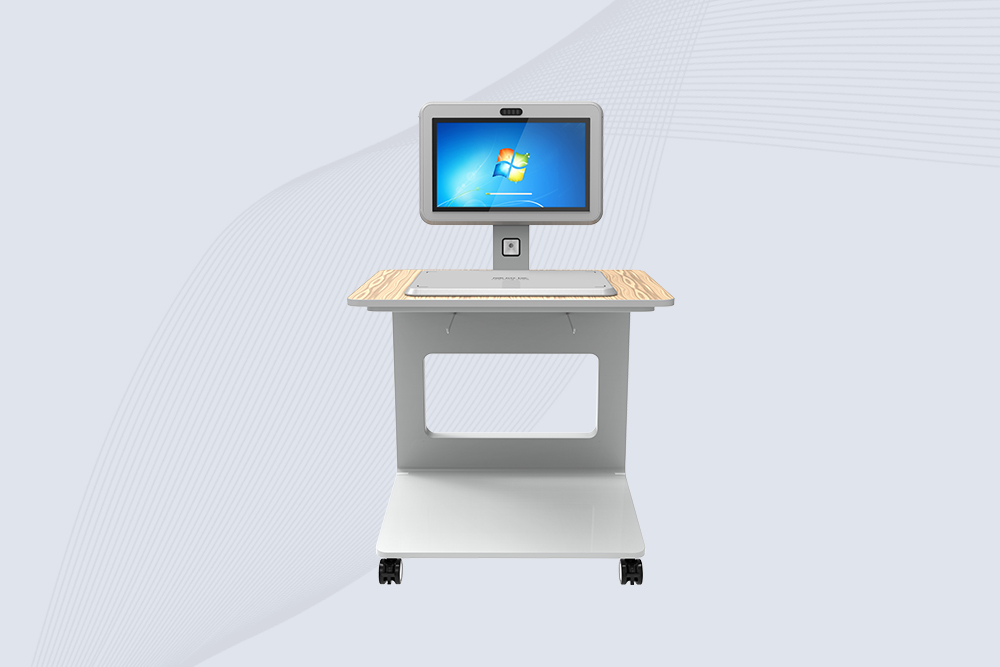
Cykeo’s CYKEO-DP11A RFID payment system combines UHF item recognition, facial authentication, and PCI-certified transactions for retail. Features Windows/Android dual OS, 4G connectivity, and SAP integration.
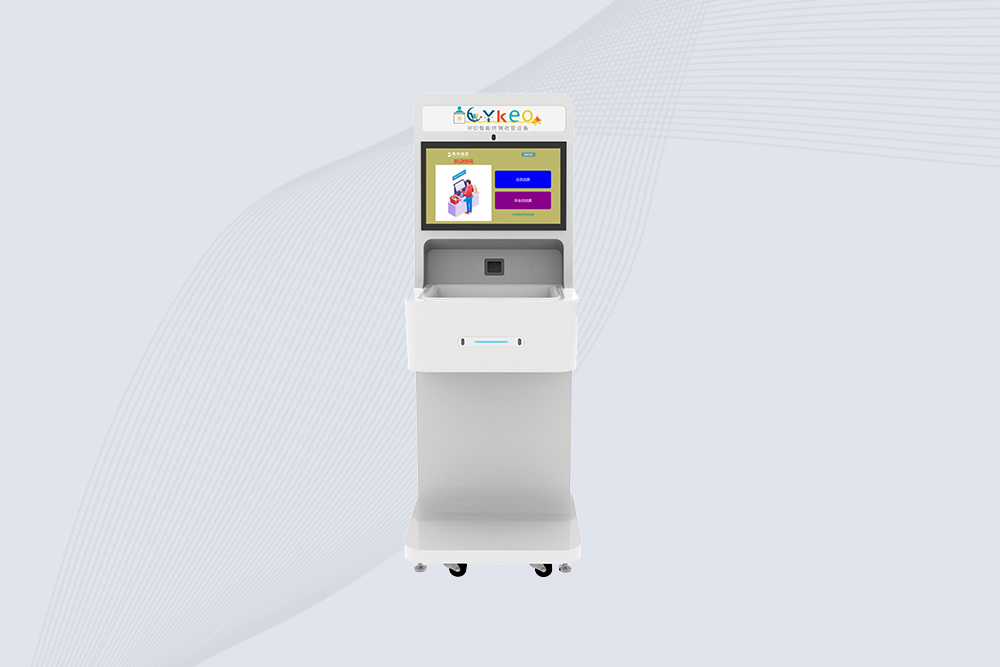
Cykeo CYKEO-DP11 UHF RFID Checkout Terminal streamlines bulk scanning operations with 5-tag/sec efficiency, dual OS compatibility (Windows/Android), and pharmacy-grade inventory management. Ideal for healthcare, retail, and unmanned stores, it ensures high-accuracy RFID bulk scanning with IP54 ruggedness and ISO 18000-6C compliance.
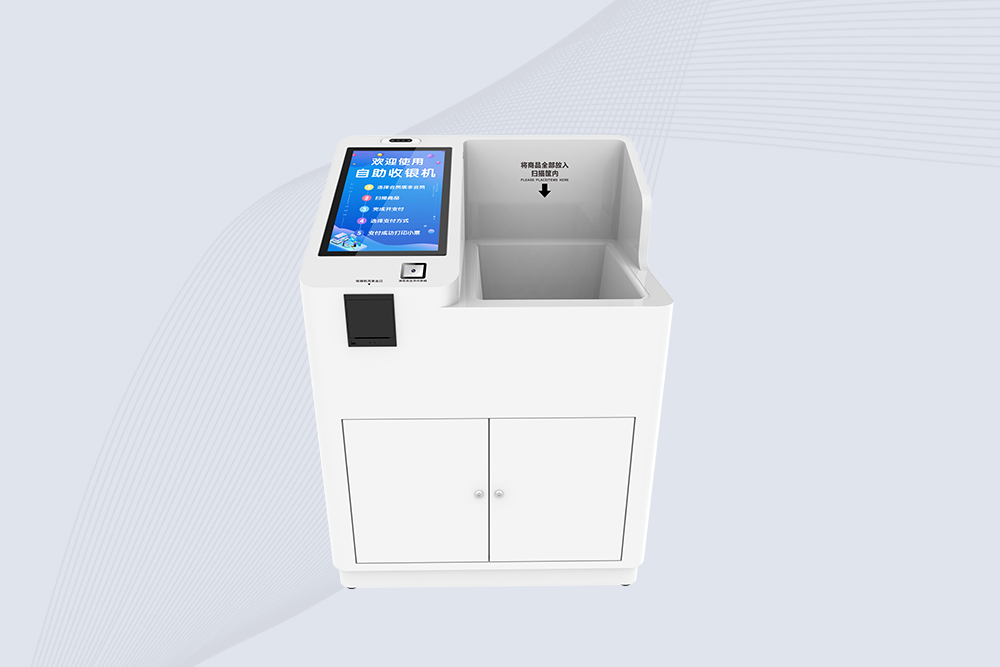
Cykeo’s unmanned RFID checkout Kiosk terminal enables 10-item bulk scanning in 3 seconds with 21.5″ touchscreen, anti-theft tag update, and POS integration for retail automation.
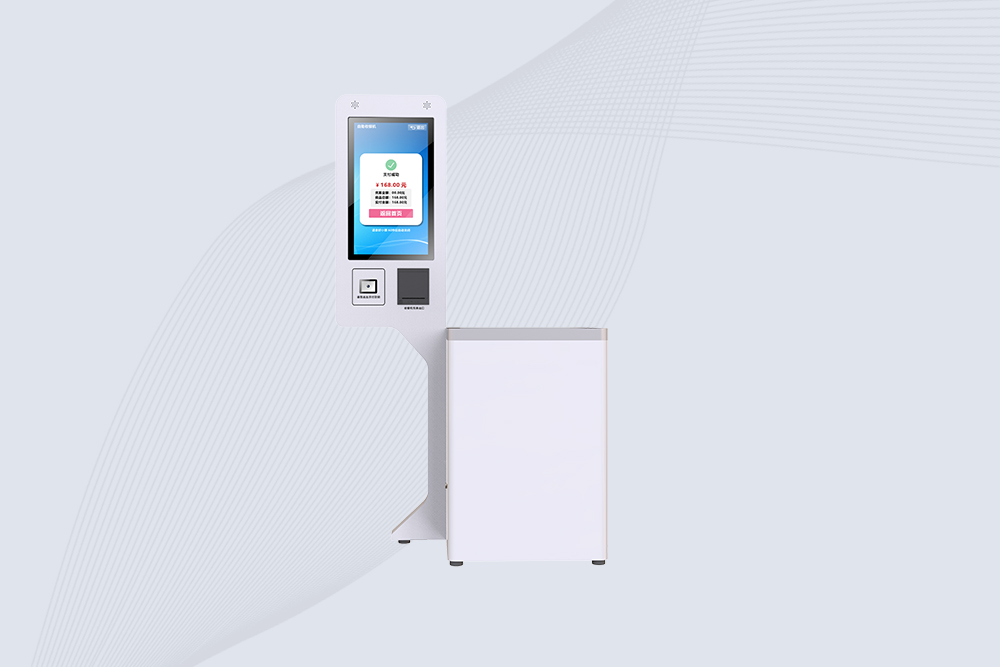
Cykeo’s CYKEO-DP11C UHF RFID self checkout kiosk enables unmanned retail with 10+ items/sec scanning, 21.5″ payment UI, and ISO 18000-6C compliance. Ideal for supermarkets and apparel stores.
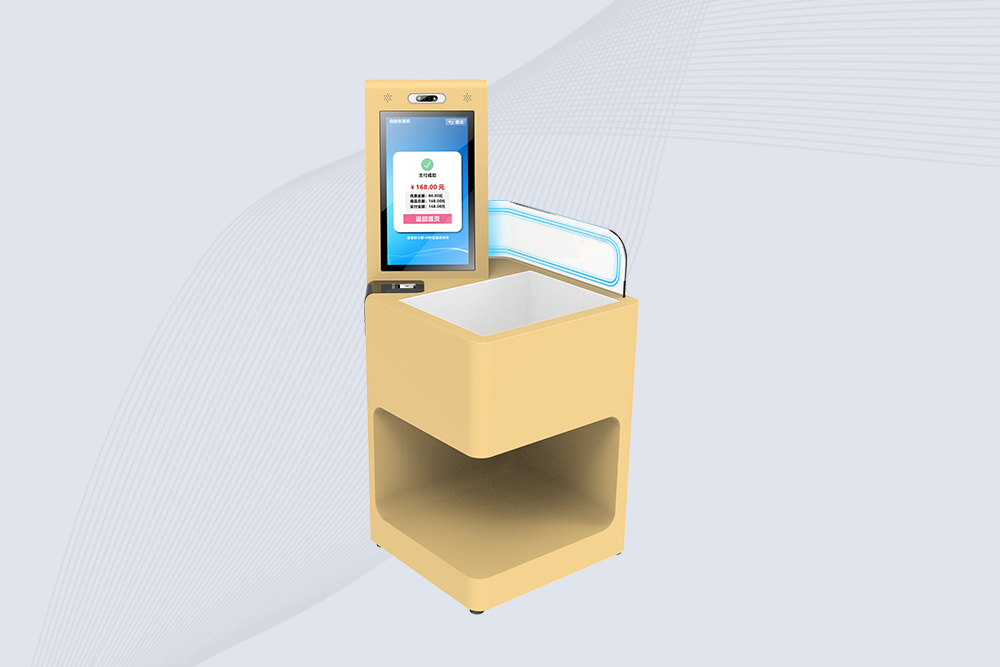
Cykeo CYKEO-DP11E RFID self checkout system offers 21.5″ touchscreen, UHF RFID batch scanning (ISO 18000-6C), and cloud integration for retail automation. Ideal for unmanned supermarkets and apparel stores.
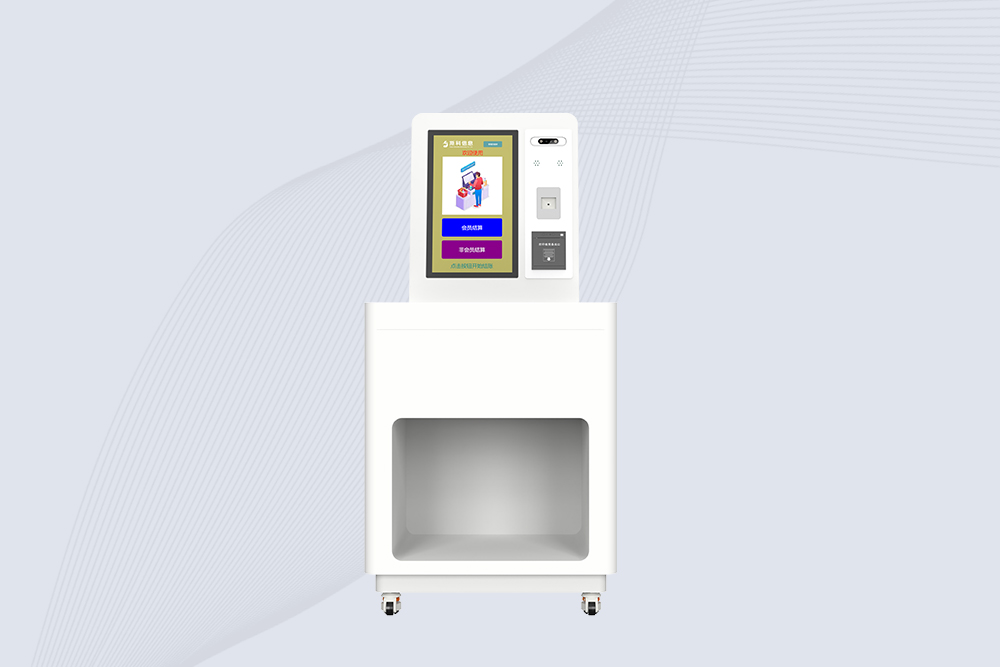
Cykeo’s autonomous RFID payment kiosk enables 10-item/sec contactless checkout, POS integration, and EAS tag deactivation. Features 21.5″ payment interface, PCI-certified security.
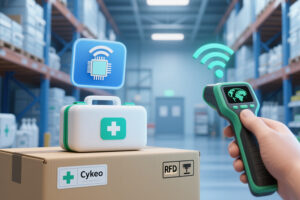
Learn what RFID technology is, how RFID tags work, and their role in industries like logistics and healthcare. Discover Cykeo’s sustainable RFID solutions.
More
What's the real cost of an RFID file tracking system? Get transparent 2025 pricing ranges, key cost factors, and ROI insights for businesses. No surprises.
More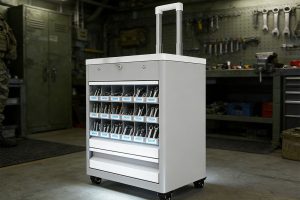
CK-GTC5 RFID tool tracking system helps tool storage suppliers upgrade cabinets into intelligent tool control solutions. Ideal for prisons and military facilities, with open RESTful & native APIs, SDK support, and flexible integration of RFID read...
More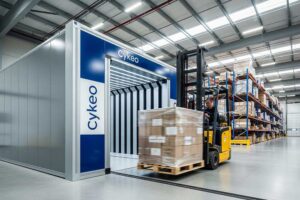
Comparing RFID vs NFC through real warehouse and retail scenarios. Practical insights from Cykeo’s deployments explain why RFID scales better for logistics, manufacturing, and high-volume tracking.
More