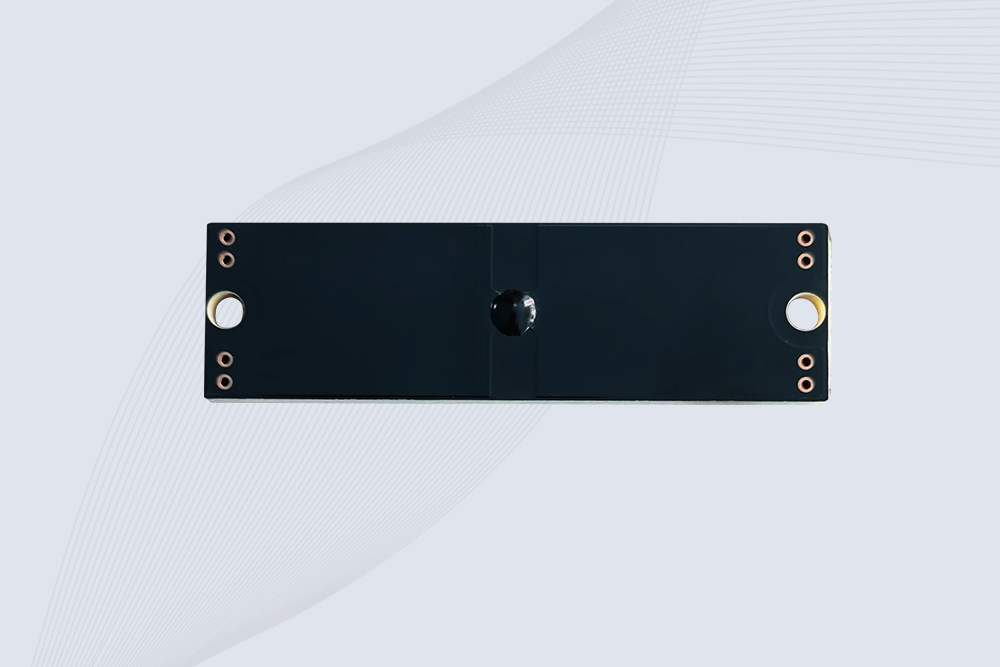
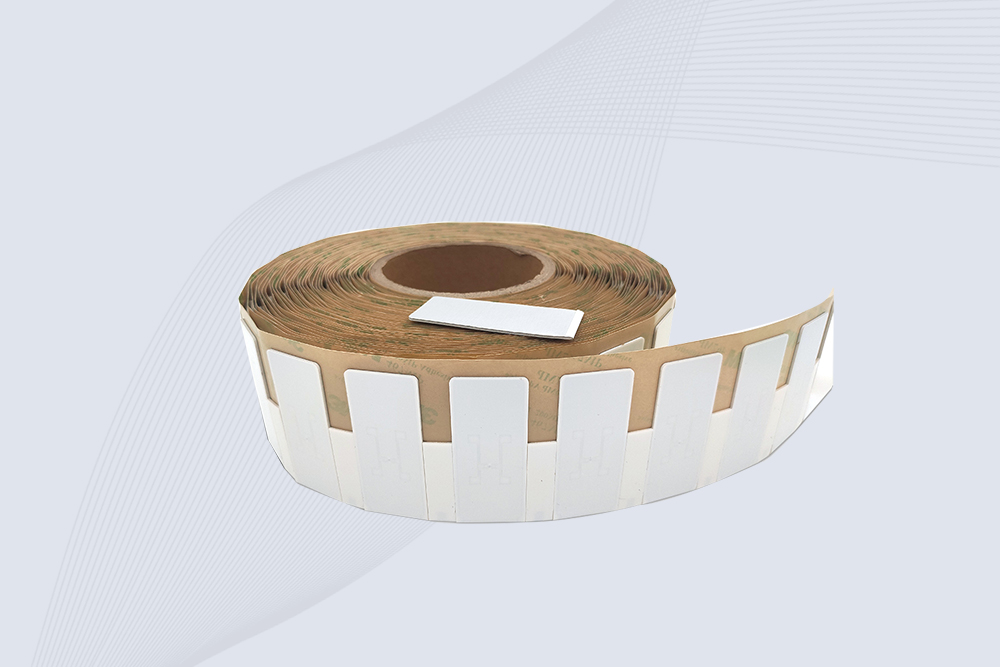
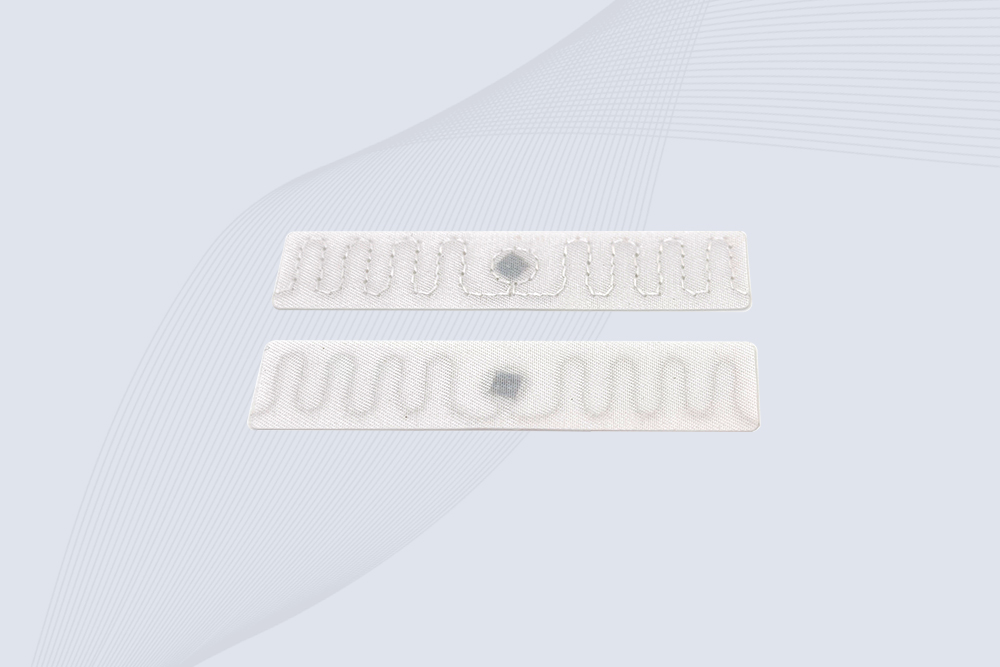
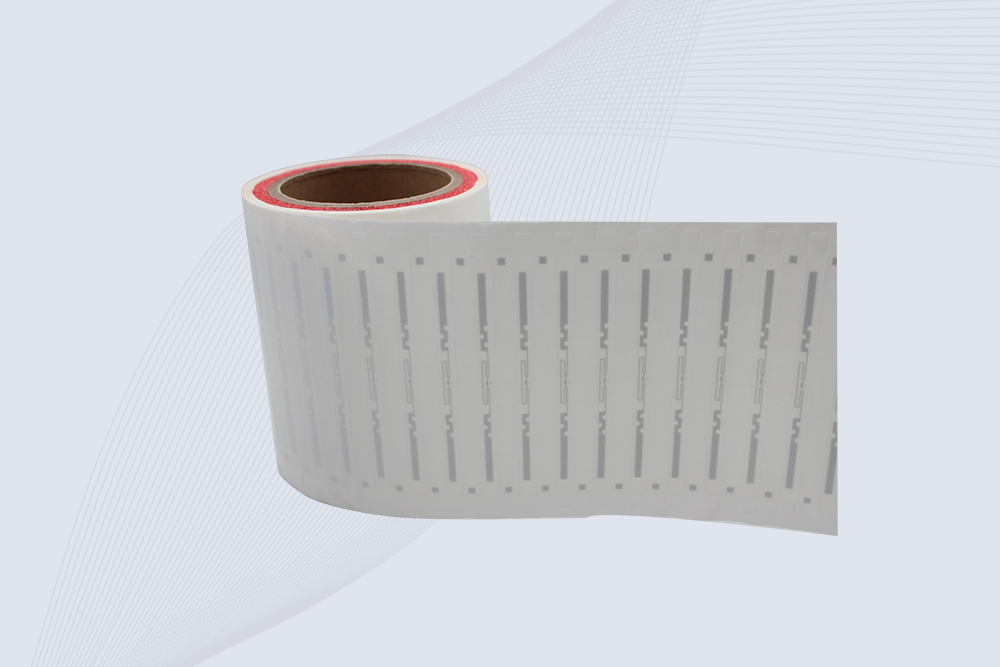
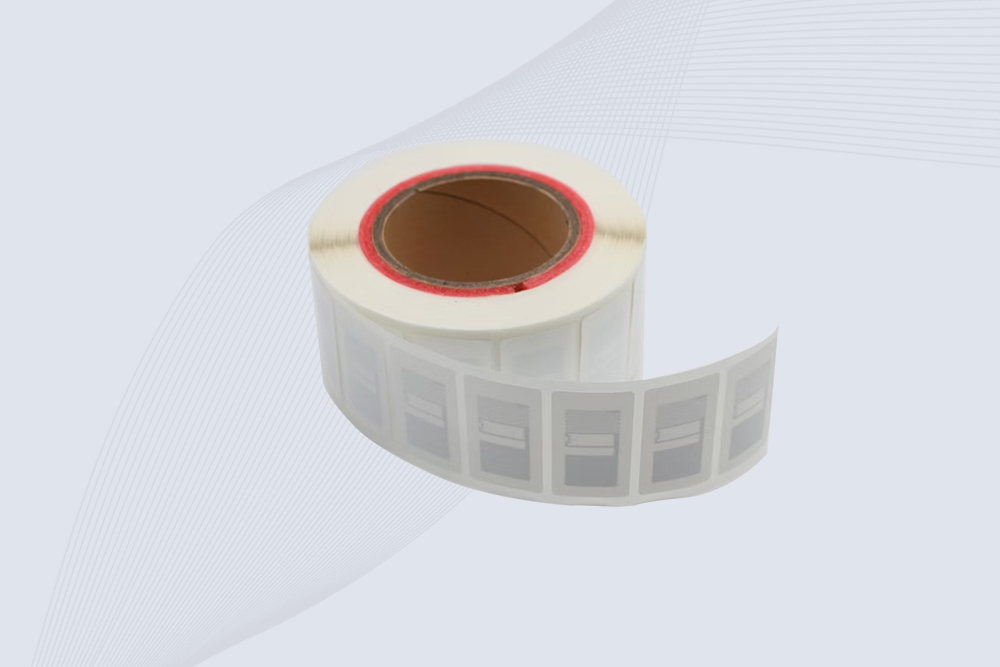
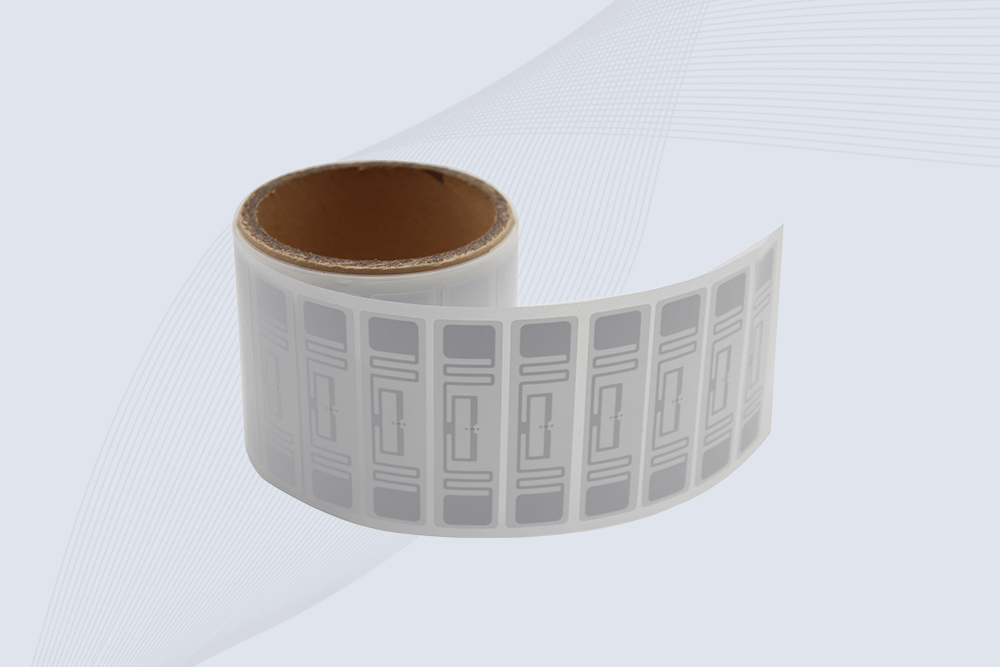
How passive RFID tag works: A passive RFID tag works by harvesting electromagnetic energy from RFID reader, powering its microchip, and sending information back through modulated backscatter. It has no internal battery or conventional radio transmitter. The reader supplies energy and commands; the tag responds by changing how its antenna reflects the RF signal.
That basic exchange sounds simple. On an actual warehouse floor, it is not.
A tag must first receive enough RF energy to wake the IC. The antenna and chip must be properly matched. The reader must distinguish the weak returned signal from environmental reflections and interference. Only then does the stored identifier become useful application data.
GS1 describes the passive RFID system in essentially these terms: the reader sends electromagnetic energy to the tag, the tag powers its circuitry from that field, and the tag communicates by backscattering a modulated version of the reader’s signal.
What Is a Passive RFID Tag?
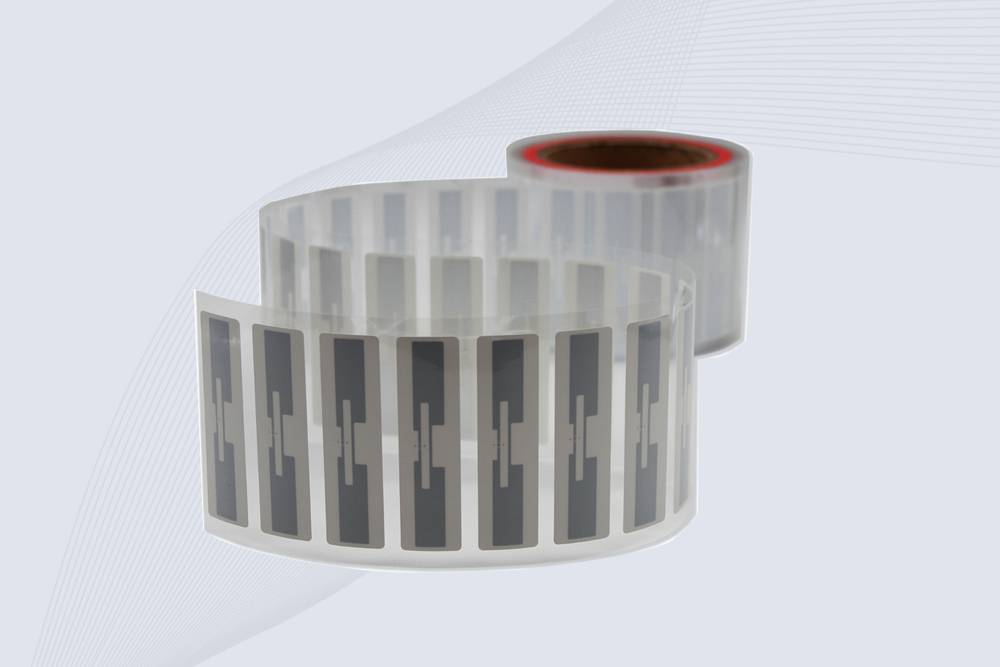
A passive RFID tag normally consists of two essential elements:
RFID IC — processes commands and stores tag data.
RF antenna — receives energy and participates in communication.
There is no battery inside a conventional passive tag.
NIST defines a passive tag as one without its own power supply; instead, it uses RF energy received from the reader. NIST also notes that this lower-power architecture generally allows passive tags to be smaller, lighter, and less expensive than active alternatives.
That is why passive RFID became practical for applications where thousands—or millions—of objects need identification.
The economics change when the tag itself does not need a battery.
Passive vs. Active RFID
Feature
Passive RFID
Active RFID
Internal battery
No
Yes
Own radio transmitter
No
Yes
Reader provides operating energy
Yes
No
Typical physical size
Smaller
Larger
Typical tag cost
Lower
Higher
Communication
Backscatter
Active transmission
Common use
Inventory, logistics, asset identification
Long-range tracking, high-value assets
GS1 similarly distinguishes passive tags from active tags by their power and communication architecture.
How Passive RFID Tag Works: The Four Physical Stages
The cleanest way to understand how passive RFID tag works is to follow what happens during one reader interaction.
1. The Reader Creates an RF Field
The RFID reader transmits an RF signal through its antenna.
For modern passive UHF systems, the Gen2 air-interface standard specifies operation in the 860–930 MHz range. The current GS1 Gen2 specification describes a passive-backscatter, reader-first architecture in which the tag receives both commands and operating energy from the RF signal.
The reader is doing two jobs at once.
It is communicating.
It is also delivering energy.
That second function is what makes a passive tag fundamentally different from a conventional wireless device.
2. The Tag Harvests Energy
When the RF wave reaches the tag antenna, the antenna develops an electrical signal.
The tag’s RF front end rectifies and conditions that energy so the RFID IC can operate.
There is no battery waiting inside the label.
The tag is effectively waiting for the reader’s field to provide enough usable energy.
NIST research on passive UHF RFID backscatter identifies factors such as reader transmit power, tag antenna tuning, and chip power sensitivity as important variables affecting the received/backscattered signal.
This is where laboratory assumptions often meet production reality.
A tag hanging freely in open air may perform beautifully.
Put the same tag against steel, rotate it 90 degrees, or place it beside liquid-filled products, and the available RF energy can change significantly.
GS1 specifically notes that metal can reflect and diffract electromagnetic waves, while liquids can absorb RF energy and detune conventional RFID tags. Specialized tag antenna designs can mitigate these effects.
3. The Reader Selects and Commands the Tag
Once powered, the tag does not simply transmit whenever it wants.
In the EPC Gen2 architecture, the interrogator talks first.
The reader sends commands that control tag behavior, including inventory operations and memory access.
The current GS1 Gen2 standard describes this as a half-duplex system: the reader communicates with tags, then tags respond according to the reader’s instructions.
This becomes particularly important when dozens or hundreds of tags are inside the antenna field.
The reader cannot simply ask everyone to speak simultaneously.
An inventory protocol manages the exchange.
4. The Tag Backscatters Its Data
This is the part that often gets described incorrectly.
A passive UHF RFID tag does not generate a conventional radio transmission like a Wi-Fi device.
Instead, it changes the electrical characteristics of its antenna circuit, altering how much of the incoming RF energy is reflected.
The reader detects those changes as a modulated backscatter signal.
GS1’s Gen2 specification explicitly describes the tag as changing the reflection coefficient of its antenna to backscatter information toward the interrogator.
NIST describes the same fundamental mechanism and notes that the backscattered signal contains only a fraction of the reader’s transmitted power.
That weak return is why antenna design and reader sensitivity matter so much.
Why Passive RFID Tags Can Be Read Without a Battery
The phrase “battery-free RFID” can sound almost misleading until the RF energy transfer is understood.
The tag does receive energy.
It simply does not carry its own long-term energy source.
A UHF reader continuously or periodically supplies an RF field. When the tag enters that field, its antenna captures part of the electromagnetic energy and the chip uses the resulting electrical power.
NIST’s RFID research specifically treats passive-tag performance as a power-harvesting and backscatter problem.
This has an important consequence:
A passive tag’s operating distance is fundamentally linked to its energy budget.
The farther the tag moves from the antenna, the less RF energy reaches it. At some point, the tag can no longer harvest sufficient energy for reliable operation.
GS1 notes that passive UHF tags generally have read ranges of several meters, with performance strongly dependent on frequency, reader power, interference, antenna characteristics, polarization, tag orientation, and environment.
Passive RFID Is a Link-Budget Problem
This is where practical RFID engineering becomes more interesting.
People often ask:
“How far can this passive RFID tag read?”
I prefer to ask:
“How much usable energy reaches the tag, and how strong is the returned signal at the reader?”
Those are different questions.
A successful passive UHF read requires a workable RF path in both directions:
Reader → Tag
and
Tag → Reader
The forward path supplies energy and commands.
The return path carries the tag’s response.
NIST’s measurements of passive UHF RFID specifically investigate power harvesting and backscatter performance across the 860–960 MHz range, highlighting the relationship between tag antenna tuning, chip sensitivity, transmit power, and received backscatter.
That is why simply increasing reader output is not always the right solution.
Frequency Changes How Passive RFID Works
Passive RFID is not one single radio technology.
GS1 identifies three principal RFID frequency categories:
LF — 125/134 kHz
HF — 13.56 MHz
UHF / RAIN RFID — approximately 860–930 MHz
These systems behave differently because the electromagnetic coupling mechanism changes with frequency.
For passive UHF, backscatter is central to communication.
For many LF and HF systems, inductive coupling plays a much larger role.
That distinction matters when someone takes an explanation of a passive UHF tag and assumes it describes every passive RFID tag.
It does not.
Why UHF Passive RFID Is Widely Used in Logistics
UHF passive RFID is particularly attractive when many objects must be identified quickly without physically presenting each tag to a scanner.
GS1 identifies RAIN RFID as a major RFID technology for fast asset identification, inventory, and tracking, with read ranges that can reach several meters depending on conditions.
A warehouse example makes the advantage easier to see.
A pallet moves through a portal.
There may be several cartons on it.
The operator does not need to locate each barcode, rotate every carton toward a scanner, and trigger each read individually.
If the RF environment, tag placement, antenna configuration, and reader settings are properly engineered, multiple passive UHF tags can respond within the reader’s interrogation zone.
NIST’s RFID guidance notes that EPCglobal Class-1 Generation-2 UHF technology can support data rates up to 640 kbit/s and can allow several hundred tags to be read per second under suitable conditions.
That is a protocol and system-performance observation—not a promise that every installation will achieve several hundred successful reads per second.
The difference matters.
A passive UHF RFID tag uses energy from the reader’s RF field to power its chip before responding through backscatter.
What Happens Inside the RFID Reader?
The tag is only half of the communication system.
The reader has to detect a very weak backscattered response while managing its own transmitted RF energy.
This is technically demanding because the reader is operating in an environment full of reflections.
Metal racks.
Concrete floors.
Moving forklifts.
Other RF equipment.
Multiple tags.
NIST has conducted dedicated research into passive UHF RFID interference and measurement procedures, including testing how other wireless transmissions can affect tag reading success rate and throughput.
That is why production RFID tuning should happen in the real installation—not only on a specification sheet.
What Information Does a Passive RFID Tag Send?
The tag can contain identification and, depending on the IC, additional memory.
For a common UHF deployment, the reader may retrieve an EPC associated with the physical item.
The EPC can then become the key used by software to retrieve the full business record.
For example:
RFID layer
Example information
EPC
Serialized item identity
TID
Chip/manufacturer identity
User Memory
Optional application data
Backend database
Product, location, order, history
This architecture keeps the RFID chip relatively simple.
A carton does not need to carry its entire inventory history inside the label.
It needs a reliable identity.
Passive RFID Tag Performance Depends on the Application
A technically correct tag can still be the wrong tag.
Consider three installations:
Cardboard cartons
A standard passive UHF label may perform well because the tag is separated from strongly conductive material.
Steel tools
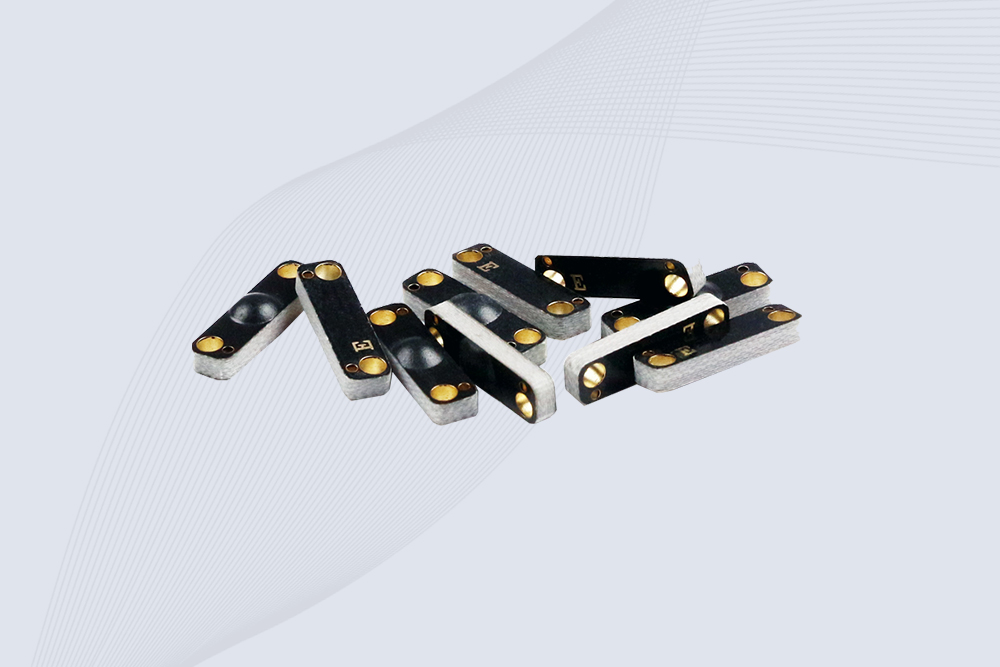
A conventional label placed directly against metal may suffer severe performance degradation. An on-metal tag with an appropriate antenna structure is generally more suitable. GS1 confirms that dedicated RFID tag designs now address metallic applications.
Liquid-filled products
Liquid can absorb RF energy and detune the tag, so tag selection and placement become especially important.
The reader has not changed.
The physical RF environment has.
Practical RFID Engineering Checks
When commissioning a passive UHF RFID system, I would check these before changing reader power:
Tag orientation — Is the tag polarization aligned with the antenna?
Mounting surface — Is it attached to metal, liquid-heavy material, or another difficult substrate?
Antenna placement — Is the read zone actually covering the required path?
Reader interference — Are other RF sources affecting performance?
Tag sensitivity — Does the selected IC have adequate performance for the application?
Read-zone geometry — Are tags passing through the strongest portion of the antenna field?
Movement speed — Does the tag remain in the useful RF field long enough?
Tag density — Are many tags responding simultaneously?
GS1 specifically emphasizes that passive UHF read performance depends not only on nominal range but also on antenna directivity, gain, polarization, and tag orientation.
That is much closer to what happens during an actual installation than quoting one maximum-distance number.
Passive RFID and Cykeo UHF Readers
Cykeo’s UHF RFID reader portfolio is designed around industrial passive UHF applications using standards such as ISO 18000-6C / EPC C1G2.
For a fixed-reader installation, the reader’s role extends beyond simply “detecting a tag.” It manages RF transmission, tag inventory, protocol communication, filtering and data transfer to the host system.
For example, Cykeo UHF reader models are specified with adjustable RF output, multi-tag identification and industrial communication interfaces. In a production deployment, those functions become part of the larger RF system rather than isolated reader specifications.
The important engineering relationship is:
Reader → RF energy → tag IC → antenna backscatter → reader → application software
Break any point in that chain and the user sees the same symptom:
“The RFID tag was not read.”
The cause, however, could be anywhere from tag construction to antenna polarization to interference.
How Passive RFID Tags Communicate With a Reader
The most important technical detail behind how passive RFID tag works is that the tag does not independently initiate a normal radio transmission.
The reader talks first.
For passive UHF RFID based on EPC Gen2, the reader transmits RF energy and commands. The tag uses that RF energy to power its IC, processes the command, and then changes the reflection characteristics of its antenna to send information back. GS1 describes this as a passive-backscatter, interrogator-talks-first architecture.
The sequence is roughly:
Reader RF field → Tag energy harvesting → Tag activation → Reader command → Tag response → Backscatter → Reader decoding → Host system
There is no battery-powered transmitter hidden inside the ordinary UHF label.
Passive RFID Energy Harvesting
A passive tag first needs enough RF energy to operate.
The tag antenna captures part of the electromagnetic field produced by the reader. The RFID IC then converts the received RF energy into usable electrical power.
This creates an important engineering limit.
If the tag receives insufficient energy, the IC cannot reliably respond—even if the reader itself is transmitting at substantial power.
NIST’s research on passive UHF RFID backscatter found that tag performance is influenced by reader transmit power, antenna tuning, and chip power sensitivity.
This is why a read-range specification should never be treated as a universal guarantee.
A tag mounted on a cardboard carton is one RF problem.
The same tag mounted directly against steel is another.
What affects energy reaching the tag?
Reader output power
Antenna gain
Antenna polarization
Tag antenna design
Tag orientation
Distance
Nearby metal
Liquid content
RF interference
Regulatory limits
GS1 specifically notes that metal can reflect or diffract electromagnetic waves and that liquids can absorb RF energy or affect tag tuning. Specialized tag designs can improve performance in these environments.
Passive RFID Backscatter Explained
After the chip has enough energy, it needs a way to communicate.
The tag does not normally generate its own UHF carrier.
Instead, it changes the reflection coefficient of its antenna.
In practical terms, the rfid antenna alternates between different electrical states. Those changes alter the RF energy reflected toward the reader. The reader detects the modulation and reconstructs the digital response.
GS1’s EPC Gen2 specification defines this mechanism explicitly: the reader supplies a continuous-wave RF signal and the tag modulates its antenna reflection coefficient to backscatter information.
NIST has independently studied passive RFID backscatter and developed measurement methods for characterizing the relationship between transmitted power, tag response and received backscatter.
This explains an otherwise confusing observation during testing:
The reader may transmit a relatively strong signal while receiving a much weaker response from the tag.
NIST’s RFID security guidance notes that a passive tag’s backscattered response contains only a fraction of the reader’s transmitted power.
Why Multiple Passive RFID Tags Can Be Read
A warehouse rarely contains one tag.
There may be dozens on a pallet and hundreds within an inventory area.
The reader therefore needs an anti-collision mechanism.
EPC Gen2 uses an inventory process in which the reader manages tag responses rather than allowing every tag to transmit simultaneously. The protocol defines tag selection, inventory and access operations.
This is a critical distinction:
Multi-tag reading is a protocol capability, not simply a function of reader RF power.
A stronger RF field does not automatically solve every collision or interference problem.
GS1’s current Gen2v3 specification adds enhanced tag-selection capabilities and mechanisms intended to reduce interference from fringe tags. It also introduces commands for simplified capture of selected User and TID memory data.
For dense RFID environments, these protocol features can matter as much as the antenna.
Passive RFID Read Range Is Not a Fixed Number
One of the most common mistakes in RFID purchasing is asking for “the maximum distance” without defining the test conditions.
GS1 notes that UHF passive RFID can achieve ranges well beyond 10 meters in suitable applications, but actual performance depends on the tag, reader, antenna and environment.
A production read zone is affected by:
Factor
Practical effect
Reader power
Changes available RF energy
Antenna gain
Shapes field strength and coverage
Polarization
Affects coupling with tag orientation
Tag sensitivity
Determines how much energy is required
Tag antenna
Controls RF behavior
Distance
Reduces available power
Metal
Can detune or distort RF response
Liquid
Can absorb RF energy
Interference
Can reduce successful reads
Tag density
Increases inventory complexity
NIST’s experimental work has demonstrated passive UHF tag behavior across the 860–960 MHz region and evaluated power harvesting and backscatter characteristics across multiple tag samples.
That is the kind of evidence worth considering when evaluating tag claims.
A Real Deployment Example: Warehouse Dock Door
Consider a receiving dock.
A truck arrives with RFID-tagged cartons.
The cartons move through a doorway equipped with fixed UHF antennas.
The reader creates the RF field.
As each passive tag enters the useful field, its IC harvests energy. The reader initiates inventory operations, tags respond through backscatter, and the reader forwards EPC information to the warehouse application.
GS1 US describes this type of warehouse deployment: RFID read points can automatically capture RFID-tagged cartons and cases as they are unloaded from a delivery vehicle.
The operator does not need to stop and locate every individual label.
But there is an important operational detail that is easy to miss.
The tag must still be positioned and selected correctly.
If a pallet is turned so that tags face away from the antenna, if metal blocks part of the field, or if two antennas create unwanted overlap, the reader’s nominal range does not guarantee successful inventory.
Passive RFID in Asset Tracking
The same principle applies to industrial assets.
A passive UHF tag can be attached to:
Tools
Containers
Equipment
Work-in-process components
Pallets
Totes
Retail products
Documents
Medical supplies
For metal assets, specialized on-metal tags are often required.
For cardboard packaging, a conventional UHF label may be sufficient.
For textiles or reusable laundry, the tag construction needs to tolerate repeated handling and environmental exposure.
The chip may remain fundamentally similar.
The antenna and physical construction can be very different.
Passive RFID and Data Storage
Another common misunderstanding is assuming that the RFID tag must store the complete information record.
It generally does not.
GS1 explains that an EPC can provide a unique identifier for the physical object, while additional business information can remain within enterprise systems.
A practical architecture looks like this:
RFID tag
→ EPC: item-00012345
Business system
→ SKU → product description → supplier → order → location → transaction history
The tag identifies the object.
The database explains the object.
That division keeps the RFID transaction fast and makes business data easier to change.
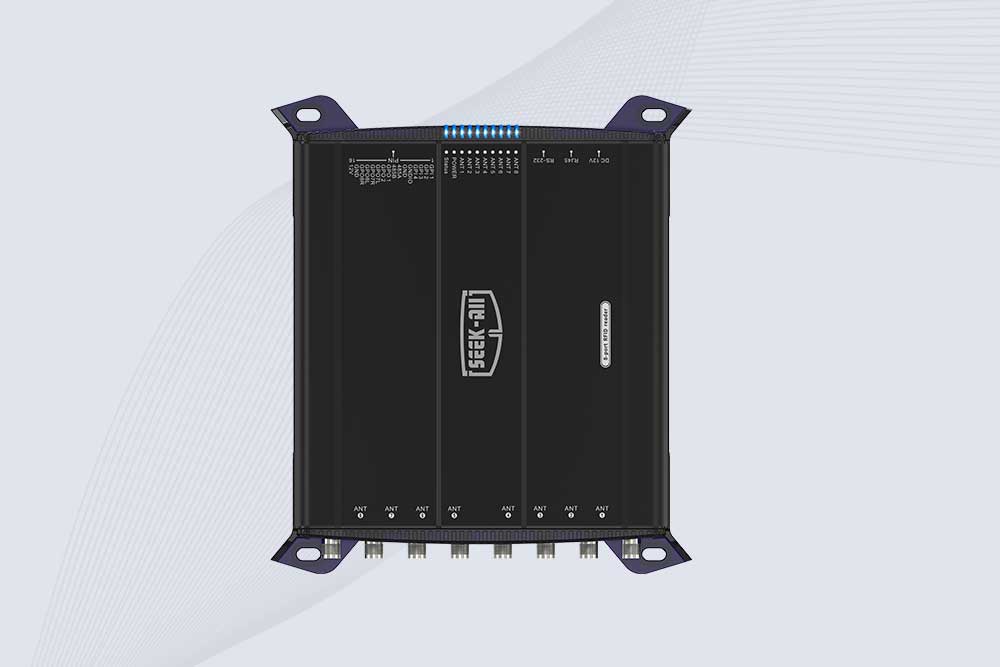
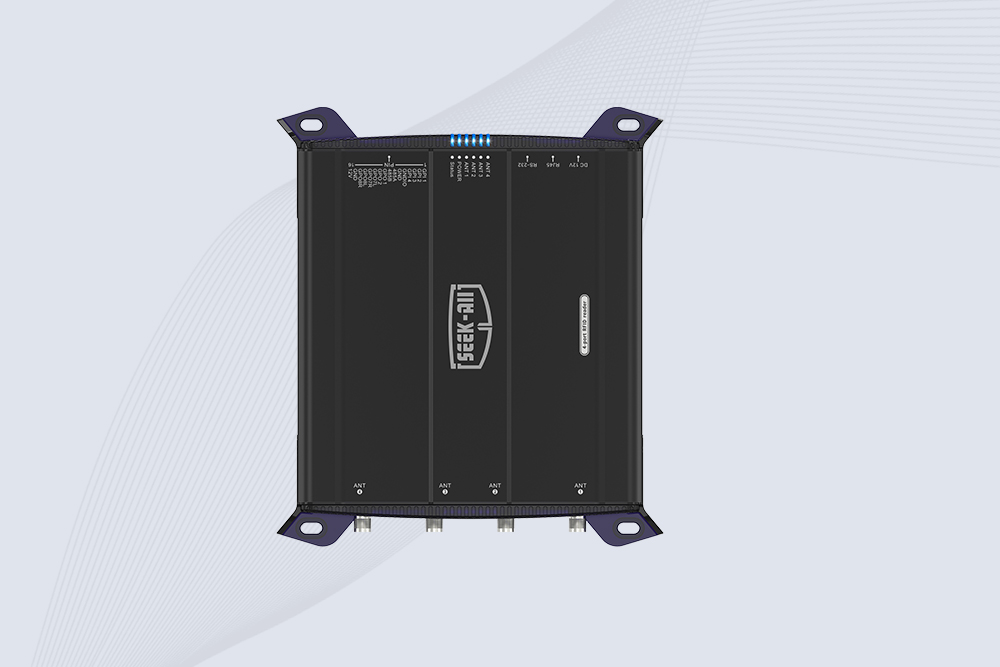
Cykeo Passive UHF RFID Reader Considerations
Cykeo’s fixed UHF reader portfolio includes models supporting ISO 18000-6C/EPC C1G2, with functions intended for dense industrial RFID environments.
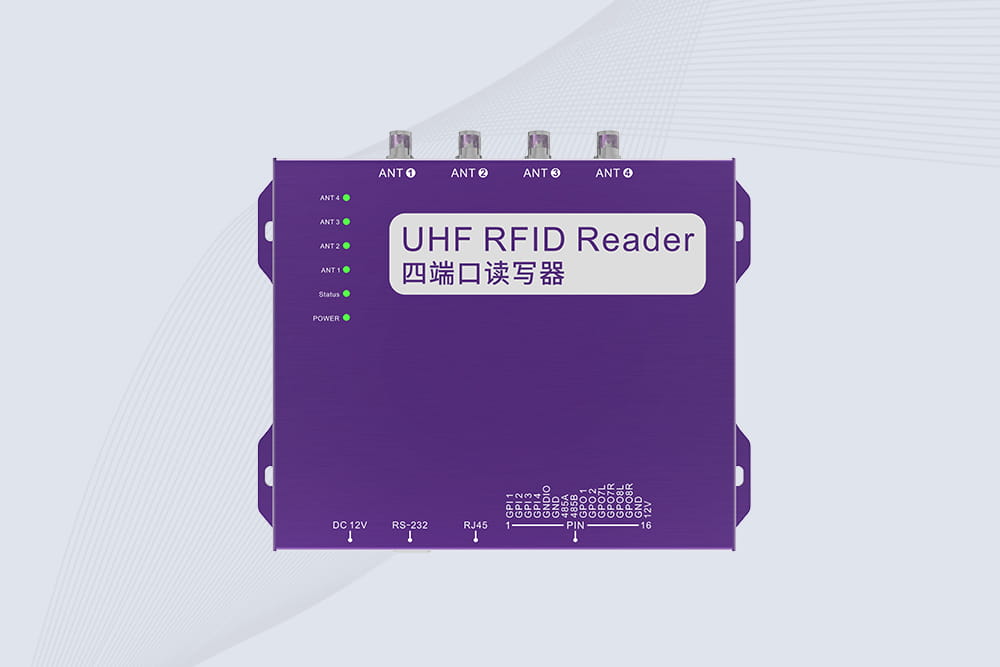
For example, the published CK-R4L specifications list:
840–960 MHz operating range
33 dBm ±1 dBm maximum RF output
Four TNC antenna ports
Adjustable output power in 1 dB steps
Fixed-frequency or frequency-hopping operation
EPC/TID data filtering
RSSI support
Stated reading distance of 0–15 m, depending on power, antenna, tag and application environment
Stated writing distance of 0–8 m, subject to application conditions
Stated tag recognition speed above 400 tags/s
These figures are useful engineering specifications, but they should not be interpreted as universal field performance.
For passive RFID, the tag and reader form one RF system.
A 33 dBm reader connected to the wrong antenna, facing poorly oriented tags, or operating in a difficult metal environment can still produce disappointing results.
Cykeo’s CK-M4L module similarly supports ISO 18000-6C/EPC C1G2, adjustable RF output and multi-tag identification for OEM and embedded applications.
Fixed UHF RFID antennas can capture multiple battery-free tags as tagged cartons move through a defined read zone.
Passive RFID Engineering Checklist
Before putting a passive RFID system into production, validate the complete RF chain.
Tag
Correct frequency
Correct chip
Appropriate memory
Suitable antenna
Correct form factor
Appropriate mounting surface
Reader
Supported protocol
Adequate RF output
Required antenna ports
Suitable sensitivity
Data filtering
Communication interface
Antenna
Gain
Polarization
Beamwidth
Mounting position
Read-zone coverage
Environment
Metal
Liquids
RF interference
Tag orientation
Tag density
Movement speed
The last test should be performed with the actual asset, not an idealized sample hanging in open air.
FAQ: How Passive RFID Tag Works
Does a passive RFID tag have a battery?
No. A conventional passive RFID tag receives its operating energy from the electromagnetic field generated by the reader. GS1 explicitly distinguishes passive tags from active tags on this basis.
How does a passive RFID tag send information back?
A passive UHF RFID tag uses backscatter. After receiving energy and a command from the reader, the tag changes the reflection characteristics of its antenna, creating a modulated response that the reader detects.
How far can passive RFID tags be read?
There is no universal distance. UHF passive RFID systems can operate over several meters, and GS1 notes that ranges well beyond 10 meters are possible in suitable applications. Actual performance depends on reader power, antenna configuration, tag design, orientation and the environment.
Can a passive RFID reader read multiple tags simultaneously?
Yes. Passive UHF RFID systems use inventory and anti-collision procedures that allow readers to identify multiple tags within the RF field. The exact throughput depends on protocol settings, tag population, RF conditions and reader architecture.
Can passive RFID work on metal?
Yes, but the tag must be selected for the application. Conventional RFID labels can experience degraded performance on metal, while specialized on-metal designs are engineered to operate with metallic surfaces.
Does passive RFID work through cardboard?
Generally, yes. Cardboard is considerably less challenging for UHF RFID than conductive metal or high-liquid-content products. However, the complete packaging configuration still needs testing when multiple cartons are tightly packed.
Is passive RFID better than active RFID?
Neither technology is universally better. Passive RFID is particularly attractive for high-volume identification because tags require no battery and can be comparatively small and economical. Active RFID is appropriate where an internal power source and longer-range autonomous communication are required.
Final Technical Answer
The reader supplies RF energy → the passive tag harvests that energy → its IC activates → the reader sends commands → the tag changes its antenna reflection → the response is backscattered to the reader.
The tag does not need its own battery or conventional radio transmitter.
For passive UHF RFID, the performance people experience in a warehouse is determined by much more than the chip. Tag antenna design, chip sensitivity, reader output, antenna polarization, mounting surface, tag orientation, RF interference and the geometry of the read zone all contribute to the result. NIST’s experimental research directly demonstrates the importance of reader transmit power, tag antenna tuning and chip power sensitivity in passive UHF backscatter performance.
This is also why RFID specifications should be read as a system rather than as isolated numbers.
A reader may support 33 dBm output.
A tag may advertise long read range.
An antenna may have high gain.
None of those figures alone guarantees a reliable production read.
The strongest passive RFID installations are engineered around the tag, reader, antenna, object and environment as one RF system.
That is the practical answer to how passive rfid tag works.
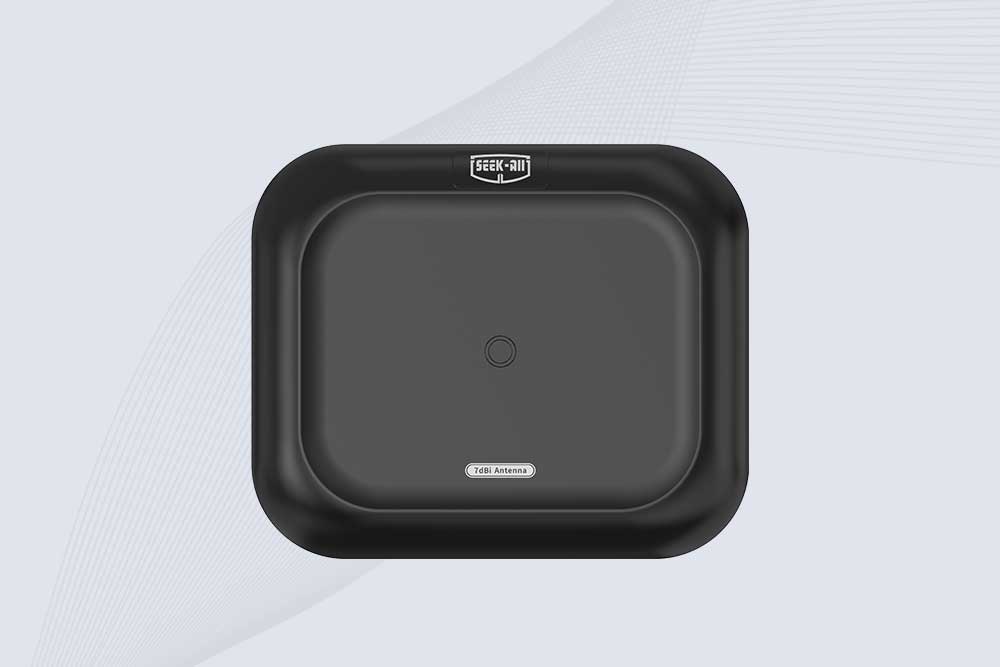
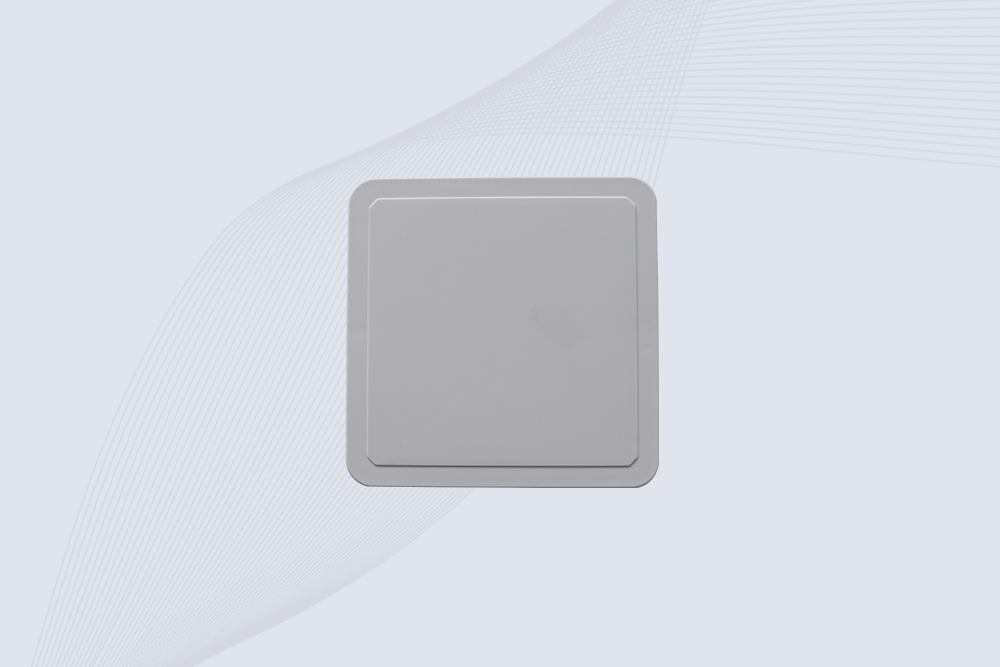
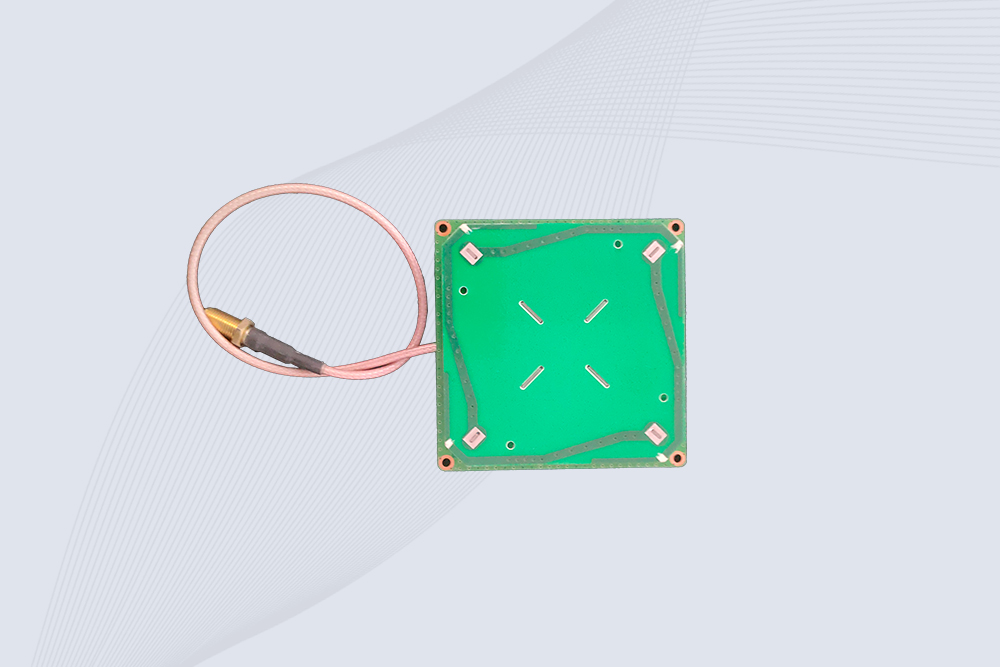
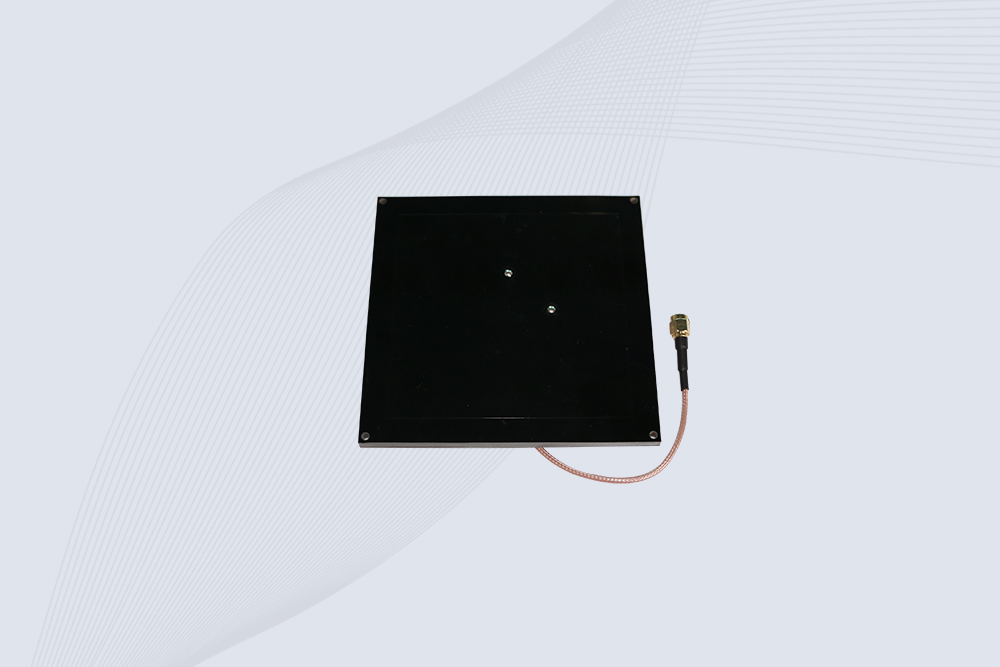
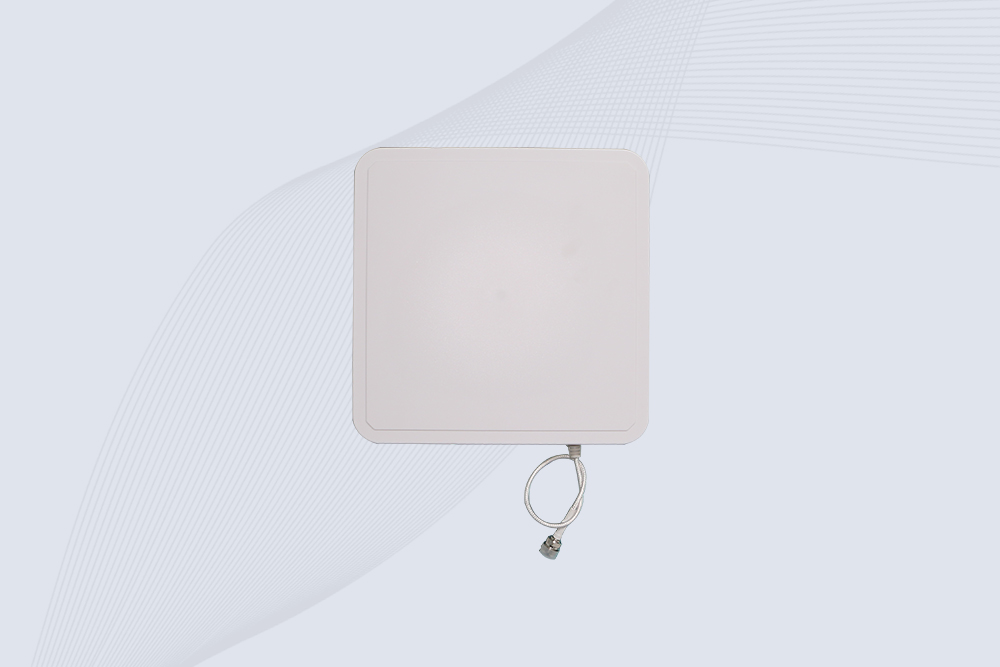
Explore the SSD-A07 UHF RFID antenna with 7 dBi gain, circular polarization, adjustable 840–960 MHz frequency, and 60°/75° beamwidth for stable RFID read/write performance.
SSD-A06 UHF RFID antenna with circular polarization, adjustable 840–960 MHz frequency, ≥4.5 dBi gain, and a compact directional design for RFID systems.
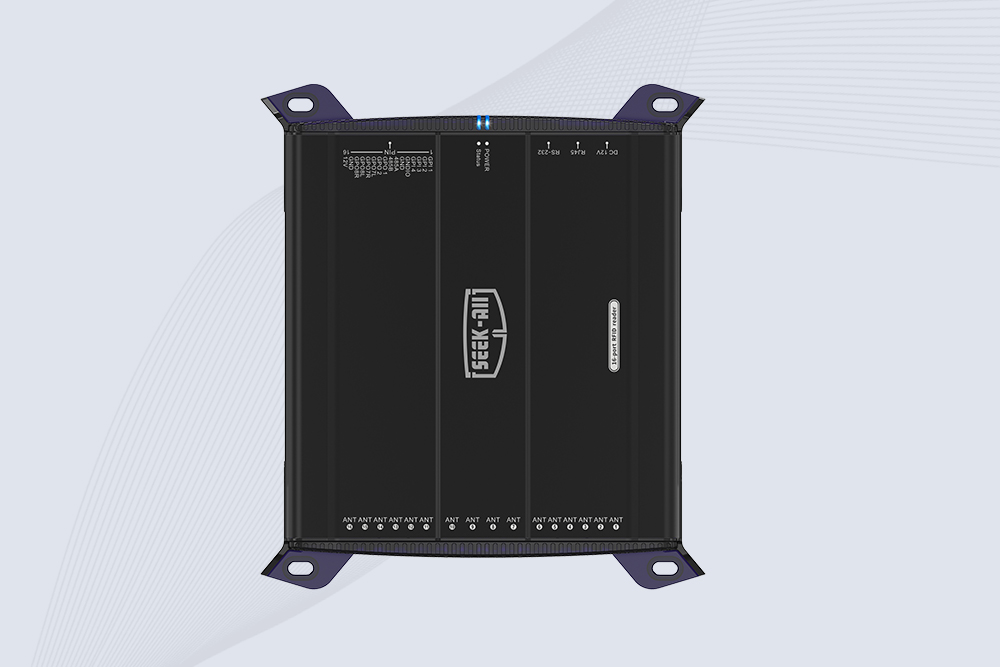
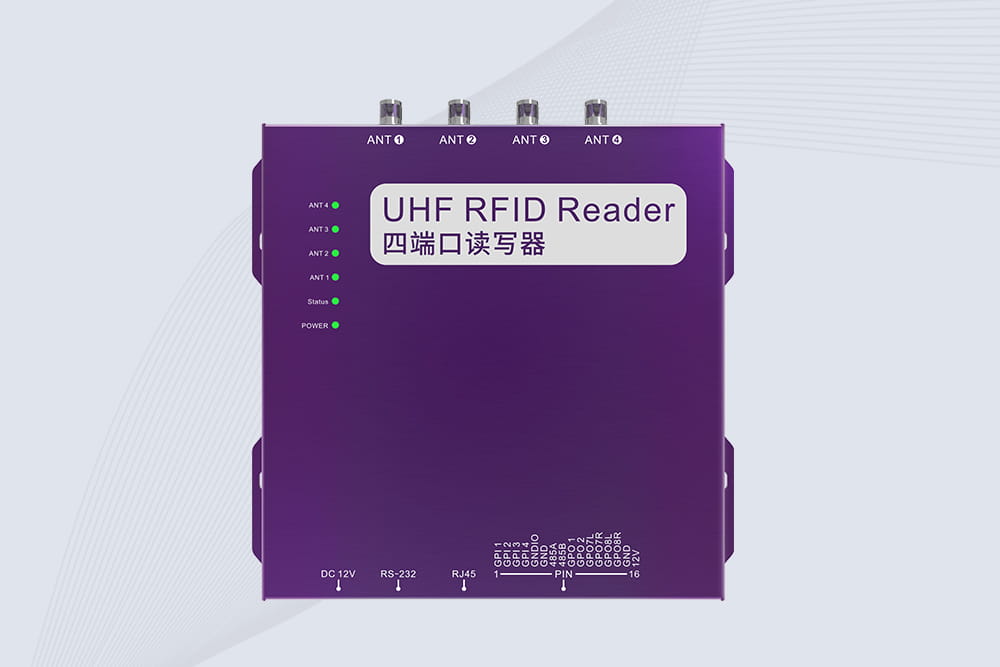
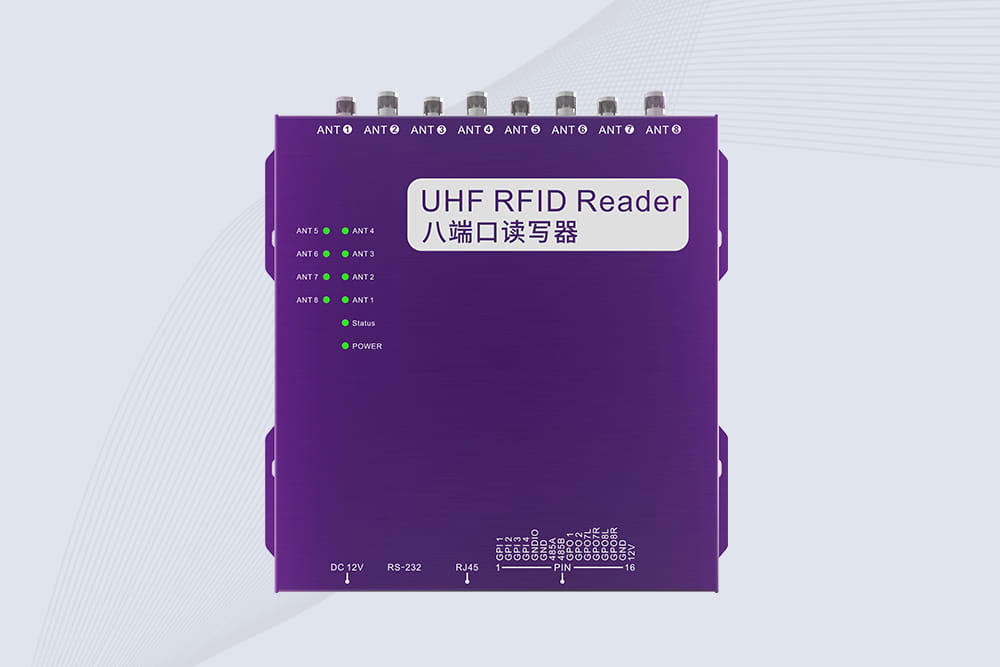
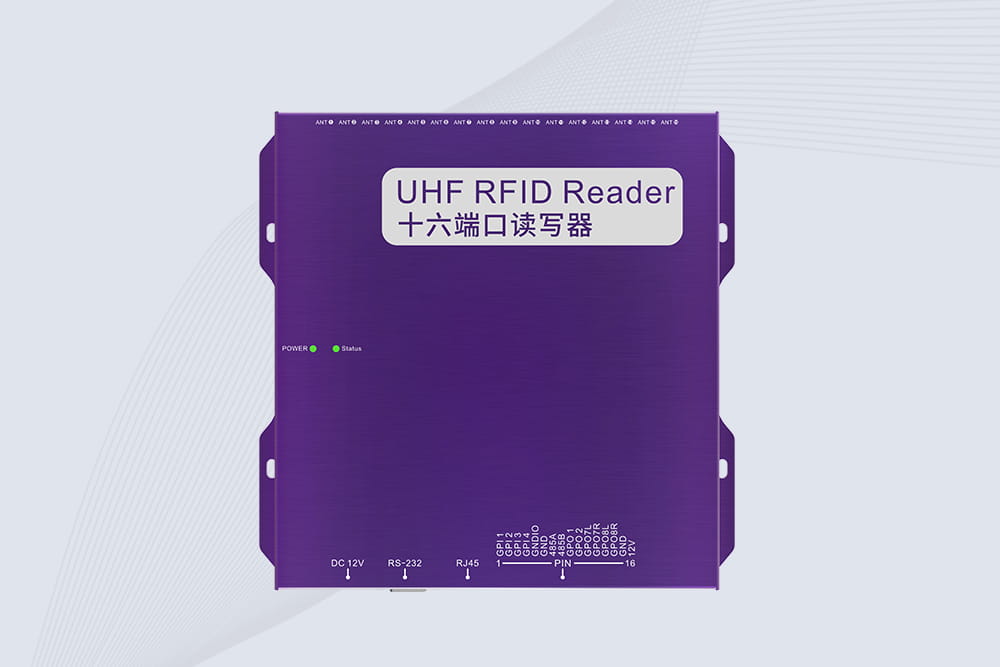
SSD-R16L Multi-Channel RFID Infrastructure for Automated Inventory Management ✔️ 16-Port High-Density RFID Reading Equipped with 16 SMA antenna ports, SSD-R16L supports multi-antenna deployment for warehouses, retail stores, logistics, production lines, and large-area RFID identification. ✔️ High-Speed & Long-Range Performance With up to 33…
SSD-R8L 8-port UHF RFID reader with 33dBm output, up to 20m reading range and 600+ tags/s recognition. Ideal for warehouse, logistics, retail and asset tracking.
CYKEO Passive RFID Tags are made for wet and high-humidity environments where standard labels do not last. This rfid passive tag is often used around liquids, chemicals and temperature changes, providing stable reading distance and long data life for industrial tracking.
CYKEO CYKEO-PCB1504 Metal RFID Tags is a compact anti-metal UHF RFID solution built for direct mounting on metal surfaces. With stable 8-meter read range, Ucode-8 chip, and long data retention, this rfid metal tag fits tools, containers, automotive parts, and industrial asset tracking.
CYKEO CYKEO-PCB7020 On-Metal RFID Tags are designed for reliable tracking on steel and metal surfaces. Built with an FR4 epoxy body and industrial-grade chips, these On-Metal RFID Tags deliver stable performance, long data life, and chemical resistance, making them a dependable RFID anti-metal tag for harsh environments.
The CYKEO CYKEO-60-25 Anti-Metal RFID Tag is built for metal surfaces where standard tags fail. Designed for long-range performance, harsh environments, and stable data retention, this Anti-Metal RFID Tag is ideal for industrial assets, containers, and equipment tracking using on metal RFID tags.
The CYKEO RFID Laundry Tag is designed for long-term textile identification in harsh laundry environments. Built to withstand high heat, chemicals, and repeated washing, this RFID Laundry Tag delivers stable performance for hotels, hospitals, and industrial laundry operations using laundry rfid tags at scale.
The CYKEO CYKEO-125-7 RFID Book Tag is designed for reliable book and document tracking in libraries and archives. This RFID Book Tag delivers long read range, dense placement support, and stable performance on shelves, making it a practical rfid tag on books for library automation, file management, and archival systems.
CYKEO RFID tags in hospitals are designed for sterile environments where accuracy matters. These autoclavable RFID tags support long-term tracking of surgical tools, implants, and medications, helping hospitals improve visibility, compliance, and patient safety.
CYKEO RFID Cable Tie Tag is built for reliable identification on metal surfaces. This UHF RFID Cable Tie Tag is widely used in rfid tags for inventory systems, industrial asset management and Hospital RFID Tags, offering stable read performance, long service life and global EPC Gen2 compatibility.
CYKEO RFID Asset Tag is designed for stable identification of metal assets in industrial environments. This UHF RFID Asset Tag is commonly used for rfid tag asset tracking on equipment, tools and containers, providing reliable reads, long service life and ISO/IEC 18000-6C support.
CYKEO UHF RFID Card is designed for fast identification and long-term use in industrial and commercial systems. Supporting ISO 18000-6C, this UHF RFID Card works at 860–960 MHz and is suitable for custom RFID cards used in asset tracking, access control and inventory management.
CYKEO HF RFID Cards are designed for secure and stable access control systems. These 13.56 MHz RFID key cards support ISO 14443-A, reliable rewriting and long service life, making HF RFID Cards suitable for offices, campuses, events and membership management.
CYKEO UHF RFID Tag is designed for reliable tracking of metal jewelry and high-value items. This Jewelry RFID Tag supports long-range reading up to 8 meters, anti-counterfeit protection and stable performance on metal, making it suitable for retail, inventory control and asset management.
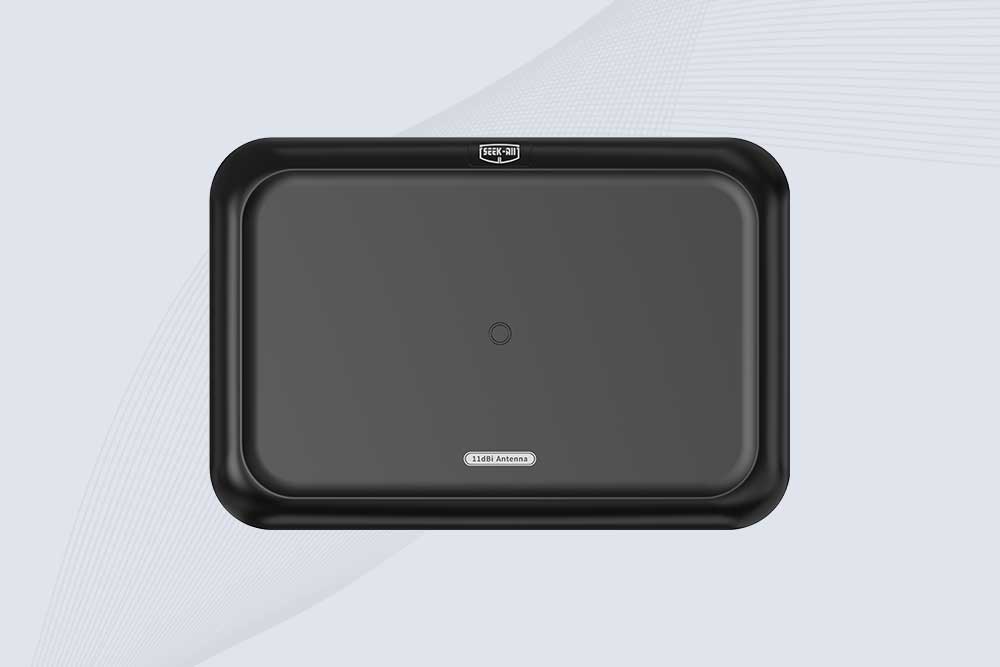
Cykeo CYKEO-A11 UHF RFID reader antenna delivers 11dBi gain, 840-960MHz frequency range, and IP65 ruggedness for retail, logistics, and industrial RFID systems. Features low VSWR and easy installation.
CYKEO Antenna RFID Reader delivers stable long-range UHF performance with a 10.5dBi directional design, built for warehouses, conveyor portals, and industrial RFID systems. This rfid reader antenna provides 20m+ read distance and rugged IP67 protection.
Cykeo CYKEO-A5B industrial Linear RFID Antenna delivers 5dBi gain, ≤1.5:1 VSWR, and IP65 rugged design for warehouse, production line, and logistics UHF systems.
Cykeo’s CYKEO-B12 Long Range RFID Antenna delivers 15m+ read range with 12dBi gain, IP65 rugged design, and global 840-960MHz UHF support. Ideal for warehouse/logistics asset tracking.
Cykeo CYKEO-B10 Long Distance RFID Antenna offers 10dBi gain, 840-960MHz frequency range, IP65 rating, and 20m+ coverage for logistics/warehousing/ETC systems. Low VSWR ensures stable signal transmission.
Cykeo CYKEO-A6 UHF RFID panel antenna features 6dBi gain, 840-960MHz broadband, IP65 metal-ready housing for logistics/smart retail. 18mm ultra-thin design with tool-free mounting.
Cykeo CK-A3 industrial antenna RFID UHF offers 5m+ tag detection, ≤1.3:1 VSWR, IP65 rugged design, and global UHF spectrum compatibility (840-960MHz) for warehouses, factories, and retail.
Cykeo CYKEO-B5 directional RFID antenna provides 5dBi gain with 60° narrow beamwidth for precise inventory tracking. IP65-rated, global UHF frequency support, and low VSWR.
Create your own high-performance DIY RFID antenna! 5dBi gain, 840-960MHz tunable, step-by-step guides. Compatible with Arduino, Raspberry Pi, and commercial UHF readers.
Cykeo CYKEO-A7 Flexible RFID Antenna features 840-960MHz wideband tuning, 7dBi gain, and IP68 rating for medical/retail/industrial curved surface deployments. 98% read accuracy with peel-and-stick installation.
Cykeo CYKEO-B5A industrial Passive RFID Antenna delivers 5dBi gain, 70° beamwidth, and -40°C~55°C operation for warehouses/smart cabinets. Compatible with Zebra/Impinj readers.
Cykeo’s CYKEO-A9B High Gain RFID Antenna delivers 15m+ read range with 9dBi amplification. Features IP54 rugged design, 840-960MHz bandwidth, and 80° beamwidth for warehouse/manufacturing RFID systems.
Cykeo’s enterprise-grade 8dbi Impinj RFID Antenna 10m+ read range with 840-960MHz tuning. Features IP65 housing, 1.4 VSWR, 35° beamwidth for retail/warehouse RFID systems.
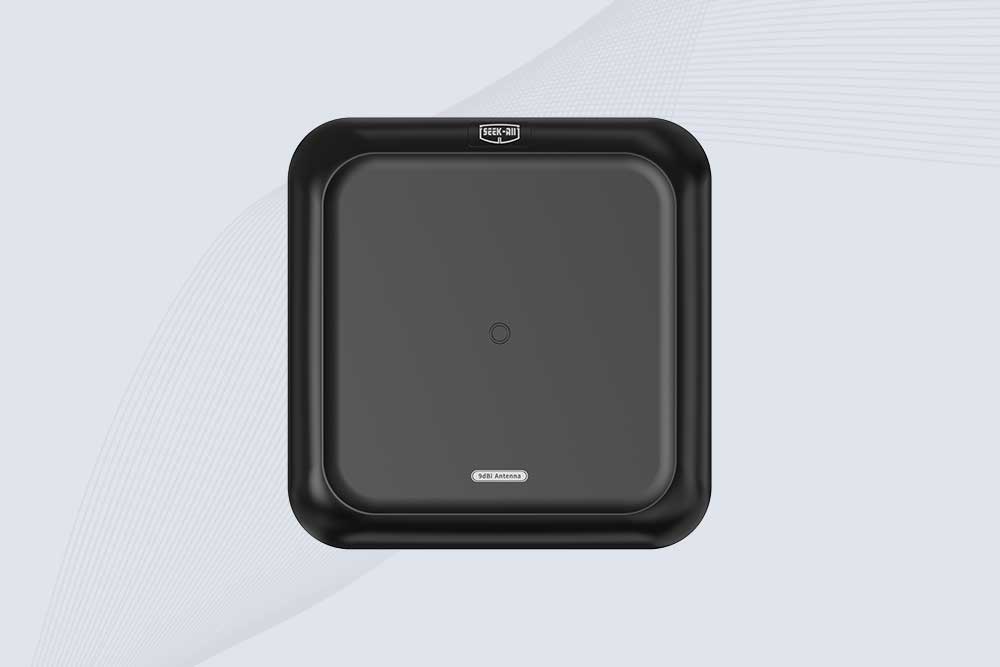
Cykeo CYKEO-A9 industrial UHF RFID antenna delivers 9dBi gain, 840-960MHz frequency range, and IP65 protection for warehouse/logistics/retail RFID systems. Features N-type connector and ≤1.3:1 VSWR.
CYKEO UHF RFID Antenna built for long-distance and industrial applications. This antenna rfid uhf delivers strong gain, outdoor durability, and reliable tag performance in warehouses, yards, and vehicle ID systems.
CYKEO Antenna RFID delivers reliable long-range UHF performance in warehouses, retail shelves, and cold-chain environments. This compact uhf rfid antenna provides stable reads with circular polarization and ultra-wide 840–960 MHz support, ideal for industrial tracking, smart shelves, and asset monitoring.
Cykeo’s CYKEO-C8 UHF RFID antennas delivers 8dBi gain, 840-960MHz full-band coverage, and IP65 ruggedness for manufacturing/warehouse RFID systems. Industrial RFID Antennas Features
Cykeo’s 8dBi UHF RFID antenna and reader kit delivers 10m+ range, 840-960MHz broadband, and IP65 ruggedness for factories, warehouses, and logistics. ISO 18000-6C & EPC Gen2 certified.
Cykeo’s CYKEO-A12C UHF Large RFID Antenna delivers 12dBi gain, 840-960MHz global frequency, IP65 ruggedness for logistics/warehousing/automotive. 40° beamwidth ensures stable 15m+ tag reads.
CYKEO Near Field RFID Antenna provides precise 5–30 cm reading for shelves, cabinets, and workstations. This compact rfid shelf antenna delivers stable short-range performance around metal and clutter, ideal for pharmacies, libraries, and electronics sorting.
Cykeo CYKEO-C1 industrial Forklift RFID Reader features 20m read range, 600 tags/sec scanning, Impinj R2000 chipset, and IP67 rugged design. Ideal for warehouse logistics and manufacturing. Supports ISO 18000-6C/6B protocols.
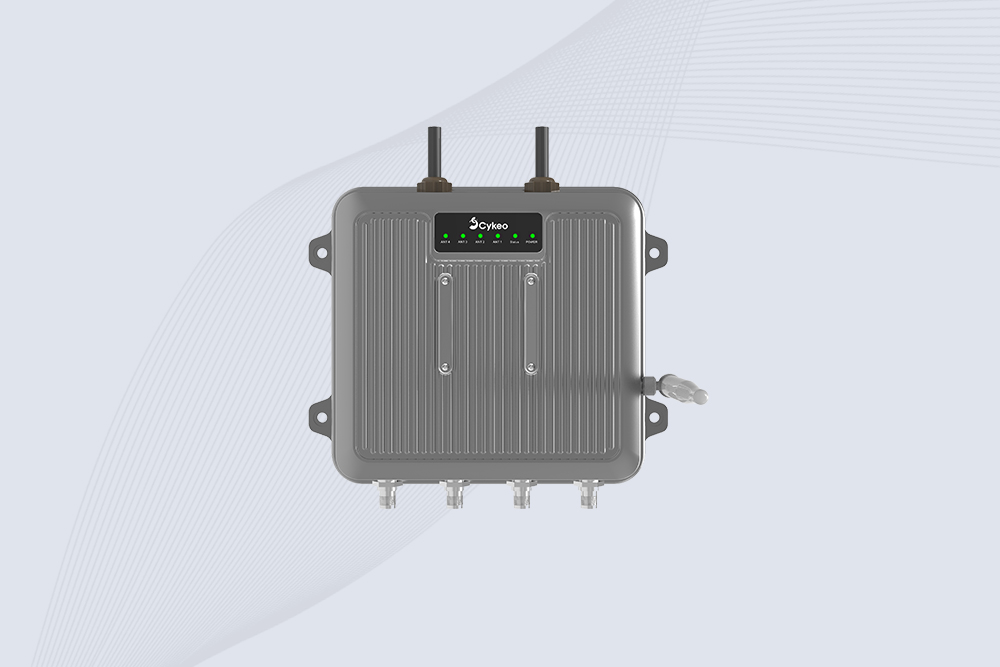
Cykeo CYKEO-R4 industrial UHF RFID Fixed Reader features 4 TNC ports, 400+ tags/sec speed, IP67 housing, and global frequency compliance for vehicle inspection, smart warehouse, and asset management systems.
CYKEO CYKEO-R8L Fixed RFID Reader with 8-port UHF design, Impinj-based RF core and up to 20m read range. An industrial Fixed RFID Reader for vehicle inspection, warehouse portals, smart manufacturing lines and secure access checkpoints.
RFID Fixed Reader from CYKEO – the CYKEO-R16L 16-port UHF fixed reader for warehouses, smart cabinets, and production lines. Long-range, multi-tag reading, stable performance for 24/7 industrial use.
Learn what is rfid tags used for in modern industries. Explore RFID tracking applications, inventory control, asset management, and Cykeo smart identification solutions.
Uncover the truth behind common RFID myths—security risks, cost, and performance. Learn how Cykeo’s solutions overcome misconceptions for efficient inventory management.
An in-depth look at fixed RFID readers from a developer’s perspective, covering system integration, secondary development, API control, and flexible antenna configurations for real RFID solutions.
UHF RFID tags offer long-range reading, high-speed identification, and batch scanning capabilities. This article introduces the fundamentals of UHF RFID, its tag types, and key applications in hospital equipment tracking, consumables management, a...
 Cykeo RFID IoT Solution Products R&D Manufacturer