 Cykeo RFID IoT Solution Products R&D Manufacturer
How RFID Tags Work and Guide to Choosing the Right Tag
608How RFID Tags Work, Choosing the Right RFID Tag Guide
MoreAll RFID Product
How much data can an RFID chip hold? Typically, a passive UHF RFID chip stores a 96- or 128-bit EPC, while models with user memory can store several hundred or several thousand additional bits. The practical capacity depends on the chip architecture, memory banks, protocol, and whether application data is actually written to the tag.
When engineers ask how much data can an RFID chip hold, the answer should not start with a single number.
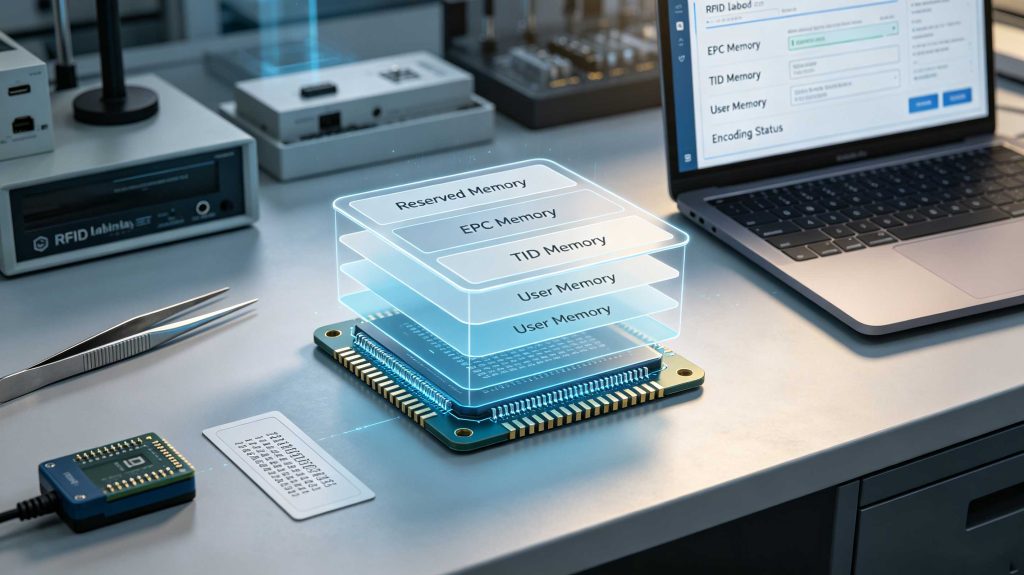
A RAIN RFID chip normally separates memory into logical banks. GS1 identifies four principal areas in a Gen2 RFID tag: Reserved, EPC, TID, and User Memory. The EPC identifies the tagged object, while User Memory, when available, stores additional application information.
That distinction matters on a real encoding line.
A retailer may encode only an EPC. A manufacturer may add production information. An industrial application may use User Memory for additional attributes. The physical chip can therefore have substantially more memory than the amount of business data actually written to it.
| Memory area | Main purpose | Typical role |
|---|---|---|
| Reserved Memory | Kill and access passwords | Security/control |
| EPC Memory | Electronic Product Code | Item identification |
| TID Memory | Chip and manufacturer identification | Permanent chip identity |
| User Memory | Additional application data | Optional business data |
GS1 specifies that User Memory is optional, while EPC memory is required. The current Gen2 standard allows manufacturer-defined memory sizes, with EPC memory capable of supporting EPCs substantially larger than the 96-bit value commonly encountered in commercial tags.
For many ordinary supply-chain applications, the answer is surprisingly small.
NXP’s UCODE portfolio shows why. Its UCODE 9, for example, provides 96-bit EPC memory and a 96-bit factory-locked TID. UCODE 8 provides up to 128-bit EPC memory, while UCODE 8m adds 32-bit User Memory.
A 96-bit EPC equals 12 bytes of raw binary storage.
That does not mean the tag can hold a useful 12-character text string. RFID application data is normally encoded into structured bit fields rather than simply copied as ordinary text. GS1 also notes that application data can be compressed before being stored, reducing the number of bits transmitted between the reader and tag.
This is one reason a well-designed RFID system usually puts the identifier on the tag and the detailed record in the backend database.
For example:
The RFID chip does not need to carry the entire product database.
There are RFID chips designed specifically for applications that need more than a basic identifier.
NXP’s UCODE 9xm offers up to 496 bits of EPC memory and 752 bits of User Memory, depending on configuration. NXP also lists the UCODE 7xm with up to 448 bits of EPC memory and 2,048 bits of User Memory.
At the higher end, NXP’s UCODE DNA provides 224-bit EPC memory and up to 3,072 bits of User Memory, with a stated minimum endurance of 100,000 write cycles and data retention of 20 years.
So the useful range is broad:
| RFID chip example | EPC memory | User memory |
|---|---|---|
| NXP UCODE 9 | 96 bits | 0 bits |
| NXP UCODE 8 | Up to 128 bits | 0 bits |
| NXP UCODE 8m | 96 bits | 32 bits |
| NXP UCODE 9xm | Up to 496 bits | Up to 752 bits |
| NXP UCODE 7xm | Up to 448 bits | Up to 2,048 bits |
| NXP UCODE DNA | 224 bits | Up to 3,072 bits |
These figures are chip-specific examples, not a universal RFID capacity limit. The actual memory available depends on the IC selected for the tag.
The better question in deployment is often not “how much?”, but “what should be stored?”
From practical RFID encoding work, putting too much information into User Memory can create unnecessary write operations and increase the amount of data exchanged during encoding or verification. A short, structured identifier is often more useful than a long block of descriptive text.
GS1’s EPC Tag Data Standard separates business data, control information, and tag-manufacturing information, reinforcing the idea that not every piece of information belongs in the same memory area.
For most inventory systems, I would prioritize:
That last point is easy to overlook. Choosing a 96-bit EPC chip and later discovering that the project needs 1–2 kbits of local application data means changing the IC or tag specification—not simply changing the reader software.
GS1 also confirms that Gen2v2 supports memory protection through access-control and permanent-lock mechanisms, while sensitive User Memory data can be encrypted before being written to the tag.
The answer to how much data can an RFID chip hold depends less on the physical size of the tag than on the RFID IC installed inside it.
A practical UHF tag may have only 96 bits of EPC memory, while another chip offers several hundred bits of EPC memory plus thousands of bits of User Memory. These capacities are specified by the chip manufacturer and should be checked against the exact IC datasheet before tag production.
The distinction is particularly important for supply-chain deployments.
EPC memory normally carries the identifier used to distinguish one tagged object from another. User Memory is optional and is intended for additional application information. GS1 identifies EPC and User Memory as separate memory areas within the Gen2 tag architecture.
For example, an inventory tag could contain:
| Data | Where it may be stored | Example |
|---|---|---|
| EPC | EPC Memory | Serialized item identifier |
| Chip identity | TID Memory | Manufacturer/chip information |
| Access password | Reserved Memory | Protected access |
| Production attribute | User Memory | Batch or process code |
| Detailed product record | Backend | Description, supplier, history |
This architecture is usually more efficient than treating the RFID tag as a miniature database.
Bits and characters are not interchangeable.
A 96-bit memory field contains 12 bytes, but the number of useful characters depends on the encoding method.
If ordinary 8-bit character encoding were used, 96 bits would represent 12 bytes. But EPC data is normally encoded according to defined EPC schemes rather than simply storing plain English text.
That difference matters.
A serialized product identifier might fit comfortably into EPC memory while a long product description would consume considerably more space.
For engineering estimates:
These are raw binary capacities.
They should not be presented as equivalent numbers of readable letters.
GS1’s EPC Tag Data Standard defines standardized ways of representing identification keys in EPC memory, including schemes designed to use available tag memory efficiently.
At first glance, 96 bits sounds tiny.
In an RFID deployment, it is often more than sufficient.
The objective is generally to give every physical item a unique machine-readable identity—not to store its complete commercial history on the tag.
Consider a warehouse carton.
The tag could contain an EPC representing:
Company + item reference + serial number
The warehouse management system can then associate that EPC with:
The RFID reader retrieves the identifier. The software retrieves the larger record.
That separation keeps the tag lightweight and makes changing business information much easier.
If a carton moves from Dock 4 to Dock 7, there is usually no reason to rewrite the RFID tag simply because its current location changed.
User Memory becomes more interesting when information needs to remain physically attached to the object.
Examples include:
There is a catch.
Not every RFID chip provides User Memory.
NXP’s published UCODE portfolio demonstrates the variation. UCODE 9 provides 96-bit EPC memory without User Memory, while UCODE 9xm provides up to 496 bits of EPC memory and 752 bits of User Memory. UCODE DNA provides 224-bit EPC memory and up to 3,072 bits of User Memory.
So when somebody asks, “How much data can an RFID chip hold?”, the correct engineering response is:
Which RFID chip?
The tag antenna does not determine the memory capacity.
The IC does.
Reading RFID data and writing RFID data are not identical operations.
RFID reader may inventory hundreds of tags without rewriting their memory. Writing requires a targeted command and normally takes more deliberate interaction with the selected tag.
This becomes relevant when User Memory is updated frequently.
For a reusable industrial asset, repeatedly writing changing information to the tag may be unnecessary if the backend already maintains the authoritative record.
A better architecture can be:
Permanent EPC → database record → transaction history
rather than:
Permanent EPC → rewrite tag every time the asset moves
This is one of the practical decisions that separates a clean RFID implementation from an unnecessarily complicated one.
GS1’s guidance also describes security and write-access mechanisms for RAIN RFID tags, including password-controlled access and memory locking.
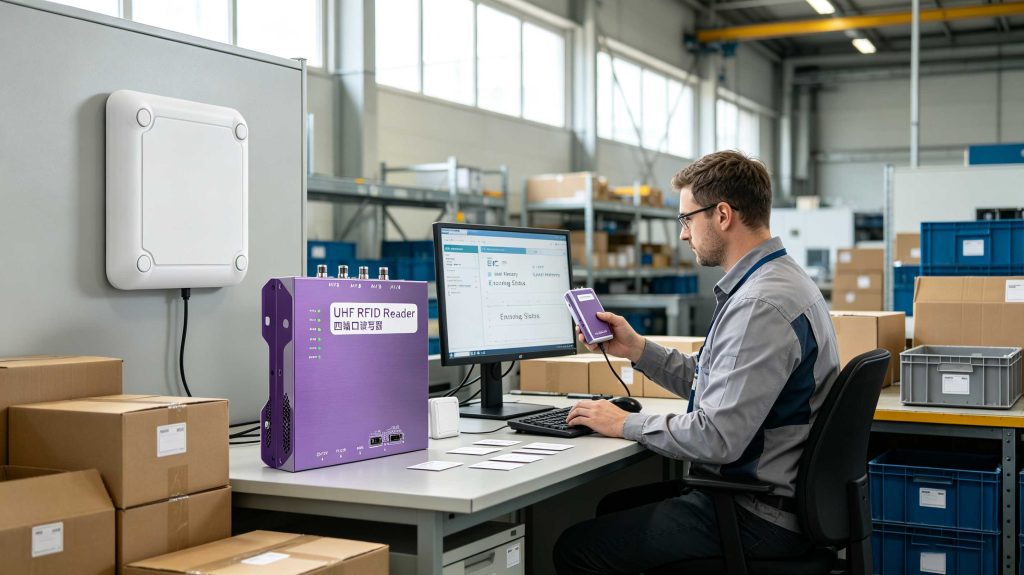
Cykeo’s UHF RFID reader portfolio supports common industrial UHF protocols, including ISO 18000-6C / EPC C1G2 on applicable models.
For an RFID system integrator, this means the reader can participate in the normal lifecycle of a UHF tag:
Cykeo’s CK-R4, for example, is specified for ISO 18000-6C/EPC C1G2 operation and provides adjustable output power up to 33 dBm, four antenna ports, tag-data filtering and multi-tag identification capability. Its published specification states a reading speed above 400 tags/s.
That last figure should not be confused with memory capacity.
Tags per second describes reader inventory performance.
Bits of memory describes how much information a tag’s IC can store.
They are completely different specifications.
This distinction is worth keeping visible during system design.
| Specification | What it measures |
|---|---|
| EPC memory | Identifier storage capacity |
| User Memory | Optional application-data capacity |
| TID | Permanent chip-related identity |
| Read speed | How rapidly tags can be inventoried |
| Read range | Distance under defined conditions |
| Write performance | Ability to modify tag memory |
| Reader output power | RF energy delivered toward the antenna |
A reader capable of identifying 400+ tags per second does not mean it can write 400 large data records per second.
Likewise, a tag with 3,072 bits of User Memory does not automatically provide longer read distance.
Keeping these specifications separate prevents many misleading RFID comparisons.
For most deployments, I recommend keeping tag-resident information compact.
The RFID chip should generally act as the physical identity layer.
The software platform remains the information layer.
That approach also makes tag replacement easier. If a damaged tag is replaced, the new EPC can be associated with the existing asset record instead of reconstructing the entire asset history from scratch.
Some can. Basic UHF RFID chips may provide only EPC memory, commonly around 96 or 128 bits, while higher-memory chips can provide hundreds or thousands of additional User Memory bits. The exact capacity depends on the IC.
For many inventory applications, yes. A 96-bit EPC can provide a compact serialized identifier, while detailed product and transaction information remains in the backend database.
No. User Memory is optional in the Gen2 architecture. Some commercial chips provide no User Memory, while others offer hundreds or thousands of bits.
They can store application data that represents text, but available capacity depends on the memory size and encoding method. Plain text is usually less efficient than structured or encoded identifiers.
Many writable RFID tags allow memory to be rewritten, subject to the chip’s specifications, access controls, locking mechanisms and write-cycle limits. Protected or permanently locked memory may not be rewritable.
No. Memory capacity and read range are separate characteristics. Antenna design, frequency, reader output, tag sensitivity, polarization, mounting surface and surrounding RF environment have a much greater influence on reading performance.
Usually only the information that genuinely needs to travel with the physical object. For supply-chain identification, a unique EPC is often sufficient. Additional User Memory is useful when specific application data must remain on the tag.
How much data can an RFID chip hold? There is no single capacity for all RFID chips. Commercial passive UHF ICs range from simple EPC-only configurations to chips offering several thousand bits of User Memory.
For example, a 96-bit EPC provides 12 bytes of raw storage, while a chip offering 3,072 bits of User Memory provides 384 bytes of raw binary capacity. These numbers describe memory—not necessarily the number of readable characters or the amount of business information an RFID system can manage.
For most logistics and inventory projects, the RFID tag should identify the object rather than become the database.
That distinction is particularly important when designing a system around Cykeo UHF RFID readers. Reader speed, RF output, read distance and tag memory are different engineering parameters and should be evaluated independently.
If the project needs only unique identification, a 96-bit EPC may be entirely adequate. If the application requires onboard attributes, sensor information or other tag-resident data, a higher-memory IC may be justified.
So the most accurate answer remains simple:
RFID chip capacity depends on the specific IC, with common UHF chips ranging from roughly 96-bit EPC-only configurations to several kilobits of additional User Memory.
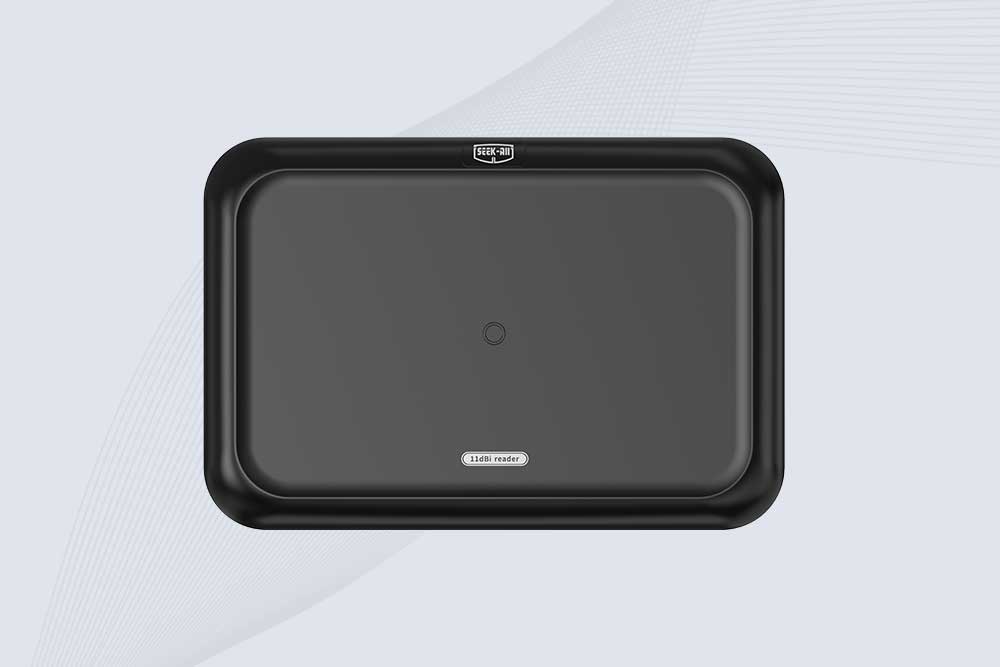
SSD-RA11L is an 11 dBi UHF RFID reader with up to 15m reading distance, 600+ tags/s speed, integrated antenna and flexible connectivity.
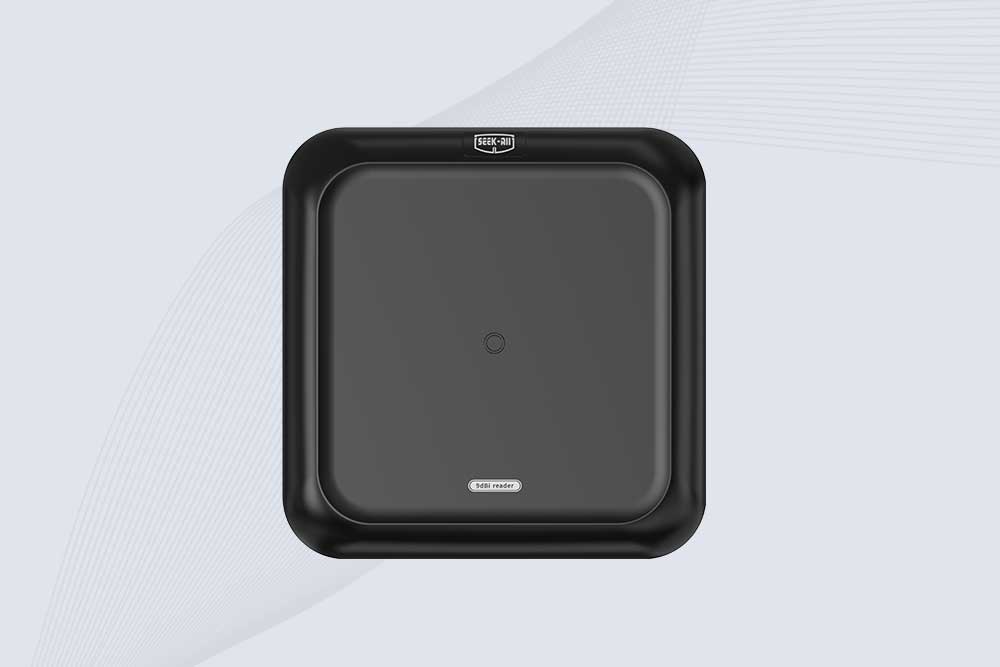
SSD-RA09L is a long range UHF RFID reader with a built-in 9 dBi antenna, 10m reading range, 600+ tags/s speed and flexible interfaces.
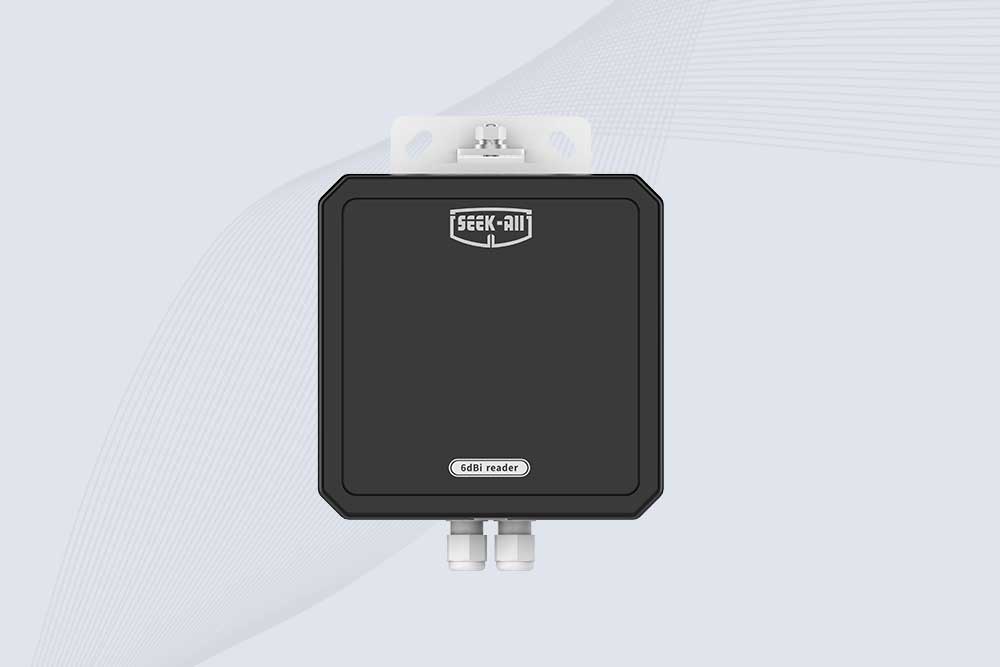
SSD-RA06L is an industrial UHF RFID reader with a built-in 6 dBi antenna, 3 m read range, 600+ tags/s, Ethernet, RS232, and optional Wi-Fi, 4G, and PoE.
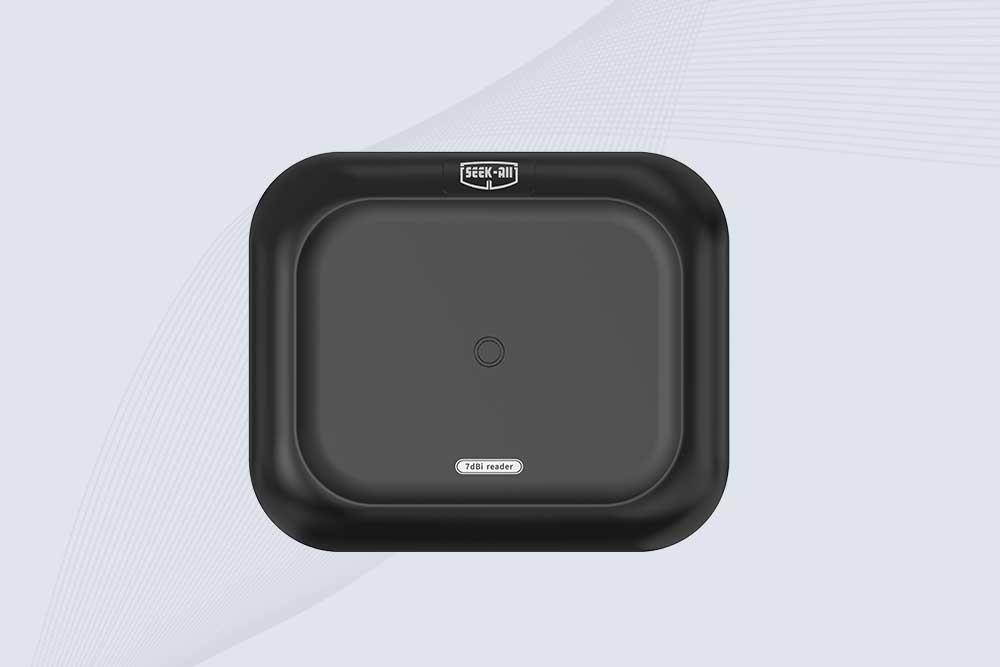
SSD-RA07L industrial UHF RFID reader with integrated 7 dBi antenna, up to 6 m reading distance, over 600 tags/s, Ethernet, RS232, and optional Wi-Fi, 4G, and PoE.
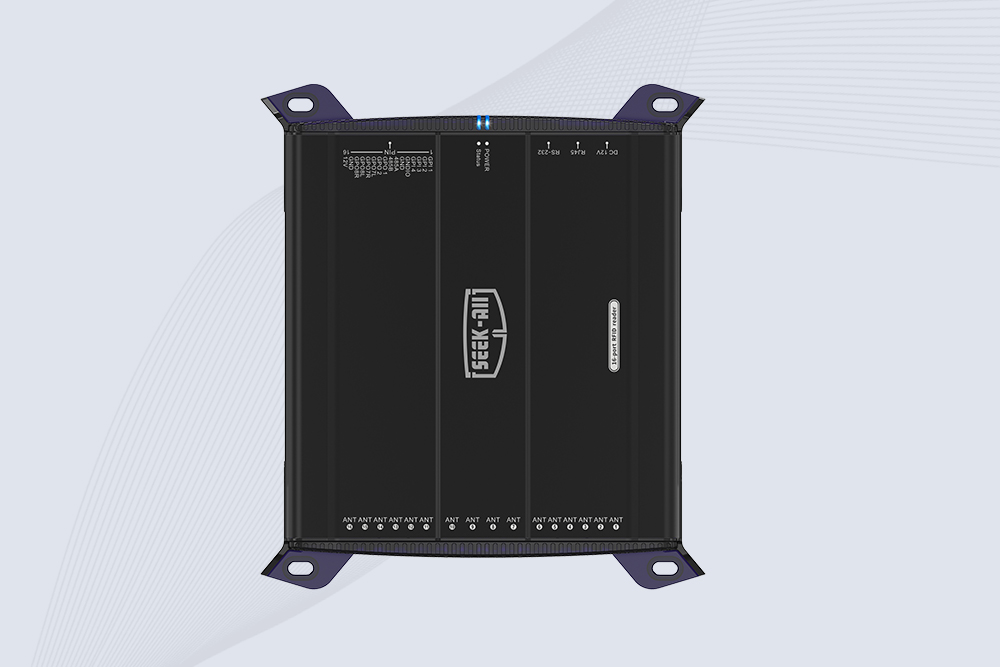
SSD-R16L Multi-Channel RFID Infrastructure for Automated Inventory Management ✔️ 16-Port High-Density RFID Reading Equipped with 16 SMA antenna ports, SSD-R16L supports multi-antenna deployment for warehouses, retail stores, logistics, production lines, and large-area RFID identification. ✔️ High-Speed & Long-Range Performance With up to 33…
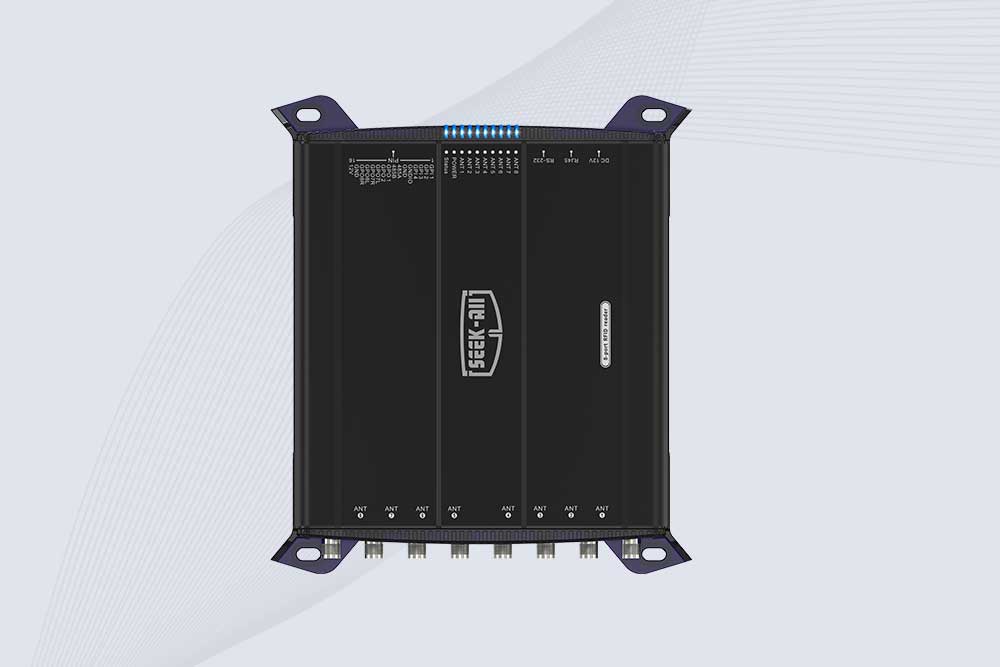
SSD-R8L 8-port UHF RFID reader with 33dBm output, up to 20m reading range and 600+ tags/s recognition. Ideal for warehouse, logistics, retail and asset tracking.
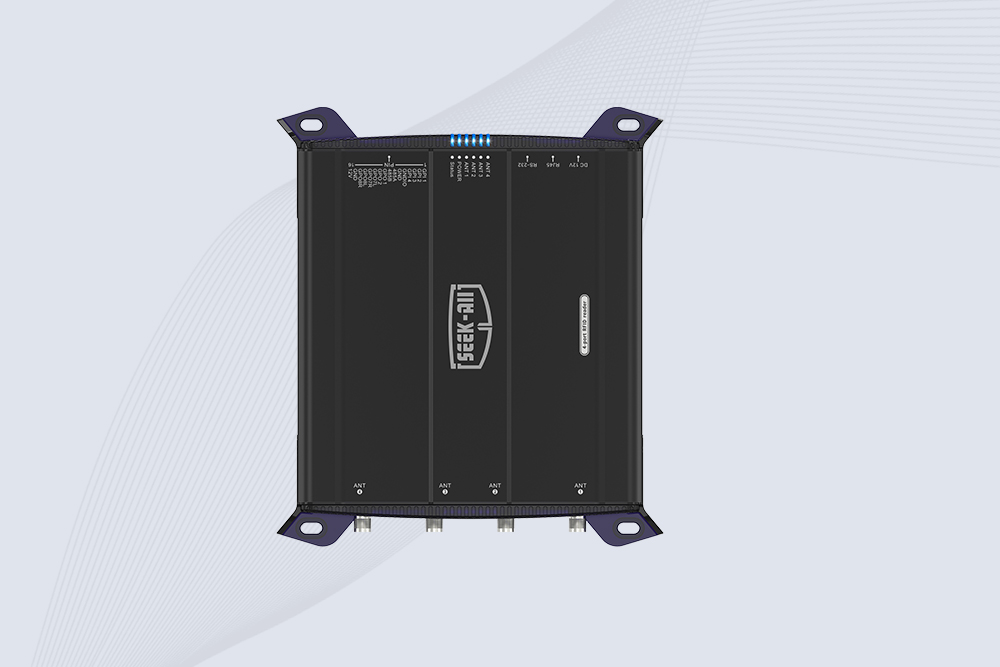
SSD-R4L is a 4-port UHF RFID fixed reader with 33dBm output power, up to 20m reading range, EPC C1G2 support and 600+ tags/s reading speed.
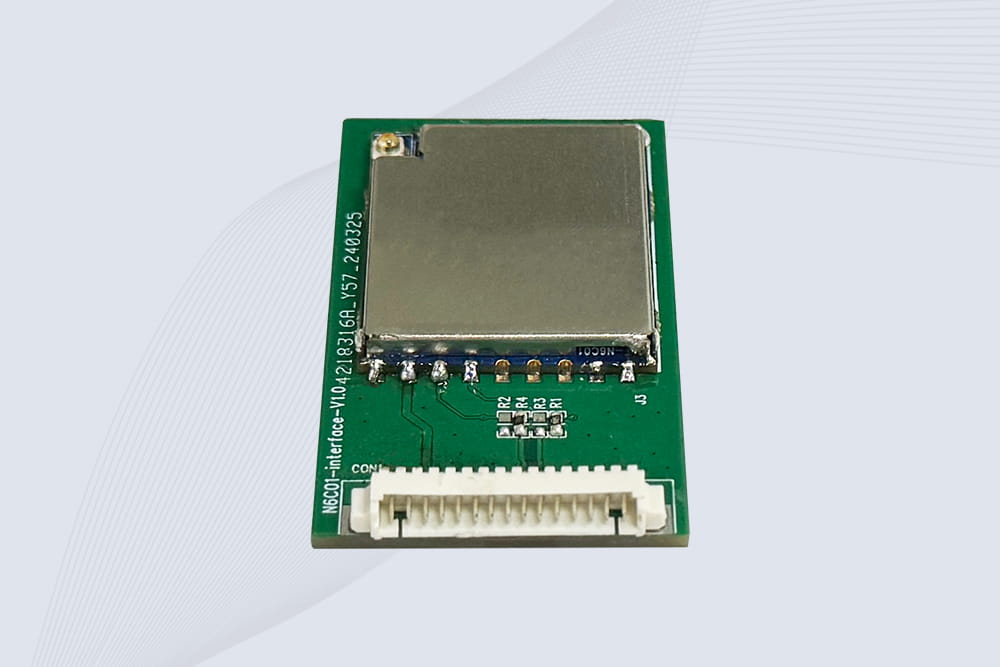
CYKEO Embedded RFID Modules are designed for compact industrial and IoT devices that require stable UHF performance. These UHF RFID Modules support global protocols, flexible power control, and reliable multi-tag reading for smart cabinets, production lines, and asset tracking systems.
CYKEO Embedded RFID Module is built for compact IoT and industrial devices that need stable UHF performance. This UHF module supports global protocols, low power operation, and reliable multi-tag reading for smart lockers, production lines, and always-on RFID systems.
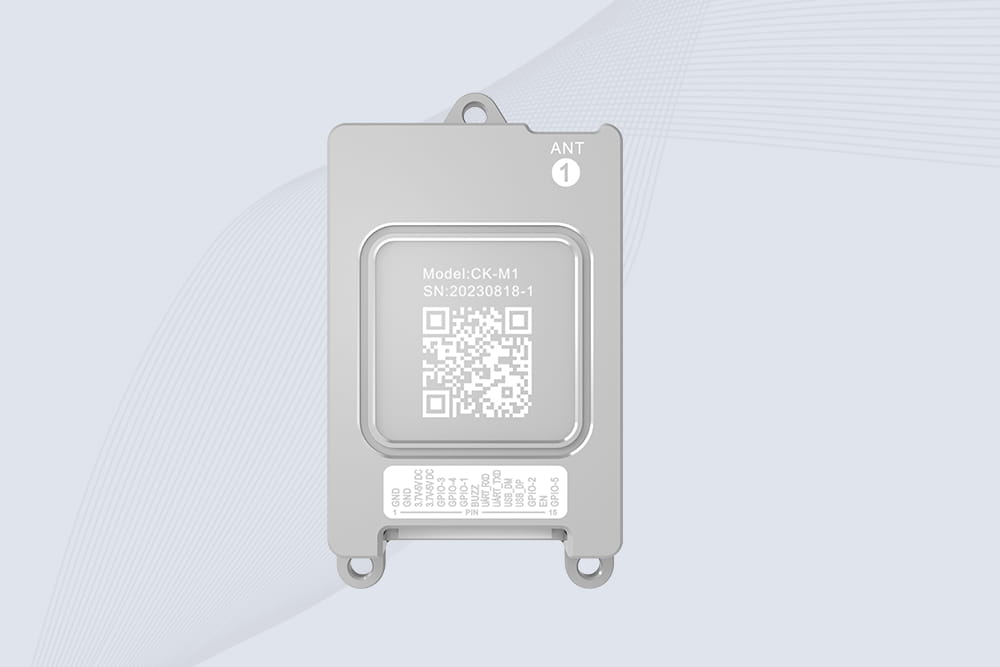
CYKEO CYKEO-M1 drone rfid module is a compact UHF RFID reader module designed for drones and UAV platforms. It supports long-range aerial scanning, fast multi-tag reading, and stable performance in wind, vibration, and outdoor environments.
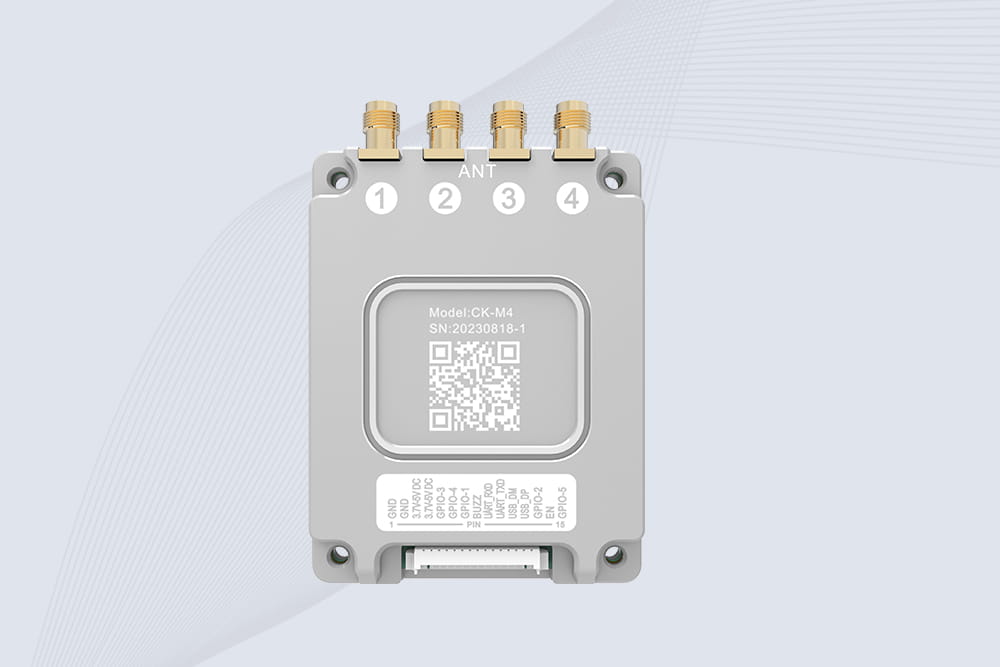
CYKEO CYKEO-M4 RC522 RFID Module is an industrial-grade UHF RFID reader with 4 ports, supporting ISO, EPC, and GB protocols. High-speed, accurate reading for IoT, automation, and warehouse applications.
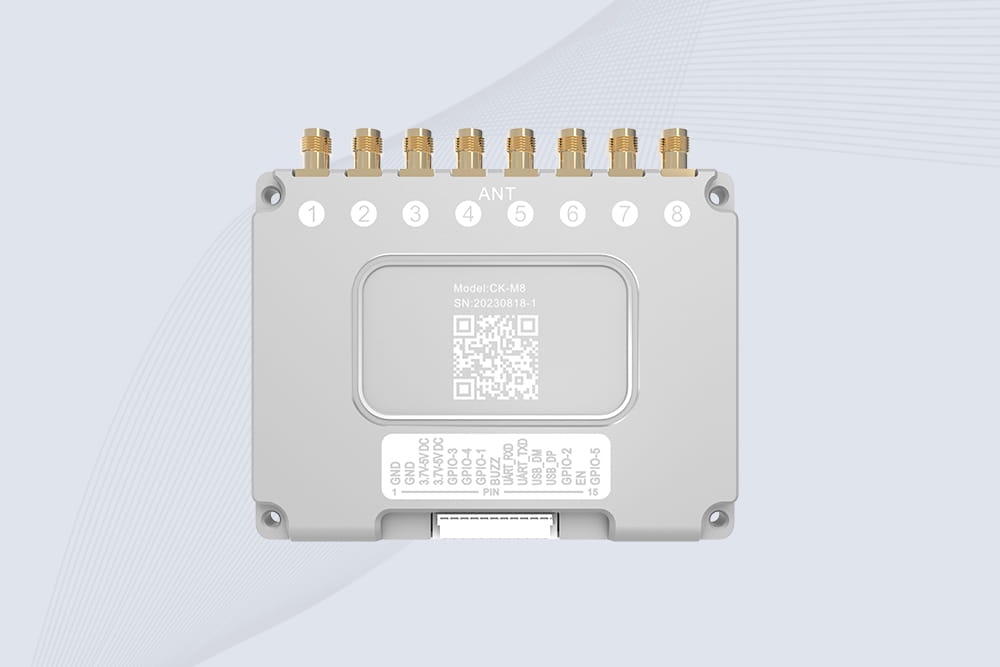
CYKEO CYKEO-M8 Module RFID is an 8-port UHF R2000 RFID Module designed for high-density, multi-tag environments. Stable 33dBm output, ISO & GB protocol support, ideal for warehouses, factories, and automated systems.
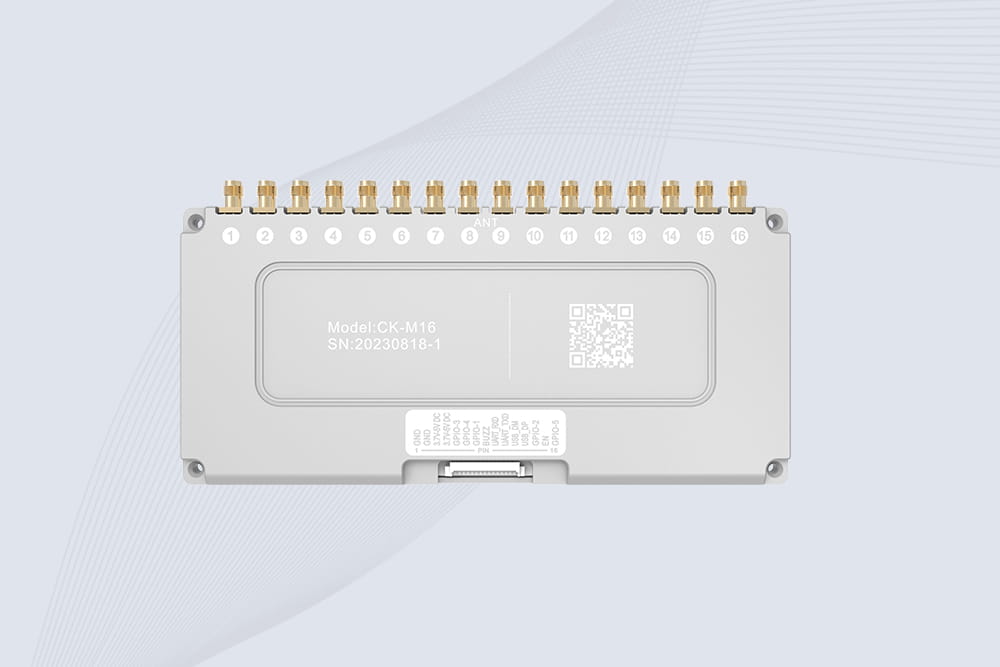
CYKEO CYKEO-M16 RFID Module is a 16-port UHF RFID reader module based on the R2000 chipset. Designed for dense tag environments, it supports ISO and GB standards and delivers stable multi-antenna control for industrial automation.
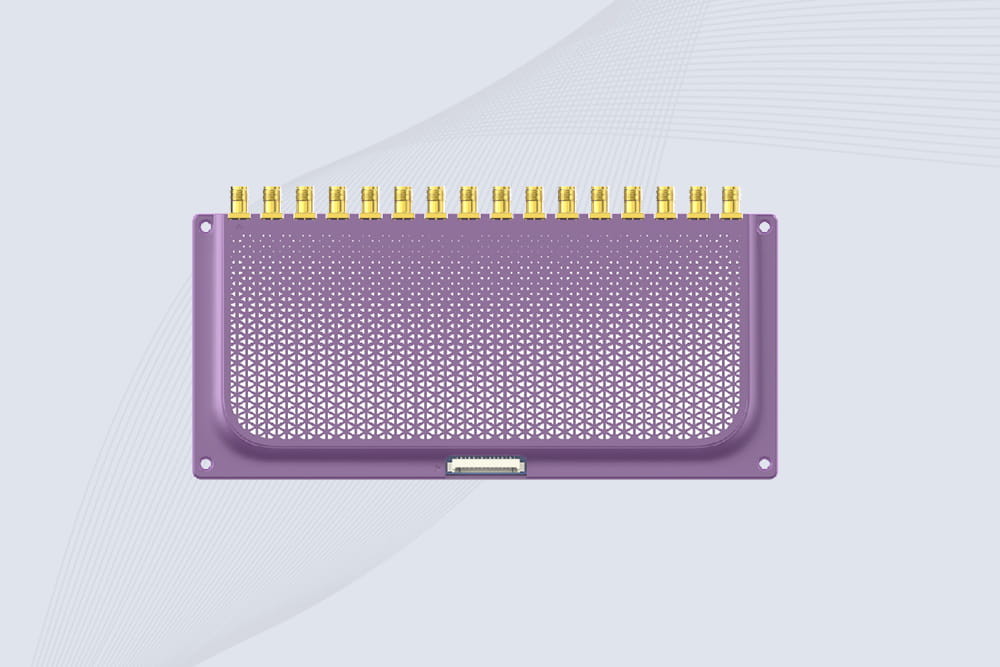
The CYKEO CYKEO-M16L RFID Reader Module is a 16-channel UHF RFID core designed for dense tag environments. With adjustable 33dBm output, multi-protocol support, and stable multi-antenna control, this RFID Tag Reader Module fits industrial automation, warehouse systems, and large-scale IoT deployments.
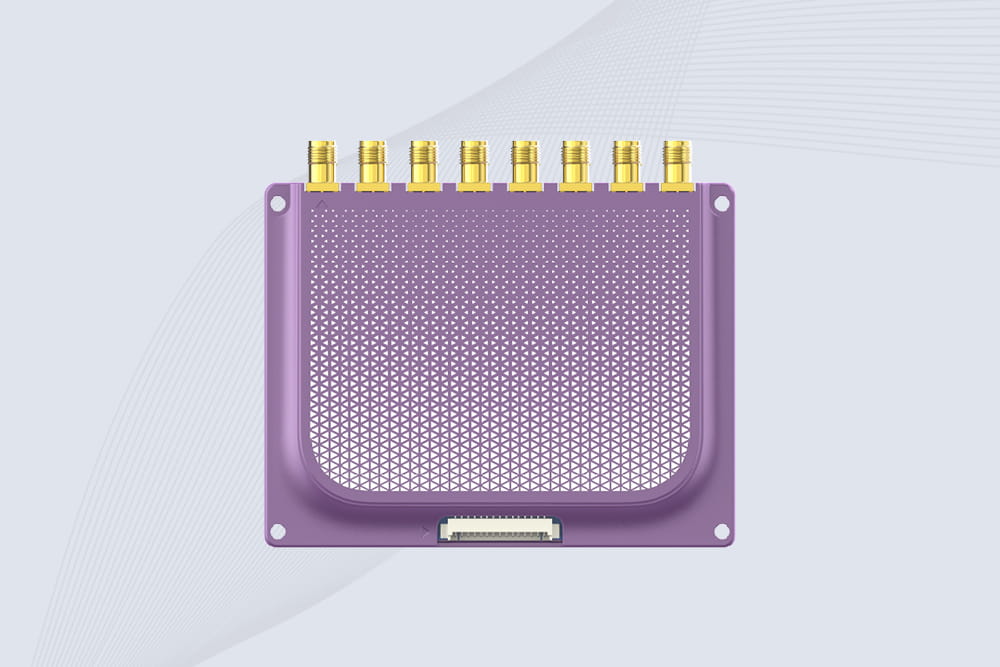
CYKEO CYKEO-M8L module RFID is a compact industrial UHF module built for dense tag and multi-antenna environments. With 8 RF ports, adjustable 33 dBm output, and ISO & GB protocol support, it is widely used in factories, warehouses, and automated tracking systems.
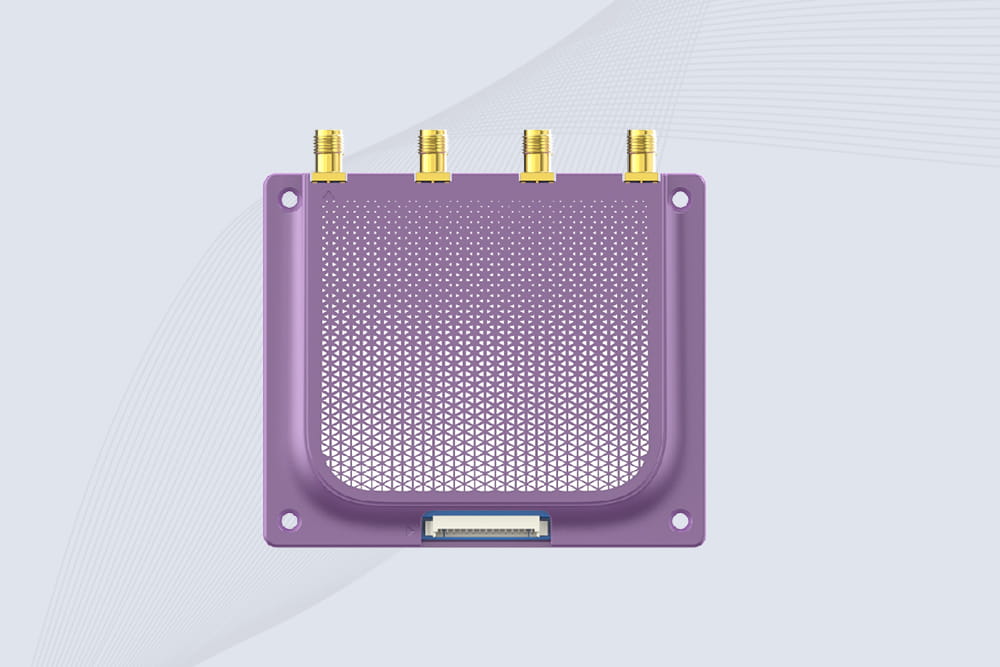
CYKEOCYKEO-M4L UHF RFID Module is a compact 4-channel RFID tag reader module designed for dense tag environments. Supporting ISO and GB protocols, it delivers stable reads up to 10 meters for industrial and IoT systems.
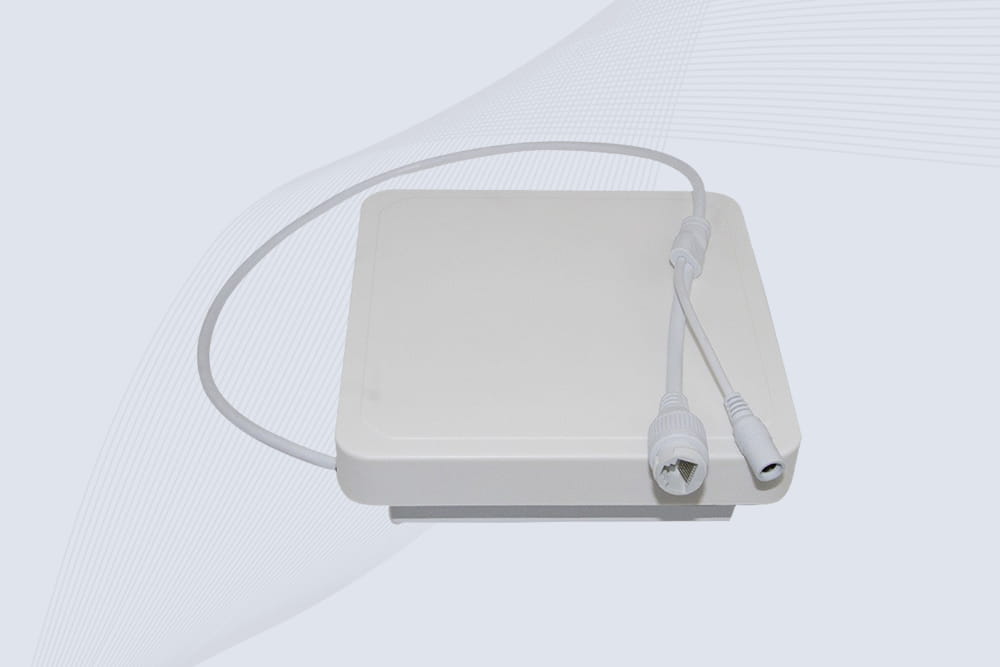
Cykeo’s industrial long range RFID reader delivers 20-meter scanning, 500+ tags/sec speed, and IP67 waterproof design for automated warehouses, logistics, and harsh environment applications.
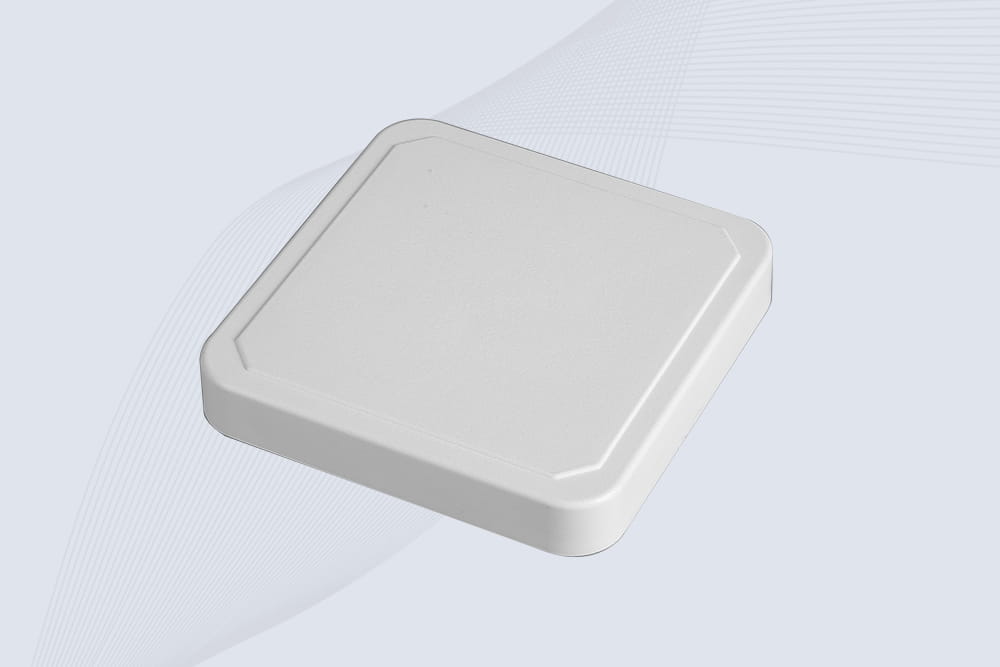
Cykeo’s CYKEO-RA6L industrial RFID long range reader features 20m read distance, 500 tags/sec speed, and IP67 protection. Ideal for warehouse automation, manufacturing WIP tracking, and smart logistics. Supports ISO 18000-6C/6B protocols.
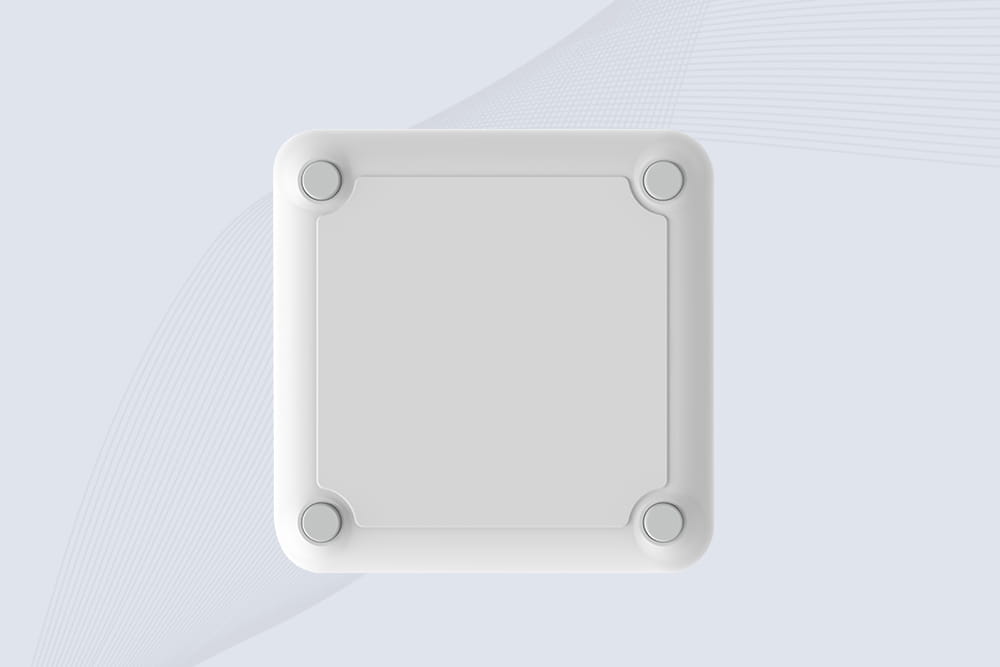
CYKEO Long Range RFID Tag Reader built for outdoor and industrial operations. This Outdoor RFID Reader delivers 20m read distance, fast tag processing, and IP67 durability for wide-area tracking.
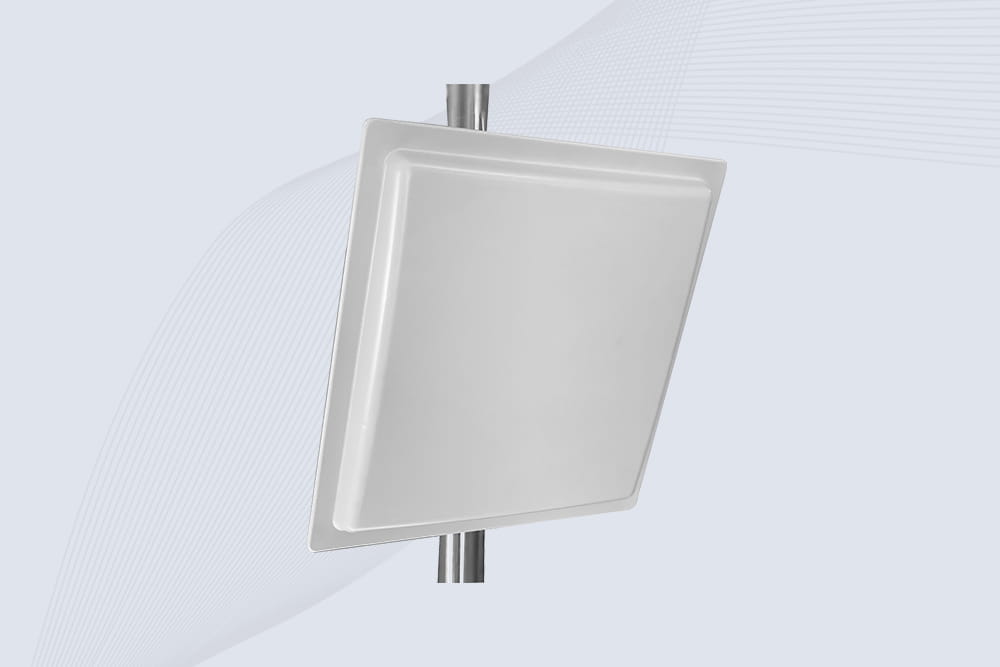
Cykeo CYKEO-RA12L industrial Long Range RFID Reader delivers 20m read range, 200+ tags/sec scanning, and IP67 protection for manufacturing/logistics applications. Supports ISO 18000-6C/GB protocols.
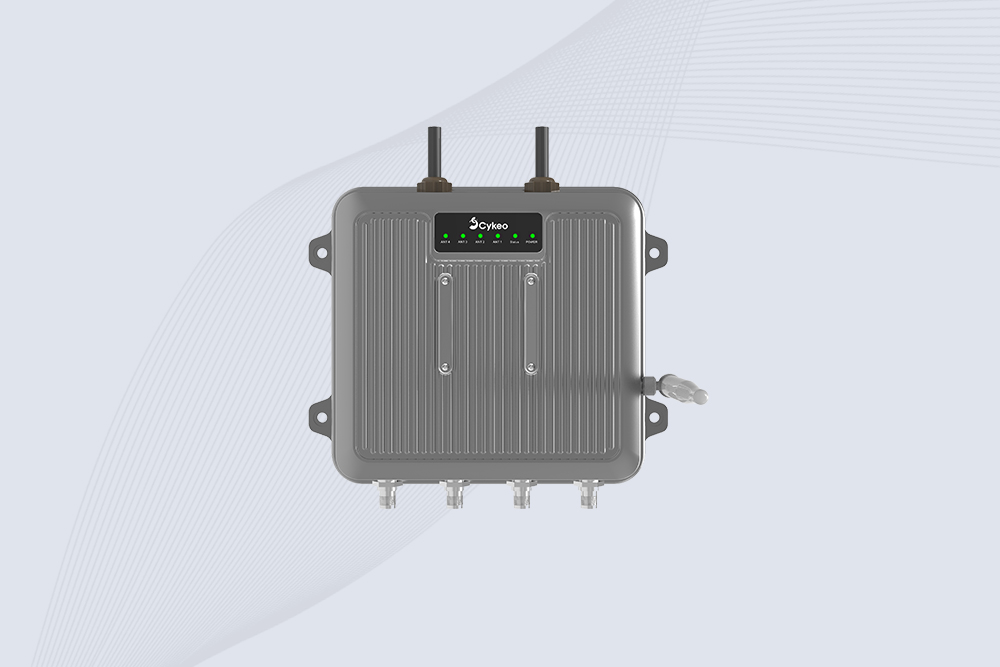
Cykeo CYKEO-C1 industrial Forklift RFID Reader features 20m read range, 600 tags/sec scanning, Impinj R2000 chipset, and IP67 rugged design. Ideal for warehouse logistics and manufacturing. Supports ISO 18000-6C/6B protocols.
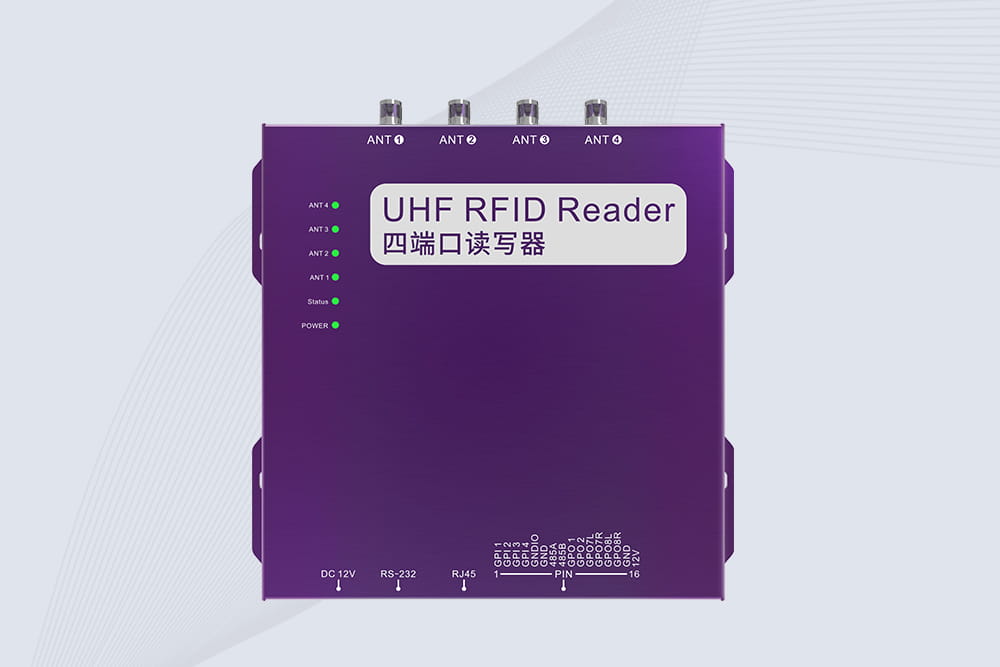
Cykeo CYKEO-R4 industrial UHF RFID Fixed Reader features 4 TNC ports, 400+ tags/sec speed, IP67 housing, and global frequency compliance for vehicle inspection, smart warehouse, and asset management systems.
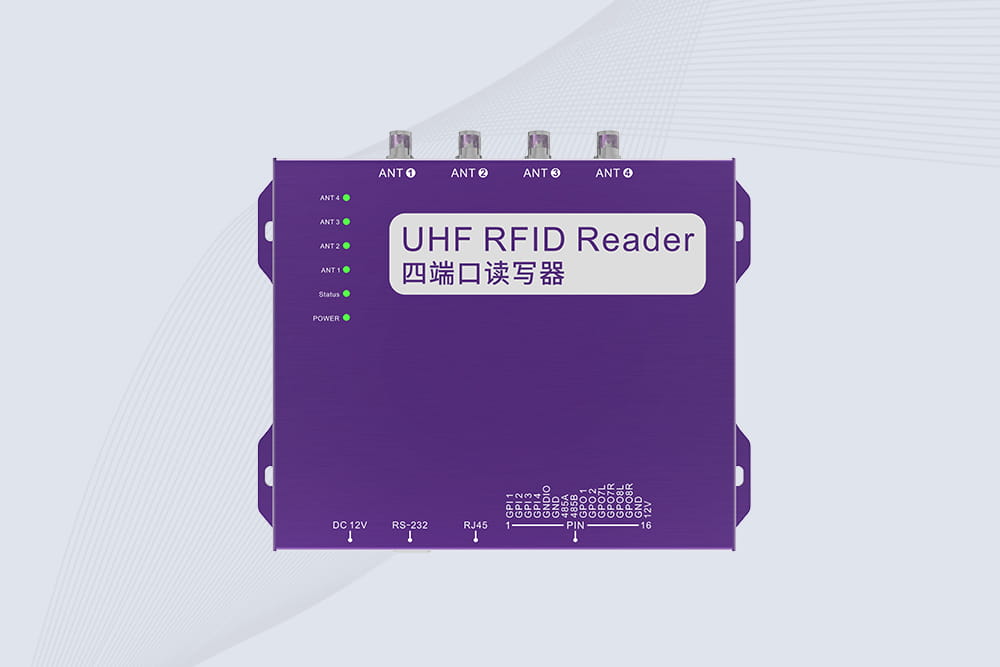
Cykeo’s CYKEO-R4L 4-port Fixed UHF RFID Reader delivers 400 tags/sec scanning, ISO 18000-6C compliance, and IP65 protection. Ideal for warehouse automation, manufacturing WIP tracking, and logistics management.
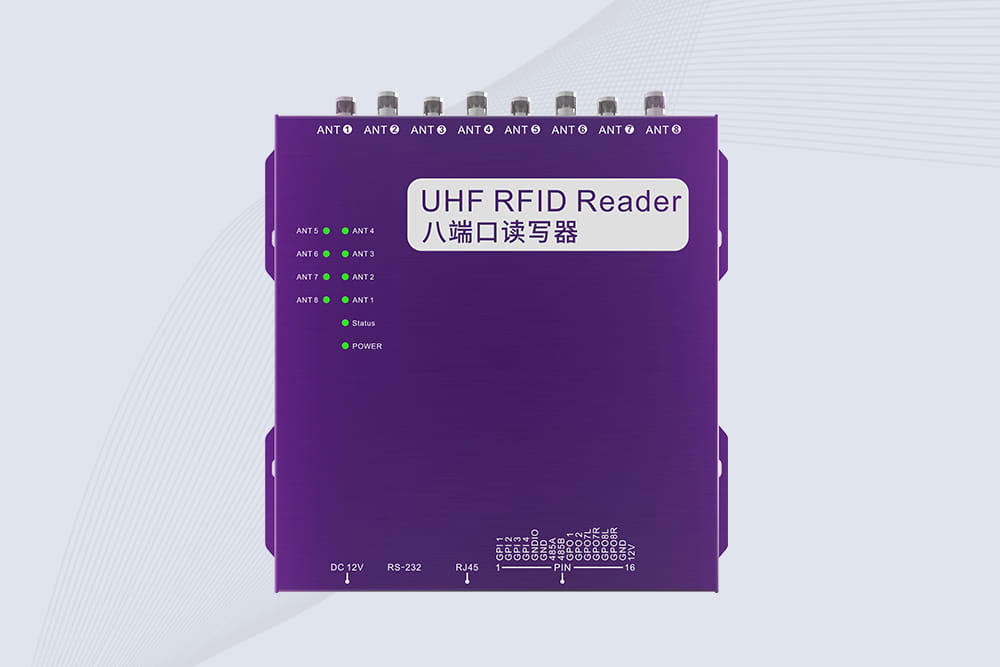
CYKEO CYKEO-R8L Fixed RFID Reader with 8-port UHF design, Impinj-based RF core and up to 20m read range. An industrial Fixed RFID Reader for vehicle inspection, warehouse portals, smart manufacturing lines and secure access checkpoints.
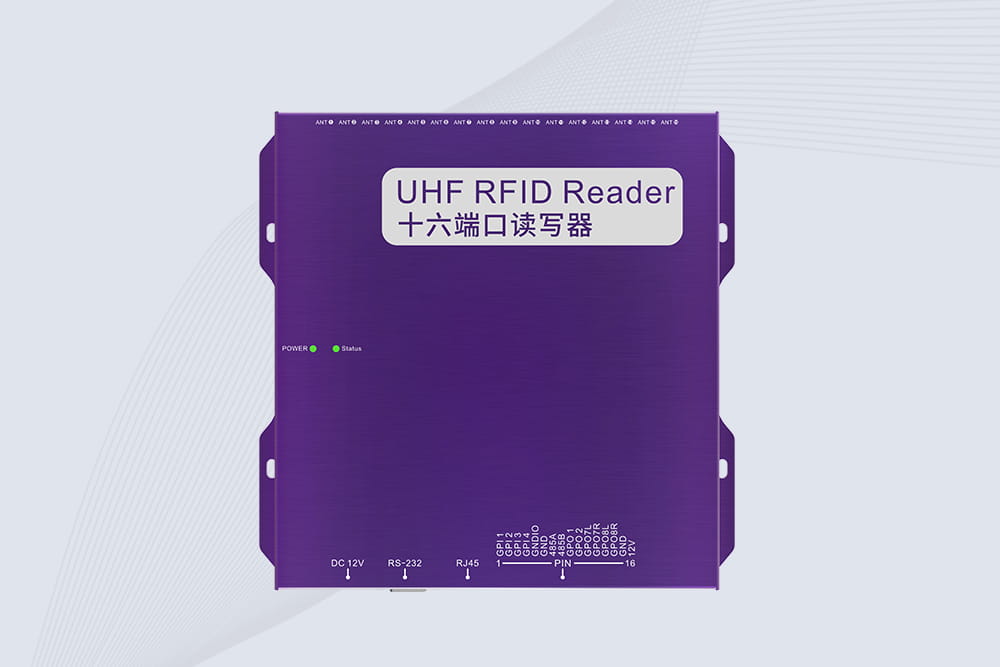
RFID Fixed Reader from CYKEO – the CYKEO-R16L 16-port UHF fixed reader for warehouses, smart cabinets, and production lines. Long-range, multi-tag reading, stable performance for 24/7 industrial use.
How RFID Tags Work, Choosing the Right RFID Tag Guide
More
Learn actionable strategies to boost RFID tag read accuracy using high-performance antennas. Discover antenna selection, placement, and interference reduction techniques.
More
RFID transceiver technology enables wireless communication between RFID tags and readers for asset tracking, inventory management, and industrial automation.
More
Learn how does rfid help in inventory management through faster stock counts, better inventory accuracy, item-level visibility, and fewer discrepancies across warehouses and retail operations.
More