 Cykeo RFID IoT Solution Products R&D Manufacturer
how to write rfid card: A Practical Guide to Writing UHF RFID Cards
100To write an RFID card, use a compatible UHF RFID reader writer to select the correct memory bank, encode the required data, and verify the result immediately.
MoreAll RFID Product
RFID helps inventory management by capturing multiple tagged items without line-of-sight scanning, allowing teams to count stock faster, identify discrepancies earlier, and maintain more accurate item-level inventory records. Unlike barcode-only workflows, RFID can collect tag data while products remain inside cartons, on pallets, or moving through designated reading zones.
In real warehouse work, that difference appears during the busiest moments—not during a controlled demonstration. A pallet arrives, cartons are staged, replenishment begins, and inventory changes before someone has time to perform another manual count. RFID gives the inventory system another opportunity to capture those movements.
Barcode inventory requires a scanner to visually locate each label. RFID uses radio communication between the reader and tag, allowing several tagged products to be identified within the reader’s effective field.
That changes the rhythm of cycle counting.
An operator can move through an aisle with a handheld UHF RFID reader rather than stopping at every carton. At a dock, fixed readers can capture tagged goods as they pass through a defined read zone. The objective is not simply to make scanning faster; it is to reduce the amount of physical handling required to establish what is actually present.
GS1 reports that RFID-enabled inventory counting has achieved rates of up to 20,000 items per hour, compared with approximately 250 items per hour for conventional manual counting in cited industry research.
Those figures should be treated as documented benchmarks rather than universal performance guarantees. Product density, tag orientation, antenna positioning, RF interference, reader configuration, and the physical environment all influence actual results.
| Inventory task | Barcode workflow | RFID workflow |
|---|---|---|
| Item identification | Visual scan | Radio-based identification |
| Line of sight | Normally required | Not required |
| Multiple-item reading | Usually sequential | Multiple tags can be captured |
| Cycle counting | Labor intensive | Faster bulk identification |
| Receiving | Individual label scanning | Automated read zones possible |
| Exception investigation | Manual searching | Handheld RFID search possible |
| Item-level visibility | Possible | Strong fit for serialized identification |
The practical advantage becomes more obvious when inventory is moving continuously. A warehouse that only performs a full physical count once a month may know what it should have. RFID can help establish what is actually present during receiving, replenishment, picking, staging, and shipping.
RFID does not automatically create accurate inventory. The deployment has to be engineered correctly.
This is where field experience matters. A reader with excessive range can capture tags from the neighboring storage position. A poorly selected tag may perform badly on metal. A tag placed too close to liquid can behave very differently from one attached to a cardboard carton. These are not software problems; they are RF deployment problems.
GS1 has documented retail RFID implementations where inventory accuracy increased from roughly 70% to 95% or higher after EPC/RFID adoption.
Another GS1 report covering global retailers found RFID users reporting inventory accuracy levels of 93% to 99% in the studied operations.
The important point is not the highest percentage. It is the frequency of verification.
Traditional inventory control often follows a pattern:
RFID can shorten that gap.
A tagged item can generate inventory events when it enters a receiving area, moves through a portal, reaches a staging zone, or is detected during a cycle count. With suitable middleware and WMS integration, those events can be filtered and associated with the correct inventory record.
GS1 describes RFID applications across receiving, inventory management, replenishment, and other supply-chain processes, supporting a connected view of serialized item movement.

RFID is particularly valuable when inventory is:
For these environments, the value of RFID is less about replacing one scanning device and more about changing how inventory information is collected.
A practical warehouse RFID deployment can combine several components:
One detail is frequently underestimated: RF range must be controlled, not simply maximized.
During an on-site deployment, the correct question is rarely “How far can the reader read?” The better question is “Which tags should this reader read, and which tags must it ignore?”
That distinction determines whether RFID produces trustworthy inventory events or a stream of difficult-to-reconcile reads.
Cykeo approaches RFID inventory management from both the equipment and application side. UHF RFID readers, antennas, tags, communication interfaces, and software integration have to work as one system.
For a warehouse receiving door, the reading zone may need to distinguish one pallet lane from another. For shelf inventory, a handheld reader may be more appropriate because the operator needs to investigate a specific discrepancy. For a high-volume dock, fixed readers can automate identification while products are moving.
The hardware specification is only one part of the result.
The installation geometry, tag placement, RF environment, and inventory workflow often determine whether the system performs consistently after deployment.
Cykeo RFID solutions are designed for inventory environments where reading consistency matters as much as nominal reader range. In a warehouse, the system must distinguish legitimate inventory movement from unintended reads, particularly around adjacent aisles, dock doors, metal structures, and densely packed goods.
Key technical considerations include:
For high-volume inventory operations, Cykeo UHF readers can support dense multi-tag recognition at speeds exceeding 400 tags per second on applicable configurations. That specification is useful when hundreds of tagged products enter a reading zone together; however, actual system throughput still depends on tag population, environment, antenna arrangement, reader settings, and software processing.
A common mistake is to evaluate an RFID reader only by maximum read distance.
In inventory management, uncontrolled range can become a liability. Imagine two pallet lanes separated by a metal rack. If the receiving reader captures tags from both lanes, the inventory database may register goods against the wrong movement event. The problem is not that the reader is weak. It is that the read zone is poorly defined.
Cykeo deployments therefore consider:
That is where practical RFID engineering separates a demonstration from a production installation.
RFID can identify tagged cartons or pallets as they enter the receiving area. The system can compare captured EPC information against expected shipment data before inventory is put away.
This reduces the dependence on manually scanning every individual package.
Cycle counting is one of the strongest RFID applications because the operator can move through a storage area and capture multiple tags without stopping at every item.
The system can then highlight:
This changes the operator’s task. Instead of searching every shelf manually, the worker spends more time investigating exceptions.
Once products have been received, RFID can support location-level inventory updates. Readers or handheld devices can associate item identifiers with storage zones, provided the physical deployment is designed to establish reliable location boundaries.
RFID can verify that the correct tagged item has entered a picking or staging area. For serialized products, this provides more precise identification than relying only on SKU-level information.
At outbound docks, RFID can help confirm that the intended products or cartons have entered the shipping zone. A properly designed portal can capture multiple tags while goods move through the dock.
Retail RFID is particularly valuable for item-level stock visibility. GS1 research has documented inventory accuracy improvements and faster stock counting in apparel and retail environments using EPC/RFID.
For store staff, the benefit is practical: fewer hours spent manually counting shelves and more reliable information about what is physically available.

Before deploying RFID, the inventory workflow should be mapped before equipment is installed.
A useful commissioning test should not ask only:
“How many tags can the reader detect?”
It should also ask:
That last test is important. An RFID installation that performs perfectly with one empty pallet does not prove that it will perform the same way when a dock is crowded with metal equipment, workers, forklifts, cartons, and dozens of tags.
RFID accelerates inventory identification, supports bulk tag reading, improves item-level visibility, and helps organizations detect inventory discrepancies earlier than periodic manual counting.
Yes. Published GS1 case studies report inventory accuracy reaching approximately 95% or higher in documented RFID retail implementations. Actual accuracy depends on tag selection, reader configuration, antenna placement, RF conditions, and process design.
Performance varies by system design. GS1 has cited RFID inventory-counting rates of up to 20,000 items per hour in industry research, compared with approximately 250 items per hour for conventional manual counting.
RFID can replace many manual barcode scanning activities, but organizations often retain barcode processes for exceptions, legacy workflows, shipping documents, and applications where RFID is unnecessary.
Yes, when readers and antennas are deployed at defined locations or movement points. Location accuracy depends heavily on the physical read-zone design and software architecture.
Yes, but standard RFID labels may perform poorly when directly attached to metal. Metal-compatible RFID tags should be selected and tested for the specific product and mounting position.
Yes. A small warehouse does not necessarily need a complex fixed-reader infrastructure. Handheld RFID readers can provide value through cycle counting, item searches, receiving, and stock verification.
SEO Conclusion
How does RFID help in inventory management? RFID gives inventory teams a faster way to identify, count, verify, and monitor tagged products without requiring individual line-of-sight barcode scans. Its strongest value appears when inventory moves frequently and discrepancies are expensive.
For warehouses, distribution centers, retailers, and asset-intensive operations, the objective should not be maximum RF range or the largest possible tag-read number. The better objective is controlled, reliable inventory visibility.
Cykeo combines UHF RFID reader technology, antenna engineering, tag compatibility, configurable RF power, multi-tag processing, and software integration to support that objective. When the hardware is matched correctly to the physical inventory process, RFID becomes part of daily operations rather than another standalone scanning tool.
Final keyword placement: how does rfid help in inventory management
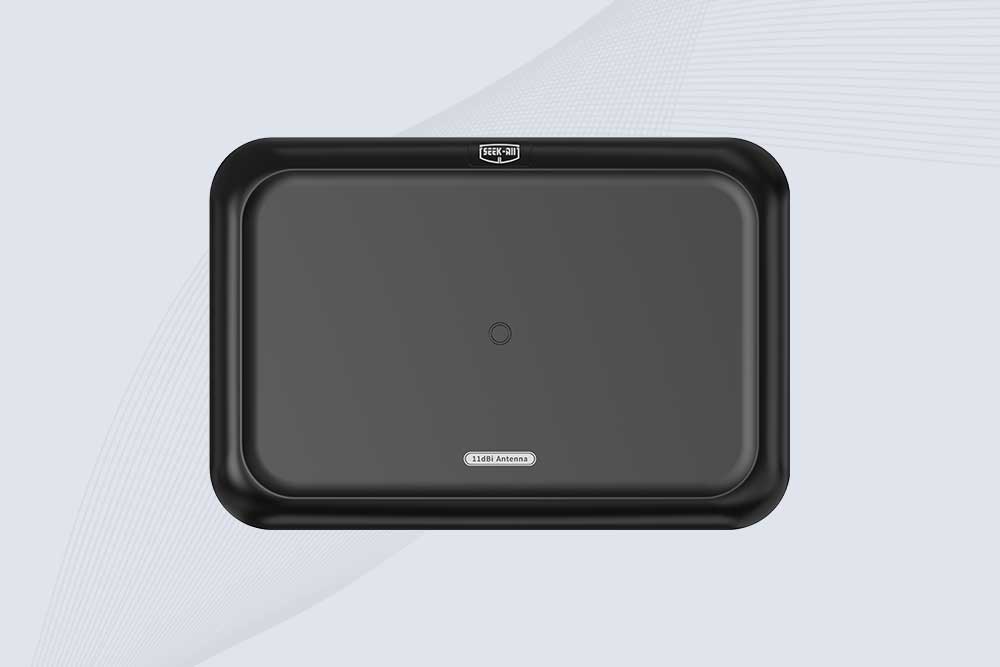
SSD-A11 UHF RFID antenna features 840–960 MHz adjustable frequency, ≥10.5 dBi gain, circular polarization and 50Ω impedance for fixed RFID systems.
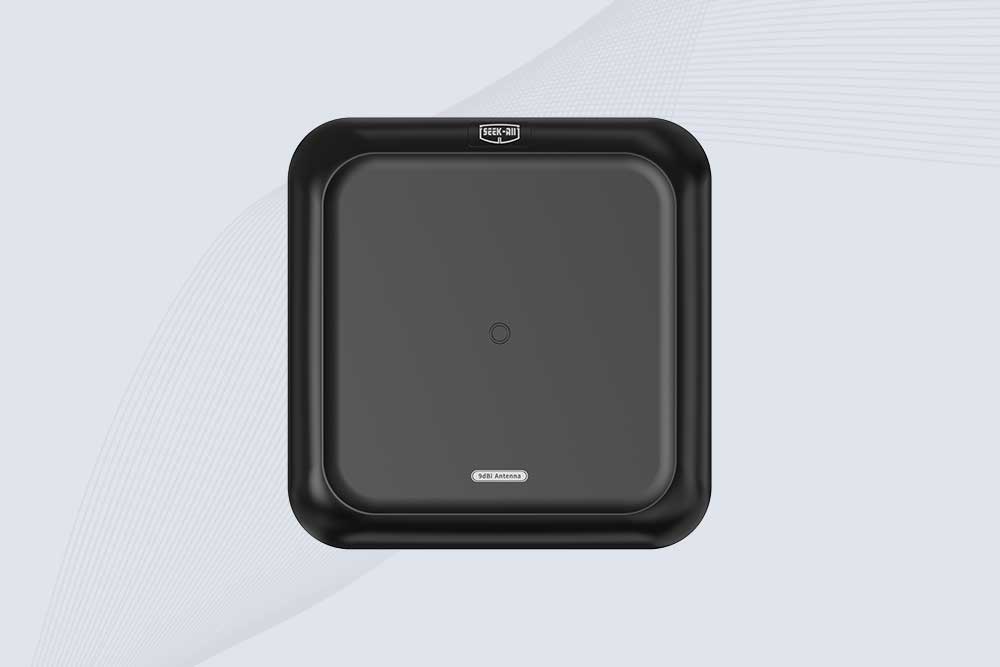
SSD-A09 is a 9 dBi UHF RFID antenna with 840–960 MHz adjustable frequency, circular polarization, 50Ω impedance and directional 60° × 60° coverage.
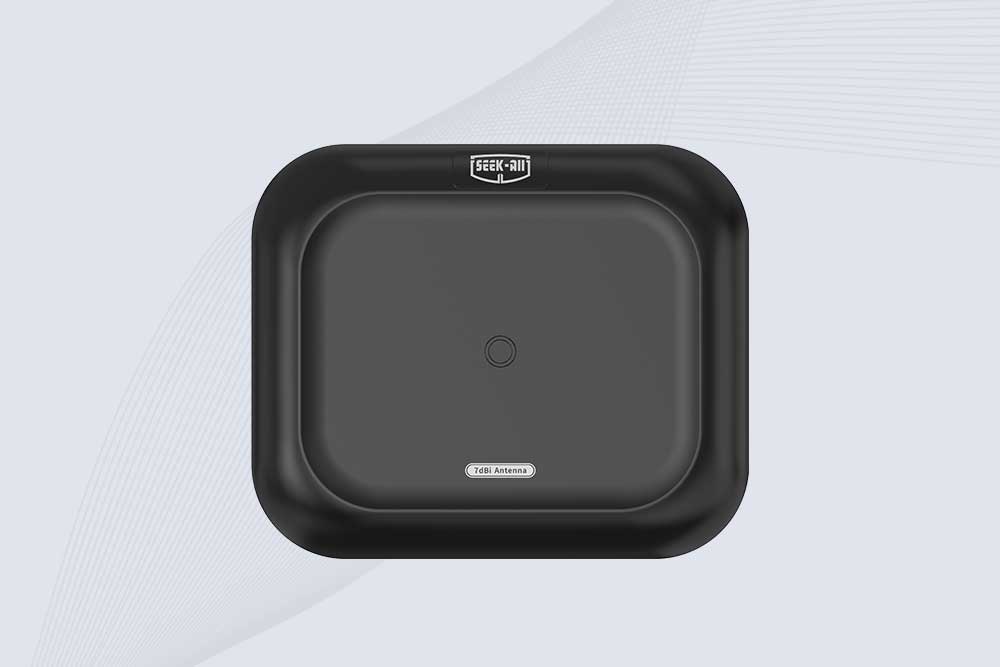
Explore the SSD-A07 UHF RFID antenna with 7 dBi gain, circular polarization, adjustable 840–960 MHz frequency, and 60°/75° beamwidth for stable RFID read/write performance.

SSD-A06 UHF RFID antenna with circular polarization, adjustable 840–960 MHz frequency, ≥4.5 dBi gain, and a compact directional design for RFID systems.

SSD-R16L Multi-Channel RFID Infrastructure for Automated Inventory Management ✔️ 16-Port High-Density RFID Reading Equipped with 16 SMA antenna ports, SSD-R16L supports multi-antenna deployment for warehouses, retail stores, logistics, production lines, and large-area RFID identification. ✔️ High-Speed & Long-Range Performance With up to 33…

SSD-R8L 8-port UHF RFID reader with 33dBm output, up to 20m reading range and 600+ tags/s recognition. Ideal for warehouse, logistics, retail and asset tracking.

SSD-R4L is a 4-port UHF RFID fixed reader with 33dBm output power, up to 20m reading range, EPC C1G2 support and 600+ tags/s reading speed.
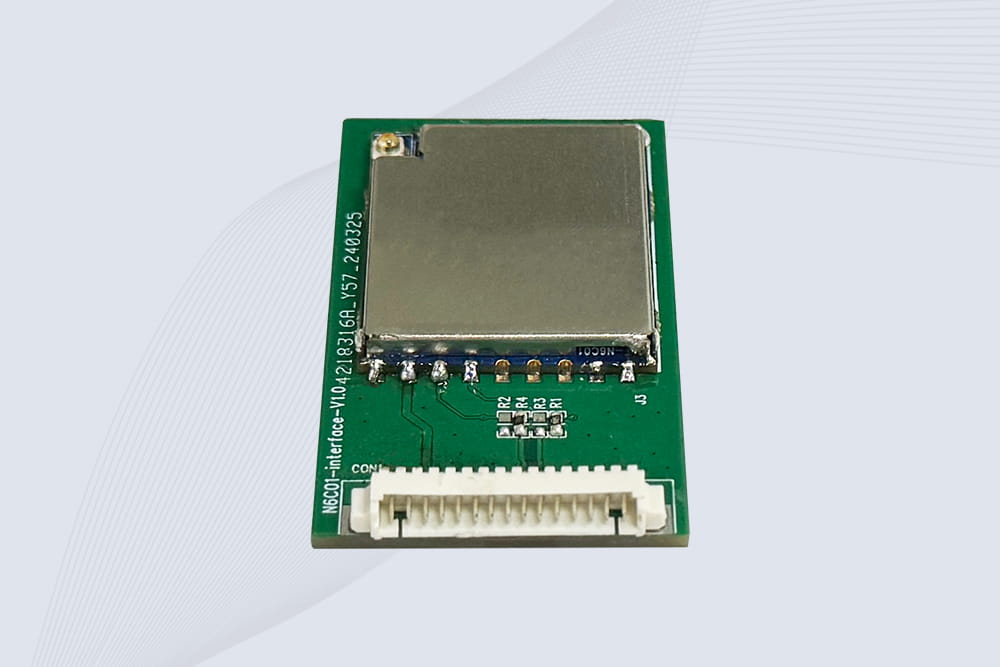
CYKEO Embedded RFID Modules are designed for compact industrial and IoT devices that require stable UHF performance. These UHF RFID Modules support global protocols, flexible power control, and reliable multi-tag reading for smart cabinets, production lines, and asset tracking systems.
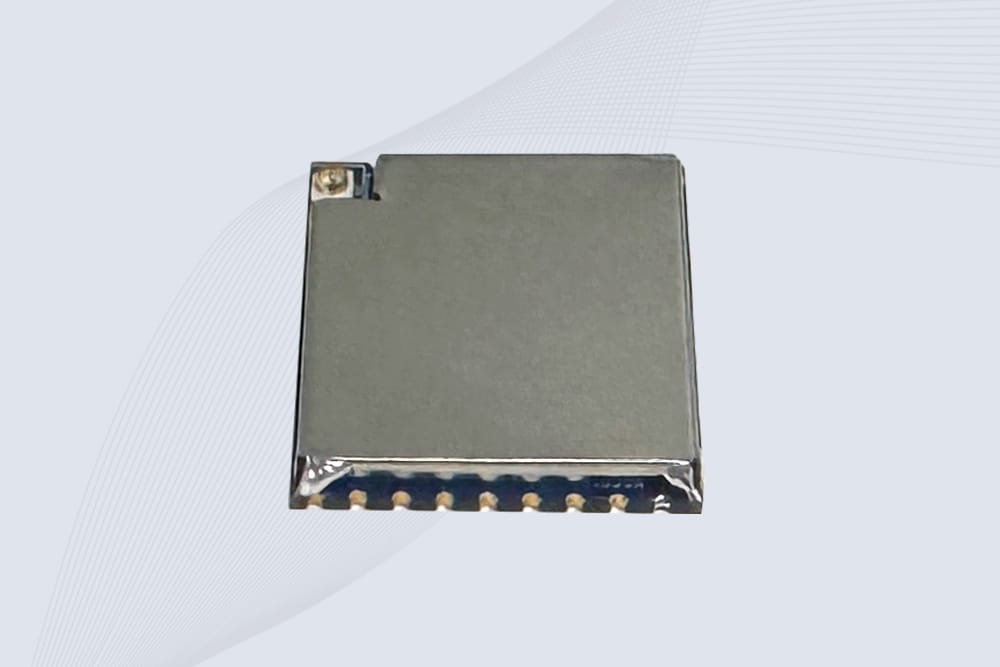
CYKEO Embedded RFID Module is built for compact IoT and industrial devices that need stable UHF performance. This UHF module supports global protocols, low power operation, and reliable multi-tag reading for smart lockers, production lines, and always-on RFID systems.
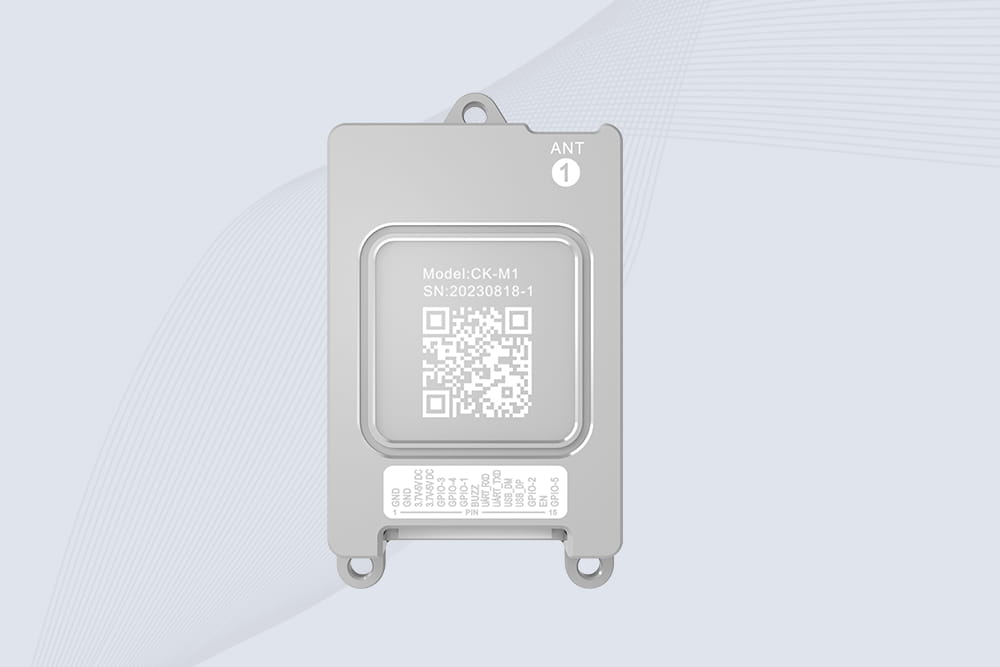
CYKEO CYKEO-M1 drone rfid module is a compact UHF RFID reader module designed for drones and UAV platforms. It supports long-range aerial scanning, fast multi-tag reading, and stable performance in wind, vibration, and outdoor environments.
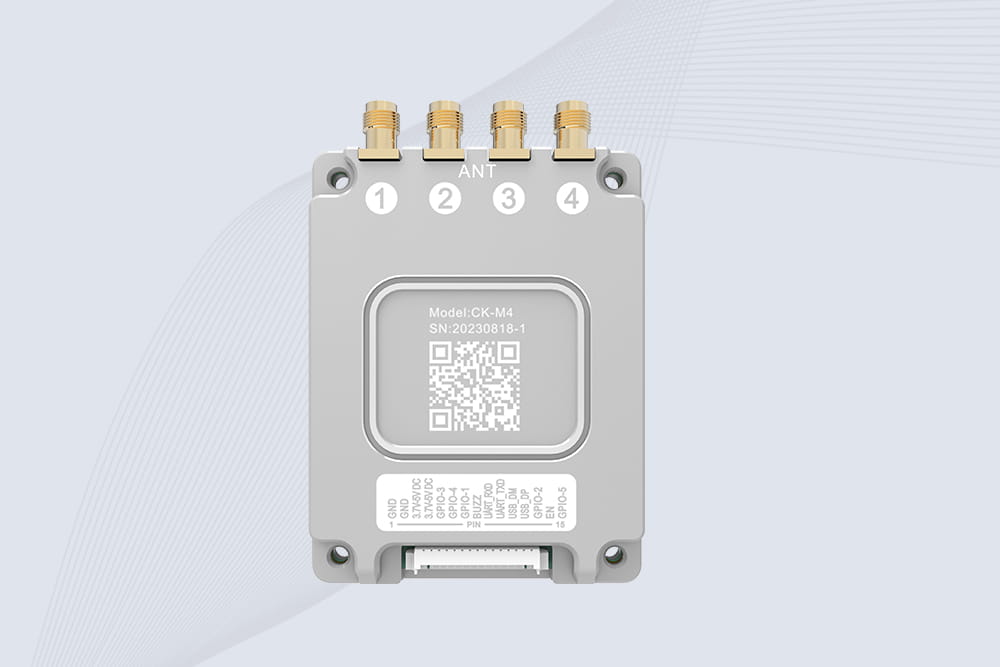
CYKEO CYKEO-M4 RC522 RFID Module is an industrial-grade UHF RFID reader with 4 ports, supporting ISO, EPC, and GB protocols. High-speed, accurate reading for IoT, automation, and warehouse applications.
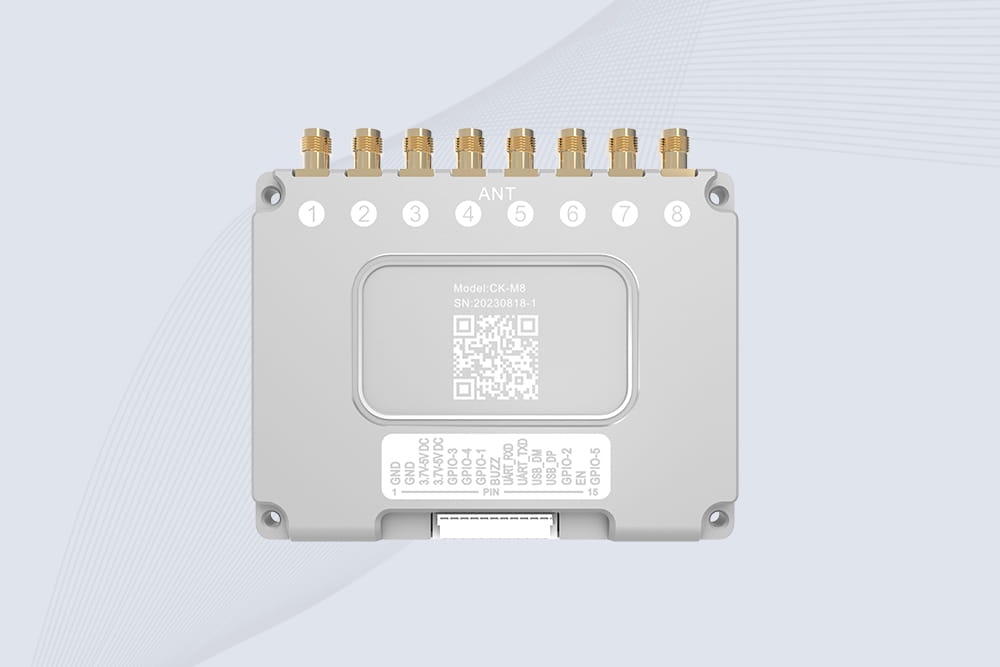
CYKEO CYKEO-M8 Module RFID is an 8-port UHF R2000 RFID Module designed for high-density, multi-tag environments. Stable 33dBm output, ISO & GB protocol support, ideal for warehouses, factories, and automated systems.
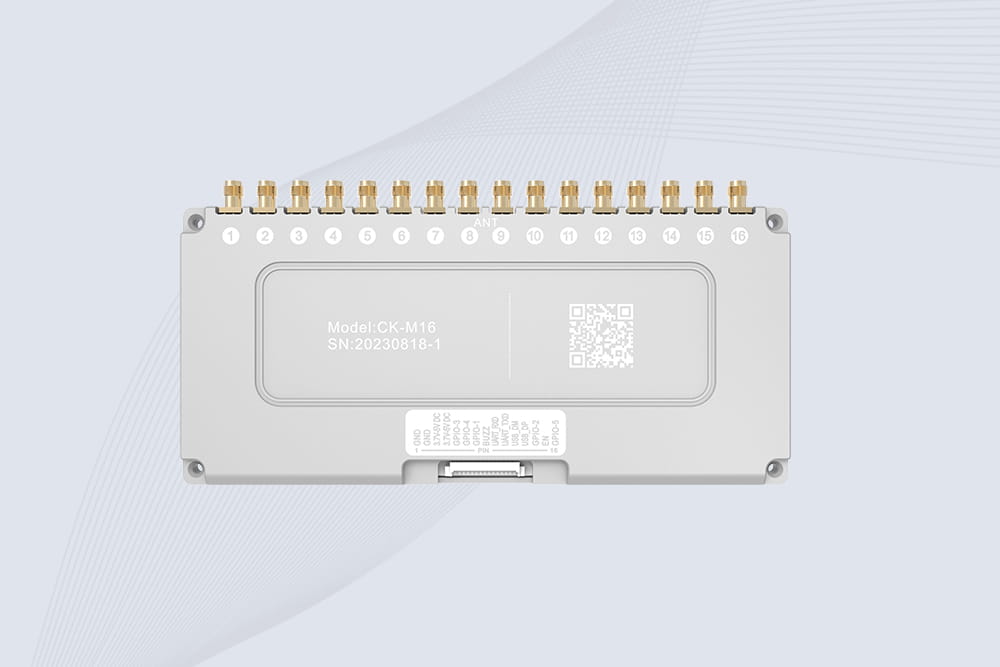
CYKEO CYKEO-M16 RFID Module is a 16-port UHF RFID reader module based on the R2000 chipset. Designed for dense tag environments, it supports ISO and GB standards and delivers stable multi-antenna control for industrial automation.
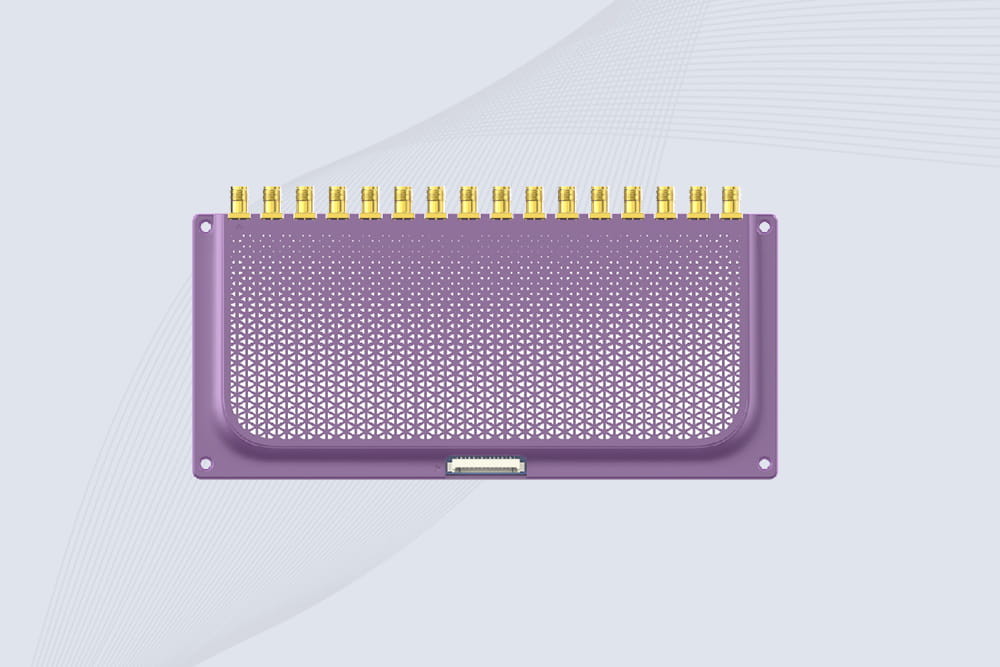
The CYKEO CYKEO-M16L RFID Reader Module is a 16-channel UHF RFID core designed for dense tag environments. With adjustable 33dBm output, multi-protocol support, and stable multi-antenna control, this RFID Tag Reader Module fits industrial automation, warehouse systems, and large-scale IoT deployments.
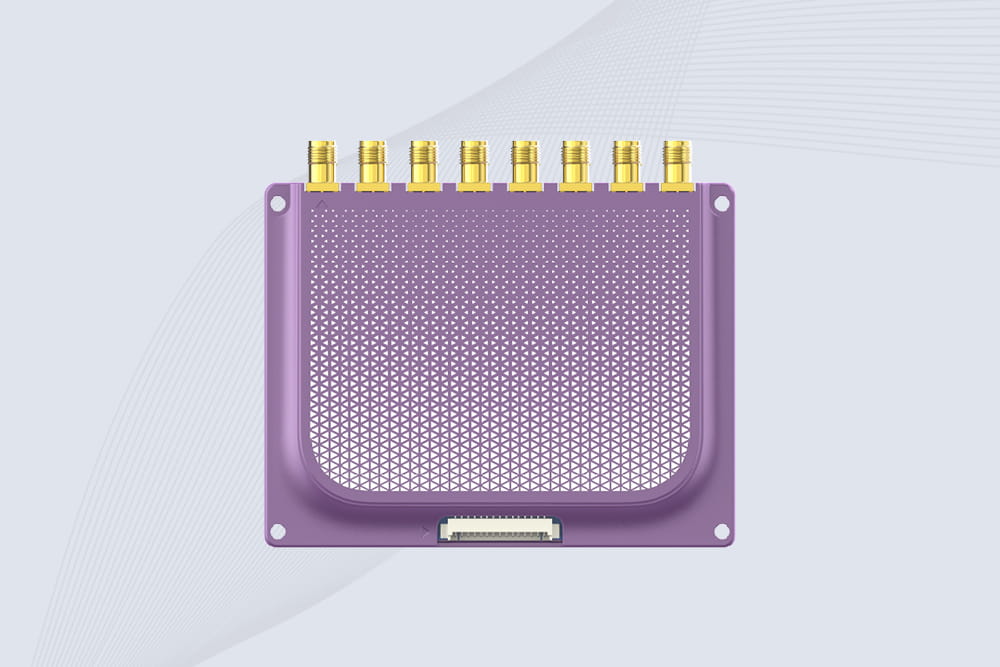
CYKEO CYKEO-M8L module RFID is a compact industrial UHF module built for dense tag and multi-antenna environments. With 8 RF ports, adjustable 33 dBm output, and ISO & GB protocol support, it is widely used in factories, warehouses, and automated tracking systems.
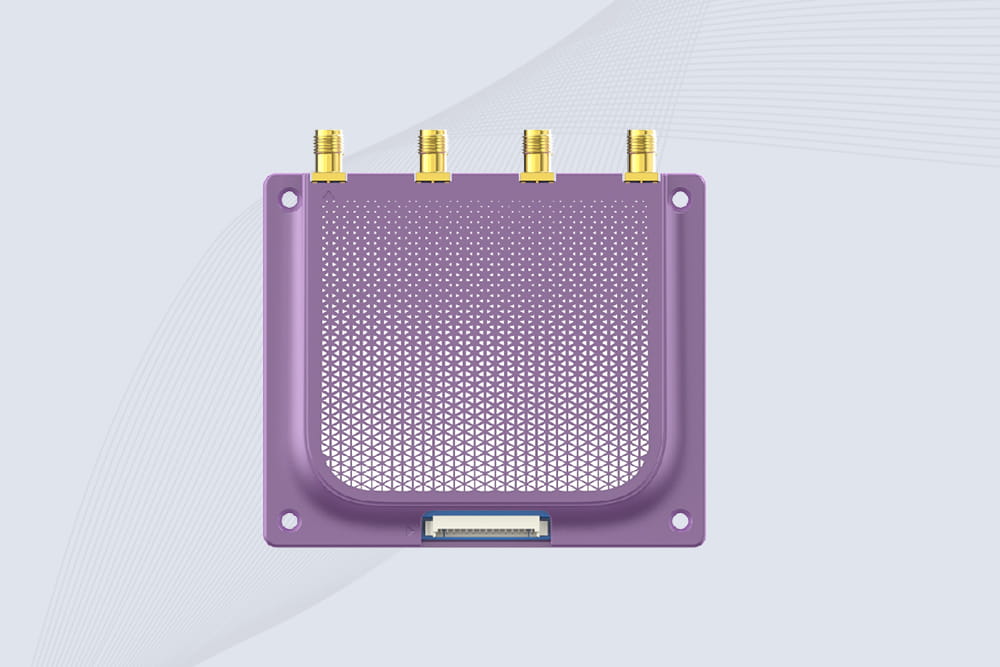
CYKEOCYKEO-M4L UHF RFID Module is a compact 4-channel RFID tag reader module designed for dense tag environments. Supporting ISO and GB protocols, it delivers stable reads up to 10 meters for industrial and IoT systems.
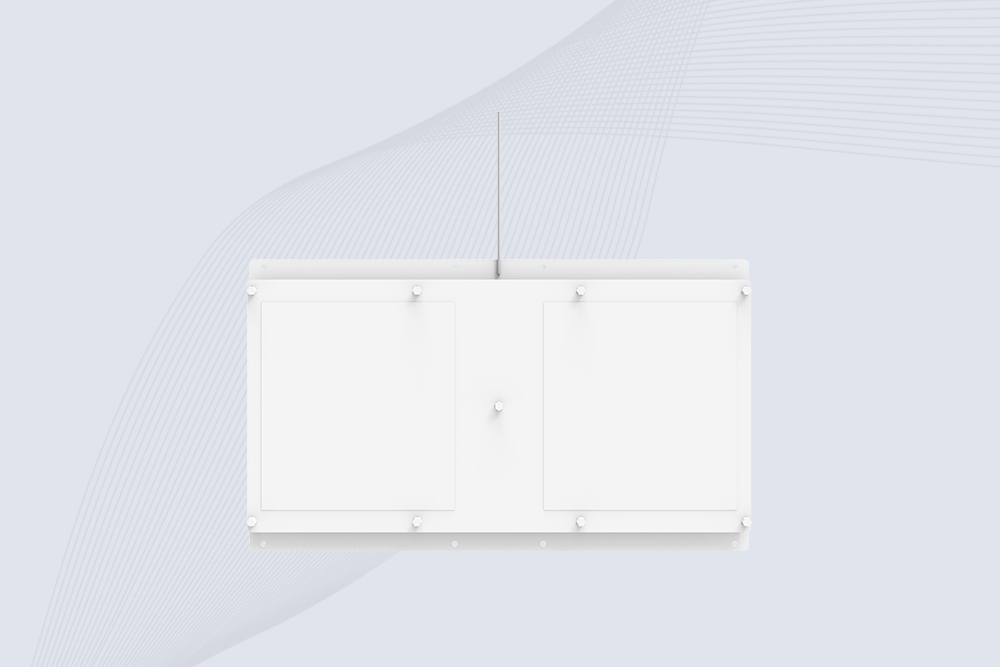
Cykeo CYKEO-A11 UHF RFID reader antenna delivers 11dBi gain, 840-960MHz frequency range, and IP65 ruggedness for retail, logistics, and industrial RFID systems. Features low VSWR and easy installation.

CYKEO Antenna RFID Reader delivers stable long-range UHF performance with a 10.5dBi directional design, built for warehouses, conveyor portals, and industrial RFID systems. This rfid reader antenna provides 20m+ read distance and rugged IP67 protection.

Cykeo CYKEO-PHF3 industrial HF RFID Antenna offers 24-point dynamic tracking, ISO 14443A/15693 protocols, metal-environment stability for archives/libraries/manufacturing.

Cykeo CYKEO-A5B industrial Linear RFID Antenna delivers 5dBi gain, ≤1.5:1 VSWR, and IP65 rugged design for warehouse, production line, and logistics UHF systems.

Cykeo’s CYKEO-B12 Long Range RFID Antenna delivers 15m+ read range with 12dBi gain, IP65 rugged design, and global 840-960MHz UHF support. Ideal for warehouse/logistics asset tracking.
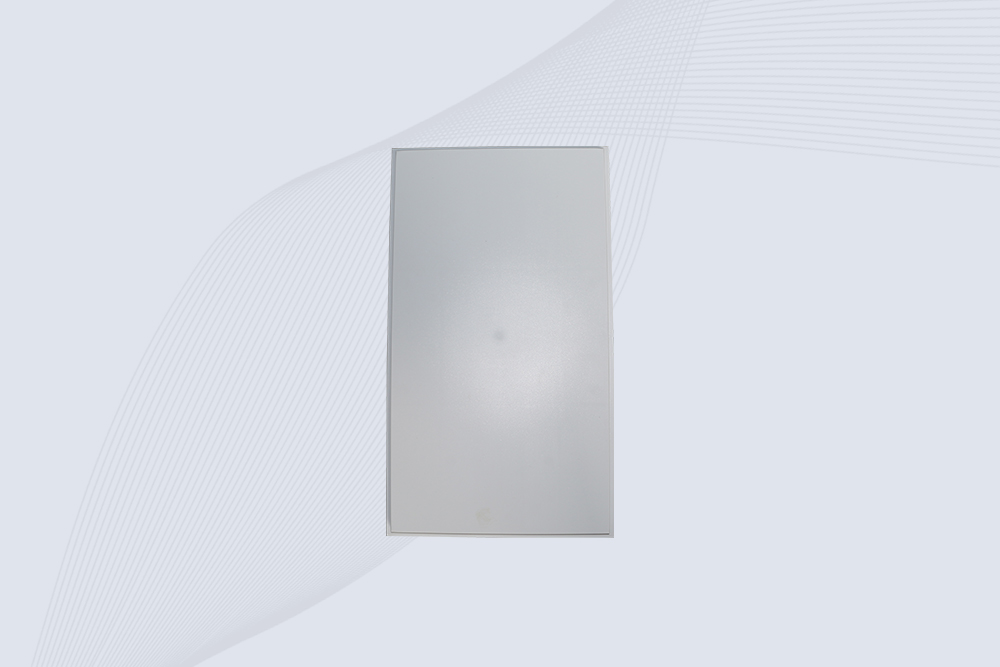
Cykeo CYKEO-B10 Long Distance RFID Antenna offers 10dBi gain, 840-960MHz frequency range, IP65 rating, and 20m+ coverage for logistics/warehousing/ETC systems. Low VSWR ensures stable signal transmission.
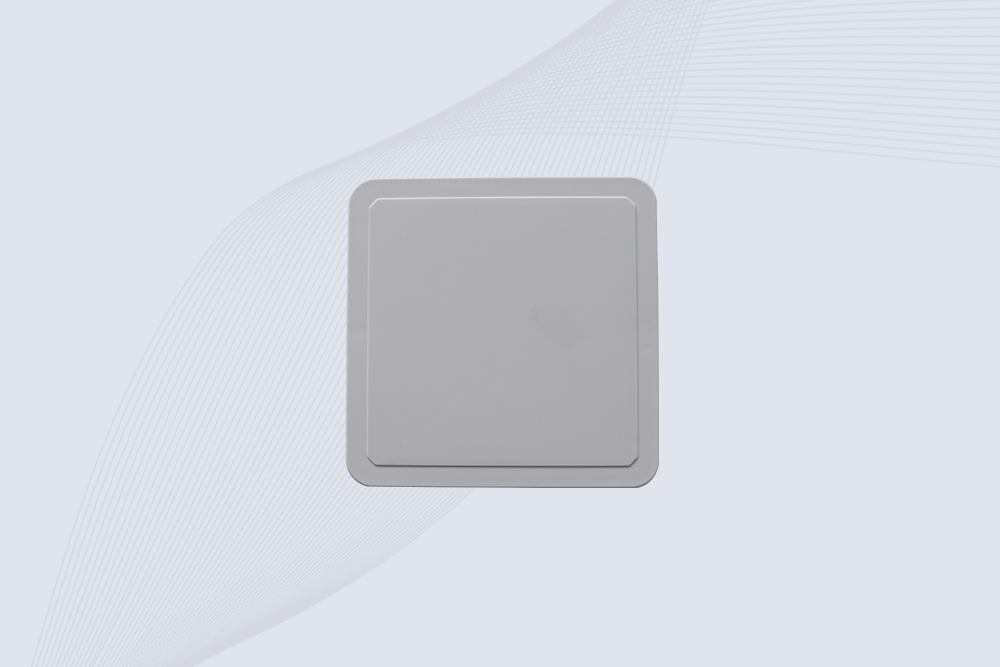
Cykeo CYKEO-A6 UHF RFID panel antenna features 6dBi gain, 840-960MHz broadband, IP65 metal-ready housing for logistics/smart retail. 18mm ultra-thin design with tool-free mounting.

Cykeo CK-A3 industrial antenna RFID UHF offers 5m+ tag detection, ≤1.3:1 VSWR, IP65 rugged design, and global UHF spectrum compatibility (840-960MHz) for warehouses, factories, and retail.
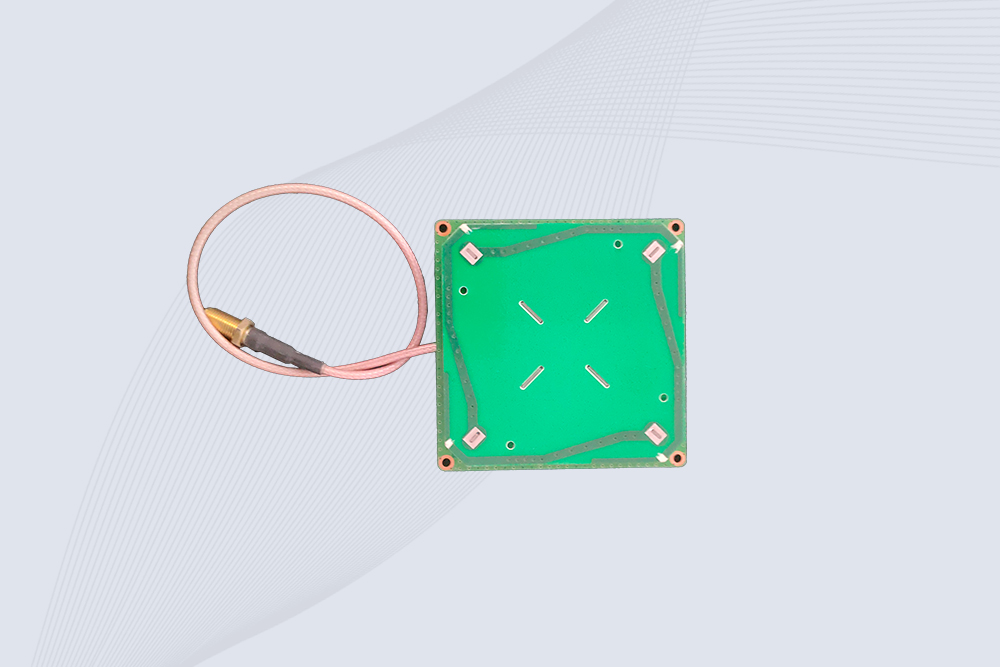
Cykeo CYKEO-B5 directional RFID antenna provides 5dBi gain with 60° narrow beamwidth for precise inventory tracking. IP65-rated, global UHF frequency support, and low VSWR.
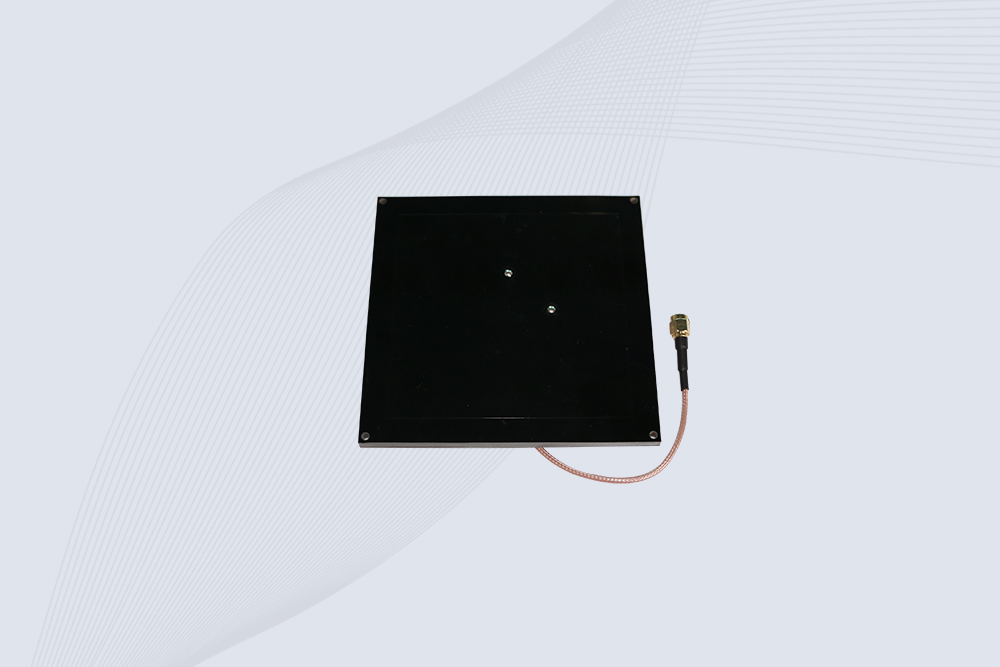
Create your own high-performance DIY RFID antenna! 5dBi gain, 840-960MHz tunable, step-by-step guides. Compatible with Arduino, Raspberry Pi, and commercial UHF readers.
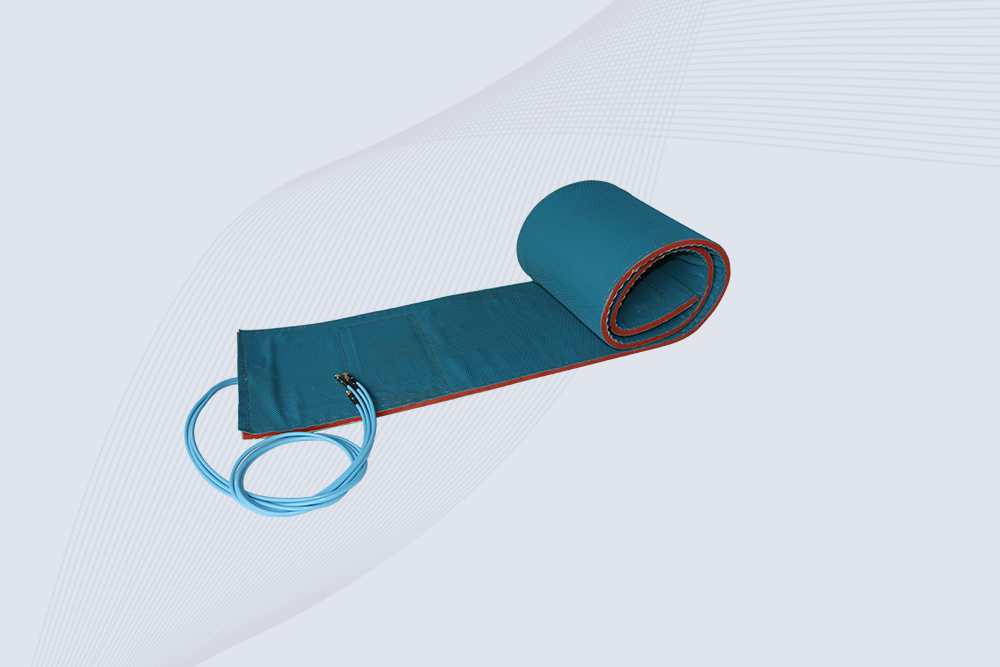
Cykeo CYKEO-A7 Flexible RFID Antenna features 840-960MHz wideband tuning, 7dBi gain, and IP68 rating for medical/retail/industrial curved surface deployments. 98% read accuracy with peel-and-stick installation.

Cykeo CYKEO-B5A industrial Passive RFID Antenna delivers 5dBi gain, 70° beamwidth, and -40°C~55°C operation for warehouses/smart cabinets. Compatible with Zebra/Impinj readers.
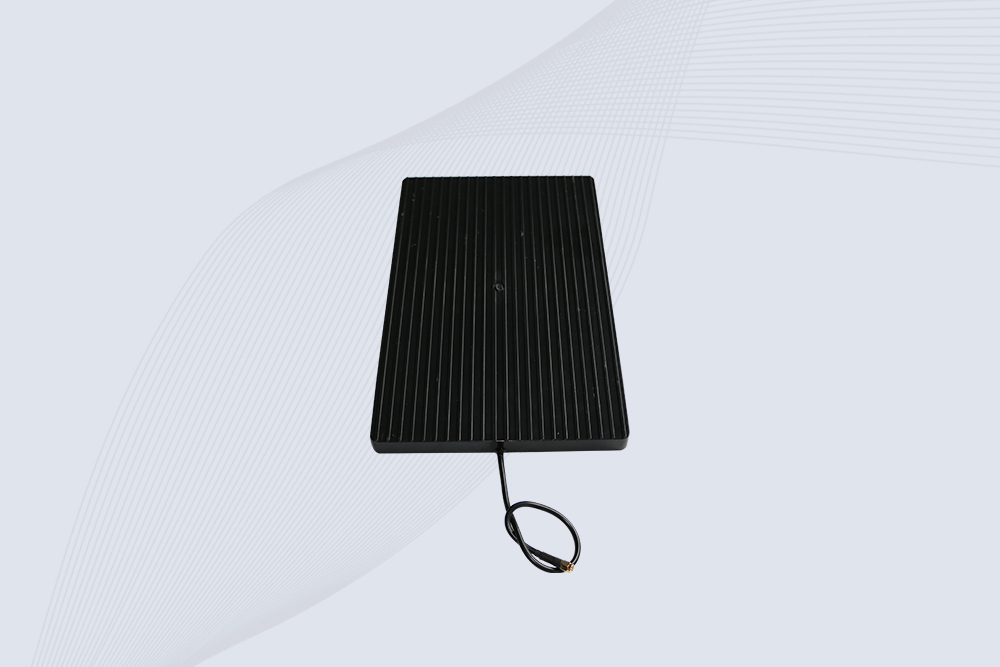
Cykeo’s CYKEO-A9B High Gain RFID Antenna delivers 15m+ read range with 9dBi amplification. Features IP54 rugged design, 840-960MHz bandwidth, and 80° beamwidth for warehouse/manufacturing RFID systems.

Cykeo’s enterprise-grade 8dbi Impinj RFID Antenna 10m+ read range with 840-960MHz tuning. Features IP65 housing, 1.4 VSWR, 35° beamwidth for retail/warehouse RFID systems.
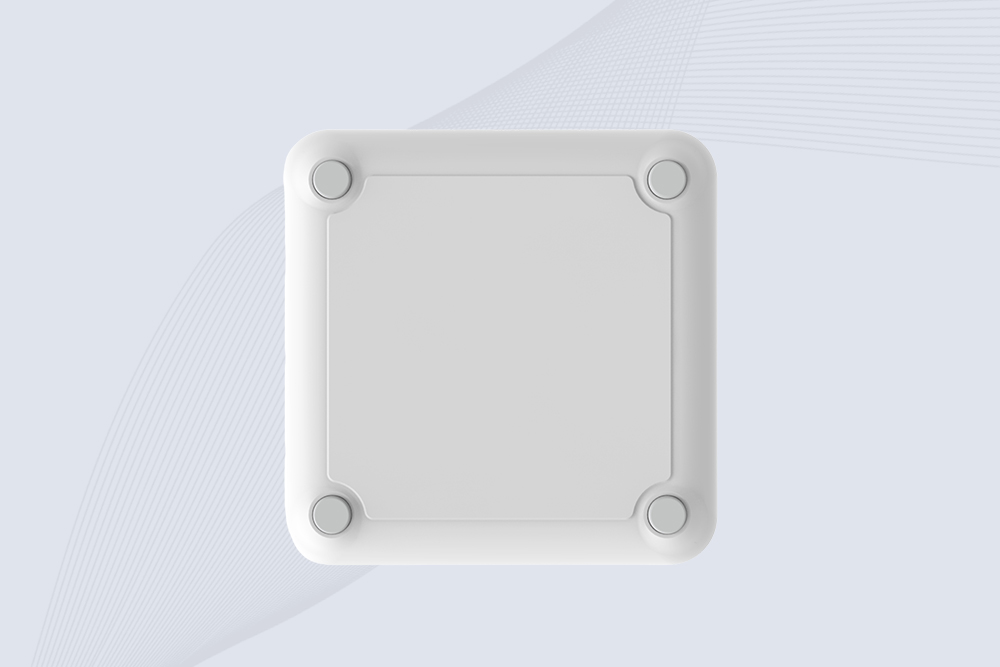
Cykeo CYKEO-A9 industrial UHF RFID antenna delivers 9dBi gain, 840-960MHz frequency range, and IP65 protection for warehouse/logistics/retail RFID systems. Features N-type connector and ≤1.3:1 VSWR.
CYKEO UHF RFID Antenna built for long-distance and industrial applications. This antenna rfid uhf delivers strong gain, outdoor durability, and reliable tag performance in warehouses, yards, and vehicle ID systems.
CYKEO Antenna RFID delivers reliable long-range UHF performance in warehouses, retail shelves, and cold-chain environments. This compact uhf rfid antenna provides stable reads with circular polarization and ultra-wide 840–960 MHz support, ideal for industrial tracking, smart shelves, and asset monitoring.
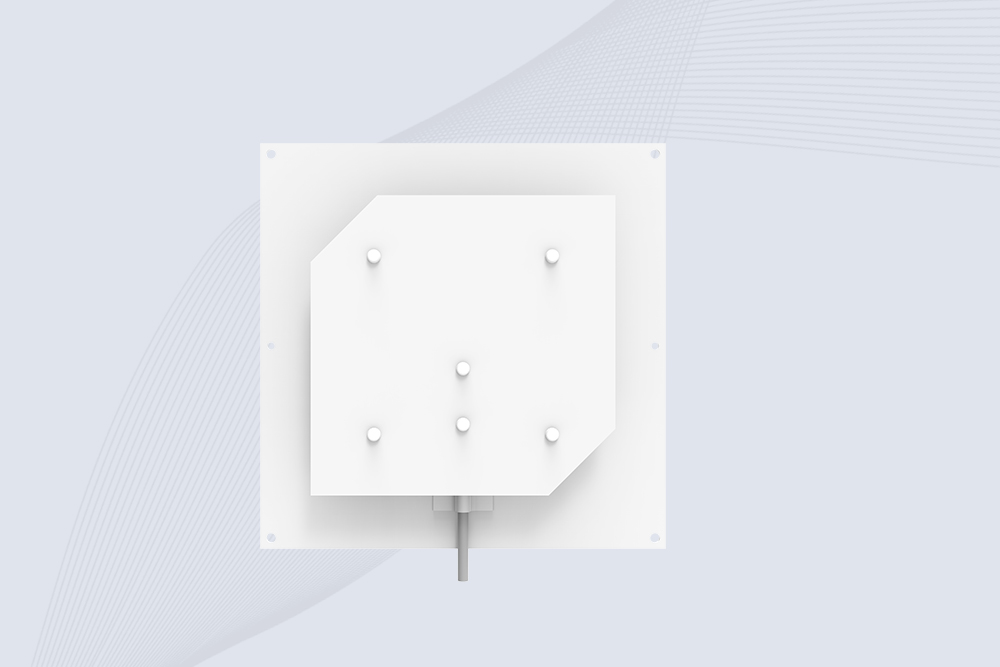
Cykeo’s CYKEO-C8 UHF RFID antennas delivers 8dBi gain, 840-960MHz full-band coverage, and IP65 ruggedness for manufacturing/warehouse RFID systems. Industrial RFID Antennas Features
Cykeo’s 8dBi UHF RFID antenna and reader kit delivers 10m+ range, 840-960MHz broadband, and IP65 ruggedness for factories, warehouses, and logistics. ISO 18000-6C & EPC Gen2 certified.
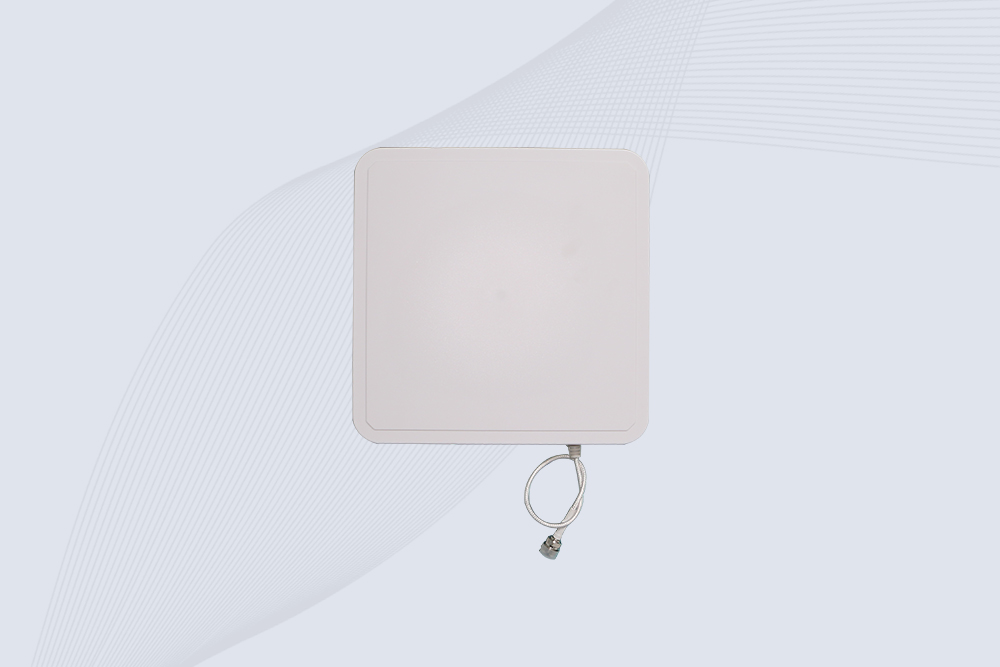
Cykeo CYKEO-A9A industrial UHF RFID reader and antenna kit delivers 10m range, 500 tags/sec, IP65 ruggedness for manufacturing/logistics. Supports EPC Gen2, ISO18000-6C.
Cykeo’s CYKEO-A12C UHF Large RFID Antenna delivers 12dBi gain, 840-960MHz global frequency, IP65 ruggedness for logistics/warehousing/automotive. 40° beamwidth ensures stable 15m+ tag reads.

CYKEO Near Field RFID Antenna provides precise 5–30 cm reading for shelves, cabinets, and workstations. This compact rfid shelf antenna delivers stable short-range performance around metal and clutter, ideal for pharmacies, libraries, and electronics sorting.
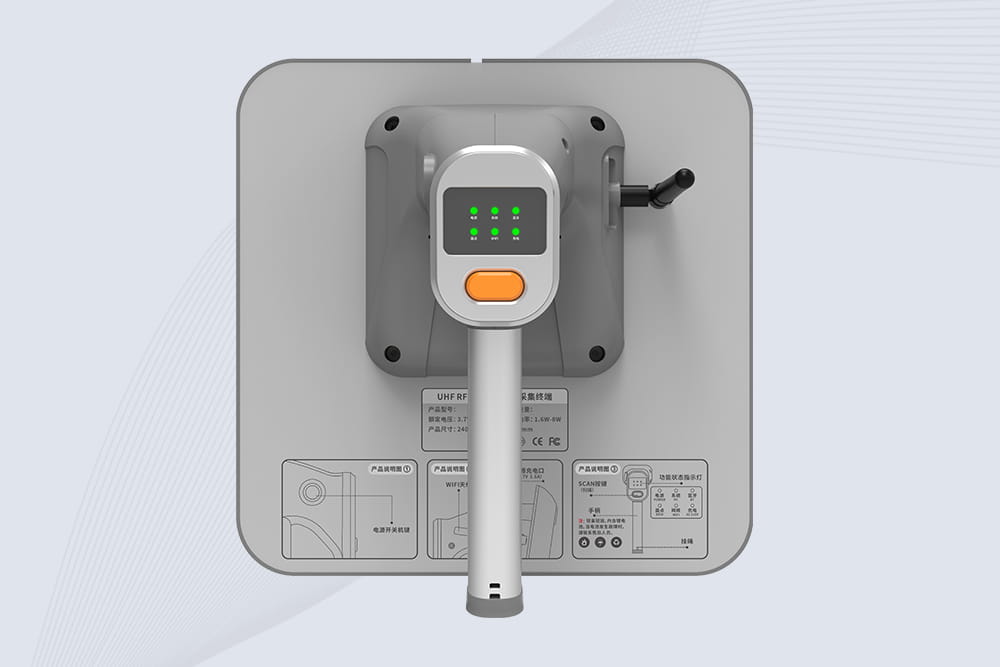
Cykeo CYKEO-B9 UHF Bluetooth handheld RFID scanner features 12m UHF range, 200+ tags/sec scanning, IP67 rugged design for retail/warehouse/pharma. Supports Android SDK & real-time Bluetooth 5.0 transmission.
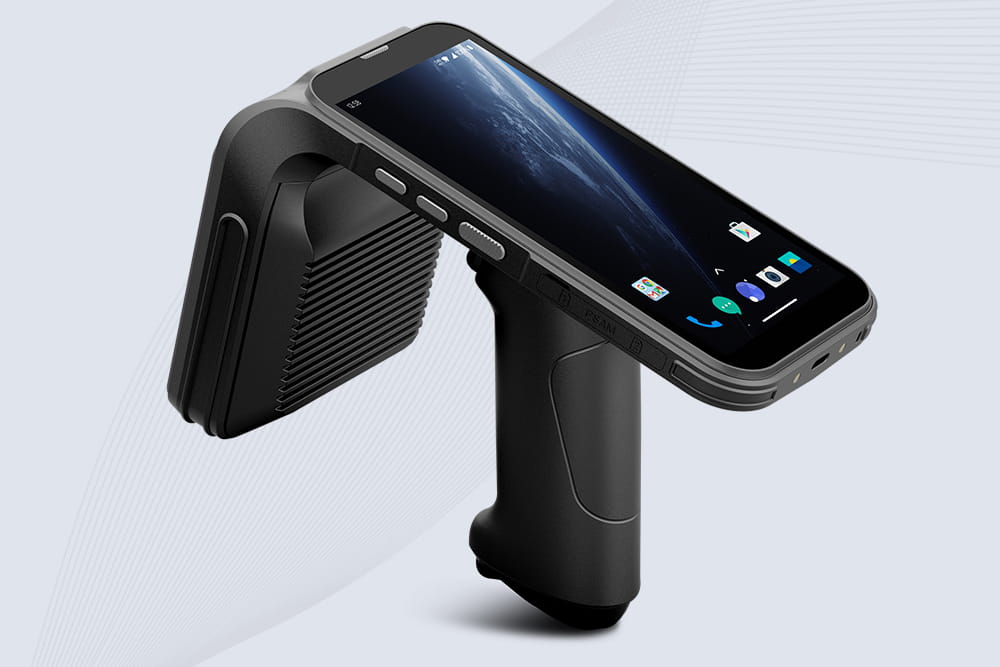
Cykeo CYKEO-B4 UHF Handheld RFID Reader scanner delivers 1300 tags/sec reading, 30m UHF range, and 12-hour battery life. IP65 rugged design with barcode/NFC/ID scanning for retail/manufacturing/logistics.
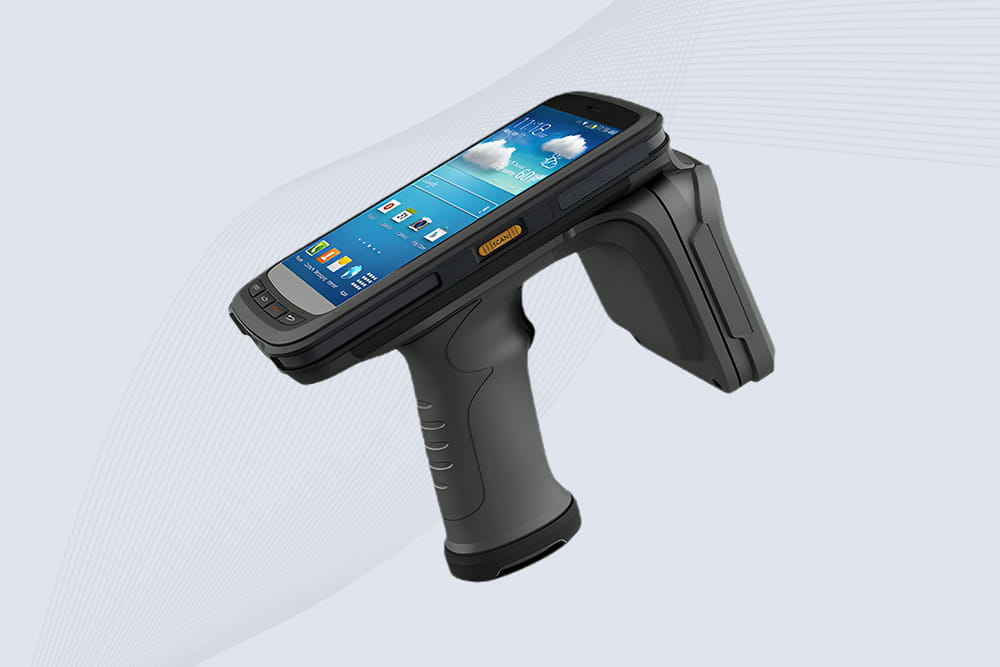
Cykeo CYKEO-B2 industrial UHF RFID handheld Scanner offers 10m range, 500 tags/sec scanning, Android 11 OS, and IP65 rugged design for retail/warehouse/manufacturing.
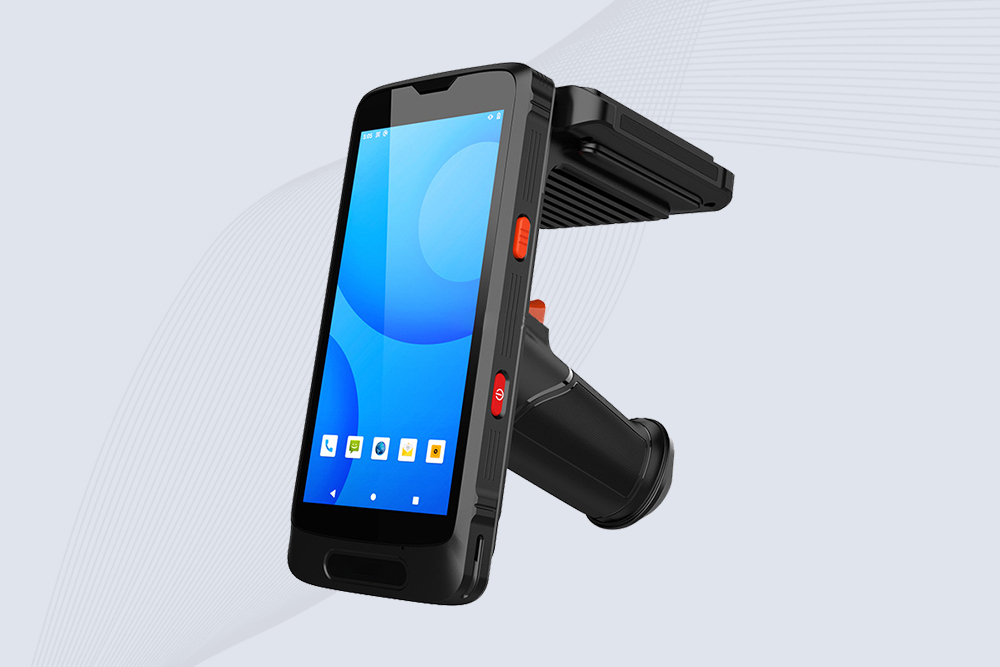
Cykeo CYKEO-B3 industrial RFID Reader Handheld, terminal offers 2m read range, multi-protocol scanning (NFC/barcode/ID), Android 10 OS, and IP65 ruggedness for logistics/retail/manufacturing.
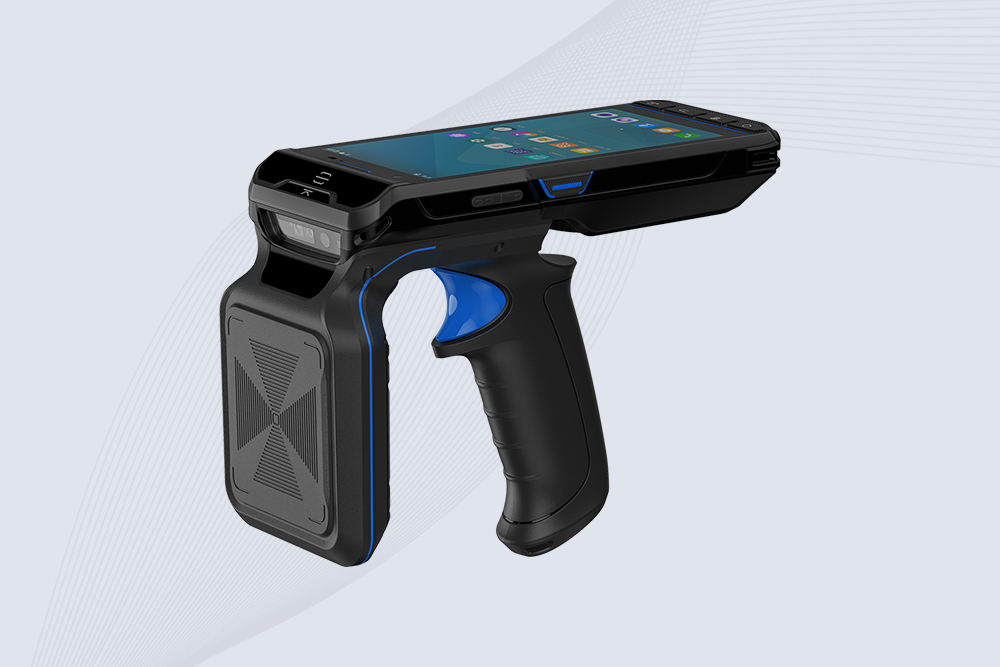
Cykeo CYKEO-B3L industrial handheld UHF RFID Reader terminal features 20m read range, 500 tags/sec scanning, Android 13 OS, 12-hour battery for logistics/retail/manufacturing. Supports barcode/NFC/ID reading.

Cykeo CYKEO-C1 industrial Forklift RFID Reader features 20m read range, 600 tags/sec scanning, Impinj R2000 chipset, and IP67 rugged design. Ideal for warehouse logistics and manufacturing. Supports ISO 18000-6C/6B protocols.

Cykeo CYKEO-R4 industrial UHF RFID Fixed Reader features 4 TNC ports, 400+ tags/sec speed, IP67 housing, and global frequency compliance for vehicle inspection, smart warehouse, and asset management systems.
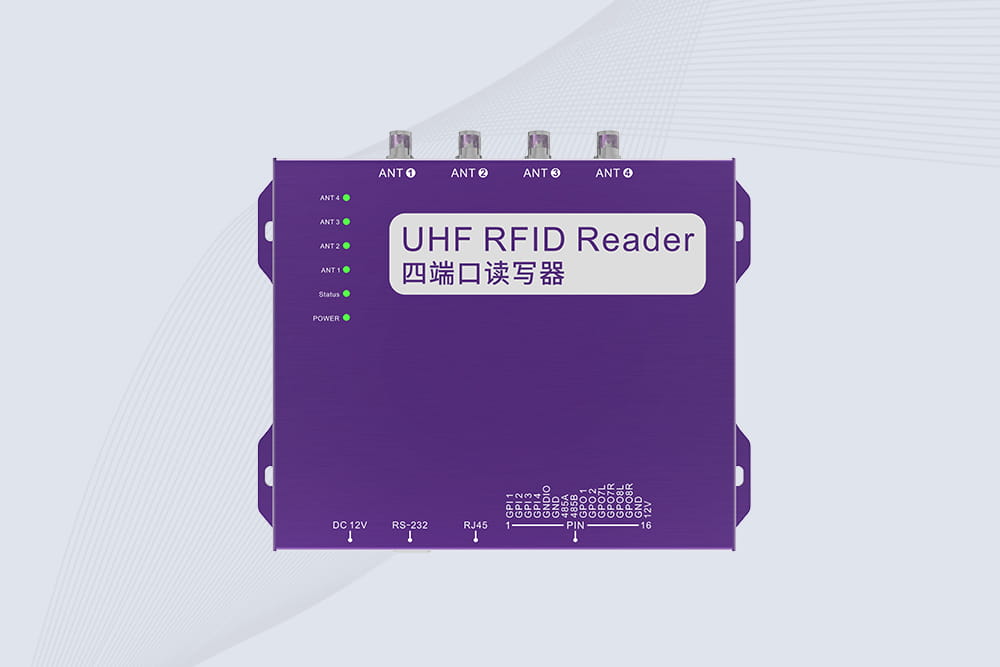
Cykeo’s CYKEO-R4L 4-port Fixed UHF RFID Reader delivers 400 tags/sec scanning, ISO 18000-6C compliance, and IP65 protection. Ideal for warehouse automation, manufacturing WIP tracking, and logistics management.
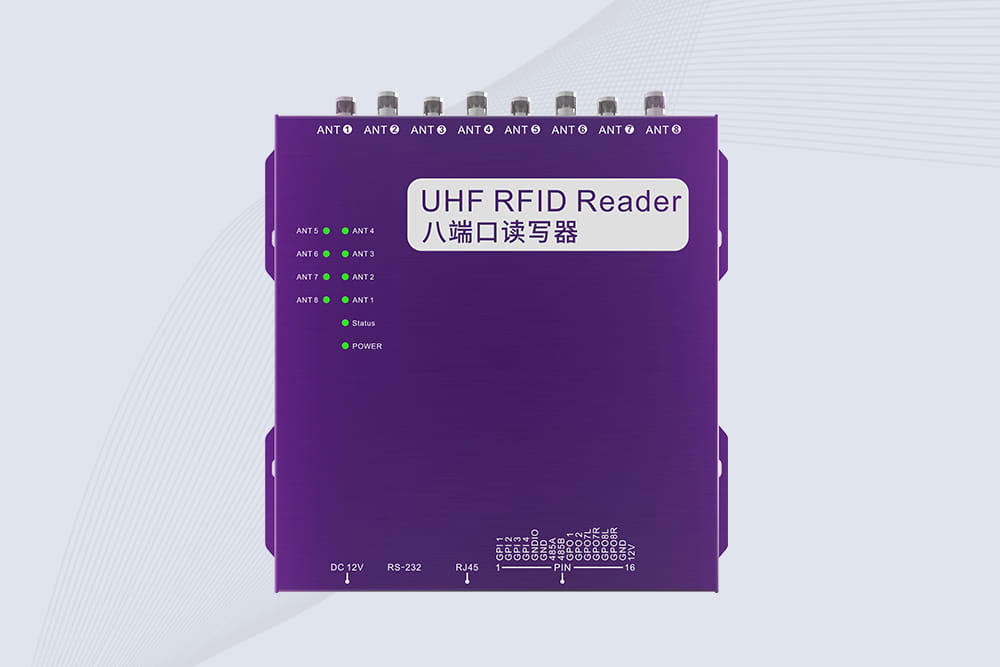
CYKEO CYKEO-R8L Fixed RFID Reader with 8-port UHF design, Impinj-based RF core and up to 20m read range. An industrial Fixed RFID Reader for vehicle inspection, warehouse portals, smart manufacturing lines and secure access checkpoints.
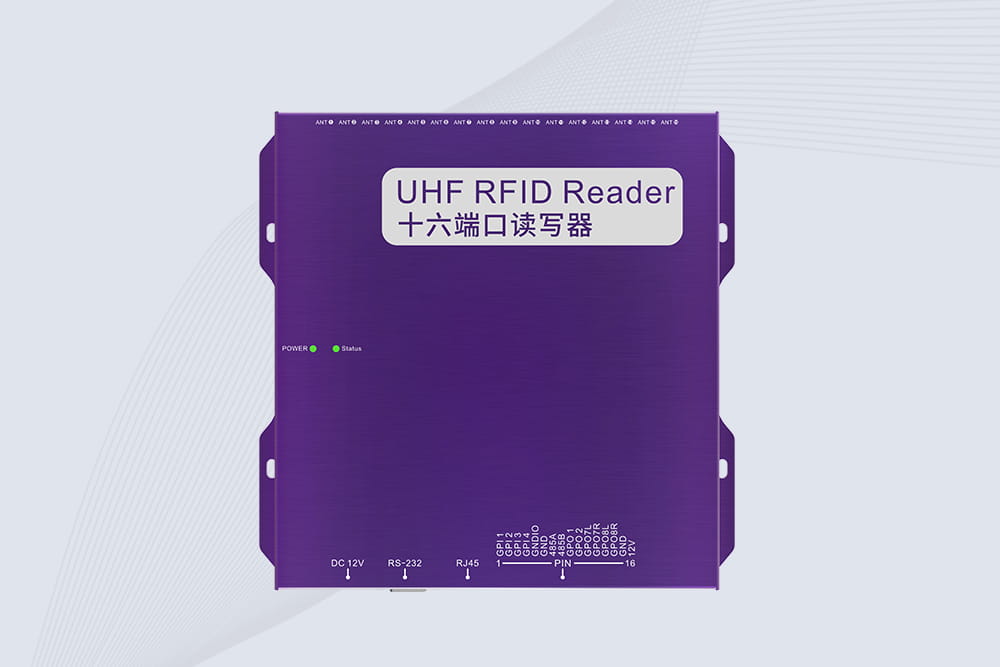
RFID Fixed Reader from CYKEO – the CYKEO-R16L 16-port UHF fixed reader for warehouses, smart cabinets, and production lines. Long-range, multi-tag reading, stable performance for 24/7 industrial use.

To write an RFID card, use a compatible UHF RFID reader writer to select the correct memory bank, encode the required data, and verify the result immediately.
More
Discover the critical differences between passive and active RFID tags. Learn how Cykeo’s solutions optimize inventory tracking, security, and cost-efficiency.
More
RFID reader module solutions enable seamless RFID integration for manufacturing, logistics, asset tracking, and IoT applications.Learn how Cykeo RFID reader modules improve data capture accuracy and automation efficiency.
More
Wondering "how do i use a rfid card reader"? Discover simple steps for access control, USB reader setup, card positioning tips, and troubleshooting with CYKEO.
More