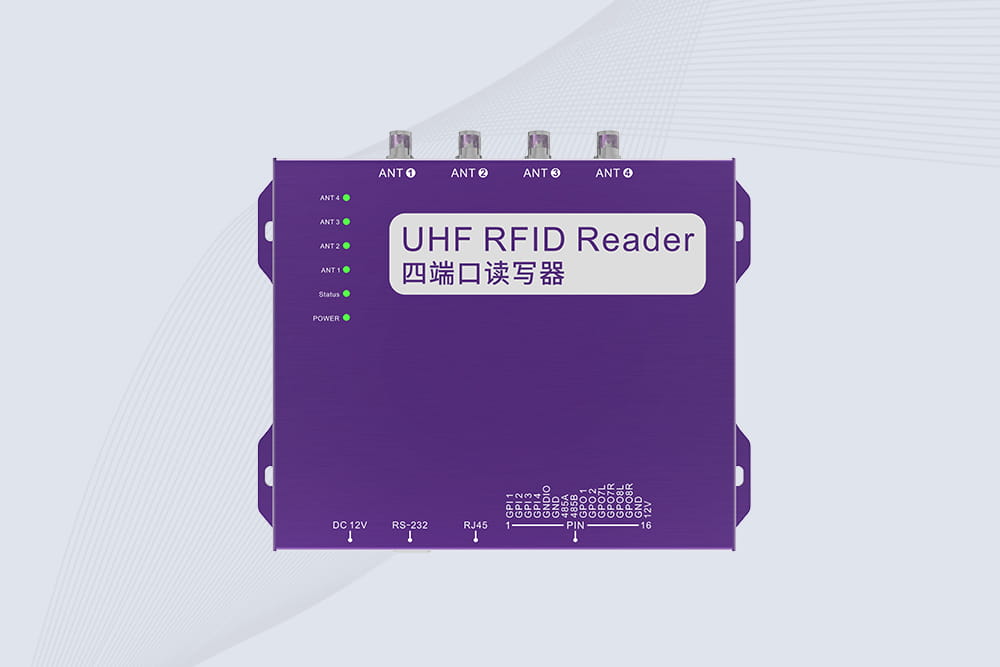
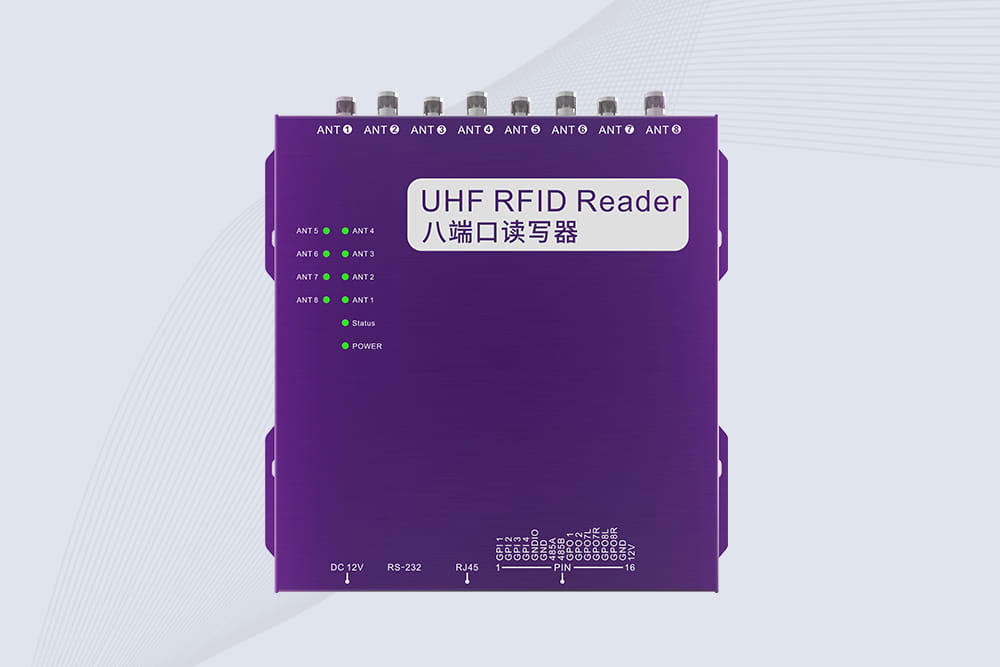
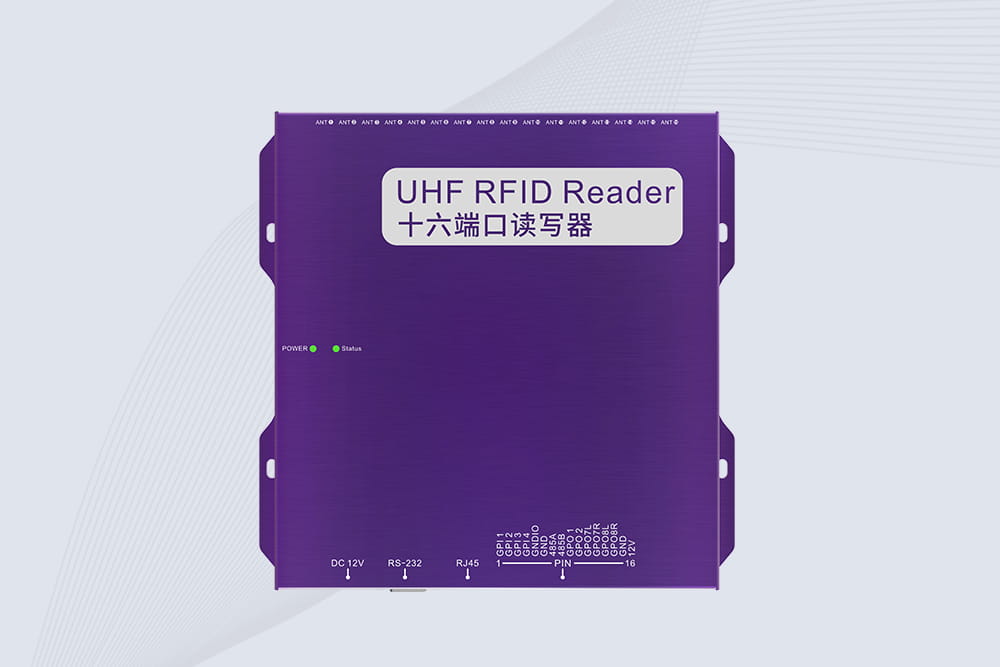
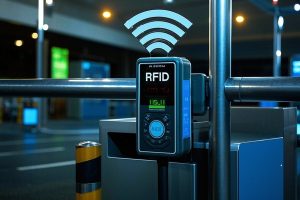
An RFID system uses radio-frequency communication between tags and readers to identify objects automatically. The reader transmits RF energy, passive tags respond through backscatter, and the reader converts those responses into digital identification data for software to process.
That is the operating principle. The engineering is more interesting.
An RFID system is not simply a reader and a sticker. In a working installation, the tag, antenna, reader, communication protocol, middleware, and application software have to behave as one system. If any one of those pieces is poorly matched, the impressive number on a reader specification sheet means very little on the warehouse floor.
GS1 describes an RFID system as consisting of a reader and transponder, with the tag typically combining a microchip and antenna. For passive RFID, the reader provides the electromagnetic energy needed by the tag, while the tag communicates by modulating and backscattering the received signal.
What Are the Main Parts of an RFID System?
A practical RFID architecture can be represented as:
RFID Tag → RFID Antenna → RFID Reader → Data Interface → Middleware/Application
NIST’s RFID guidance also stresses that antenna type and placement determine the coverage pattern and recommends designing the RF coverage around the intended tags rather than simply maximizing range.
That point is easy to underestimate.
A reader may be capable of detecting a tag from a long distance. The system may still be badly designed if it also detects tags belonging to the next warehouse lane.
How Does a Passive RFID System Communicate?
Most industrial UHF RFID deployments use passive tags.
A passive tag normally contains:
An RFID integrated circuit
An antenna
Memory
A substrate or label structure
There is no conventional battery-powered radio transmitter inside the tag.
The reader generates an electromagnetic field. When a compatible passive tag enters that field, energy is coupled into the tag antenna. The tag’s chip uses that energy to operate and modifies the reflected RF signal so the reader can recover information from it.
This is called backscatter communication.
GS1 explicitly describes passive tags as having no radio emitter and explains that they draw power from the reader’s field before modulating the signal that returns to the reader.
The physical exchange is extremely fast.
A pallet does not have to stop.
A carton does not have to be rotated toward a scanner.
A worker does not necessarily have to touch the item.
That is the practical difference RFID brings to automatic identification.
Passive RFID vs. Active RFID
Not every RFID system operates in the same way.
Passive RFID
Passive tags:
Have no conventional onboard transmitter
Receive operating energy from the reader
Communicate through backscatter
Are generally smaller and less expensive
Are widely used for item-level identification
Active RFID
Active tags contain their own power source and radio transmitter.
GS1 notes that active RFID tags can broadcast their own signals and generally provide substantially longer ranges than passive tags. GS1 gives 100 meters or more as a possible range for active tags, while passive UHF tags generally operate over several meters.
The choice depends on the job.
A retail carton does not normally need a battery-powered tag broadcasting across a facility.
A high-value mobile asset may.
RFID Frequency Changes How the System Behaves
RFID is not one single radio technology.
GS1 identifies three major frequency categories:
LF — Low Frequency
HF — High Frequency
UHF — Ultra-High Frequency
Their physical behavior and typical applications differ.
RFID Type
Typical Characteristics
Common Applications
LF
Short range, tolerant in some environments
Animal identification, access
HF
Short-range communication
Cards, documents, NFC
UHF
Longer range, high-throughput identification
Logistics, inventory, asset tracking
For industrial inventory and logistics, UHF passive RFID is particularly important because its operating range and multi-tag capability fit large numbers of moving objects.
GS1 reports that passive UHF/RAIN RFID typically provides several meters of read range, with up to 15 meters in very special cases. Highly sensitive phased-array systems may reach up to 20 meters under suitable conditions.
But range should never be considered independently from antenna coverage.
What Does the RFID Antenna Actually Do?
The antenna is the part of the system that interacts directly with the physical reading environment.
It determines how RF energy is distributed and how responses are received.
Antenna characteristics include:
Gain
Polarization
Directivity
Orientation
Beam pattern
Installation position
NIST specifically recommends selecting and positioning antennas according to the required coverage area. It notes that different antenna types have different coverage patterns and that detachable antennas allow systems to be configured for particular coverage requirements.
This is where many RFID projects become practical engineering rather than simple product selection.
Consider a warehouse dock.
The desired result may be:
Pallet enters Door 4 → tags are captured → shipment event is created.
The undesired result is:
Pallet enters Door 4 → tags are captured → tags from Door 5 are also captured.
Both systems are technically “reading RFID.”
Only one is operationally useful.
What Happens When Multiple RFID Tags Are Present?
RFID systems are specifically designed to handle multiple tags within a reader’s field.
A reader does not simply receive dozens of uncontrolled responses simultaneously.
The RFID communication protocol manages how tags participate in the identification process.
NIST describes reader-to-tag communication protocols as controlling how transactions are initiated and how readers identify particular tags. Its guidance covers both Reader Talks First (RTF) and Tag Talks First (TTF) communication models.
For the passive UHF systems common in logistics, the reader initiates communication and manages the tag inventory process.
That is what allows a reader to identify a population of tags in a relatively short period.
A Real Warehouse Example
Imagine a receiving pallet carrying 45 cartons.
A barcode workflow may require the operator to locate and scan each visible barcode.
The cartons do not need to be individually presented to the reader.
The important phrase is correctly engineered.
Tag placement, carton material, pallet density, antenna geometry, RF power, and environmental interference can all affect the outcome.
Why RFID Systems Sometimes Miss Tags
This is where field experience matters more than marketing language.
A tag that reads perfectly on a workbench can behave differently when attached to a real product.
Metal is a classic example.
GS1 explains that metallic objects can reflect and diffract electromagnetic waves, while water and other liquids can absorb RF energy and detune RFID tags. Specialized tag designs can improve performance in these environments.
A steel tool cabinet therefore needs a different RFID approach from a cardboard shipping carton.
The same reader may be used.
The tag design may not be the same.
Factors That Influence RFID Performance
Tag construction
Tag orientation
Reader output power
Antenna gain
Antenna polarization
Reader sensitivity
Product material
Metal proximity
Liquid content
RF interference
Antenna placement
Reading-zone geometry
NIST has also conducted dedicated testing of interference effects on passive UHF RFID, measuring tag-reading success rate and throughput under different interference conditions.
That is a useful reminder: RFID performance is an RF-system problem, not simply a reader-power problem.
What Does the RFID Reader Send to the Software?
The reader captures identification information.
The application interprets it.
For example:
EPC 3008…A91 → Reader 01 → Antenna 2 → 14:32:08
The warehouse system may interpret that event as:
“Carton received at Dock 2.”
Another system might interpret the exact same EPC event as:
“Tool returned to maintenance cabinet.”
GS1 identifies standards such as the Low Level Reader Protocol (LLRP) for communication between software and RFID readers and describes application-level standards used to connect physical RFID events with business processes.
This separation gives RFID systems flexibility.
The reader captures.
The software decides what the capture means.
A Practical Engineering Observation
After working through RFID deployments, one pattern repeatedly stands out: the hardest part is rarely getting the first tag read.
The difficult part is making the system behave correctly when:
50 tags arrive together
two forklifts pass simultaneously
metal racks surround the reading area
cartons are rotated differently
another reader operates nearby
the same tag remains in the RF field for several seconds
NIST recommends conducting a site survey before deployment and specifically calls for identifying metal, RF-absorbing materials such as water, and potential interference sources.
That is the difference between a laboratory demonstration and an RFID installation that survives daily operation.
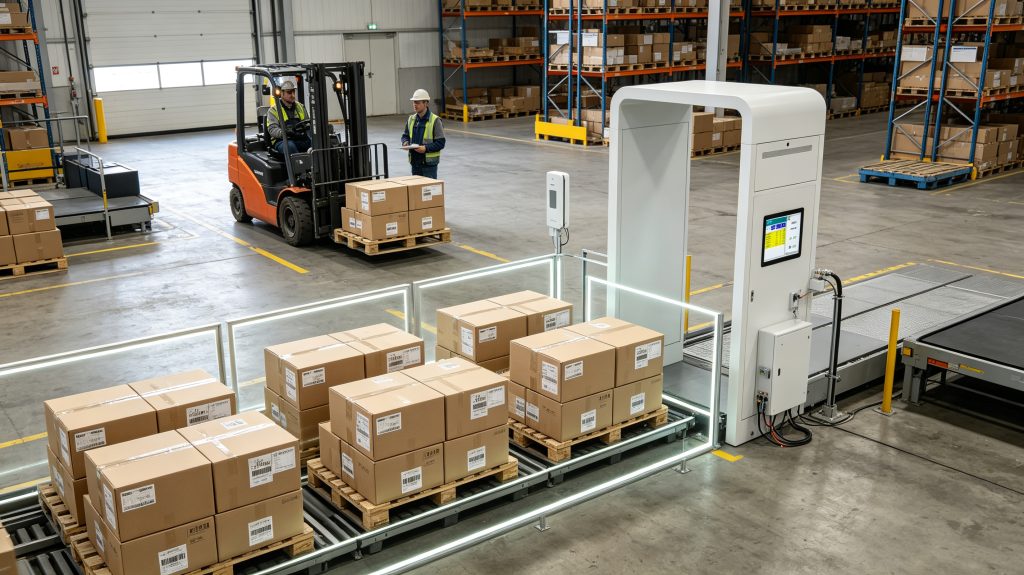
A complete RFID system combines tags, antennas, readers, and software to capture pallet movements automatically.
Cykeo RFID System Architecture
Cykeo RFID solutions are designed around this complete system approach rather than treating the reader as an isolated component.
Depending on model and configuration, Cykeo UHF RFID equipment can support:
ISO 18000-6C / EPC C1G2
Adjustable RF output power
Multi-tag recognition
Anti-collision processing
Tag data filtering
Fixed RFID reader configurations
Desktop RFID reading and writing
Ethernet or RS-232 communication
USB communication on applicable models
SDK/API integration
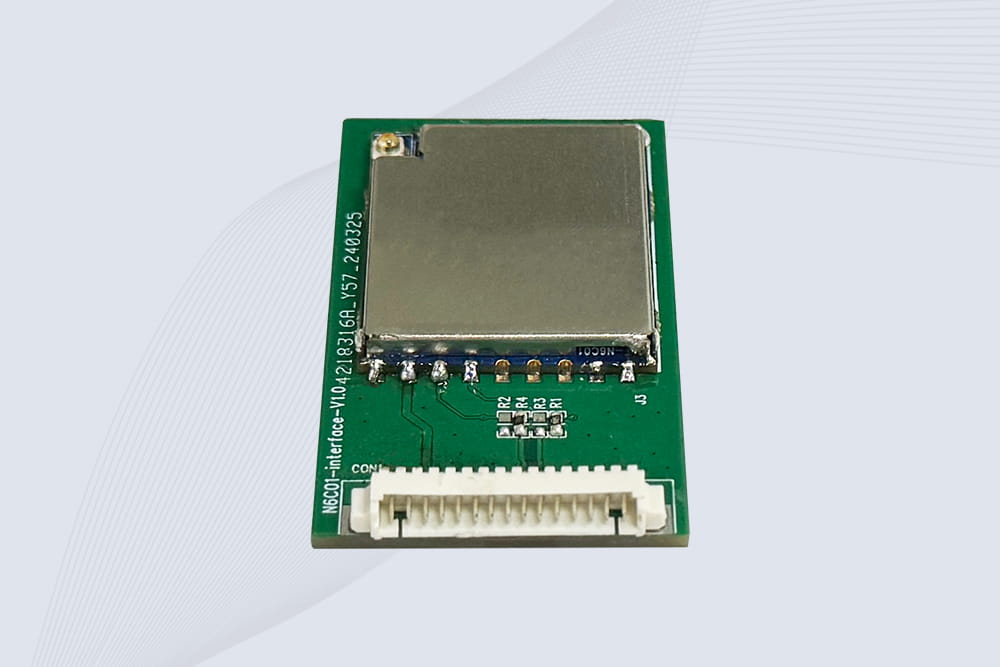
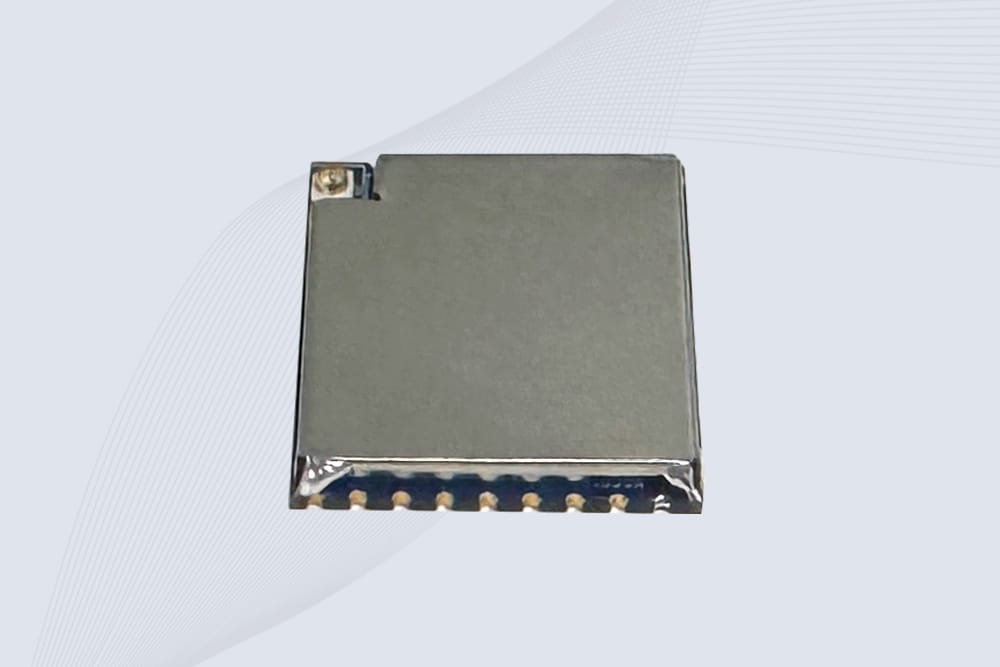
OEM RFID module integration
For a warehouse, the reader may sit at a dock door.
For manufacturing, it may be integrated into a conveyor or workstation.
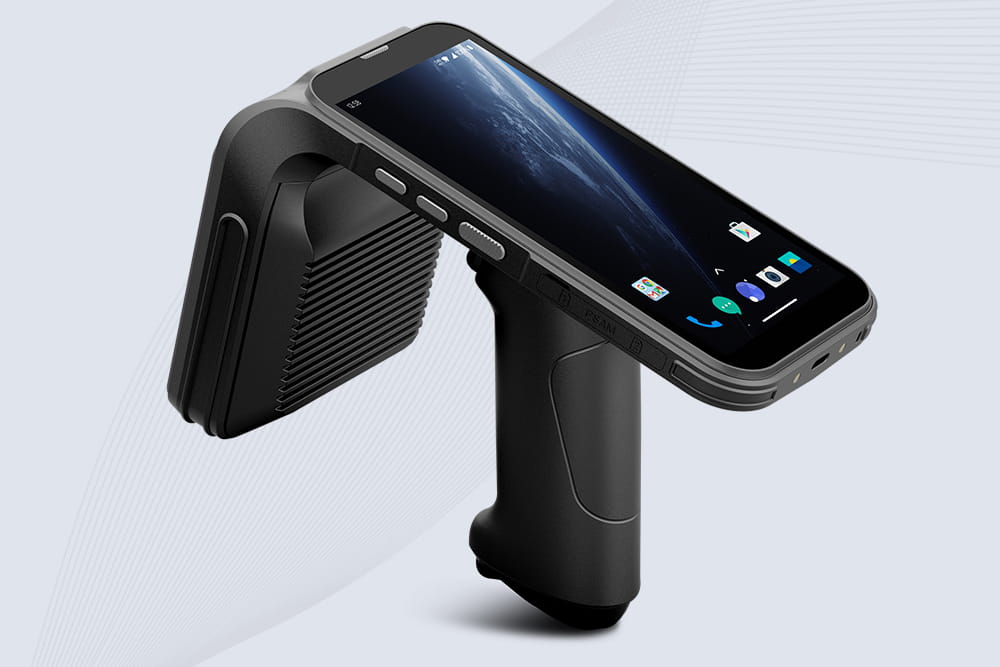
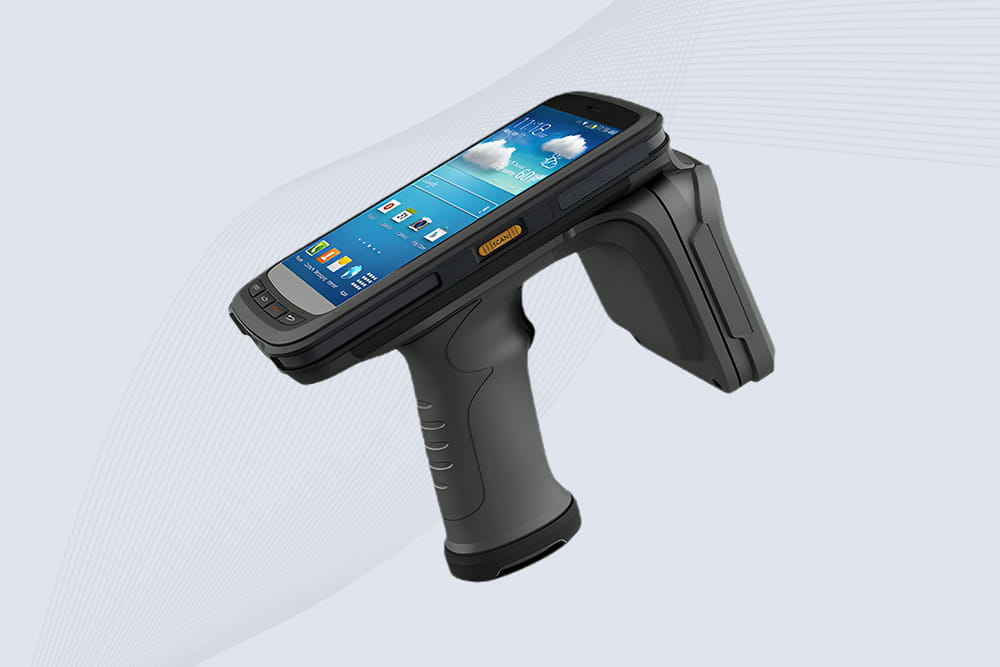
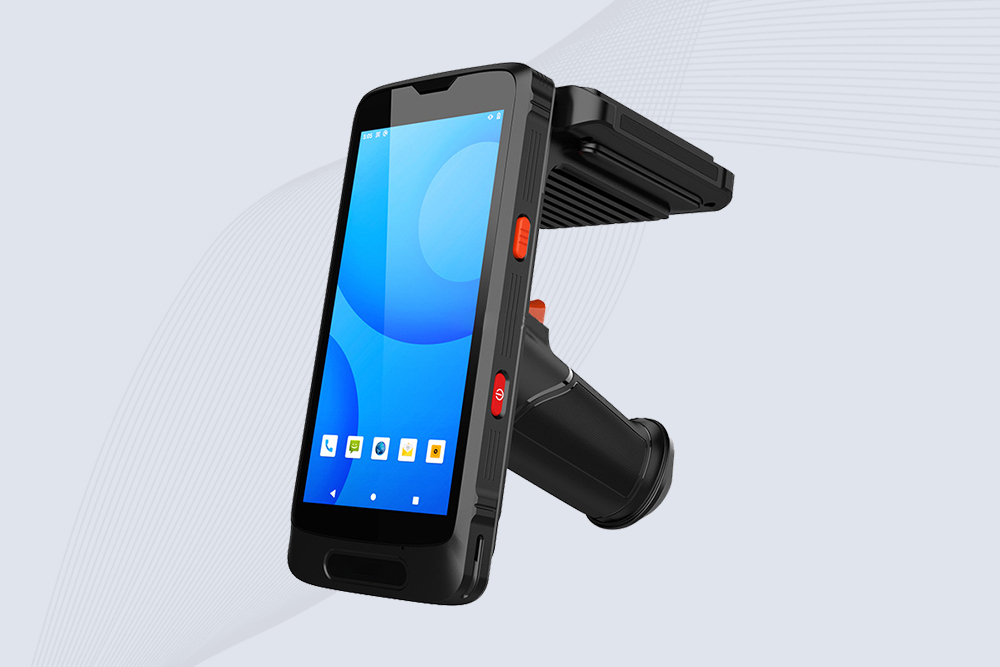
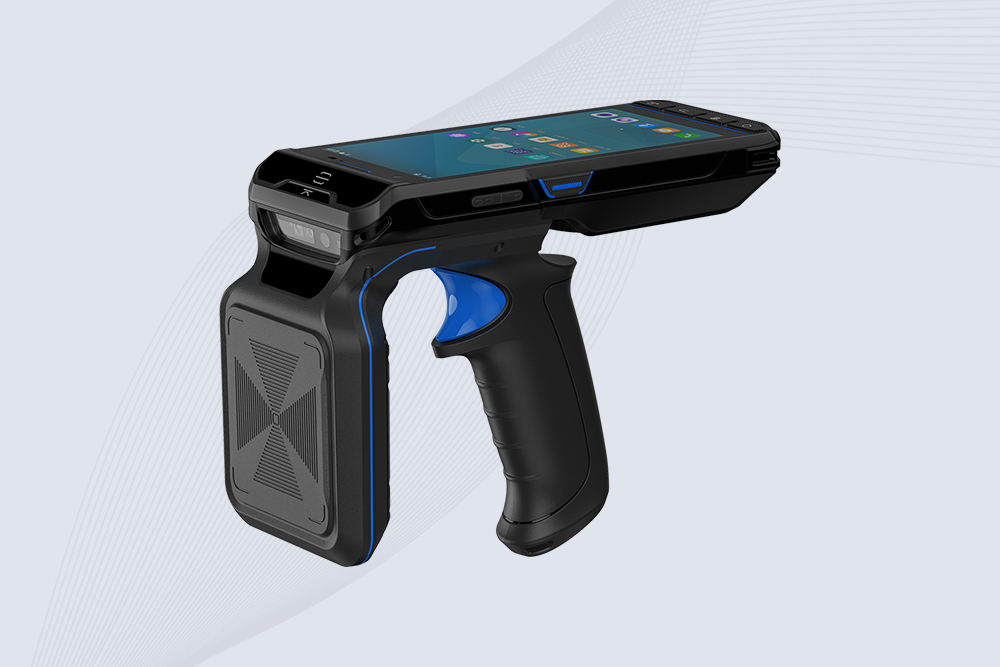
For asset management, a handheld unit may be more appropriate.
For tag registration, a controlled desktop reader may be the better fit.
The system architecture changes with the process.
That is the point.
Where RFID Systems Deliver the Most Value
An RFID system becomes particularly useful when identification has to happen quickly, repeatedly, and with minimal manual handling.
Common applications include:
Warehouse receiving and shipping
Inventory and cycle counting
Manufacturing work-in-progress
Returnable transport item tracking
Tool and equipment management
Retail item-level inventory
Document and library management
Vehicle and fleet identification
Medical supply tracking
Production-line traceability
GS1 notes that uniquely encoded EPCs on RAIN RFID tags can be captured at high rates and at distances well beyond 10 meters in suitable deployments, without line-of-sight contact.
The phrase “in suitable deployments” matters.
RFID is not magic. It is controlled radio engineering.
RFID in Warehouse Inventory
A warehouse is a good example because the same items repeatedly cross known points.
A pallet can be tagged once and then identified at:
At each checkpoint, the RFID reader captures the tag identifier and the software records an event.
The result is not simply a list of EPC numbers. It can become an operational history.
RFID Event
Possible Business Event
Tag detected at receiving
Shipment received
Tag detected at storage zone
Put-away confirmed
Tag detected at picking station
Picking activity
Tag detected at packing
Order preparation
Tag detected at shipping door
Shipment dispatched
GS1’s system architecture explicitly describes captured EPC data being passed to application software for additional filtering, decoding, and business-process use.
This is one of the most important ideas in RFID deployment:
The reader captures an event; the software gives that event meaning.
RFID in Manufacturing
Manufacturing introduces a different requirement: tracking objects through a process rather than simply counting them.
A tagged work-in-progress container might move through several stations.
At each station, an RFID reader can record its presence.
Example Production Flow
Material Preparation
↓
Assembly
↓
Inspection
↓
Packaging
↓
Finished Goods
The EPC remains associated with the physical object while the system accumulates process events.
NIST’s RFID guidance specifically discusses industrial applications in which antennas can be positioned around conveyor systems and notes that antennas can also be mounted on forklifts to identify items during movement.
That is a much more useful application of RFID than simply putting tags on products and hoping the system becomes “smart.”
RFID for Asset and Tool Management
Asset tracking is another environment where RFID changes the physical workflow.
Consider a maintenance department with hundreds of tools.
A barcode system generally requires the operator to present each tool or scan its label.
A handheld RFID reader can instead inventory a group of tagged tools while the operator moves through the storage area.
For fixed locations, a reader can monitor a cabinet or controlled access point.
For mobile assets, the tag can remain attached while the asset moves between work areas.
The system can then associate:
Asset ID + Reader Location + Timestamp
with an operational event.
The technology is particularly useful when assets are numerous, frequently moved, or difficult to inspect individually.
RFID System Read Range: A More Useful Number
One of the most frequently misunderstood RFID specifications is read distance.
GS1 states that passive UHF RFID generally has a range of several meters, with up to 15 meters in very special cases. It also notes that highly sensitive phased-array systems may reach up to 20 meters.
But GS1 makes an equally important point: the shape of the readable volume can matter more than the maximum distance.
A system might read 10 meters in an open test environment but only need a 2-meter controlled zone at a dock.
That is not a weakness.
It can actually be the correct design.
What Determines the Reading Zone?
Antenna gain
Antenna directivity
Polarization
Tag orientation
Reader output power
Tag sensitivity
Product material
RF interference
Antenna mounting position
NIST recommends configuring antenna coverage so that it is sufficient for the intended tags while reducing unnecessary coverage and interference with other radio systems.
This is why I treat read-zone geometry as a design parameter, not a marketing specification.
Metal, Liquid, and RF Interference
The physical environment can completely change RFID behavior.
A cardboard carton is relatively forgiving.
A steel tool is not.
A liquid-filled container presents another problem.
NIST has conducted dedicated passive UHF RFID interference testing in the 900 MHz region, measuring tag-reading success rate and throughput while varying interference power, distance, antenna polarization, and reader/interferer configuration.
That work reinforces something engineers see quickly in the field: RF performance depends on the environment surrounding the reader and tag.
For difficult assets, tag selection should happen before large-scale deployment.
A generic label that works on cardboard should not automatically be specified for:
Steel tools
Metal containers
Industrial machinery
Liquid products
High-density racks
The tag is part of the RF system.
RFID System Standards
For UHF applications, interoperability depends heavily on established standards.
GS1’s EPC Gen2 air-interface protocol defines the physical and logical requirements for passive-backscatter RFID systems operating in the UHF range. GS1 describes EPC Gen2 as the foundation for passive UHF/RAIN RFID implementations across multiple industries.
The standard covers areas such as:
Reader-to-tag communication
Tag inventory
Tag selection
Memory access
RF signaling
Modulation
Protocol behavior
GS1’s current architecture documentation also identifies ISO/IEC 18000-63 as closely aligned with the EPC UHF Gen2 air interface.
For a commercial RFID project, protocol compatibility should therefore be checked before hardware selection is finalized.
Cykeo RFID System Advantages
Cykeo approaches RFID as a complete identification system rather than simply a reader product.
Depending on model and configuration, Cykeo RFID solutions can provide:
ISO 18000-6C / EPC C1G2 support
Adjustable RF output power
Multi-tag recognition
Anti-collision processing
Tag data filtering
Fixed UHF RFID readers
Desktop RFID reading and writing
Ethernet / RS-232 communication
USB communication on applicable devices
SDK and API integration
OEM RFID module solutions
This allows the RFID function to be placed where the process requires it.
A warehouse may use a fixed reader at the dock.
A technician may carry a handheld device through a maintenance area.
Does it remain stationary, move through a gate, travel on a conveyor, or move unpredictably?
3. Define the Read Zone
Where should the system detect the tag?
And equally important:
Where should it not detect the tag?
4. Select the Tag
Tag construction should match the material and mounting surface.
5. Select the Antenna
Coverage should correspond to the physical reading area.
6. Configure the Reader
Output power, antenna ports, filtering, protocol parameters, and communication settings should be tested together.
7. Validate the Complete System
Test real products, real tags, real movement, and real environmental conditions.
NIST’s RFID guidance recommends considering the actual deployment environment, including antennas, materials, interference, communication, and operational requirements.
That final step is where many theoretical RFID designs become real engineering.
A fixed UHF RFID reader captures tag responses as tagged products move through the defined reading zone.
Frequently Asked Questions
1. How does RFID system work?
An RFID system works by using radio-frequency communication between readers and tags. The reader supplies RF energy and sends commands; a passive tag responds through backscatter, and the reader sends the captured identification data to software.
2. What are the main components of an RFID system?
The basic system consists of RFID tags, readers, antennas, communication interfaces, and application software. Middleware may also be used to filter duplicate reads and convert raw reader data into useful events.
3. How does a passive RFID tag get power?
A passive tag receives operating energy from the RF field generated by the reader. It does not require a conventional battery for its basic operation.
4. Can an RFID system read multiple tags?
Yes. Passive UHF RFID is specifically designed to inventory multiple tags within an interrogation zone. EPC Gen2 defines the standardized mechanisms used by readers and tags to manage this communication.
5. What is the typical RFID system read range?
For passive UHF RFID, the range is generally several meters. GS1 states that up to 15 meters is possible in very special cases, while specialized phased-array systems may reach 20 meters. Actual performance depends heavily on antenna characteristics, tag orientation, power, and the environment.
6. Does metal interfere with RFID?
Metal can significantly affect RFID performance, particularly when a conventional tag is mounted directly against a conductive surface. The solution may require an appropriately designed on-metal RFID tag, different mounting, and adjusted antenna configuration.
7. Can an RFID system connect to ERP or warehouse software?
Yes. RFID readers can provide captured tag data to application software through appropriate interfaces and protocols. GS1’s architecture describes reader data being passed to application-level systems for filtering, decoding, and business-process use.
SEO Conclusion
How does RFID system work? At its core, an RFID system uses a reader, antenna, and tag to exchange information through radio-frequency communication. Passive UHF tags receive energy from the reader and return information through backscatter, while software converts those captured identifiers into useful inventory, logistics, manufacturing, or asset events.
The practical result depends on much more than the reader.
Those elements determine whether an RFID installation becomes a reliable operational system or simply an impressive laboratory demonstration.
Cykeo RFID solutions are designed for this complete-system requirement, supporting UHF identification, multi-tag processing, adjustable RF parameters, data filtering, and application integration across industrial and commercial environments.
The strongest RFID system is not necessarily the one with the longest range.
It is the one that consistently identifies the right object, at the right location, at the right time.
That is the practical answer to how does rfid system work.
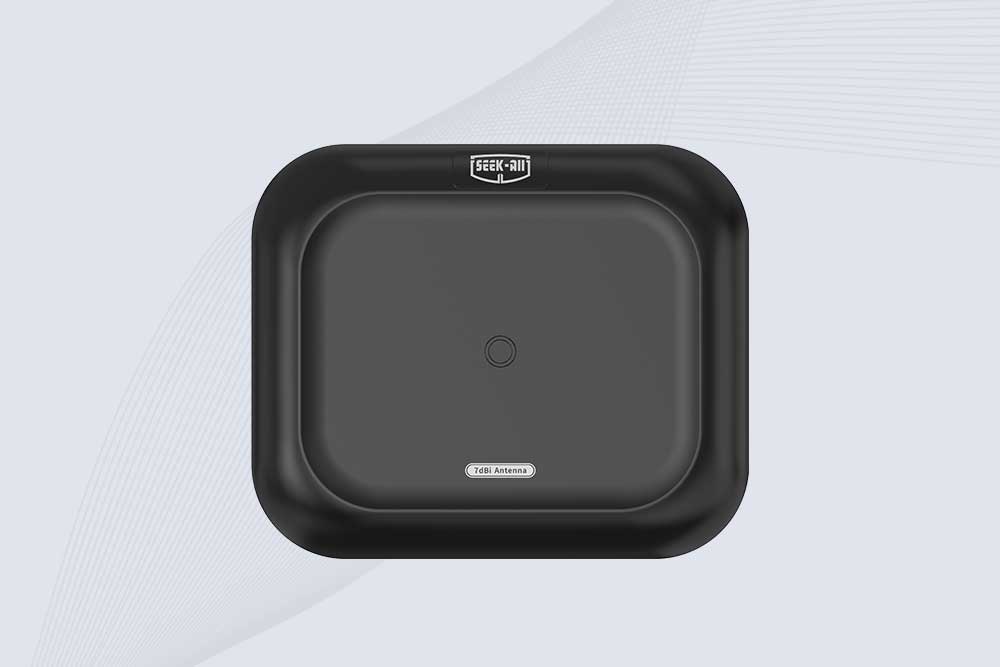
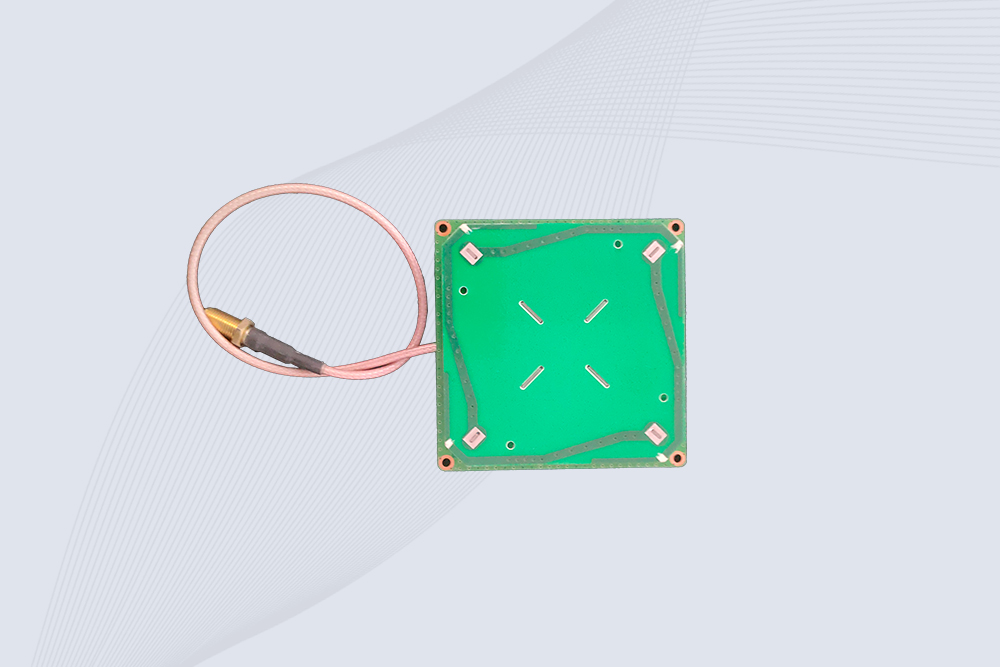
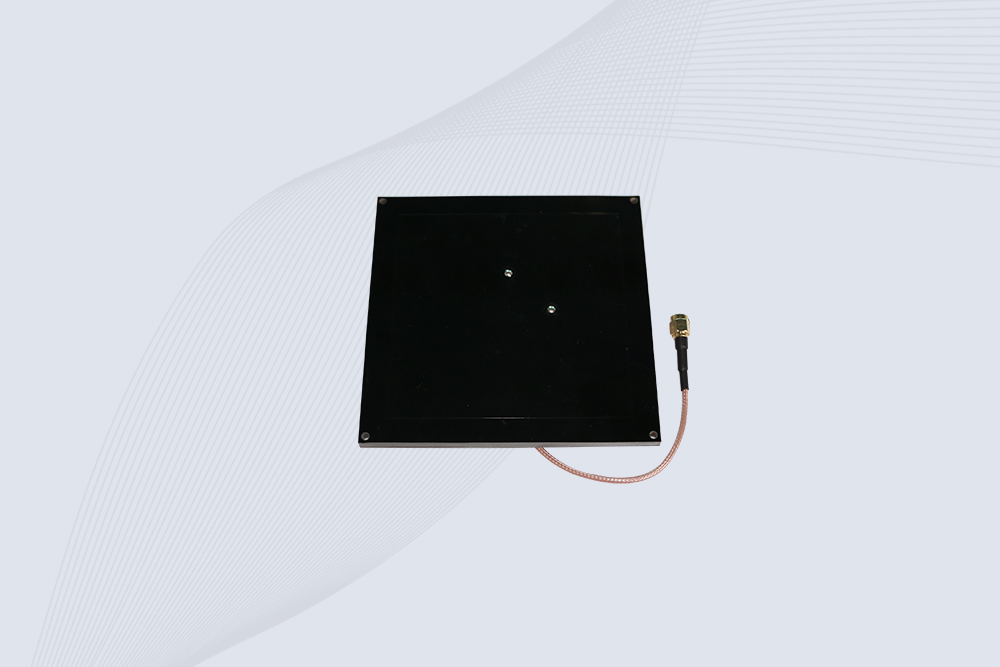
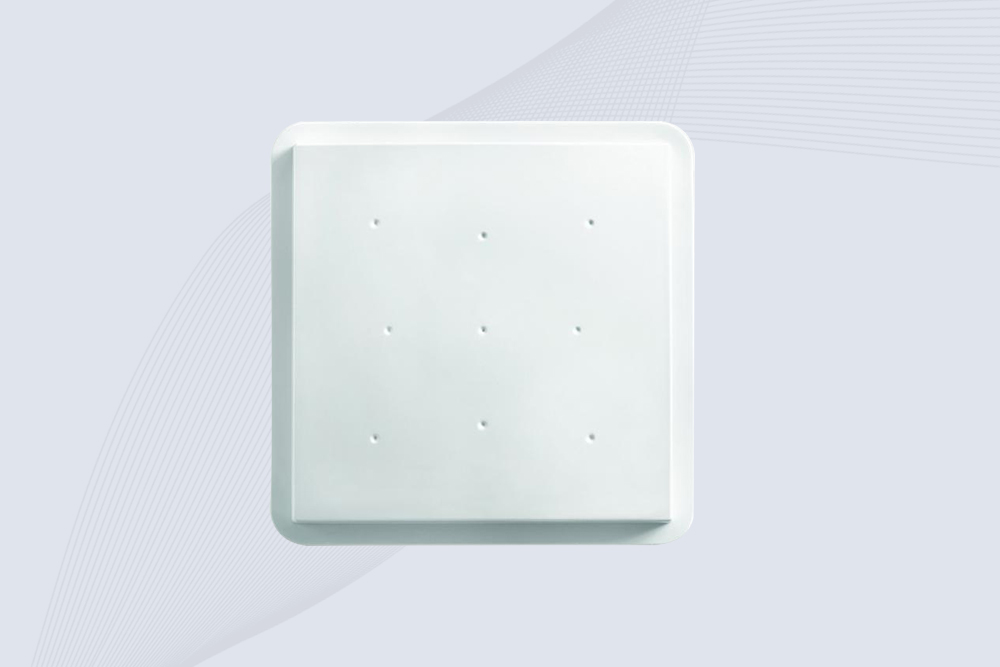
Explore the SSD-A07 UHF RFID antenna with 7 dBi gain, circular polarization, adjustable 840–960 MHz frequency, and 60°/75° beamwidth for stable RFID read/write performance.
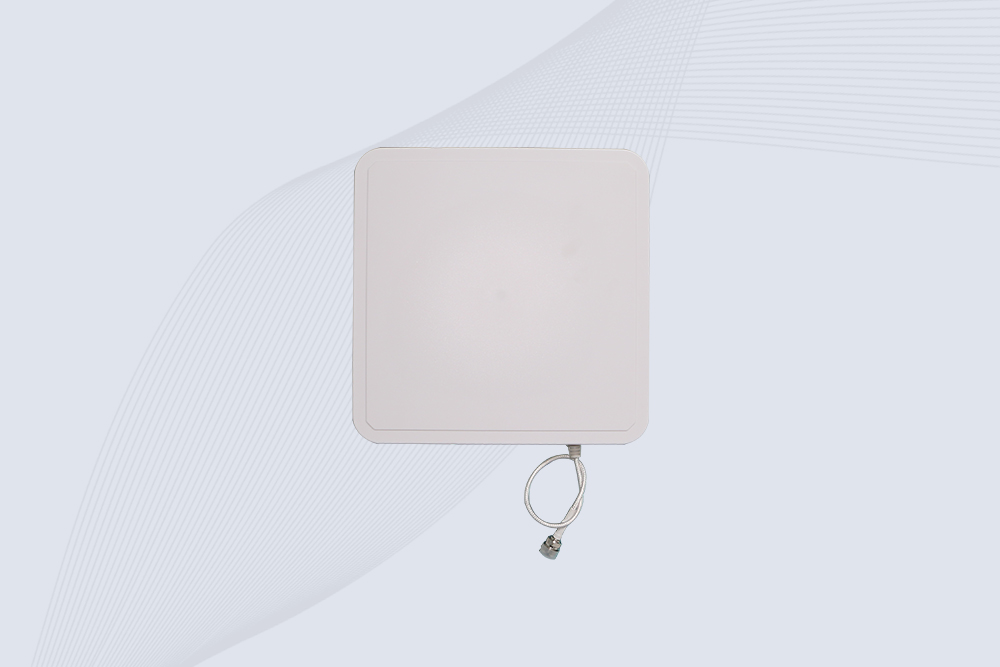
SSD-A06 UHF RFID antenna with circular polarization, adjustable 840–960 MHz frequency, ≥4.5 dBi gain, and a compact directional design for RFID systems.
SSD-R16L Multi-Channel RFID Infrastructure for Automated Inventory Management ✔️ 16-Port High-Density RFID Reading Equipped with 16 SMA antenna ports, SSD-R16L supports multi-antenna deployment for warehouses, retail stores, logistics, production lines, and large-area RFID identification. ✔️ High-Speed & Long-Range Performance With up to 33…
SSD-R8L 8-port UHF RFID reader with 33dBm output, up to 20m reading range and 600+ tags/s recognition. Ideal for warehouse, logistics, retail and asset tracking.
CYKEO Embedded RFID Modules are designed for compact industrial and IoT devices that require stable UHF performance. These UHF RFID Modules support global protocols, flexible power control, and reliable multi-tag reading for smart cabinets, production lines, and asset tracking systems.
CYKEO Embedded RFID Module is built for compact IoT and industrial devices that need stable UHF performance. This UHF module supports global protocols, low power operation, and reliable multi-tag reading for smart lockers, production lines, and always-on RFID systems.
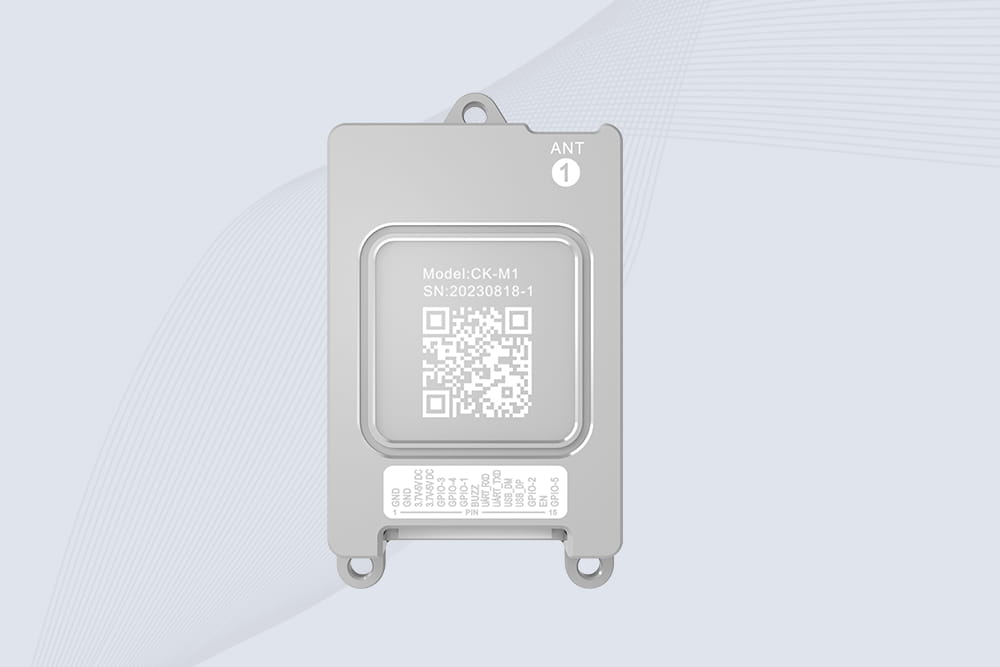
CYKEO CYKEO-M1 drone rfid module is a compact UHF RFID reader module designed for drones and UAV platforms. It supports long-range aerial scanning, fast multi-tag reading, and stable performance in wind, vibration, and outdoor environments.
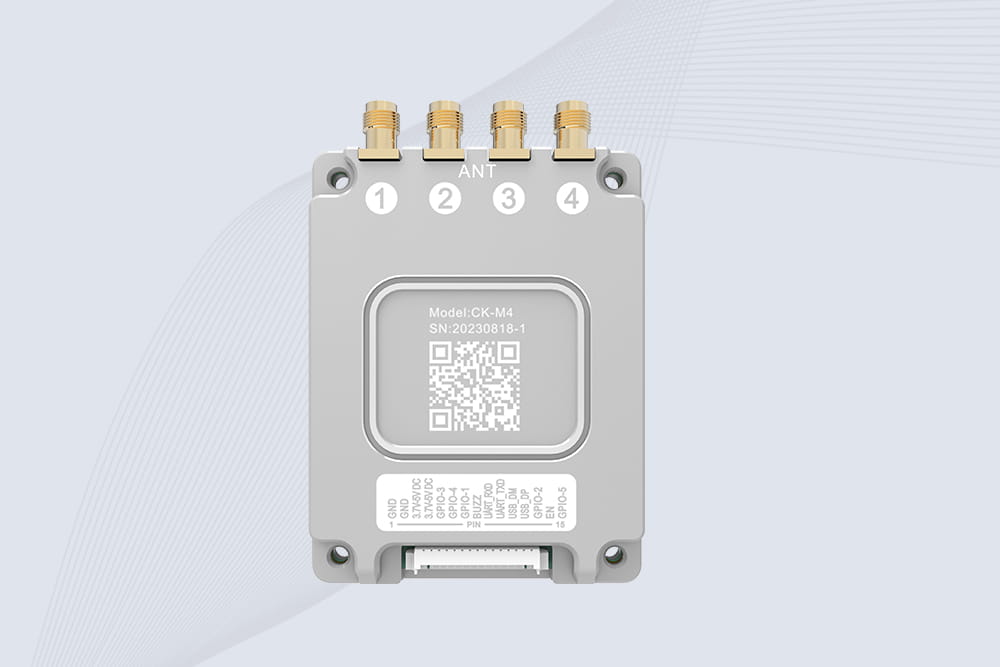
CYKEO CYKEO-M4 RC522 RFID Module is an industrial-grade UHF RFID reader with 4 ports, supporting ISO, EPC, and GB protocols. High-speed, accurate reading for IoT, automation, and warehouse applications.
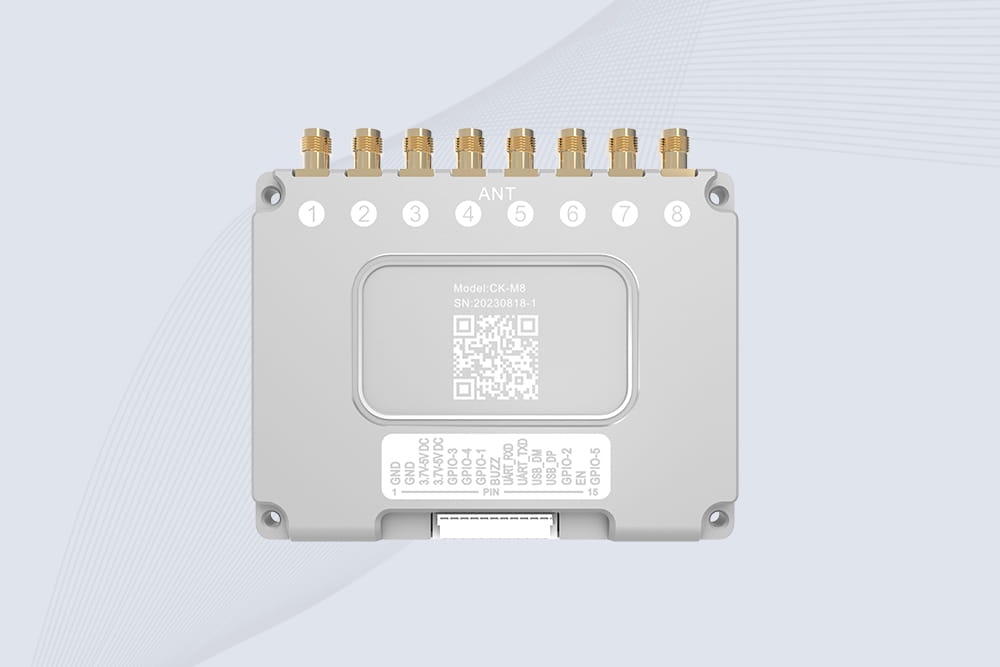
CYKEO CYKEO-M8 Module RFID is an 8-port UHF R2000 RFID Module designed for high-density, multi-tag environments. Stable 33dBm output, ISO & GB protocol support, ideal for warehouses, factories, and automated systems.
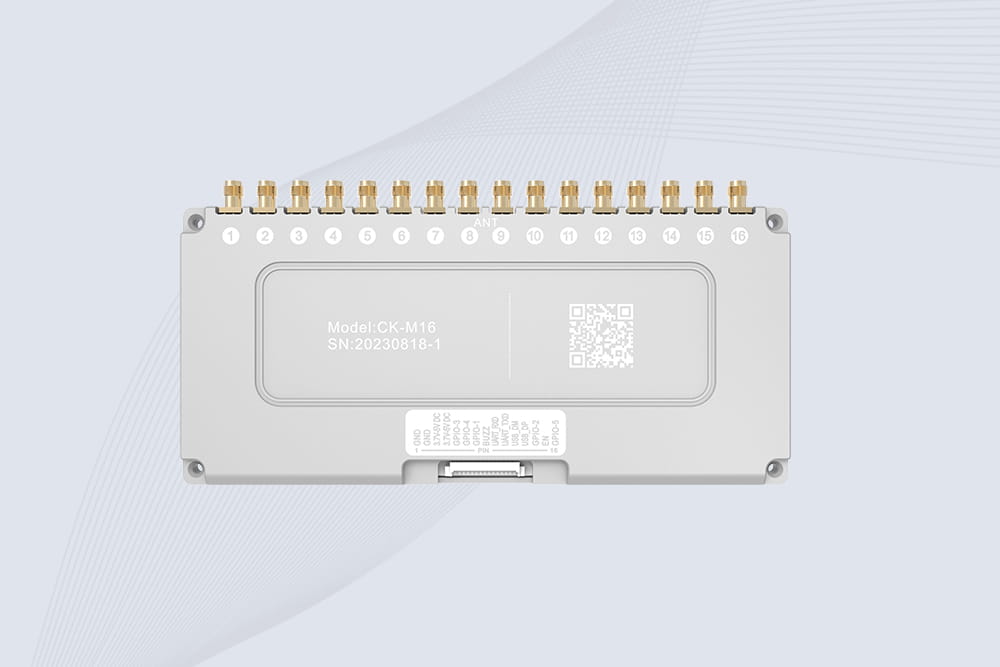
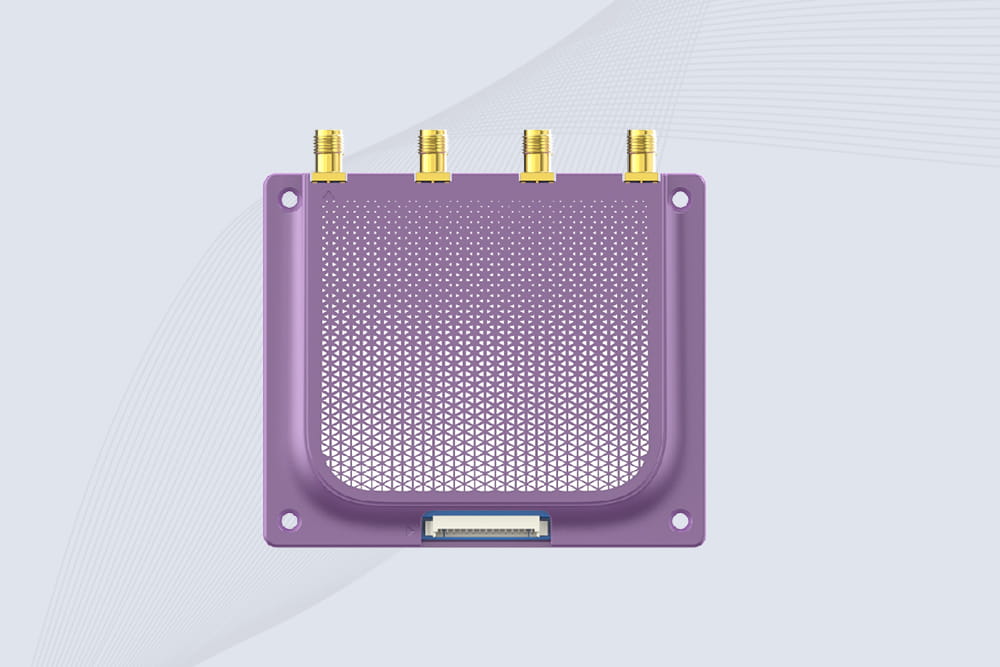
CYKEO CYKEO-M16 RFID Module is a 16-port UHF RFID reader module based on the R2000 chipset. Designed for dense tag environments, it supports ISO and GB standards and delivers stable multi-antenna control for industrial automation.
The CYKEO CYKEO-M16L RFID Reader Module is a 16-channel UHF RFID core designed for dense tag environments. With adjustable 33dBm output, multi-protocol support, and stable multi-antenna control, this RFID Tag Reader Module fits industrial automation, warehouse systems, and large-scale IoT deployments.
CYKEO CYKEO-M8L module RFID is a compact industrial UHF module built for dense tag and multi-antenna environments. With 8 RF ports, adjustable 33 dBm output, and ISO & GB protocol support, it is widely used in factories, warehouses, and automated tracking systems.
CYKEOCYKEO-M4L UHF RFID Module is a compact 4-channel RFID tag reader module designed for dense tag environments. Supporting ISO and GB protocols, it delivers stable reads up to 10 meters for industrial and IoT systems.
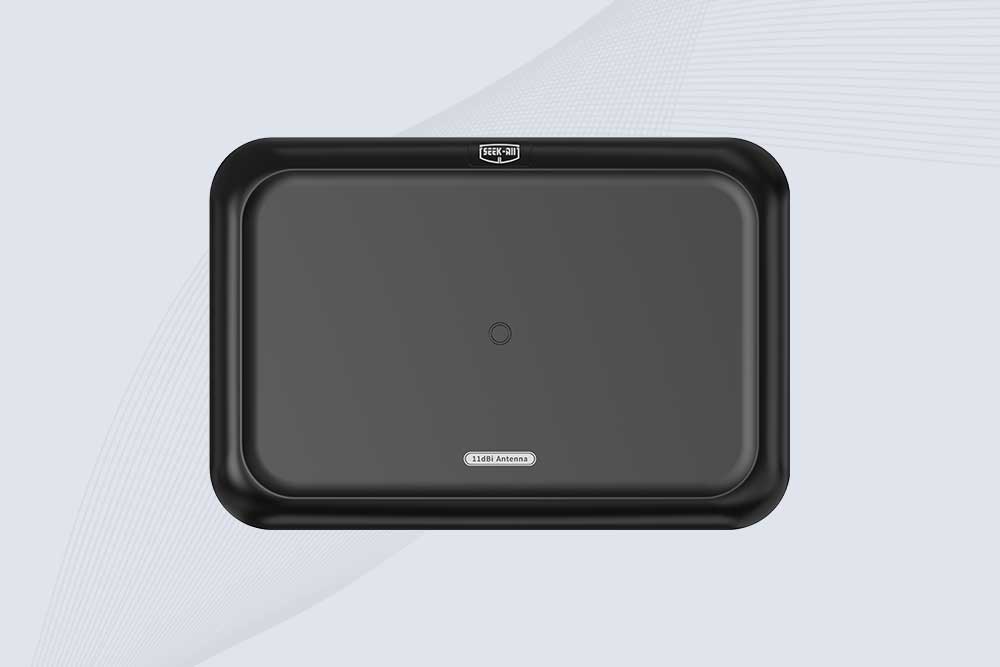
Cykeo CYKEO-A11 UHF RFID reader antenna delivers 11dBi gain, 840-960MHz frequency range, and IP65 ruggedness for retail, logistics, and industrial RFID systems. Features low VSWR and easy installation.
CYKEO Antenna RFID Reader delivers stable long-range UHF performance with a 10.5dBi directional design, built for warehouses, conveyor portals, and industrial RFID systems. This rfid reader antenna provides 20m+ read distance and rugged IP67 protection.
Cykeo CYKEO-A5B industrial Linear RFID Antenna delivers 5dBi gain, ≤1.5:1 VSWR, and IP65 rugged design for warehouse, production line, and logistics UHF systems.
Cykeo’s CYKEO-B12 Long Range RFID Antenna delivers 15m+ read range with 12dBi gain, IP65 rugged design, and global 840-960MHz UHF support. Ideal for warehouse/logistics asset tracking.
Cykeo CYKEO-B10 Long Distance RFID Antenna offers 10dBi gain, 840-960MHz frequency range, IP65 rating, and 20m+ coverage for logistics/warehousing/ETC systems. Low VSWR ensures stable signal transmission.
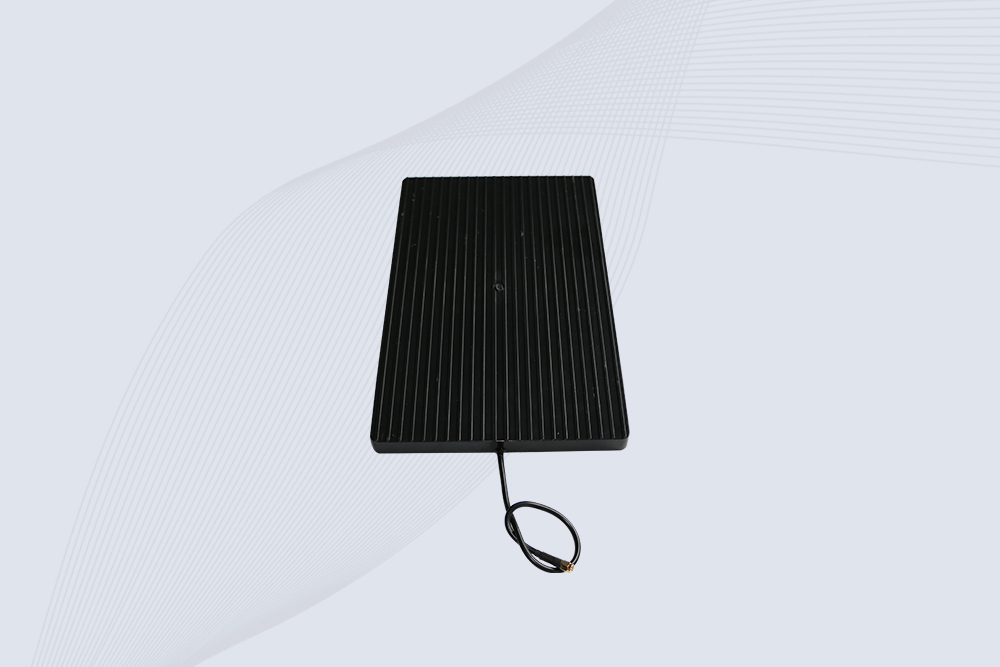
Cykeo CYKEO-A6 UHF RFID panel antenna features 6dBi gain, 840-960MHz broadband, IP65 metal-ready housing for logistics/smart retail. 18mm ultra-thin design with tool-free mounting.
Cykeo CK-A3 industrial antenna RFID UHF offers 5m+ tag detection, ≤1.3:1 VSWR, IP65 rugged design, and global UHF spectrum compatibility (840-960MHz) for warehouses, factories, and retail.
Cykeo CYKEO-B5 directional RFID antenna provides 5dBi gain with 60° narrow beamwidth for precise inventory tracking. IP65-rated, global UHF frequency support, and low VSWR.
Create your own high-performance DIY RFID antenna! 5dBi gain, 840-960MHz tunable, step-by-step guides. Compatible with Arduino, Raspberry Pi, and commercial UHF readers.
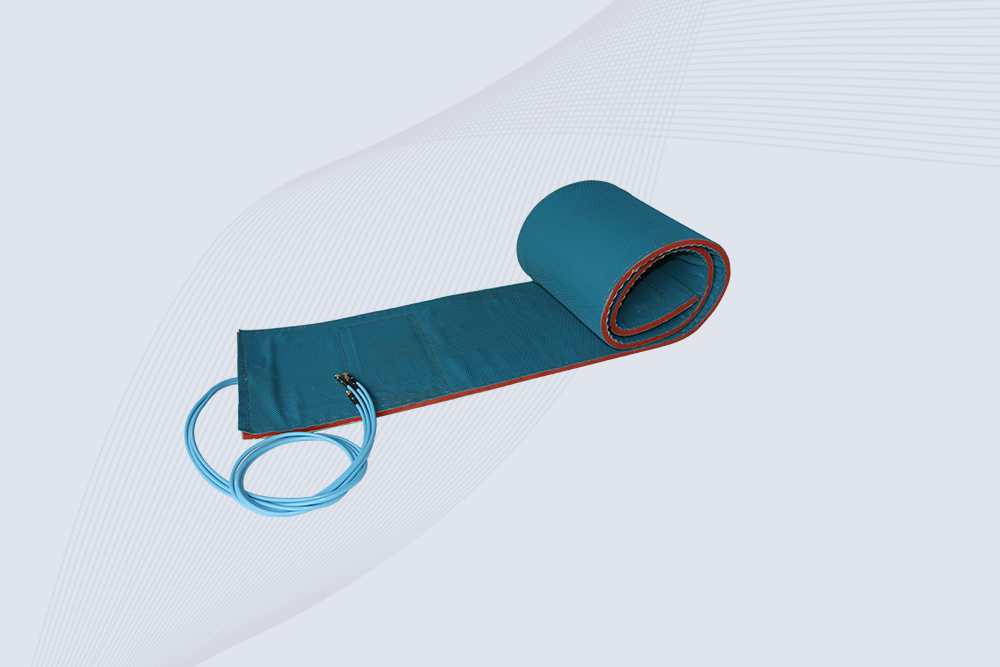
Cykeo CYKEO-A7 Flexible RFID Antenna features 840-960MHz wideband tuning, 7dBi gain, and IP68 rating for medical/retail/industrial curved surface deployments. 98% read accuracy with peel-and-stick installation.
Cykeo CYKEO-B5A industrial Passive RFID Antenna delivers 5dBi gain, 70° beamwidth, and -40°C~55°C operation for warehouses/smart cabinets. Compatible with Zebra/Impinj readers.
Cykeo’s CYKEO-A9B High Gain RFID Antenna delivers 15m+ read range with 9dBi amplification. Features IP54 rugged design, 840-960MHz bandwidth, and 80° beamwidth for warehouse/manufacturing RFID systems.
Cykeo’s enterprise-grade 8dbi Impinj RFID Antenna 10m+ read range with 840-960MHz tuning. Features IP65 housing, 1.4 VSWR, 35° beamwidth for retail/warehouse RFID systems.
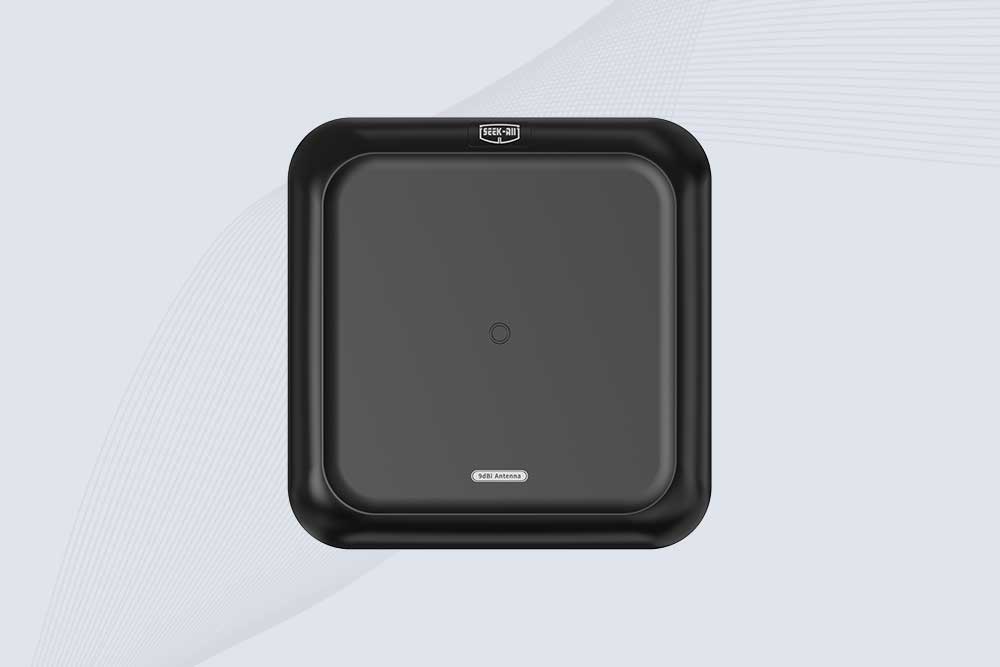
Cykeo CYKEO-A9 industrial UHF RFID antenna delivers 9dBi gain, 840-960MHz frequency range, and IP65 protection for warehouse/logistics/retail RFID systems. Features N-type connector and ≤1.3:1 VSWR.
CYKEO UHF RFID Antenna built for long-distance and industrial applications. This antenna rfid uhf delivers strong gain, outdoor durability, and reliable tag performance in warehouses, yards, and vehicle ID systems.
CYKEO Antenna RFID delivers reliable long-range UHF performance in warehouses, retail shelves, and cold-chain environments. This compact uhf rfid antenna provides stable reads with circular polarization and ultra-wide 840–960 MHz support, ideal for industrial tracking, smart shelves, and asset monitoring.
Cykeo’s CYKEO-C8 UHF RFID antennas delivers 8dBi gain, 840-960MHz full-band coverage, and IP65 ruggedness for manufacturing/warehouse RFID systems. Industrial RFID Antennas Features
Cykeo’s 8dBi UHF RFID antenna and reader kit delivers 10m+ range, 840-960MHz broadband, and IP65 ruggedness for factories, warehouses, and logistics. ISO 18000-6C & EPC Gen2 certified.
Cykeo’s CYKEO-A12C UHF Large RFID Antenna delivers 12dBi gain, 840-960MHz global frequency, IP65 ruggedness for logistics/warehousing/automotive. 40° beamwidth ensures stable 15m+ tag reads.
CYKEO Near Field RFID Antenna provides precise 5–30 cm reading for shelves, cabinets, and workstations. This compact rfid shelf antenna delivers stable short-range performance around metal and clutter, ideal for pharmacies, libraries, and electronics sorting.
Cykeo CYKEO-C1 industrial Forklift RFID Reader features 20m read range, 600 tags/sec scanning, Impinj R2000 chipset, and IP67 rugged design. Ideal for warehouse logistics and manufacturing. Supports ISO 18000-6C/6B protocols.
Cykeo CYKEO-R4 industrial UHF RFID Fixed Reader features 4 TNC ports, 400+ tags/sec speed, IP67 housing, and global frequency compliance for vehicle inspection, smart warehouse, and asset management systems.
CYKEO CYKEO-R8L Fixed RFID Reader with 8-port UHF design, Impinj-based RF core and up to 20m read range. An industrial Fixed RFID Reader for vehicle inspection, warehouse portals, smart manufacturing lines and secure access checkpoints.
RFID Fixed Reader from CYKEO – the CYKEO-R16L 16-port UHF fixed reader for warehouses, smart cabinets, and production lines. Long-range, multi-tag reading, stable performance for 24/7 industrial use.
RFID card reader writer solutions enable fast, accurate RFID card encoding, reading, and asset registration. Discover Cykeo desktop RFID technology for secure and reliable tag management.
Learn what is an rfid chip used for and how RFID chips enable EPC identification, asset tracking, and smart management with Cykeo RFID binding solutions.
Discover how long-distance RFID readers streamline vehicle tracking for toll booths, parking management, fleet logistics, and more. Explore UHF RFID benefits and real-world applications.
Passive RFID tags work by harvesting RF energy from a reader, activating their IC, and returning data through modulated backscatter without an internal battery.
 Cykeo RFID IoT Solution Products R&D Manufacturer