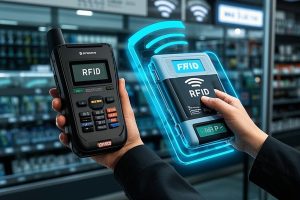
How is RFID used for tracking? RFID tracking uses electronic tags, readers, antennas, and software to identify tagged objects as they move through defined locations. Instead of scanning each barcode manually, RFID readers capture tag IDs automatically and turn those reads into inventory, location, movement, and traceability events.
The useful part is not the radio signal itself. It is the event created when a tagged object crosses a known reading zone.
A pallet entering a receiving area. A tool leaving a maintenance room. A carton passing a shipping dock. A garment returning from a fitting room. These are physical events that can become digital records without an employee stopping to scan every individual item.
GS1 describes EPCIS as a standard for sharing the “what, when, where, why and how” of products and assets, including status, location, movement, and chain-of-custody information. EPCIS can work with RAIN RFID as well as barcode-based identification.
How RFID Tracking Works in the Field
A practical RFID tracking system normally contains four layers:
The reader does not inherently know that a tag means “shipped,” “received,” or “missing.”
That interpretation comes from the location, reader configuration, timing, tag identity, and software rules.
This is an important distinction I have encountered repeatedly when reviewing RFID installations. Teams sometimes focus heavily on maximum read distance and reader power. In tracking projects, the harder engineering question is usually read-zone control.
If a shipping-door reader detects a pallet that is still inside the warehouse, the system has technically captured the tag. Operationally, however, it has created a false shipping event.
RFID Tracking Is Location-Based Event Capture
A well-designed system therefore establishes controlled read zones.
For example:
RFID tag is attached to an asset.
Asset approaches a designated checkpoint.
Reader energizes and communicates with the tag.
Reader receives the tag’s identification data.
Software filters duplicate or unwanted reads.
The system associates the tag with the checkpoint.
A timestamped movement event is stored.
GS1’s traceability framework similarly distinguishes physical tracking events such as receiving, packing, shipping, and transporting as Critical Tracking Events.
This makes RFID particularly suitable for environments where the organization cares about movement history, rather than merely knowing whether a tag exists.
What Can RFID Tracking Monitor?
RFID can be applied to many physical objects:
Inventory and merchandise
Pallets and cartons
Industrial tools
Returnable transport items
Manufacturing components
Work-in-process materials
Medical supplies
Library materials
Uniforms and linens
Maintenance equipment
GS1’s RFID standards specifically include applications involving trade items, assets, logistic units, and returnable transport items.
The tag itself is only the identity layer. The tracking value appears when that identity is repeatedly associated with meaningful locations.
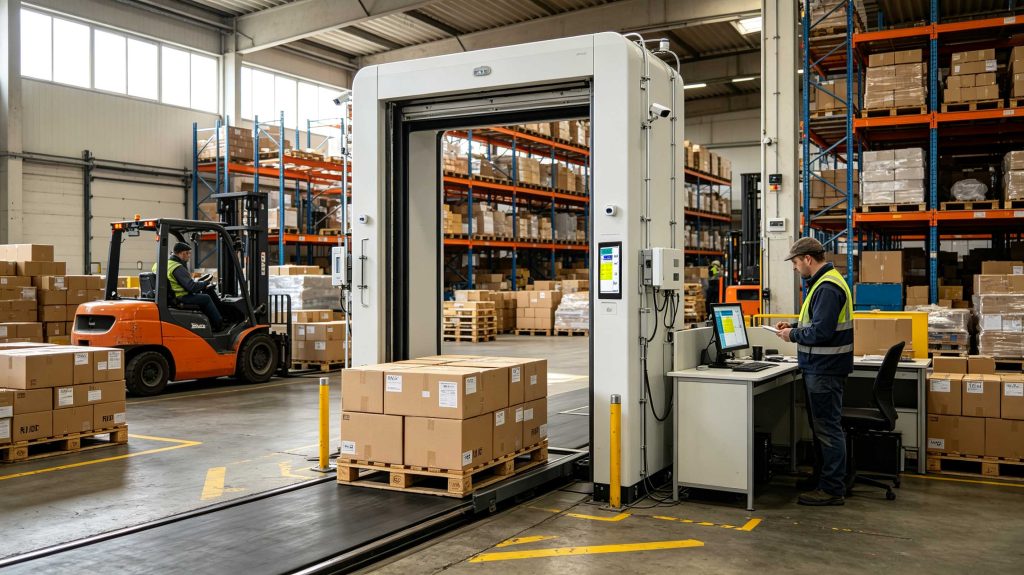
Fixed RFID readers can automatically capture tagged pallets and cartons as they pass defined warehouse checkpoints.
RFID Asset Tracking and Inventory Tracking
One of the strongest applications is asset tracking.
Consider a maintenance department with several hundred tools. A conventional process may depend on employees remembering who borrowed a torque wrench, where a test instrument was left, or whether a returned tool has actually reached the storage area.
RFID changes the checkpoint.
A tagged tool can be associated with a cabinet reader, doorway reader, workstation, or controlled storage area. When the tag is detected, the software can record an event such as:
Event
Example system record
Tool removed
Tool ID + employee + time
Tool enters work area
Tool ID + location + timestamp
Tool returns
Tool ID + cabinet + timestamp
Tool missing
Expected return event not detected
Tool transferred
Previous location → new location
The same principle applies to inventory. A warehouse can track pallet movement between receiving, storage, picking, staging, and shipping zones without requiring an operator to scan every item individually.
What the Data Shows
RFID tracking is not merely a theoretical efficiency concept.
Auburn University’s RFID research included a field experiment involving 62 stores and five product categories. The researchers found that RFID-enabled visibility reduced inventory record inaccuracy, while noting that effectiveness varied according to the characteristics of the product category.
GS1 has documented retail implementations where RFID inventory accuracy reached 93–99%, and a GS1 apparel resource reports inventory accuracy of up to 95%, with cycle-counting time reduced by 96% in the cited use case.
Those numbers should not be treated as a universal performance guarantee. RFID results depend on tag selection, material, antenna geometry, reader placement, RF environment, workflow design, and software filtering.
That caveat matters.
In an actual deployment, I would rather see a controlled 4-meter reading zone that reliably represents a warehouse exit than a nominal 15-meter range that also detects objects on the other side of the doorway.
How Is RFID Used for Tracking in Supply Chains?
Supply-chain tracking becomes more powerful when individual RFID events are connected.
A typical path can be:
Manufacturing → Receiving → Storage → Picking → Shipping → Transportation → Store → Final inventory
Each checkpoint can contribute a timestamped event.
EPCIS provides a standardized framework for sharing this type of visibility data across organizations and supply-chain partners. GS1 states that EPCIS supports information about product whereabouts, shipment, inventory, equipment availability, and tracking and tracing.
For Cykeo projects, this is where reader hardware selection should start with the workflow rather than the specification sheet.
The questions I would ask first are simple:
What object needs to be tracked?
Which locations matter?
What constitutes a valid movement?
How wide should the reading zone be?
Which reads should be ignored?
What software event should each confirmed read create?
Only after those questions are clear does reader power, antenna configuration, tag type, interface, and installation geometry become meaningful.
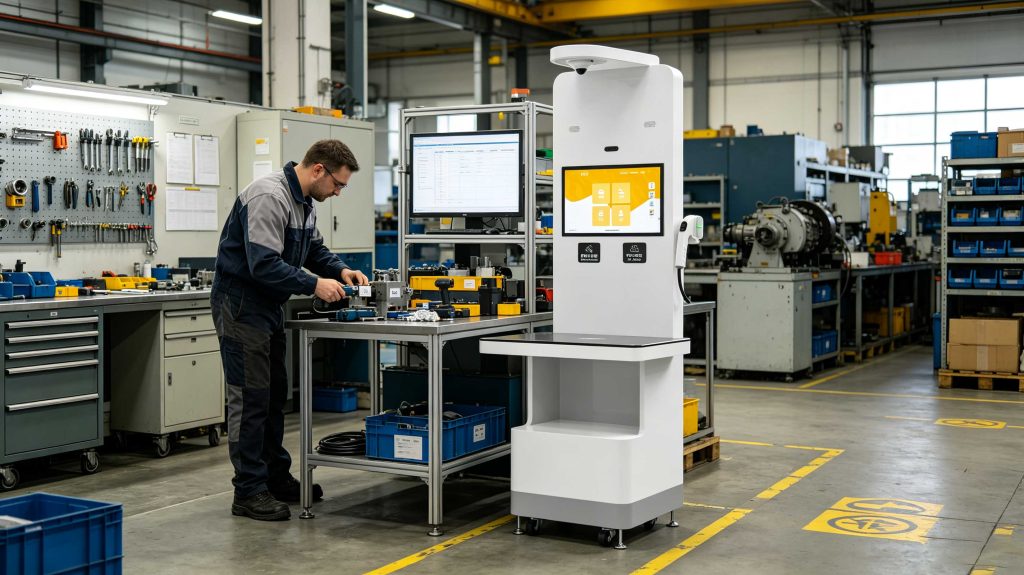
RFID tracking can record when tagged tools and equipment enter or leave defined industrial work areas.
RFID Tracking vs. Manual Tracking
The operational difference becomes clearer when the same workflow is compared directly.
Tracking method
Identification
Human involvement
Movement history
Manual record
Manual entry
High
Usually limited
Barcode
Line-of-sight scan
Medium
Depends on scan discipline
RFID
Radio-based automatic capture
Lower
Can be captured at multiple checkpoints
RFID + EPCIS
Automated capture + standardized events
Lower
Supports interoperable visibility
RFID does not eliminate people from the process. It moves human attention away from repetitive identification and toward exceptions.
That is often the more valuable change.
Cykeo Approach to RFID Tracking
Cykeo focuses on RFID reader and tracking technologies designed for environments where identification has to happen repeatedly and reliably.
For a fixed UHF RFID installation, reader sensitivity, antenna placement, tag orientation, surrounding metal, reader power, and software filtering all influence the final result. A strong system therefore starts with the physical scene—not with a generic promise of maximum distance.
The best tracking installation is often surprisingly quiet: a pallet passes, the reader captures the tag, the software records the event, and nobody has to stop.
FAQ: How Is RFID Used for Tracking?
1. How is RFID used for tracking assets?
RFID tags provide unique identities for tools, equipment, containers, and other assets. Readers at defined checkpoints capture movement events and send them to tracking software.
2. Can RFID track the location of an item?
Yes, but conventional RFID generally tracks an item’s presence at known reader zones rather than continuously providing GPS-style coordinates. Location accuracy depends on reader and antenna placement.
3. How is RFID used for inventory tracking?
RFID readers capture multiple tagged items during receiving, counting, picking, or shipping. The captured IDs can update inventory records and create movement events automatically.
4. Can RFID track pallets?
Yes. RFID tags can be attached to pallets or their contents, while fixed readers at warehouse checkpoints capture pallet movement during receiving, storage, staging, and shipping.
5. Does RFID provide real-time tracking?
RFID can provide near-real-time event visibility when readers continuously monitor defined zones and software processes the reads promptly. It is not inherently the same as continuous GPS tracking.
6. What affects RFID tracking accuracy?
Tag design, material, tag orientation, reader power, antenna position, RF interference, reading-zone geometry, reader filtering, and application software can all affect tracking performance.
7. Is RFID tracking better than barcode tracking?
For workflows involving multiple items, frequent movement, or difficult line-of-sight conditions, RFID can reduce manual scanning and capture movement automatically. Barcodes remain useful where direct scanning is simple and economical.
RFID Tracking System: What Actually Determines Performance?
The reader is only one part of an RFID tracking system. In a production environment, tracking accuracy is shaped by the interaction between tag, reader, antenna, material, RF environment, read-zone geometry, and software filtering.
GS1 notes that RAIN RFID can capture unique identifiers at high rates and at distances well beyond 10 meters without line-of-sight contact, although actual range depends on the deployment environment.
That last point is the one worth remembering.
A warehouse full of metal racks behaves differently from an apparel store. A pallet of cardboard cartons behaves differently from a liquid-filled container. A tool cabinet creates a different RF environment from an open loading dock.
RFID Tracking Parameters to Validate
Parameter
Why it matters
Tag selection
Determines how reliably the object can be identified
Reader output power
Influences available RF energy
Antenna orientation
Defines coverage and polarization
Reading-zone width
Controls where an event is generated
Tag orientation
Can significantly affect coupling and read reliability
Material
Metal and liquid can affect UHF RFID performance
Reader filtering
Prevents duplicate or irrelevant reads
Software logic
Converts raw reads into meaningful tracking events
GS1 identifies UHF passive RFID, also called RAIN RFID, as being widely used for fast asset identification, inventory, and tracking. Its guidance notes that passive UHF systems typically operate in the 860–930 MHz range and can reach distances of up to around 10 meters depending on the environment.
Those figures should be treated as technology characteristics, not installation promises.
RFID Tracking Architecture
A practical deployment can be visualized as:
Tagged Asset → RFID Antenna → RFID Reader → Filtering Layer → Tracking Platform → Business Event
The filtering layer is easy to overlook.
Suppose a pallet remains near a shipping portal for 45 seconds. The reader may detect its EPC dozens or hundreds of times. The tracking application should not interpret every detection as a separate shipment.
Instead, software can consolidate those observations into one event:
Pallet EPC X detected at Shipping Door 03 — 10:42:17
That distinction separates an RFID read from an RFID tracking event.
GS1’s EPCIS standard is specifically designed to support visibility information concerning product whereabouts, movement, status, inventory, and equipment availability.
EPC and Unique RFID Identity
For supply-chain applications, unique identification is fundamental.
GS1’s EPC Tag Data Standard defines how Electronic Product Codes correspond with GS1 identification schemes and how EPC information is encoded on RAIN RFID tags.
That means an RFID system can distinguish:
Product type
Individual item
Logistic unit
Asset
Location
Serial number
Lot or batch information
The practical advantage appears when identical objects need different histories.
Ten identical tools may share the same model number, but ten serialized RFID identities can produce ten separate movement records.
How Is RFID Used for Tracking in Different Industries?
RFID Asset Tracking
Industrial organizations use RFID to follow tools, containers, equipment, components, and reusable assets through defined work areas.
A maintenance tool can be tagged when it enters service. A reader at a tool room can register its removal. Another reader can identify its return.
This creates a much stronger audit trail than a handwritten sign-out sheet.
GS1’s specifications describe asset identifiers as keys that can be used to record asset location, usership, movements, lifecycle history, and related information.
RFID Inventory Tracking
For warehouses and distribution centers, RFID can capture multiple tagged objects during a single reading operation.
Typical checkpoints include:
Receiving dock
Put-away area
Storage zone
Picking station
Packing station
Shipping dock
Returns area
The important operational change is that counting becomes less dependent on a worker presenting each item individually to a scanner.
RFID Supply Chain Tracking
Supply-chain applications can connect RFID identification with standardized event information.
GS1’s traceability framework includes events such as commissioning, shipping, receiving, transporting, and storing.
This creates a chain of physical events:
Commissioned → Received → Stored → Picked → Shipped → Received Again
When those events use consistent identifiers, the tracking system becomes useful beyond one warehouse.
It becomes a visibility layer across the supply chain.
Cykeo RFID Tracking Advantages
Cykeo RFID solutions are suited to deployments where the physical reading environment matters as much as the reader specification.
For UHF RFID tracking, Cykeo equipment can be configured for applications including fixed checkpoint identification, industrial asset management, inventory control, and warehouse movement tracking.
Key considerations include:
High-density tag reading for environments containing multiple tagged objects
Adjustable RF output for controlling reading coverage
Anti-collision processing for simultaneous tag identification
Tag filtering to reduce irrelevant reads
Multiple communication interfaces for integration
Industrial deployment options for demanding operating environments
API/SDK integration for connecting RFID events with existing software
ISO 18000-6C / EPC C1G2 compatibility for common UHF RFID applications
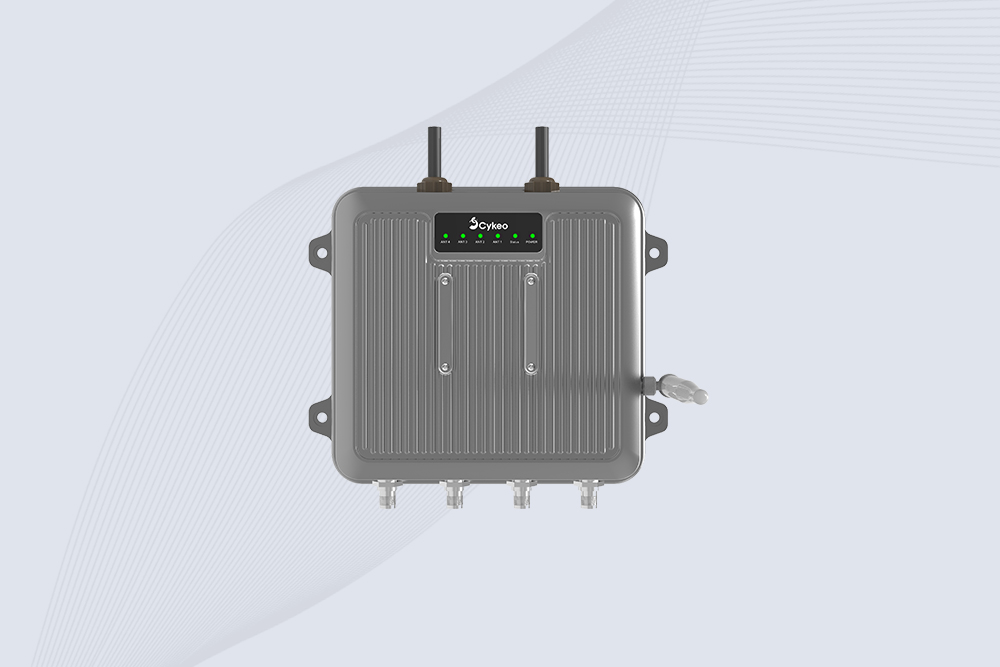
For example, Cykeo’s UHF reader platforms can support high-speed multi-tag identification, while industrial integrated readers such as the Cykeo RA9L are designed for fixed deployments where antenna and reader integration simplify installation.
The engineering target should never simply be “maximum read distance.”
For tracking, the target is:
the right tag, at the right checkpoint, producing the right event.
That is a considerably more useful specification.
RFID Tracking Deployment: Field Validation Checklist
Before installing a large number of readers, I recommend validating a small physical zone first.
1. Define the event
Decide exactly what the reader should mean.
“Tag detected” is not necessarily the same as “asset departed.”
2. Map the physical area
Measure:
Door width
Reader mounting height
Antenna angle
Adjacent doors
Metal structures
Conveyor position
Forklift traffic
Expected tag orientation
3. Test representative tags
Do not validate the system using only one ideal tag.
Test the actual:
Packaging
Materials
Tag locations
Product orientations
Pallet configurations
Environmental conditions
4. Establish read-zone boundaries
A tracking system should know where a read counts.
If two neighboring doors are only a few meters apart, antenna radiation patterns and power settings become critical.
5. Test false positives
This is where experienced commissioning work becomes valuable.
Place tagged assets:
Inside the zone
Outside the zone
Behind the door
Beside the reader
On a neighboring pallet
Then observe which tags are detected.
6. Test software behavior
Repeated EPC observations should not create hundreds of duplicate business events.
The application needs rules for:
Debouncing
Time windows
Duplicate reads
Reader identification
Zone identification
Directional movement
Exception handling
RFID Tracking Data: What Should the System Store?
A useful tracking record can contain more than a tag number.
Data
Example
EPC / Tag ID
3034…A821
Asset ID
TOOL-00482
Reader
READER-03
Location
Shipping Door 02
Event
Outbound
Timestamp
14:32:18
User
Operator ID
Status
Confirmed
Previous location
Warehouse Zone B
Next location
Distribution Center
GS1’s EPCIS model is particularly relevant here because it supports interoperable visibility information rather than treating RFID reads as isolated hardware messages.
What the Research Says About RFID Tracking
There is useful field evidence behind RFID inventory applications.
Auburn University’s RFID research conducted a second field study across 62 stores, split into 31 RFID test stores and 31 control stores, covering five product categories and 1,268 unique SKUs. The study reported that RFID-enabled visibility reduced inventory record inaccuracy, while also finding that results varied according to the category and underlying causes of inventory errors.
An earlier Auburn study ran for 23 weeks across 16 stores and found evidence that RFID reduced inventory inaccuracy when used alongside normal inventory-adjustment processes.
This is an important qualification for website content: RFID is not a magic accuracy percentage.
Deployment quality determines whether the technology produces useful tracking data.
RFID Tracking Use Cases
Warehouse and Logistics
RFID tracking can monitor pallet and carton movement through receiving and shipping checkpoints.
Manufacturing
RFID can follow work-in-process materials, components, containers, tools, and finished goods between production stages.
Retail
Item-level RFID supports inventory counting, replenishment, receiving, and omnichannel fulfillment.
Tool Management
Tagged tools can be associated with cabinets, workshops, technicians, and maintenance areas.
Healthcare
RFID can support tracking of equipment, supplies, containers, and other identifiable assets.
Libraries
RFID can identify books and other circulating materials during check-in, check-out, sorting, and inventory operations.
FAQ: RFID Tracking
Can RFID track an item continuously?
Not usually with passive UHF RFID alone. Conventional RFID identifies an object when it enters a reader’s effective zone. Multiple readers can create frequent location events, but this is different from continuous GPS positioning.
How far can RFID track an object?
GS1 states that passive UHF/RAIN RFID systems can reach up to about 10 meters depending on environmental conditions, while some systems can achieve greater distances under suitable conditions.
Can RFID track multiple items at once?
Yes. Multi-tag identification is one of the main advantages of UHF RFID. A reader can communicate with multiple tags within its reading zone rather than requiring individual barcode scans.
Does RFID require line of sight?
Passive UHF RFID does not require direct line-of-sight contact. GS1 specifically identifies this as a major characteristic of RAIN RFID.
Can RFID track assets indoors?
Yes. RFID is particularly suitable for indoor asset tracking when readers are installed at defined doors, cabinets, workstations, storage areas, or other checkpoints.
Can RFID tracking work with existing barcodes?
Yes. RFID and barcodes can coexist. GS1’s standards support both RFID and barcode data carriers within broader identification and information-sharing architectures.
Is RFID tracking suitable for metal objects?
Yes, but ordinary RFID labels may not perform reliably when mounted directly on metal. Metal-compatible/on-metal tags and appropriate antenna positioning should be evaluated during deployment.
Final SEO Section
How Is RFID Used for Tracking in Practice?
How is RFID used for tracking becomes most valuable when physical movement is converted into reliable digital events. Tags provide identity, readers capture presence, antennas define the zone, and software determines what that presence means.
That last layer is where the deployment earns its value.
A warehouse does not need another database full of raw tag reads. It needs to know that pallet 7821 entered receiving at 08:16, moved to Zone C, and left through Door 04 at 15:42.
A maintenance team does not simply need to know that a tool was detected. It needs to know whether the tool was issued, returned, transferred, or overdue.
That is the practical meaning of how is rfid used for tracking—turning identifiable physical objects into traceable operational events.
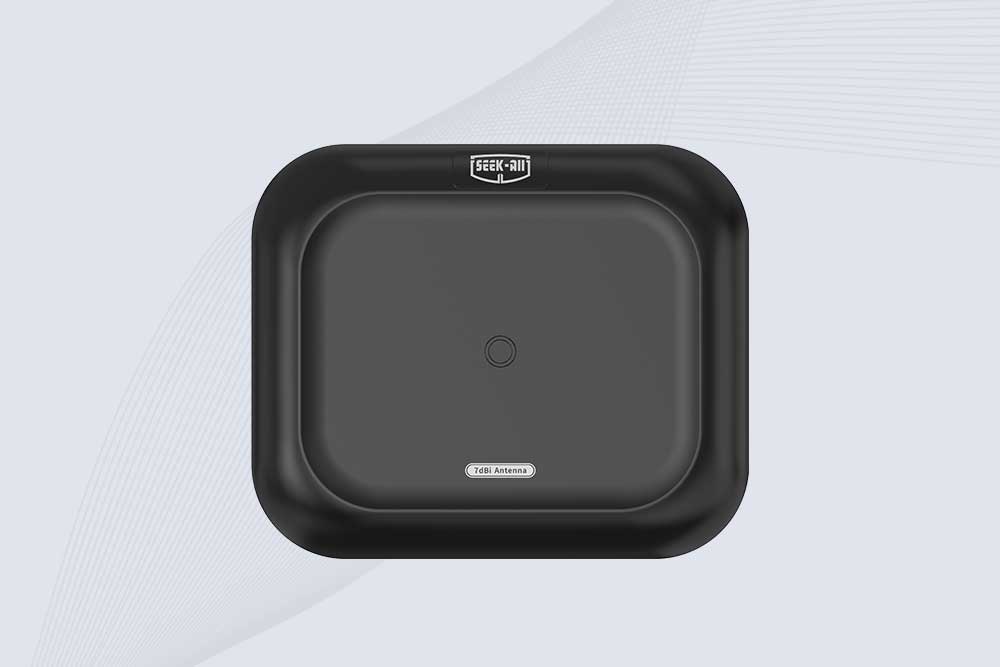
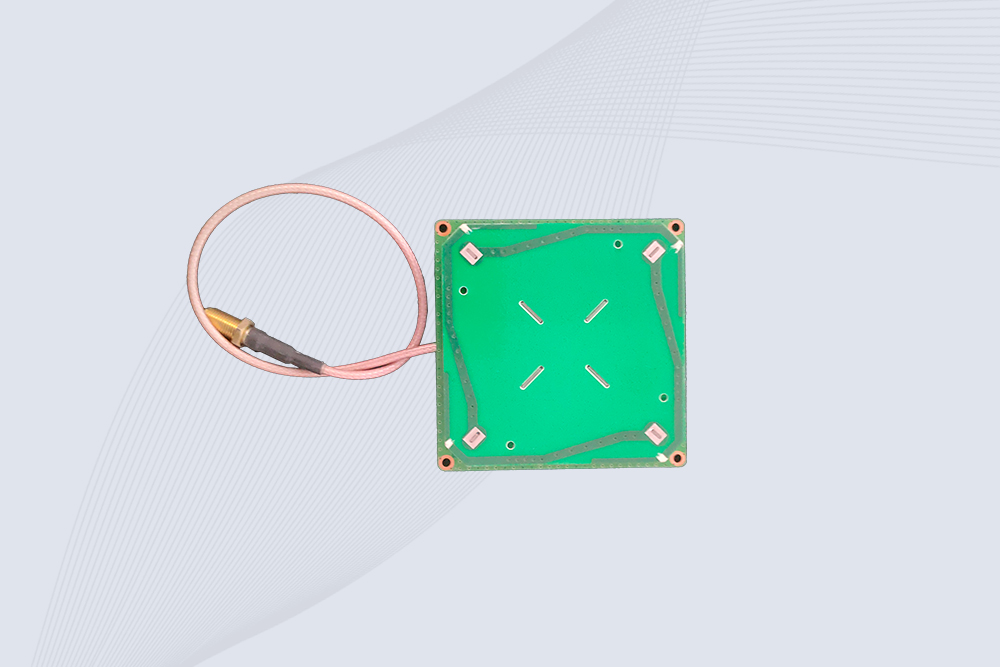
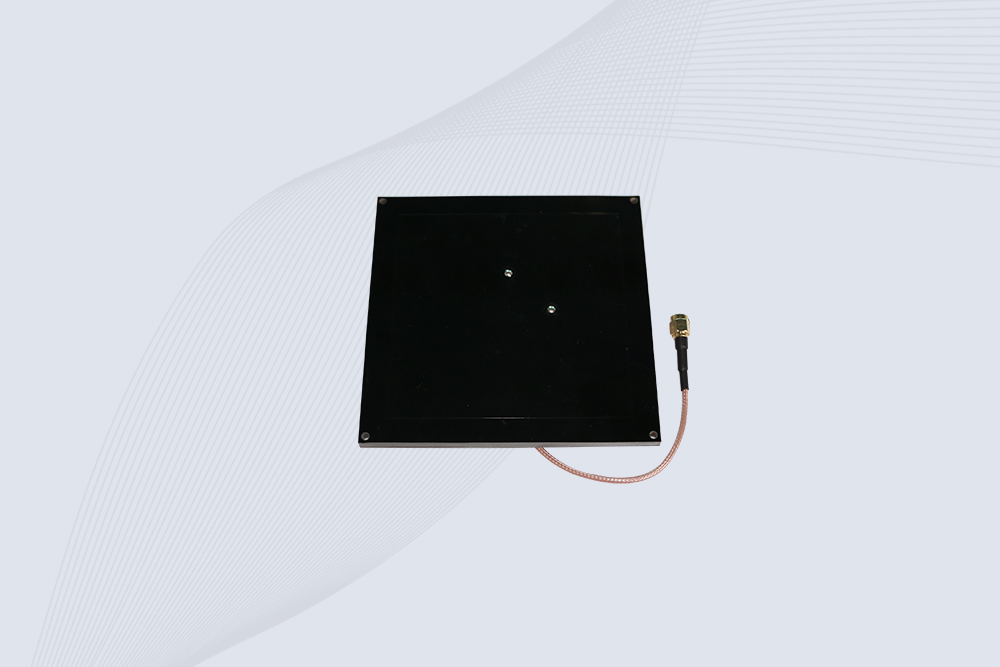
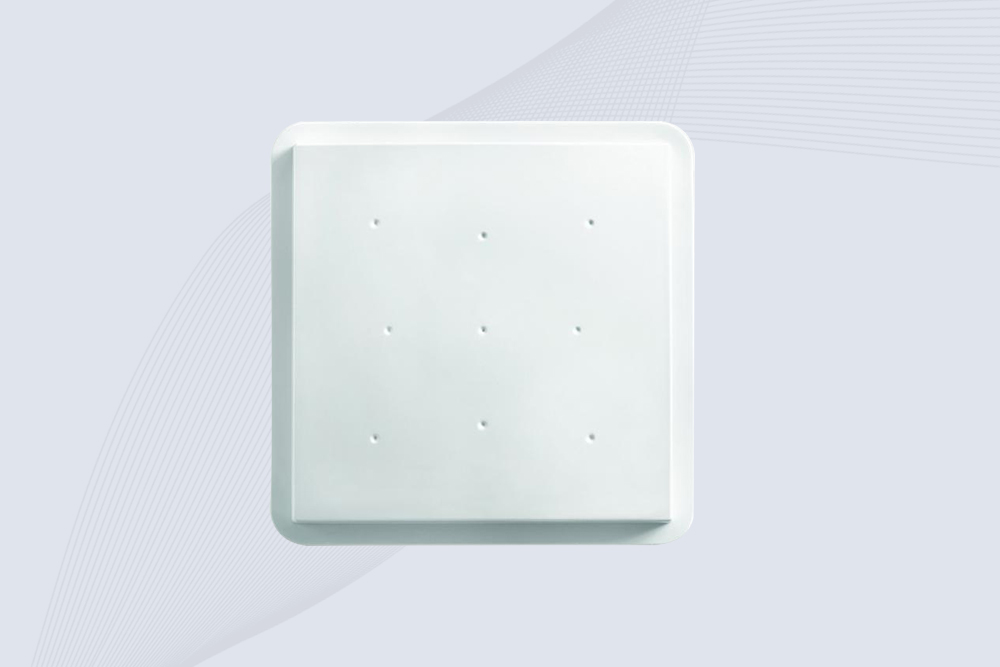
Explore the SSD-A07 UHF RFID antenna with 7 dBi gain, circular polarization, adjustable 840–960 MHz frequency, and 60°/75° beamwidth for stable RFID read/write performance.
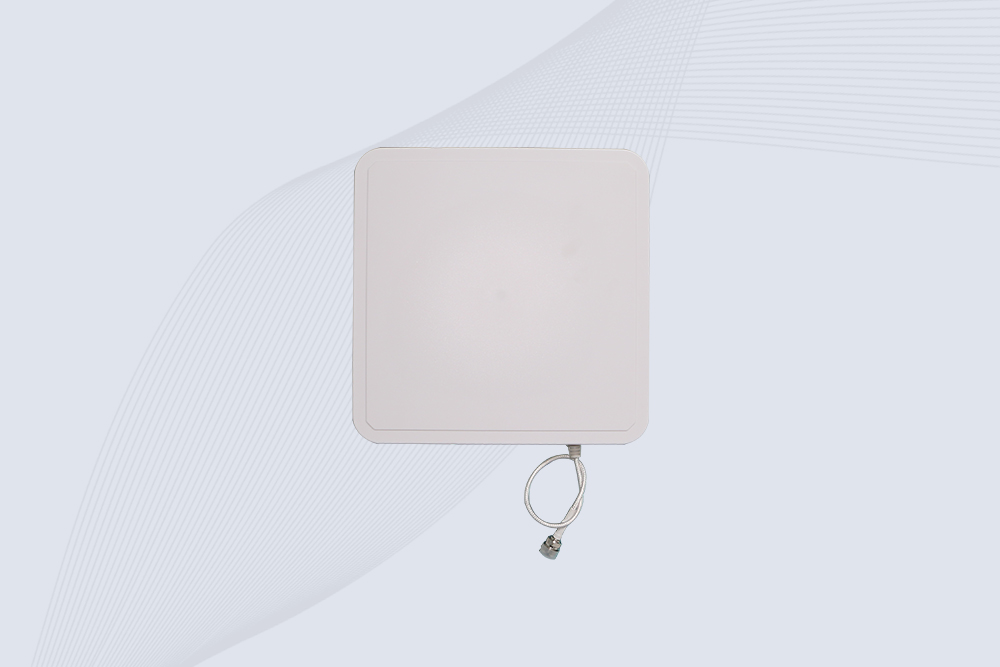
SSD-A06 UHF RFID antenna with circular polarization, adjustable 840–960 MHz frequency, ≥4.5 dBi gain, and a compact directional design for RFID systems.
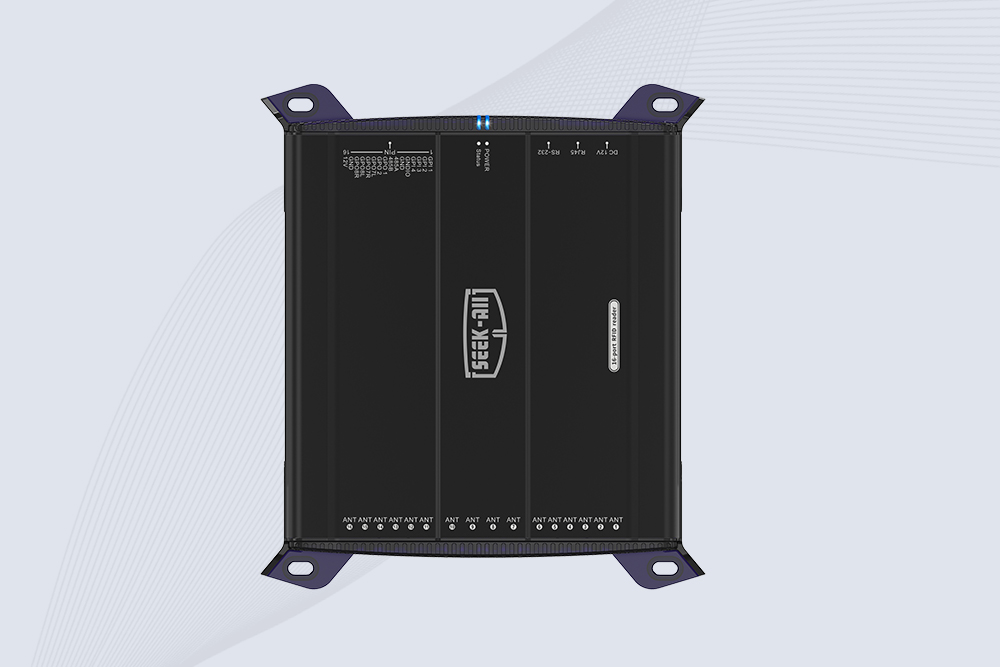
SSD-R16L Multi-Channel RFID Infrastructure for Automated Inventory Management ✔️ 16-Port High-Density RFID Reading Equipped with 16 SMA antenna ports, SSD-R16L supports multi-antenna deployment for warehouses, retail stores, logistics, production lines, and large-area RFID identification. ✔️ High-Speed & Long-Range Performance With up to 33…
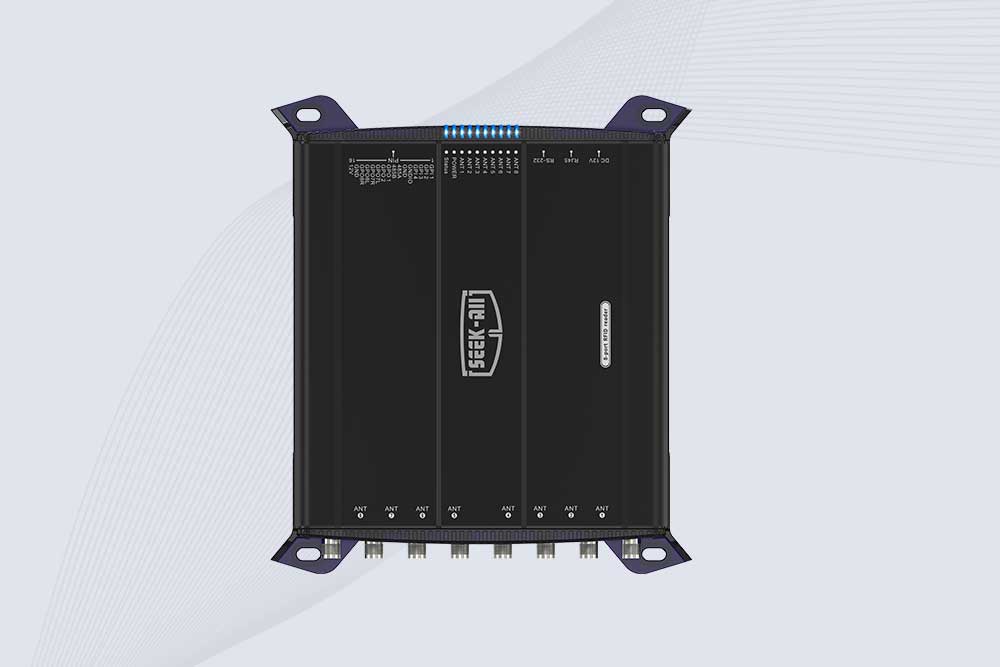
SSD-R8L 8-port UHF RFID reader with 33dBm output, up to 20m reading range and 600+ tags/s recognition. Ideal for warehouse, logistics, retail and asset tracking.
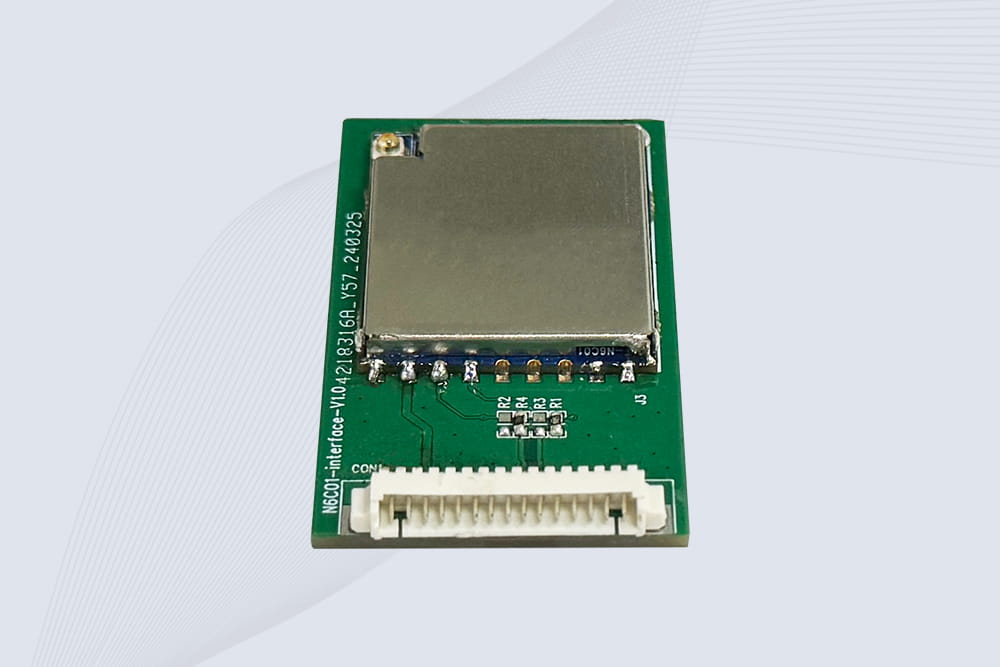
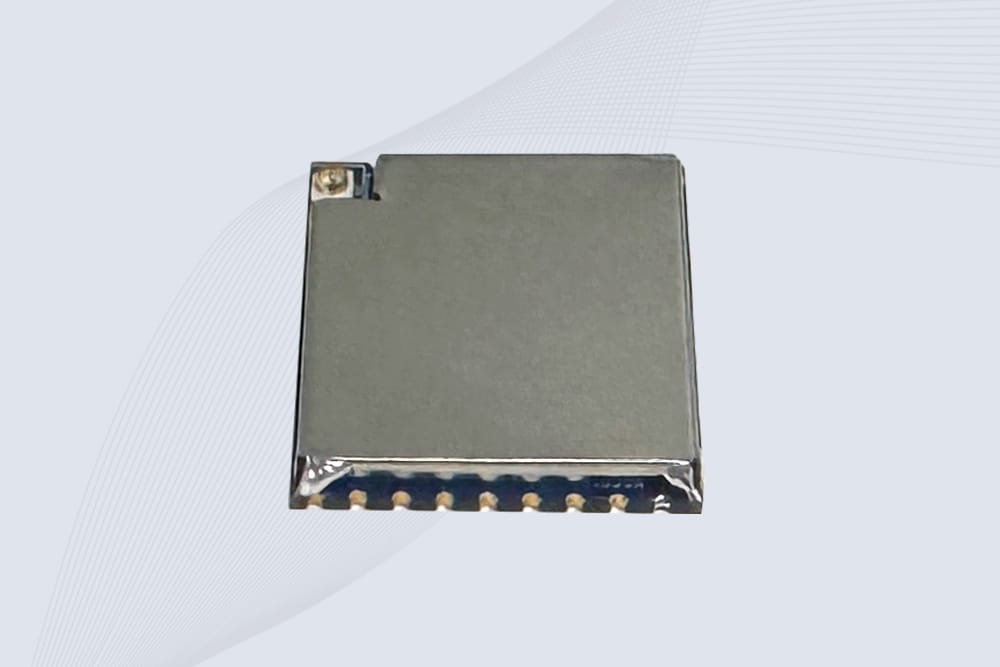
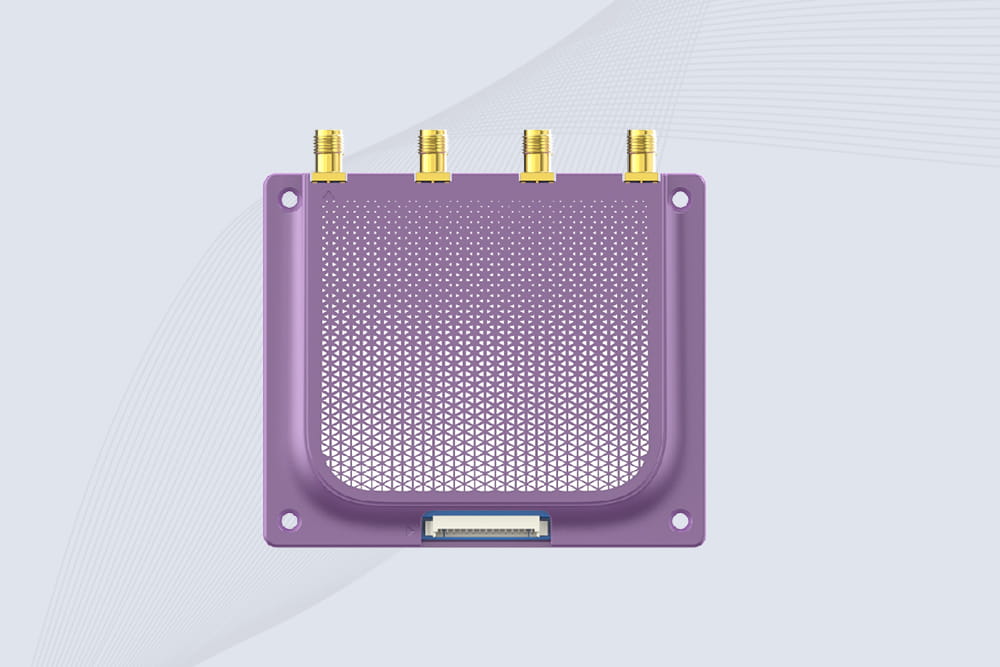
CYKEO Embedded RFID Modules are designed for compact industrial and IoT devices that require stable UHF performance. These UHF RFID Modules support global protocols, flexible power control, and reliable multi-tag reading for smart cabinets, production lines, and asset tracking systems.
CYKEO Embedded RFID Module is built for compact IoT and industrial devices that need stable UHF performance. This UHF module supports global protocols, low power operation, and reliable multi-tag reading for smart lockers, production lines, and always-on RFID systems.
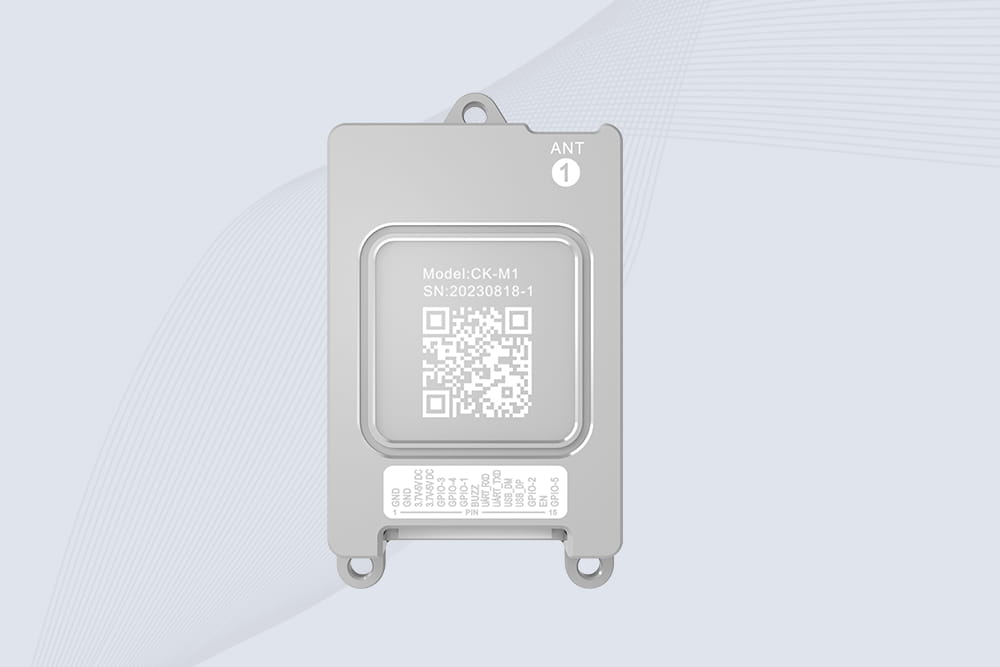
CYKEO CYKEO-M1 drone rfid module is a compact UHF RFID reader module designed for drones and UAV platforms. It supports long-range aerial scanning, fast multi-tag reading, and stable performance in wind, vibration, and outdoor environments.
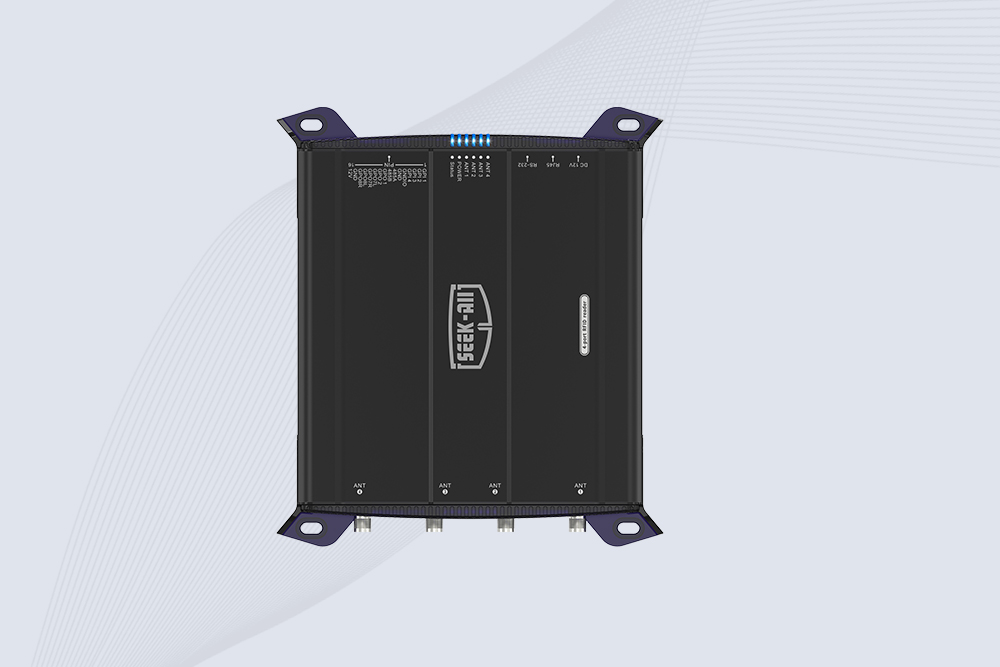
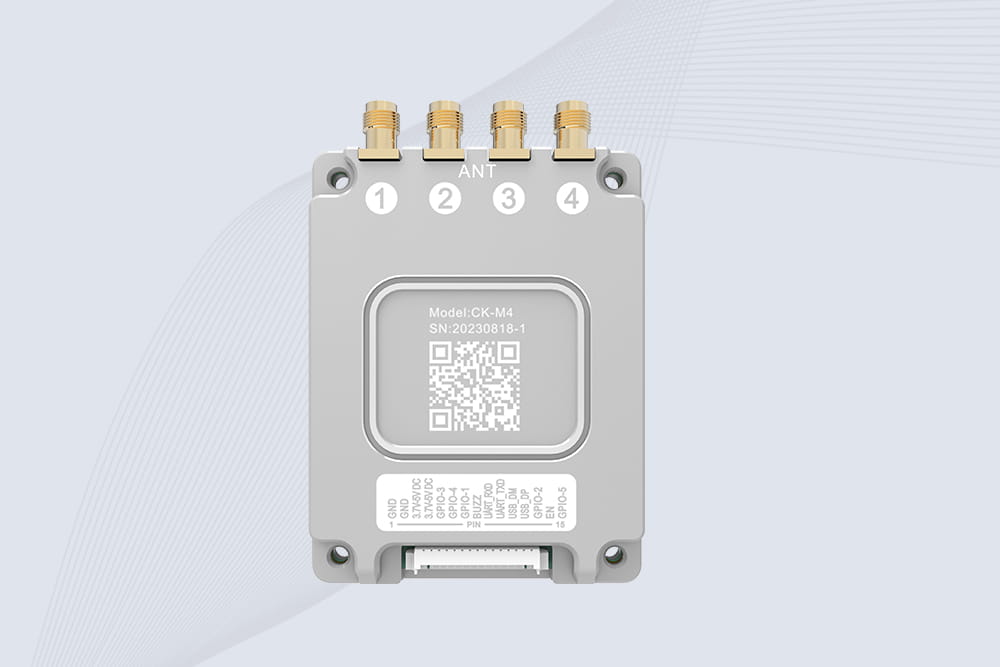
CYKEO CYKEO-M4 RC522 RFID Module is an industrial-grade UHF RFID reader with 4 ports, supporting ISO, EPC, and GB protocols. High-speed, accurate reading for IoT, automation, and warehouse applications.
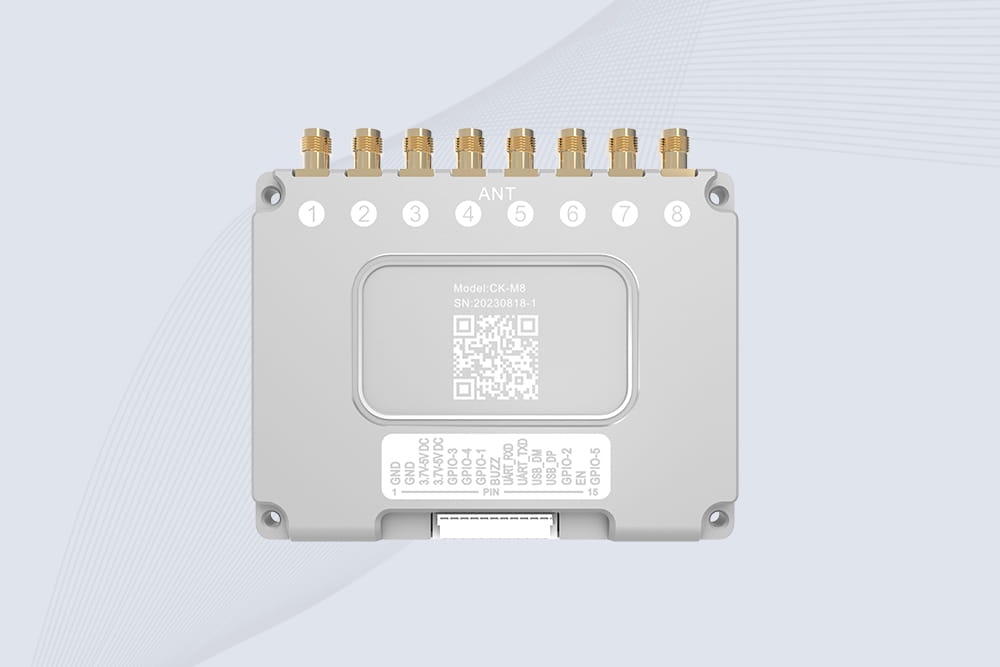
CYKEO CYKEO-M8 Module RFID is an 8-port UHF R2000 RFID Module designed for high-density, multi-tag environments. Stable 33dBm output, ISO & GB protocol support, ideal for warehouses, factories, and automated systems.
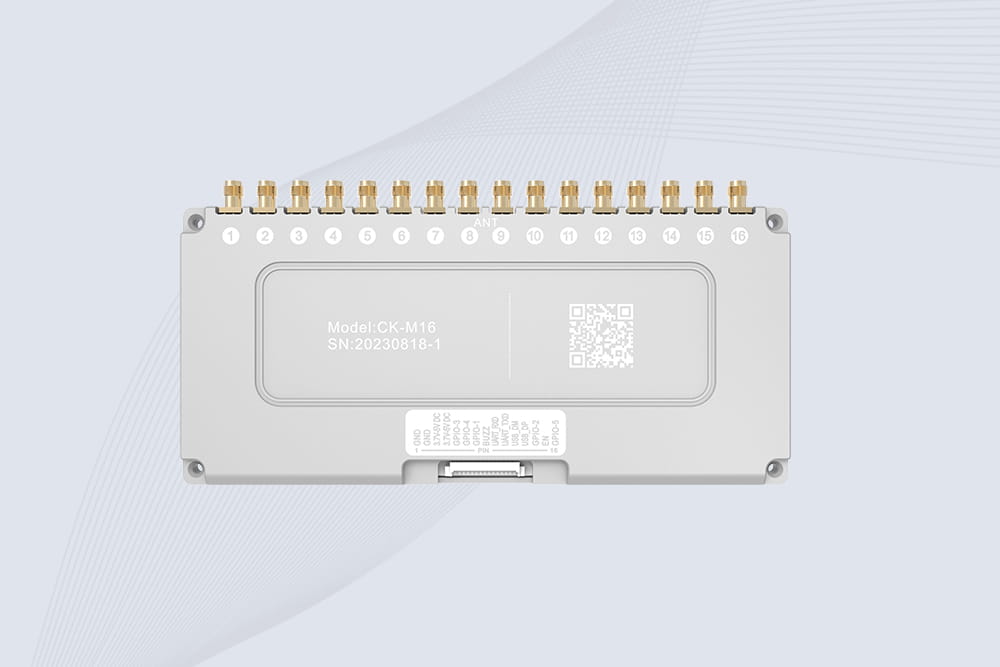
CYKEO CYKEO-M16 RFID Module is a 16-port UHF RFID reader module based on the R2000 chipset. Designed for dense tag environments, it supports ISO and GB standards and delivers stable multi-antenna control for industrial automation.
The CYKEO CYKEO-M16L RFID Reader Module is a 16-channel UHF RFID core designed for dense tag environments. With adjustable 33dBm output, multi-protocol support, and stable multi-antenna control, this RFID Tag Reader Module fits industrial automation, warehouse systems, and large-scale IoT deployments.
CYKEO CYKEO-M8L module RFID is a compact industrial UHF module built for dense tag and multi-antenna environments. With 8 RF ports, adjustable 33 dBm output, and ISO & GB protocol support, it is widely used in factories, warehouses, and automated tracking systems.
CYKEOCYKEO-M4L UHF RFID Module is a compact 4-channel RFID tag reader module designed for dense tag environments. Supporting ISO and GB protocols, it delivers stable reads up to 10 meters for industrial and IoT systems.
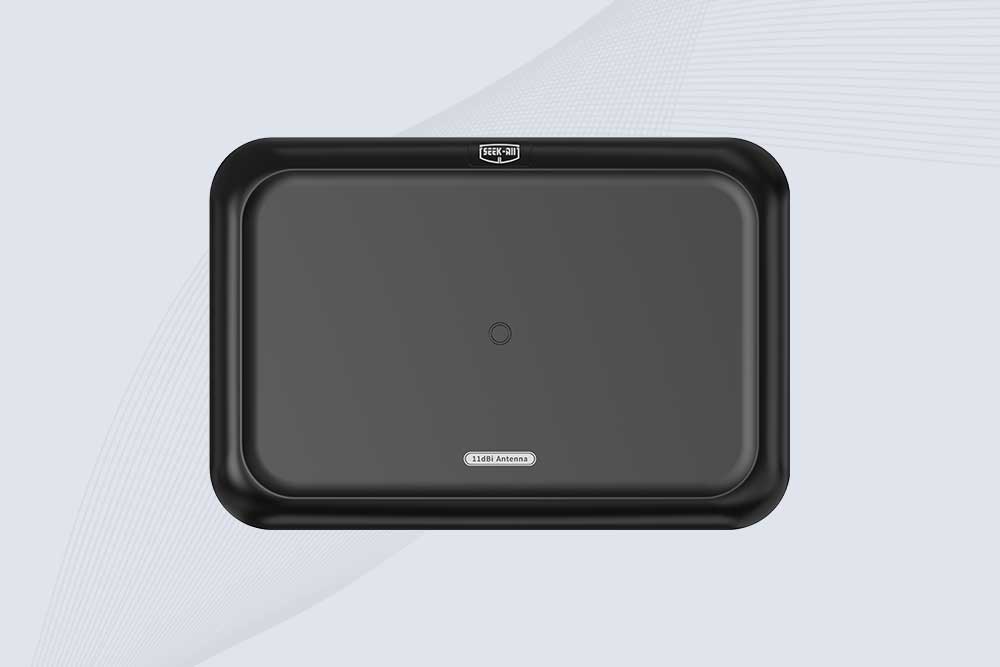
Cykeo CYKEO-A11 UHF RFID reader antenna delivers 11dBi gain, 840-960MHz frequency range, and IP65 ruggedness for retail, logistics, and industrial RFID systems. Features low VSWR and easy installation.
CYKEO Antenna RFID Reader delivers stable long-range UHF performance with a 10.5dBi directional design, built for warehouses, conveyor portals, and industrial RFID systems. This rfid reader antenna provides 20m+ read distance and rugged IP67 protection.
Cykeo CYKEO-A5B industrial Linear RFID Antenna delivers 5dBi gain, ≤1.5:1 VSWR, and IP65 rugged design for warehouse, production line, and logistics UHF systems.
Cykeo’s CYKEO-B12 Long Range RFID Antenna delivers 15m+ read range with 12dBi gain, IP65 rugged design, and global 840-960MHz UHF support. Ideal for warehouse/logistics asset tracking.
Cykeo CYKEO-B10 Long Distance RFID Antenna offers 10dBi gain, 840-960MHz frequency range, IP65 rating, and 20m+ coverage for logistics/warehousing/ETC systems. Low VSWR ensures stable signal transmission.
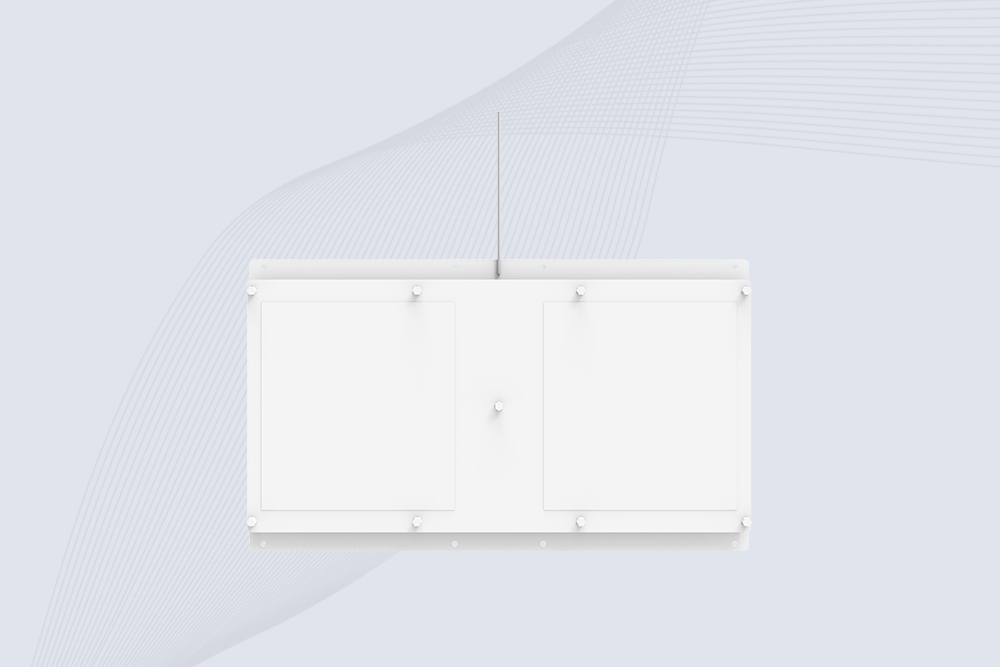
Cykeo CYKEO-A6 UHF RFID panel antenna features 6dBi gain, 840-960MHz broadband, IP65 metal-ready housing for logistics/smart retail. 18mm ultra-thin design with tool-free mounting.
Cykeo CK-A3 industrial antenna RFID UHF offers 5m+ tag detection, ≤1.3:1 VSWR, IP65 rugged design, and global UHF spectrum compatibility (840-960MHz) for warehouses, factories, and retail.
Cykeo CYKEO-B5 directional RFID antenna provides 5dBi gain with 60° narrow beamwidth for precise inventory tracking. IP65-rated, global UHF frequency support, and low VSWR.
Create your own high-performance DIY RFID antenna! 5dBi gain, 840-960MHz tunable, step-by-step guides. Compatible with Arduino, Raspberry Pi, and commercial UHF readers.
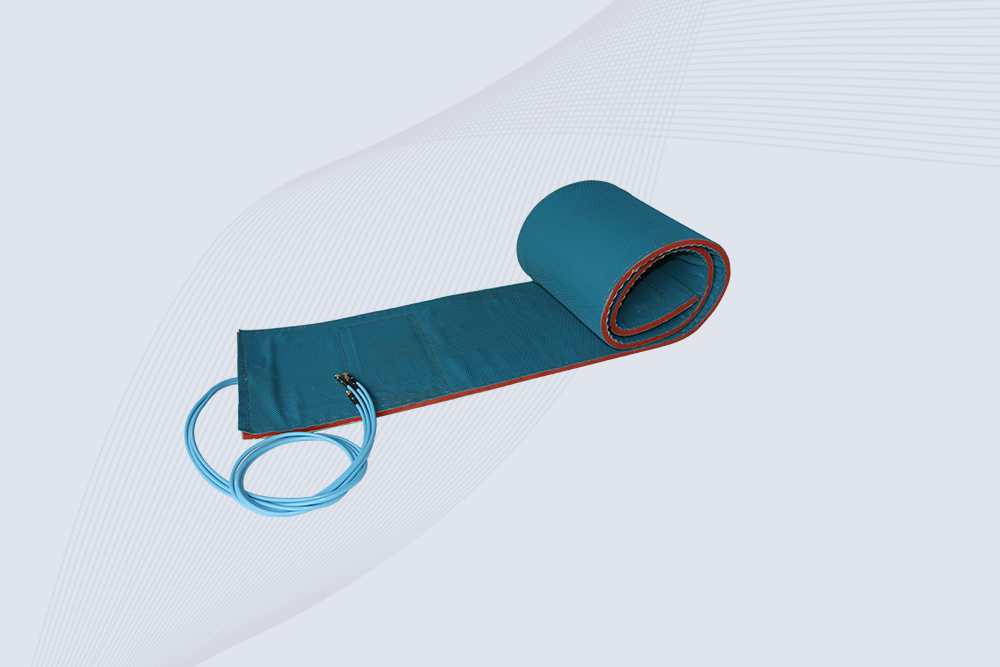
Cykeo CYKEO-A7 Flexible RFID Antenna features 840-960MHz wideband tuning, 7dBi gain, and IP68 rating for medical/retail/industrial curved surface deployments. 98% read accuracy with peel-and-stick installation.
Cykeo CYKEO-B5A industrial Passive RFID Antenna delivers 5dBi gain, 70° beamwidth, and -40°C~55°C operation for warehouses/smart cabinets. Compatible with Zebra/Impinj readers.
Cykeo’s CYKEO-A9B High Gain RFID Antenna delivers 15m+ read range with 9dBi amplification. Features IP54 rugged design, 840-960MHz bandwidth, and 80° beamwidth for warehouse/manufacturing RFID systems.
Cykeo’s enterprise-grade 8dbi Impinj RFID Antenna 10m+ read range with 840-960MHz tuning. Features IP65 housing, 1.4 VSWR, 35° beamwidth for retail/warehouse RFID systems.
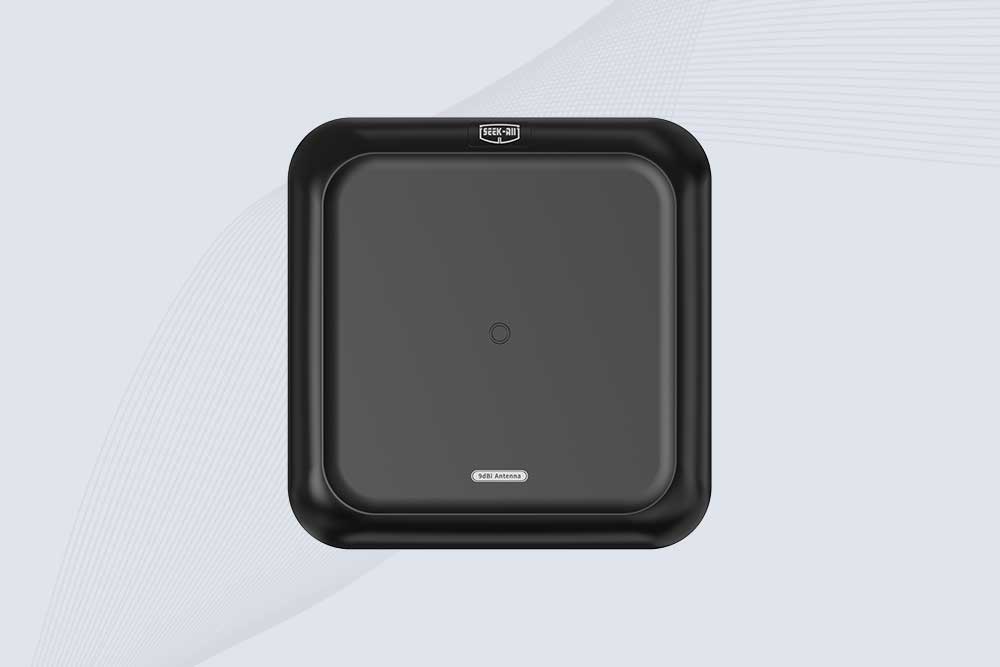
Cykeo CYKEO-A9 industrial UHF RFID antenna delivers 9dBi gain, 840-960MHz frequency range, and IP65 protection for warehouse/logistics/retail RFID systems. Features N-type connector and ≤1.3:1 VSWR.
CYKEO UHF RFID Antenna built for long-distance and industrial applications. This antenna rfid uhf delivers strong gain, outdoor durability, and reliable tag performance in warehouses, yards, and vehicle ID systems.
CYKEO Antenna RFID delivers reliable long-range UHF performance in warehouses, retail shelves, and cold-chain environments. This compact uhf rfid antenna provides stable reads with circular polarization and ultra-wide 840–960 MHz support, ideal for industrial tracking, smart shelves, and asset monitoring.
Cykeo’s CYKEO-C8 UHF RFID antennas delivers 8dBi gain, 840-960MHz full-band coverage, and IP65 ruggedness for manufacturing/warehouse RFID systems. Industrial RFID Antennas Features
Cykeo’s 8dBi UHF RFID antenna and reader kit delivers 10m+ range, 840-960MHz broadband, and IP65 ruggedness for factories, warehouses, and logistics. ISO 18000-6C & EPC Gen2 certified.
Cykeo’s CYKEO-A12C UHF Large RFID Antenna delivers 12dBi gain, 840-960MHz global frequency, IP65 ruggedness for logistics/warehousing/automotive. 40° beamwidth ensures stable 15m+ tag reads.
CYKEO Near Field RFID Antenna provides precise 5–30 cm reading for shelves, cabinets, and workstations. This compact rfid shelf antenna delivers stable short-range performance around metal and clutter, ideal for pharmacies, libraries, and electronics sorting.
Cykeo CYKEO-C1 industrial Forklift RFID Reader features 20m read range, 600 tags/sec scanning, Impinj R2000 chipset, and IP67 rugged design. Ideal for warehouse logistics and manufacturing. Supports ISO 18000-6C/6B protocols.
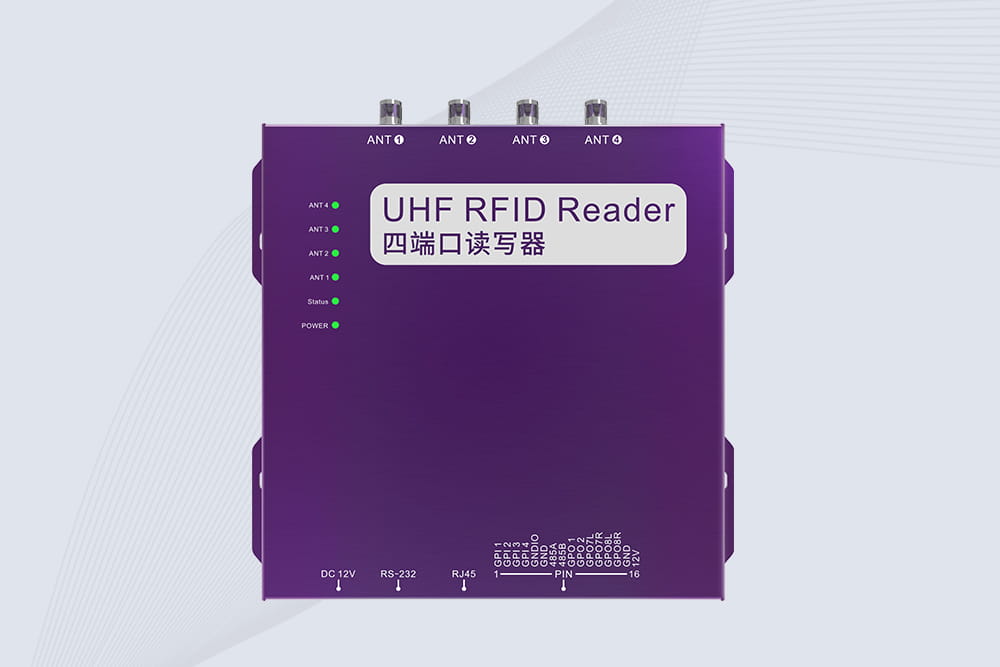
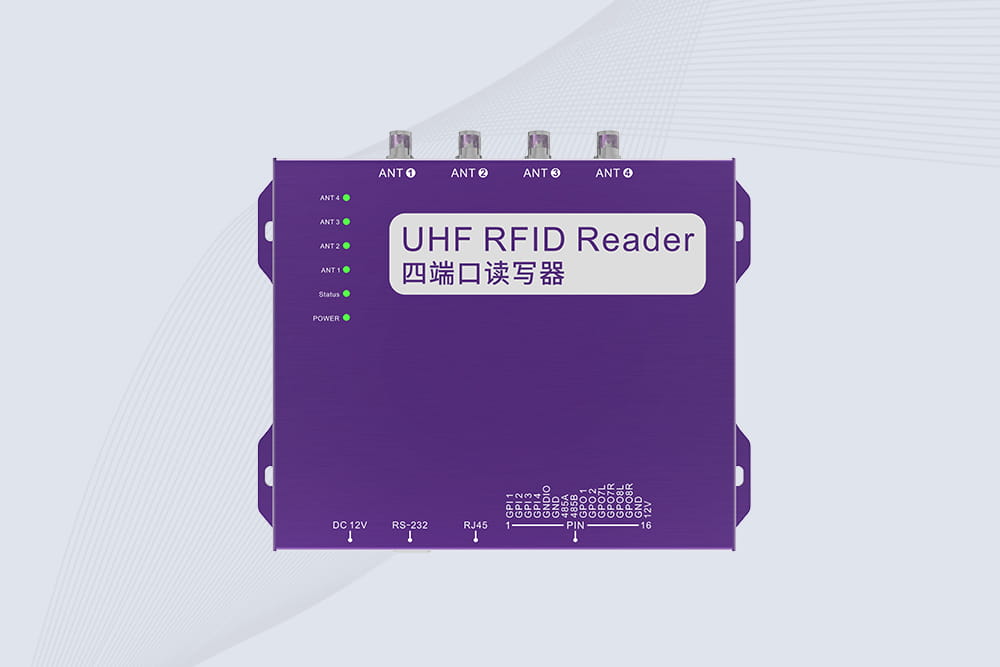
Cykeo CYKEO-R4 industrial UHF RFID Fixed Reader features 4 TNC ports, 400+ tags/sec speed, IP67 housing, and global frequency compliance for vehicle inspection, smart warehouse, and asset management systems.
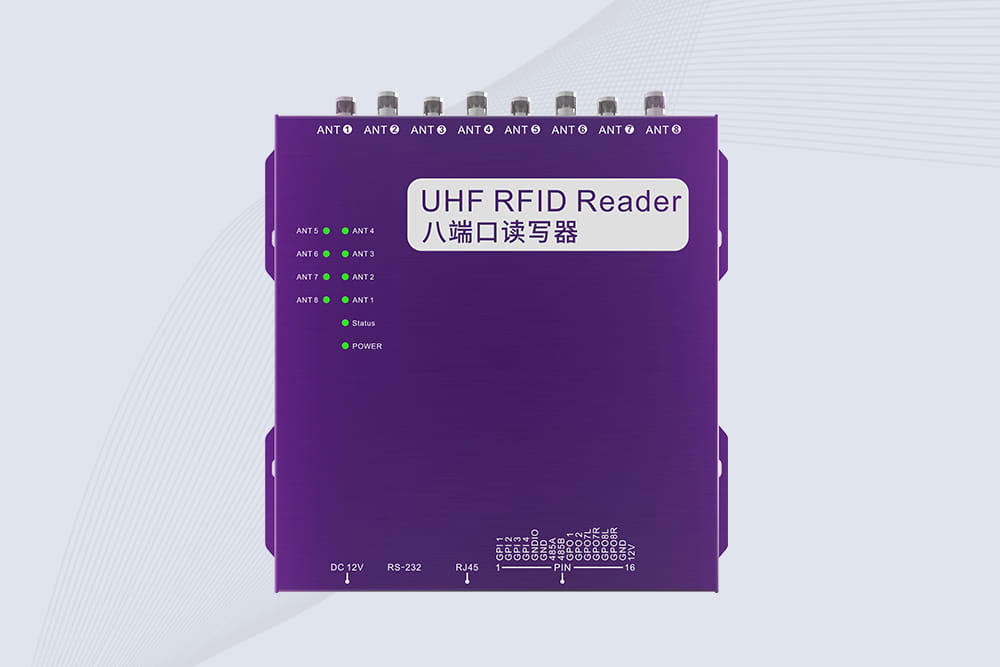
CYKEO CYKEO-R8L Fixed RFID Reader with 8-port UHF design, Impinj-based RF core and up to 20m read range. An industrial Fixed RFID Reader for vehicle inspection, warehouse portals, smart manufacturing lines and secure access checkpoints.
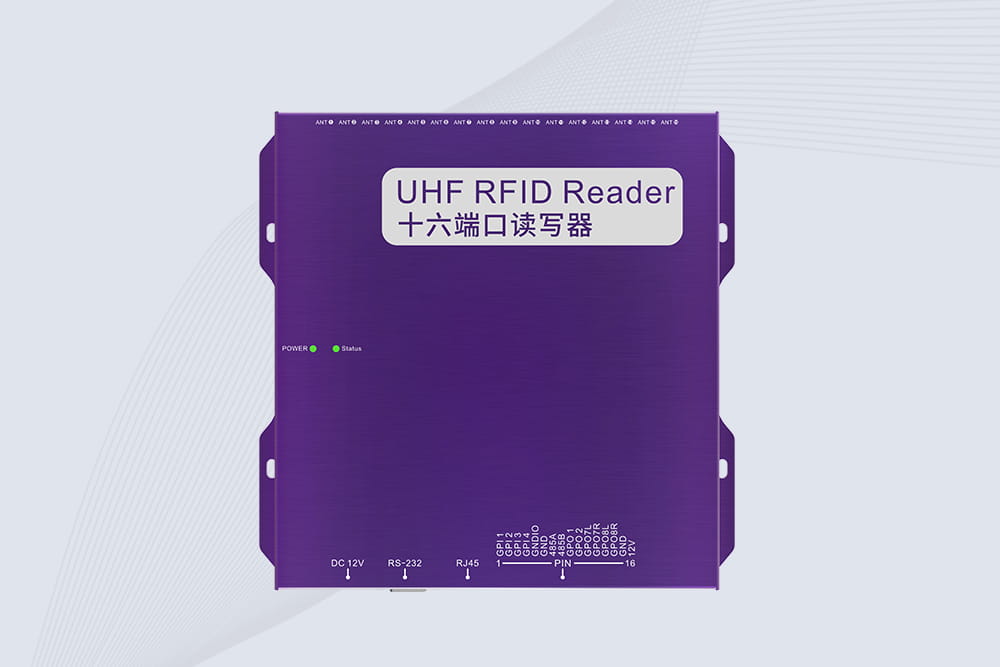
RFID Fixed Reader from CYKEO – the CYKEO-R16L 16-port UHF fixed reader for warehouses, smart cabinets, and production lines. Long-range, multi-tag reading, stable performance for 24/7 industrial use.
A developer’s real-world experience integrating an RFID tool cabinet with ERP and IoT systems using RESTful and native APIs. Covers system workflows, real-time events, and practical integration insights for software teams and system integrators.
Learning how to use USB RFID reader? Step-by-step guide for Windows and Android. Plug-and-play setup, driver installation, software connection, and fixing common issues. Real advice from CYKEO engineers.
Compare fixed and handheld RFID readers for retail inventory tracking, loss prevention, and checkout efficiency. Discover which suits your store’s needs.
Learn how RFID reader antenna ports work and how to choose between 4-port, 8-port and multi-antenna RFID readers for warehouses, gates and industrial applica...
 Cykeo RFID IoT Solution Products R&D Manufacturer