 Cykeo RFID IoT Solution Products R&D Manufacturer
what does rfid chip mean
102An RFID chip is the electronic component inside an RFID tag that stores identification data and communicates wirelessly with RFID readers for tracking and ma...
MoreAll RFID Product
The choice depends on your retail workflow. Here’s a breakdown:
Pro Tip: For luxury stores, pair fixed readers with EAS (Electronic Article Surveillance) gates for enhanced theft prevention.
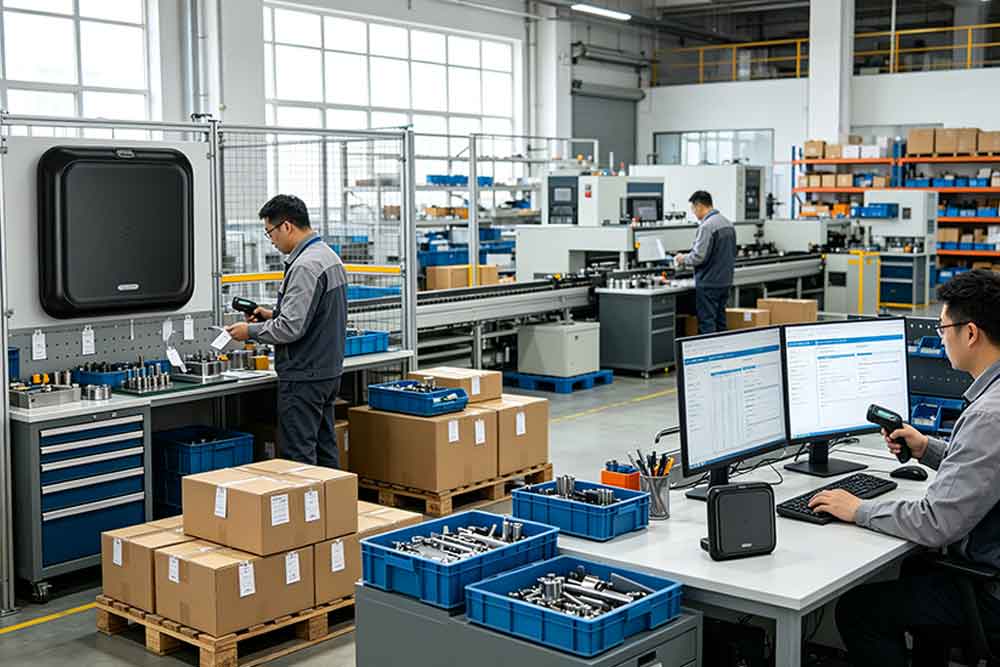
An RFID chip is the electronic component inside an RFID tag that stores identification data and communicates wirelessly with RFID readers for tracking and ma...
More
RFID asset tracking in the education sector enables digital management of books, computers, multimedia equipment, and other assets through efficient identification and real-time location tracking. It improves management efficiency, prevents asset ...
More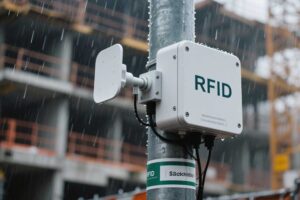
Discover how weatherproof RFID antennas enhance outdoor asset tracking accuracy in harsh conditions. Learn about durability, performance, and cost-saving benefits for industries like construction and logistics.
More
Discover practical advice on selecting a UHF RFID reader for asset tracking projects. Learn from real deployment scenarios, avoid common mistakes, and understand what wholesale buyers and system integrators should evaluate before purchasing.
More