 Cykeo RFID IoT Solution Products R&D Manufacturer
how to rewrite rfid tag
207RFID tag rewriting is possible only when the tag has writable memory and a compatible RFID reader writer is used. A reliable process requires correct tag sel...
MoreAll RFID Product
How is RFID used in supply chain management? RFID is used to identify and track products, pallets, containers, and assets as they move through manufacturing, warehousing, transportation, and retail. RFID readers capture tagged objects automatically at defined checkpoints, creating timely inventory, receiving, shipping, and traceability events.
The important word is movement.
In a supply chain, knowing that a pallet exists is not enough. The useful information is whether it was received, where it was stored, when it left the warehouse, and whether the expected shipment actually passed the outbound checkpoint.
That is where RFID becomes more than an identification technology.
GS1 describes EPCIS as a standard for sharing visibility information across organizations and supply-chain partners, covering the what, when, where, why and how of products and assets. EPCIS can work with RAIN RFID as well as other data carriers.
A practical RFID supply chain system has four physical and software layers:
| Layer | Function in the supply chain |
|---|---|
| RFID tag | Gives a product, pallet, case, or asset a digital identity |
| RFID reader | Detects and communicates with RFID tags |
| RFID antenna | Establishes the effective reading zone |
| Supply chain software | Converts tag reads into inventory and movement events |
The reader itself does not know that a pallet has been shipped.
It only knows that a tag was detected.
The application needs to understand that the reader is installed at Shipping Door 4, that the pallet belongs to a particular shipment, and that the detection occurred during the expected shipping window.
That distinction becomes critical in larger facilities.
Consider a distribution center receiving a pallet from a manufacturer.
The pallet arrives at the dock. A fixed RFID reader detects the pallet’s tag. The system associates the tag with the receiving location and timestamp. The warehouse management system can then update the shipment status.
GS1’s EPCIS implementation guidance describes this kind of business event through four dimensions:
GS1’s example specifically models a shipment received at a distribution-center loading dock.
That model is useful because it changes the question from:
“Did the reader see this tag?”
to:
“What happened to this supply-chain object?”
That is the more valuable question.
Inventory accuracy is one of the most practical reasons companies deploy RFID.
Traditional inventory processes often depend on periodic scanning, manual counts, or system assumptions. RFID can create additional visibility between those counting events.
In a warehouse, RFID can support:
The research evidence is substantial enough to be useful—but it needs to be quoted carefully.
Auburn University’s RFID research conducted a field experiment across 62 stores, with 31 RFID treatment stores and 31 control stores, covering five product categories. The study found that RFID-enabled visibility reduced inventory record inaccuracy and showed that effectiveness depended on the characteristics of the product category.
An earlier study in the same research program covered 13 stores over 23 weeks and reported an approximately 26% reduction in inventory record inaccuracy when RFID-enabled automatic inventory adjustment was used.
Those numbers should not be presented as a guaranteed RFID result.
The environment matters.
Tag placement matters.
Reader positioning matters.
And, particularly in warehouses, the difference between a useful read and a false movement event can be a matter of a few meters.

Warehouse operations are where RFID’s ability to identify multiple objects becomes particularly useful.
A worker may receive dozens of cartons in a short period. With a conventional barcode workflow, each item or container generally needs to be presented to a scanner.
With RFID, multiple tagged objects can be detected within the configured reading area.
The result is not simply faster scanning.
It can change when inventory information becomes available.
A pallet arriving at 09:14 can generate a receiving event close to the physical moment of arrival. A pallet leaving at 16:38 can generate an outbound event without requiring the operator to stop and scan each carton.
GS1 describes EPC/RFID as a technology that can be used from factories through distribution centers and retail stores, improving information about goods moving through the supply chain.
Receiving and shipping are especially interesting because they are boundary points.
Inside the warehouse, an incorrect read may create a minor inventory discrepancy.
At the dock door, an incorrect read can create a completely wrong shipment status.
For that reason, I would not begin a supply-chain RFID project by asking how far the reader can read.
I would ask:
Where exactly should the system declare that the shipment has crossed the boundary?
That decision determines antenna placement, reader power, tag orientation, filtering rules, and sometimes even the physical layout of the dock.
RFID becomes considerably more valuable when individual events are connected.
A typical flow may look like this:
Manufacturing → Factory Shipping → Distribution Center Receiving → Warehouse Storage → Picking → Shipping → Retail Receiving
At each stage, the system can associate an RFID identity with a business event.
| Supply-chain stage | RFID event |
|---|---|
| Production | Tag assigned to product or logistics unit |
| Factory shipping | Outbound movement recorded |
| Distribution receiving | Arrival confirmed |
| Put-away | Storage movement recorded |
| Picking | Item or case identified |
| Shipping | Shipment verification |
| Retail receiving | Store arrival recorded |
| Inventory | Current stock status updated |
GS1 states that EPCIS enables visibility into the status, location, movement, and chain of custody of products and other assets. It is specifically designed to allow this information to be shared within an organization and across supply-chain partners.
This is where RFID and supply-chain software begin to work as one system rather than as separate technologies.
Supply-chain visibility is often discussed as though it means “seeing everything.”
In practice, that is not necessary.
A good system provides visibility at the points where decisions are made.
For example:
GS1’s EPCIS architecture is explicitly designed around physical business events and can connect those events to applications that act on the information.
That creates a useful operational pattern:
Physical movement → RFID detection → filtered event → business system → operational decision
The strongest deployments are usually built around that sequence.
RFID can also support logistics operations beyond warehouse walls.
Tagged logistics units can be associated with:
The tag provides the identity. The reader provides the observation point.
The surrounding system provides the context.
GS1’s standards identify logistic units such as pallets through standardized identifiers such as the SSCC, while EPCIS provides a framework for describing events involving those physical objects.
This distinction becomes important when several pallets look identical.
A warehouse employee sees:
12 identical pallets.
The tracking system can see:
12 different serialized logistics identities with different movement histories.
That is a much richer operational record.
A project should not be evaluated only by read rate.
I recommend looking at operational measurements such as:
| KPI | What it tells you |
|---|---|
| Read reliability | Whether tags are consistently captured |
| False-read rate | Whether nearby objects trigger unwanted events |
| Inventory accuracy | Whether system quantity matches physical stock |
| Receiving time | How quickly inbound goods enter the system |
| Shipping verification | Whether outbound shipments match expectations |
| Event latency | How quickly RFID data reaches the application |
| Exception rate | How often manual intervention remains necessary |
The last two are frequently overlooked.
A reader can perform extremely well while the overall system still performs poorly if duplicate reads, stale data, or incorrect location logic are allowed into the application.
Cykeo approaches RFID supply chain management from the equipment and deployment side.
Its UHF RFID solutions can support applications involving warehouse checkpoints, inventory identification, logistics movement, industrial assets, and fixed reading zones.
Depending on the application, relevant capabilities include:
For a supply-chain installation, the reader should be selected after the operating environment has been understood.
A warehouse containing metal shelving, forklifts, densely packed cartons, and multiple adjacent loading doors is not a laboratory.
That is where practical commissioning matters.
I have found that the most useful validation is often deliberately unglamorous: run the actual pallet configuration through the actual door, test the tag in several orientations, move neighboring tagged objects into the scene, and see what the system records.
If the software cannot distinguish “pallet crossed Door 3” from “pallet was sitting beside Door 3,” the project is not ready for scale.
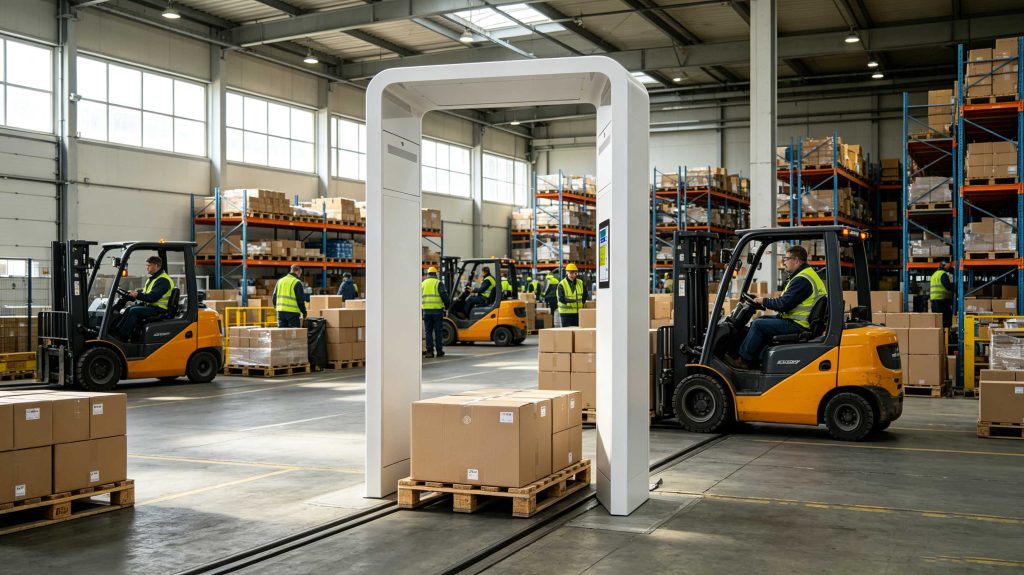
The difference between an RFID installation that merely reads tags and one that improves supply chain management is event quality.
A reader may report:
Reader 03 detected EPC X at 14:32:18.
That is raw observation.
The supply-chain application needs to turn it into:
Pallet 7821 arrived at Distribution Center A, Receiving Door 03, at 14:32:18.
GS1’s EPCIS model is built around this distinction. EPCIS records events describing what happened to an object, when and where it happened, and the business context surrounding the event. It is designed for visibility across multiple physical locations and organizations.
That is the level at which RFID becomes useful to supply-chain managers.
A practical architecture normally looks like this:
RFID Tag → Antenna → Reader → Read Filtering → Event Processing → WMS/ERP/EPCIS → Supply Chain Decision
Each layer has a different job.
| Layer | Typical responsibility |
|---|---|
| RFID tag | Unique product, case, pallet, or asset identity |
| Antenna | Defines the physical RF coverage |
| Reader | Captures tag observations |
| Filtering | Removes duplicate and unwanted reads |
| Event engine | Determines what the observation means |
| WMS/ERP | Updates inventory and operational status |
| EPCIS | Shares standardized visibility events |
GS1 identifies the EPC Tag Data Standard for defining EPC information carried by RAIN RFID tags, while LLRP provides a standardized interface between software and RFID readers.
That separation is important for large installations. A warehouse can have dozens of readers, but the application should not have to treat every reader as a completely different system.
Imagine a pallet waiting beside a dock door.
A fixed reader may detect its tag repeatedly for several seconds.
Those are multiple observations, not multiple shipments.
The software should consolidate them into one meaningful event.
GS1’s EPCIS architecture explicitly describes filtering and collection between raw RFID reader observations and higher-level business events.
This is one of the details I pay close attention to during RFID deployment reviews. A high tag-read rate looks impressive on a test screen. A clean event stream is what the warehouse actually needs.
Warehouse management is one of the most practical areas for RFID.
A typical flow is:
Receiving → Put-away → Storage → Picking → Packing → Shipping
RFID can provide identification events at each stage.
For example, at receiving:
There is no need to make every RFID read visible to the warehouse employee.
The employee needs the exception.
If 47 cartons arrive correctly, the system should handle those quietly. If one carton is unexpected, missing, duplicated, or associated with another shipment, that is where the operator’s attention belongs.
Receiving and shipping are particularly sensitive because they form physical boundaries.
A receiving door should answer:
What arrived?
A shipping door should answer:
What left?
This sounds obvious until adjacent doors, forklifts, metal structures, staging pallets, and temporary storage areas enter the picture.
A reader with excessive coverage can detect tags that have not actually crossed the intended boundary.
For that reason, antenna positioning and RF power should be validated together with the physical workflow.
Inventory accuracy is one of the areas where RFID has meaningful field evidence.
Auburn University’s research examined RFID-enabled inventory visibility in actual retail environments. One study involved 13 stores over 23 weeks, while a later field experiment expanded to 62 stores, 31 RFID test stores and 31 control stores, across five product categories.
The earlier study reported approximately a 26% reduction in inventory record inaccuracy when RFID-enabled inventory adjustment was used.
These figures should not be copied into a product specification as though every warehouse will achieve the same result.
The study itself found that RFID effectiveness varies with the characteristics and causes of inventory inaccuracy.
That is an important practical qualification.
RFID provides better visibility. It does not automatically repair a badly designed inventory process.
RFID can support:
The strongest benefit often appears between formal inventory counts.
Instead of waiting for the next scheduled count to discover that the system quantity is wrong, RFID can provide more frequent observations of physical inventory.
RFID can extend beyond the warehouse itself.
Supply-chain organizations can use RFID to identify:
GS1 explains that EPC/RFID identifiers can be associated with logistics and transport assets, while EPCIS can share physical-event information between trading partners.
This becomes particularly useful when the same logistics asset moves repeatedly.
A reusable container might follow:
Supplier → Distribution Center → Factory → Distribution Center → Supplier
Without an electronic identity, its history can become fragmented across spreadsheets, scans, and manual records.
With RFID, each controlled checkpoint can contribute another event.
RFID does not automatically make separate companies share data.
The technical identification layer and the information-sharing layer are different things.
GS1 describes EPCIS as a data-sharing standard designed to provide visibility within an organization and across supply-chain trading partners. It supports information about status, location, movement, and chain of custody and is data-carrier neutral, meaning it can work with RAIN RFID as well as GS1 barcodes.
A practical cross-company architecture might therefore look like:
Manufacturer RFID → Manufacturer EPCIS → Trading Partner → Distribution Center RFID → Distribution Center EPCIS
Each organization controls its own operational system while standardized event information can be exchanged where required.
That distinction makes large-scale supply-chain integration much more realistic.
RFID can identify components, work-in-process materials, tools, containers, and finished goods.
A tagged component can be associated with a production order and then observed at defined manufacturing stations.
Fixed RFID readers can capture inbound and outbound logistics units while reducing repetitive manual identification.
Item-level RFID can support inventory visibility, replenishment, receiving, returns, and omnichannel fulfillment.
RFID can identify products, packages, containers, and assets where traceability and controlled movement are important. GS1 also documents interoperability between RFID and barcode identification in supply-chain verification workflows.
Reusable containers and pallets can be assigned persistent identities so their movement history can be tracked across repeated cycles.
Tools and equipment can be associated with workshops, cabinets, production areas, and maintenance locations.

For Cykeo, the hardware selection begins with the operating scene.
A fixed UHF RFID reader for an open warehouse entrance has different requirements from a reader installed beside metal equipment or inside a dense industrial work area.
Cykeo UHF RFID platforms can support supply-chain applications requiring:
The Cykeo RA9L, for example, is an integrated industrial UHF RFID reader designed for fixed deployments where reader and antenna integration can simplify installation.
The CYKEO-M4L module takes a different approach, integrating the RF front end and baseband processing into a compact module for OEM development.
That difference matters.
A warehouse integrator may need a complete fixed reader. An equipment manufacturer may need an RFID engine embedded inside its own machine.
The supply-chain objective is the same: capture reliable identification at the point where a business event occurs.
A specification sheet cannot tell you whether a reader will behave correctly beside a loading door.
Before production deployment, I would test the actual environment.
Run representative pallets, cartons, containers, or assets through the intended reading zone.
Rotate tags.
Do not validate only the ideal orientation.
Introduce the materials that will actually be present:
Place tags just inside and just outside the intended zone.
This exposes false positives quickly.
Verify that repeated tag observations become one business event rather than a stream of duplicate transactions.
Confirm that the RFID event reaches the WMS, ERP, inventory platform, or EPCIS environment with the correct timestamp, location, and object identity.
That is the difference between an RFID reader test and a supply-chain test.
A useful project should be measured with operational metrics.
| KPI | Measurement |
|---|---|
| Inventory accuracy | Physical quantity vs. system quantity |
| Receiving time | Arrival to confirmed receipt |
| Shipping accuracy | Expected shipment vs. detected shipment |
| Read reliability | Successful reads under real conditions |
| False-read rate | Unwanted tag detections |
| Event latency | Reader detection to system event |
| Exception rate | Transactions requiring manual intervention |
| Manual scan reduction | Barcode/manual actions eliminated |
I would put false-read rate beside read reliability on the dashboard.
A system that reads everything is not necessarily a good tracking system.
A system that reads the right things at the right boundary is.
Yes. RFID can create identification events at manufacturing, warehouse, distribution, and retail checkpoints. Cross-company visibility depends on how those events are exchanged and integrated.
RFID can capture multiple tagged items without requiring individual line-of-sight barcode scans, allowing inventory observations to happen during receiving, movement, counting, and shipping.
Yes. A fixed reader at a shipping checkpoint can compare detected tag identities against the expected shipment and flag discrepancies before the shipment leaves.
It can provide near-real-time visibility at equipped checkpoints. It does not mean continuous location tracking everywhere; visibility depends on reader coverage and the event architecture.
EPCIS is a GS1 visibility-data standard that represents events involving products and assets, including what happened, when it happened, where it happened, and the business context.
Yes. GS1 explicitly supports systems in which RFID and barcode data carriers coexist. The choice can depend on the workflow, product, infrastructure, and required identification method.
Treating maximum read distance as the primary objective. Supply-chain RFID is more dependable when the reading zone is deliberately engineered around a specific business event.
How is RFID used in supply chain management is ultimately a question about turning physical movement into trustworthy operational information.
A tagged pallet entering a dock becomes a receiving event.
A tagged container leaving a factory becomes a shipment event.
A tagged asset returning to a maintenance area becomes a return event.
A group of tagged cartons passing a shipping portal becomes shipment-verification data.
The technology is relatively straightforward. The difficult part is deciding where an RFID observation becomes a business event.
That is where antenna placement, reader configuration, tag selection, filtering, software integration, and supply-chain workflow meet.
For Cykeo, the objective is not simply to make an RFID reader detect more tags. The objective is to make RFID data useful inside the actual operating environment—warehouse, factory, logistics center, retail facility, or industrial asset-management area.
When those pieces are aligned, RFID becomes a practical visibility layer between the physical supply chain and the digital systems managing it.
And that is the real answer to how is rfid used in supply chain management.
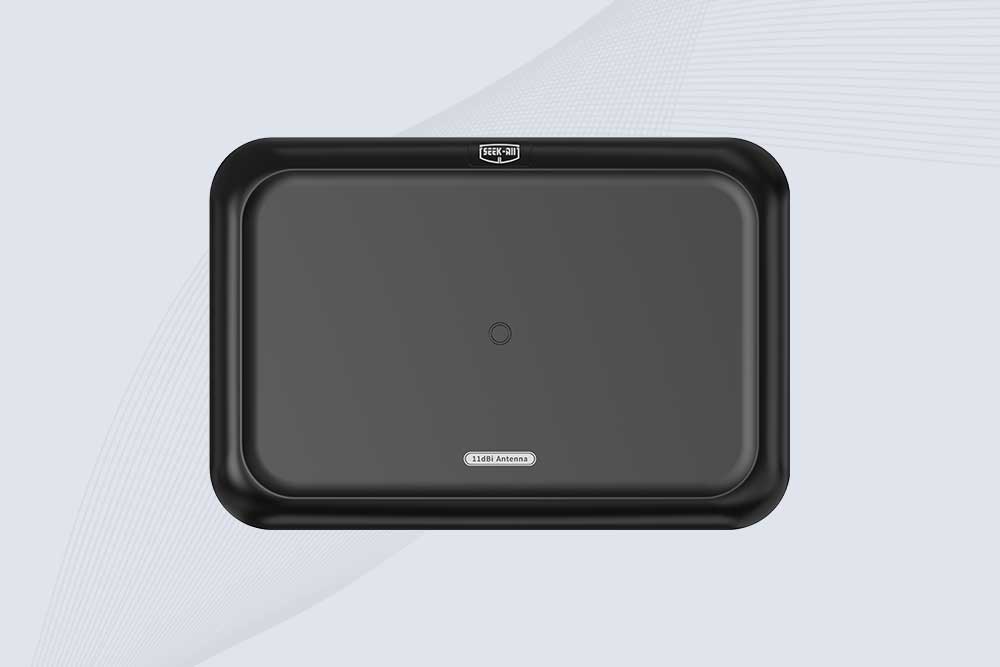
SSD-A11 UHF RFID antenna features 840–960 MHz adjustable frequency, ≥10.5 dBi gain, circular polarization and 50Ω impedance for fixed RFID systems.
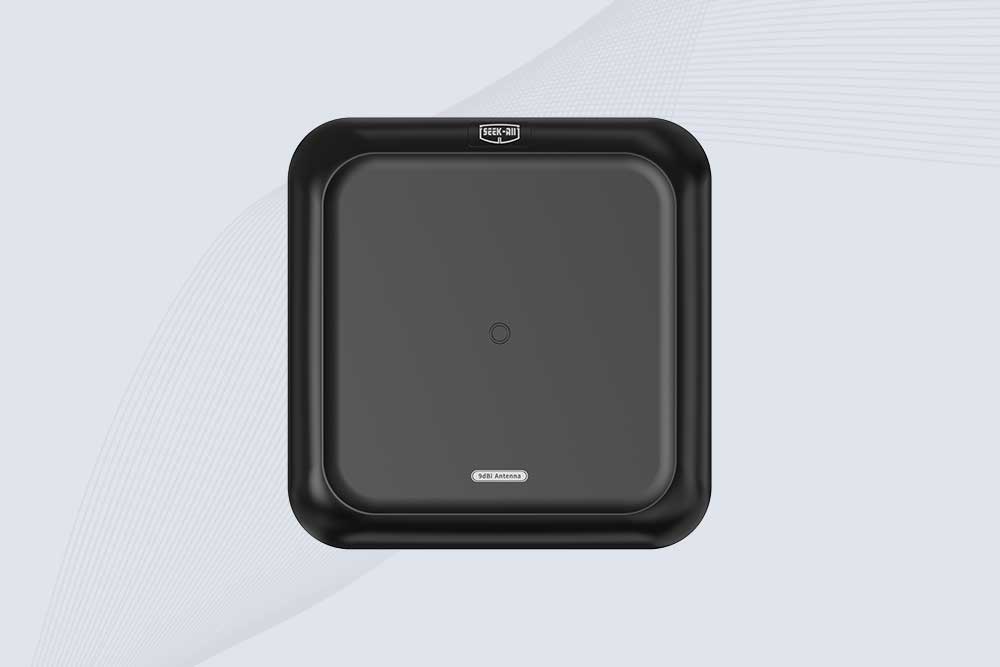
SSD-A09 is a 9 dBi UHF RFID antenna with 840–960 MHz adjustable frequency, circular polarization, 50Ω impedance and directional 60° × 60° coverage.
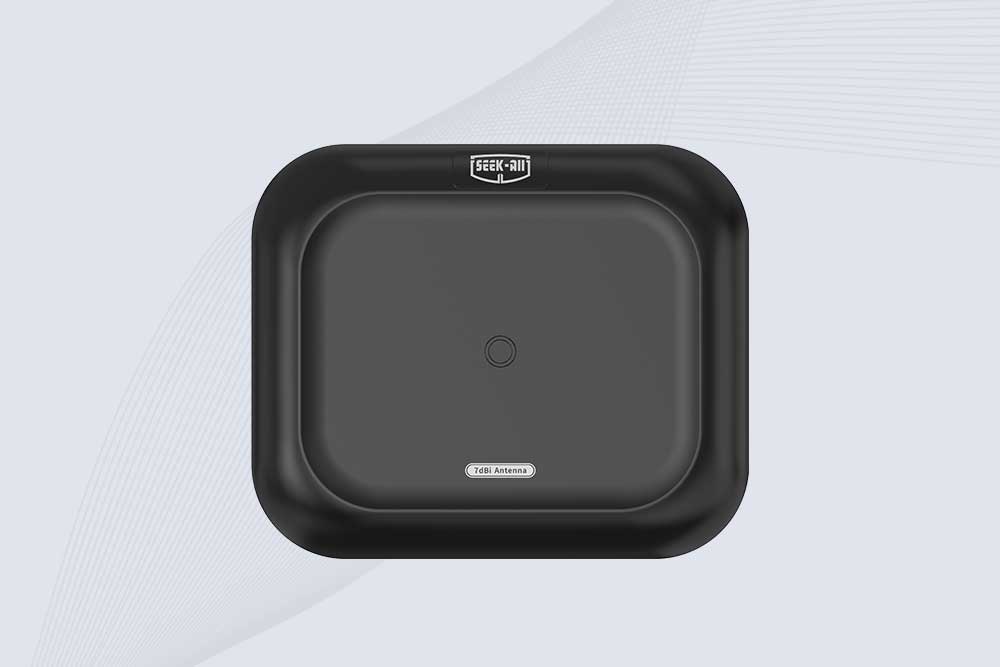
Explore the SSD-A07 UHF RFID antenna with 7 dBi gain, circular polarization, adjustable 840–960 MHz frequency, and 60°/75° beamwidth for stable RFID read/write performance.

SSD-A06 UHF RFID antenna with circular polarization, adjustable 840–960 MHz frequency, ≥4.5 dBi gain, and a compact directional design for RFID systems.

Discover SSD-D4AL, a USB-HID UHF RFID reader with 4/8/16 antenna options, Impinj E710/X3M1 chipset, plug-and-play USB power, and OEM customization.
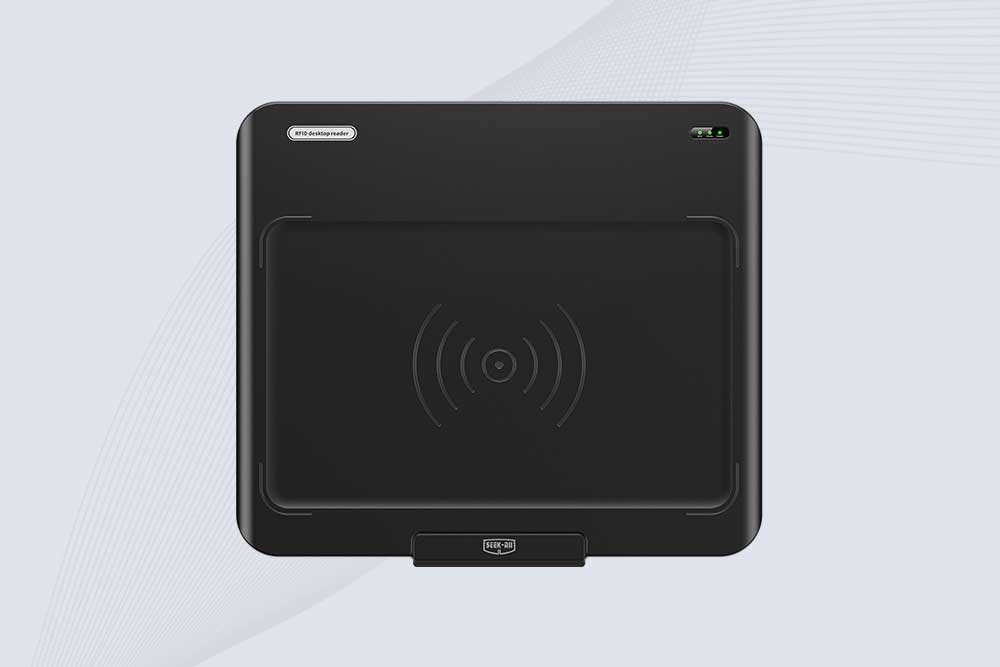
SSD-D3AL is a USB-HID UHF RFID reader with 0–30 cm reading, 0–15 cm writing, over 600 tags/s recognition, USB plug-and-play operation and OEM Logo customization.
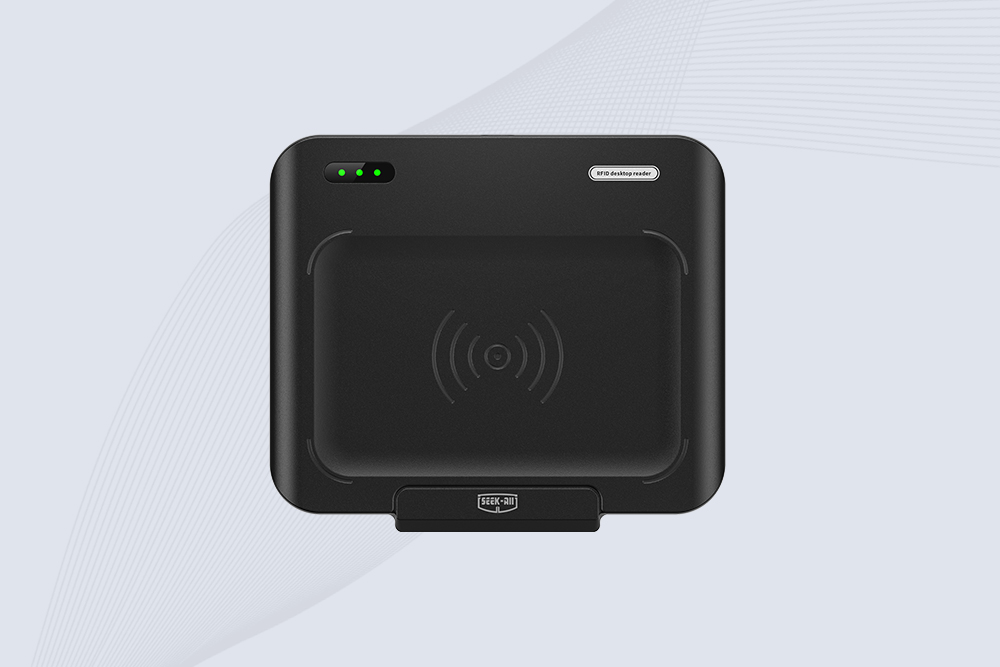
SSD-D1AL is a compact USB UHF RFID reader with Impinj E710/X3M1 chipset, USB-HID, 600+ tags/s recognition, 4/8/16 antenna support and plug-and-play USB power.
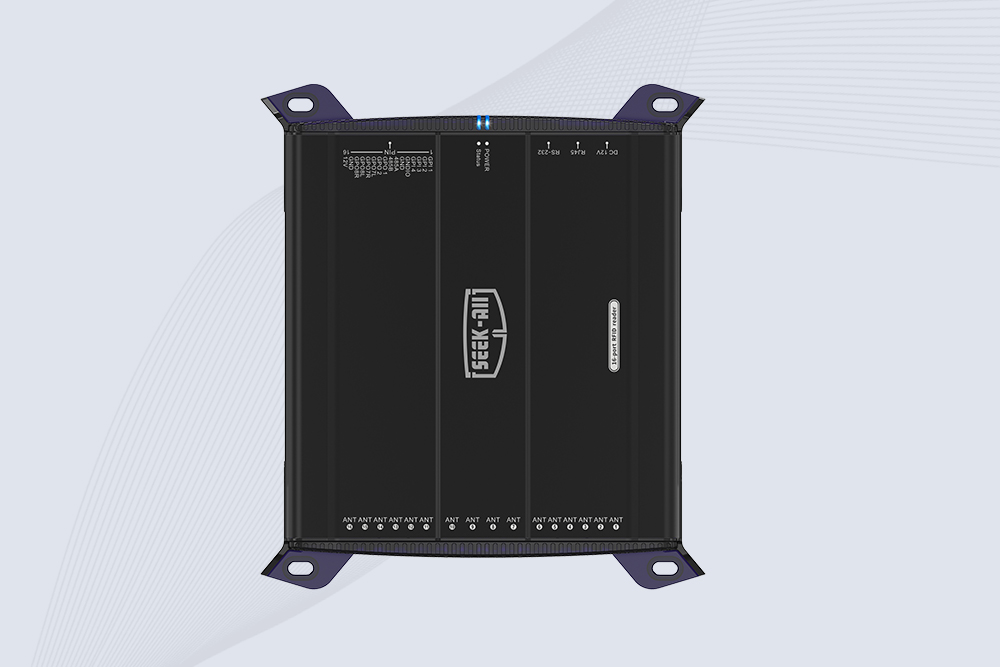
SSD-R16L Multi-Channel RFID Infrastructure for Automated Inventory Management ✔️ 16-Port High-Density RFID Reading Equipped with 16 SMA antenna ports, SSD-R16L supports multi-antenna deployment for warehouses, retail stores, logistics, production lines, and large-area RFID identification. ✔️ High-Speed & Long-Range Performance With up to 33…
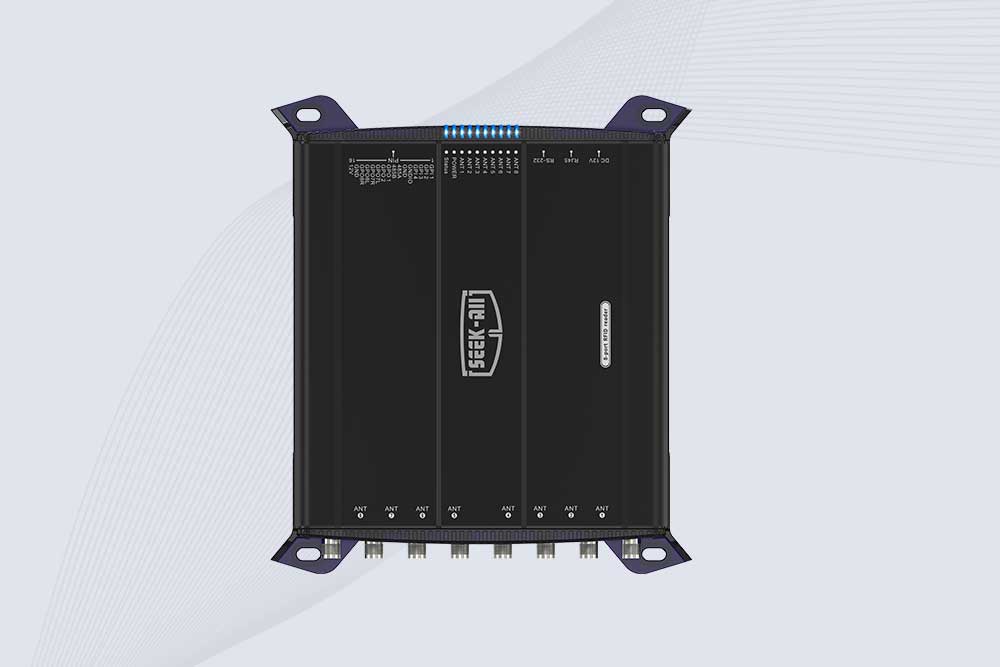
SSD-R8L 8-port UHF RFID reader with 33dBm output, up to 20m reading range and 600+ tags/s recognition. Ideal for warehouse, logistics, retail and asset tracking.
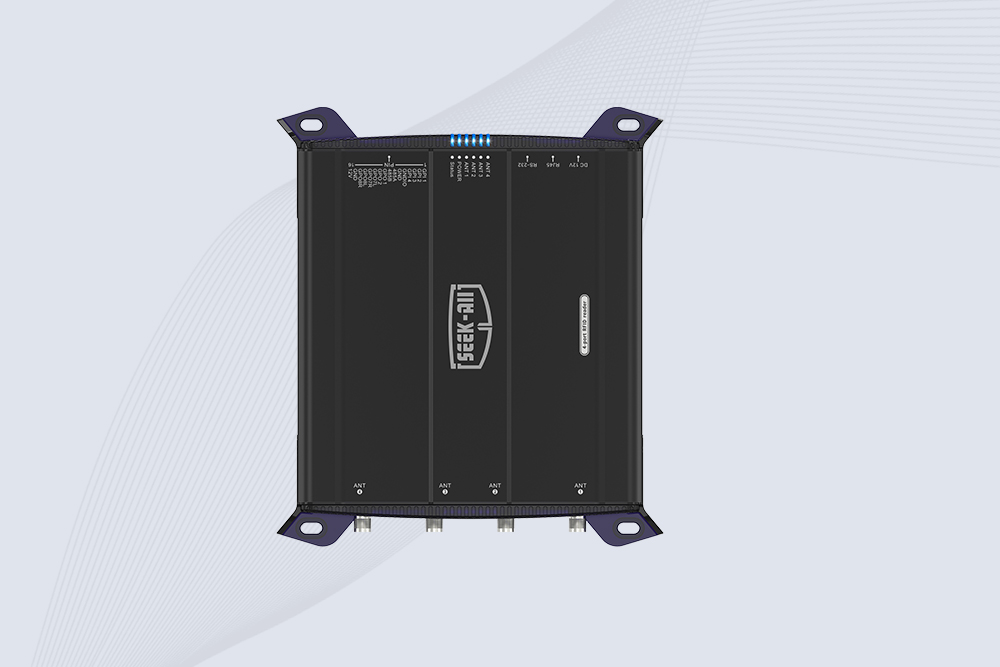
SSD-R4L is a 4-port UHF RFID fixed reader with 33dBm output power, up to 20m reading range, EPC C1G2 support and 600+ tags/s reading speed.

CYKEO CYKEO-D1LA USB RFID Reader is a compact desktop solution with near-field control for precise tag reading and encoding. Powered by USB, supporting ISO 18000-6C, and built for stable batch writing, this usb rfid tag reader fits retail, libraries, offices, and controlled RFID encoding tasks.
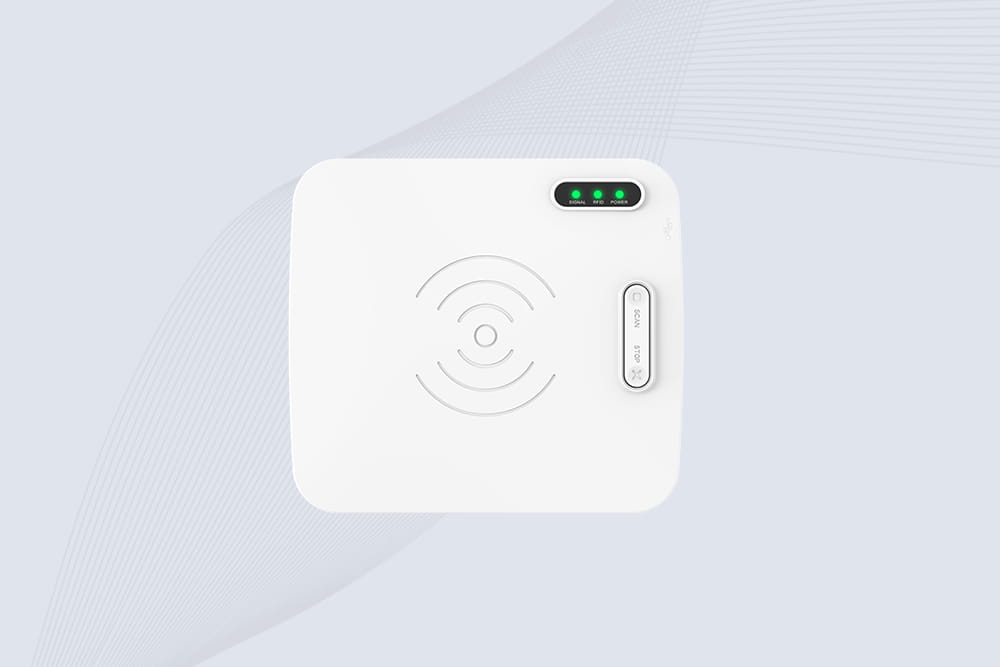
CYKEO CYKEO-D1L RFID scanner USB is a compact desktop UHF RFID scanner designed for short-range tag writing and verification. This usb rfid scanner supports batch encoding, stable 0–26 dBm output, and works across Windows, Linux, and Android systems.
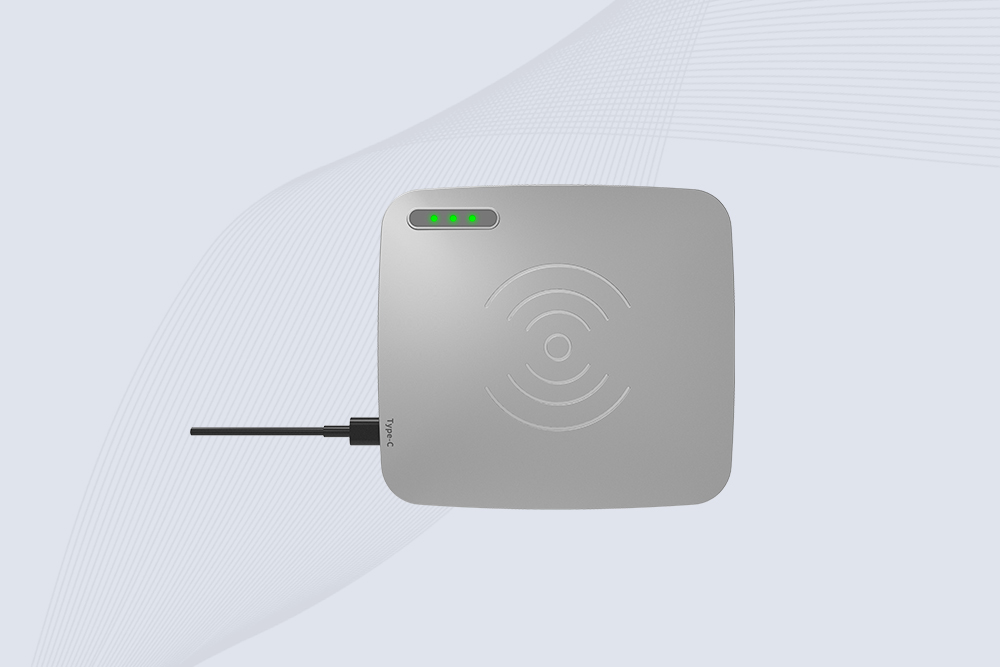
CYKEO CYKEO-D1C USB RFID Card Reader is a near-field UHF desktop writer designed for secure, short-range tag encoding. With USB-C connectivity and stable 26 dBm output, this rfid reader usb c is ideal for badge issuance, label encoding, and controlled desktop RFID workflows.
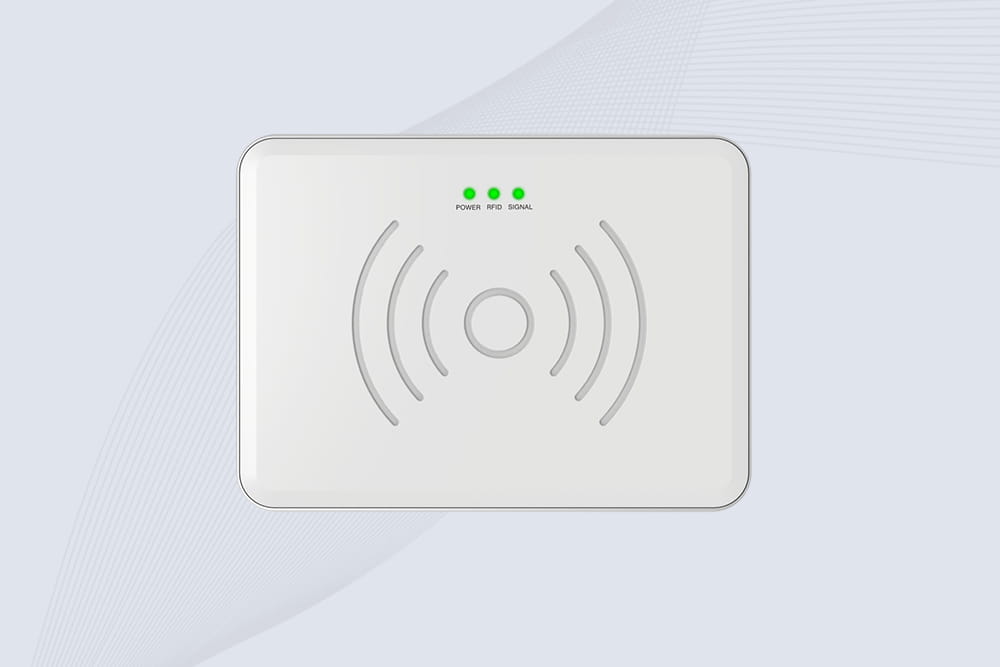
CYKEO CYKEO-D2L RFID Reader USB is a compact desktop encoder built on the Impinj R500 chip. With near-field control and stable USB power, this usb rfid card reader delivers precise tag writing for offices, retail counters, and small-scale logistics encoding tasks.
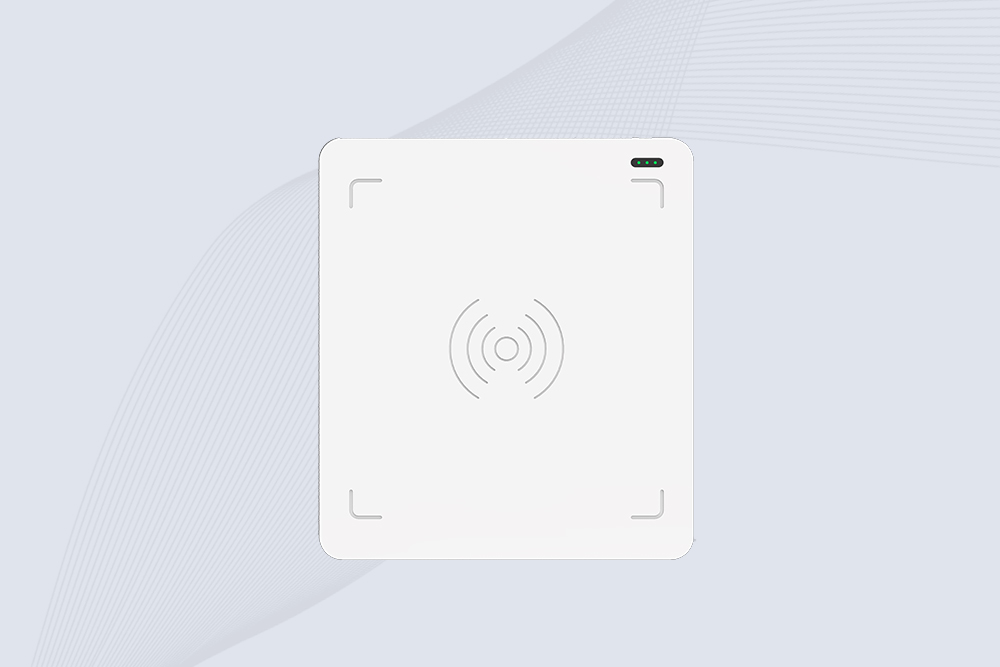
CYKEO CYKEO-D3L USB RFID Tag Reader delivers stable UHF tag reading and writing for daily desktop and light industrial tasks. Designed for controlled short-range operation, this USB RFID Tag Reader works reliably with rfid tag and reader systems in libraries, tool tracking, and inventory registration.
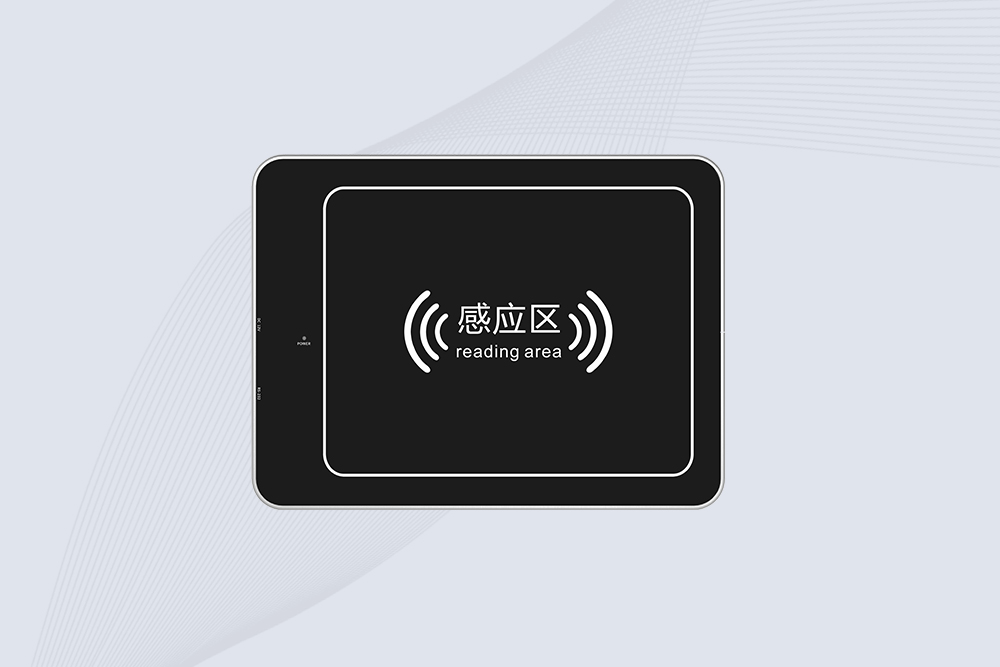
The CYKEO CYKEO-D4L UHF RFID Tag Reader is a stable Desktop RFID Reader designed for accurate tag registration, borrowing, and return workflows. Built with the Impinj R2000 chip, this UHF RFID Tag Reader delivers controlled short-range reads for libraries, asset tracking, and inventory management environments.
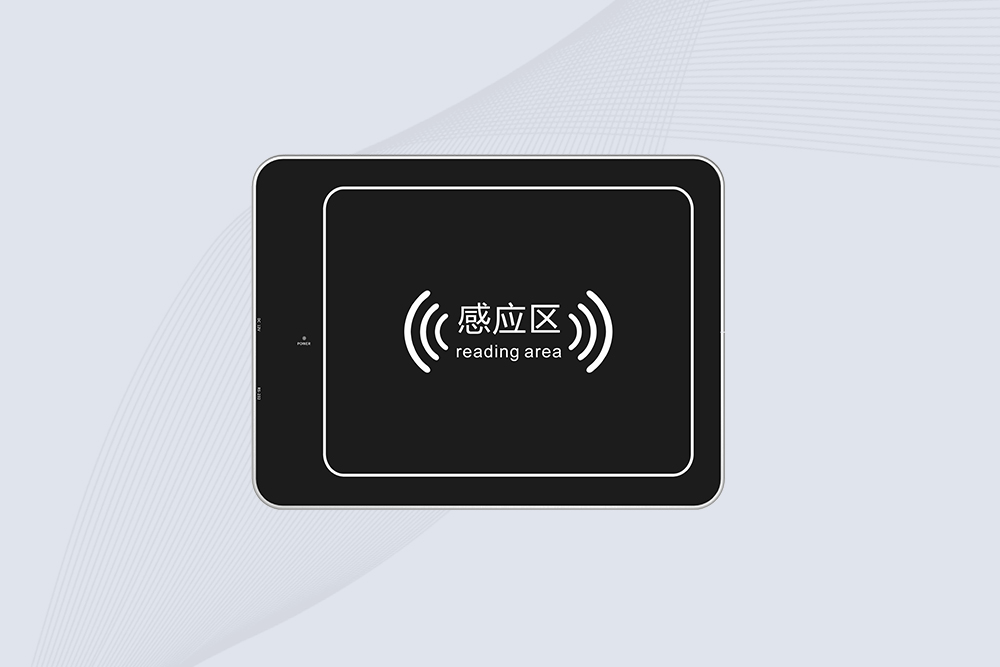
The CYKEO CYKEO-D5L Desktop RFID Card Reader is a stable UHF RFID Card Reader designed for controlled short-range reading and writing. Built for libraries, tool rooms, and asset desks, this UHF RFID Card Reader supports dense tag handling, secure data processing, and easy USB integration.
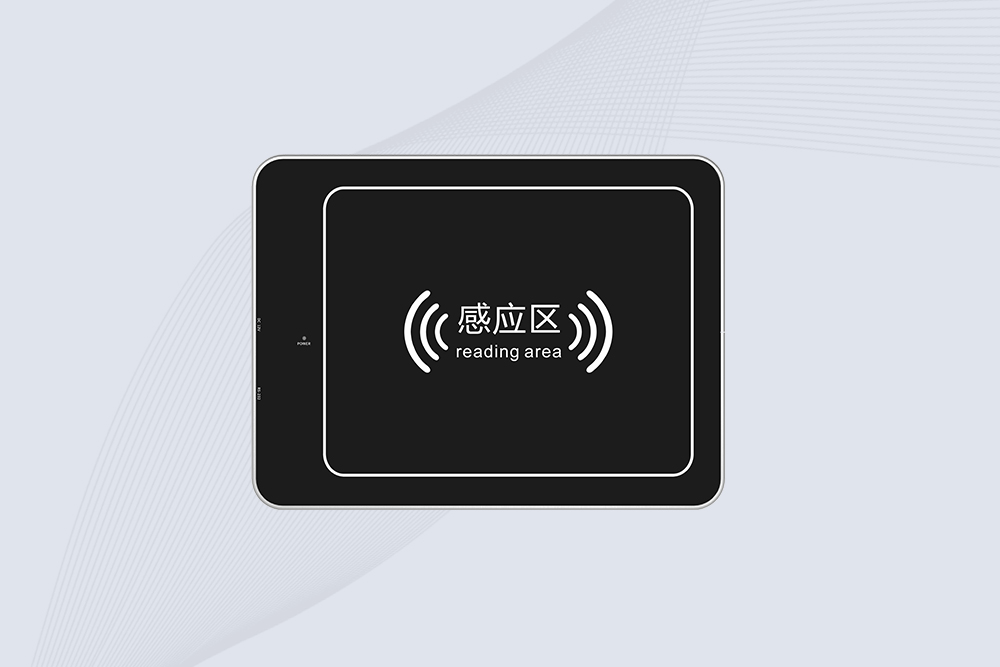
The CYKEO CYKEO-D6L RFID Reader Writer is a heavy-duty Desktop RFID Reader designed for short-range, high-accuracy tag programming. Built for libraries, labs, and asset desks, this RFID Reader Writer supports batch processing, stable 33dBm output, and seamless integration with existing management systems.
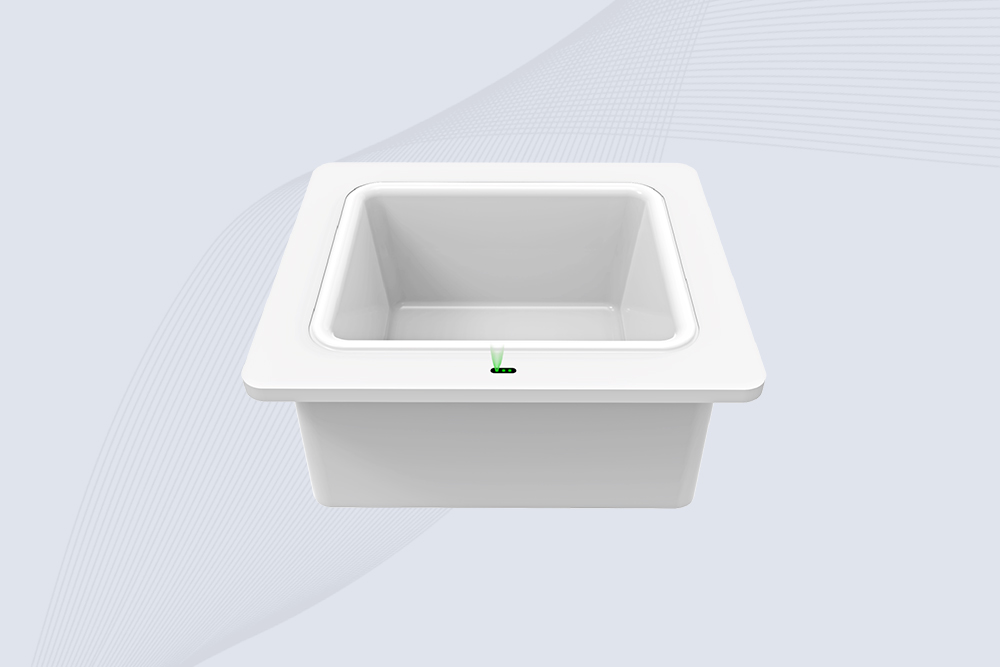
Cykeo CYKEO-D8B UHF RFID tunnel and RFID Desktop Reader features 30+ items batch reading,
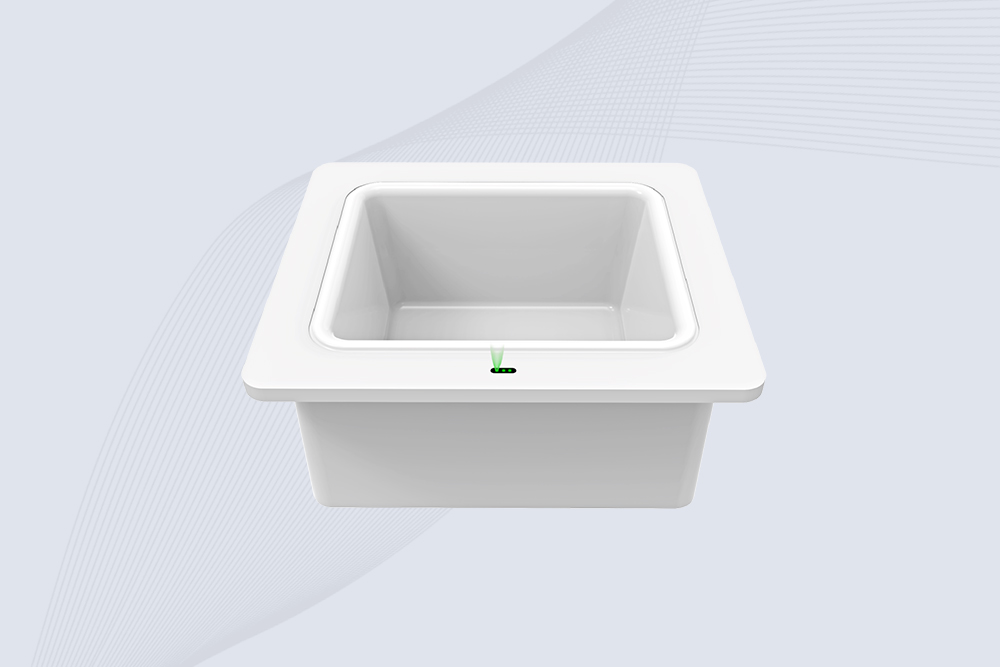
Cykeo CYKEO-D8A embedded RFID badge reader offers 30+ tags/sec scanning, 20cm anti-crosstalk precision, and DC 12V power for unmanned stores, warehouses, and smart inventory systems.

Cykeo’s CYKEO-D8C UHF RFID gate reader achieves 200-tag/batch scanning with adjustable power control, ideal for retail inventory and smart warehouse management.
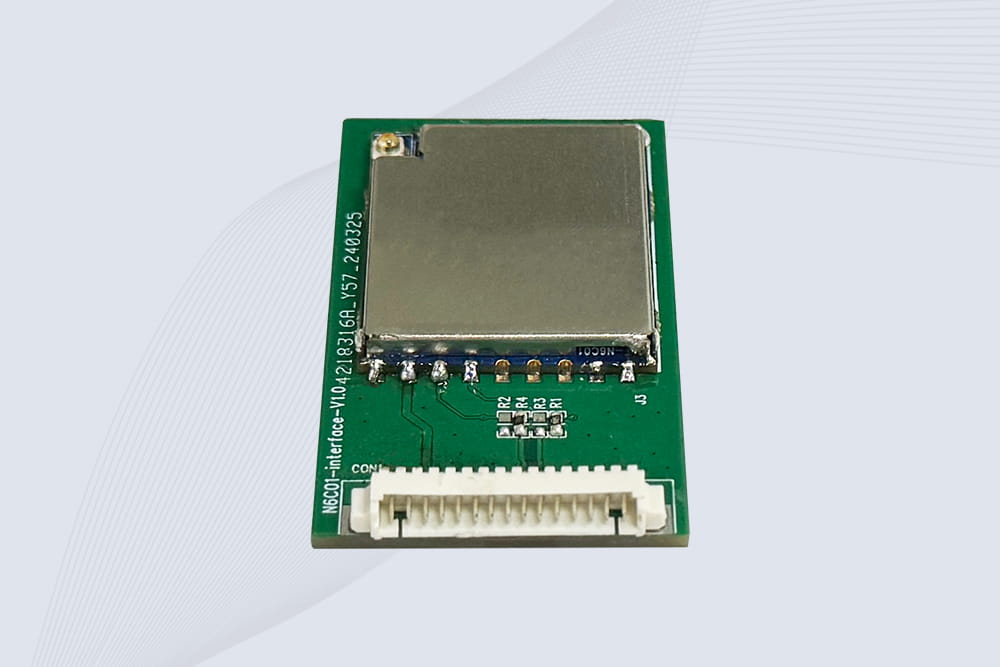
CYKEO Embedded RFID Modules are designed for compact industrial and IoT devices that require stable UHF performance. These UHF RFID Modules support global protocols, flexible power control, and reliable multi-tag reading for smart cabinets, production lines, and asset tracking systems.
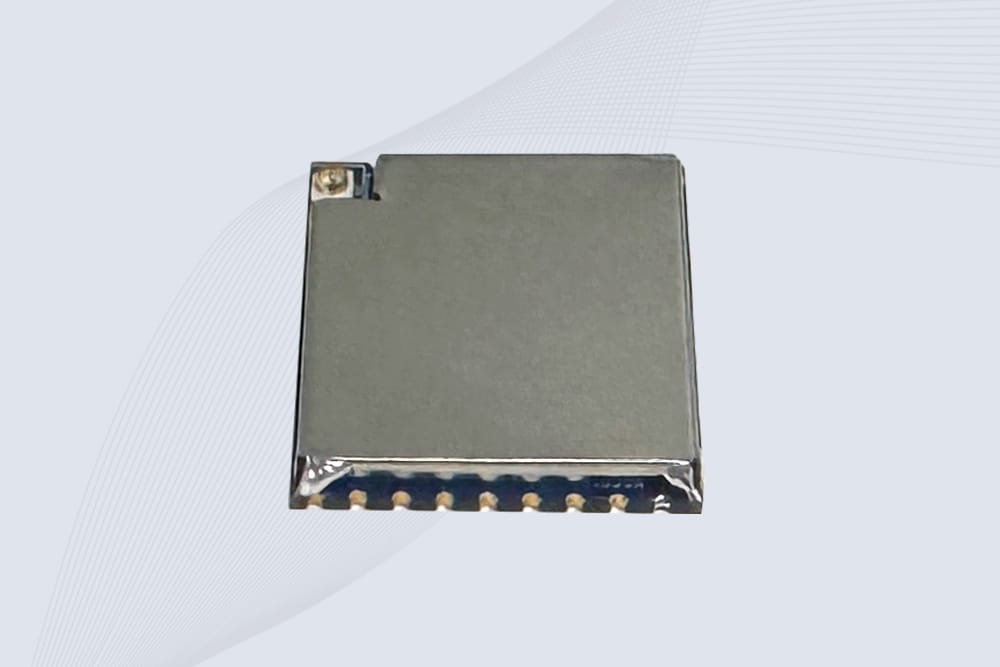
CYKEO Embedded RFID Module is built for compact IoT and industrial devices that need stable UHF performance. This UHF module supports global protocols, low power operation, and reliable multi-tag reading for smart lockers, production lines, and always-on RFID systems.
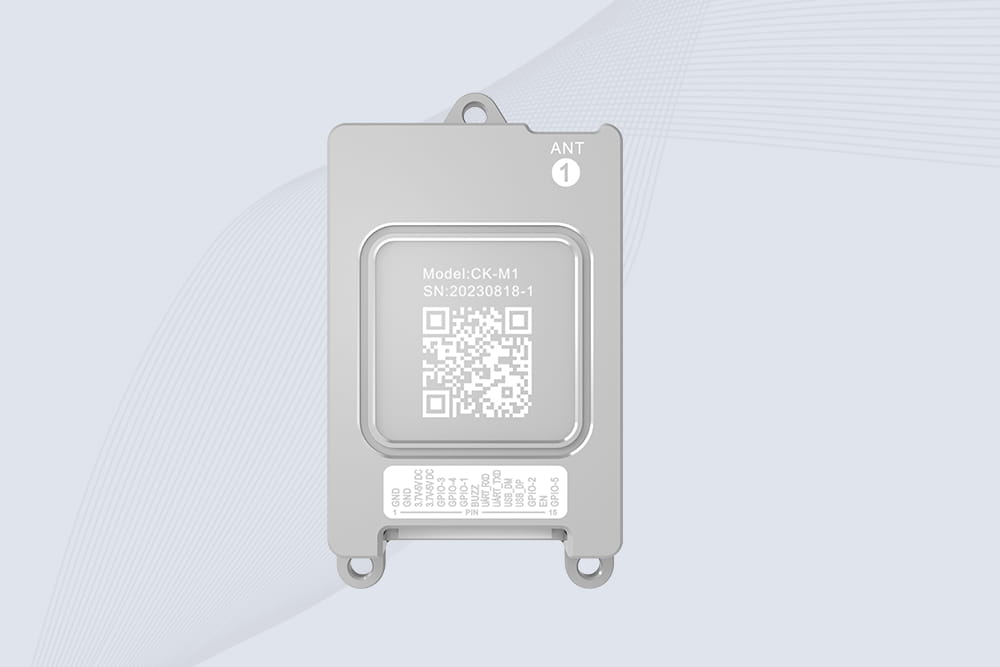
CYKEO CYKEO-M1 drone rfid module is a compact UHF RFID reader module designed for drones and UAV platforms. It supports long-range aerial scanning, fast multi-tag reading, and stable performance in wind, vibration, and outdoor environments.
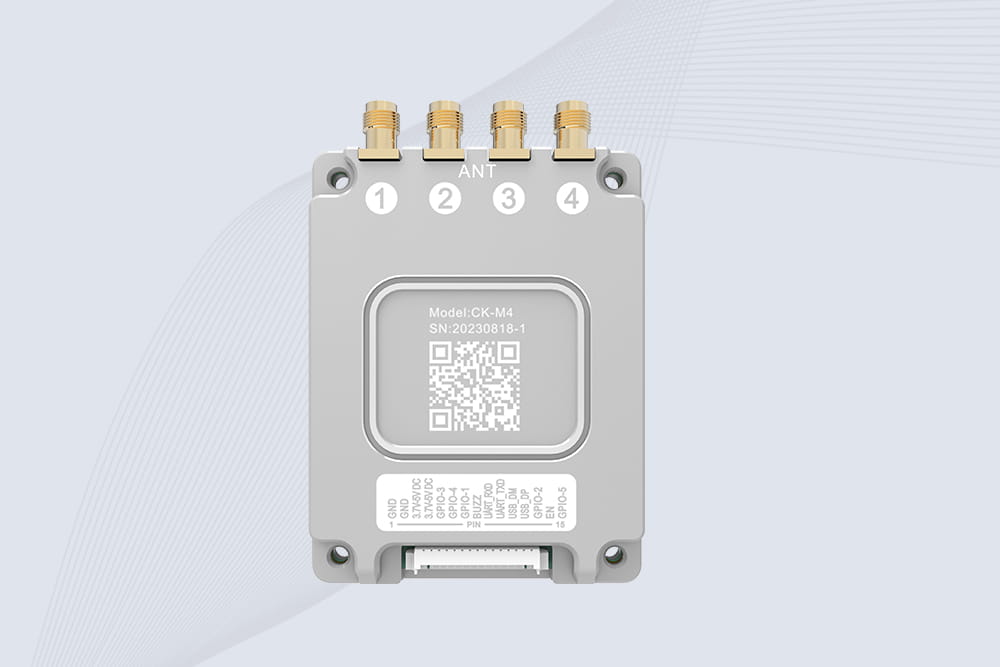
CYKEO CYKEO-M4 RC522 RFID Module is an industrial-grade UHF RFID reader with 4 ports, supporting ISO, EPC, and GB protocols. High-speed, accurate reading for IoT, automation, and warehouse applications.
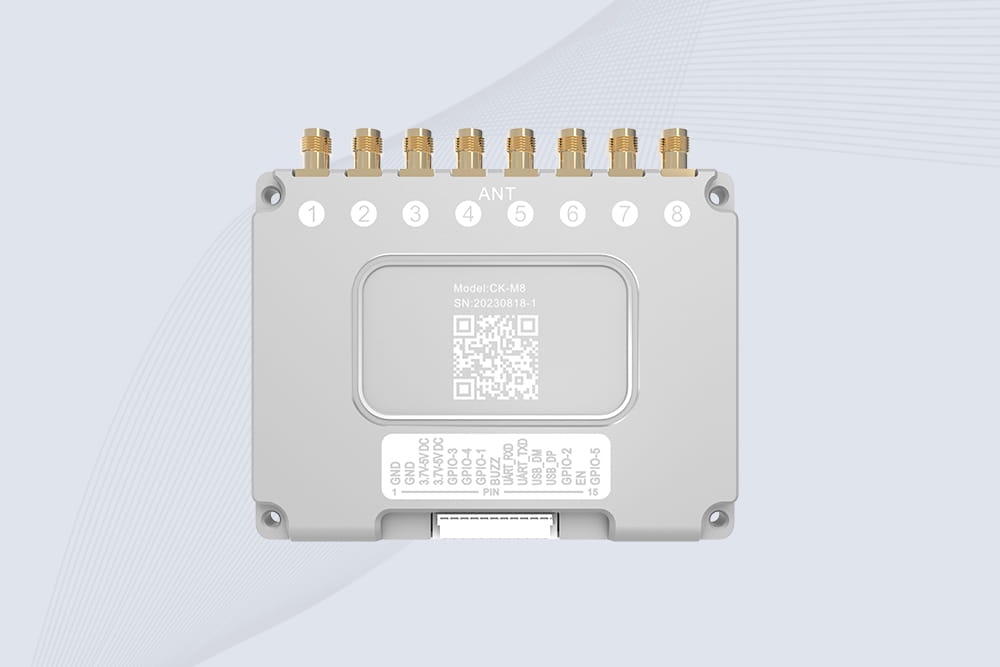
CYKEO CYKEO-M8 Module RFID is an 8-port UHF R2000 RFID Module designed for high-density, multi-tag environments. Stable 33dBm output, ISO & GB protocol support, ideal for warehouses, factories, and automated systems.
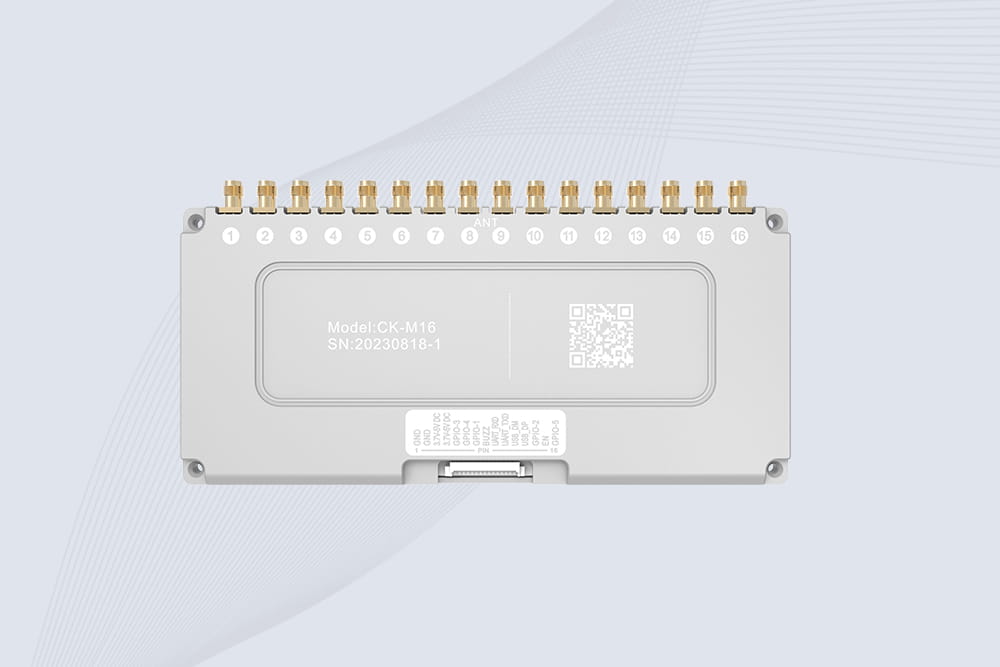
CYKEO CYKEO-M16 RFID Module is a 16-port UHF RFID reader module based on the R2000 chipset. Designed for dense tag environments, it supports ISO and GB standards and delivers stable multi-antenna control for industrial automation.
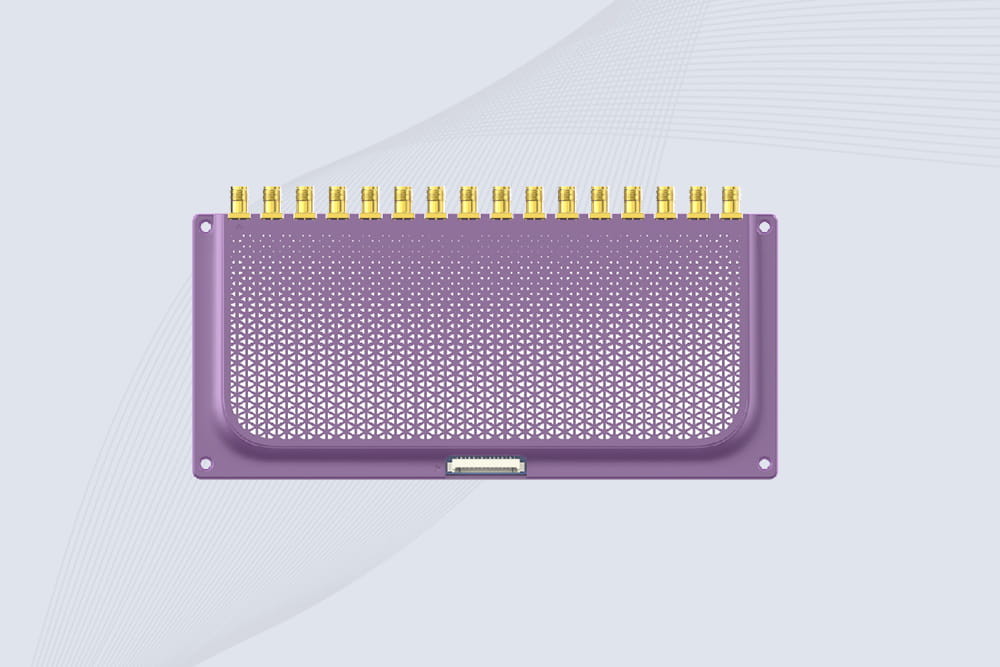
The CYKEO CYKEO-M16L RFID Reader Module is a 16-channel UHF RFID core designed for dense tag environments. With adjustable 33dBm output, multi-protocol support, and stable multi-antenna control, this RFID Tag Reader Module fits industrial automation, warehouse systems, and large-scale IoT deployments.
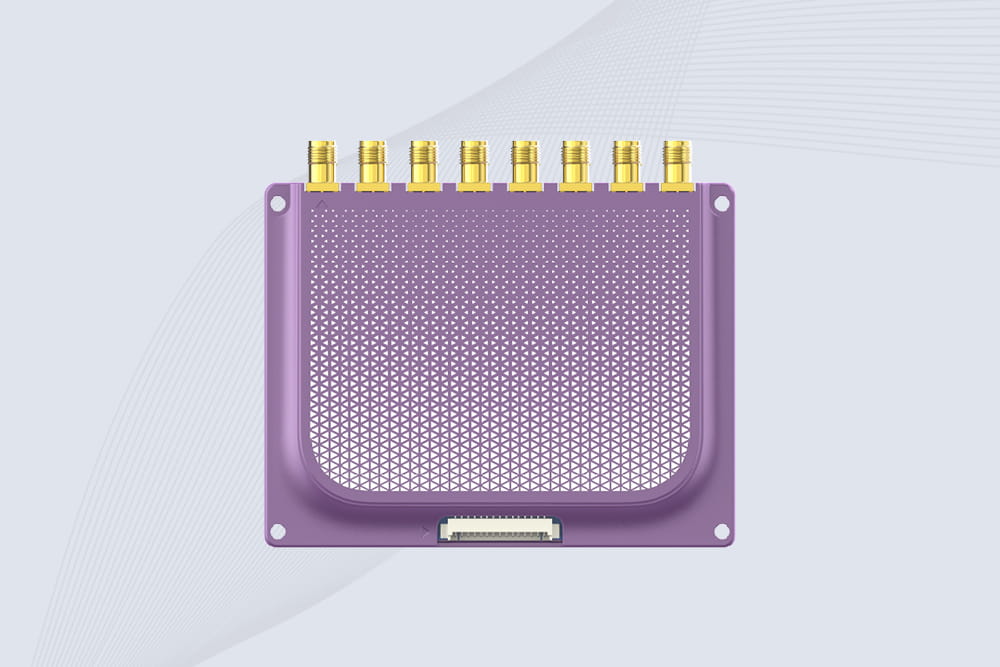
CYKEO CYKEO-M8L module RFID is a compact industrial UHF module built for dense tag and multi-antenna environments. With 8 RF ports, adjustable 33 dBm output, and ISO & GB protocol support, it is widely used in factories, warehouses, and automated tracking systems.
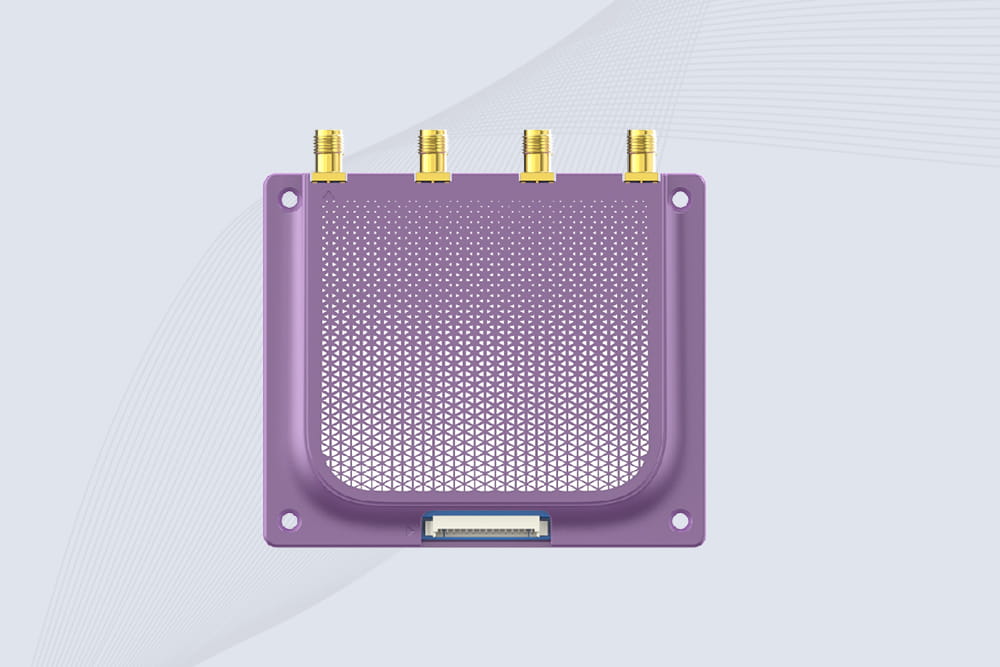
CYKEOCYKEO-M4L UHF RFID Module is a compact 4-channel RFID tag reader module designed for dense tag environments. Supporting ISO and GB protocols, it delivers stable reads up to 10 meters for industrial and IoT systems.
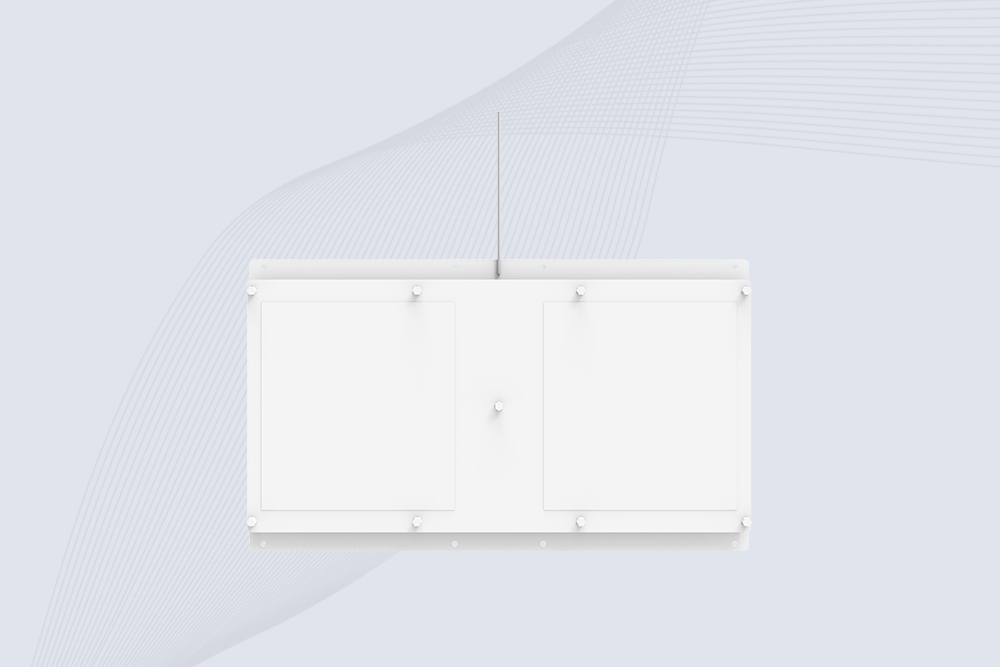
Cykeo CYKEO-A11 UHF RFID reader antenna delivers 11dBi gain, 840-960MHz frequency range, and IP65 ruggedness for retail, logistics, and industrial RFID systems. Features low VSWR and easy installation.

CYKEO Antenna RFID Reader delivers stable long-range UHF performance with a 10.5dBi directional design, built for warehouses, conveyor portals, and industrial RFID systems. This rfid reader antenna provides 20m+ read distance and rugged IP67 protection.

Cykeo CYKEO-PHF3 industrial HF RFID Antenna offers 24-point dynamic tracking, ISO 14443A/15693 protocols, metal-environment stability for archives/libraries/manufacturing.

Cykeo CYKEO-A5B industrial Linear RFID Antenna delivers 5dBi gain, ≤1.5:1 VSWR, and IP65 rugged design for warehouse, production line, and logistics UHF systems.

Cykeo’s CYKEO-B12 Long Range RFID Antenna delivers 15m+ read range with 12dBi gain, IP65 rugged design, and global 840-960MHz UHF support. Ideal for warehouse/logistics asset tracking.
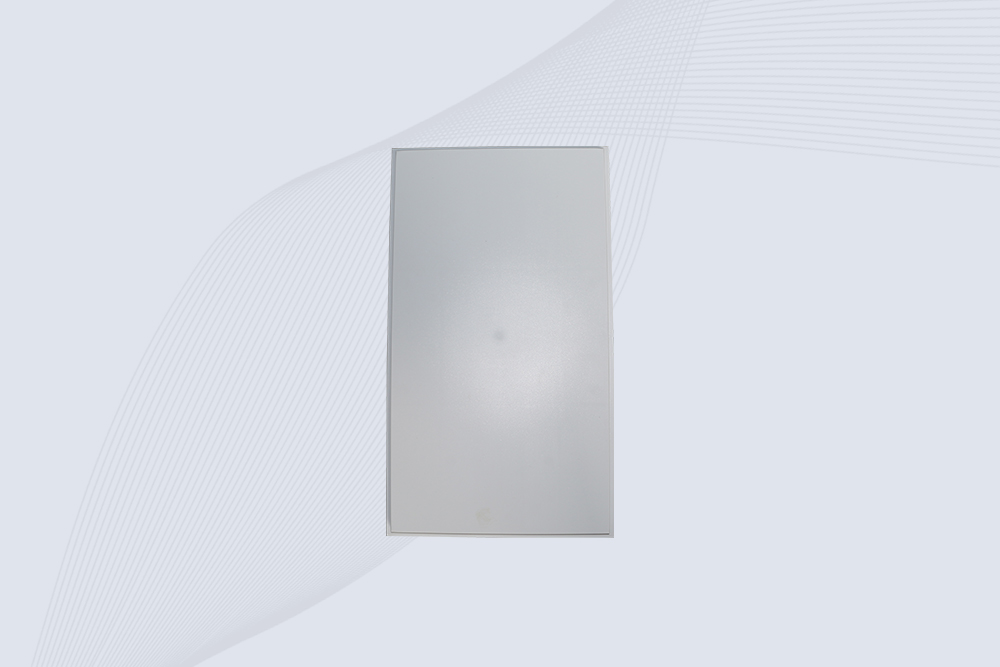
Cykeo CYKEO-B10 Long Distance RFID Antenna offers 10dBi gain, 840-960MHz frequency range, IP65 rating, and 20m+ coverage for logistics/warehousing/ETC systems. Low VSWR ensures stable signal transmission.
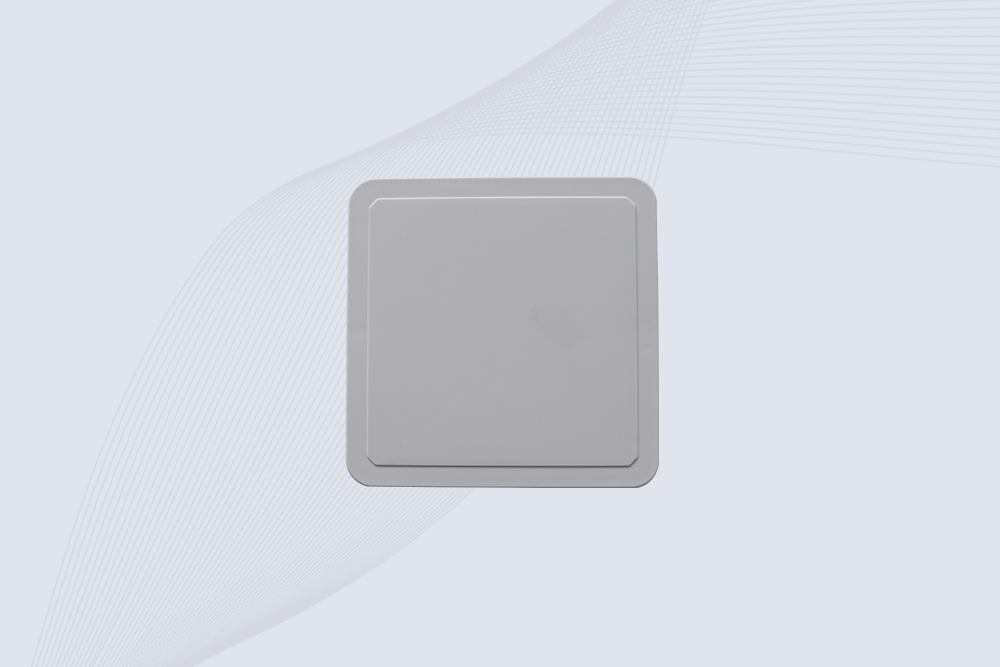
Cykeo CYKEO-A6 UHF RFID panel antenna features 6dBi gain, 840-960MHz broadband, IP65 metal-ready housing for logistics/smart retail. 18mm ultra-thin design with tool-free mounting.

Cykeo CK-A3 industrial antenna RFID UHF offers 5m+ tag detection, ≤1.3:1 VSWR, IP65 rugged design, and global UHF spectrum compatibility (840-960MHz) for warehouses, factories, and retail.
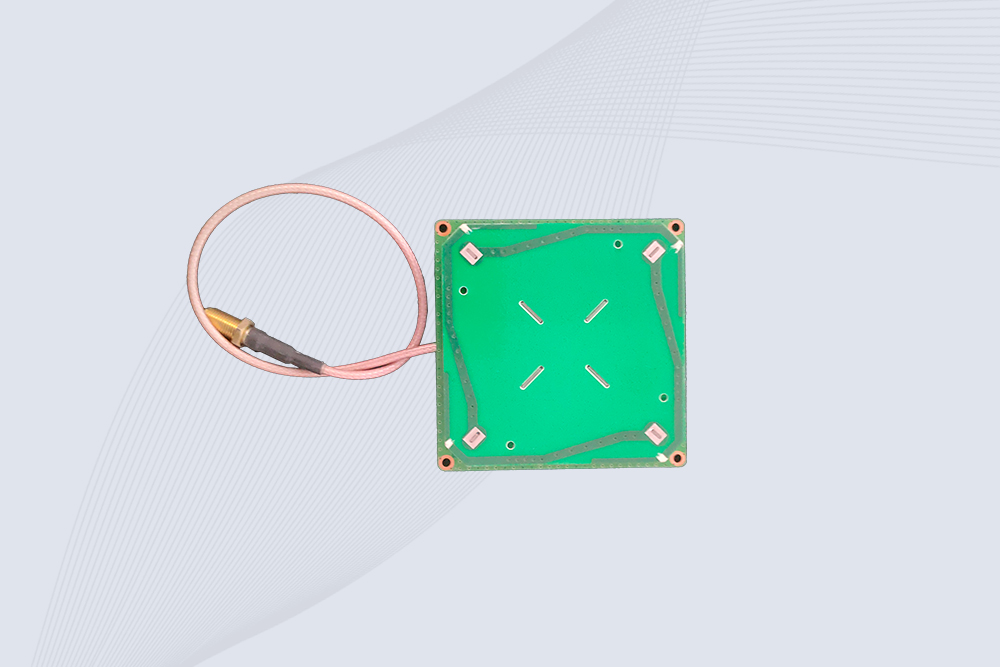
Cykeo CYKEO-B5 directional RFID antenna provides 5dBi gain with 60° narrow beamwidth for precise inventory tracking. IP65-rated, global UHF frequency support, and low VSWR.
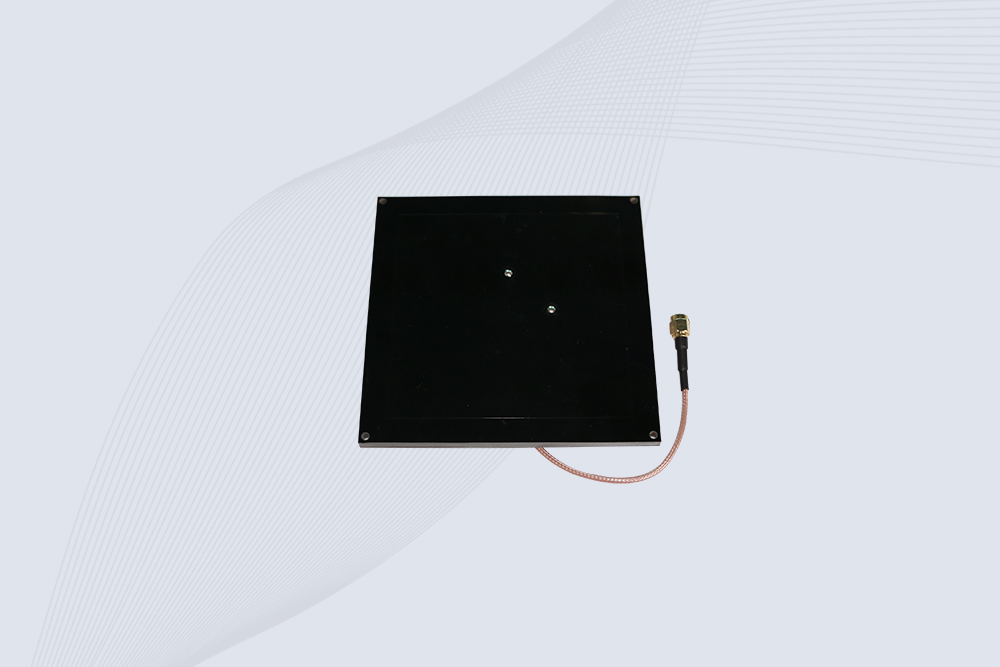
Create your own high-performance DIY RFID antenna! 5dBi gain, 840-960MHz tunable, step-by-step guides. Compatible with Arduino, Raspberry Pi, and commercial UHF readers.
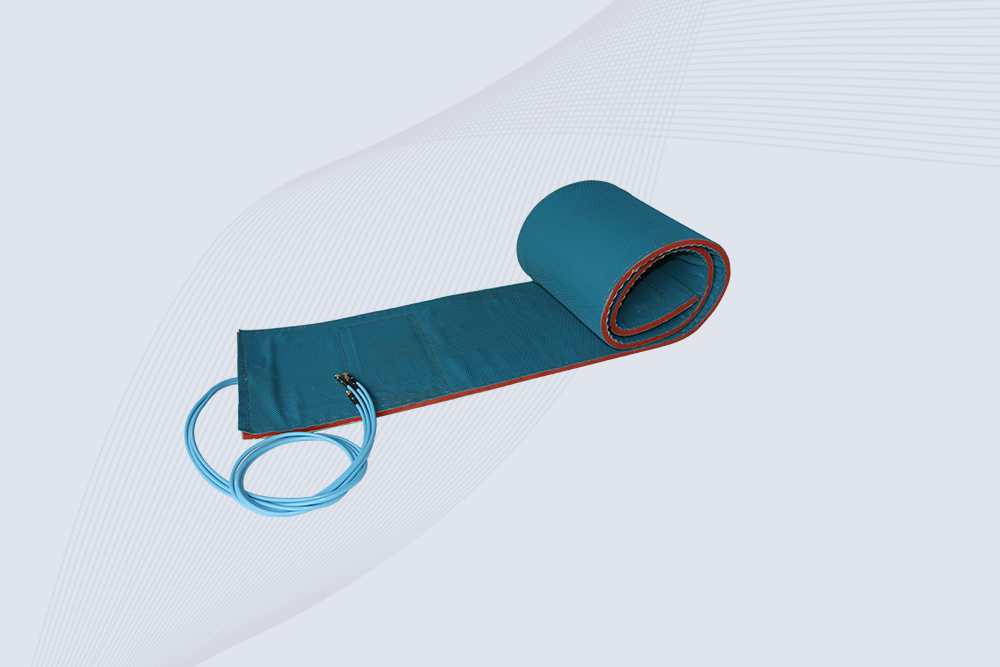
Cykeo CYKEO-A7 Flexible RFID Antenna features 840-960MHz wideband tuning, 7dBi gain, and IP68 rating for medical/retail/industrial curved surface deployments. 98% read accuracy with peel-and-stick installation.

Cykeo CYKEO-B5A industrial Passive RFID Antenna delivers 5dBi gain, 70° beamwidth, and -40°C~55°C operation for warehouses/smart cabinets. Compatible with Zebra/Impinj readers.
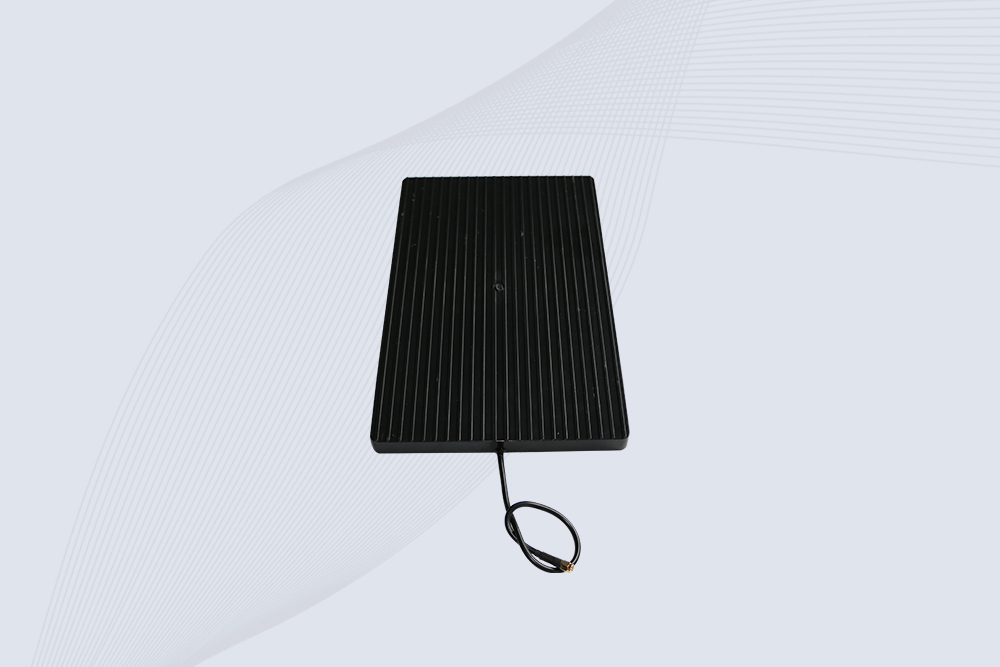
Cykeo’s CYKEO-A9B High Gain RFID Antenna delivers 15m+ read range with 9dBi amplification. Features IP54 rugged design, 840-960MHz bandwidth, and 80° beamwidth for warehouse/manufacturing RFID systems.

Cykeo’s enterprise-grade 8dbi Impinj RFID Antenna 10m+ read range with 840-960MHz tuning. Features IP65 housing, 1.4 VSWR, 35° beamwidth for retail/warehouse RFID systems.
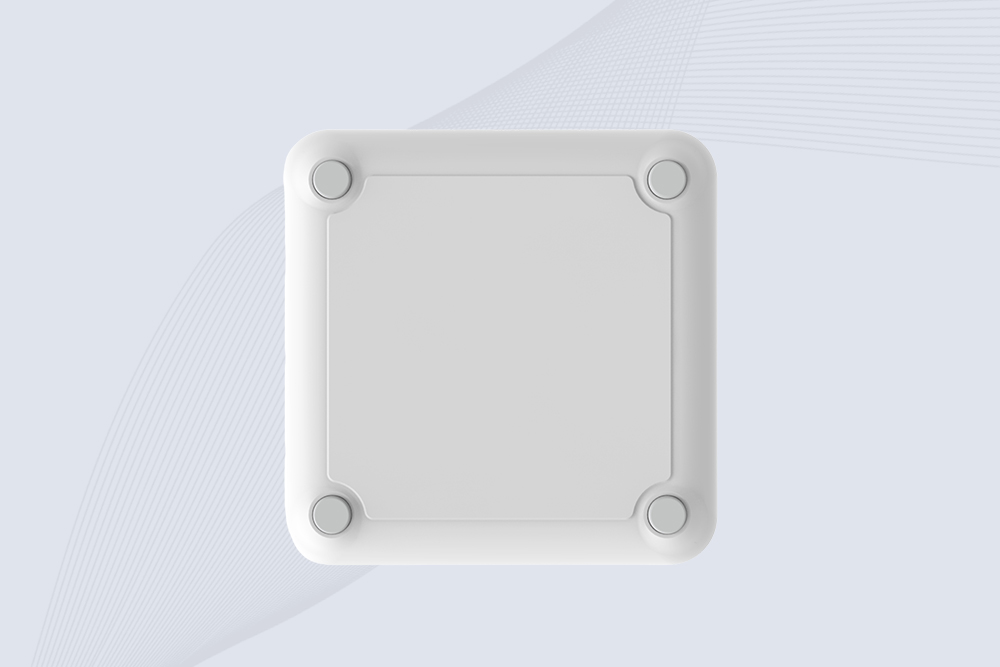
Cykeo CYKEO-A9 industrial UHF RFID antenna delivers 9dBi gain, 840-960MHz frequency range, and IP65 protection for warehouse/logistics/retail RFID systems. Features N-type connector and ≤1.3:1 VSWR.

CYKEO UHF RFID Antenna built for long-distance and industrial applications. This antenna rfid uhf delivers strong gain, outdoor durability, and reliable tag performance in warehouses, yards, and vehicle ID systems.
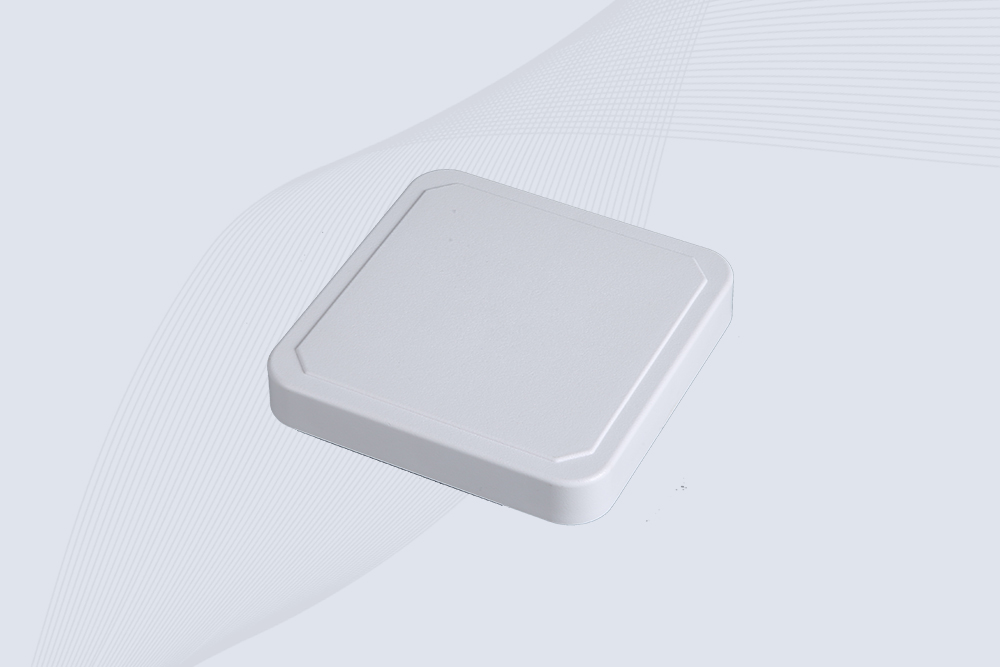
CYKEO Antenna RFID delivers reliable long-range UHF performance in warehouses, retail shelves, and cold-chain environments. This compact uhf rfid antenna provides stable reads with circular polarization and ultra-wide 840–960 MHz support, ideal for industrial tracking, smart shelves, and asset monitoring.
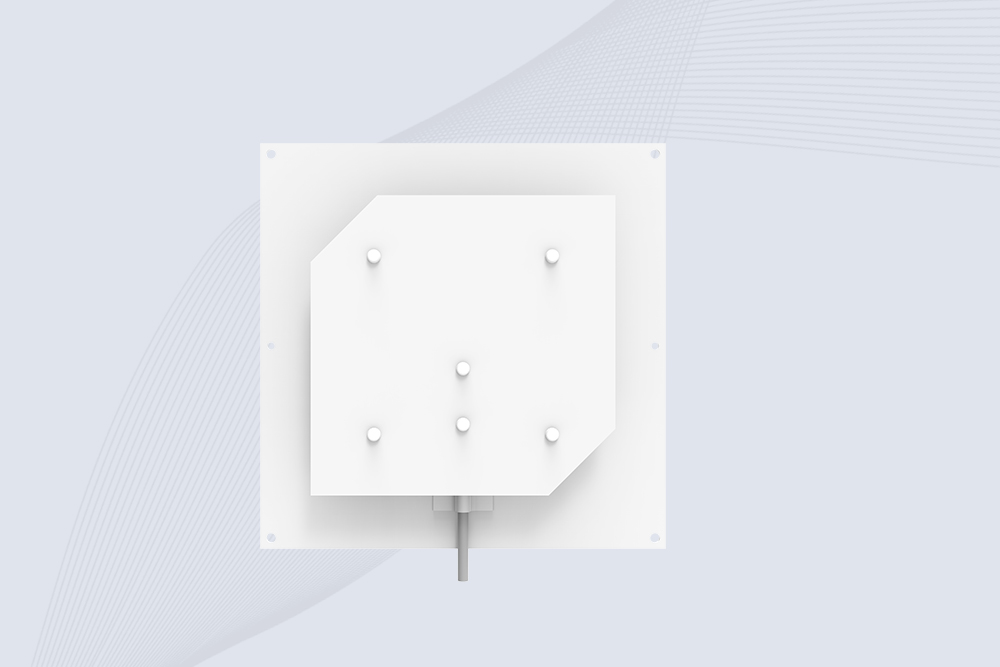
Cykeo’s CYKEO-C8 UHF RFID antennas delivers 8dBi gain, 840-960MHz full-band coverage, and IP65 ruggedness for manufacturing/warehouse RFID systems. Industrial RFID Antennas Features

Cykeo’s 8dBi UHF RFID antenna and reader kit delivers 10m+ range, 840-960MHz broadband, and IP65 ruggedness for factories, warehouses, and logistics. ISO 18000-6C & EPC Gen2 certified.
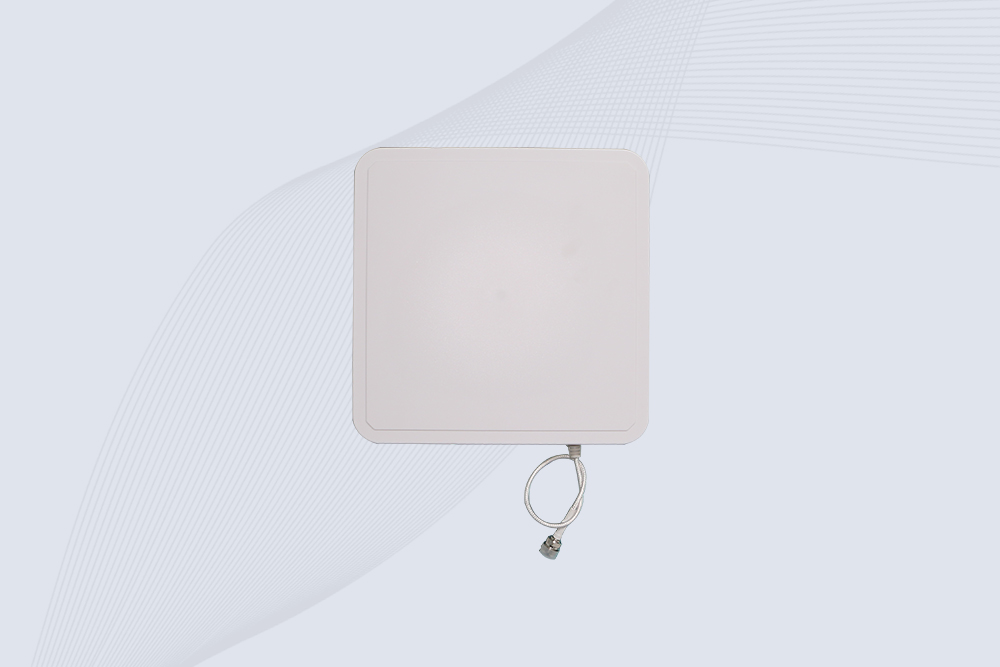
Cykeo CYKEO-A9A industrial UHF RFID reader and antenna kit delivers 10m range, 500 tags/sec, IP65 ruggedness for manufacturing/logistics. Supports EPC Gen2, ISO18000-6C.

RFID tag rewriting is possible only when the tag has writable memory and a compatible RFID reader writer is used. A reliable process requires correct tag sel...
More
rfid card reader and writer solutions enable secure card encoding, fast identification, and access management. Discover real deployment insights and RFID best practices.
More
Learn how to install an RFID gate reader to prevent retail theft. Follow Cykeo’s step-by-step guide for optimal placement, calibration, and integration with security systems.
More
This article explains what a rugged RFID tag is, how it handles tough environments, tips for choosing and maintaining them, plus some hands-on experience for better performance in industrial or outdoor use.
More