 Cykeo RFID IoT Solution Products R&D Manufacturer
What is an RFID Reader?
269If you're asking "what is an RFID reader?", get the plain-English answer here. Learn how this device scans without sight and powers modern tracking from warehouses to retail.
MoreAll RFID Product
Imagine walking into a crowded event, people everywhere, or managing hundreds of pieces of equipment spread across warehouses. Now, think about trying to gather useful data in both situations—without losing your mind. That’s exactly where RFID data collection comes in. It captures real-time information without anyone having to scan a single barcode manually.
From automatic inventory counts to smooth check-ins at events, RFID systems connect the real world with the digital. But here’s the thing: just putting tags on items isn’t enough. You need to understand how to collect the data, make sense of it, and actually use it. Otherwise, all those readings are just numbers sitting in a database.

So, what is this RFID data collection everyone talks about? At its simplest, it’s reading information from RFID tags using special readers, then storing and analyzing it to make smarter decisions. Unlike barcodes, RFID doesn’t need to “see” the item, and it can pick up multiple objects at once—sometimes even noting the time or environmental conditions.
Here’s the lowdown:
Jump in thinking: Many assume RFID is just for objects. But honestly, it can reveal human movement patterns too. Think about that—your attendee data and inventory data are collected the same way. It’s a bit mind-blowing if you stop and think.
Here’s how it usually goes down:
Little thought jump: Think of every tagged object as a “digital actor.” Each one has a story—when it moves, where it goes, how long it hangs around—and all those stories together help you make better decisions.
Tracking machinery, tools, or equipment across locations is simpler than ever.
Attendees wear RFID wristbands or badges.
Items tagged during production or shipping can be tracked across distribution networks.
Thinking jump: See the pattern? Assets, people, or shipments—they all become sources of actionable insight. That’s why this tech is spreading fast across industries.

Challenges:
Best Practices:
Subtle thought: RFID is more than a tool—it’s a mindset. Moving from reactive monitoring to proactive, data-driven thinking is what really makes it valuable.
RFID data collection isn’t optional anymore; it’s a game-changer. From streamlining check-ins to revolutionizing asset tracking, it turns real-world behavior into insights you can act on.
Deploying RFID successfully isn’t just hardware—it’s designing a system where every tag read becomes intelligence. That’s what improves efficiency and uncovers patterns you’d never see with the naked eye.
Final thought: Every object, every attendee, every asset has a story. RFID data collection just gives us a way to hear it—and act.
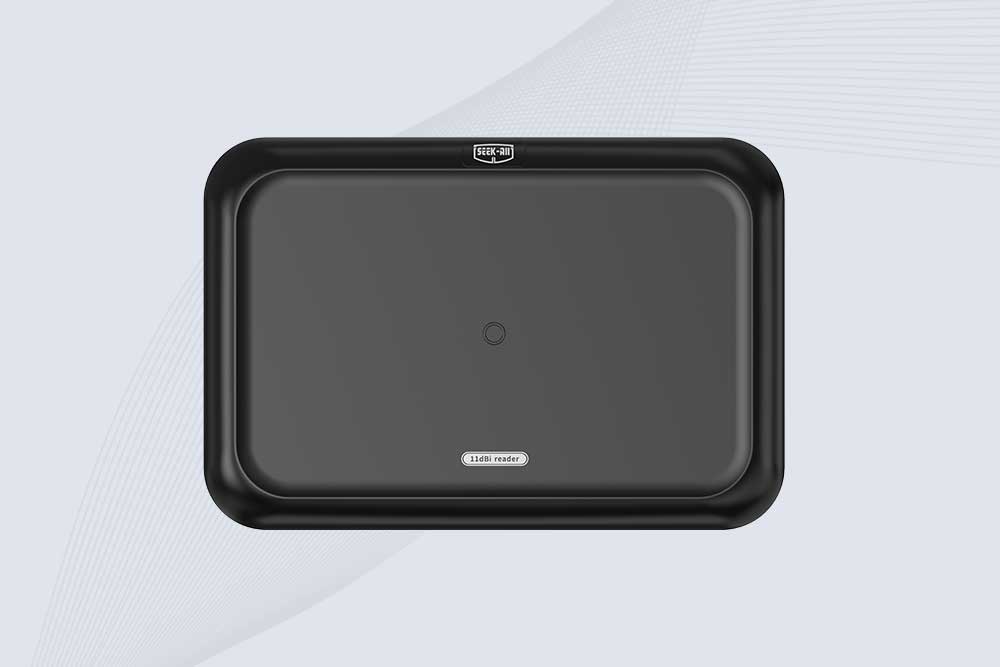
SSD-RA11L is an 11 dBi UHF RFID reader with up to 15m reading distance, 600+ tags/s speed, integrated antenna and flexible connectivity.
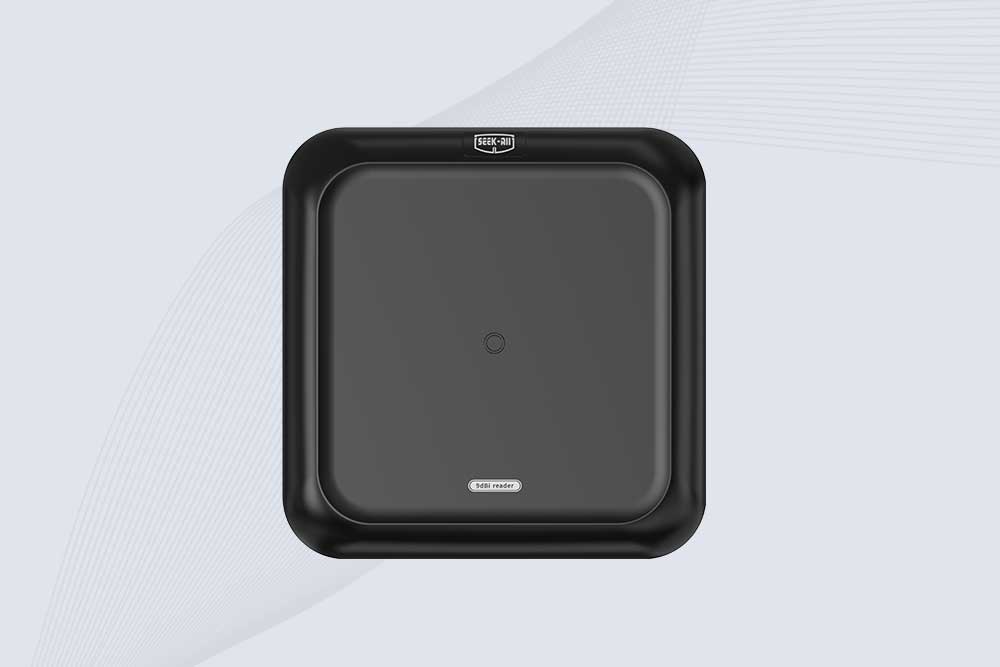
SSD-RA09L is a long range UHF RFID reader with a built-in 9 dBi antenna, 10m reading range, 600+ tags/s speed and flexible interfaces.
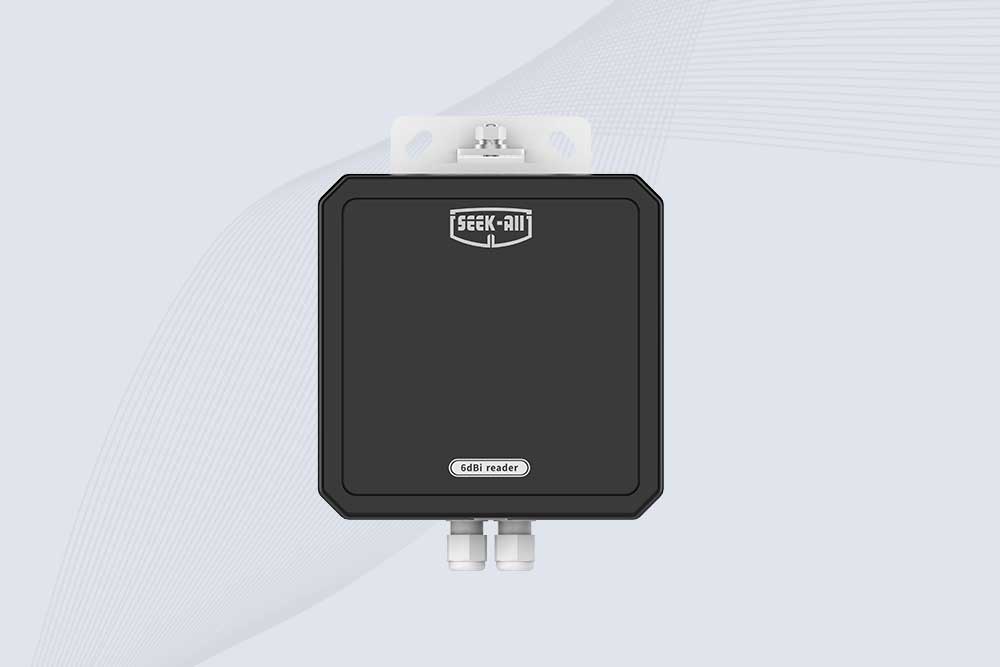
SSD-RA06L is an industrial UHF RFID reader with a built-in 6 dBi antenna, 3 m read range, 600+ tags/s, Ethernet, RS232, and optional Wi-Fi, 4G, and PoE.
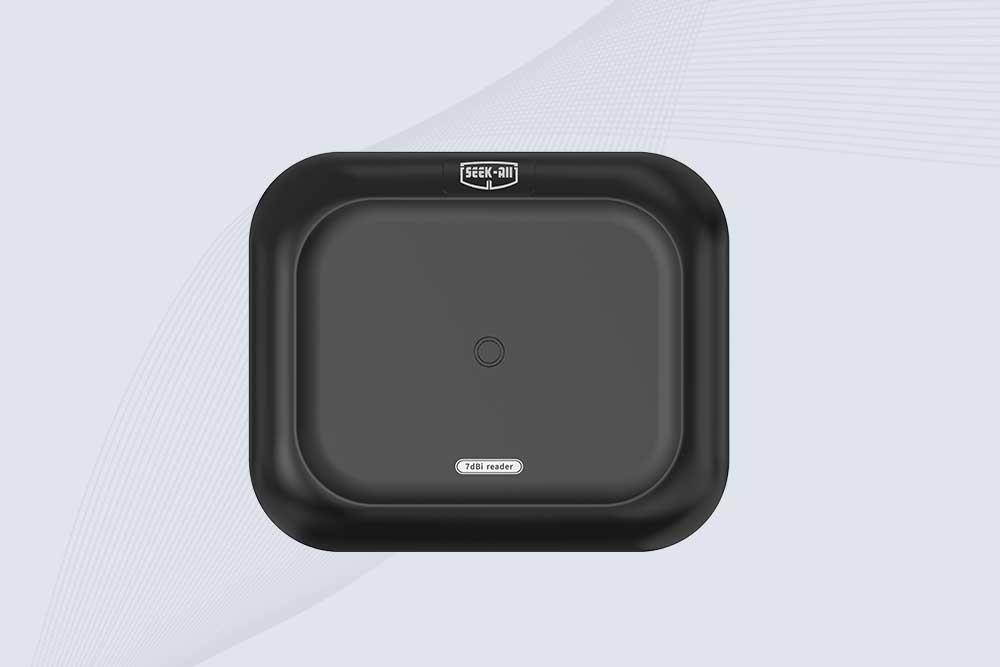
SSD-RA07L industrial UHF RFID reader with integrated 7 dBi antenna, up to 6 m reading distance, over 600 tags/s, Ethernet, RS232, and optional Wi-Fi, 4G, and PoE.
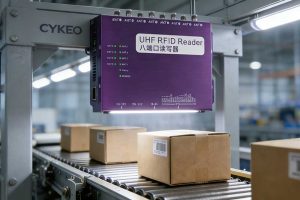
If you're asking "what is an RFID reader?", get the plain-English answer here. Learn how this device scans without sight and powers modern tracking from warehouses to retail.
More
RFID providers play crucial role in the application and promotion of this technology, offering comprehensive solutions that range from hardware to software.
More
Struggling with rfid reader distance measurement in real projects? Learn field-tested range methods, common mistakes, and CYKEO setup tips that improve reading accuracy.
More
Find out if budget RFID scanners can handle retail apparel inventory tracking. Compare accuracy, UHF performance, and top affordable models for clothing stores.
More