 Cykeo RFID IoT Solution Products R&D Manufacturer


USB RFID Reader Integration with Business Software
58USB RFID reader integration connects tag identification with inventory, ERP, production, and asset management software. This article explains HID keyboard em...
MoreAll RFID Product
A long range RFID scanner can automatically identify RFID-tagged clothing and retail products as they enter stores, move through stockrooms, or pass inventory checkpoints. When combined with suitable RFID tags, antennas, and retail software, it can make stock counting faster and improve visibility of store inventory.
Retail inventory can look simple from the outside.
A clothing store has racks, shelves, a stockroom, and a point-of-sale system. But anyone who has worked with store inventory knows that the numbers don’t always match what is physically there.
A shirt may be in the fitting room.
Another may be sitting in the stockroom.
A third one may have been moved to another rack.
The system says 12 pieces are available. The staff can find only 9.
This is one of the situations where RFID for clothing can make a practical difference.
With an RFID tag attached to each garment, a long range RFID scanner can identify multiple products without requiring employees to scan every barcode individually.
The important part is not simply “long range.”
In a retail store, the system needs to identify products reliably while avoiding unnecessary reads from nearby racks, fitting rooms, stockrooms, or other areas.
The basic process is fairly simple.
Each garment receives a UHF RFID tag with a unique EPC number.
A fixed or handheld RFID reader detects that tag.
The software associates the EPC with the product record.
For example:
EPC: 3012458
Product: Men’s Jacket
Size: L
Color: Black
Store: Los Angeles Store
Status: In Stock
When another RFID reading occurs, the inventory system can update the product status or location.
This creates a more detailed inventory picture than simply knowing how many units were sold.
Clothing is actually a good application for UHF RFID.
Garments can usually carry small RFID labels without affecting their appearance.
More importantly, stores often have a large number of similar products.
Imagine a rack with 80 shirts.
With a traditional barcode process, an employee may need to scan each item individually.
With RFID, the employee can potentially read many tagged garments during one pass.
That changes the inventory process from:
Find → pick up → scan → record → repeat
to something closer to:
Move through the rack → read multiple tags → compare inventory data
The exact performance depends on tag placement, reader type, antenna configuration, product density, and the store environment.
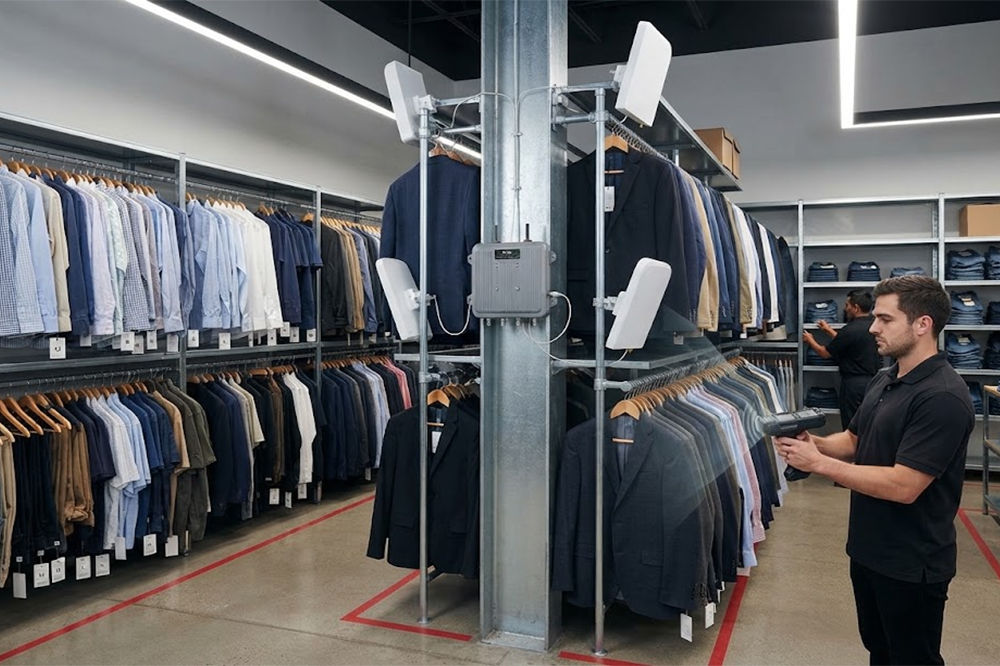
Retail applications need careful reading-zone control.
A store may have several racks only a few meters apart.
If a fixed RFID reader near one rack reads products from another rack, the inventory data can become confusing.
For example, an employee wants to check Rack A.
The reader also detects several garments on Rack B.
The system now knows those garments exist, but it doesn’t necessarily know which rack the employee intended to count.
This is why antenna direction and reader configuration matter.
A long range RFID scanner should be installed according to the store layout rather than simply configured for maximum power.
Retail stores can also experience long range RFID scanner reading problems when antennas are poorly positioned or the reader detects products from neighboring areas.
There are two common approaches.
A worker walks through the store with a handheld reader.
This works well for:
The worker can move close to racks and scan products from different directions.
Fixed readers are installed at specific locations.
They can be used at:
Fixed readers are more useful when the retailer wants automatic event detection.
In larger retail projects, both methods can be combined.
The same reading-zone principle used for reducing RFID misreads at warehouse gates can also be applied to retail entrances and stockroom doors.
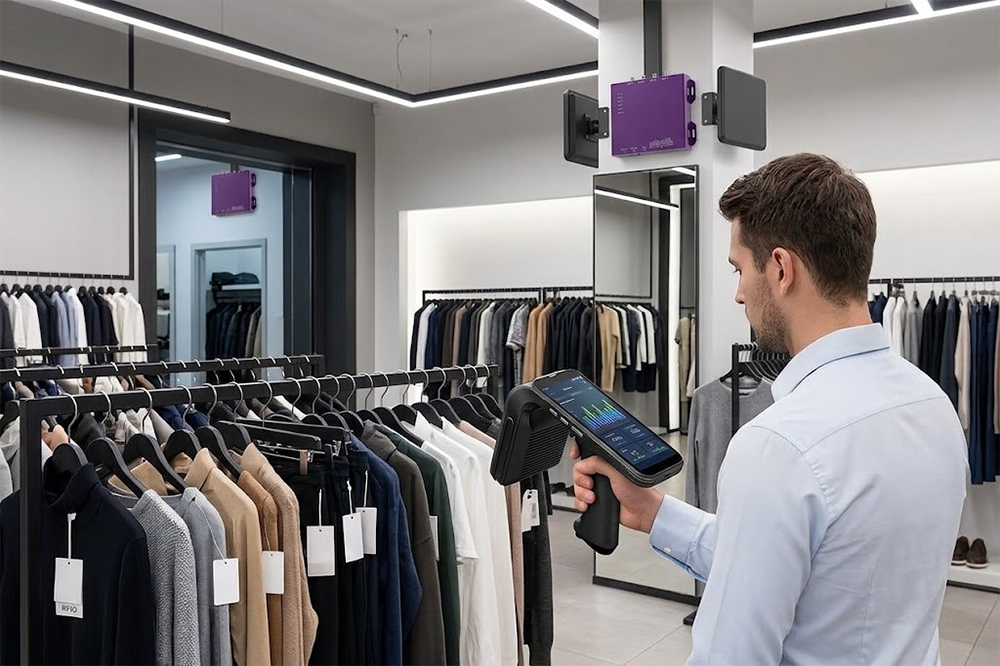
A clothing RFID system starts with the tag.
The tag needs to be:
Tag placement can also affect performance.
A tag folded between layers of clothing may behave differently from one hanging freely.
If many garments are tightly packed together, the reading result may change.
This is why a supplier should test RFID tags with the actual garments.
Testing only the RFID label itself doesn’t tell you enough.
This is one of the interesting parts of retail RFID.
A stockroom may have hundreds or thousands of garments.
The tags can overlap.
Some products may be folded.
Others may be hanging.
Some may be inside boxes.
The reader can still identify multiple tags, but reading performance needs to be checked under those actual conditions.
For high-density clothing inventory, antenna position and reader settings can make a noticeable difference.
Sometimes changing the scanning angle is more useful than increasing reader power.
One of the strongest retail use cases is cycle counting.
Instead of waiting for a full physical inventory, a store can periodically check selected racks or departments.
For example:
Women’s jackets → 10:00 AM
The employee scans the section.
The system detects the RFID tags.
The inventory software compares the detected EPCs with expected stock.
It may identify:
The employee can then investigate only the exceptions.
This is much more practical than manually checking every item.
Retail inventory isn’t only about counting.
It’s also about knowing where products are.
A store may have plenty of stock, but the product isn’t on the sales floor.
It is sitting in the back room.
From the customer’s point of view, that product is effectively unavailable.
RFID can help staff locate tagged items faster.
A handheld RFID reader can be used to search a stockroom for a particular EPC or product type.
This can reduce the time employees spend looking through boxes and racks.
RFID can also support retail security, but it should not be confused with a traditional anti-theft system.
A fixed RFID reader near an entrance can detect tagged products moving through a controlled area.
The software can compare the detected item with sales or checkout information.
If an item leaves without the expected transaction event, the system can generate an alert.
The actual setup depends on store layout, reader placement, tag performance, and software rules.
The RFID reader itself doesn’t determine whether a product has been stolen.
It simply provides tag detection data.
An RFID retail system becomes much more useful when the reader data connects with existing business software.
Depending on the retailer, this may include:
The RFID reader detects the EPC.
The software determines what that EPC represents.
For example:
RFID reader → EPC 123456 → Product database → SKU 10882 → Black T-shirt, Size M
This is the part that turns raw RFID data into usable inventory information.
Clothing itself usually isn’t a difficult RFID material.
The store environment can be more complicated.
Some retail displays contain metal.
Clothing racks may have metal structures.
Shelving can also affect the RF environment.
If an RFID tag is placed directly against metal, a standard label may not perform as expected.
For clothing, this usually isn’t a major problem because tags are attached to garments.
But for RFID-tagged equipment, shopping carts, reusable containers, or display fixtures, tag selection becomes more important.
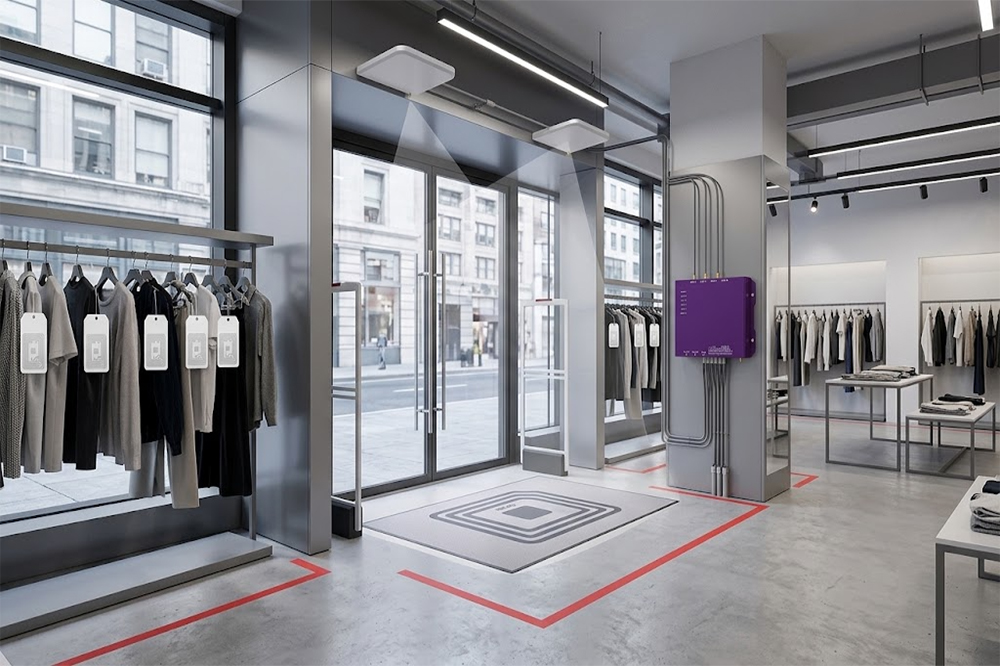
Consider a clothing store with 8,000 tagged garments.
Every morning, employees need to check inventory.
With barcode scanning, this can take a significant amount of time.
The store introduces handheld RFID inventory scanning.
An employee walks through each department.
The RFID reader identifies multiple garments.
The software compares detected products with expected inventory.
Instead of checking all 8,000 items manually, staff can focus on discrepancies.
A fixed RFID reader is also installed at the stockroom entrance to record product movement between the back room and sales floor.
Now RFID supports both inventory counting and movement tracking.
That is where the technology starts becoming more valuable than a simple RFID scanning tool.
A retail RFID project should be tested in the actual store environment.
Test:
Try different clothing types.
A cotton T-shirt, padded jacket, jeans, and packaged accessory may not produce exactly the same result.
The more realistic the test, the easier it becomes to predict actual store performance.
For distributors and RFID solution providers, retail customers may require more than a reader.
A complete solution could include:
When selecting a long range RFID scanner, buyers should also check:
For large retail deployments, consistency between batches is especially important.
Retail RFID projects often involve thousands or even millions of tags.
That makes small differences important.
A reader may perform well in a demonstration with 20 garments but behave differently when the store has crowded racks and hundreds of tags nearby.
So the sensible approach is to test the complete system first.
Use the actual clothing.
Use the actual RFID tag.
Test the actual rack.
Test the actual antenna position.
Then run repeated inventory counts.
Once the results are stable, move toward larger deployment and bulk purchasing.
For RFID distributors and system integrators, this testing stage is also a good opportunity to identify the right reader, antenna, and tag combination before recommending a solution to multiple retail customers.
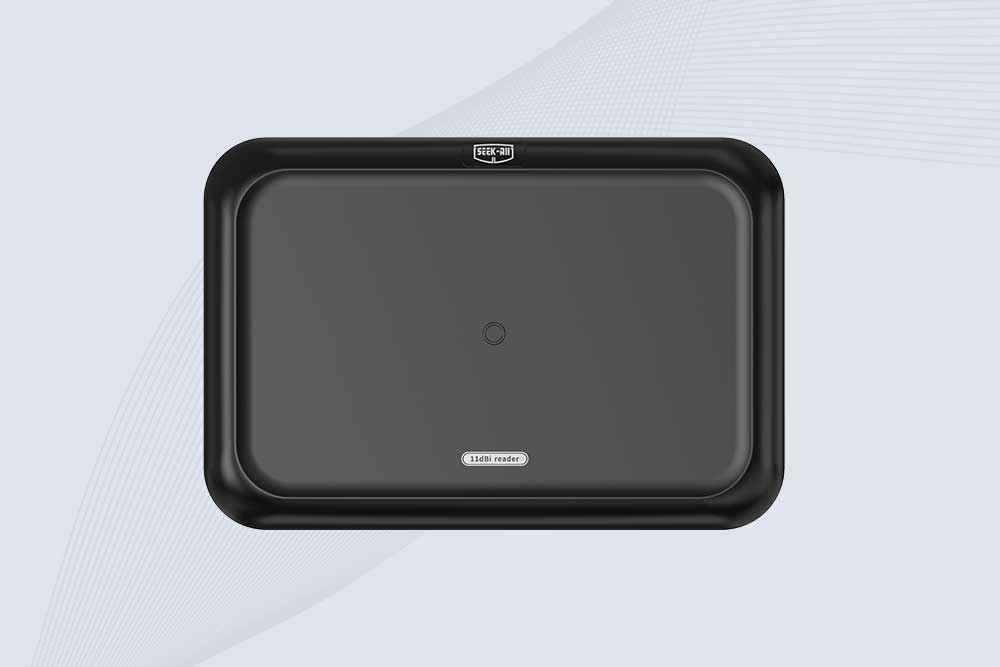
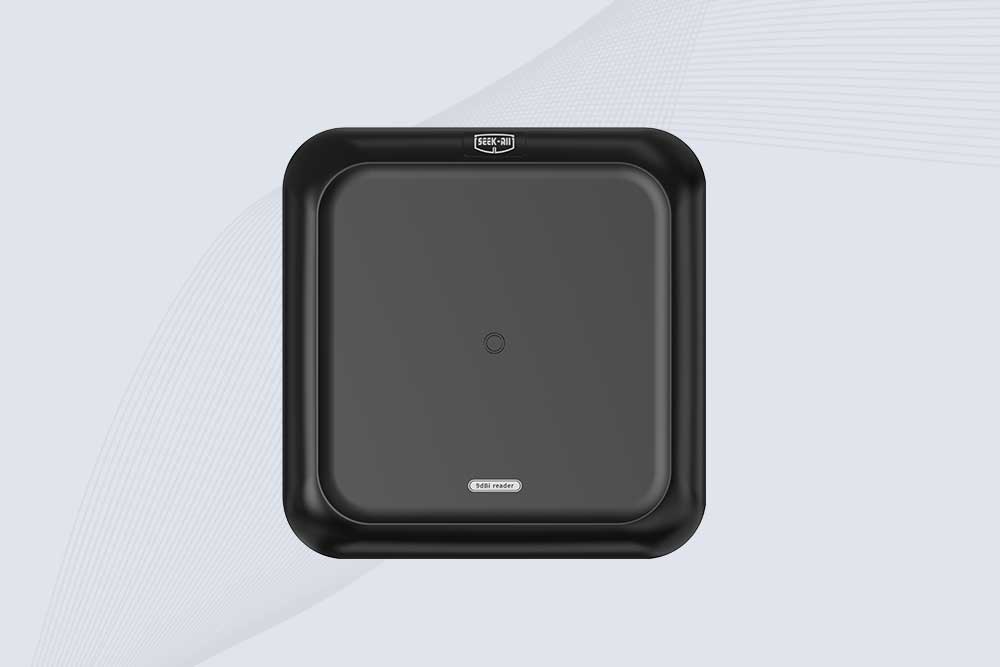
SSD-RA11L is an 11 dBi UHF RFID reader with up to 15m reading distance, 600+ tags/s speed, integrated antenna and flexible connectivity.
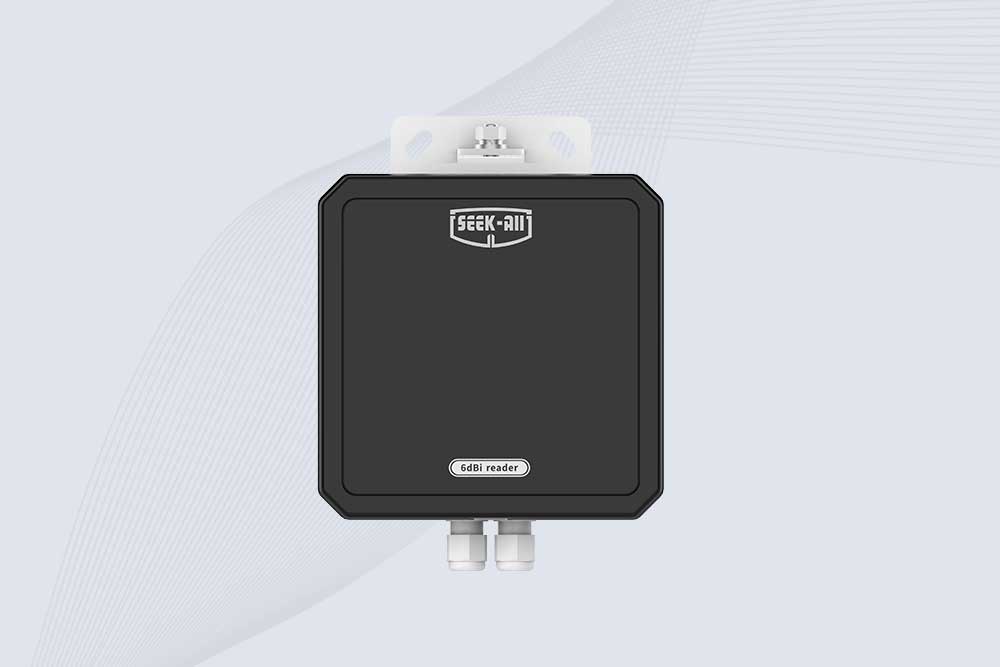
SSD-RA09L is a long range UHF RFID reader with a built-in 9 dBi antenna, 10m reading range, 600+ tags/s speed and flexible interfaces.
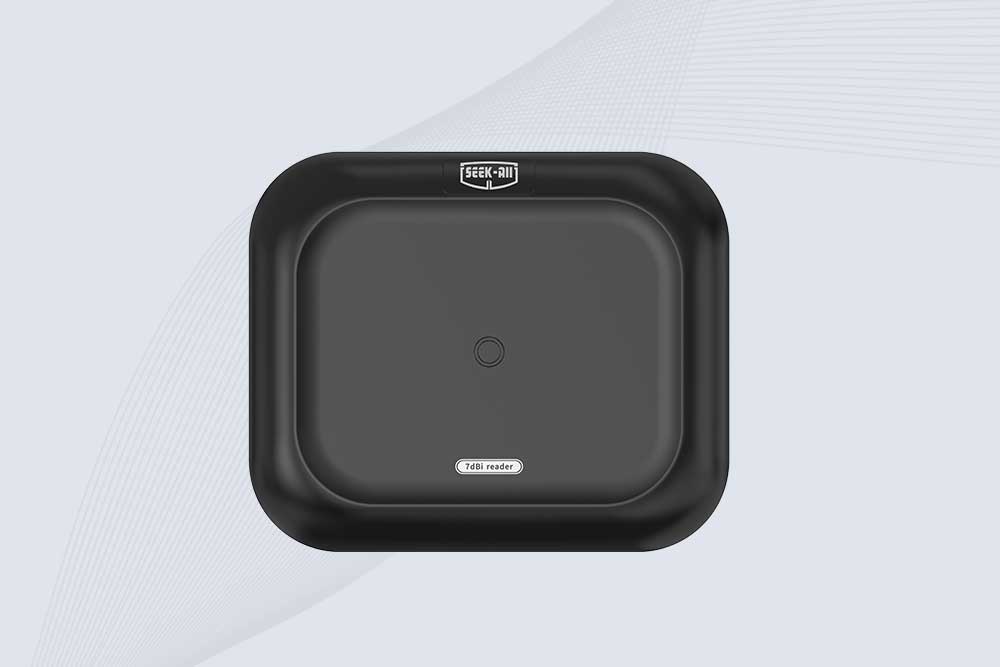
SSD-RA06L is an industrial UHF RFID reader with a built-in 6 dBi antenna, 3 m read range, 600+ tags/s, Ethernet, RS232, and optional Wi-Fi, 4G, and PoE.
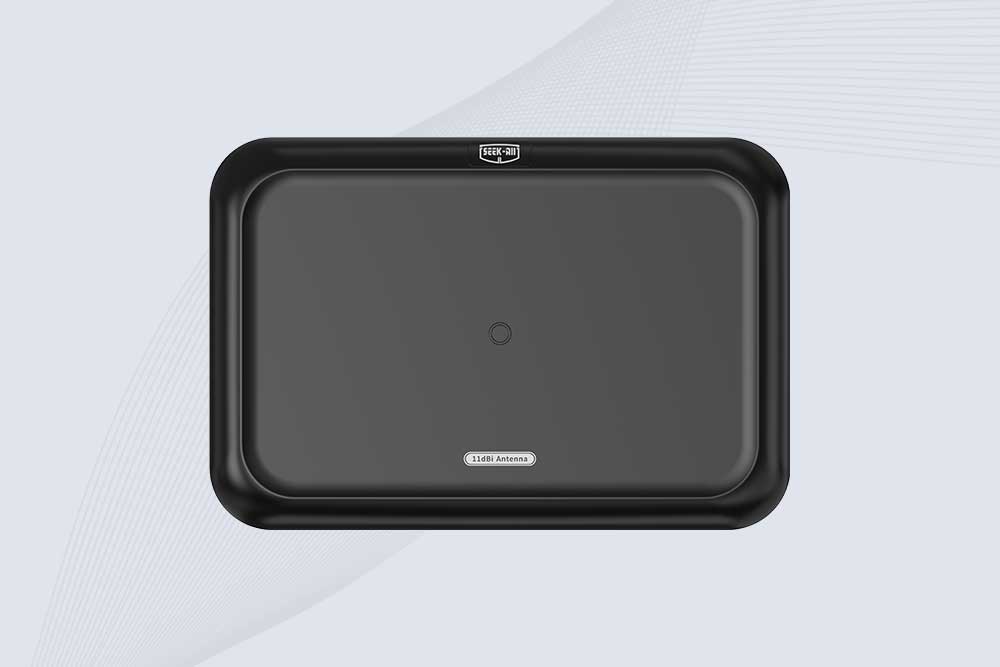
SSD-RA07L industrial UHF RFID reader with integrated 7 dBi antenna, up to 6 m reading distance, over 600 tags/s, Ethernet, RS232, and optional Wi-Fi, 4G, and PoE.
SSD-A11 UHF RFID antenna features 840–960 MHz adjustable frequency, ≥10.5 dBi gain, circular polarization and 50Ω impedance for fixed RFID systems.
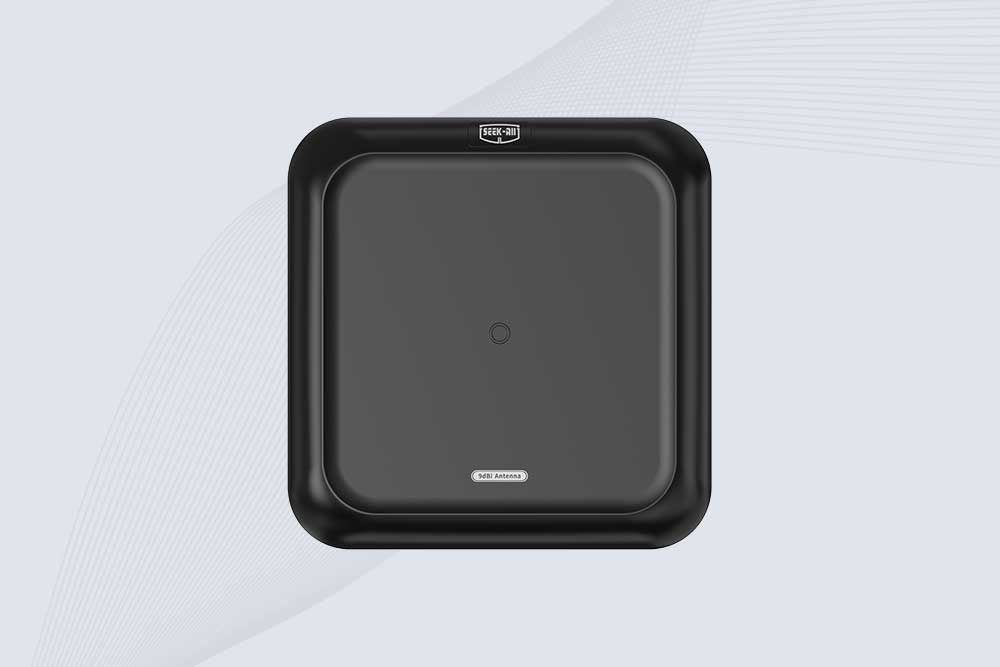
SSD-A09 is a 9 dBi UHF RFID antenna with 840–960 MHz adjustable frequency, circular polarization, 50Ω impedance and directional 60° × 60° coverage.
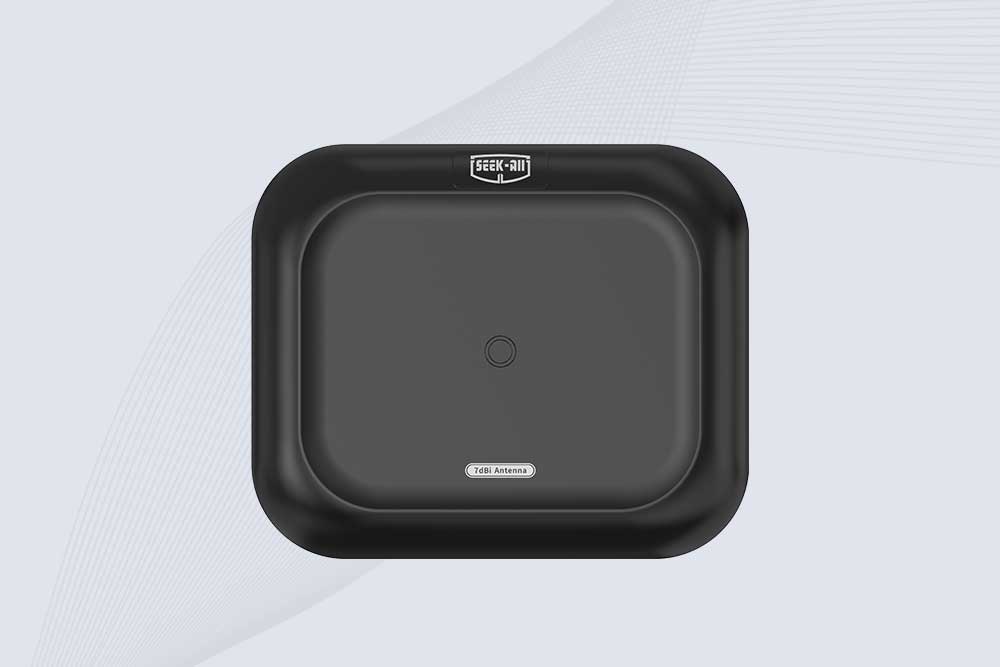
Explore the SSD-A07 UHF RFID antenna with 7 dBi gain, circular polarization, adjustable 840–960 MHz frequency, and 60°/75° beamwidth for stable RFID read/write performance.

SSD-A06 UHF RFID antenna with circular polarization, adjustable 840–960 MHz frequency, ≥4.5 dBi gain, and a compact directional design for RFID systems.
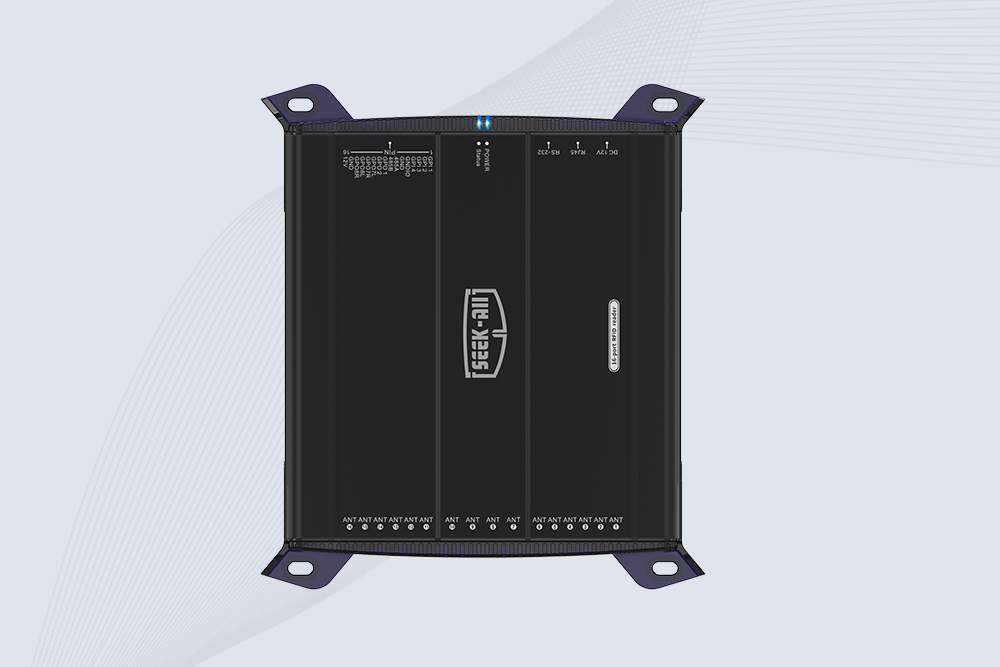
SSD-R16L Multi-Channel RFID Infrastructure for Automated Inventory Management ✔️ 16-Port High-Density RFID Reading Equipped with 16 SMA antenna ports, SSD-R16L supports multi-antenna deployment for warehouses, retail stores, logistics, production lines, and large-area RFID identification. ✔️ High-Speed & Long-Range Performance With up to 33…
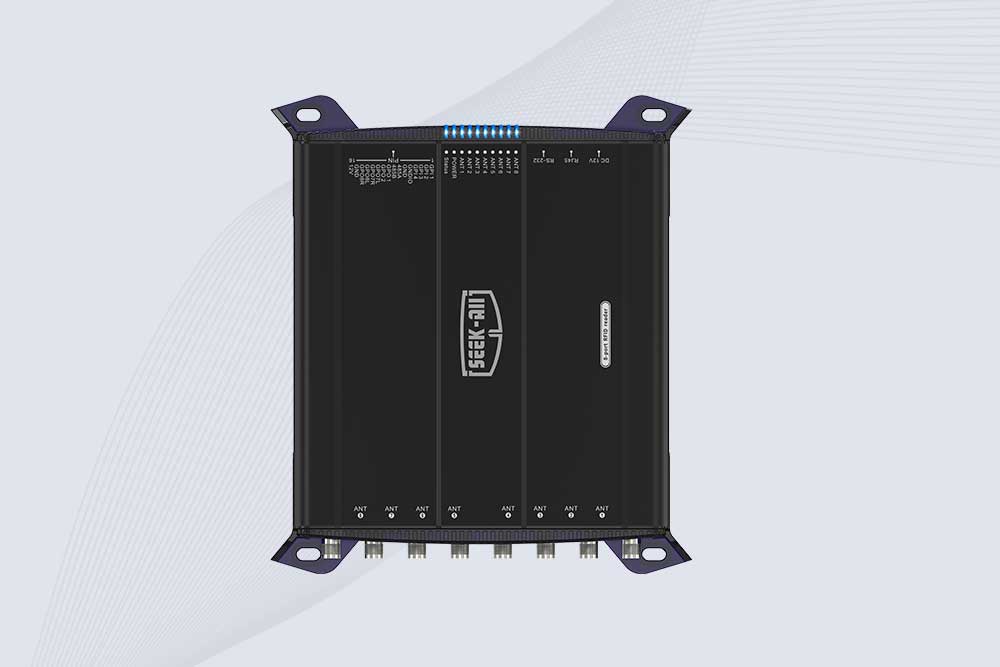
SSD-R8L 8-port UHF RFID reader with 33dBm output, up to 20m reading range and 600+ tags/s recognition. Ideal for warehouse, logistics, retail and asset tracking.
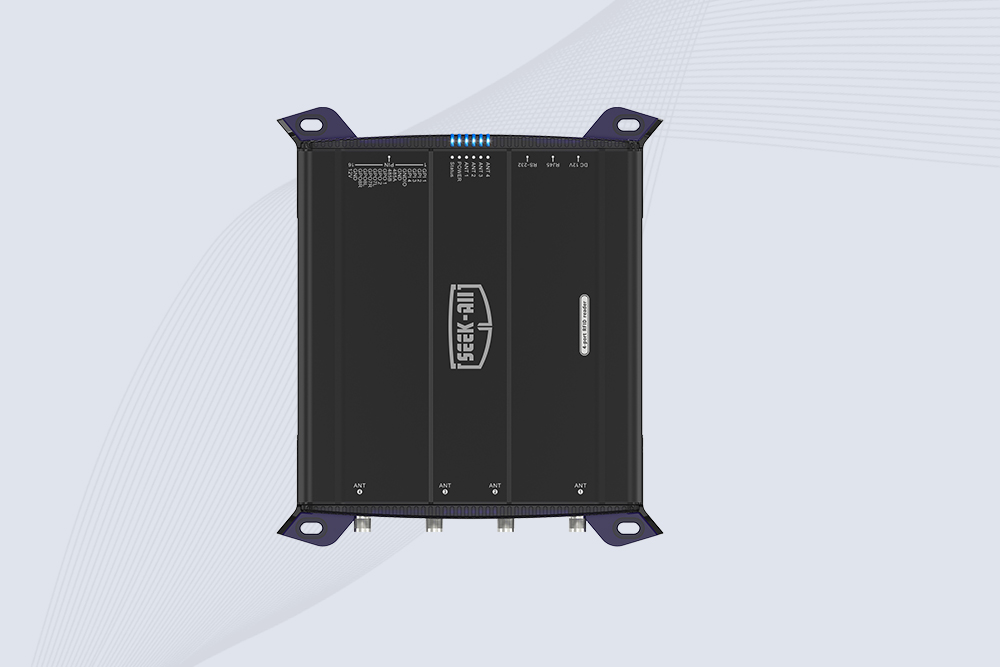
SSD-R4L is a 4-port UHF RFID fixed reader with 33dBm output power, up to 20m reading range, EPC C1G2 support and 600+ tags/s reading speed.
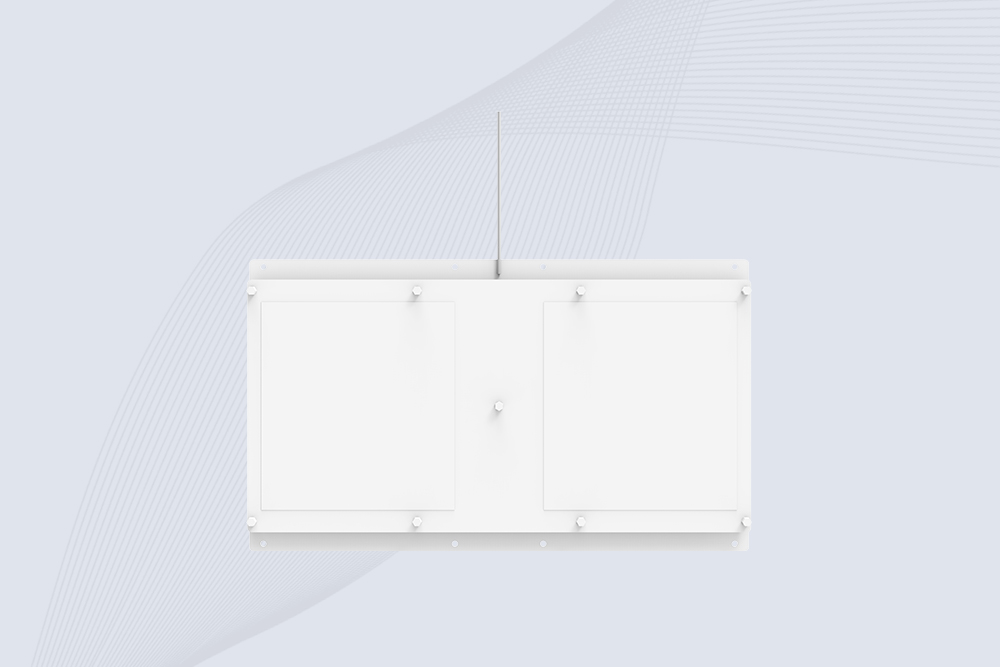
Cykeo CYKEO-A11 UHF RFID reader antenna delivers 11dBi gain, 840-960MHz frequency range, and IP65 ruggedness for retail, logistics, and industrial RFID systems. Features low VSWR and easy installation.
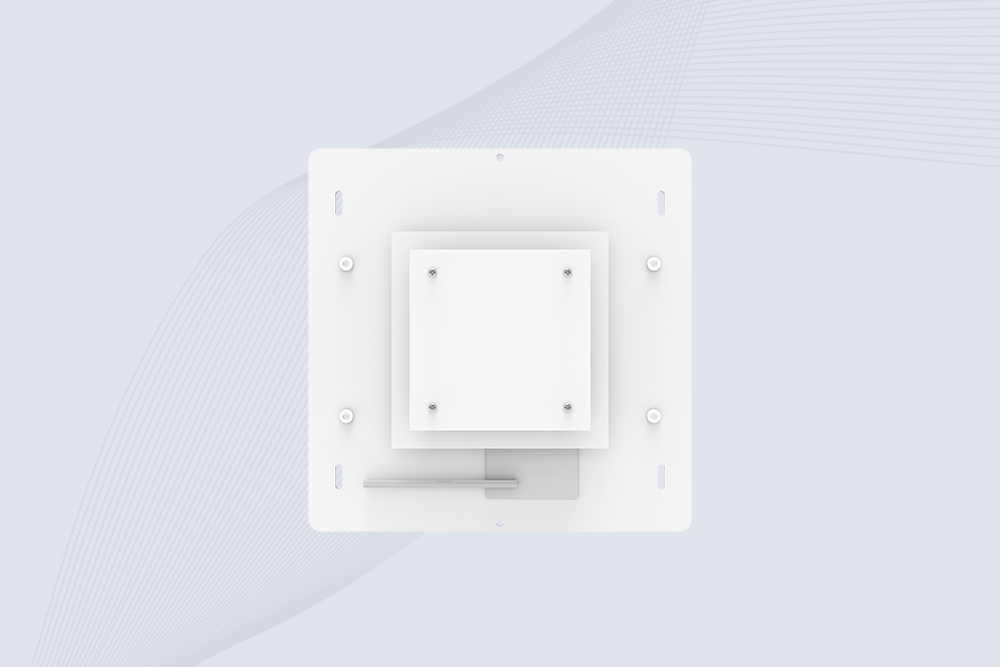
CYKEO Antenna RFID Reader delivers stable long-range UHF performance with a 10.5dBi directional design, built for warehouses, conveyor portals, and industrial RFID systems. This rfid reader antenna provides 20m+ read distance and rugged IP67 protection.

Cykeo CYKEO-PHF3 industrial HF RFID Antenna offers 24-point dynamic tracking, ISO 14443A/15693 protocols, metal-environment stability for archives/libraries/manufacturing.

Cykeo CYKEO-A5B industrial Linear RFID Antenna delivers 5dBi gain, ≤1.5:1 VSWR, and IP65 rugged design for warehouse, production line, and logistics UHF systems.

Cykeo’s CYKEO-B12 Long Range RFID Antenna delivers 15m+ read range with 12dBi gain, IP65 rugged design, and global 840-960MHz UHF support. Ideal for warehouse/logistics asset tracking.
Cykeo CYKEO-B10 Long Distance RFID Antenna offers 10dBi gain, 840-960MHz frequency range, IP65 rating, and 20m+ coverage for logistics/warehousing/ETC systems. Low VSWR ensures stable signal transmission.
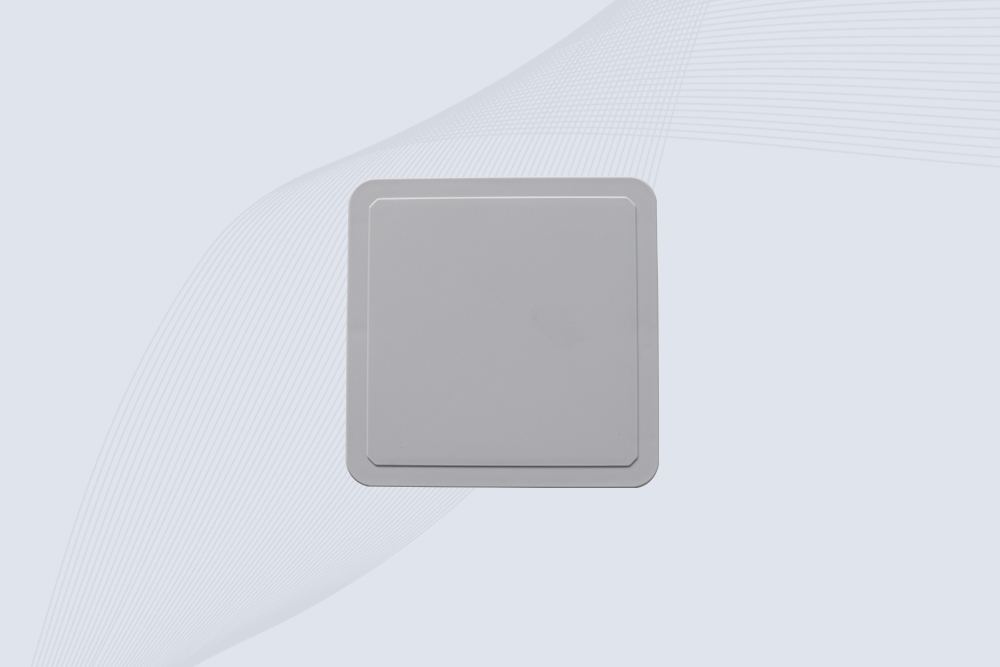
Cykeo CYKEO-A6 UHF RFID panel antenna features 6dBi gain, 840-960MHz broadband, IP65 metal-ready housing for logistics/smart retail. 18mm ultra-thin design with tool-free mounting.

Cykeo CK-A3 industrial antenna RFID UHF offers 5m+ tag detection, ≤1.3:1 VSWR, IP65 rugged design, and global UHF spectrum compatibility (840-960MHz) for warehouses, factories, and retail.
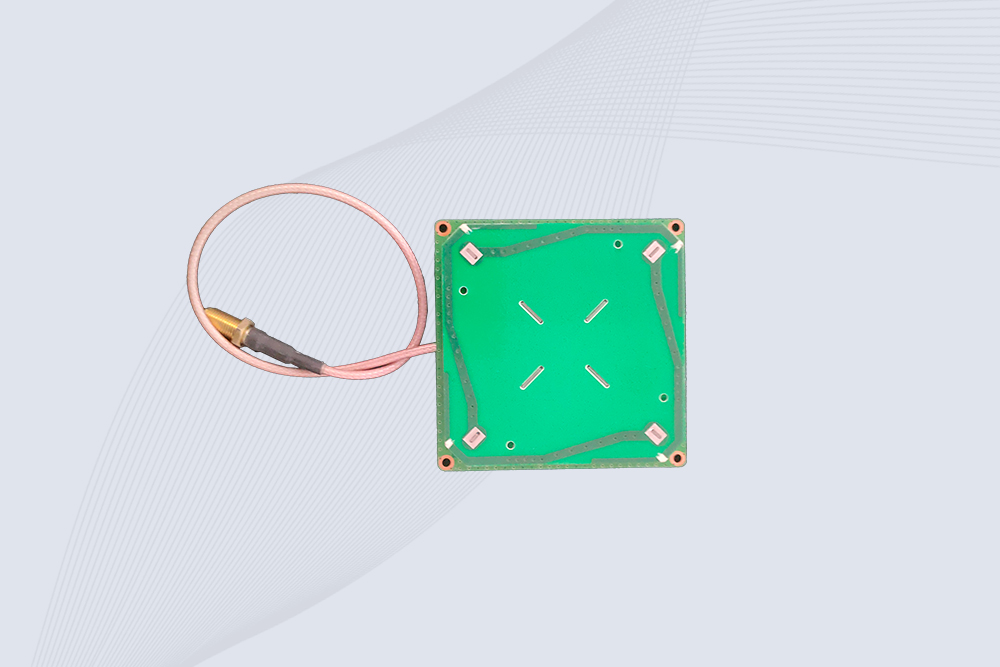
Cykeo CYKEO-B5 directional RFID antenna provides 5dBi gain with 60° narrow beamwidth for precise inventory tracking. IP65-rated, global UHF frequency support, and low VSWR.
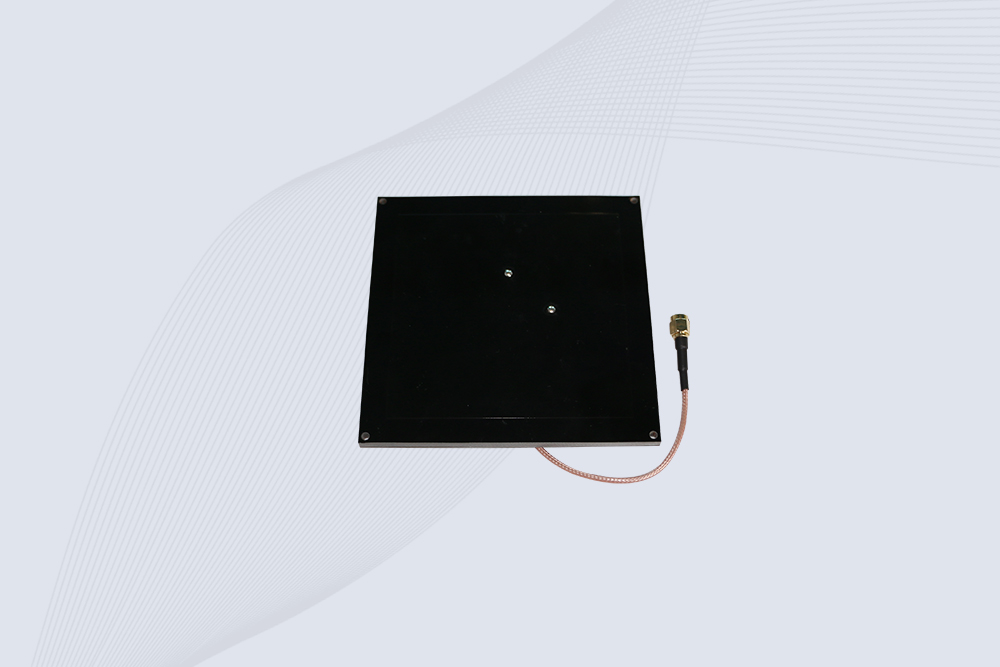
Create your own high-performance DIY RFID antenna! 5dBi gain, 840-960MHz tunable, step-by-step guides. Compatible with Arduino, Raspberry Pi, and commercial UHF readers.
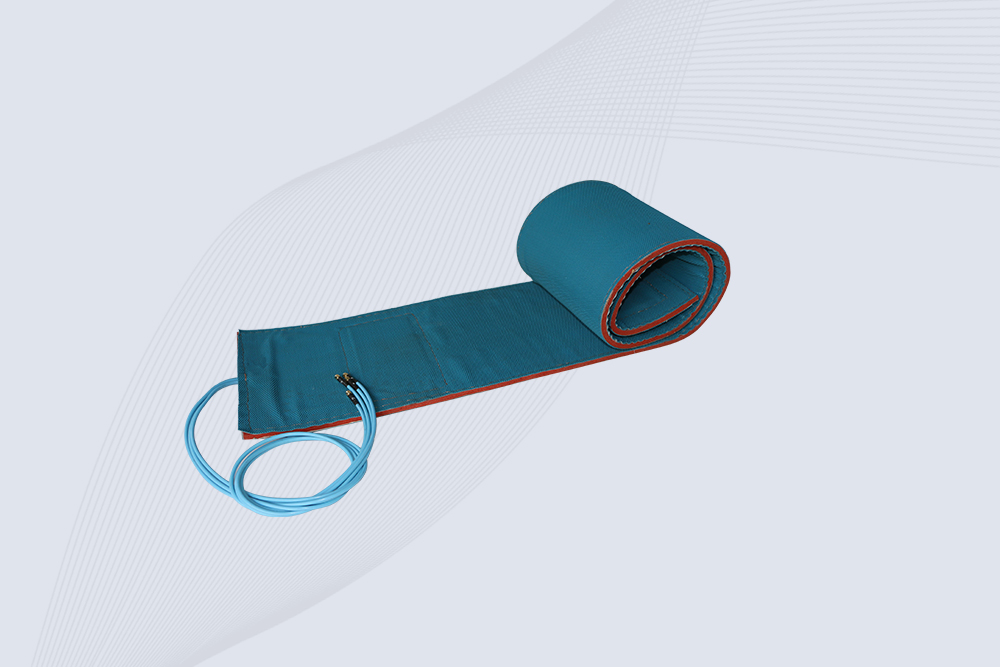
Cykeo CYKEO-A7 Flexible RFID Antenna features 840-960MHz wideband tuning, 7dBi gain, and IP68 rating for medical/retail/industrial curved surface deployments. 98% read accuracy with peel-and-stick installation.
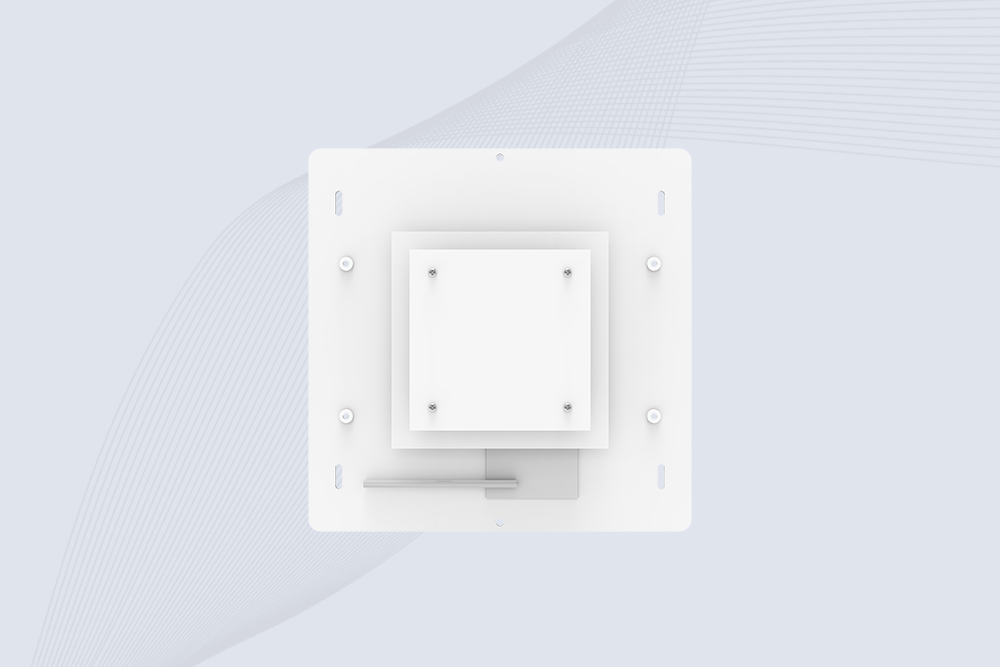
Cykeo CYKEO-B5A industrial Passive RFID Antenna delivers 5dBi gain, 70° beamwidth, and -40°C~55°C operation for warehouses/smart cabinets. Compatible with Zebra/Impinj readers.
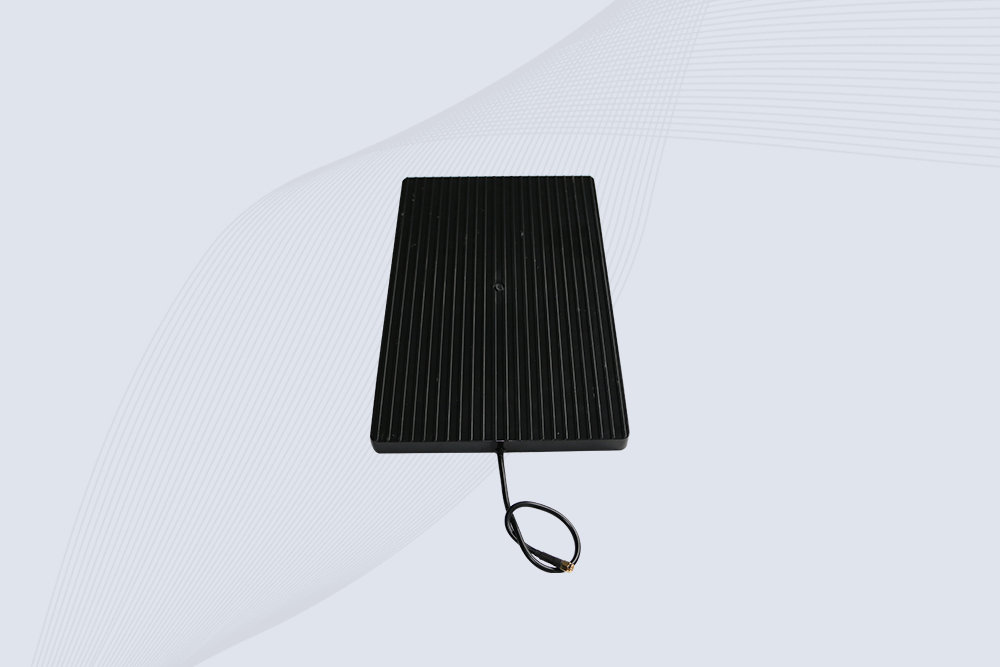
Cykeo’s CYKEO-A9B High Gain RFID Antenna delivers 15m+ read range with 9dBi amplification. Features IP54 rugged design, 840-960MHz bandwidth, and 80° beamwidth for warehouse/manufacturing RFID systems.

Cykeo’s enterprise-grade 8dbi Impinj RFID Antenna 10m+ read range with 840-960MHz tuning. Features IP65 housing, 1.4 VSWR, 35° beamwidth for retail/warehouse RFID systems.
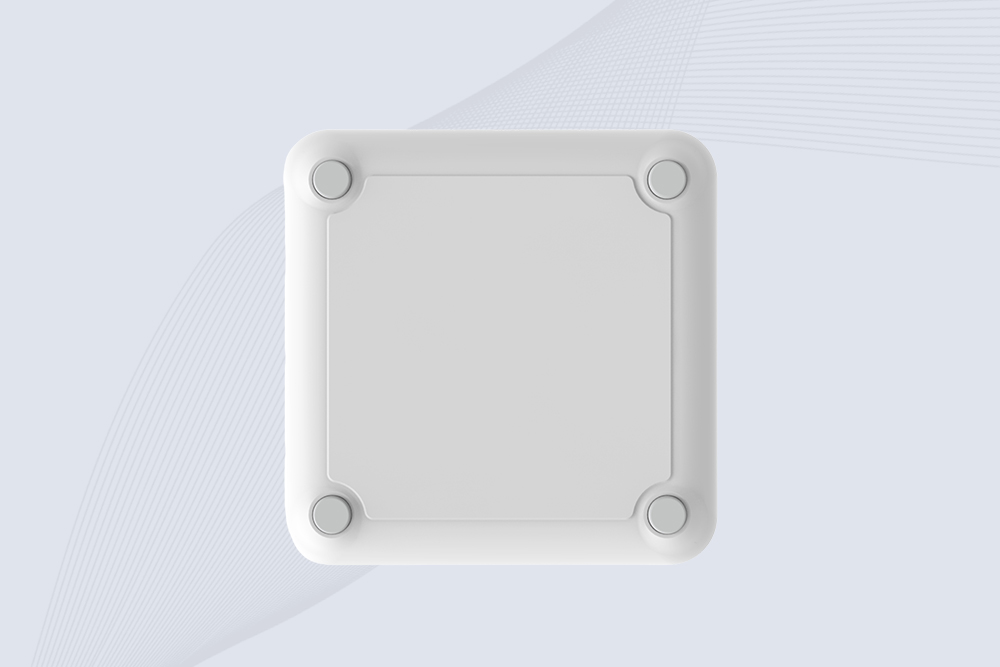
Cykeo CYKEO-A9 industrial UHF RFID antenna delivers 9dBi gain, 840-960MHz frequency range, and IP65 protection for warehouse/logistics/retail RFID systems. Features N-type connector and ≤1.3:1 VSWR.
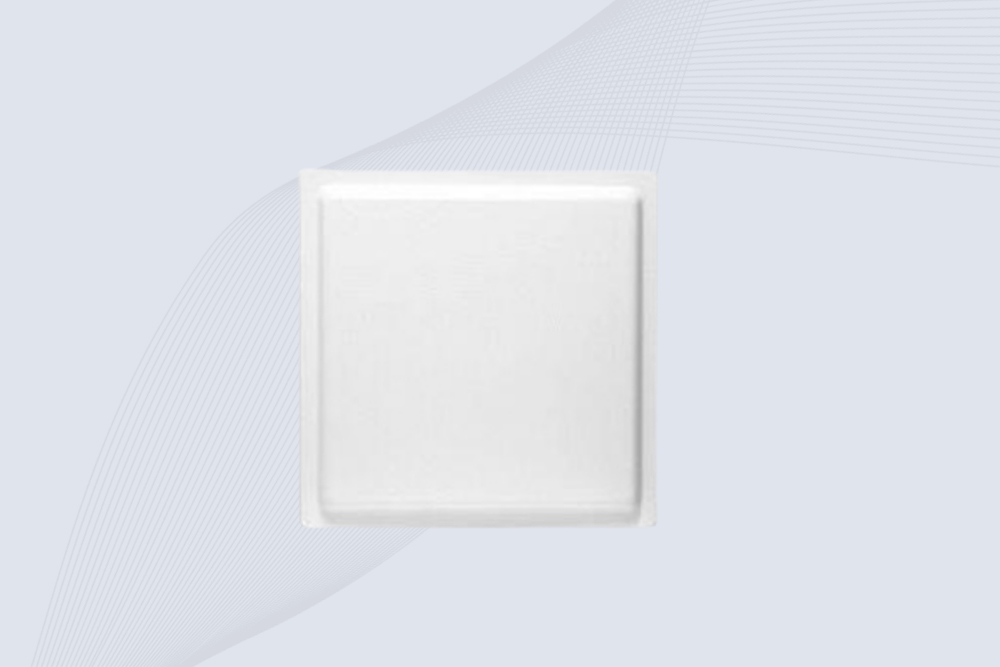
CYKEO UHF RFID Antenna built for long-distance and industrial applications. This antenna rfid uhf delivers strong gain, outdoor durability, and reliable tag performance in warehouses, yards, and vehicle ID systems.
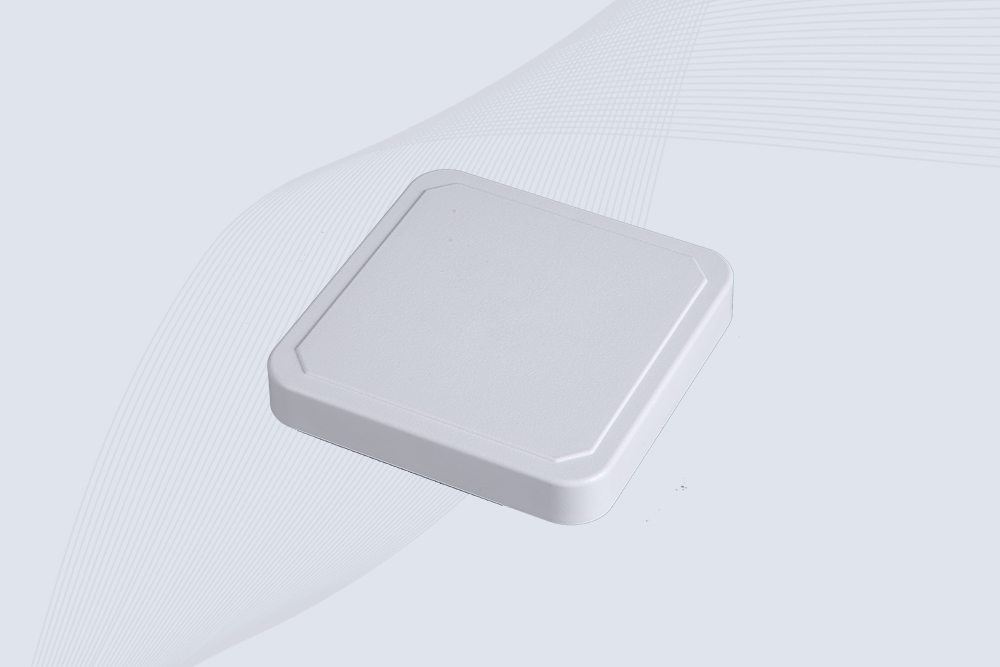
CYKEO Antenna RFID delivers reliable long-range UHF performance in warehouses, retail shelves, and cold-chain environments. This compact uhf rfid antenna provides stable reads with circular polarization and ultra-wide 840–960 MHz support, ideal for industrial tracking, smart shelves, and asset monitoring.
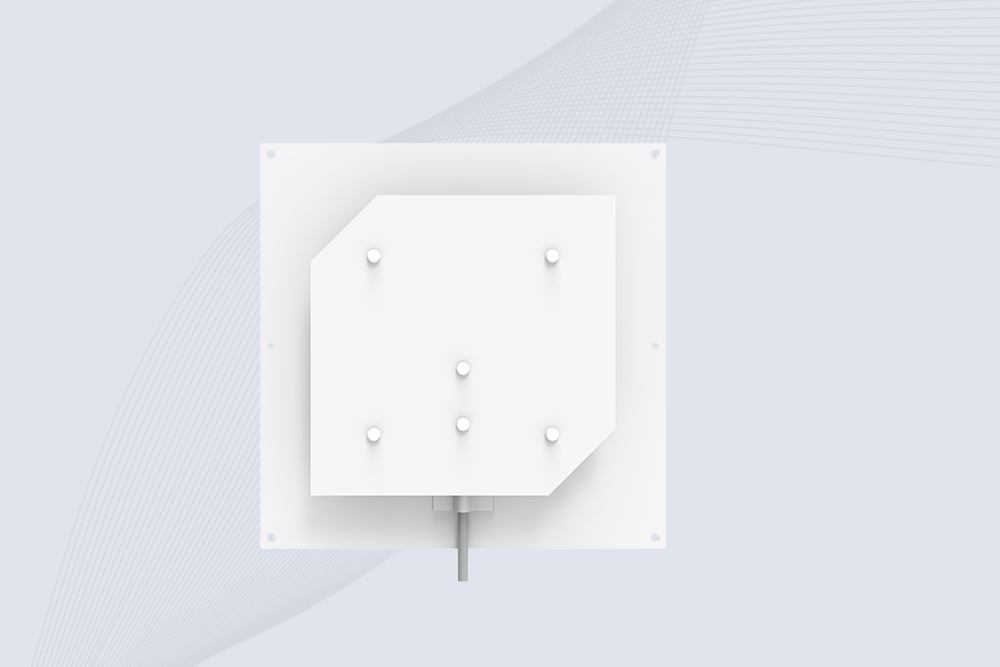
Cykeo’s CYKEO-C8 UHF RFID antennas delivers 8dBi gain, 840-960MHz full-band coverage, and IP65 ruggedness for manufacturing/warehouse RFID systems. Industrial RFID Antennas Features
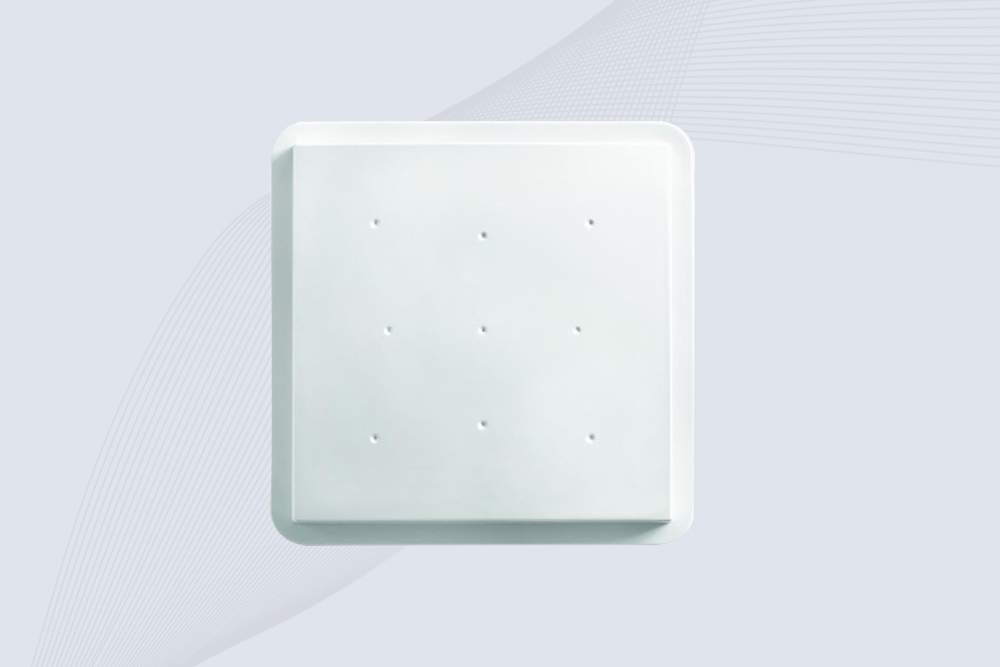
Cykeo’s 8dBi UHF RFID antenna and reader kit delivers 10m+ range, 840-960MHz broadband, and IP65 ruggedness for factories, warehouses, and logistics. ISO 18000-6C & EPC Gen2 certified.
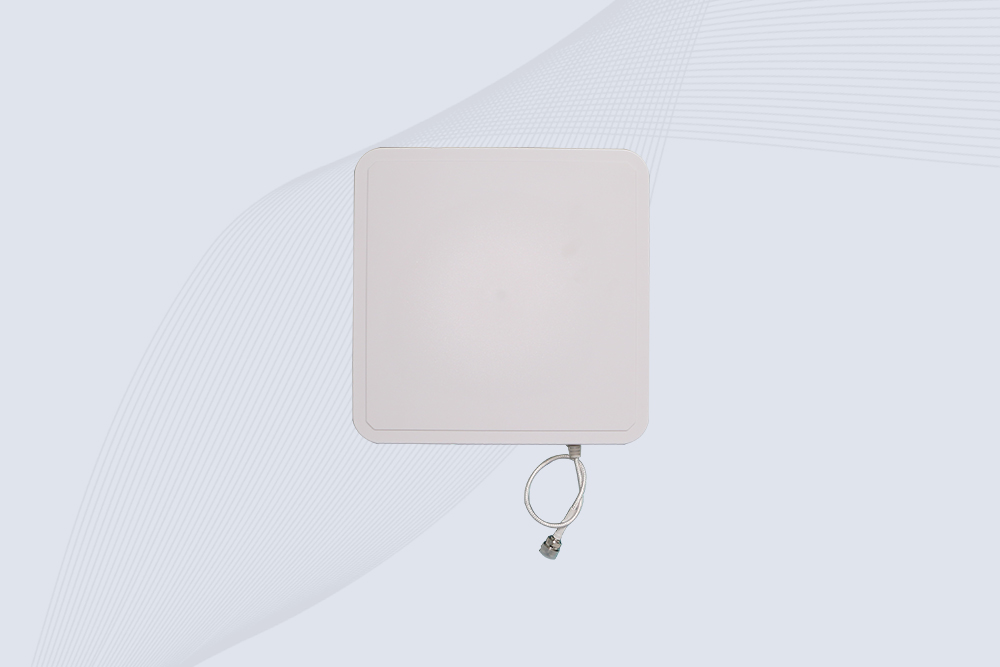
Cykeo CYKEO-A9A industrial UHF RFID reader and antenna kit delivers 10m range, 500 tags/sec, IP65 ruggedness for manufacturing/logistics. Supports EPC Gen2, ISO18000-6C.
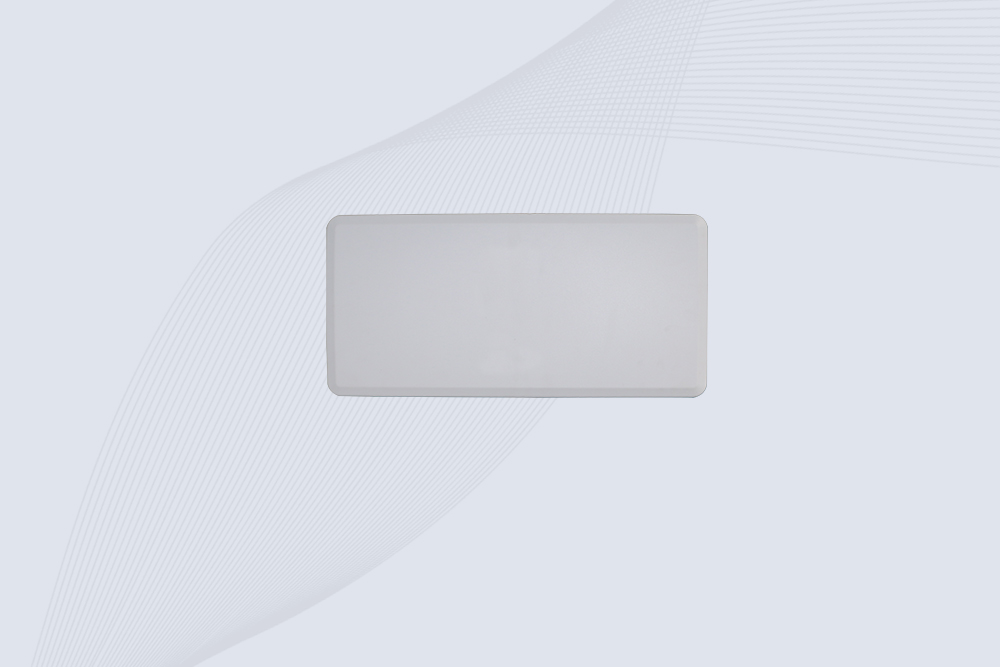
Cykeo’s CYKEO-A12C UHF Large RFID Antenna delivers 12dBi gain, 840-960MHz global frequency, IP65 ruggedness for logistics/warehousing/automotive. 40° beamwidth ensures stable 15m+ tag reads.

CYKEO Near Field RFID Antenna provides precise 5–30 cm reading for shelves, cabinets, and workstations. This compact rfid shelf antenna delivers stable short-range performance around metal and clutter, ideal for pharmacies, libraries, and electronics sorting.
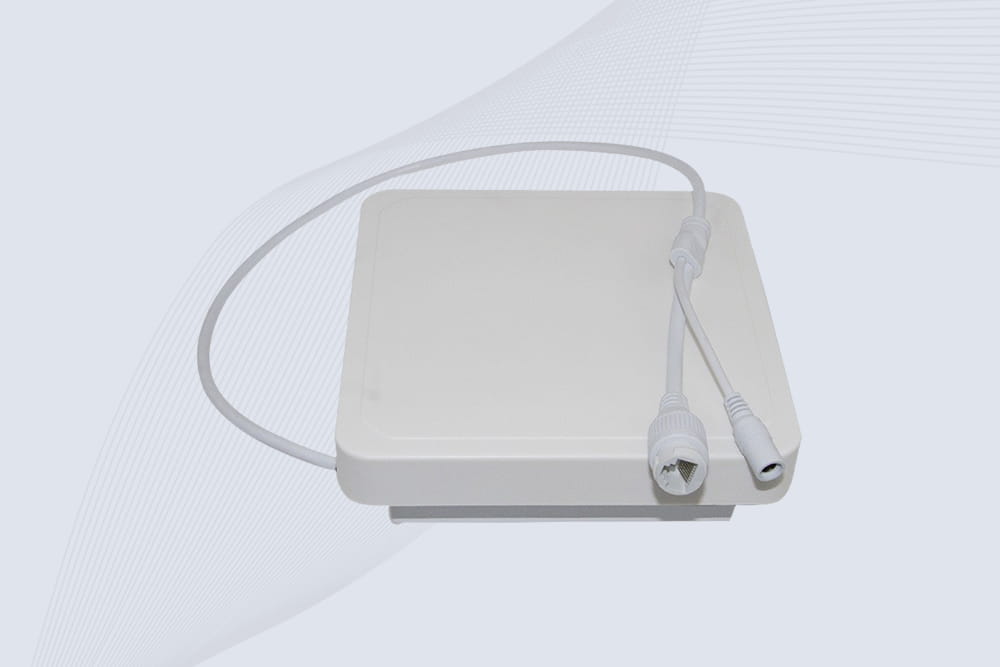
Cykeo’s industrial long range RFID reader delivers 20-meter scanning, 500+ tags/sec speed, and IP67 waterproof design for automated warehouses, logistics, and harsh environment applications.
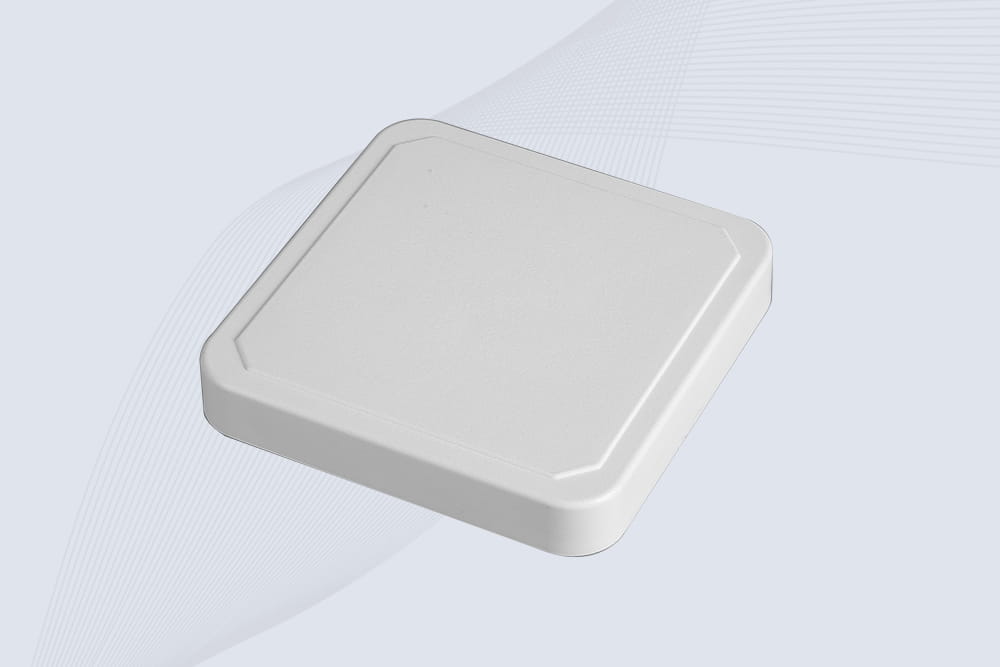
Cykeo’s CYKEO-RA6L industrial RFID long range reader features 20m read distance, 500 tags/sec speed, and IP67 protection. Ideal for warehouse automation, manufacturing WIP tracking, and smart logistics. Supports ISO 18000-6C/6B protocols.
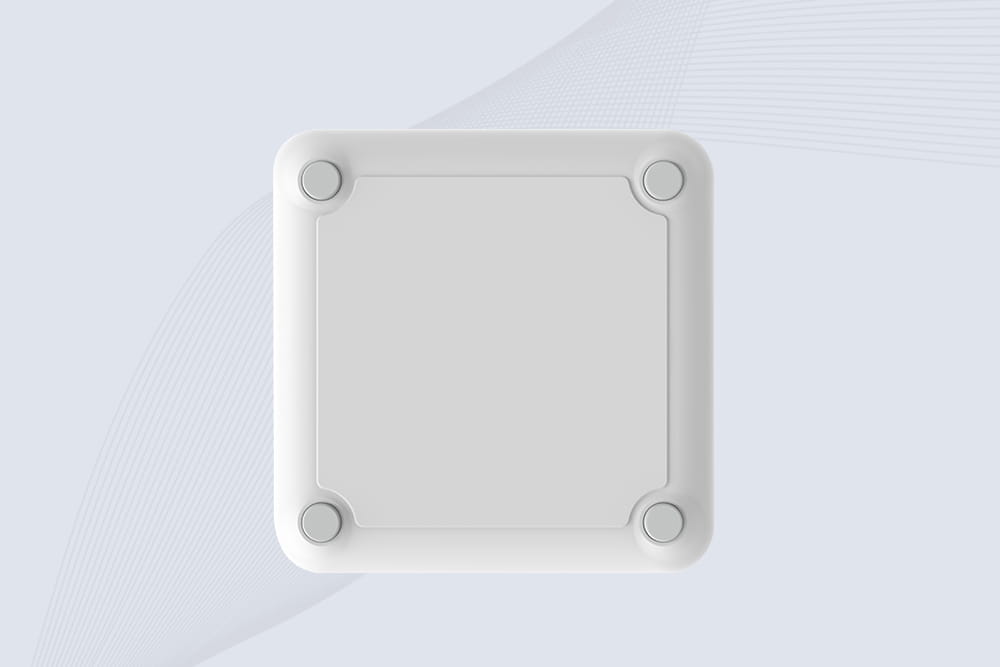
CYKEO Long Range RFID Tag Reader built for outdoor and industrial operations. This Outdoor RFID Reader delivers 20m read distance, fast tag processing, and IP67 durability for wide-area tracking.
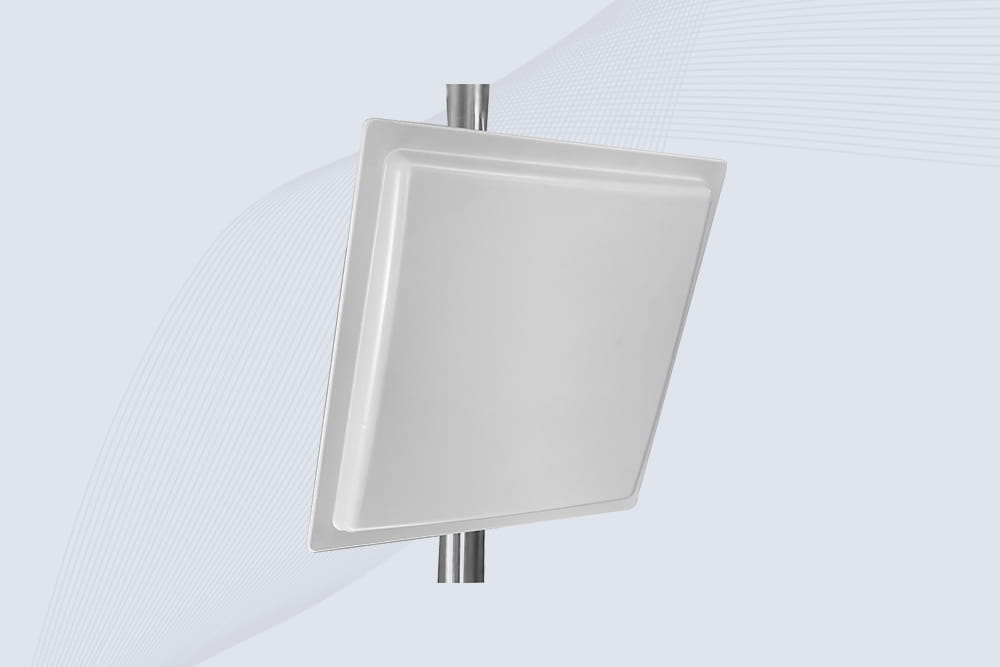
Cykeo CYKEO-RA12L industrial Long Range RFID Reader delivers 20m read range, 200+ tags/sec scanning, and IP67 protection for manufacturing/logistics applications. Supports ISO 18000-6C/GB protocols.
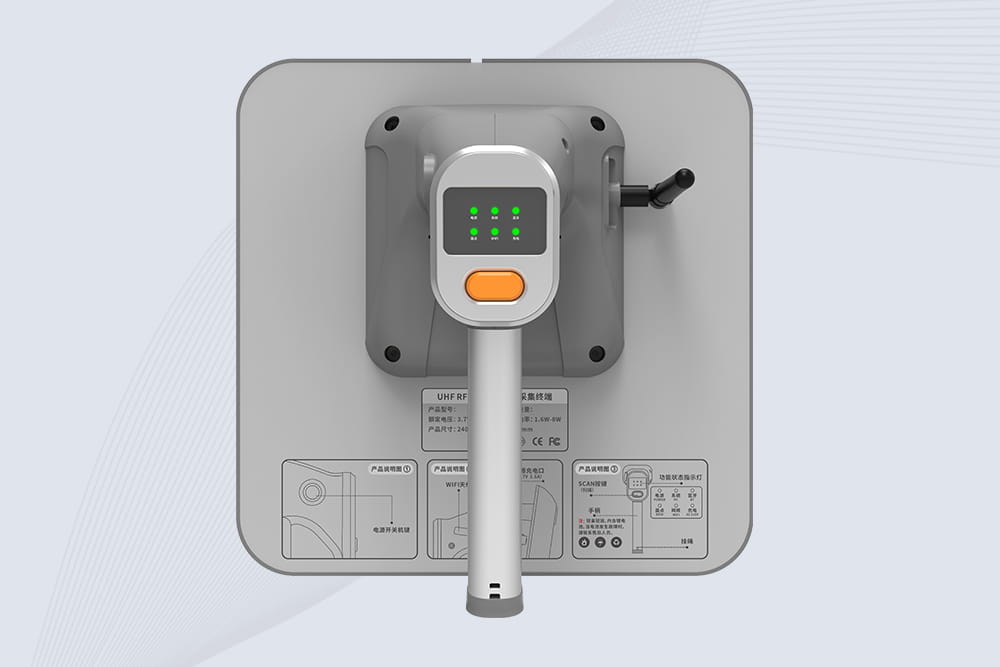
Cykeo CYKEO-B9 UHF Bluetooth handheld RFID scanner features 12m UHF range, 200+ tags/sec scanning, IP67 rugged design for retail/warehouse/pharma. Supports Android SDK & real-time Bluetooth 5.0 transmission.
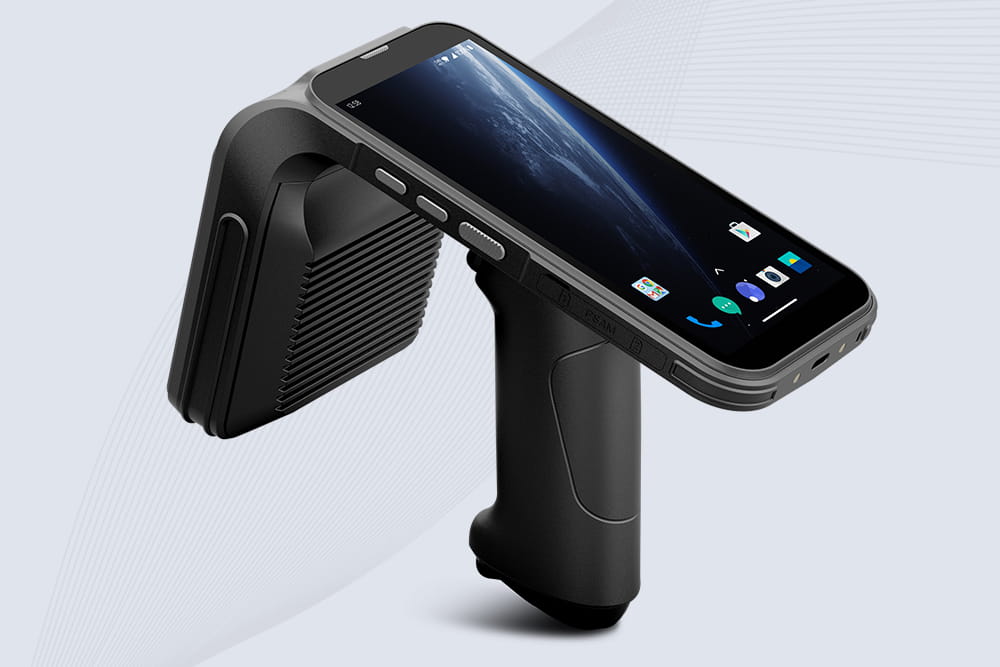
Cykeo CYKEO-B4 UHF Handheld RFID Reader scanner delivers 1300 tags/sec reading, 30m UHF range, and 12-hour battery life. IP65 rugged design with barcode/NFC/ID scanning for retail/manufacturing/logistics.
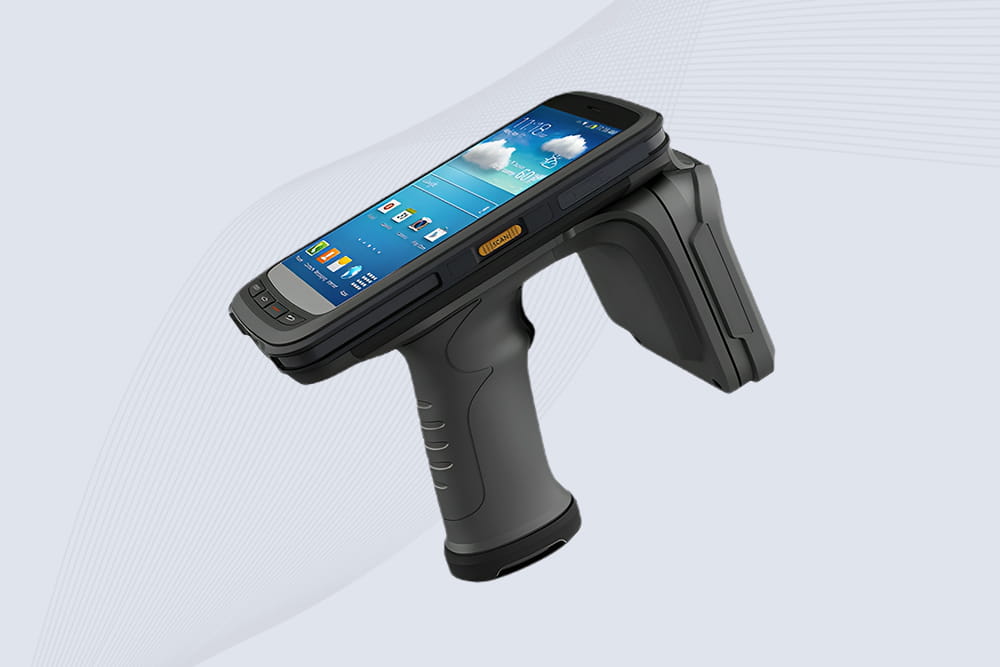
Cykeo CYKEO-B2 industrial UHF RFID handheld Scanner offers 10m range, 500 tags/sec scanning, Android 11 OS, and IP65 rugged design for retail/warehouse/manufacturing.
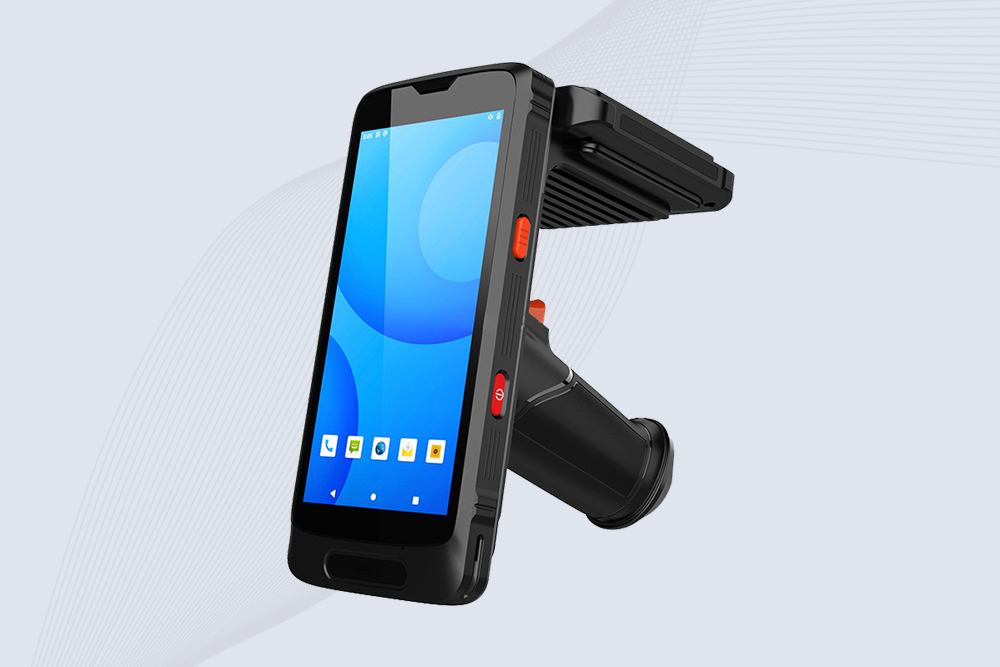
Cykeo CYKEO-B3 industrial RFID Reader Handheld, terminal offers 2m read range, multi-protocol scanning (NFC/barcode/ID), Android 10 OS, and IP65 ruggedness for logistics/retail/manufacturing.
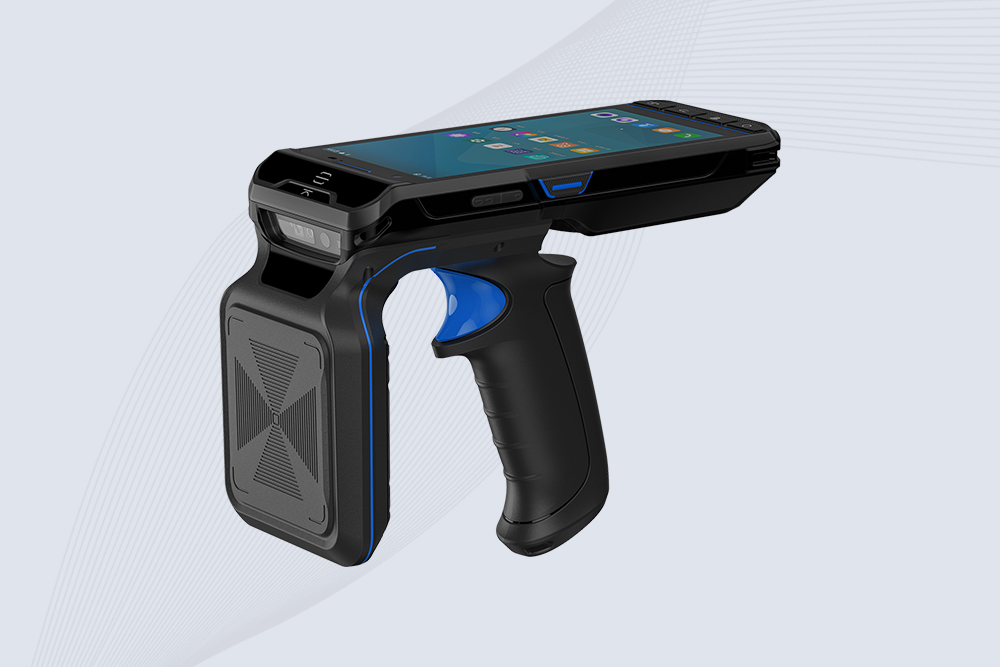
Cykeo CYKEO-B3L industrial handheld UHF RFID Reader terminal features 20m read range, 500 tags/sec scanning, Android 13 OS, 12-hour battery for logistics/retail/manufacturing. Supports barcode/NFC/ID reading.
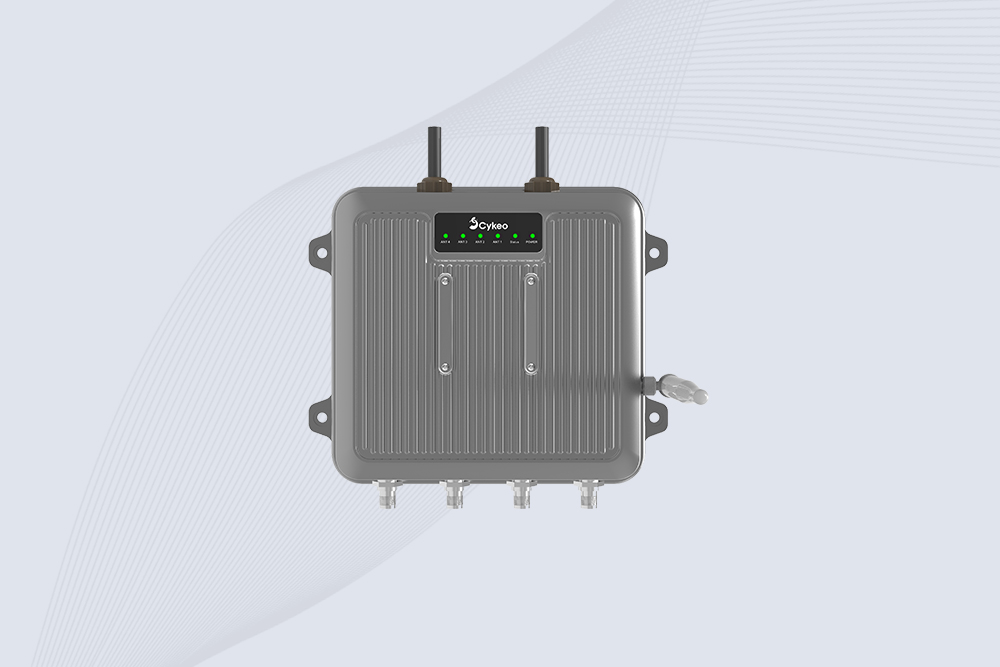
Cykeo CYKEO-C1 industrial Forklift RFID Reader features 20m read range, 600 tags/sec scanning, Impinj R2000 chipset, and IP67 rugged design. Ideal for warehouse logistics and manufacturing. Supports ISO 18000-6C/6B protocols.
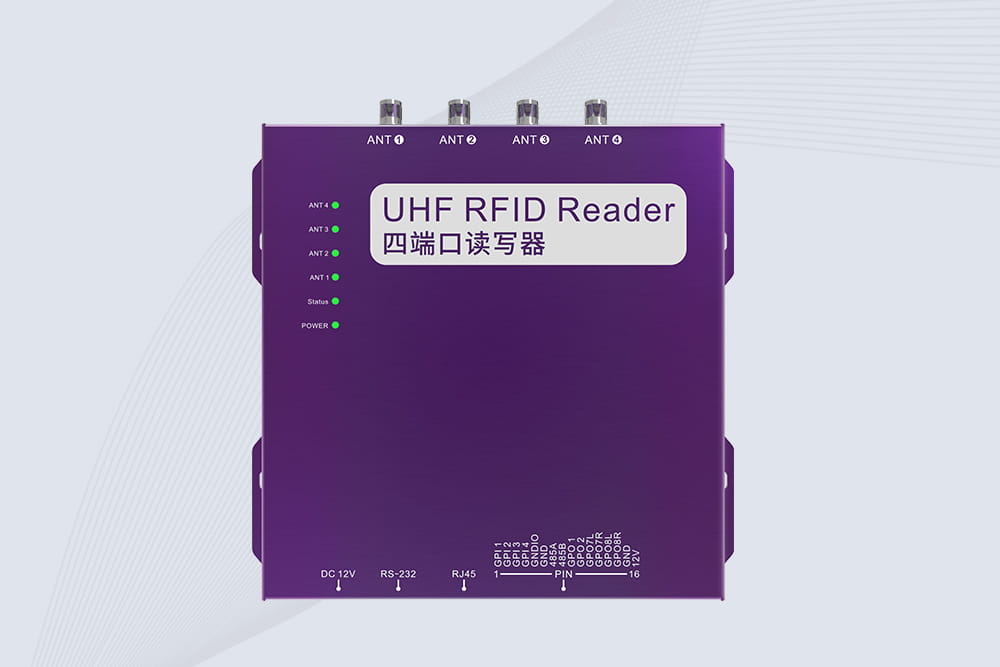
Cykeo CYKEO-R4 industrial UHF RFID Fixed Reader features 4 TNC ports, 400+ tags/sec speed, IP67 housing, and global frequency compliance for vehicle inspection, smart warehouse, and asset management systems.
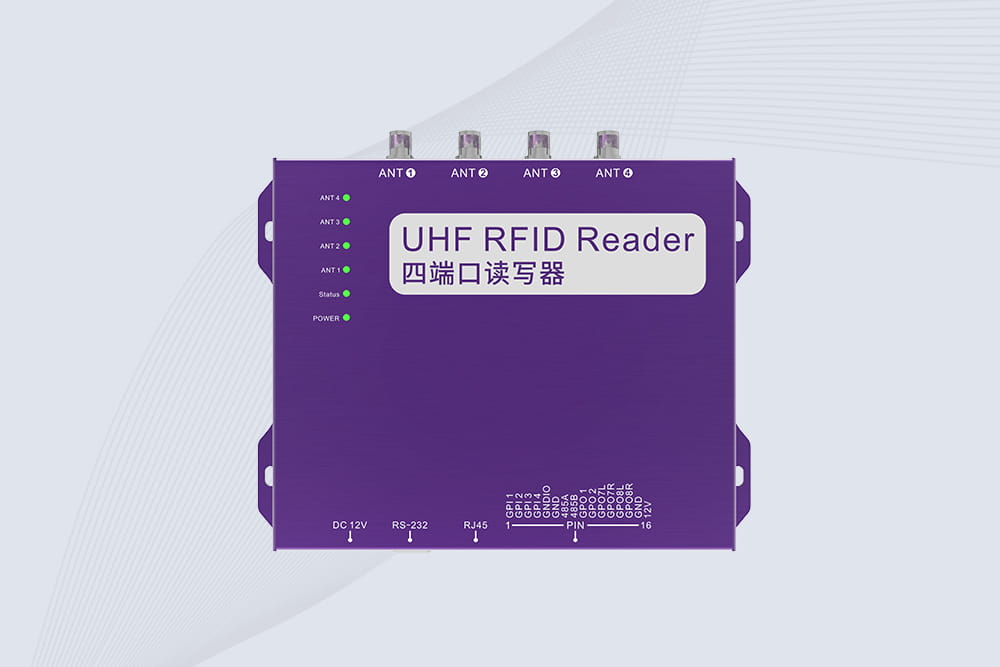
Cykeo’s CYKEO-R4L 4-port Fixed UHF RFID Reader delivers 400 tags/sec scanning, ISO 18000-6C compliance, and IP65 protection. Ideal for warehouse automation, manufacturing WIP tracking, and logistics management.
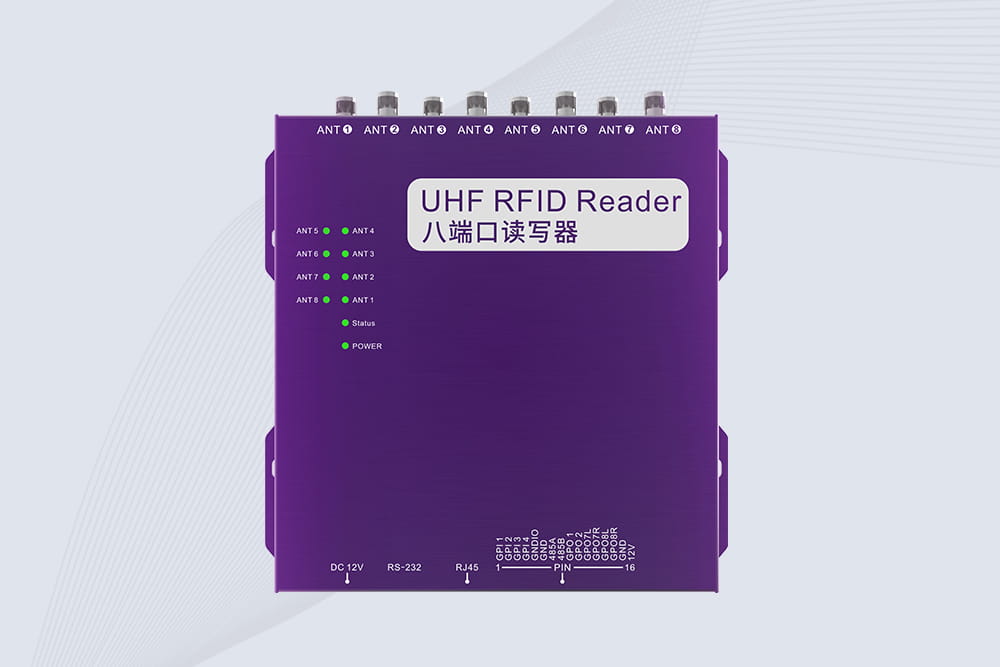
CYKEO CYKEO-R8L Fixed RFID Reader with 8-port UHF design, Impinj-based RF core and up to 20m read range. An industrial Fixed RFID Reader for vehicle inspection, warehouse portals, smart manufacturing lines and secure access checkpoints.
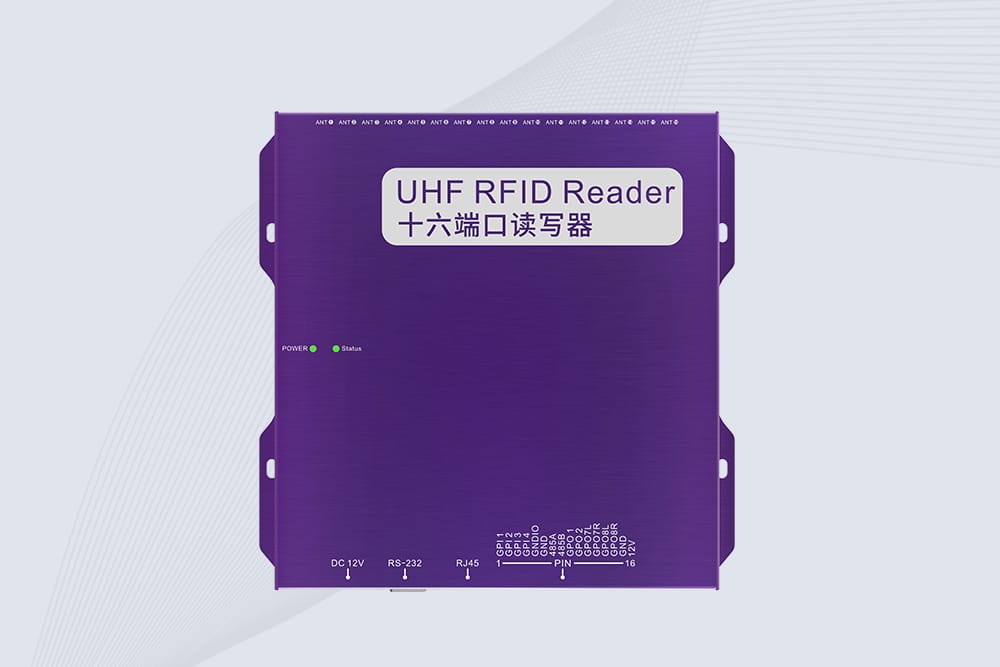
RFID Fixed Reader from CYKEO – the CYKEO-R16L 16-port UHF fixed reader for warehouses, smart cabinets, and production lines. Long-range, multi-tag reading, stable performance for 24/7 industrial use.
RFID Industry Writer | IoT & Asset Tracking Analyst
James writes about RFID technology, asset tracking, and the practical challenges of digital transformation across warehousing, retail, manufacturing, and logistics.
His work focuses on how RFID is applied in real-world operations—improving inventory visibility, automating workflows, and helping businesses manage assets with greater accuracy and efficiency.
He regularly covers topics including UHF RFID, smart cabinets, RFID portals, tool tracking, warehouse automation, and industrial IoT trends..
USB RFID reader integration connects tag identification with inventory, ERP, production, and asset management software. This article explains HID keyboard em...
More
Discover the essential features of handheld RFID scanners for logistics and supply chain management. Compare durability, read range, software integration, and more.
More
Retailers in apparel, sporting goods, department stores, and other merchandise sectors use RFID technology to improve inventory visibility, identify products...
More
RFID stands for Radio Frequency Identification, a wireless technology that uses radio waves to identify tagged objects and exchange digital information. It s...
More