 Cykeo RFID IoT Solution Products R&D Manufacturer
How to Remove RFID Tags from Clothing Safely (Without Ripping Your Shirt)
2353Learn how to safely remove or deactivate RFID tags from clothing without damaging the fabric. Discover tools, tips, and why some tags shouldn’t be tampered with.
MoreAll RFID Product
How rfid works in warehouse operations is straightforward: RFID readers transmit RF energy to tagged goods, receive tag responses without line-of-sight scanning, and send the captured item data to warehouse software for receiving, shipping, counting, and inventory control.
That is the mechanism. The interesting part happens on the warehouse floor.
A trolley arrives with dozens or hundreds of individually tagged products. The operator does not stop to locate every barcode. Instead, the RFID system creates a controlled reading zone, identifies the tags within it, and passes those identities into the warehouse application.
GS1 explains that RAIN RFID can capture tagged items without requiring the direct line of sight needed by optical barcodes, and that multiple items on a pallet can be read without individually presenting each item to the reader.
RFID warehouse management uses radio-frequency identification to connect physical goods with digital inventory records.
A basic warehouse RFID system contains:
| Component | Warehouse function |
|---|---|
| RFID tag | Stores the item’s identification data |
| UHF RFID reader | Sends RF commands and receives tag responses |
| RFID antenna | Creates and receives the RF field |
| Middleware | Filters and organizes reader data |
| WMS / ERP | Converts identification events into business transactions |
GS1 describes an RFID infrastructure as one or more readers communicating with one or more tags. Passive tags receive operating energy from the reader’s continuous-wave signal and return information through backscatter.
The warehouse therefore does not need to treat RFID as a replacement for the entire WMS.
RFID sits at the physical identification layer.
The WMS remains responsible for inventory logic.
That distinction becomes important when designing an integration.
Receiving is often one of the cleanest places to introduce RFID.
A truck arrives. Products are unloaded. RFID-tagged goods pass through a defined reading area.
The sequence can look like this:
Goods arrive → RFID tags enter the reading zone → reader captures EPCs → software matches expected items → receiving status is updated.
With barcode-based receiving, the operator generally needs to position the scanner so that each barcode can be visually captured.
With RAIN RFID, the reader only needs the tagged item to enter its RF interrogation zone. GS1 specifically identifies receiving logistics units and inventory counting as examples of physical data-capture workflows connected to business systems.
That difference becomes noticeable when the shipment is large.
The employee is moving the goods.
The RFID system is handling identification.
A passive UHF tag does not normally transmit like a Wi-Fi device.
The reader sends electromagnetic energy.
The tag harvests energy from that field.
The tag’s chip modulates the reflected signal.
The reader receives the backscattered response and converts it into digital data.
For UHF warehouse systems, the EPC Gen2 air-interface protocol defines the physical and logical communication between interrogators and passive tags. GS1 identifies this protocol as the backbone of passive UHF/RAIN RFID implementations.
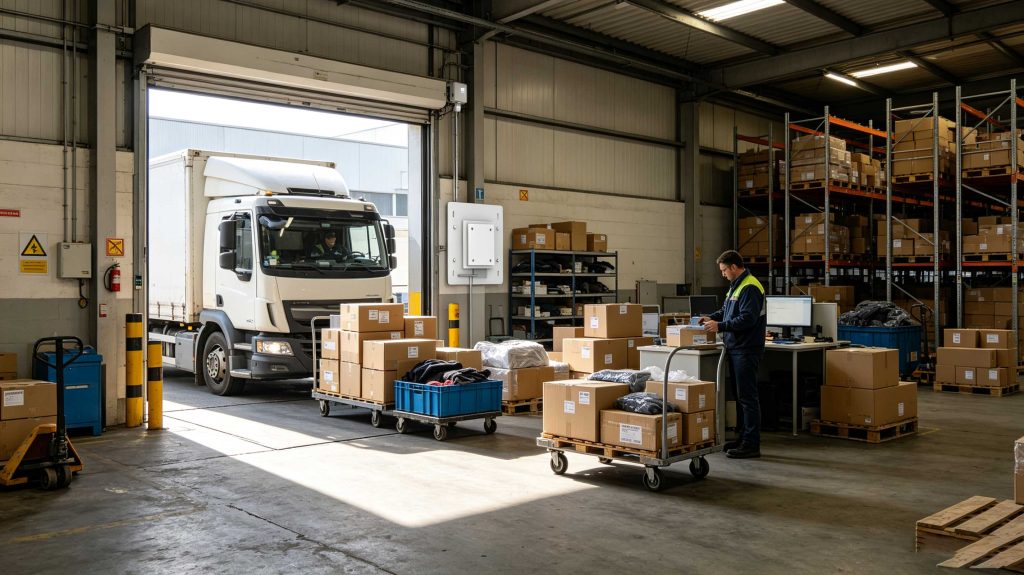
The same principle can be reversed at dispatch.
Suppose a warehouse needs to ship 180 individually tagged garments.
The system can compare the RFID identities detected at the shipping station against the expected shipment list.
A simplified transaction becomes:
Expected EPCs → physical goods enter shipping zone → RFID capture → comparison → exception check → shipment confirmation.
This creates an important operational distinction.
RFID does not merely tell the warehouse what is present.
When integrated correctly, it can help determine whether the expected items are the ones physically moving through the process.
GS1’s system architecture explains that RFID capture can be connected with application-level software and EPCIS event data, allowing physical events such as arrival and availability to become part of supply-chain visibility.
Cycle counting is another area where the difference between optical and radio identification becomes obvious.
A barcode process normally requires an operator to find the item, expose the barcode and scan it.
With UHF RFID, the operator can move through the inventory area while the handheld reader identifies tags within range.
GS1 says RAIN RFID can improve inventory productivity because a reader does not need direct visual alignment with each tag, and tags on a pallet can be read without individually presenting every item.
Published GS1 apparel information reports that EPC/RFID can raise inventory accuracy up to 95% and reduce cycle-counting time by 96% in the cited retail applications.
These are documented industry results, not a promise that every warehouse will achieve the same numbers.
The important point is where the productivity comes from:
less item-by-item handling during identification.
One common misunderstanding is that RFID automatically means real-time location tracking.
A standard passive UHF warehouse installation does not necessarily calculate the precise coordinates of every tag.
Instead, it records identification events at known reading points.
For example:
GS1’s architecture describes RFID capture as part of physical processes and explains how captured EPC information can be provided to application-level systems and EPCIS event data.
This event-based model is often enough for warehouse management.
The system may not need to know that a carton is at coordinate X=4.2 meters.
It needs to know that the carton passed receiving at 09:42, entered the inventory process, and later passed the outbound checkpoint.
This is where practical installation experience matters.
A warehouse is full of things that can interfere with RF behavior.
Metal racks.
Metal cages.
Liquid products.
Forklifts.
Dense cartons.
Nearby RFID-tagged inventory.
GS1 notes that absorbing and shielding materials can substantially change RFID read range, while metal and water can affect RFID performance.
So I would not start a warehouse RFID project by asking:
“How many meters can the reader read?”
I would ask:
“Where should the system read?”
That change in wording leads to better engineering decisions.
For a shipping door, the reading zone should include the outgoing trolley but not the shelves behind the door.
For a conveyor, the field should intersect the product flow.
For a closed RFID inventory channel, the physical enclosure can help isolate the target batch from surrounding tags.
A warehouse rarely moves one tagged object at a time.
The UHF RFID reader therefore has to manage multiple tag responses.
EPC Gen2 uses inventory procedures and anti-collision mechanisms to coordinate tag responses. The protocol defines how the reader initiates inventory operations and how tags participate in response opportunities.
This is the technical foundation behind batch identification.
A Cykeo UHF inventory channel, for example, is designed for applications where large groups of individually tagged goods enter a controlled reading area. The supplied product specification describes support for more than 800 items per batch, ISO 18000-6C / EPC C1G2 compatibility, PLC-controlled shutters, 220V power and network communication.
That is a very different operating model from scanning one barcode at a time.
A practical architecture looks like this:
RFID Tag → UHF Antenna → RFID Reader → Data Filtering → Ethernet → WMS / ERP
The reader captures the RF event.
Middleware can remove duplicates and irrelevant observations.
The warehouse application then determines what the event means.
GS1 identifies standards covering RFID air interfaces, reader software interfaces such as LLRP, and application-level event information.
This layered architecture also makes troubleshooting easier.
If an item is missing from the WMS, engineers can ask:
Was the tag physically read?
If not:
Was the RF field adequate?
If yes:
Did the communication layer deliver the event?
If yes again:
Did the application process the event correctly?
That is much more useful than simply saying “the RFID system failed.”
From an engineering perspective, I would validate the system with the actual warehouse load rather than a clean demonstration tag.
Measure the business event, not just the RF event.
Expected shipment vs. captured shipment.
Expected inventory vs. verified inventory.
Expected item movement vs. recorded movement.
That is where warehouse RFID earns its value.
For warehouse applications, Cykeo focuses on UHF RFID systems that connect the physical movement of goods with inventory software.
The equipment can be configured around different warehouse events rather than forcing every operation into one reader architecture.
| Warehouse requirement | Suitable RFID approach | Cykeo application direction |
|---|---|---|
| Bulk receiving | Fixed reader + antennas | Receiving verification |
| Bulk shipping | Controlled RFID zone | Outbound confirmation |
| Cycle counting | Handheld / mobile reader | Shelf and stock verification |
| Conveyor identification | Fixed reader | Automated sorting |
| Large batch inventory | RFID channel | Apparel, linen, meters |
| OEM integration | RFID reader module | Custom equipment |
GS1’s current system architecture explicitly describes RFID readers capturing item-level identifiers during receiving and using those events to update inventory databases.
The architecture is important. A warehouse does not need RFID everywhere.
It needs RFID where a physical event is worth capturing.
A receiving station can become an automated identification checkpoint.
When a tagged trolley enters the reading area, the reader captures the EPC population and passes those identifiers to the warehouse application. The software can compare the received EPCs with the expected shipment.
Useful exception conditions include:
This is where RFID starts behaving like an operational control rather than simply a scanning technology.
The same principle applies at dispatch.
A shipment can be checked against its expected RFID identities before the goods leave the warehouse.
For high-volume operations, this can remove a surprisingly tedious manual step: opening cartons repeatedly just to verify individual product identities.
Cycle counting is one of the strongest use cases for UHF RFID.
GS1 reports that EPC/RFID can raise inventory accuracy up to 95% and reduce cycle-counting time by 96% in cited apparel retail applications.
Those numbers should be treated as documented application results, not a universal promise.
The engineering reason behind the productivity gain is simpler.
The operator can move through the storage area while the RFID system identifies tags within its reading field.
For a handheld deployment:
Walk → read → compare → investigate exception
For a fixed deployment:
Goods pass → read → compare → record event
Different physical processes. Same identification principle.
GS1 documentation recognizes fixed readers that can connect to multiple antennas and be installed in portals, forklifts, trucks or overhead positions, as well as portable readers for mobile applications.
Best when the product naturally passes a known point.
Examples:
Best when the operator needs to go to the product.
Examples:
A warehouse can use both.
There is no technical reason to make the entire facility fixed or entirely handheld.
A specification such as “15 m read range” sounds impressive, but it does not define the usable warehouse reading zone.
GS1 notes that passive UHF RFID typically operates over several meters, with up to 15 meters in very special cases. It also states that highly sensitive phased-array systems can reach up to 20 meters under particular conditions. More importantly, GS1 emphasizes that the shape of the readable volume depends strongly on antenna gain, directivity, polarization and tag orientation.
For warehouse engineers, the second point is more useful.
Suppose a shipping door requires a five-meter-long reading zone.
If the scanner also detects inventory fifteen meters behind the door, the longer range is a liability.
A good deployment therefore defines:
Read zone + exclusion zone + movement path.
That physical definition should be established before final reader power and antenna positions are fixed.
The warehouse itself becomes part of the RF environment.
Metal racks can reflect RF energy.
Dense products can change tag orientation.
Liquid products can affect UHF tag performance.
Metal cages can create difficult reading conditions.
The solution is not always a more powerful reader.
Possible engineering responses include:
GS1’s guidance confirms that absorbing or shielding material can substantially affect RFID read range and that the shape of the interrogation volume depends on the complete reader-antenna-tag environment.
This is why a warehouse trial should use real products, not only an empty test bench.
The reader does not replace the WMS.
It supplies identification events.
A practical architecture is:
RFID Tag → Antenna → Reader → Data Filtering → Middleware → WMS / ERP
GS1’s RFID standards framework includes the EPC Tag Data Standard, Low Level Reader Protocol (LLRP), Reader Management and Application Level Events. GS1 describes LLRP as the interface between software and readers, providing detailed control of reader operations.
GS1’s current standards repository lists EPC Tag Data Standard version 2.3.0, EPC Gen2 version 3.0.1, and LLRP version 2.0.0 as current standards in its repository. The Gen2 3.0.1 version was modified on February 26, 2026.
For a warehouse project, this means the integration should be designed at the beginning, not added after the reader has already been installed.
Before commissioning a system, I would verify the following using the actual warehouse conditions:
A system that performs well with one tag but fails with 500 tags is not ready for production.

RFID readers transmit RF energy, communicate with tagged products, receive their responses and send the captured identifiers to warehouse software. The system can then record receiving, shipping, inventory or movement events.
Yes. UHF RFID uses standardized inventory and anti-collision mechanisms to manage multiple tags within the reader’s interrogation zone. EPC Gen2 is the established air-interface standard for passive UHF RFID
Passive UHF RFID generally reads over several meters. GS1 reports up to 15 meters in special cases, while specialized high-sensitivity configurations can reach farther. Actual range depends on the reader, antenna, tag and warehouse environment.
No. UHF RFID does not require the optical line of sight needed by conventional barcode scanning. However, tag orientation, metal, liquids, antenna polarization and RF interference still affect performance.
RFID can replace or complement barcode identification in appropriate processes. Many warehouses continue using both technologies because RFID and barcode capture solve different operational requirements.
UHF/RAIN RFID is widely used for fast asset identification, inventory and tracking. GS1 identifies passive UHF RFID as operating in the 860–930 MHz range, depending on regional implementation.
Treating maximum read distance as the primary performance target. In practice, a controlled reading boundary, reliable tag placement and correct software event handling are often more important than achieving the longest possible RF range.
The strongest warehouse RFID installations I have evaluated are rarely the ones with the most complicated equipment.
They are the ones where the physical movement is understood first.
A trolley enters here.
A pallet leaves there.
A replenishment task happens at a known point.
An inventory count follows a repeatable path.
The RFID system is then designed around those events.
For Cykeo warehouse applications, this approach is particularly relevant to apparel, hotel linen, electrical meters, leather goods and high-volume inventory. The reader, antenna, tag and software should be treated as one working system.
The useful question is therefore not simply how rfid works in warehouse.
It is:
Which physical warehouse events should become reliable digital inventory events?
That is where UHF RFID becomes operationally valuable.
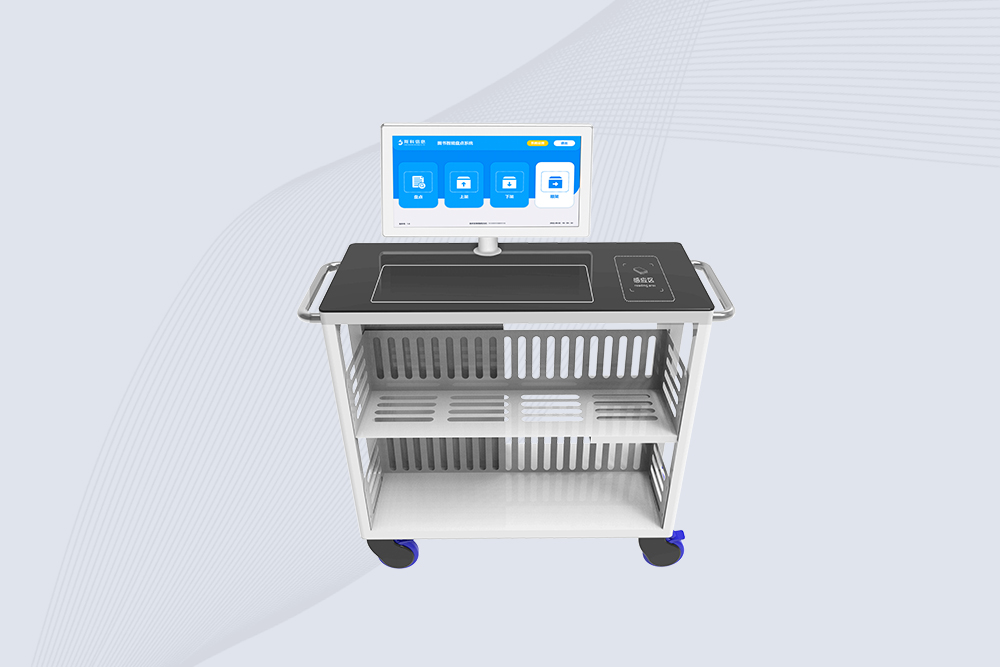
Cykeo CYKEO-C2 UHF RFID inventory cart features 10 UHF readers, 500 tags/sec scanning, Windows/Android OS, and hybrid power for warehouses/libraries. Supports ISO 18000-6C protocols and customization.
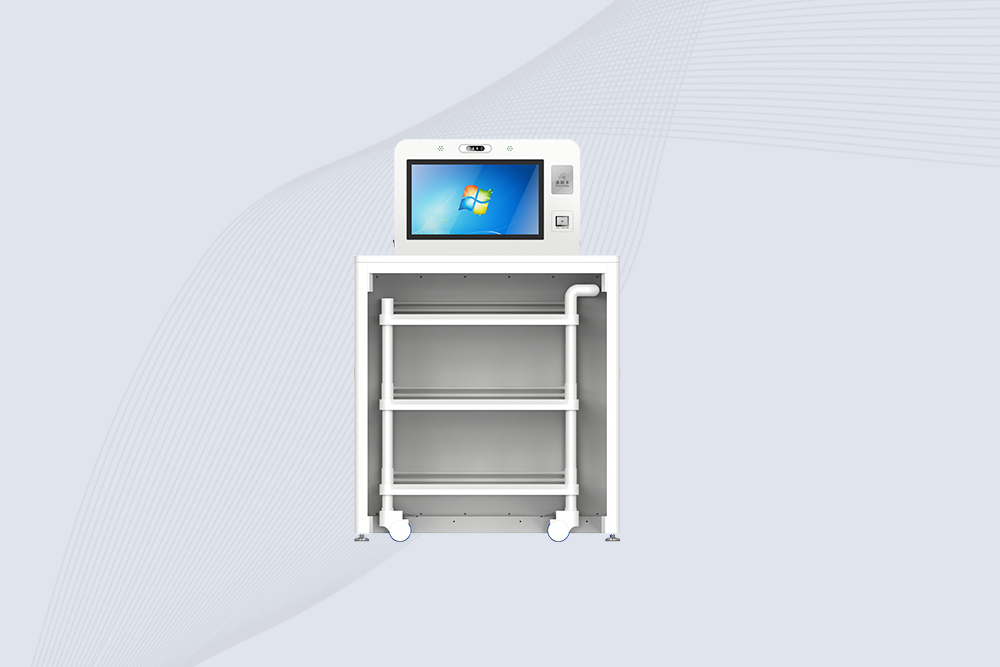
Cykeo’s industrial RFID Inventory Tracking station features dual scanning modes, 200+ items/sec bulk reading, and SAP integration for precise warehouse management. MIL-STD-810G certified with Windows/Android OS.

Cykeo CYKEO-D7 RFID system for inventory offers 40+ tags/sec scanning, 150L secure storage, and Impinj R2000 chipset for warehouses, toolrooms, and retail. Global frequency compliance (840-960MHz).
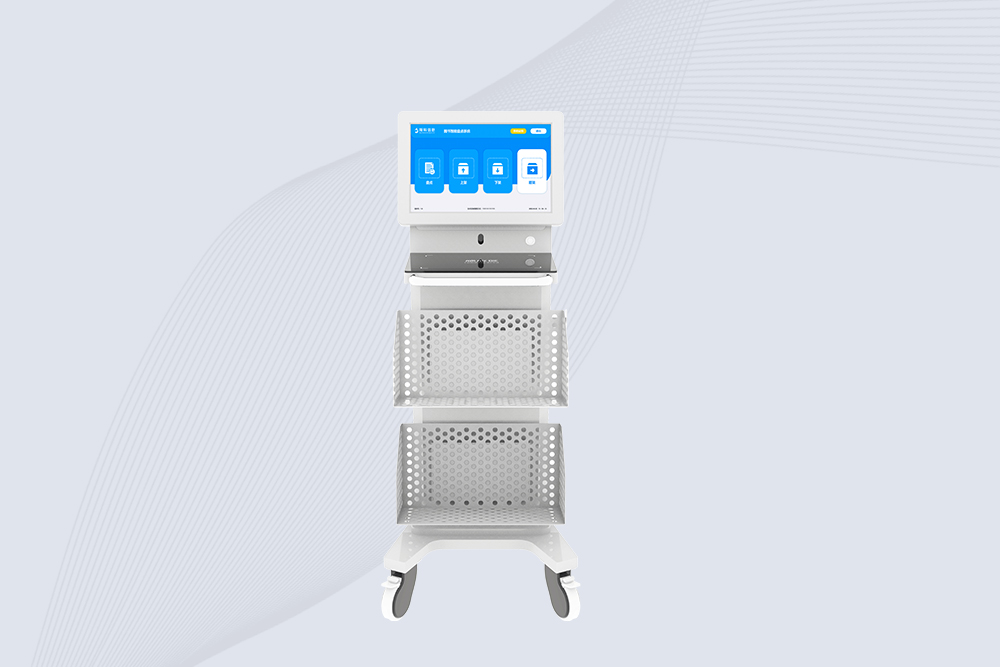
Cykeo CYKEO-C1 mobile RFID scanner cart features PLC-controlled antenna lifting, 10-tag/sec reading, and 21.5″ touchscreen for libraries, hospitals, and warehouses. Supports Windows/Android and multi-protocol RFID.

Cykeo CYKEO-C3 industrial warehouse RFID scanner features motorized lift (2.2m height), 800+ tags/min scanning, Windows/Android OS, and ERP integration. Ideal for high-shelf inventory in logistics/manufacturing.
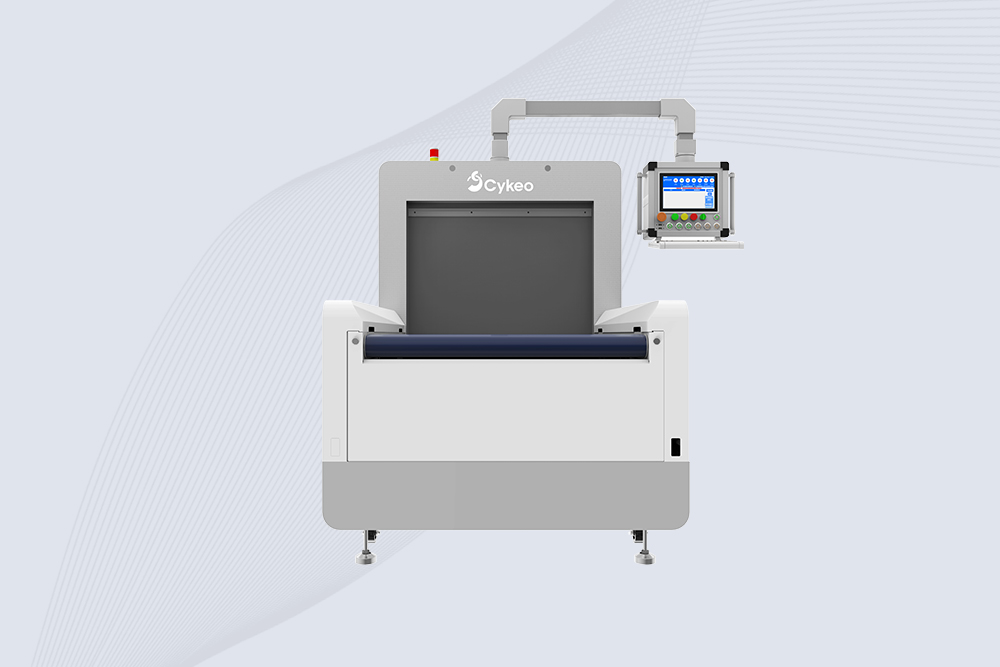
Cykeo’s CYKEO-TP2 automated RFID Inventory Management Tunnel System features 80kg capacity conveyor, 400 tags/sec scanning, and real-time data validation for warehouse/logistics operations.
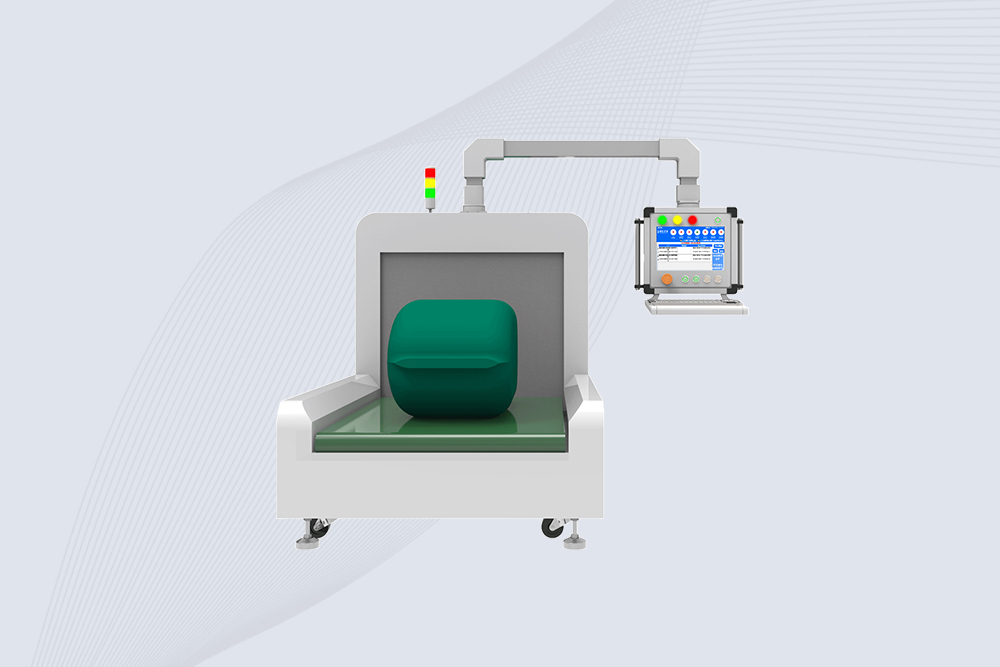
Cykeo’s CYKEO-TP3BC RFID inventory tunnel System management machine delivers 400+ tags/sec counting with ISO 18000-6C compliance. Features 80kg conveyor, -20°C~60°C operation, and ERP integration for apparel/electronics warehouses.
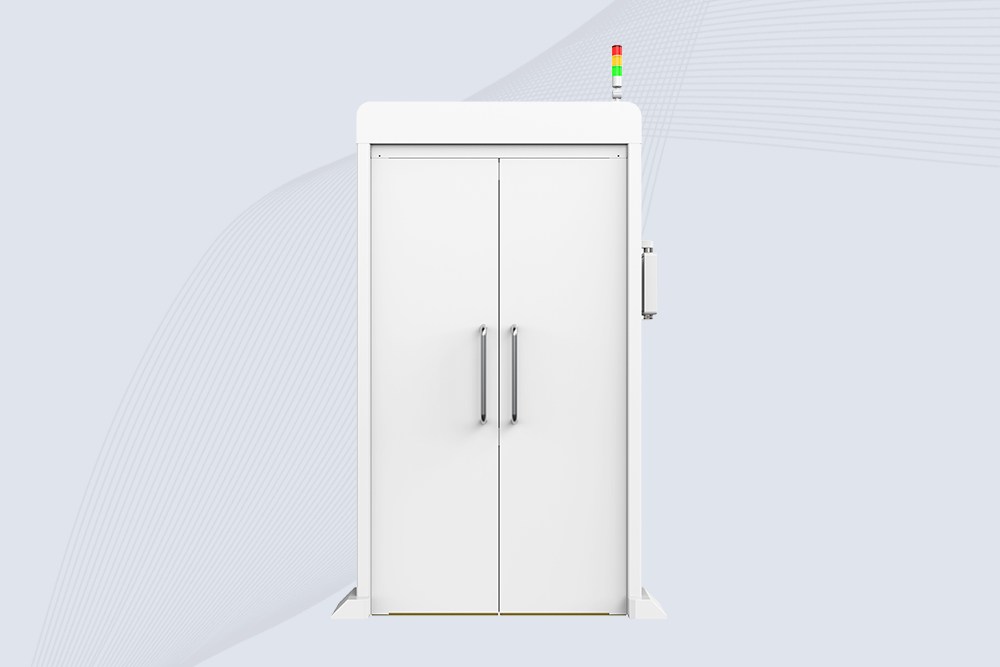
Cykeo’s industrial RFID tunnel scanner enables bulk inventory management for apparel, utilities, and hospitality. Features 10cm anti-interference, ISO18000-6C compliance, and SAP/Oracle integration.
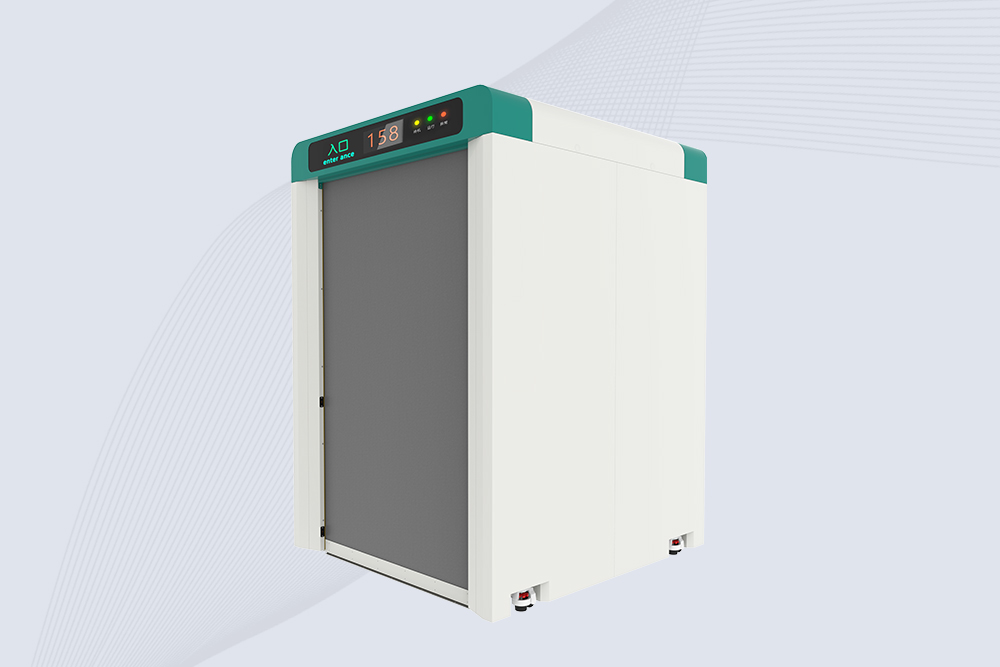
Cykeo CYKEO-TP4 industrial RFID tunnel system features 800-tag/batch processing, PLC-automated shutters, and SAP integration for apparel/hotel/power industries. 3-second verification with 99.9% accuracy.
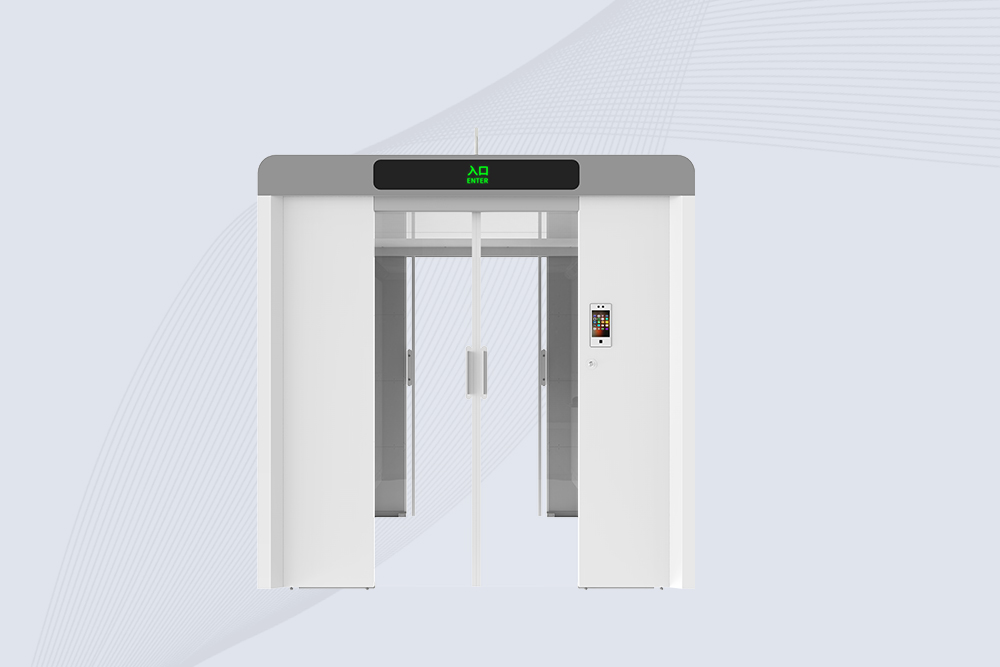
Cykeo CYKEO-TP5A industrial RFID tunnel system features 800-tag/batch processing, PLC-automated shutters, and SAP integration for apparel/hotel/power industries. 3-second verification with 99.9% accuracy.
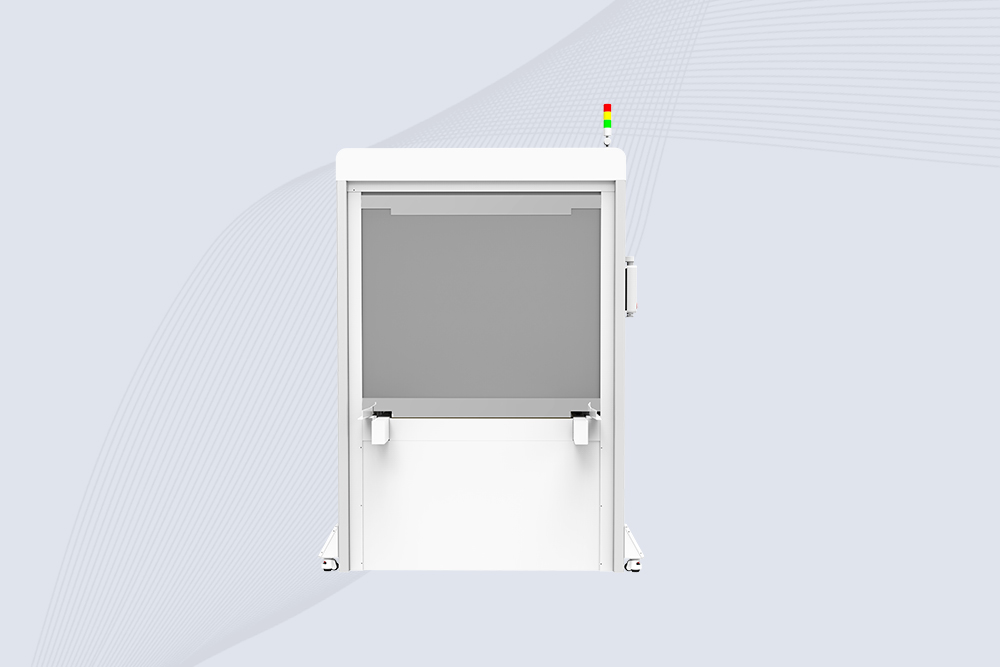
Cykeo CYKEO-TP3 industrial inventory tracking RFID machine achieves 300pcs/3sec bulk scanning with ISO18000-6C compliance. IP65 rugged design for power/garment/hotel linen logistics automation.
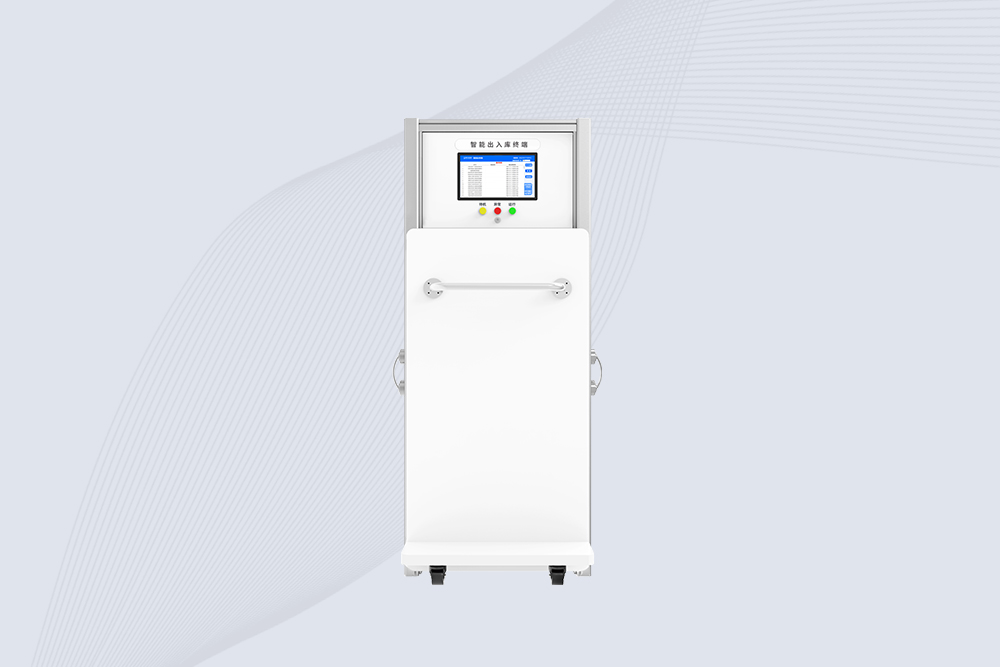
Cykeo CYKEO-GP industrial RFID tunnel achieves 300pcs/sec bulk RFID tags inventory tracking with ISO 18000-6C protocol. 1.9m tunnel height for cage carts, 20cm anti-crosshield tech.

Cykeo’s CYKEO-TP2B automated rfid warehouse management channel enables precision warehouse management with 3s batch processing, ISO 18000-6C compliance, and -20℃ cold chain operation.

Cykeo CYKEO-TP5 RFID inventory management solution delivers 100 tags/sec bulk processing, ISO 18000-6C compliance, and SAP/Oracle WMS integration for power/retail/logistics sectors.
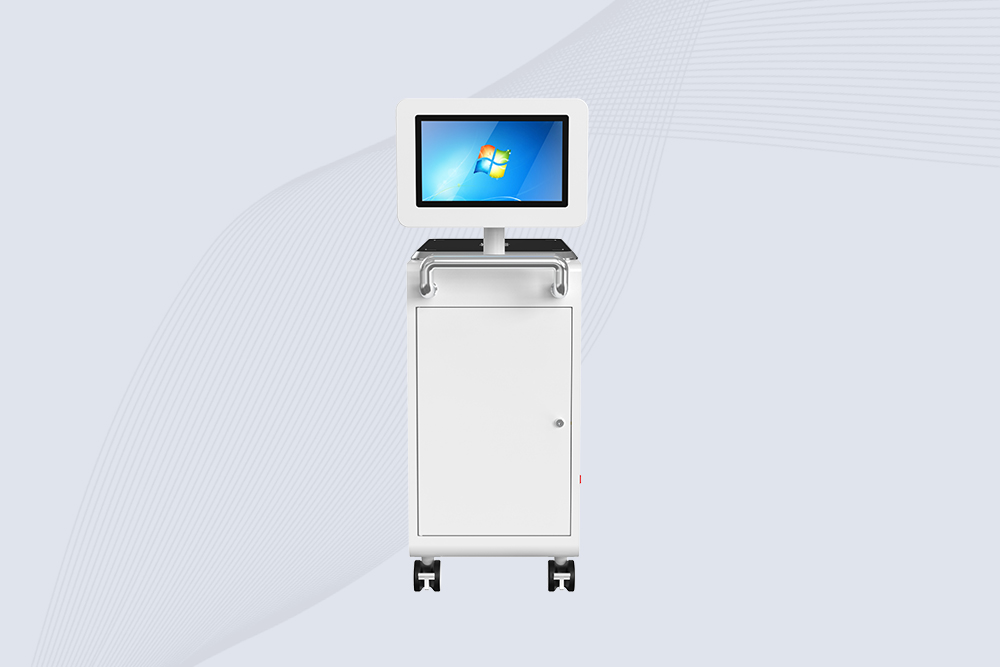
Cykeo CYKEO-C4A RFID inventory systems Cart feature dual-band scanning, 10-antenna array, and SAP integration for warehouse/hospital/supermarket asset audits. 300+ items/min accuracy with industrial reliability.
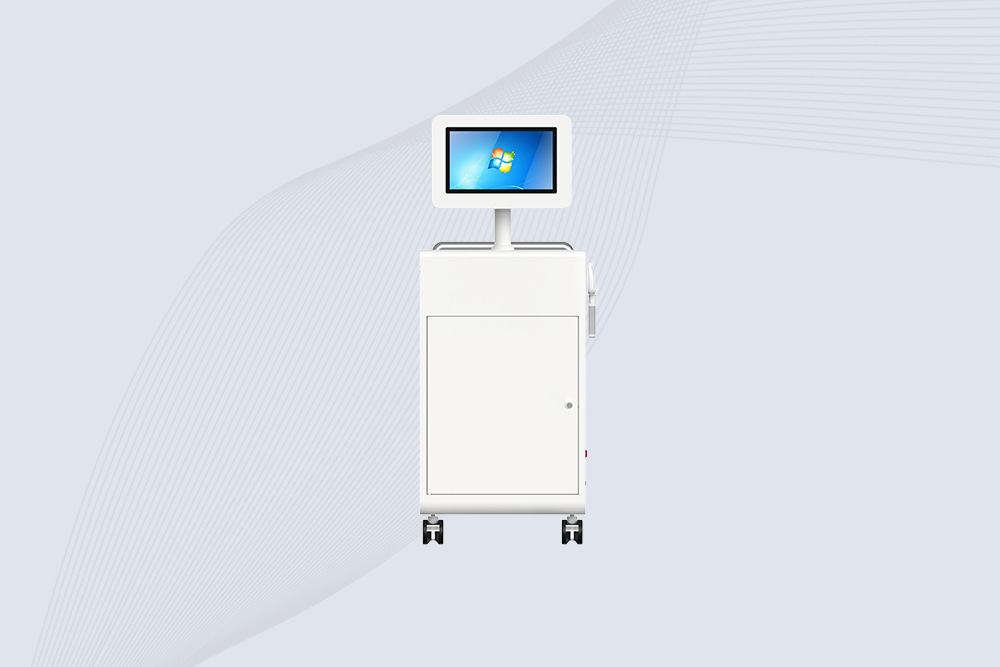
Cykeo CYKEO-C4B RFID inventory managment cart features dual-band scanning, 10-antenna array, and SAP integration for real-time asset tracking in warehouses/hospitals.
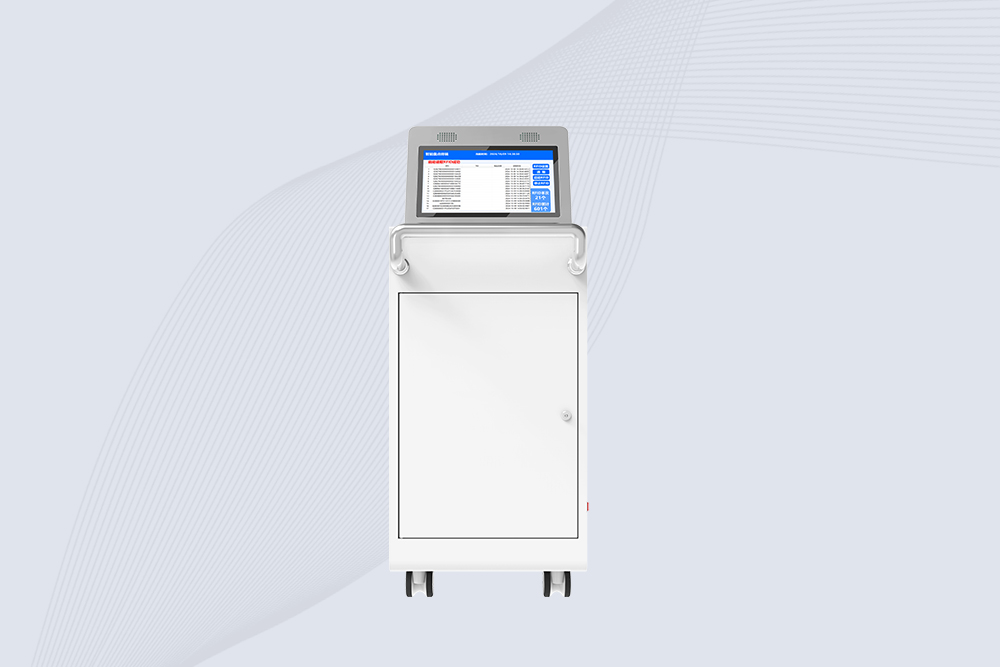
Cykeo CYKEO-C4C RFID inventory tracking cart features 10-antenna array, 300+ items/min scanning, and SAP integration for real-time asset visibility in warehouses/hospitals.

Cykeo CYKEO-T8B industrial rfid gate access system offers 1.85m scanning corridor, 99.6% read accuracy, and Windows/Android OS for production line verification. Supports SAP/Oracle integration.
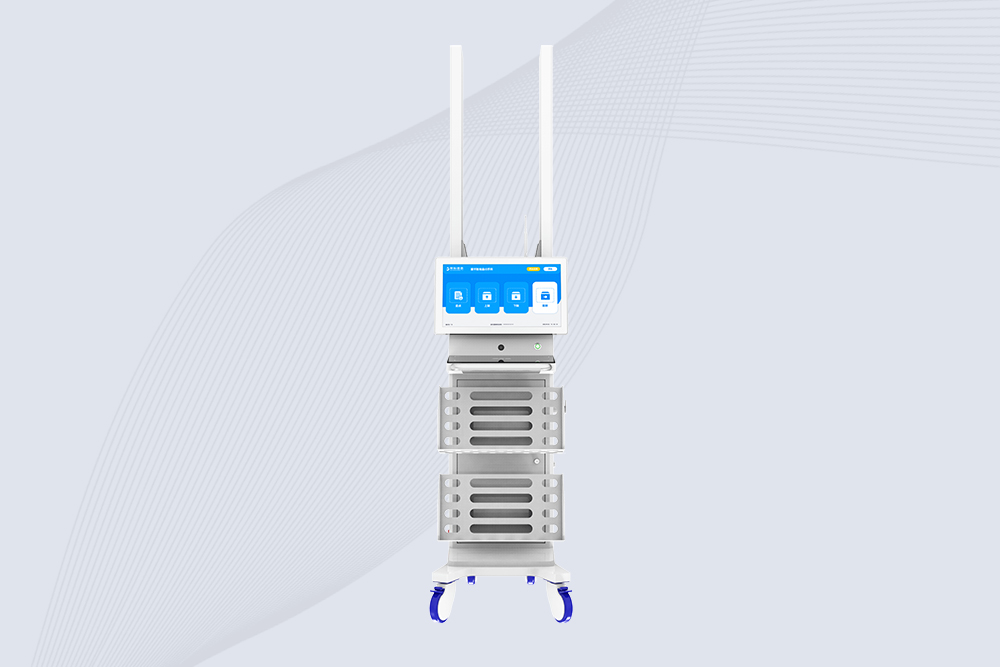
Cykeo CYKEO-C1A RFID tag inventory system features vertical 2.2m manual lift, dual antennas, and Android/Windows OS for warehouse/library inventory. Supports SAP/Oracle integration.

Cykeo CYKEO-TP4A retractable RFID gate processes 1000+ items in 10 seconds with expandable width design. Ideal for large-scale utility, hotel linen, and apparel inventory management.
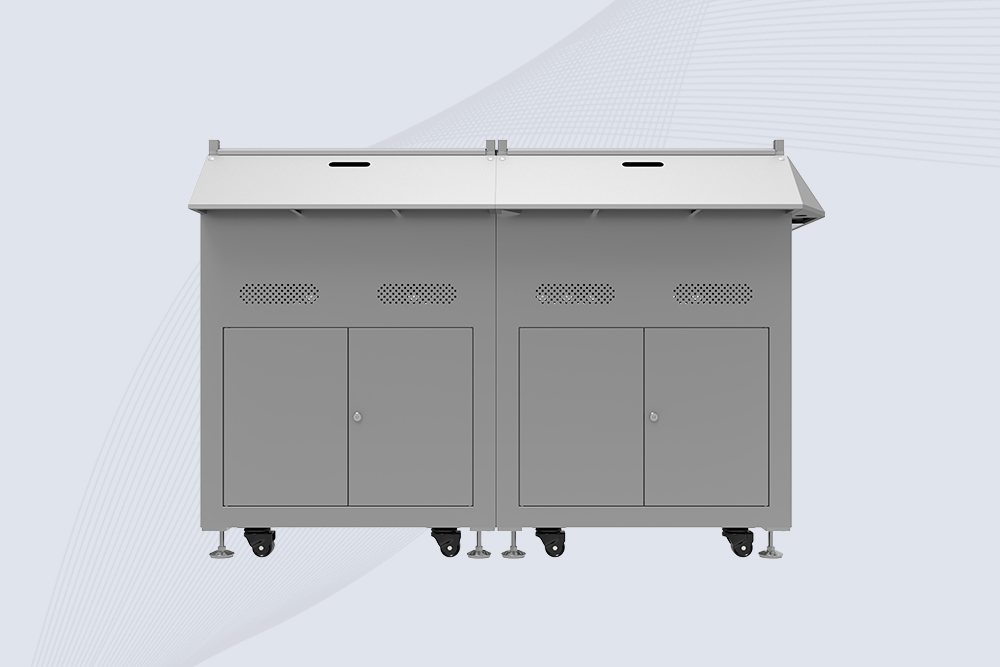
Cykeo CYKEO-S1 RFID library book return sorting system processes 1200 books/hour with modular design and dual-frequency RFID support. Ideal for automated library book sorting and categorization.
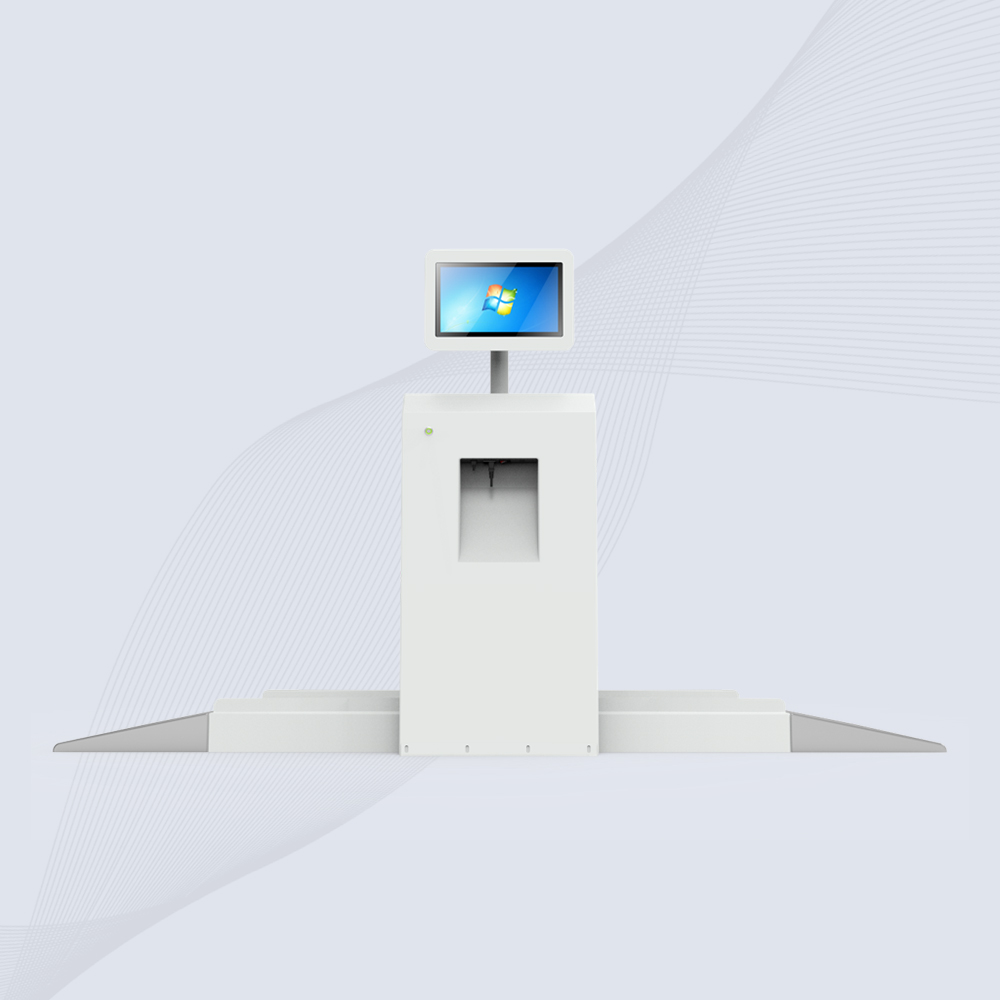
Cykeo CYKEO-TP2C RFID tunnel reader verifies 400+ items in 3 seconds with 4-antenna array and PLC control. Ideal for warehouse inventory management with 99.9% accuracy.
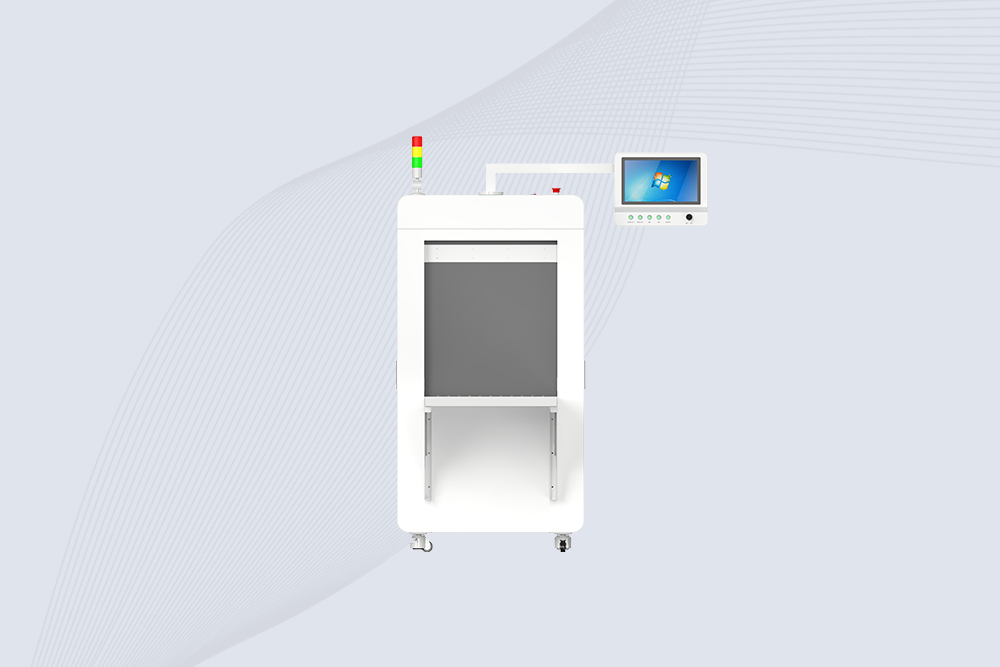
Cykeo CYKEO-TP2D compact RFID tunnel scanner reader offers enclosed scanning with auto-shutter door and IR-activated conveyor. Ideal for mid-scale warehouse inventory management.
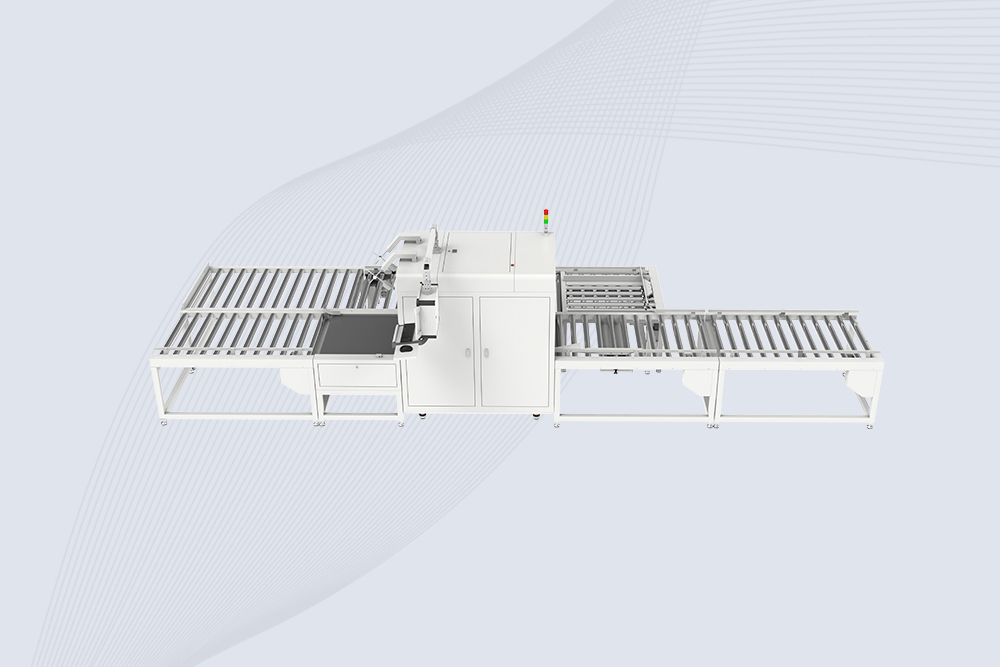
Cykeo CYKEO-TP2A RFID tunnel reader verifies 400+ items in 3 seconds. Integrates RFID, barcode, weighing, and automated sorting for warehouse logistics. Boosts accuracy to 100%.

Learn how to safely remove or deactivate RFID tags from clothing without damaging the fabric. Discover tools, tips, and why some tags shouldn’t be tampered with.
More
RFID laundry tags provide automated identification and tracking solutions for industrial laundry, hotel linen, and medical textiles. This article introduces the types, working principles, core advantages, and typical application scenarios of RFID ...
More
With the continuous advancement of technology, intelligent management has become a goal across industries. In the field of tool management, RFID tool cabinets have provided strong support for achieving intelligent management. In this article, we w...
More
long range RFID scanner reader for industrial environments,applications, integration flexibility,developers embed long-range RFID readers into any system.
More