 Cykeo RFID IoT Solution Products R&D Manufacturer
how far does rfid work
157how far does rfid work? Discover real RFID reading distances from centimeters to 15+ meters, factors affecting range, and expert insights for maximizing RFID performance.
MoreAll RFID Product
How rfid readers work is based on two-way radio communication: the reader transmits RF energy through an antenna, activates compatible tags, receives their backscattered responses, separates multiple tag signals, and converts them into digital identification data for the connected system.
That is the short answer. The engineering is considerably more interesting.
In a warehouse, an RFID reader may sit beside steel shelving, pallets, electrical equipment and hundreds of tagged products. It has to identify the intended tags while dealing with reflections, interference, changing tag orientation and repeated responses from the same item.
This is why an RFID reader should not be judged by read distance alone.
A reader—also called an interrogator—is the active communication component in an RFID system. GS1 describes an RFID system as consisting of a reader and a transponder, with the reader sending electromagnetic waves to the tag and receiving the tag’s response. Passive tags obtain operating energy from the reader field and communicate through backscatter.
A modern UHF RFID reader typically performs several functions:
| Reader function | Practical role |
|---|---|
| RF transmission | Creates the electromagnetic field used to communicate with tags |
| Tag activation | Supplies energy to passive RFID tags |
| Command transmission | Controls inventory and tag-access operations |
| Signal reception | Receives weak backscattered tag responses |
| Anti-collision | Coordinates multiple tags sharing the RF field |
| Signal processing | Decodes the received RF response |
| Data communication | Sends tag information to software or a controller |
The reader is therefore doing much more than “scanning.”
It creates the RF conversation, manages that conversation, interprets the replies, and passes the resulting identification data to another system.
The basic sequence is straightforward.
Reader → RF field → RFID tag → backscatter → reader → digital data
When a passive UHF tag enters the reader’s field, its antenna receives electromagnetic energy. The chip uses that energy to operate and respond to the reader. Instead of generating an independent radio transmission, the tag changes how it reflects the reader’s signal.
That technique is called backscatter communication.
GS1 explains that the passive tag modulates the waves sent back to the reader, which then converts the response into digital information.
This is an important distinction when explaining how UHF RFID readers work. The reader is not simply detecting a passive label like a camera detecting a barcode. It is actively controlling a radio-frequency communication process.
The entire exchange can happen rapidly, and many tags can participate in the same inventory operation.
Frequency determines much of the behavior of an RFID system.
GS1 identifies UHF/RAIN RFID as operating in the 860–930 MHz range and describes it as a technology used for fast asset identification, inventory and tracking. Depending on environmental conditions, UHF passive RFID can provide read ranges of several meters.
That makes UHF particularly useful when the operator does not want to present each item individually to a reader.
A clothing trolley is a good example.
Instead of stopping to expose every garment to a barcode scanner, an RFID-enabled workflow can allow the entire trolley to enter a controlled reading zone. The reader communicates with the population of tags, while the software determines which EPCs belong to that transaction.
The physical workflow changes.
The employee moves goods.
The RFID system handles identification

This is where RFID becomes particularly useful for inventory operations.
If 200 tagged garments enter a reading zone, the reader cannot simply wait for all 200 tags to respond simultaneously. Their signals would interfere with one another.
UHF RFID protocols therefore use anti-collision procedures.
The EPC Gen2 standard specifies an interrogator-talks-first system with random-slotted collision arbitration. Tags use response slots controlled by the reader, allowing the reader to progressively inventory a population rather than receiving uncontrolled simultaneous responses.
The protocol also defines the Q parameter, which the interrogator uses to regulate the probability of tag responses during an inventory round.
That sounds highly technical—and it is—but its warehouse consequence is simple:
Many tagged objects can be identified during one controlled RF inventory cycle.
For Cykeo applications involving apparel, hotel linen, electrical meters, leather goods and other individually identifiable products, this multi-tag capability is central to the value of UHF RFID.
One specification frequently discussed during RFID selection is output power.
Cykeo UHF RFID reader configurations can reach 33 dBm maximum output power on applicable models. But increasing power is not automatically the correct response when a reading zone is unreliable.
Consider a warehouse doorway.
The target is a trolley passing through the door. Behind the door are several shelves containing RFID-tagged inventory. If the reader’s field extends too aggressively into the storage area, those stationary tags may appear in the outbound transaction.
The problem is no longer insufficient reading distance.
It is excessive reading volume.
GS1 specifically notes that passive UHF read range depends on reader power, interference, rfid antenna characteristics and tag orientation. It also states that the shape of the readable volume can be more important than the maximum distance itself.
This is one of the practical points I would prioritize when reviewing an RFID installation: define where the reader should identify tags before trying to maximize how far it can identify them.
The reader and antenna are closely connected, but they are not the same component.
The reader generates and processes the RF signal.
The antenna determines how that energy is radiated and how returning signals are collected.
GS1 notes that antenna directivity, gain, electromagnetic polarization and tag orientation strongly influence the shape of the readable volume.
That is why antenna placement deserves attention during installation.
A fixed reader might use external antennas for:
GS1 also distinguishes fixed, mobile, embedded and integrated reader form factors. Fixed interrogators are designed for external antennas positioned where reading, writing or inventory operations are required.
The reader model is only one part of the RF system.
Once the reader successfully decodes a tag response, the identification data needs to reach the application.
A simplified architecture is:
RFID Tag → Antenna → Reader → Signal Processing → EPC → Communication Interface → Software
GS1 identifies LLRP (Low Level Reader Protocol) as a protocol between software and RFID readers, providing detailed control over reader operations.
In a warehouse, the application may use the received EPC to determine:
The reader does not make those business decisions by itself.
It supplies the physical identification event.
The software gives that event operational meaning.
One of the weakest RFID tests is also one of the easiest: place one tag in front of the reader and record the distance.
That tells you very little about a warehouse installation.
A useful test should reproduce the real environment:
This matters because RF behavior changes when products are packed tightly together.
GS1 confirms that metal can reflect and diffract electromagnetic waves, while liquids can absorb RF energy and detune RFID tags. Specialized tag and antenna designs can mitigate these effects.
So when a reader misses a tag, the reader itself is not automatically the culprit.
Sometimes the label is wrong for the material.
Sometimes the antenna is poorly positioned.
Sometimes the tag is hidden inside the product population.
Sometimes the reading zone is simply designed incorrectly.
The strongest RFID deployments are usually the ones where those details were tested before the equipment was permanently installed.
The right RFID reader depends on where the identification event happens.
GS1 classifies RFID readers into several form factors, including handheld, fixed, embedded and integrated readers. Fixed readers are intended for locations where RFID reading or writing is repeatedly required, while handheld readers are useful for mobile operations and exception processing.
| Reader type | Best suited to | Typical scenario |
|---|---|---|
| Fixed RFID reader | Repeated, controlled reading | Warehouse portal, conveyor, channel |
| Handheld rfid reader | Mobile identification | Cycle counting, shelf checks |
| Integrated rfid reader | Compact deployments | Reader + antenna in one housing |
| Embedded rfid reader | OEM integration | Smart equipment and custom systems |
For a warehouse receiving door, I would generally favor a fixed architecture because the reading position does not change.
For cycle counting, the opposite can be true. The operator needs to walk to the inventory rather than bring the inventory to the reader.
The real advantage of how RFID readers work becomes obvious when the same identification task is repeated thousands of times.
GS1 cites RFID deployments where inventory accuracy increased from an average of 63% to 95%, and inventory counting rates increased from 250 to 20,000 items per hour in referenced industry studies. These are reported results from specific implementations, not a guaranteed performance level for every RFID project.
GS1’s apparel material also reports that EPC/RFID can raise inventory accuracy to approximately 95%, while cycle-counting time can be reduced by 96% in the cited retail applications.
Those figures help explain why the technology matters.
But the reader is only useful when the RF reading event corresponds to the physical business event.
A shipping door is a good example.
Trolley enters → tags are identified → shipment is checked → inventory system is updated.
The reader does not need an employee to stop and scan every individual item.
Cykeo’s UHF RFID reader solutions are designed for environments where individual tagged objects need to be identified quickly and repeatedly.
Applicable Cykeo configurations include features such as:
The engineering priority is not simply maximum RF output.
It is controllable identification.
For a high-volume inventory channel, for example, the reading area should be sufficiently strong to identify the intended tags while limiting unnecessary reads from nearby stock. Cykeo’s enclosed channel approach uses PLC-controlled shutters to create a defined reading environment, which is particularly useful when tagged products are stored close to the passage.
That is a very different requirement from simply putting an antenna at a warehouse doorway and turning the power up.
RFID-tagged garments can be identified during receiving, storage, dispatch and stocktaking.
The value is especially apparent when a trolley contains a large number of individual items. Instead of creating a separate barcode scan for every garment, the reader can inventory multiple tags within its RF field.
Sheets, towels, uniforms and other reusable textile products can be tagged individually.
At a controlled transfer point, an RFID reader can capture the tag population as linen moves between storage, laundry and distribution operations.
Electrical meters can be assigned individual RFID identities. Fixed readers can then support batch receiving, outbound verification and inventory control.
Item-level RFID identification is useful when individual products must remain distinguishable throughout warehouse handling.
Fixed readers can be installed at:
GS1 specifically identifies portal, tunnel, overhead and forklift-mounted configurations among possible fixed-reader implementations.
A reliable installation starts with the physical reading zone.
Before fixing the reader and antennas permanently, test:
GS1 notes that UHF read range depends on multiple variables, including reader power, interference, antenna directivity and gain, polarization and tag orientation. It also states that the shape of the readable volume can matter more than maximum distance.
This is why a “20-meter RFID reader” specification by itself tells an engineer surprisingly little.
The question should be:
20 meters in which direction, under what tag orientation, with what product, and with what unwanted-read boundary?
A reader becomes useful to the warehouse only after its RF observations reach the business application.
The basic architecture is:
RFID Tag → Antenna → Reader → RF Processing → EPC → Communication Interface → WMS/ERP/Application
GS1 identifies the Low Level Reader Protocol (LLRP) as a software-to-reader interface that provides detailed control over RFID reader operations. Its documentation describes inventory as the operation of identifying tags and defines parameters such as Q for regulating tag-response probability.
This separation is important.
The reader knows:
“EPC 123456789 was detected.”
The warehouse application knows:
“That EPC belongs to item X and was received against shipment Y.”
Good RFID architecture keeps those responsibilities clear.

The reader transmits RF energy through its antenna. A passive RFID tag harvests energy from that field and responds by backscattering a modulated signal. The reader receives and decodes that response into digital tag information.
Yes. UHF RFID uses standardized anti-collision procedures to manage multiple tags within the interrogation zone. The reader conducts inventory operations rather than requiring each tag to be individually presented.
There is no universal distance. GS1 states that passive UHF RFID typically operates over several meters, with up to 15 meters possible in special cases and longer distances possible with specialized reader and antenna configurations.
No. Unlike optical barcode scanning, UHF RFID does not require direct visual alignment. However, tag orientation, materials, antenna polarization and RF interference can strongly affect actual performance.
No. Increasing power can enlarge the reading zone but may also increase unwanted reads. Reader power should be balanced with antenna characteristics, tag behavior, product materials and the required physical boundary of the application.
LLRP stands for Low Level Reader Protocol. It provides an interface between RFID readers and client software, allowing detailed control of reader and air-interface operations.
Yes. UHF RFID is specifically used for fast asset identification, inventory and tracking. Fixed readers can automate controlled points such as receiving, shipping and portals, while handheld readers support mobile stocktaking.
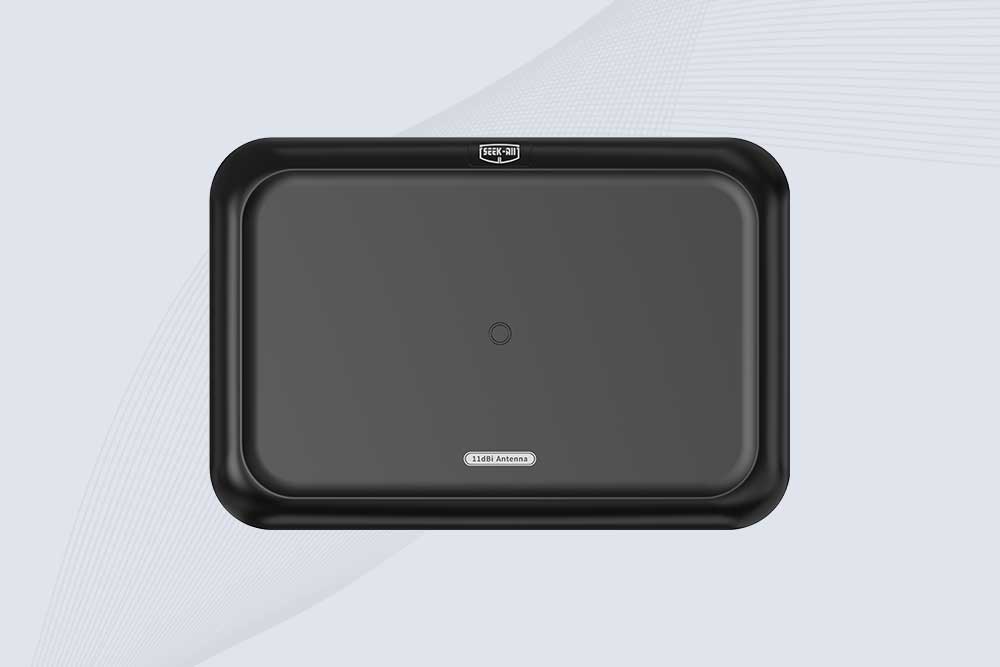
SSD-A11 UHF RFID antenna features 840–960 MHz adjustable frequency, ≥10.5 dBi gain, circular polarization and 50Ω impedance for fixed RFID systems.
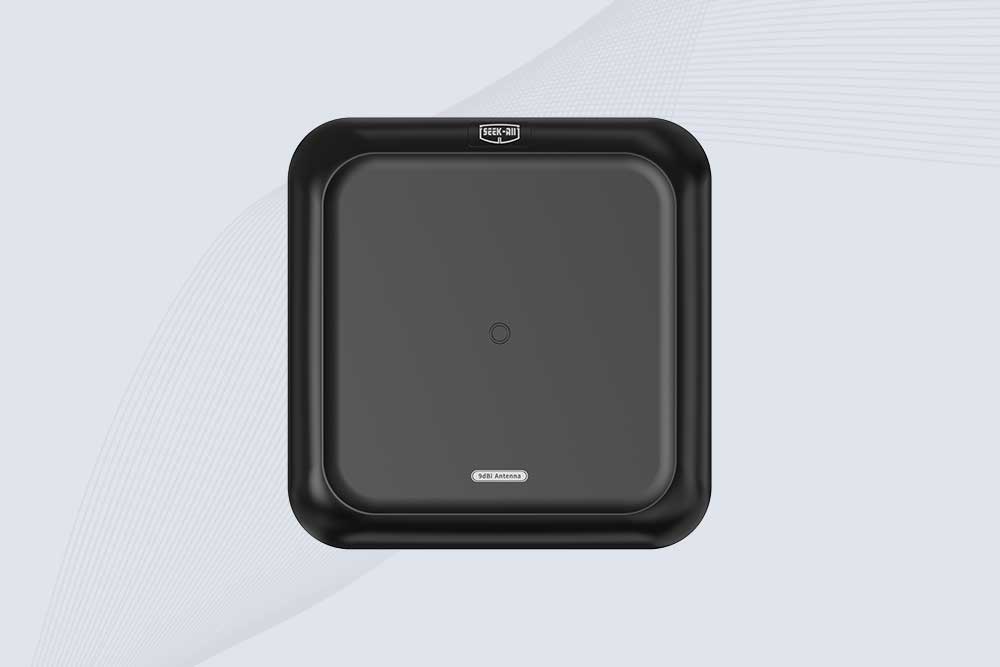
SSD-A09 is a 9 dBi UHF RFID antenna with 840–960 MHz adjustable frequency, circular polarization, 50Ω impedance and directional 60° × 60° coverage.
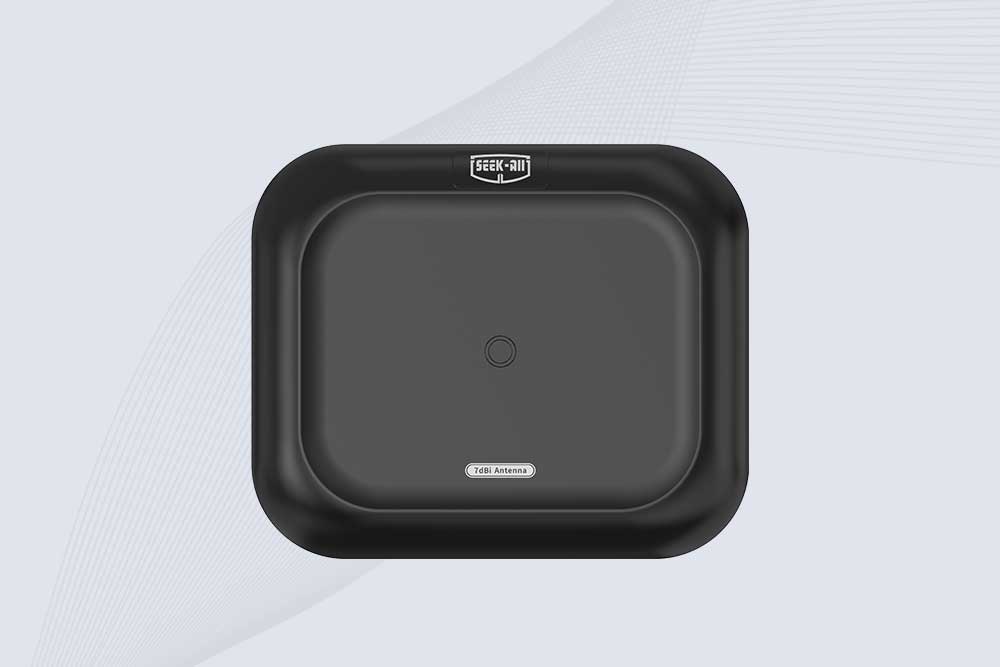
Explore the SSD-A07 UHF RFID antenna with 7 dBi gain, circular polarization, adjustable 840–960 MHz frequency, and 60°/75° beamwidth for stable RFID read/write performance.

SSD-A06 UHF RFID antenna with circular polarization, adjustable 840–960 MHz frequency, ≥4.5 dBi gain, and a compact directional design for RFID systems.
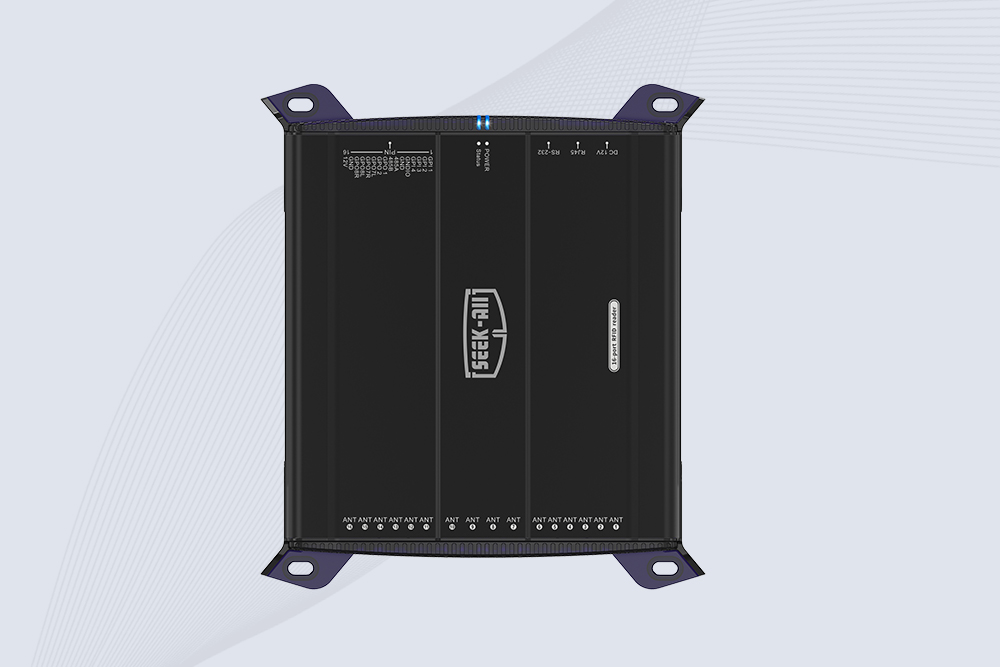
SSD-R16L Multi-Channel RFID Infrastructure for Automated Inventory Management ✔️ 16-Port High-Density RFID Reading Equipped with 16 SMA antenna ports, SSD-R16L supports multi-antenna deployment for warehouses, retail stores, logistics, production lines, and large-area RFID identification. ✔️ High-Speed & Long-Range Performance With up to 33…
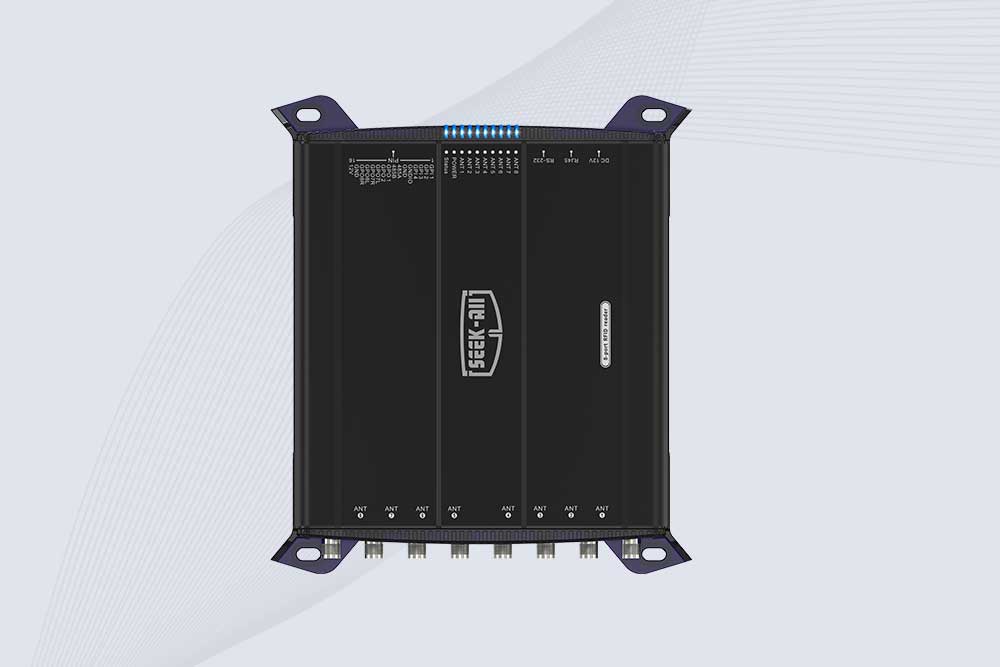
SSD-R8L 8-port UHF RFID reader with 33dBm output, up to 20m reading range and 600+ tags/s recognition. Ideal for warehouse, logistics, retail and asset tracking.
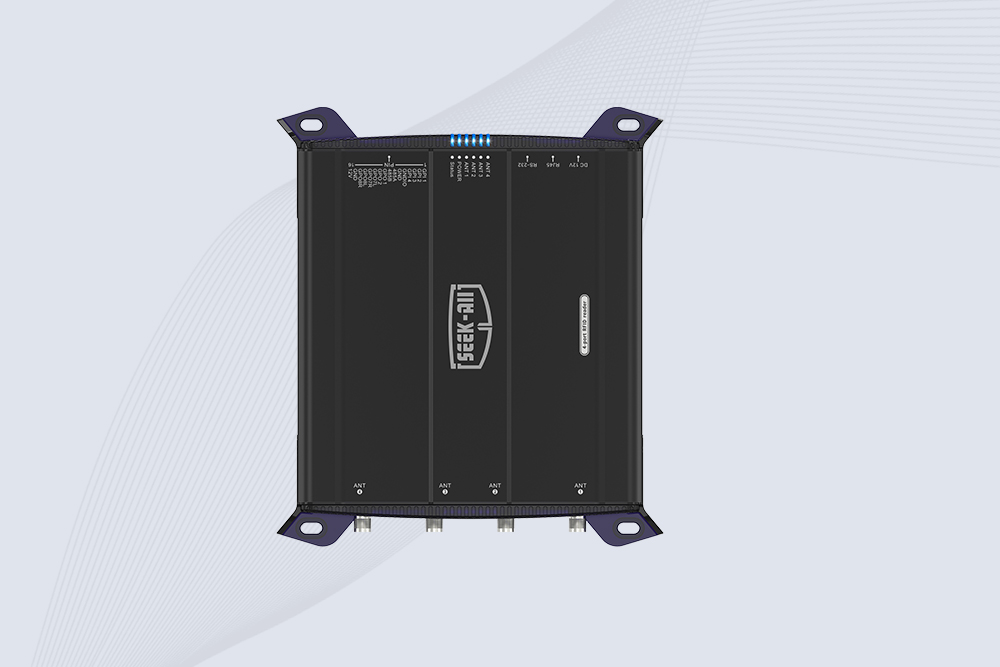
SSD-R4L is a 4-port UHF RFID fixed reader with 33dBm output power, up to 20m reading range, EPC C1G2 support and 600+ tags/s reading speed.
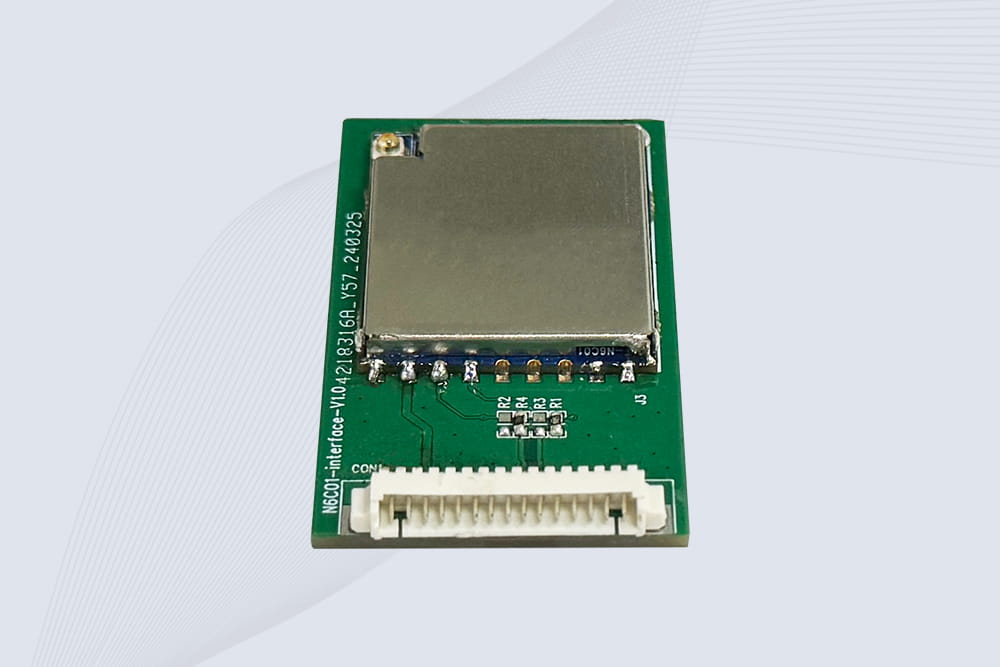
CYKEO Embedded RFID Modules are designed for compact industrial and IoT devices that require stable UHF performance. These UHF RFID Modules support global protocols, flexible power control, and reliable multi-tag reading for smart cabinets, production lines, and asset tracking systems.
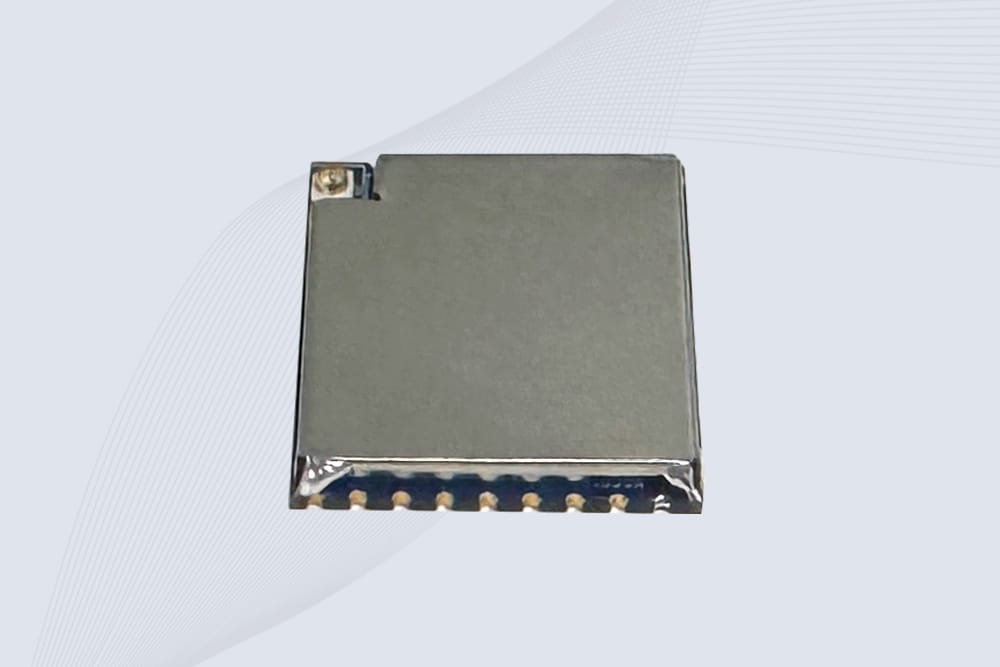
CYKEO Embedded RFID Module is built for compact IoT and industrial devices that need stable UHF performance. This UHF module supports global protocols, low power operation, and reliable multi-tag reading for smart lockers, production lines, and always-on RFID systems.
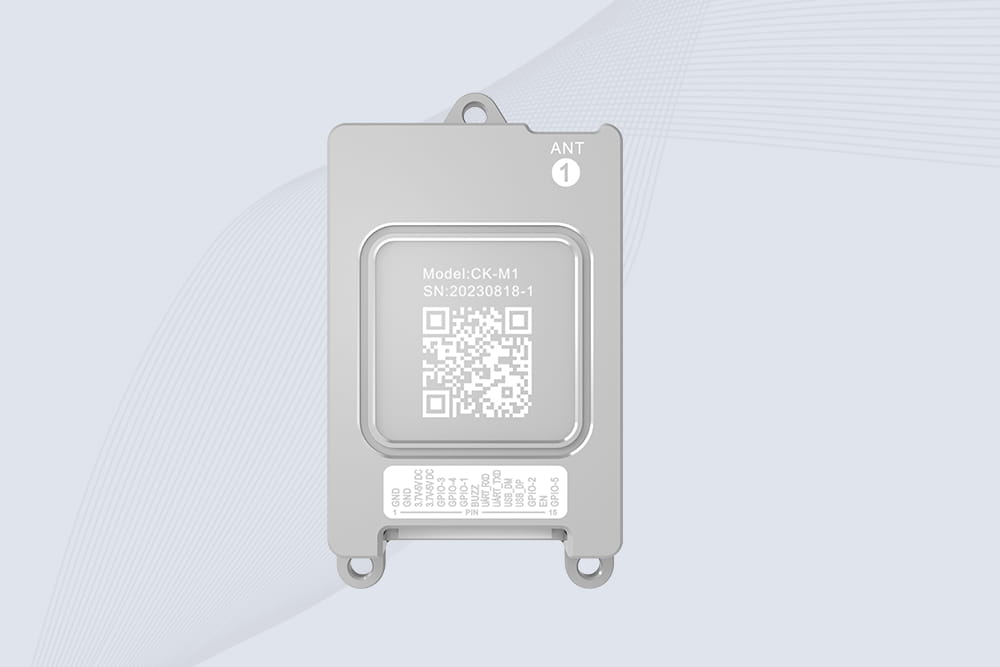
CYKEO CYKEO-M1 drone rfid module is a compact UHF RFID reader module designed for drones and UAV platforms. It supports long-range aerial scanning, fast multi-tag reading, and stable performance in wind, vibration, and outdoor environments.
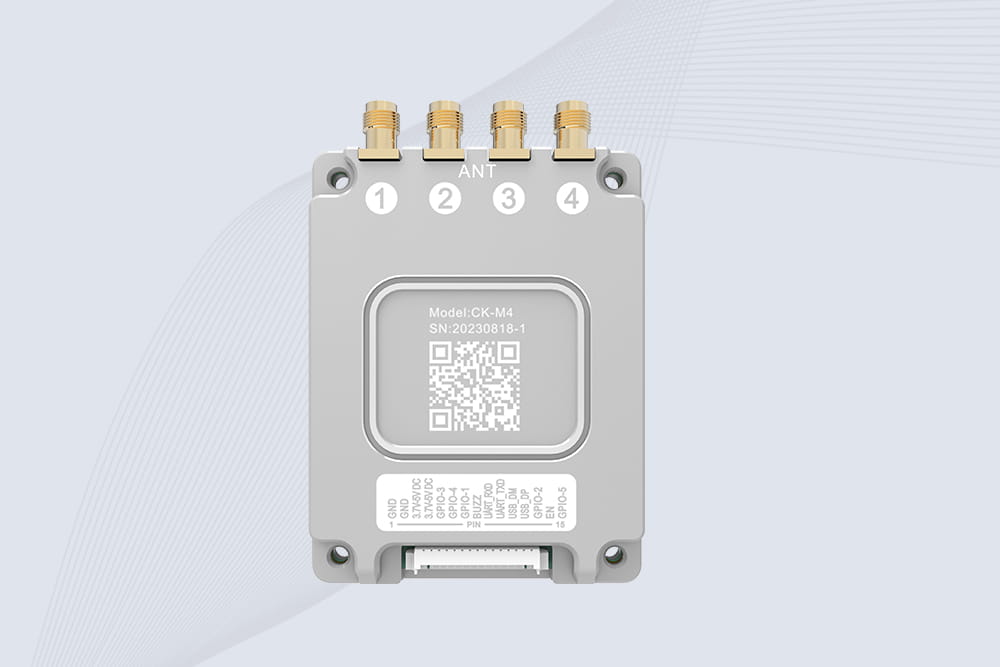
CYKEO CYKEO-M4 RC522 RFID Module is an industrial-grade UHF RFID reader with 4 ports, supporting ISO, EPC, and GB protocols. High-speed, accurate reading for IoT, automation, and warehouse applications.
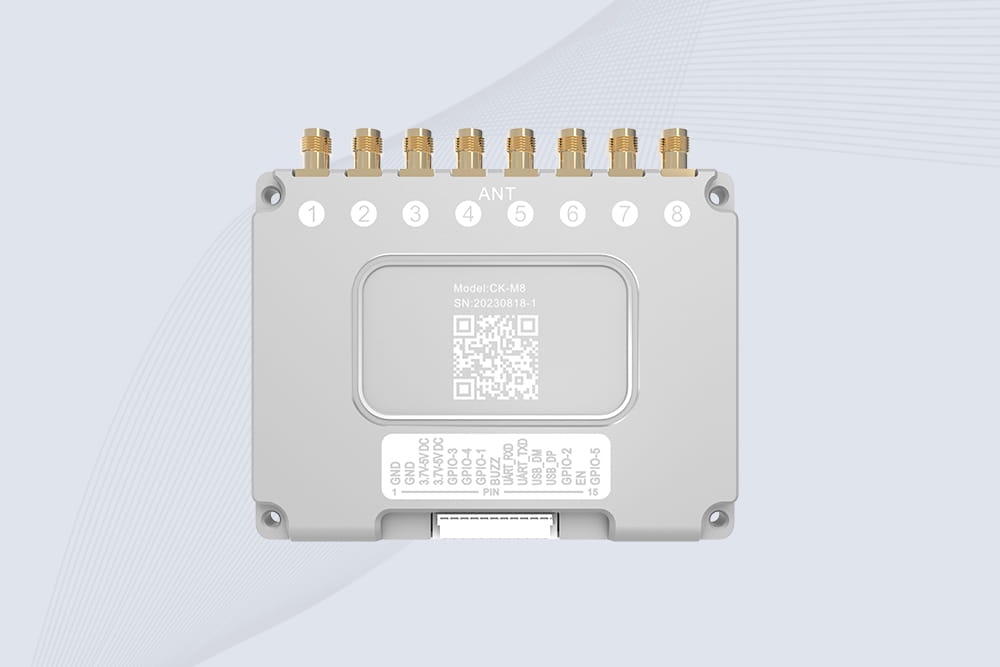
CYKEO CYKEO-M8 Module RFID is an 8-port UHF R2000 RFID Module designed for high-density, multi-tag environments. Stable 33dBm output, ISO & GB protocol support, ideal for warehouses, factories, and automated systems.
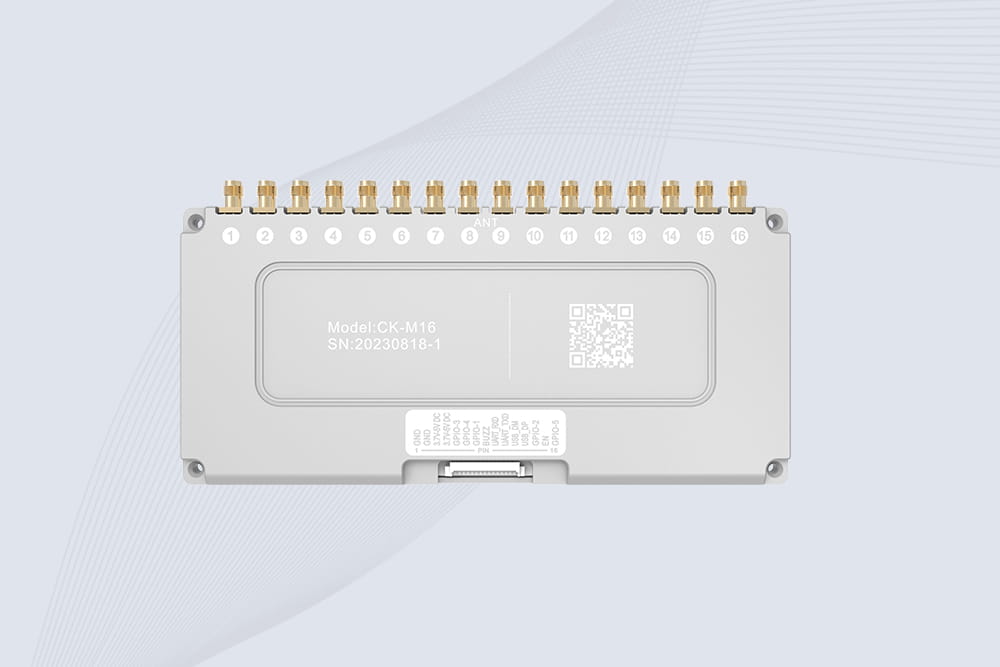
CYKEO CYKEO-M16 RFID Module is a 16-port UHF RFID reader module based on the R2000 chipset. Designed for dense tag environments, it supports ISO and GB standards and delivers stable multi-antenna control for industrial automation.
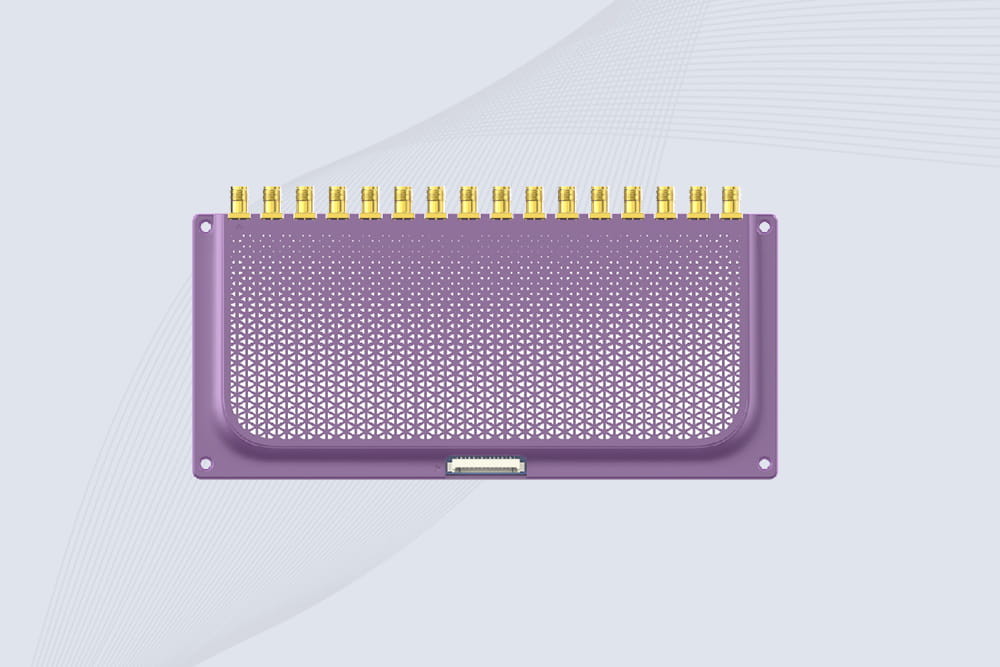
The CYKEO CYKEO-M16L RFID Reader Module is a 16-channel UHF RFID core designed for dense tag environments. With adjustable 33dBm output, multi-protocol support, and stable multi-antenna control, this RFID Tag Reader Module fits industrial automation, warehouse systems, and large-scale IoT deployments.
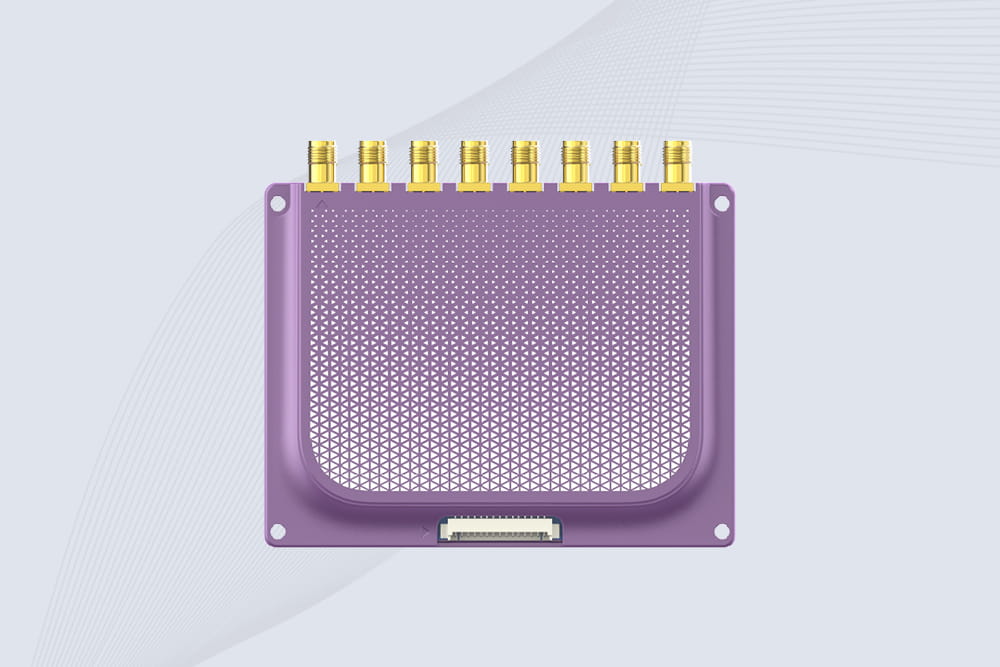
CYKEO CYKEO-M8L module RFID is a compact industrial UHF module built for dense tag and multi-antenna environments. With 8 RF ports, adjustable 33 dBm output, and ISO & GB protocol support, it is widely used in factories, warehouses, and automated tracking systems.
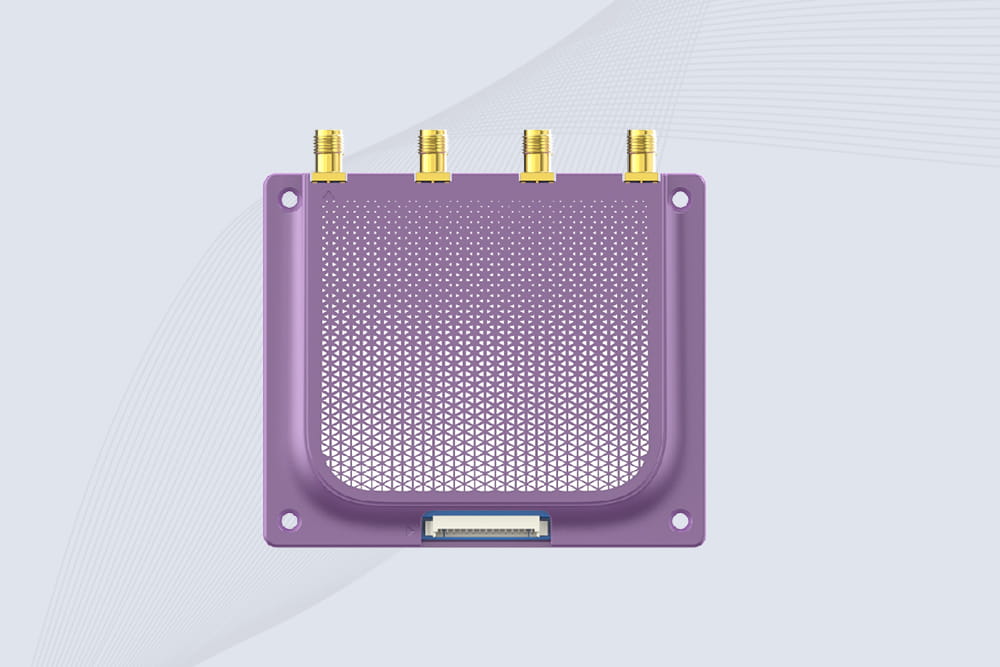
CYKEOCYKEO-M4L UHF RFID Module is a compact 4-channel RFID tag reader module designed for dense tag environments. Supporting ISO and GB protocols, it delivers stable reads up to 10 meters for industrial and IoT systems.
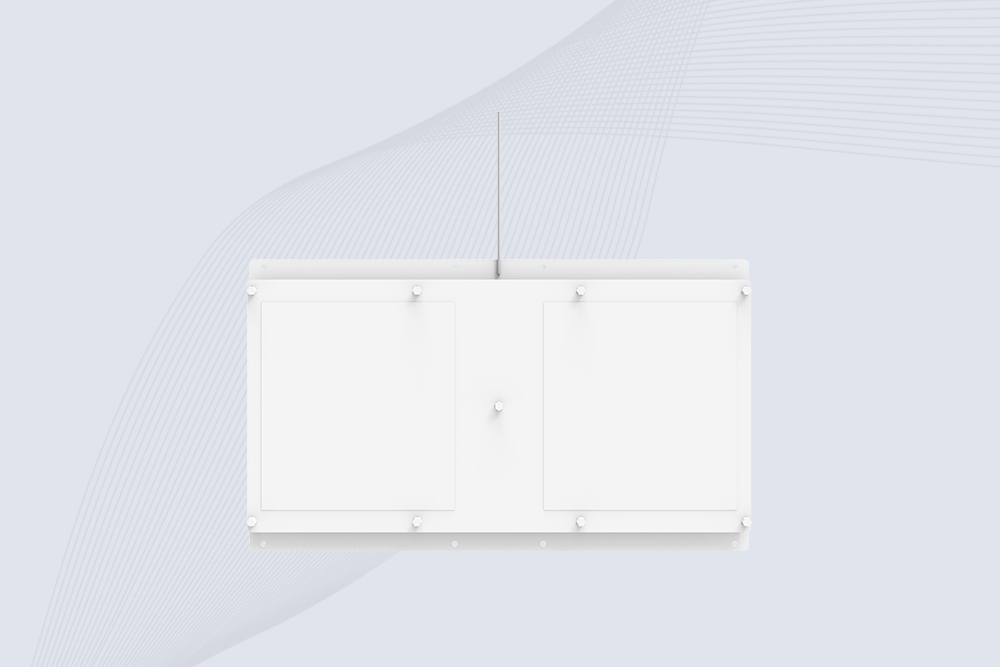
Cykeo CYKEO-A11 UHF RFID reader antenna delivers 11dBi gain, 840-960MHz frequency range, and IP65 ruggedness for retail, logistics, and industrial RFID systems. Features low VSWR and easy installation.

CYKEO Antenna RFID Reader delivers stable long-range UHF performance with a 10.5dBi directional design, built for warehouses, conveyor portals, and industrial RFID systems. This rfid reader antenna provides 20m+ read distance and rugged IP67 protection.

Cykeo CYKEO-PHF3 industrial HF RFID Antenna offers 24-point dynamic tracking, ISO 14443A/15693 protocols, metal-environment stability for archives/libraries/manufacturing.

Cykeo CYKEO-A5B industrial Linear RFID Antenna delivers 5dBi gain, ≤1.5:1 VSWR, and IP65 rugged design for warehouse, production line, and logistics UHF systems.

Cykeo’s CYKEO-B12 Long Range RFID Antenna delivers 15m+ read range with 12dBi gain, IP65 rugged design, and global 840-960MHz UHF support. Ideal for warehouse/logistics asset tracking.
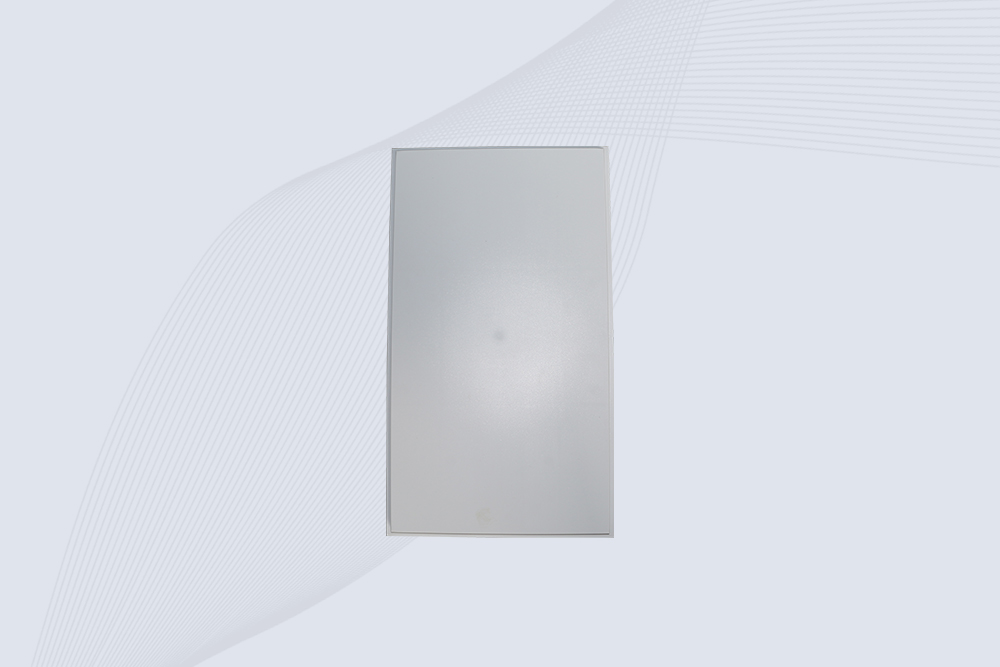
Cykeo CYKEO-B10 Long Distance RFID Antenna offers 10dBi gain, 840-960MHz frequency range, IP65 rating, and 20m+ coverage for logistics/warehousing/ETC systems. Low VSWR ensures stable signal transmission.
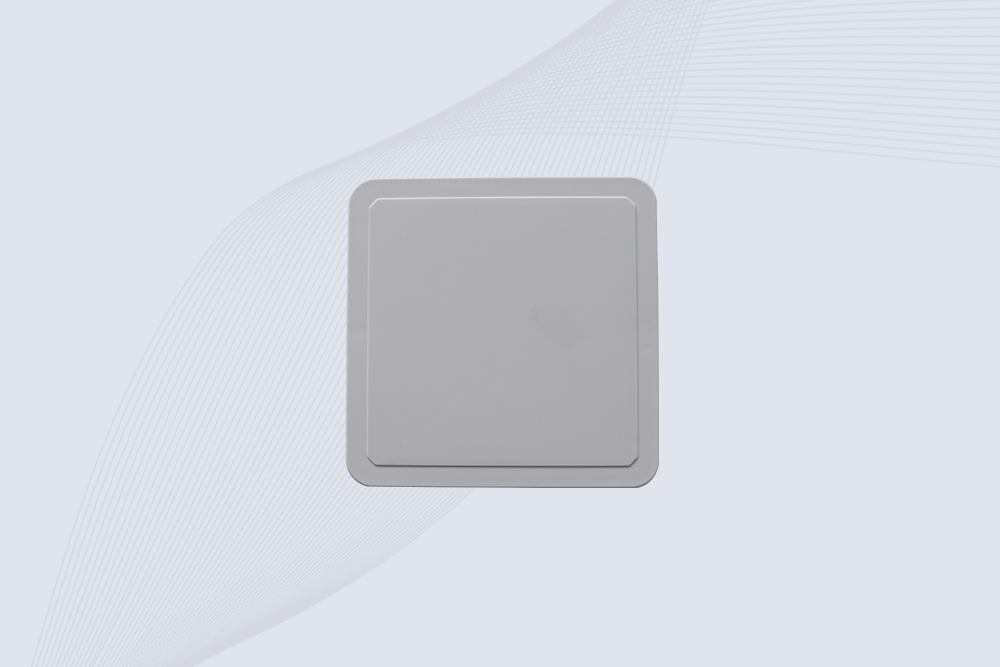
Cykeo CYKEO-A6 UHF RFID panel antenna features 6dBi gain, 840-960MHz broadband, IP65 metal-ready housing for logistics/smart retail. 18mm ultra-thin design with tool-free mounting.

Cykeo CK-A3 industrial antenna RFID UHF offers 5m+ tag detection, ≤1.3:1 VSWR, IP65 rugged design, and global UHF spectrum compatibility (840-960MHz) for warehouses, factories, and retail.
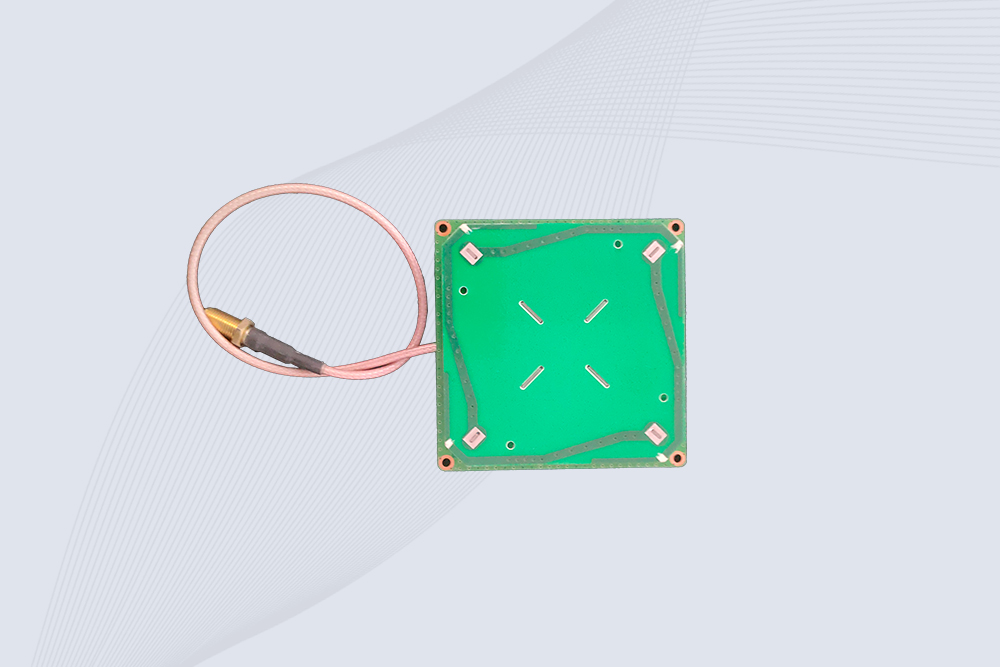
Cykeo CYKEO-B5 directional RFID antenna provides 5dBi gain with 60° narrow beamwidth for precise inventory tracking. IP65-rated, global UHF frequency support, and low VSWR.
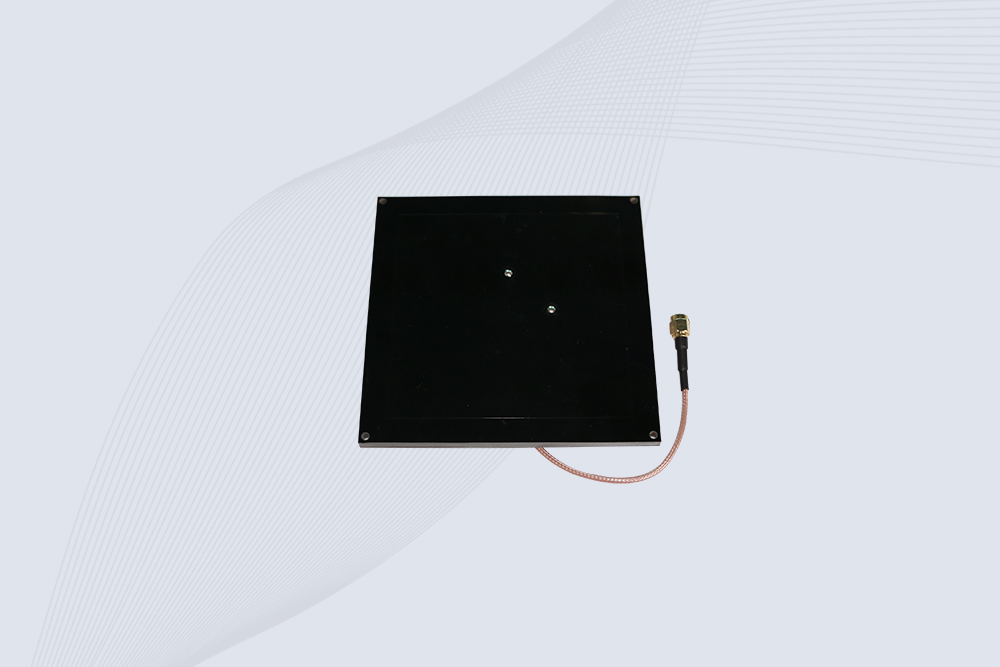
Create your own high-performance DIY RFID antenna! 5dBi gain, 840-960MHz tunable, step-by-step guides. Compatible with Arduino, Raspberry Pi, and commercial UHF readers.
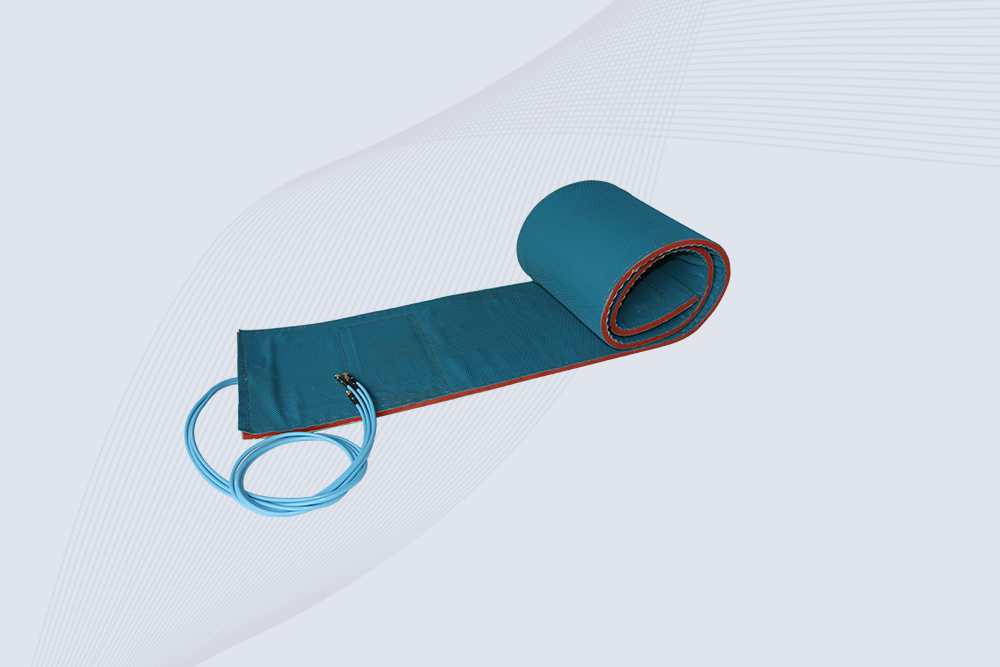
Cykeo CYKEO-A7 Flexible RFID Antenna features 840-960MHz wideband tuning, 7dBi gain, and IP68 rating for medical/retail/industrial curved surface deployments. 98% read accuracy with peel-and-stick installation.

Cykeo CYKEO-B5A industrial Passive RFID Antenna delivers 5dBi gain, 70° beamwidth, and -40°C~55°C operation for warehouses/smart cabinets. Compatible with Zebra/Impinj readers.
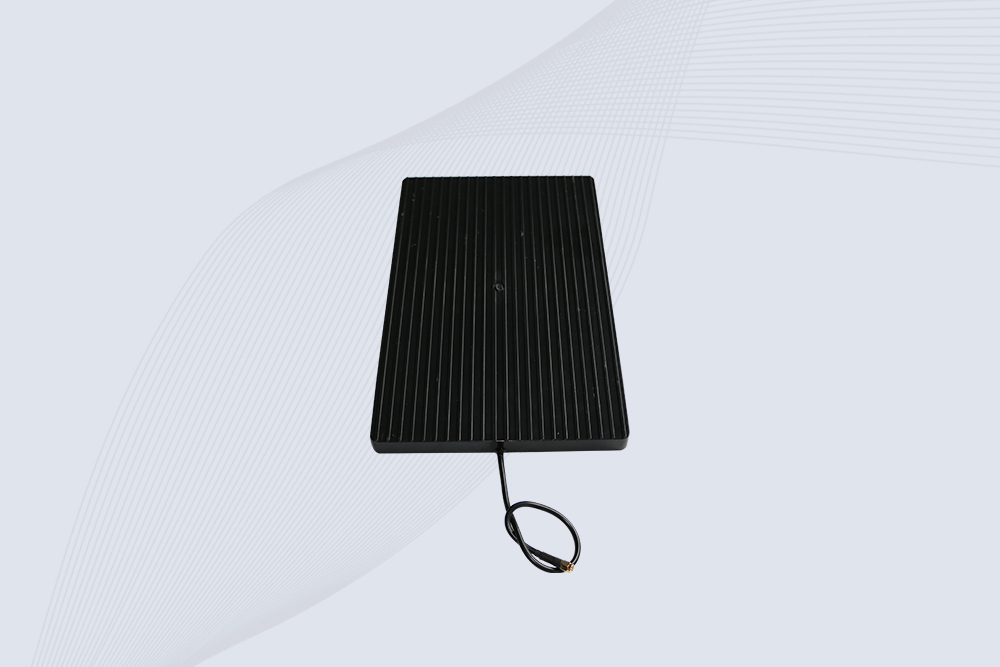
Cykeo’s CYKEO-A9B High Gain RFID Antenna delivers 15m+ read range with 9dBi amplification. Features IP54 rugged design, 840-960MHz bandwidth, and 80° beamwidth for warehouse/manufacturing RFID systems.

Cykeo’s enterprise-grade 8dbi Impinj RFID Antenna 10m+ read range with 840-960MHz tuning. Features IP65 housing, 1.4 VSWR, 35° beamwidth for retail/warehouse RFID systems.
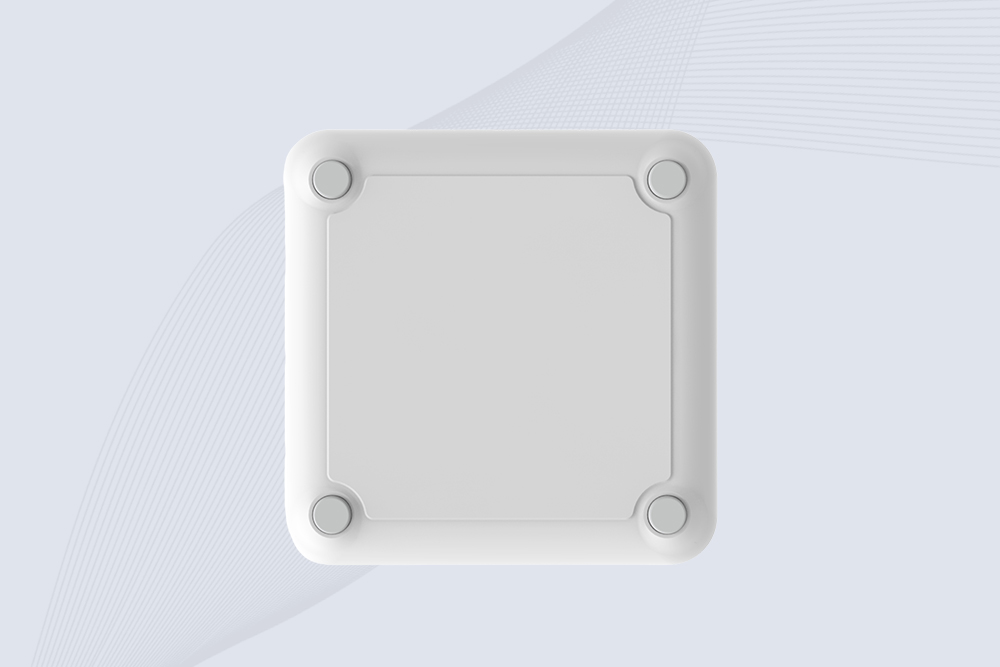
Cykeo CYKEO-A9 industrial UHF RFID antenna delivers 9dBi gain, 840-960MHz frequency range, and IP65 protection for warehouse/logistics/retail RFID systems. Features N-type connector and ≤1.3:1 VSWR.
CYKEO UHF RFID Antenna built for long-distance and industrial applications. This antenna rfid uhf delivers strong gain, outdoor durability, and reliable tag performance in warehouses, yards, and vehicle ID systems.
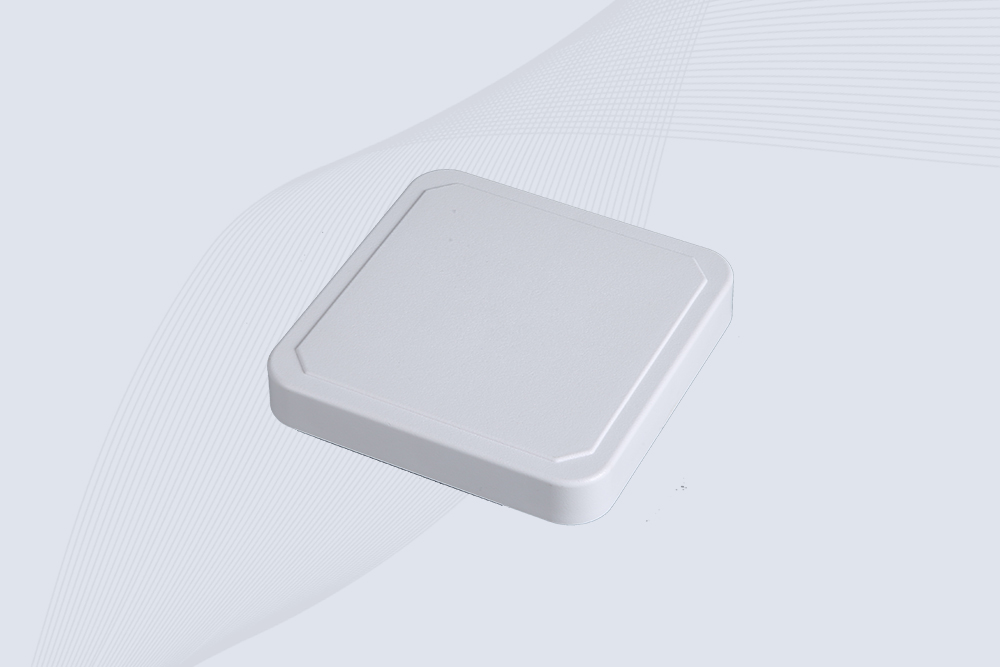
CYKEO Antenna RFID delivers reliable long-range UHF performance in warehouses, retail shelves, and cold-chain environments. This compact uhf rfid antenna provides stable reads with circular polarization and ultra-wide 840–960 MHz support, ideal for industrial tracking, smart shelves, and asset monitoring.
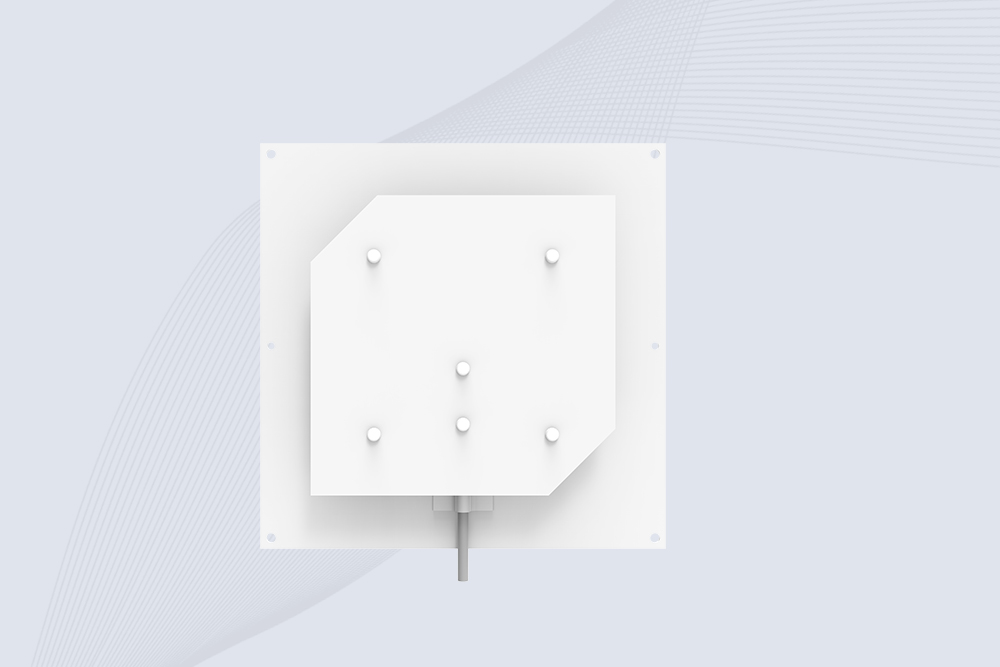
Cykeo’s CYKEO-C8 UHF RFID antennas delivers 8dBi gain, 840-960MHz full-band coverage, and IP65 ruggedness for manufacturing/warehouse RFID systems. Industrial RFID Antennas Features
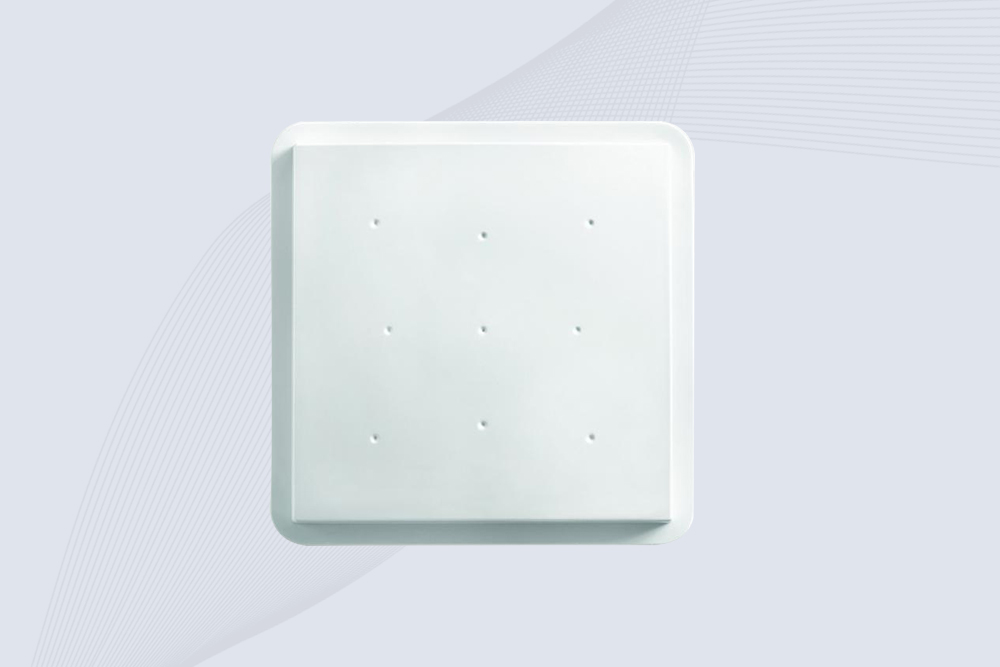
Cykeo’s 8dBi UHF RFID antenna and reader kit delivers 10m+ range, 840-960MHz broadband, and IP65 ruggedness for factories, warehouses, and logistics. ISO 18000-6C & EPC Gen2 certified.
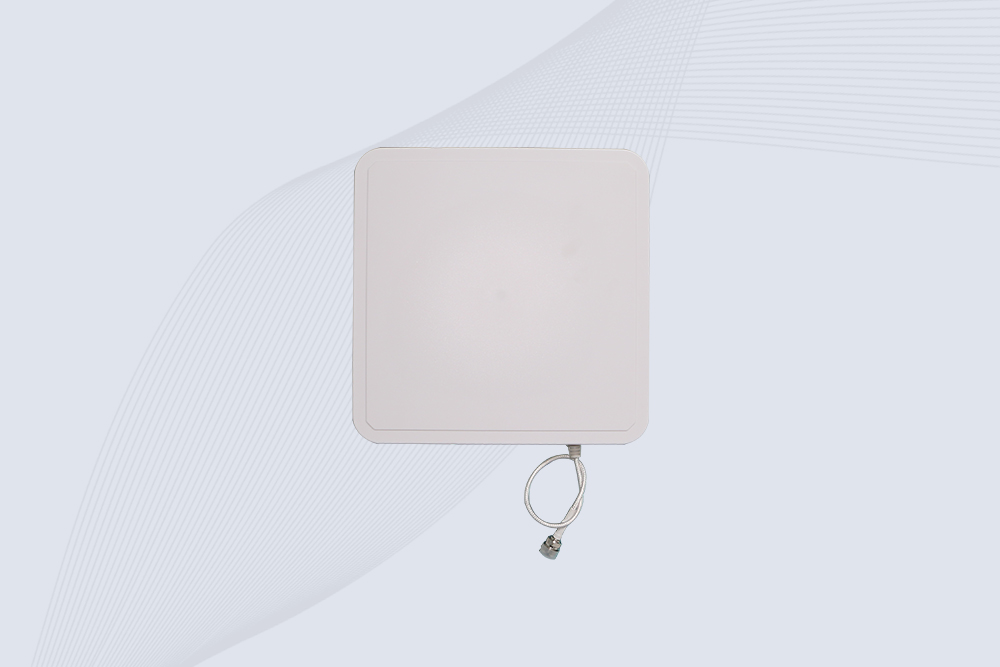
Cykeo CYKEO-A9A industrial UHF RFID reader and antenna kit delivers 10m range, 500 tags/sec, IP65 ruggedness for manufacturing/logistics. Supports EPC Gen2, ISO18000-6C.
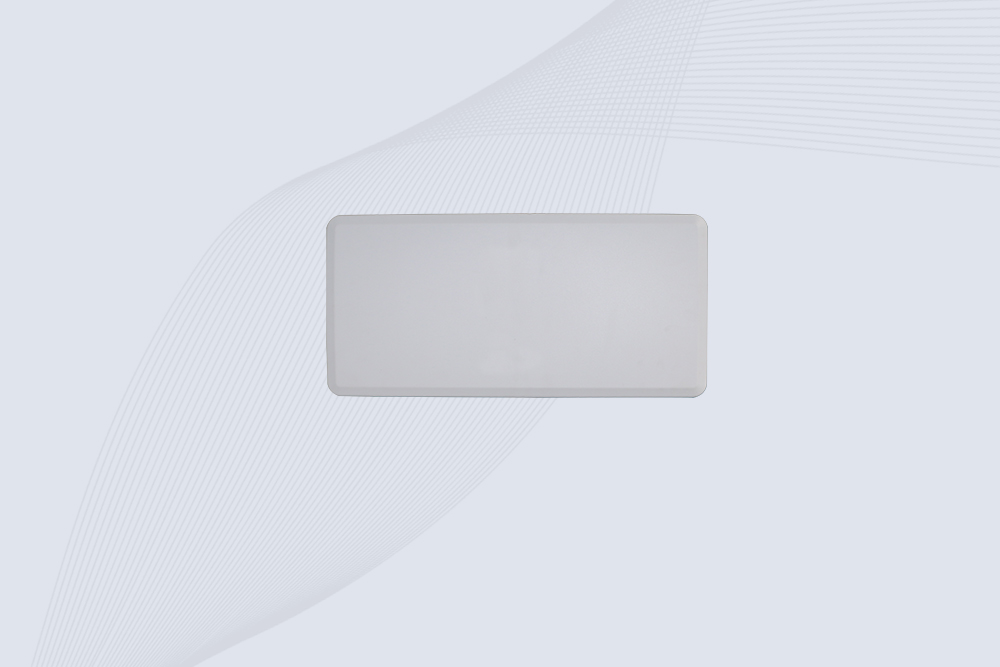
Cykeo’s CYKEO-A12C UHF Large RFID Antenna delivers 12dBi gain, 840-960MHz global frequency, IP65 ruggedness for logistics/warehousing/automotive. 40° beamwidth ensures stable 15m+ tag reads.

CYKEO Near Field RFID Antenna provides precise 5–30 cm reading for shelves, cabinets, and workstations. This compact rfid shelf antenna delivers stable short-range performance around metal and clutter, ideal for pharmacies, libraries, and electronics sorting.
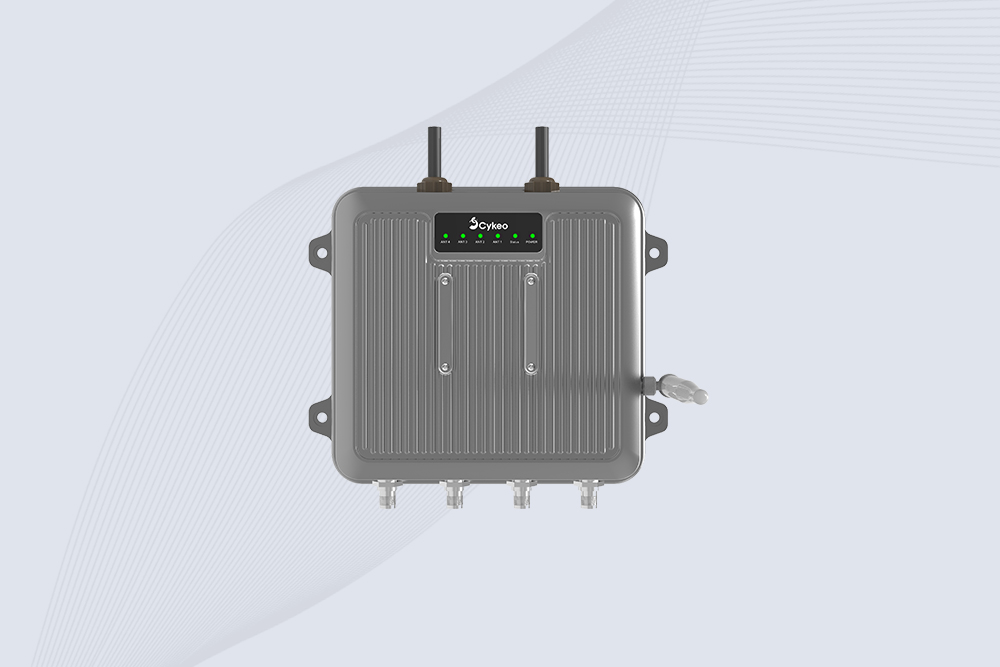
Cykeo CYKEO-C1 industrial Forklift RFID Reader features 20m read range, 600 tags/sec scanning, Impinj R2000 chipset, and IP67 rugged design. Ideal for warehouse logistics and manufacturing. Supports ISO 18000-6C/6B protocols.
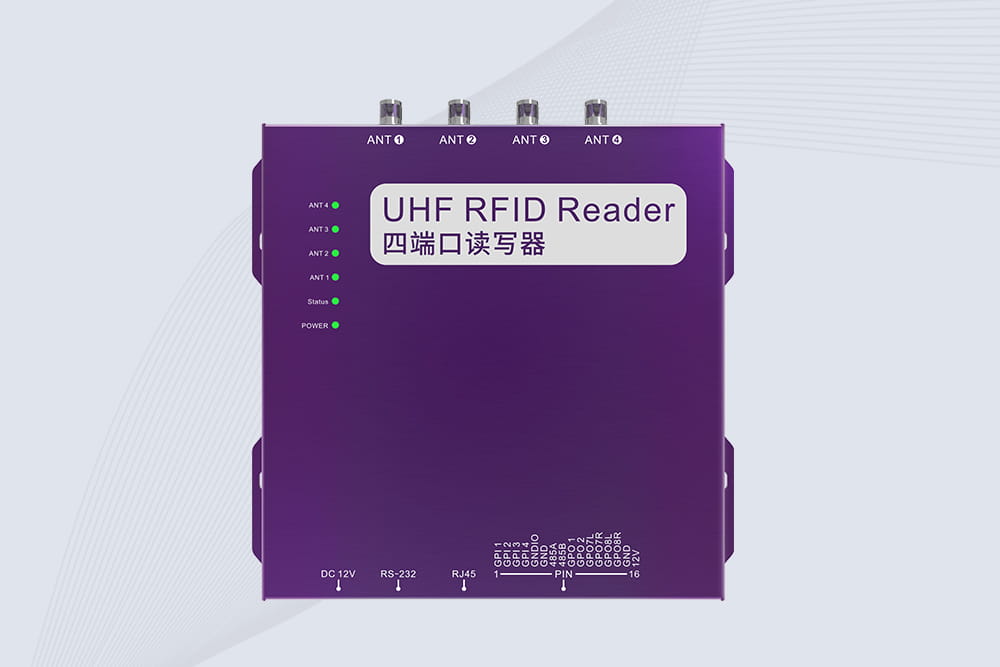
Cykeo CYKEO-R4 industrial UHF RFID Fixed Reader features 4 TNC ports, 400+ tags/sec speed, IP67 housing, and global frequency compliance for vehicle inspection, smart warehouse, and asset management systems.
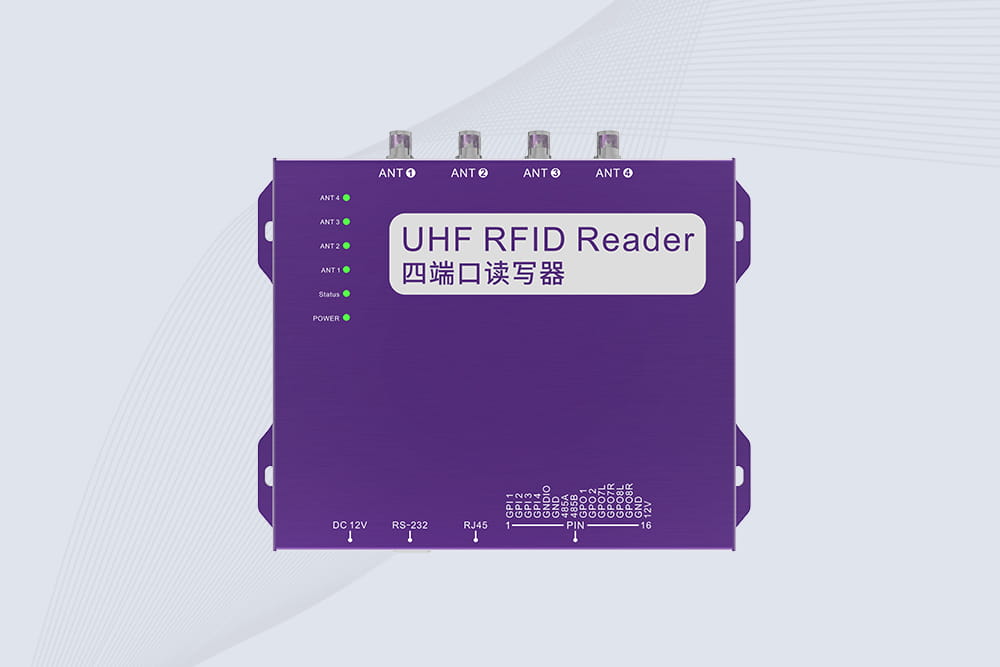
Cykeo’s CYKEO-R4L 4-port Fixed UHF RFID Reader delivers 400 tags/sec scanning, ISO 18000-6C compliance, and IP65 protection. Ideal for warehouse automation, manufacturing WIP tracking, and logistics management.
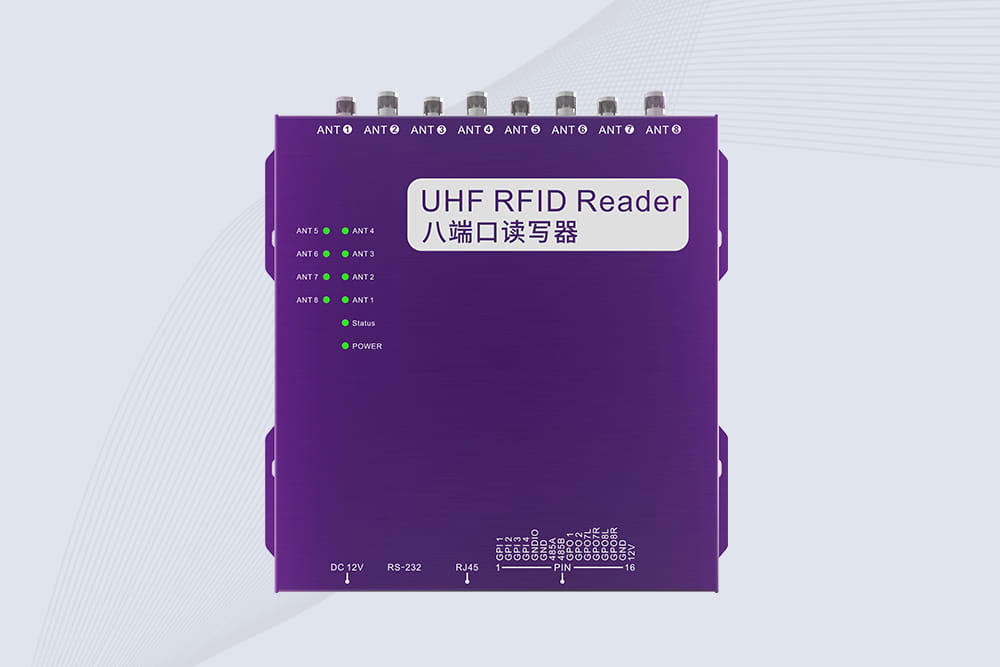
CYKEO CYKEO-R8L Fixed RFID Reader with 8-port UHF design, Impinj-based RF core and up to 20m read range. An industrial Fixed RFID Reader for vehicle inspection, warehouse portals, smart manufacturing lines and secure access checkpoints.
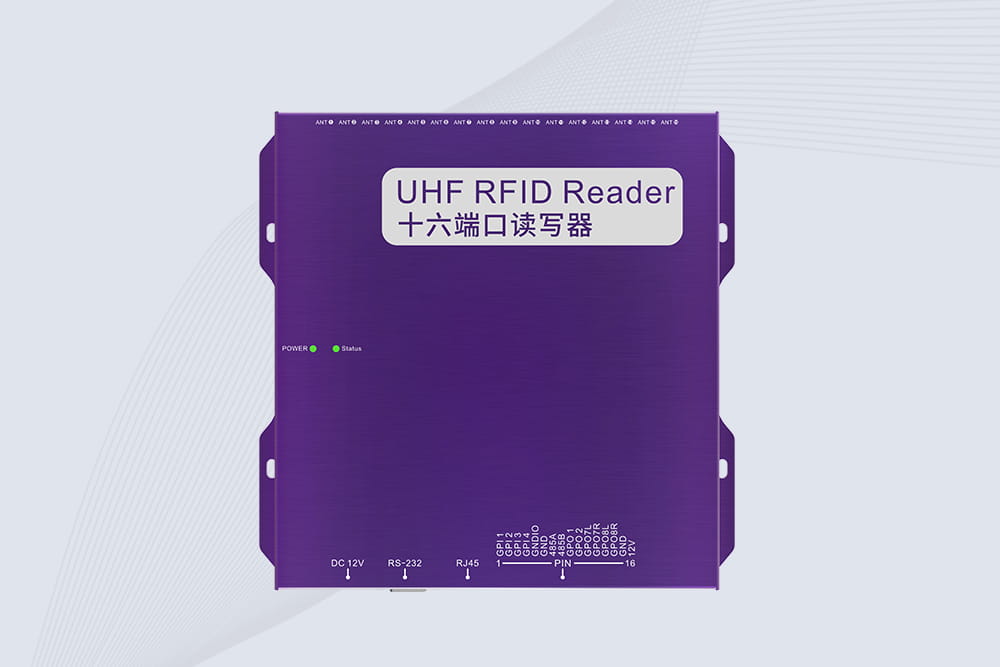
RFID Fixed Reader from CYKEO – the CYKEO-R16L 16-port UHF fixed reader for warehouses, smart cabinets, and production lines. Long-range, multi-tag reading, stable performance for 24/7 industrial use.

how far does rfid work? Discover real RFID reading distances from centimeters to 15+ meters, factors affecting range, and expert insights for maximizing RFID performance.
More
Integrate RFID medical cabinets with hospital HIS and ERP systems for real-time inventory tracking. Improve data accuracy, automate workflows, and enhance hospital supply chain visibility.
More
CK-GTC5 RFID tool tracking system helps tool storage suppliers upgrade cabinets into intelligent tool control solutions. Ideal for prisons and military facilities, with open RESTful & native APIs, SDK support, and flexible integration of RFID read...
More
As technology continues to evolve, RFID (Radio-Frequency Identification) is reshaping the retail landscape. This article explores how RFID technology is applied in retail to improve inventory management efficiency and enhance the customer shopping...
More