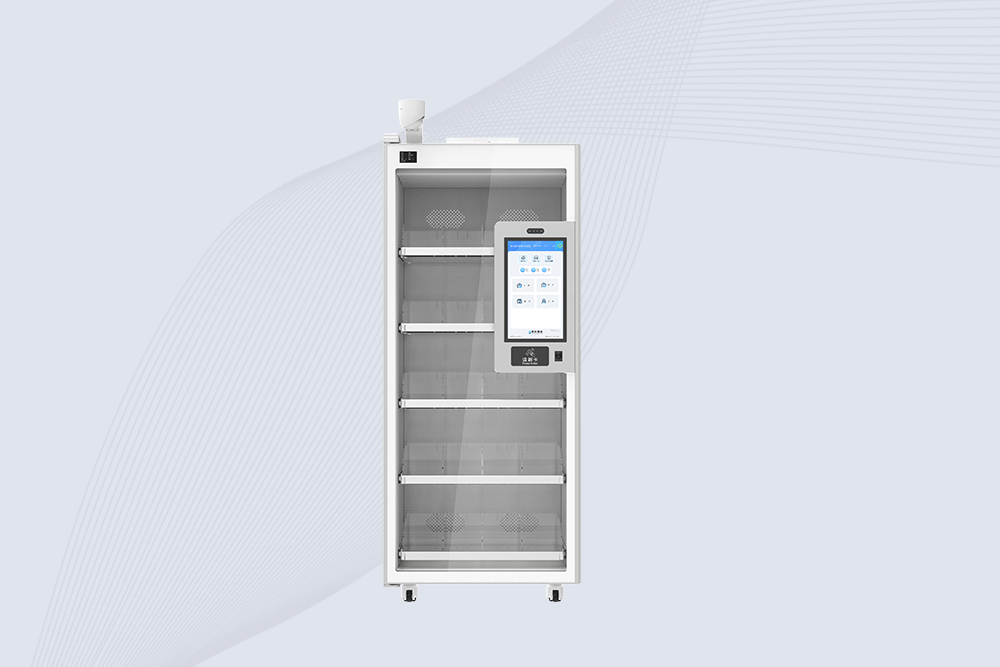
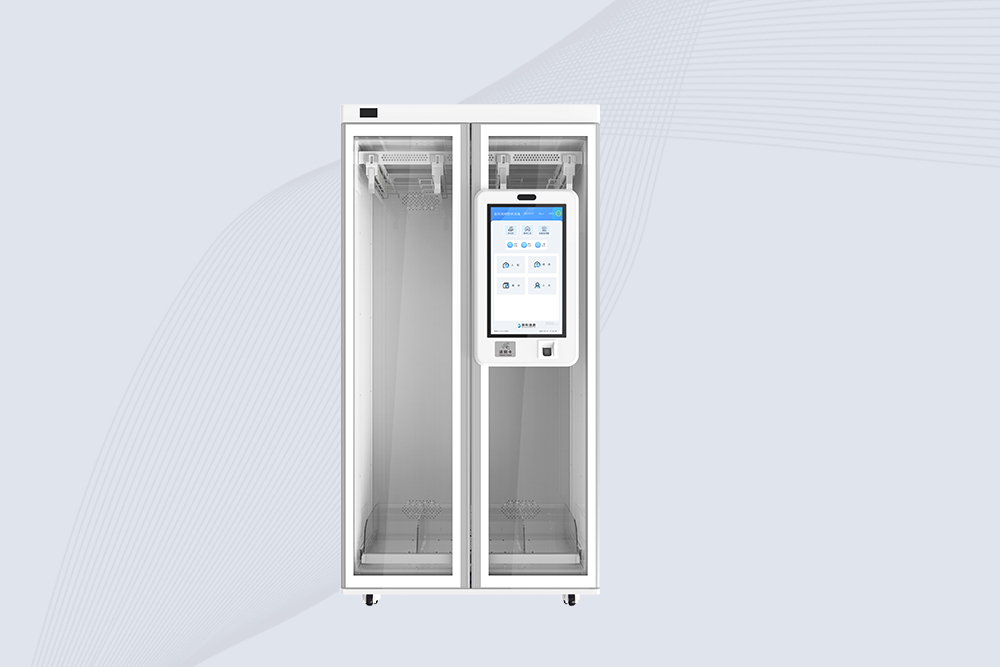
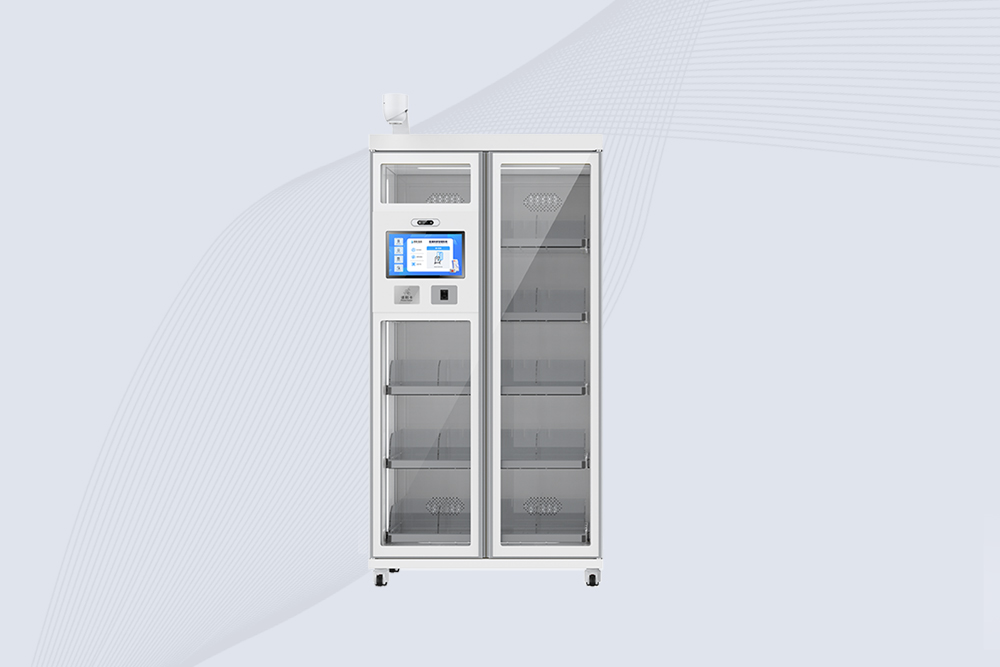
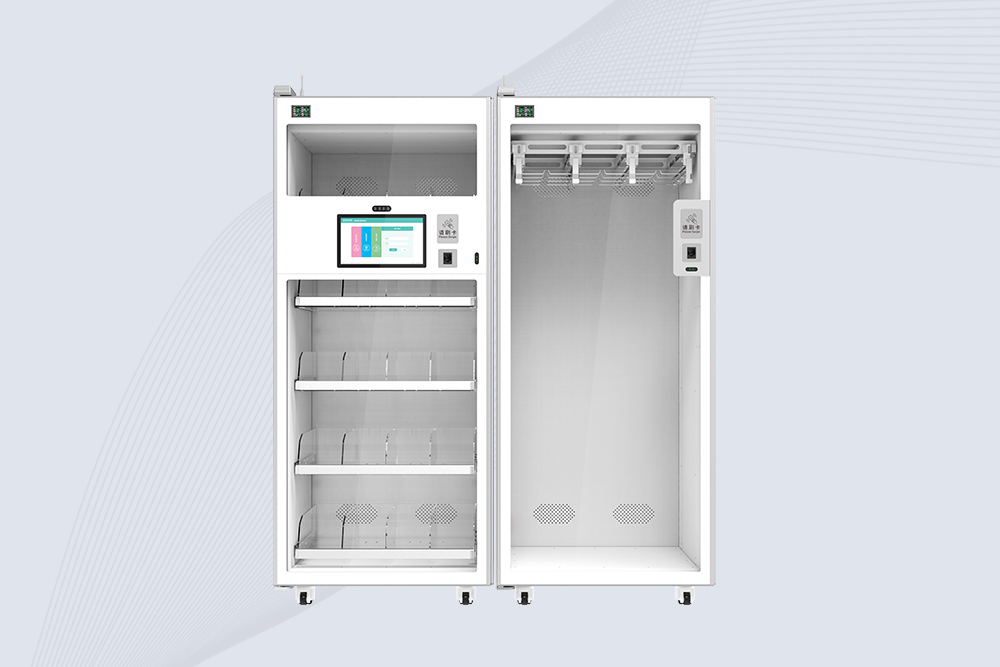
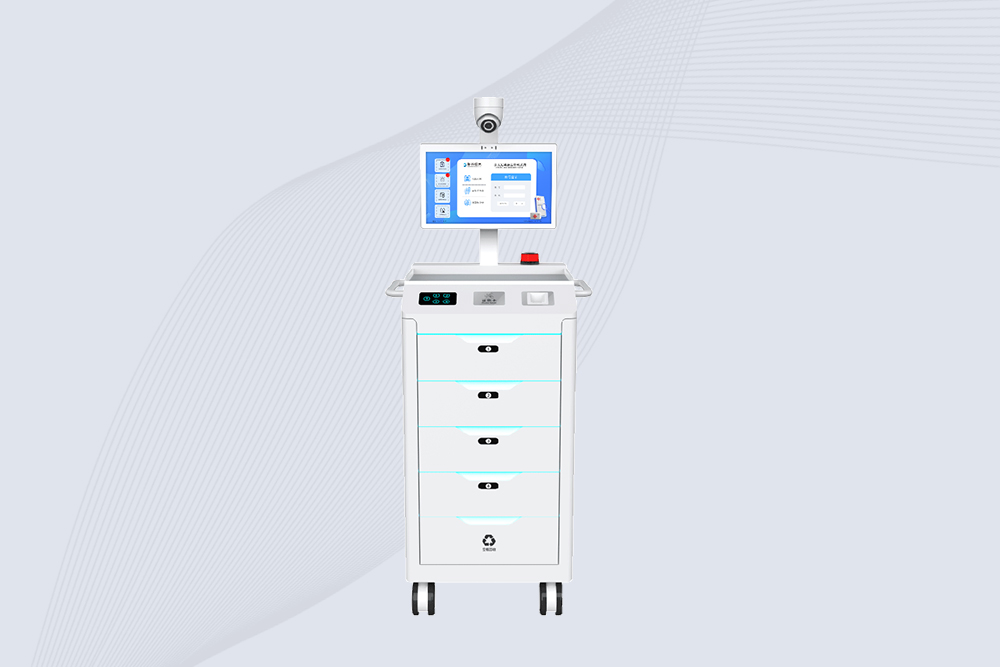
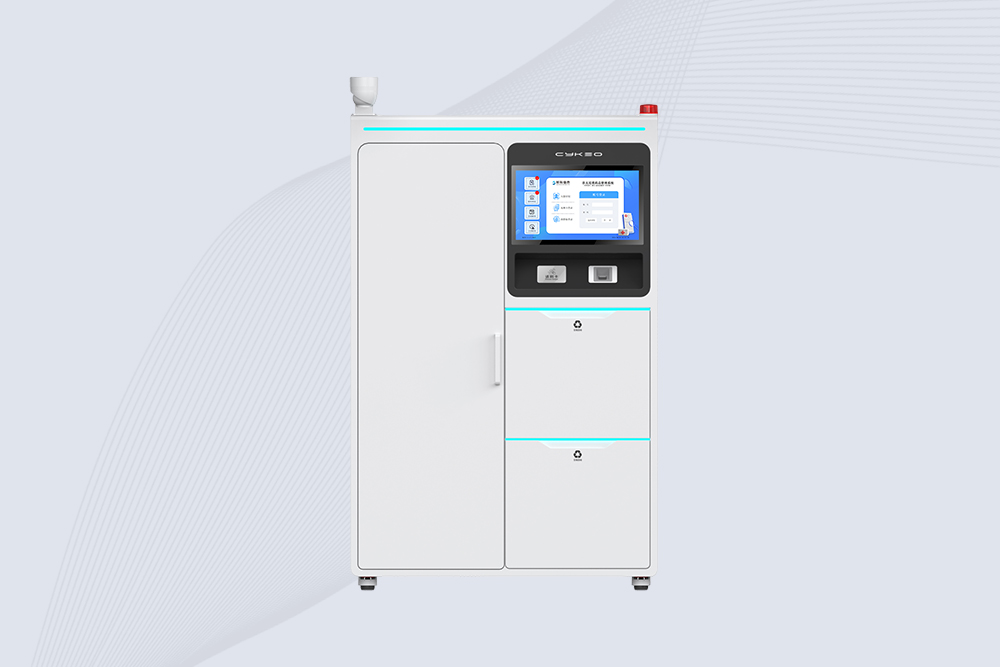
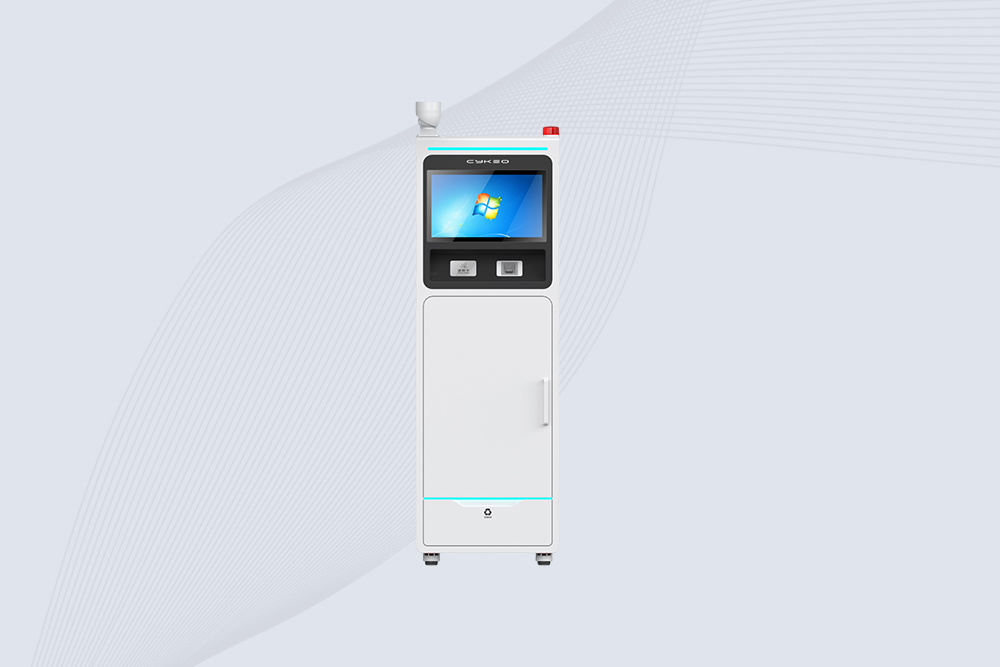
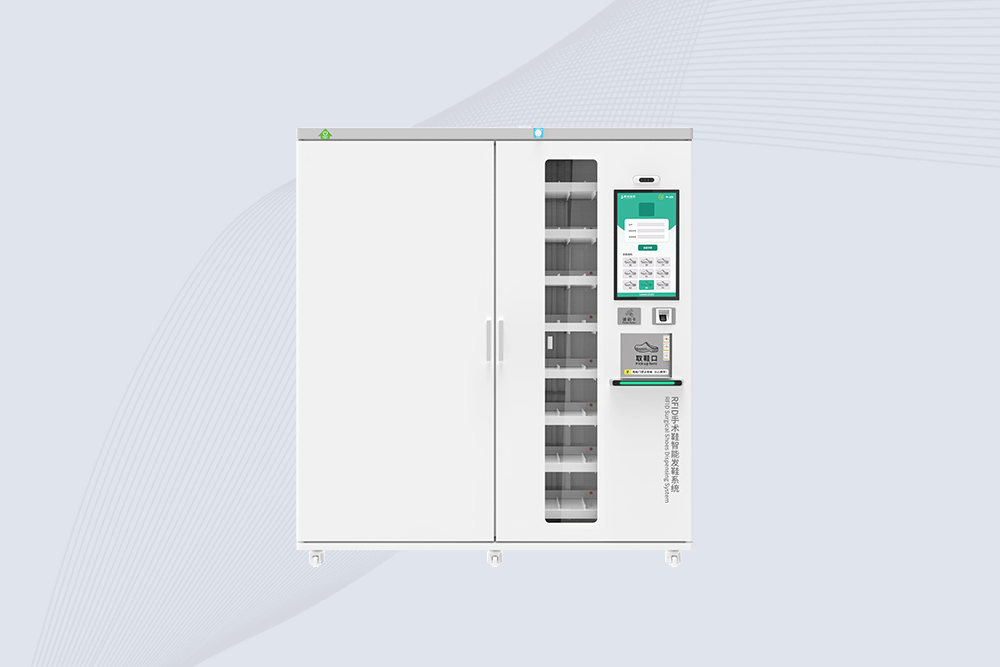
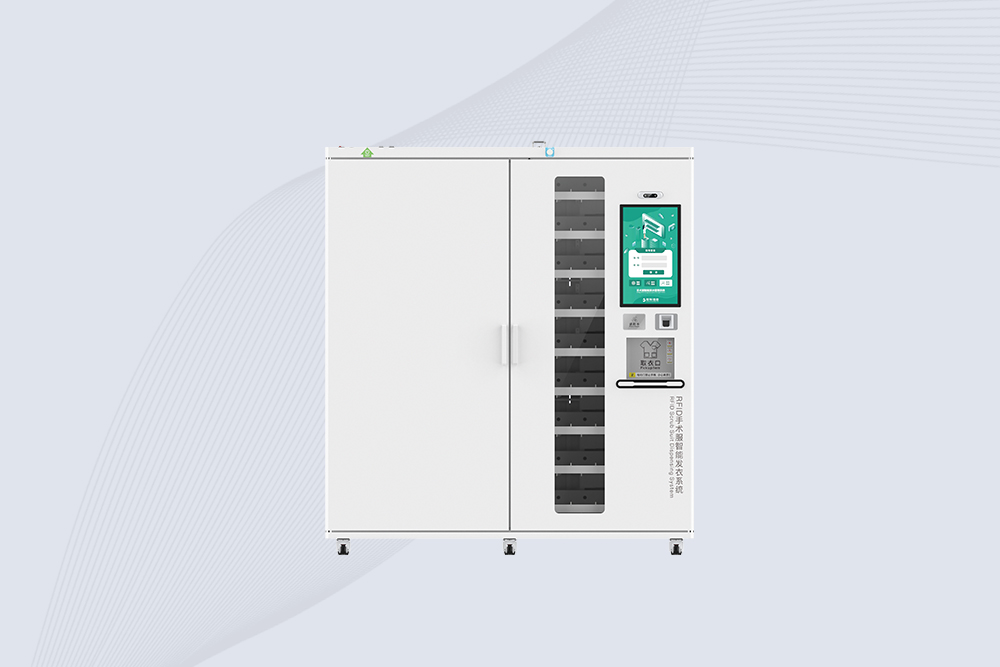
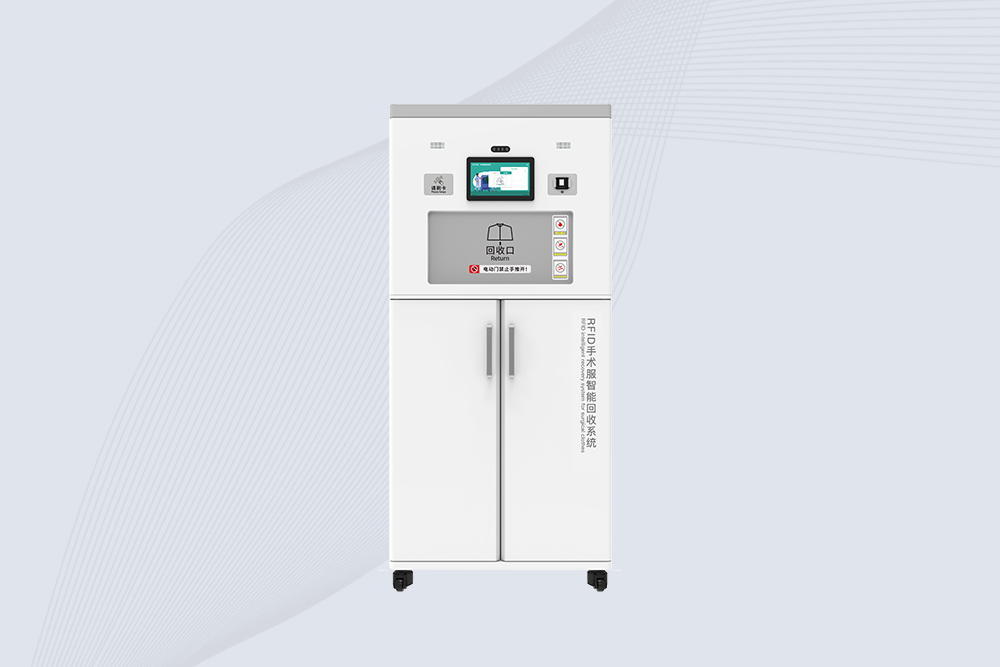
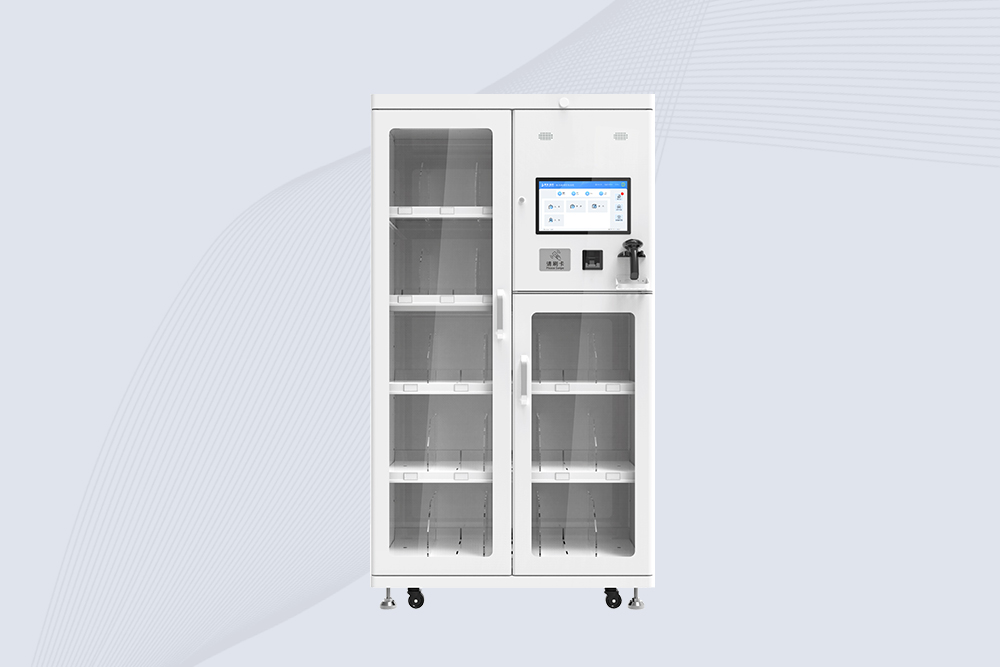
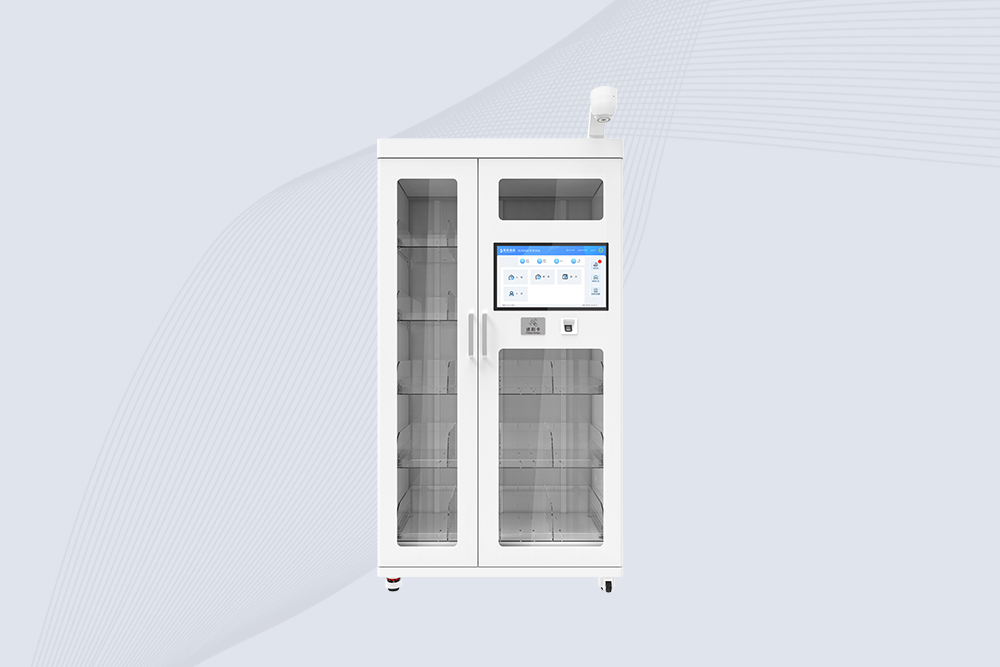
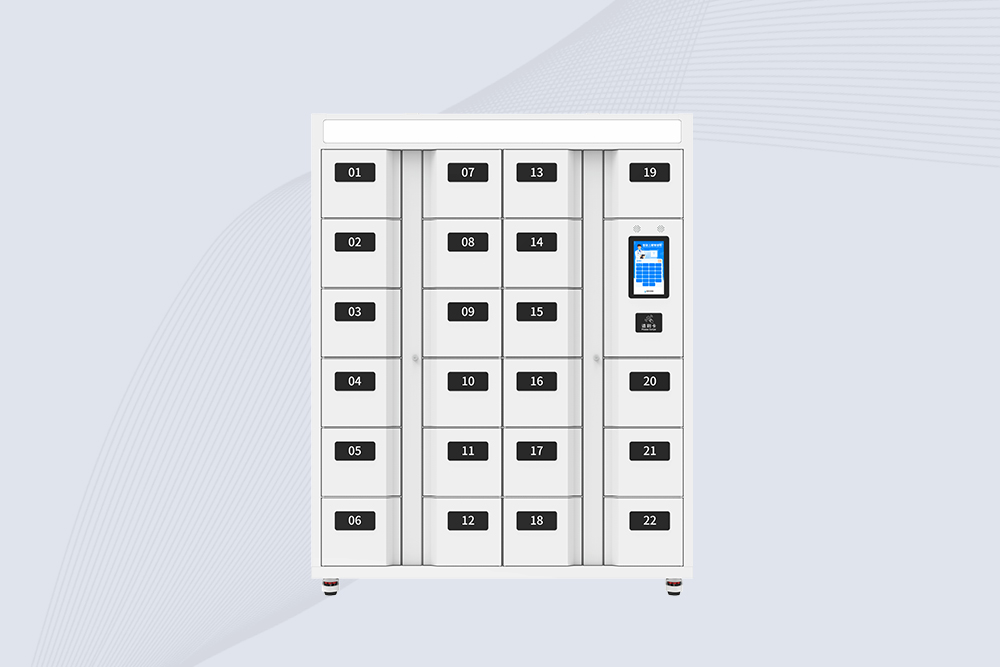
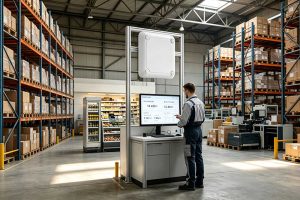
When hospitals consider RFID inventory solutions, the main concern is usually not the cabinet itself.
It’s this:
“Can it work with our existing system?”
Most hospitals already have HIS, ERP, or other internal platforms. Replacing them is not realistic. So the question becomes how RFID systems fit into what’s already there.
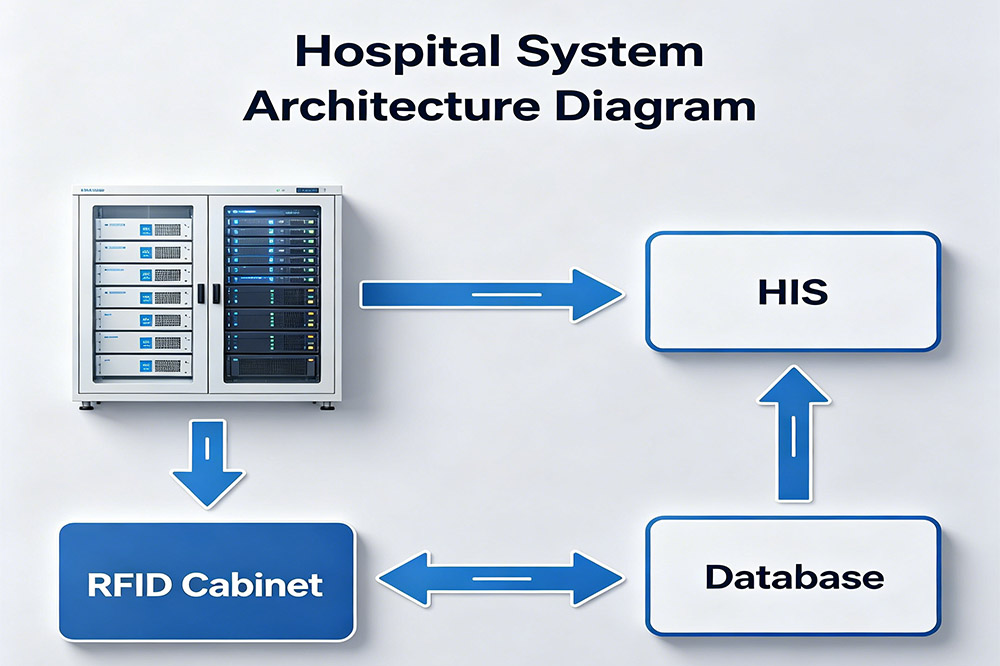
In practice, RFID medical cabinets are not standalone systems. They work as part of a larger data flow.
Where RFID fits in the hospital IT structure
A typical hospital system setup already includes:
HIS (Hospital Information System)
ERP (procurement and supply chain)
Inventory management modules
Clinical or surgical record systems
RFID medical cabinets don’t replace these systems.
They sit at the front end, acting as a data capture layer.
In simple terms:
They collect accurate, real-time inventory data Then pass it into existing hospital systems
What data is actually captured
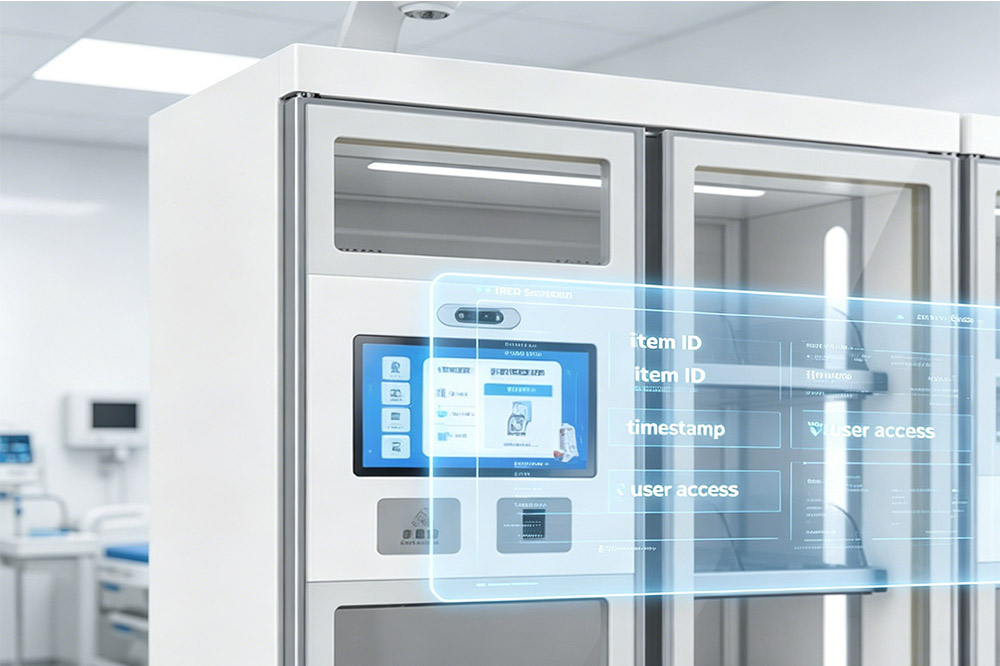
Once RFID cabinets are deployed, the system automatically records:
Item ID (via RFID tag)
Time of removal or return
User identity (login / card / biometric)
Quantity changes
Storage location
This data is much more reliable than manual input because it doesn’t depend on user behavior.
How integration typically works
There’s no single way to integrate, but most projects follow a similar structure:
1. Data collection at cabinet level
RFID readers inside the cabinet identify all items continuously.
2. Middleware or API layer
Data is processed and formatted through middleware or direct API.
3. Connection to hospital systems
Information is sent to HIS / ERP / inventory systems.
4. Synchronization and feedback
Stock levels, alerts, and usage records are updated across platforms.
This allows hospitals to keep using their existing systems — just with better data input.
Common integration scenarios
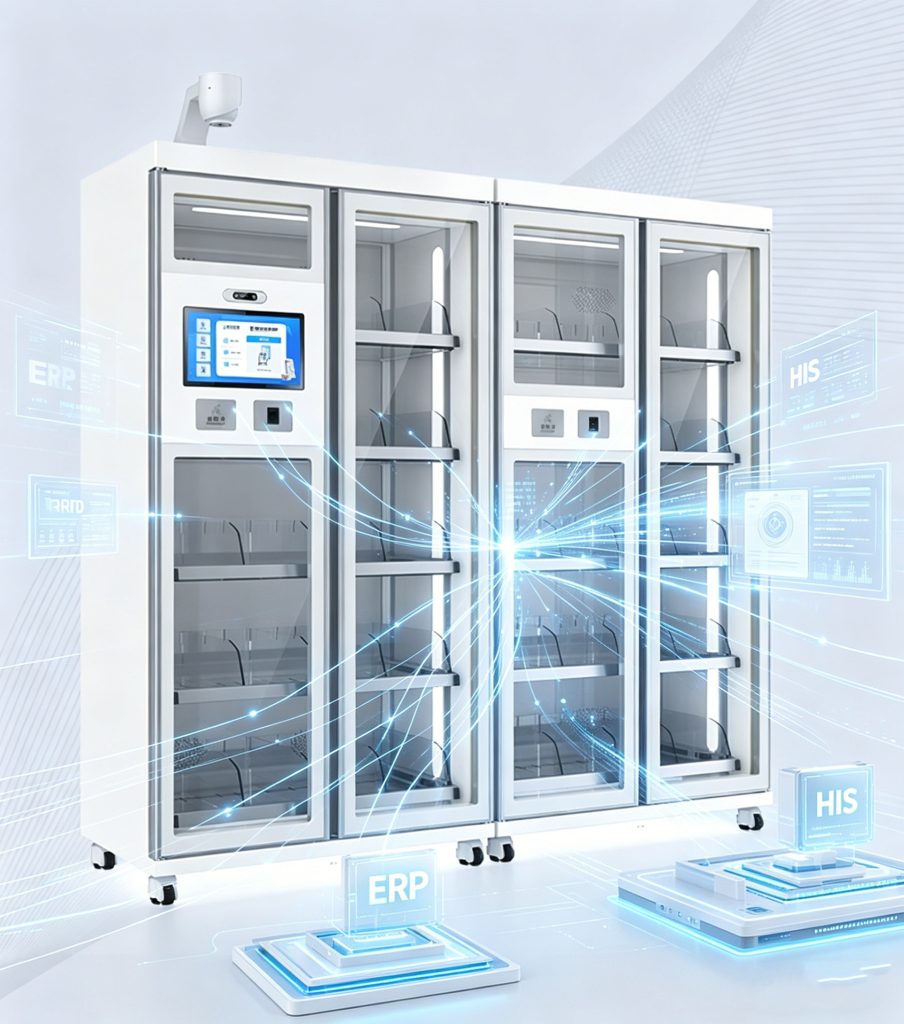
Depending on the hospital setup, RFID cabinets can be connected to:
HIS systems
Link inventory usage with patient procedures
Track which consumables are used for which case
ERP systems (SAP, Oracle, etc.)
Automatic stock updates
Trigger replenishment workflows
Improve procurement accuracy
Inventory management platforms
Real-time stock visibility
Multi-location tracking
Centralized reporting
What system integrators usually care about
For system integrators, the focus is slightly different from hospitals.
They usually look at:
API availability and documentation
Data format compatibility
Integration flexibility
Deployment complexity
Long-term maintainability
A well-designed RFID system should not create extra workload for integration.
Deployment approach in real projects
In most cases, integration is done step by step:
Phase 1: Standalone deployment
RFID cabinets run independently to validate stability.
Phase 2: Partial integration
Basic data (inventory changes) syncs with hospital systems.
Phase 3: Full integration
Data is linked with patient records, procurement, and reporting systems.
This approach reduces risk and allows gradual adoption.
Challenges to consider
Integration is not difficult, but there are a few practical points:
Existing system limitations (older HIS/ERP)
Data standard differences
IT security requirements
Network environment inside hospital
These need to be evaluated early in the project.
Why integration matters more than the hardware
The cabinet itself solves tracking.
But integration is what turns that data into value.
Without integration:
Data stays isolated
Workflow doesn’t improve much
With integration:
Inventory connects to clinical usage
Procurement becomes more accurate
Management gets real visibility
For project buyers and partners
If you’re working on hospital IT or smart healthcare projects, RFID medical cabinets are usually positioned as:
A data acquisition layer
An extension of existing systems
A modular upgrade (not full replacement)
We support:
API-based integration
Custom data interface development
Compatibility with HIS / ERP platforms
Project-based deployment and technical support
Final thought
RFID systems are not meant to replace hospital IT infrastructure.
They improve the quality of the data flowing into it.
And in most hospitals, better data is what makes the biggest difference.
Cykeo’s smart medical cabinet RFID features 21.5″ touchscreen & 99.9% accuracy for OR instrument tracking. Modular shelves for 500+ items. HIPAA compliant. Request demo.
Cykeo’s UHF RFID hospital asset cabinet features dual-door security, antibacterial coating & 99.9% accuracy for OR implants. ISO 13485 compliant. Tracks 2000+ items.
Cykeo medical RFID medicine cabinet features ≤5cm drug tracking, real-time HIS sync, military security, and USP-compliant climate control for Schedule II drugs.
Cykeo RFID operating room cabinet features ≤55s shoe delivery, UHF RFID inventory control, ISO 13485 certification, and biometric access for OR workflow optimization.
Cykeo operating room RFID cabinet features 108-gown capacity, UHF RFID tracking, real-time SPD integration, and biometric access for sterile OR management.
Cykeo’s low-value consumables cabinet offers 5-tier storage, HIPAA encryption, FDA compliance, and SAP integration for hospitals/clinics. Reduces stockouts by 70%.
Cykeo’s RFID high-value consumables cabinet offers 500-implant capacity, FDA compliance, real-time Epic sync, and theft prevention for ORs/surgery centers.
Cykeo CYKEO-G2224 rfid linen management cabinet features modular lockers, 10.1″ Android screen, and 200+/sec scanning for hospitals/hotels. SAP/Oracle integration.
What is an rfid scanner? An RFID scanner is a device that uses radio frequency signals to detect, read, and process RFID tag information without direct contact, enabling automatic identification, inventory management, and real-time asset tracking....
The Cykeo CK‑D1C USB RFID card reader makes reading and writing cards fast and hassle-free. Perfect for offices, warehouses, libraries, and access control systems. Plug-and-play, batch encoding, and secure short-range reading.
Struggling with RFID reads on metal? Learn how to pair UHF readers with anti-metal antennas, fix signal issues, and test your setup in 4 practical steps.
Can rfid tags be tracked? Learn how RFID tags enable asset tracking, inventory visibility, and smart identification with Cykeo RFID solutions for industry.
 Cykeo RFID IoT Solution Products R&D Manufacturer