RFID typically works from a few centimeters up to 15 meters for passive systems, and over 100 meters for active RFID, depending on frequency, hardware, and environment.
That’s the clean answer. But in practice, range is never a single number. I’ve tested systems that claimed 15 meters and struggled at 8—and others that quietly exceeded expectations after tuning.
how far does rfid work in real environments
Let’s ground this in actual field behavior, not datasheets.
Typical working distances by RFID type
RFID Type
Frequency
Real Working Range
LF (Low Frequency)
125 kHz
2–10 cm
HF (High Frequency)
13.56 MHz
5–30 cm
UHF Passive
860–960 MHz
3–15 meters
Active RFID
433 MHz / 2.4 GHz
30–100+ meters
According to GS1, UHF RFID is widely used in logistics because it delivers the best balance between cost and distance.
In one deployment I handled in a distribution center, ceiling-mounted readers stabilized around 12 meters, but only after repositioning antennas twice. Before that? Barely 9 meters.
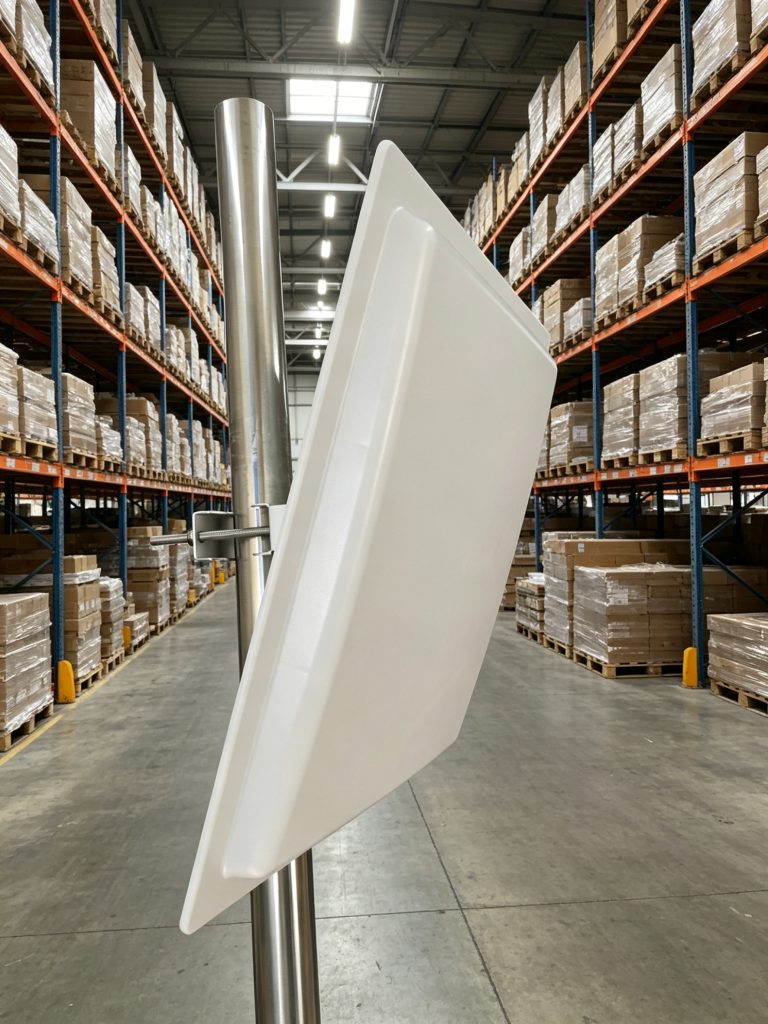
UHF RFID enables multi-meter identification across warehouse aisles
what limits how far rfid works
Range is shaped by multiple variables. Ignore one, and performance drops fast.
1. Frequency choice
LF/HF = short range, stable near liquids
UHF = long range, sensitive to interference
2. Tag quality and placement
Antenna size matters more than most people expect
Tag orientation can change readability instantly
I’ve seen tags placed flat on metal lose over 60% signal strength.
3. Reader power and antenna gain
Higher output power and directional antennas extend range—but only if aligned correctly.
4. Environmental interference
Metal racks, liquids, even human traffic affect RF propagation.
real data vs theoretical range
Lab conditions are clean. Real sites are not.
Research from MIT Auto-ID Lab indicates:
Real-world RFID range is often 20–40% lower than maximum specs
Signal reflection and absorption are the primary causes
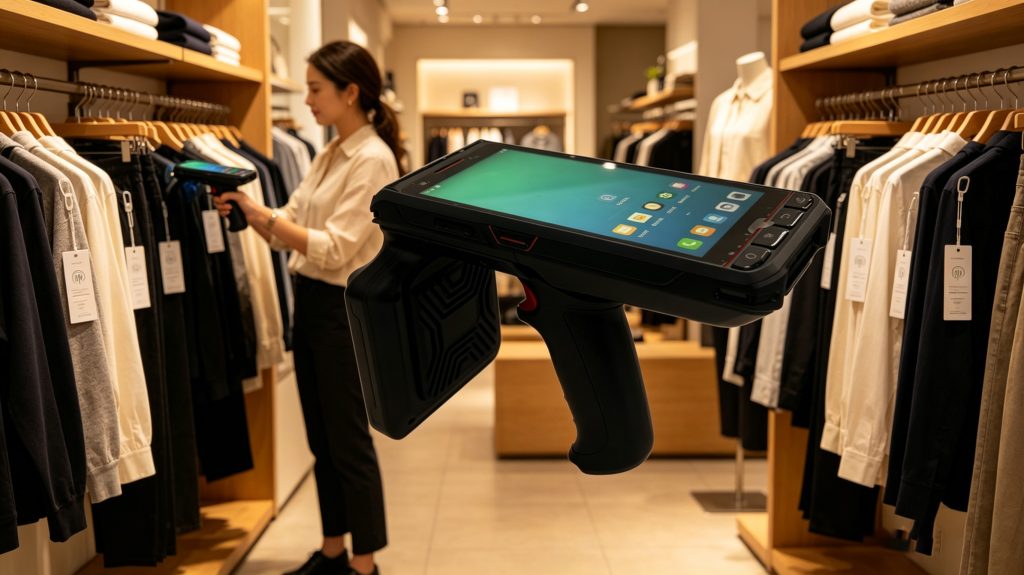
In a retail rollout, we measured a drop from 10 meters (open space) to 6.5 meters once shelves and products were installed. Same hardware, different reality.
Store layout and materials directly affect RFID read distance
passive vs active rfid working distance
Passive RFID
No battery
Range up to 15 meters
Best for large-scale tracking
Active RFID
Battery-powered
Range exceeds 100 meters
Used in high-value or real-time tracking
Despite shorter range, passive RFID dominates because it scales without maintenance.
how to extend rfid working distance
From field optimization—not theory—these changes matter:
Adjust rfid antenna angle instead of just increasing power
Use rfid tags designed for metal or liquid surfaces
Deploy multiple antennas for coverage overlap
Reduce environmental interference zones
Tune reader sensitivity, not just output power
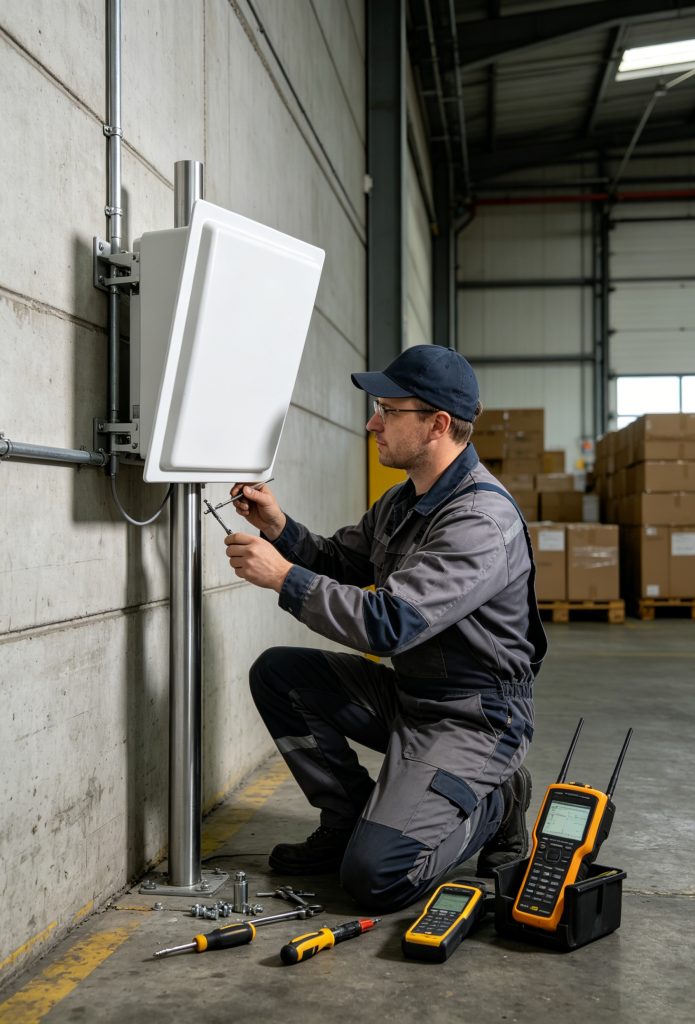
In one case, simply rotating an antenna improved read reliability more than upgrading hardware.
Fine-tuning antenna position significantly improves performance
faq
What is the maximum distance RFID can work?
Passive RFID typically works up to 15 meters, while active systems can exceed 100 meters.
Why does RFID range vary so much?
Because it depends on frequency, hardware quality, tag placement, and environmental conditions.
Can RFID work through obstacles?
Partially. Signals can pass through some materials but weaken significantly through metal and liquids.
Looking for a long range RFID scanner for warehouse, logistics, manufacturing, or asset tracking? Learn key factors including reading distance, antenna design, frequency, integration, and OEM options before bulk purchasing.
Discover how RFID solutions medical are revolutionizing healthcare, improving asset tracking, medication management, patient safety, and hospital efficiency with smart technology.
Discover how long-distance RFID readers streamline vehicle tracking for toll booths, parking management, fleet logistics, and more. Explore UHF RFID benefits and real-world applications.
How far can RFID be read? Learn RFID reading distances, factors affecting range, UHF RFID performance data, and industrial tracking solutions from Cykeo experts.
 Cykeo RFID IoT Solution Products R&D Manufacturer