 Cykeo RFID IoT Solution Products R&D Manufacturer
What’s the Difference Between UHF and HF Handheld RFID Readers?
757Understand the differences between UHF and HF handheld RFID readers. Compare range, applications, costs, and choose the right technology for logistics, healthcare, or retail.
MoreAll RFID Product
To write a RFID card, use a compatible RFID writer, connect it with programming software, place the card within the reading area, and write verified data into the correct memory section. The process requires suitable hardware, proper card selection, and accurate software configuration to ensure reliable results.
RFID card writing is commonly used for access control, employee identification, membership systems, payment applications, and smart management solutions. Unlike reading, which only retrieves stored information, writing allows authorized users to create or update data stored inside an RFID card.
In real RFID deployments, the writing operation itself usually takes only seconds. However, the preparation before writing determines long-term system stability. Engineers need to consider card frequency, communication protocol, memory structure, encryption requirements, and integration with existing software.
Based on years of RFID hardware testing and application development, I have seen many projects experience problems because teams focused only on the card writer speed while ignoring card compatibility and data verification. A stable RFID card issuing process is built through careful testing rather than simply increasing writing power.
Cykeo develops RFID reader and writer solutions designed for industrial identification, smart retail, asset management, and automated data collection applications. Understanding how to write a rfid card correctly helps companies establish more efficient card management workflows.
An RFID card writer communicates with the embedded RFID chip through radio frequency signals. When the card enters the effective communication area, the writer sends commands to store information inside the available memory.
A complete RFID card writing system normally contains:
RFID Card: The data carrier containing the integrated chip and antenna.
RFID Writer: The hardware device responsible for sending writing commands.
Programming Software: The interface used for configuration and data management.
Database Platform: The system that stores card information and user records.
Different RFID cards use different technologies. Common categories include:
| RFID Card Type | Frequency | Common Applications |
|---|---|---|
| LF RFID Card | 125 kHz | Animal identification, basic access systems |
| HF RFID Card | 13.56 MHz | Access control, payment, identity cards |
| UHF RFID Card | 860-960 MHz | Long-range tracking and logistics |
Selecting the correct card type is the first step before writing. A writer designed for UHF tags cannot automatically program HF cards unless the hardware supports the required frequency.
Before writing information, confirm the RFID card standard and memory structure. The card should match the writer specification and software requirements.
Important factors include:
RFID frequency compatibility.
Chip model and memory capacity.
Writable memory availability.
Security and authentication requirements.
Connect the RFID writer to a computer or management system. Professional RFID writers may support USB, Type-C, RS-232, Ethernet, or wireless communication methods.
Cykeo RFID writing solutions provide development resources including C# and Java examples, helping developers integrate RFID card writing functions into their own software platforms.
The information written into an RFID card depends on the application. Common data includes:
User identification numbers.
Employee information.
Product or asset references.
Access permission data.
Application-specific records.
Professional RFID systems usually do not store all business information directly inside the card. Instead, the card often stores an identification number linked to information stored in a secure database.
After configuring the writing parameters, place the RFID card in the correct position and start programming.
A reliable writing workflow includes:
Read the original card information.
Select the correct memory area.
Enter required data.
Execute the writing command.
Read the card again for verification.
Skipping the verification step is one of the most common mistakes in RFID card issuing projects. A card that appears successfully written may still contain incomplete or incorrect information.
RFID card programming software provides control over the writing process. It allows operators to manage card data, configure communication parameters, and review programming results.
Automatic card detection.
Data reading and writing.
Batch card programming.
Card filtering.
Writing record management.
System integration through SDK or API.
For organizations issuing large quantities of RFID cards, batch writing functions can significantly improve efficiency. Instead of programming every card manually, operators can prepare multiple cards through automated workflows.
Cykeo RFID desktop writer solutions are designed for controlled card programming environments where accuracy and repeatability are important.
Near-field antenna design for controlled operating distance.
Reading distance controlled within approximately 30cm.
Writing distance controlled within approximately 10cm.
Maximum output power up to 33dBm.
Automatic read/write DEMO software.
Support for fast batch card writing.
Quick RFID card filtering function.
Type-C communication interface.
C# and Java development support.
The controlled writing range is valuable in card issuing environments. When multiple cards are placed near a workstation, excessive communication range may cause unwanted card detection. A near-field design helps operators focus on the target card.

RFID cards are widely used in access control systems, employee management, membership platforms, and smart service applications. Writing an RFID card allows organizations to assign unique identification information and connect physical cards with digital management platforms.
In practical access control projects, the writing process is usually completed at a card issuing workstation. An operator creates card information, places the card on the RFID writer, writes authorized data, and verifies the result before delivering the card to the user.
A typical RFID card issuing workflow includes:
User Registration: Create a user profile or asset record in the management system.
Card Preparation: Confirm the RFID card type and writable memory area.
Data Programming: Write identification information into the RFID chip.
Verification: Read the card again to confirm successful programming.
Activation: Connect the card information with the application system.
This workflow is especially important in environments where hundreds or thousands of cards are issued. A reliable RFID writer helps reduce repeated manual operations and improves consistency between physical cards and digital records.
The information written into an RFID card depends on the business purpose. A card used for employee access control may store a user identification number, while a membership card may connect to customer management software.
| Application | RFID Card Data | Writing Requirement |
|---|---|---|
| Access Control | User ID, permission information | Secure and accurate writing |
| Membership System | Customer identification data | Fast card issuing |
| Retail Management | Product or service reference | Batch programming support |
| Asset Tracking | Equipment identification number | Reliable verification |
For enterprise applications, RFID cards normally do not need to store large amounts of business information directly. Many systems use the RFID card as a secure identifier connected with a central database.
Writing accuracy is one of the most important factors in RFID card deployment. A successful writing operation does not only mean the device completes the command. The stored information must also be readable and correctly recognized by the application system.
Confirm card frequency compatibility.
Check communication stability between writer and software.
Verify written information after programming.
Record card issuing history.
Test cards under actual operating conditions.
During RFID system testing, engineers often discover that environmental factors influence performance. Metal surfaces, electromagnetic interference, and incorrect card placement may affect communication quality.
This is why professional RFID card issuing stations often use controlled writing distance designs. A shorter and more accurate writing area reduces accidental communication with nearby cards.
Cykeo provides RFID reader-writer solutions designed for professional card programming and identification applications. The desktop RFID writer uses a near-field antenna structure to improve operational control during reading and writing processes.
Key technical advantages include:
Controlled reading range within approximately 30cm.
Controlled writing range within approximately 10cm.
Maximum output power up to 33dBm.
Automatic read/write DEMO software support.
Fast batch RFID card programming.
Rapid tag and card filtering capability.
Type-C communication interface.
C# and Java development resources.
In desktop card issuing environments, controlling the communication area is often more important than simply increasing distance. A wider range may create unnecessary reads from surrounding cards, while a controlled writing area improves operator accuracy.
Before writing cards, organizations should prepare the information structure. This may include employee records, product information, equipment numbers, or customer profiles.
Connect the RFID writer with the computer system through the supported communication interface. Confirm that the software recognizes the device correctly.
Place the card within the writing area, select the required data, and execute the writing command through the software interface.
Place the card within the writing area, select the required data, and execute the writing command through the software interface.
After writing, read the RFID card again and compare the information with the original database record. Store the programming history for future management.
No. Only writable RFID cards can be programmed. Before writing, users need to confirm the card type, frequency, and memory structure.
An RFID writer, compatible RFID cards, programming software, and a management system are usually required for professional RFID card writing.
Some RFID cards support rewriting, depending on the chip design and memory protection settings. Writable cards can be updated when the application allows it.
The writing time depends on the card type, data size, communication speed, and software process. Many basic RFID writing operations can be completed within seconds.
Common causes include incompatible cards, incorrect settings, insufficient communication distance, software configuration problems, or damaged cards.
Yes. Professional RFID writer systems support batch programming functions, allowing companies to prepare large quantities of RFID cards more efficiently.

Learning how to write a rfid card requires understanding the complete workflow, from card selection and software configuration to data verification and system integration.
With professional RFID development experience, Cykeo focuses on reliable RFID reader-writer solutions that help businesses improve card issuing efficiency, reduce manual errors, and build stable identification systems for access control, retail, asset management, and automation applications.

Discover SSD-D4AL, a USB-HID UHF RFID reader with 4/8/16 antenna options, Impinj E710/X3M1 chipset, plug-and-play USB power, and OEM customization.
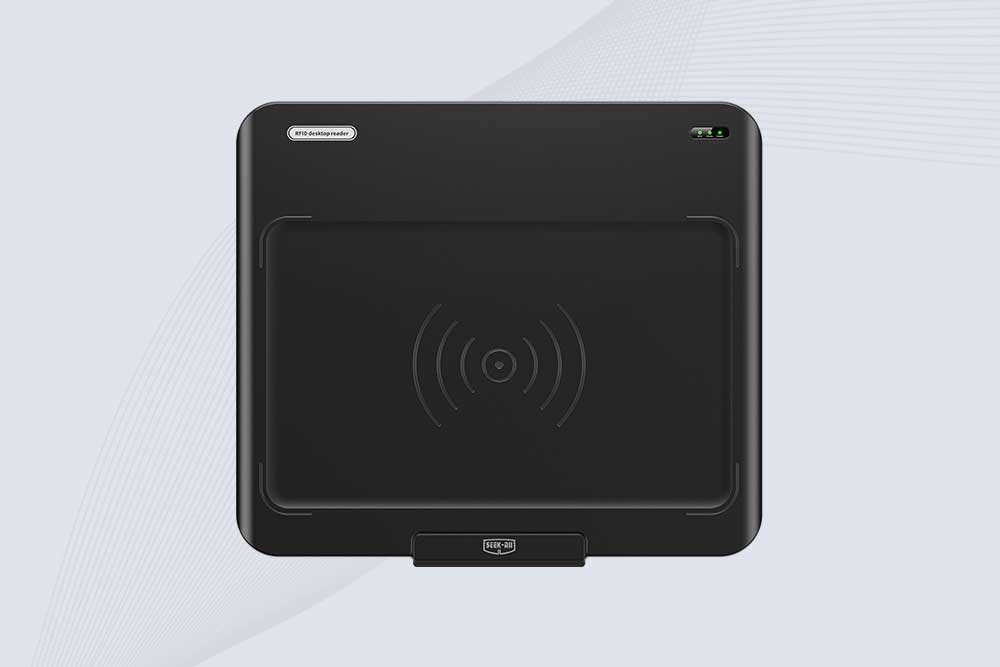
SSD-D3AL is a USB-HID UHF RFID reader with 0–30 cm reading, 0–15 cm writing, over 600 tags/s recognition, USB plug-and-play operation and OEM Logo customization.
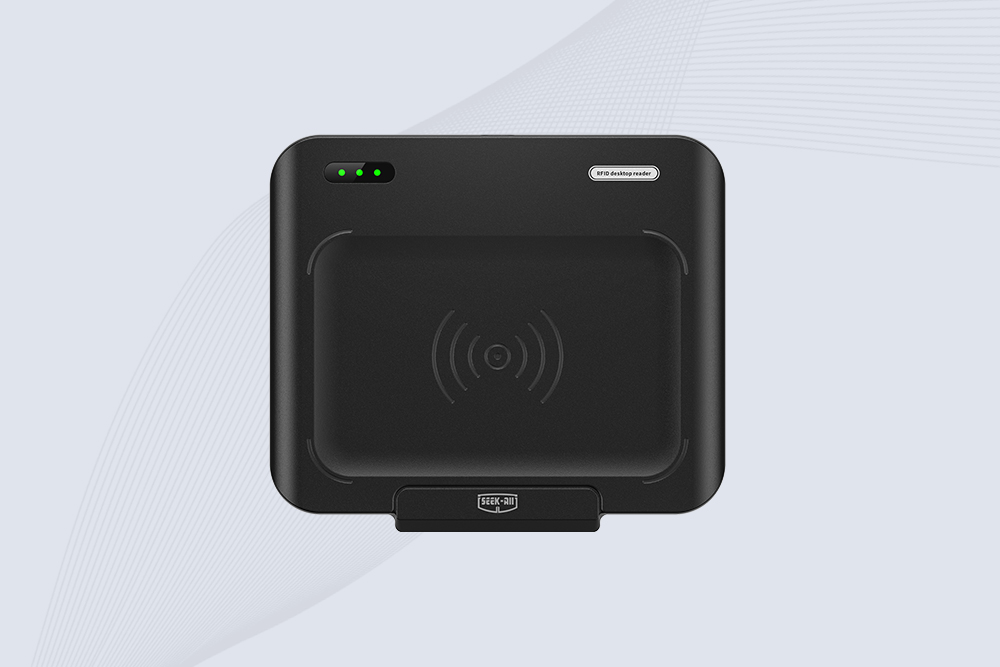
SSD-D1AL is a compact USB UHF RFID reader with Impinj E710/X3M1 chipset, USB-HID, 600+ tags/s recognition, 4/8/16 antenna support and plug-and-play USB power.

CYKEO CYKEO-D1LA USB RFID Reader is a compact desktop solution with near-field control for precise tag reading and encoding. Powered by USB, supporting ISO 18000-6C, and built for stable batch writing, this usb rfid tag reader fits retail, libraries, offices, and controlled RFID encoding tasks.
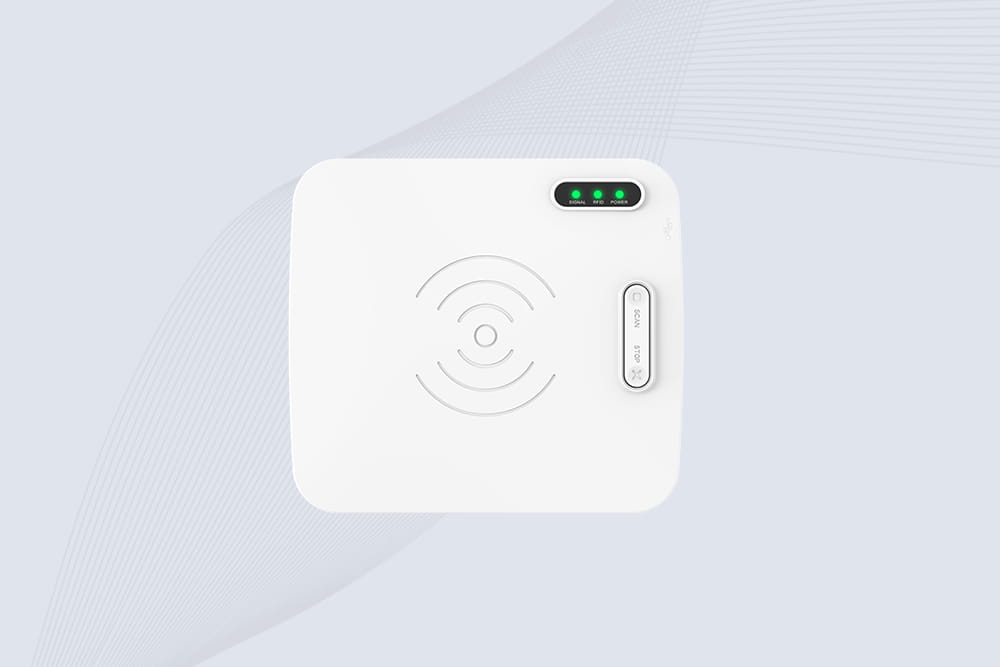
CYKEO CYKEO-D1L RFID scanner USB is a compact desktop UHF RFID scanner designed for short-range tag writing and verification. This usb rfid scanner supports batch encoding, stable 0–26 dBm output, and works across Windows, Linux, and Android systems.
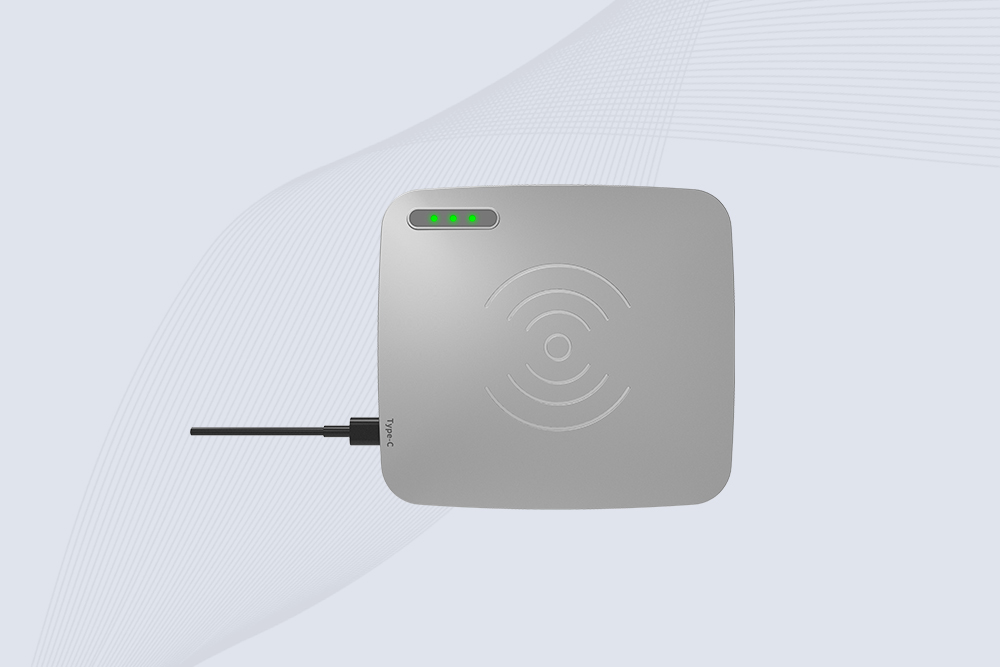
CYKEO CYKEO-D1C USB RFID Card Reader is a near-field UHF desktop writer designed for secure, short-range tag encoding. With USB-C connectivity and stable 26 dBm output, this rfid reader usb c is ideal for badge issuance, label encoding, and controlled desktop RFID workflows.
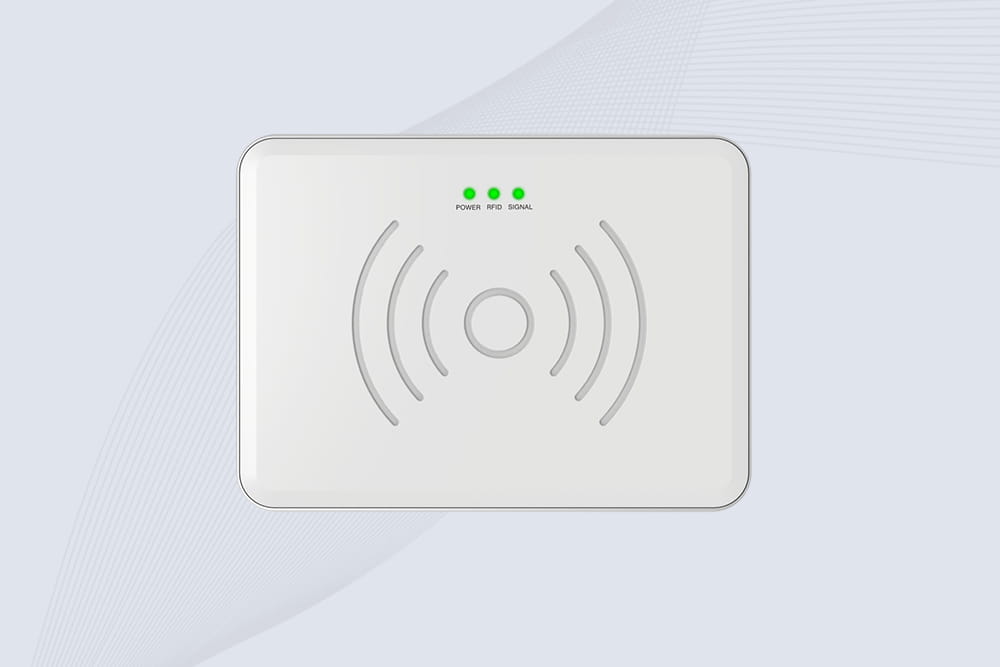
CYKEO CYKEO-D2L RFID Reader USB is a compact desktop encoder built on the Impinj R500 chip. With near-field control and stable USB power, this usb rfid card reader delivers precise tag writing for offices, retail counters, and small-scale logistics encoding tasks.
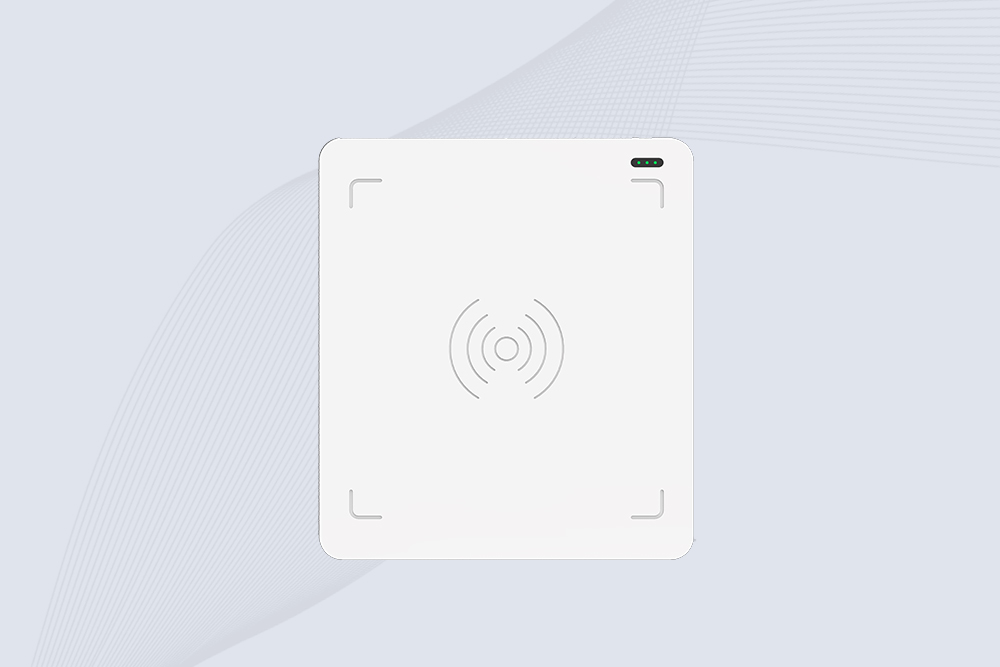
CYKEO CYKEO-D3L USB RFID Tag Reader delivers stable UHF tag reading and writing for daily desktop and light industrial tasks. Designed for controlled short-range operation, this USB RFID Tag Reader works reliably with rfid tag and reader systems in libraries, tool tracking, and inventory registration.
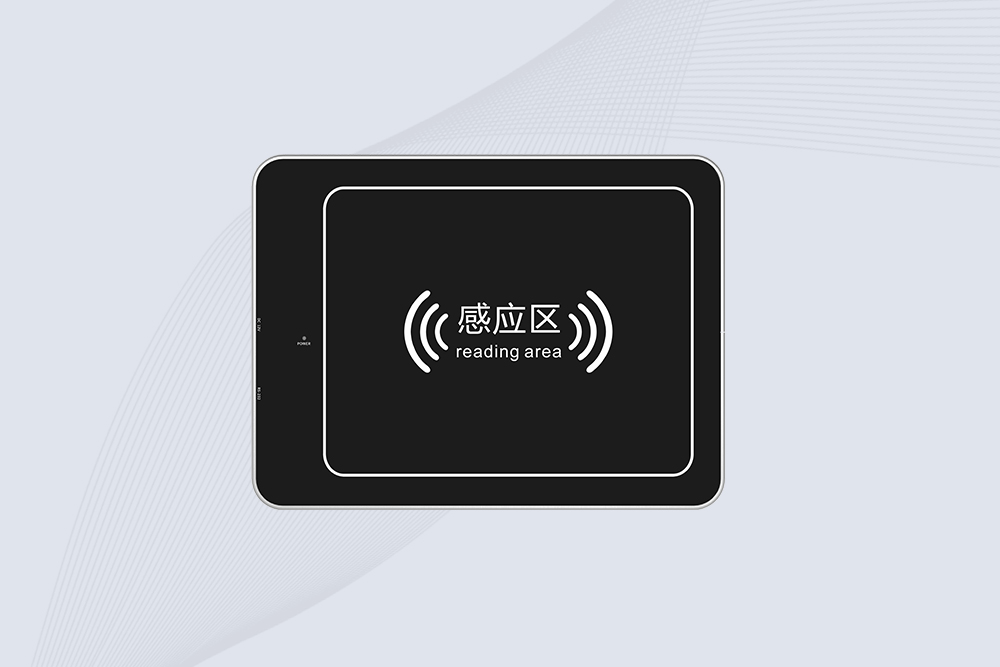
The CYKEO CYKEO-D4L UHF RFID Tag Reader is a stable Desktop RFID Reader designed for accurate tag registration, borrowing, and return workflows. Built with the Impinj R2000 chip, this UHF RFID Tag Reader delivers controlled short-range reads for libraries, asset tracking, and inventory management environments.
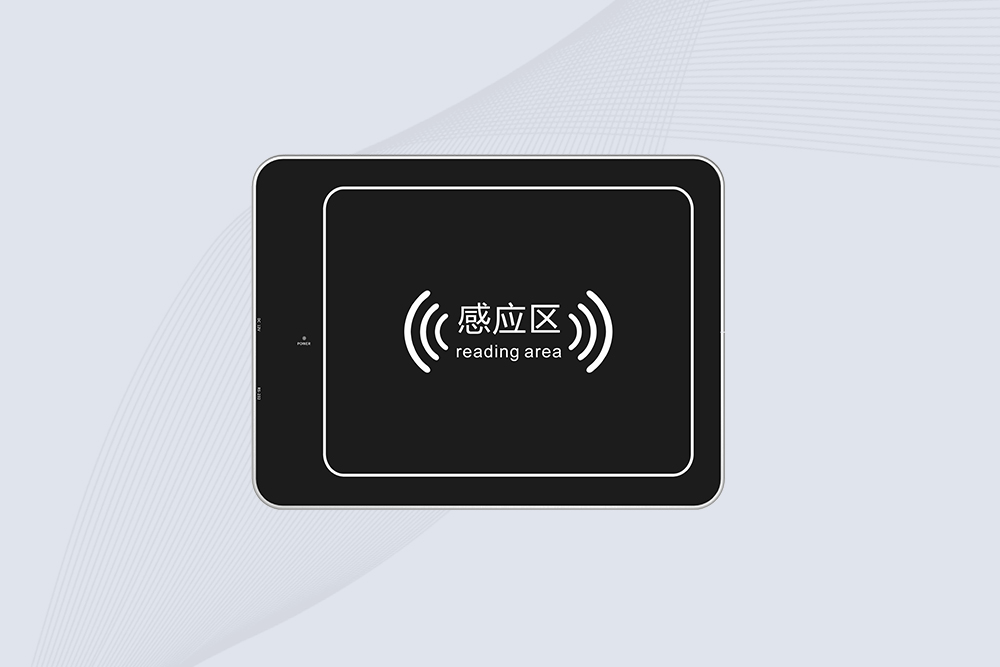
The CYKEO CYKEO-D5L Desktop RFID Card Reader is a stable UHF RFID Card Reader designed for controlled short-range reading and writing. Built for libraries, tool rooms, and asset desks, this UHF RFID Card Reader supports dense tag handling, secure data processing, and easy USB integration.
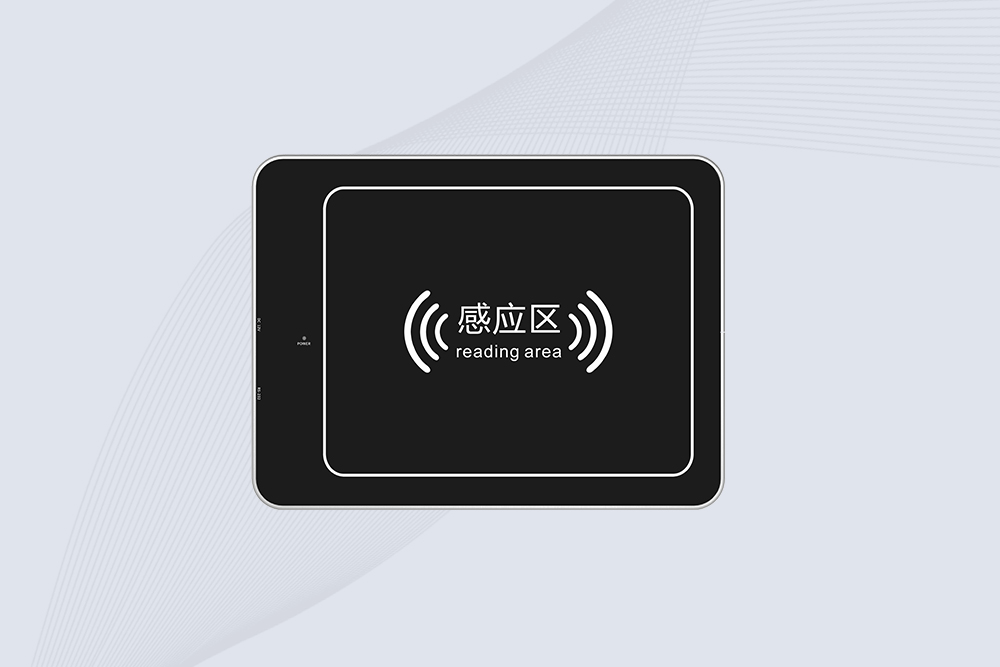
The CYKEO CYKEO-D6L RFID Reader Writer is a heavy-duty Desktop RFID Reader designed for short-range, high-accuracy tag programming. Built for libraries, labs, and asset desks, this RFID Reader Writer supports batch processing, stable 33dBm output, and seamless integration with existing management systems.
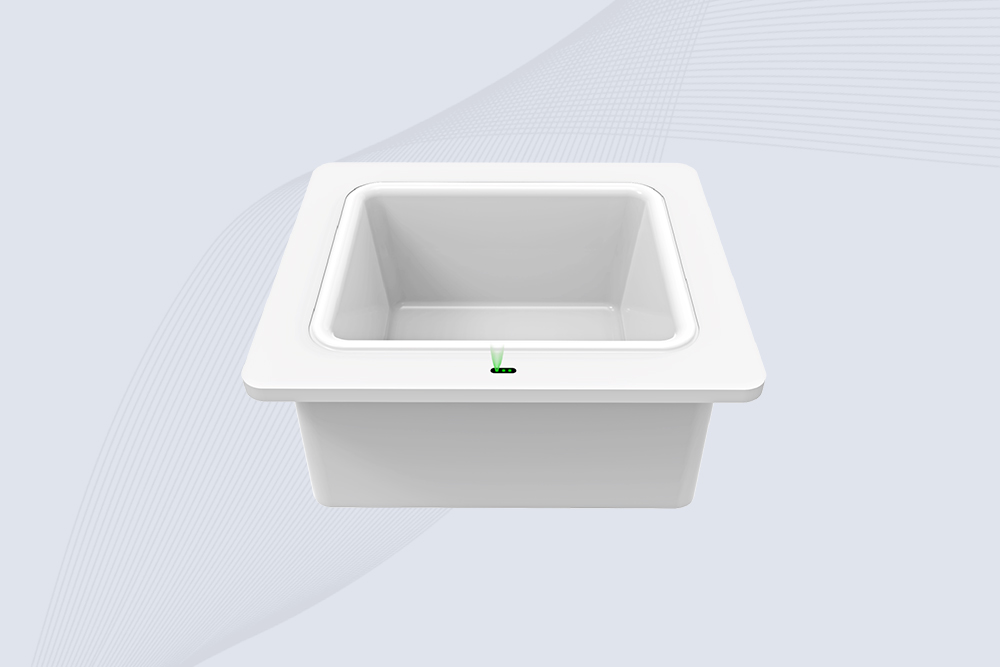
Cykeo CYKEO-D8B UHF RFID tunnel and RFID Desktop Reader features 30+ items batch reading,
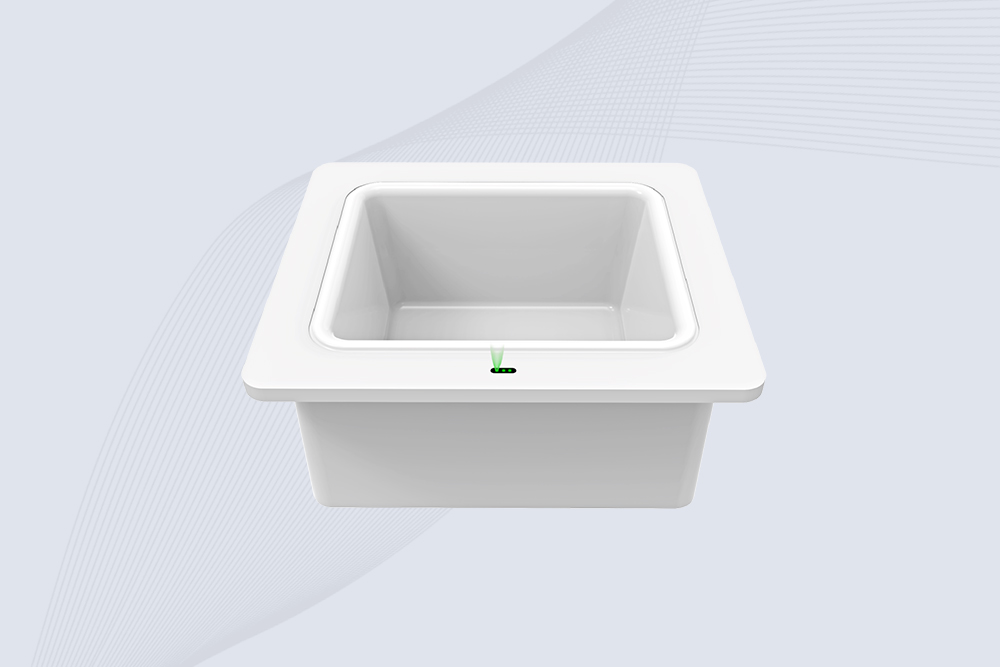
Cykeo CYKEO-D8A embedded RFID badge reader offers 30+ tags/sec scanning, 20cm anti-crosstalk precision, and DC 12V power for unmanned stores, warehouses, and smart inventory systems.
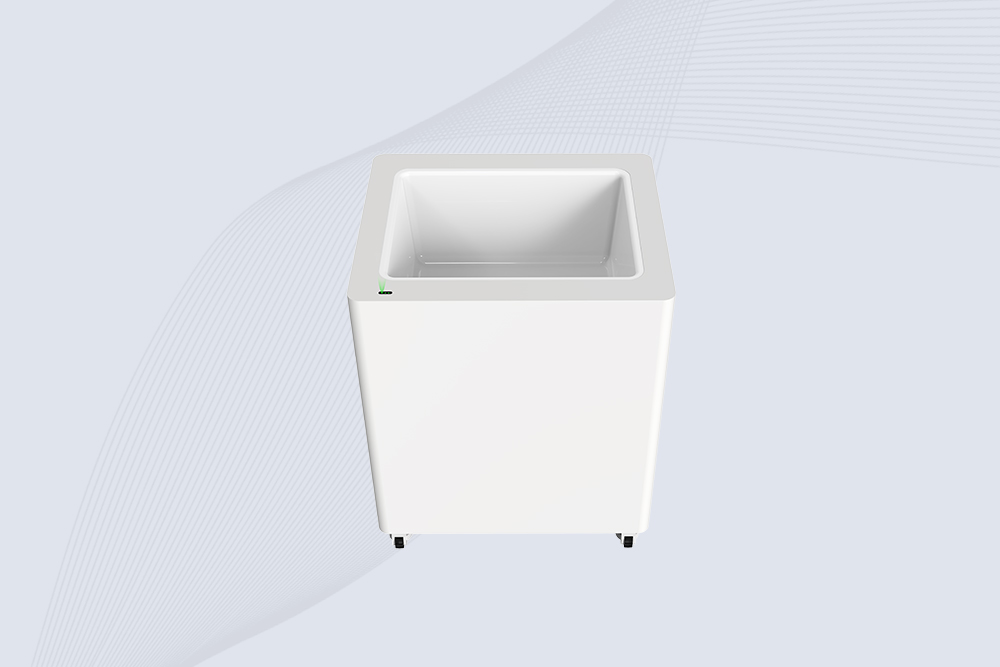
Cykeo’s CYKEO-D8C UHF RFID gate reader achieves 200-tag/batch scanning with adjustable power control, ideal for retail inventory and smart warehouse management.

Understand the differences between UHF and HF handheld RFID readers. Compare range, applications, costs, and choose the right technology for logistics, healthcare, or retail.
More
Understanding what RFID is and how RFID works,its core components, application scenarios, and key benefits
More
Learn why RFID laundry tags are becoming essential for modern textile rental management. Improve garment tracking, reduce inventory loss, and automate commercial laundry operations.
More
Learn how rfid tag label technology enables fast tracking, real-time inventory, and automation across retail, logistics, and asset management systems.
More