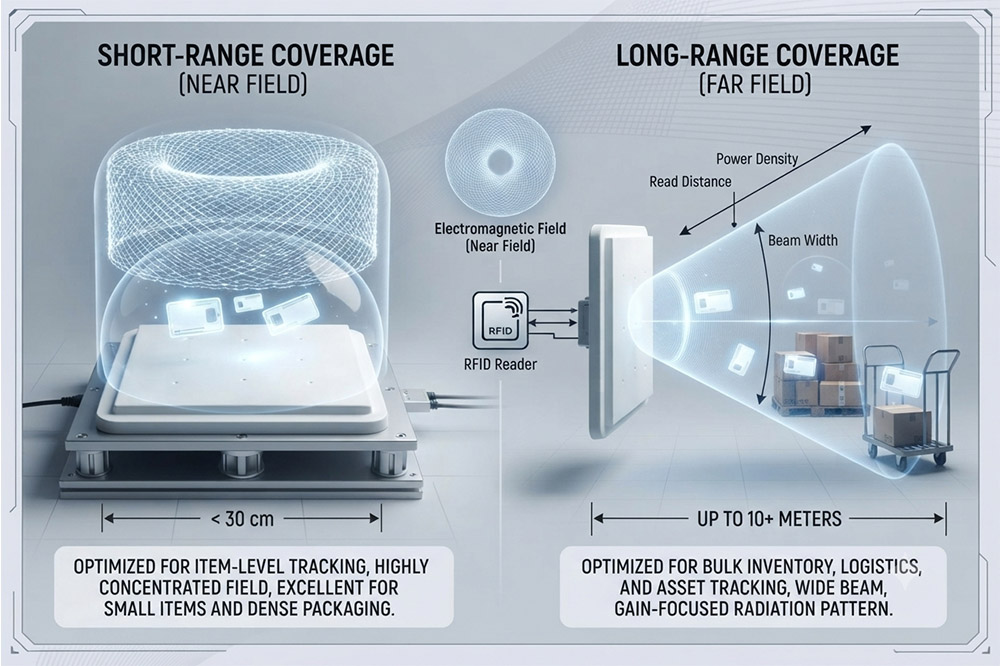
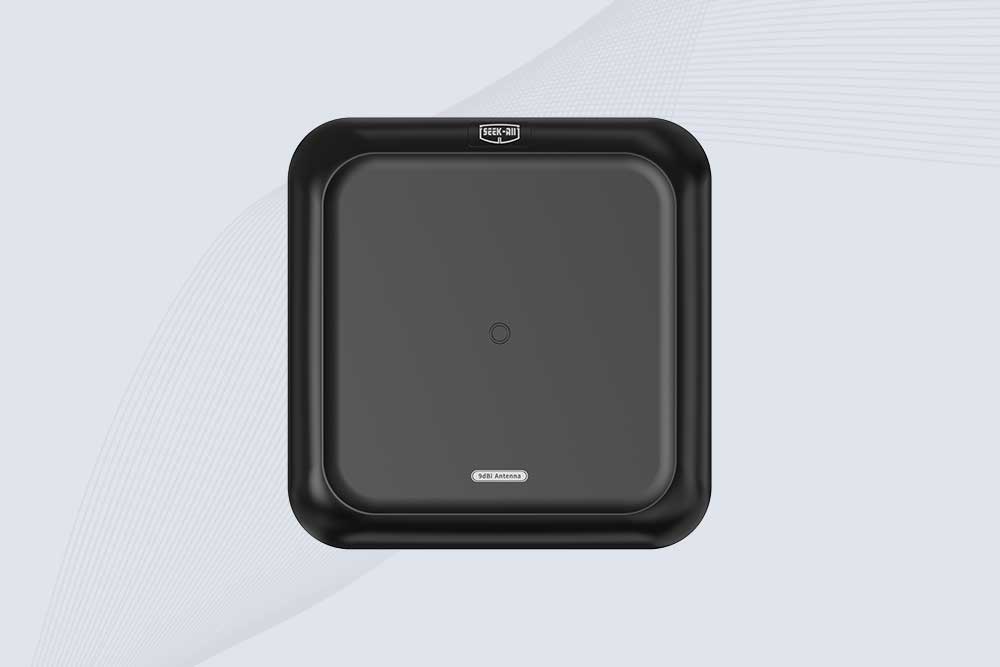
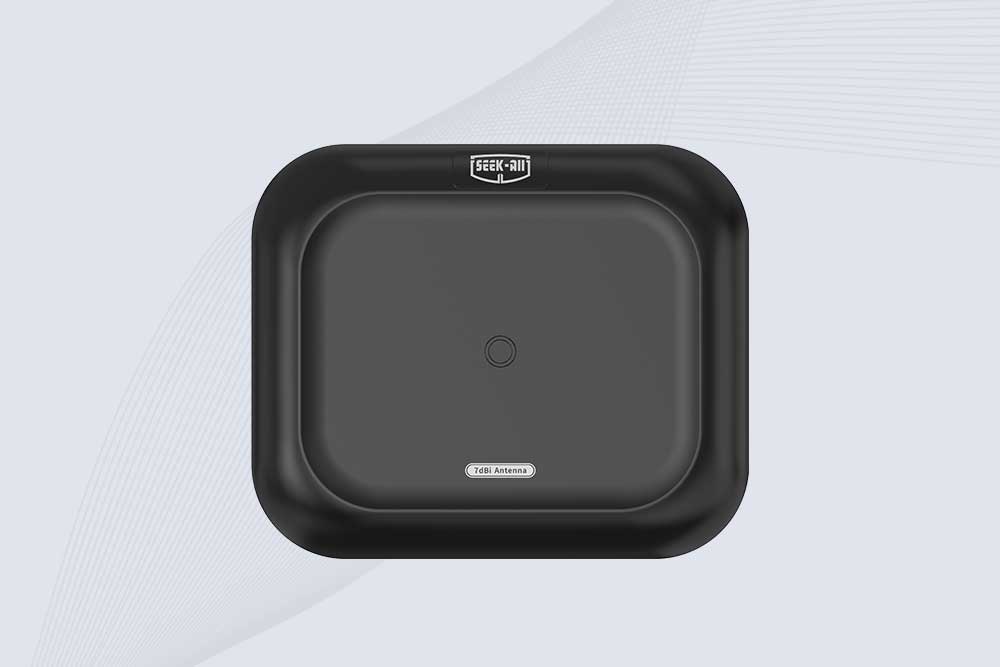
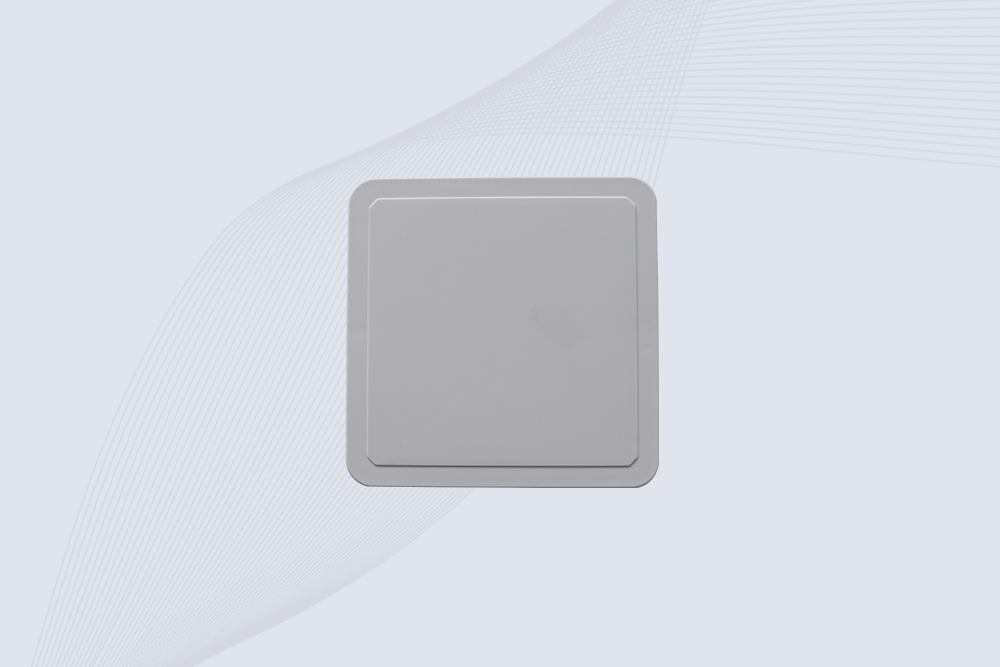
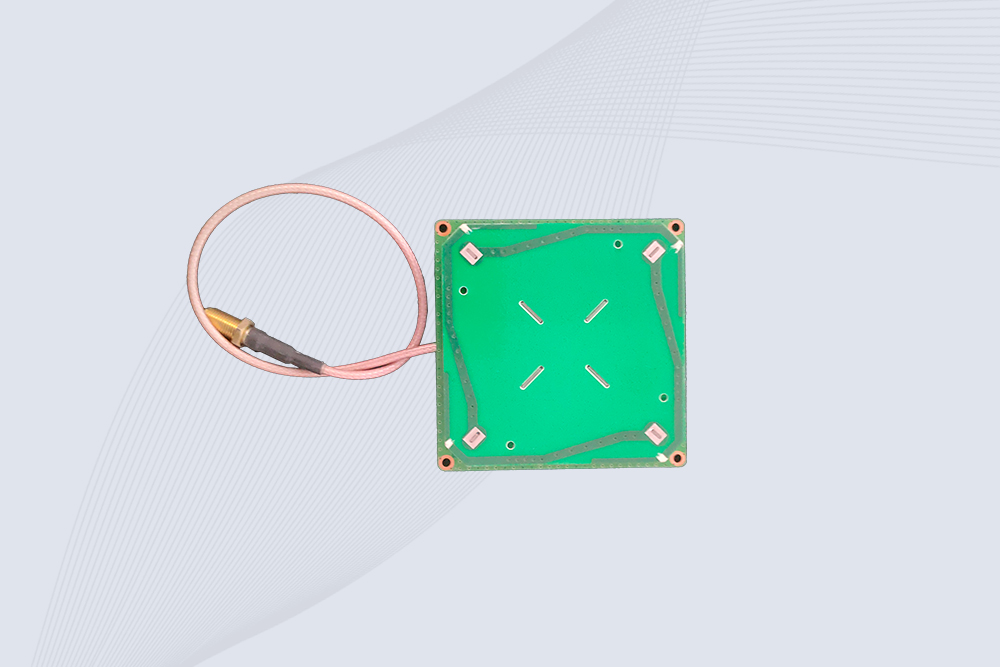
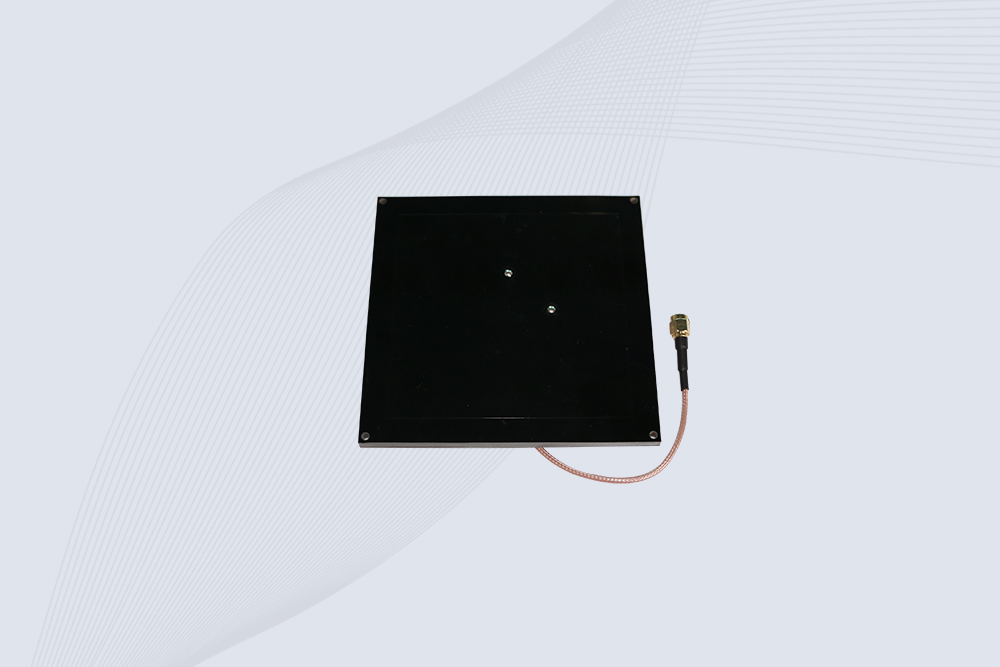
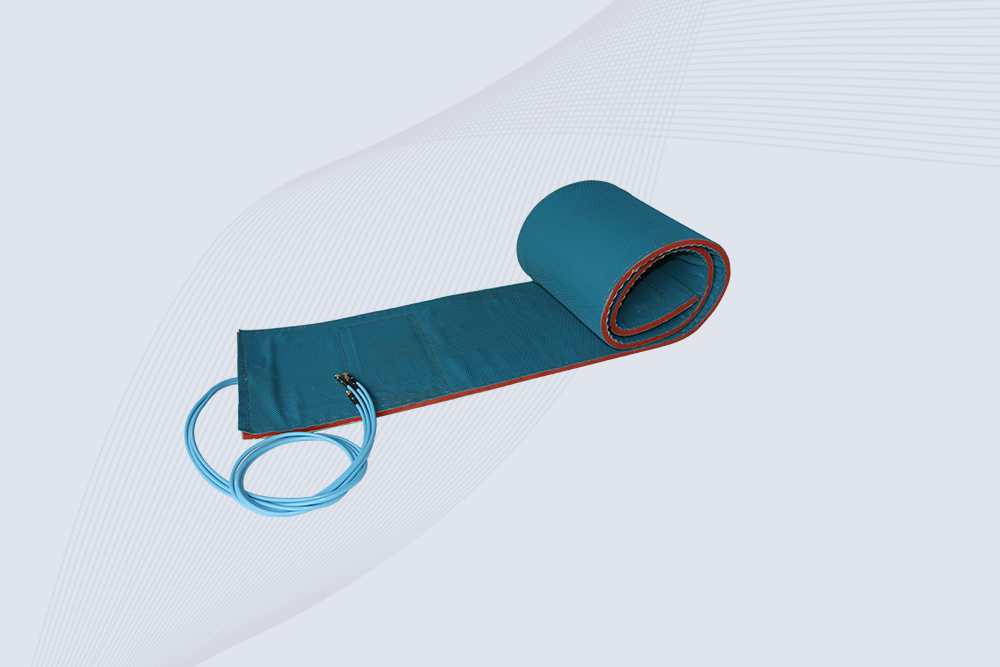
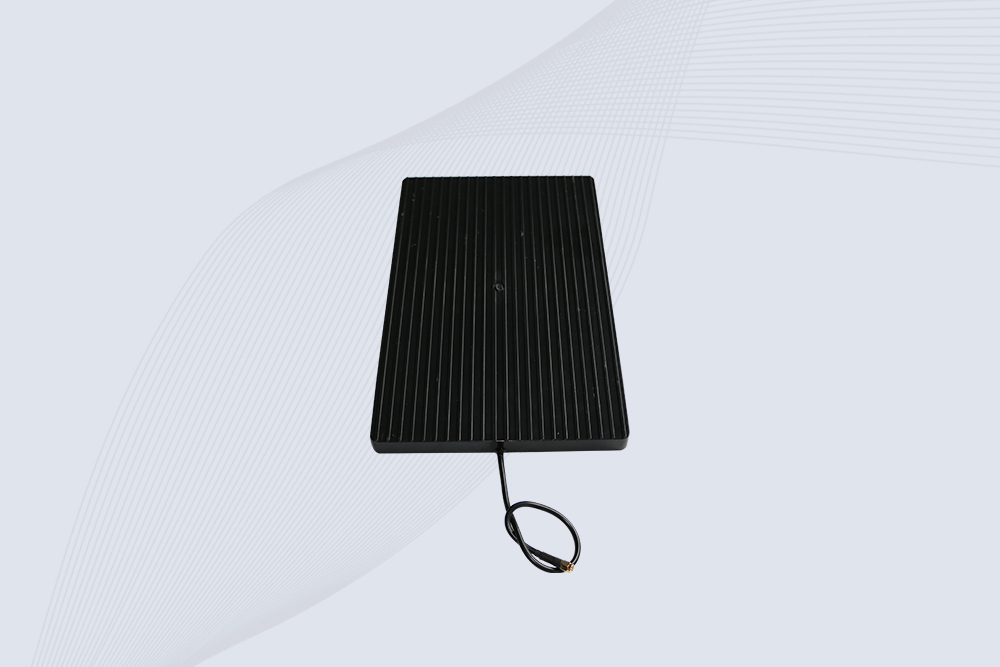
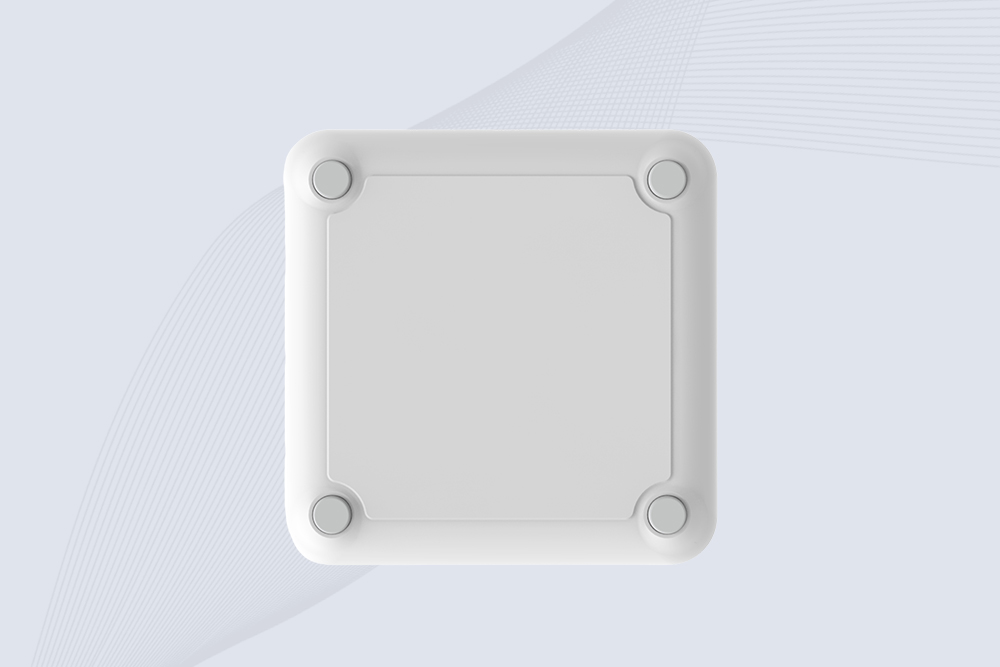
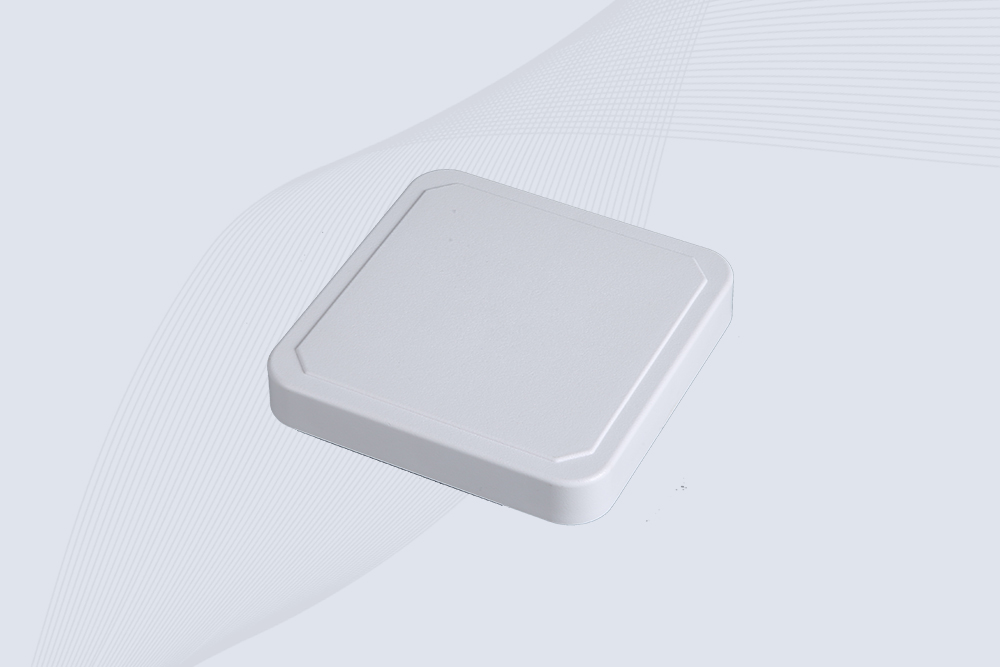
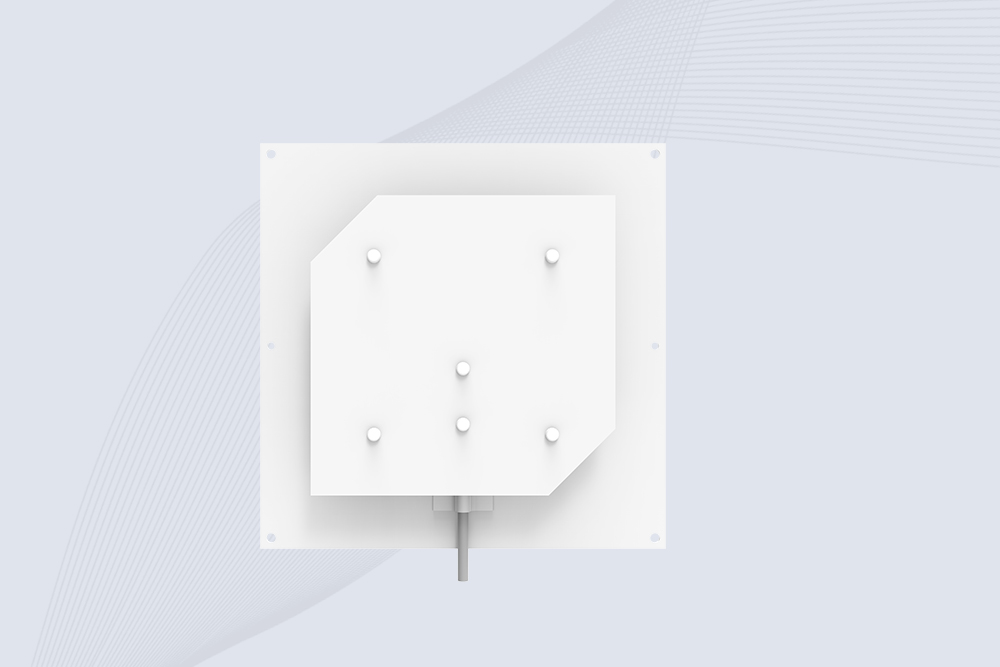
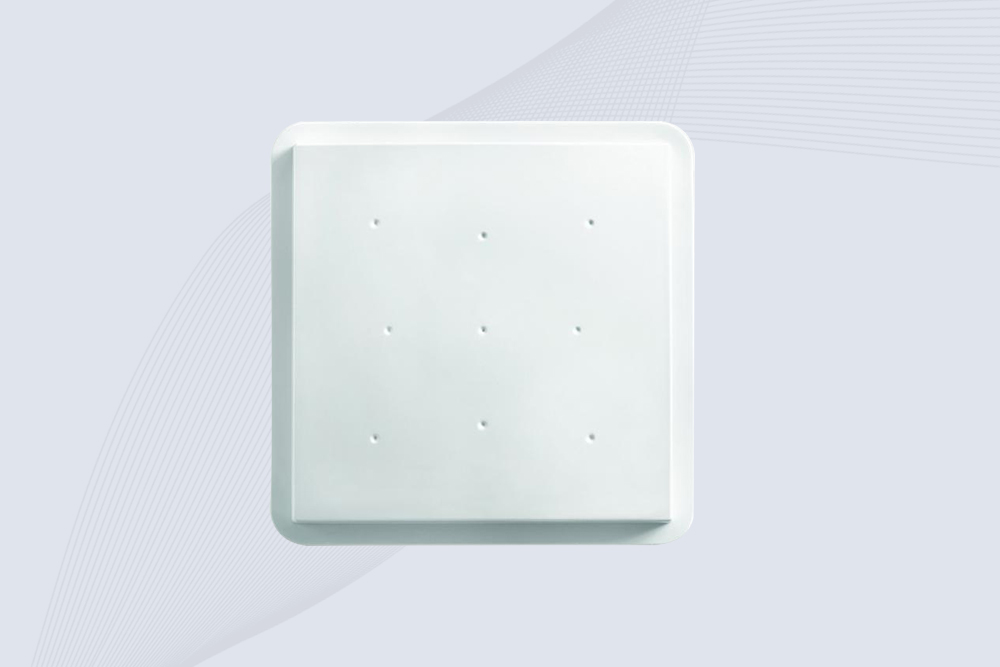
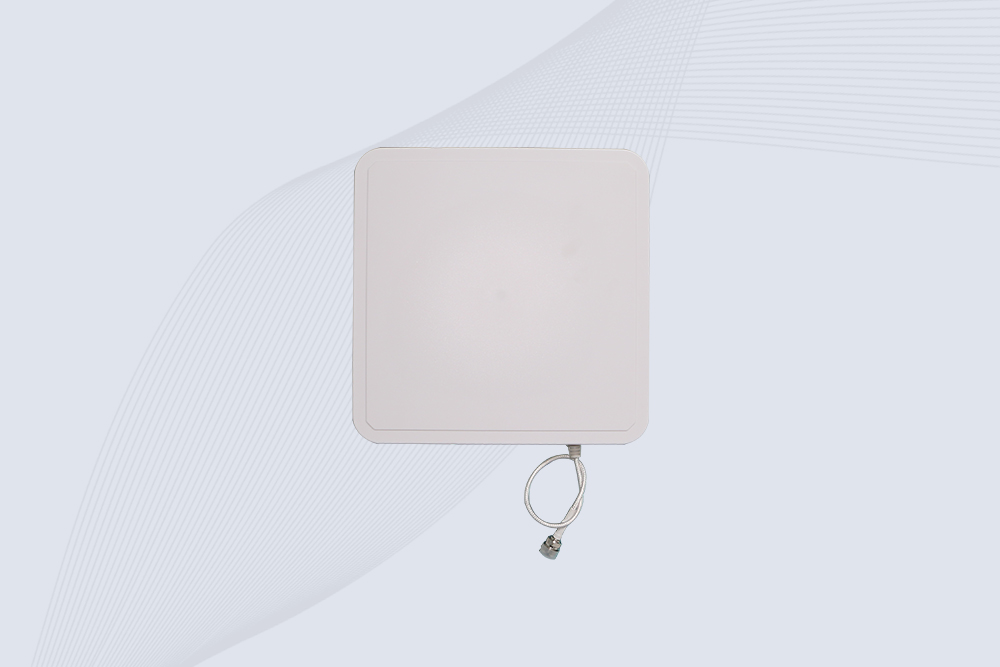
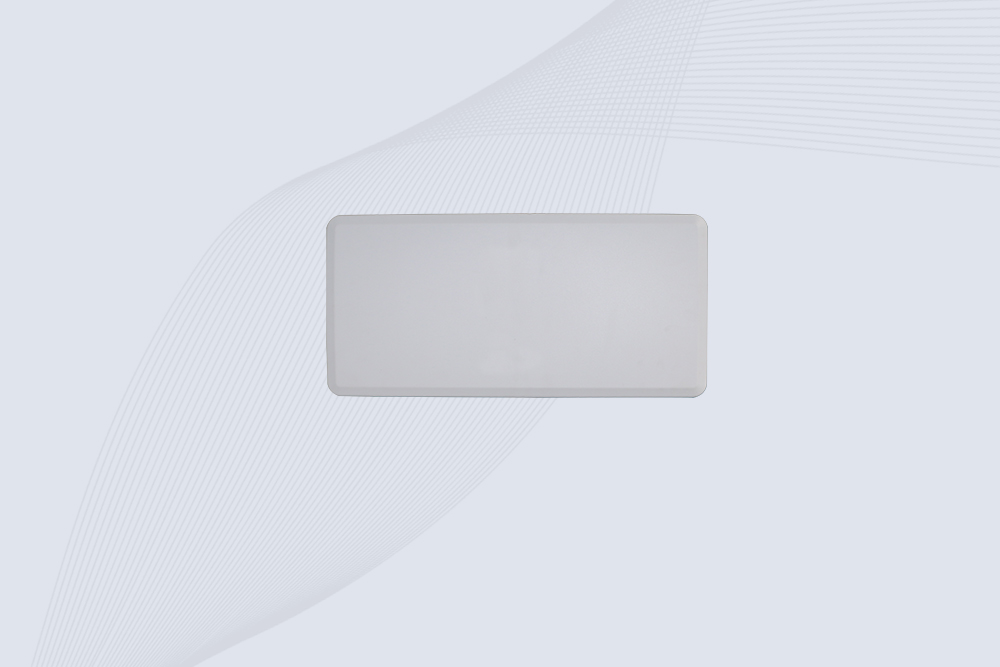
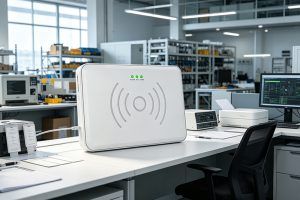
A tool cabinet should identify tools inside the cabinet, not tools on the nearby table.
A long-range antenna may create unnecessary problems.
Near field RFID antennas are often a better option.
Manufacturing Production Line
Production lines require stable performance.
Products may move quickly, and the environment may include metal equipment.
The antenna range needs to match the actual production layout.
Too short:
Tags are missed.
Too long:
Unwanted reads may happen.
How to Improve RFID Antenna Reading Distance?
If the RFID range is shorter than expected, changing the antenna is not always the first step.
Check these areas:
1. Verify Antenna Installation
Sometimes the antenna position is the main issue.
Try adjusting:
Angle
Height
Distance
2. Check Cable Loss
Long cables can reduce signal strength.
In larger installations, cable quality and length should be considered.
3. Match Antenna With Tags
A different tag type may improve performance more than changing the antenna.
Especially in:
Metal environments
Small item tracking
Outdoor applications
4. Optimize Reader Settings
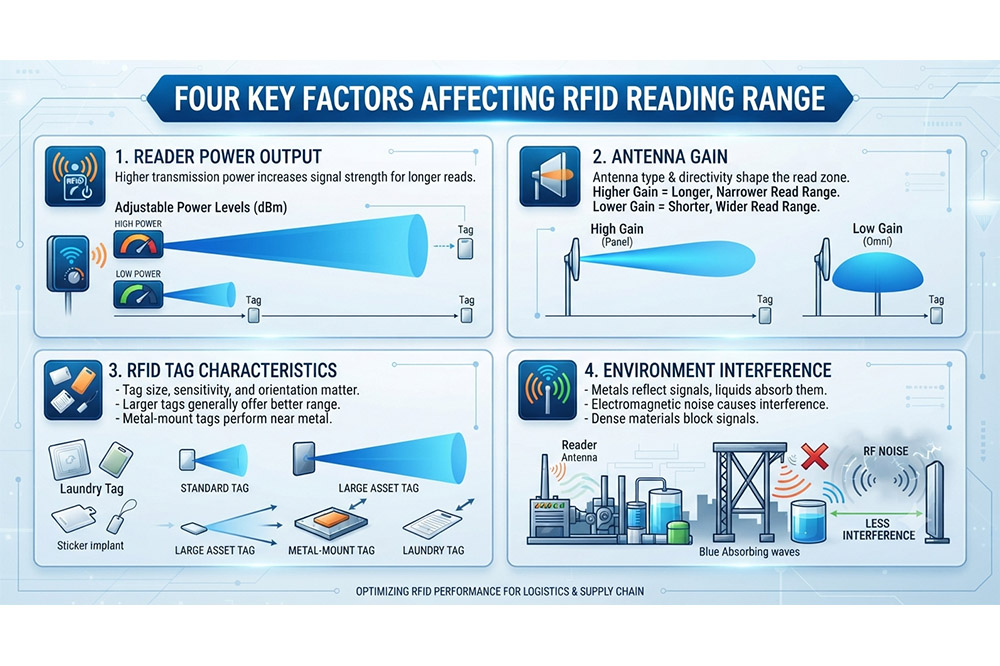
Reader power and sensitivity settings can influence performance.
The strongest setting is not always the best setting.
Common Mistakes When Choosing RFID Antenna Range
Mistake 1: Choosing Based Only on Maximum Distance
A 20-meter reading range sounds attractive.
But if the application only needs 3 meters of controlled reading, that antenna may create problems.
Mistake 2: Ignoring the Installation Area
The same antenna can perform differently in:
Open warehouse
Factory floor
Retail store
Medical environment
Mistake 3: Buying Before Testing
For large projects, testing samples before bulk purchasing is usually a safer approach.
A small antenna adjustment during testing can prevent expensive changes later.
Selecting RFID Antenna Supplier for Bulk Projects
For RFID distributors and system integrators, antenna performance directly affects customer satisfaction.
A reliable supplier should provide more than a product list.
Useful support includes:
Application evaluation
Antenna recommendation
Sample testing
OEM customization
Technical support
Different projects need different solutions.
A warehouse tracking project, a smart cabinet project, and a factory automation project may all use RFID technology, but the antenna requirements are completely different.
FAQ About RFID Antenna Range
How far can RFID antenna read?
The range depends on antenna type, gain, reader power, tag design, and environment.
UHF RFID systems can often achieve several meters of reading distance, but actual performance depends on installation conditions.
Does bigger RFID antenna have a longer range?
Not necessarily.
Antenna design and gain are more important than physical size.
Can RFID antenna range be customized?
Yes.
Manufacturers can provide different antenna designs based on required distance, coverage area, and installation conditions.
What RFID antenna is best for long range applications?
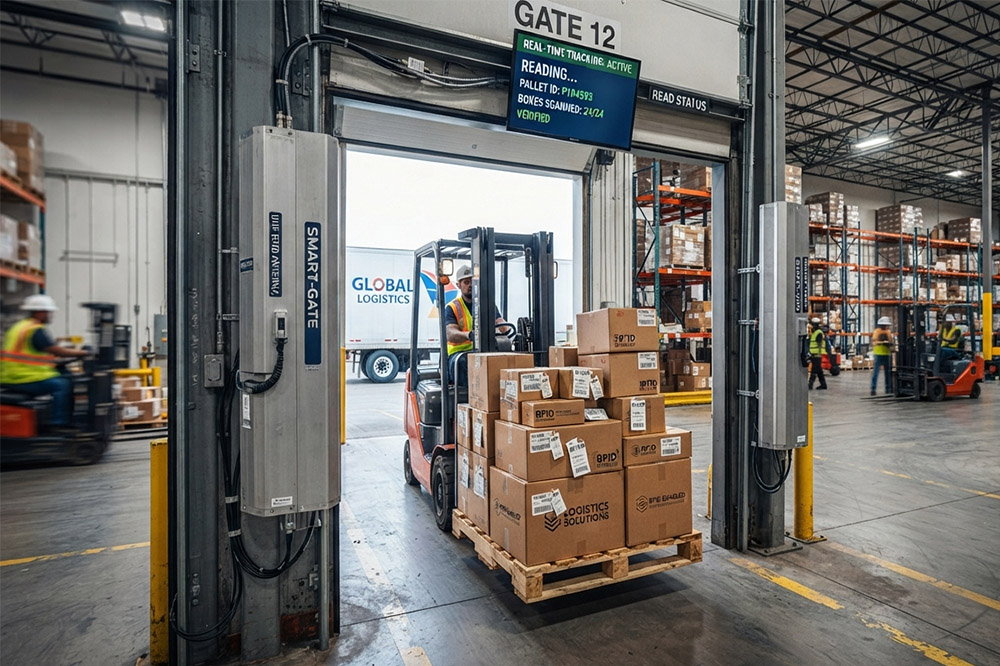
UHF far-field antennas are commonly used for long-distance RFID applications such as warehouses and logistics systems.
Need RFID Antenna Solution for Your Project?
Choosing RFID antenna range is not only about reaching the longest distance.
It is about creating the right reading area for your application.
For RFID distributors, integrators, and OEM equipment manufacturers, we provide RFID antenna solutions, customization support, and bulk supply services.
Contact us to discuss your RFID project requirements.
Explore the SSD-A07 UHF RFID antenna with 7 dBi gain, circular polarization, adjustable 840–960 MHz frequency, and 60°/75° beamwidth for stable RFID read/write performance.
SSD-A06 UHF RFID antenna with circular polarization, adjustable 840–960 MHz frequency, ≥4.5 dBi gain, and a compact directional design for RFID systems.
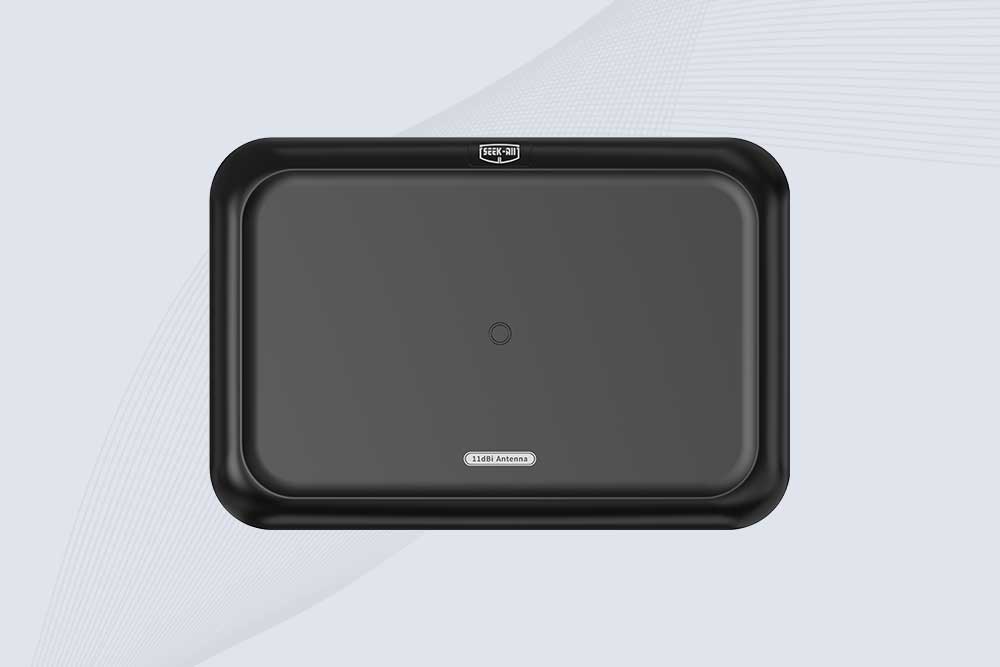
Cykeo CYKEO-A11 UHF RFID reader antenna delivers 11dBi gain, 840-960MHz frequency range, and IP65 ruggedness for retail, logistics, and industrial RFID systems. Features low VSWR and easy installation.
CYKEO Antenna RFID Reader delivers stable long-range UHF performance with a 10.5dBi directional design, built for warehouses, conveyor portals, and industrial RFID systems. This rfid reader antenna provides 20m+ read distance and rugged IP67 protection.
Cykeo CYKEO-A5B industrial Linear RFID Antenna delivers 5dBi gain, ≤1.5:1 VSWR, and IP65 rugged design for warehouse, production line, and logistics UHF systems.
Cykeo’s CYKEO-B12 Long Range RFID Antenna delivers 15m+ read range with 12dBi gain, IP65 rugged design, and global 840-960MHz UHF support. Ideal for warehouse/logistics asset tracking.
Cykeo CYKEO-B10 Long Distance RFID Antenna offers 10dBi gain, 840-960MHz frequency range, IP65 rating, and 20m+ coverage for logistics/warehousing/ETC systems. Low VSWR ensures stable signal transmission.
Cykeo CYKEO-A6 UHF RFID panel antenna features 6dBi gain, 840-960MHz broadband, IP65 metal-ready housing for logistics/smart retail. 18mm ultra-thin design with tool-free mounting.
Cykeo CK-A3 industrial antenna RFID UHF offers 5m+ tag detection, ≤1.3:1 VSWR, IP65 rugged design, and global UHF spectrum compatibility (840-960MHz) for warehouses, factories, and retail.
Cykeo CYKEO-B5 directional RFID antenna provides 5dBi gain with 60° narrow beamwidth for precise inventory tracking. IP65-rated, global UHF frequency support, and low VSWR.
Create your own high-performance DIY RFID antenna! 5dBi gain, 840-960MHz tunable, step-by-step guides. Compatible with Arduino, Raspberry Pi, and commercial UHF readers.
Cykeo CYKEO-A7 Flexible RFID Antenna features 840-960MHz wideband tuning, 7dBi gain, and IP68 rating for medical/retail/industrial curved surface deployments. 98% read accuracy with peel-and-stick installation.
Cykeo CYKEO-B5A industrial Passive RFID Antenna delivers 5dBi gain, 70° beamwidth, and -40°C~55°C operation for warehouses/smart cabinets. Compatible with Zebra/Impinj readers.
Cykeo’s CYKEO-A9B High Gain RFID Antenna delivers 15m+ read range with 9dBi amplification. Features IP54 rugged design, 840-960MHz bandwidth, and 80° beamwidth for warehouse/manufacturing RFID systems.
Cykeo’s enterprise-grade 8dbi Impinj RFID Antenna 10m+ read range with 840-960MHz tuning. Features IP65 housing, 1.4 VSWR, 35° beamwidth for retail/warehouse RFID systems.
Cykeo CYKEO-A9 industrial UHF RFID antenna delivers 9dBi gain, 840-960MHz frequency range, and IP65 protection for warehouse/logistics/retail RFID systems. Features N-type connector and ≤1.3:1 VSWR.
CYKEO UHF RFID Antenna built for long-distance and industrial applications. This antenna rfid uhf delivers strong gain, outdoor durability, and reliable tag performance in warehouses, yards, and vehicle ID systems.
CYKEO Antenna RFID delivers reliable long-range UHF performance in warehouses, retail shelves, and cold-chain environments. This compact uhf rfid antenna provides stable reads with circular polarization and ultra-wide 840–960 MHz support, ideal for industrial tracking, smart shelves, and asset monitoring.
Cykeo’s CYKEO-C8 UHF RFID antennas delivers 8dBi gain, 840-960MHz full-band coverage, and IP65 ruggedness for manufacturing/warehouse RFID systems. Industrial RFID Antennas Features
Cykeo’s 8dBi UHF RFID antenna and reader kit delivers 10m+ range, 840-960MHz broadband, and IP65 ruggedness for factories, warehouses, and logistics. ISO 18000-6C & EPC Gen2 certified.
Cykeo’s CYKEO-A12C UHF Large RFID Antenna delivers 12dBi gain, 840-960MHz global frequency, IP65 ruggedness for logistics/warehousing/automotive. 40° beamwidth ensures stable 15m+ tag reads.
CYKEO Near Field RFID Antenna provides precise 5–30 cm reading for shelves, cabinets, and workstations. This compact rfid shelf antenna delivers stable short-range performance around metal and clutter, ideal for pharmacies, libraries, and electronics sorting.
RFID Industry Writer | IoT & Asset Tracking Analyst
James writes about RFID technology, asset tracking, and the practical challenges of digital transformation across warehousing, retail, manufacturing, and logistics.
His work focuses on how RFID is applied in real-world operations—improving inventory visibility, automating workflows, and helping businesses manage assets with greater accuracy and efficiency.
He regularly covers topics including UHF RFID, smart cabinets, RFID portals, tool tracking, warehouse automation, and industrial IoT trends..
A realistic, no-fluff guide to RFID attendance systems. Learn how RFID check-in works, where it fits, the pros and cons, and what to consider before deploying it in your organization.
Embedded RFID tags are built directly into assets for maximum durability and tamper resistance. Learn how embedded RFID works and explore industrial solutions for metal, laundry, and liquid environments.
Discover what are rfid and how RFID technology identifies, tracks, and manages assets. Learn RFID applications, components, and smart solutions from Cykeo.
UHF tag technology enables fast RFID identification, asset tracking, and inventory management. Learn how Cykeo solutions improve tag encoding accuracy and operational efficiency.
 Cykeo RFID IoT Solution Products R&D Manufacturer