 Cykeo RFID IoT Solution Products R&D Manufacturer
How Does a USB RFID Scanner Work? Understanding RFID Reading Technology
153The basic RFID reader working principle is quite simple: RFID tag → RF signal → reader antenna → USB communication → software. The complexity appears when th...
MoreAll RFID Product
A uhf rfid label is a passive electronic label that enables long-range (up to 10m), high-speed identification and tracking of items using UHF radio frequency communication.
That’s the short answer.
On-site, it’s less about “labels” and more about whether your system sees everything—or misses just enough to cause problems.
A UHF RFID label combines three elements:
Unlike barcodes, it doesn’t need line-of-sight.
In a warehouse rollout, we stopped scanning boxes one-by-one. The system read entire pallets as they moved through a gate—no pause, no operator involvement.
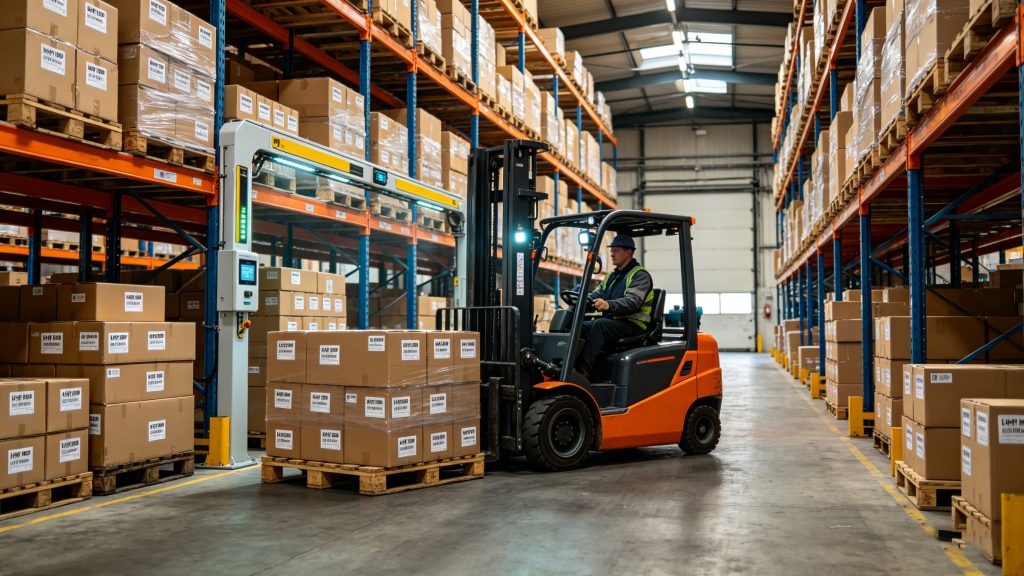
UHF RFID labels are designed for distance—but distance alone doesn’t define performance.
| Metric | UHF RFID Label |
|---|---|
| Read range | Up to 10 meters |
| Read speed | 400+ tags/sec |
| Accuracy | 99%+ (optimized setup) |
| Tag type | Passive |
According to RAIN RFID Alliance:
Most performance complaints come from installation—not the label itself.
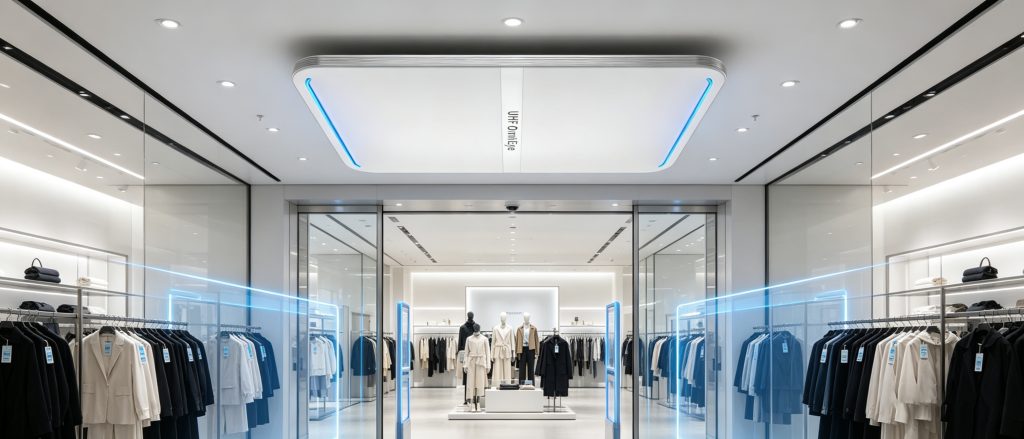
When paired with ceiling-mounted integrated readers (like Cykeo systems), UHF RFID labels behave differently.
In a retail deployment, labels near the exit didn’t trigger false alarms—only moving tagged items did. That filtering is where system intelligence meets label performance.
Most UHF RFID labels follow the EPC Gen2 (ISO 18000-6C) standard.
According to GS1:
In one inventory project (~5,000 SKUs):
| Feature | UHF RFID Label | Barcode Label |
|---|---|---|
| Line-of-sight | Not required | Required |
| Bulk reading | Yes | No |
| Speed | High | Low |
| Automation | Full | Limited |
Barcodes still work—but only when humans are involved. RFID labels work even when no one is looking.
Even well-designed labels have constraints.
In dense environments, small adjustments (centimeters, not meters) often fix most issues.
It is used for long-range tracking of inventory, assets, and goods in logistics, retail, and industrial environments.
Typically up to 10 meters depending on system configuration.
Yes, many can be reused if not physically damaged.
A uhf rfid label doesn’t look like much.
Thin. Flexible. Easy to overlook.
But once deployed correctly, it changes how operations feel.
No scanning delays.
No missing items during audits.
Just constant visibility—quietly running in the background.
That’s usually when people realize the system is finally working.
The basic RFID reader working principle is quite simple: RFID tag → RF signal → reader antenna → USB communication → software. The complexity appears when th...
More
uhf rfid chips enable fast, long-range identification for logistics, retail, and industrial automation. Explore Cykeo RFID chip technology insights.
More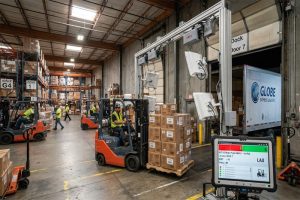
Discover how long range RFID scanners are used in logistics for pallet tracking, shipment verification, warehouse automation, and vehicle management. Practic...
More
Discover how asset management RFID tracking works, where it fits in real-world operations, and what to watch out for. A practical take with examples, small pitfalls, and lessons learned.
More