 Cykeo RFID IoT Solution Products R&D Manufacturer
Which Type of Antenna is Used in RFID Tag?
312Get a clear answer on which type of antenna is used in an RFID tag. We explain dipole, loop, and custom designs for metal, logistics, and asset tracking.
MoreAll RFID Product
To replace an RFID sticker, remove the old tag carefully, clean the surface, attach a compatible new RFID sticker, and verify reading performance with an RFID reader. Proper replacement ensures data accuracy, reliable identification, and continuous tracking performance in logistics, retail, and asset management applications.
Replacing an RFID sticker appears simple until it happens inside a real operating environment.
During RFID deployment projects for industrial asset tracking and product identification, I have handled situations where tags needed replacement because of damaged surfaces, changed product information, or updated inventory systems. The challenge was never only removing the old label.
The real question was:
Will the new RFID sticker perform exactly like the previous one?
A warehouse shelf, a plastic container, or a metal equipment surface can influence RFID performance. A sticker attached incorrectly may still look normal but produce unstable reading results.
As an RFID technical engineer at Cykeo, I have worked with RFID readers, tag testing procedures, and card/tag issuing workflows. In practical projects, we normally verify the replacement tag through read distance testing, writing confirmation, and data comparison before returning the asset to operation.
This small verification step prevents larger problems later.
According to GS1, accurate identification and data management are essential parts of modern supply chain traceability systems. RFID replacement processes must maintain data consistency to ensure reliable product information throughout the lifecycle.
Not every RFID sticker can replace another RFID tag.
Before removing the existing label, check:
| Item | Why It Matters |
|---|---|
| RFID frequency | Ensures compatibility with the reader system |
| Protocol type | Prevents communication failure |
| Surface material | Metal and liquid environments affect performance |
| Memory capacity | Determines stored data availability |
| Adhesive durability | Influences long-term reliability |
Common RFID sticker categories include:
Selecting the correct replacement tag is more important than simply applying a new sticker.
The removal process depends on the application environment.
Recommended steps:
In industrial environments, I have seen failed replacements caused by one overlooked detail: the new sticker was placed only a few centimeters away from the original position, but directly over a metal reinforcement area.
The tag was physically attached.
The RFID signal was not.
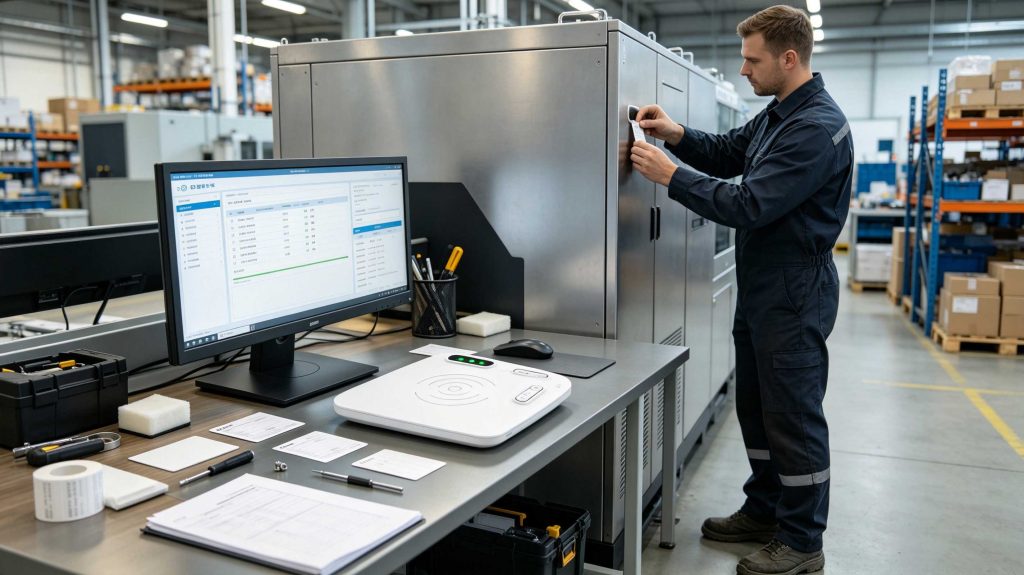
A replacement RFID sticker is not complete until the tag data is confirmed.
For applications requiring new tag information, companies usually need:
Cykeo desktop RFID writers are designed for controlled tag issuing environments where accurate writing distance and stable performance are important.
The desktop reader uses a near-field antenna design to control communication range:
| Function | Controlled Range |
|---|---|
| RFID reading | Within 30 cm |
| RFID writing | Within 10 cm |
This controlled range reduces accidental reading of nearby tags and improves reliability during issuing operations.
The device supports:
For offices, libraries, warehouses, and asset management departments, this design makes daily RFID issuing work easier.
Many companies focus only on physical replacement. However, RFID systems depend on the relationship between:
A replacement RFID sticker should match the original system requirements.
The Auburn University RFID Lab has published RFID supply chain research showing that RFID accuracy depends on proper implementation, tag selection, and environmental testing rather than hardware installation alone.
From actual deployment experience, the best RFID replacement process is usually not complicated. It is careful.
A five-second reading test can prevent hours of searching for missing inventory records.
In many organizations, RFID stickers are replaced frequently because products change, assets move, or labels reach the end of their service life.
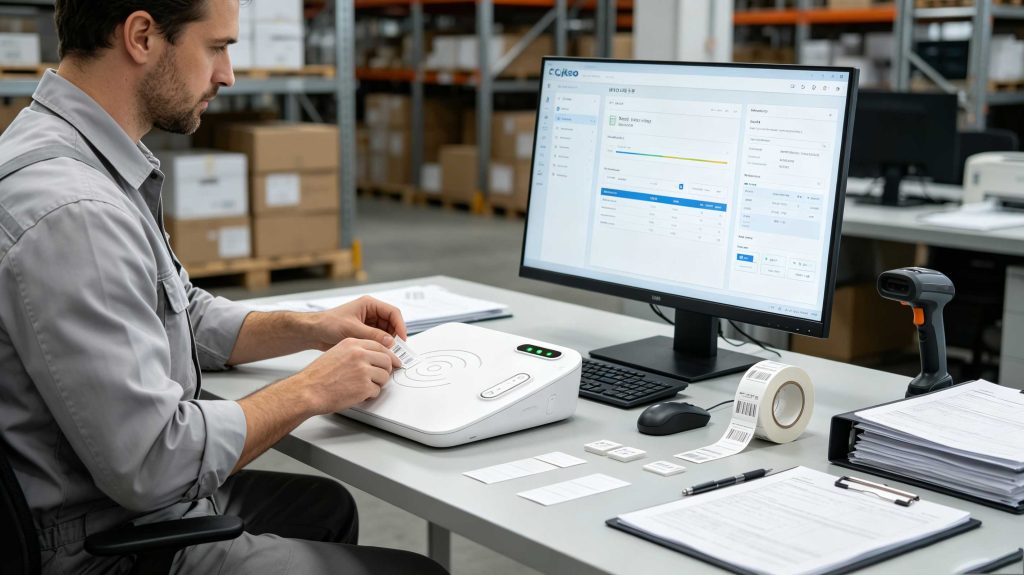
A desktop RFID writer provides a stable workstation for:
Cykeo desktop RFID writing devices provide:
Compared with open-range RFID readers, near-field antenna technology provides better control during tag issuing tasks, especially when multiple RFID stickers are placed on the same desk.
Yes, but it depends on the RFID system design.
If the old RFID sticker is still readable, the existing tag information can be recorded first and transferred to the replacement sticker. The new RFID sticker should then be tested to ensure the same identification information is correctly linked with the database.
For enterprise applications, replacing the physical label without updating system records may create inventory inconsistencies.
The replacement RFID sticker should match the original application requirements.
Before replacement, confirm:
For example, an RFID sticker attached to a metal machine requires a different design from a label used on cardboard packaging.
A shorter reading distance is usually caused by installation conditions rather than the RFID sticker itself.
Common reasons include:
During RFID replacement projects, testing the new tag at the actual installation location is more reliable than testing it only on a desk.
Many RFID stickers support rewriting if they use writable RFID chips.
The process normally includes:
Cykeo desktop RFID writers support automatic writing, reading demonstration software, batch tag writing, and rapid tag filtering, making them suitable for RFID issuing stations.
A professional RFID replacement workflow usually requires:
| Equipment | Purpose |
|---|---|
| RFID stickers | New identification labels |
| RFID reader/writer | Reading and writing tag data |
| Software platform | Managing tag information |
| Database system | Connecting RFID identity with assets |
For small-scale tag replacement, a desktop RFID writer is often more practical because it provides controlled reading and writing distance.
Cykeo desktop RFID writers use near-field antenna technology, controlling reading distance within approximately 30 cm and writing distance within approximately 10 cm, reducing unintended tag communication during issuing operations.
RFID sticker replacement frequency depends on:
Indoor warehouse labels may operate for many years, while outdoor industrial applications may require more durable RFID tags.
Regular inspection helps identify damaged labels before tracking failures occur.
Most adhesive RFID stickers are designed for single installation because removing them can damage the antenna structure or adhesive layer.
Reusable RFID solutions usually use:
For temporary tracking applications, selecting the correct RFID tag type before deployment can reduce replacement costs.
How to replace rfid sticker is not only a physical label replacement process. It is a controlled identification management procedure that ensures the connection between products, assets, and digital records remains accurate.
A reliable RFID replacement workflow requires the correct sticker selection, careful installation, stable writing equipment, and final performance verification.
Cykeo RFID solutions help companies manage RFID issuing and replacement tasks through practical hardware designed for real working environments. The compact desktop RFID writer, near-field antenna design, and stable writing capability make it suitable for applications such as:
In daily operations, RFID reliability often depends on small details. The position of a sticker, the quality of written data, and the accuracy of verification all influence the final tracking result.
A correctly replaced RFID sticker keeps the entire identification system working without interruption.

Discover SSD-D4AL, a USB-HID UHF RFID reader with 4/8/16 antenna options, Impinj E710/X3M1 chipset, plug-and-play USB power, and OEM customization.
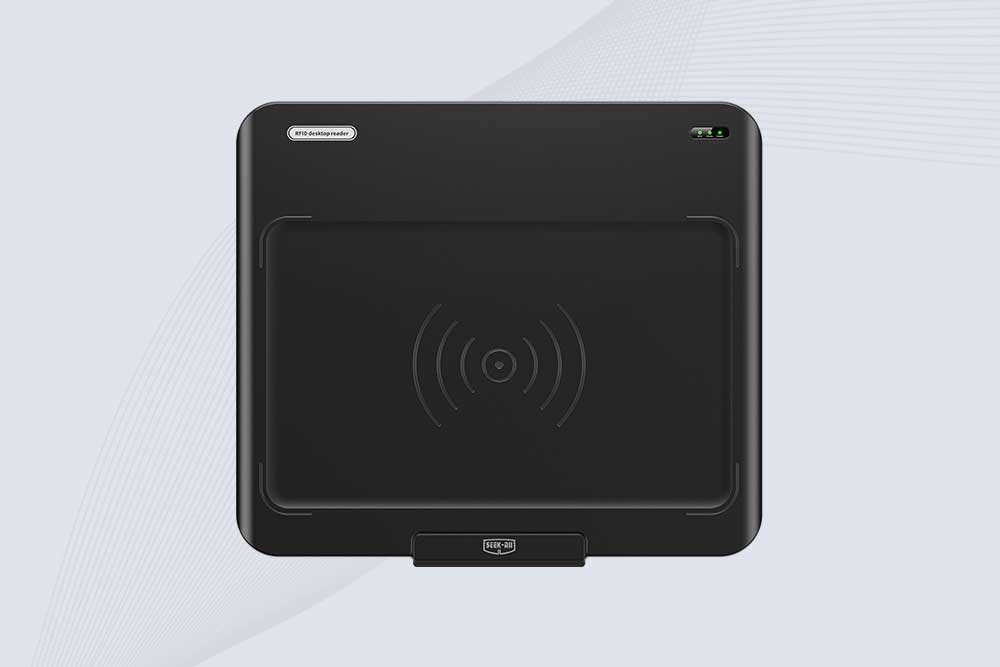
SSD-D3AL is a USB-HID UHF RFID reader with 0–30 cm reading, 0–15 cm writing, over 600 tags/s recognition, USB plug-and-play operation and OEM Logo customization.
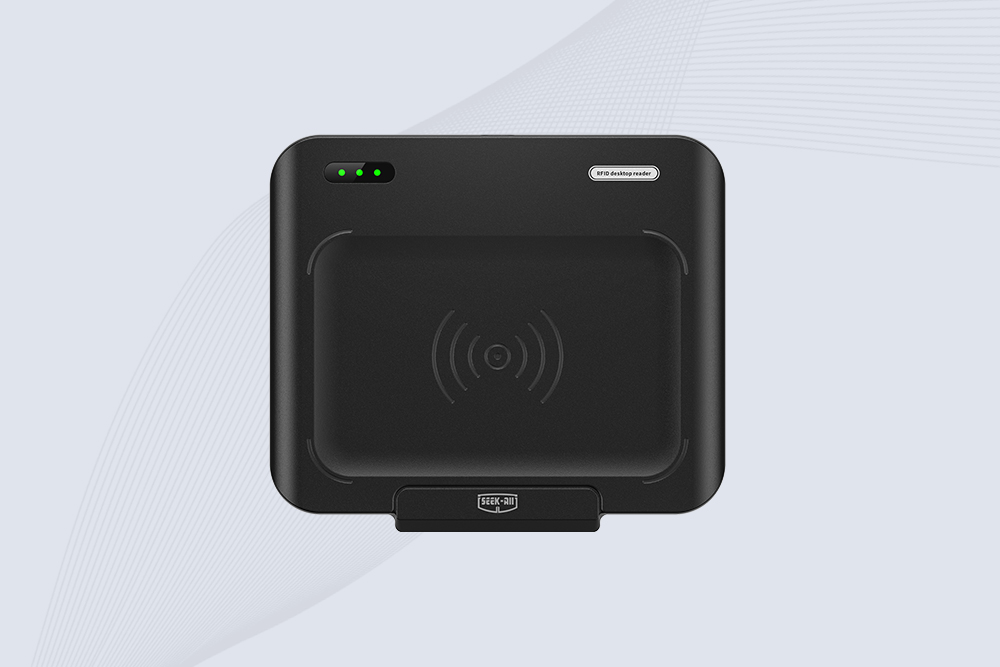
SSD-D1AL is a compact USB UHF RFID reader with Impinj E710/X3M1 chipset, USB-HID, 600+ tags/s recognition, 4/8/16 antenna support and plug-and-play USB power.

CYKEO CYKEO-D1LA USB RFID Reader is a compact desktop solution with near-field control for precise tag reading and encoding. Powered by USB, supporting ISO 18000-6C, and built for stable batch writing, this usb rfid tag reader fits retail, libraries, offices, and controlled RFID encoding tasks.
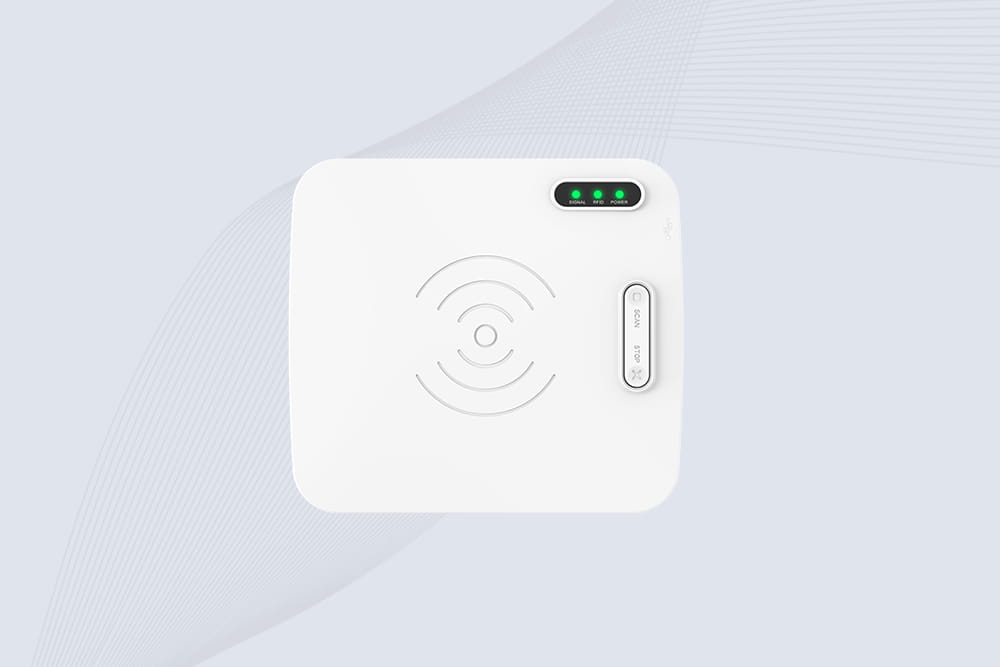
CYKEO CYKEO-D1L RFID scanner USB is a compact desktop UHF RFID scanner designed for short-range tag writing and verification. This usb rfid scanner supports batch encoding, stable 0–26 dBm output, and works across Windows, Linux, and Android systems.
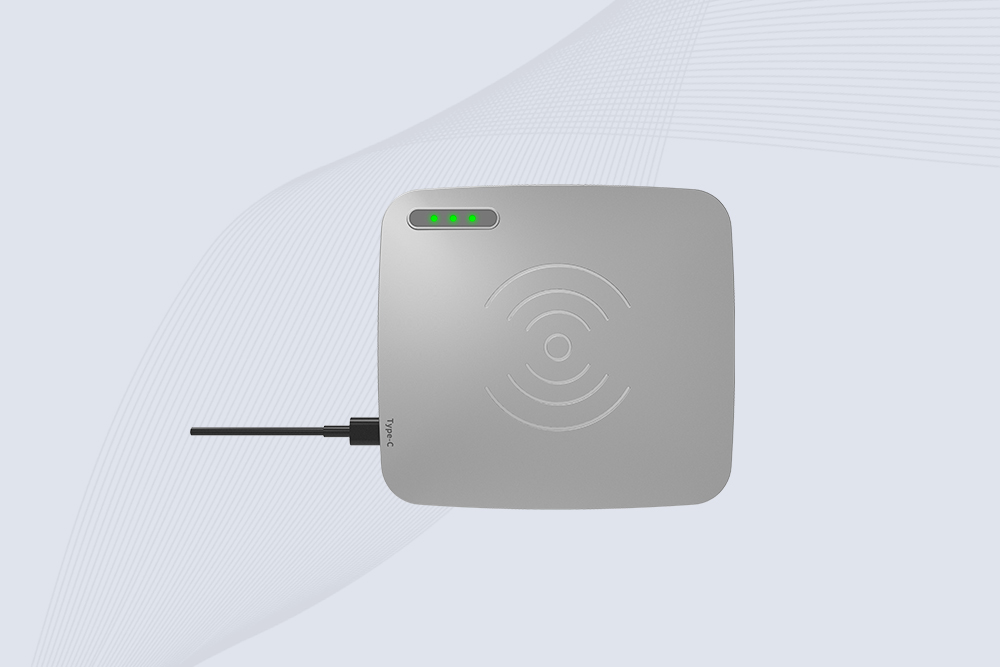
CYKEO CYKEO-D1C USB RFID Card Reader is a near-field UHF desktop writer designed for secure, short-range tag encoding. With USB-C connectivity and stable 26 dBm output, this rfid reader usb c is ideal for badge issuance, label encoding, and controlled desktop RFID workflows.
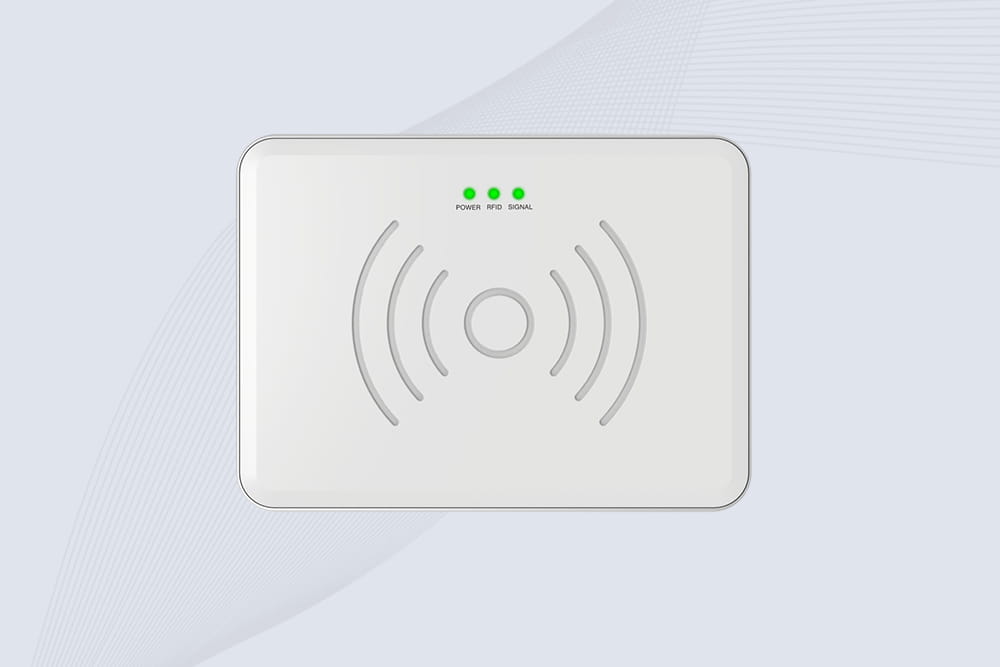
CYKEO CYKEO-D2L RFID Reader USB is a compact desktop encoder built on the Impinj R500 chip. With near-field control and stable USB power, this usb rfid card reader delivers precise tag writing for offices, retail counters, and small-scale logistics encoding tasks.
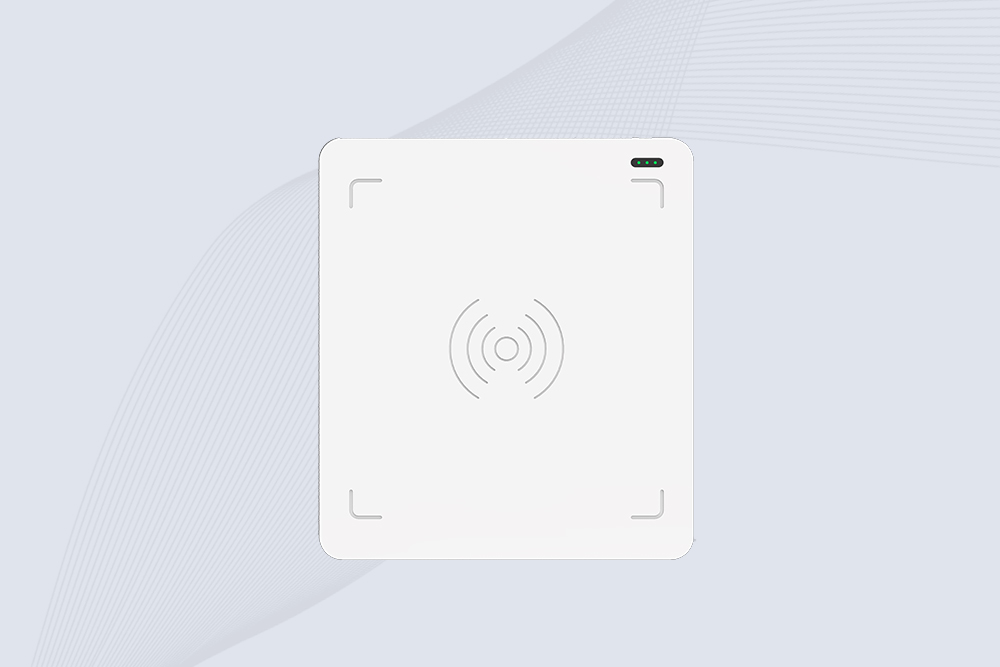
CYKEO CYKEO-D3L USB RFID Tag Reader delivers stable UHF tag reading and writing for daily desktop and light industrial tasks. Designed for controlled short-range operation, this USB RFID Tag Reader works reliably with rfid tag and reader systems in libraries, tool tracking, and inventory registration.
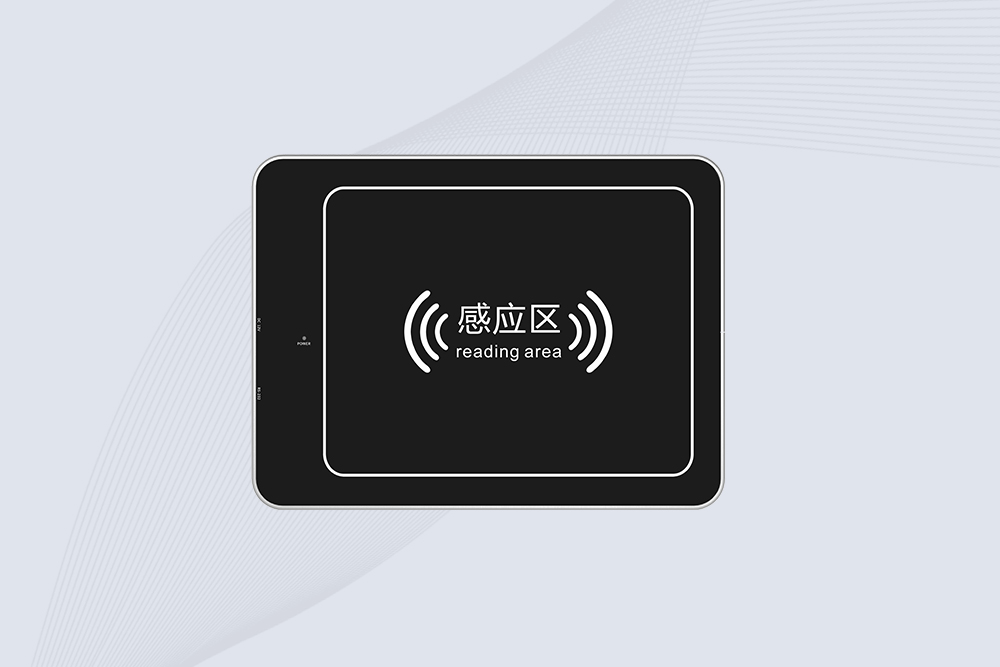
The CYKEO CYKEO-D4L UHF RFID Tag Reader is a stable Desktop RFID Reader designed for accurate tag registration, borrowing, and return workflows. Built with the Impinj R2000 chip, this UHF RFID Tag Reader delivers controlled short-range reads for libraries, asset tracking, and inventory management environments.
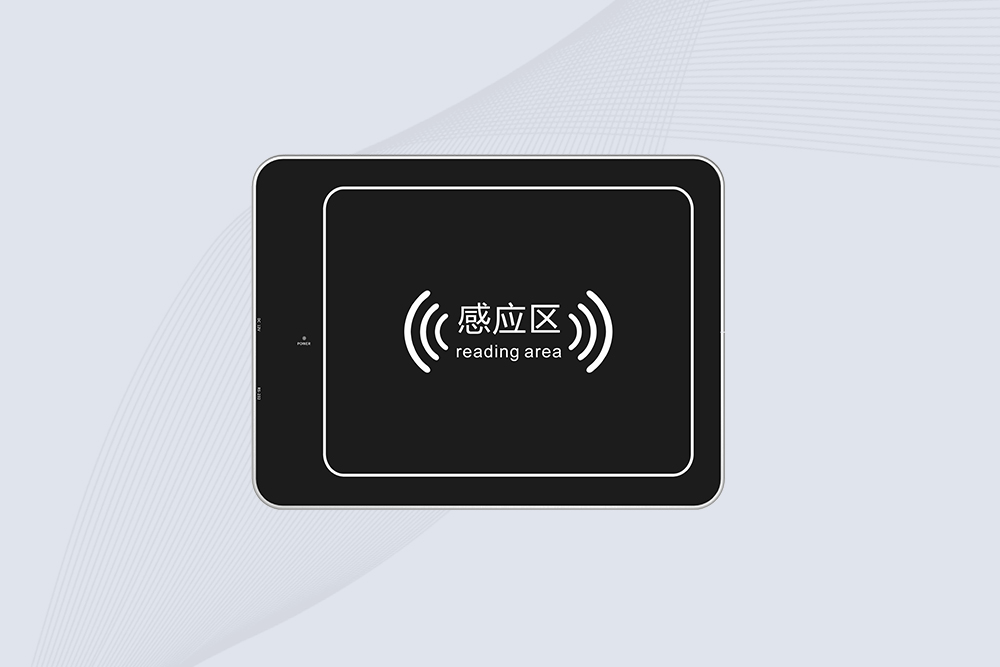
The CYKEO CYKEO-D5L Desktop RFID Card Reader is a stable UHF RFID Card Reader designed for controlled short-range reading and writing. Built for libraries, tool rooms, and asset desks, this UHF RFID Card Reader supports dense tag handling, secure data processing, and easy USB integration.
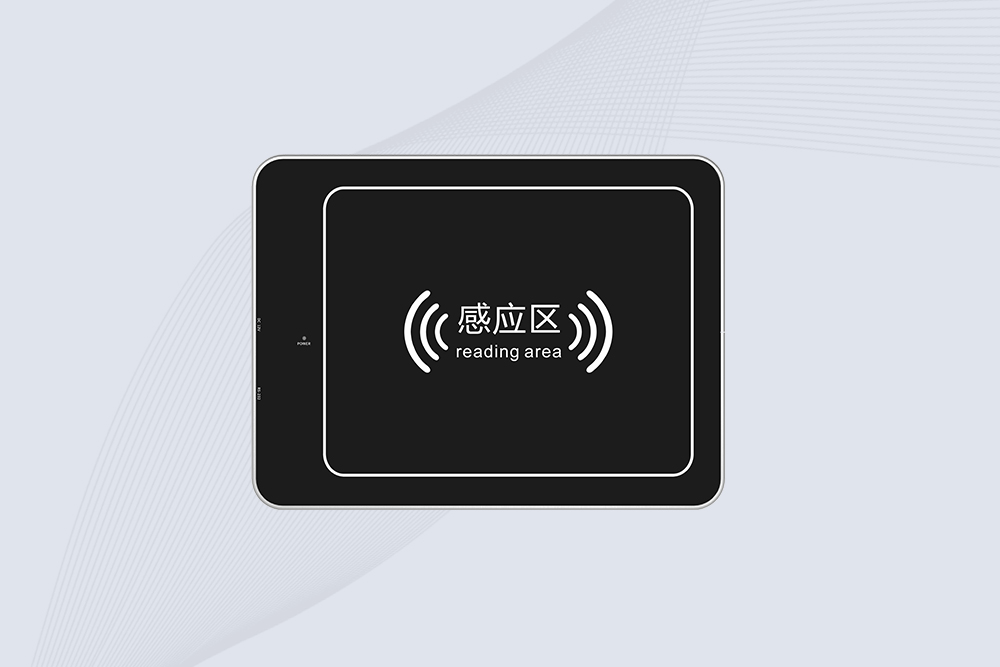
The CYKEO CYKEO-D6L RFID Reader Writer is a heavy-duty Desktop RFID Reader designed for short-range, high-accuracy tag programming. Built for libraries, labs, and asset desks, this RFID Reader Writer supports batch processing, stable 33dBm output, and seamless integration with existing management systems.
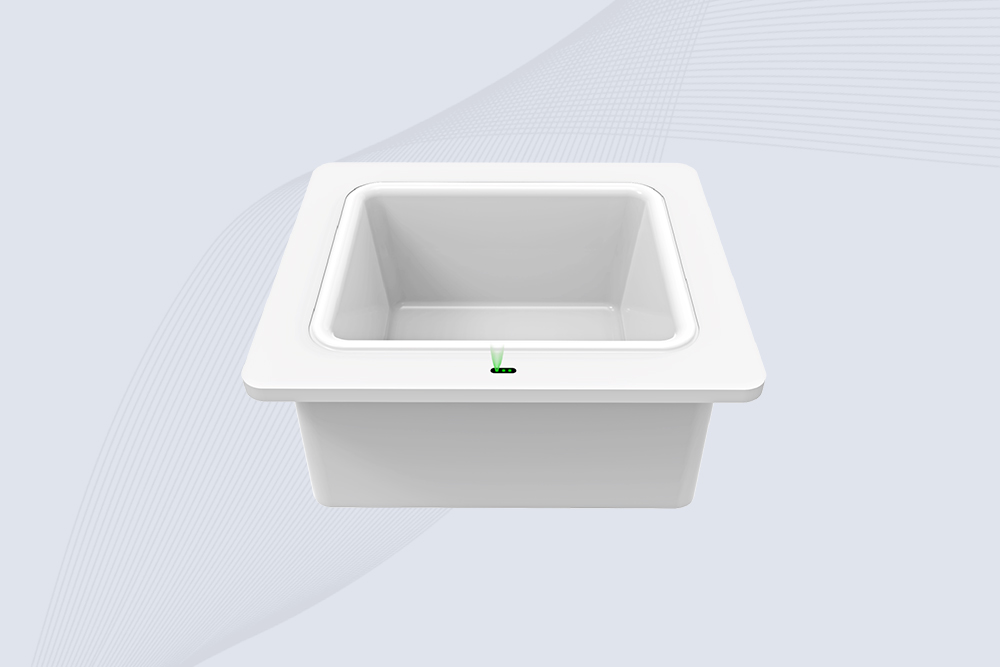
Cykeo CYKEO-D8B UHF RFID tunnel and RFID Desktop Reader features 30+ items batch reading,
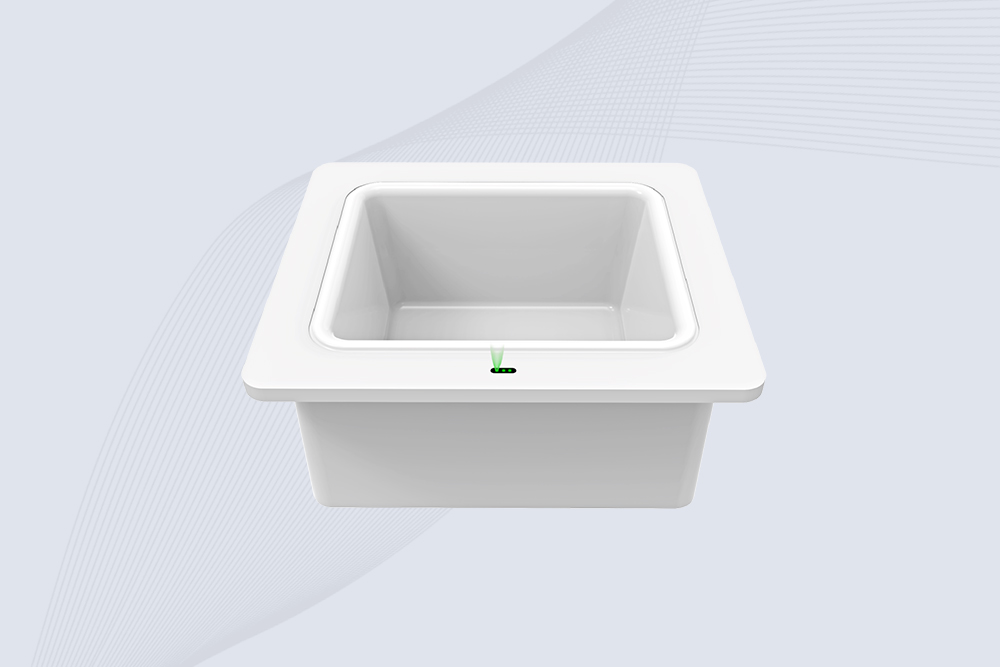
Cykeo CYKEO-D8A embedded RFID badge reader offers 30+ tags/sec scanning, 20cm anti-crosstalk precision, and DC 12V power for unmanned stores, warehouses, and smart inventory systems.
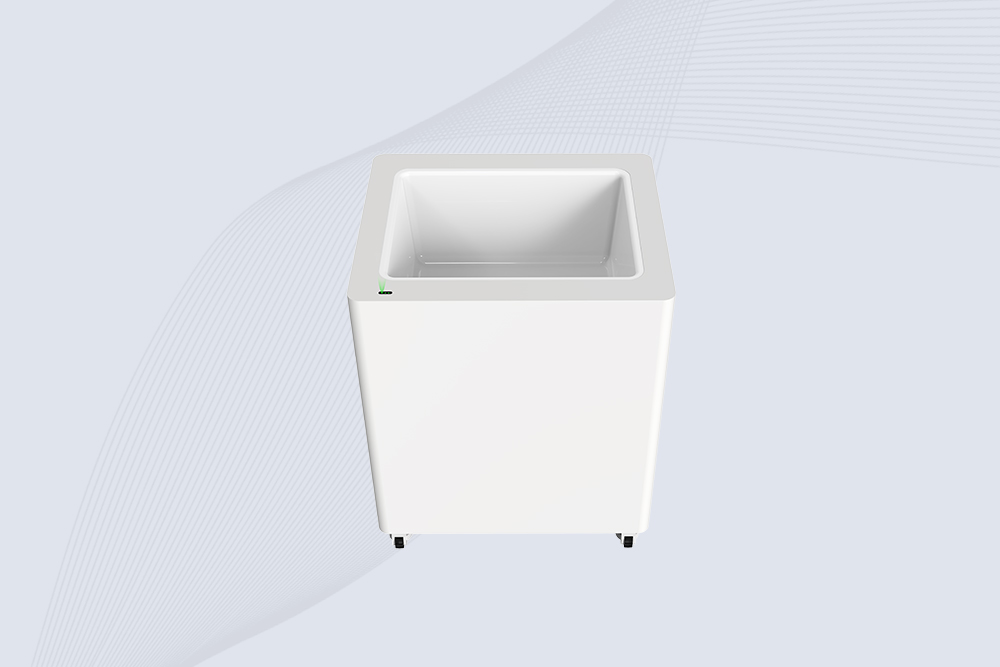
Cykeo’s CYKEO-D8C UHF RFID gate reader achieves 200-tag/batch scanning with adjustable power control, ideal for retail inventory and smart warehouse management.
Get a clear answer on which type of antenna is used in an RFID tag. We explain dipole, loop, and custom designs for metal, logistics, and asset tracking.
More
Learn how RFID reader modules are used in smart tool cabinets, industrial asset tracking systems, and RFID-based tool inventory management applications.
More
Custom 8dBi RFID panel antennas with Impinj chips for integration in retail shelves, factory lines, and automated warehouses.these antennas easy setup,and reliable performance for custom RFID antenna for retail shelves projects.
More
Discover the differences between RFID and Beacon technologies, including how they work, ideal applications, and why businesses choose Cykeo for hybrid solutions.
More