 Cykeo RFID IoT Solution Products R&D Manufacturer
RFID vs NFC Tags: How to Pick the Right Tech
1071RFID vs NFC tags: Understand key differences in range, cost & real-world use cases. Learn when NFC's phone compatibility beats RFID's bulk scanning.
MoreAll RFID Product
An RFID tag usually looks like a small label, sticker, card, or compact electronic device containing an embedded chip and antenna. Its appearance depends on application requirements, including logistics labels, industrial tags, access cards, and durable asset tracking devices.
When people ask “what does an RFID tag look like,” they often expect one simple answer: a small sticker with a chip inside.
In real RFID projects, that answer is incomplete.
During RFID deployment and testing work at Cykeo, I have handled different RFID tags used in warehouses, manufacturing plants, libraries, retail environments, and industrial equipment tracking. The physical appearance changes dramatically depending on where the tag operates.
A clothing RFID label may be thin enough to sew into fabric.
An industrial RFID tag used on metal equipment may look like a rugged plastic block.
A library RFID tag may appear as a flat adhesive label hidden inside a book cover.
The electronic principle is similar, but the engineering design is completely different.
One detail from field testing stands out: customers often judge RFID tags by appearance first, but performance depends more on antenna design, chip selection, operating frequency, and installation environment.
According to GS1, RFID technology enables unique identification of physical objects through electronic tags, supporting traceability and automated data capture across industries.
RFID tags are designed around specific operational requirements rather than a universal appearance.
Typical RFID tag formats include:
| RFID Tag Type | Appearance | Common Application |
|---|---|---|
| RFID Sticker Label | Thin adhesive label | Logistics, retail, inventory |
| RFID Card | Plastic card format | Access control, identification |
| RFID Wristband | Flexible wearable design | Events, healthcare, smart venues |
| On-Metal RFID Tag | Thick rugged housing | Industrial equipment tracking |
| RFID Key Tag | Small compact device | Tool and asset management |
The visible part of an RFID tag usually contains:
The chip itself is normally invisible because it is embedded inside the tag.
UHF RFID tags are among the most common RFID products used in supply chains.
A typical UHF RFID label looks like a small white sticker or paper label. Inside the thin structure are:
These labels are commonly attached to:
Unlike barcodes, UHF RFID tags do not require direct visual scanning. The reader communicates with the embedded antenna wirelessly.
For industrial applications, Cykeo provides RFID solutions including UHF RFID tags and readers designed for warehouse automation, asset tracking, and manufacturing identification.

Industrial RFID tags are designed for conditions where ordinary labels cannot survive.
They often look like:
These tags are commonly used for:
The reason for the different appearance is simple: industrial environments create different challenges.
Metal surfaces can affect RFID communication.
Heat, vibration, dust, and chemicals can damage ordinary labels.
A properly designed industrial RFID tag uses specialized materials and antenna structures to maintain stable performance.
The physical appearance of an RFID tag usually indicates its intended environment.
| Environment | Recommended RFID Tag Design |
|---|---|
| Retail products | Thin RFID sticker labels |
| Warehouse pallets | Long-range UHF RFID labels |
| Metal equipment | On-metal RFID tags |
| Outdoor assets | Waterproof industrial tags |
| Personnel identification | RFID cards or wristbands |
During project evaluations, I usually recommend testing the actual installation environment before final tag selection.
A tag that performs well on a sample table may behave differently when attached to metal machinery or liquid containers.

Choosing an RFID tag is not only about appearance.
Professional RFID selection considers:
Cykeo works with different RFID application scenarios, helping customers select suitable RFID tags for:
The right RFID tag should disappear into the workflow while continuously providing accurate identification data.
That is why what does rfid tag look like depends entirely on where the tag works and what problem it needs to solve.
No. RFID tags do not have one standard appearance.
Depending on the application, RFID tags can look like:
The internal RFID technology is similar, but the external design changes according to installation environment, durability requirements, and reading performance needs.
An RFID tag usually contains three main components:
| Component | Function |
|---|---|
| RFID Chip | Stores identification data and communicates with readers |
| RFID Antenna | Receives and transmits radio signals |
| Protective Material | Protects internal components from damage |
Some RFID labels appear simple from the outside, but inside they contain carefully designed antenna structures that determine communication performance.
RFID tag sizes vary widely.
Common examples include:
Size does not always determine performance. Antenna design, frequency, reader power, and installation conditions are equally important.
UHF and HF RFID tags often look similar externally, but they are designed for different communication ranges.
| Feature | UHF RFID Tag | HF RFID Tag |
|---|---|---|
| Appearance | Often thin labels or industrial tags | Cards, stickers, small embedded tags |
| Typical Use | Logistics, warehouse, asset tracking | Access control, libraries, short-range identification |
| Reading Distance | Longer range | Shorter range |
| Common Frequency | Around 860–960 MHz | 13.56 MHz |
The correct RFID tag depends on the application rather than appearance alone.
Yes. RFID tags can be customized based on business requirements.
Customization options include:
For enterprise applications, customization is often necessary because products, tools, and assets may operate in very different environments.
An RFID tag can usually be identified by checking:
However, many RFID tags are intentionally designed to be invisible in daily operations, such as labels hidden inside clothing, books, packaging, or equipment.
It depends on the application.
Some RFID tags remain visible:
Others are hidden:
In professional RFID deployments, the best tag design is usually the one that performs reliably while causing minimal interference with normal operations.
What does rfid tag look like depends on the environment where the technology is applied. An RFID tag may appear as a simple sticker, a plastic card, or a rugged industrial component, but every design serves a specific identification purpose.
From warehouse inventory labels to industrial asset tracking devices, RFID tag appearance is determined by factors such as reading distance, surface material, environmental conditions, and application requirements.
Cykeo develops RFID solutions for different industries, including:
Selecting the correct RFID tag is not about choosing the smallest or most attractive design. It is about matching the tag structure with the real working environment.
A reliable RFID system begins with the right tag design, continues with accurate data collection, and ends with better visibility across business operations.
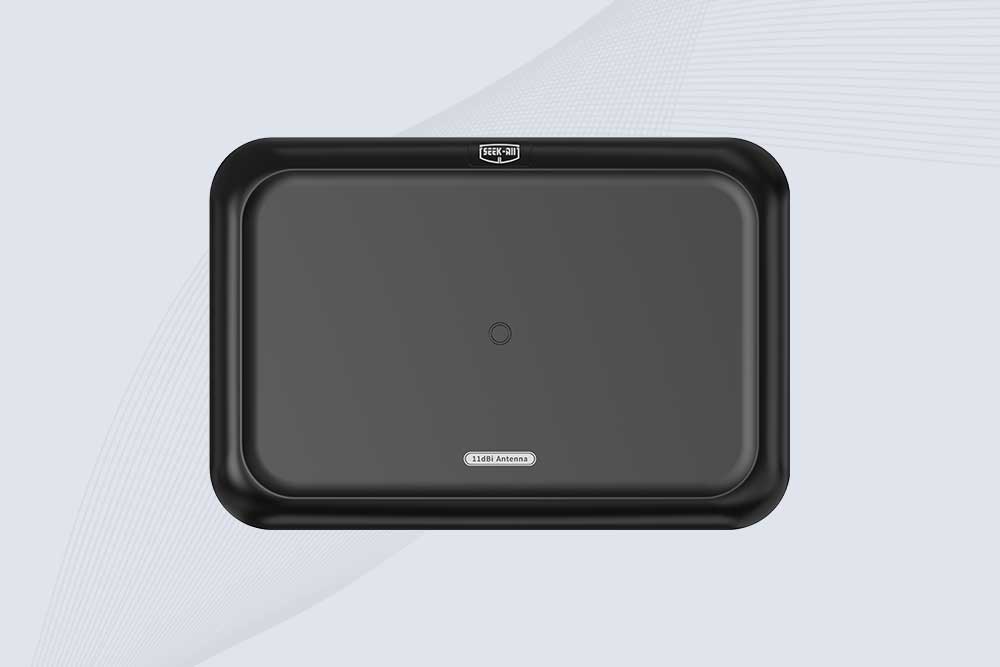
SSD-A11 UHF RFID antenna features 840–960 MHz adjustable frequency, ≥10.5 dBi gain, circular polarization and 50Ω impedance for fixed RFID systems.
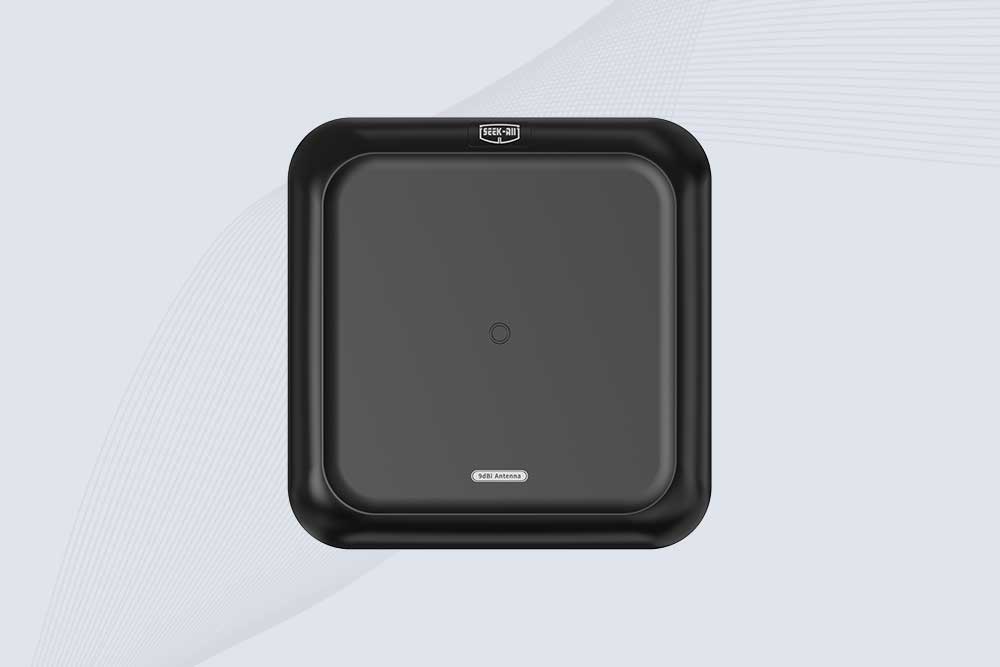
SSD-A09 is a 9 dBi UHF RFID antenna with 840–960 MHz adjustable frequency, circular polarization, 50Ω impedance and directional 60° × 60° coverage.
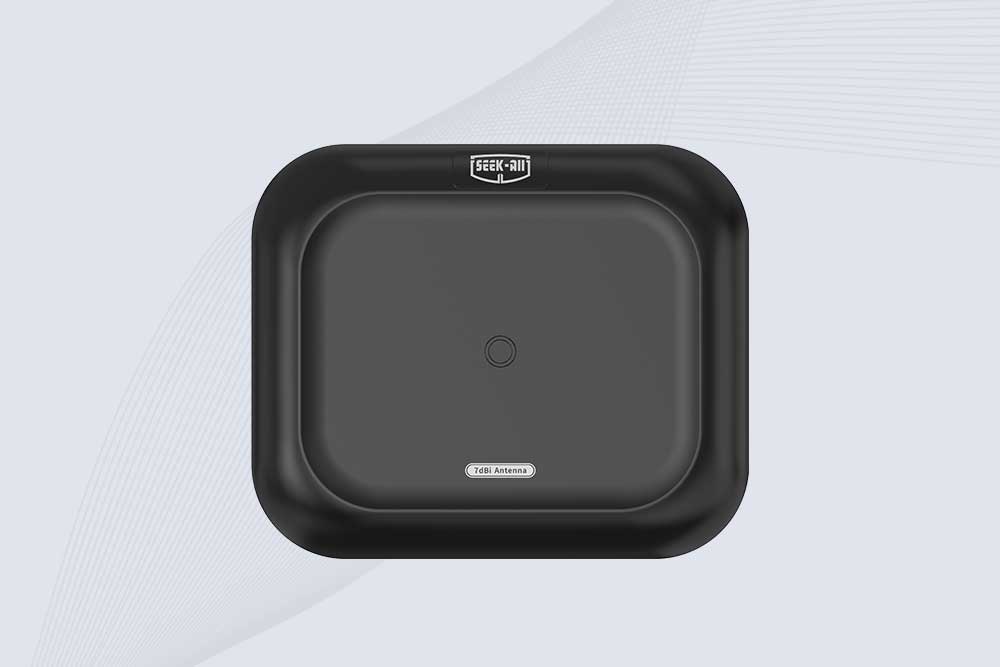
Explore the SSD-A07 UHF RFID antenna with 7 dBi gain, circular polarization, adjustable 840–960 MHz frequency, and 60°/75° beamwidth for stable RFID read/write performance.

SSD-A06 UHF RFID antenna with circular polarization, adjustable 840–960 MHz frequency, ≥4.5 dBi gain, and a compact directional design for RFID systems.
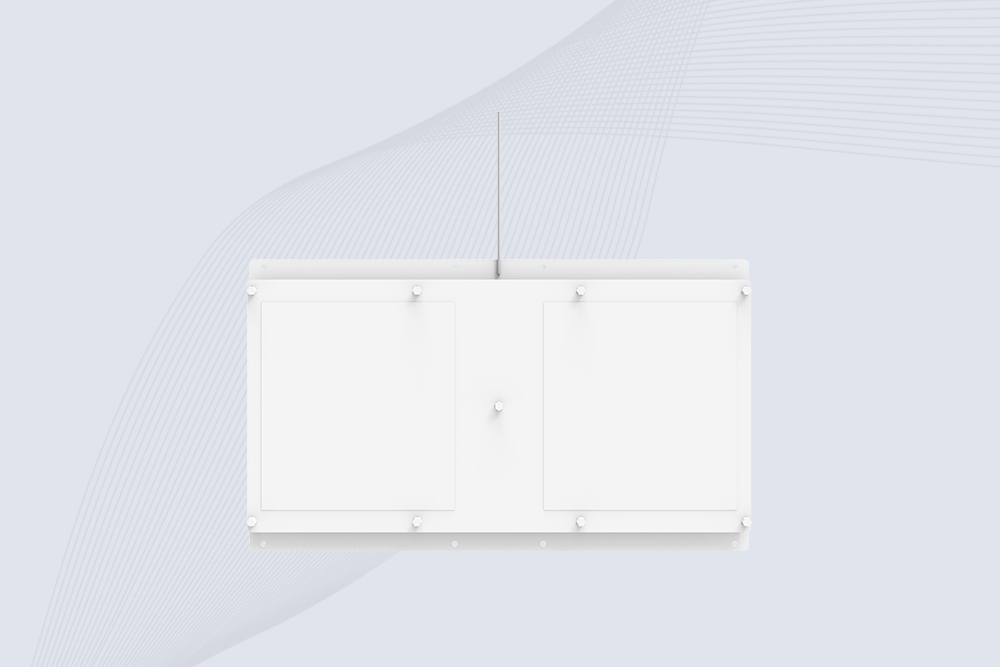
Cykeo CYKEO-A11 UHF RFID reader antenna delivers 11dBi gain, 840-960MHz frequency range, and IP65 ruggedness for retail, logistics, and industrial RFID systems. Features low VSWR and easy installation.

CYKEO Antenna RFID Reader delivers stable long-range UHF performance with a 10.5dBi directional design, built for warehouses, conveyor portals, and industrial RFID systems. This rfid reader antenna provides 20m+ read distance and rugged IP67 protection.

Cykeo CYKEO-PHF3 industrial HF RFID Antenna offers 24-point dynamic tracking, ISO 14443A/15693 protocols, metal-environment stability for archives/libraries/manufacturing.

Cykeo CYKEO-A5B industrial Linear RFID Antenna delivers 5dBi gain, ≤1.5:1 VSWR, and IP65 rugged design for warehouse, production line, and logistics UHF systems.

Cykeo’s CYKEO-B12 Long Range RFID Antenna delivers 15m+ read range with 12dBi gain, IP65 rugged design, and global 840-960MHz UHF support. Ideal for warehouse/logistics asset tracking.
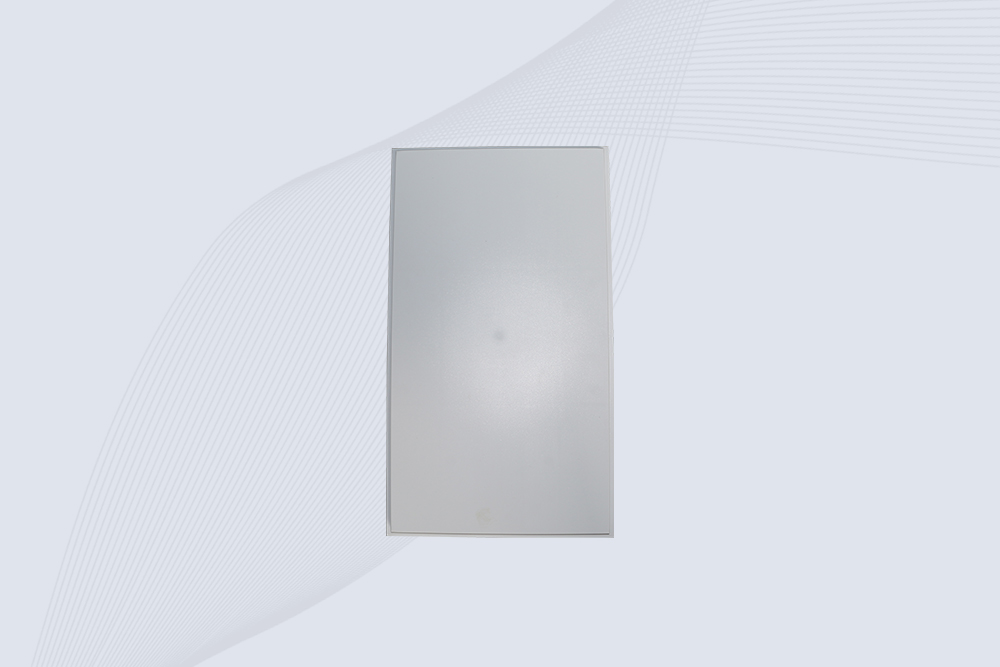
Cykeo CYKEO-B10 Long Distance RFID Antenna offers 10dBi gain, 840-960MHz frequency range, IP65 rating, and 20m+ coverage for logistics/warehousing/ETC systems. Low VSWR ensures stable signal transmission.
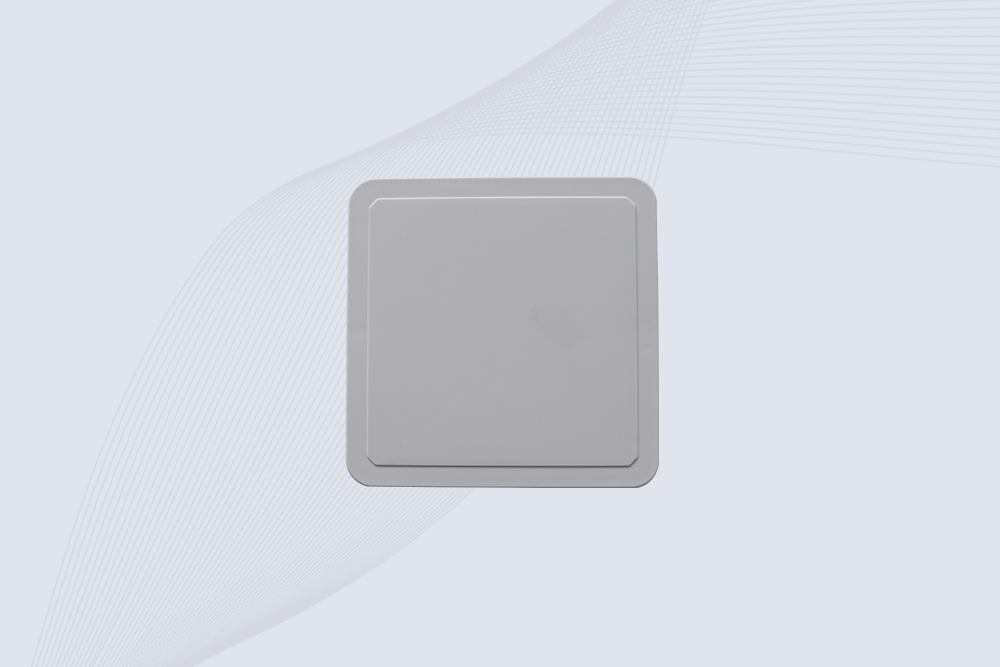
Cykeo CYKEO-A6 UHF RFID panel antenna features 6dBi gain, 840-960MHz broadband, IP65 metal-ready housing for logistics/smart retail. 18mm ultra-thin design with tool-free mounting.

Cykeo CK-A3 industrial antenna RFID UHF offers 5m+ tag detection, ≤1.3:1 VSWR, IP65 rugged design, and global UHF spectrum compatibility (840-960MHz) for warehouses, factories, and retail.
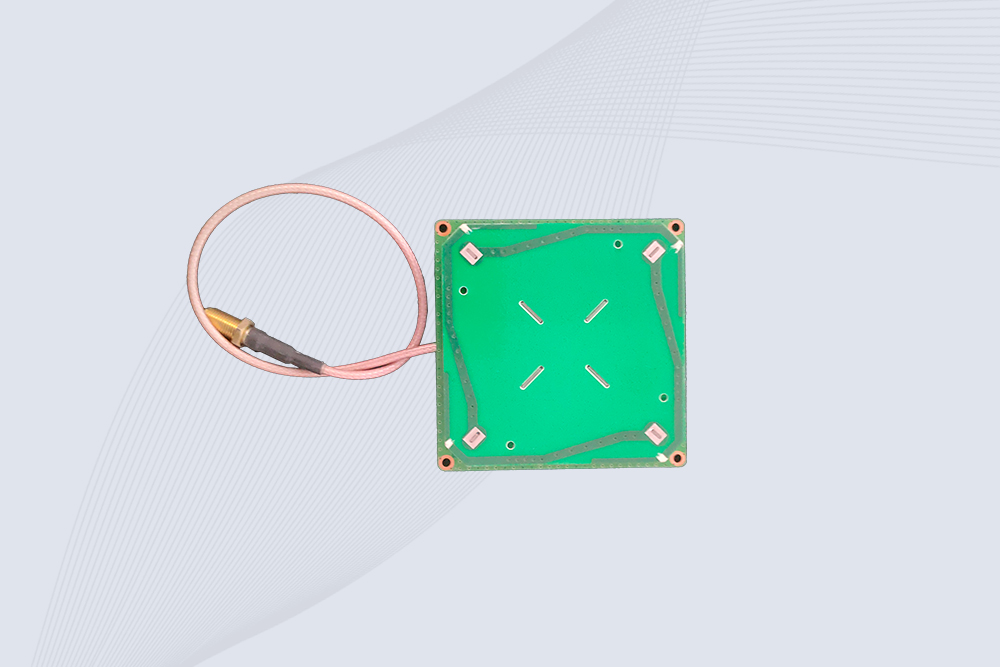
Cykeo CYKEO-B5 directional RFID antenna provides 5dBi gain with 60° narrow beamwidth for precise inventory tracking. IP65-rated, global UHF frequency support, and low VSWR.
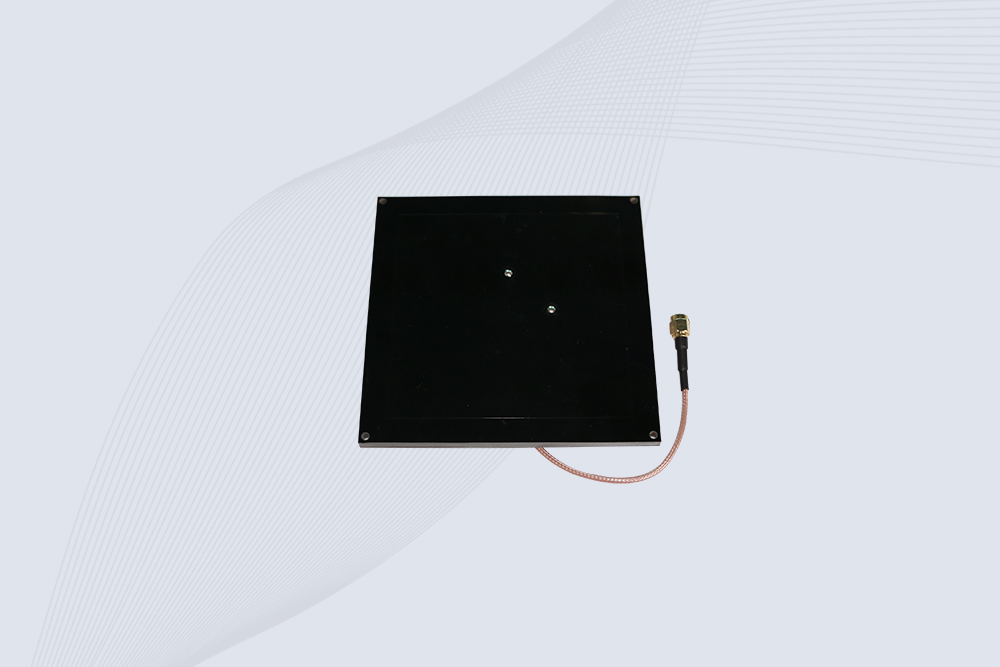
Create your own high-performance DIY RFID antenna! 5dBi gain, 840-960MHz tunable, step-by-step guides. Compatible with Arduino, Raspberry Pi, and commercial UHF readers.
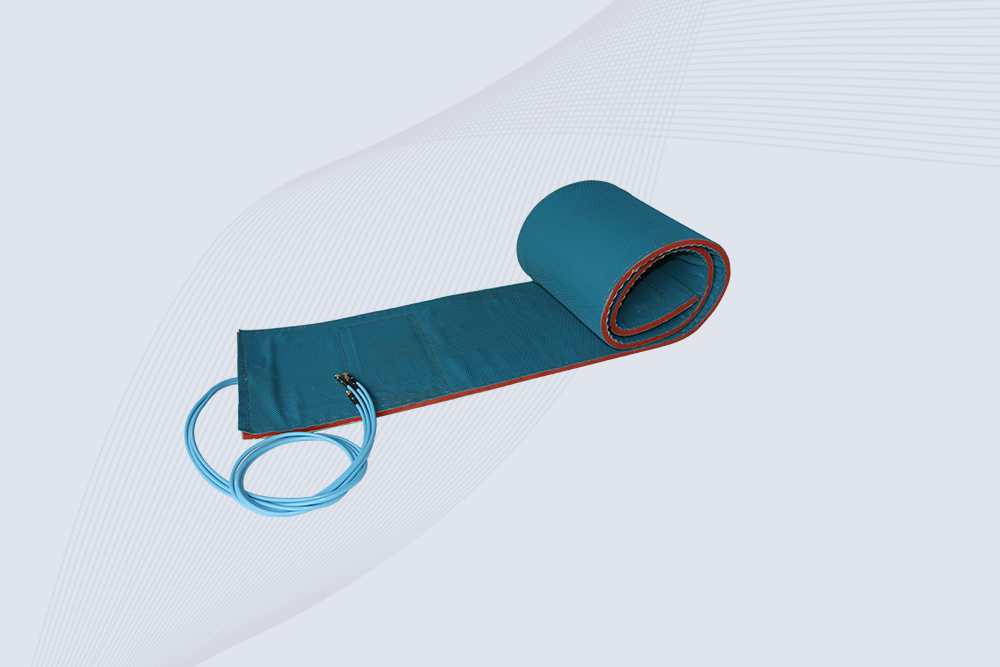
Cykeo CYKEO-A7 Flexible RFID Antenna features 840-960MHz wideband tuning, 7dBi gain, and IP68 rating for medical/retail/industrial curved surface deployments. 98% read accuracy with peel-and-stick installation.

Cykeo CYKEO-B5A industrial Passive RFID Antenna delivers 5dBi gain, 70° beamwidth, and -40°C~55°C operation for warehouses/smart cabinets. Compatible with Zebra/Impinj readers.
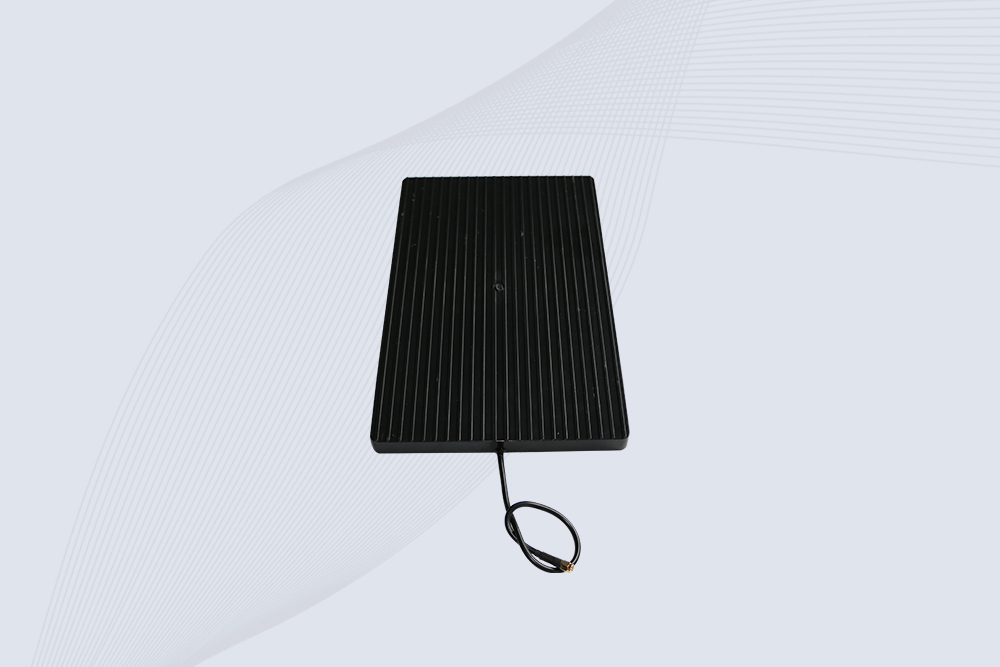
Cykeo’s CYKEO-A9B High Gain RFID Antenna delivers 15m+ read range with 9dBi amplification. Features IP54 rugged design, 840-960MHz bandwidth, and 80° beamwidth for warehouse/manufacturing RFID systems.

Cykeo’s enterprise-grade 8dbi Impinj RFID Antenna 10m+ read range with 840-960MHz tuning. Features IP65 housing, 1.4 VSWR, 35° beamwidth for retail/warehouse RFID systems.
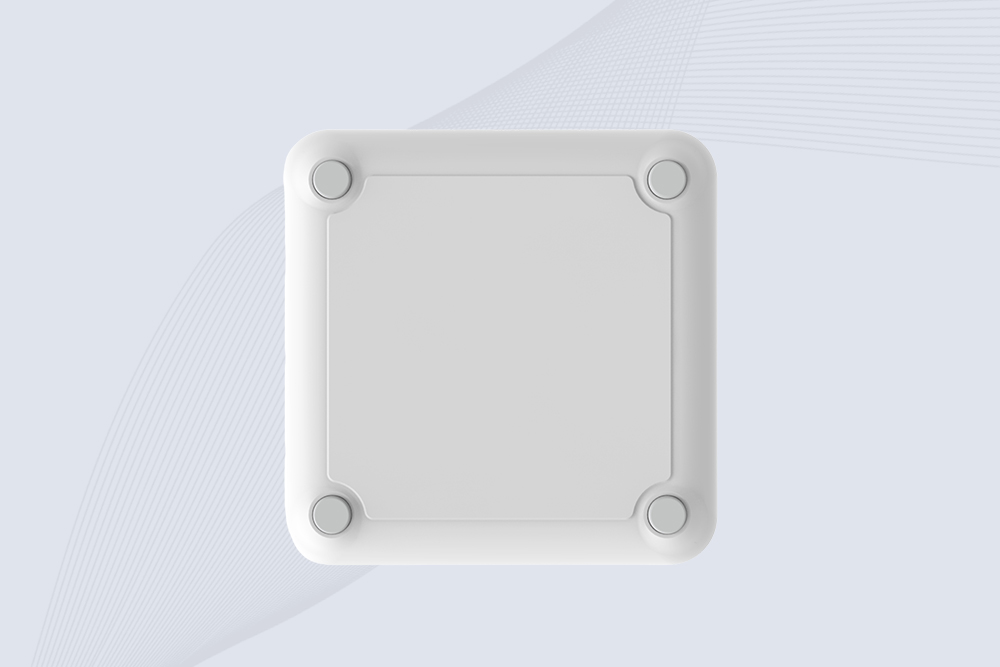
Cykeo CYKEO-A9 industrial UHF RFID antenna delivers 9dBi gain, 840-960MHz frequency range, and IP65 protection for warehouse/logistics/retail RFID systems. Features N-type connector and ≤1.3:1 VSWR.
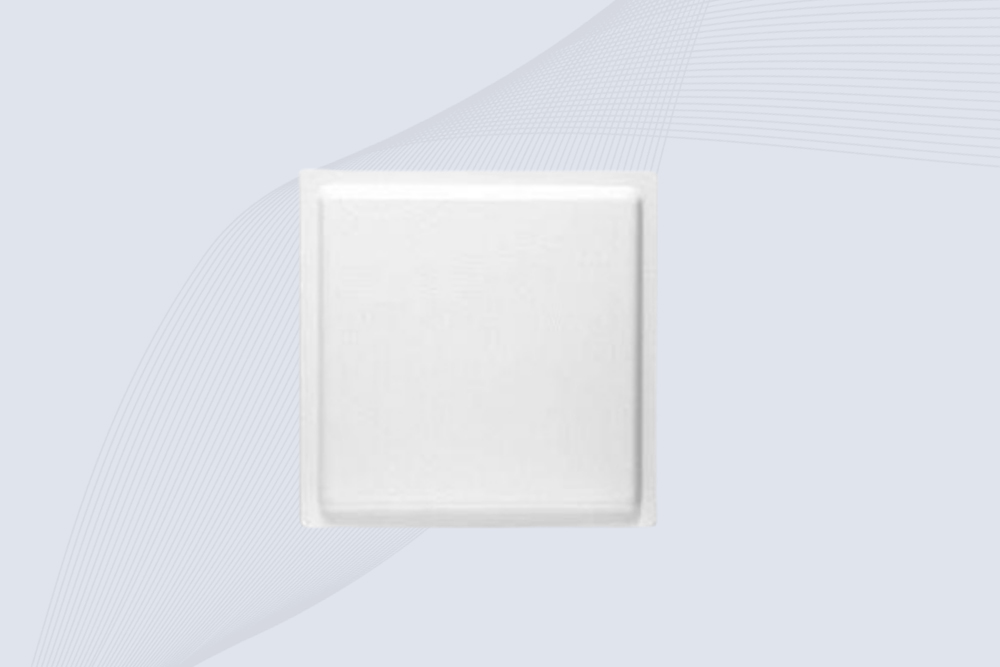
CYKEO UHF RFID Antenna built for long-distance and industrial applications. This antenna rfid uhf delivers strong gain, outdoor durability, and reliable tag performance in warehouses, yards, and vehicle ID systems.
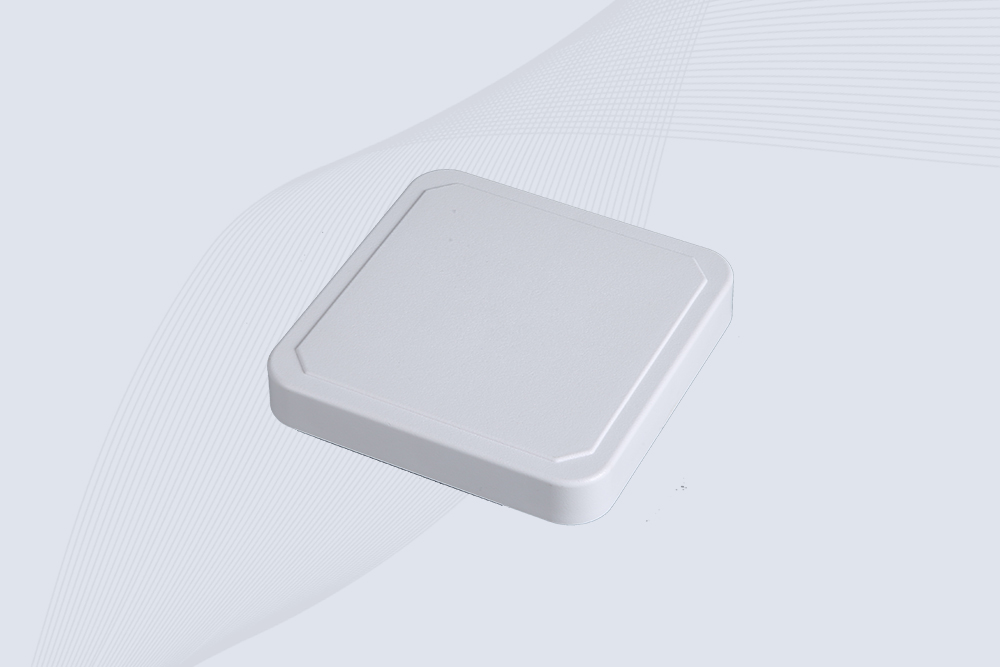
CYKEO Antenna RFID delivers reliable long-range UHF performance in warehouses, retail shelves, and cold-chain environments. This compact uhf rfid antenna provides stable reads with circular polarization and ultra-wide 840–960 MHz support, ideal for industrial tracking, smart shelves, and asset monitoring.
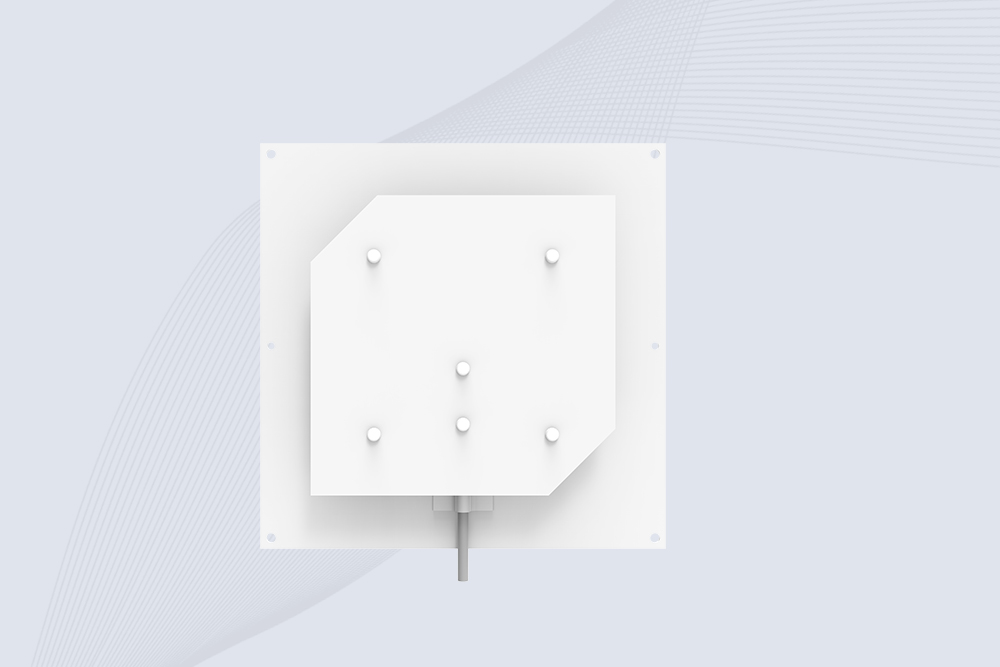
Cykeo’s CYKEO-C8 UHF RFID antennas delivers 8dBi gain, 840-960MHz full-band coverage, and IP65 ruggedness for manufacturing/warehouse RFID systems. Industrial RFID Antennas Features
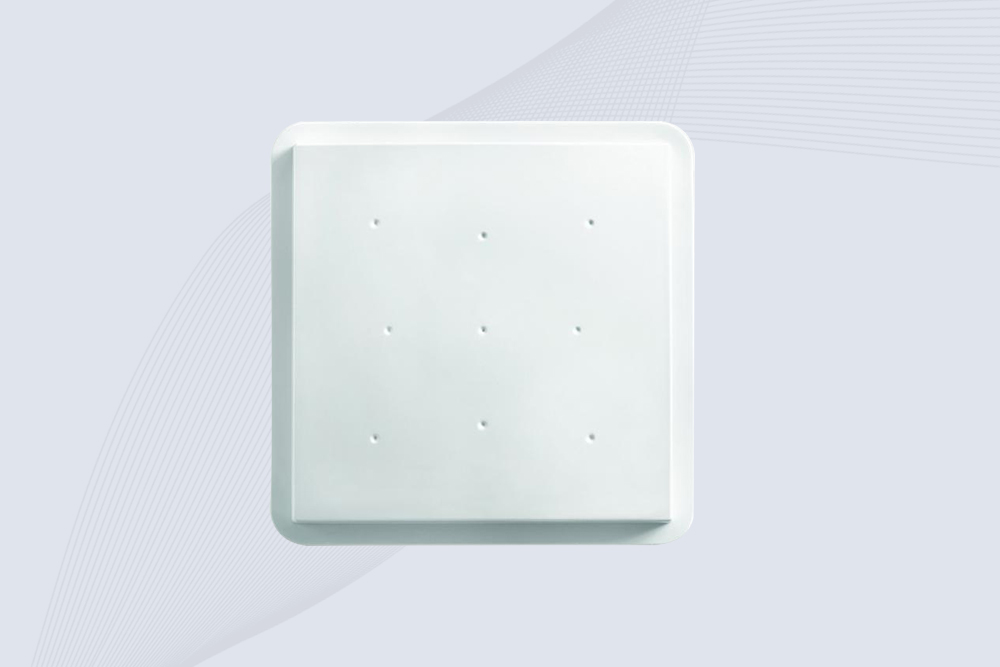
Cykeo’s 8dBi UHF RFID antenna and reader kit delivers 10m+ range, 840-960MHz broadband, and IP65 ruggedness for factories, warehouses, and logistics. ISO 18000-6C & EPC Gen2 certified.
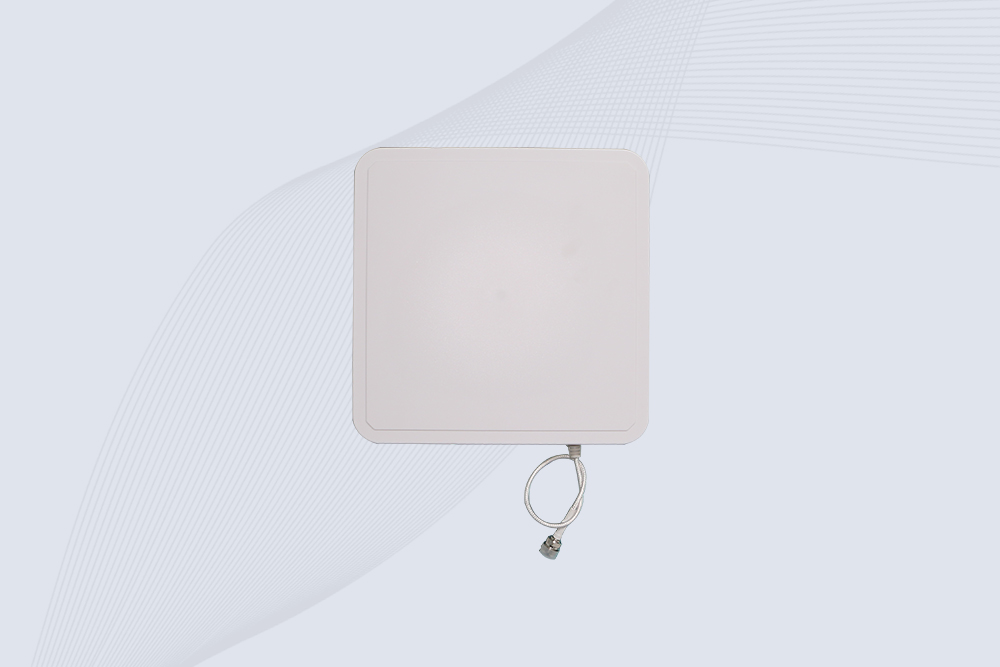
Cykeo CYKEO-A9A industrial UHF RFID reader and antenna kit delivers 10m range, 500 tags/sec, IP65 ruggedness for manufacturing/logistics. Supports EPC Gen2, ISO18000-6C.
Cykeo’s CYKEO-A12C UHF Large RFID Antenna delivers 12dBi gain, 840-960MHz global frequency, IP65 ruggedness for logistics/warehousing/automotive. 40° beamwidth ensures stable 15m+ tag reads.

CYKEO Near Field RFID Antenna provides precise 5–30 cm reading for shelves, cabinets, and workstations. This compact rfid shelf antenna delivers stable short-range performance around metal and clutter, ideal for pharmacies, libraries, and electronics sorting.

RFID vs NFC tags: Understand key differences in range, cost & real-world use cases. Learn when NFC's phone compatibility beats RFID's bulk scanning.
More
Explore how sustainable RFID technology reduces packaging waste, optimizes shipping, and supports circular supply chains. Discover eco-conscious innovations for greener logistics.
More
Learn how long do led tennis court lights last and how RFID chip reader devices enable fast, accurate data capture for tracking, security, and inventory.
More
Thinking about how to build RFID reader antenna? We outline the DIY process for learning, and explain the performance gap compared to engineered solutions.
More