 Cykeo RFID IoT Solution Products R&D Manufacturer
What Are Some Trends in Using RFID in Retail Stores?
1088Explore the latest trends in RFID technology for retail, including smart inventory, contactless checkout, and sustainability. Learn how Cykeo drives retail innovation.
MoreAll RFID Product
What are RFID devices? RFID devices are hardware components that use radio-frequency communication to identify, read, write, or manage tagged objects. In UHF RFID systems, devices commonly include readers, antennas, tags, modules, and supporting equipment used for automated identification and data capture.
The short answer to what are rfid devices is broader than “RFID reader.”
An RFID system is normally made from several pieces of hardware working together. A reader generates and receives RF signals. An antenna shapes the RF field. An RFID tag carries the chip and antenna that provide the object’s electronic identity.
In an industrial installation, there may also be embedded RFID modules, cables, controllers, network equipment, mounting hardware, and a host application.
A typical UHF RFID architecture looks like this:
RFID Tag → UHF Antenna → RFID Reader → Middleware → Business System
Each part has a different job.
| RFID Device | Primary Function | Typical UHF Application |
|---|---|---|
| RFID Tag | Stores object identity | Products, pallets, tools |
| Fixed RFID Reader | Reads and processes tag responses | Dock doors, conveyors |
| RFID Antenna | Sends/receives RF energy | Controlled read zones |
| Handheld Reader | Mobile tag identification | Inventory, field assets |
| RFID Reader Module | Adds RFID capability to equipment | OEM equipment |
| RFID Writer | Encodes compatible tags | Production and labeling |
| Controller / Gateway | Connects RFID hardware to software | Industrial automation |
That distinction matters when specifying equipment.
A reader alone does not create an RFID system.
UHF RFID devices are primarily used when organizations need to identify many physical objects without requiring direct line-of-sight scanning.
GS1 describes RAIN RFID as a passive UHF technology used for fast asset identification, inventory, and tracking. GS1 gives the UHF range as 860–930 MHz and notes that read ranges can reach up to 10 meters depending on conditions.
The important phrase is “depending on conditions.”
On a warehouse floor, the actual reading zone depends on the antenna, reader power, tag construction, product material, orientation, and surrounding RF environment.
Common applications include:
For a Cykeo deployment, the question I would ask first is not “How far can the reader read?”
It is:
Where exactly must the system know that the object has passed?
That changes the antenna arrangement, reader configuration, and tag selection.
The tag is attached to the physical object.
A passive UHF tag normally contains an RFID integrated circuit connected to an antenna. The tag receives energy from the reader’s RF field and communicates its stored information through backscatter.
The tag may be supplied as:
The physical form matters.
A tag that performs well on cardboard may behave very differently when installed directly on metal.
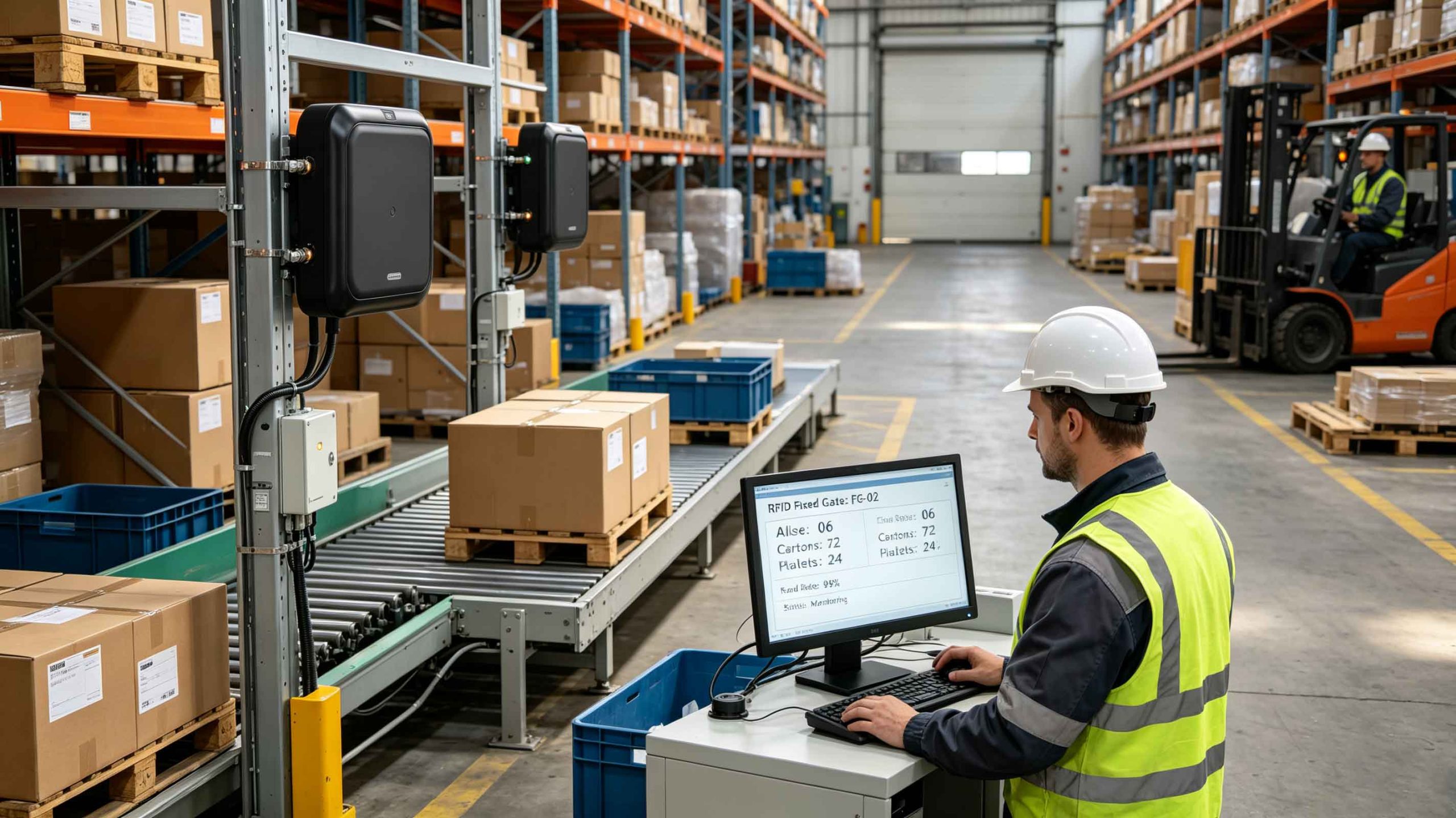
Fixed readers are installed at defined points.
Typical locations include:
A fixed reader can continuously monitor a configured RF zone rather than requiring an employee to carry a scanner from item to item.
For a dock-door installation, antenna placement is often more important than simply increasing transmitter power.
If the reading zone spills into an adjacent dock, the system may detect tags belonging to another shipment.
That creates a data problem, not an RF success.
The antenna is responsible for transmitting and receiving RF energy between the reader and tags.
UHF RFID systems commonly use directional antennas to create controlled reading areas.
Antenna characteristics such as:
can influence the final installation.
Two readers using the same RFID tags can therefore produce very different results when their antenna layouts are different.
An RFID module is useful when RFID needs to be integrated into another machine or product.
Instead of purchasing a complete standalone reader, an OEM can integrate a module into:
This approach is particularly useful where the RFID function needs to become part of an existing machine rather than remain a separate box.
UHF RFID communication is based on radio-frequency interaction between the reader and tag.
ISO/IEC 18000-6:2025 specifies the UHF RFID air interface for the 860–930 MHz range and includes requirements for passive-backscatter RFID communication and collision arbitration.
In a simplified deployment:
The sixth step is easy to overlook.
A reader can detect a tag. That does not automatically mean the business system knows what happened.
For example:
Tag EPC → Reader → Middleware → WMS
The EPC might identify a carton, while the warehouse-management system determines whether that carton was received, moved, picked, or shipped.
This is one of the most basic distinctions in RFID, yet it is frequently blurred in general descriptions.
| RFID Reader | RFID Tag |
|---|---|
| Active electronic reader equipment | Usually passive UHF device |
| Generates RF field | Receives energy from field |
| Sends commands | Responds to commands |
| Receives tag responses | Provides identification |
| Connects to software | Attached to physical object |
| Usually reusable | Often remains with the asset |
The reader is infrastructure.
The tag is the object’s electronic identity.
A warehouse might use one fixed reader to detect hundreds or thousands of tags over time.
Manufacturing is where RFID hardware has to survive real operating conditions.
A production line may contain:
RFID-tagged component → Reader → Production station → Manufacturing database
The RFID device can identify a component before an automated process begins.
Applications include:
Tags identify parts before they enter a workstation.
A reader records when tagged products pass a defined production point.
RFID can identify reusable tools and equipment.
Returnable bins and production containers can carry durable RFID tags.
A machine can compare the detected RFID identity with the expected production record.
This last application is particularly useful.
Instead of asking an operator to confirm that the correct component is present, the system can use RFID identification as one input to the production process.
RFID devices can reduce dependence on individual barcode scans when the application is designed around bulk or automatic identification.
For example, a warehouse receiving station may use:
The objective is not simply to “read farther.”
The objective is to create a reliable reading zone where the system knows which tags are present and why their presence matters.
That is a much more useful engineering target.
Before installing equipment permanently, test the complete system.
Check whether the required tags are detected consistently at the intended position.
Look for tags outside the intended zone.
Rotate tagged products and test different orientations.
Test actual products rather than empty boxes.
Do not test with one convenient tag if the real application contains dozens of tags.
Confirm that reader data reaches the application without unacceptable delays or duplicate events.
Choosing an RFID device should start with the reading event you need to create.
For example, a warehouse entrance, conveyor, tool cabinet, and production workstation may all use UHF RFID, but they do not necessarily need the same reader, antenna arrangement, or tag.
A practical selection checklist includes:
For Cykeo-style industrial deployments, reader selection and antenna positioning should be treated as one engineering task.
A powerful reader with poor antenna placement can create a worse application than a properly configured reader operating at a controlled power level.
The choice between fixed and handheld equipment usually depends on how the RFID reading event occurs.
| Feature | Fixed RFID Reader | Handheld RFID Reader |
|---|---|---|
| Installation | Permanent | Mobile |
| Reading Point | Defined zone | Operator-controlled |
| Typical Use | Dock, conveyor, gate | Cycle counting, field inventory |
| Automation | High | Operator-assisted |
| Coverage | Predictable area | Flexible area |
| Best For | Continuous detection | On-demand identification |
A fixed reader makes sense when the item repeatedly passes a known location.
A handheld reader is more useful when an operator needs to walk through shelves, storage areas, vehicles, or equipment locations.
There is also a third option.
An embedded module can place UHF RFID functionality directly inside another machine.
This can be useful for OEM equipment, smart cabinets, automated stations, and specialized industrial systems where a conventional external reader would be unnecessary.
Antenna placement is often where an RFID installation succeeds or fails.
Consider a warehouse dock.
If the antenna is pointed directly at the pallet path, the RF field can be designed around the expected movement of the shipment.
If the antenna is simply mounted as high as possible and operated at maximum power, the system may begin detecting tags on neighboring pallets.
That creates ambiguous inventory events.
For a controlled reading zone, installers should evaluate:
The goal is not maximum RF coverage.
The goal is repeatable identification within the correct physical zone.
Industrial RFID readers can provide different communication interfaces depending on the product and application.
Common interfaces include:
A production line may prefer Ethernet because the reader can communicate with a centralized industrial network.
A desktop RFID writer may instead use USB for direct connection to an operator workstation.
For an embedded application, the software interface can be just as important as the physical connector.
Before deployment, confirm:
This is the part that tends to become expensive when ignored during initial equipment selection.
Increasing reader power can increase the RF field, but it is not a universal solution.
Suppose a tag is attached to a metal component.
If the tag antenna is not designed for that surface, increasing reader power may not produce the expected improvement.
Likewise, if a warehouse reader is detecting tags from the adjacent aisle, more power can make the problem worse.
In field testing, I would normally change one variable at a time:
Tag → antenna position → orientation → reader power → filtering
That makes it much easier to identify the actual cause of a poor read.
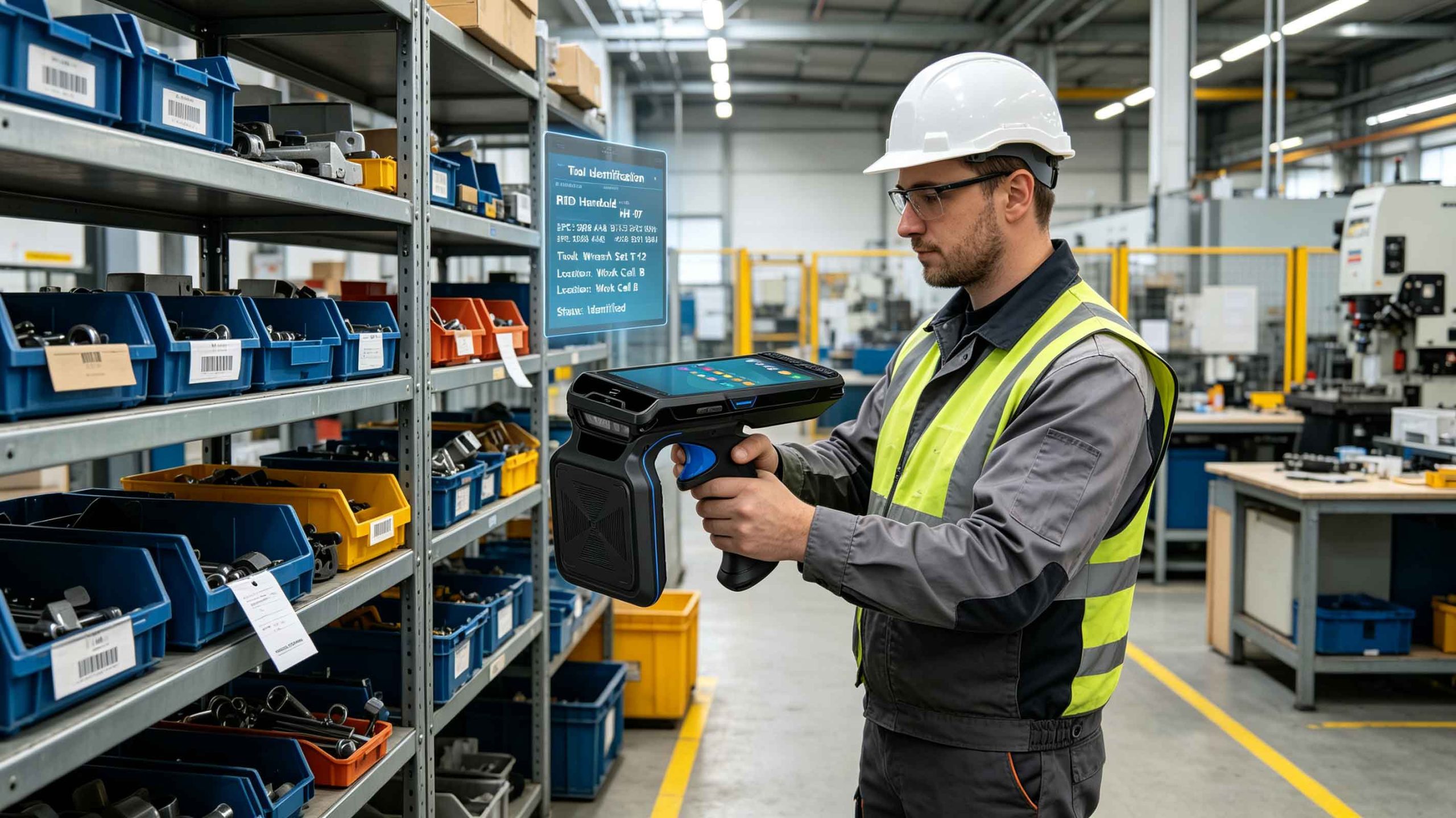
One of UHF RFID’s practical advantages is its ability to identify multiple tags within an RF field.
But “multiple tags” should not be interpreted as unlimited tags under every condition.
The actual result depends on:
A pallet carrying many tagged cartons is therefore a useful commissioning test.
Do not test only one tag at the center of the antenna beam.
Test the difficult positions.
Try:
That is where the difference between a laboratory demonstration and a production RFID system becomes obvious.
An RFID reader is only useful when its tag reads become usable information.
A typical industrial architecture can look like:
UHF RFID Tag
↓
RFID Antenna
↓
Fixed RFID Reader
↓
Filtering / Middleware
↓
API / Network Interface
↓
WMS / ERP / MES
The middleware layer can remove duplicate reads, apply filtering rules, and convert raw RFID observations into meaningful events.
For example, the reader may detect the same EPC repeatedly while a carton remains in the reading zone.
The warehouse application may only need one event:
“Carton A entered receiving area.”
That is why RFID deployment should involve both hardware and software engineers.
| Environment | Suitable RFID Device Approach |
|---|---|
| Warehouse dock | Fixed reader + directional antennas |
| Conveyor | Fixed reader + controlled antenna zone |
| Production station | Fixed reader or embedded module |
| Tool cabinet | Integrated reader + internal antennas |
| Outdoor gate | Industrial fixed reader + protected antennas |
| Cycle counting | Handheld UHF reader |
| OEM machine | Embedded UHF RFID module |
| Tag encoding station | Desktop RFID writer/reader |
The environment should determine the equipment—not the other way around.
A compact desktop reader may be excellent at a tag-writing workstation and completely unsuitable for an automated loading dock.
RFID devices can create location or movement records when readers are installed at meaningful checkpoints.
For example:
Tool room → Reader 1 → Production area → Reader 2 → Maintenance area → Reader 3
The RFID tag identifies the tool.
The reader identifies the detection point.
The software records the event.
This does not mean that a passive RFID tag independently knows its geographic position.
Instead, the system uses known reader locations and tag detections to establish an operational history.
That distinction is especially important when explaining RFID to a customer evaluating it against GPS or cellular tracking.
A proper pilot should reproduce the real operating environment as closely as possible.
Do not validate the system with empty cartons if the production cartons contain liquids, metal components, or dense materials.
Different tag antennas can produce significantly different results.
Rotate tags and vary their position within the reading zone.
If 50 tags may appear together in production, test with a comparable population.
Check whether tags outside the intended zone are detected.
Confirm that repeated RF reads are correctly converted into business events.
A production RFID system should have a defined response if the network or host application becomes temporarily unavailable.
RFID devices are hardware components used to identify and communicate with RFID-tagged objects. They can include readers, antennas, tags, modules, writers, handheld scanners, and supporting controllers.
The fixed UHF RFID reader is one of the most common devices in automated industrial installations. It is typically paired with one or more antennas and connected to software through an industrial communication interface.
Yes. An RFID tag is an RFID device because it contains the electronic components required to communicate with an RFID reader. In a passive UHF system, the tag normally contains a chip and antenna and does not require its own battery.
The reader generates, controls, and processes RFID communication. The antenna transmits and receives RF energy between the reader and tags. They work together but perform different functions.
Yes. UHF RFID systems are designed to identify multiple tags within a reader’s RF field. Actual performance depends on tag population, reader capability, antenna configuration, tag design, orientation, materials, and RF conditions.
A handheld UHF RFID reader is useful when an operator needs to move through inventory locations. Fixed readers are more appropriate when inventory identification needs to occur automatically at defined points such as entrances, conveyors, or dock doors.
Yes. Many industrial RFID readers provide communication interfaces and SDK/API resources that allow integration with warehouse, manufacturing, asset-management, or custom software. The exact integration method depends on the reader and software architecture.
What are RFID devices? They are the physical components that make RFID identification possible—from the small passive UHF tag attached to an asset to the reader and antenna that detect it.
For industrial applications, the most important decision is rarely one device in isolation.
A reliable installation comes from matching the tag, reader, antenna, RF environment, communication interface, and software workflow to the actual movement of goods or assets.
That is the approach Cykeo takes when designing UHF RFID solutions: start with the physical reading event, then build the hardware around it.
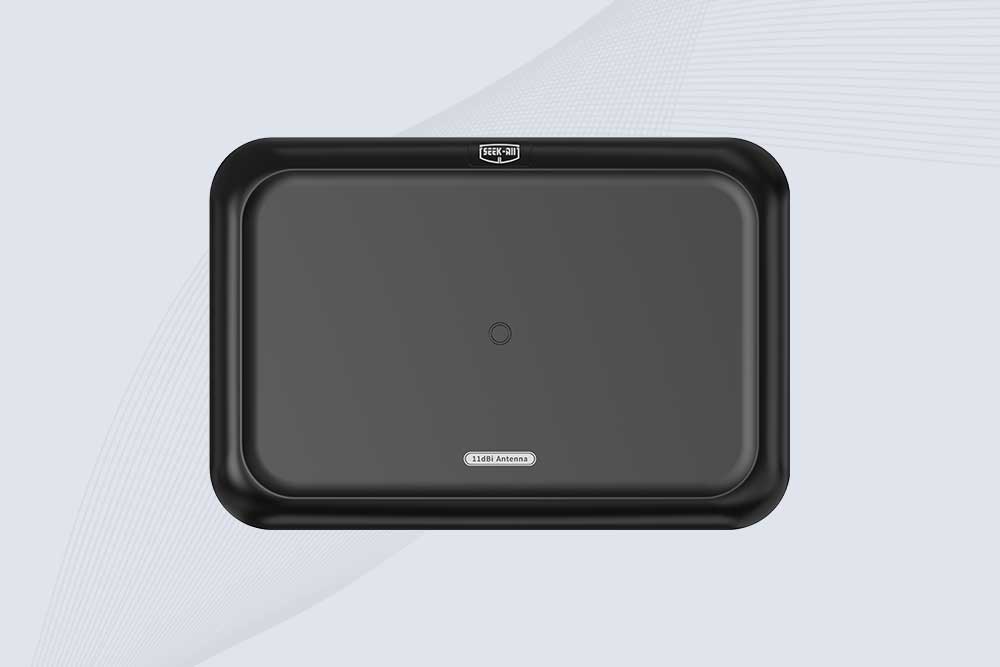
SSD-A11 UHF RFID antenna features 840–960 MHz adjustable frequency, ≥10.5 dBi gain, circular polarization and 50Ω impedance for fixed RFID systems.
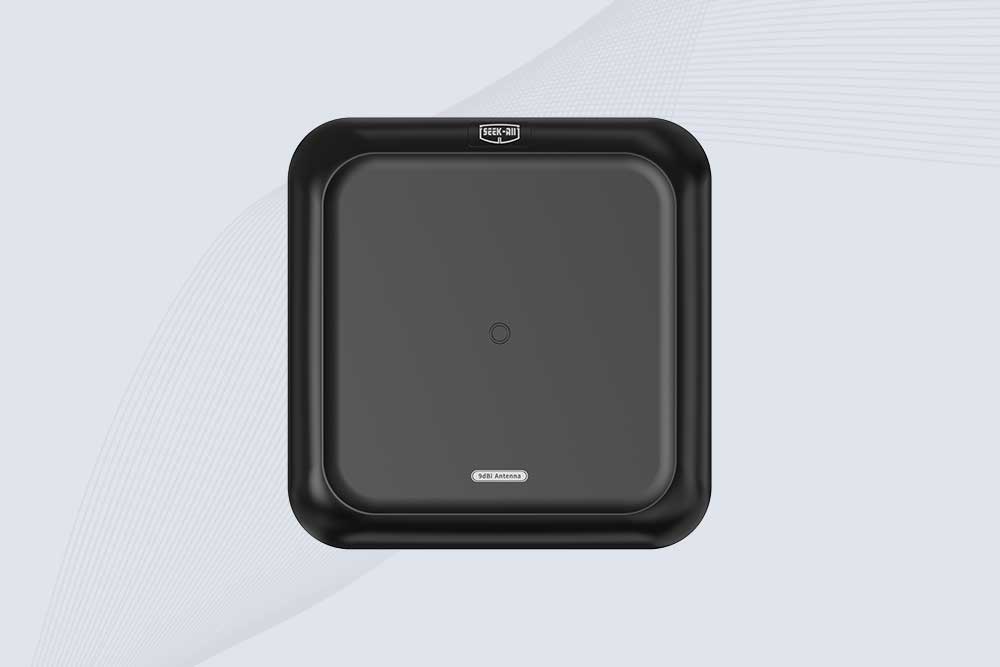
SSD-A09 is a 9 dBi UHF RFID antenna with 840–960 MHz adjustable frequency, circular polarization, 50Ω impedance and directional 60° × 60° coverage.
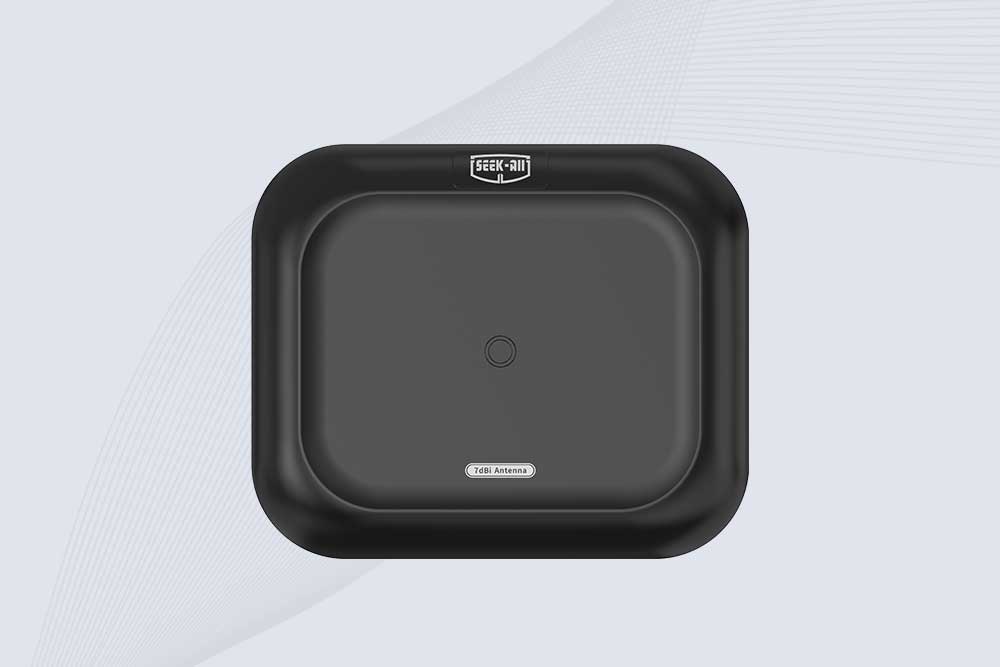
Explore the SSD-A07 UHF RFID antenna with 7 dBi gain, circular polarization, adjustable 840–960 MHz frequency, and 60°/75° beamwidth for stable RFID read/write performance.

SSD-A06 UHF RFID antenna with circular polarization, adjustable 840–960 MHz frequency, ≥4.5 dBi gain, and a compact directional design for RFID systems.

Discover SSD-D4AL, a USB-HID UHF RFID reader with 4/8/16 antenna options, Impinj E710/X3M1 chipset, plug-and-play USB power, and OEM customization.
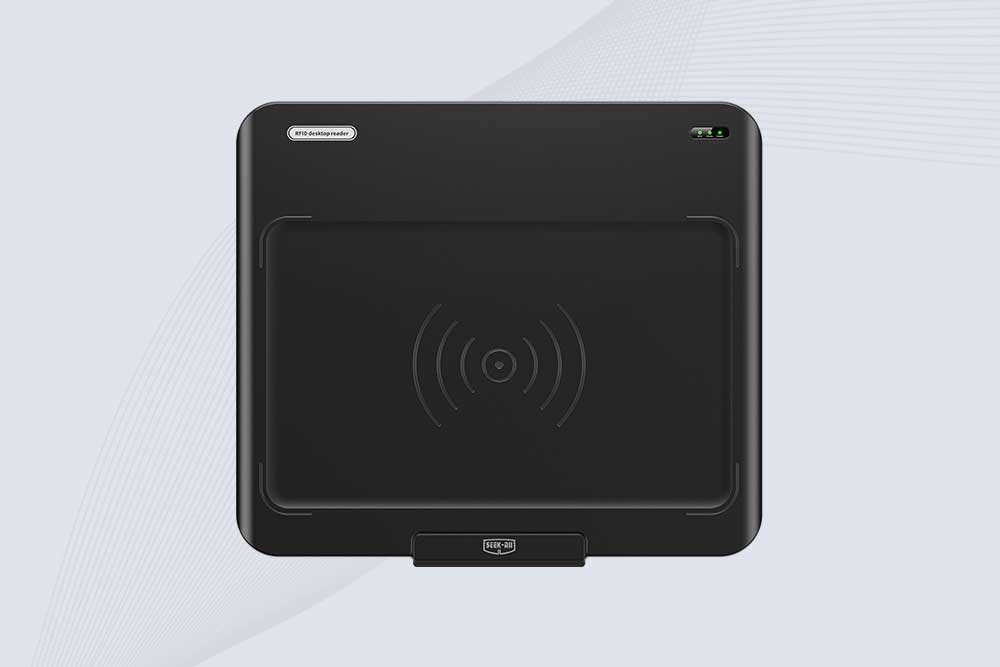
SSD-D3AL is a USB-HID UHF RFID reader with 0–30 cm reading, 0–15 cm writing, over 600 tags/s recognition, USB plug-and-play operation and OEM Logo customization.
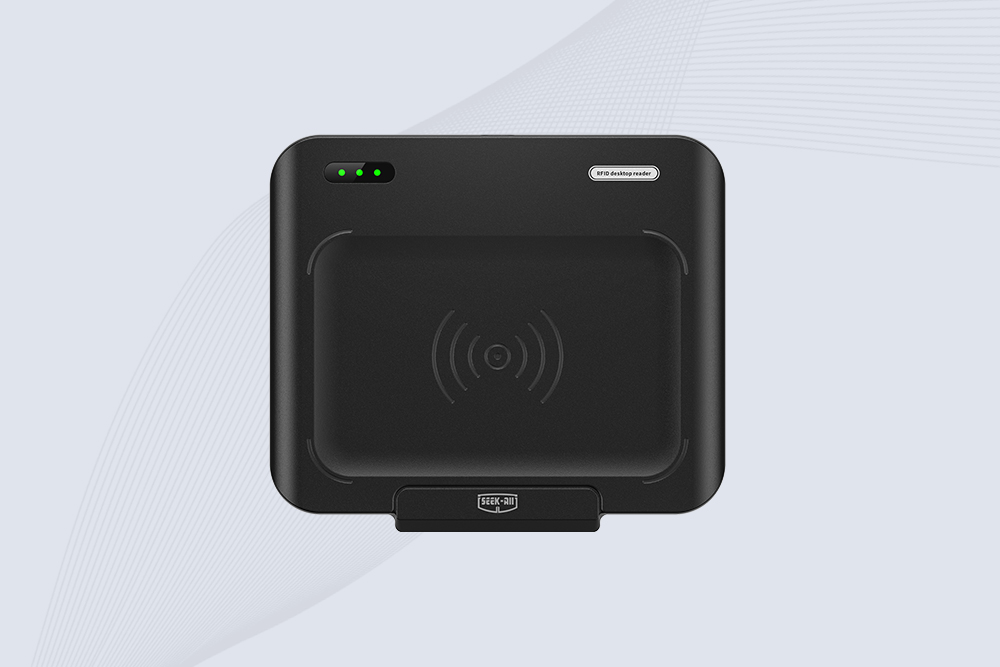
SSD-D1AL is a compact USB UHF RFID reader with Impinj E710/X3M1 chipset, USB-HID, 600+ tags/s recognition, 4/8/16 antenna support and plug-and-play USB power.
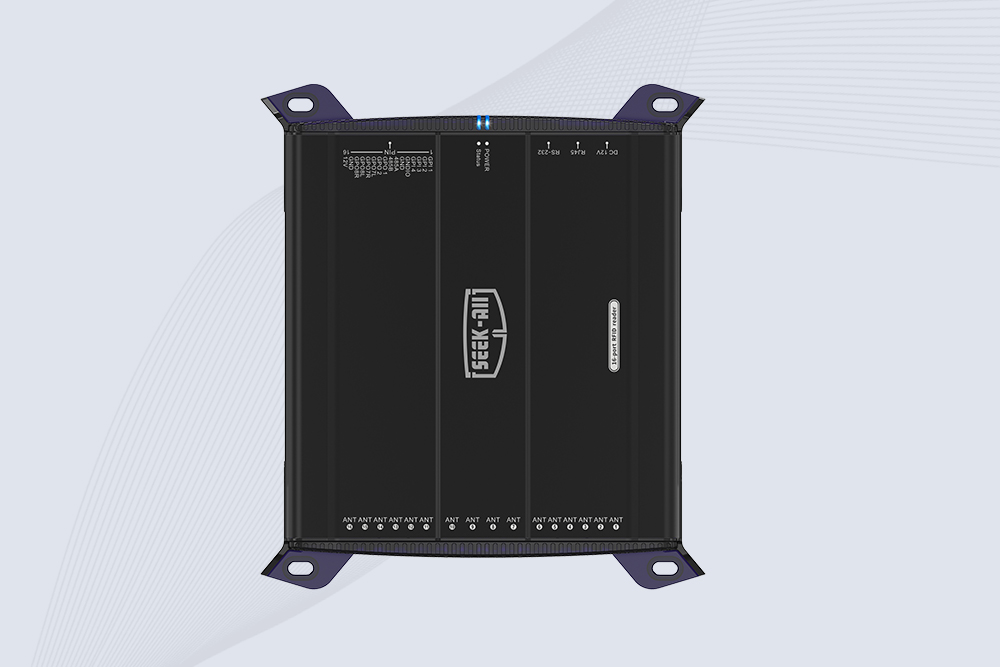
SSD-R16L Multi-Channel RFID Infrastructure for Automated Inventory Management ✔️ 16-Port High-Density RFID Reading Equipped with 16 SMA antenna ports, SSD-R16L supports multi-antenna deployment for warehouses, retail stores, logistics, production lines, and large-area RFID identification. ✔️ High-Speed & Long-Range Performance With up to 33…
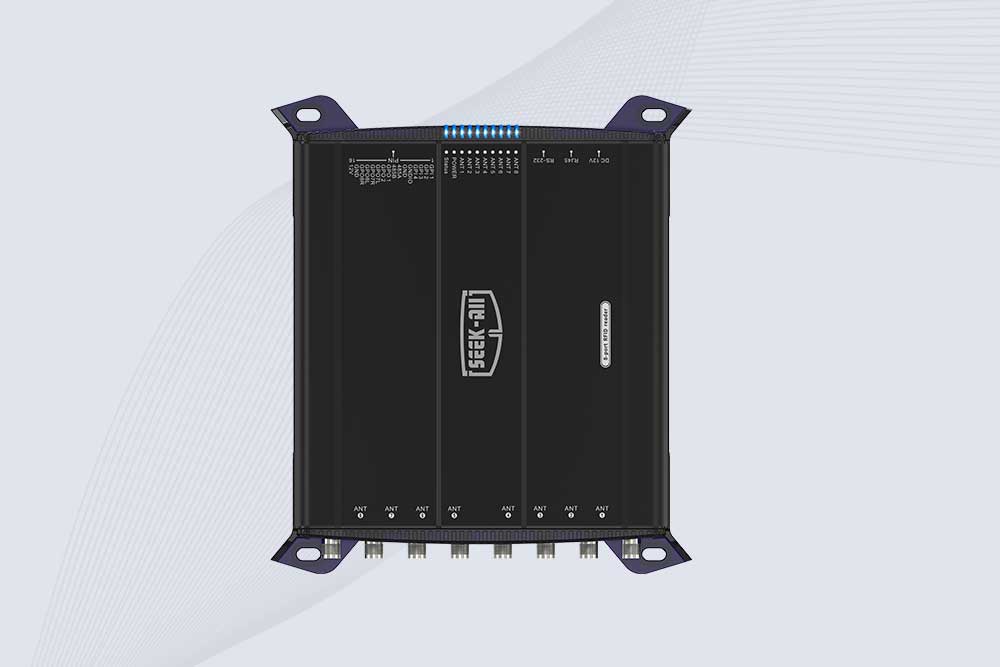
SSD-R8L 8-port UHF RFID reader with 33dBm output, up to 20m reading range and 600+ tags/s recognition. Ideal for warehouse, logistics, retail and asset tracking.
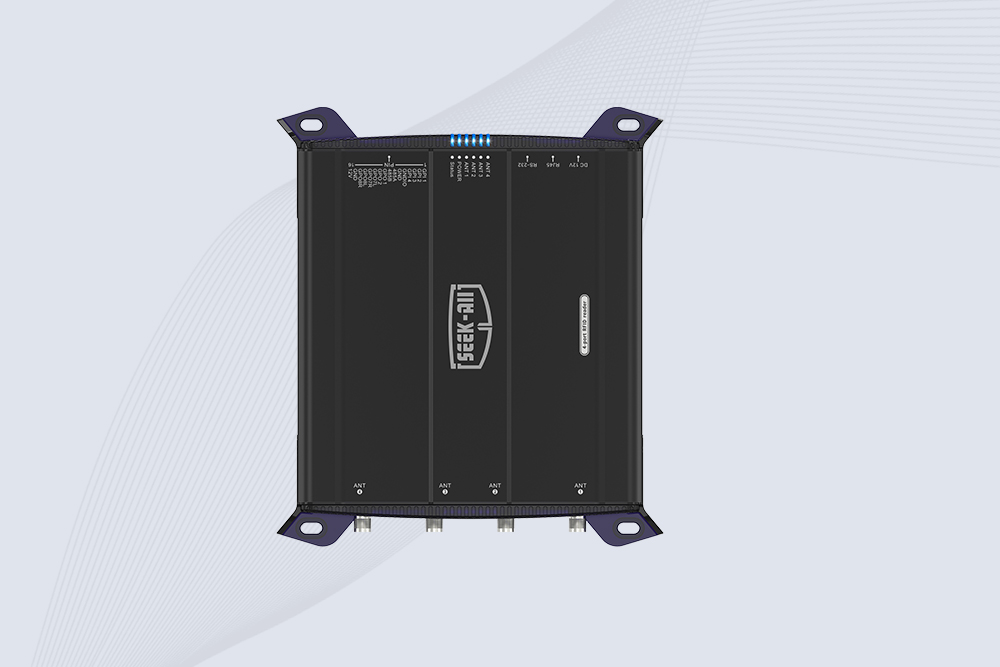
SSD-R4L is a 4-port UHF RFID fixed reader with 33dBm output power, up to 20m reading range, EPC C1G2 support and 600+ tags/s reading speed.

CYKEO CYKEO-D1LA USB RFID Reader is a compact desktop solution with near-field control for precise tag reading and encoding. Powered by USB, supporting ISO 18000-6C, and built for stable batch writing, this usb rfid tag reader fits retail, libraries, offices, and controlled RFID encoding tasks.
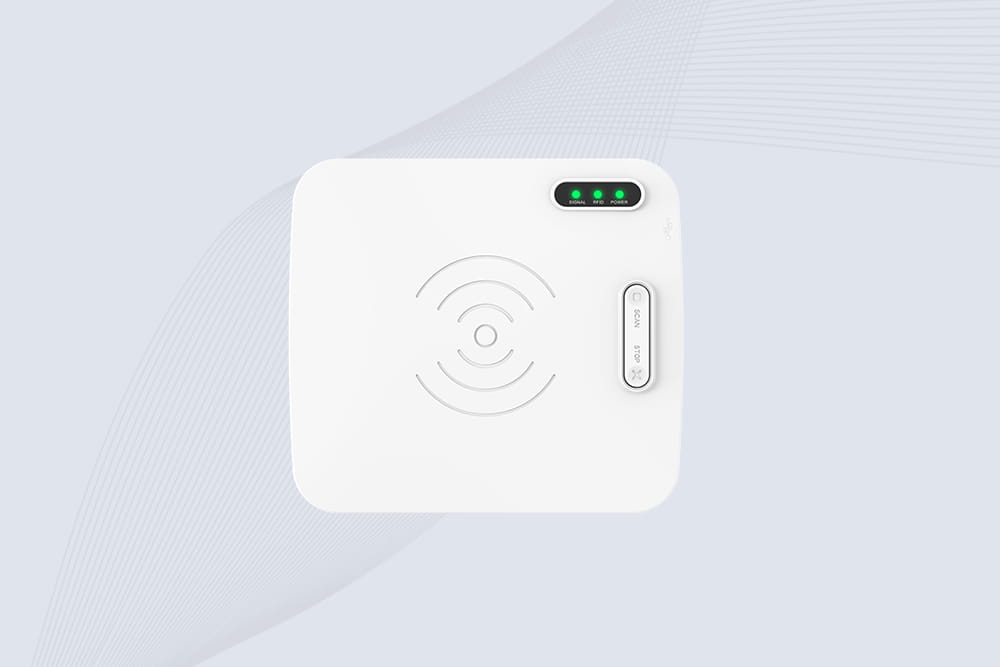
CYKEO CYKEO-D1L RFID scanner USB is a compact desktop UHF RFID scanner designed for short-range tag writing and verification. This usb rfid scanner supports batch encoding, stable 0–26 dBm output, and works across Windows, Linux, and Android systems.
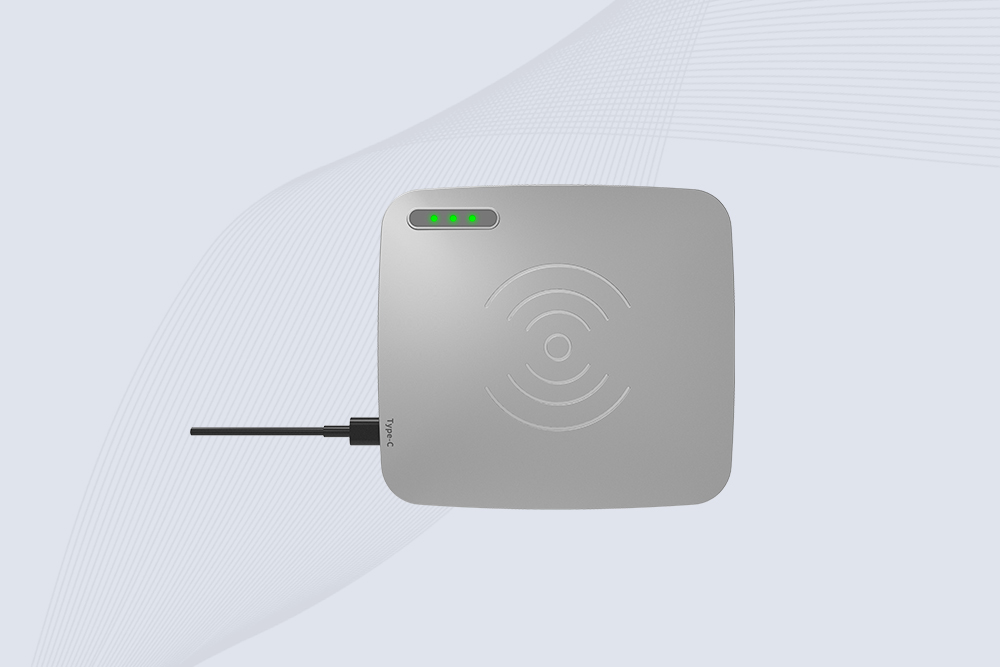
CYKEO CYKEO-D1C USB RFID Card Reader is a near-field UHF desktop writer designed for secure, short-range tag encoding. With USB-C connectivity and stable 26 dBm output, this rfid reader usb c is ideal for badge issuance, label encoding, and controlled desktop RFID workflows.
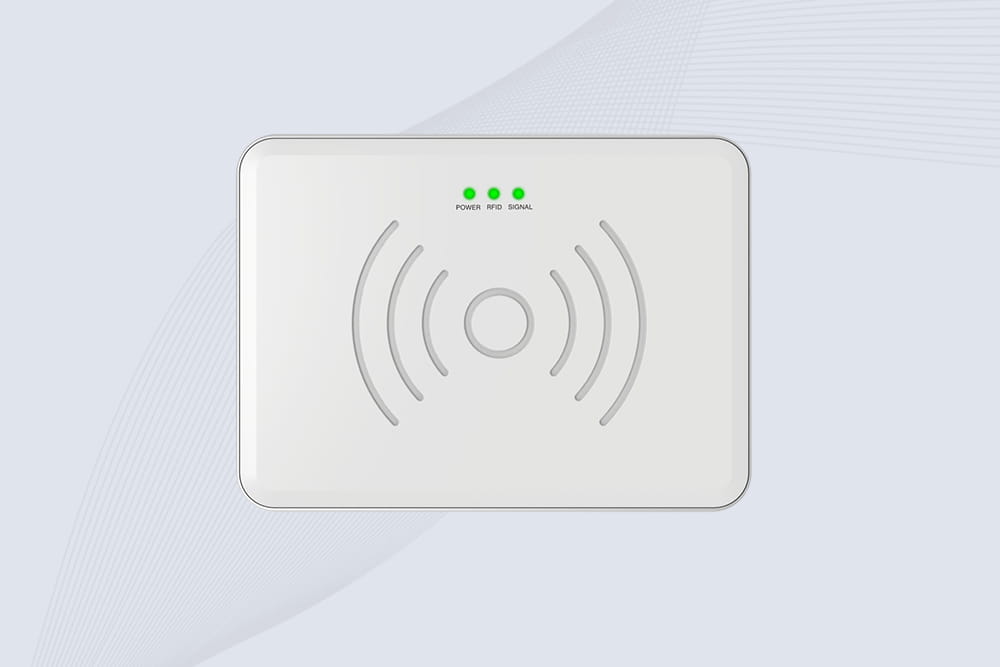
CYKEO CYKEO-D2L RFID Reader USB is a compact desktop encoder built on the Impinj R500 chip. With near-field control and stable USB power, this usb rfid card reader delivers precise tag writing for offices, retail counters, and small-scale logistics encoding tasks.
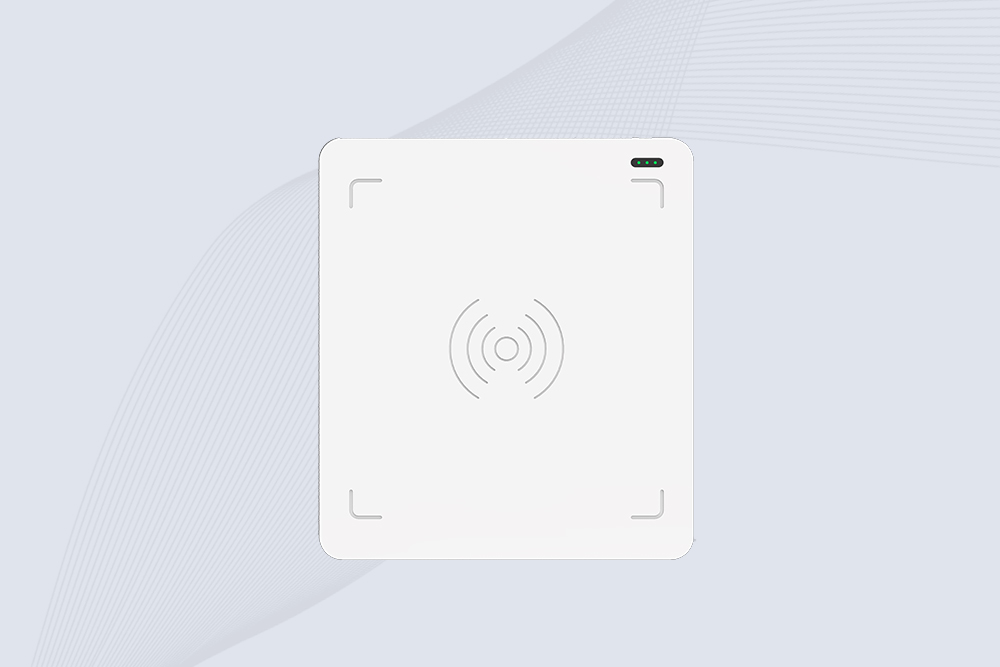
CYKEO CYKEO-D3L USB RFID Tag Reader delivers stable UHF tag reading and writing for daily desktop and light industrial tasks. Designed for controlled short-range operation, this USB RFID Tag Reader works reliably with rfid tag and reader systems in libraries, tool tracking, and inventory registration.
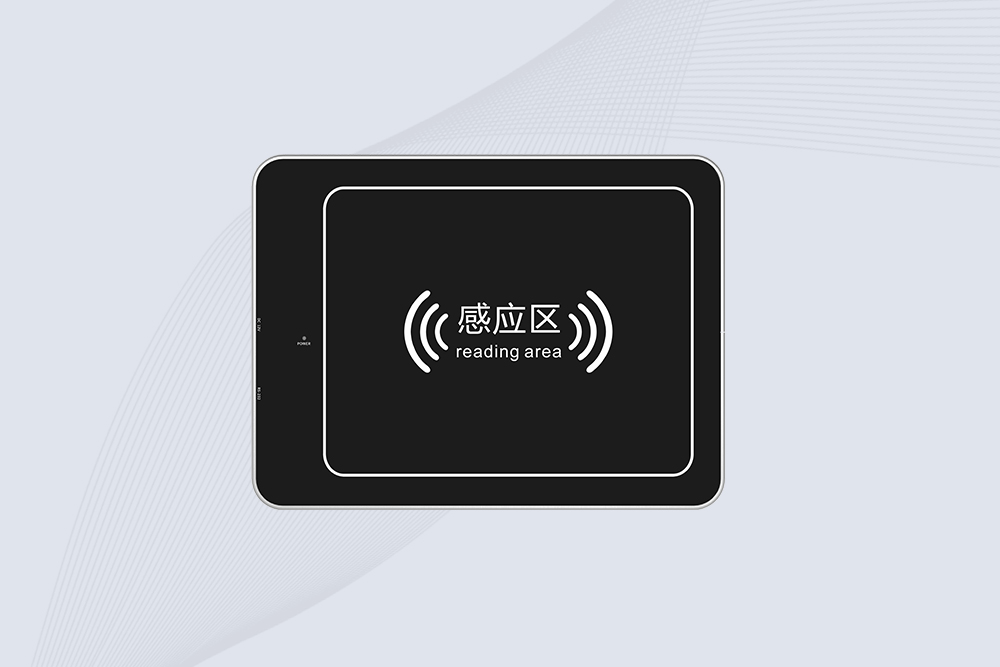
The CYKEO CYKEO-D4L UHF RFID Tag Reader is a stable Desktop RFID Reader designed for accurate tag registration, borrowing, and return workflows. Built with the Impinj R2000 chip, this UHF RFID Tag Reader delivers controlled short-range reads for libraries, asset tracking, and inventory management environments.
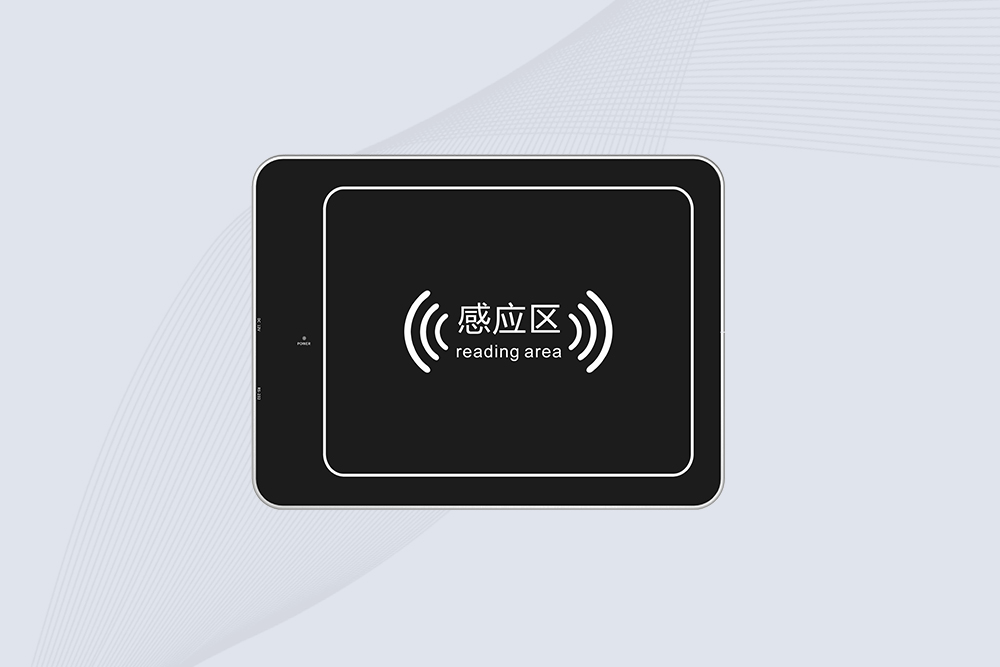
The CYKEO CYKEO-D5L Desktop RFID Card Reader is a stable UHF RFID Card Reader designed for controlled short-range reading and writing. Built for libraries, tool rooms, and asset desks, this UHF RFID Card Reader supports dense tag handling, secure data processing, and easy USB integration.
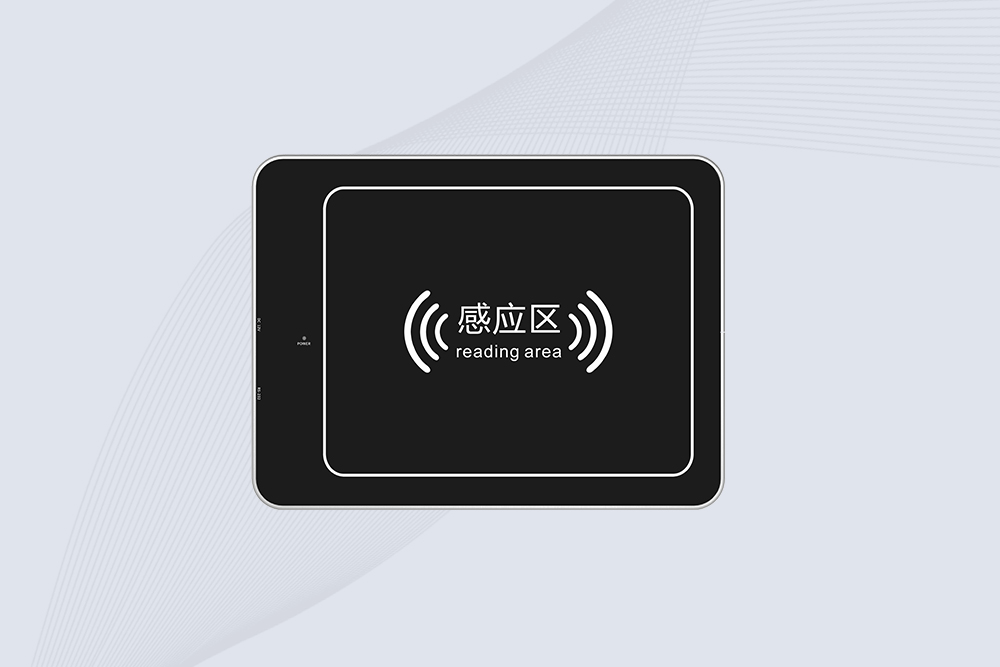
The CYKEO CYKEO-D6L RFID Reader Writer is a heavy-duty Desktop RFID Reader designed for short-range, high-accuracy tag programming. Built for libraries, labs, and asset desks, this RFID Reader Writer supports batch processing, stable 33dBm output, and seamless integration with existing management systems.
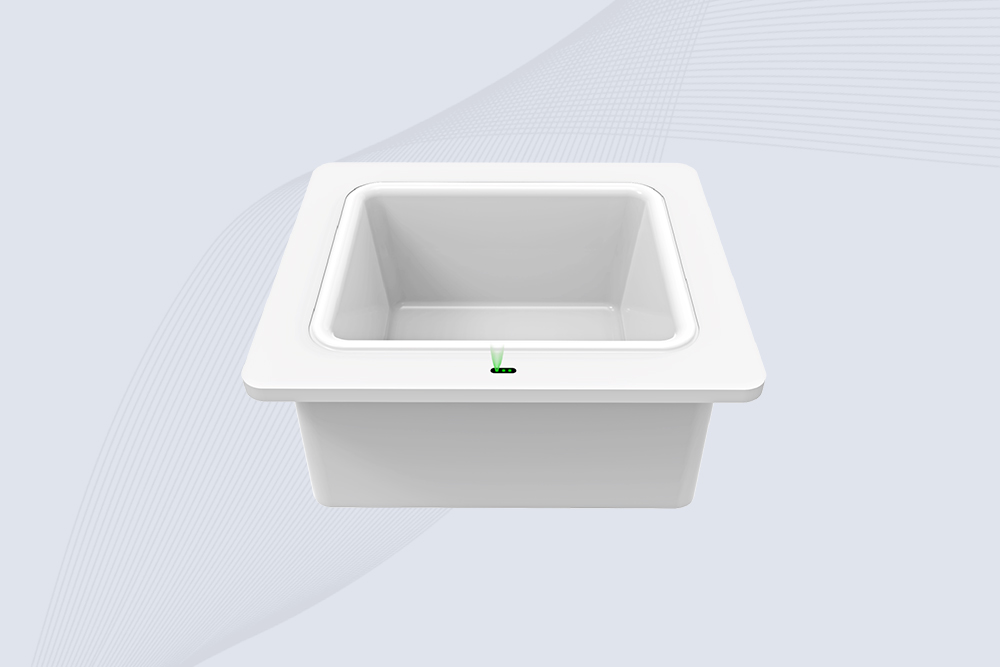
Cykeo CYKEO-D8B UHF RFID tunnel and RFID Desktop Reader features 30+ items batch reading,
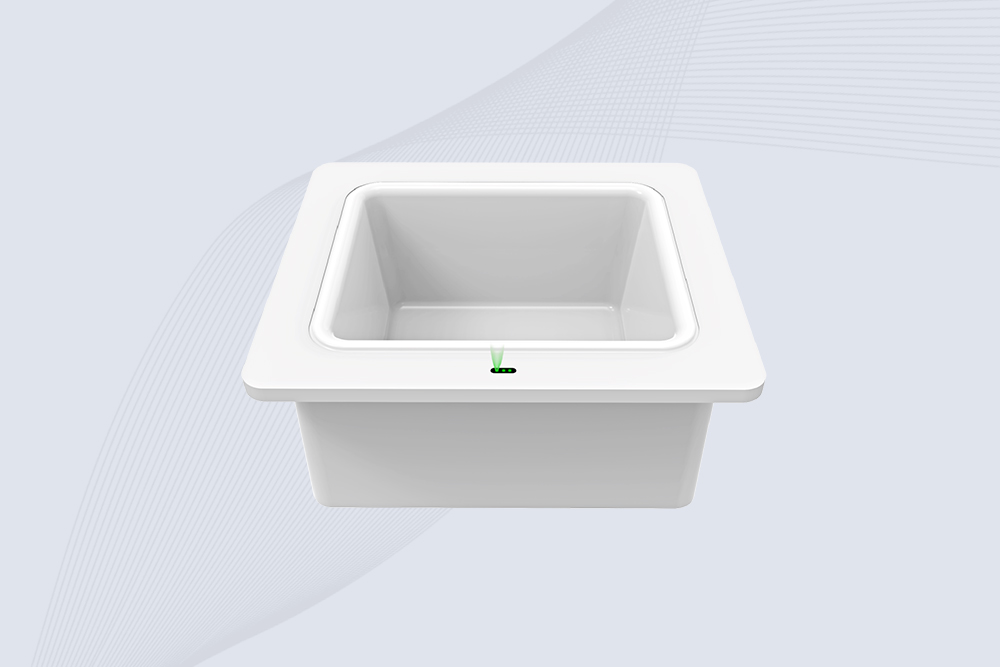
Cykeo CYKEO-D8A embedded RFID badge reader offers 30+ tags/sec scanning, 20cm anti-crosstalk precision, and DC 12V power for unmanned stores, warehouses, and smart inventory systems.
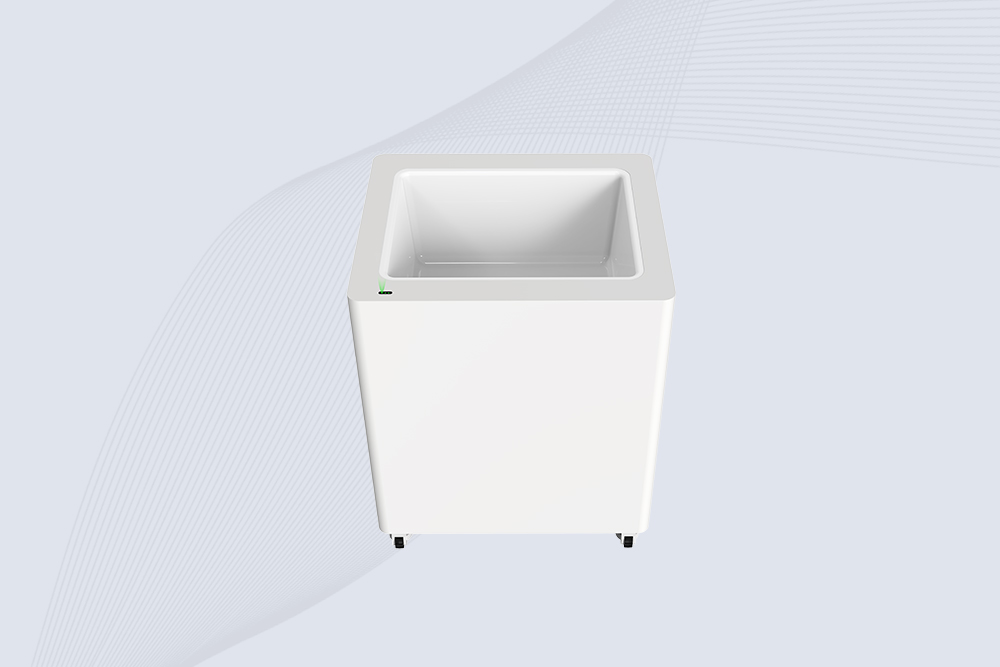
Cykeo’s CYKEO-D8C UHF RFID gate reader achieves 200-tag/batch scanning with adjustable power control, ideal for retail inventory and smart warehouse management.
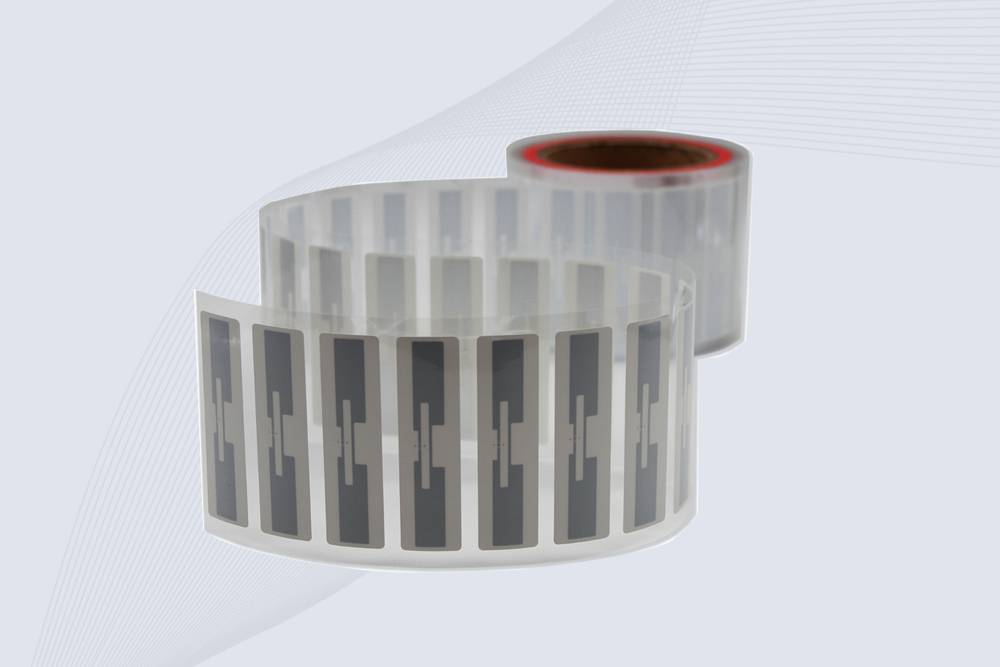
CYKEO Passive RFID Tags are made for wet and high-humidity environments where standard labels do not last. This rfid passive tag is often used around liquids, chemicals and temperature changes, providing stable reading distance and long data life for industrial tracking.
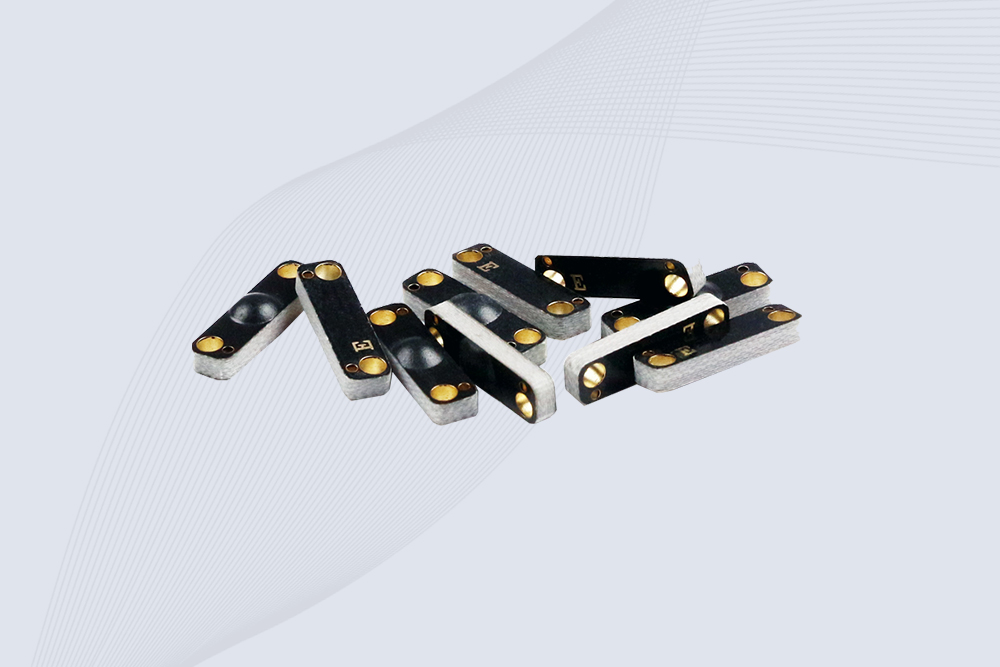
CYKEO CYKEO-PCB1504 Metal RFID Tags is a compact anti-metal UHF RFID solution built for direct mounting on metal surfaces. With stable 8-meter read range, Ucode-8 chip, and long data retention, this rfid metal tag fits tools, containers, automotive parts, and industrial asset tracking.
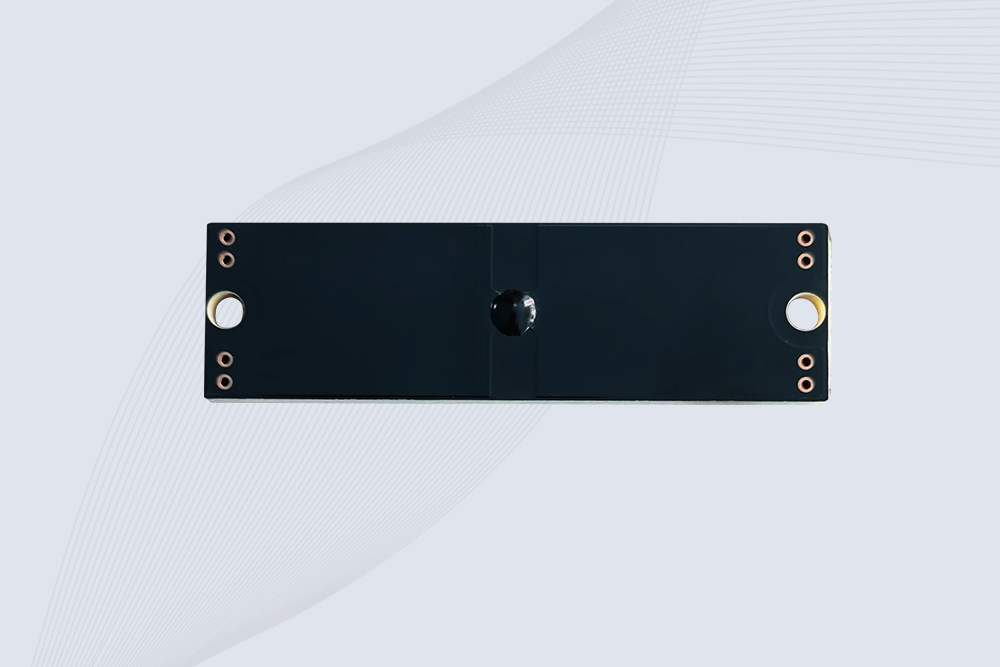
CYKEO CYKEO-PCB7020 On-Metal RFID Tags are designed for reliable tracking on steel and metal surfaces. Built with an FR4 epoxy body and industrial-grade chips, these On-Metal RFID Tags deliver stable performance, long data life, and chemical resistance, making them a dependable RFID anti-metal tag for harsh environments.
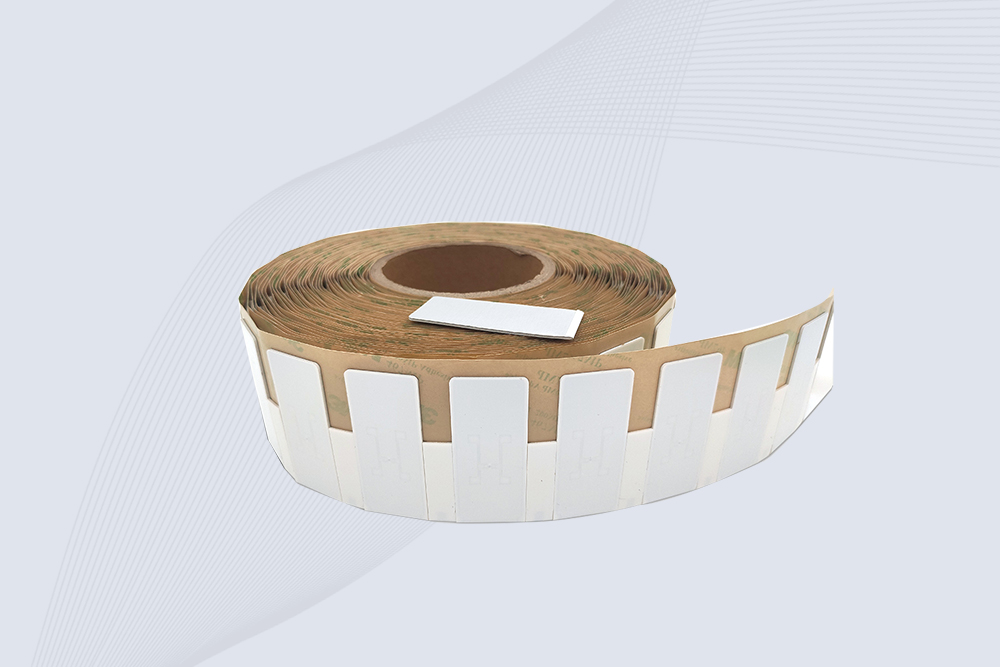
The CYKEO CYKEO-60-25 Anti-Metal RFID Tag is built for metal surfaces where standard tags fail. Designed for long-range performance, harsh environments, and stable data retention, this Anti-Metal RFID Tag is ideal for industrial assets, containers, and equipment tracking using on metal RFID tags.
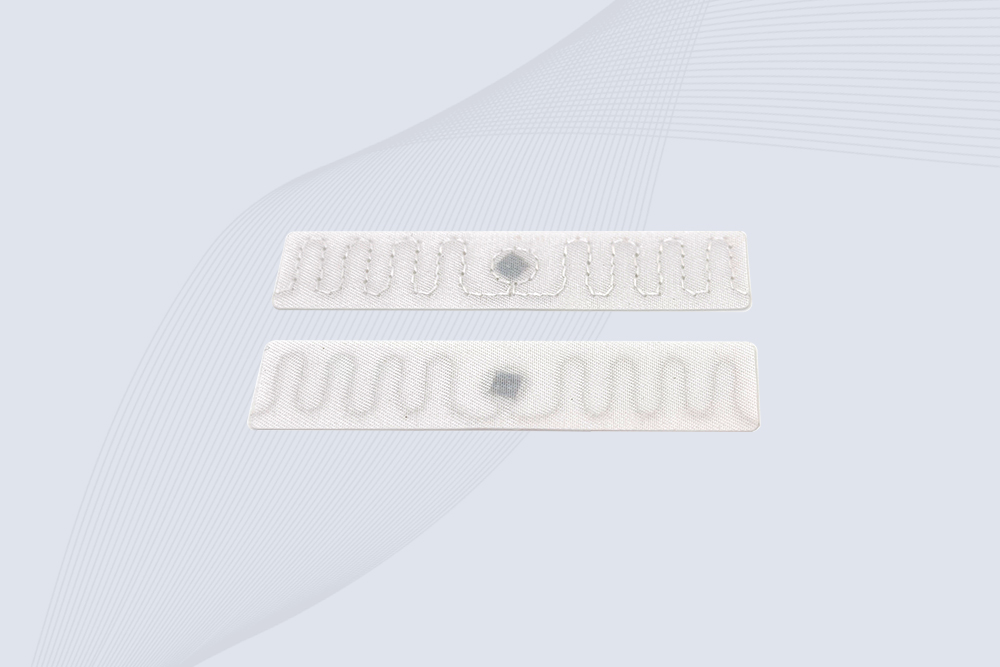
The CYKEO RFID Laundry Tag is designed for long-term textile identification in harsh laundry environments. Built to withstand high heat, chemicals, and repeated washing, this RFID Laundry Tag delivers stable performance for hotels, hospitals, and industrial laundry operations using laundry rfid tags at scale.
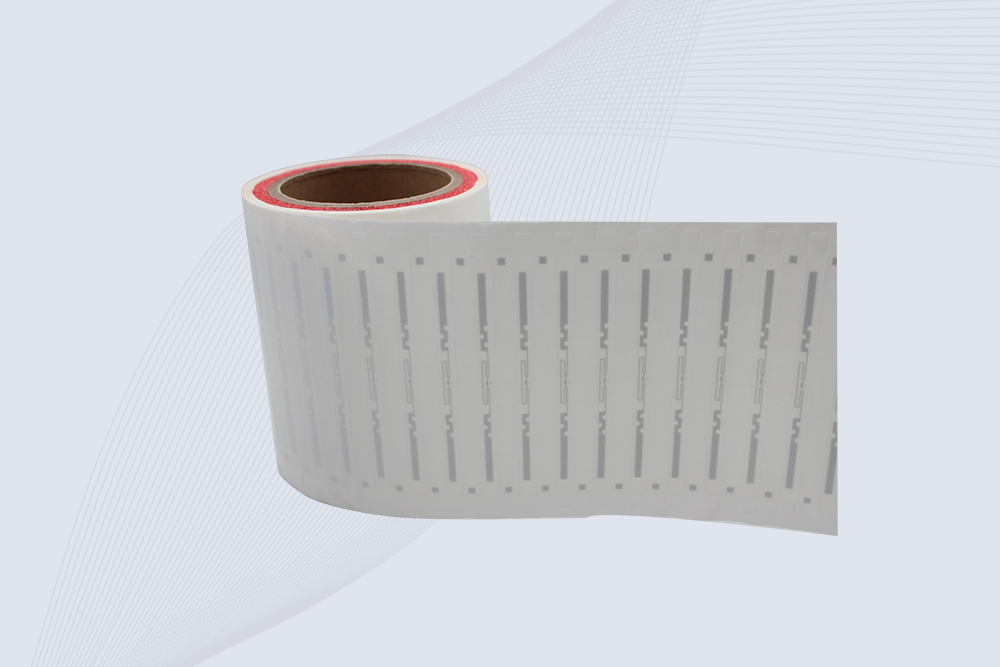
The CYKEO CYKEO-125-7 RFID Book Tag is designed for reliable book and document tracking in libraries and archives. This RFID Book Tag delivers long read range, dense placement support, and stable performance on shelves, making it a practical rfid tag on books for library automation, file management, and archival systems.
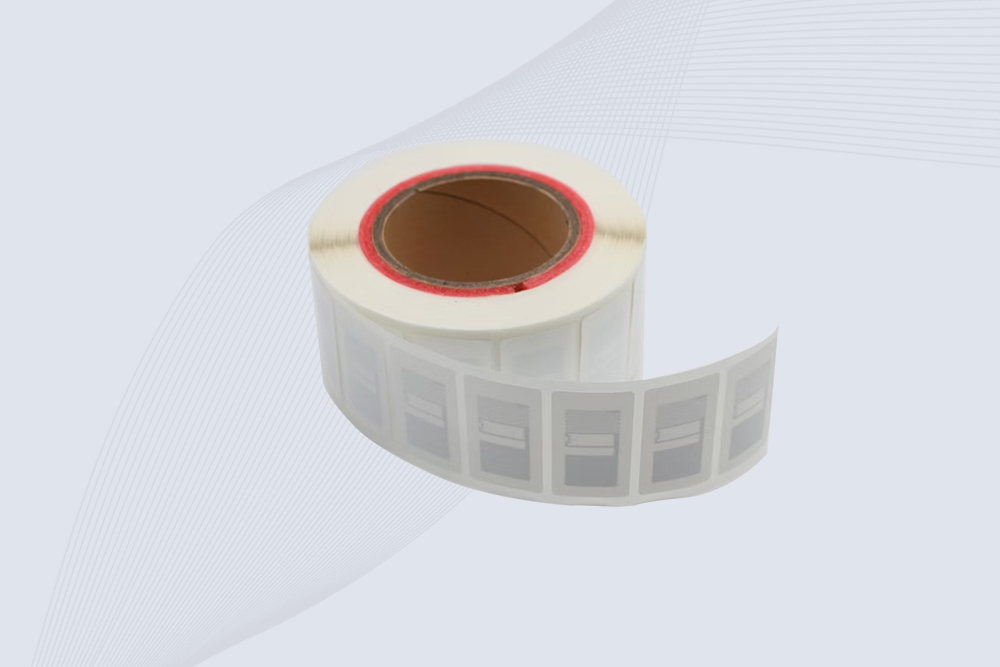
CYKEO RFID tags in hospitals are designed for sterile environments where accuracy matters. These autoclavable RFID tags support long-term tracking of surgical tools, implants, and medications, helping hospitals improve visibility, compliance, and patient safety.

CYKEO RFID Cable Tie Tag is built for reliable identification on metal surfaces. This UHF RFID Cable Tie Tag is widely used in rfid tags for inventory systems, industrial asset management and Hospital RFID Tags, offering stable read performance, long service life and global EPC Gen2 compatibility.
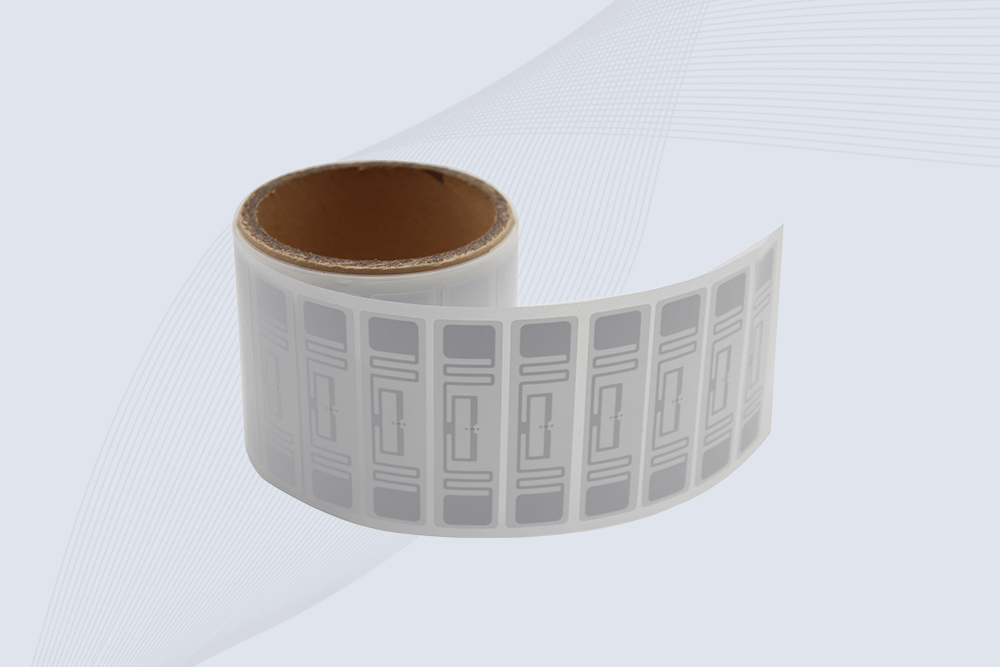
CYKEO RFID Asset Tag is designed for stable identification of metal assets in industrial environments. This UHF RFID Asset Tag is commonly used for rfid tag asset tracking on equipment, tools and containers, providing reliable reads, long service life and ISO/IEC 18000-6C support.

CYKEO UHF RFID Card is designed for fast identification and long-term use in industrial and commercial systems. Supporting ISO 18000-6C, this UHF RFID Card works at 860–960 MHz and is suitable for custom RFID cards used in asset tracking, access control and inventory management.
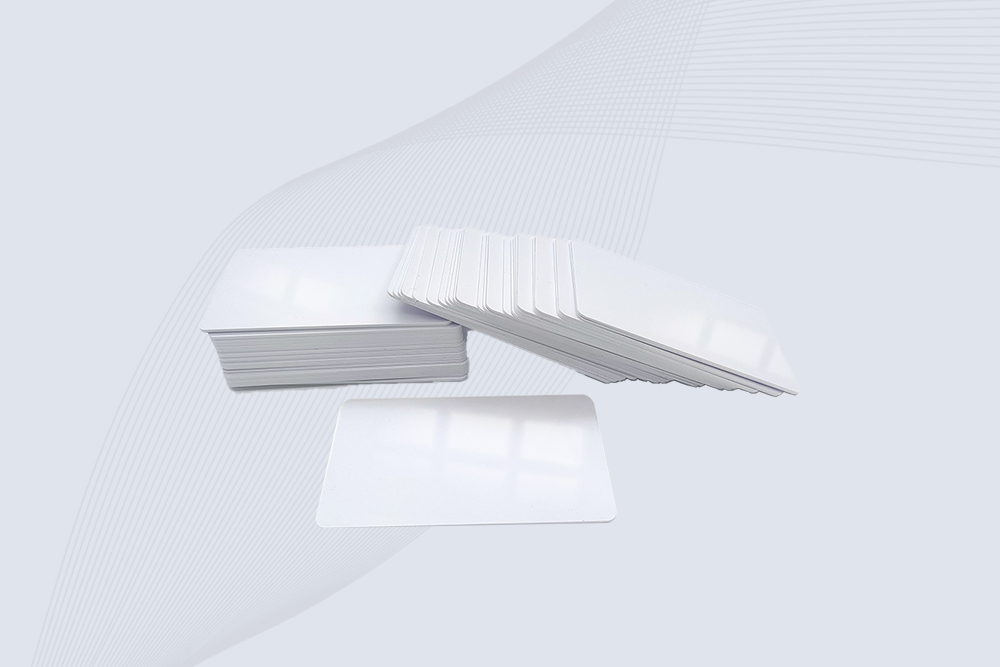
CYKEO HF RFID Cards are designed for secure and stable access control systems. These 13.56 MHz RFID key cards support ISO 14443-A, reliable rewriting and long service life, making HF RFID Cards suitable for offices, campuses, events and membership management.
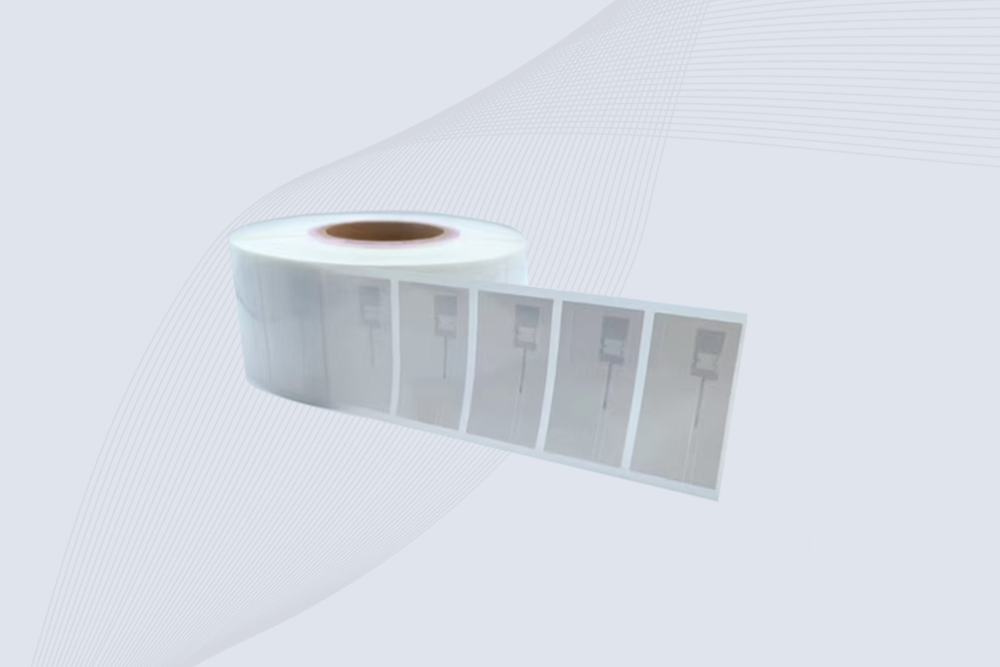
CYKEO UHF RFID Tag is designed for reliable tracking of metal jewelry and high-value items. This Jewelry RFID Tag supports long-range reading up to 8 meters, anti-counterfeit protection and stable performance on metal, making it suitable for retail, inventory control and asset management.
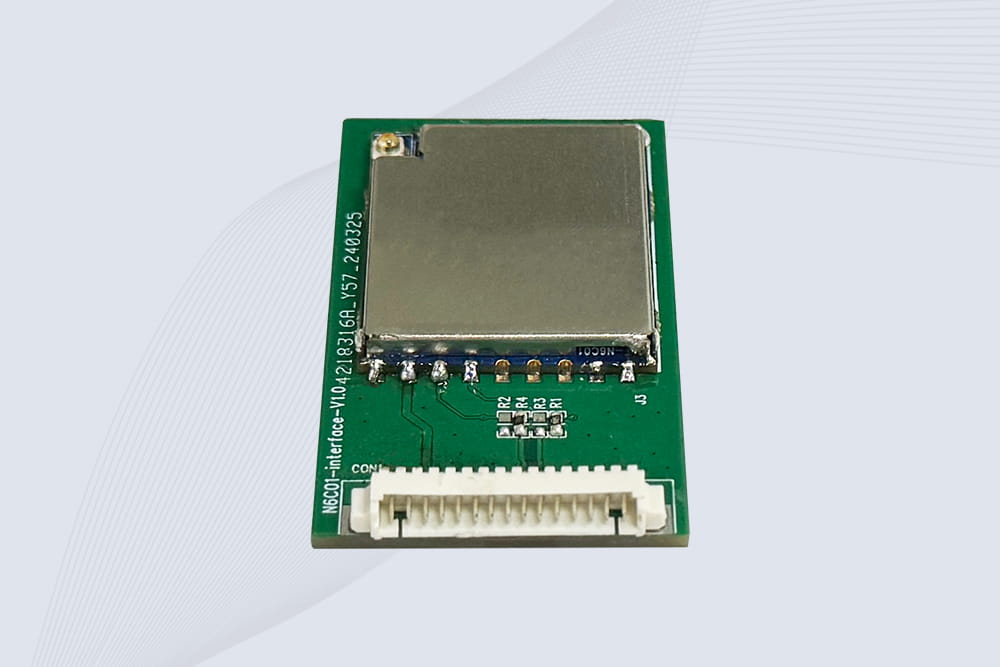
CYKEO Embedded RFID Modules are designed for compact industrial and IoT devices that require stable UHF performance. These UHF RFID Modules support global protocols, flexible power control, and reliable multi-tag reading for smart cabinets, production lines, and asset tracking systems.
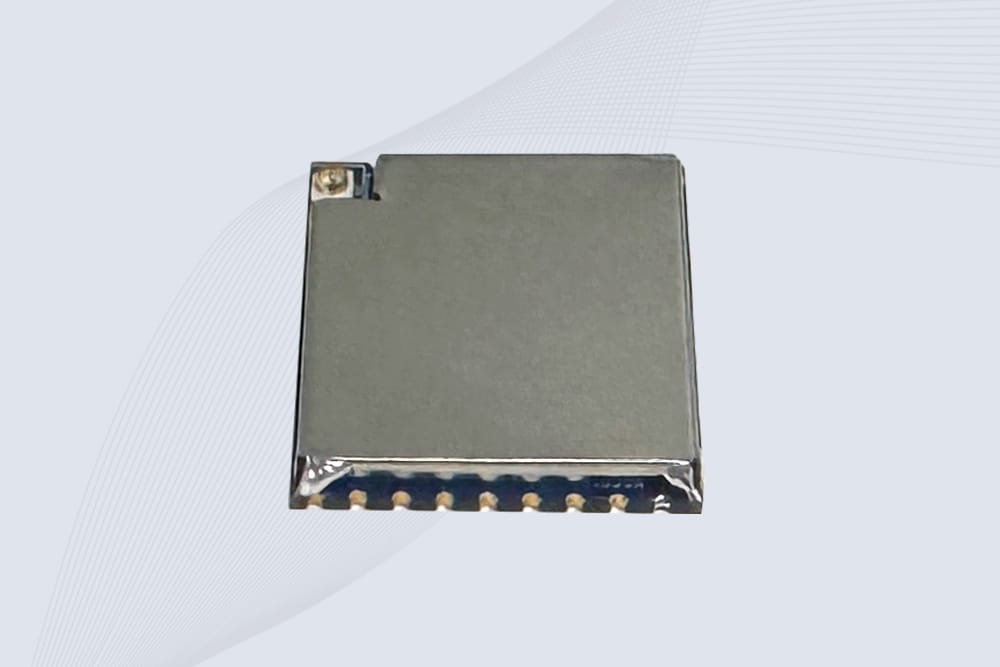
CYKEO Embedded RFID Module is built for compact IoT and industrial devices that need stable UHF performance. This UHF module supports global protocols, low power operation, and reliable multi-tag reading for smart lockers, production lines, and always-on RFID systems.
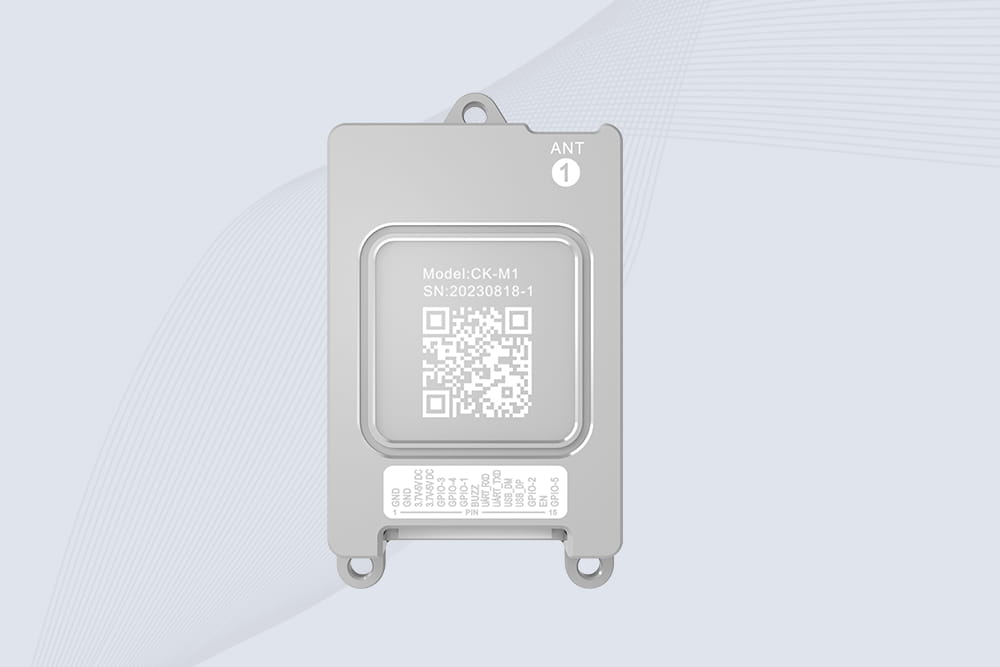
CYKEO CYKEO-M1 drone rfid module is a compact UHF RFID reader module designed for drones and UAV platforms. It supports long-range aerial scanning, fast multi-tag reading, and stable performance in wind, vibration, and outdoor environments.
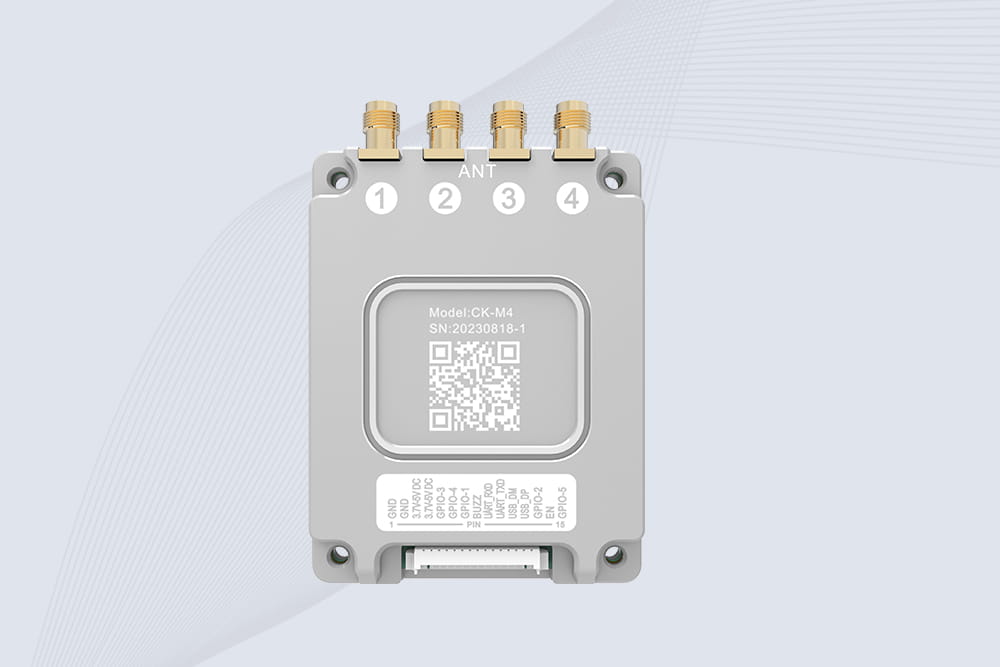
CYKEO CYKEO-M4 RC522 RFID Module is an industrial-grade UHF RFID reader with 4 ports, supporting ISO, EPC, and GB protocols. High-speed, accurate reading for IoT, automation, and warehouse applications.
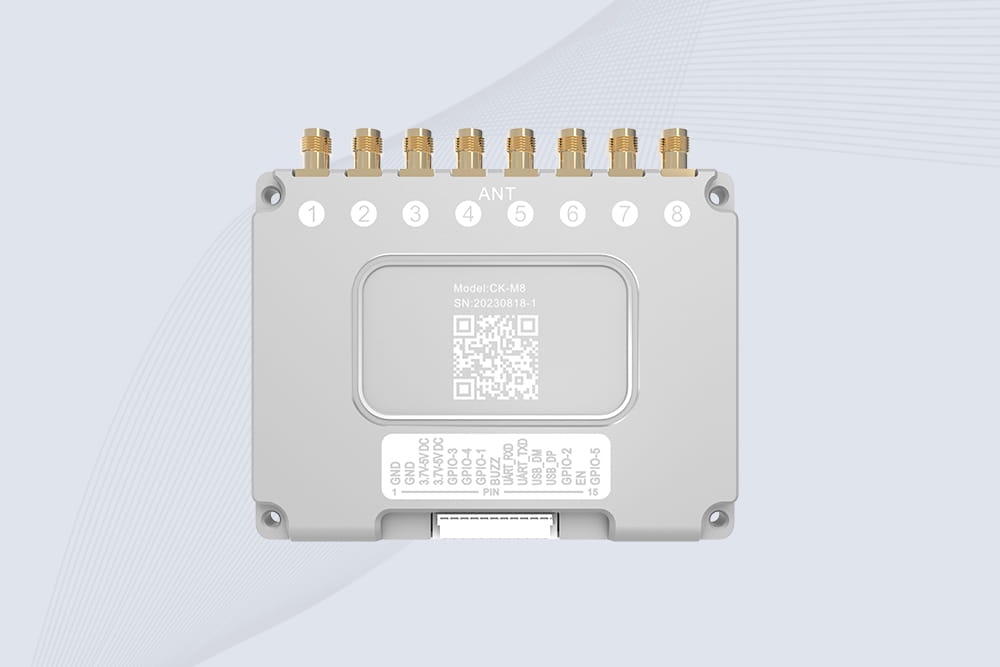
CYKEO CYKEO-M8 Module RFID is an 8-port UHF R2000 RFID Module designed for high-density, multi-tag environments. Stable 33dBm output, ISO & GB protocol support, ideal for warehouses, factories, and automated systems.
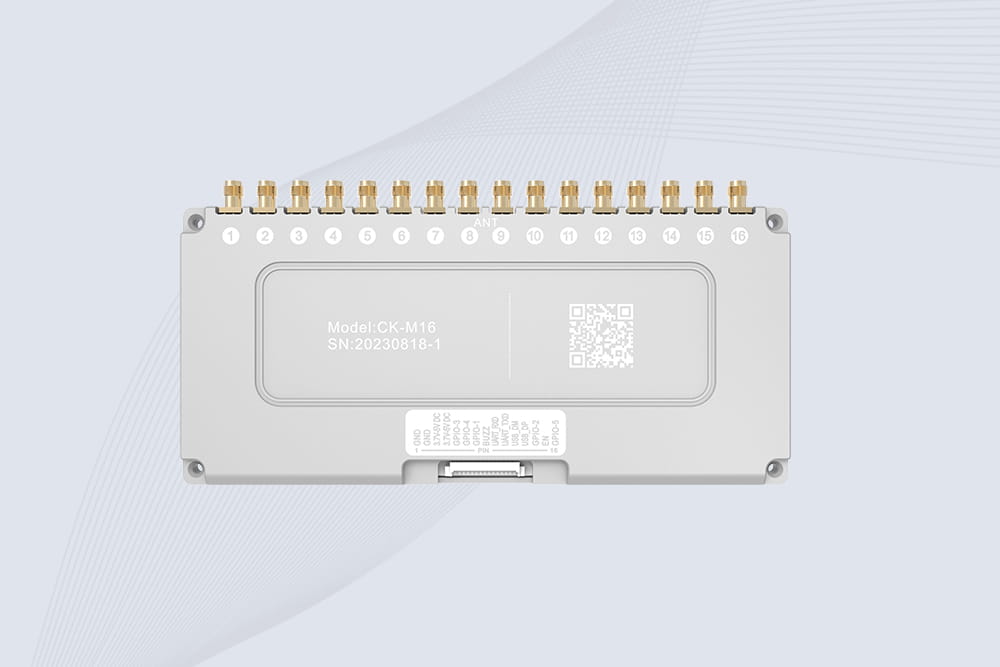
CYKEO CYKEO-M16 RFID Module is a 16-port UHF RFID reader module based on the R2000 chipset. Designed for dense tag environments, it supports ISO and GB standards and delivers stable multi-antenna control for industrial automation.
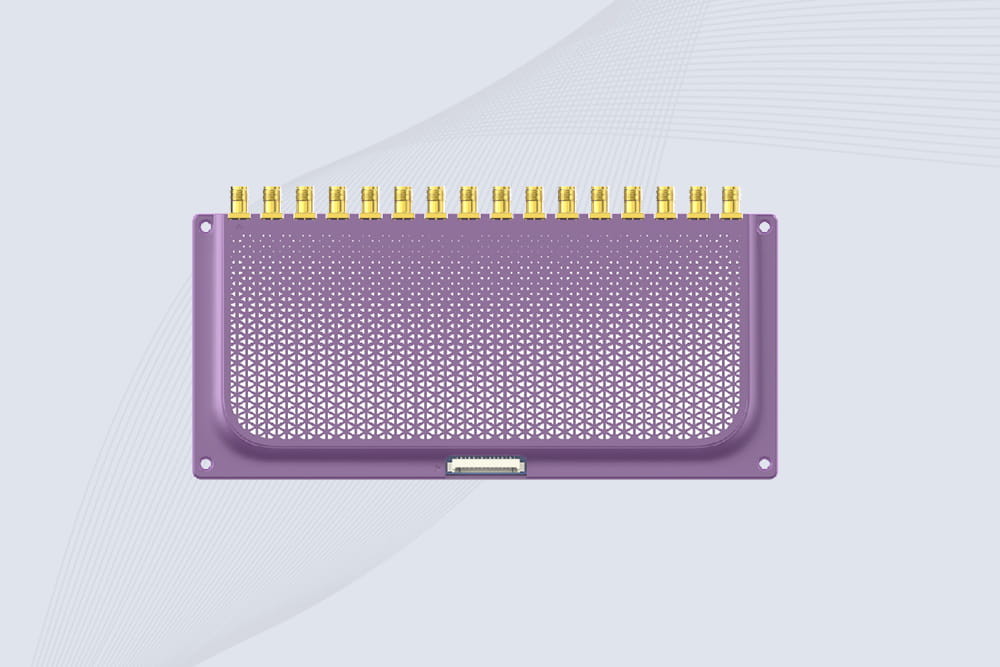
The CYKEO CYKEO-M16L RFID Reader Module is a 16-channel UHF RFID core designed for dense tag environments. With adjustable 33dBm output, multi-protocol support, and stable multi-antenna control, this RFID Tag Reader Module fits industrial automation, warehouse systems, and large-scale IoT deployments.
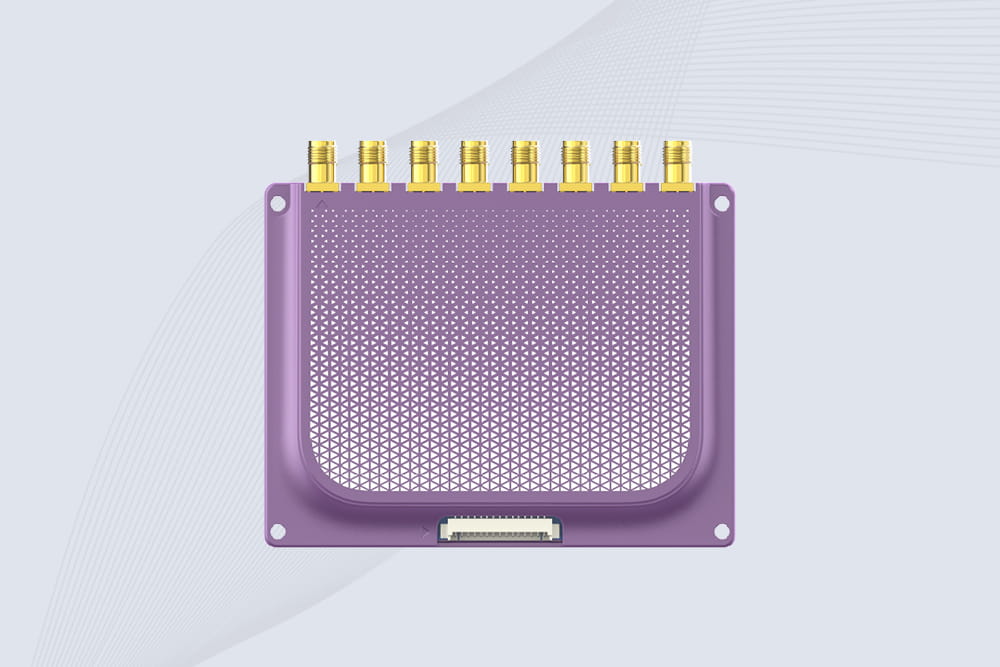
CYKEO CYKEO-M8L module RFID is a compact industrial UHF module built for dense tag and multi-antenna environments. With 8 RF ports, adjustable 33 dBm output, and ISO & GB protocol support, it is widely used in factories, warehouses, and automated tracking systems.
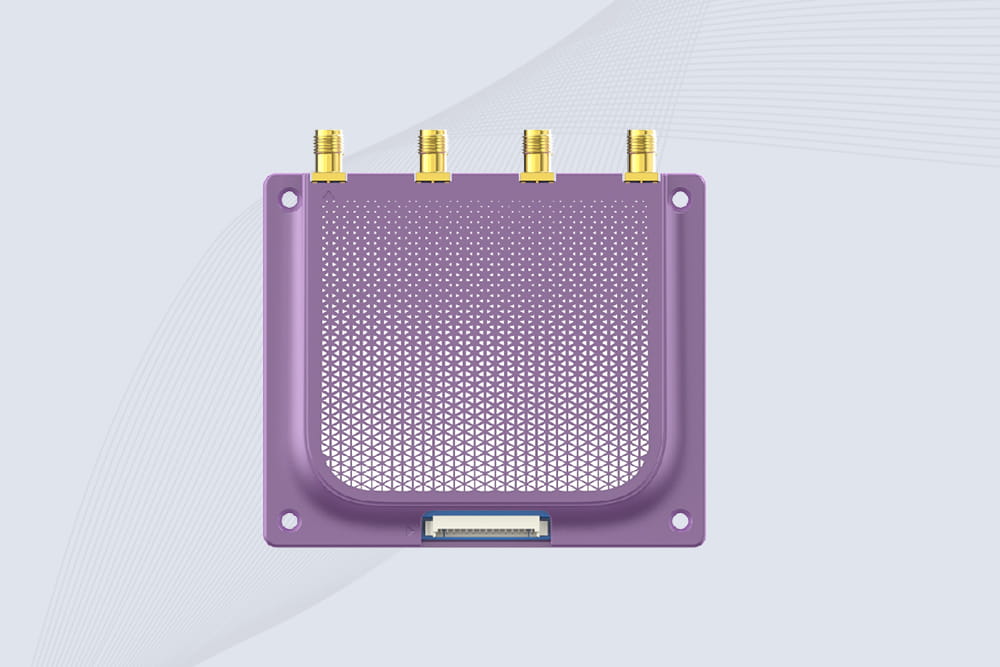
CYKEOCYKEO-M4L UHF RFID Module is a compact 4-channel RFID tag reader module designed for dense tag environments. Supporting ISO and GB protocols, it delivers stable reads up to 10 meters for industrial and IoT systems.
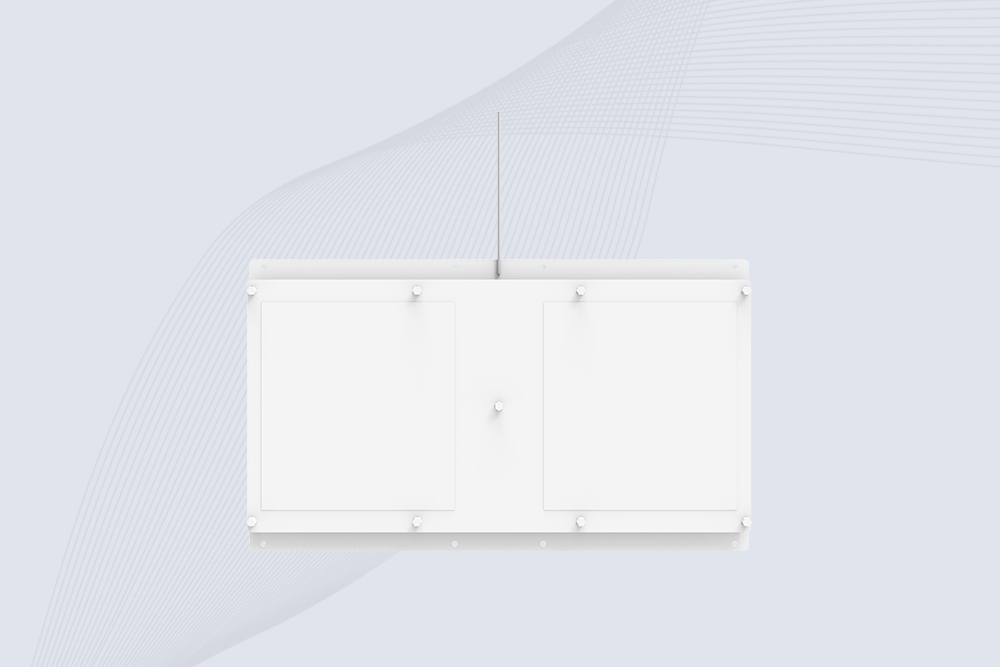
Cykeo CYKEO-A11 UHF RFID reader antenna delivers 11dBi gain, 840-960MHz frequency range, and IP65 ruggedness for retail, logistics, and industrial RFID systems. Features low VSWR and easy installation.
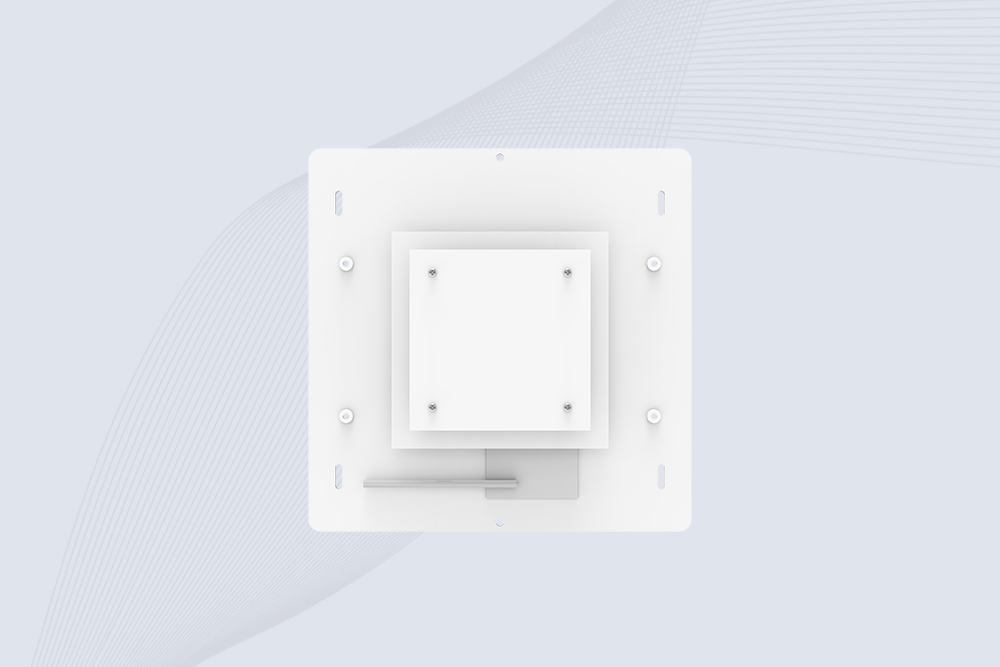
CYKEO Antenna RFID Reader delivers stable long-range UHF performance with a 10.5dBi directional design, built for warehouses, conveyor portals, and industrial RFID systems. This rfid reader antenna provides 20m+ read distance and rugged IP67 protection.

Cykeo CYKEO-PHF3 industrial HF RFID Antenna offers 24-point dynamic tracking, ISO 14443A/15693 protocols, metal-environment stability for archives/libraries/manufacturing.

Cykeo CYKEO-A5B industrial Linear RFID Antenna delivers 5dBi gain, ≤1.5:1 VSWR, and IP65 rugged design for warehouse, production line, and logistics UHF systems.

Cykeo’s CYKEO-B12 Long Range RFID Antenna delivers 15m+ read range with 12dBi gain, IP65 rugged design, and global 840-960MHz UHF support. Ideal for warehouse/logistics asset tracking.
Cykeo CYKEO-B10 Long Distance RFID Antenna offers 10dBi gain, 840-960MHz frequency range, IP65 rating, and 20m+ coverage for logistics/warehousing/ETC systems. Low VSWR ensures stable signal transmission.
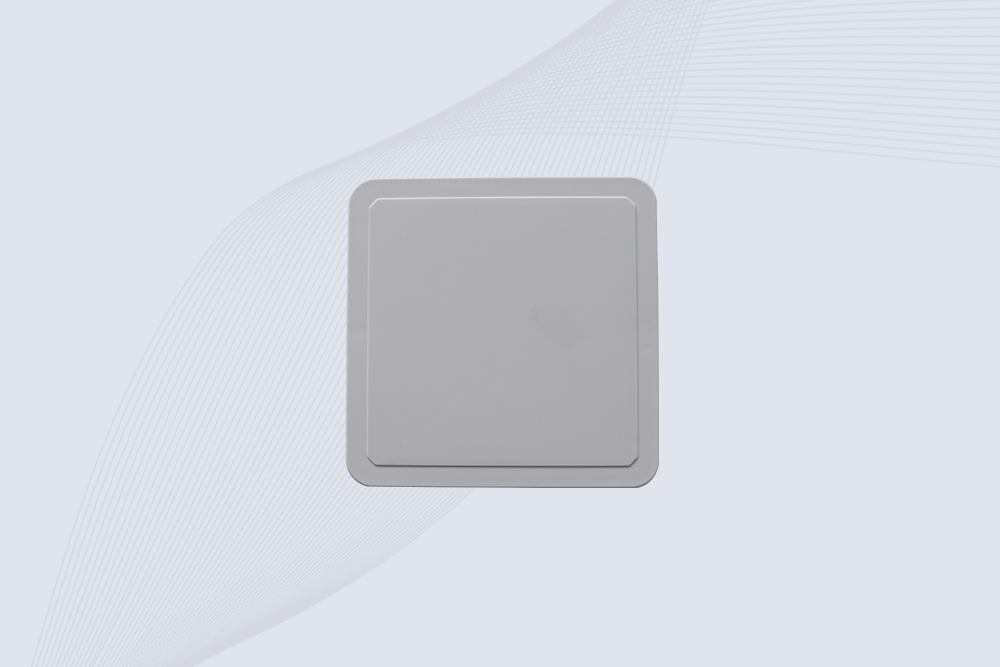
Cykeo CYKEO-A6 UHF RFID panel antenna features 6dBi gain, 840-960MHz broadband, IP65 metal-ready housing for logistics/smart retail. 18mm ultra-thin design with tool-free mounting.

Cykeo CK-A3 industrial antenna RFID UHF offers 5m+ tag detection, ≤1.3:1 VSWR, IP65 rugged design, and global UHF spectrum compatibility (840-960MHz) for warehouses, factories, and retail.

Explore the latest trends in RFID technology for retail, including smart inventory, contactless checkout, and sustainability. Learn how Cykeo drives retail innovation.
More
UHF RFID tags, with their unique performance advantages, have become the preferred choice for businesses aiming to improve operational efficiency.
More
Discover how RFID technology enhances agricultural traceability, reduces waste, and improves compliance. Learn how farms and food brands are leveraging RFID for safer, sustainable food supply chains.
More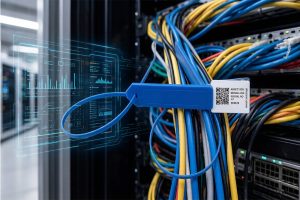
Discover how RFID cable tags improve cable identification, asset tracking, inventory accuracy, and operational efficiency. Ideal for telecom networks, data centers, utilities, industrial facilities, and rental equipment management.
More