 Cykeo RFID IoT Solution Products R&D Manufacturer
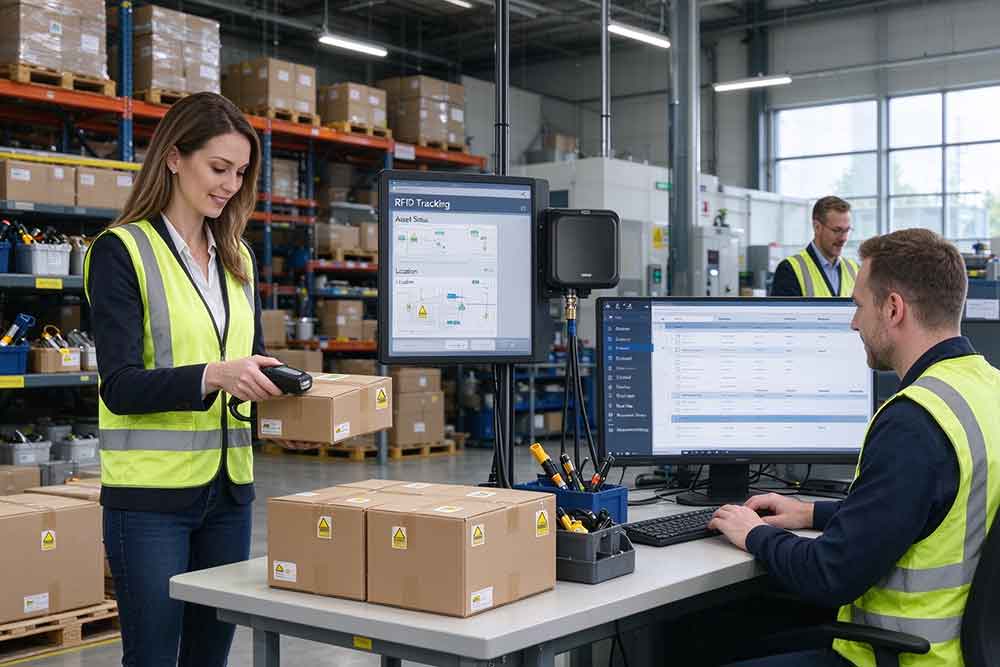
what does rfid tracked mean
53RFID tracked means an object with an RFID tag is identified and monitored through RFID readers and software, creating digital records of item identity and mo...
MoreAll RFID Product
Medical equipment RFID applies radio frequency identification (RFID) technology to the management of hospital assets. By attaching RFID tags to medical devices and integrating them with readers and backend systems, hospitals can achieve automated identification, location tracking, usage monitoring, and full lifecycle management. This significantly reduces manual logging and inventory time, while improving asset utilization and equipment security.
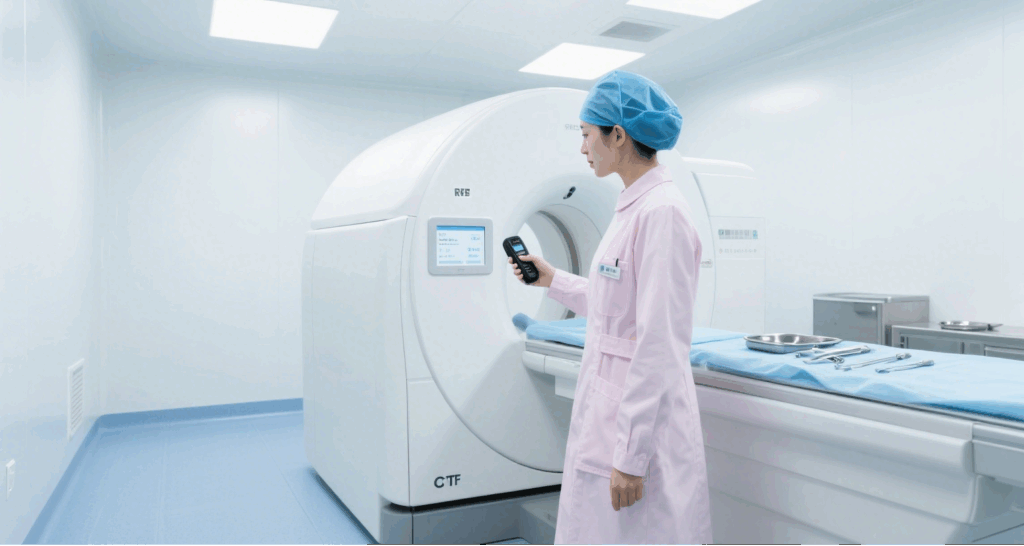

Before implementing RFID systems, hospitals often face the following issues:
Introducing RFID technology helps to solve these problems efficiently.
Main functions of medical equipment RFID system include:
RFID systems support specialized management across departments:

Adopting RFID for managing medical equipment brings numerous benefits:
As hospitals pursue greater digitalization and refined management, medical equipment RFID is becoming a core technology in healthcare asset systems. By enabling efficient identification and real-time tracking, RFID shifts asset management from “people looking for equipment” to “equipment finding people,” laying a solid foundation for smart healthcare.
We are updating~~~
RFID tracked means an object with an RFID tag is identified and monitored through RFID readers and software, creating digital records of item identity and mo...
More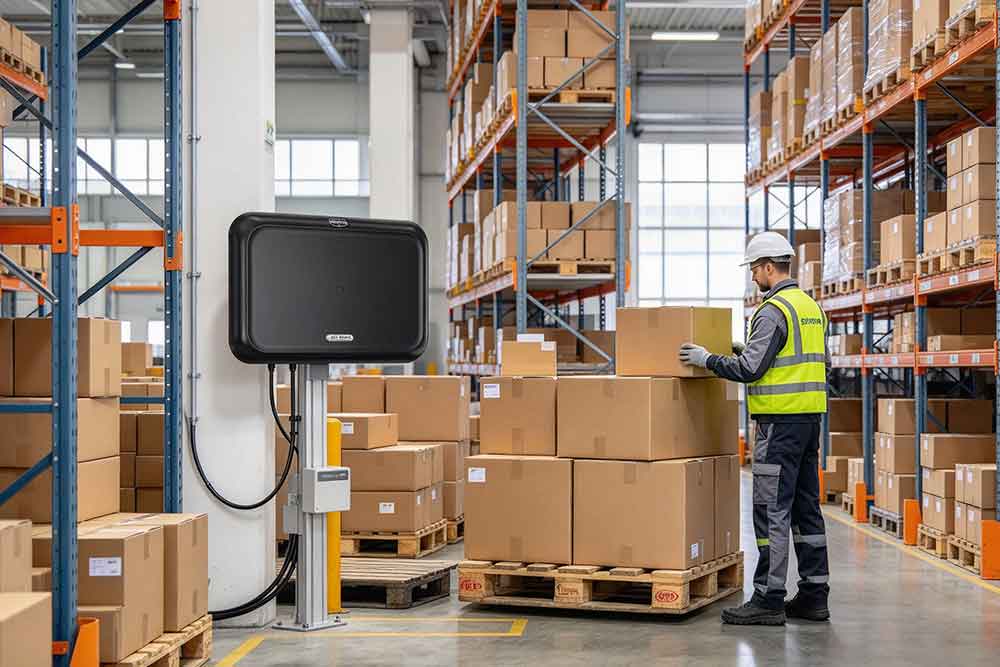
An RFID inventory system uses radio waves to identify tagged items and capture inventory data without requiring direct visual contact with every label. It he...
More
Explore the technical advantages of CYKEO UHF RFID Fixed Reader. Learn how its integration-friendly design and secondary development support empower solution providers across logistics, manufacturing, and access control industries.
More
RFID asset tracking solutions vary by environment, accuracy needs, and scale. Learn what works in real operations—not theory.
More