An RFID inventory system uses radio-frequency identification technology to identify tagged items and capture inventory data without requiring direct visual contact with every label. It combines RFID tags, readers, antennas, and inventory software to help businesses monitor stock movements, reconcile inventory records, and improve visibility across warehouses, factories, retail facilities, and asset storage areas.
Unlike a barcode-based process that typically requires a scanner to see each label, RFID can identify multiple compatible tags within a reading zone. The actual result depends on the tag type, reader configuration, materials nearby, and the way the inventory is arranged.
For a business managing thousands of products, the difference is operational. Staff may be able to identify several tagged cartons in one reading operation rather than locate and scan each barcode individually. The system still needs to interpret those reads correctly, however. Identifying a tag is not the same as confirming that an item has been received, moved, or shipped.
How Does an RFID Inventory Management System Work?
An RFID inventory management system links a physical object to a digital inventory record. A tag carries an identifier, a reader captures that identifier through radio communication, and software uses the resulting data to support inventory operations.
Four components work together:
RFID tags: Attached to products, cartons, pallets, tools, or reusable containers. Each tag has an identifier that can be associated with an inventory record.
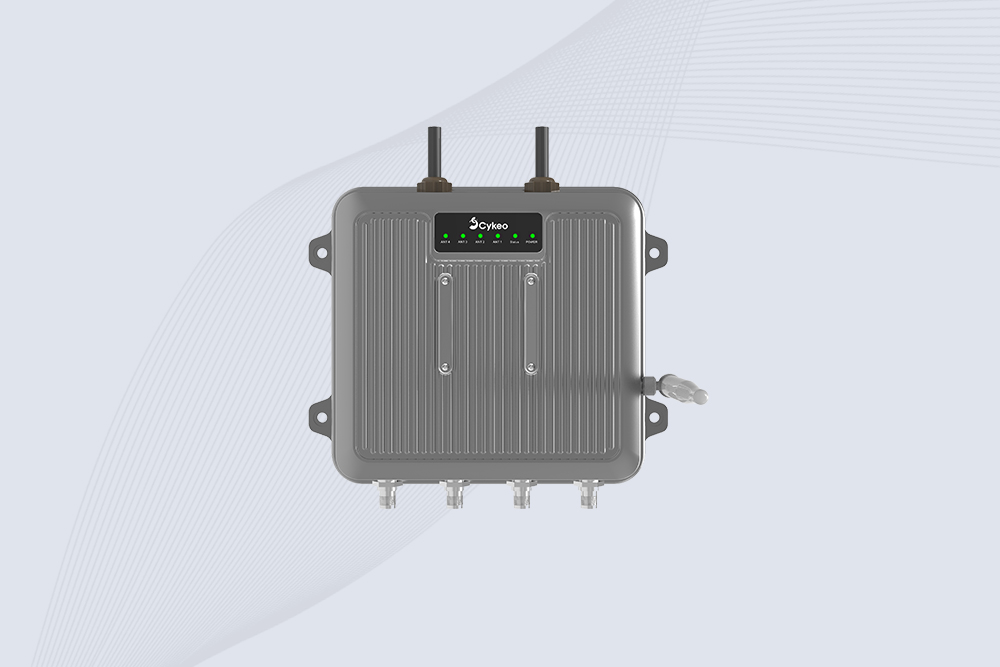
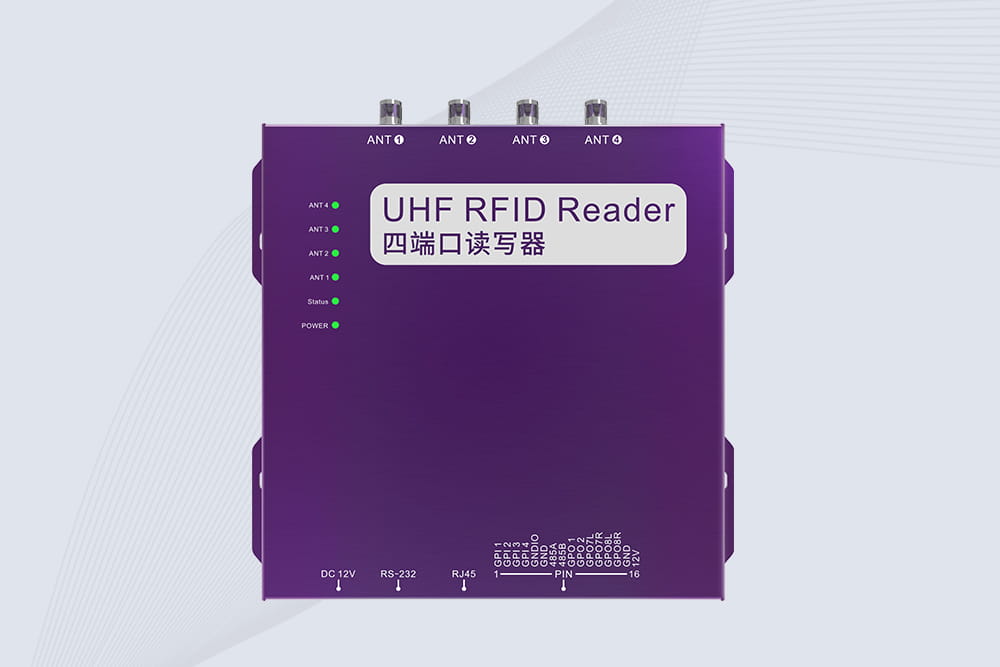
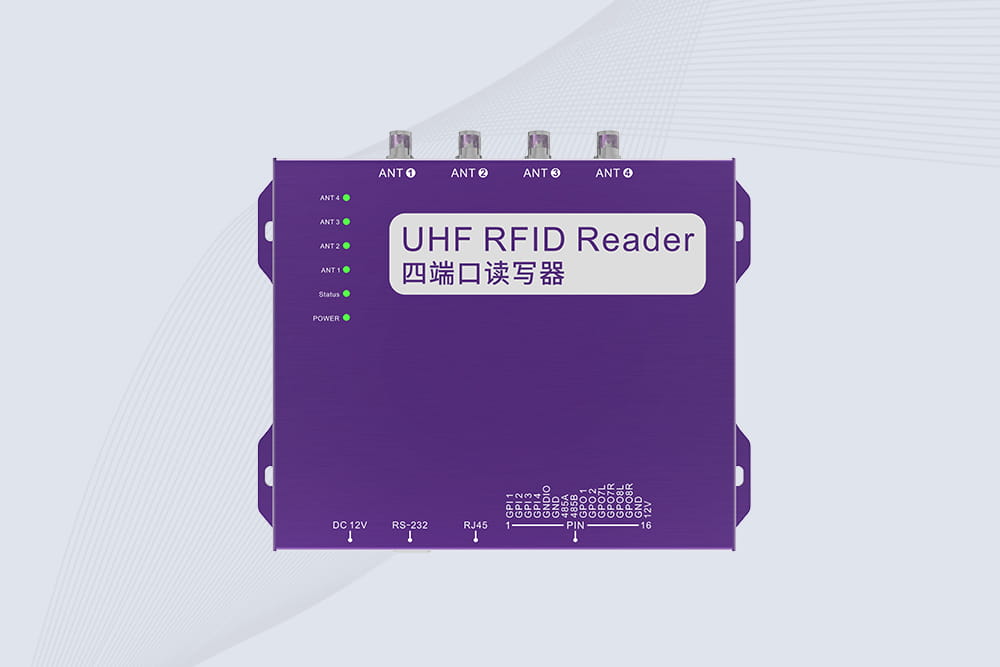
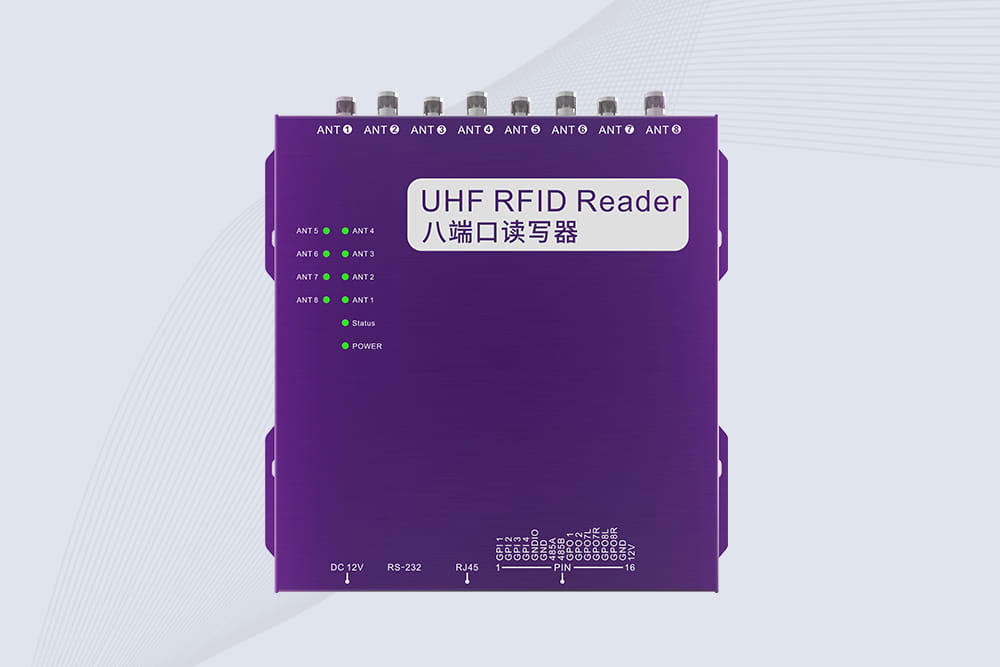
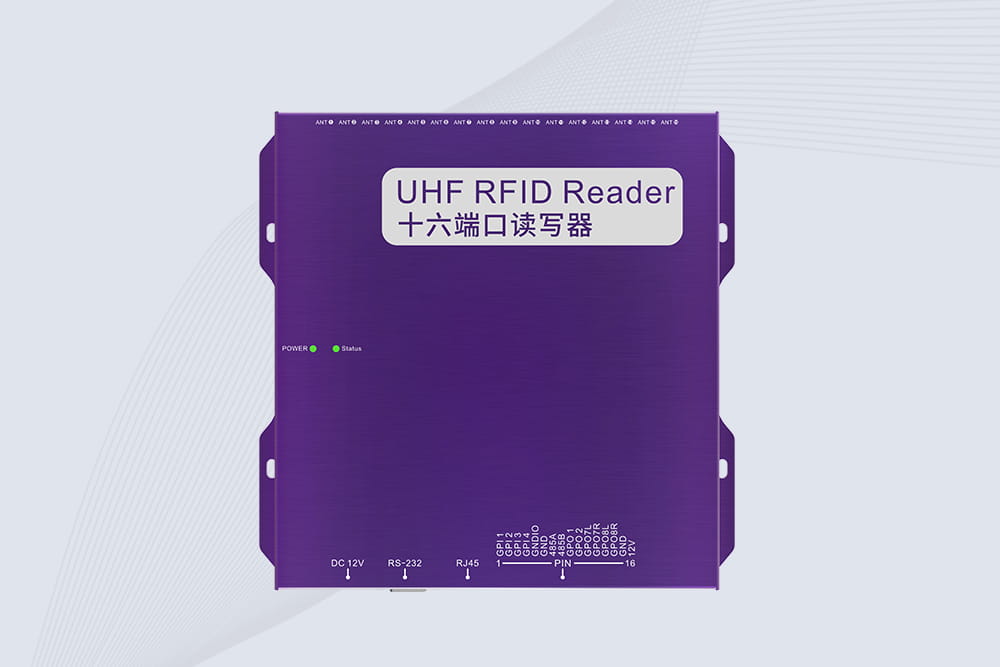
RFID readers: Capture identifiers from compatible tags. Fixed readers support defined checkpoints, while handheld readers are useful for stock checks and searches.
Antennas: Transmit and receive radio-frequency signals, shaping the area in which tags can be detected.
Inventory software: Matches tag identifiers to products and processes events according to configured business rules.
From Tag Detection to an Inventory Update
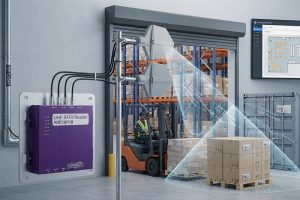
Consider a shipment arriving at a warehouse receiving dock. The expected shipment has already been recorded in the inventory system. As tagged cartons pass through a configured reading zone, the reader captures their identifiers and sends the data to the application.
The software compares the detected tags against the expected shipment. Missing identifiers or unexpected items can be flagged for investigation before staff complete the receiving transaction.
That final step matters. If a reader captures a tag twice, the software should not automatically register two separate units or create duplicate receiving records. Similarly, a tag detected near a dispatch door should not be treated as proof of shipment unless the configured workflow confirms that the goods actually belong to the outgoing order.
A well-designed system therefore depends on three things working together: dependable tag detection, correct product-to-tag associations, and transaction rules that reflect how the business operates.
What Is an RFID Inventory System Used For?
RFID inventory tracking can support several different operations. The best application is usually one where manual identification creates delays, inventory records become outdated, or staff need to verify large quantities of goods.
Application
How RFID helps
Warehouse inventory
Identifies tagged cartons, pallets, and stored products
Retail stock management
Supports inventory counts and stock availability checks
Manufacturing
Tracks tagged components and work-in-process items
Tool and equipment management
Helps identify reusable assets and record movements
Shipping and receiving
Compares detected goods against expected shipment records
Returnable packaging
Tracks reusable containers, totes, and transport assets
RFID Inventory Tracking in Practice
Imagine a distribution center where staff count inventory manually at the end of each shift. Some cartons are stored above eye level, while others are moved between picking locations throughout the day. Barcode scanning requires repeated visual access to individual labels.
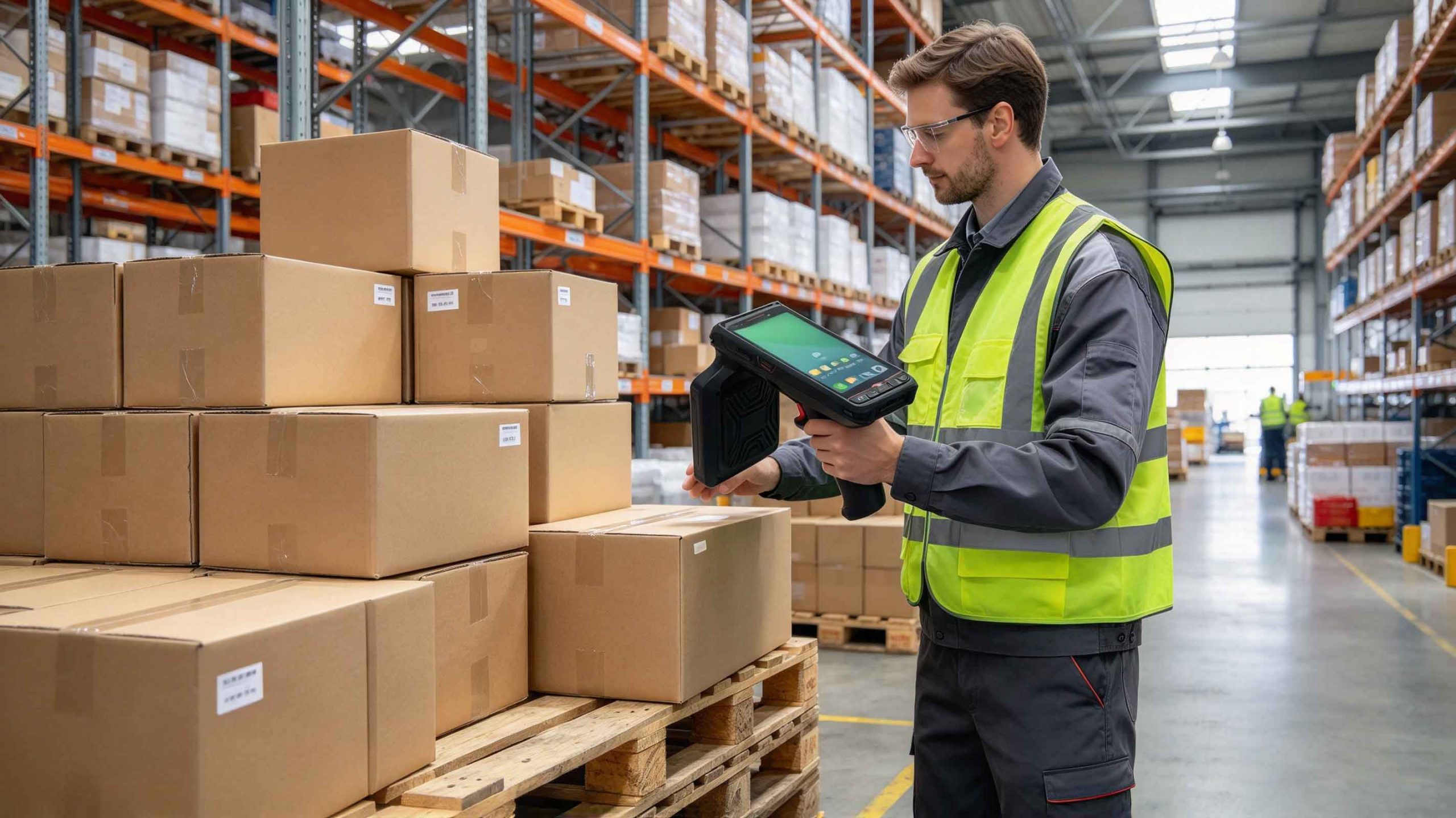
With appropriately positioned RFID tags and a handheld rfid reader, an operator can identify multiple compatible items during a counting pass. The inventory application can then compare captured identifiers with its records and flag discrepancies for review.
The important detail is that RFID improves the collection of inventory evidence; it does not automatically resolve every stock discrepancy. A missing tag, an incorrect product association, or an item outside the reading zone still requires an appropriate exception-handling process.
Handheld RFID readers help warehouse teams identify tagged goods and investigate inventory discrepancies.
What Does Research Show About RFID Inventory Management?
Research suggests RFID-enabled inventory visibility can improve inventory record accuracy, although the magnitude of improvement varies by application.
A study by Bill C. Hardgrave, John A. Aloysius, and Sandeep Goyal, published in Production and Operations Management, examined RFID-enabled inventory visibility in retail settings. Its first field experiment covered 13 stores over 23 weeks and found an approximately 26% reduction in inventory record inaccuracy associated with RFID-enabled visibility. A second experiment expanded the research to 62 stores and five product categories, with results varying across categories. These findings concern retail inventory, not a guaranteed outcome for every warehouse.
For businesses evaluating an RFID inventory system, this research supports a practical approach: measure inventory accuracy before deployment, select a process with identifiable problems, and compare results after implementation. Avoid treating a research result from one operating environment as a universal performance promise.
GS1’s RFID standards provide another important foundation. Its Electronic Product Code (EPC) standards define how identifiers are represented on RFID tags and shared with business systems. Standardized identification can make it easier to associate physical products with inventory records and exchange information between compatible applications.
How to Choose the Right RFID Inventory System
Choosing an RFID inventory system starts with the inventory process, not the reader’s advertised range. A system designed to count cartons in a warehouse may require different hardware from one used to track metal tools, medical supplies, or reusable transport containers.
Before selecting equipment, establish what needs to be identified, where the identification takes place, and how the captured data will be used.
Fixed RFID Readers vs. Handheld RFID Readers
The right reader depends on whether inventory moves through a controlled checkpoint or needs to be located across a wider storage area.
Fixed RFID readers
Suitable for receiving docks, conveyor systems, packing stations, and shipping checkpoints. They can capture tag identifiers as goods pass through a configured reading zone, supporting repeatable inventory events without requiring an employee to operate a reader for every movement.
Handheld RFID readers
Useful for cycle counting, locating tagged assets, investigating stock discrepancies, and checking inventory in different storage locations. They provide flexibility when goods do not pass through a single fixed checkpoint.
Desktop RFID readers and encoders
Appropriate for tag registration, encoding, verification, and controlled read/write operations before products enter circulation. They can help maintain consistent tag-to-item associations.
How to Implement RFID Inventory Tracking
A practical deployment should be tested against real stock, packaging, staff routines, and software requirements. These are the areas that deserve attention before a warehouse commits to a larger installation.
1. Define the Inventory Problem
Identify the process that needs improvement. Is the main issue inaccurate stock records, slow cycle counting, incorrect shipments, or difficulty locating reusable equipment?
Record baseline measurements, such as the time required for a stock count, the frequency of inventory adjustments, and the number of receiving discrepancies. Without these figures, it becomes difficult to determine whether the new system has improved operations.
2. Test RFID Tags on Actual Products
RFID performance varies with the material and shape of the tagged object. A standard label may perform well on a cardboard carton but poorly when placed directly against metal or close to liquid-filled packaging.
Test representative items before selecting the final tag. Include different packaging types, tag orientations, storage positions, and distances from the reader.
3. Configure Readers and Reading Zones
More read power does not necessarily produce better inventory data. An overly broad reading zone can capture tags belonging to a neighboring aisle or another shipment.
Adjust antenna positions and reader settings to match the intended coverage area. Test adjacent zones, overlapping movements, and high-volume periods. For handheld applications, define a consistent counting route and a procedure for investigating missing items.
4. Integrate RFID With Inventory Software
The software needs to associate each tag identifier with the correct product and process inventory events appropriately.
Before deployment, verify that the integration handles duplicate reads, unexpected tags, interrupted network connections, and failed transactions. A reader may capture the right identifier while the application still assigns it to the wrong order or location. That is an integration problem, not necessarily a radio-frequency problem.
5. Measure Results Before Expanding
Repeat the original measurements after the pilot. Compare inventory accuracy, counting time, exception rates, and the amount of manual correction required.
Expand the system only when the results justify the additional readers, tags, integration work, and ongoing support.
RFID vs. Barcode Inventory Management
RFID and barcodes are complementary identification technologies. RFID is particularly useful when multiple tagged items need to be identified efficiently, while barcodes remain practical for visible labels and straightforward point-of-process scanning.
For many organizations, a hybrid system is sensible. RFID can handle repetitive bulk identification, while barcodes provide a visible backup for manual verification and exception handling.
Common RFID Inventory System Challenges
Even a correctly specified RFID installation can produce disappointing results if its operating conditions are overlooked.
Missed reads: Check tag suitability, orientation, antenna placement, and the reading environment.
Unwanted reads: Reduce overlap between reading zones and verify reader settings.
Incorrect inventory records: Check tag registration, product mapping, and transaction rules.
Poor performance around metal or liquids: Test application-specific tags and mounting positions.
Duplicate transactions: Use software rules to distinguish repeated observations from separate inventory movements.
Unclear return on investment: Compare operational performance with the baseline established before deployment.
One useful distinction is between read rate and inventory accuracy. A reader may capture many tag identifiers quickly, yet the overall system can still produce inaccurate records if tags are assigned incorrectly or inventory events are processed twice. Both measurements matter.
Frequently Asked Questions
1. What is RFID inventory system used for?
An RFID inventory system identifies tagged products and assets using radio waves. Businesses use it to support stock counting, warehouse receiving, shipment verification, retail inventory management, manufacturing operations, and reusable asset tracking. The captured data can be associated with inventory records through compatible software.
2. How does an RFID inventory management system work?
RFID tags carry electronic identifiers, and compatible readers capture those identifiers through radio communication. Software then matches the tag data with inventory records and processes events such as receiving, stock counting, or dispatch. Accurate results depend on tag suitability, reader configuration, and reliable software integration.
3. Does RFID improve inventory accuracy?
RFID can improve inventory accuracy by helping businesses identify physical stock and reconcile it with digital records. Research in retail settings has reported improvements in inventory record accuracy, but actual results depend on implementation quality, operating conditions, and how inventory discrepancies are managed.
4. What is the difference between RFID and barcode inventory tracking?
RFID uses radio-frequency communication and can identify multiple compatible tags within a reading zone without requiring direct visual contact. Barcode systems rely on optical scanning and generally require each label to be presented to the scanner. Both can be used together in the same inventory operation.
5. Which RFID frequency is best for inventory management?
Passive UHF RFID is widely used for warehouse inventory and bulk identification applications. HF and LF RFID can be more suitable for other identification requirements. Frequency selection depends on the required reading distance, tagged materials, applicable regional regulations, and compatibility with the intended readers and tags.
6. Can an RFID inventory system work with existing software?
Yes. An RFID inventory system can integrate with existing inventory or warehouse management software through compatible APIs, middleware, or other interfaces. The implementation must map tag identifiers to product records and ensure that receiving, movement, and shipping events are processed correctly.
7. Is an RFID inventory system suitable for a small business?
Yes. A small business can begin with a handheld reader or a limited fixed-reader installation focused on a specific task. A targeted pilot helps establish whether RFID provides enough operational value to justify the cost of tags, equipment, software integration, and ongoing maintenance.
What Is RFID Inventory System? Final Answer
What is RFID inventory system? It is a technology-based inventory solution that connects tagged physical items with digital inventory records through RFID readers and software. It helps businesses identify stock, monitor inventory movements, and reconcile physical goods with recorded quantities.
For companies planning an implementation, Cykeo provides RFID readers, RFID reader modules, and tag-writing solutions that can be evaluated for warehouse inventory, stock control, and asset identification applications. The most effective starting point is a clearly defined inventory problem, supported by realistic testing and measurable operational goals.
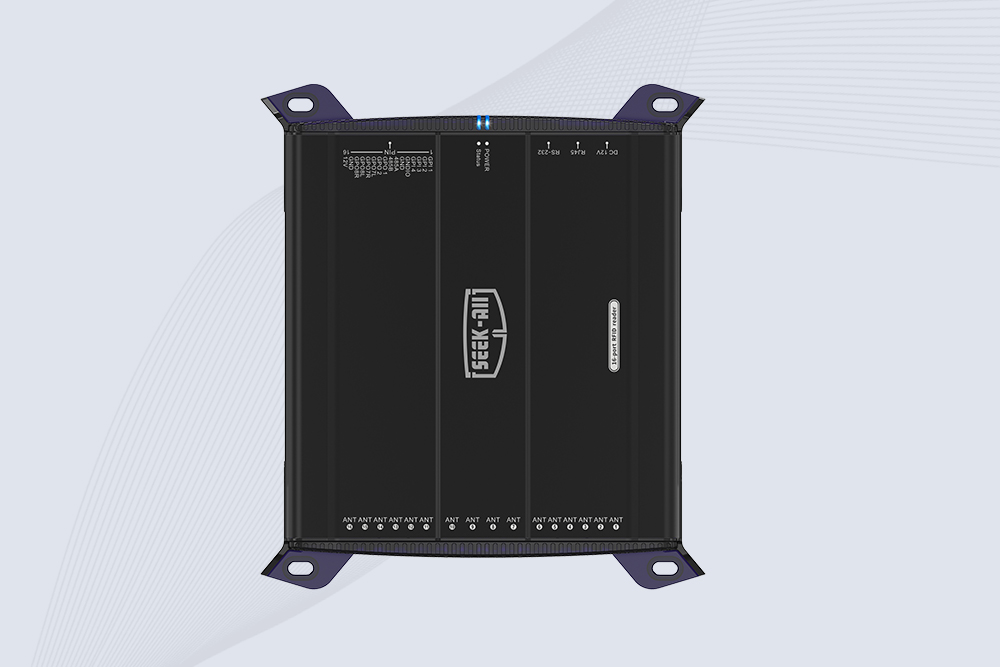
SSD-R16L Multi-Channel RFID Infrastructure for Automated Inventory Management ✔️ 16-Port High-Density RFID Reading Equipped with 16 SMA antenna ports, SSD-R16L supports multi-antenna deployment for warehouses, retail stores, logistics, production lines, and large-area RFID identification. ✔️ High-Speed & Long-Range Performance With up to 33…
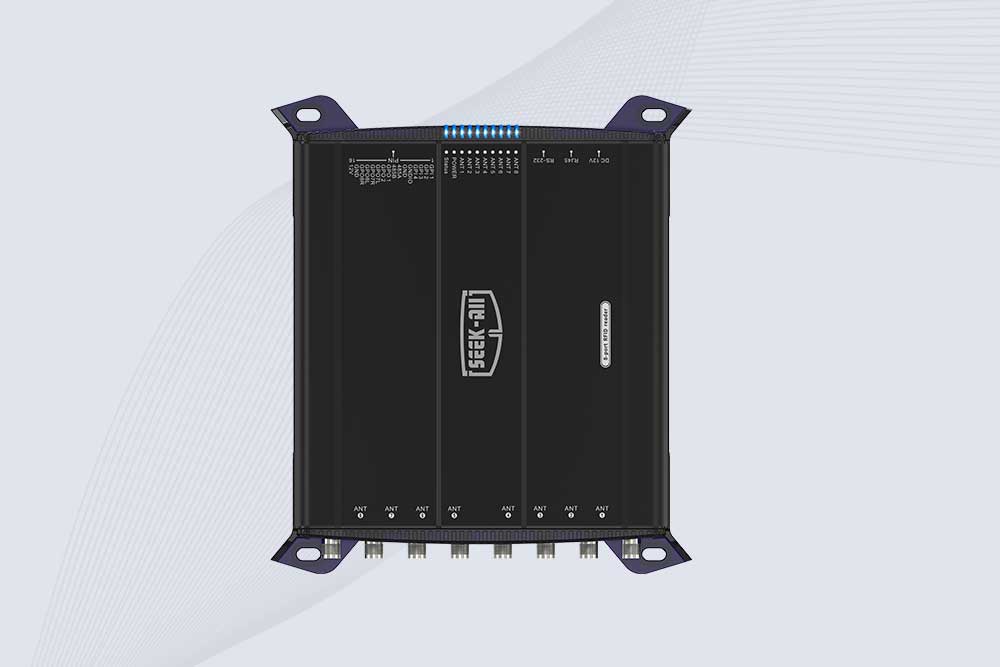
SSD-R8L 8-port UHF RFID reader with 33dBm output, up to 20m reading range and 600+ tags/s recognition. Ideal for warehouse, logistics, retail and asset tracking.
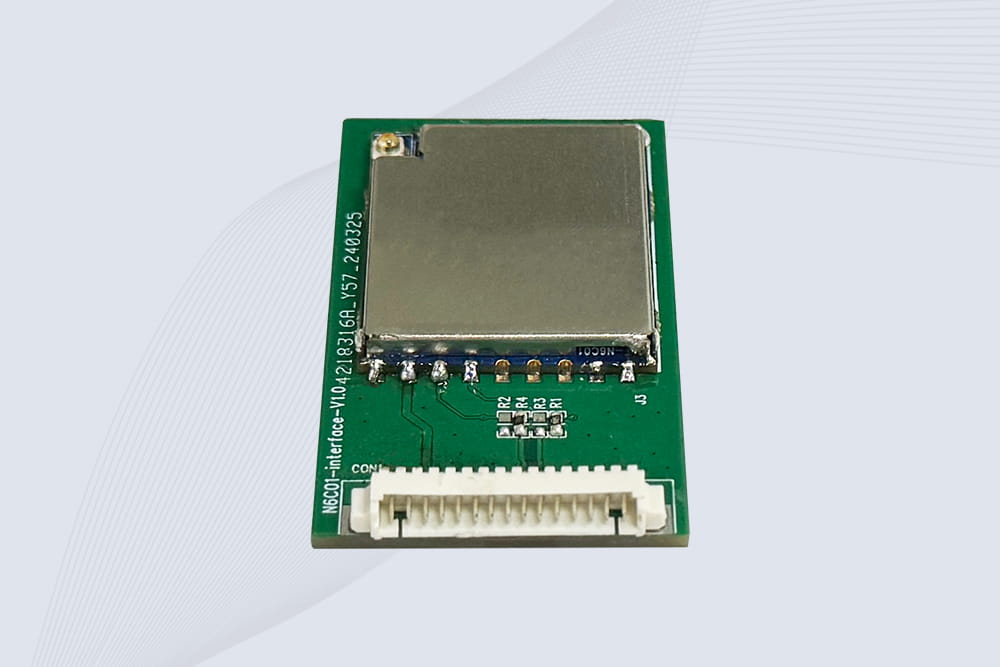
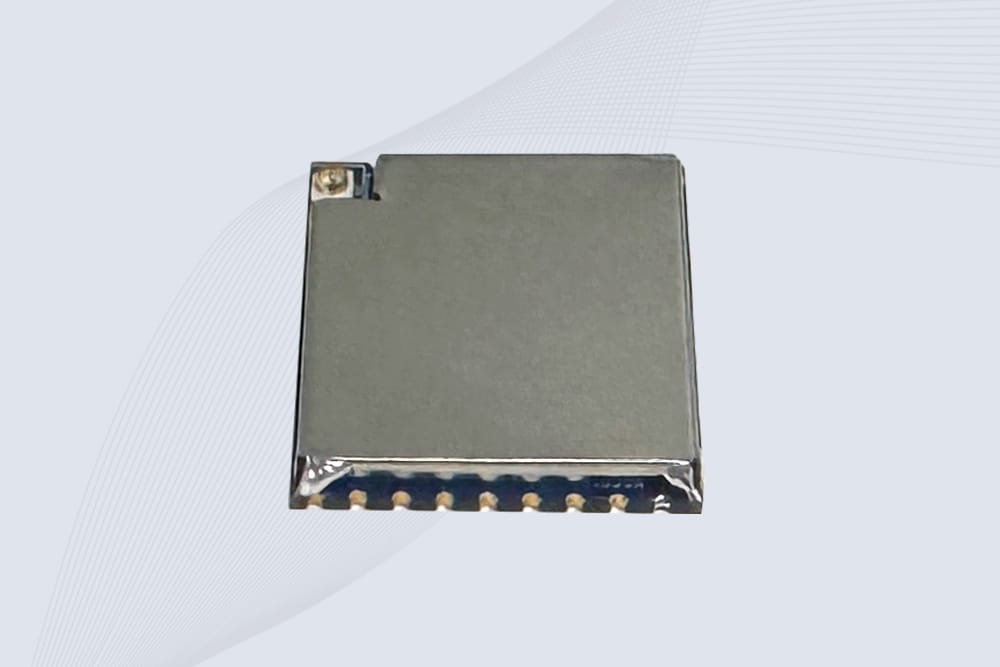
CYKEO Embedded RFID Modules are designed for compact industrial and IoT devices that require stable UHF performance. These UHF RFID Modules support global protocols, flexible power control, and reliable multi-tag reading for smart cabinets, production lines, and asset tracking systems.
CYKEO Embedded RFID Module is built for compact IoT and industrial devices that need stable UHF performance. This UHF module supports global protocols, low power operation, and reliable multi-tag reading for smart lockers, production lines, and always-on RFID systems.
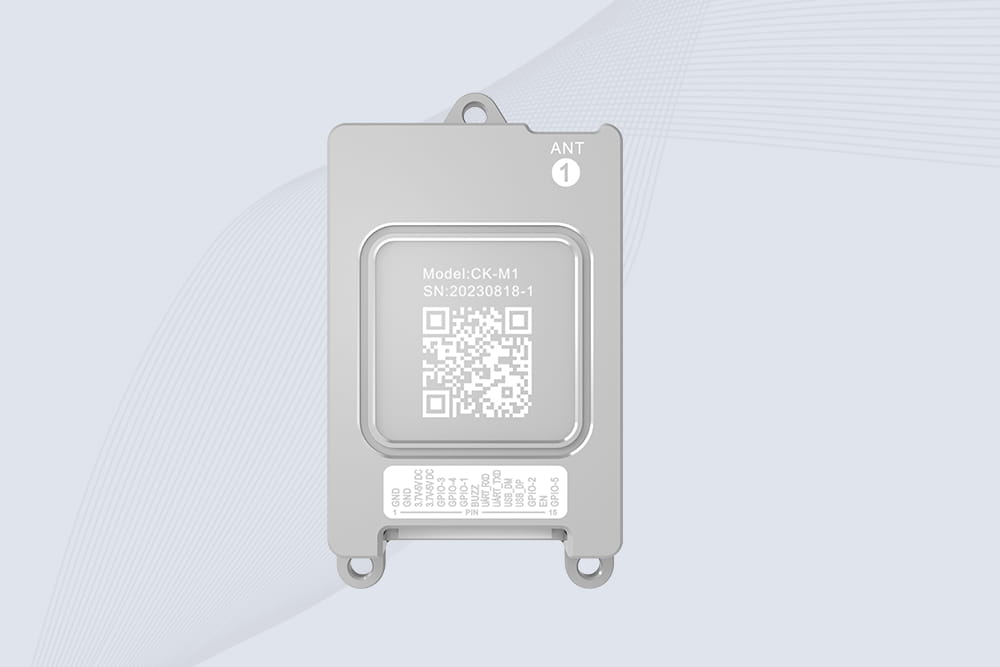
CYKEO CYKEO-M1 drone rfid module is a compact UHF RFID reader module designed for drones and UAV platforms. It supports long-range aerial scanning, fast multi-tag reading, and stable performance in wind, vibration, and outdoor environments.
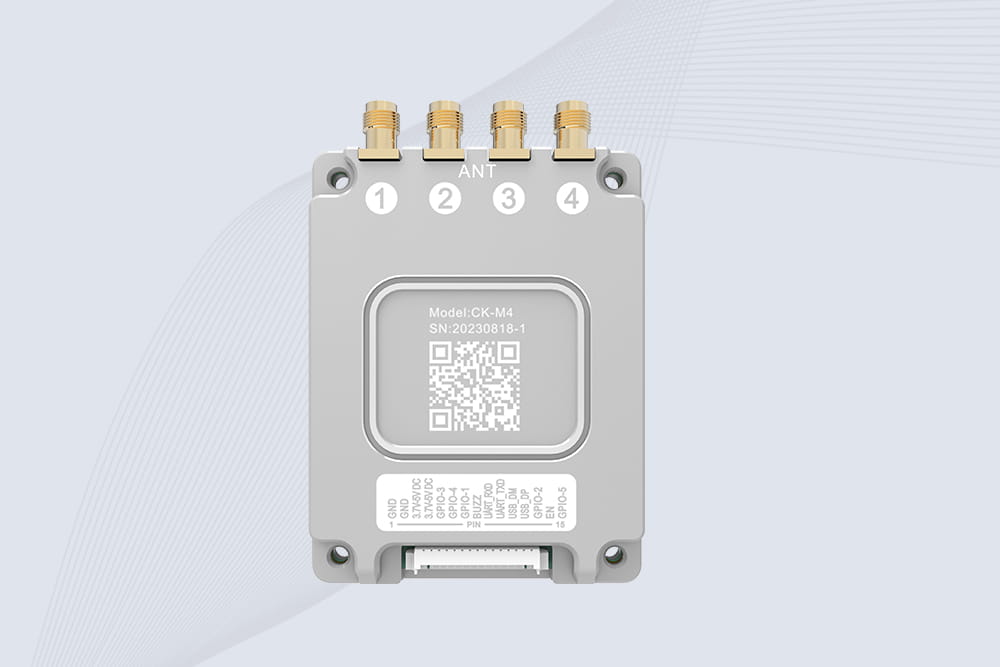
CYKEO CYKEO-M4 RC522 RFID Module is an industrial-grade UHF RFID reader with 4 ports, supporting ISO, EPC, and GB protocols. High-speed, accurate reading for IoT, automation, and warehouse applications.
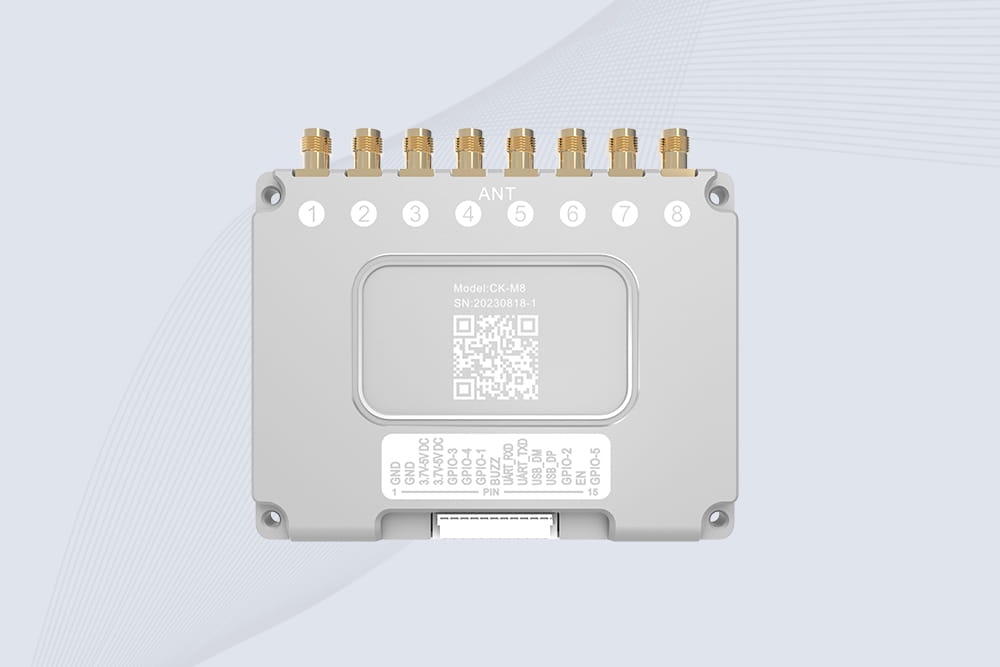
CYKEO CYKEO-M8 Module RFID is an 8-port UHF R2000 RFID Module designed for high-density, multi-tag environments. Stable 33dBm output, ISO & GB protocol support, ideal for warehouses, factories, and automated systems.
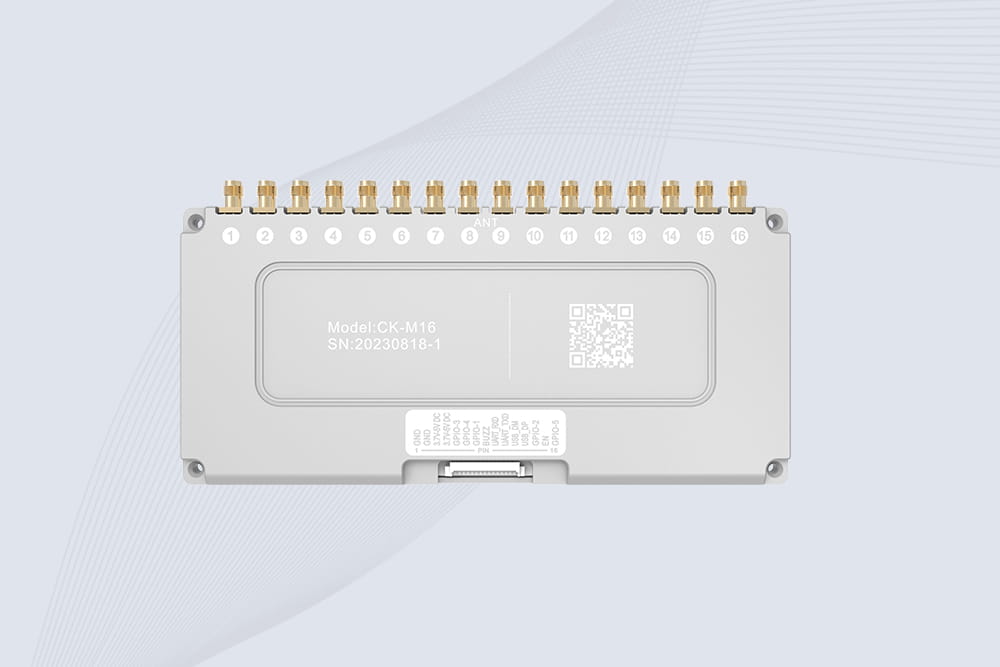
CYKEO CYKEO-M16 RFID Module is a 16-port UHF RFID reader module based on the R2000 chipset. Designed for dense tag environments, it supports ISO and GB standards and delivers stable multi-antenna control for industrial automation.
The CYKEO CYKEO-M16L RFID Reader Module is a 16-channel UHF RFID core designed for dense tag environments. With adjustable 33dBm output, multi-protocol support, and stable multi-antenna control, this RFID Tag Reader Module fits industrial automation, warehouse systems, and large-scale IoT deployments.
CYKEO CYKEO-M8L module RFID is a compact industrial UHF module built for dense tag and multi-antenna environments. With 8 RF ports, adjustable 33 dBm output, and ISO & GB protocol support, it is widely used in factories, warehouses, and automated tracking systems.
CYKEOCYKEO-M4L UHF RFID Module is a compact 4-channel RFID tag reader module designed for dense tag environments. Supporting ISO and GB protocols, it delivers stable reads up to 10 meters for industrial and IoT systems.
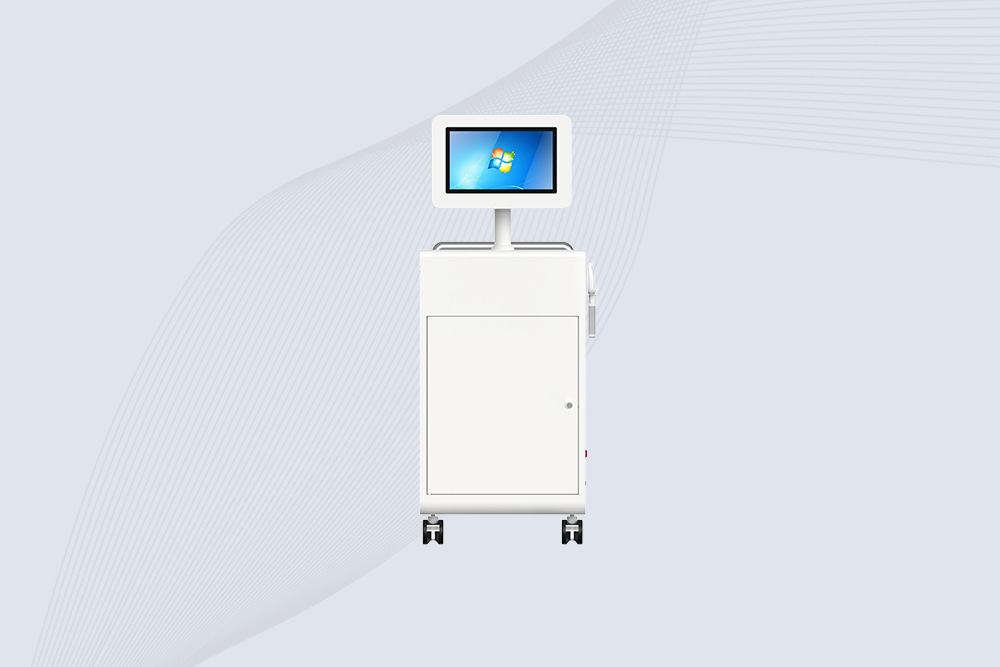
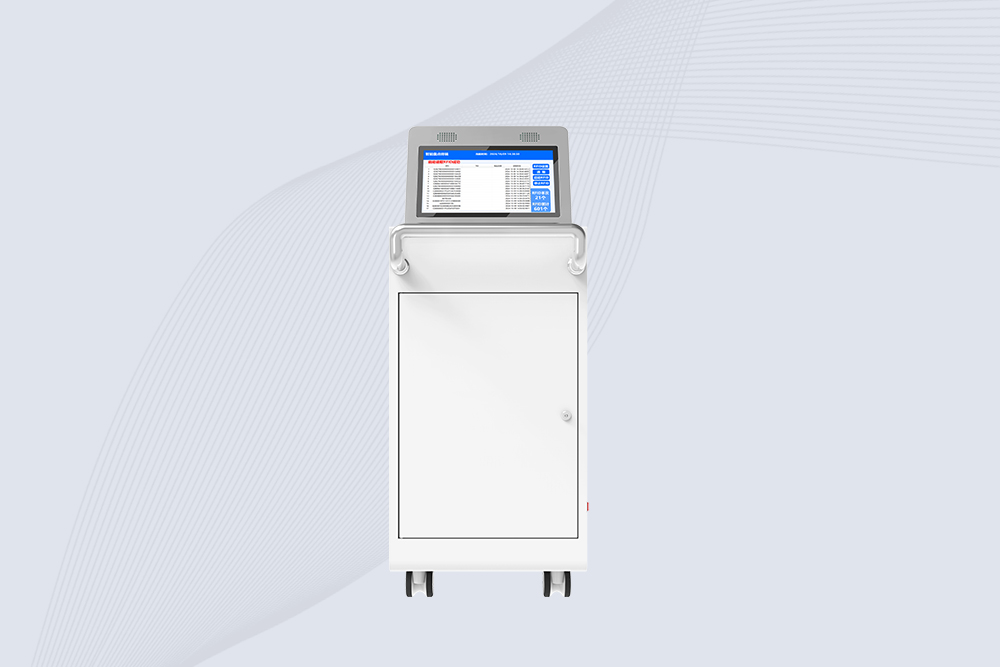
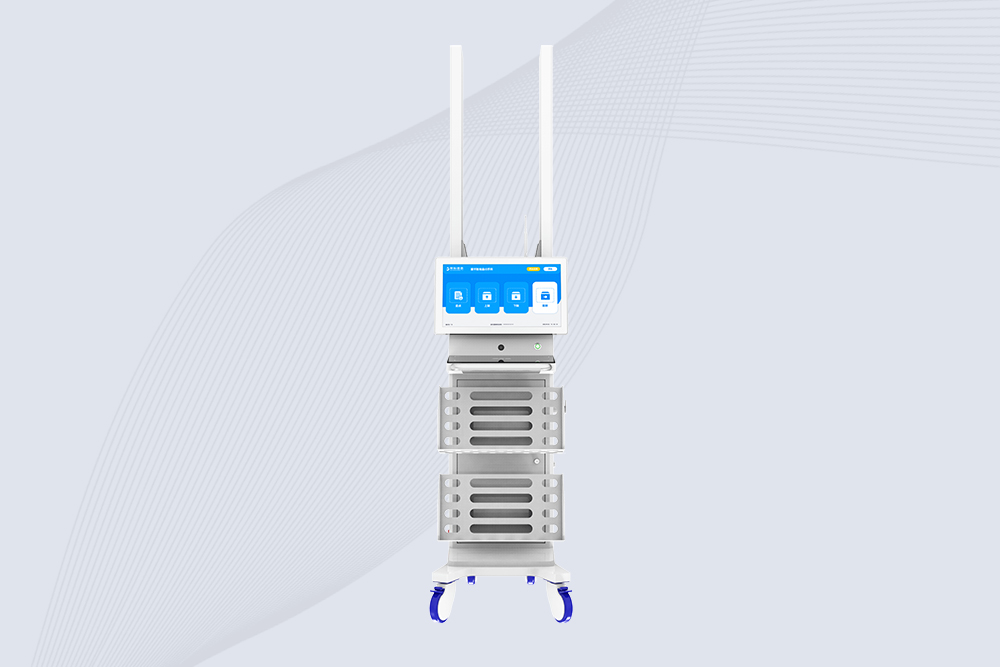
Cykeo CYKEO-C2 UHF RFID inventory cart features 10 UHF readers, 500 tags/sec scanning, Windows/Android OS, and hybrid power for warehouses/libraries. Supports ISO 18000-6C protocols and customization.
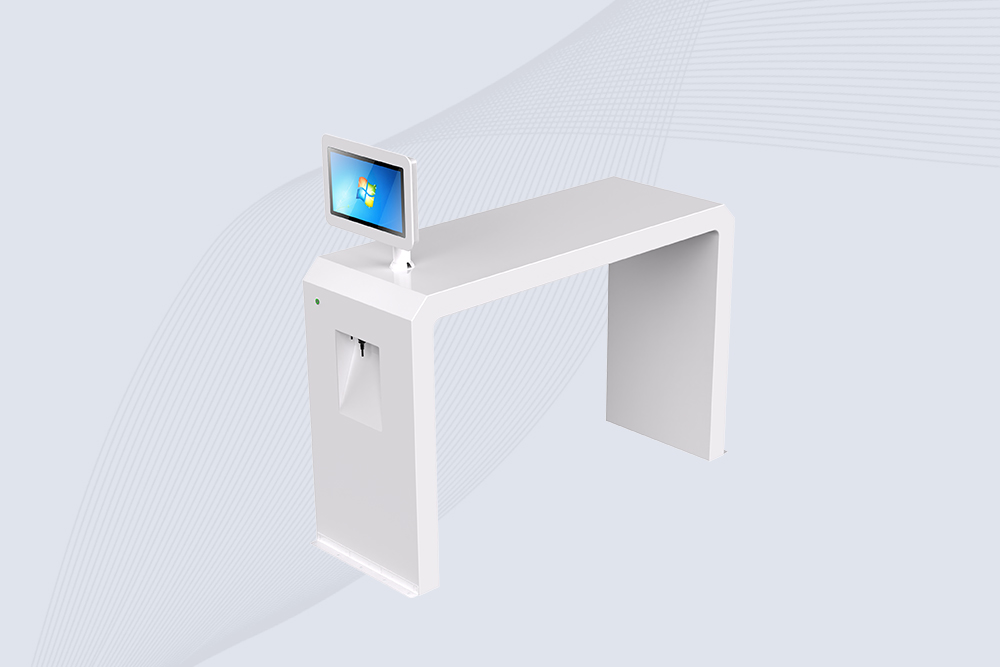
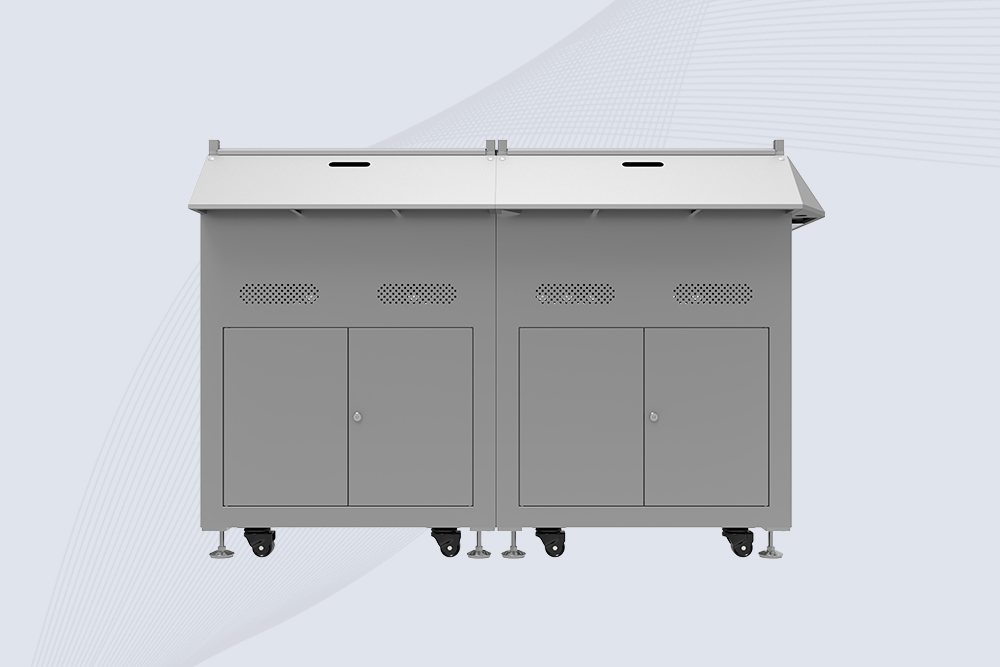
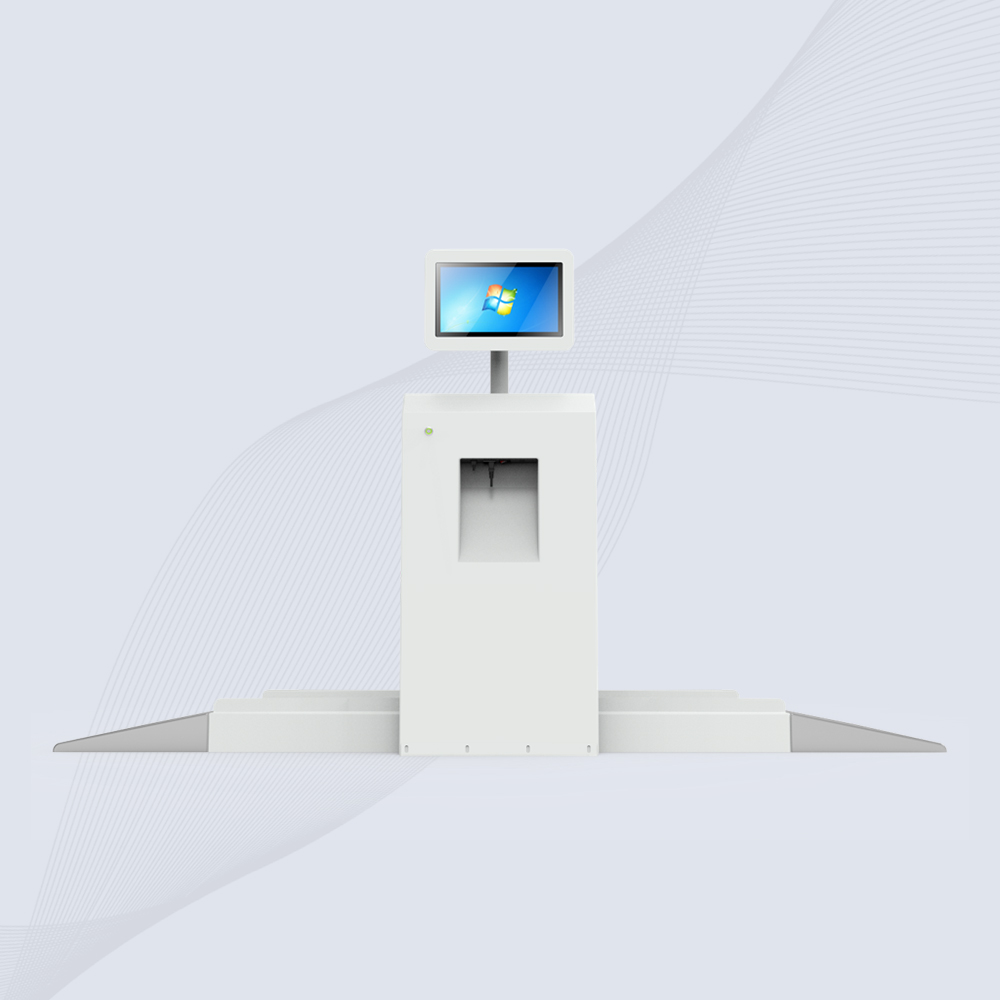
Cykeo’s industrial RFID Inventory Tracking station features dual scanning modes, 200+ items/sec bulk reading, and SAP integration for precise warehouse management. MIL-STD-810G certified with Windows/Android OS.
Cykeo CYKEO-D7 RFID system for inventory offers 40+ tags/sec scanning, 150L secure storage, and Impinj R2000 chipset for warehouses, toolrooms, and retail. Global frequency compliance (840-960MHz).
Cykeo CYKEO-C1 mobile RFID scanner cart features PLC-controlled antenna lifting, 10-tag/sec reading, and 21.5″ touchscreen for libraries, hospitals, and warehouses. Supports Windows/Android and multi-protocol RFID.
Cykeo CYKEO-C3 industrial warehouse RFID scanner features motorized lift (2.2m height), 800+ tags/min scanning, Windows/Android OS, and ERP integration. Ideal for high-shelf inventory in logistics/manufacturing.
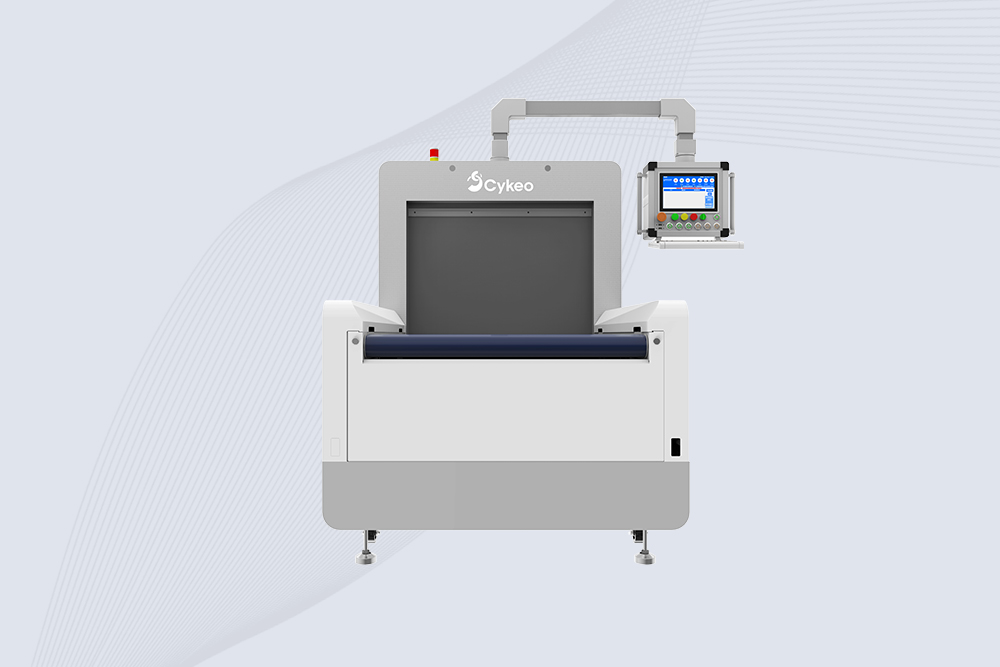
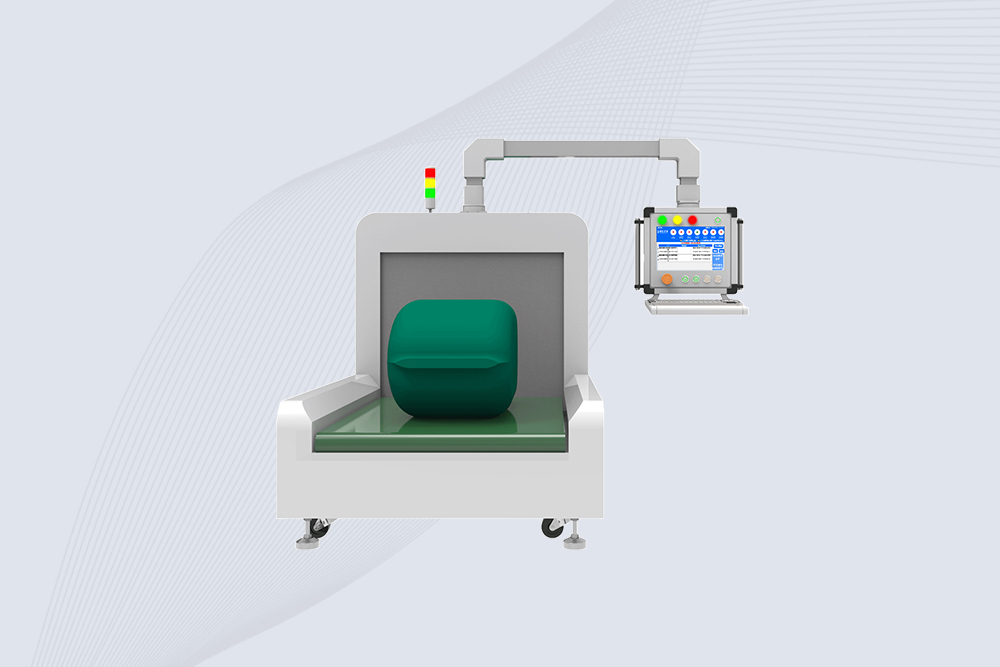
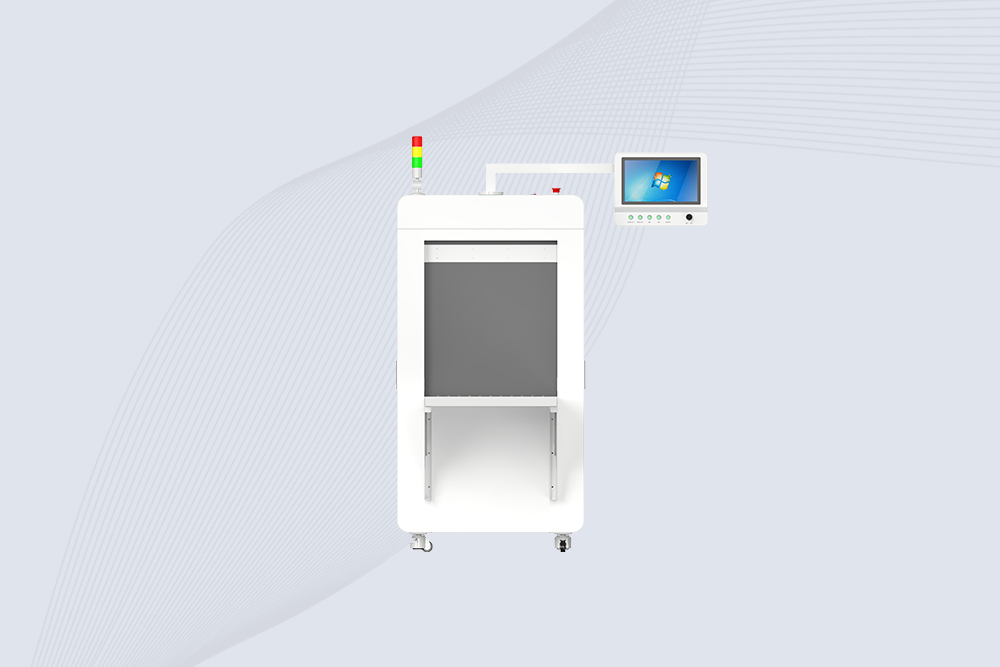
Cykeo’s CYKEO-TP2 automated RFID Inventory Management Tunnel System features 80kg capacity conveyor, 400 tags/sec scanning, and real-time data validation for warehouse/logistics operations.
Cykeo’s CYKEO-TP3BC RFID inventory tunnel System management machine delivers 400+ tags/sec counting with ISO 18000-6C compliance. Features 80kg conveyor, -20°C~60°C operation, and ERP integration for apparel/electronics warehouses.
Cykeo’s industrial RFID tunnel scanner enables bulk inventory management for apparel, utilities, and hospitality. Features 10cm anti-interference, ISO18000-6C compliance, and SAP/Oracle integration.
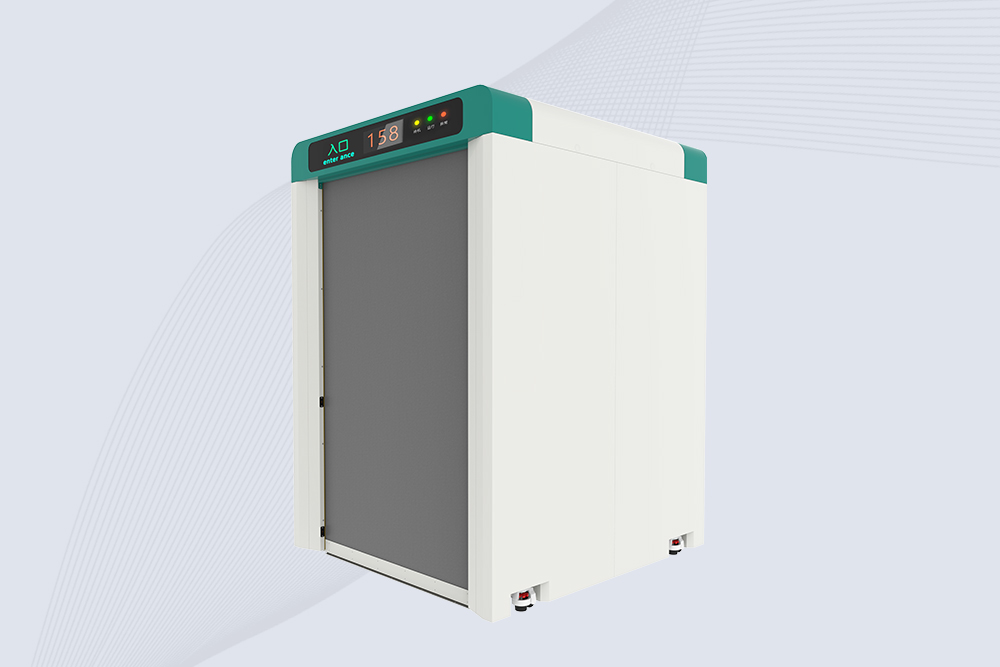
Cykeo CYKEO-TP4 industrial RFID tunnel system features 800-tag/batch processing, PLC-automated shutters, and SAP integration for apparel/hotel/power industries. 3-second verification with 99.9% accuracy.
Cykeo CYKEO-TP5A industrial RFID tunnel system features 800-tag/batch processing, PLC-automated shutters, and SAP integration for apparel/hotel/power industries. 3-second verification with 99.9% accuracy.
Cykeo CYKEO-GP industrial RFID tunnel achieves 300pcs/sec bulk RFID tags inventory tracking with ISO 18000-6C protocol. 1.9m tunnel height for cage carts, 20cm anti-crosshield tech.
Cykeo CYKEO-C4A RFID inventory systems Cart feature dual-band scanning, 10-antenna array, and SAP integration for warehouse/hospital/supermarket asset audits. 300+ items/min accuracy with industrial reliability.
Cykeo CYKEO-C4B RFID inventory managment cart features dual-band scanning, 10-antenna array, and SAP integration for real-time asset tracking in warehouses/hospitals.
Cykeo CYKEO-C4C RFID inventory tracking cart features 10-antenna array, 300+ items/min scanning, and SAP integration for real-time asset visibility in warehouses/hospitals.
Cykeo CYKEO-T8B industrial rfid gate access system offers 1.85m scanning corridor, 99.6% read accuracy, and Windows/Android OS for production line verification. Supports SAP/Oracle integration.
Cykeo CYKEO-C1A RFID tag inventory system features vertical 2.2m manual lift, dual antennas, and Android/Windows OS for warehouse/library inventory. Supports SAP/Oracle integration.
Cykeo CYKEO-TP4A retractable RFID gate processes 1000+ items in 10 seconds with expandable width design. Ideal for large-scale utility, hotel linen, and apparel inventory management.
Cykeo CYKEO-S1 RFID library book return sorting system processes 1200 books/hour with modular design and dual-frequency RFID support. Ideal for automated library book sorting and categorization.
Cykeo CYKEO-TP2C RFID tunnel reader verifies 400+ items in 3 seconds with 4-antenna array and PLC control. Ideal for warehouse inventory management with 99.9% accuracy.
Cykeo CYKEO-TP2D compact RFID tunnel scanner reader offers enclosed scanning with auto-shutter door and IR-activated conveyor. Ideal for mid-scale warehouse inventory management.
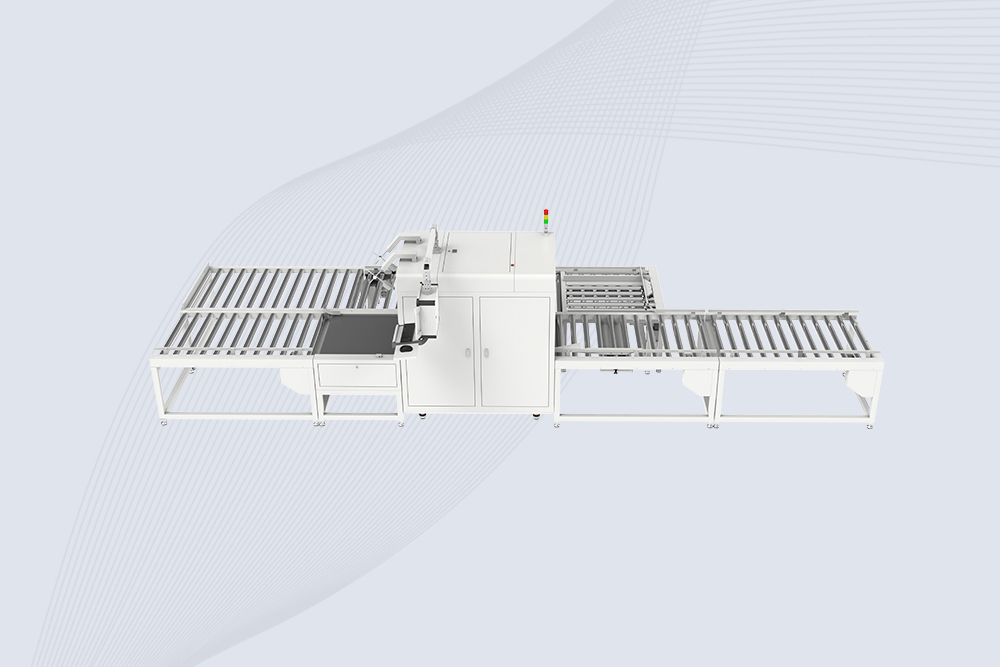
Cykeo CYKEO-TP2A RFID tunnel reader verifies 400+ items in 3 seconds. Integrates RFID, barcode, weighing, and automated sorting for warehouse logistics. Boosts accuracy to 100%.
Cykeo CYKEO-C1 industrial Forklift RFID Reader features 20m read range, 600 tags/sec scanning, Impinj R2000 chipset, and IP67 rugged design. Ideal for warehouse logistics and manufacturing. Supports ISO 18000-6C/6B protocols.
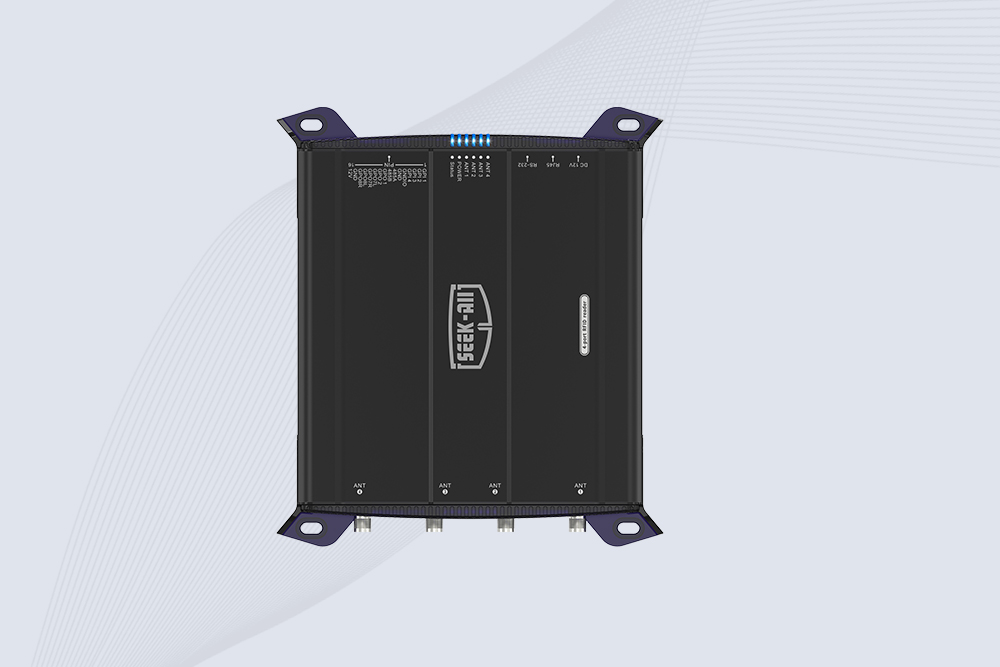
Cykeo CYKEO-R4 industrial UHF RFID Fixed Reader features 4 TNC ports, 400+ tags/sec speed, IP67 housing, and global frequency compliance for vehicle inspection, smart warehouse, and asset management systems.
CYKEO CYKEO-R8L Fixed RFID Reader with 8-port UHF design, Impinj-based RF core and up to 20m read range. An industrial Fixed RFID Reader for vehicle inspection, warehouse portals, smart manufacturing lines and secure access checkpoints.
RFID Fixed Reader from CYKEO – the CYKEO-R16L 16-port UHF fixed reader for warehouses, smart cabinets, and production lines. Long-range, multi-tag reading, stable performance for 24/7 industrial use.
Learn how RFID barcode tags combine barcode simplicity with RFID automation. Discover applications, tag types, material options, industry use cases, and wholesale buying tips for businesses.
Descubre para qué sirve RFID antenna coil en etiquetas y lectores. Te explicamos cómo transfiere energía y datos en sistemas de acceso y pagos sin contacto.
Discover how long range RFID scanners work, how to choose the right RFID reader for industrial projects, and what system integrators should consider before bulk purchasing RFID solutions.
 Cykeo RFID IoT Solution Products R&D Manufacturer