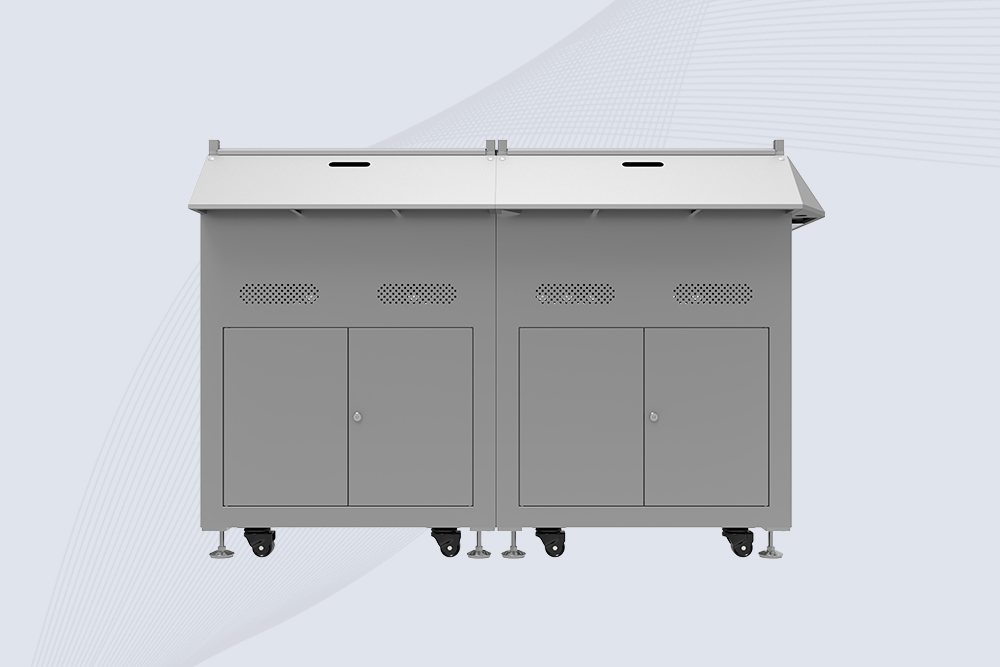
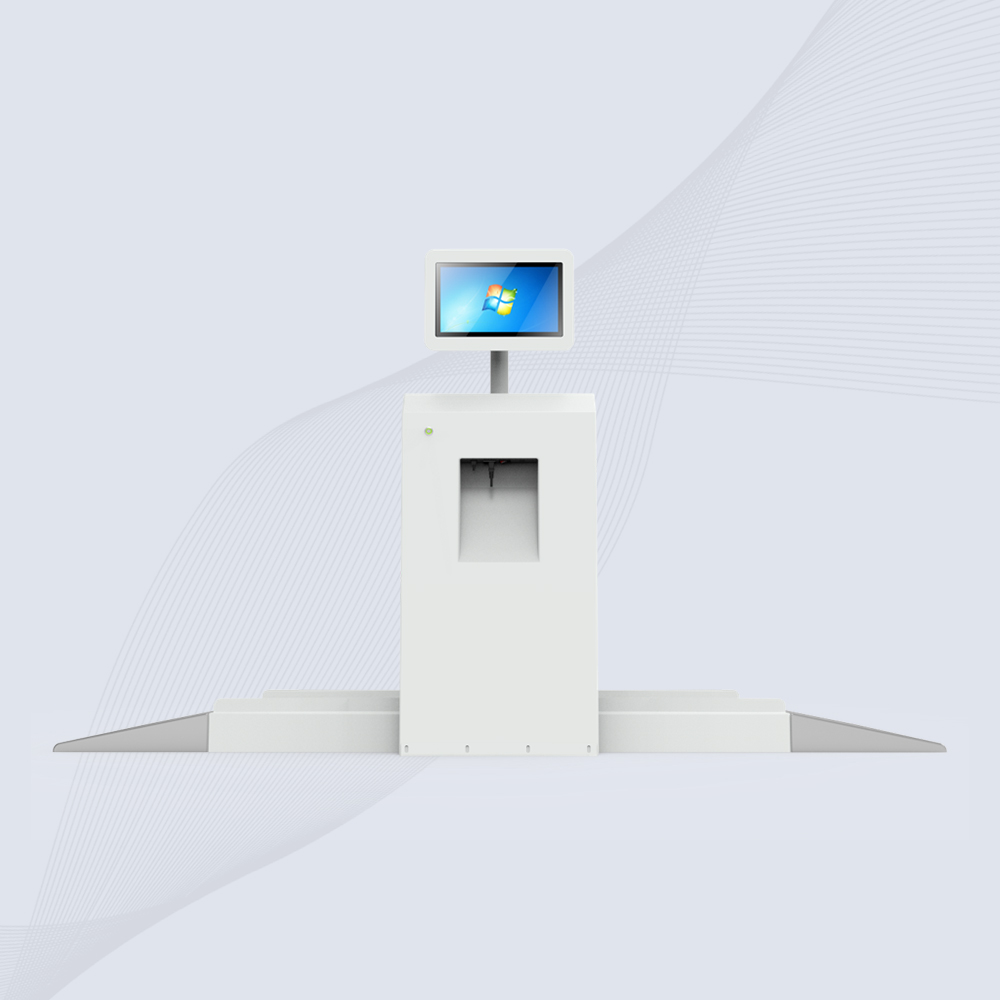
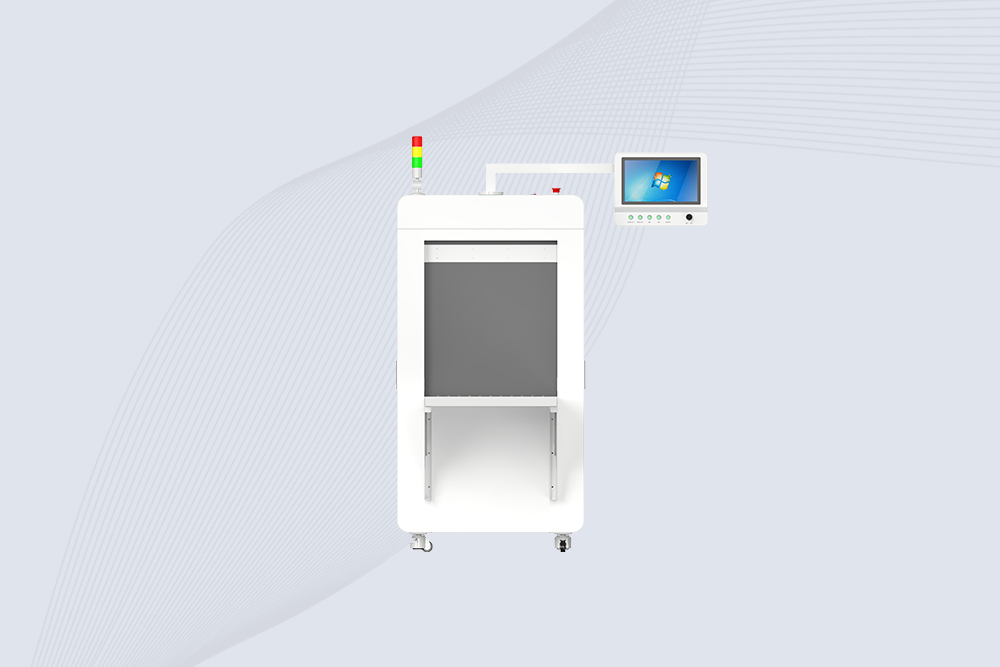
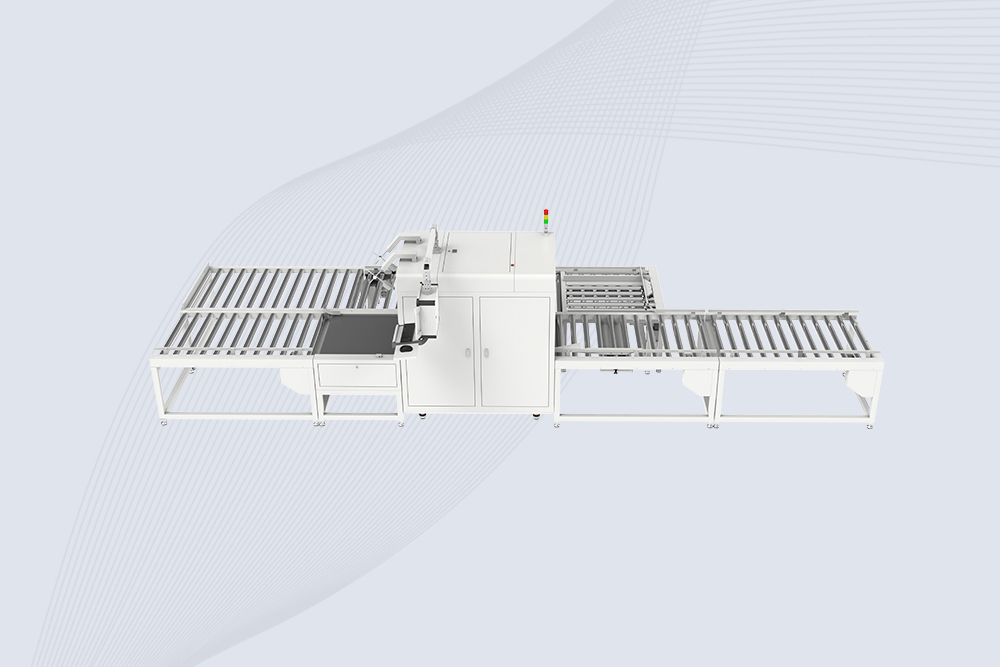
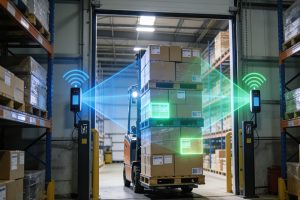
RFID in a warehouse management system is a technology that uses radio waves to identify tagged goods and capture inventory data without requiring direct visual contact with each label. By connecting RFID tags, readers, antennas, and warehouse software, businesses can record stock movements, verify incoming shipments, locate inventory, and improve visibility across daily warehouse operations.
Unlike conventional barcode scanning, RFID can identify multiple compatible tags within a reader’s field, depending on tag orientation, radio frequency, packaging, and the surrounding environment. This makes it particularly useful in warehouses handling large volumes of cartons, pallets, reusable containers, and individual products.
How Does an RFID Warehouse Management System Work?
An RFID warehouse management system connects physical inventory with digital records. Each tagged item carries an electronic identifier, while fixed or handheld readers capture that identifier and transmit the data to an application or warehouse management system (WMS).
The basic workflow involves four components:
RFID tags: Attached to products, cartons, pallets, or reusable containers to provide unique identifiers.
RFID readers and antennas: Capture tag responses at receiving docks, storage locations, packing stations, or dispatch gates.
Middleware or integration software: Filters duplicate reads, processes reader events, and passes relevant information to the business application.
Warehouse management software: Matches captured identifiers with inventory records and updates transactions according to configured business rules.
Consider a shipment arriving at a receiving dock. Staff apply or verify RFID labels, then move the cartons through a reading zone. A properly configured reader captures the available tag IDs, and the software compares those IDs with the expected shipment records. Missing items, unexpected cartons, or duplicate transaction events can then be investigated before the goods are put away.
There is an important distinction here: a successful RFID read does not automatically mean that inventory has been updated correctly. The software must associate the tag with the right product, location, order, and transaction. Reader configuration and system integration are as important as the hardware itself.
RFID Tags, Readers, and Warehouse Software
Passive UHF RFID is widely used for warehouse-level identification because readers can capture multiple tags without requiring a battery in every tag. UHF systems commonly operate within regional frequency allocations around 860–960 MHz, although the permitted operating bands vary by country.
For warehouse projects, reader placement should follow the actual movement of goods. A dock-door portal, a handheld reader used for cycle counting, and a desktop encoder for registering tags solve different operational problems. Treating them as interchangeable can create unnecessary reads, missed items, or awkward workflows.
What Are the Main Uses of RFID in Warehouse Management?
RFID supports several warehouse processes, but its value depends on where identification events can replace manual checks or provide information that was previously unavailable.
Warehouse process
How RFID helps
Receiving
Compares detected tagged goods with expected shipment records
Put-away
Supports identification and confirmation of goods entering storage locations
Inventory counting
Reads multiple tags to help reconcile physical stock with digital records
Picking and packing
Helps verify tagged items against order requirements
Shipping
Checks tagged cartons or pallets as they leave the warehouse
Returnable asset tracking
Identifies reusable totes, containers, and other tagged assets
Receiving and Dispatch Verification
Receiving and dispatch are strong candidates for RFID because goods often pass through predictable checkpoints. Fixed readers can capture tags as pallets move through a configured reading zone, reducing the need to scan every label individually.
However, a portal should not simply be installed at the widest possible read range. If it also reads inventory on nearby racks or goods moving through an adjacent lane, the system may associate an item with the wrong shipment. Antenna direction, reader power, tag placement, and the physical layout must be tested under real operating conditions.
Inventory Counting and Stock Visibility
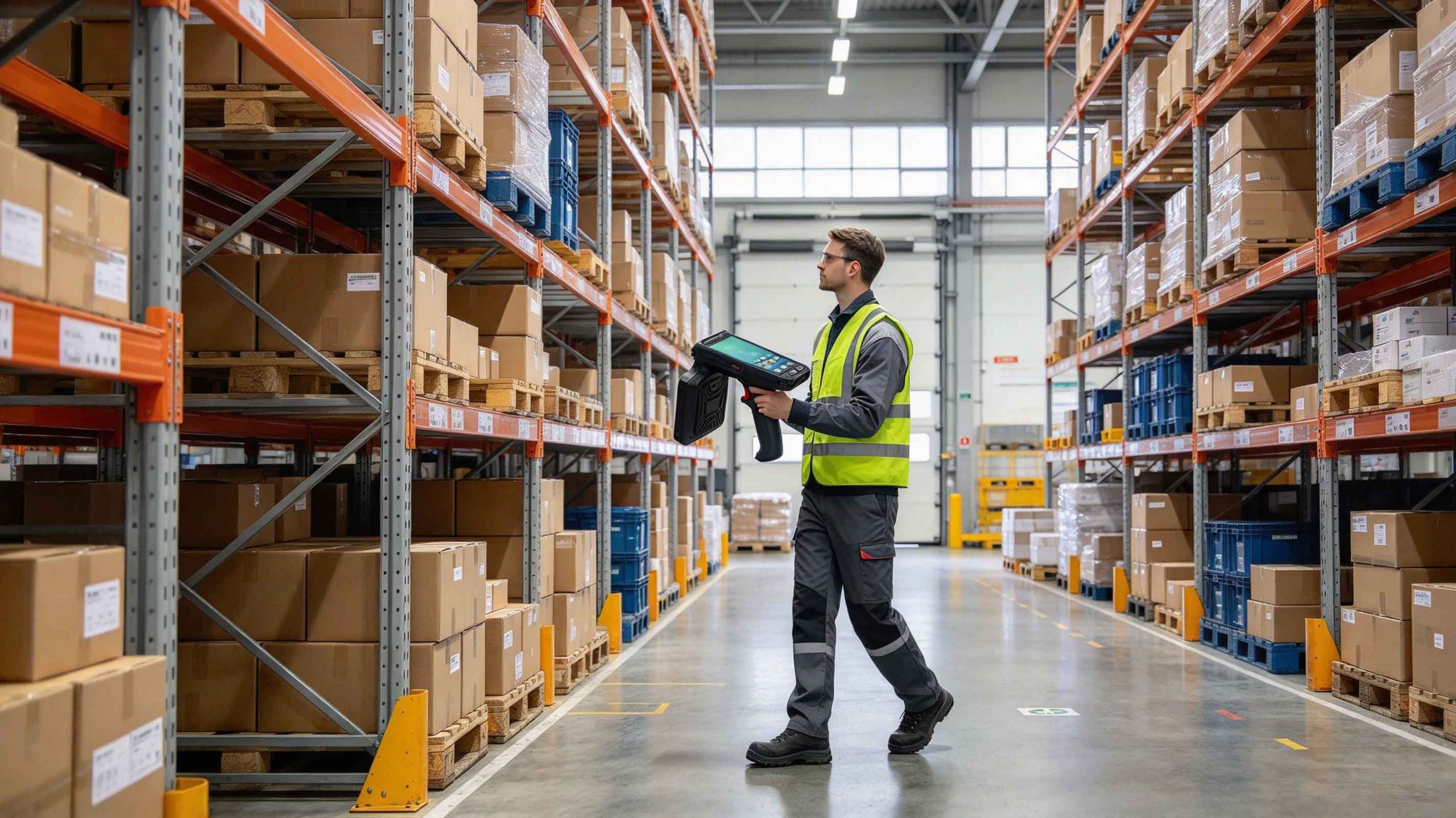
Handheld RFID readers allow warehouse staff to move through aisles and identify compatible tags without scanning every item one by one. This can make cycle counting more practical, especially where products are densely stored or inventory changes frequently.
RFID does not eliminate every discrepancy. Metal shelving, liquid-filled products, poorly positioned labels, damaged tags, and overlapping reading zones can affect results. A sound implementation defines how missed reads are investigated and how inventory adjustments are authorized rather than assuming every reader report represents a complete physical count.
RFID readers help warehouse teams capture tagged inventory data during receiving and shipment verification.
What Does the Research Say About RFID and Inventory Accuracy?
RFID’s value is not limited to faster identification. Better inventory visibility can also help businesses address discrepancies between recorded stock and the goods physically available.
A field study published by researchers at Auburn University examined RFID-enabled inventory visibility in retail operations. The first experiment covered 13 stores over 23 weeks, while a second experiment expanded the research to 62 stores across five product categories. The researchers reported that RFID-enabled inventory record adjustments reduced inventory record inaccuracy by approximately 26% in the first study. These results relate to retail inventory rather than a universal warehouse performance benchmark, so they should not be treated as a guaranteed result for every RFID deployment.
For warehouse operators, the practical lesson is to measure more than the number of tags read per second. Useful indicators include inventory record accuracy, receiving discrepancies, cycle-count duration, picking errors, and the frequency of manual stock corrections. Establishing a baseline before installation makes it easier to determine whether RFID is improving the operation rather than simply generating more data.
GS1 also provides standards for Electronic Product Codes (EPCs), RFID tag data, and reader communication. Using consistent identification formats can help businesses connect RFID data with inventory and supply-chain applications. See the GS1 RFID standards overview.
Handheld RFID readers support cycle counting and inventory reconciliation across warehouse storage areas.
How to Implement RFID in a Warehouse Management System
Implementing RFID successfully requires more than selecting a reader and attaching tags to products. The system must capture the right inventory events, distinguish goods moving through nearby areas, and transfer reliable data into the existing warehouse management system.
For warehouse managers evaluating RFID inventory tracking, a controlled pilot is often more informative than immediately equipping the entire facility. Start with a process that has a clear operational problem, such as receiving verification, cycle counting, or dispatch checks.
1. Define the Inventory Tracking Objective
Identify the specific task RFID needs to improve. A warehouse struggling with shipment discrepancies may need a different setup from one that spends too much time counting stock across multiple aisles.
Document the current process before installation, including manual scanning steps, inventory adjustments, missed shipments, and the time required to complete a count. These measurements provide a baseline for evaluating the pilot.
2. Select Compatible RFID Tags and Readers
The tag must suit the product, packaging, and reading environment. Standard adhesive UHF labels can work well on many cardboard cartons, but products containing metal or liquid may require specially designed tags and careful placement.
Reader selection should reflect the application:
Fixed RFID readers: Suitable for receiving docks, conveyor lines, packing stations, and dispatch checkpoints.
Handheld RFID readers: Useful for cycle counting, stock searches, and investigating inventory discrepancies.
Desktop RFID encoders: Appropriate for registering, writing, or verifying tags before items enter the warehouse.
A reader’s maximum advertised range is not the same as reliable operational performance. Validate read coverage with actual products, packaging, tag positions, and movement speeds.
3. Configure the Reading Zone and Software Integration
A warehouse RFID system needs a defined relationship between a tag ID and an inventory record. The software should know which product the tag identifies, which location is involved, and what event is expected at that point in the process.
For fixed readers, test antenna angles, transmit power, and overlapping reading zones. For handheld systems, establish consistent scanning procedures and rules for handling duplicate or unexpected reads.
The integration layer should also prevent a single physical movement from creating repeated receiving or shipping transactions. Reader events need to be interpreted in context, not simply counted as separate inventory movements.
4. Test Before Expanding
Run the pilot under normal warehouse conditions, including busy receiving periods and realistic stock arrangements. Test both expected and problematic cases.
A practical checklist includes:
Can the system identify the intended tags reliably?
Does it accidentally read goods in adjacent aisles or lanes?
Are metal products and liquid-filled containers handled appropriately?
Do inventory records update correctly after receiving and dispatch?
Can staff investigate missing tags, duplicate events, and incorrect product associations?
Does the system continue to operate correctly when network communication is interrupted and restored?
Expand only after the pilot demonstrates measurable improvements against the original operational objectives.
RFID vs. Barcode in Warehouse Management
RFID and barcode systems both identify inventory, but they capture data differently. The right choice depends on the required reading speed, identification workflow, operating environment, and investment budget.
Feature
RFID
Barcode
Identification method
Radio-frequency communication
Optical scanning
Line of sight
Not always required
Usually required
Multiple-item reading
Possible with compatible tags and readers
Typically scanned individually
Environmental sensitivity
Affected by radio interference, metal, liquids, and tag placement
Affected by label damage, visibility, and print quality
Item lookup, shipping labels, and point-of-process scanning
Infrastructure
Tags, readers, antennas, and software integration
Printed labels, scanners, and software integration
RFID does not automatically replace barcodes. Many warehouses use both technologies, retaining barcodes for manual exceptions and human-readable identification while using RFID for selected automated processes.
How to Measure RFID Warehouse Automation Results
A warehouse manager should assess operational improvements rather than relying solely on reader specifications. The following metrics help determine whether an RFID warehouse management system is delivering value.
Inventory record accuracy: Compare system quantities with physical counts.
Receiving time: Measure the time needed to identify and verify incoming goods.
Cycle-count duration: Record how long a defined inventory area takes to count and reconcile.
Picking accuracy: Track order discrepancies and incorrect item selections.
Dispatch verification: Measure how effectively the system identifies missing or unexpected tagged goods.
Set targets according to the warehouse’s existing performance and the results of its pilot. No single accuracy percentage or time saving applies to every facility.
Frequently Asked Questions
1. What is RFID in warehouse management system used for?
RFID in warehouse management system applications is used to identify tagged inventory, verify incoming and outgoing goods, support cycle counting, and improve stock visibility. RFID readers capture tag identifiers and send the data to warehouse software, where the information can be associated with inventory records and configured warehouse transactions.
2. How does RFID improve warehouse inventory tracking?
RFID improves inventory tracking by capturing identifiers from compatible tags without requiring workers to scan every label individually. Fixed readers can monitor defined checkpoints, while handheld readers support stock counts and searches. Actual results depend on tag suitability, reader configuration, reading conditions, and software integration.
3. What type of RFID is best for warehouse management?
Passive UHF RFID is a common choice for identifying cartons, pallets, and other warehouse inventory over practical reading distances. HF or LF RFID may suit different identification requirements. The appropriate frequency depends on the application, required range, regional regulations, materials, and compatibility with existing equipment.
4. Can RFID integrate with an existing warehouse management system?
Yes. RFID can integrate with an existing WMS through supported APIs, middleware, or other compatible interfaces. The integration must map tag identifiers to inventory records and process events such as receiving, put-away, picking, and shipping. Compatibility should be confirmed before selecting hardware.
5. Does RFID replace barcode scanning in warehouses?
No. RFID can reduce manual scanning in suitable workflows, but barcodes remain useful for visible identification, exception handling, and processes where optical scanning is sufficient. A combined approach can be more practical than replacing every barcode-based process.
6. What affects RFID reading accuracy in a warehouse?
Reading performance depends on tag orientation, antenna placement, reader power, operating frequency, nearby metal or liquids, packaging, and radio interference. Poorly defined reading zones can also cause unwanted reads from adjacent inventory. Testing with actual warehouse goods is essential.
7. Is RFID suitable for small warehouses?
Yes. Small warehouses can use handheld RFID readers or a limited fixed-reader installation for targeted tasks. Starting with one measurable problem, such as cycle counting or receiving verification, helps businesses assess the operational benefits before investing in broader automation.
Final Perspective: What Is RFID in Warehouse Management System?
What is RFID in warehouse management system? It is an inventory identification and data-capture approach that connects RFID-tagged goods with warehouse software, helping businesses verify movements, count stock, and improve inventory visibility. Its effectiveness depends on suitable tags, properly configured readers, reliable data processing, and integration with real warehouse workflows.
For businesses planning an RFID deployment, Cykeo’s RFID readers, modules, and tag-writing solutions can be evaluated against the requirements of the intended application. The starting point should always be the inventory process that needs improvement, not simply the longest advertised reading distance.
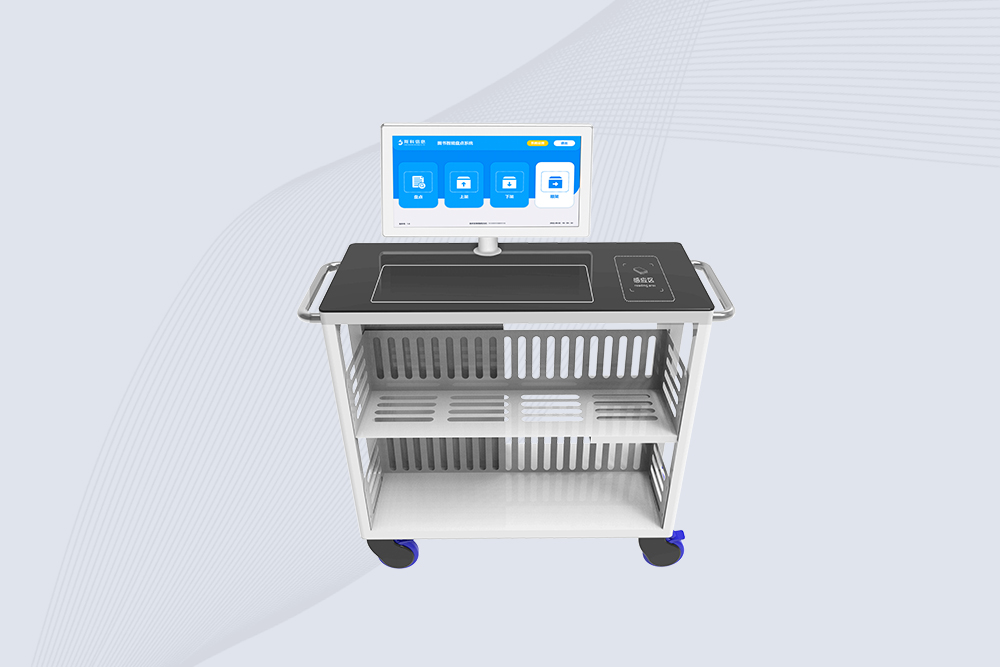
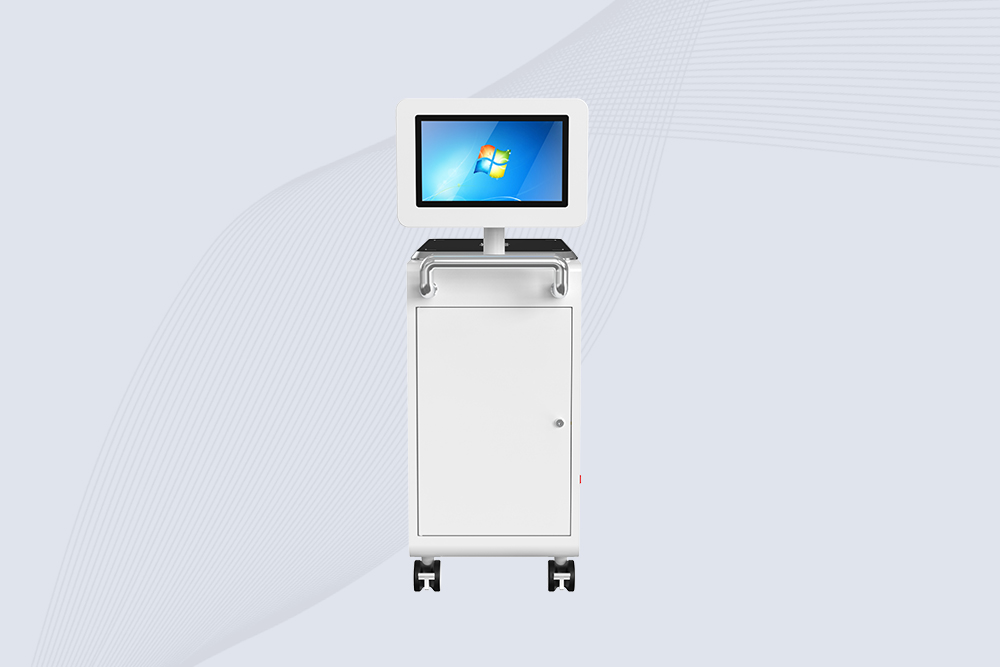
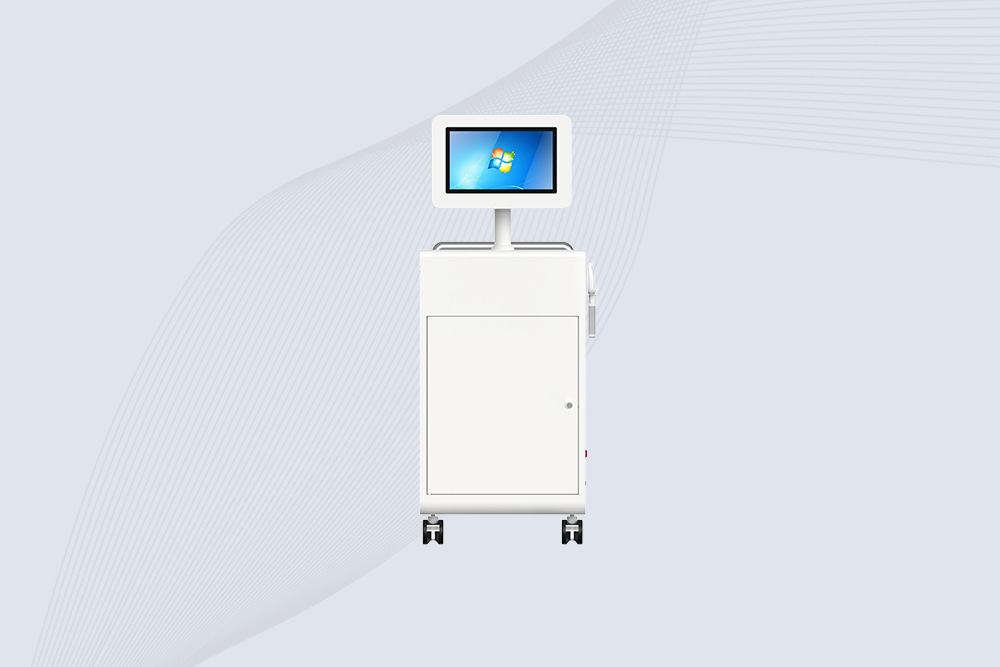
Cykeo CYKEO-C2 UHF RFID inventory cart features 10 UHF readers, 500 tags/sec scanning, Windows/Android OS, and hybrid power for warehouses/libraries. Supports ISO 18000-6C protocols and customization.
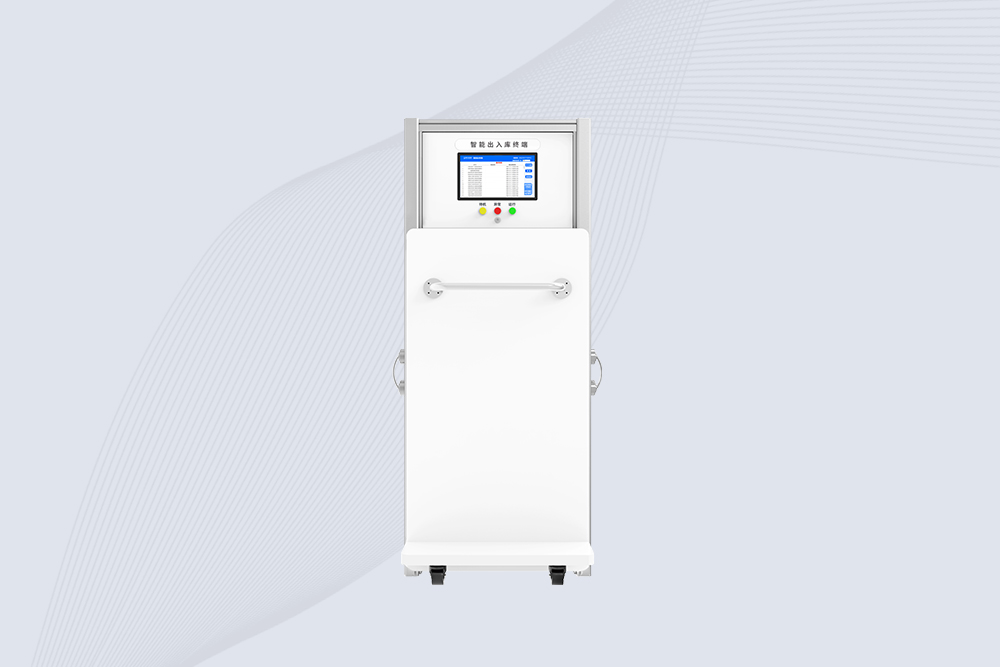
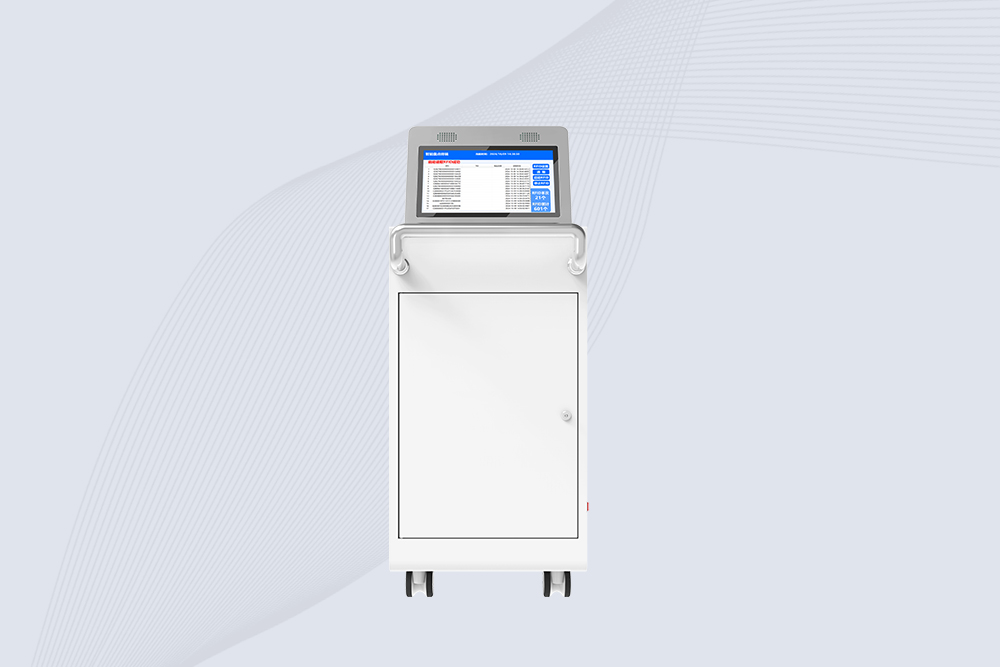
Cykeo’s industrial RFID Inventory Tracking station features dual scanning modes, 200+ items/sec bulk reading, and SAP integration for precise warehouse management. MIL-STD-810G certified with Windows/Android OS.
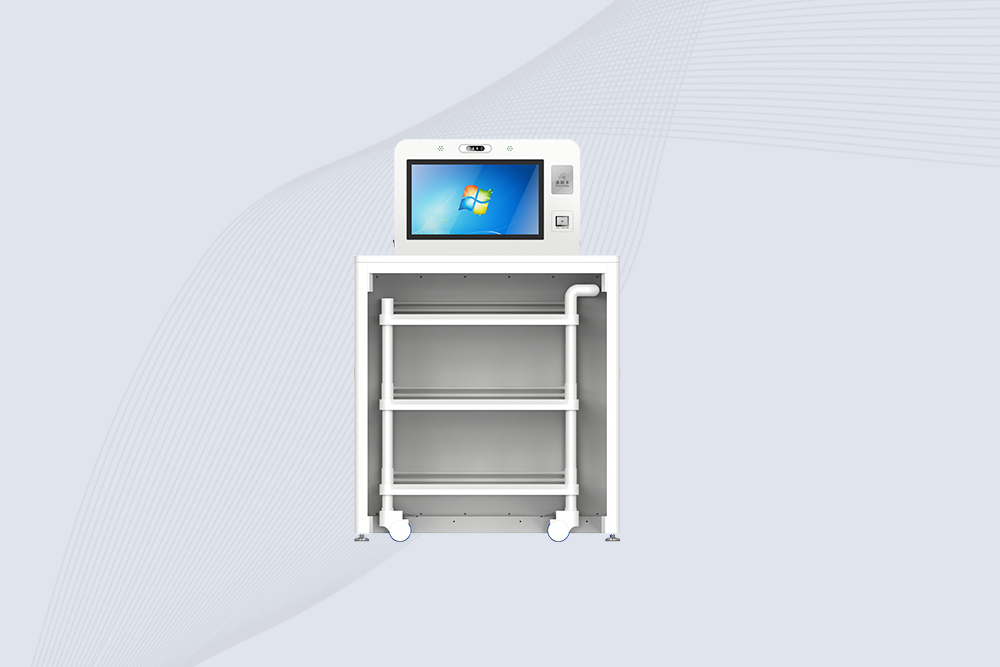
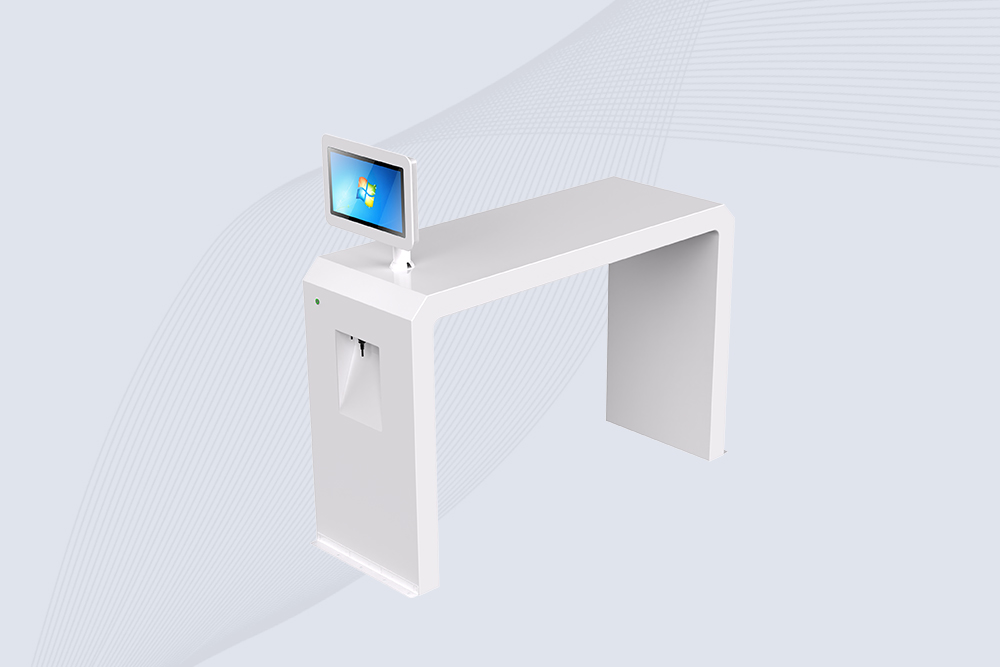
Cykeo CYKEO-D7 RFID system for inventory offers 40+ tags/sec scanning, 150L secure storage, and Impinj R2000 chipset for warehouses, toolrooms, and retail. Global frequency compliance (840-960MHz).
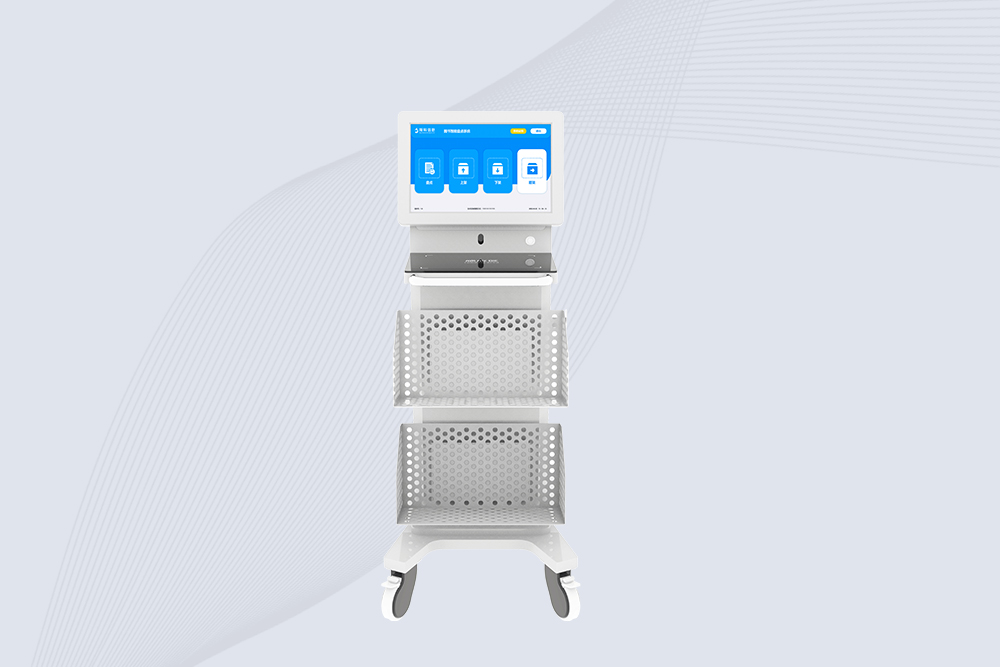
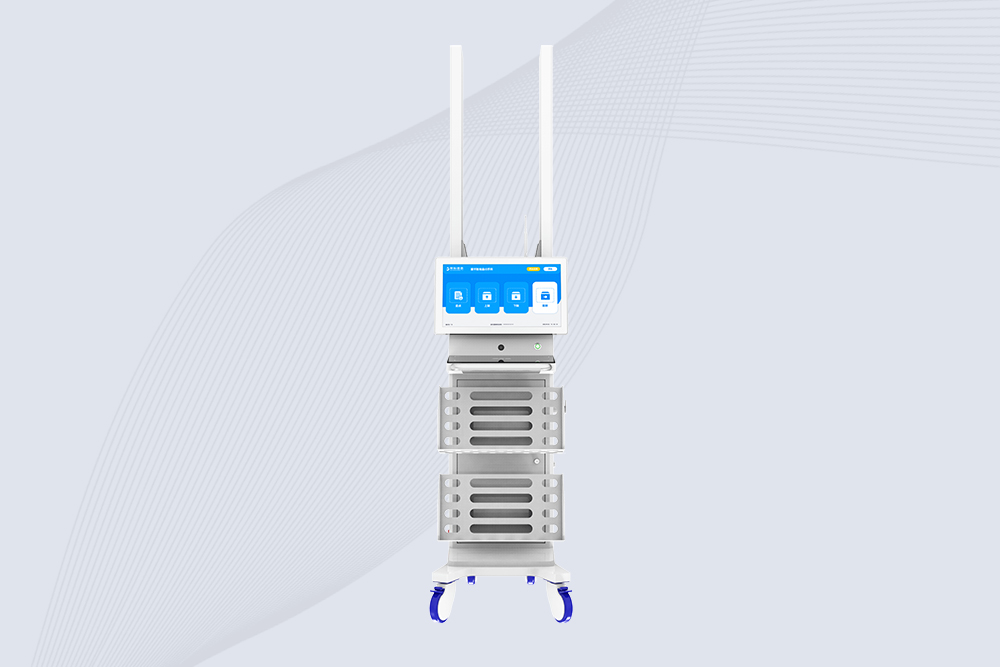
Cykeo CYKEO-C1 mobile RFID scanner cart features PLC-controlled antenna lifting, 10-tag/sec reading, and 21.5″ touchscreen for libraries, hospitals, and warehouses. Supports Windows/Android and multi-protocol RFID.
Cykeo CYKEO-C3 industrial warehouse RFID scanner features motorized lift (2.2m height), 800+ tags/min scanning, Windows/Android OS, and ERP integration. Ideal for high-shelf inventory in logistics/manufacturing.
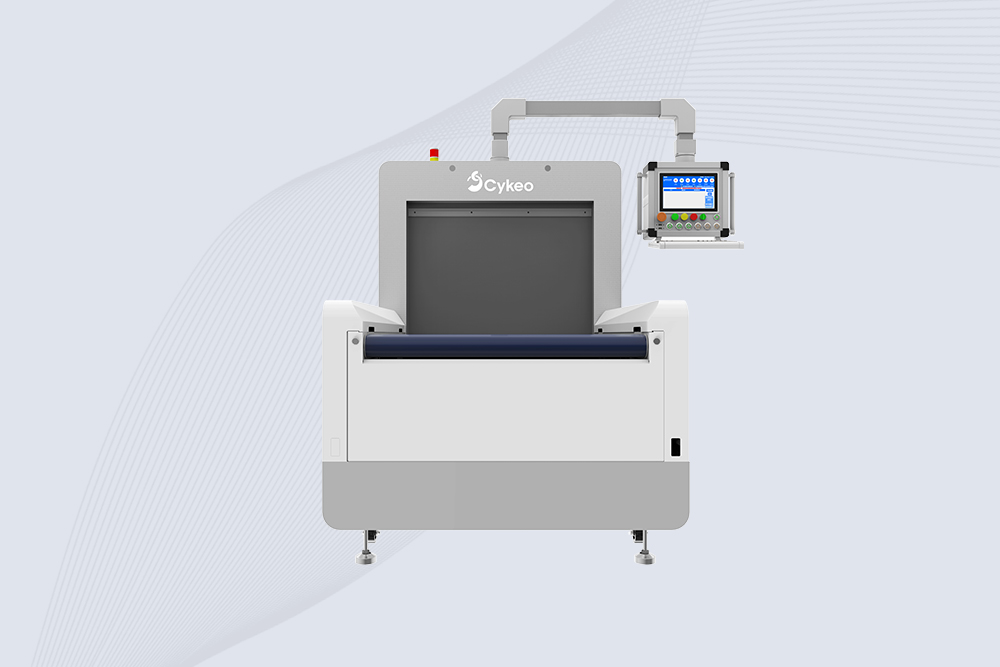
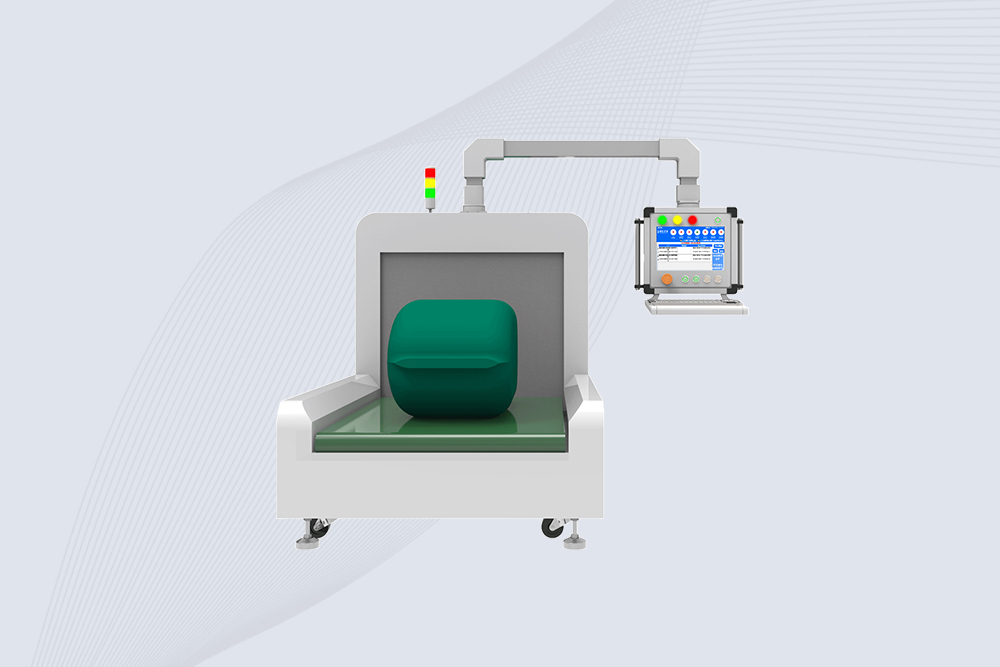
Cykeo’s CYKEO-TP2 automated RFID Inventory Management Tunnel System features 80kg capacity conveyor, 400 tags/sec scanning, and real-time data validation for warehouse/logistics operations.
Cykeo’s CYKEO-TP3BC RFID inventory tunnel System management machine delivers 400+ tags/sec counting with ISO 18000-6C compliance. Features 80kg conveyor, -20°C~60°C operation, and ERP integration for apparel/electronics warehouses.
Cykeo’s industrial RFID tunnel scanner enables bulk inventory management for apparel, utilities, and hospitality. Features 10cm anti-interference, ISO18000-6C compliance, and SAP/Oracle integration.
Cykeo CYKEO-TP4 industrial RFID tunnel system features 800-tag/batch processing, PLC-automated shutters, and SAP integration for apparel/hotel/power industries. 3-second verification with 99.9% accuracy.
Cykeo CYKEO-TP5A industrial RFID tunnel system features 800-tag/batch processing, PLC-automated shutters, and SAP integration for apparel/hotel/power industries. 3-second verification with 99.9% accuracy.
Cykeo CYKEO-GP industrial RFID tunnel achieves 300pcs/sec bulk RFID tags inventory tracking with ISO 18000-6C protocol. 1.9m tunnel height for cage carts, 20cm anti-crosshield tech.
Cykeo CYKEO-C4A RFID inventory systems Cart feature dual-band scanning, 10-antenna array, and SAP integration for warehouse/hospital/supermarket asset audits. 300+ items/min accuracy with industrial reliability.
Cykeo CYKEO-C4B RFID inventory managment cart features dual-band scanning, 10-antenna array, and SAP integration for real-time asset tracking in warehouses/hospitals.
Cykeo CYKEO-C4C RFID inventory tracking cart features 10-antenna array, 300+ items/min scanning, and SAP integration for real-time asset visibility in warehouses/hospitals.
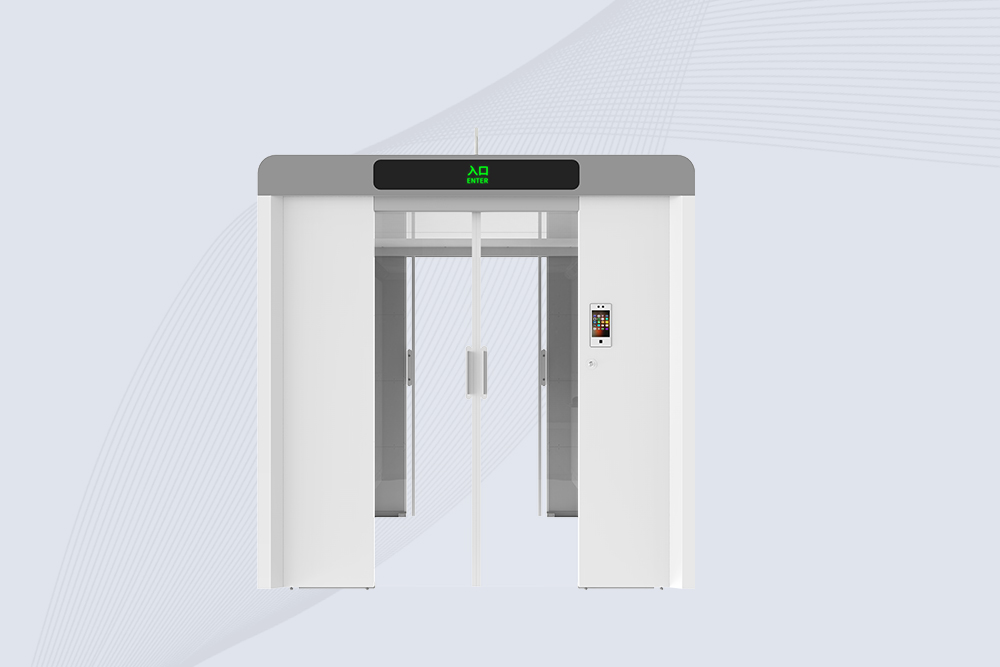
Cykeo CYKEO-T8B industrial rfid gate access system offers 1.85m scanning corridor, 99.6% read accuracy, and Windows/Android OS for production line verification. Supports SAP/Oracle integration.
Cykeo CYKEO-C1A RFID tag inventory system features vertical 2.2m manual lift, dual antennas, and Android/Windows OS for warehouse/library inventory. Supports SAP/Oracle integration.
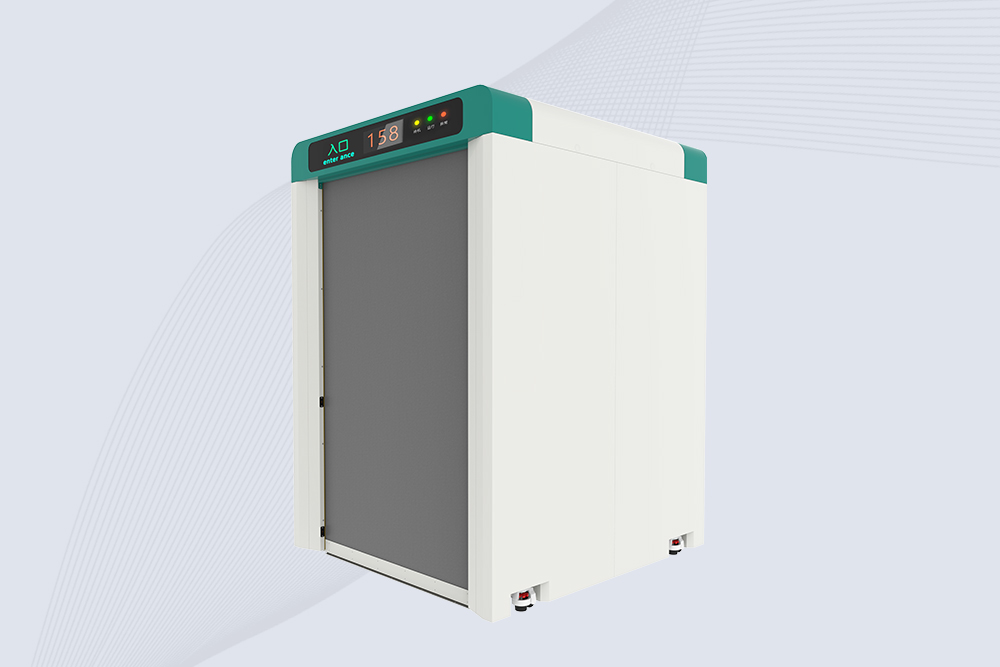
Cykeo CYKEO-TP4A retractable RFID gate processes 1000+ items in 10 seconds with expandable width design. Ideal for large-scale utility, hotel linen, and apparel inventory management.
Cykeo CYKEO-S1 RFID library book return sorting system processes 1200 books/hour with modular design and dual-frequency RFID support. Ideal for automated library book sorting and categorization.
Cykeo CYKEO-TP2C RFID tunnel reader verifies 400+ items in 3 seconds with 4-antenna array and PLC control. Ideal for warehouse inventory management with 99.9% accuracy.
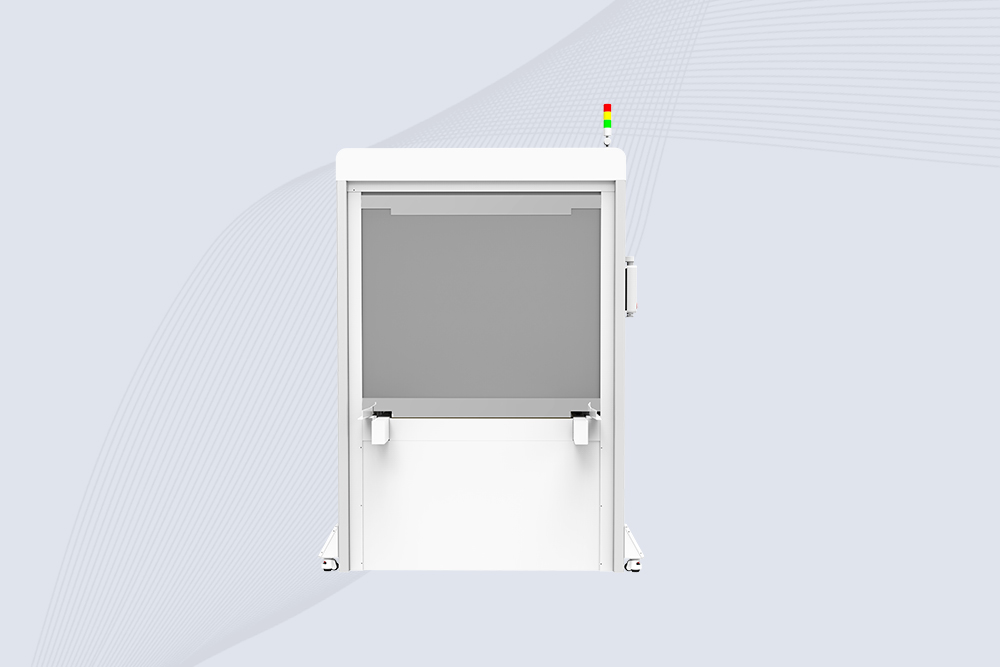
Cykeo CYKEO-TP2D compact RFID tunnel scanner reader offers enclosed scanning with auto-shutter door and IR-activated conveyor. Ideal for mid-scale warehouse inventory management.
Cykeo CYKEO-TP2A RFID tunnel reader verifies 400+ items in 3 seconds. Integrates RFID, barcode, weighing, and automated sorting for warehouse logistics. Boosts accuracy to 100%.
Learn how UHF RFID antenna design improves pallet and carton scanning in warehouse environments. Practical insights on dock door layouts, antenna placement, and reliable RFID gate systems.
Learn how rfid technology works with RFID tags, readers, and software systems. Explore real applications, technical principles, and Cykeo RFID solutions.
Wondering if you can read RFID with phone? Get the honest breakdown of phone NFC capabilities and why you still need industrial RFID readers for business.
 Cykeo RFID IoT Solution Products R&D Manufacturer