 Cykeo RFID IoT Solution Products R&D Manufacturer
Can an RFID Antenna Activate Devices? The Truth About Wireless Power
290Many ask: can an RFID antenna activate devices? We explain the limitations and possibilities of UHF antenna power transfer for sensors and simple circuits.
MoreAll RFID Product
What is RFID in supply chain management? RFID (Radio Frequency Identification) is a technology that uses radio waves to identify and track tagged products, cartons, pallets, and assets as they move through a supply chain. By capturing tag data without requiring direct line of sight, RFID helps businesses improve inventory visibility, verify shipments, and reduce manual scanning.
Unlike a barcode workflow, which typically requires an operator or scanner to see each label, RFID can identify multiple compatible tags within a reader’s detection zone. This makes it particularly useful in busy distribution centers, receiving areas, manufacturing facilities, and retail warehouses where goods move continuously.
An RFID supply chain system typically consists of three components: RFID tags, RFID readers, and software that processes the captured information.
For example, when a pallet of components arrives at a factory, an RFID portal can read compatible tags as the pallet passes through a designated area. The warehouse system can compare those reads against the expected shipment, flag discrepancies, and record the receipt without requiring staff to scan every carton individually.
The important detail is that a tag read is not automatically proof of a completed business transaction. Reader placement, duplicate-read filtering, shipment records, and software rules all influence whether the event accurately represents what happened.
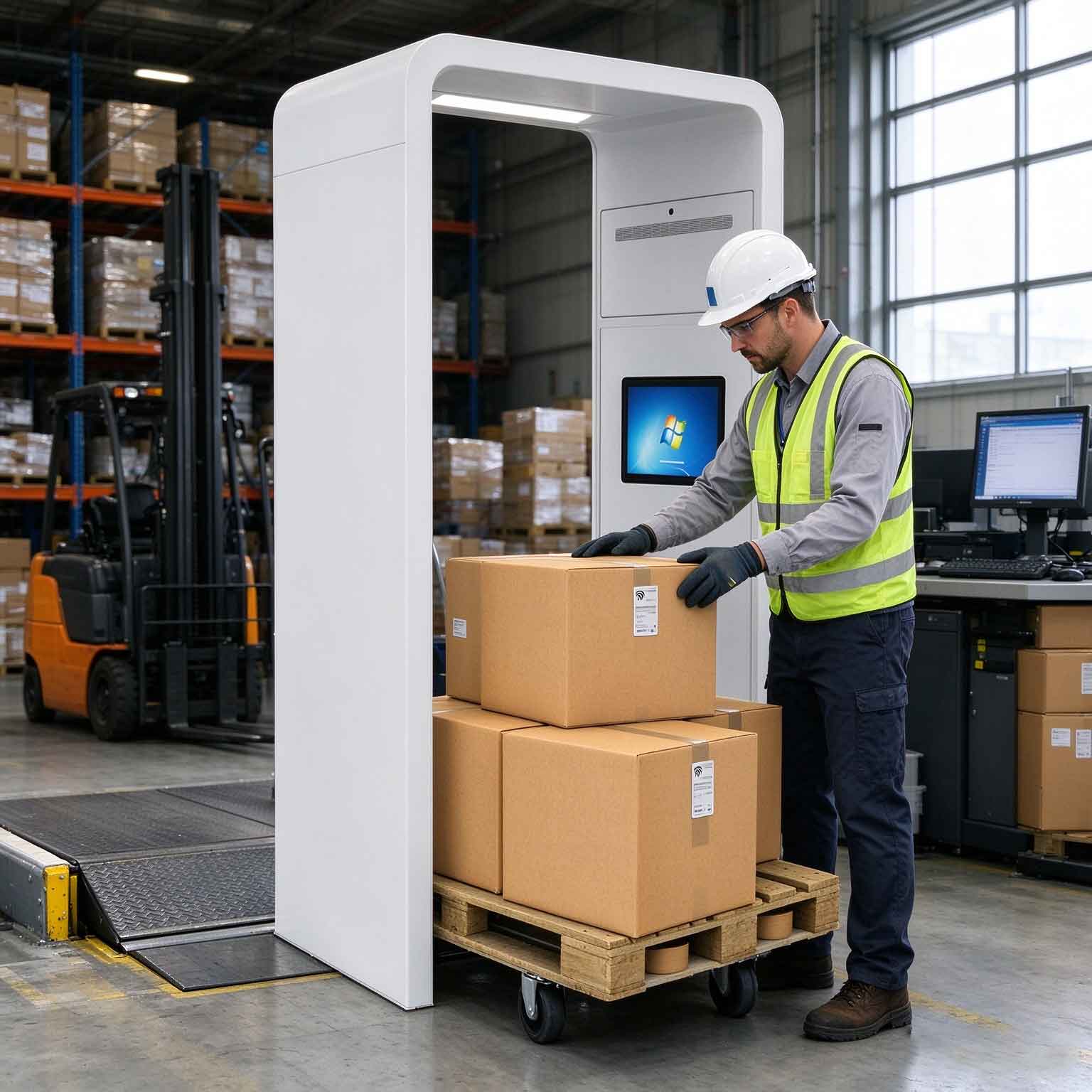
RFID helps warehouse teams identify tagged stock, conduct inventory checks, locate assets by recorded zone, and reconcile physical goods against system records. Fixed readers support automated checkpoints, while handheld readers allow staff to investigate exceptions or search specific storage areas.
Readers at dock doors can capture tagged cartons or pallets during inbound and outbound movements. Comparing the captured identifiers with an advance shipping notice helps teams detect missing, unexpected, or incorrectly routed items before a shipment leaves the facility.
Manufacturers can associate RFID identities with work-in-process items, tools, containers, and reusable transport equipment. Recorded movements help staff understand where items were last detected and whether equipment has reached the next production stage.
The value of RFID becomes clearer when inventory records are compared with physical stock. A research project published by Auburn University in 2010 examined RFID-enabled inventory visibility in two retail field experiments. The first involved 13 stores over 23 weeks; the second expanded to 62 stores across five product categories. The researchers found that RFID’s effectiveness varied by product category, highlighting the importance of selecting appropriate applications rather than assuming identical results everywhere.
Key operational benefits include:
One practical consideration is often overlooked: better identification does not automatically fix inaccurate master data, incorrect packing records, or poorly designed warehouse processes. RFID supplies additional observations. The business system must still interpret them correctly.
The appropriate RFID configuration depends on what is being tracked, where reads must occur, and how the information will be used.
| Application | Suitable RFID approach | Important consideration |
|---|---|---|
| Warehouse stocktaking | Handheld or mobile RFID reader | Coverage, operator workflow, and missed-tag detection |
| Receiving and shipping | Fixed reader with antennas | Read-zone control and shipment reconciliation |
| Conveyor-based identification | Fixed UHF reader and appropriately positioned antennas | Tag orientation, speed, and spacing |
| Reusable container tracking | RFID tags with fixed or mobile readers | Tag durability and mounting location |
| System integration | RFID reader, middleware, and inventory software | Data filtering, event handling, and interface compatibility |
For supply chain projects using GS1-based identification, the Electronic Product Code (EPC) provides a standardized way to identify tagged objects. GS1’s EPCIS standard supports sharing visibility events between business systems, including information about what moved, when it moved, where it was observed, and the relevant business context.
This distinction matters when a company works with several suppliers, distribution centers, or logistics providers. A reader can capture a tag identifier, but interoperable identification and event data help different organizations interpret the resulting information consistently.
For Cykeo, businesses evaluating fixed UHF RFID readers should assess the required read zone, tag compatibility, interface options, environmental conditions, and integration requirements before selecting hardware. A successful deployment is measured by reliable operational events—not simply by the maximum reading distance stated in a specification.
RFID can improve supply chain visibility, but performance depends on the physical environment and the quality of system integration. Metal shelving, liquid-filled products, tag orientation, nearby readers, and overlapping read zones can affect UHF RFID performance.
Before deployment, supply chain teams should evaluate these factors:
A useful field test is to run several pallets through the intended read zone with different carton arrangements. Compare the captured tag list with a verified manifest, then repeat the test under normal operating conditions. This exposes problems that a single successful demonstration may miss.
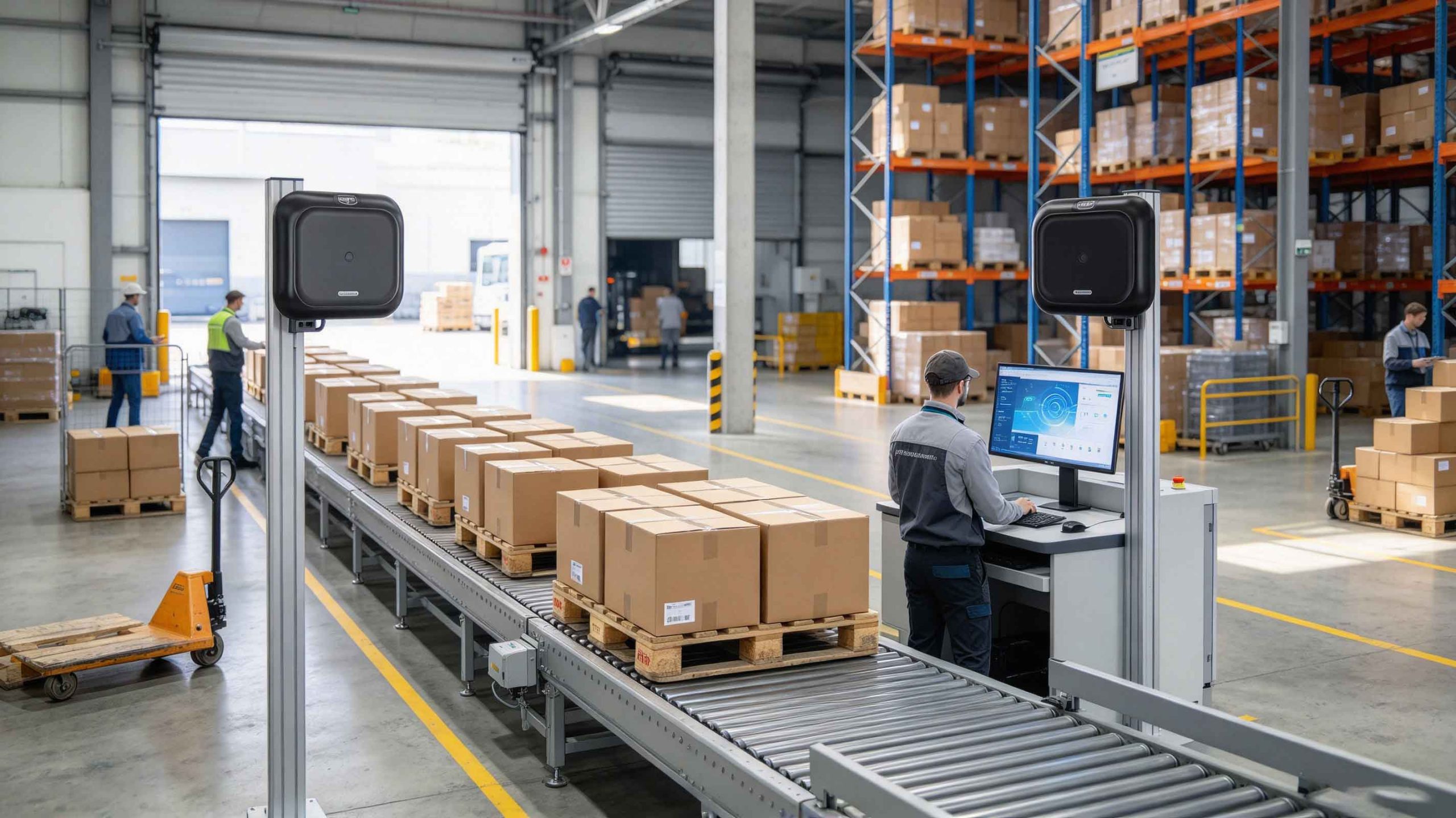
RFID in supply chain management is used to identify and track products, pallets, containers, and reusable assets throughout warehouse and logistics operations. Typical applications include inventory counting, shipment verification, receiving, dispatch, and work-in-process tracking. The specific benefits depend on tag selection, reader placement, and integration with inventory software.
RFID improves supply chain visibility by recording tag reads at designated checkpoints. When these events are connected to inventory or logistics software, businesses can identify when tagged goods were observed and compare their movements with expected shipments. RFID does not automatically provide continuous location tracking; visibility depends on reader coverage and event processing.
RFID can be more efficient than barcodes when many tagged items must be identified quickly without scanning each label individually. Barcodes are often more economical for simple identification workflows, while RFID requires compatible tags and readers. The best choice depends on item volume, operating conditions, accuracy requirements, and total implementation cost.
UHF RFID is widely used for logistics, pallet identification, and warehouse inventory because it supports reading multiple compatible tags over practical operating distances. HF RFID is useful for applications requiring closer-range identification, while LF RFID serves specialized identification needs. Frequency selection should account for local regulations, tag design, materials, and reader compatibility.
RFID can support near-real-time visibility when readers capture tag data at monitored locations and the software processes those events promptly. However, passive RFID tags do not continuously transmit their positions. To determine where an item is, the system generally relies on the latest valid read, reader location, and the timing of the recorded event.
A typical system requires RFID tags, compatible readers, and software to associate tag identifiers with inventory or shipment records. Depending on the application, it may also include antennas, fixed reader gates, handheld terminals, middleware, and connections to warehouse management or enterprise resource planning systems.
The main challenge is achieving dependable identification under real operating conditions while ensuring captured reads become accurate business records. Tag performance, metal or liquid interference, overlapping read zones, incorrect data associations, and software integration can all affect results. Pilot testing with real products and workflows helps expose these issues before a full rollout.
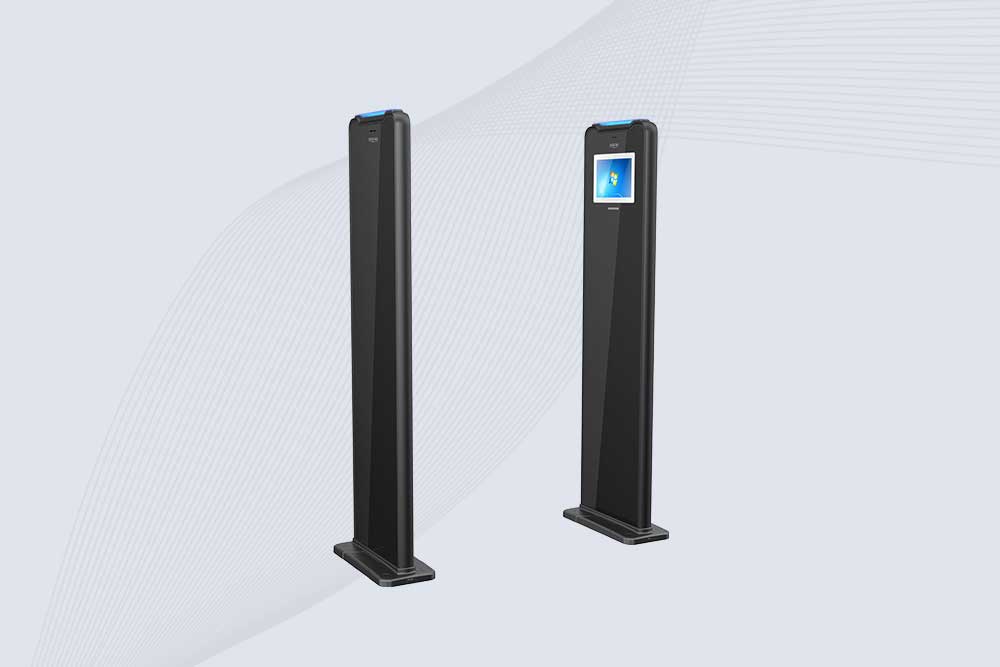
SSD-T4A-P Smart access control with real-time crowd tracking ✔️ AI Tag Filtering for Reduced Misreads SSD-T4A-P supports AI-based tag filtering and up to 6 EPC filtering sets, helping reduce unwanted reads and improve identification accuracy in busy entrances, exits, and retail environments. ✔️ Fast In & Out Detection with Visual & Audio…
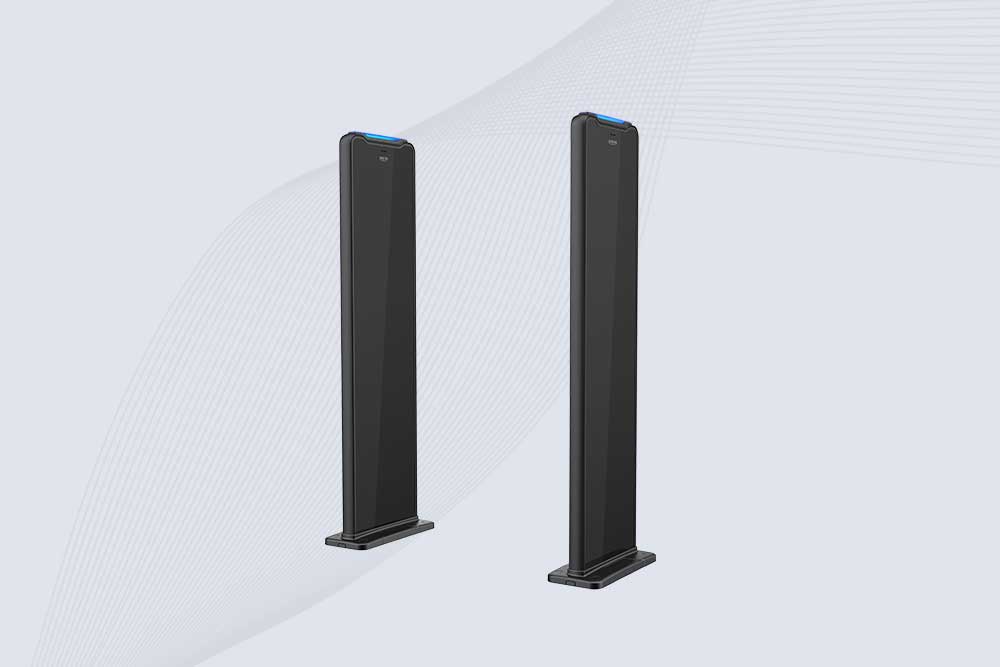
SSD-T4A UHF RFID Gate Reader with 11 dBi antenna, up to 10 m reading distance, AI tag filtering, in/out detection, 300,000 data storage, and TCP/HTTP/MQTT support.
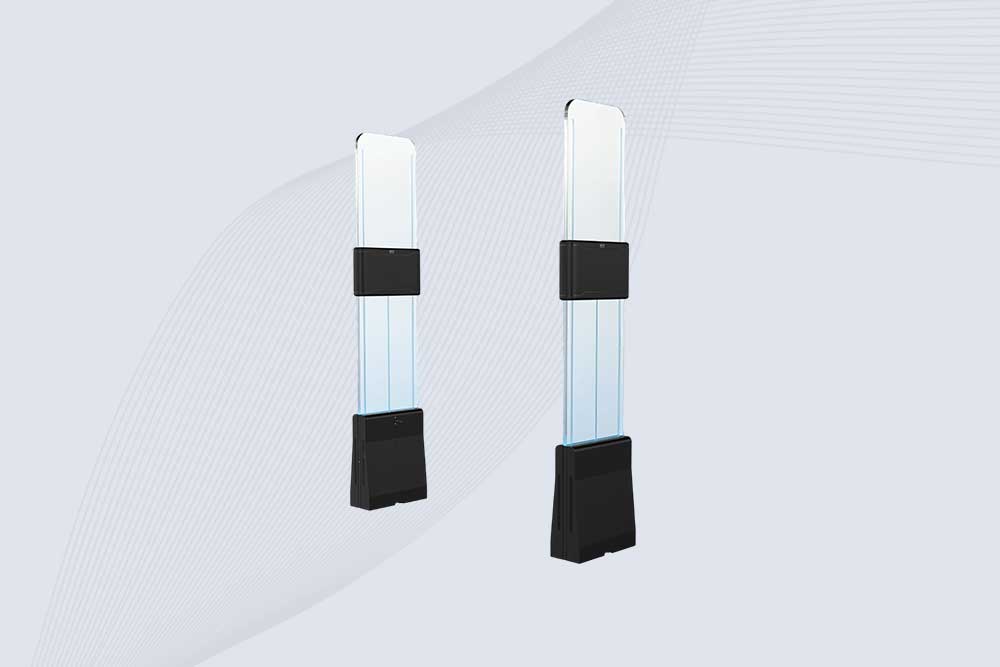
SSD-T2D UHF RFID Gate Reader with 11dBi circular antenna, Impinj E710/X3M1 chipset, up to 10m reading distance, AI tag filtering, in/out detection, and audio-visual alarms.
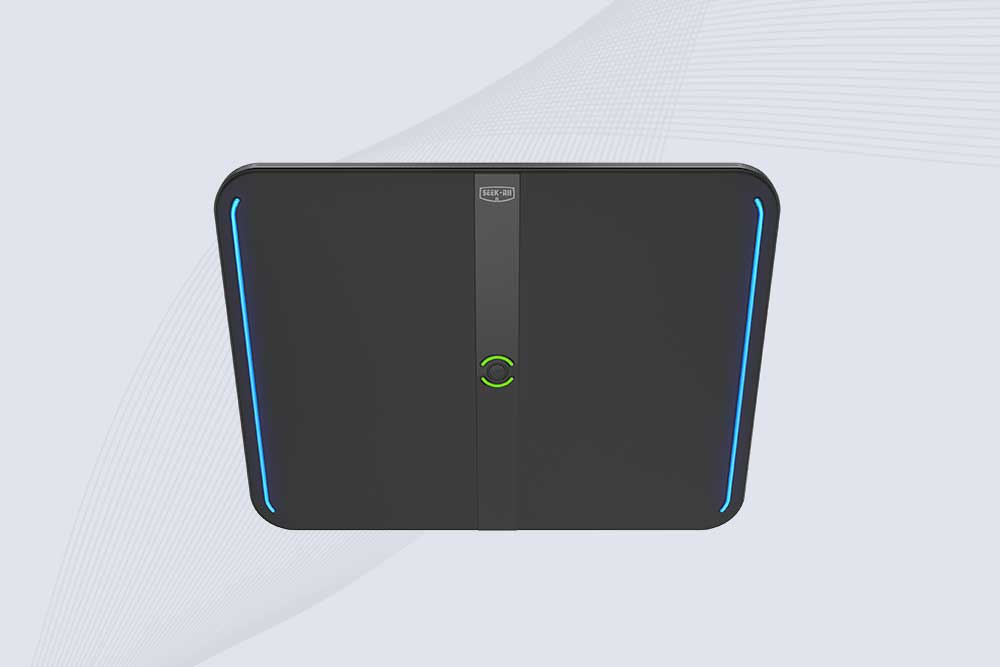
SSD-T1 ✔️ AI-Powered Tag Filtering SSD-T1 supports AI-based tag filtering with up to 6 EPC filtering sets, helping reduce unwanted tag reads and improve identification accuracy in busy retail and access-control environments. ✔️ Reliable In & Out Detection With a 7dBi antenna and a reading range of up to 2.5 meters, SSD-T1 can detect tagged i…
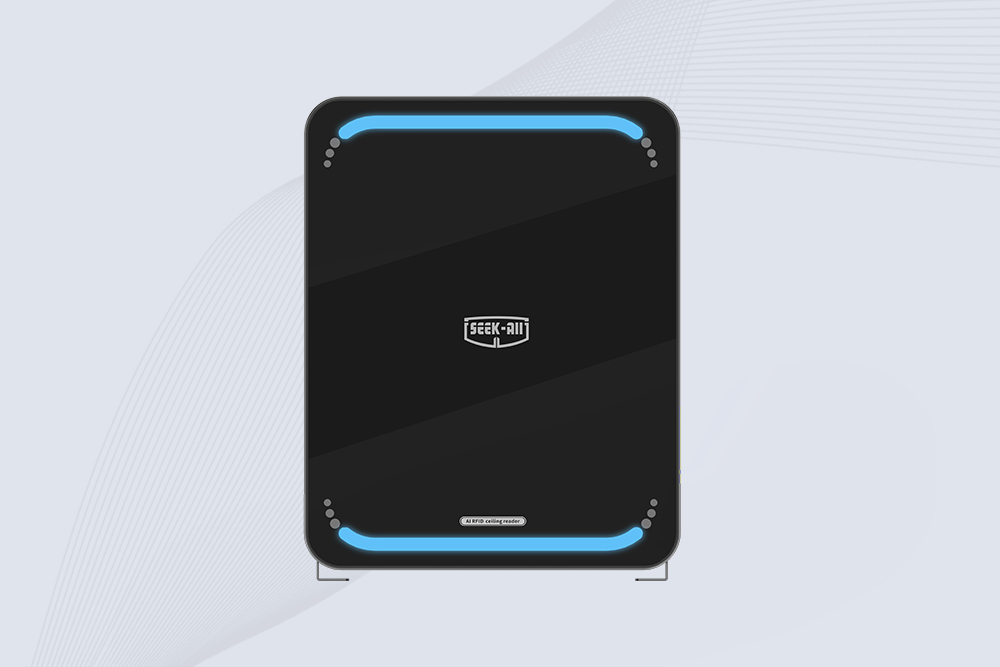
SSD-T1G is a 12 dBi AI RFID ceiling-mounted reader with 10m reading range, In/Out detection, AI tag filtering, 300,000-record storage, and TCP/HTTP/MQTT support.
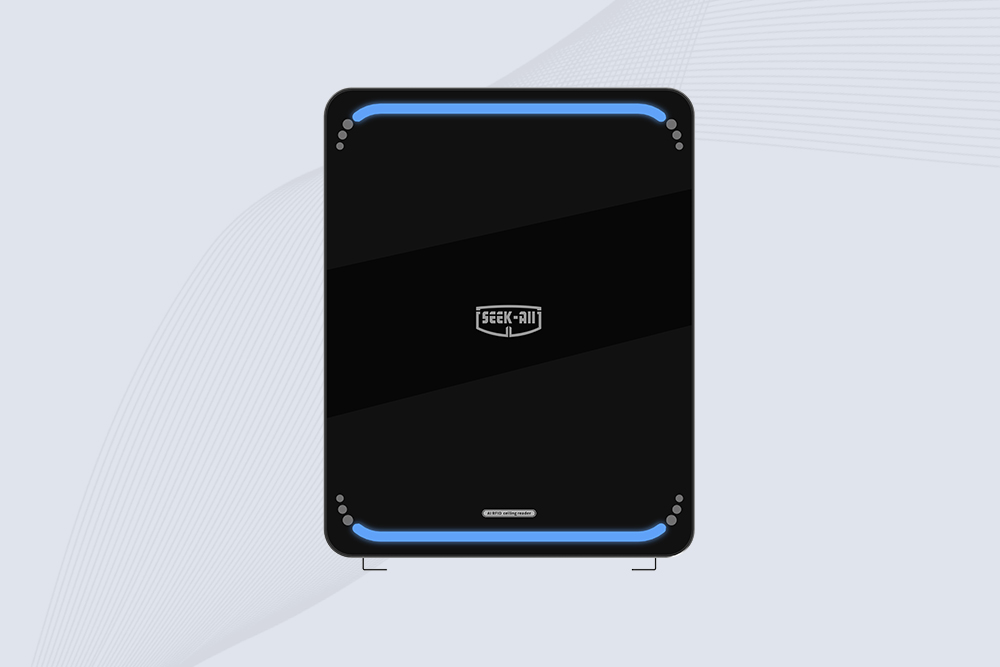
SSD-T1H 9dBi AI ceiling-mounted UHF RFID reader with up to 10m reading range, AI tag filtering, 300,000 data storage, and TCP/HTTP/MQTT support.

Cykeo’s CYKEO-T1D industrial RFID ceiling reader features 500 tags/sec scanning, IP54 protection, and -20℃~60℃ operation for retail/warehouse security. Supports ISO18000-6C and GB/T29768 protocols.
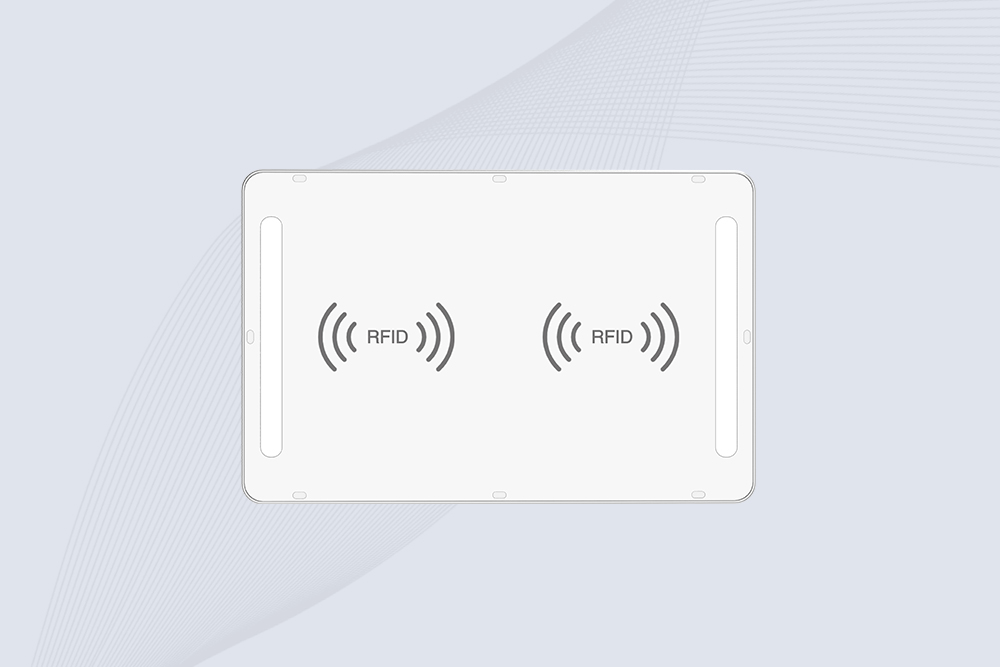
Cykeo’s ceiling-mounted RFID reader enables hands-free 5m inventory tracking with 500 tags/min speed. Features dual alerts, ERP integration, and IP54 rating for warehouse security.
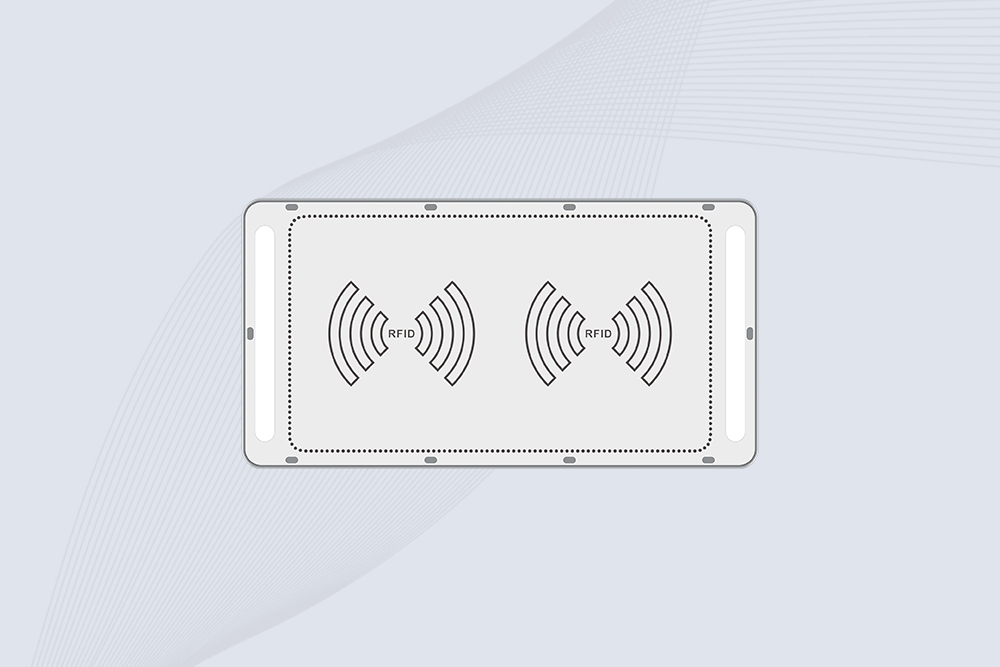
Cykeo CK-T1E RFID gate system features 120° coverage, AI motion filtering, and 5m detection for retail/warehouse security. IP67 rugged design with ERP integration.
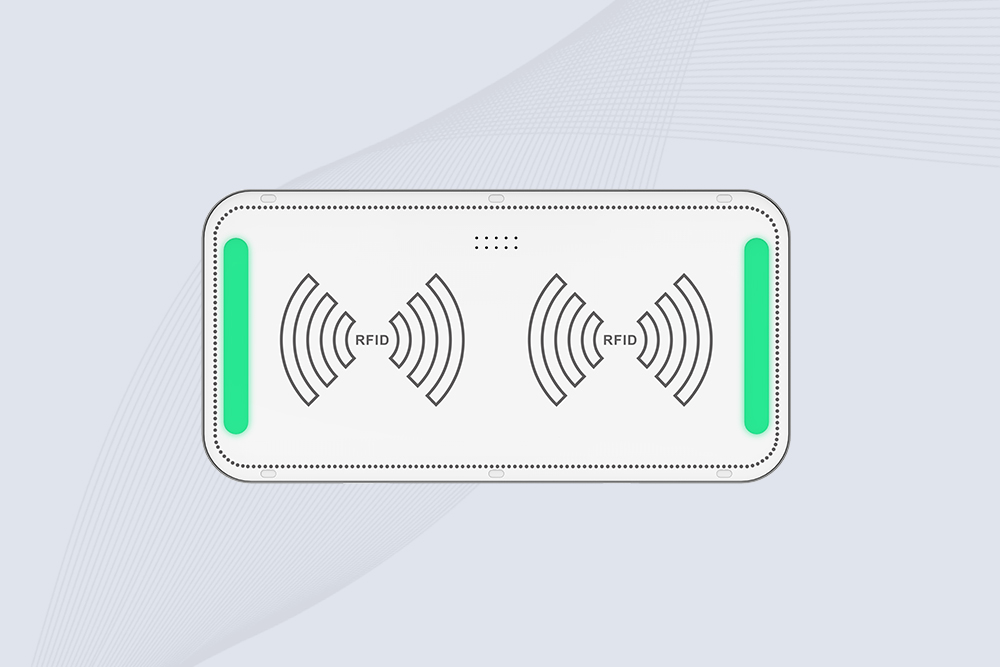
Cykeo CYKEO-T1A industrial ceiling RFID system offers 10-20m read range, 500+ tags/sec speed, and IP65 protection for smart warehousing. Supports multi-protocol integration and real-time inventory alerts.
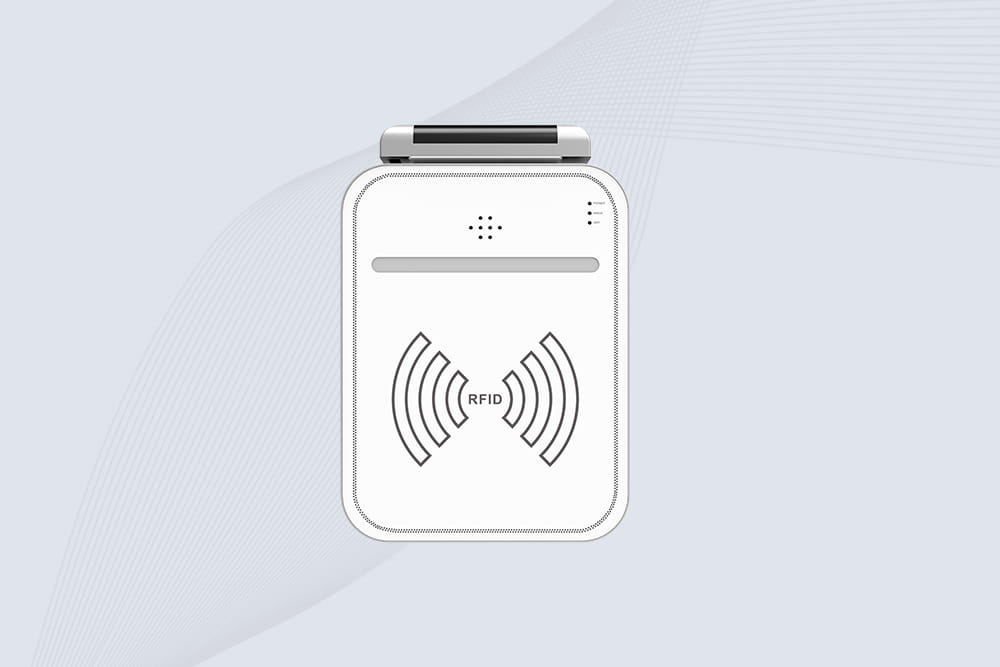
Cykeo’s CYKEO-T1 ceiling-mounted UHF RFID reader offers 500tags/sec scanning, ISO18000-6C compliance, and -20℃~60℃ operation for smart retail/warehouse management. Supports TCP/IP & Android integration.
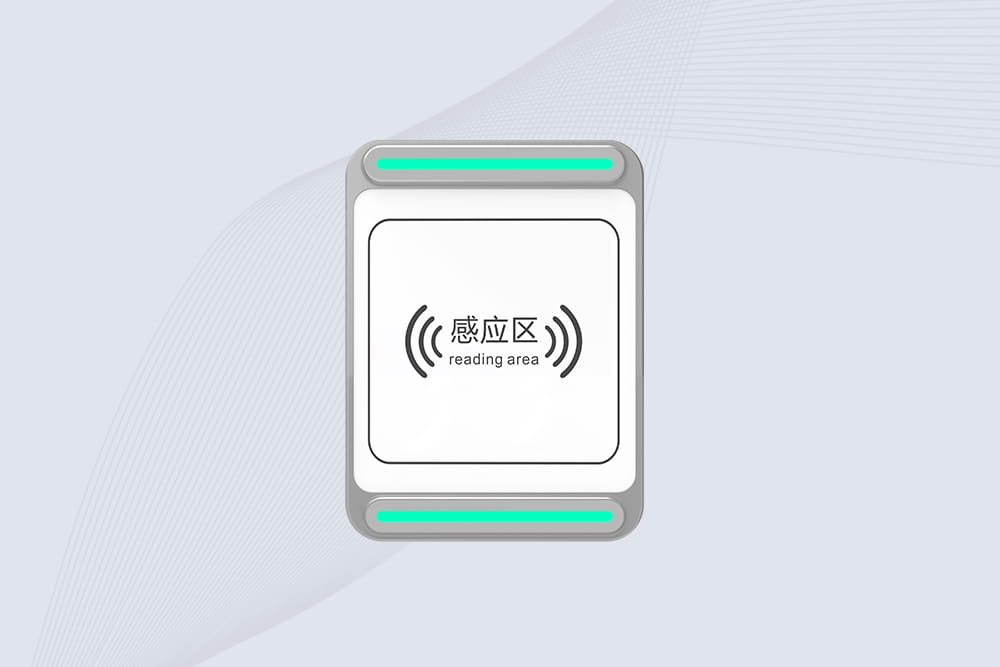
Cykeo CYKEO-T1B ceiling-mounted RFID system delivers 10-20m reading range, 500+ tags/sec processing, and integrated security alarms. Ideal for warehouse/logistics automation with Android-compatible SDK.

Cykeo’s industrial ceiling-mounted RFID reader offers 10m+ automated inventory tracking, ISO-18000 compliance, and anti-theft alarms. Designed for retail/warehouse/logistics facilities.
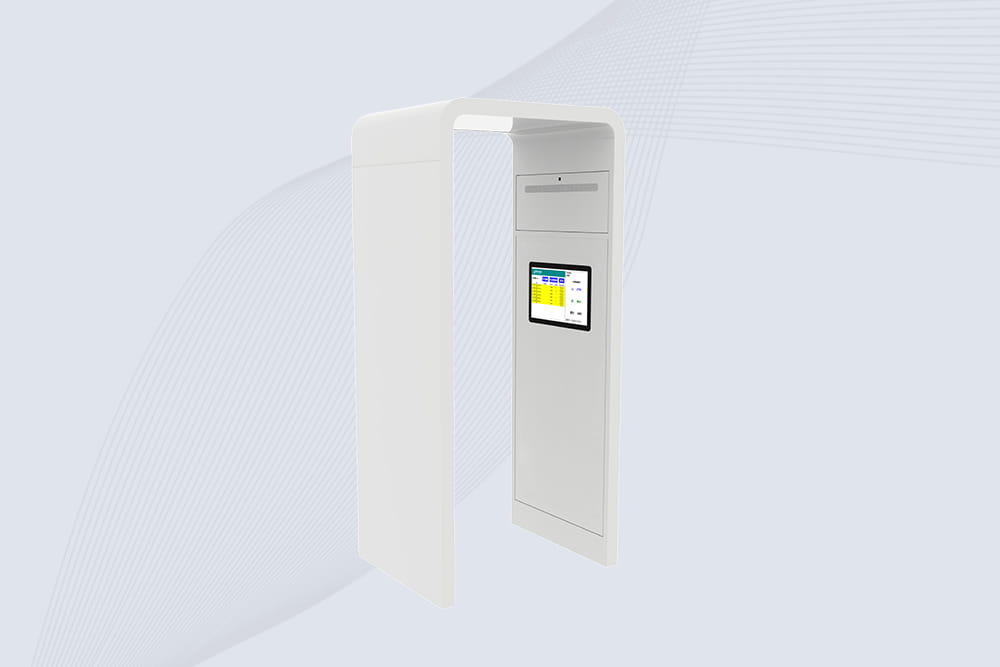
Cykeo CYKEO-T8 industrial arch gate RFID reader delivers 800+ tags/min scanning, 4m detection range, and Android touchscreen for libraries/retail stores. Supports SAP integration & dual EAS alarms.
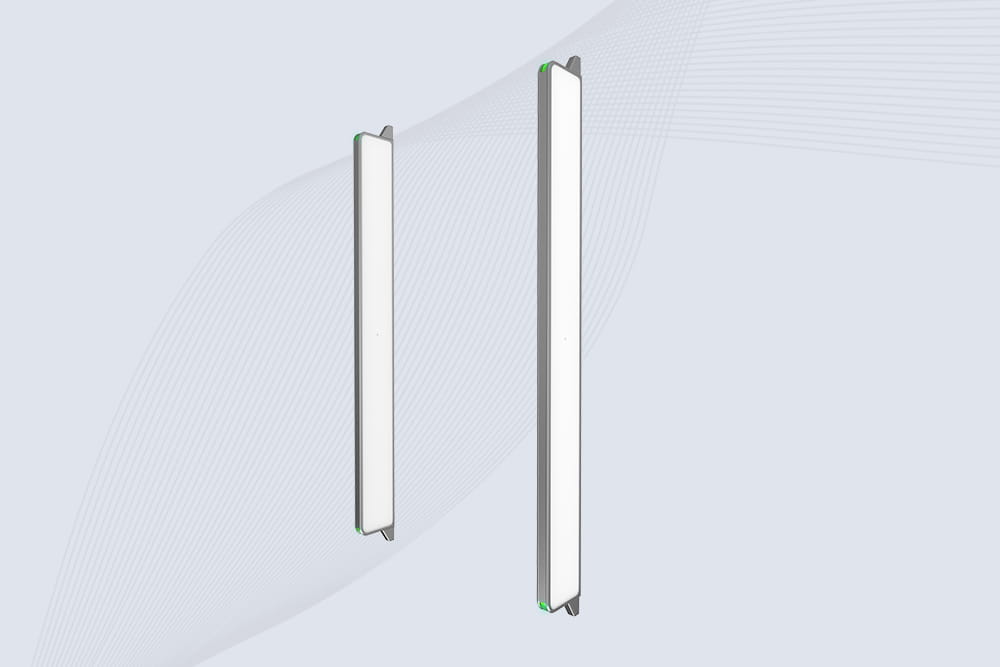
Cykeo CYKEO-T3 industrial RFID gate reader features 200cm detection, infrared triggering, and dual alarm modes for warehouses/libraries. Supports WiFi/4G and Java/C# SDK integration.
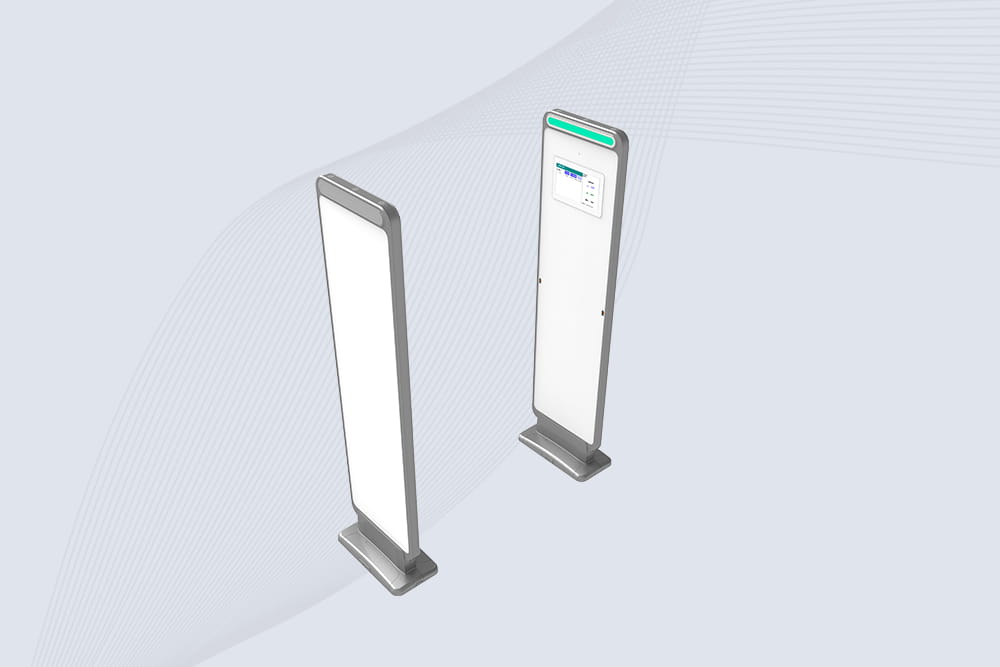
Cykeo CYKEO-T4 industrial RFID gate system features 4-antenna array, 99.9% detection accuracy, dual EAS alarms, and WiFi/4G connectivity for library/warehouse/retail security. ISO 18000-6C compliant.

Cykeo’s CYKEO-T5 UHF RFID gate reader features 600cm detection, infrared tracking, and dual-mode alarms for retail/library security. Supports crowd counting and multi-protocol integration.
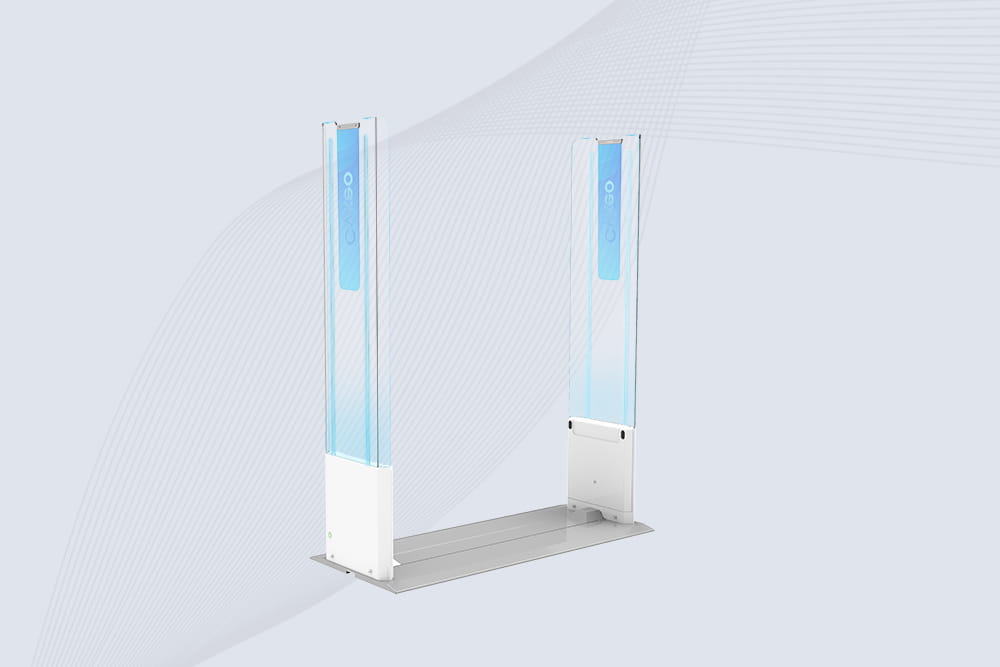
Cykeo CYKEO-T2A industrial Gate Barrier RFID Reader system features 6m detection, 200 tags/sec scanning, IP54 durability. Perfect for retail security, warehouse access control. Supports EPC C1G2, WiFi/4G, ERP integration.
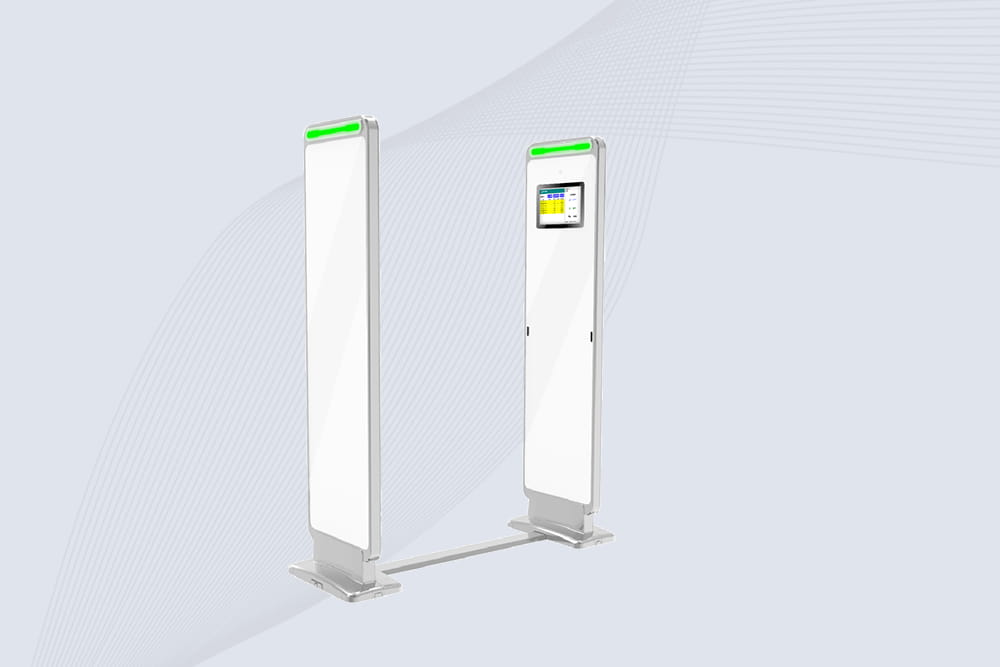
Cykeo’s CYKEO-T4 RFID Gate Reader system offers 200+ tags/sec scanning, EAS alarms, and rugged design for libraries/warehouses. Supports WiFi/4G and Windows/Android OS.

Cykeo HF RFID gate reader offers 90cm detection range, ISO15693/18000-6C compliance, and industrial-grade durability for libraries/retail. Features EAS alarms, infrared traffic analysis, and 3D omni-directional scanning.
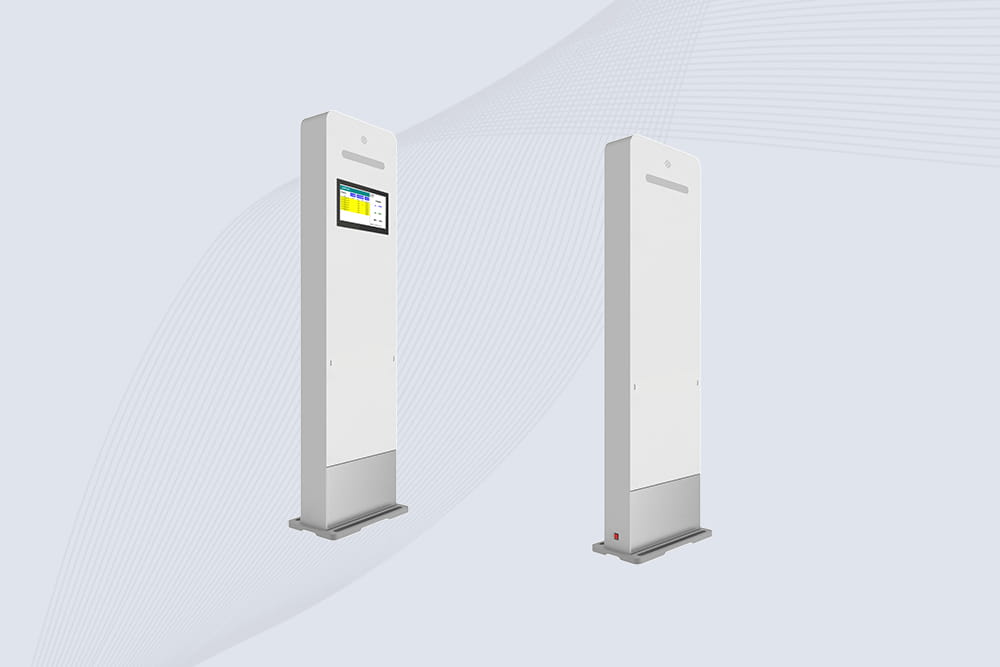
Cykeo CYKEO-T7 UHF RFID Gate Reader system delivers 600cm read range, 99.9% tag accuracy, real-time personnel counting, and SAP integration for logistics/warehouse/manufacturing. Supports dual OS & offline alarms.
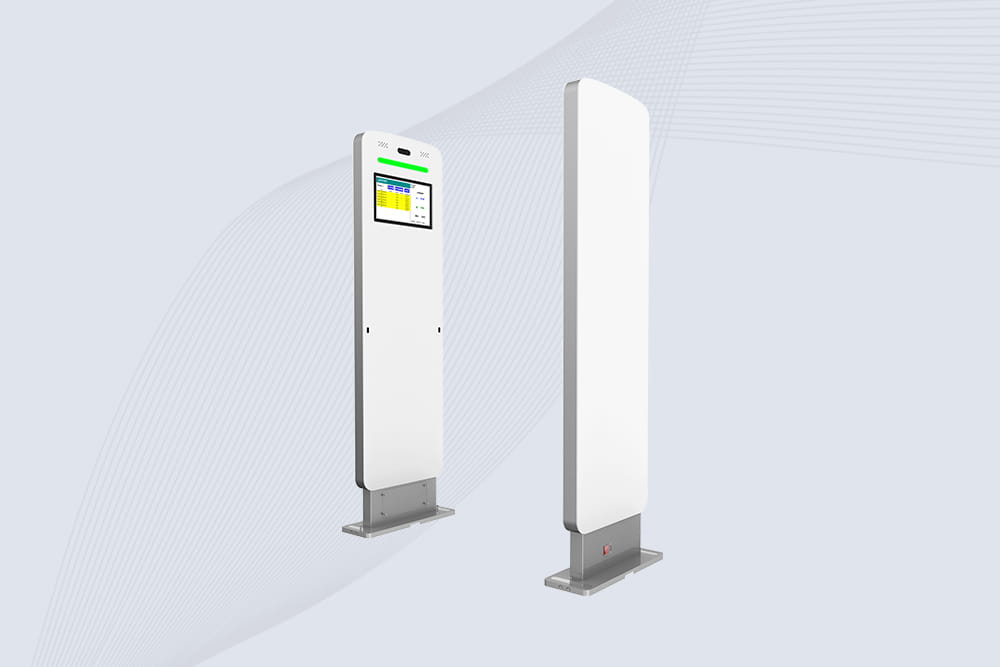
Cykeo CYKEO-T6 gate RFID reader features 1,200+ tags/min scanning, 6m detection range, and industrial-grade durability for libraries/stores/warehouses. Supports ISO 18000-6C and waterproof installations.

Cykeo CYKEO-T9HA industrial HF RFID gate reader offers 100cm range, 100+ tags/sec scanning, ISO 15693/14443A protocols, and IP66 durability for libraries, archives, and retail. Supports offline alarms and SAP integration.
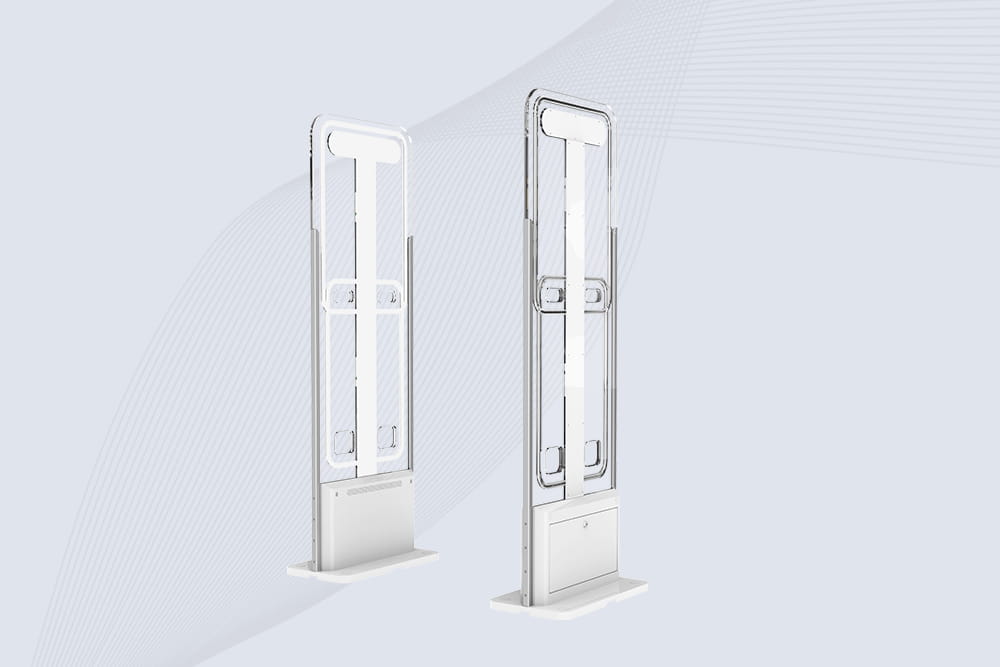
Cykeo CYKEO-T9UH UHF RFID gate reader offers 90cm detection width, EAS/AFI anti-theft alerts, IP54 rugged design, and multi-protocol support for libraries, retail, and logistics.
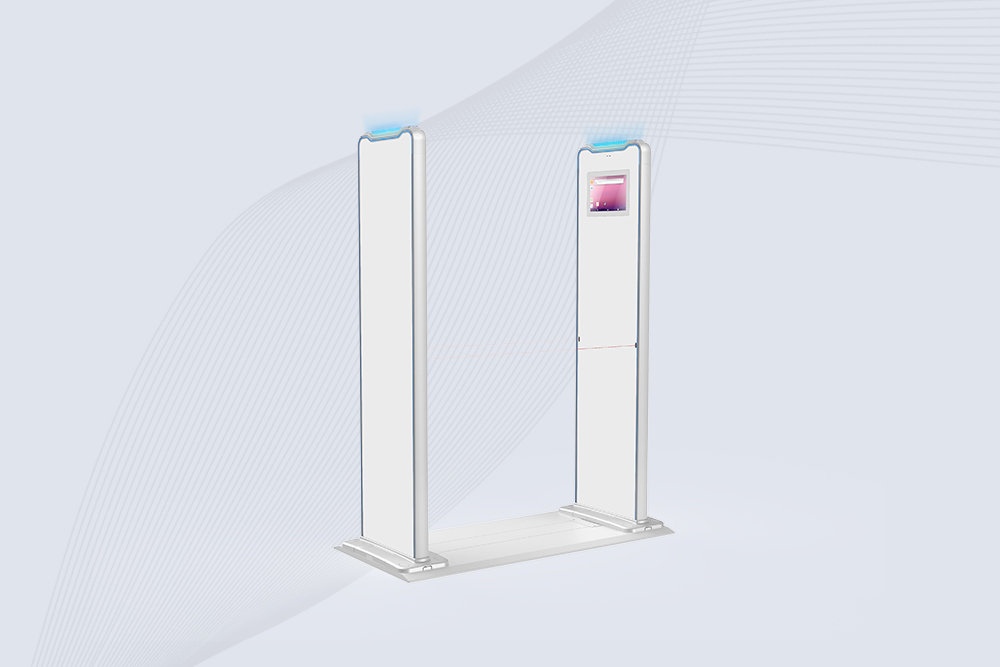
Cykeo’s Fixed RFID Gate Reader features 60 tags/sec scanning, IP54 rugged design, and dual-mode EAS alarm. Ideal for library/warehouse/event access control with real-time crowd analytics.
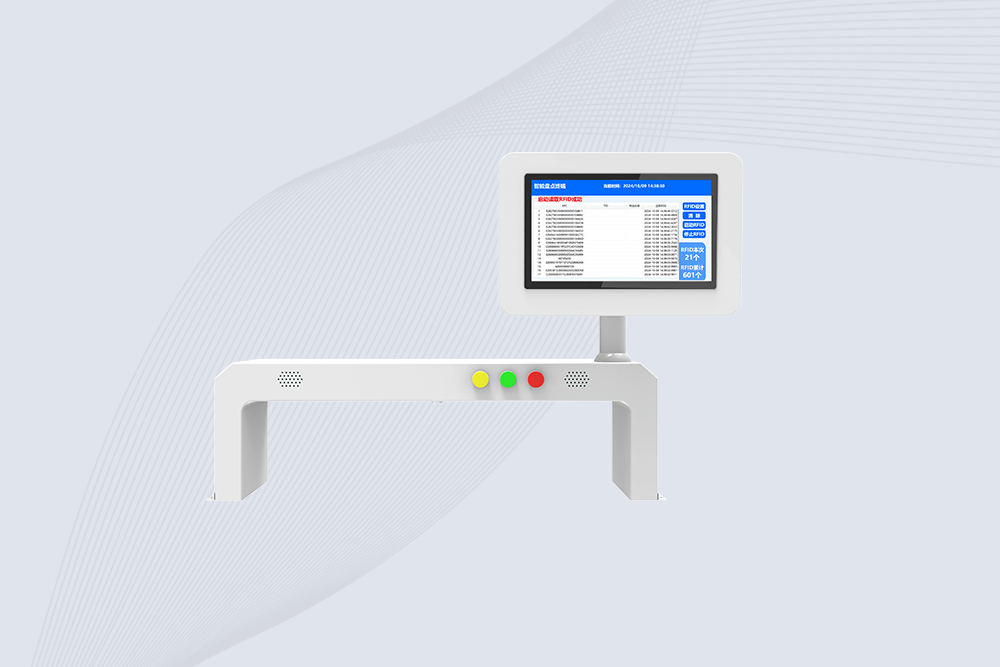
Cykeo CYKEO-T8A rfid gate access control system features IP68 enclosure, 400 tags/sec scanning, and 6-antenna array for warehouse/manufacturing security.
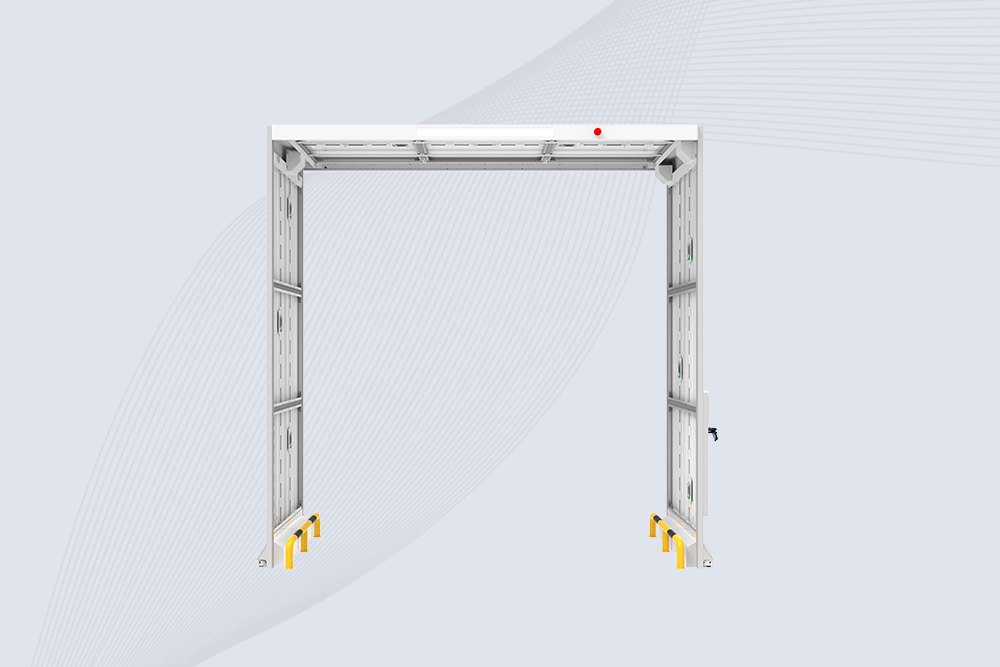
Cykeo CYKEO-T8F RFID gate entry systems deliver 200+ tags/sec scanning, EPC C1G2 compliance, and EAS alarms for warehouse/production gates. Supports Windows/Android OS.
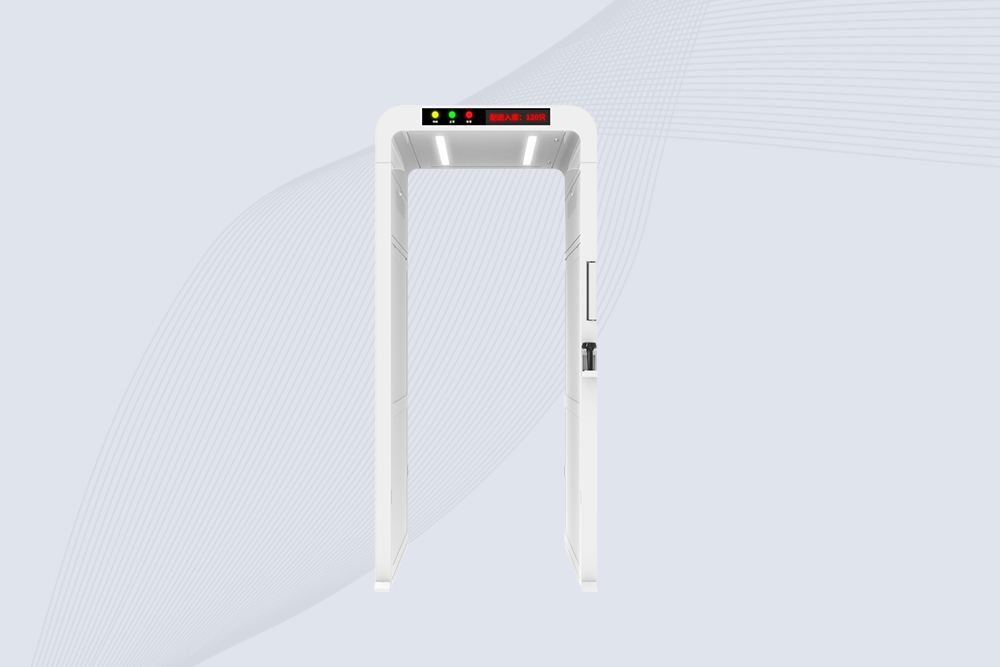
Cykeo CYKEO-T8C RFID gate opener delivers 200+ tags/sec scanning, ISO 18000-6C compliance, and facial recognition for logistics/secure facilities. Supports Windows/Android OS.
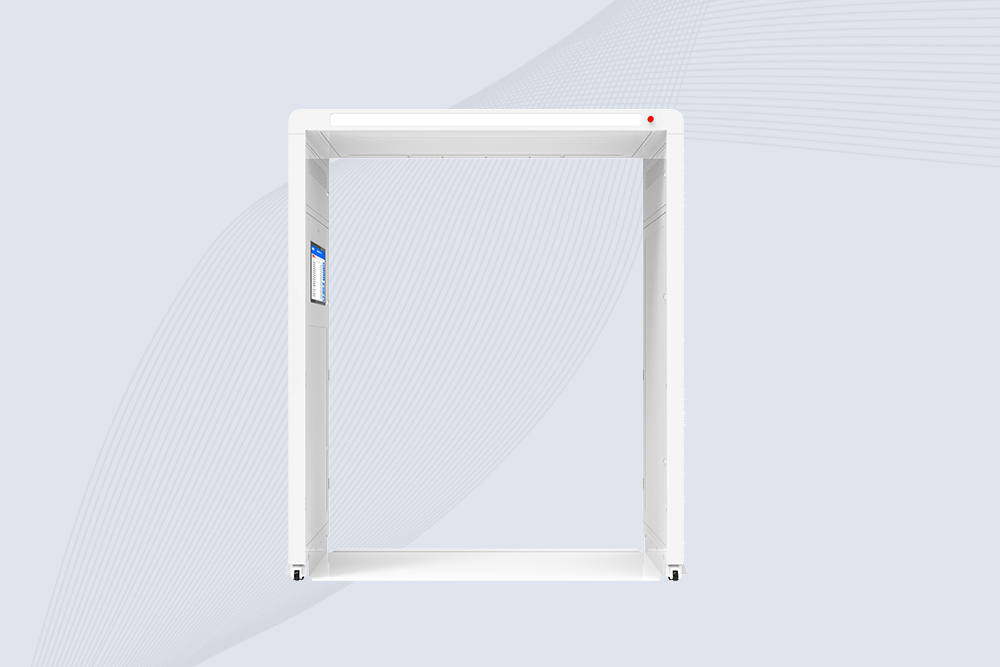
Cykeo CYKEO-T8D RFID gate access control system features 4-antenna 99.98% accuracy, ISO 18000-6C compliance, and real-time theft prevention for libraries/warehouses. Supports Windows/Android OS.
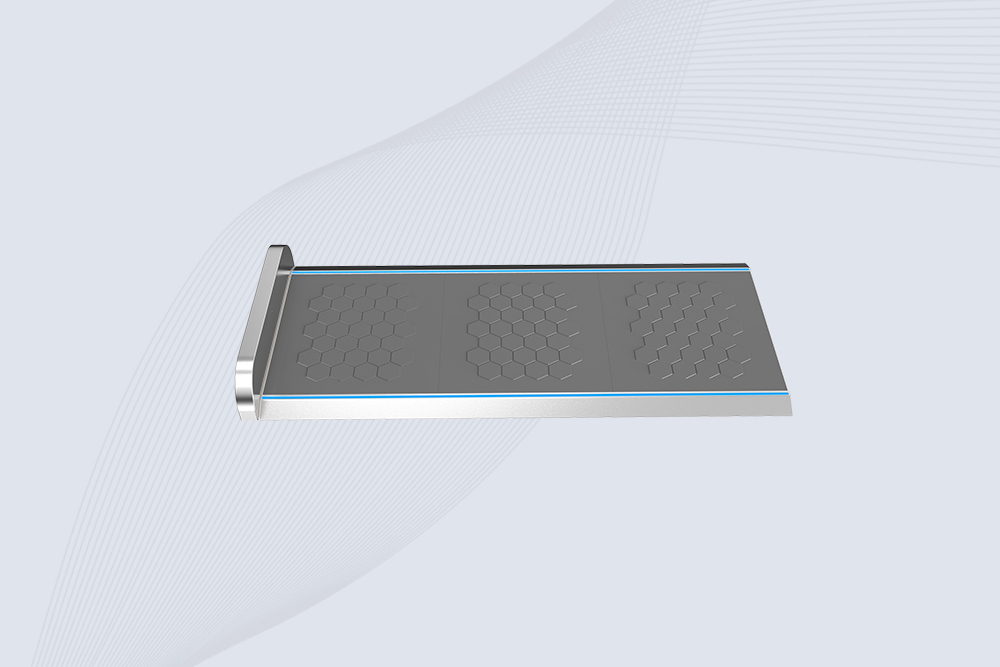
Cykeo CYKEO-T2 industrial RFID gate features 500+ tags/sec scanning, 0-3m vertical detection, and cloud management for warehouse automation and inventory control.

Many ask: can an RFID antenna activate devices? We explain the limitations and possibilities of UHF antenna power transfer for sensors and simple circuits.
More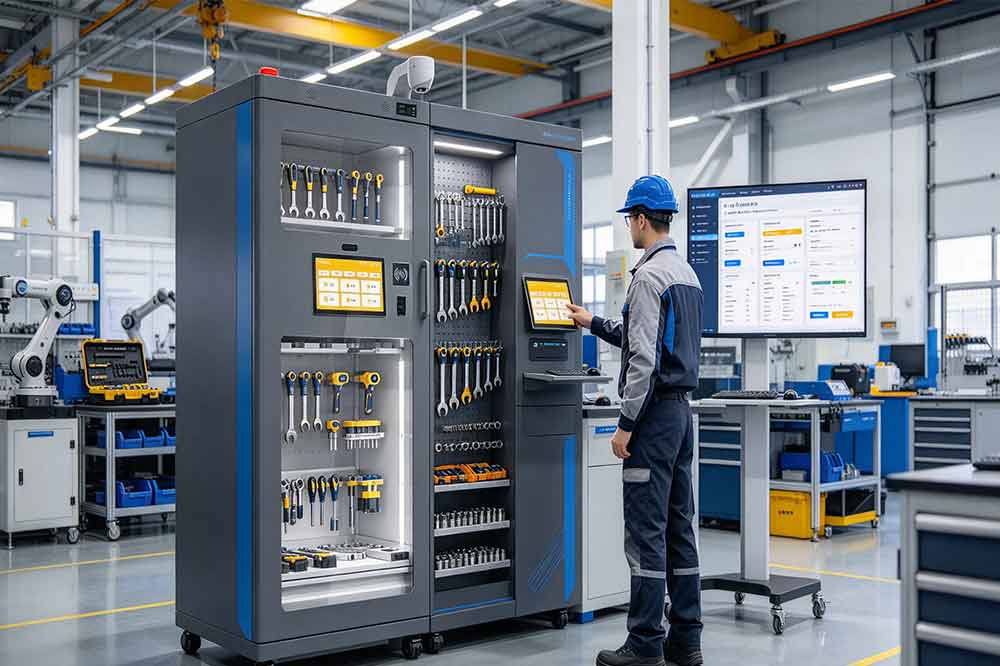
RFID tool cabinet can help industrial companies implement and document tool management procedures through tool identification, user permissions, transaction ...
More
what is rfid tracking system? Learn how RFID readers, tags, software, and data events work together to identify assets, improve inventory visibility, and support real-time operations.
More
This article explores how RFID technology is used in asset management: the benefits, the common challenges, practical lessons learned from real-world projects, and strategies to improve success rates in different environments. Perfect for teams lo...
More