 Cykeo RFID IoT Solution Products R&D Manufacturer
Long Range RFID Scanner Price Guide: What Really Affects the Cost in 2026?
0Wondering how much a long range RFID scanner costs? Learn typical price ranges, key cost factors, and wholesale buying tips from an RFID manufacturer.
MoreAll RFID Product
When people search for an RFID handheld reader writer, they often start with specs — range, speed, frequency.
But in real projects, specs don’t drive decisions. Use cases do.
A device that works perfectly in a warehouse might fail in a hospital or outdoor yard. That’s why understanding where and how these devices are actually used can save a lot of time during evaluation.
If you’re still exploring options, reviewing different RFID handheld reader solutions across industries is usually a good starting point.
This is by far the most common use.
Instead of scanning items one by one, warehouse staff can walk through aisles and instantly capture multiple tags.
Typical benefits:
In high-SKU environments, this alone can justify the investment.
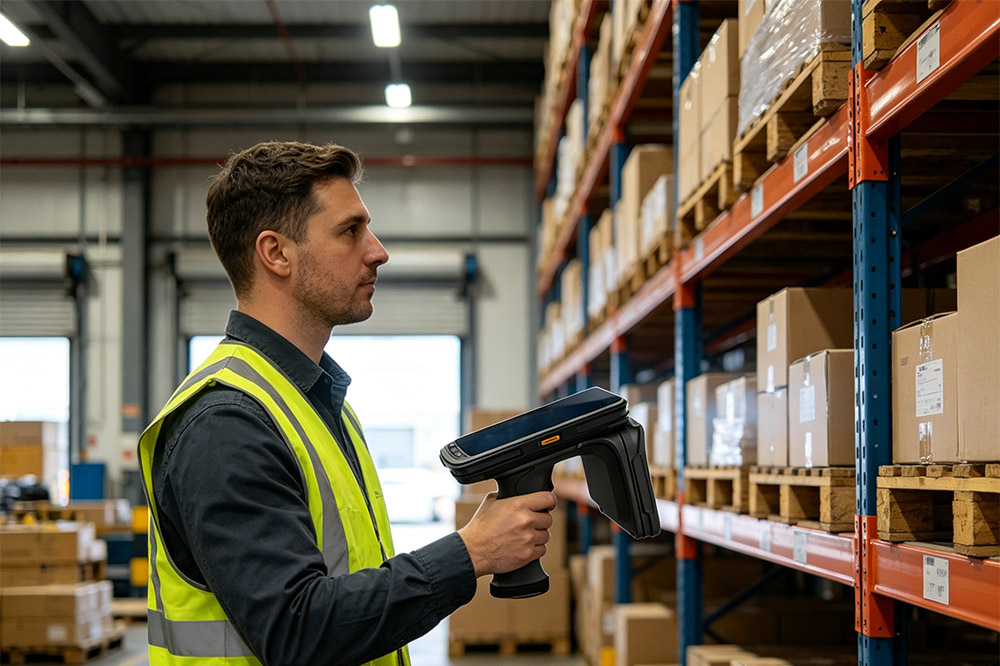
Factories and industrial sites often struggle with tracking:
With RFID, each item is tagged, and a handheld reader can quickly locate or verify assets.
In these environments, durability matters. A rugged RFID handheld reader writer is usually preferred due to exposure to dust, drops, and long working hours.
Retail stores use handheld RFID readers to:
Instead of closing stores for inventory, staff can scan during normal hours.
This is one of the fastest-growing RFID applications.
In logistics operations, handheld readers are used to:
Compared to barcode scanning, RFID significantly speeds up the process — especially when handling bulk items.
Not all assets stay in one place.
Industries like:
Use handheld RFID devices to track equipment across locations.
In these cases, mobility and battery life are critical, and devices must handle outdoor conditions reliably.

Hospitals and medical facilities use RFID to manage:
Handheld readers allow staff to quickly locate equipment, reducing delays and improving utilization.
RFID handheld readers are also used in:
They provide fast and flexible verification without installing fixed systems.
Some industries use RFID for:
Handheld readers allow quick validation in the field or at distribution points.
Across all these industries, one thing is consistent:
Flexibility matters.
Unlike fixed systems, handheld RFID readers allow you to:
That’s why many companies start with handheld devices before moving into more automated systems.
Not every handheld reader fits every scenario.
When selecting a device, consider:
You can compare different UHF RFID handheld reader models based on these factors before making a decision.
Handheld devices are a strong starting point, but some operations eventually require:
In those cases, handheld readers often remain part of the system for flexibility and exception handling.
RFID handheld reader writers are not limited to one industry. Their value comes from how easily they adapt to different real-world scenarios.
The best way to evaluate them is not by specs alone — but by how well they fit your actual workflow.
If your operation involves movement, variability, or manual processes, handheld RFID devices are often the most practical place to start.
Guide Recommendations
What Are the Best Handheld RFID Readers for Small Business Inventory?
How to Choose the Best RFID Handheld Reader for Warehouse Inventory?
Handheld RFID Readers: Working Principle, Product Types, and Selection Guide
What are the best handheld RFID readers for tracking tools on construction sites?
What Is RFID Handheld Reader? Mobile Scanning for Inventory and Assets
What Are the Most Durable Handheld RFID Readers for Construction Sites?
Wondering how much a long range RFID scanner costs? Learn typical price ranges, key cost factors, and wholesale buying tips from an RFID manufacturer.
More
Discover what does an RFID antenna do. Learn how it enables wireless communication, powers passive tags, and is used in access control, logistics, and asset tracking.
More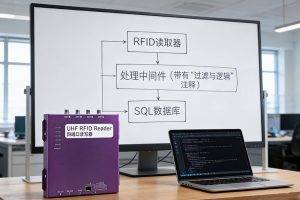
Learn how to connect RFID reader to SQL database. Our guide covers data flow architecture, deduplication strategies, and reliable integration using CYKEO tools.
More
This article provides a comprehensive overview of wireless RFID scanners, including how they work, their key features, common applications, and buying considerations, helping businesses achieve efficient asset tracking and intelligent data collect...
More