 Cykeo RFID IoT Solution Products R&D Manufacturer
How Are RFID Tags Read? Complete Guide to the Reading Process
332Wondering "how are RFID tags read"? Discover the step-by-step physics of RFID reading, from electromagnetic activation to data decoding, with real-world examples from CYKEO.
MoreAll RFID Product
If you’re planning an RFID project, one of the first decisions you’ll face is simple on the surface:
Handheld or fixed reader?
In reality, this decision affects everything — from deployment cost to workflow design and long-term scalability.
Many buyers assume fixed readers are the “advanced” option and handheld devices are just for small projects. That’s not always true.
In fact, a lot of successful RFID deployments start with handheld devices, especially during the testing and rollout phase.
If you’re still evaluating options, it’s helpful to explore different RFID handheld reader solutions to understand how flexible they can be in real operations.
Instead of overcomplicating it, here’s the simplest way to look at it:
That one difference determines how each system fits into your workflow.
Handheld devices are often the better choice when flexibility matters.
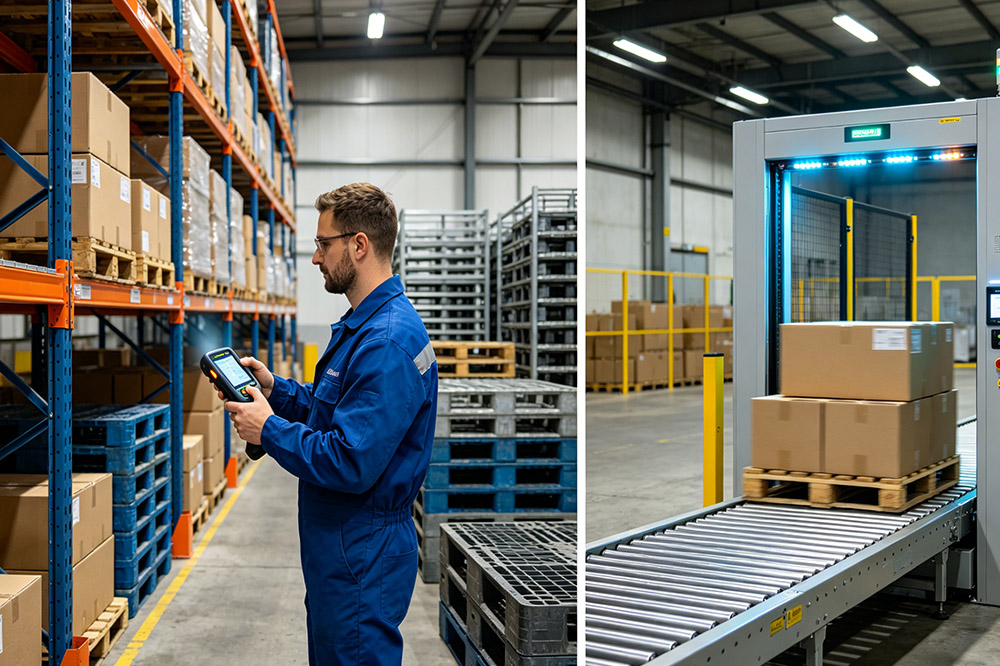
For warehouses, handheld readers are widely used for:
You don’t need to install infrastructure — just walk and scan.
Fixed systems require:
Handheld readers eliminate most of that upfront cost.
This is why many companies start with handhelds before scaling.
If you’re not 100% sure how RFID will perform in your environment, handheld devices are the safest starting point.
You can test:
Without committing to a full system.
Handheld readers are ideal when operations are not fixed in one place:
A rugged RFID handheld reader writer is especially useful in these conditions, where durability and battery life matter.
Fixed readers shine in automation-heavy environments.
If your workflow includes checkpoints like:
A fixed reader can automatically capture tag data without manual scanning.
For large-scale logistics centers handling continuous movement, fixed systems offer:
If your process is predictable and structured, fixed readers work extremely well.
But if your workflow changes often, they can become limiting.
| Feature | Handheld RFID Reader | Fixed RFID Reader |
|---|---|---|
| Deployment | Fast, no installation | Requires setup |
| Cost | Lower upfront | Higher initial investment |
| Flexibility | Very high | Limited to installed locations |
| Automation | Manual scanning | Fully automatic |
| Best For | Inventory, asset tracking | Gate control, conveyor tracking |
In real-world projects, it’s rarely “either/or.”
A common approach looks like this:
This hybrid model reduces risk and improves ROI.
A few patterns show up again and again:
RFID works best when it’s aligned with how your operation actually runs — not just how it looks on paper.
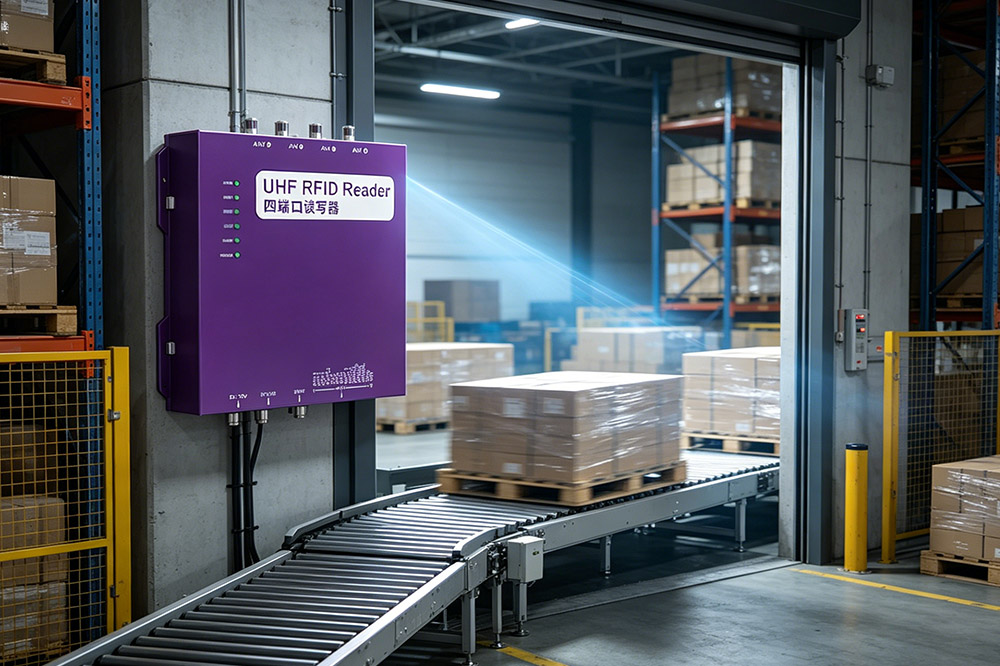
If your priority is:
→ Start with an RFID handheld reader writer.
If your priority is:
→ Consider fixed readers.
If you’re still comparing, it’s worth taking a closer look at available devices.
You can review different handheld RFID reader models based on range, performance, and use cases.
For industrial environments, this rugged handheld RFID scanner is designed for long working hours and demanding conditions.
If you’re planning bulk procurement or a pilot project, getting a sample for testing is usually the fastest way to move forward.
Choosing between a handheld and a fixed RFID reader isn’t about which one is better — it’s about which one fits your workflow.
In many cases, starting simple with handheld devices leads to better long-term decisions.
Once you understand how RFID performs in your environment, scaling becomes much easier — and far more cost-effective.
Guide Recommendations
What Are the Best Handheld RFID Readers for Small Business Inventory?
How to Choose the Best RFID Handheld Reader for Warehouse Inventory?
Handheld RFID Readers: Working Principle, Product Types, and Selection Guide
What are the best handheld RFID readers for tracking tools on construction sites?
What Is RFID Handheld Reader? Mobile Scanning for Inventory and Assets
What Are the Most Durable Handheld RFID Readers for Construction Sites?
Wondering "how are RFID tags read"? Discover the step-by-step physics of RFID reading, from electromagnetic activation to data decoding, with real-world examples from CYKEO.
More
Learn what is rfid inventory management and how RFID technology improves inventory accuracy, warehouse visibility, and automated stock control with Cykeo.
More
Searching “how to bypass RFID reader” often points to security concerns. We detail the risks of cloning & jamming, and how CYKEO’s encrypted systems provide real protection.
More
Discover how handheld RFID readers optimize logistics tracking with mobile scanning, automated sorting, and cargo identification, enhancing supply chain visibility and operational efficiency.
More