 Cykeo RFID IoT Solution Products R&D Manufacturer
Best Alternatives to Impinj RFID Reader: What Really Matters for RFID Projects
80Looking for an alternative to Impinj RFID readers? Compare UHF RFID reader performance, cost, and compatibility to find the best solution for your RFID projects.
MoreAll RFID Product
A RFID tag works by storing identification data in a microchip and communicating with an RFID reader through radio frequency signals. When activated, the tag sends stored information back to the reader, enabling automatic identification, tracking, and digital management of physical objects.
When customers ask how does a rfid tag work, they often expect a simple answer: “the tag sends information to a reader.”
Technically, that is true.
But during real RFID deployments, the process is much more detailed.
I have worked with Cykeo RFID systems in industrial environments where RFID tags were attached to tools, warehouse materials, production components, and managed assets. The biggest lesson from field testing is that an RFID tag is not an independent tracking device.
It does not continuously broadcast its location.
It waits.
When an RFID reader enters its communication range, the tag responds.
This small difference changes how companies design tracking systems.
During one industrial equipment management project, RFID tags were installed on frequently moved tools. Initial testing showed inconsistent reads because some tags were mounted close to metal surfaces.
The issue was not the RFID chip itself.
The problem was the interaction between:
After selecting suitable tags and adjusting reader installation, identification stability improved significantly.
This is why professional RFID engineering focuses on the entire system rather than only choosing a tag with a longer reading distance.
According to GS1, RFID enables automatic identification by using electronic tags and readers to exchange information through radio frequency communication.
An RFID tag contains several important components:
| Component | Function |
|---|---|
| RFID Chip | Stores identification information |
| RFID Antenna | Receives and sends radio signals |
| Substrate | Supports the electronic structure |
| Protective Material | Provides environmental protection |
When an RFID reader sends a radio signal, the RFID tag antenna captures the energy and activates communication.
The RFID chip then processes the signal and sends stored information back to the reader.
The complete process happens in milliseconds.
This communication allows companies to automatically identify objects without manual scanning.
Passive RFID tags are the most widely used RFID type.
They do not contain internal batteries.
Instead, they receive energy from the RFID reader signal.
Advantages include:
Common applications:
UHF passive RFID tags are especially popular in supply chain environments because they can provide longer reading distances and support fast multi-tag identification.
Active RFID tags include internal batteries.
They can actively transmit signals and usually provide longer communication distances.
Common applications include:
However, active tags require battery management and are usually more expensive.
A common misunderstanding is that RFID tags store large amounts of product information.
In most professional applications, RFID tags mainly store identification data.
Examples include:
The detailed information is usually stored in connected software databases.
For example:
A warehouse pallet RFID tag may contain only an identification number.
The enterprise system connects that number with:
This design improves efficiency and reduces unnecessary data exposure.
Choosing an RFID tag requires understanding the working environment.
During actual deployment, engineers consider:
| Factor | Influence |
|---|---|
| Material surface | Metal and liquid may affect signals |
| Temperature | Impacts tag durability |
| Reading distance | Determines tag and reader matching |
| Application frequency | Affects technology selection |
| Installation method | Influences communication stability |
For example:
A paper label RFID tag may work well on cardboard packaging.
The same tag may perform poorly when attached directly to metal equipment.
In industrial environments, specialized on-metal RFID tags are often required.
RFID tags are used wherever companies need automatic identification.
| Industry | RFID Tag Application |
|---|---|
| Logistics | Shipment tracking |
| Manufacturing | Production component management |
| Retail | Inventory visibility |
| Healthcare | Medical equipment tracking |
| Aviation | Tool management |
| Energy | Inspection asset monitoring |
Research from Auburn University RFID Lab has demonstrated RFID applications in supply chain environments, including research focused on improving inventory accuracy and operational visibility through RFID adoption.

Traditional tracking methods depend heavily on human input.
Employees scan products.
Operators record movements.
Managers update systems.
RFID changes this workflow.
When tagged items pass through RFID readers, information can be collected automatically.
Benefits include:
In a warehouse environment, hundreds or thousands of tagged items can be identified without opening every package or scanning every barcode individually.

Understanding how does a rfid tag work requires more than knowing how radio signals move.
The real value appears when RFID tags become part of a complete identification system.
Cykeo RFID solutions are designed for:
A well-designed RFID tag does not simply store information.
It creates a reliable connection between physical assets and digital systems.
It depends on the RFID tag type.
Passive RFID tags do not contain batteries. They receive energy from the RFID reader’s radio frequency signal and use that energy to send identification data back.
Active RFID tags contain internal batteries and can transmit signals over longer distances.
| RFID Type | Power Source | Typical Applications |
|---|---|---|
| Passive RFID | Reader-generated energy | Inventory, retail, logistics |
| Active RFID | Internal battery | Vehicle tracking, large asset monitoring |
| Semi-passive RFID | Battery + reader communication | Specialized industrial applications |
For most supply chain and inventory systems, passive RFID is widely adopted because it provides reliable identification with low maintenance requirements.
No.
An RFID tag is not the same as a GPS tracker.
A standard RFID tag does not continuously transmit its location.
Instead, the tag is detected when it enters the communication range of an RFID reader.
For example:
A pallet equipped with an RFID tag inside a warehouse does not send its location continuously. When it passes through an RFID gate, the reader captures its identity and records the movement.
To achieve location tracking, companies usually deploy:
The tracking capability comes from the RFID infrastructure, not the tag alone.
The storage capacity depends on the RFID chip model.
Most industrial RFID applications do not store large databases directly on tags.
A typical RFID tag may store:
Large amounts of business data are usually stored in enterprise software systems.
This architecture provides advantages:
RFID tags communicate using radio frequency signals instead of optical scanning.
Because of this, RFID readers can identify multiple tags within their reading area.
This makes RFID suitable for high-volume operations.
Examples include:
| Application | RFID Advantage |
|---|---|
| Warehouse receiving | Identify multiple items automatically |
| Retail inventory | Faster stock counting |
| Manufacturing | Track components during production |
| Tool management | Monitor equipment movement |
In large warehouses, this capability reduces the time required for inventory checks and improves operational visibility.
RFID performance depends on the relationship between tags, readers, and the environment.
Important factors include:
Different tags are designed for different surfaces.
Examples:
Reader performance depends on:
Materials such as metal and liquid can influence radio frequency behavior.
Professional RFID deployment usually requires testing before large-scale installation.
Yes, RFID tags can provide secure identification when used with appropriate system protection.
Security methods may include:
Enterprise RFID systems usually separate tag identification information from sensitive business data.
For example:
An RFID tag on an industrial tool may only contain an asset ID, while maintenance records and user permissions remain inside the company’s protected software system.
RFID tags provide a connection between physical objects and digital management platforms.
They help companies improve:
Industries using RFID include:
Cykeo develops RFID solutions designed for practical industrial environments where reliable identification and long-term stability are required.
Understanding how does a rfid tag work means understanding how small electronic devices can create a connection between physical assets and digital information.
An RFID tag itself is simple:
The real power of RFID appears when thousands of tagged objects move through complex environments.
A warehouse receiving area, a manufacturing production line, or an equipment management system all depend on the same principle:
Reliable identification at the moment it matters.
Cykeo focuses on developing RFID products and solutions that support real-world applications, including UHF RFID readers, RFID modules, desktop RFID writers, and industrial tracking systems.
Successful RFID deployment is not only about selecting a tag.
It requires understanding:
When these elements work together, RFID becomes more than an identification technology.
It becomes a practical foundation for automation, visibility, and smarter business operations.
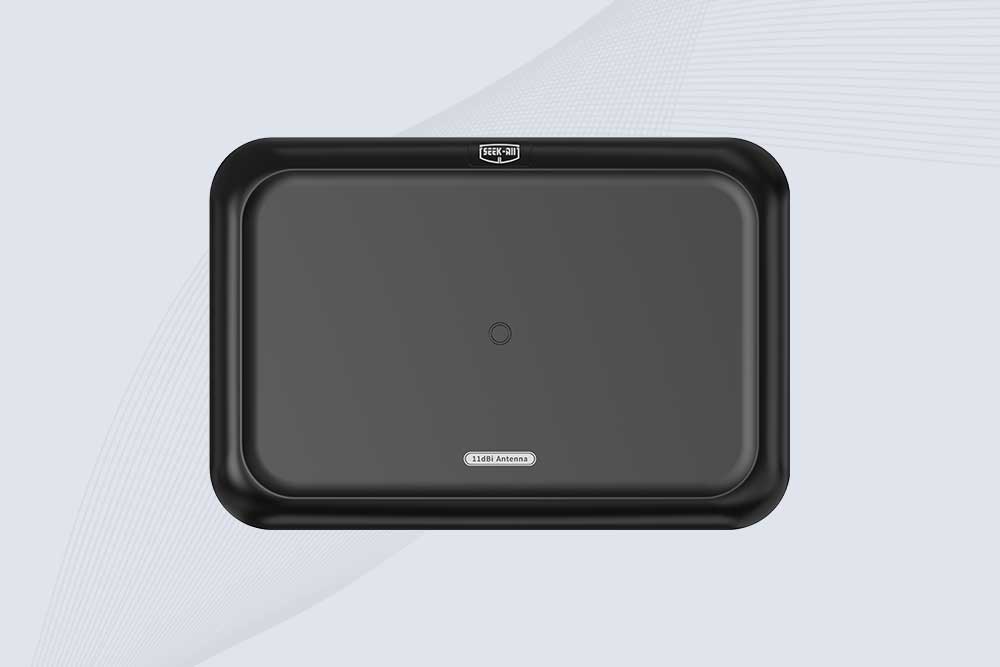
SSD-A11 UHF RFID antenna features 840–960 MHz adjustable frequency, ≥10.5 dBi gain, circular polarization and 50Ω impedance for fixed RFID systems.
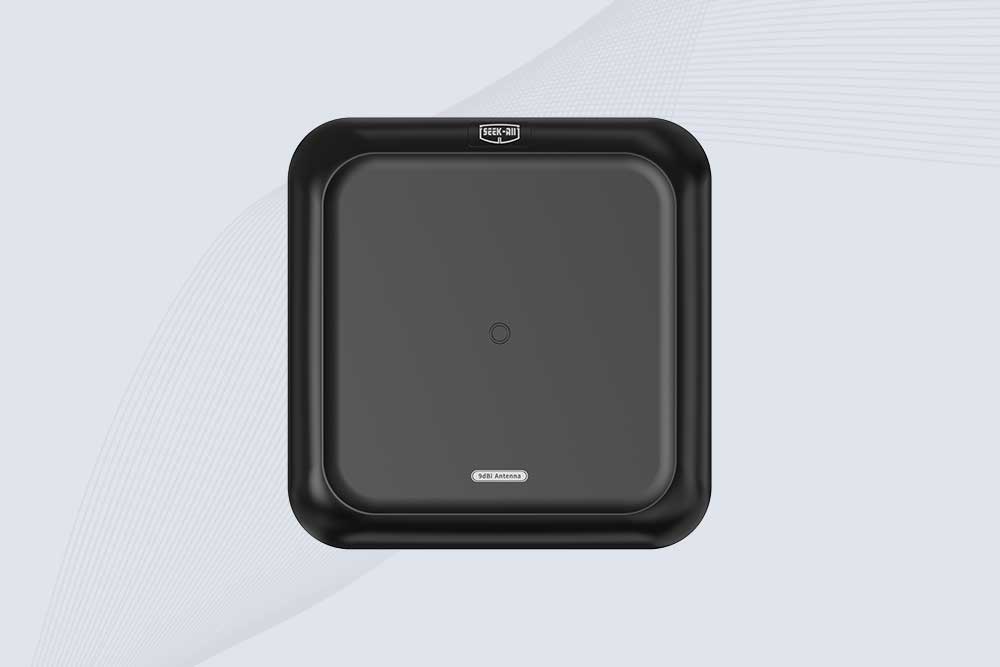
SSD-A09 is a 9 dBi UHF RFID antenna with 840–960 MHz adjustable frequency, circular polarization, 50Ω impedance and directional 60° × 60° coverage.
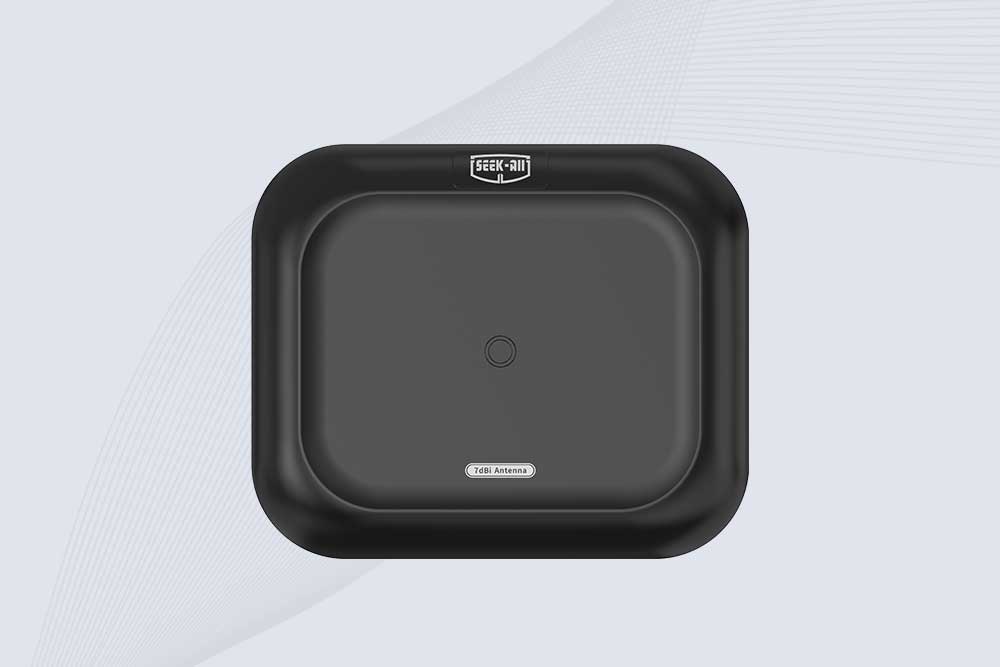
Explore the SSD-A07 UHF RFID antenna with 7 dBi gain, circular polarization, adjustable 840–960 MHz frequency, and 60°/75° beamwidth for stable RFID read/write performance.

SSD-A06 UHF RFID antenna with circular polarization, adjustable 840–960 MHz frequency, ≥4.5 dBi gain, and a compact directional design for RFID systems.
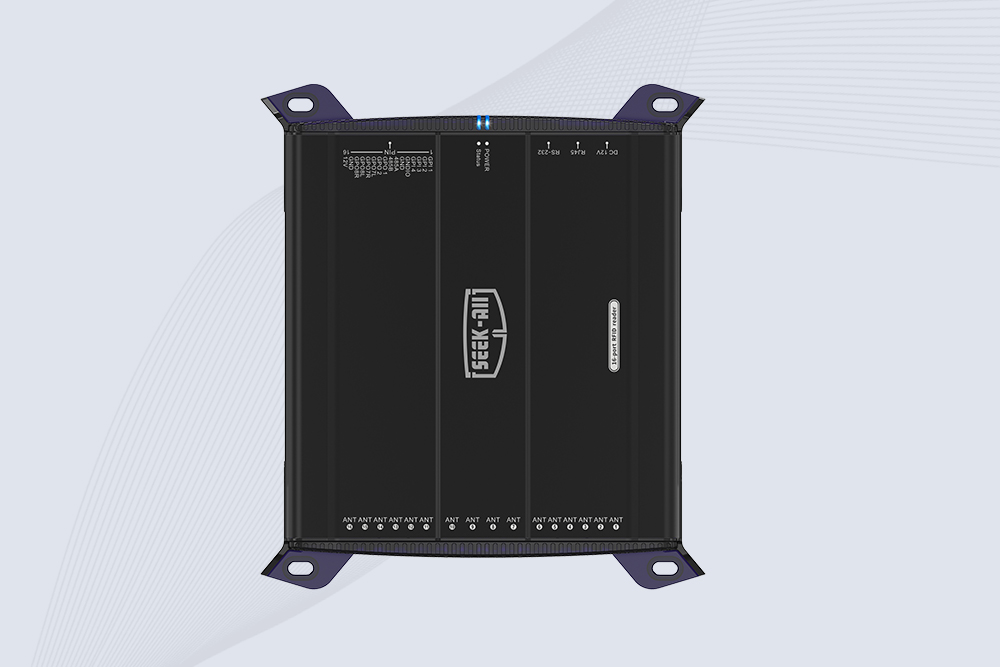
SSD-R16L Multi-Channel RFID Infrastructure for Automated Inventory Management ✔️ 16-Port High-Density RFID Reading Equipped with 16 SMA antenna ports, SSD-R16L supports multi-antenna deployment for warehouses, retail stores, logistics, production lines, and large-area RFID identification. ✔️ High-Speed & Long-Range Performance With up to 33…
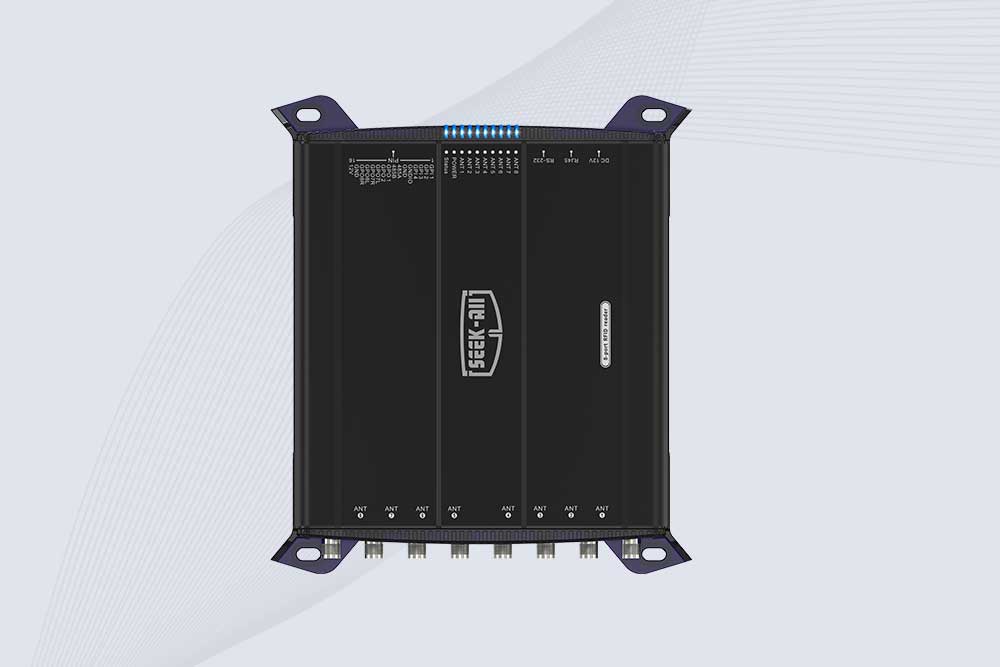
SSD-R8L 8-port UHF RFID reader with 33dBm output, up to 20m reading range and 600+ tags/s recognition. Ideal for warehouse, logistics, retail and asset tracking.
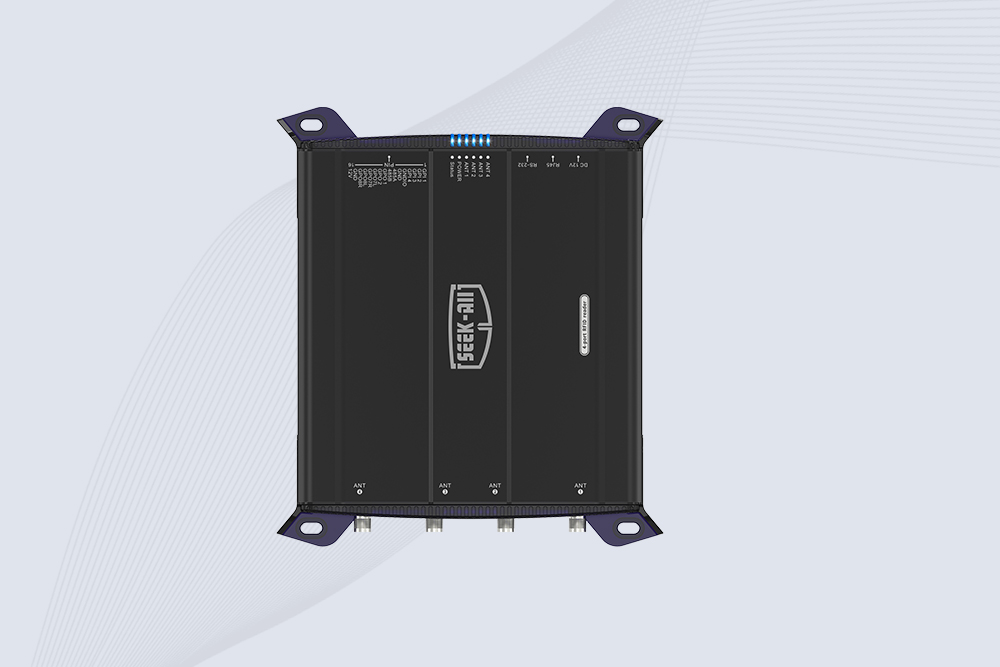
SSD-R4L is a 4-port UHF RFID fixed reader with 33dBm output power, up to 20m reading range, EPC C1G2 support and 600+ tags/s reading speed.
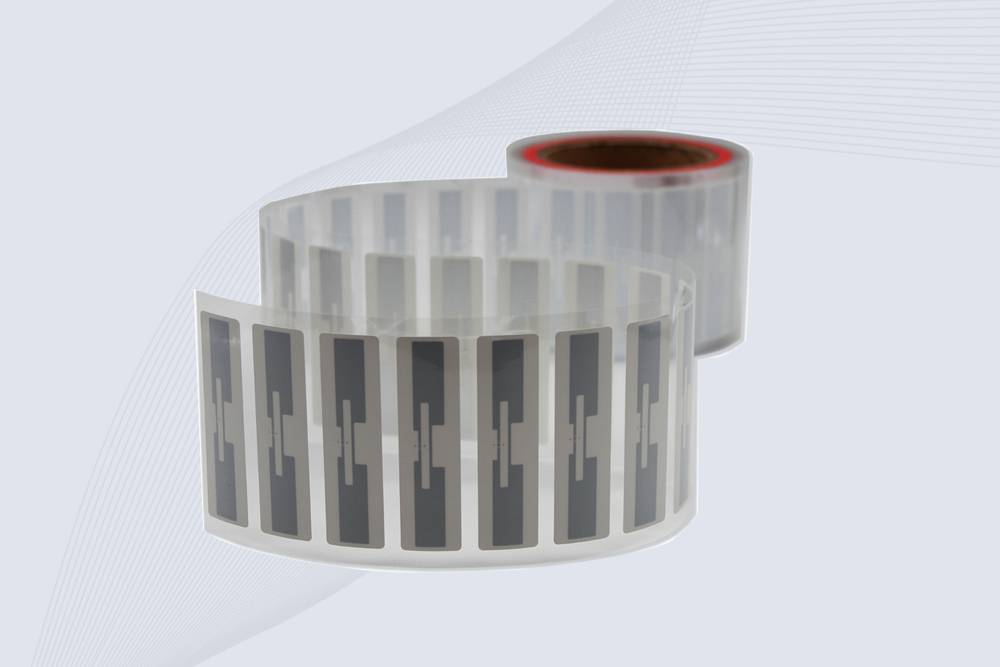
CYKEO Passive RFID Tags are made for wet and high-humidity environments where standard labels do not last. This rfid passive tag is often used around liquids, chemicals and temperature changes, providing stable reading distance and long data life for industrial tracking.
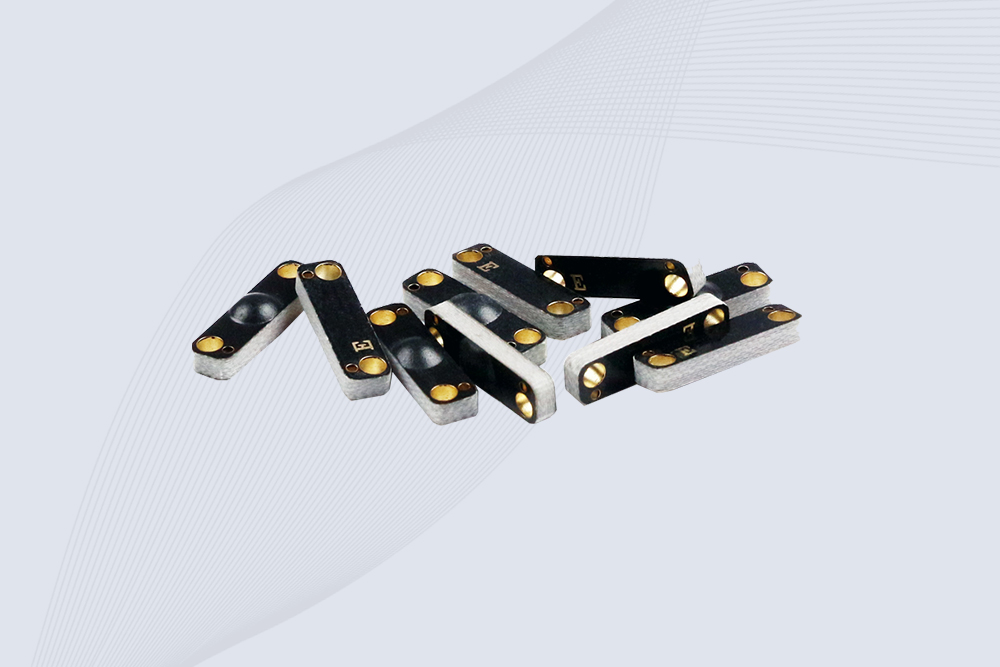
CYKEO CYKEO-PCB1504 Metal RFID Tags is a compact anti-metal UHF RFID solution built for direct mounting on metal surfaces. With stable 8-meter read range, Ucode-8 chip, and long data retention, this rfid metal tag fits tools, containers, automotive parts, and industrial asset tracking.
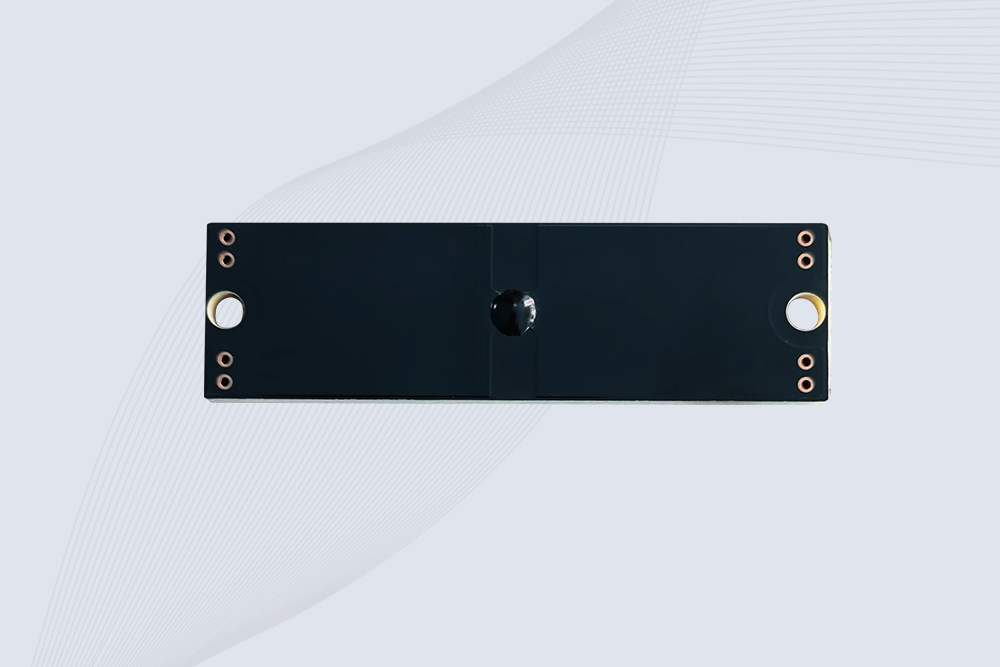
CYKEO CYKEO-PCB7020 On-Metal RFID Tags are designed for reliable tracking on steel and metal surfaces. Built with an FR4 epoxy body and industrial-grade chips, these On-Metal RFID Tags deliver stable performance, long data life, and chemical resistance, making them a dependable RFID anti-metal tag for harsh environments.
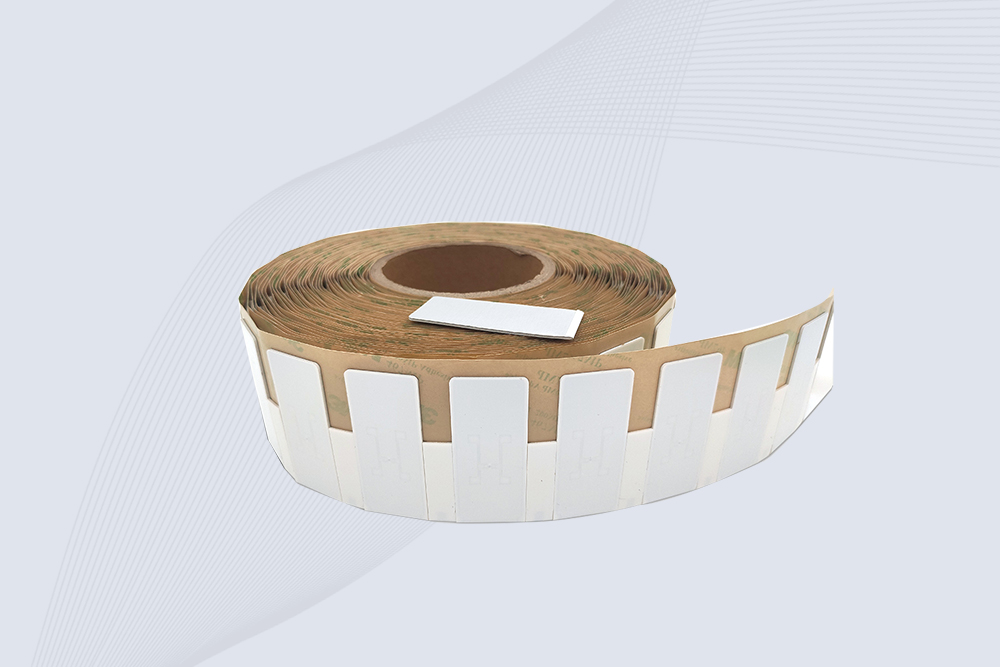
The CYKEO CYKEO-60-25 Anti-Metal RFID Tag is built for metal surfaces where standard tags fail. Designed for long-range performance, harsh environments, and stable data retention, this Anti-Metal RFID Tag is ideal for industrial assets, containers, and equipment tracking using on metal RFID tags.
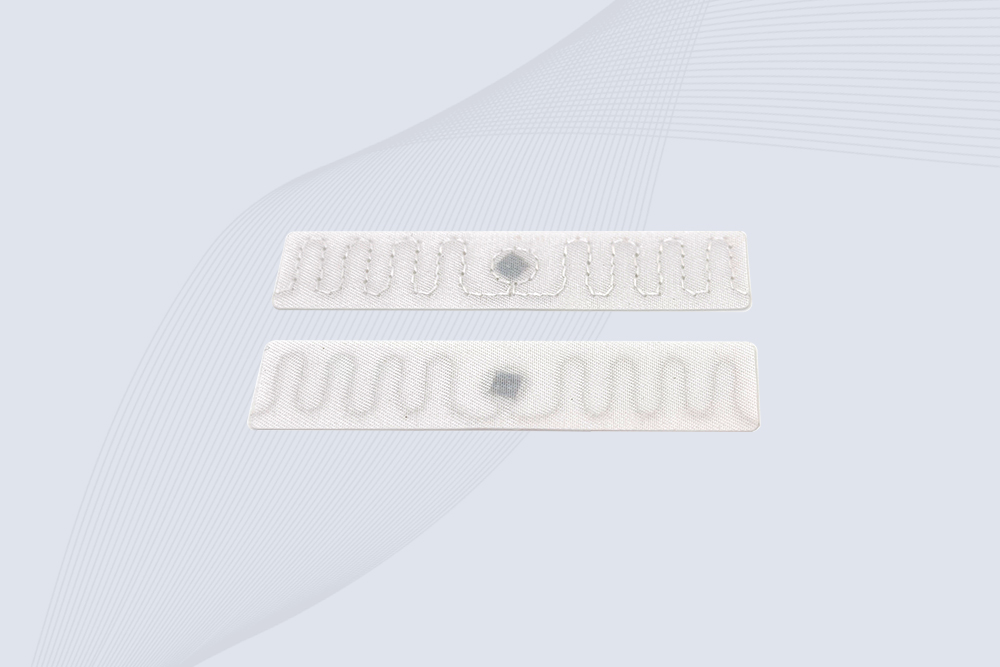
The CYKEO RFID Laundry Tag is designed for long-term textile identification in harsh laundry environments. Built to withstand high heat, chemicals, and repeated washing, this RFID Laundry Tag delivers stable performance for hotels, hospitals, and industrial laundry operations using laundry rfid tags at scale.
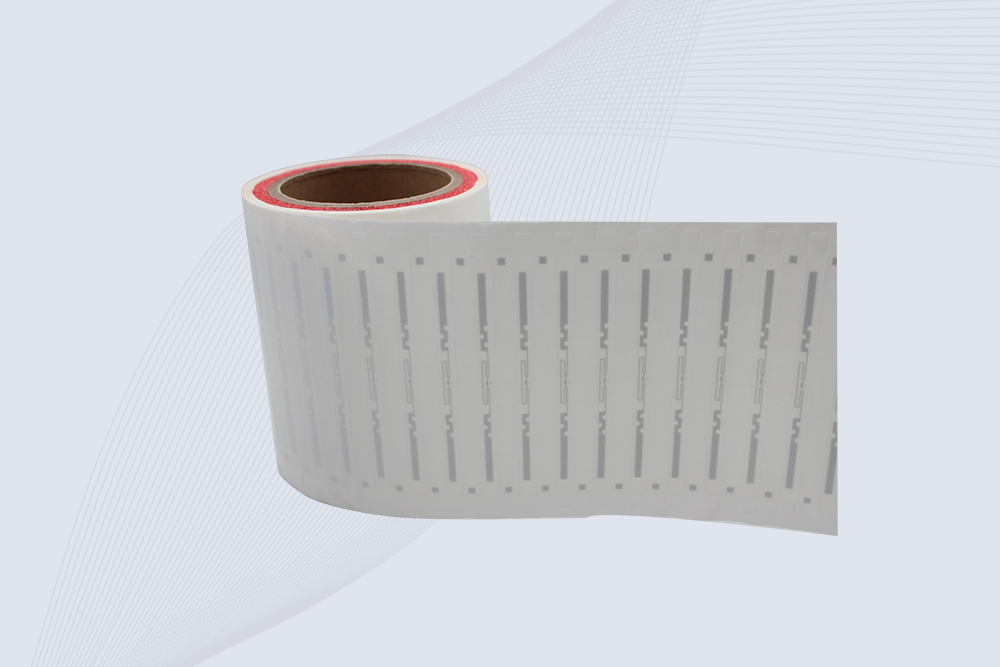
The CYKEO CYKEO-125-7 RFID Book Tag is designed for reliable book and document tracking in libraries and archives. This RFID Book Tag delivers long read range, dense placement support, and stable performance on shelves, making it a practical rfid tag on books for library automation, file management, and archival systems.
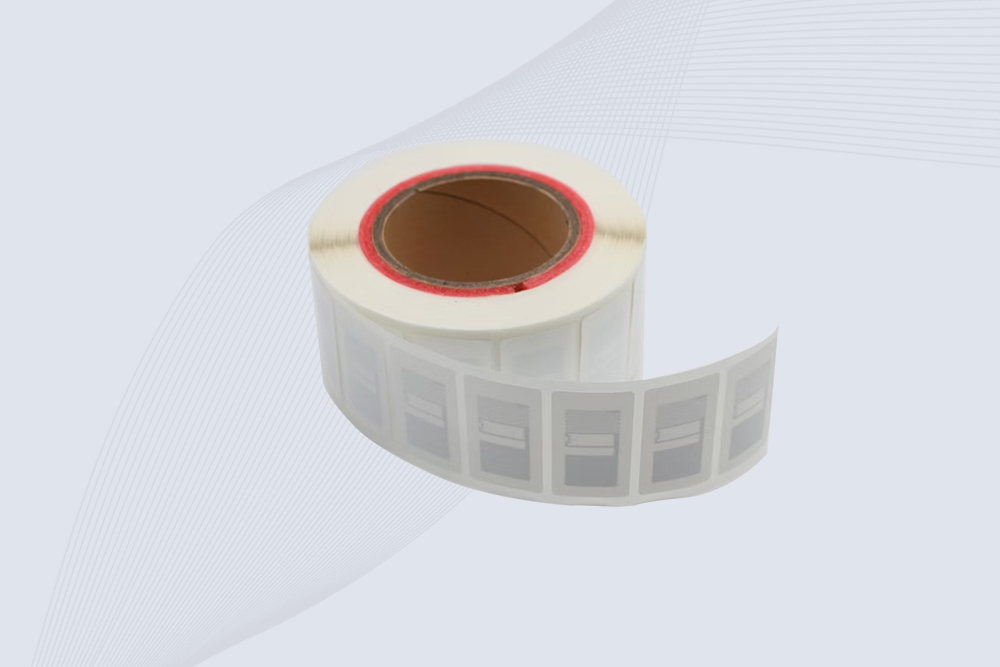
CYKEO RFID tags in hospitals are designed for sterile environments where accuracy matters. These autoclavable RFID tags support long-term tracking of surgical tools, implants, and medications, helping hospitals improve visibility, compliance, and patient safety.

CYKEO RFID Cable Tie Tag is built for reliable identification on metal surfaces. This UHF RFID Cable Tie Tag is widely used in rfid tags for inventory systems, industrial asset management and Hospital RFID Tags, offering stable read performance, long service life and global EPC Gen2 compatibility.
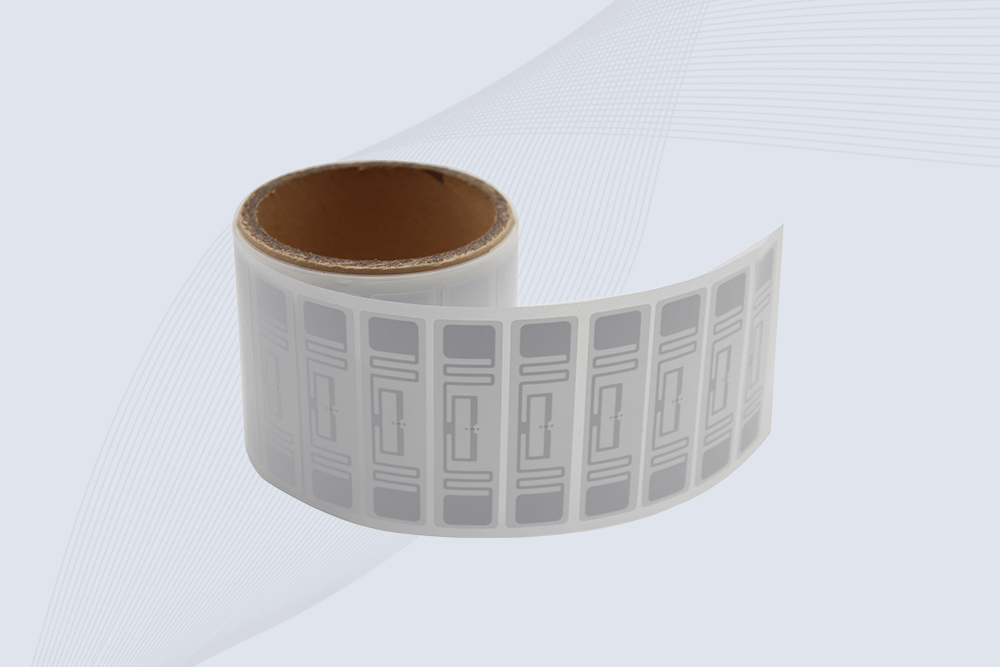
CYKEO RFID Asset Tag is designed for stable identification of metal assets in industrial environments. This UHF RFID Asset Tag is commonly used for rfid tag asset tracking on equipment, tools and containers, providing reliable reads, long service life and ISO/IEC 18000-6C support.

CYKEO UHF RFID Card is designed for fast identification and long-term use in industrial and commercial systems. Supporting ISO 18000-6C, this UHF RFID Card works at 860–960 MHz and is suitable for custom RFID cards used in asset tracking, access control and inventory management.
CYKEO HF RFID Cards are designed for secure and stable access control systems. These 13.56 MHz RFID key cards support ISO 14443-A, reliable rewriting and long service life, making HF RFID Cards suitable for offices, campuses, events and membership management.
CYKEO UHF RFID Tag is designed for reliable tracking of metal jewelry and high-value items. This Jewelry RFID Tag supports long-range reading up to 8 meters, anti-counterfeit protection and stable performance on metal, making it suitable for retail, inventory control and asset management.
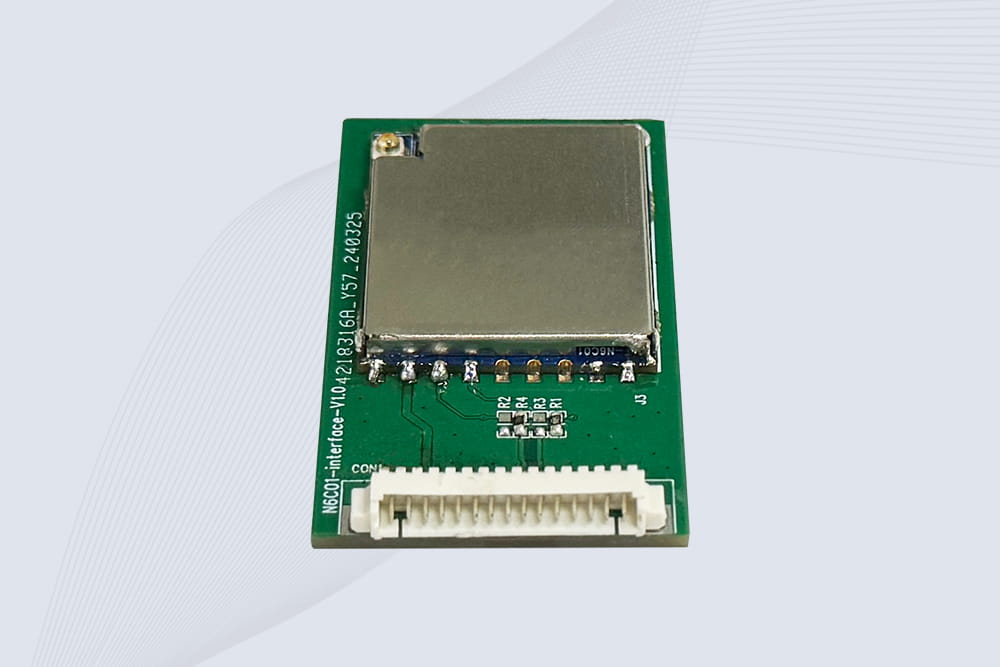
CYKEO Embedded RFID Modules are designed for compact industrial and IoT devices that require stable UHF performance. These UHF RFID Modules support global protocols, flexible power control, and reliable multi-tag reading for smart cabinets, production lines, and asset tracking systems.
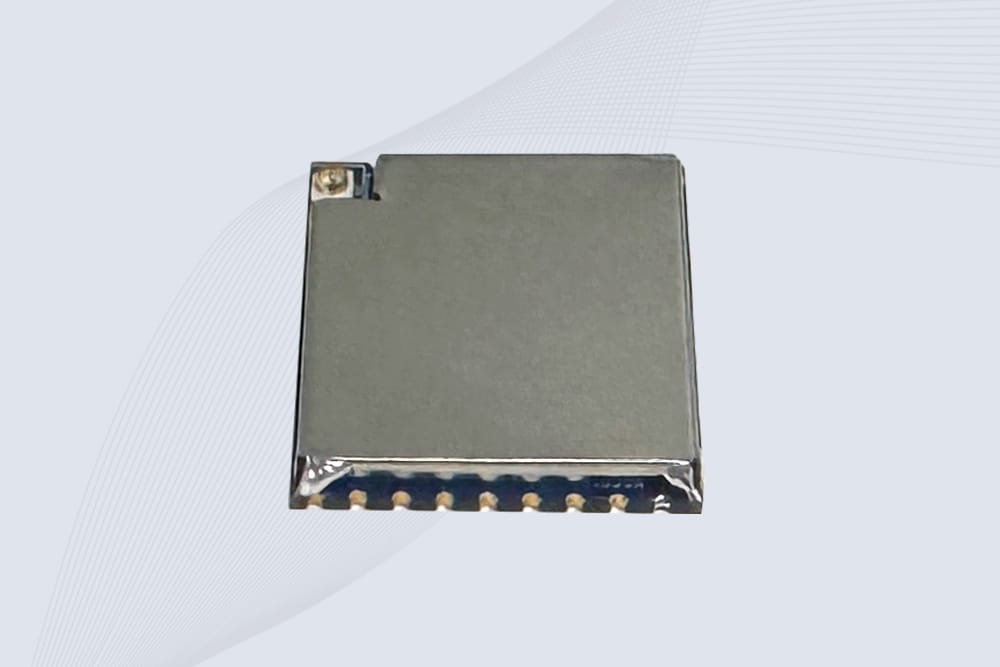
CYKEO Embedded RFID Module is built for compact IoT and industrial devices that need stable UHF performance. This UHF module supports global protocols, low power operation, and reliable multi-tag reading for smart lockers, production lines, and always-on RFID systems.
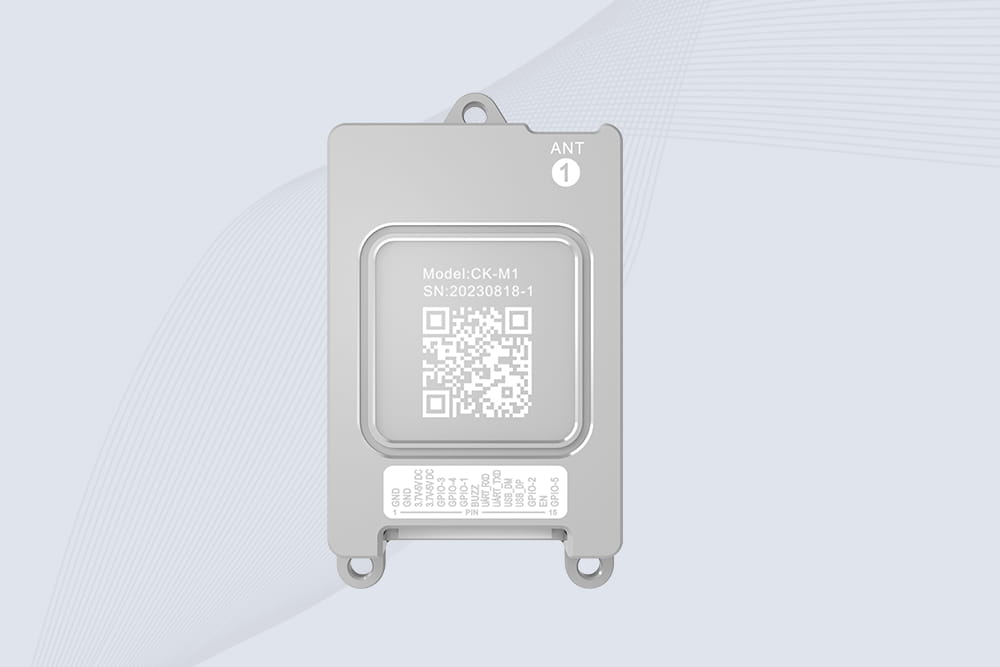
CYKEO CYKEO-M1 drone rfid module is a compact UHF RFID reader module designed for drones and UAV platforms. It supports long-range aerial scanning, fast multi-tag reading, and stable performance in wind, vibration, and outdoor environments.
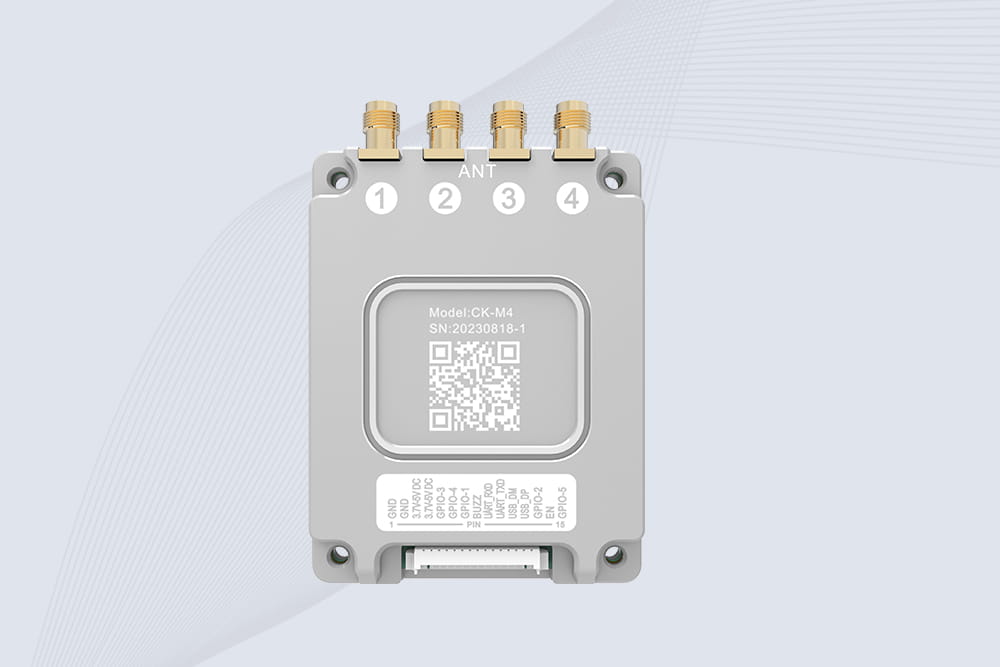
CYKEO CYKEO-M4 RC522 RFID Module is an industrial-grade UHF RFID reader with 4 ports, supporting ISO, EPC, and GB protocols. High-speed, accurate reading for IoT, automation, and warehouse applications.
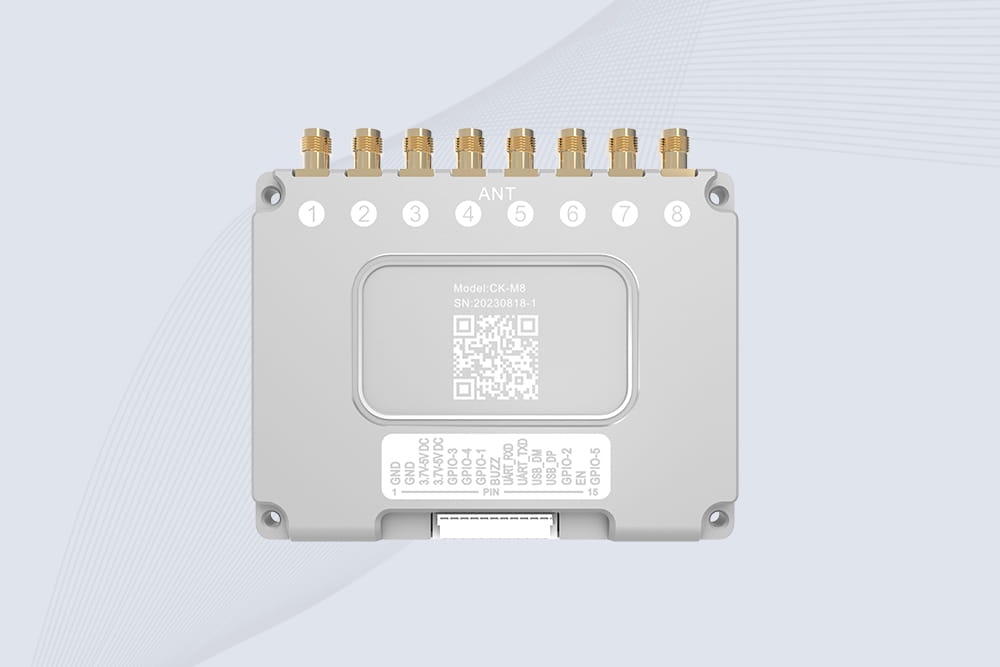
CYKEO CYKEO-M8 Module RFID is an 8-port UHF R2000 RFID Module designed for high-density, multi-tag environments. Stable 33dBm output, ISO & GB protocol support, ideal for warehouses, factories, and automated systems.
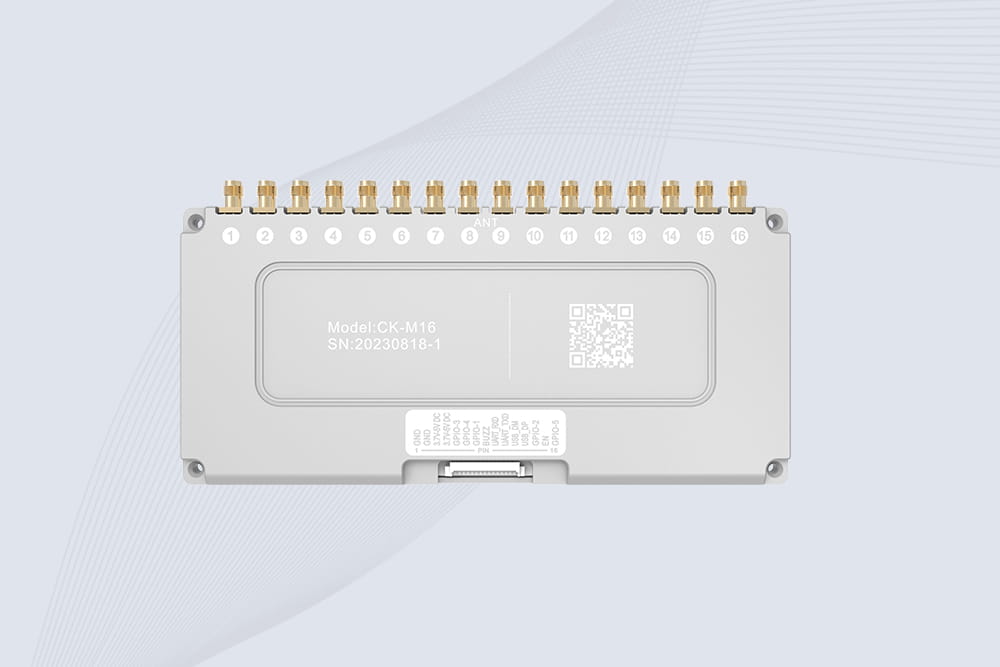
CYKEO CYKEO-M16 RFID Module is a 16-port UHF RFID reader module based on the R2000 chipset. Designed for dense tag environments, it supports ISO and GB standards and delivers stable multi-antenna control for industrial automation.
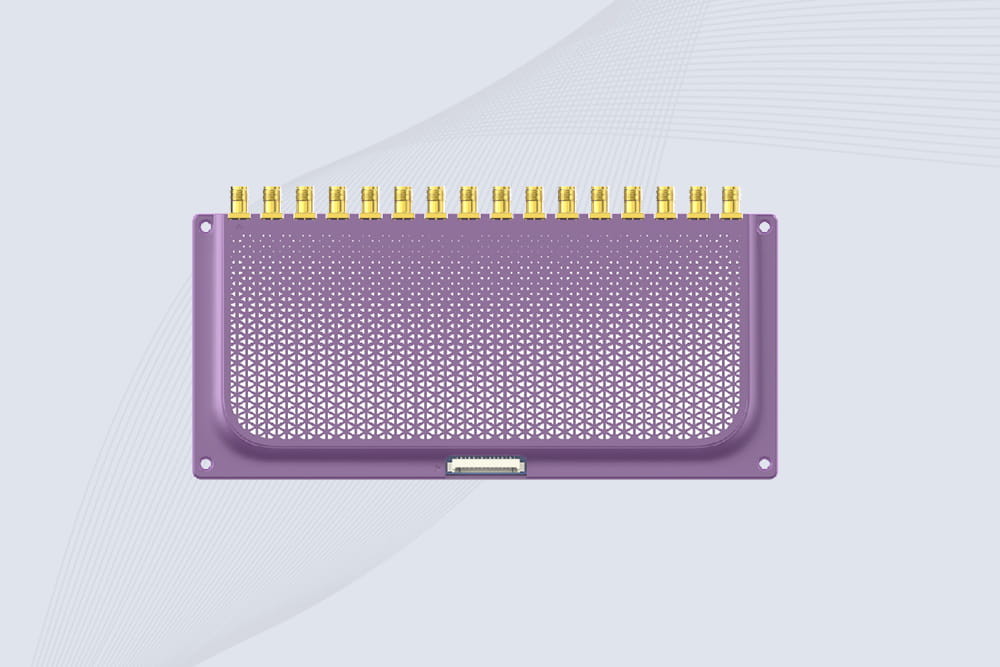
The CYKEO CYKEO-M16L RFID Reader Module is a 16-channel UHF RFID core designed for dense tag environments. With adjustable 33dBm output, multi-protocol support, and stable multi-antenna control, this RFID Tag Reader Module fits industrial automation, warehouse systems, and large-scale IoT deployments.
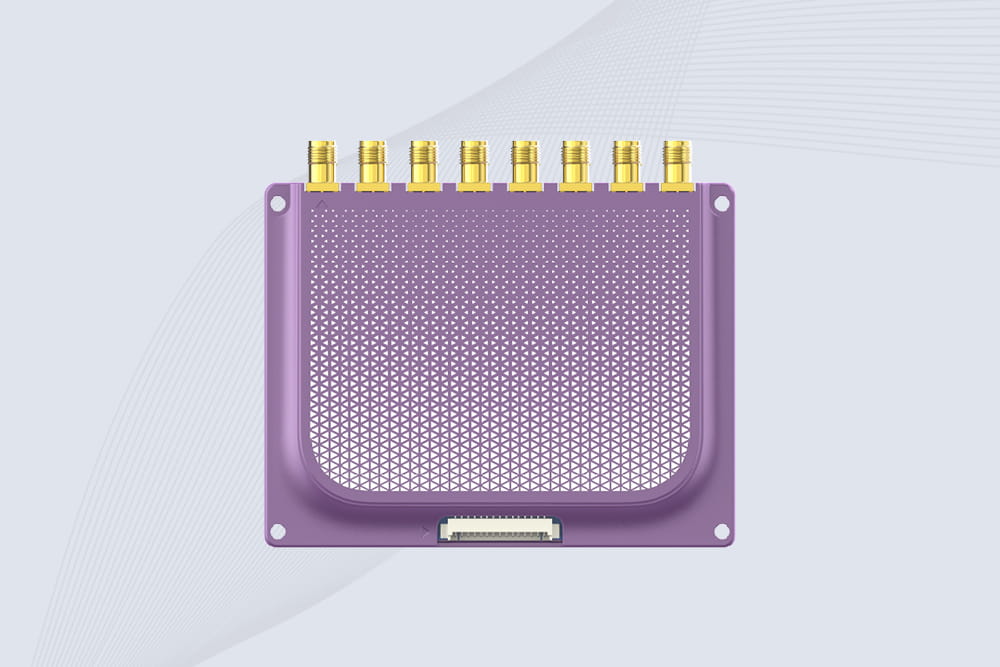
CYKEO CYKEO-M8L module RFID is a compact industrial UHF module built for dense tag and multi-antenna environments. With 8 RF ports, adjustable 33 dBm output, and ISO & GB protocol support, it is widely used in factories, warehouses, and automated tracking systems.
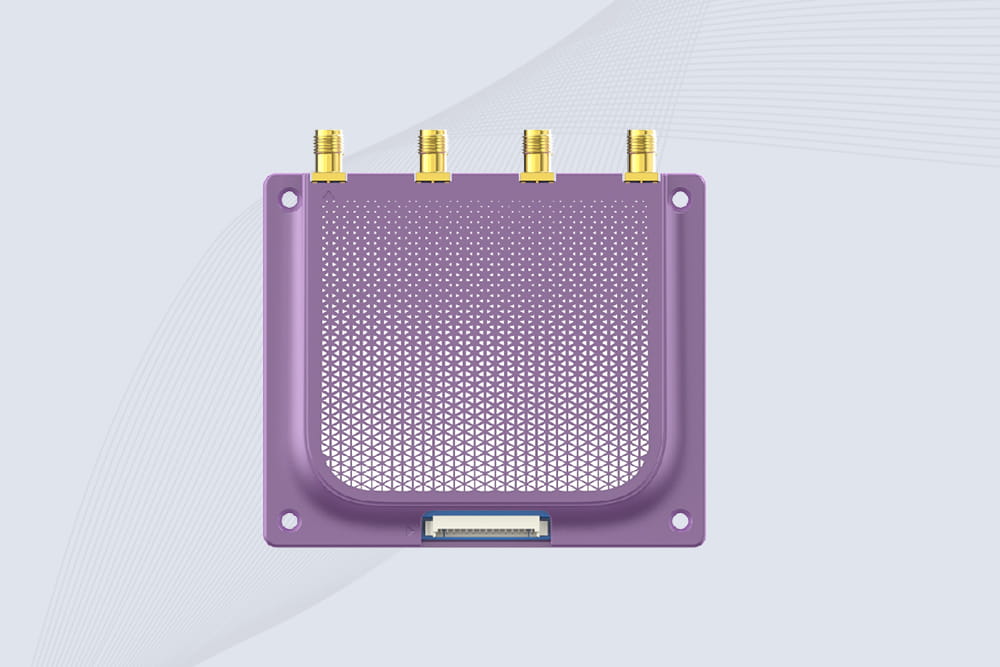
CYKEOCYKEO-M4L UHF RFID Module is a compact 4-channel RFID tag reader module designed for dense tag environments. Supporting ISO and GB protocols, it delivers stable reads up to 10 meters for industrial and IoT systems.
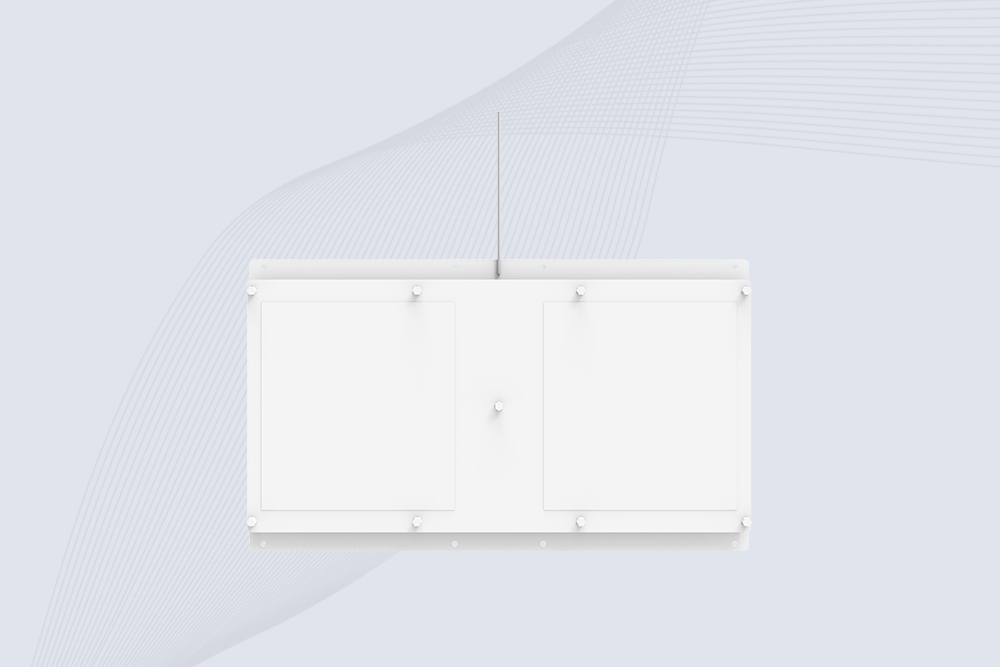
Cykeo CYKEO-A11 UHF RFID reader antenna delivers 11dBi gain, 840-960MHz frequency range, and IP65 ruggedness for retail, logistics, and industrial RFID systems. Features low VSWR and easy installation.

CYKEO Antenna RFID Reader delivers stable long-range UHF performance with a 10.5dBi directional design, built for warehouses, conveyor portals, and industrial RFID systems. This rfid reader antenna provides 20m+ read distance and rugged IP67 protection.

Cykeo CYKEO-PHF3 industrial HF RFID Antenna offers 24-point dynamic tracking, ISO 14443A/15693 protocols, metal-environment stability for archives/libraries/manufacturing.

Cykeo CYKEO-A5B industrial Linear RFID Antenna delivers 5dBi gain, ≤1.5:1 VSWR, and IP65 rugged design for warehouse, production line, and logistics UHF systems.

Cykeo’s CYKEO-B12 Long Range RFID Antenna delivers 15m+ read range with 12dBi gain, IP65 rugged design, and global 840-960MHz UHF support. Ideal for warehouse/logistics asset tracking.
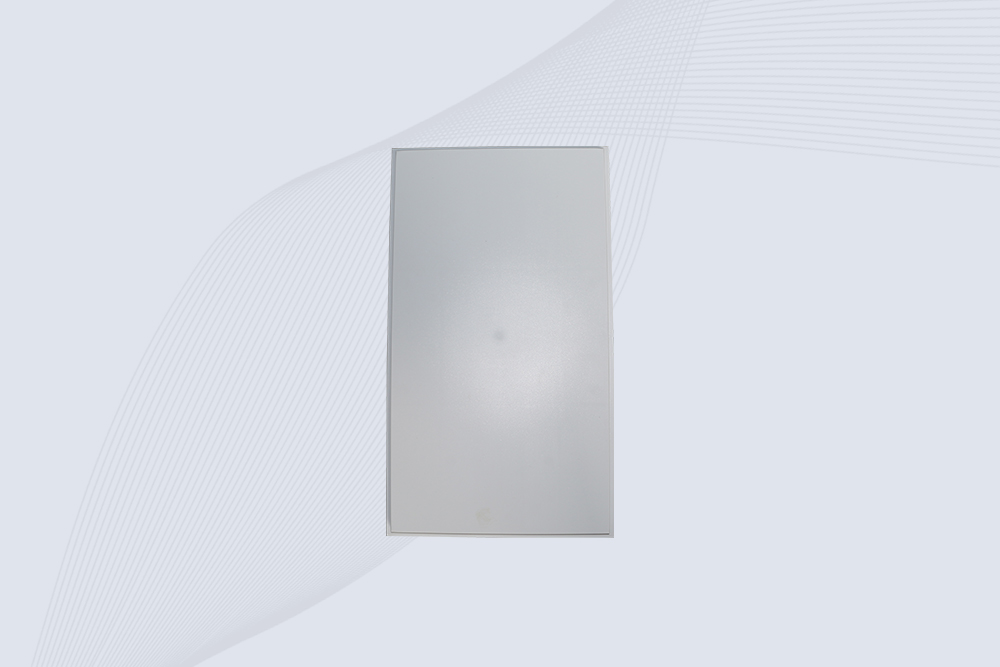
Cykeo CYKEO-B10 Long Distance RFID Antenna offers 10dBi gain, 840-960MHz frequency range, IP65 rating, and 20m+ coverage for logistics/warehousing/ETC systems. Low VSWR ensures stable signal transmission.
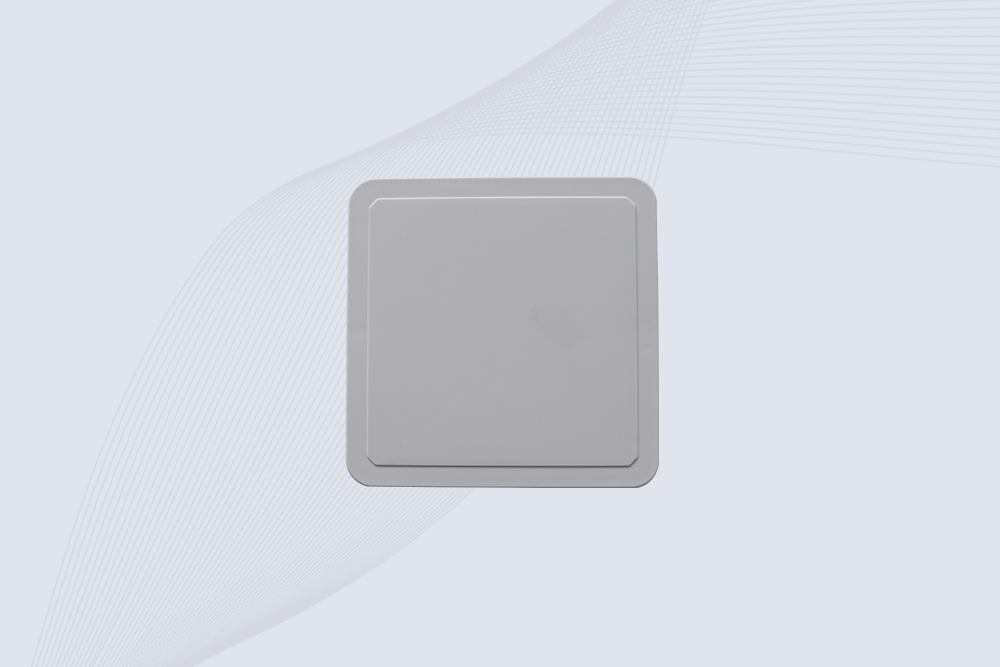
Cykeo CYKEO-A6 UHF RFID panel antenna features 6dBi gain, 840-960MHz broadband, IP65 metal-ready housing for logistics/smart retail. 18mm ultra-thin design with tool-free mounting.

Cykeo CK-A3 industrial antenna RFID UHF offers 5m+ tag detection, ≤1.3:1 VSWR, IP65 rugged design, and global UHF spectrum compatibility (840-960MHz) for warehouses, factories, and retail.
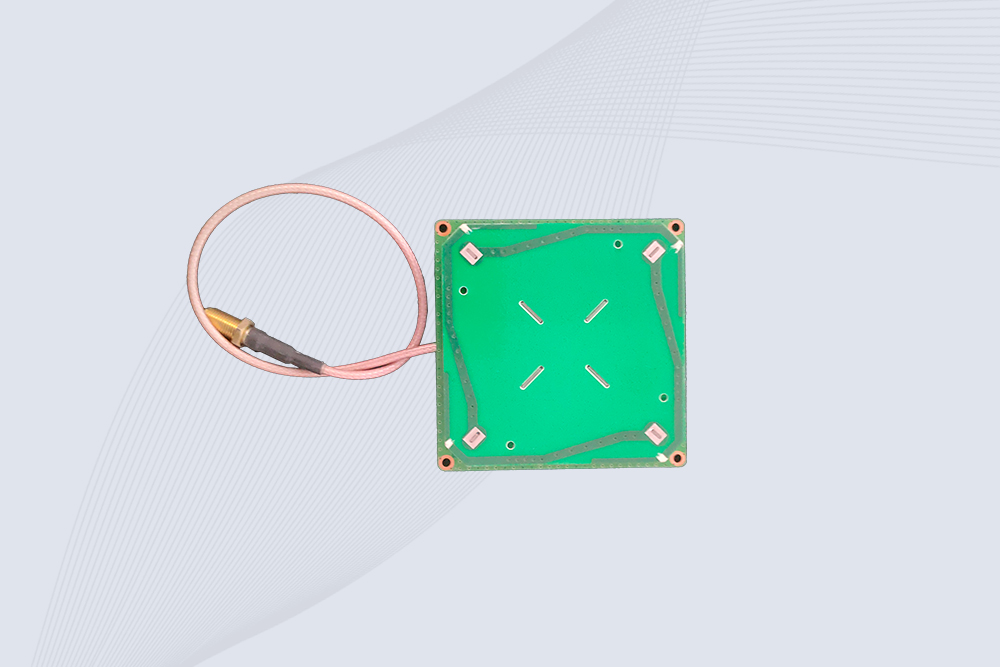
Cykeo CYKEO-B5 directional RFID antenna provides 5dBi gain with 60° narrow beamwidth for precise inventory tracking. IP65-rated, global UHF frequency support, and low VSWR.
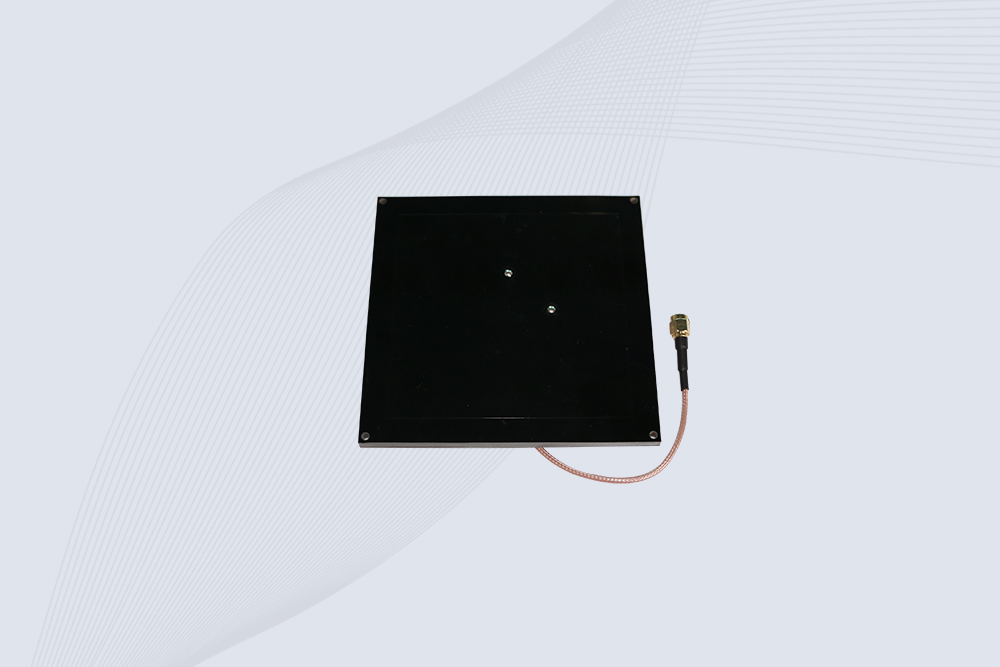
Create your own high-performance DIY RFID antenna! 5dBi gain, 840-960MHz tunable, step-by-step guides. Compatible with Arduino, Raspberry Pi, and commercial UHF readers.
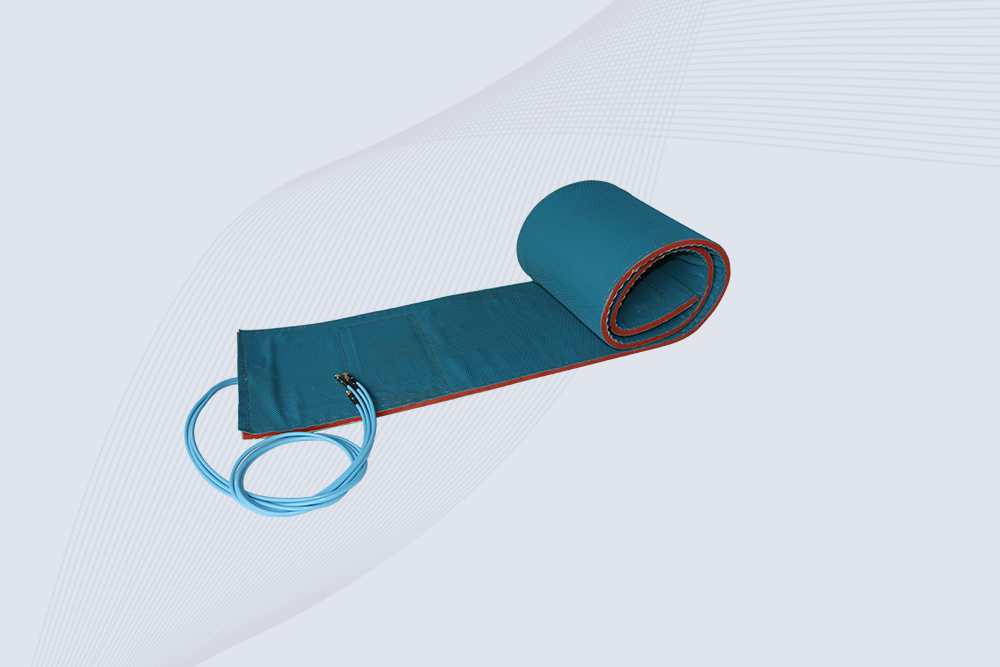
Cykeo CYKEO-A7 Flexible RFID Antenna features 840-960MHz wideband tuning, 7dBi gain, and IP68 rating for medical/retail/industrial curved surface deployments. 98% read accuracy with peel-and-stick installation.

Cykeo CYKEO-B5A industrial Passive RFID Antenna delivers 5dBi gain, 70° beamwidth, and -40°C~55°C operation for warehouses/smart cabinets. Compatible with Zebra/Impinj readers.
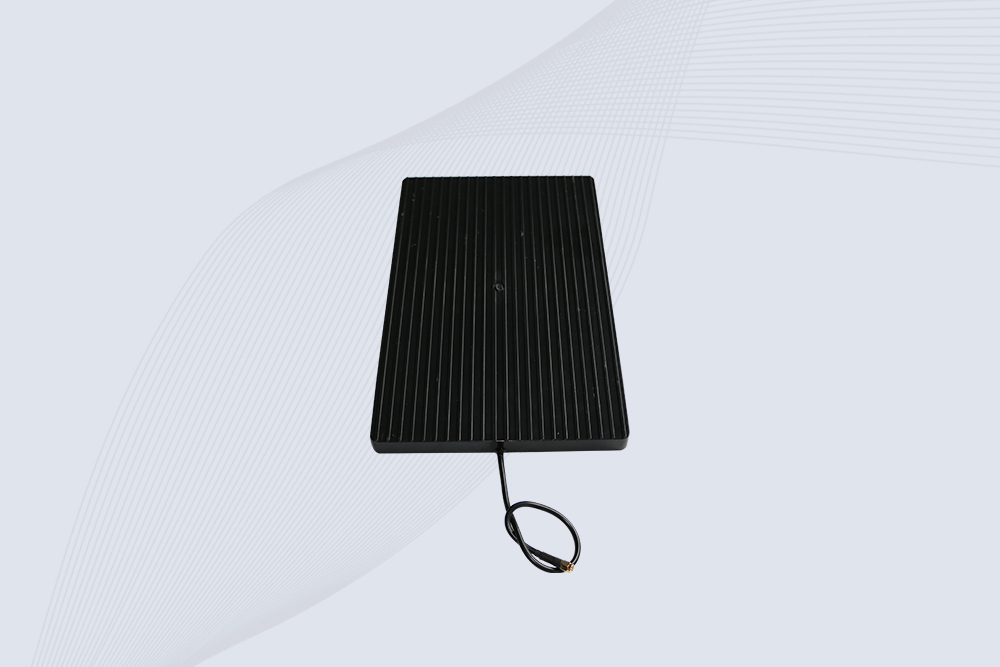
Cykeo’s CYKEO-A9B High Gain RFID Antenna delivers 15m+ read range with 9dBi amplification. Features IP54 rugged design, 840-960MHz bandwidth, and 80° beamwidth for warehouse/manufacturing RFID systems.

Cykeo’s enterprise-grade 8dbi Impinj RFID Antenna 10m+ read range with 840-960MHz tuning. Features IP65 housing, 1.4 VSWR, 35° beamwidth for retail/warehouse RFID systems.
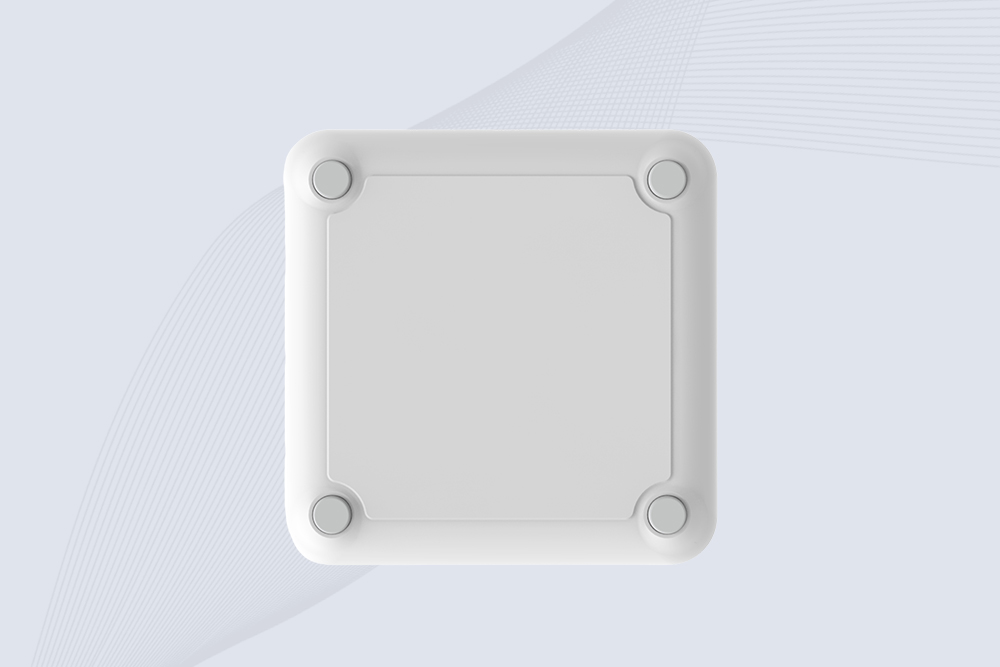
Cykeo CYKEO-A9 industrial UHF RFID antenna delivers 9dBi gain, 840-960MHz frequency range, and IP65 protection for warehouse/logistics/retail RFID systems. Features N-type connector and ≤1.3:1 VSWR.
CYKEO UHF RFID Antenna built for long-distance and industrial applications. This antenna rfid uhf delivers strong gain, outdoor durability, and reliable tag performance in warehouses, yards, and vehicle ID systems.
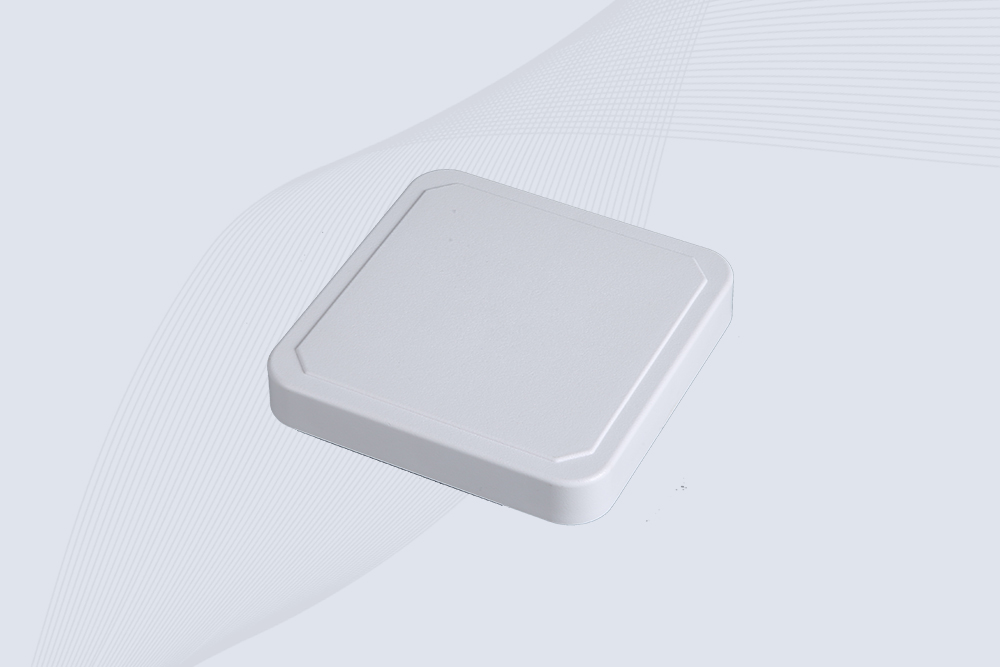
CYKEO Antenna RFID delivers reliable long-range UHF performance in warehouses, retail shelves, and cold-chain environments. This compact uhf rfid antenna provides stable reads with circular polarization and ultra-wide 840–960 MHz support, ideal for industrial tracking, smart shelves, and asset monitoring.
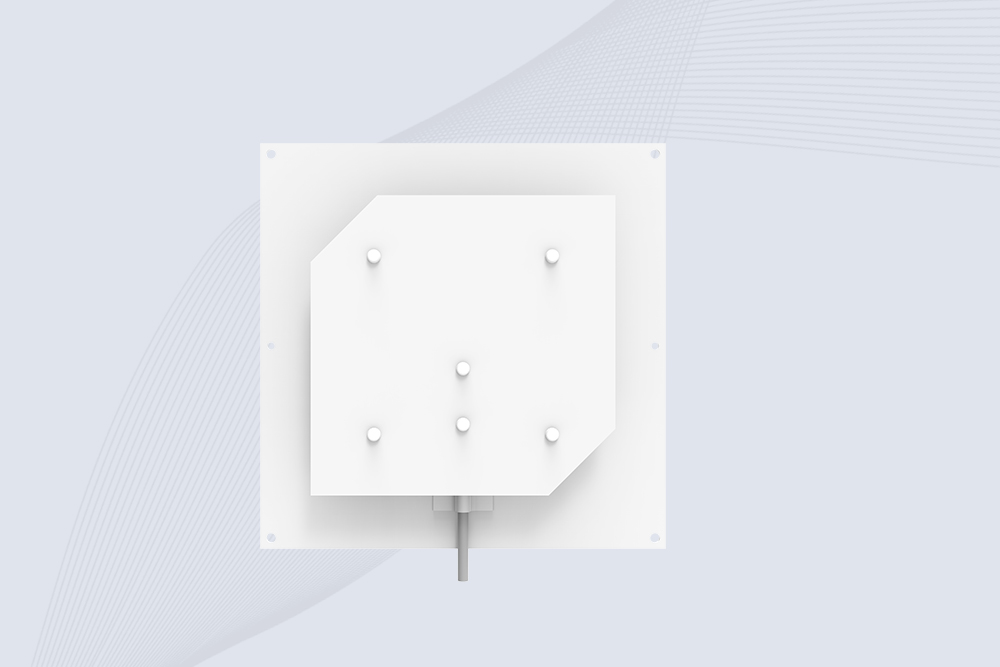
Cykeo’s CYKEO-C8 UHF RFID antennas delivers 8dBi gain, 840-960MHz full-band coverage, and IP65 ruggedness for manufacturing/warehouse RFID systems. Industrial RFID Antennas Features
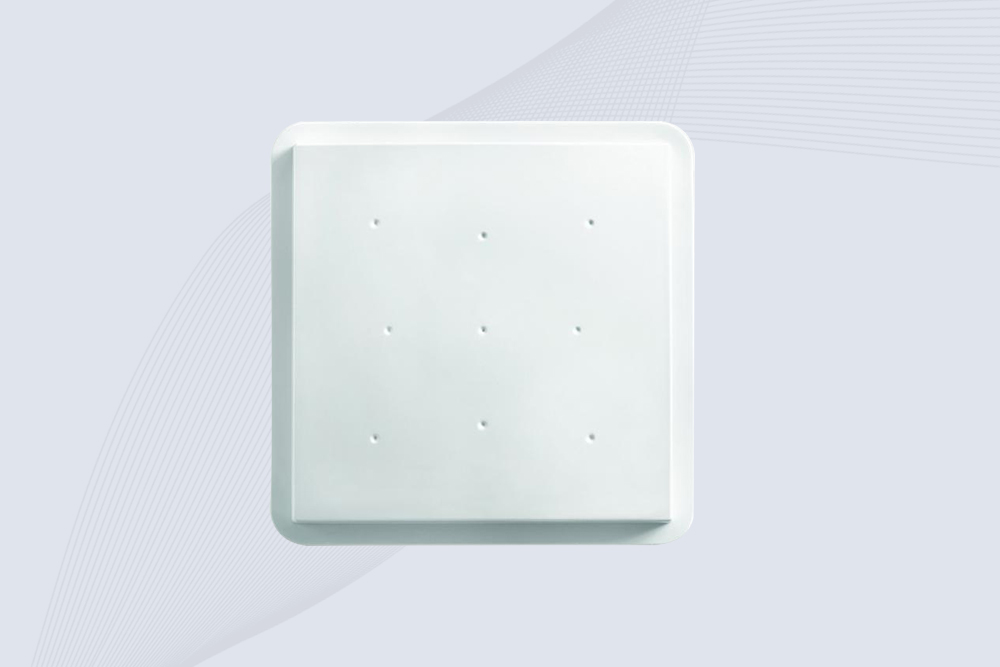
Cykeo’s 8dBi UHF RFID antenna and reader kit delivers 10m+ range, 840-960MHz broadband, and IP65 ruggedness for factories, warehouses, and logistics. ISO 18000-6C & EPC Gen2 certified.
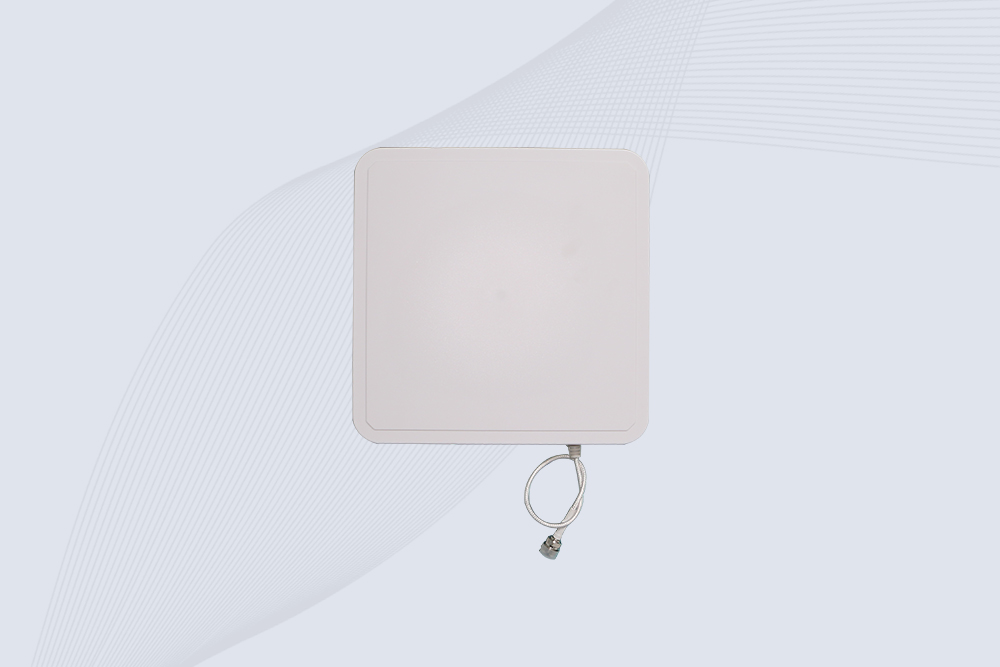
Cykeo CYKEO-A9A industrial UHF RFID reader and antenna kit delivers 10m range, 500 tags/sec, IP65 ruggedness for manufacturing/logistics. Supports EPC Gen2, ISO18000-6C.
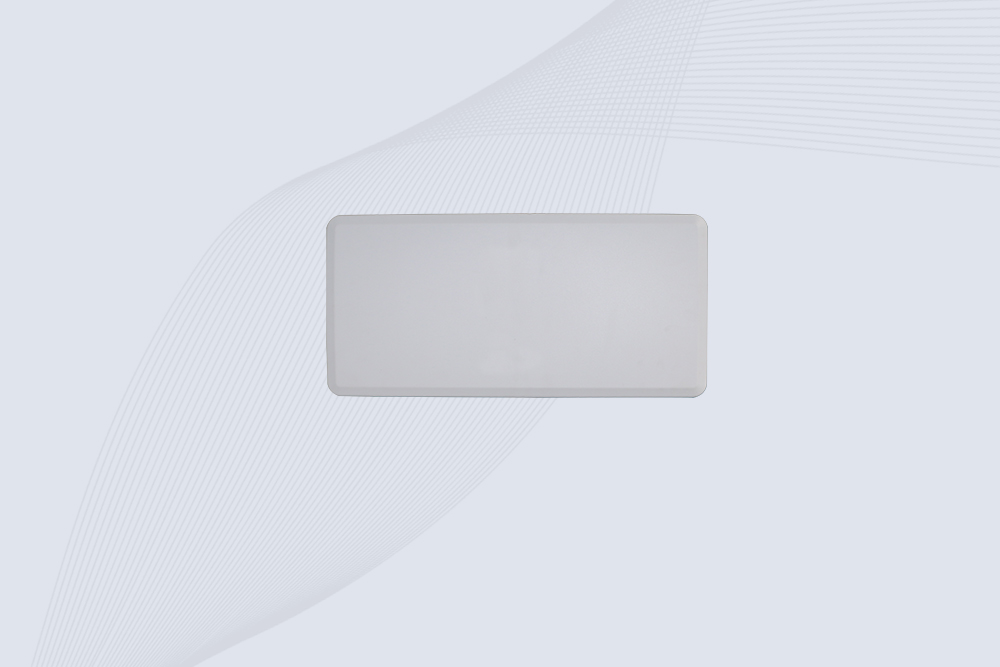
Cykeo’s CYKEO-A12C UHF Large RFID Antenna delivers 12dBi gain, 840-960MHz global frequency, IP65 ruggedness for logistics/warehousing/automotive. 40° beamwidth ensures stable 15m+ tag reads.

CYKEO Near Field RFID Antenna provides precise 5–30 cm reading for shelves, cabinets, and workstations. This compact rfid shelf antenna delivers stable short-range performance around metal and clutter, ideal for pharmacies, libraries, and electronics sorting.

Looking for an alternative to Impinj RFID readers? Compare UHF RFID reader performance, cost, and compatibility to find the best solution for your RFID projects.
More
Discover how advanced RFID readers are transforming pet identification and management in clinics, shelters, and homes with speed and precision.
More
Why do RFID tags fail on metal? Learn how anti metal RFID tags solve interference issues and improve tracking accuracy in industrial environments.
More
RFID devices improve tool tracking, automate inventory checks, and enable real-time UHF identification for industrial assets with fast and accurate management.
More