 Cykeo RFID IoT Solution Products R&D Manufacturer
Can Phones Read RFID Tags? Let’s Get Real.
396Can phones read RFID tags? We explain what's possible with phone NFC, what isn't, and why you need different hardware for business RFID tracking.
MoreAll RFID Product
RFIDs work by using radio frequency communication between RFID tags and readers. The reader sends signals to activate tags, receives stored identification data, and transfers information to software systems for tracking, inventory control, and automated management across different industries.
When people search for how do rfids work, the explanation often starts with radio waves and tags.
That is correct, but incomplete.
In real deployments, RFID works as a complete identification system connecting physical objects with digital information.
During Cykeo RFID application testing, I have worked with RFID readers, tags, and software platforms in environments including warehouses, manufacturing facilities, and asset management systems. The most important lesson from these projects is that RFID performance is not created by one component.
The tag matters.
The reader matters.
The installation environment matters even more.
I have seen RFID systems tested in controlled environments where everything worked perfectly, then installed near metal racks, production equipment, and moving inventory where performance changed significantly.
One warehouse project involved tracking hundreds of tagged items moving through a fixed RFID reading zone. The challenge was not simply detecting tags. The system needed to distinguish valid movement events from repeated reads while maintaining stable communication.
After optimizing reader settings, antenna positioning, and tag selection, the identification process became much more reliable.
This experience changed the way I evaluate RFID systems.
RFID is not just a scanning replacement.
It is a communication bridge between the physical world and business software.
According to GS1, RFID technology enables automatic identification and data capture by allowing physical objects to communicate information through standardized identification systems.
An RFID system usually contains three essential parts:
| Component | Function |
|---|---|
| RFID Tag | Stores identification information and responds to signals |
| RFID Reader | Sends radio signals and collects tag data |
| Software System | Processes information and connects with business applications |
The communication process happens quickly.
The RFID reader generates radio frequency energy through its antenna.
This signal creates communication with nearby RFID tags.
When the RFID tag receives the signal, its chip sends stored information back to the reader.
Depending on the RFID type, the tag may:
The reader receives the response and converts it into digital data.
The information can then be sent to:
The collected RFID information allows companies to understand:
Many people think an RFID tag works like a small GPS tracker.
It does not.
An RFID tag does not continuously transmit its location.
Instead, it communicates when it enters the operating range of an RFID reader.
The reader creates the identification event.
For example:
A warehouse pallet with an RFID tag does not send its location every second.
When it passes through an RFID reading gate, the reader captures its identity and records the movement.
This difference is important.
RFID provides identification and tracking through strategically installed reading points.
RFID systems are commonly divided into passive RFID and active RFID.
| RFID Type | How It Works | Common Applications |
|---|---|---|
| Passive RFID | Uses reader energy to respond | Inventory, logistics, retail |
| Active RFID | Uses internal battery power | Real-time asset tracking |
Passive RFID is widely used because tags are smaller, lower cost, and require no internal battery.
Active RFID provides longer communication range but requires battery management.
For most supply chain and inventory applications, passive UHF RFID is commonly selected because it balances:
Traditional tracking methods often depend on employees recording information manually.
This creates delays.
A product may already move to another location while the database still shows the old status.
RFID changes this process.
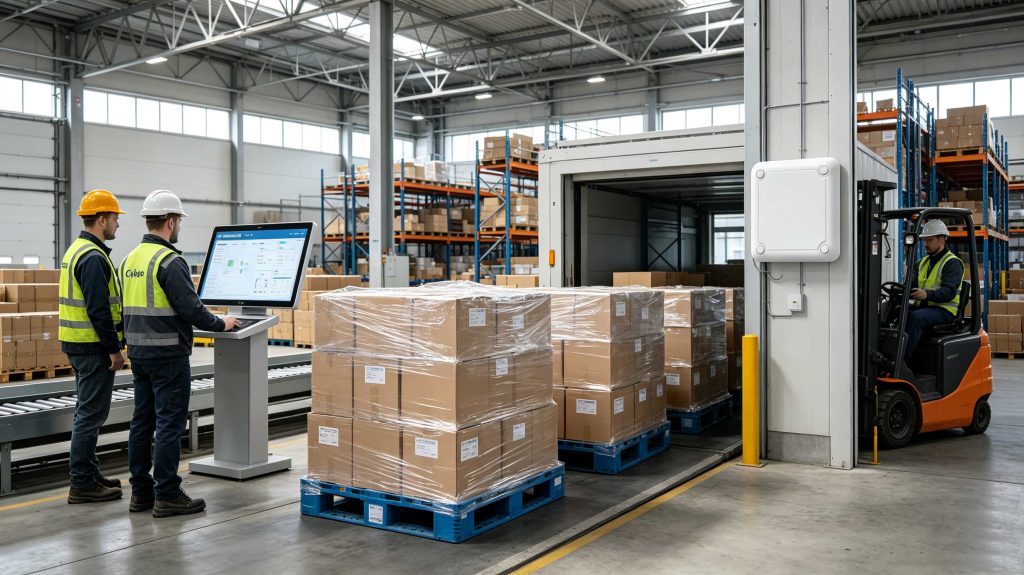
When tagged objects pass through RFID reading points, the system can automatically capture movement information.
Common examples include:
RFID helps monitor:
RFID supports:
RFID provides:
The question how do rfids work is also a question about engineering.
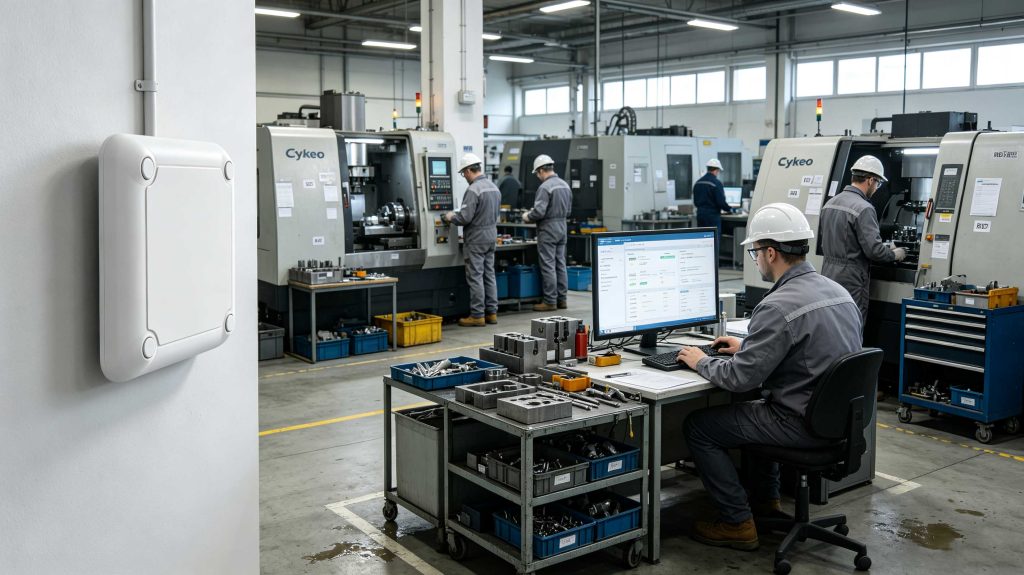
RFID communication can be affected by:
During industrial deployment, engineers usually evaluate:
| Factor | Impact |
|---|---|
| Tag selection | Determines communication reliability |
| Reader position | Controls coverage area |
| Output power | Affects reading performance |
| Software filtering | Reduces duplicate reads |
A successful RFID system is designed around the working environment.
Not every application requires maximum reading distance.
Sometimes a controlled reading zone produces better operational results.
RFID is used across many industries because it connects physical assets with digital management systems.
| Industry | RFID Application |
|---|---|
| Manufacturing | Production tracking |
| Logistics | Shipment identification |
| Retail | Inventory management |
| Healthcare | Equipment tracking |
| Aviation | Tool management |
| Energy | Inspection asset monitoring |
Research from Auburn University RFID Lab has shown that RFID adoption can significantly improve inventory accuracy in supply chain environments, with RFID-enabled operations achieving accuracy rates above 95% in many implementations.
Understanding how do rfids work starts with the interaction between tags and readers.
The real value comes from applying this communication technology to actual business processes.
Cykeo develops RFID solutions for:
RFID works because it creates a reliable connection between physical objects and digital information.
That connection allows companies to manage assets faster, improve accuracy, and make decisions based on real operational data.
Not all RFID tags need batteries.
RFID tags are mainly divided into two categories:
| RFID Type | Battery Required | Working Principle |
|---|---|---|
| Passive RFID | No | Receives energy from RFID reader signals |
| Active RFID | Yes | Uses internal battery to transmit signals |
Most inventory and supply chain applications use passive RFID because the tags are lightweight, cost-effective, and suitable for large-scale deployment.
For example, a warehouse may attach passive UHF RFID tags to thousands of products and automatically identify them when they pass through RFID readers.
The reading distance depends on several technical factors:
Typical ranges include:
| RFID Technology | Typical Reading Range |
|---|---|
| LF RFID | Few centimeters |
| HF RFID | Several centimeters |
| UHF RFID | Several meters |
Industrial UHF RFID systems can achieve long-distance identification when readers, antennas, and tags are correctly matched.
However, longer distance does not always mean better performance.
In real projects, controlled reading zones often provide more accurate data than simply increasing signal strength.
Yes.
One major advantage of RFID technology is multi-tag identification.
Unlike barcode systems that usually require individual scanning, RFID readers can communicate with multiple tags within their coverage area.
This capability is useful for:
For example, when a pallet containing hundreds of tagged products passes through an RFID gate, the system can capture multiple item identities automatically.
This reduces manual scanning work and improves operational efficiency.
No.
RFID does not require direct visual contact between the reader and tag.
This allows RFID systems to work in situations where:
However, RFID signals can still be affected by certain materials.
Metal and liquid environments may require specially designed RFID tags and installation methods.
Professional RFID deployment considers the actual operating environment before selecting hardware.
Yes, RFID can provide secure identification when properly designed.
RFID security depends on the complete system architecture, including:
Many enterprise RFID systems avoid storing sensitive information directly on tags.
Instead, tags usually contain identification numbers, while detailed business information remains protected in backend systems.
This approach improves security and simplifies management.
RFID is used wherever organizations need automatic identification and tracking.
Common applications include:
| Industry | RFID Application |
|---|---|
| Logistics | Shipment and pallet tracking |
| Manufacturing | Production process management |
| Retail | Inventory visibility |
| Healthcare | Medical equipment tracking |
| Aviation | Tool management |
| Government | Asset management |
Cykeo RFID solutions are designed for industrial environments where stable identification and integration capability are required.
Cykeo focuses on practical RFID applications rather than only RFID hardware.
Based on real deployment experience, successful RFID projects require:
Cykeo provides RFID products including UHF RFID readers, RFID modules, desktop RFID writers, and industrial identification solutions.
Key capabilities include:
The objective is to help companies transform RFID communication into measurable operational improvements.
Understanding how do rfids work means understanding the connection between physical objects and digital systems.
RFID technology is not simply a replacement for barcode scanning.
It creates an automatic information exchange process:
From warehouse inventory to industrial automation, RFID provides a foundation for smarter operations.
The strongest RFID systems are not created by selecting the most powerful hardware alone.
They are created by matching:
Cykeo combines RFID engineering experience with practical application knowledge to help businesses build reliable identification systems.
Whether tracking products, managing tools, or improving inventory accuracy, RFID technology enables organizations to see what is happening in the physical world and connect it with digital intelligence.
RFID works because it turns invisible radio communication into useful business information.

Discover SSD-D4AL, a USB-HID UHF RFID reader with 4/8/16 antenna options, Impinj E710/X3M1 chipset, plug-and-play USB power, and OEM customization.
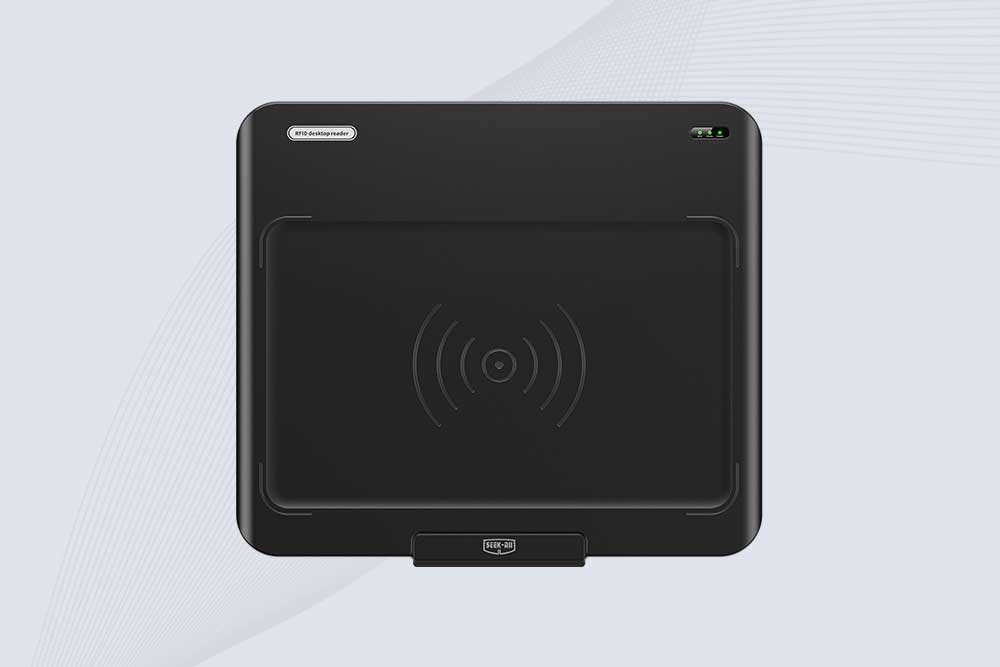
SSD-D3AL is a USB-HID UHF RFID reader with 0–30 cm reading, 0–15 cm writing, over 600 tags/s recognition, USB plug-and-play operation and OEM Logo customization.
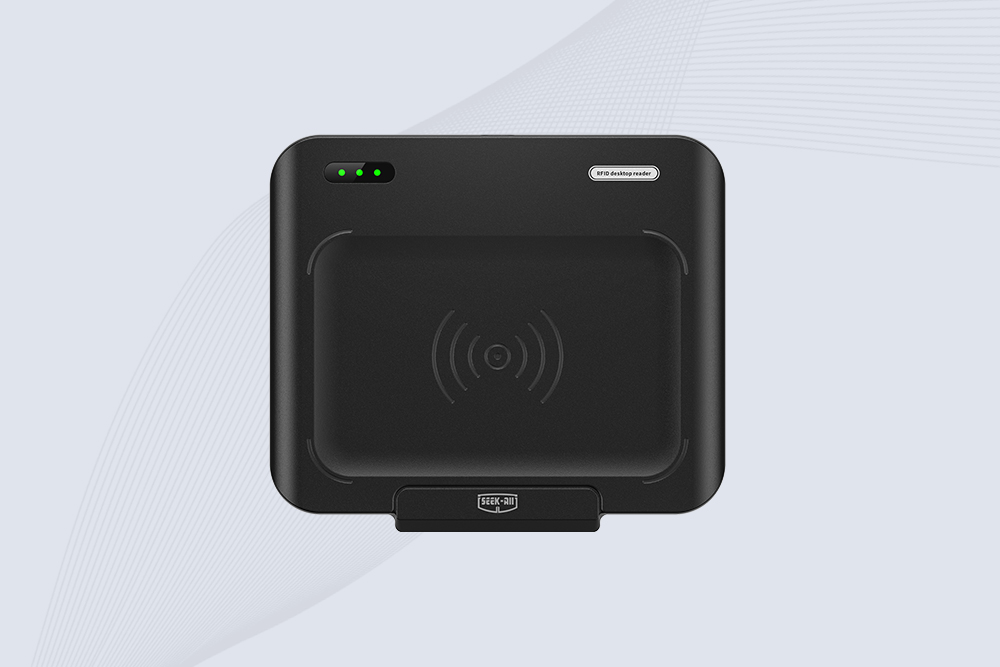
SSD-D1AL is a compact USB UHF RFID reader with Impinj E710/X3M1 chipset, USB-HID, 600+ tags/s recognition, 4/8/16 antenna support and plug-and-play USB power.
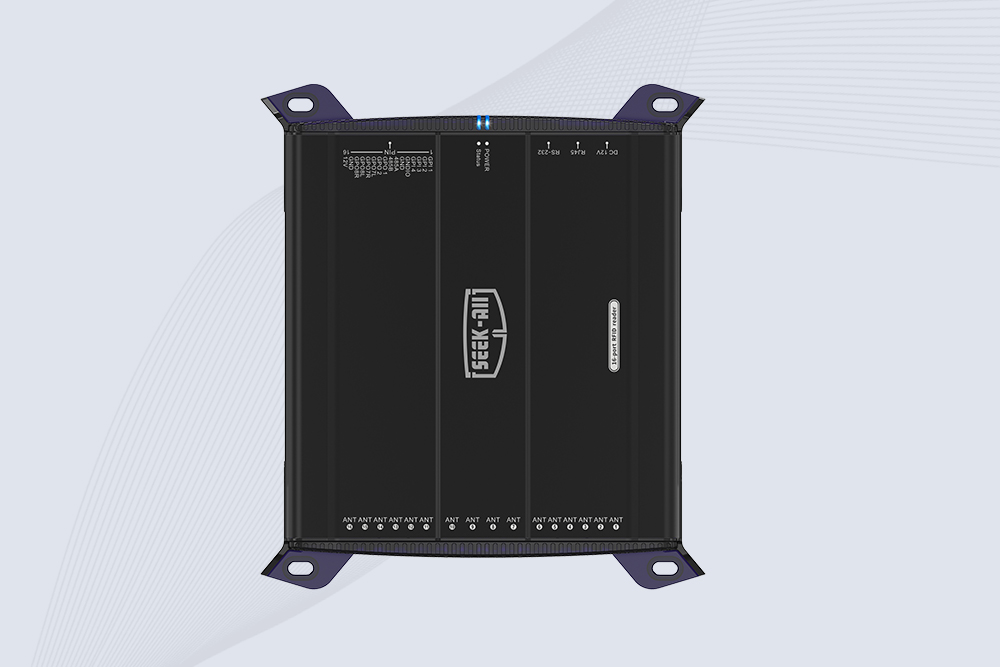
SSD-R16L Multi-Channel RFID Infrastructure for Automated Inventory Management ✔️ 16-Port High-Density RFID Reading Equipped with 16 SMA antenna ports, SSD-R16L supports multi-antenna deployment for warehouses, retail stores, logistics, production lines, and large-area RFID identification. ✔️ High-Speed & Long-Range Performance With up to 33…
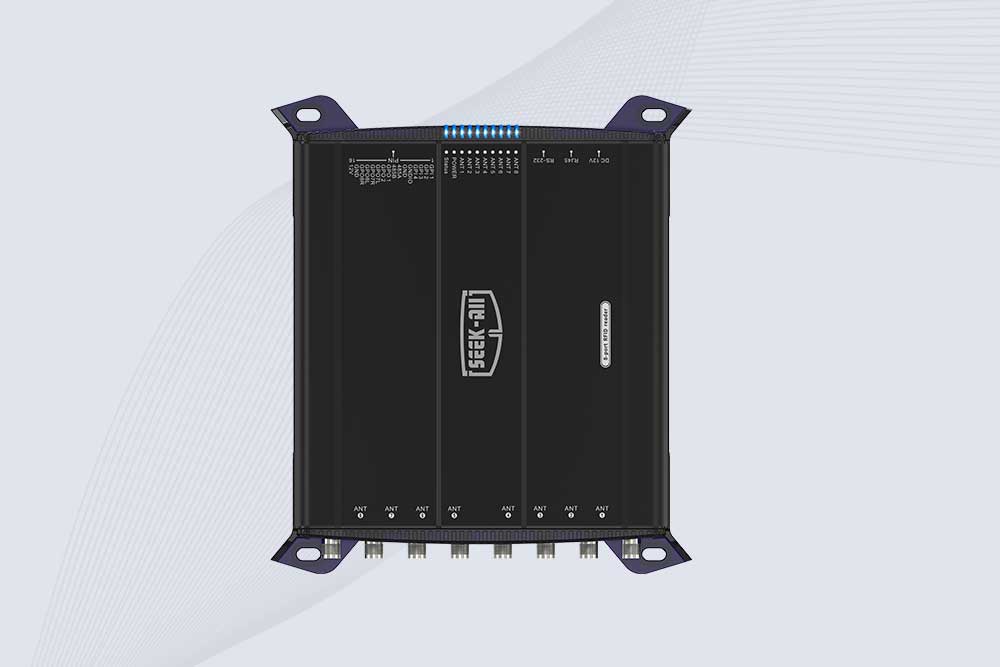
SSD-R8L 8-port UHF RFID reader with 33dBm output, up to 20m reading range and 600+ tags/s recognition. Ideal for warehouse, logistics, retail and asset tracking.
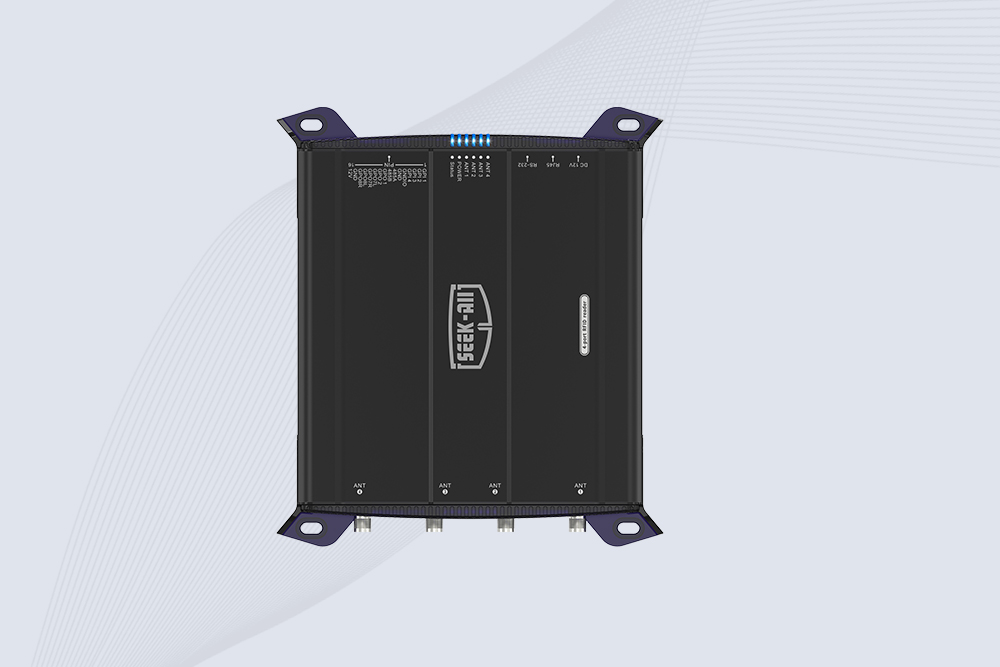
SSD-R4L is a 4-port UHF RFID fixed reader with 33dBm output power, up to 20m reading range, EPC C1G2 support and 600+ tags/s reading speed.

CYKEO CYKEO-D1LA USB RFID Reader is a compact desktop solution with near-field control for precise tag reading and encoding. Powered by USB, supporting ISO 18000-6C, and built for stable batch writing, this usb rfid tag reader fits retail, libraries, offices, and controlled RFID encoding tasks.
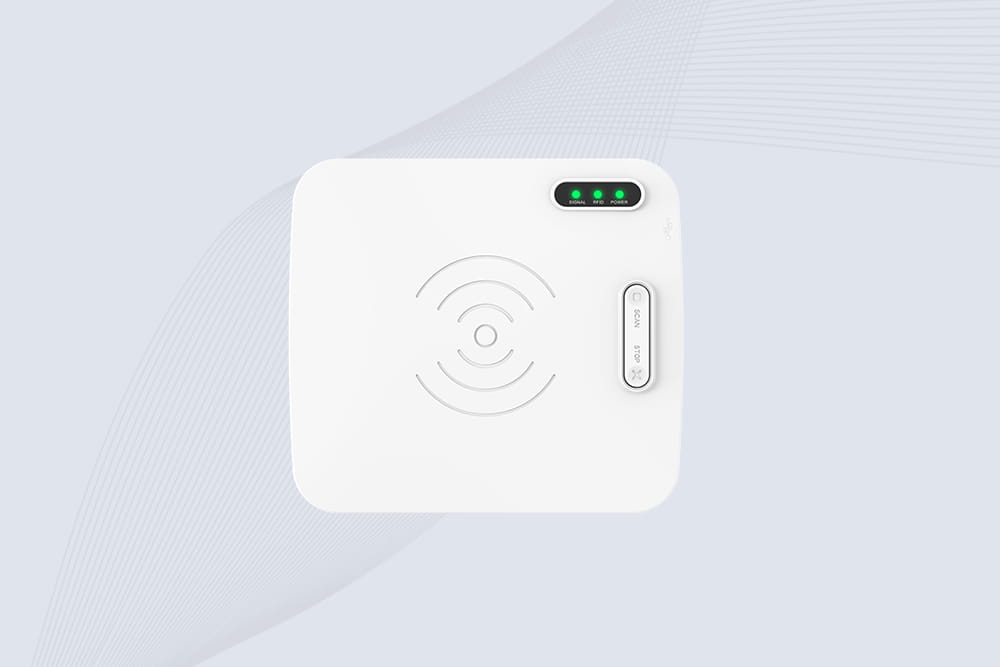
CYKEO CYKEO-D1L RFID scanner USB is a compact desktop UHF RFID scanner designed for short-range tag writing and verification. This usb rfid scanner supports batch encoding, stable 0–26 dBm output, and works across Windows, Linux, and Android systems.
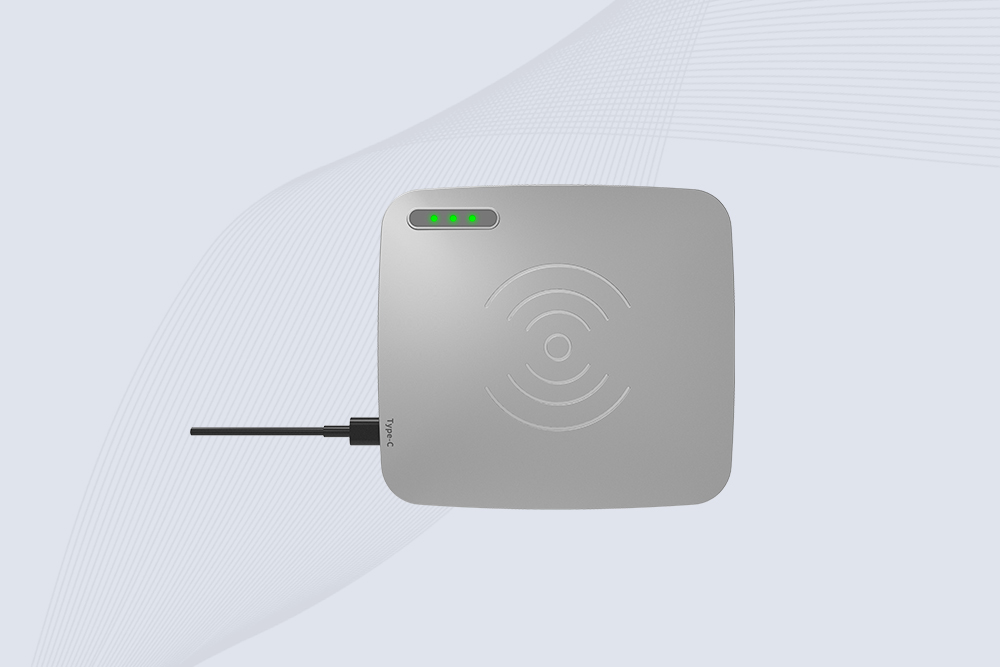
CYKEO CYKEO-D1C USB RFID Card Reader is a near-field UHF desktop writer designed for secure, short-range tag encoding. With USB-C connectivity and stable 26 dBm output, this rfid reader usb c is ideal for badge issuance, label encoding, and controlled desktop RFID workflows.
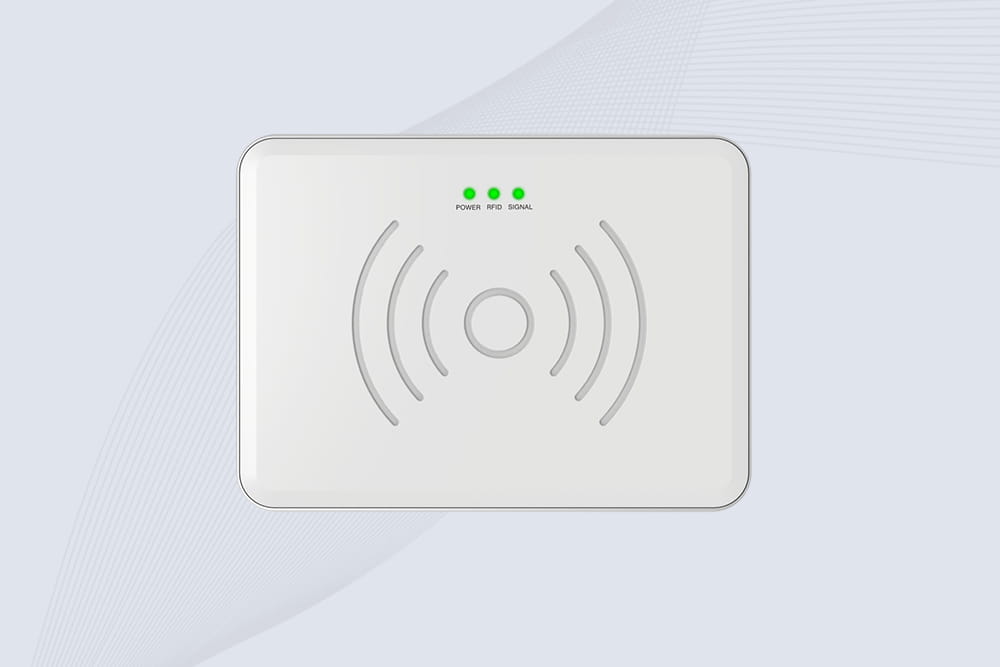
CYKEO CYKEO-D2L RFID Reader USB is a compact desktop encoder built on the Impinj R500 chip. With near-field control and stable USB power, this usb rfid card reader delivers precise tag writing for offices, retail counters, and small-scale logistics encoding tasks.
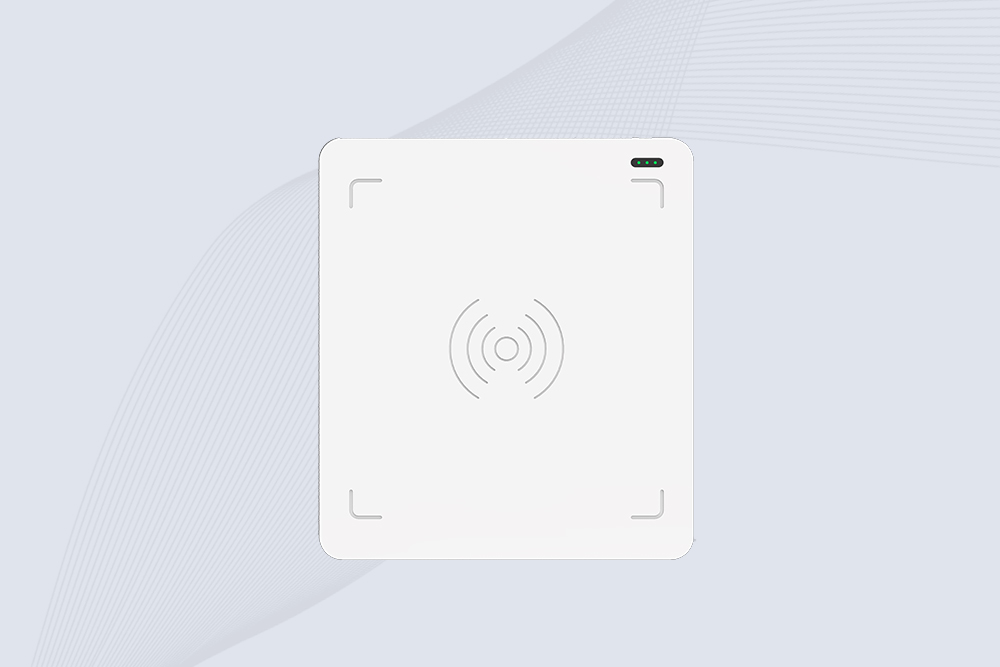
CYKEO CYKEO-D3L USB RFID Tag Reader delivers stable UHF tag reading and writing for daily desktop and light industrial tasks. Designed for controlled short-range operation, this USB RFID Tag Reader works reliably with rfid tag and reader systems in libraries, tool tracking, and inventory registration.
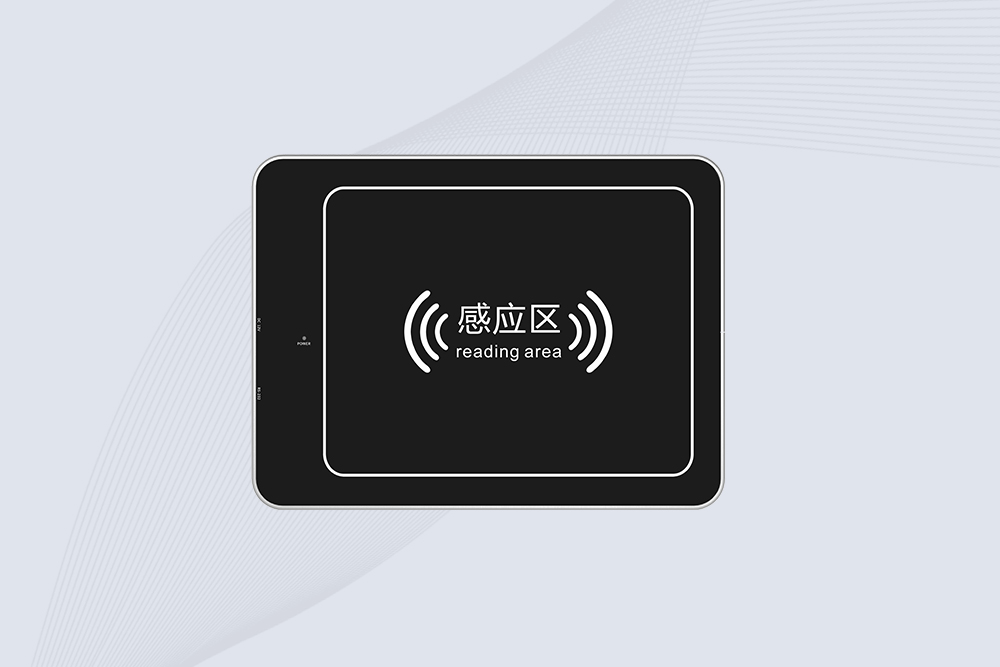
The CYKEO CYKEO-D4L UHF RFID Tag Reader is a stable Desktop RFID Reader designed for accurate tag registration, borrowing, and return workflows. Built with the Impinj R2000 chip, this UHF RFID Tag Reader delivers controlled short-range reads for libraries, asset tracking, and inventory management environments.
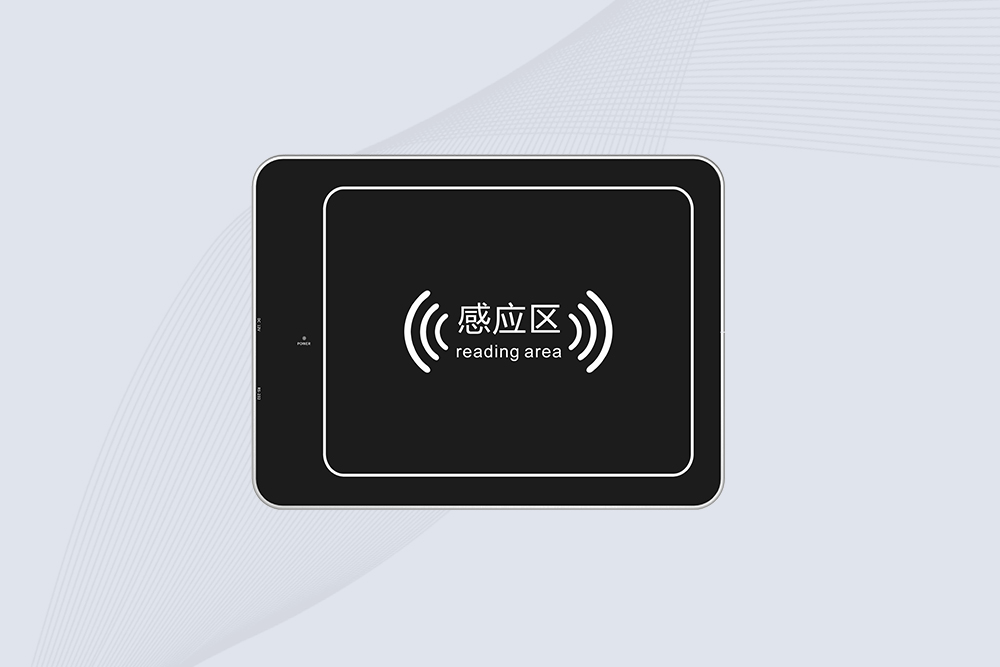
The CYKEO CYKEO-D5L Desktop RFID Card Reader is a stable UHF RFID Card Reader designed for controlled short-range reading and writing. Built for libraries, tool rooms, and asset desks, this UHF RFID Card Reader supports dense tag handling, secure data processing, and easy USB integration.
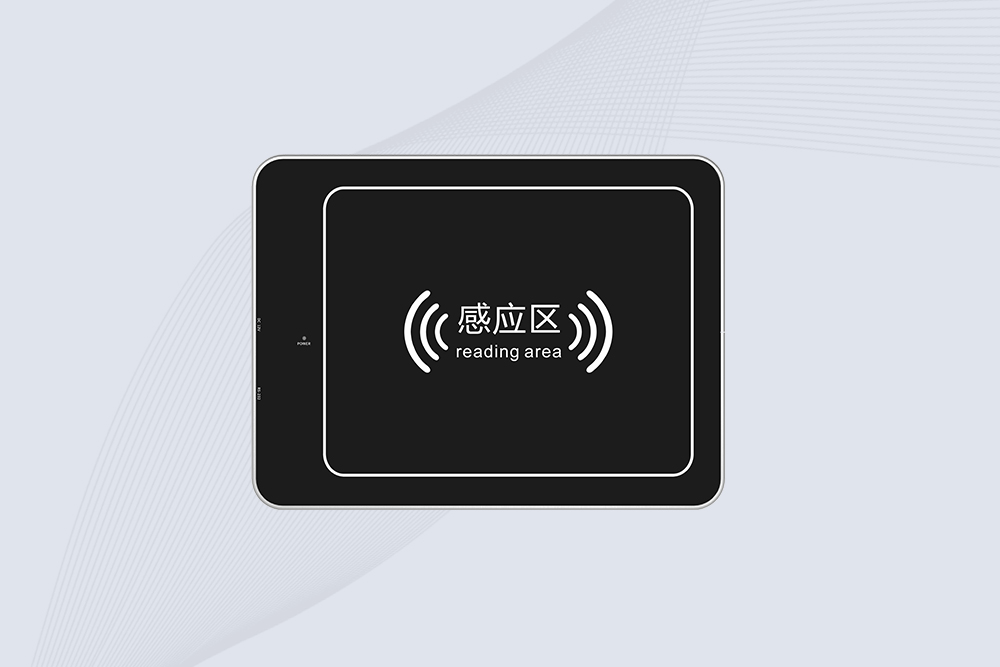
The CYKEO CYKEO-D6L RFID Reader Writer is a heavy-duty Desktop RFID Reader designed for short-range, high-accuracy tag programming. Built for libraries, labs, and asset desks, this RFID Reader Writer supports batch processing, stable 33dBm output, and seamless integration with existing management systems.
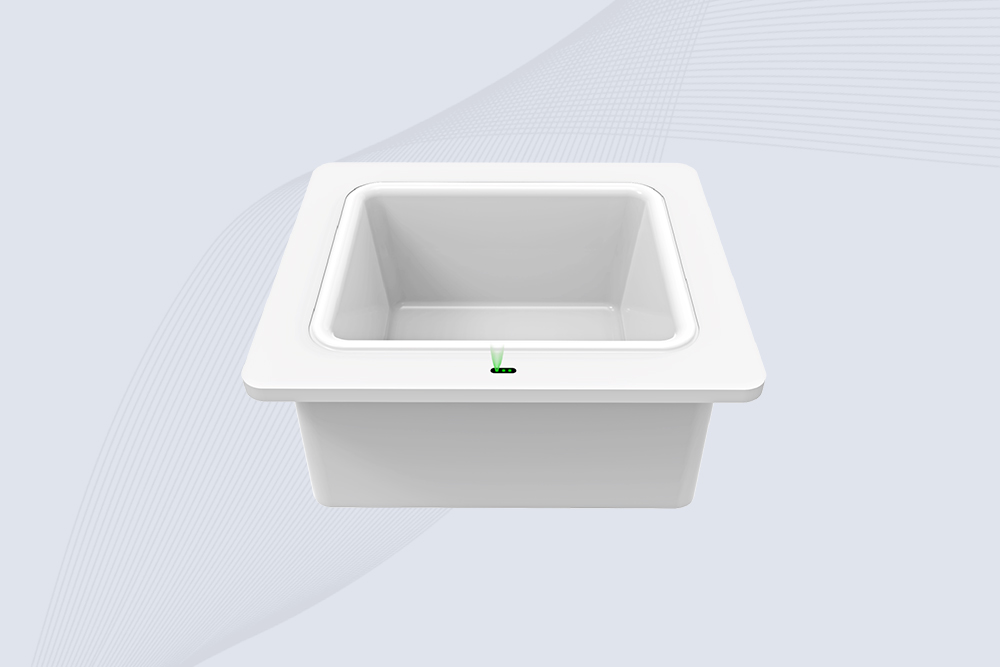
Cykeo CYKEO-D8B UHF RFID tunnel and RFID Desktop Reader features 30+ items batch reading,
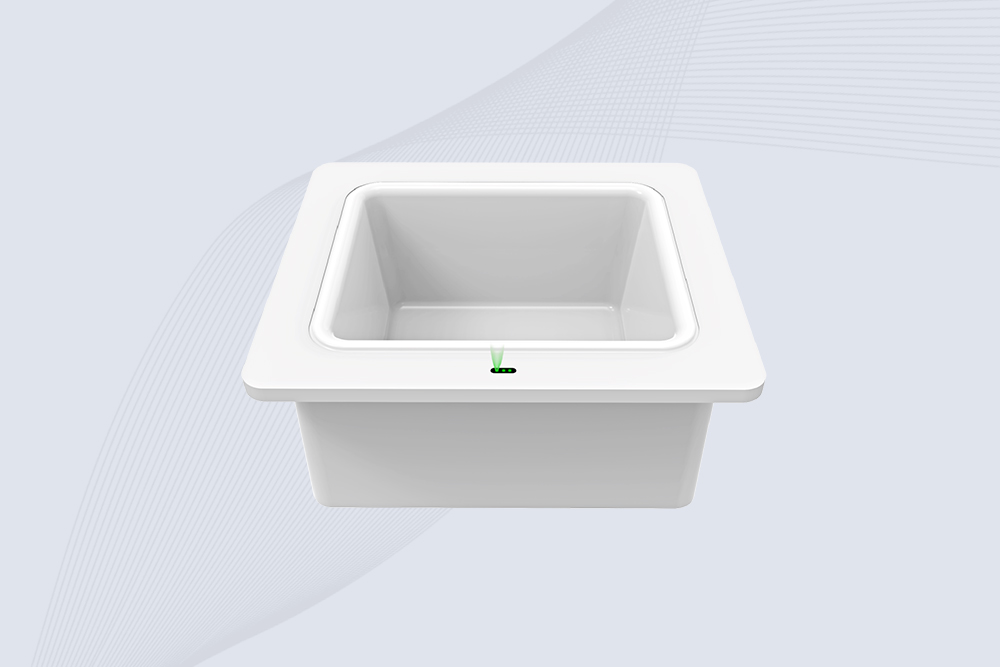
Cykeo CYKEO-D8A embedded RFID badge reader offers 30+ tags/sec scanning, 20cm anti-crosstalk precision, and DC 12V power for unmanned stores, warehouses, and smart inventory systems.
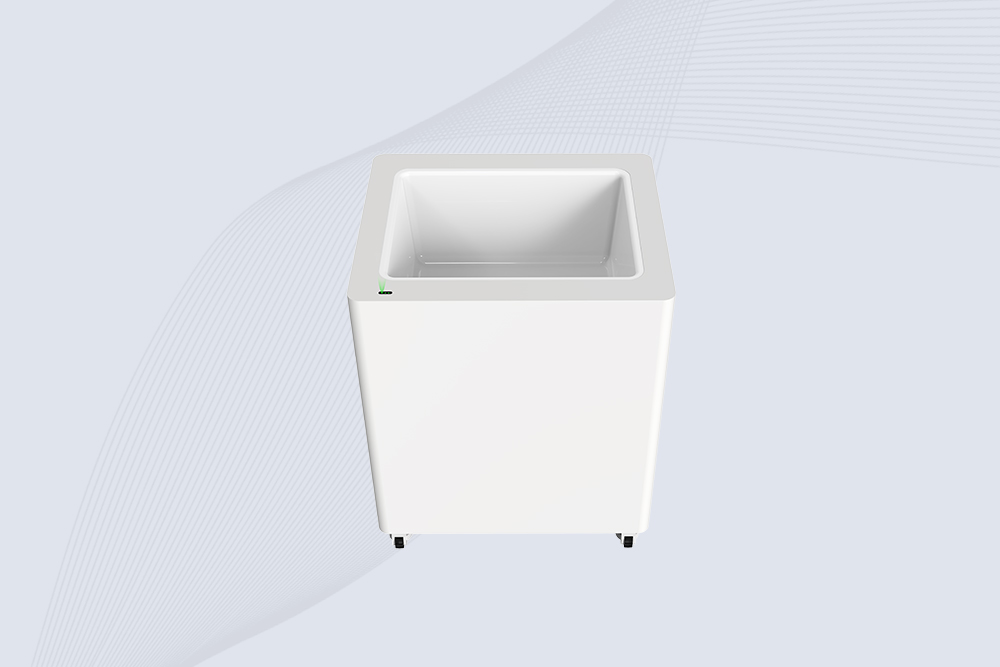
Cykeo’s CYKEO-D8C UHF RFID gate reader achieves 200-tag/batch scanning with adjustable power control, ideal for retail inventory and smart warehouse management.
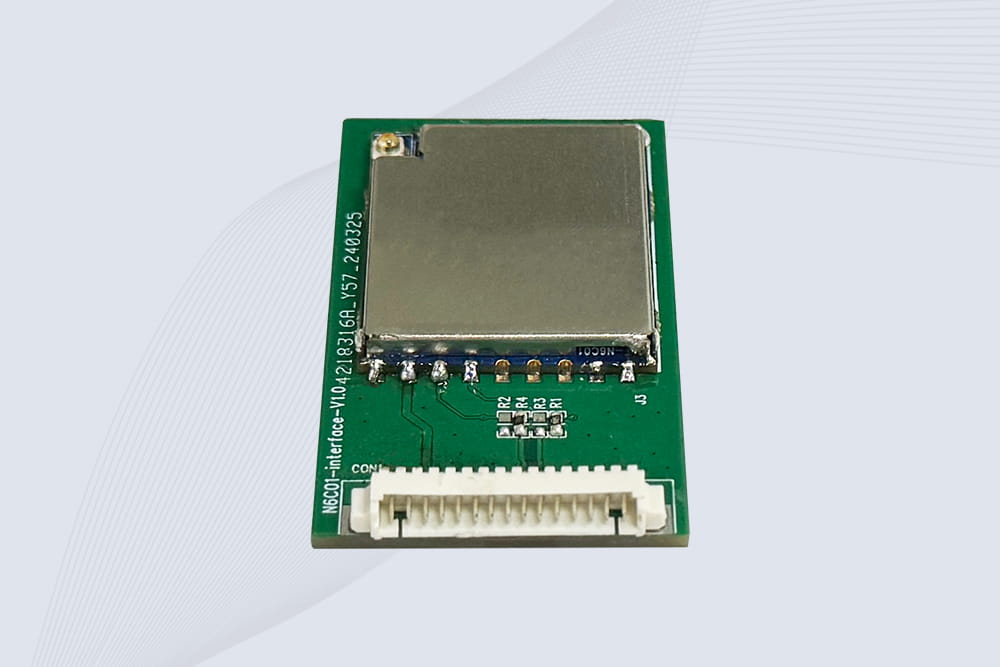
CYKEO Embedded RFID Modules are designed for compact industrial and IoT devices that require stable UHF performance. These UHF RFID Modules support global protocols, flexible power control, and reliable multi-tag reading for smart cabinets, production lines, and asset tracking systems.
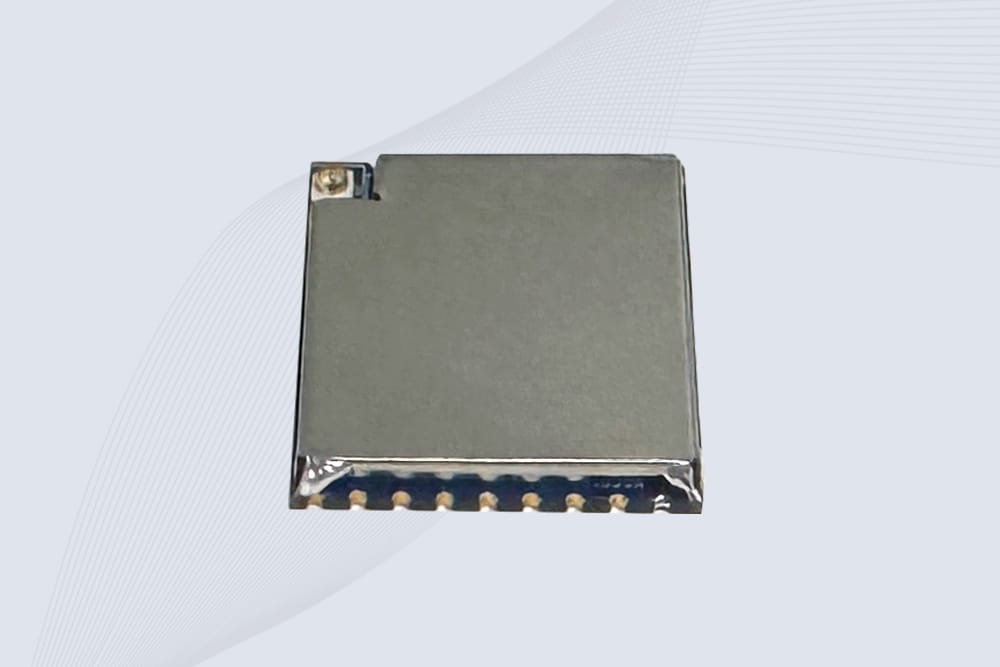
CYKEO Embedded RFID Module is built for compact IoT and industrial devices that need stable UHF performance. This UHF module supports global protocols, low power operation, and reliable multi-tag reading for smart lockers, production lines, and always-on RFID systems.
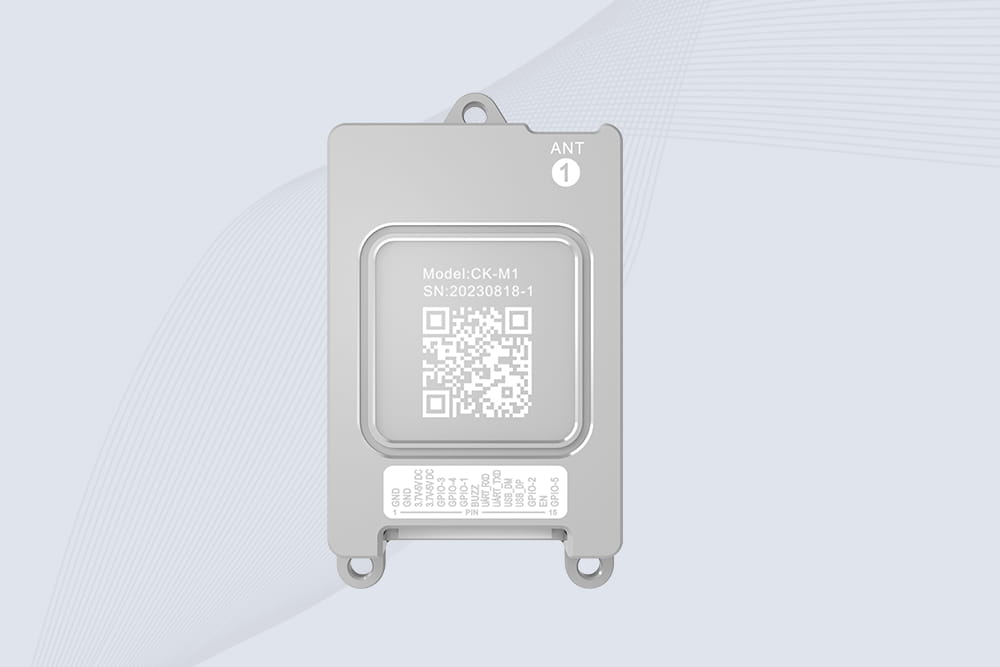
CYKEO CYKEO-M1 drone rfid module is a compact UHF RFID reader module designed for drones and UAV platforms. It supports long-range aerial scanning, fast multi-tag reading, and stable performance in wind, vibration, and outdoor environments.
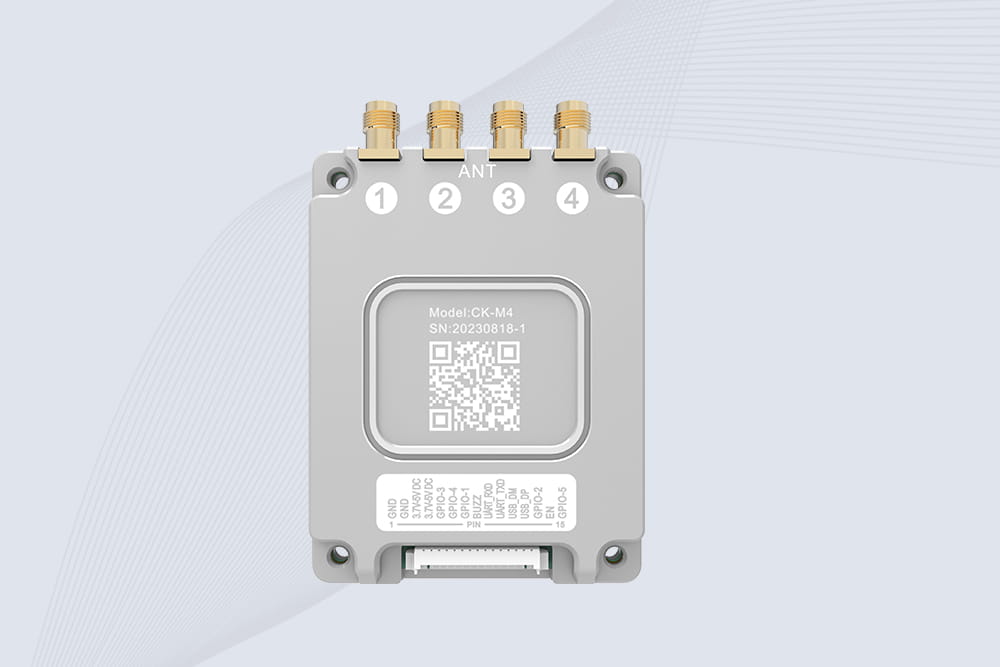
CYKEO CYKEO-M4 RC522 RFID Module is an industrial-grade UHF RFID reader with 4 ports, supporting ISO, EPC, and GB protocols. High-speed, accurate reading for IoT, automation, and warehouse applications.
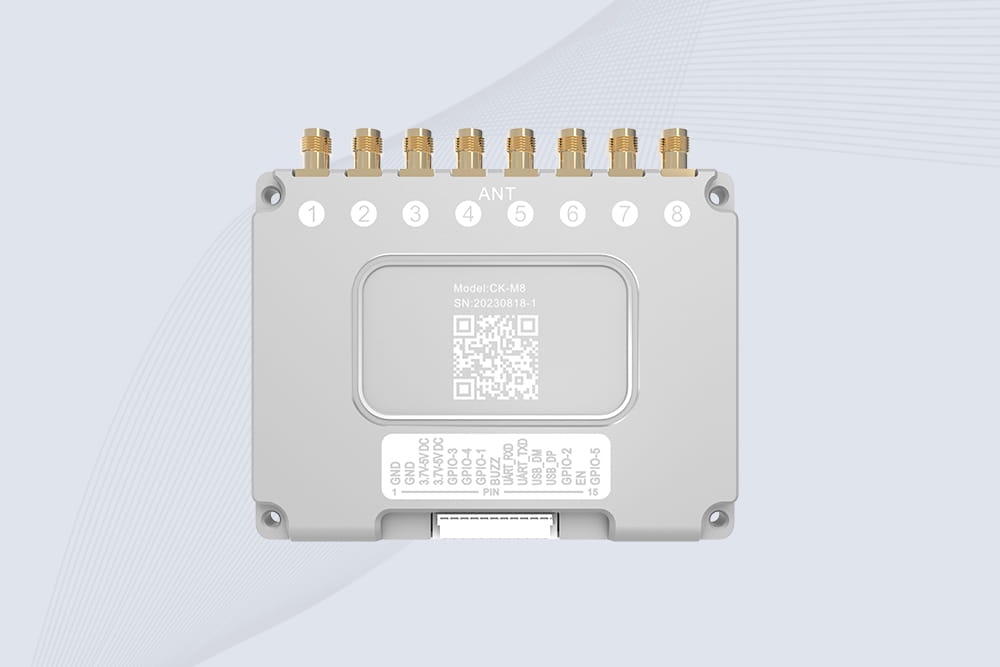
CYKEO CYKEO-M8 Module RFID is an 8-port UHF R2000 RFID Module designed for high-density, multi-tag environments. Stable 33dBm output, ISO & GB protocol support, ideal for warehouses, factories, and automated systems.
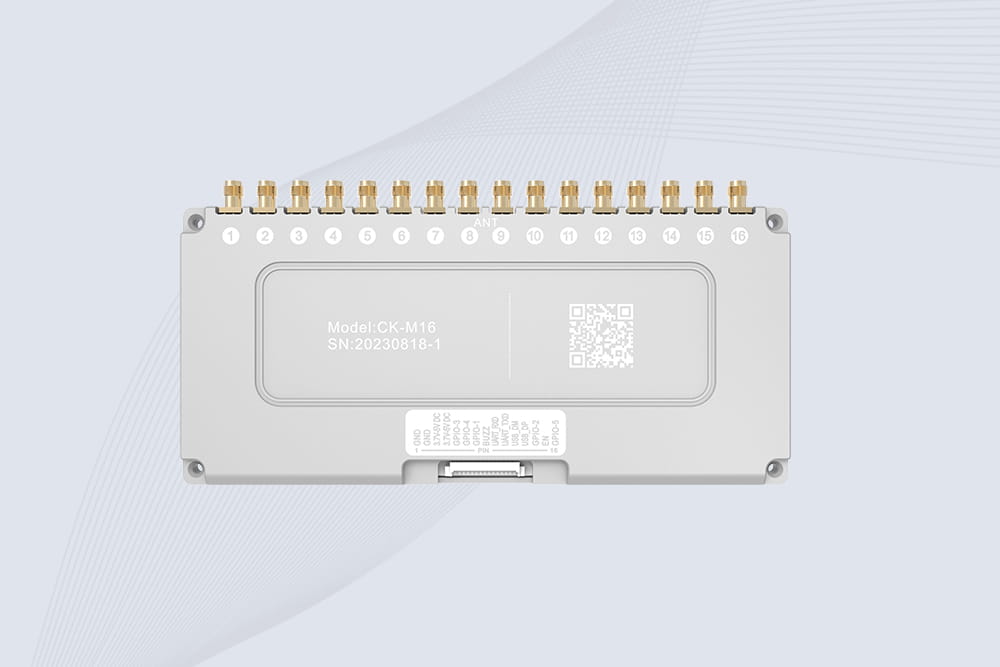
CYKEO CYKEO-M16 RFID Module is a 16-port UHF RFID reader module based on the R2000 chipset. Designed for dense tag environments, it supports ISO and GB standards and delivers stable multi-antenna control for industrial automation.
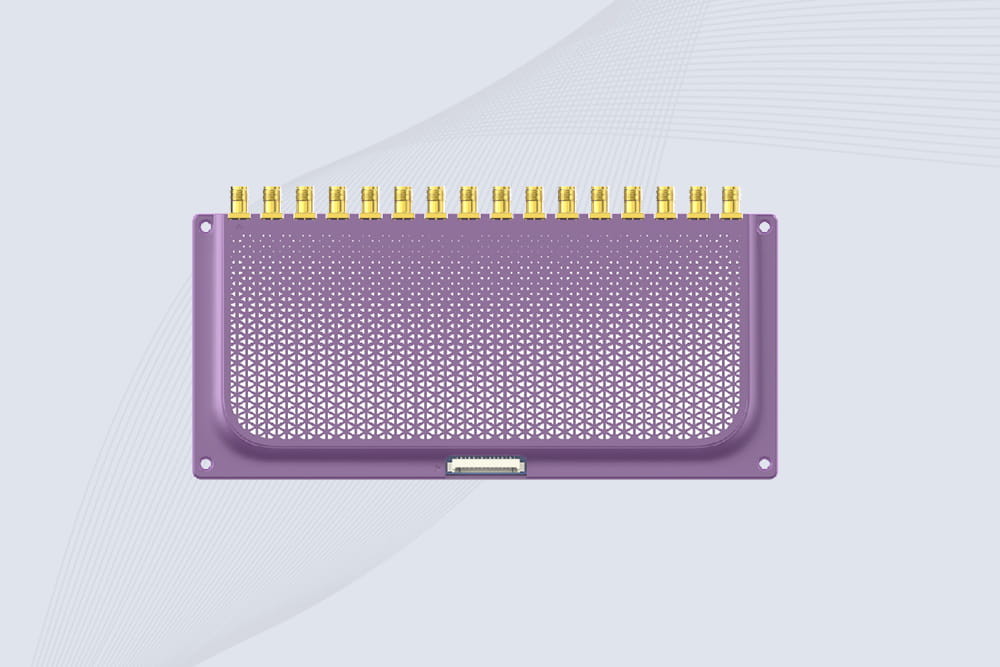
The CYKEO CYKEO-M16L RFID Reader Module is a 16-channel UHF RFID core designed for dense tag environments. With adjustable 33dBm output, multi-protocol support, and stable multi-antenna control, this RFID Tag Reader Module fits industrial automation, warehouse systems, and large-scale IoT deployments.
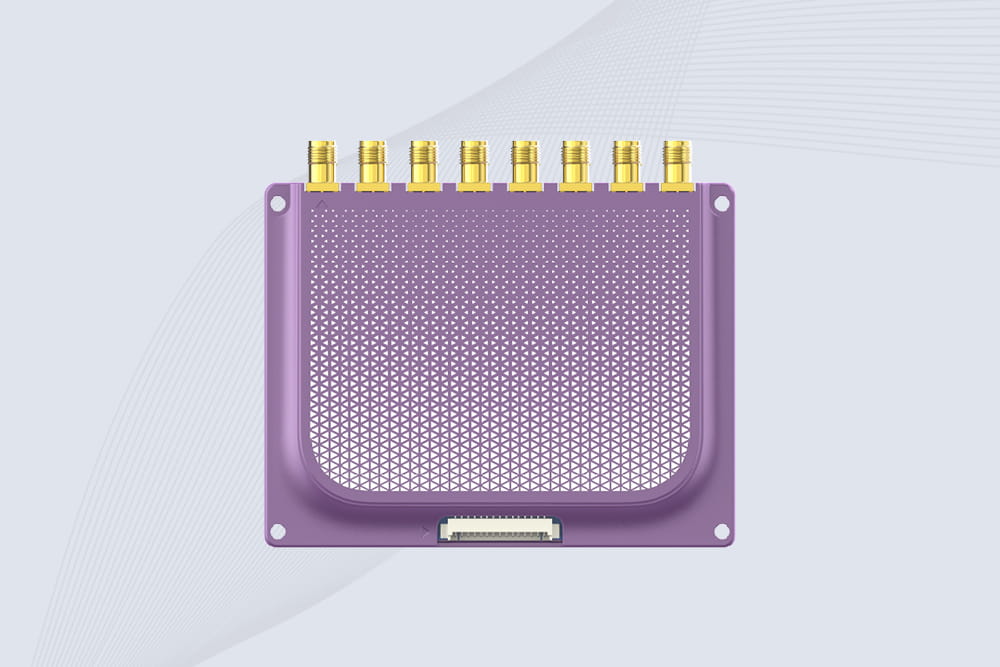
CYKEO CYKEO-M8L module RFID is a compact industrial UHF module built for dense tag and multi-antenna environments. With 8 RF ports, adjustable 33 dBm output, and ISO & GB protocol support, it is widely used in factories, warehouses, and automated tracking systems.
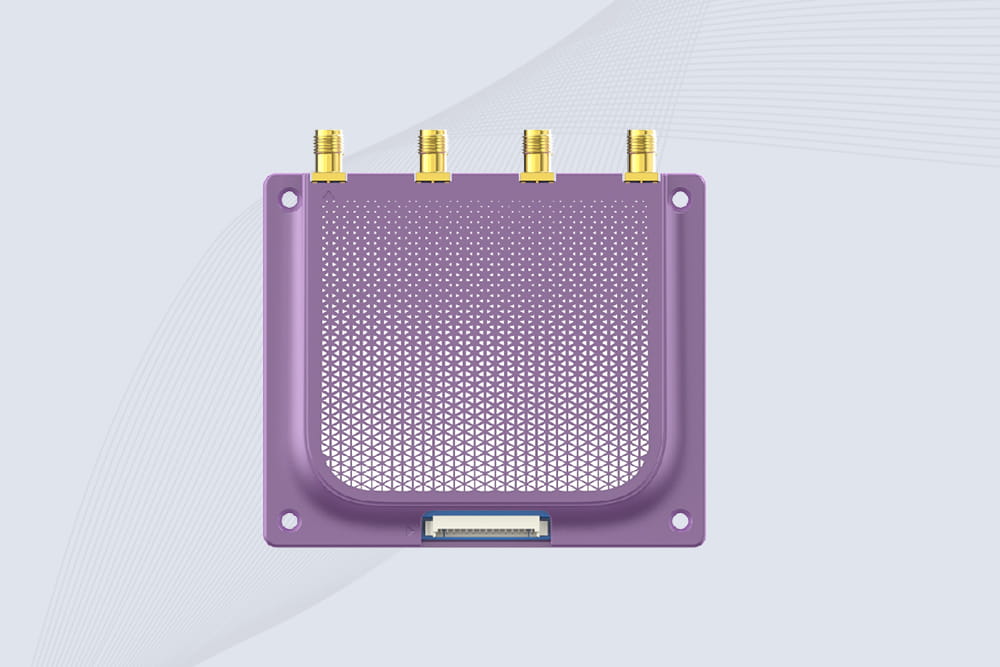
CYKEOCYKEO-M4L UHF RFID Module is a compact 4-channel RFID tag reader module designed for dense tag environments. Supporting ISO and GB protocols, it delivers stable reads up to 10 meters for industrial and IoT systems.
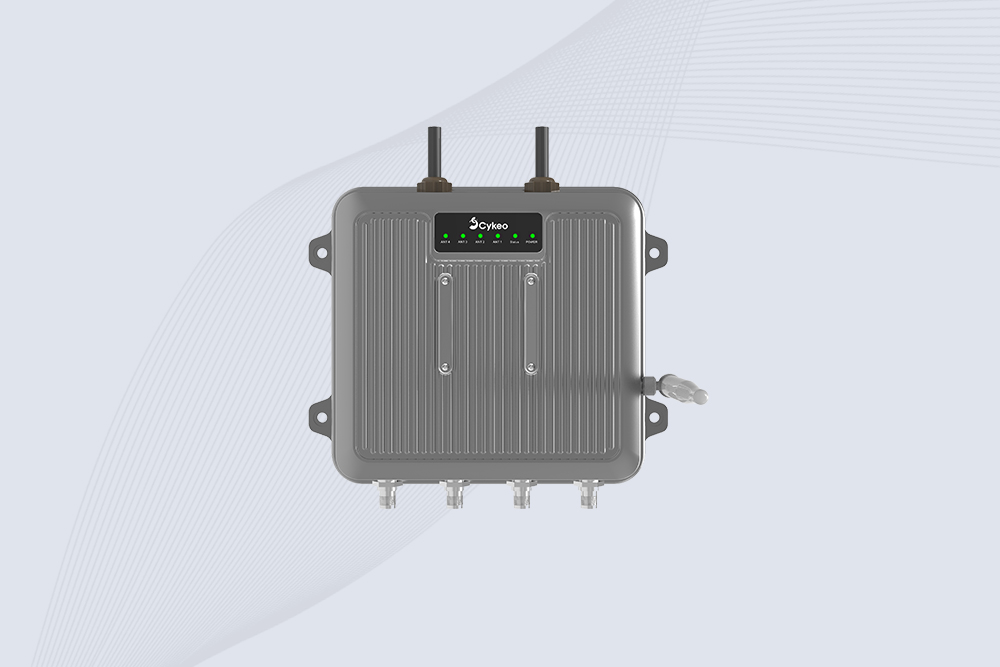
Cykeo CYKEO-C1 industrial Forklift RFID Reader features 20m read range, 600 tags/sec scanning, Impinj R2000 chipset, and IP67 rugged design. Ideal for warehouse logistics and manufacturing. Supports ISO 18000-6C/6B protocols.
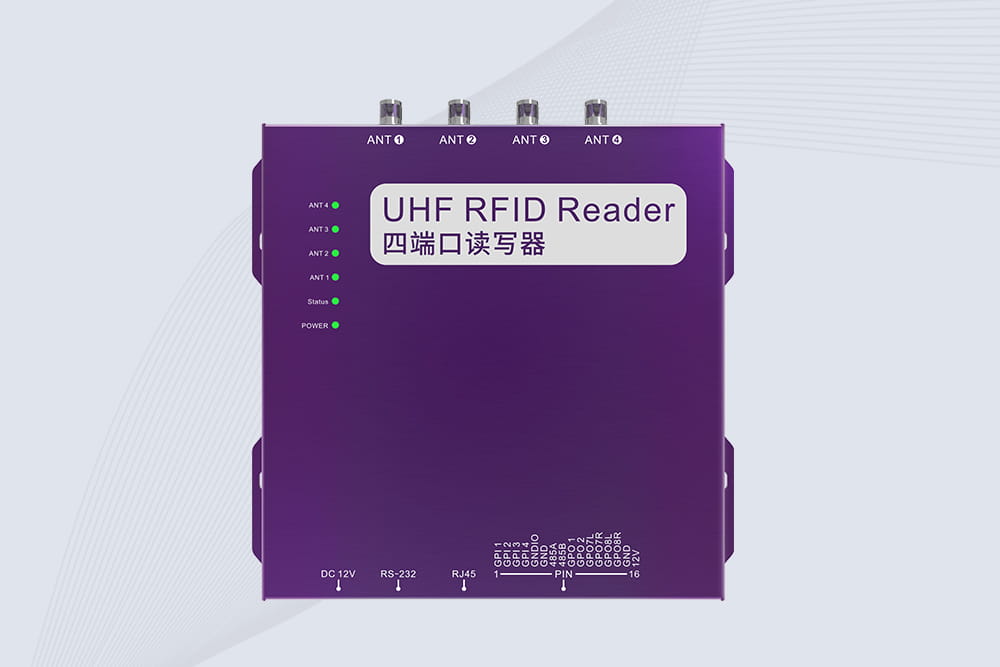
Cykeo CYKEO-R4 industrial UHF RFID Fixed Reader features 4 TNC ports, 400+ tags/sec speed, IP67 housing, and global frequency compliance for vehicle inspection, smart warehouse, and asset management systems.
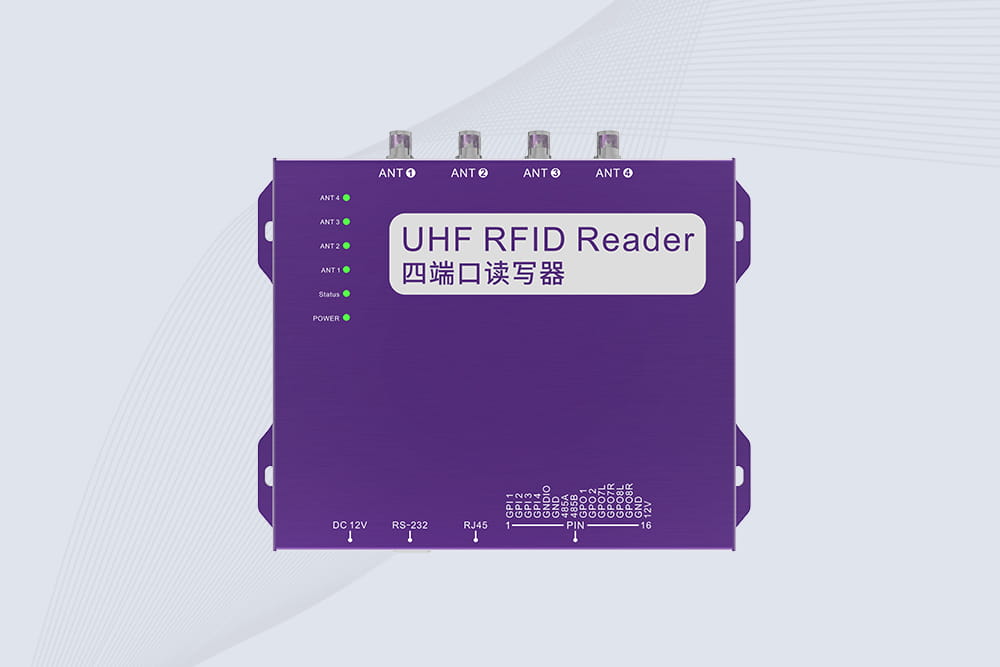
Cykeo’s CYKEO-R4L 4-port Fixed UHF RFID Reader delivers 400 tags/sec scanning, ISO 18000-6C compliance, and IP65 protection. Ideal for warehouse automation, manufacturing WIP tracking, and logistics management.
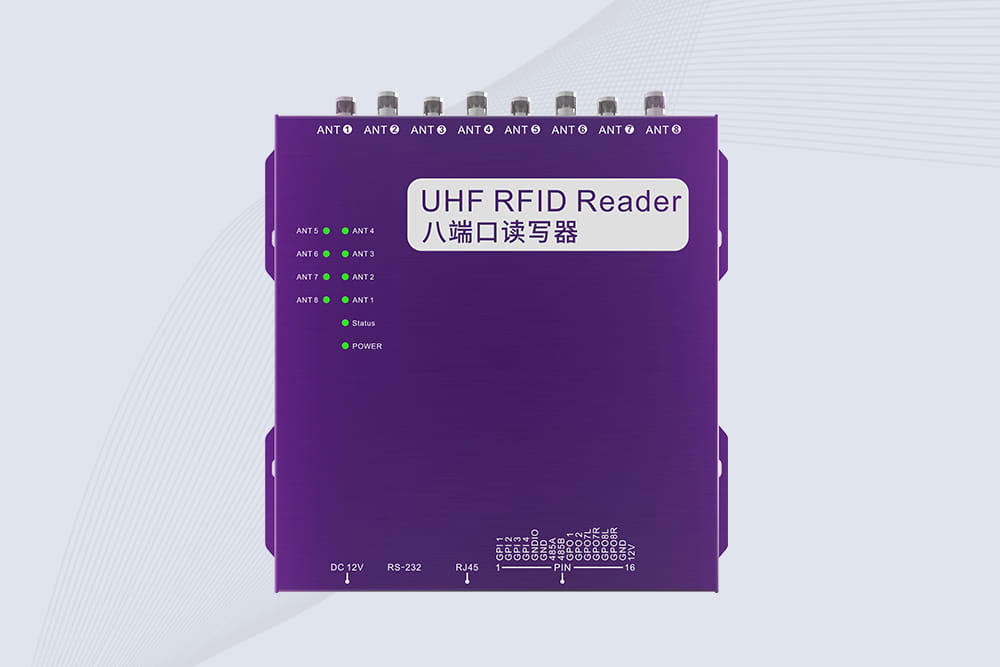
CYKEO CYKEO-R8L Fixed RFID Reader with 8-port UHF design, Impinj-based RF core and up to 20m read range. An industrial Fixed RFID Reader for vehicle inspection, warehouse portals, smart manufacturing lines and secure access checkpoints.
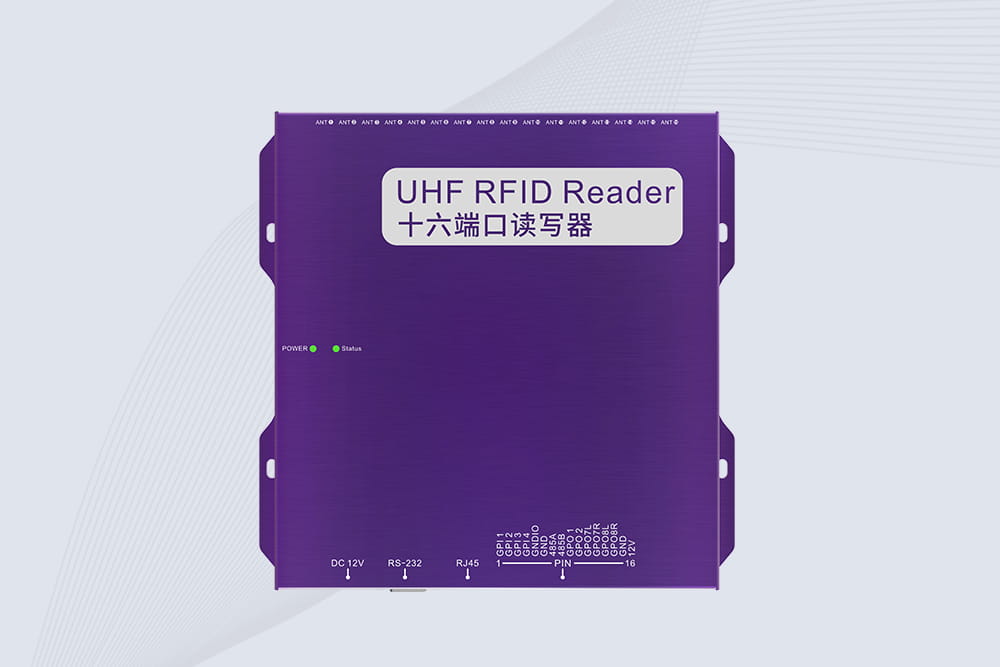
RFID Fixed Reader from CYKEO – the CYKEO-R16L 16-port UHF fixed reader for warehouses, smart cabinets, and production lines. Long-range, multi-tag reading, stable performance for 24/7 industrial use.

Can phones read RFID tags? We explain what's possible with phone NFC, what isn't, and why you need different hardware for business RFID tracking.
More
Learn how RFID asset tracking works, its key components, and benefits for industries like healthcare, logistics, and manufacturing. Explore Cykeo’s tailored solutions.
More
Discover what RFID is, how it works, and its top industrial applications. Learn how Cykeo’s RFID solutions enhance logistics, healthcare, and retail operations.
More
Step-by-step guide to access control installation, from wiring readers and power supply to testing locks—beginners can handle it easily.
More