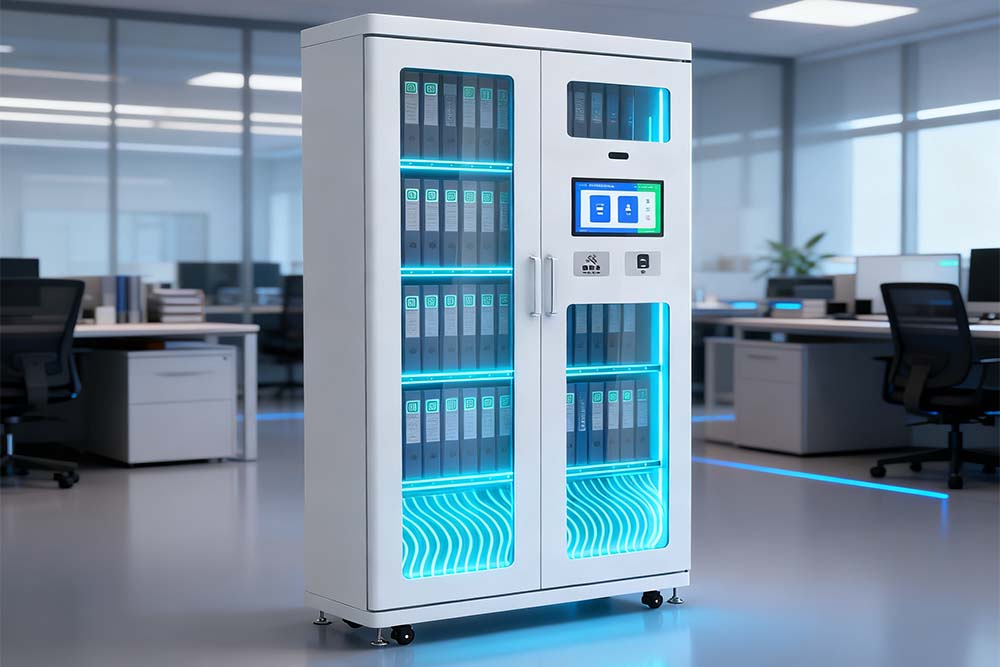
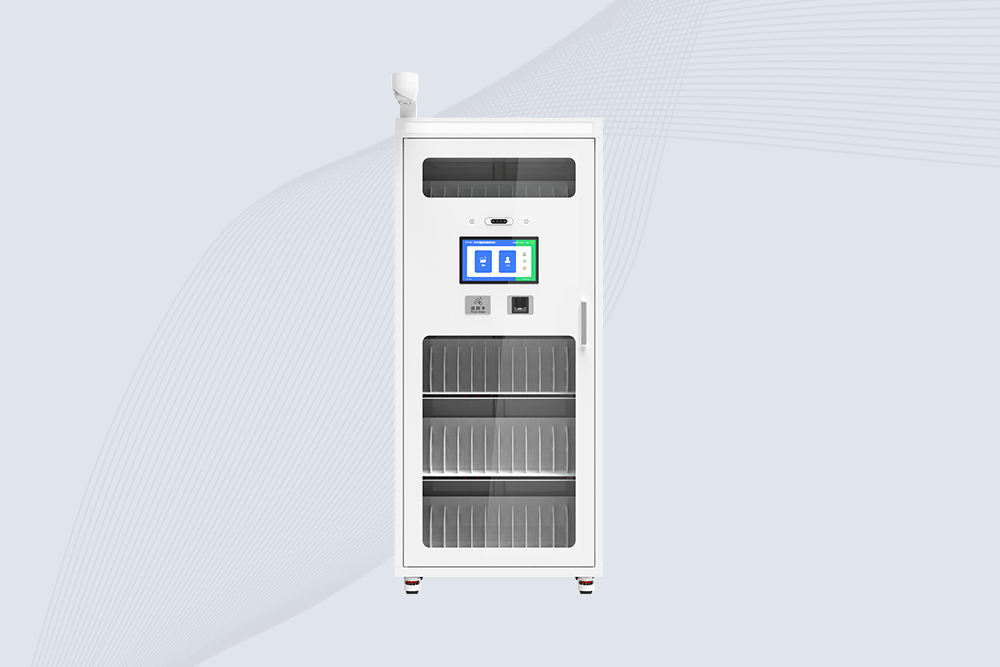
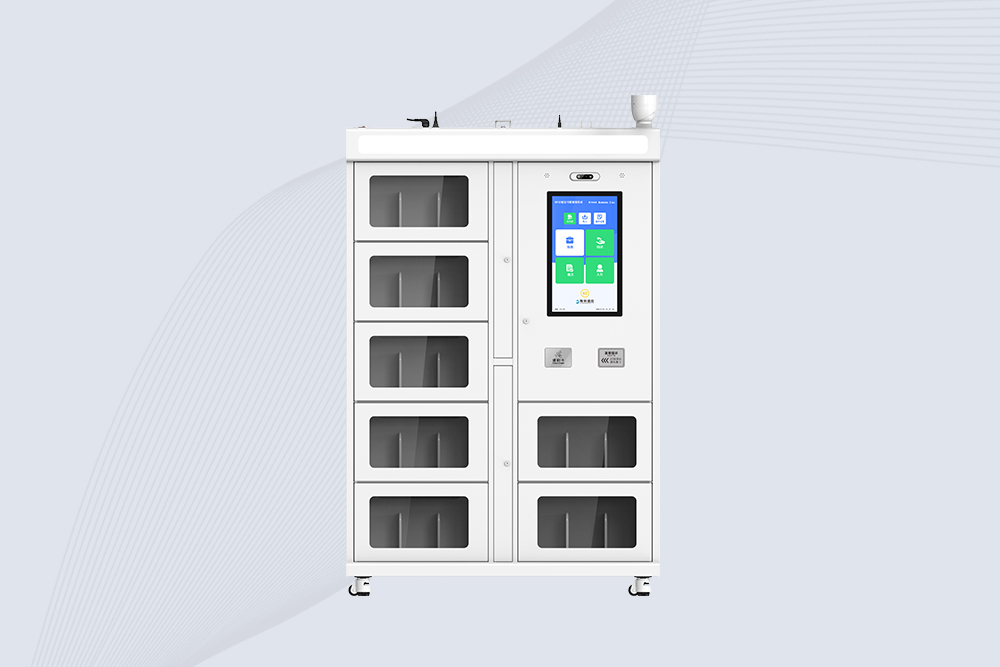
Honestly, if someone is still searching files by hand or flipping through old metal cabinets, they’re wasting time. Modern offices are drowning in documents, compliance rules are getting stricter, and losing a single file can turn into a serious problem. That’s exactly why the RFID file cabinet has been getting so much attention lately.
But don’t overthink it. The core idea is super simple:
Let the files “reveal themselves,” instead of humans hunting for them.
It sounds almost too easy, but once this idea gets embedded into a smart file cabinet, it completely changes how file management works.
The Real Logic Behind an RFID File Cabinet
Traditional file systems rely on manual entry, barcode scanning, and hoping nothing gets damaged or misaligned.
RFID is a whole different game.
Every file gets an RFID tag with a unique ID
The cabinet is packed with antennas and readers
When something goes in, the cabinet automatically recognizes it
When something gets removed or moved, it’s logged instantly
The system always knows “where it is,” “who touched it,” and “whether the box is actually full or empty”
And the best part? You don’t aim anything. You don’t scan anything. You just put the file in. The cabinet does the rest.
Why People Are Suddenly Obsessed With RFID File Cabinets
This isn’t marketing fluff. After seeing how these systems behave in real work environments, I’d say the core advantages boil down to a few very real points.
Cykeo’s armored RFID Confidential Document Cabinet features anti-tamper compartments, court-admissible audit logs, and dual OS for government/legal evidence storage. 99.9% UHF RFID accuracy.
Discover how RFID logistics sorting antenna systems improve parcel tracking, conveyor automation, and warehouse efficiency. Learn how RFID gate antennas help logistics providers track thousands of packages in real time.
Discover how RFID technology really works in manufacturing. Real-world experiences, practical tips, and lessons learned from implementing RFID systems for inventory, production, and quality control.
Explore how an rfid scanner iphone works in real projects. Learn NFC limits, external reader options, and practical setup tips using CYKEO mobile RFID solutions.
Understand RFID antenna range and the factors that affect reading distance, including antenna gain, RFID tags, reader power, installation environment, and application design.
 Cykeo RFID IoT Solution Products R&D Manufacturer