Honestly, the more years you spend doing RFID antenna design, the more you realize one thing: the theory is clean, the real world is messy. So if you came here expecting some “perfect textbook guideline,” I’ll tell you right now — RFID antennas don’t care about your textbook. They only care about physics, materials, space, and whatever random metal object someone decides to place next to your board at the last minute.
Let me break down what actually matters — especially if you’re dealing with NFC (13.56 MHz), LF (125 kHz), or UHF. These are the things you only learn after burning through a pile of prototypes.
1. First Reality: Size Always Wins… Until Someone Says “We don’t have space.”
Whether it’s NFC or LF, the antenna loop size dictates almost everything. Bigger loop = better coupling, better read range, better efficiency. But in real projects? You’ll hear: “Can you make the antenna smaller? Like… half?” Sure. But don’t expect miracles.
Small antennas mean:
Efficiency drops
Q-factor collapses
Coupling distance shrinks
Tuning becomes hypersensitive to materials
Especially for NFC. Miniaturize too much and the antenna basically becomes a decorative copper drawing.
2. Don’t Trust Simulation Too Much. Trust Your VNA.
Simulation is nice. Beautiful even. But NFC and LF antennas are extremely sensitive to:
Plastic thickness
Housing material
Glue
Coil trace width
Nearby ground planes
The guy who decided to route a digital clock signal right under your coil
You want the truth? Nothing in simulation will tell you what your antenna actually resonates at. Your VNA will.
Measure it. Adjust. Measure again. That’s the real NFC design workflow.
3. Matching Network: You’ll End Up Tweaking It On the Table Anyway
In theory:
You calculate the inductance of the loop
You pick the matching capacitors
You tune to resonance at 13.56 MHz or 125 kHz
In practice: The inductance you calculated? Wrong by 10–30%. The parasitic capacitance you ignored? It bites you later. The plastic cover? Shifts your resonance again. The metal screw someone added halfway through? Kills everything.
So yeah… Prepare an adjustable matching network. Everyone does it. Everyone pretends they don’t.
4. When Metal Appears Near the Antenna… Just Know Your Day Is Ruined
Metal is the natural enemy of RFID antennas. Doesn’t matter what frequency you’re at.
Metal does three painful things:
Detunes the antenna
Lowers Q
Kills read distance
If the mechanical team says “We’ll place the antenna next to this metal plate,” just ask them: “Do you want it to work or just look pretty?”
Even a few millimeters away helps. And using ferrite backing can save your life sometimes — but don’t expect miracles.
5. LF (125 kHz) Has Its Own Personality — Don’t Treat It Like NFC
LF antennas behave differently:
They love turns. Lots of turns.
Inductance is king.
Ferrite cores can drastically change performance.
You calculate inductance? Then you measure it and realize it’s totally different. Welcome to LF.
Also, the resonance capacitor is everything. You’ll spend more time swapping capacitors than designing the actual board.
6. UHF? Totally Different Game. And Way More Sensitive.
UHF is not a coil — it’s an actual antenna. And it behaves like one.
Things that drastically change UHF antenna performance:
Ground clearance
Housing dielectric
Orientation
Human hands
The thickness of the plastic enclosure
Even a small shift in trace geometry
Also, UHF is way more influenced by the environment than HF/LF. Design the antenna with reference to actual placement, not theory.
7. High-Q Sounds Good on Paper. In Real Life… Not Always.
High-Q NFC/LF antennas look great in slides. You get strong magnetic field generation. But high-Q also means:
Narrow bandwidth
Easy detuning
Harder matching
If your device works “only in the lab,” your Q is probably too high.
Sometimes lowering Q actually makes the product more stable.
8. Prototype. Test. Break. Redesign. That’s RFID.
Real-world workflow:
Draw antenna
Simulate a bit
Build prototype
Measure inductance
Measure S11
Retune matching
Put in housing
Cry
Retune again
Ship product
RFID antenna design has a rhythm. When you accept that it’s iterative, you’ll start winning.
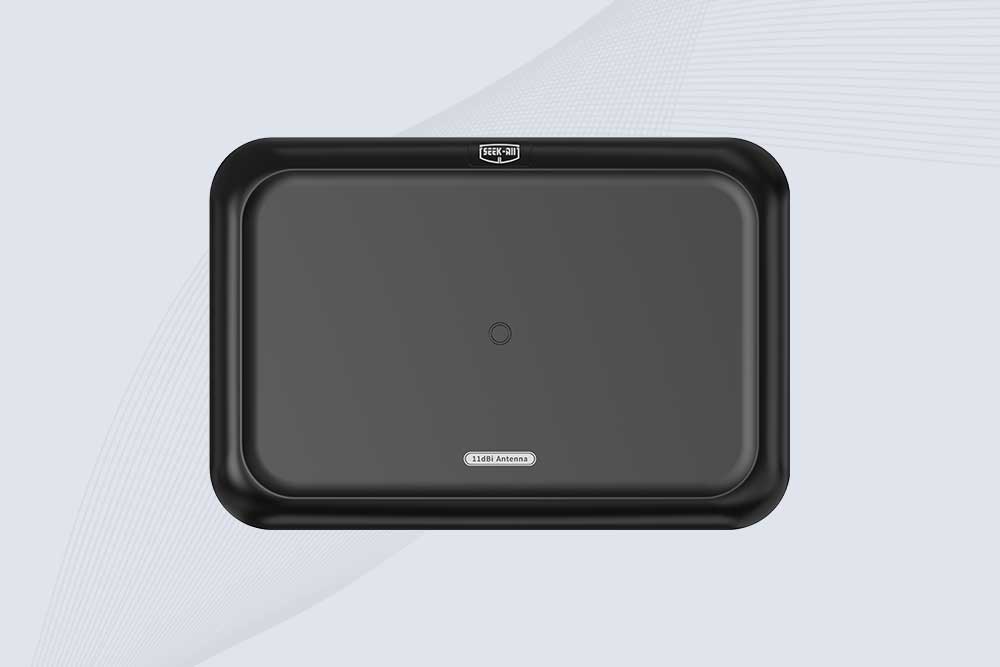
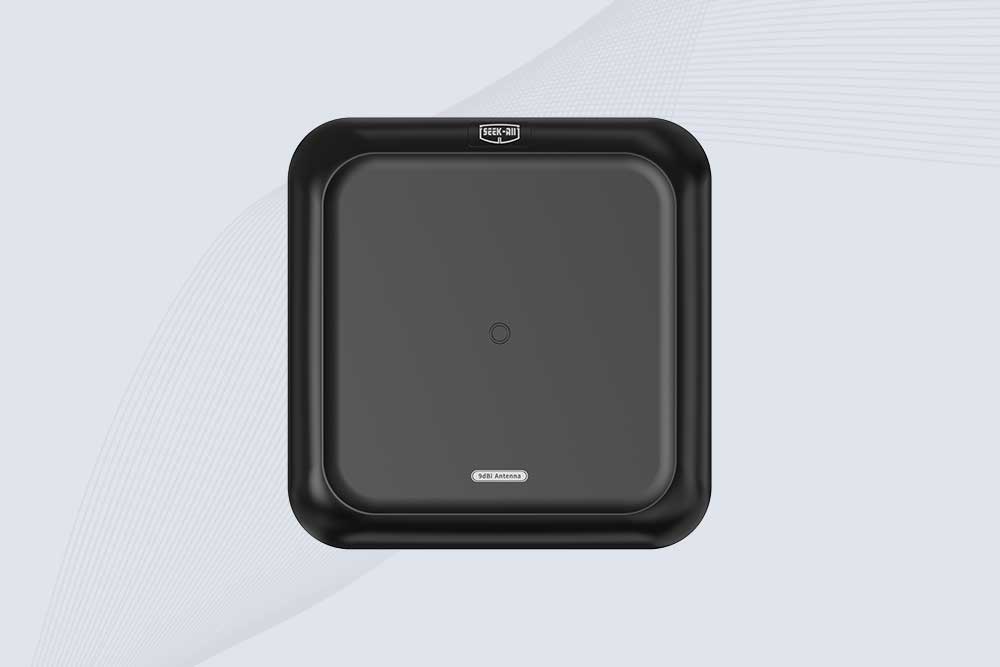
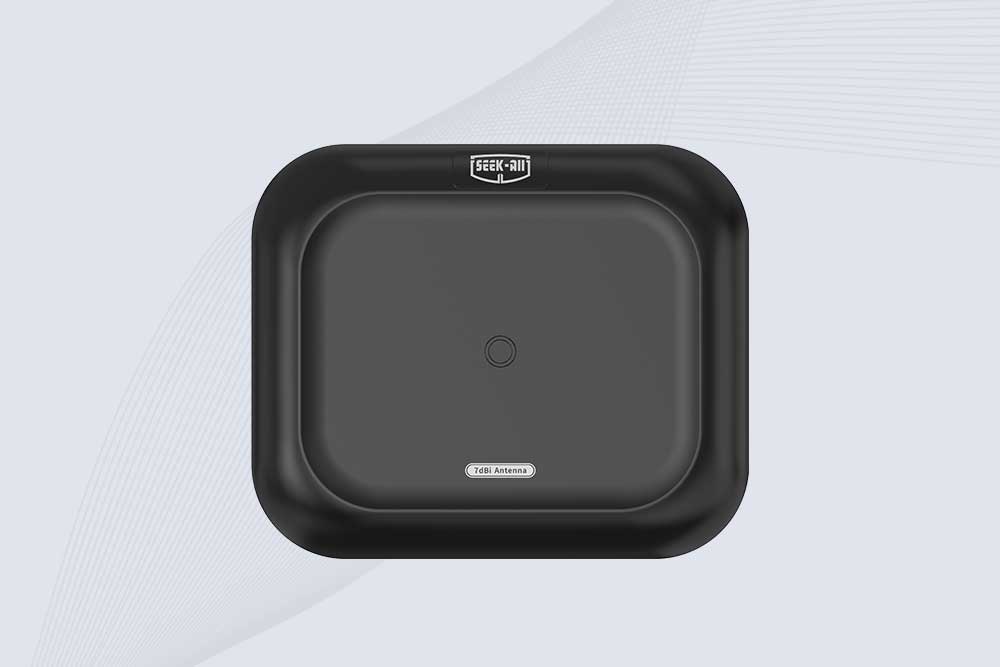
Explore the SSD-A07 UHF RFID antenna with 7 dBi gain, circular polarization, adjustable 840–960 MHz frequency, and 60°/75° beamwidth for stable RFID read/write performance.
SSD-A06 UHF RFID antenna with circular polarization, adjustable 840–960 MHz frequency, ≥4.5 dBi gain, and a compact directional design for RFID systems.
Discover what does the rfid chip do and how RFID chips enable automatic identification, tracking, and data management with Cykeo’s engineering experience and solutions.
Learn how to integrate RFID readers with existing inventory software using APIs, middleware, and best practices. Cykeo’s guide ensures smooth data synchronization.
Learn how to read RFID tags in Android. We cover using your phone's NFC for simple tags and connecting external UHF readers for real inventory apps. Practical steps included.
Learn how to track livestock efficiently using handheld RFID readers. Discover best practices for tagging, data collection, and integrating with farm management software.
 Cykeo RFID IoT Solution Products R&D Manufacturer