The Conveyor Never Stops. That’s Exactly Why RFID Starts Making Sense.
If you’ve ever stood inside a busy logistics sorting center, one thing becomes obvious very quickly.
Everything is moving.
Parcels move.
Carts move.
Conveyors move.
People move.
And nobody wants any of those things to slow down.
A few years ago, I visited a parcel distribution facility during peak season. The conveyor system seemed endless. Packages were flowing through transfer points every few seconds.
At first glance, it looked organized.
Then someone pointed out the actual challenge.
Tracking every parcel accurately while maintaining that speed.
That’s where RFID starts becoming more interesting than it appears on paper.
Not because it’s a new technology.
Because manual processes begin struggling once volume reaches a certain level.
When Barcodes Meet Conveyor Speed
Barcodes remain a critical part of logistics operations.
Most facilities still depend on them.
The issue isn’t barcode technology itself.
The issue is speed and visibility.
As parcel volume increases, even small delays become expensive.
A package may arrive slightly rotated.
A label might be partially covered.
A scanner could miss a read.
None of these problems seem significant individually.
Multiply them by tens of thousands of parcels every day and the operational impact becomes much easier to notice.
RFID approaches the problem differently.
Instead of requiring precise visual alignment, rfid tags can be detected automatically while parcels continue moving through the workflow.
The conveyor keeps running.
The system keeps collecting data.
That difference sounds small until peak season arrives.
Sorting Centers Are Less Predictable Than They Look
People often imagine logistics facilities as perfectly controlled environments.
Reality tends to be messier.
Parcel sizes vary constantly.
Packaging materials change.
Items arrive from different suppliers.
Transfer routes get adjusted.
Temporary sorting areas appear during high-volume periods.
The system has to keep functioning despite all of that.
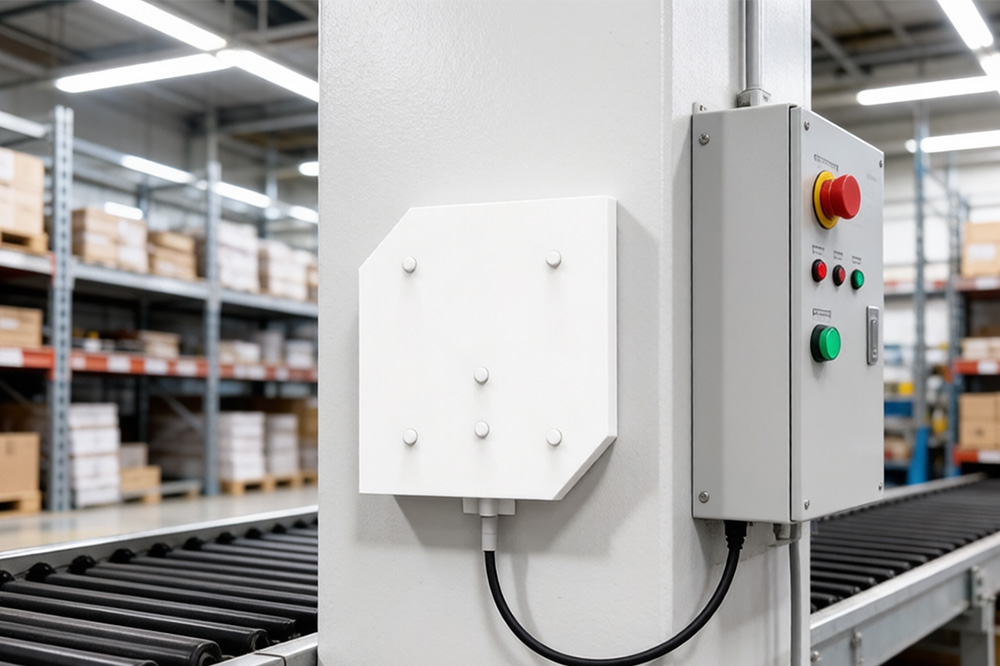
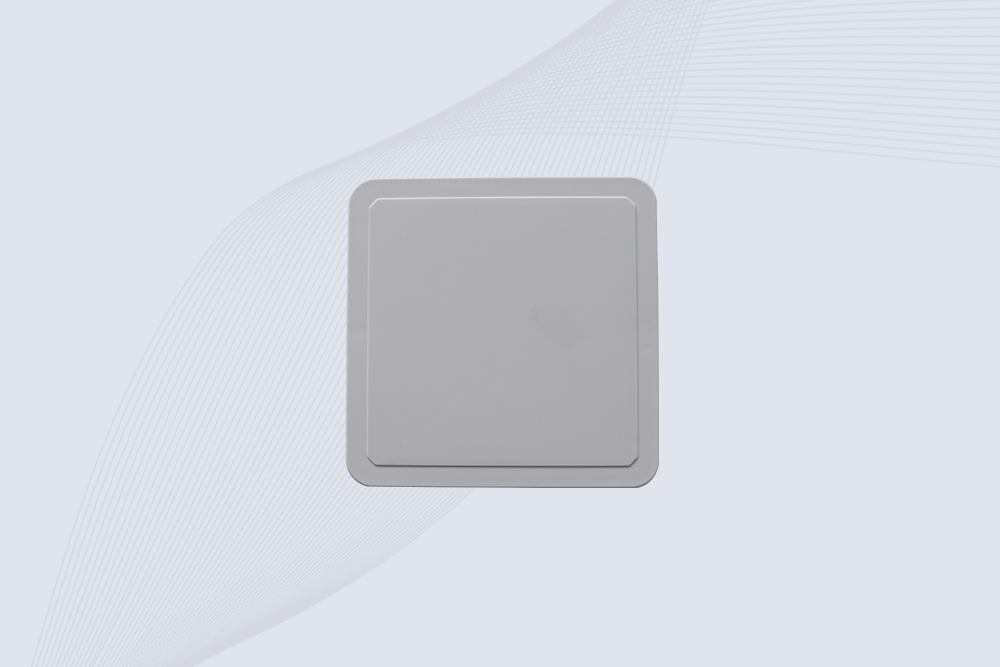
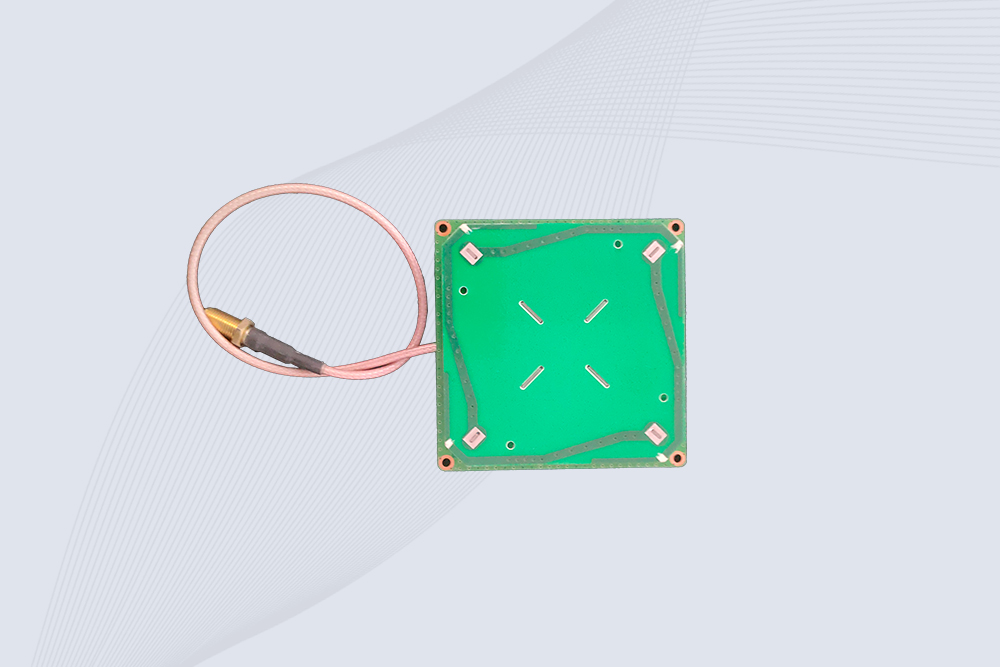
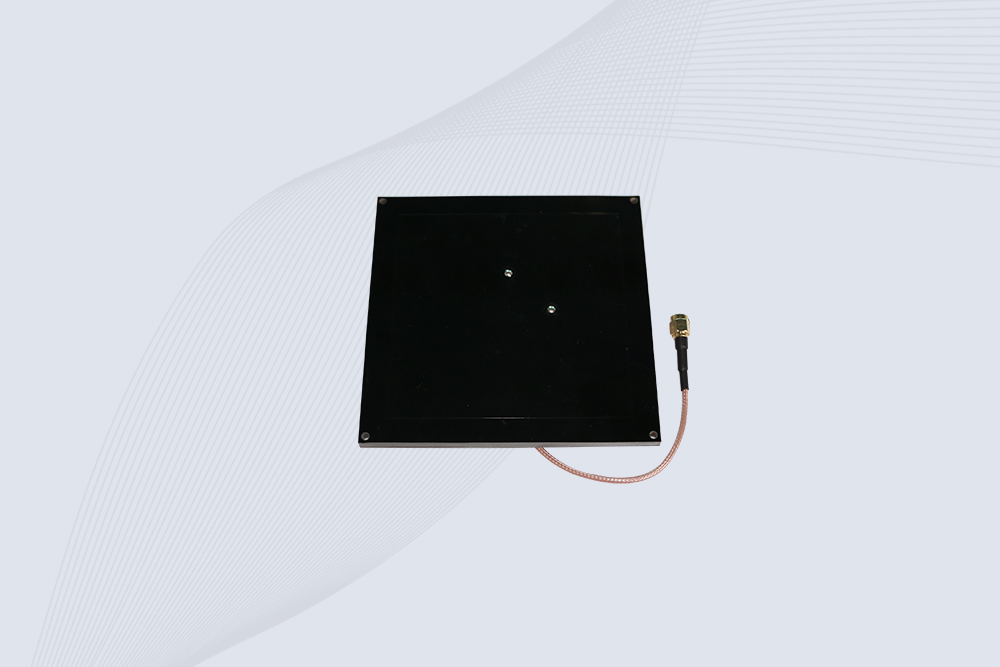
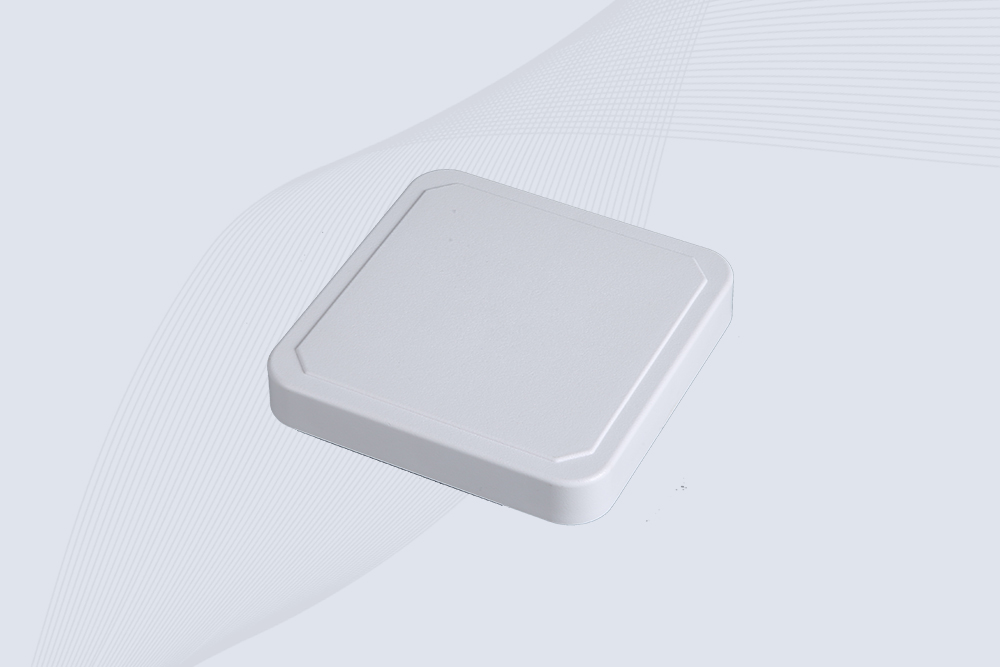
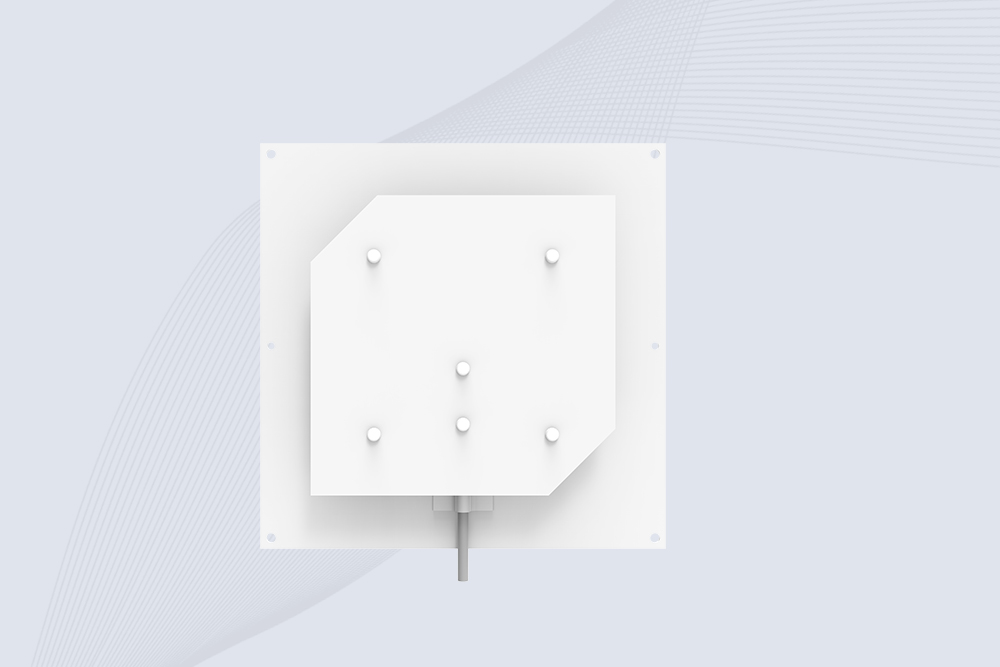
This is one reason RFID sorting projects often focus heavily on antenna design.
Not because rfid antennas are the most expensive component.
Because they directly influence how the read zone behaves.
And in logistics operations, read zones matter more than many buyers initially realize.
Conveyor Tracking Is Mostly About Control
A common assumption is that logistics operators want maximum read range.
Usually they don’t.
They want controlled identification.
Imagine a conveyor carrying dozens of tagged parcels.
The objective isn’t reading every tag within twenty meters.
The objective is identifying the right parcel at the correct checkpoint.
Too much coverage can actually create confusion.
Nearby parcels may be detected before reaching the intended location.
Transfer points may generate duplicate events.
Tracking records become harder to interpret.
That’s why RFID conveyor tracking systems frequently use carefully positioned directional antennas.
The goal is defining a specific observation area rather than creating the largest possible RF field.
Parcel Tracking Gates Solve a Different Problem
Conveyor systems handle movement inside the facility.
RFID gate systems often manage transitions between zones.
Receiving.
Sorting.
Outbound staging.
Loading docks.
Each location creates a natural checkpoint.
As tagged parcels or containers move through the gate, the system automatically records movement events.
No scanning gun.
No manual confirmation.
No need for operators to stop moving freight.
In large logistics networks, these checkpoints gradually create a digital movement history for each shipment.
The visibility becomes valuable long before anyone starts calculating labor savings.
One Project Had Excellent Equipment But Inconsistent Results
The interesting part wasn’t the hardware.
Everything was selected correctly.
Reliable readers.
Quality antennas.
Appropriate tags.
The issue turned out to be conveyor layout.
Two adjacent lines were positioned closer together than originally planned.
As parcel density increased, read zones began overlapping.
The system wasn’t malfunctioning.
It was simply detecting tags from neighboring conveyor lanes.
Once rfid antenna positioning was adjusted and read zones became more controlled, tracking accuracy improved significantly.
That’s something many logistics operators discover eventually.
RFID performance is often influenced as much by physical layout as by hardware specifications.
Metal Frames and Conveyor Structures Can Change Everything
Conveyors introduce another challenge.
Metal.
Lots of it.
Support structures.
Rollers.
Frames.
Protective barriers.
These elements can alter RF behavior in ways that aren’t always obvious during planning.
Sometimes signals reflect into unintended areas.
Sometimes read zones become narrower than expected.
Sometimes coverage appears stronger several meters away than directly in front of the antenna.
Warehouse environments already contain plenty of variables.
Conveyor systems add a few more.
This is why many experienced integrators still perform site testing even after simulation and design reviews.
Real facilities have a habit of revealing details that drawings don’t show.
What Logistics Operators Usually Ask For
Interestingly, buyers rarely begin conversations by asking about antenna gain.
Most questions are operational.
Can it track parcels automatically?
Will it work at conveyor speed?
Can it reduce manual scanning?
Can it integrate with our WMS?
Can it support future expansion?
These questions tell you something important.
Most logistics companies aren’t looking for RFID hardware.
They’re looking for workflow improvements.
The hardware is simply part of the solution.
RFID Sorting Projects Are Becoming More Integrated
A few years ago, RFID deployments often focused on individual checkpoints.
Today, many operators are thinking larger.
Receiving areas.
Conveyor lines.
Sorting stations.
Outbound docks.
All connected into a single tracking workflow.
As parcel volume continues increasing, the value of real-time visibility becomes harder to ignore.
Companies investing in RFID logistics automation, including providers such as Cykeo, are seeing growing demand for complete parcel tracking solutions rather than standalone readers or antennas.
And honestly, that’s not surprising.
When thousands of packages are moving every hour, the biggest challenge isn’t moving them.
It’s knowing exactly where they are without slowing everything down.
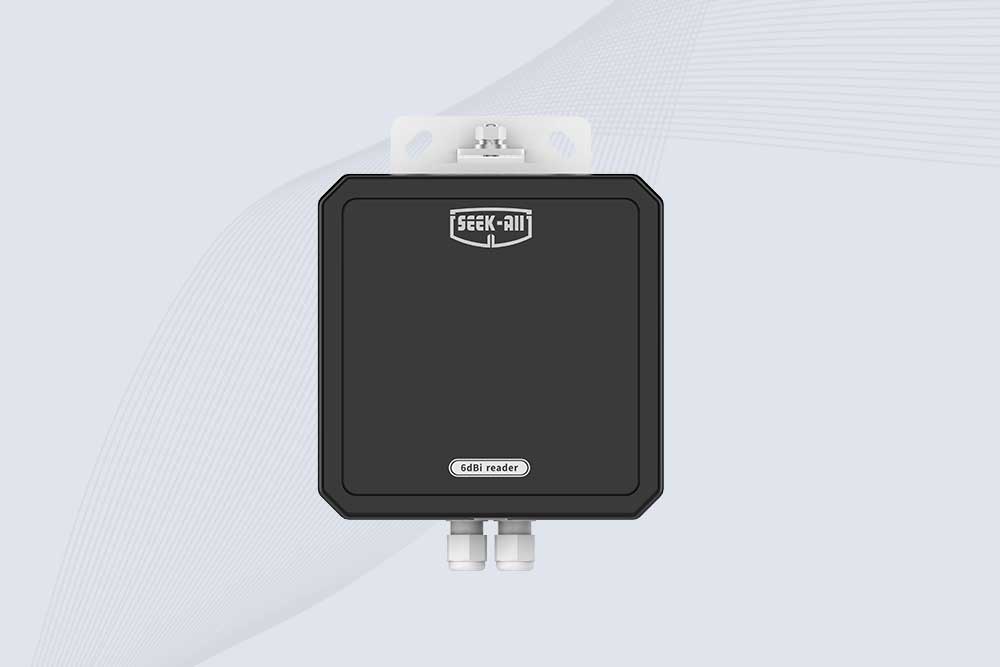
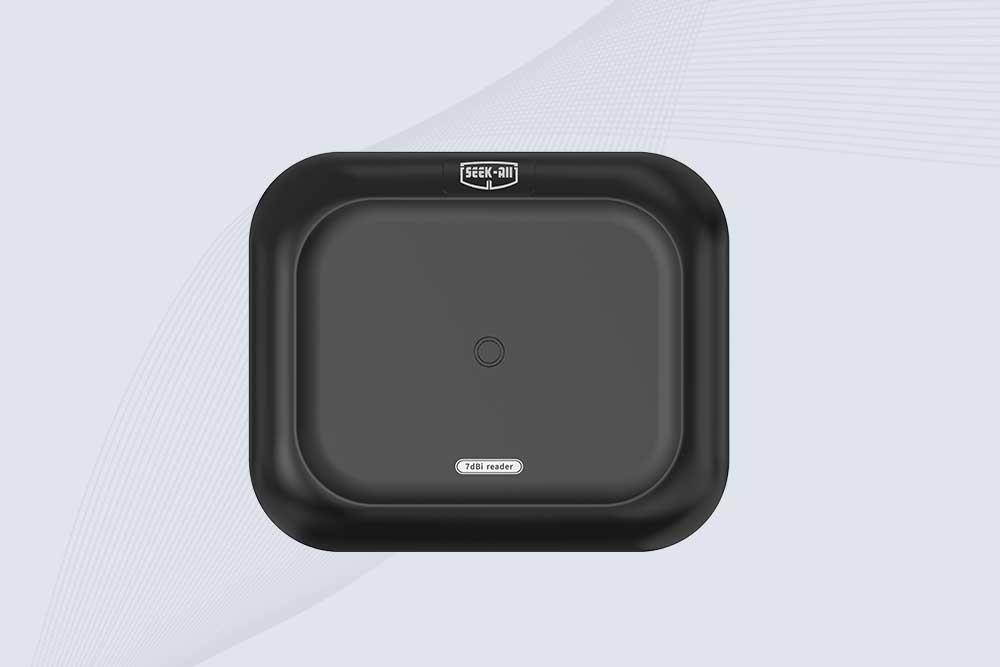
SSD-RA06L is an industrial UHF RFID reader with a built-in 6 dBi antenna, 3 m read range, 600+ tags/s, Ethernet, RS232, and optional Wi-Fi, 4G, and PoE.
SSD-RA07L industrial UHF RFID reader with integrated 7 dBi antenna, up to 6 m reading distance, over 600 tags/s, Ethernet, RS232, and optional Wi-Fi, 4G, and PoE.
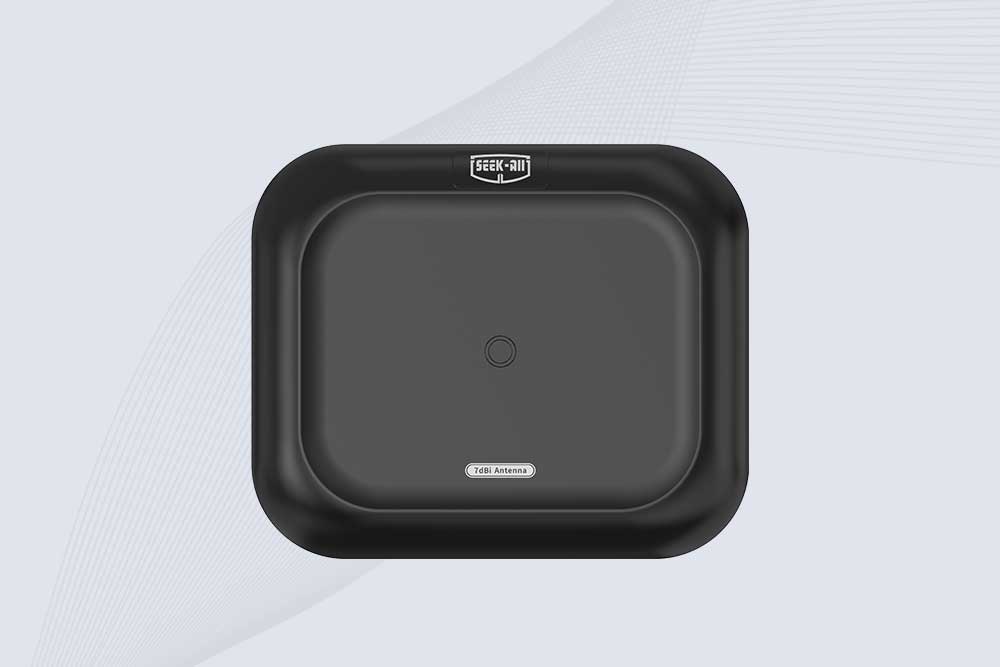
Explore the SSD-A07 UHF RFID antenna with 7 dBi gain, circular polarization, adjustable 840–960 MHz frequency, and 60°/75° beamwidth for stable RFID read/write performance.
SSD-A06 UHF RFID antenna with circular polarization, adjustable 840–960 MHz frequency, ≥4.5 dBi gain, and a compact directional design for RFID systems.
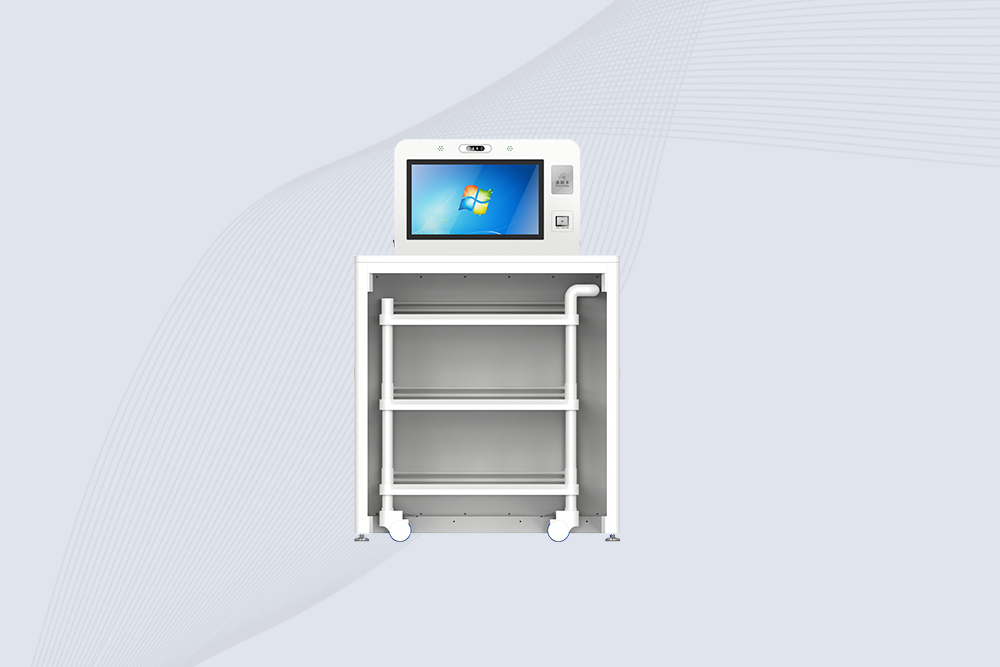
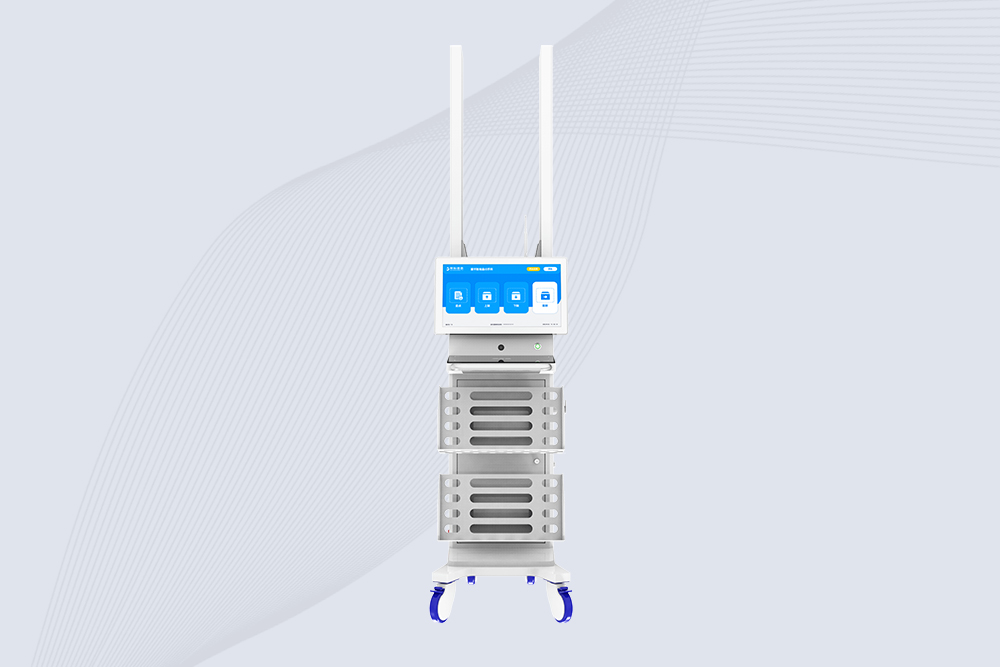
Cykeo CYKEO-C2 UHF RFID inventory cart features 10 UHF readers, 500 tags/sec scanning, Windows/Android OS, and hybrid power for warehouses/libraries. Supports ISO 18000-6C protocols and customization.
Cykeo’s industrial RFID Inventory Tracking station features dual scanning modes, 200+ items/sec bulk reading, and SAP integration for precise warehouse management. MIL-STD-810G certified with Windows/Android OS.
Cykeo CYKEO-D7 RFID system for inventory offers 40+ tags/sec scanning, 150L secure storage, and Impinj R2000 chipset for warehouses, toolrooms, and retail. Global frequency compliance (840-960MHz).
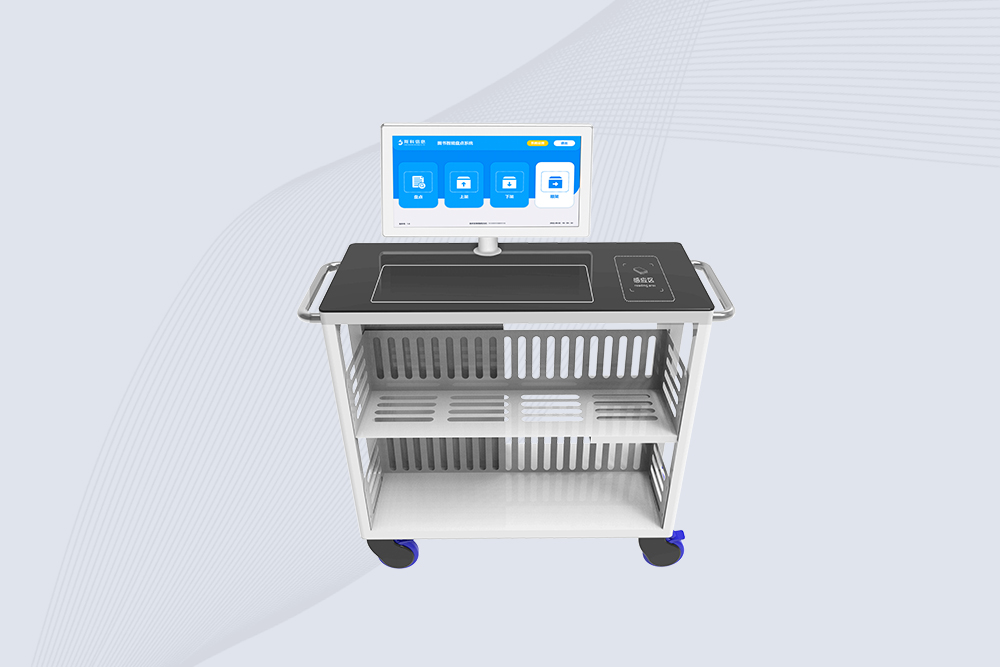
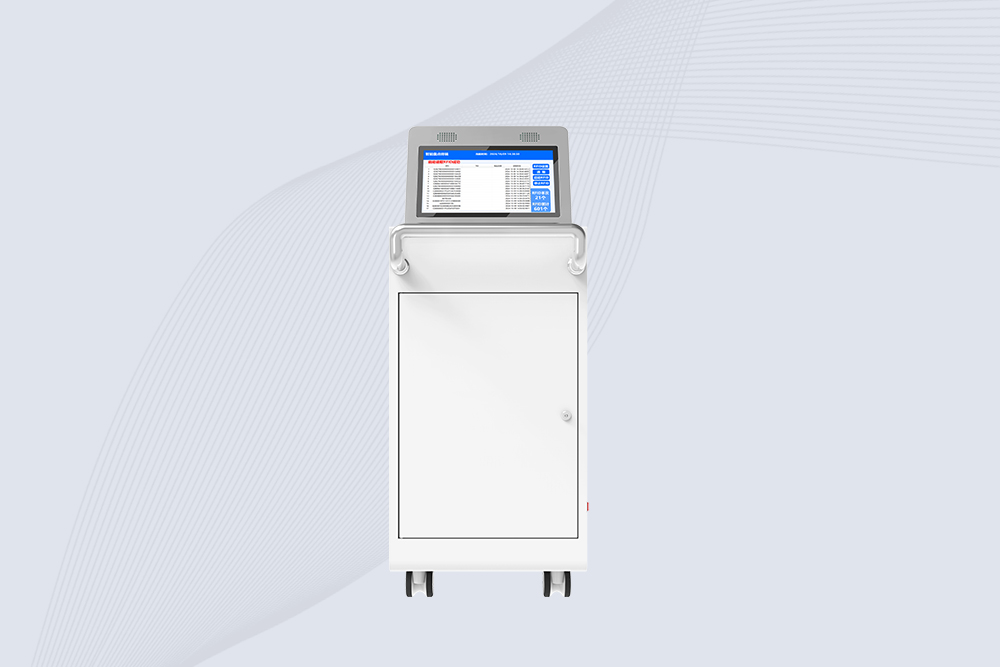
Cykeo CYKEO-C1 mobile RFID scanner cart features PLC-controlled antenna lifting, 10-tag/sec reading, and 21.5″ touchscreen for libraries, hospitals, and warehouses. Supports Windows/Android and multi-protocol RFID.
Cykeo CYKEO-C3 industrial warehouse RFID scanner features motorized lift (2.2m height), 800+ tags/min scanning, Windows/Android OS, and ERP integration. Ideal for high-shelf inventory in logistics/manufacturing.
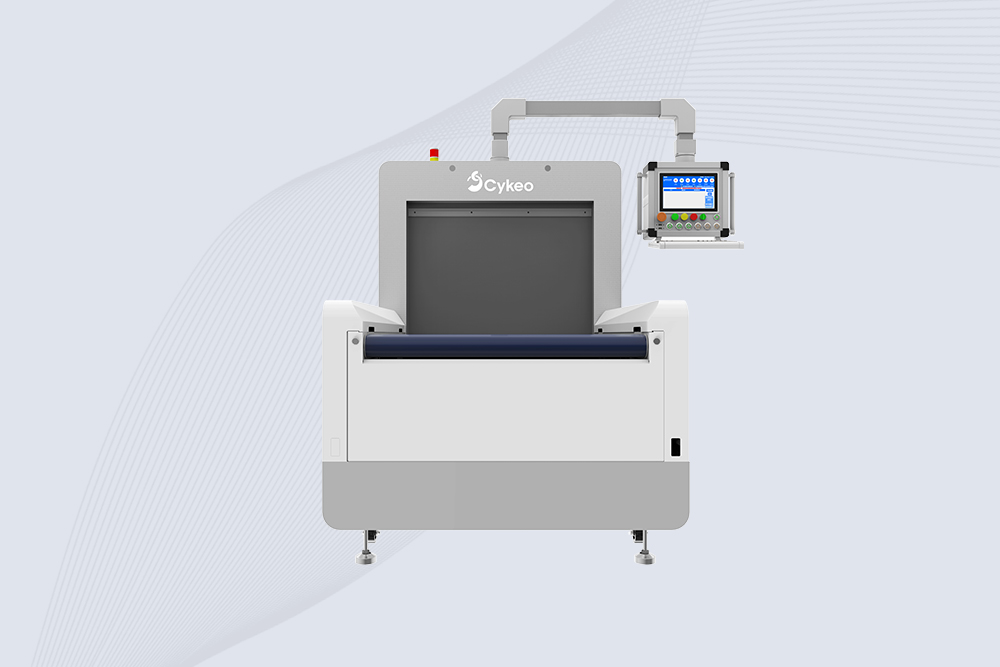
Cykeo’s CYKEO-TP2 automated RFID Inventory Management Tunnel System features 80kg capacity conveyor, 400 tags/sec scanning, and real-time data validation for warehouse/logistics operations.
Cykeo’s CYKEO-TP3BC RFID inventory tunnel System management machine delivers 400+ tags/sec counting with ISO 18000-6C compliance. Features 80kg conveyor, -20°C~60°C operation, and ERP integration for apparel/electronics warehouses.
Cykeo’s industrial RFID tunnel scanner enables bulk inventory management for apparel, utilities, and hospitality. Features 10cm anti-interference, ISO18000-6C compliance, and SAP/Oracle integration.
Cykeo CYKEO-TP4 industrial RFID tunnel system features 800-tag/batch processing, PLC-automated shutters, and SAP integration for apparel/hotel/power industries. 3-second verification with 99.9% accuracy.
Cykeo CYKEO-TP5A industrial RFID tunnel system features 800-tag/batch processing, PLC-automated shutters, and SAP integration for apparel/hotel/power industries. 3-second verification with 99.9% accuracy.
Cykeo CYKEO-GP industrial RFID tunnel achieves 300pcs/sec bulk RFID tags inventory tracking with ISO 18000-6C protocol. 1.9m tunnel height for cage carts, 20cm anti-crosshield tech.
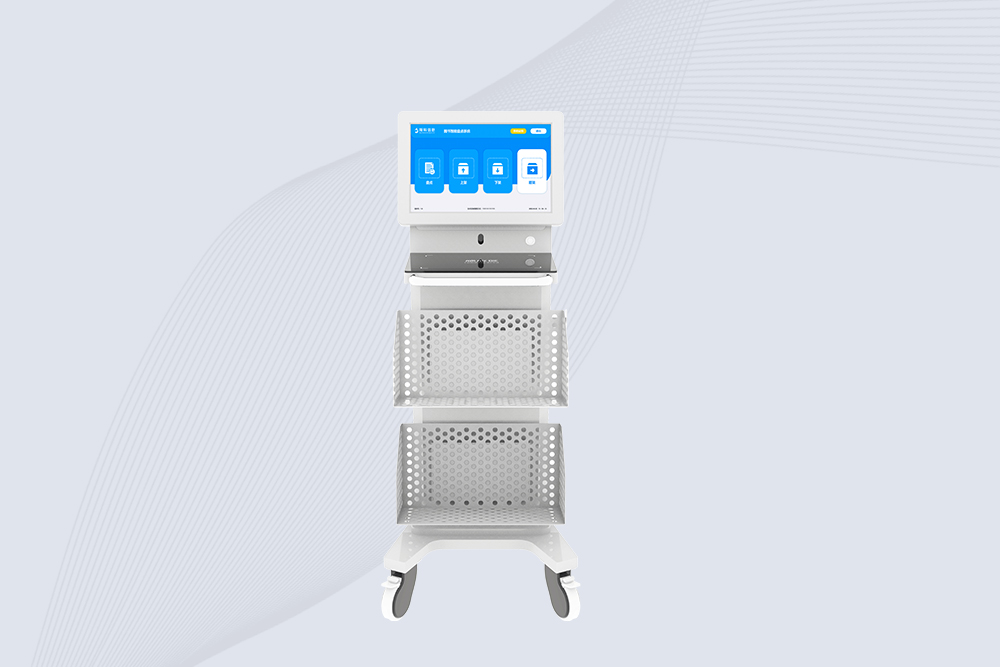
Cykeo CYKEO-C4A RFID inventory systems Cart feature dual-band scanning, 10-antenna array, and SAP integration for warehouse/hospital/supermarket asset audits. 300+ items/min accuracy with industrial reliability.
Cykeo CYKEO-C4B RFID inventory managment cart features dual-band scanning, 10-antenna array, and SAP integration for real-time asset tracking in warehouses/hospitals.
Cykeo CYKEO-C4C RFID inventory tracking cart features 10-antenna array, 300+ items/min scanning, and SAP integration for real-time asset visibility in warehouses/hospitals.
Cykeo CYKEO-T8B industrial rfid gate access system offers 1.85m scanning corridor, 99.6% read accuracy, and Windows/Android OS for production line verification. Supports SAP/Oracle integration.
Cykeo CYKEO-C1A RFID tag inventory system features vertical 2.2m manual lift, dual antennas, and Android/Windows OS for warehouse/library inventory. Supports SAP/Oracle integration.
Cykeo CYKEO-TP4A retractable RFID gate processes 1000+ items in 10 seconds with expandable width design. Ideal for large-scale utility, hotel linen, and apparel inventory management.
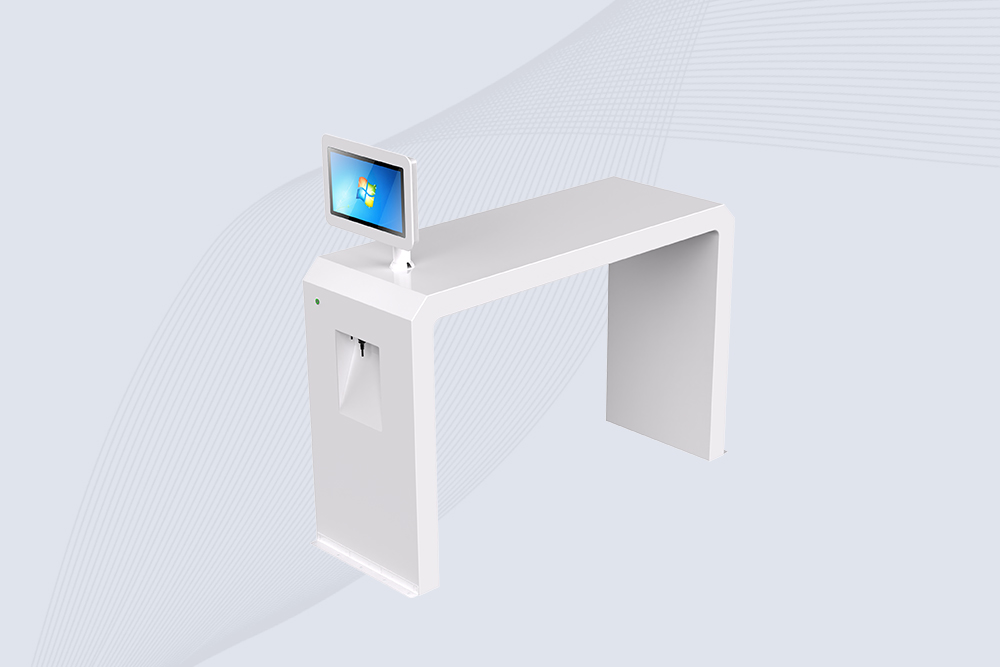
Cykeo CYKEO-S1 RFID library book return sorting system processes 1200 books/hour with modular design and dual-frequency RFID support. Ideal for automated library book sorting and categorization.
Cykeo CYKEO-TP2C RFID tunnel reader verifies 400+ items in 3 seconds with 4-antenna array and PLC control. Ideal for warehouse inventory management with 99.9% accuracy.
Cykeo CYKEO-TP2D compact RFID tunnel scanner reader offers enclosed scanning with auto-shutter door and IR-activated conveyor. Ideal for mid-scale warehouse inventory management.
Cykeo CYKEO-TP2A RFID tunnel reader verifies 400+ items in 3 seconds. Integrates RFID, barcode, weighing, and automated sorting for warehouse logistics. Boosts accuracy to 100%.
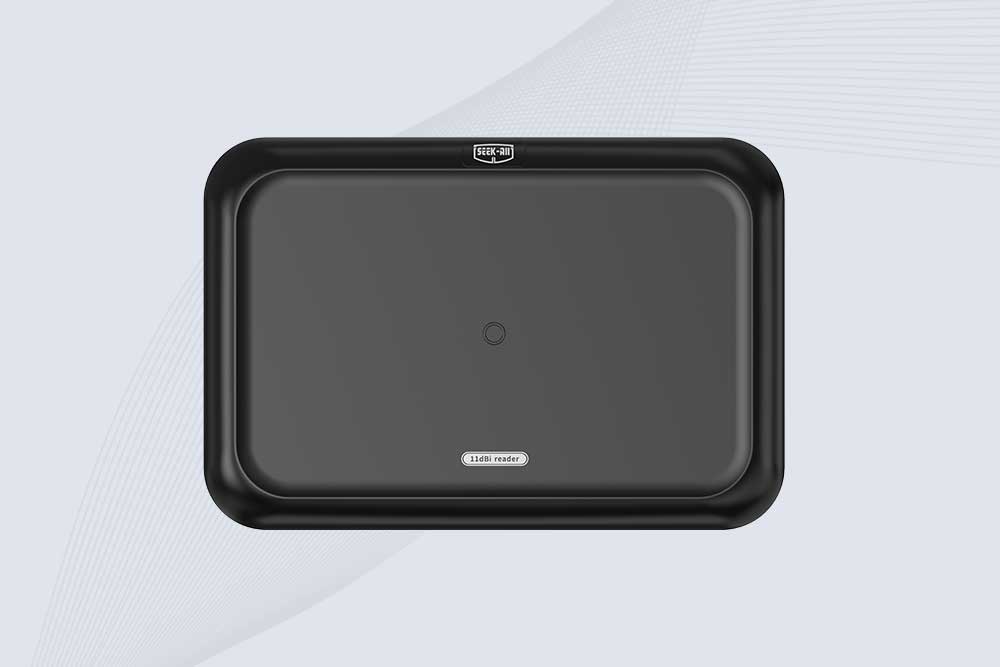
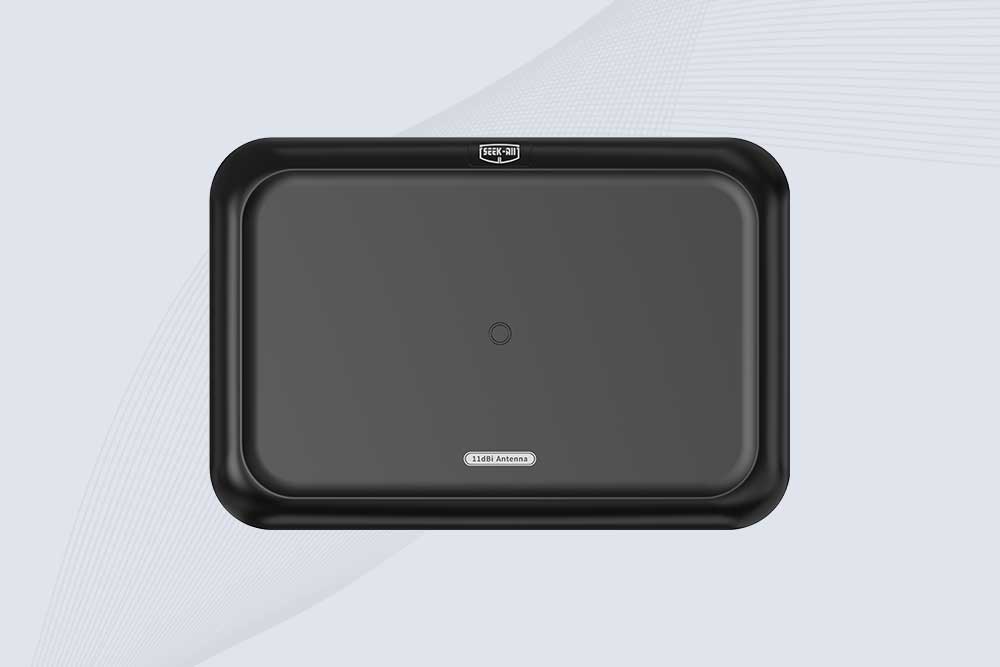
Cykeo CYKEO-A11 UHF RFID reader antenna delivers 11dBi gain, 840-960MHz frequency range, and IP65 ruggedness for retail, logistics, and industrial RFID systems. Features low VSWR and easy installation.
CYKEO Antenna RFID Reader delivers stable long-range UHF performance with a 10.5dBi directional design, built for warehouses, conveyor portals, and industrial RFID systems. This rfid reader antenna provides 20m+ read distance and rugged IP67 protection.
Cykeo CYKEO-A5B industrial Linear RFID Antenna delivers 5dBi gain, ≤1.5:1 VSWR, and IP65 rugged design for warehouse, production line, and logistics UHF systems.
Cykeo’s CYKEO-B12 Long Range RFID Antenna delivers 15m+ read range with 12dBi gain, IP65 rugged design, and global 840-960MHz UHF support. Ideal for warehouse/logistics asset tracking.
Cykeo CYKEO-B10 Long Distance RFID Antenna offers 10dBi gain, 840-960MHz frequency range, IP65 rating, and 20m+ coverage for logistics/warehousing/ETC systems. Low VSWR ensures stable signal transmission.
Cykeo CYKEO-A6 UHF RFID panel antenna features 6dBi gain, 840-960MHz broadband, IP65 metal-ready housing for logistics/smart retail. 18mm ultra-thin design with tool-free mounting.
Cykeo CK-A3 industrial antenna RFID UHF offers 5m+ tag detection, ≤1.3:1 VSWR, IP65 rugged design, and global UHF spectrum compatibility (840-960MHz) for warehouses, factories, and retail.
Cykeo CYKEO-B5 directional RFID antenna provides 5dBi gain with 60° narrow beamwidth for precise inventory tracking. IP65-rated, global UHF frequency support, and low VSWR.
Create your own high-performance DIY RFID antenna! 5dBi gain, 840-960MHz tunable, step-by-step guides. Compatible with Arduino, Raspberry Pi, and commercial UHF readers.
Cykeo CYKEO-A7 Flexible RFID Antenna features 840-960MHz wideband tuning, 7dBi gain, and IP68 rating for medical/retail/industrial curved surface deployments. 98% read accuracy with peel-and-stick installation.
Cykeo CYKEO-B5A industrial Passive RFID Antenna delivers 5dBi gain, 70° beamwidth, and -40°C~55°C operation for warehouses/smart cabinets. Compatible with Zebra/Impinj readers.
Cykeo’s CYKEO-A9B High Gain RFID Antenna delivers 15m+ read range with 9dBi amplification. Features IP54 rugged design, 840-960MHz bandwidth, and 80° beamwidth for warehouse/manufacturing RFID systems.
Cykeo’s enterprise-grade 8dbi Impinj RFID Antenna 10m+ read range with 840-960MHz tuning. Features IP65 housing, 1.4 VSWR, 35° beamwidth for retail/warehouse RFID systems.
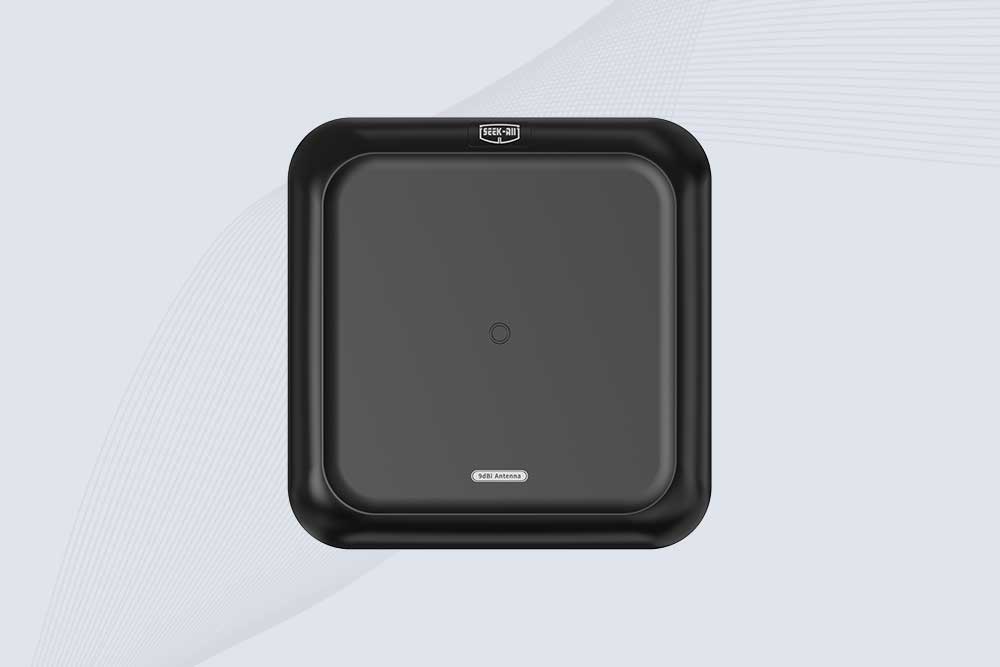
Cykeo CYKEO-A9 industrial UHF RFID antenna delivers 9dBi gain, 840-960MHz frequency range, and IP65 protection for warehouse/logistics/retail RFID systems. Features N-type connector and ≤1.3:1 VSWR.
CYKEO UHF RFID Antenna built for long-distance and industrial applications. This antenna rfid uhf delivers strong gain, outdoor durability, and reliable tag performance in warehouses, yards, and vehicle ID systems.
CYKEO Antenna RFID delivers reliable long-range UHF performance in warehouses, retail shelves, and cold-chain environments. This compact uhf rfid antenna provides stable reads with circular polarization and ultra-wide 840–960 MHz support, ideal for industrial tracking, smart shelves, and asset monitoring.
Cykeo’s CYKEO-C8 UHF RFID antennas delivers 8dBi gain, 840-960MHz full-band coverage, and IP65 ruggedness for manufacturing/warehouse RFID systems. Industrial RFID Antennas Features
RFID Industry Writer | IoT & Asset Tracking Analyst
James writes about RFID technology, asset tracking, and the practical challenges of digital transformation across warehousing, retail, manufacturing, and logistics.
His work focuses on how RFID is applied in real-world operations—improving inventory visibility, automating workflows, and helping businesses manage assets with greater accuracy and efficiency.
He regularly covers topics including UHF RFID, smart cabinets, RFID portals, tool tracking, warehouse automation, and industrial IoT trends..
RFID enabled asset tracking delivers real-time asset visibility, automated inventory, and improved utilization. Discover how Cykeo RFID solutions reduce loss and boost operational efficiency.
How UHF RFID reader desktop setup helps streamline tag encoding, product verification, and short-range inventory tasks. Learn real-world setup tips, performance limits, and integration advice.
Wondering what does RFID tag look like? Discover RFID tag types, internal structure, real industrial applications, and expert insights from Cykeo. Learn how to identify the right RFID tag for every environment.
 Cykeo RFID IoT Solution Products R&D Manufacturer