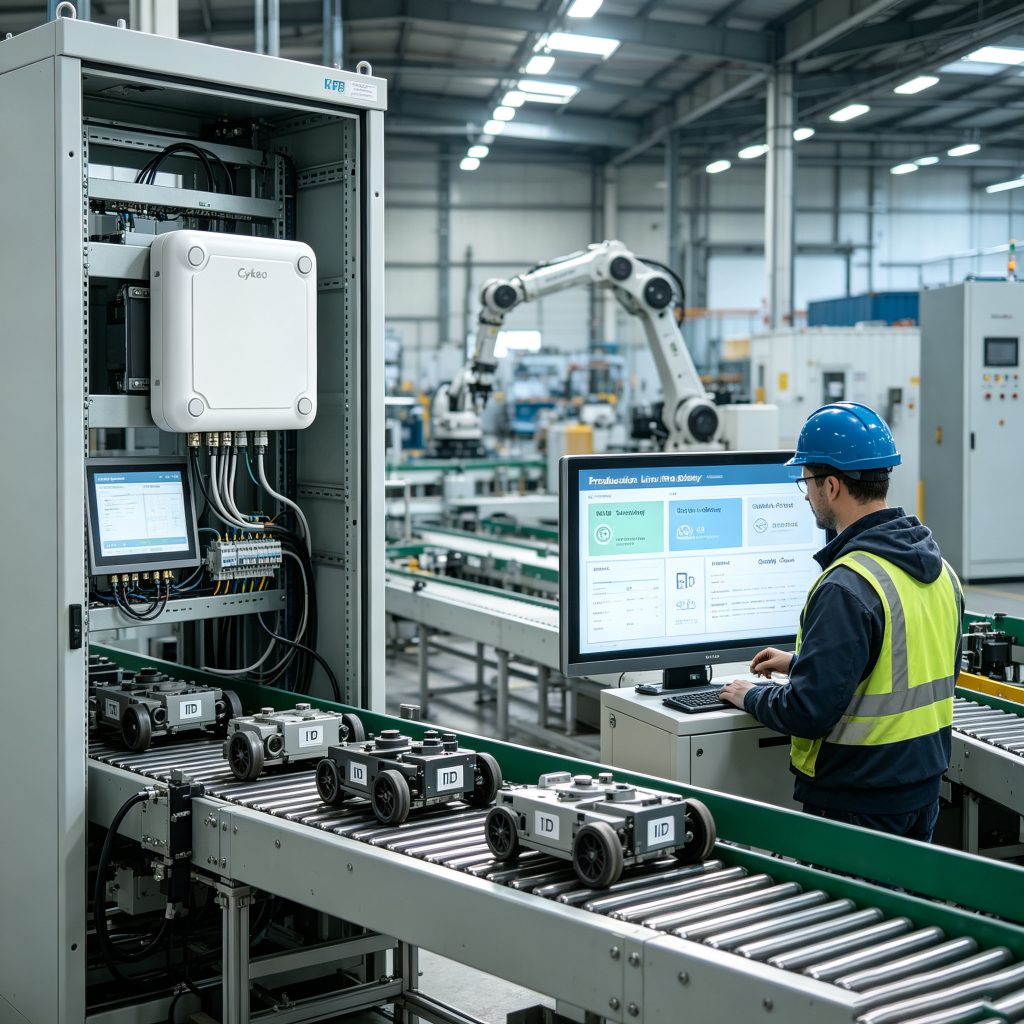
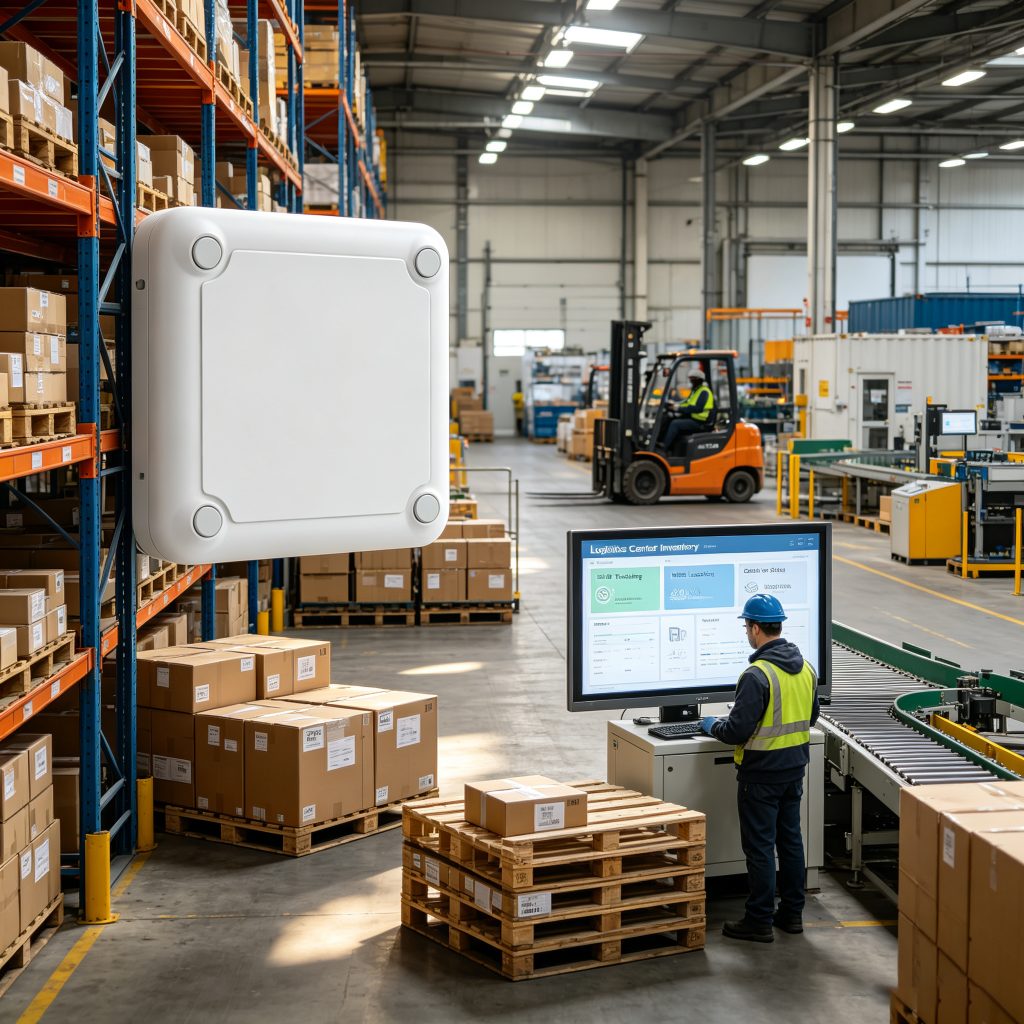
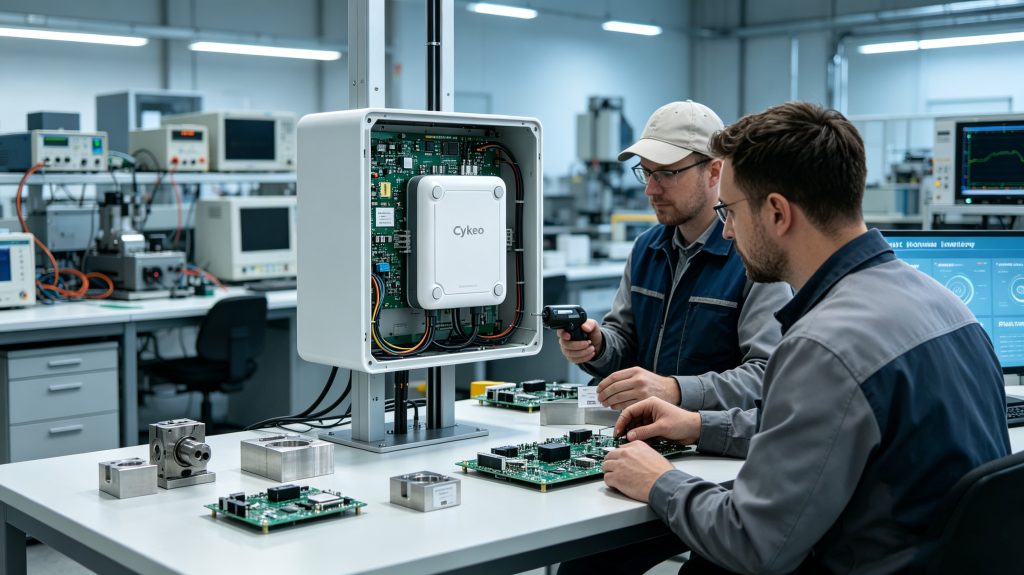
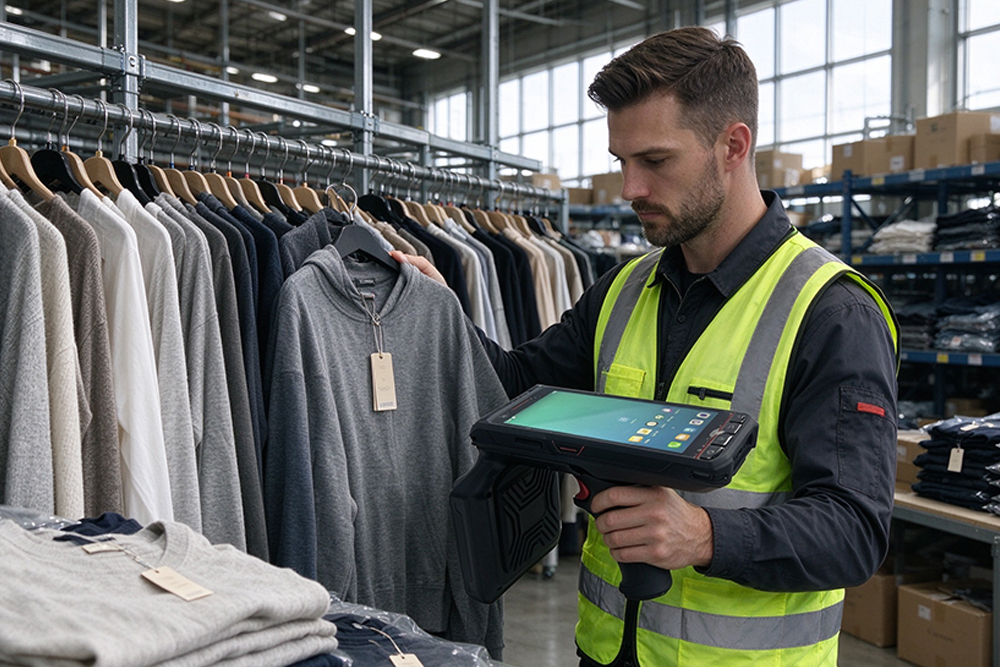
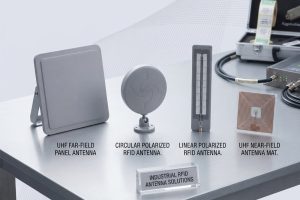
RFID receiver captures radio frequency signals transmitted by RFID tags and converts them into usable identification data. Cykeo RFID receiver solutions provide stable signal reception for industrial automation, inventory tracking, and intelligent asset management applications.
What Is an RFID Receiver and Why Does It Matter?
RFID receiver is a key component in an RFID system responsible for receiving signals returned from RFID tags after communication begins between the reader and the tag.
In simple terms, the RFID transmitter sends the signal.
The tag responds.
The receiver captures the response.
The system identifies the object.
However, real industrial environments are rarely simple.
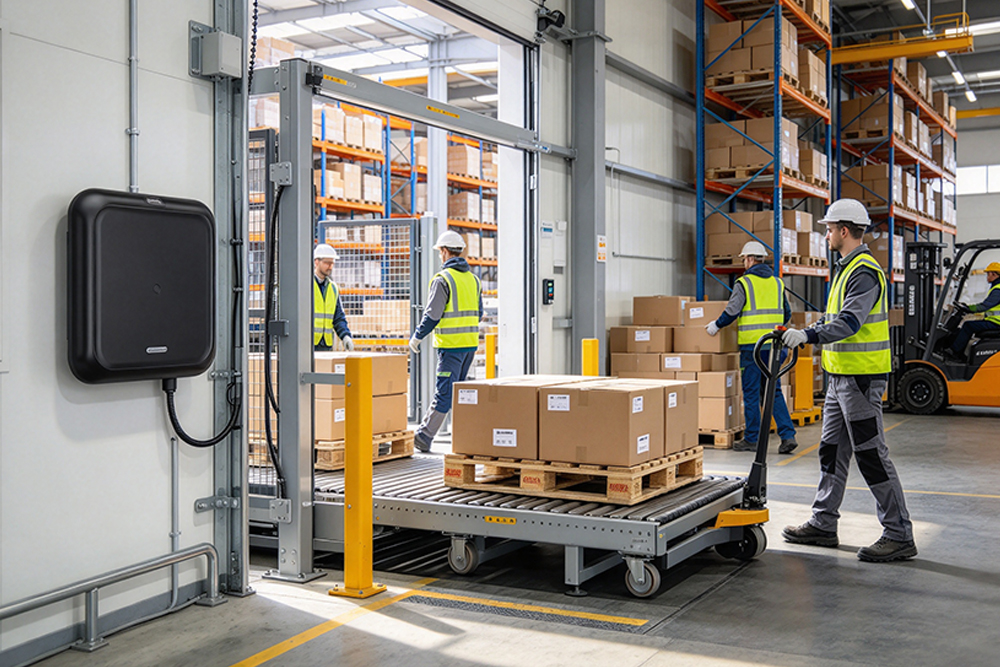
During RFID deployment projects, our engineering team often found that the receiving performance of an RFID system directly influenced user experience. A warehouse may contain thousands of tagged products. A factory may have metal structures, moving equipment, and electromagnetic interference.
The challenge is not only reading a tag.
The challenge is receiving reliable information under changing conditions.
A high-performance RFID receiver helps maintain communication stability, improves identification accuracy, and supports continuous data collection.
According to GS1, RFID systems enable automatic identification and data capture, improving visibility throughout supply chains and operational processes.
RFID receivers provide reliable communication between tags and management systems.
How Does an RFID Receiver Work?
An RFID receiver operates as part of a complete RFID communication chain.
The receiver detects signals generated during RFID communication and transfers the collected information to processing hardware or software platforms.
In advanced RFID systems, receiver performance affects:
Reading stability
Recognition accuracy
Communication range
Multi-tag handling capability
System reliability
RFID Receiver Applications Across Industries
Industrial Automation
Modern factories rely on accurate identification of materials, components, and production assets.
RFID receivers support:
Automated production tracking
Component verification
Process monitoring
Equipment identification
Warehouse and Logistics
Warehouses require continuous visibility of goods movement.
RFID receiver technology helps manage:
Pallet tracking
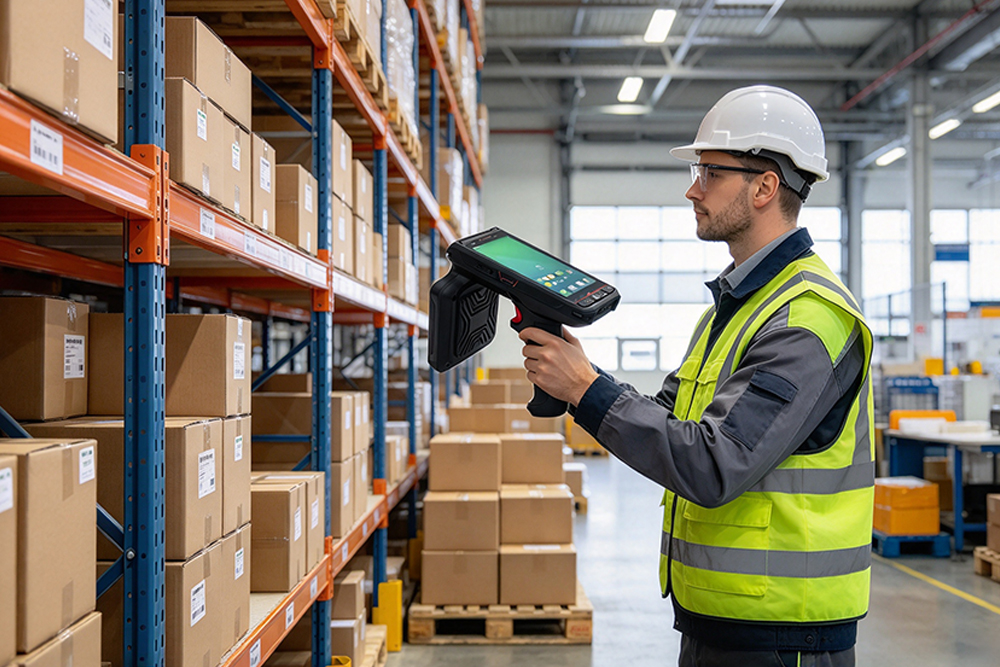
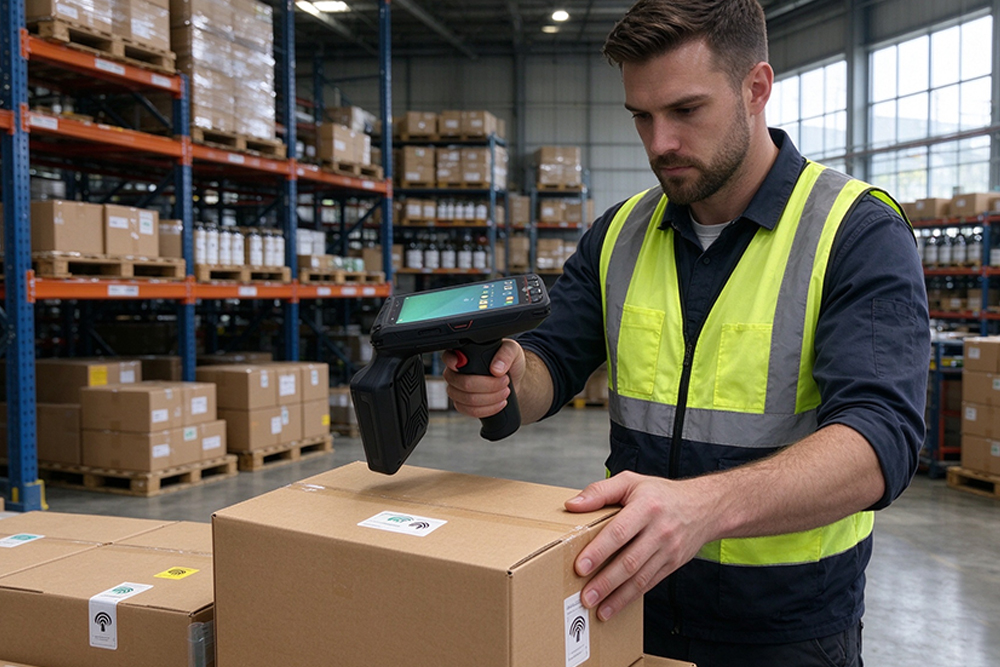
Inventory counting
Shipment verification
Storage location monitoring
Healthcare and Laboratory Systems
Hospitals and research facilities use RFID communication systems to manage valuable assets.
Applications include:
Medical equipment tracking
Laboratory sample identification
Consumable management
Retail Automation
Retail environments use RFID receivers for:
Smart checkout systems
Product visibility
Inventory optimization
Loss prevention
Why RFID Receiver Performance Influences System Accuracy
Many RFID projects focus heavily on tags.
The tag is important.
But the receiver determines whether information arrives correctly.
A weak receiving system may cause:
Missing reads
Delayed updates
Incorrect inventory information
Additional manual verification
A strong RFID receiver creates consistent communication between physical objects and digital platforms.
This becomes especially important in:
Dense tag environments
High-speed production lines
Metal-rich industrial areas
Large warehouse spaces
According to the RAIN Alliance, RFID technology continues expanding because organizations require reliable automatic identification and connected data visibility across industries.
Stable RFID signal reception improves inventory accuracy.
Cykeo RFID Receiver Solutions for Industrial Deployment
RFID systems are rarely installed in perfect environments.
Real deployment conditions include:
Metal equipment
Temperature variations
Dense storage areas
Moving objects
Complex network structures
Cykeo designs RFID solutions based on application requirements instead of using a single standard configuration.
For OEM manufacturers, receiver modules can be integrated into existing equipment to create customized RFID-enabled products.
Embedded RFID receivers enable intelligent equipment connectivity.
Key Benefits of RFID Receiver Technology
Operational Advantages
Reliable RFID signal reception
Improved identification accuracy
Support for automation systems
Real-time data collection
Reduced manual inspection
Better asset visibility
Flexible system integration
Suitable for industrial environments
Frequently Asked Questions
What is the main function of an RFID receiver?
An RFID receiver captures signals returned from RFID tags and converts them into identification data used by RFID systems.
Is an RFID receiver different from RFID reader?
An RFID reader usually contains multiple functions, including signal transmission and receiving. The receiver is the part responsible for capturing incoming RFID signals.
Where are RFID receivers commonly used?
RFID receivers are widely used in manufacturing, logistics, healthcare, laboratories, retail automation, and asset tracking systems.
Can Cykeo RFID receivers be integrated into custom equipment?
Yes. Cykeo provides RFID modules, SDKs, and integration support for OEM equipment manufacturers and customized RFID applications.
Final Thoughts
As businesses move toward connected operations, rfid receiver technology becomes an essential foundation for reliable RFID communication. By improving signal capture, identification stability, and data availability, Cykeo helps organizations build smarter systems for automation, inventory management, and asset tracking. From industrial equipment to enterprise applications, a dependable rfid receiver ensures that physical assets remain visible, traceable, and connected.
Learn what is rfid tag in clothes, how RFID clothing tags improve apparel inventory, supply chain visibility, and retail management with smart tracking.
Discover what is rfid solutions, how RFID systems combine readers, tags, software, and automation to improve inventory tracking, logistics, and asset management.
Learn what is rfid scanner, how RFID scanners identify tagged items, and how businesses use RFID scanning technology for inventory, logistics, and asset tracking.
Discover what is rfid reader used for, how RFID readers identify tagged items, and how industries use RFID technology for inventory, logistics, and asset tracking.
Secure and HIPAA-compliant fentanyl storage with the FTNG‑L‑CK‑02 RFID Anesthesia Medication Cabinet. Features real-time drug tracking, blockchain audit logs, rugged MIL-STD-810G design, and developer support with RESTful/native APIs and SDK. Perf...
Learn how RFID antenna installation affects reading distance, accuracy, and system stability. Practical tips for warehouse, factory, smart cabinet, and industrial RFID projects.
Explore different RFID antenna types including UHF, near field, far field, circular polarized, and linear polarized antennas. Learn how to select the right RFID antenna for warehouse, industrial, and smart tracking applications.
Discover the CYKEO CK-B5L, a high-performance RFID reader for iPhone designed for developers building logistics, retail, healthcare, and asset-tracking systems. A reliable iPhone RFID scanner with long battery life, fast tag capture, and seamless ...
 Cykeo RFID IoT Solution Products R&D Manufacturer