 Cykeo RFID IoT Solution Products R&D Manufacturer

uhf gen2 rfid tags: What They Are and Why They Dominate Tracking
470Learn how uhf gen2 rfid tags enable long-range, high-speed tracking with 99%+ accuracy for retail, logistics, and asset management systems.
MoreAll RFID Product
What is RFID tag in clothes? An RFID tag in clothes is a small identification device attached to garments that stores digital information and communicates wirelessly with RFID readers. Clothing brands use RFID tags to track apparel items, improve inventory accuracy, manage supply chains, and support automated retail operations.
Unlike a printed label or barcode, an RFID clothing tag does not require direct visual scanning. It contains a small electronic chip and antenna that allow RFID readers to identify garments automatically within a suitable reading range.
In modern apparel operations, RFID tags are usually attached during manufacturing, packaging, or distribution processes. Each tagged garment can receive a unique identification number, allowing businesses to connect physical clothing items with digital inventory systems.
From Cykeo’s experience supporting RFID identification applications, one important point is that an RFID tag itself does not track a garment’s global location. Instead, it provides identification data when it communicates with an RFID reader. The value comes from combining tags, readers, software, and business processes into a complete apparel management system.
An RFID clothing tag works through radio-frequency communication between the tag and an RFID reader.
The basic process includes:
Most apparel supply chain applications use passive UHF RFID tags because they are lightweight, cost-effective, and suitable for identifying large quantities of products.
According to GS1, UHF RFID systems commonly operate within the 860–960 MHz frequency range depending on regional regulations, and EPC Gen2 standards define communication between RFID readers and tags for supply chain identification.
A typical RFID tag inside clothing may contain:
| RFID Tag Component | Function |
|---|---|
| RFID chip | Stores identification information |
| Antenna | Communicates with RFID readers |
| Protective material | Protects electronic components |
| Adhesive or fabric attachment | Secures tag to garment |
The tag itself is usually very small and designed to avoid affecting the appearance or comfort of the clothing.
The placement of RFID tags depends on garment design, production requirements, and the intended use.
Common locations include:
For retail apparel, RFID tags are often integrated into hang tags because they can be removed or updated easily during sales operations.
For manufacturing and supply chain tracking, RFID tags may remain attached through production and distribution processes.
The key consideration is ensuring reliable communication while maintaining garment quality.
The apparel industry has complex inventory challenges.
Fashion companies manage:
Manual inventory methods can become difficult when thousands of similar-looking products are involved.
RFID tags in clothes help companies:
For example, a warehouse worker using a handheld RFID reader can check hundreds of tagged garments without scanning each barcode individually.
The clothing supply chain includes multiple stages:
RFID tags allow businesses to create digital records throughout these stages.
A garment manufacturer may attach RFID tags before shipment. When products arrive at a distribution center, fixed RFID readers can automatically record incoming items.
This creates better visibility into:
The RFID tag provides the product identity, while connected software manages the business information.
Inventory accuracy is one of the strongest reasons clothing companies adopt RFID technology.
Traditional stock counting often requires employees to manually check products one by one.
RFID clothing inventory systems can support:
Research from Auburn University’s RFID Lab has studied RFID adoption in retail environments. One study published in Production and Operations Management examined RFID-enabled inventory visibility across 13 stores over 23 weeks and reported approximately a 26% reduction in inventory record inaccuracy in the studied RFID-enabled environment.
The improvement does not come from the RFID tag alone. It requires correct tag selection, RFID readers, software integration, and operational management.
Retail stores often use RFID tags to improve product visibility.
Common applications include:
A store employee can use a handheld RFID reader to quickly identify garments in storage rooms or sales areas.
This is especially useful for apparel because many products have similar visual appearances.
A barcode system may require finding the exact barcode position on each item. RFID technology allows multiple tagged garments to be identified within the reading area.

Although RFID technology is mainly used behind the scenes, it can indirectly improve customer experience.
Retailers can use RFID data to support:
For customers, the RFID tag may simply look like a normal clothing label or hang tag.
The technology works quietly in the background, helping businesses understand where products are within the supply chain.
Different clothing applications may require different RFID tag designs.
| RFID Tag Type | Typical Use |
|---|---|
| Hang tag RFID label | Retail products and inventory |
| Sew-in RFID label | Long-term garment identification |
| Adhesive RFID label | Packaging and logistics |
| Laundry RFID tag | Reusable textile management |
The correct tag depends on:
For example, textile rental companies may require durable RFID tags designed to withstand repeated washing cycles.
Understanding what is rfid tag in clothes is only the starting point. In real apparel projects, selecting the correct RFID tag requires considering the garment material, supply chain process, reading environment, and long-term usage requirements.
A tag designed for a retail hang tag application may not be suitable for industrial laundry management. Likewise, a tag used in a clothing warehouse may have different requirements from one attached to finished products in a store.
Before selecting an RFID clothing tag, companies usually evaluate:
A successful apparel RFID system begins with choosing the right combination of tag, reader, and software.
Some clothing applications require RFID tags to remain attached permanently.
Sew-in RFID tags are commonly considered for:
These tags are designed to withstand repeated handling and, depending on the product design, may support demanding environments.
For example, a uniform rental company may need to track thousands of garments moving between customers, cleaning facilities, and storage locations.
Without RFID identification, employees may need to manually record each item. RFID allows garments to be identified automatically during collection, sorting, and distribution.
Large apparel warehouses often manage huge numbers of products with similar appearances.
A typical warehouse may contain:
This creates challenges when employees rely only on manual counting.
RFID tags in clothes allow warehouses to create automated identification points.
Common RFID warehouse applications include:
When garments arrive from manufacturers, RFID readers can capture product information and compare received quantities with expected shipments.
Tagged garments can be associated with inventory locations inside warehouse systems.
Before products leave the warehouse, RFID systems can verify whether the correct items are included.
This reduces repetitive manual checks and improves inventory visibility.
Retail environments continue to be one of the largest applications for apparel RFID.
Fashion retailers use RFID technology to improve:
A store associate carrying a handheld RFID reader can quickly check shelves, fitting rooms, and stock areas.
This changes the daily inventory process.
Instead of spending hours manually scanning products, employees can focus more on customer service and operational tasks.
However, RFID does not eliminate the need for proper inventory management. The technology provides better information, but businesses still need effective processes.
Modern apparel supply chains often involve multiple countries and suppliers.
A garment may move through:
RFID tags create a digital identity for each garment during this journey.
Companies can use RFID data to understand:
This visibility is especially valuable for companies managing complex global operations.

Although RFID technology provides strong benefits, apparel companies need to consider practical challenges.
Incorrect placement can affect reading performance.
For example:
Testing the actual garment design is important before large-scale deployment.
Certain materials may affect RFID communication.
Examples include:
Specialized RFID tag designs may be required for these products.
A clothing RFID system generates large amounts of identification data.
Companies need suitable software to manage:
The RFID tag creates identification capability, but software creates operational value.
An RFID tag in clothes is a small electronic identification label attached to garments. It stores product information and communicates wirelessly with RFID readers to support apparel tracking, inventory management, and supply chain operations.
No. Standard RFID clothing tags are designed to identify garments, not continuously track people. They provide product identification when scanned by compatible RFID readers within communication range.
RFID tags may be placed in garment labels, hang tags, packaging labels, or internal seams depending on the clothing design and application requirements.
Some RFID textile tags are designed for laundry applications and repeated washing conditions. The durability depends on the specific RFID tag design and manufacturing requirements.
Clothing brands use RFID tags to improve inventory accuracy, automate product identification, support supply chain visibility, and improve retail stock management.
RFID tags and barcodes serve different purposes. RFID provides wireless identification and can read multiple tags, while barcodes remain useful for simple visual identification.
Yes, RFID readers can often identify tagged clothing through suitable packaging materials. Performance depends on tag type, packaging material, reader configuration, and environment.
A reliable clothing RFID system requires more than attaching RFID tags to garments.
The complete solution usually includes:
For apparel manufacturers, RFID can support production visibility.
For warehouses, it can improve inventory control.
For retailers, it can improve product availability.
The answer to what is rfid tag in clothes is not simply a definition of a small electronic label. It represents a connection between physical garments and digital information systems.
By giving each clothing item a unique digital identity, RFID technology helps apparel businesses manage products more efficiently from production to retail.
Cykeo provides RFID identification solutions including UHF RFID readers, embedded RFID modules, and customized systems for apparel tracking, inventory management, logistics, and industrial applications.
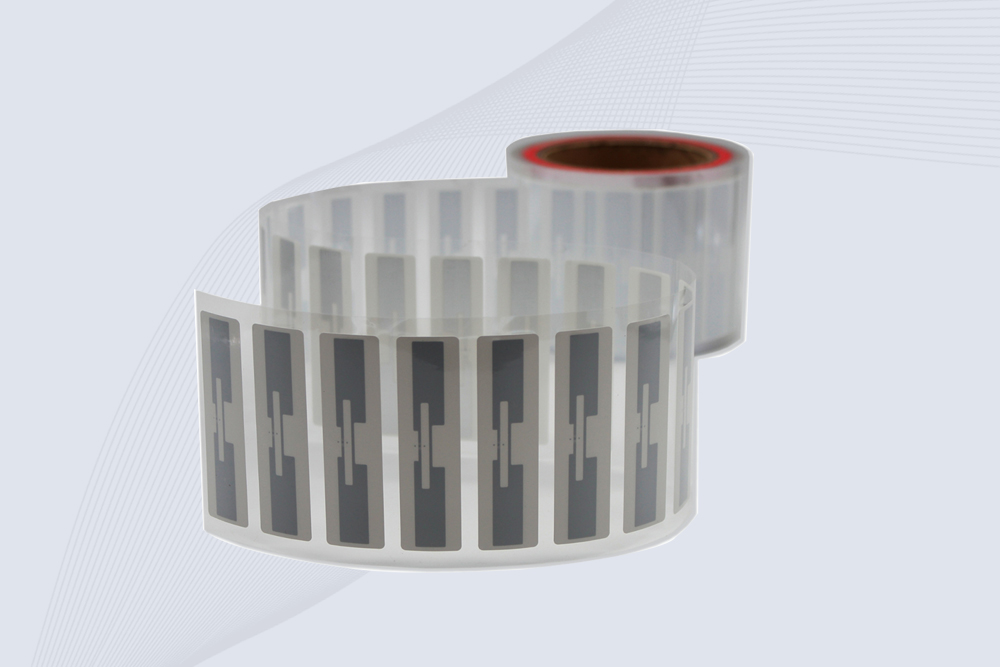
CYKEO Passive RFID Tags are made for wet and high-humidity environments where standard labels do not last. This rfid passive tag is often used around liquids, chemicals and temperature changes, providing stable reading distance and long data life for industrial tracking.
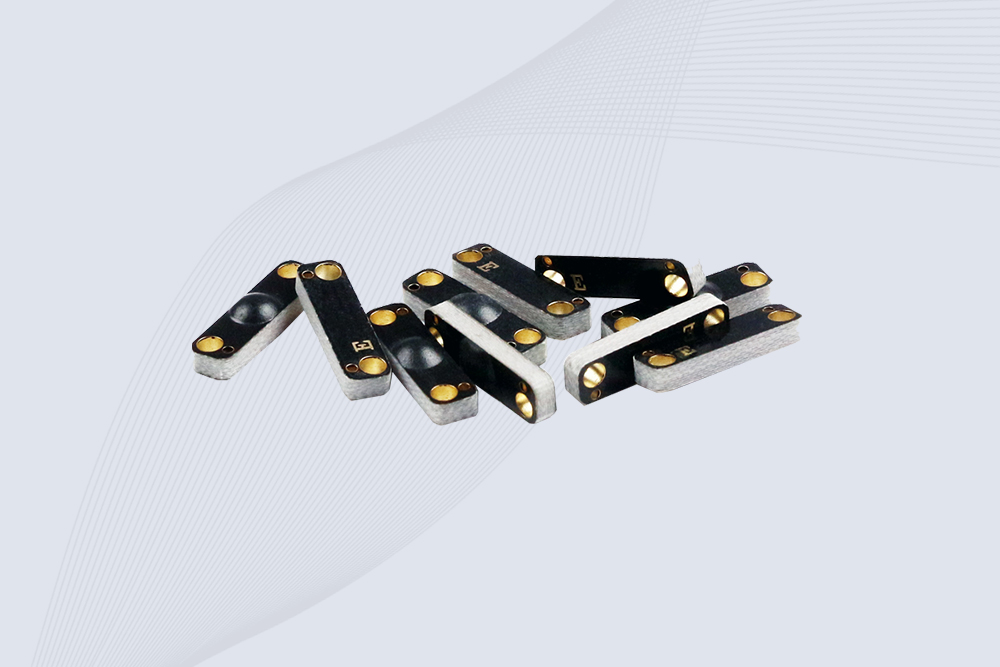
CYKEO CYKEO-PCB1504 Metal RFID Tags is a compact anti-metal UHF RFID solution built for direct mounting on metal surfaces. With stable 8-meter read range, Ucode-8 chip, and long data retention, this rfid metal tag fits tools, containers, automotive parts, and industrial asset tracking.
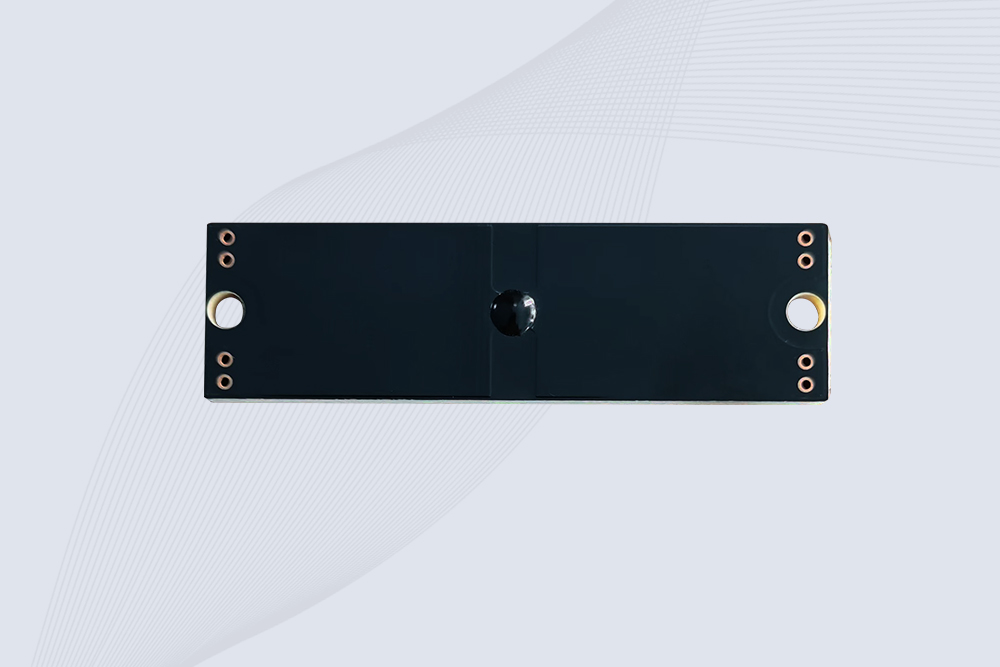
CYKEO CYKEO-PCB7020 On-Metal RFID Tags are designed for reliable tracking on steel and metal surfaces. Built with an FR4 epoxy body and industrial-grade chips, these On-Metal RFID Tags deliver stable performance, long data life, and chemical resistance, making them a dependable RFID anti-metal tag for harsh environments.
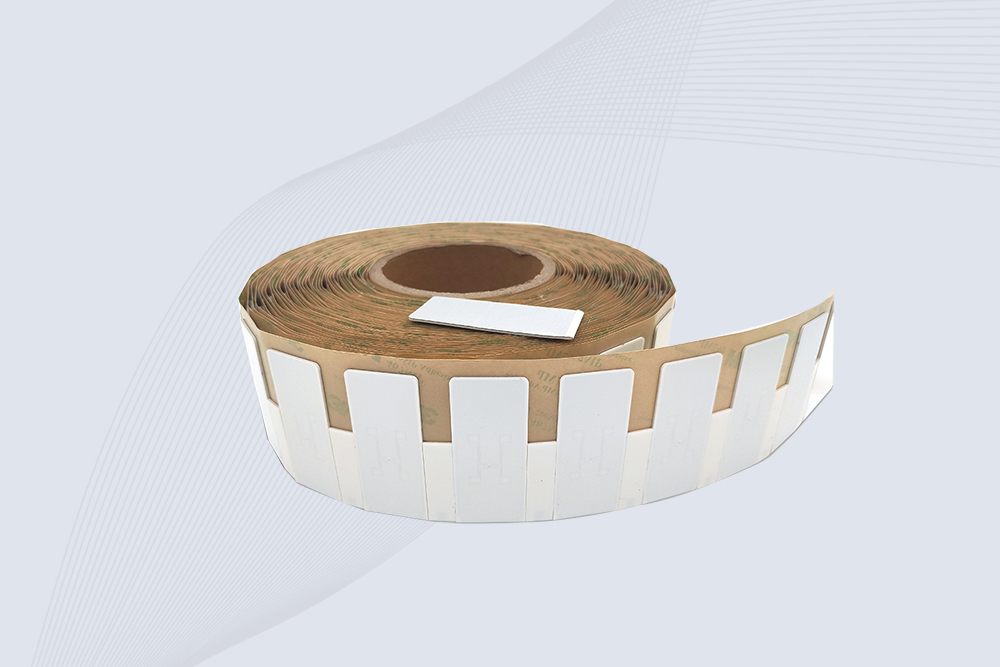
The CYKEO CYKEO-60-25 Anti-Metal RFID Tag is built for metal surfaces where standard tags fail. Designed for long-range performance, harsh environments, and stable data retention, this Anti-Metal RFID Tag is ideal for industrial assets, containers, and equipment tracking using on metal RFID tags.
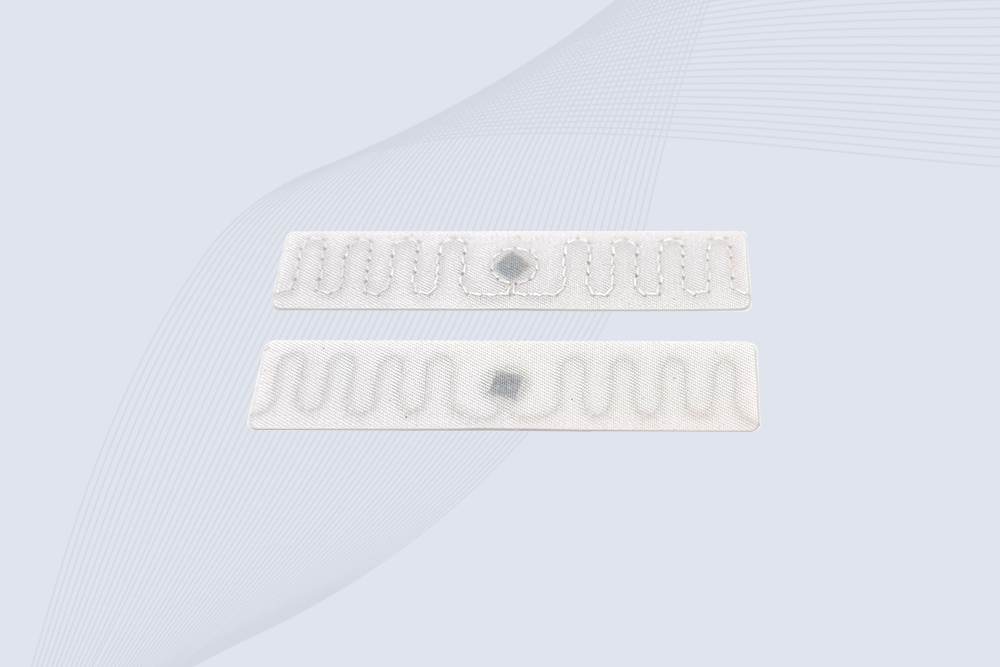
The CYKEO RFID Laundry Tag is designed for long-term textile identification in harsh laundry environments. Built to withstand high heat, chemicals, and repeated washing, this RFID Laundry Tag delivers stable performance for hotels, hospitals, and industrial laundry operations using laundry rfid tags at scale.
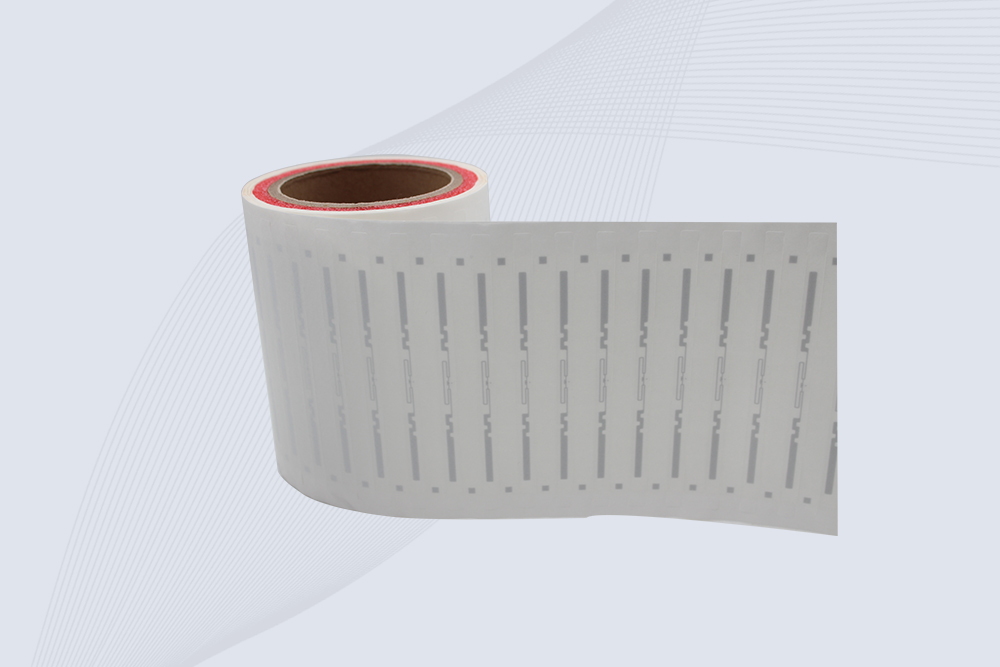
The CYKEO CYKEO-125-7 RFID Book Tag is designed for reliable book and document tracking in libraries and archives. This RFID Book Tag delivers long read range, dense placement support, and stable performance on shelves, making it a practical rfid tag on books for library automation, file management, and archival systems.
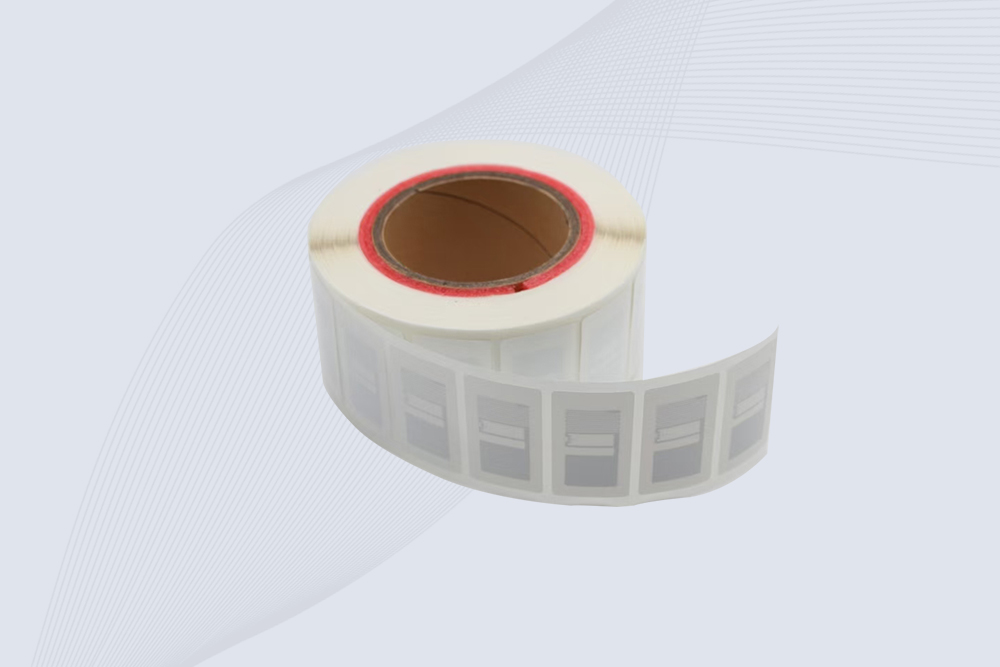
CYKEO RFID tags in hospitals are designed for sterile environments where accuracy matters. These autoclavable RFID tags support long-term tracking of surgical tools, implants, and medications, helping hospitals improve visibility, compliance, and patient safety.

CYKEO RFID Cable Tie Tag is built for reliable identification on metal surfaces. This UHF RFID Cable Tie Tag is widely used in rfid tags for inventory systems, industrial asset management and Hospital RFID Tags, offering stable read performance, long service life and global EPC Gen2 compatibility.
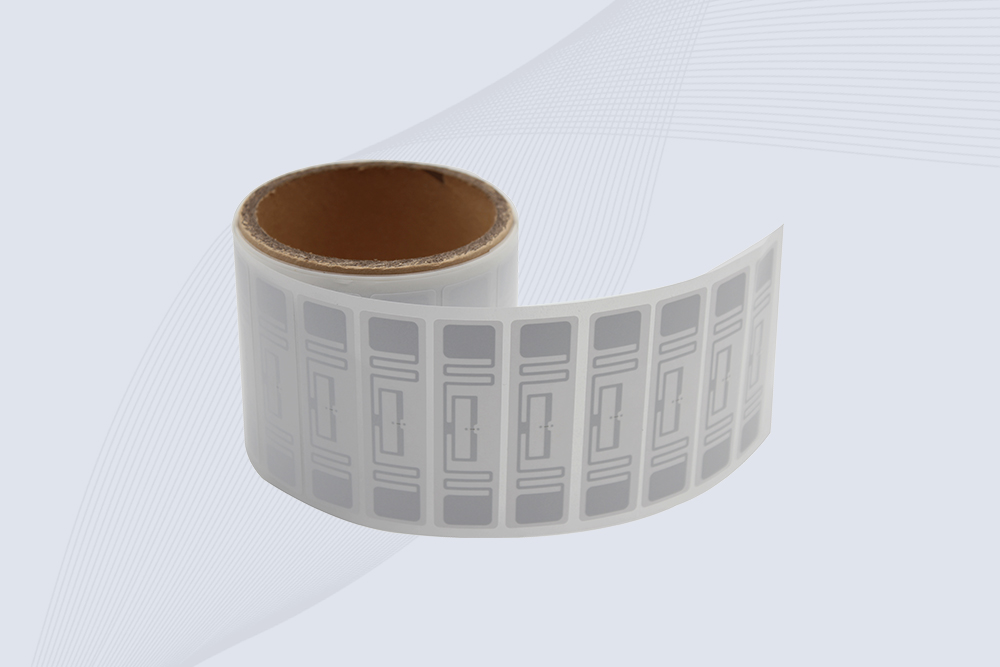
CYKEO RFID Asset Tag is designed for stable identification of metal assets in industrial environments. This UHF RFID Asset Tag is commonly used for rfid tag asset tracking on equipment, tools and containers, providing reliable reads, long service life and ISO/IEC 18000-6C support.

CYKEO UHF RFID Card is designed for fast identification and long-term use in industrial and commercial systems. Supporting ISO 18000-6C, this UHF RFID Card works at 860–960 MHz and is suitable for custom RFID cards used in asset tracking, access control and inventory management.
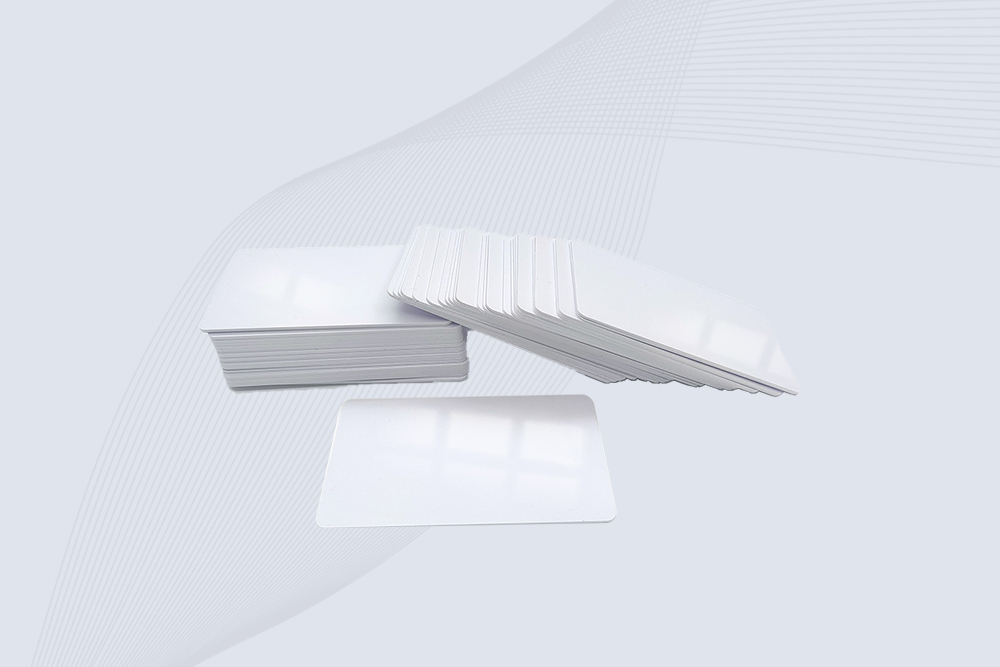
CYKEO HF RFID Cards are designed for secure and stable access control systems. These 13.56 MHz RFID key cards support ISO 14443-A, reliable rewriting and long service life, making HF RFID Cards suitable for offices, campuses, events and membership management.
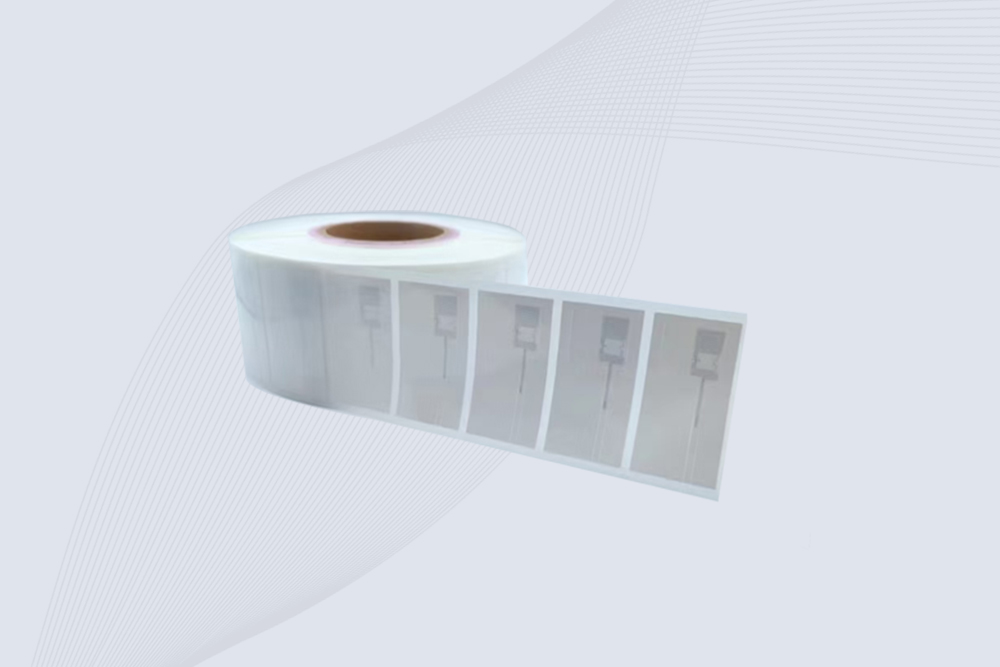
CYKEO UHF RFID Tag is designed for reliable tracking of metal jewelry and high-value items. This Jewelry RFID Tag supports long-range reading up to 8 meters, anti-counterfeit protection and stable performance on metal, making it suitable for retail, inventory control and asset management.
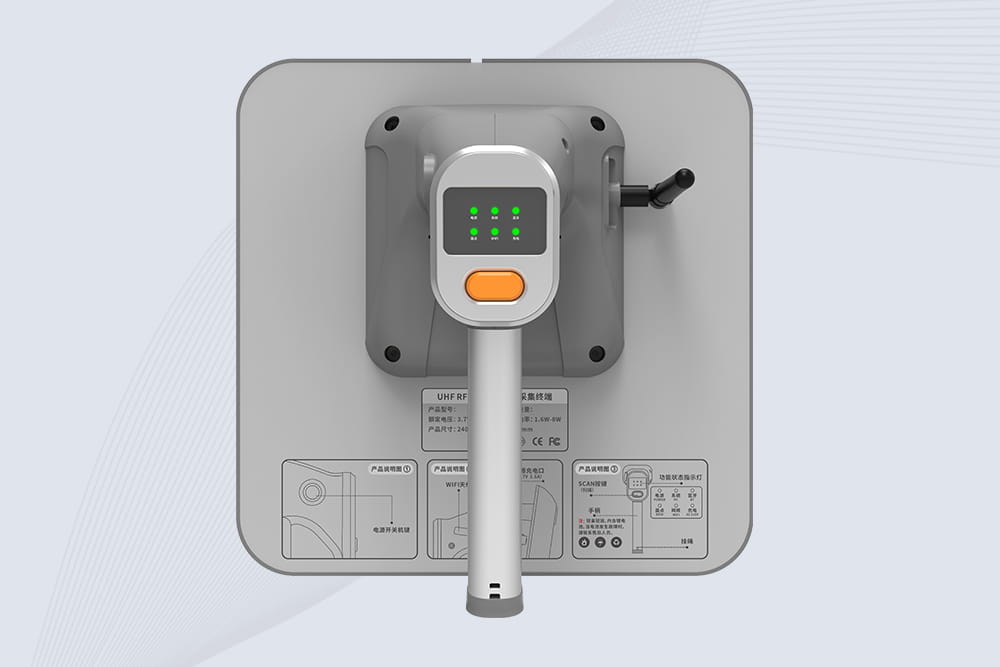
Cykeo CYKEO-B9 UHF Bluetooth handheld RFID scanner features 12m UHF range, 200+ tags/sec scanning, IP67 rugged design for retail/warehouse/pharma. Supports Android SDK & real-time Bluetooth 5.0 transmission.
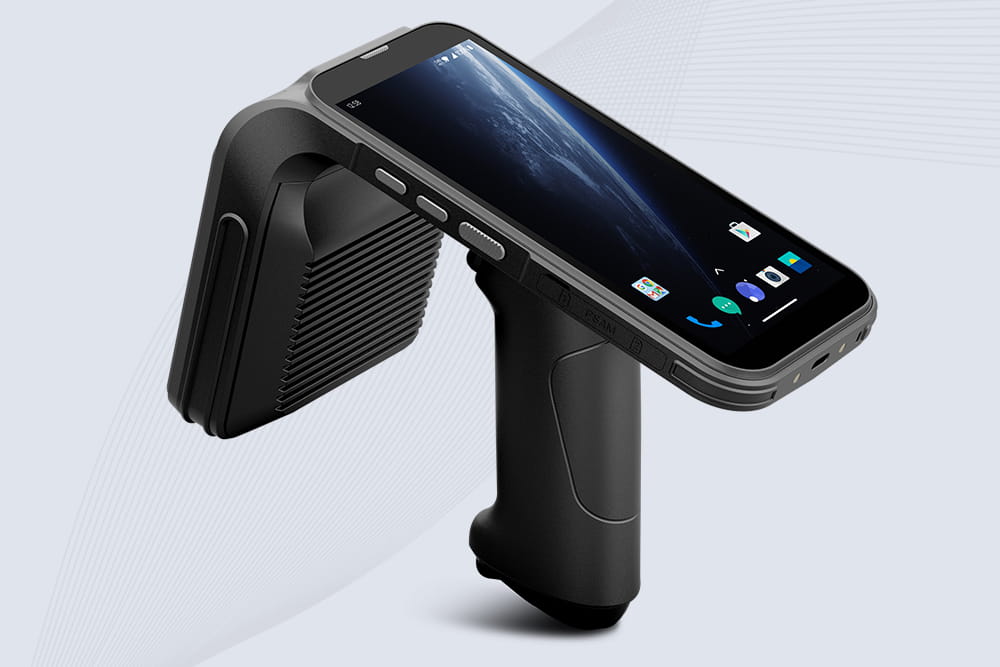
Cykeo CYKEO-B4 UHF Handheld RFID Reader scanner delivers 1300 tags/sec reading, 30m UHF range, and 12-hour battery life. IP65 rugged design with barcode/NFC/ID scanning for retail/manufacturing/logistics.
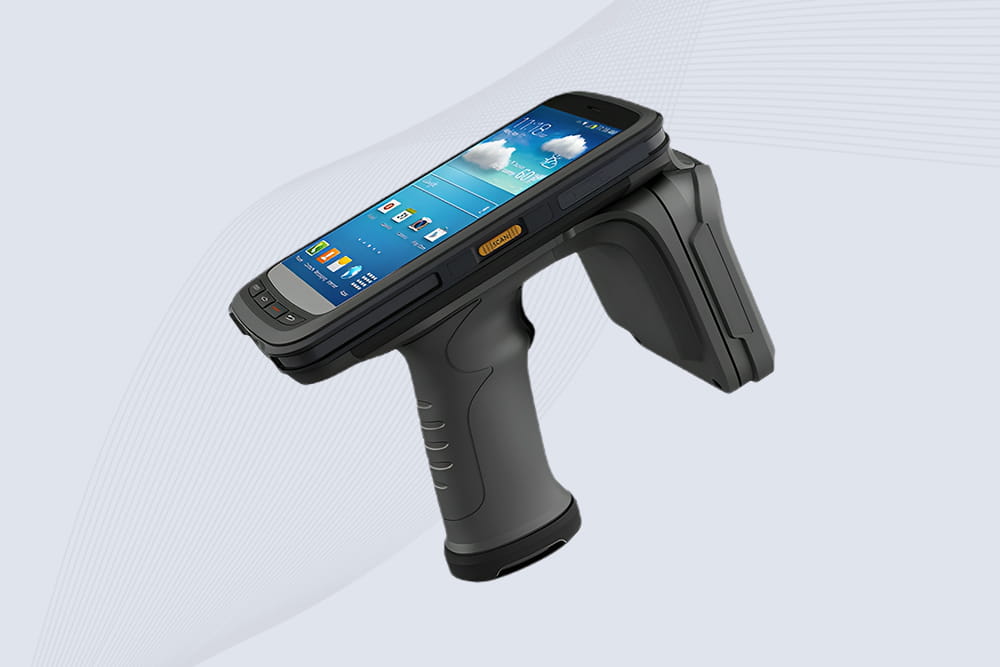
Cykeo CYKEO-B2 industrial UHF RFID handheld Scanner offers 10m range, 500 tags/sec scanning, Android 11 OS, and IP65 rugged design for retail/warehouse/manufacturing.
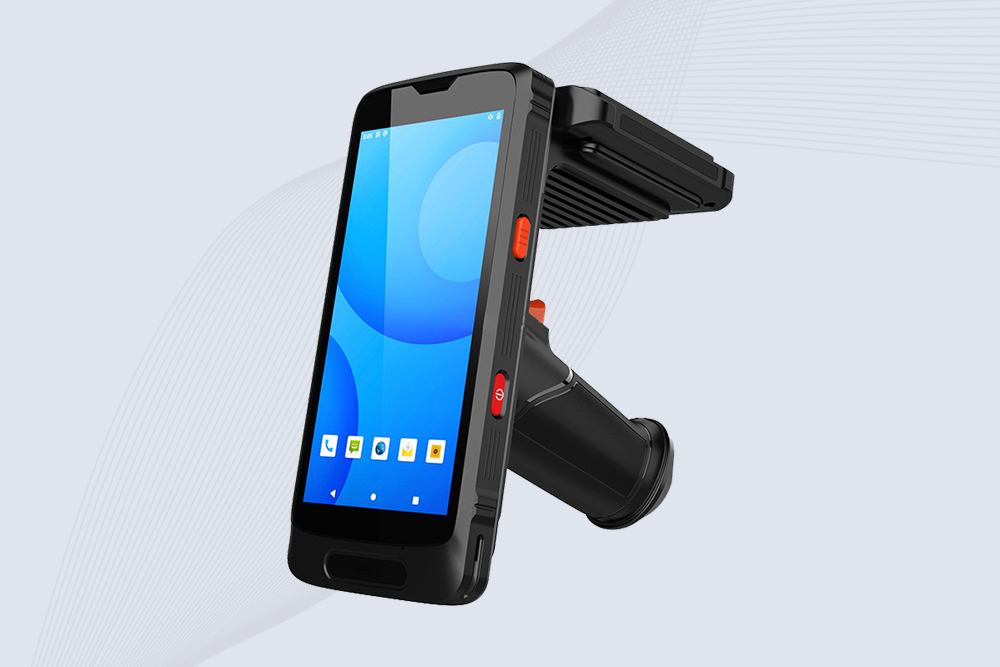
Cykeo CYKEO-B3 industrial RFID Reader Handheld, terminal offers 2m read range, multi-protocol scanning (NFC/barcode/ID), Android 10 OS, and IP65 ruggedness for logistics/retail/manufacturing.
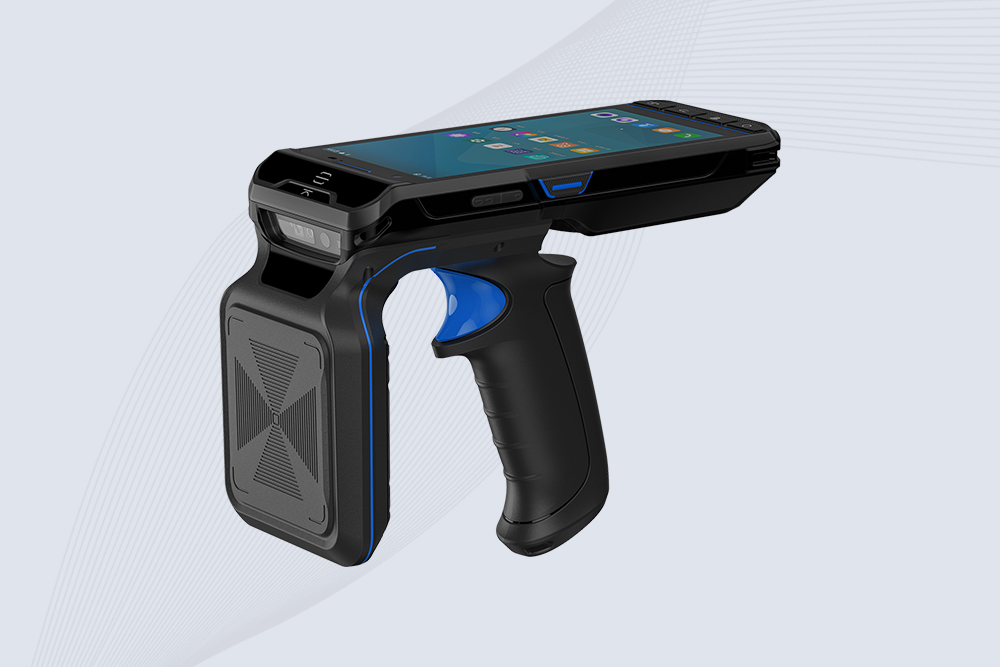
Cykeo CYKEO-B3L industrial handheld UHF RFID Reader terminal features 20m read range, 500 tags/sec scanning, Android 13 OS, 12-hour battery for logistics/retail/manufacturing. Supports barcode/NFC/ID reading.
Learn how uhf gen2 rfid tags enable long-range, high-speed tracking with 99%+ accuracy for retail, logistics, and asset management systems.
More
Learn how do rfid scanners work and how Cykeo RFID technology enables accurate tracking, smart retail security, automatic identification, and loss prevention.
More
Learn how far a long range RFID scanner can read tags, what factors affect UHF RFID reading distance, and how to choose the right RFID reader for warehouse, logistics, and industrial applications.
More
Learn proven techniques to eliminate RFID signal interference caused by metal, liquids, or wireless devices. Optimize antenna placement and frequency settings for reliable reads.
More