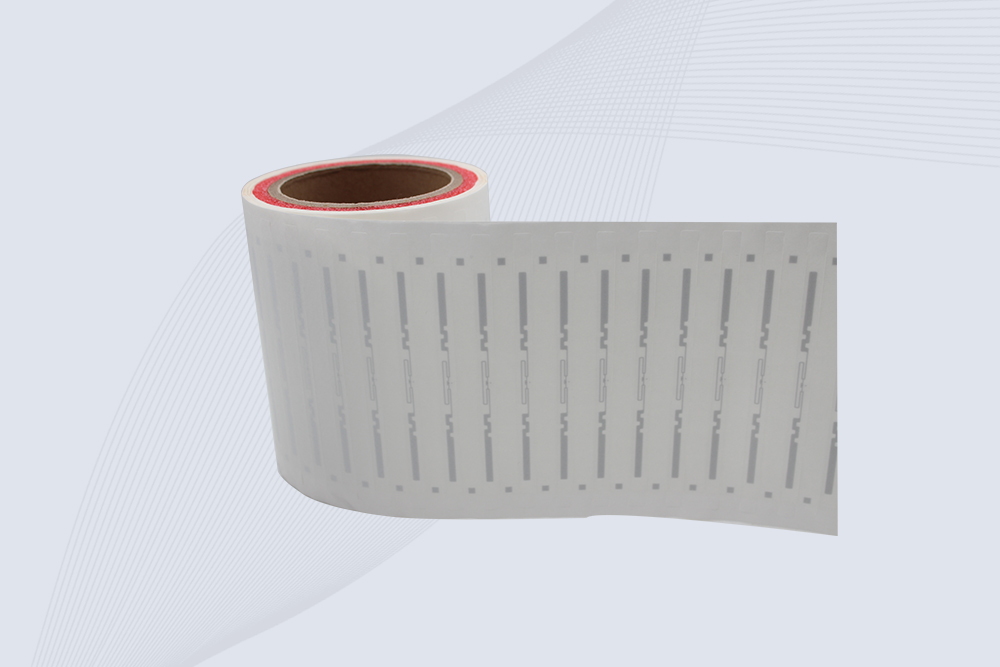
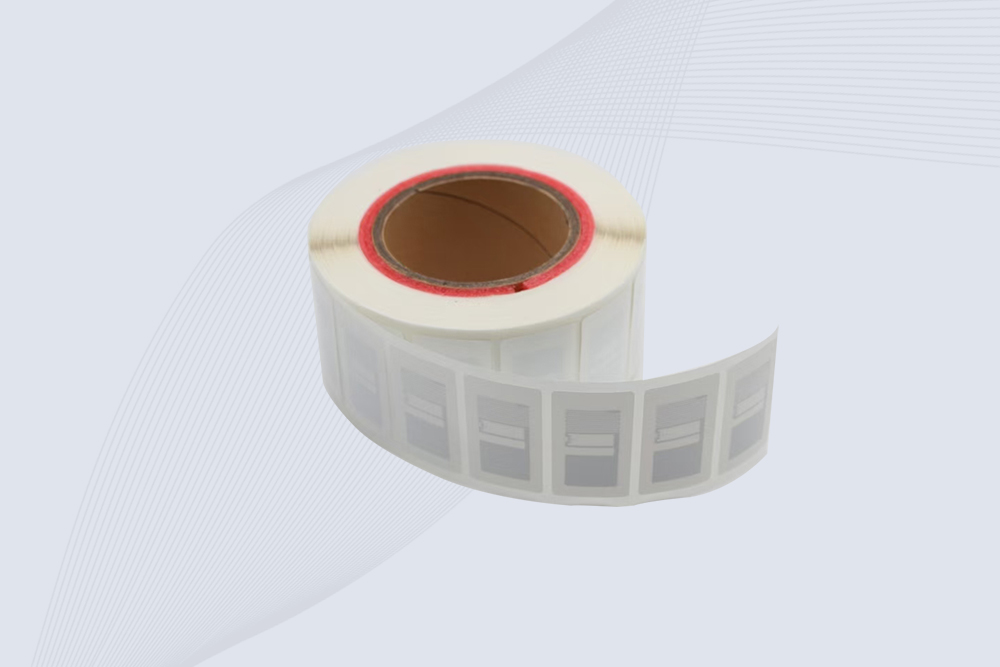
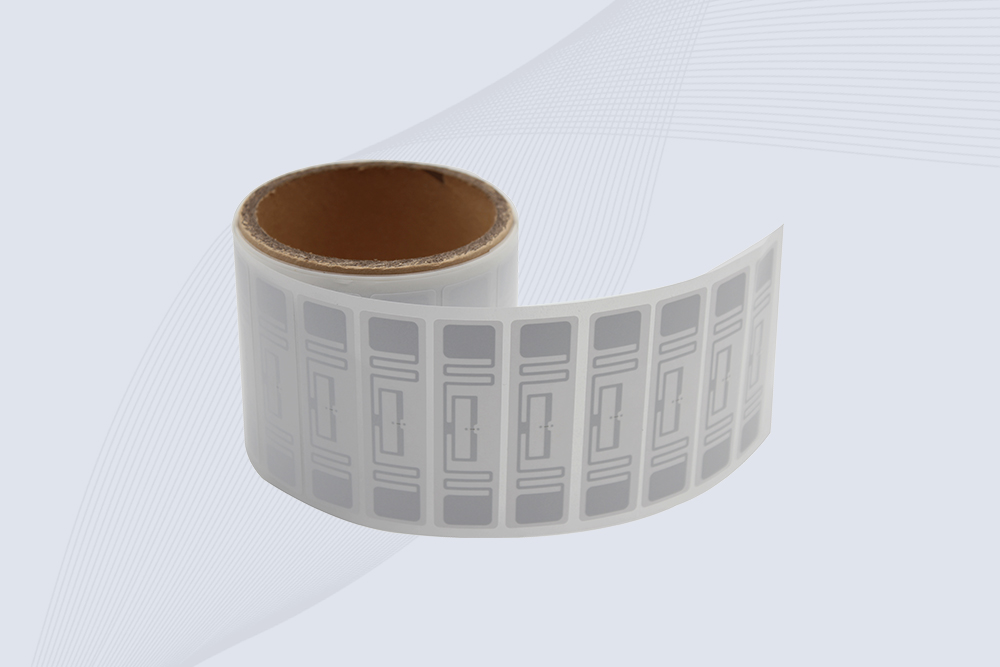
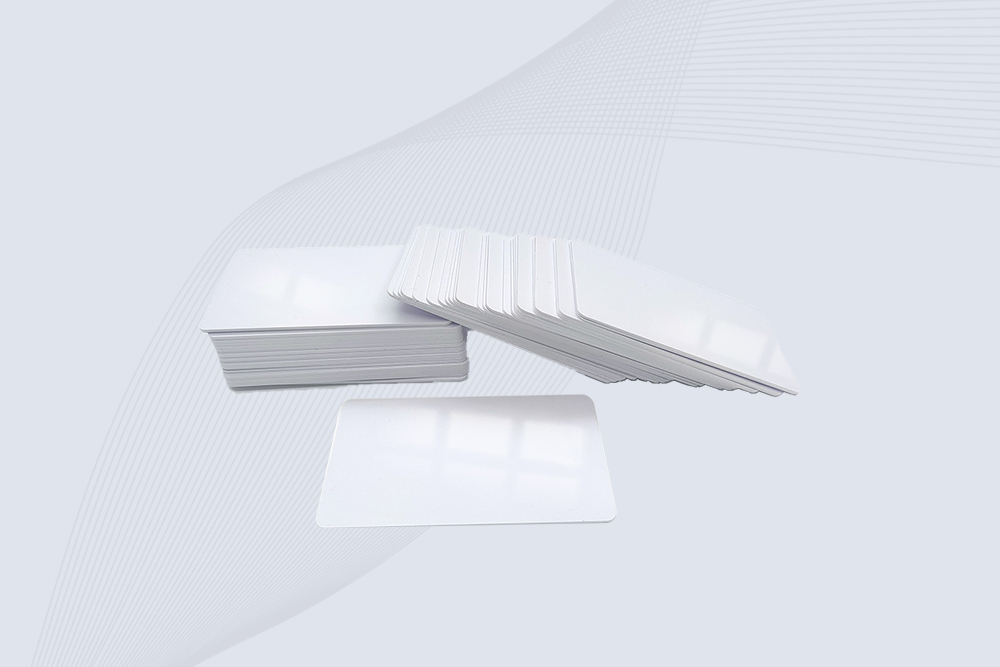
What is rfid tech? RFID tech is a wireless identification technology that uses radio waves to transfer data between RFID tags and readers, allowing businesses to identify, track, and manage physical objects without direct contact or visual scanning.
RFID technology has moved far beyond simple product labeling. In modern factories, warehouses, libraries, hospitals, and logistics networks, RFID tech acts as a connection layer between physical assets and digital management systems. A small RFID tag attached to an item can provide a unique identity, while readers collect information automatically and send it into business software.
From my experience working with RFID hardware integration and deployment projects, the biggest misunderstanding about RFID tech is that companies often focus only on reading distance. In real projects, reliability depends on much more: tag selection, antenna design, operating environment, data structure, and how the system handles thousands of identification events every day.
A warehouse door, for example, may look simple from the outside. Inside the system, however, the RFID reader must separate wanted tags from surrounding items, process multiple responses, and deliver accurate data to inventory software. The engineering details behind that process determine whether RFID becomes a useful operational tool or just another unused device.
According to GS1, RAIN RFID systems use standardized communication methods based on ISO/IEC 18000-63 and GS1 UHF Gen2 protocols. These standards allow RFID readers and tags from different manufacturers to communicate consistently.
Understanding RFID Tech: How Radio Frequency Identification Works
RFID tech consists of three essential components:
Component
Function
RFID Tag
Stores identification data and communicates with readers
RFID Reader
Sends radio signals and captures tag responses
Software Platform
Converts RFID data into business information
Unlike traditional barcode systems, RFID does not require a direct line of sight. A reader can communicate with multiple tags within its coverage area, depending on frequency, antenna design, tag type, and environmental conditions.
In a typical UHF RFID system, the reader sends energy through radio waves. Passive RFID tags use this energy to respond with stored information, usually including a unique identifier such as an EPC code.
GS1 explains that EPC (Electronic Product Code) provides a standardized way to encode unique identifiers on RAIN RFID tags, creating a connection between physical items and enterprise information systems. GS1
This difference is important during implementation. RFID tech does not replace a database. Instead, it creates a fast and reliable method for capturing the identity of physical objects.
How RFID Technology Works in Real Business Environments
RFID Tech in Inventory Management
Inventory management is one of the most common RFID applications.
Traditional inventory processes often depend on manual counting or barcode scanning. RFID tech changes this workflow by allowing companies to identify many tagged items automatically.
A typical RFID inventory process includes:
Applying RFID tags to products or assets
Registering tag information into software
Reading tags through fixed or desktop RFID readers
Updating inventory records automatically
In large-scale environments, the value is not only speed. Accuracy becomes the bigger advantage.
RAIN Alliance describes RFID as a standards-based wireless technology that enables organizations to identify, locate, and authenticate tagged items across industries such as retail, logistics, healthcare, and aviation. The RAIN Alliance
RFID Tech in Asset Tracking
Asset tracking requires more than knowing whether an item exists. Companies need to understand where assets move and who uses them.
Examples include:
Industrial tools
Medical equipment
Library materials
Textile assets
Manufacturing components
During RFID projects, I have worked with teams that initially expected the tag itself to store all information. In practice, the RFID tag usually carries a compact identifier, while the management system stores detailed records.
RAIN RFID tags commonly use serialized identifiers, often stored as EPC data. GS1 notes that simple RAIN RFID tags may contain a 96-bit or 128-bit identifier used as a lookup value connected to item information in databases.
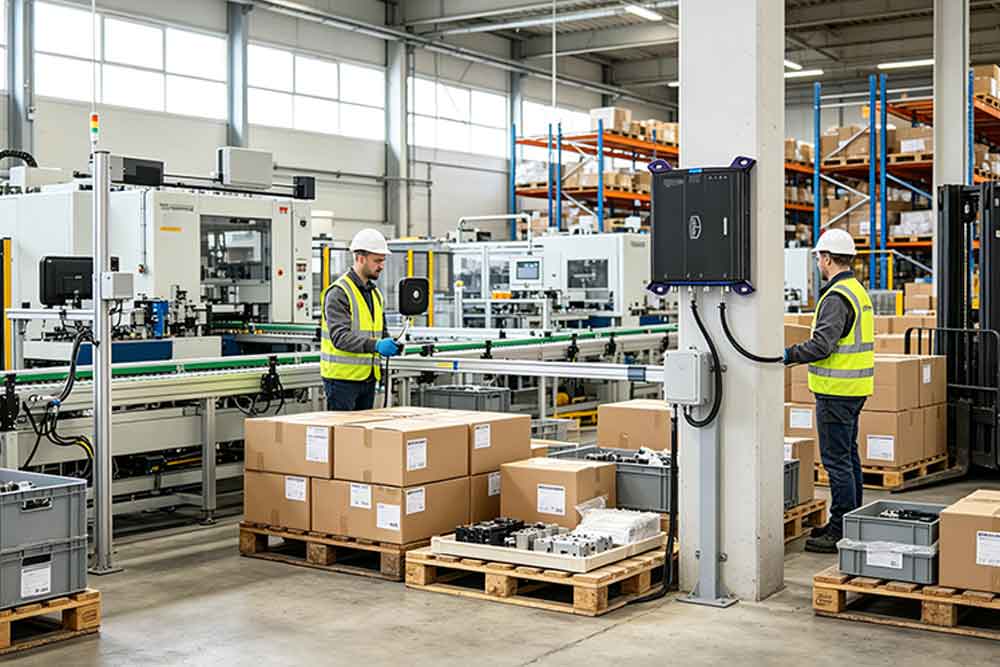
RFID tech enables automatic identification and real-time inventory visibility in modern warehouses.
Different Types of RFID Tech Used Today
RFID technology is not a single type of system. Different frequencies are designed for different environments.
RFID Type
Frequency
Typical Applications
LF RFID
125–134 kHz
Animal tracking, access control
HF RFID
13.56 MHz
Cards, libraries, NFC applications
UHF RFID
860–960 MHz
Logistics, inventory, asset tracking
Among these categories, UHF RFID has become widely adopted for industrial identification because it supports longer reading distances and fast multi-tag processing.
GS1 identifies UHF passive RFID, also known as RAIN RFID, as one of the most broadly implemented RFID technologies for supply chain and inventory applications.
Practical RFID Tech Applications with Desktop RFID Reading Platforms
RFID tech becomes valuable when it fits into a real workflow. In many deployment projects, the most important stage is not the final reading process but the earlier registration and data preparation stage.
Before a tagged item enters daily operation, administrators usually need to:
Register RFID tags
Assign identification information
Verify tag readability
Rewrite tag data when necessary
Connect RFID information with management software
This is where desktop RFID reading platforms are frequently used.
In libraries, for example, thousands of books may require RFID tag registration before circulation management begins. In industrial tool rooms, every tool may need an individual identity before borrowing records can be tracked. Textile management systems also require reliable tag conversion and registration before items enter repeated washing cycles.
During field implementation, I have found that controlled reading distance is often more useful than maximum reading distance. A registration workstation does not need a reader that captures tags across the entire room. It needs accuracy.
A desktop RFID platform with near-field antenna design creates a controlled working area. Operators can place one item or a small group of items within the reading zone and confirm the correct RFID data before saving it.
RFID Tech for Tag Registration and Data Writing
Why RFID Writing Stability Matters
Reading an RFID tag is only one part of the process. Many professional applications require writing information into RFID chips.
Examples include:
New asset registration
Tag replacement
Inventory conversion
Temporary tag assignment
Equipment identification updates
Unstable writing can create serious operational problems. A tag that fails during registration may appear normal but later cannot be identified correctly.
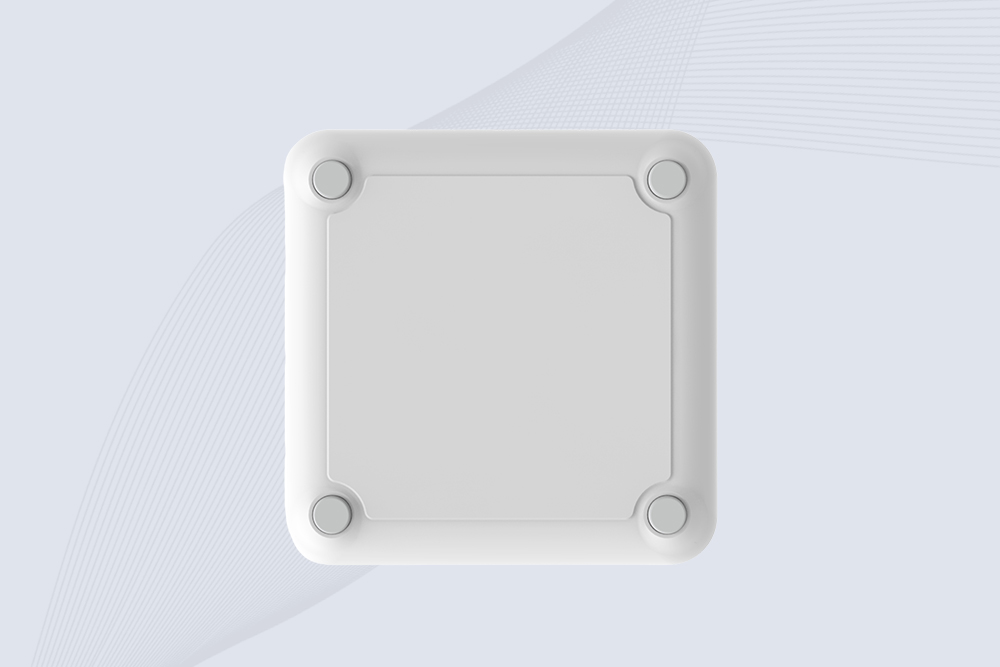
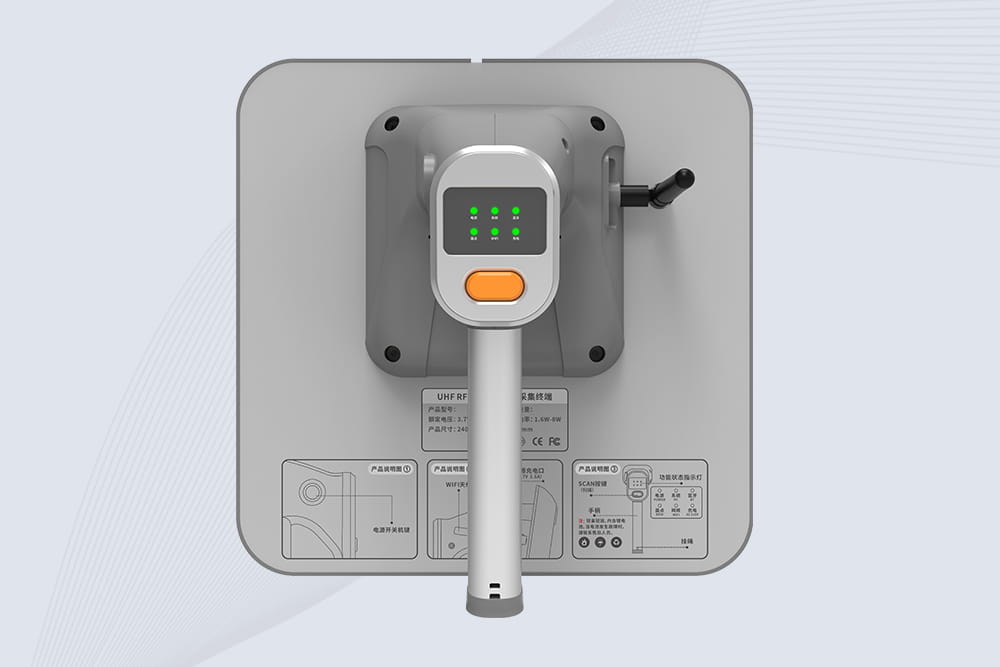
Cykeo’s UHF RFID desktop reading platform was developed for these registration-oriented scenarios. The device combines proprietary signal processing algorithms with stable tag writing capability.
Key technical features include:
Feature
Practical Benefit
USB interface
Easy connection with workstation computers
Up to 33dBm output power
Supports stable tag writing
Multi-tag identification
Improves batch processing efficiency
Data filtering
Helps reduce unnecessary reads
RSSI monitoring
Shows signal strength information
Near-field antenna
Keeps reading area controlled
The platform supports C# and Java development materials, allowing software engineers to integrate RFID functions into existing management systems.
RFID Tech Advantages Compared with Traditional Identification Methods
RFID technology is often compared with barcodes, but the difference becomes clearer during daily operations.
Feature
RFID Tech
Barcode
Reading method
Wireless radio communication
Optical scanning
Direct visibility required
No
Usually yes
Multiple item reading
Supported
Usually one by one
Data writing
Available on compatible tags
Not available
Environmental flexibility
Suitable for many industrial applications
Sensitive to print quality
The practical advantage is not simply speed. RFID tech changes how organizations collect information.
A warehouse worker does not need to stop and manually scan every package. A librarian does not need to align every barcode. A maintenance department does not need to manually record every tool movement.
The system captures identity automatically and allows employees to focus on operational decisions.
Challenges When Implementing RFID Tech
Although RFID tech is powerful, successful deployment requires engineering consideration.
Metal and Liquid Interference
Radio waves behave differently depending on the environment.
Metal surfaces and liquids can affect RFID communication, especially when using passive tags. Proper tag selection and antenna placement are essential.
Tag Orientation
The position between the RFID tag and reader antenna can influence performance.
During installation, engineers usually test:
Tag direction
Reader position
Antenna coverage
Reading speed
Software Integration
RFID readers only provide identification data. The business value comes from connecting that data with operational software.
Common integrations include:
Warehouse management systems
Library management systems
Asset management platforms
Manufacturing databases
A technically strong RFID system still requires practical software integration to deliver measurable results.
RFID tech helps organizations create digital identities for tools, equipment, and reusable assets.
Frequently Asked Questions About RFID Tech
What is rfid tech used for?
RFID tech is used for automatic identification, tracking, and management of physical objects. Common applications include inventory management, asset tracking, library systems, logistics, manufacturing, healthcare equipment management, and textile tracking.
How does RFID tech work?
RFID tech works by using radio waves between RFID tags and readers. The reader sends signals to the tag, and the tag responds with stored identification information. The data is then transferred to software systems for management and analysis.
Is RFID tech better than barcode technology?
RFID tech provides advantages in situations requiring faster identification, multiple tag reading, and wireless communication. Unlike barcodes, RFID does not require direct visual scanning and can support electronic data writing on compatible tags.
What frequency does RFID tech use?
RFID tech operates across different frequency ranges, including low frequency (LF), high frequency (HF), and ultra-high frequency (UHF). UHF RFID systems commonly operate around 860–960 MHz for logistics and industrial applications.
Can RFID tech read multiple tags at the same time?
Yes. Modern RFID tech systems use anti-collision algorithms to identify multiple tags within a reading area. Performance depends on reader capability, antenna design, tag environment, and software configuration.
What industries use RFID tech?
RFID tech is used in many industries, including:
Retail
Manufacturing
Logistics
Healthcare
Libraries
Aviation
Textile management
Each industry uses RFID differently depending on tracking requirements and operational processes.
Why Businesses Choose RFID Tech for Future Digital Management
What is rfid tech? It is a practical identification technology that connects physical objects with digital systems through wireless communication. From simple asset registration to complex supply chain operations, RFID tech provides organizations with faster identification, improved visibility, and better control over physical resources.
The most successful RFID projects are not built around technology alone. They are built around understanding the workflow behind every tag, every reader, and every data record.
At Cykeo, RFID development focuses on these practical details: stable reading performance, reliable writing, software compatibility, and application-driven hardware design. Whether managing books, tools, textiles, or industrial assets, the goal is to make RFID identification more accurate and easier to operate.
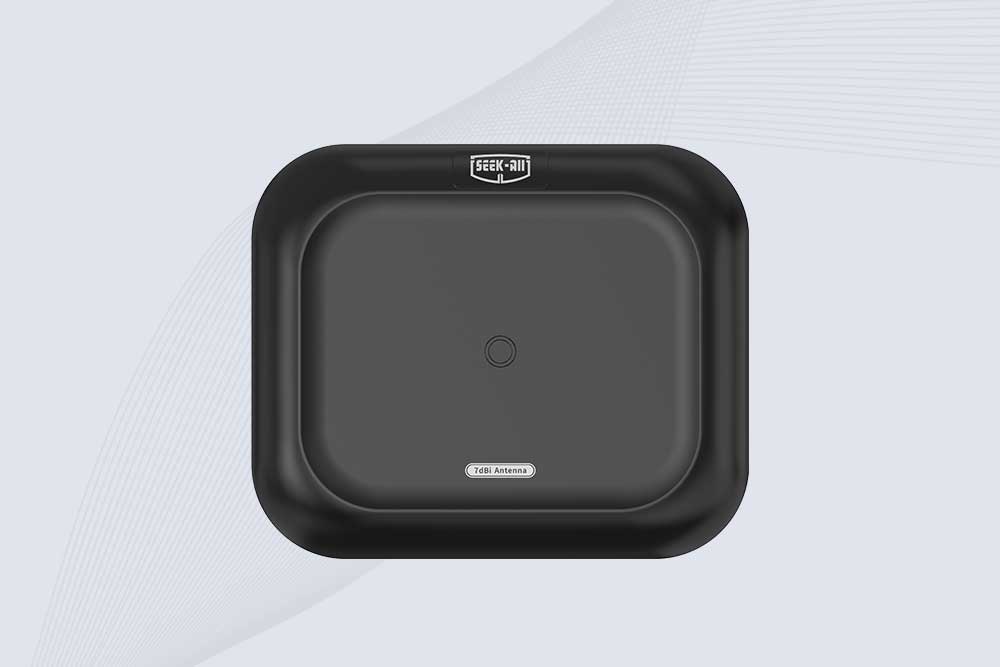
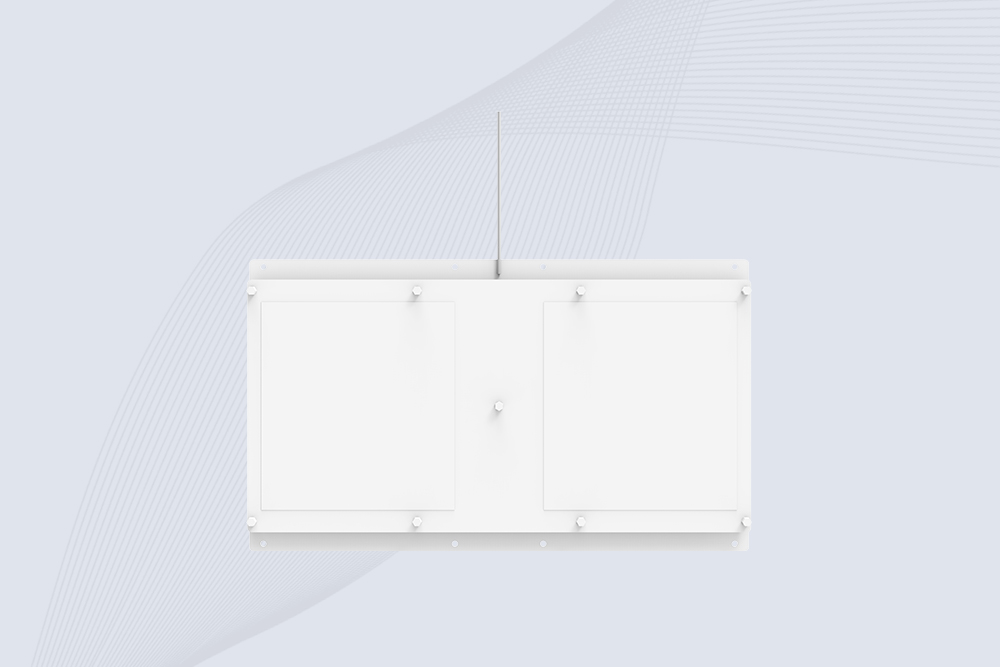
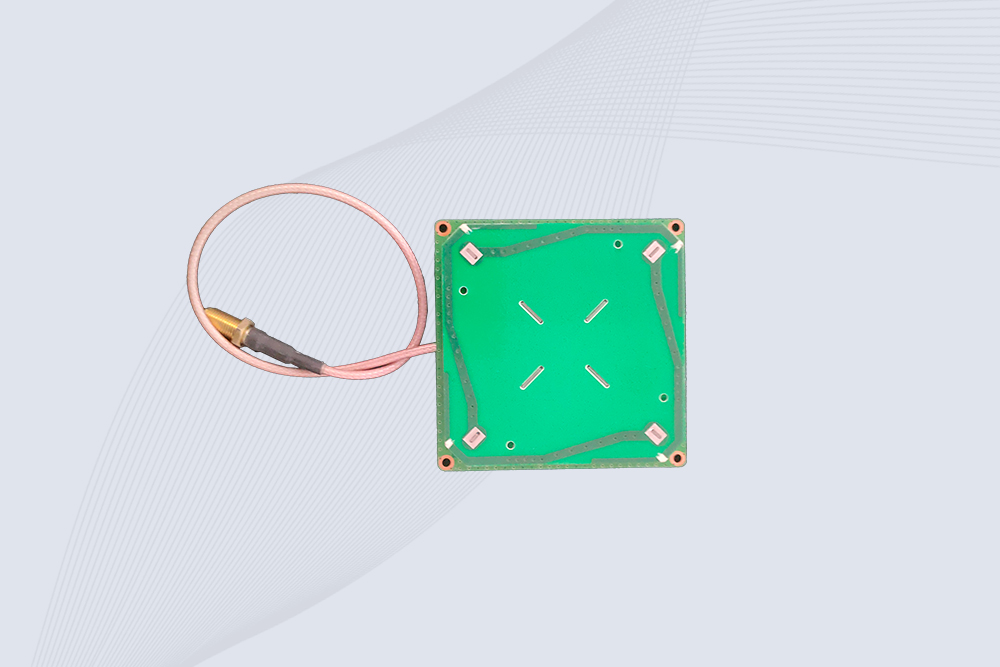
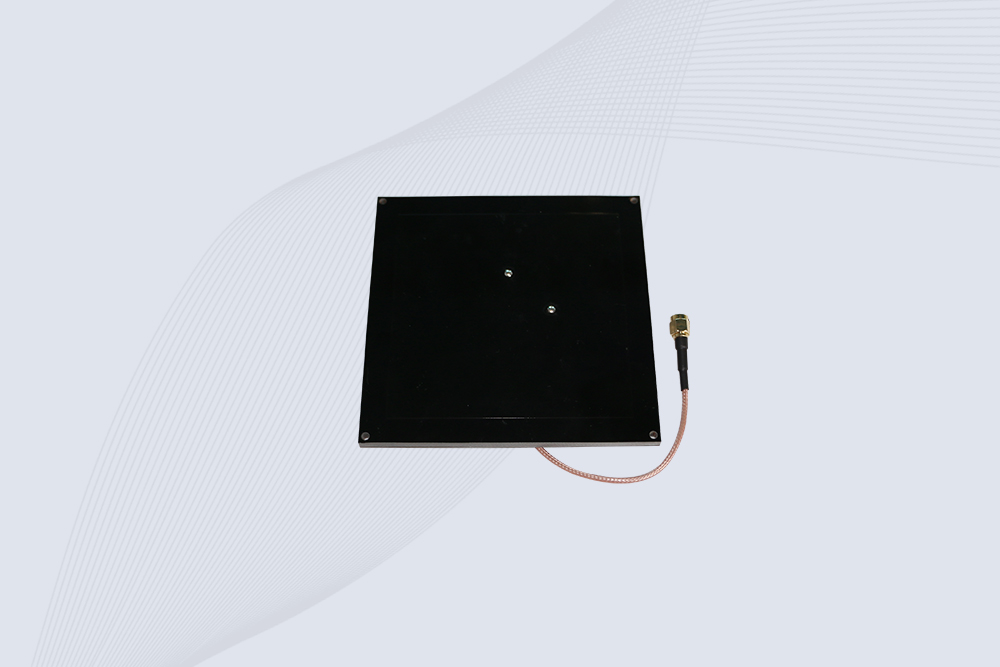
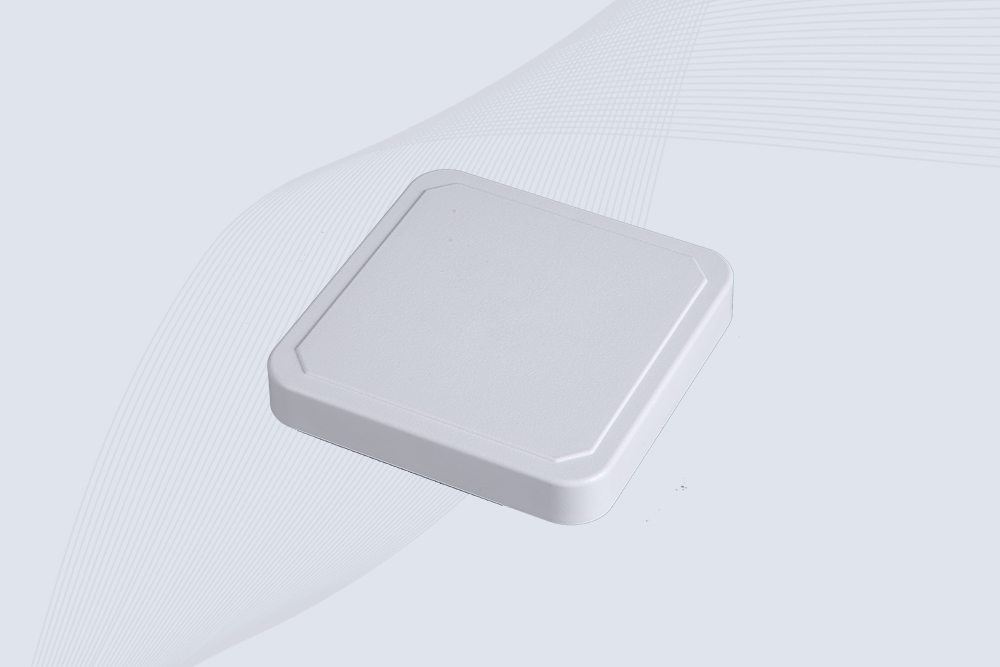
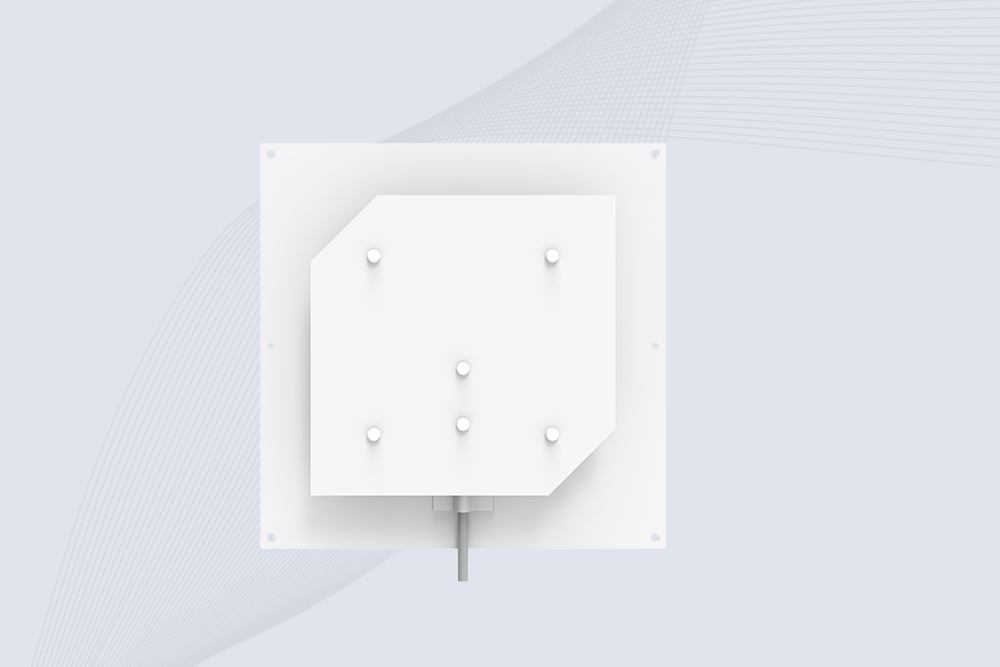
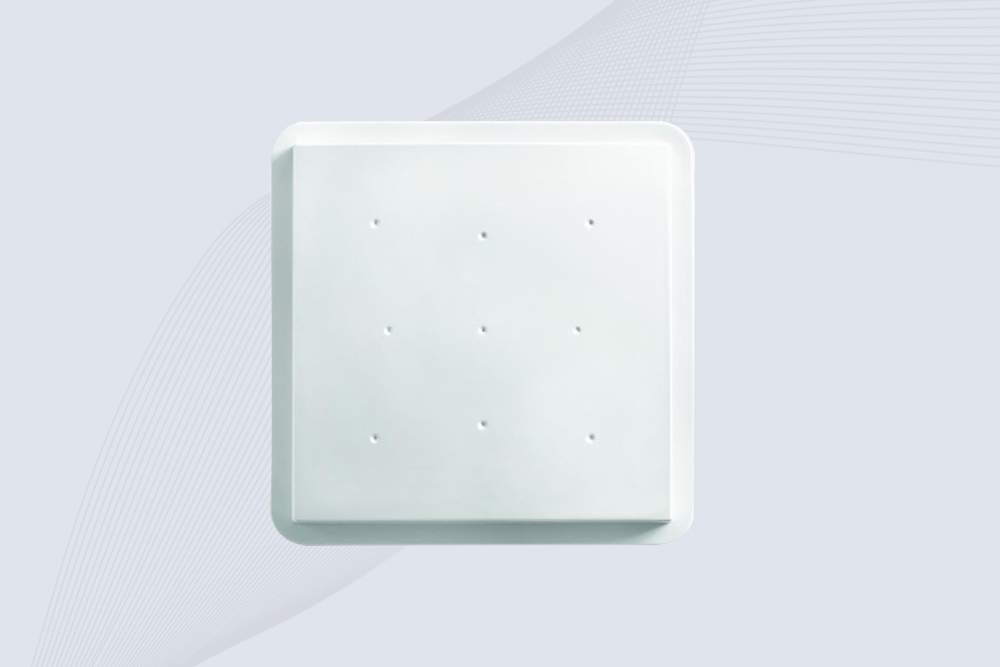
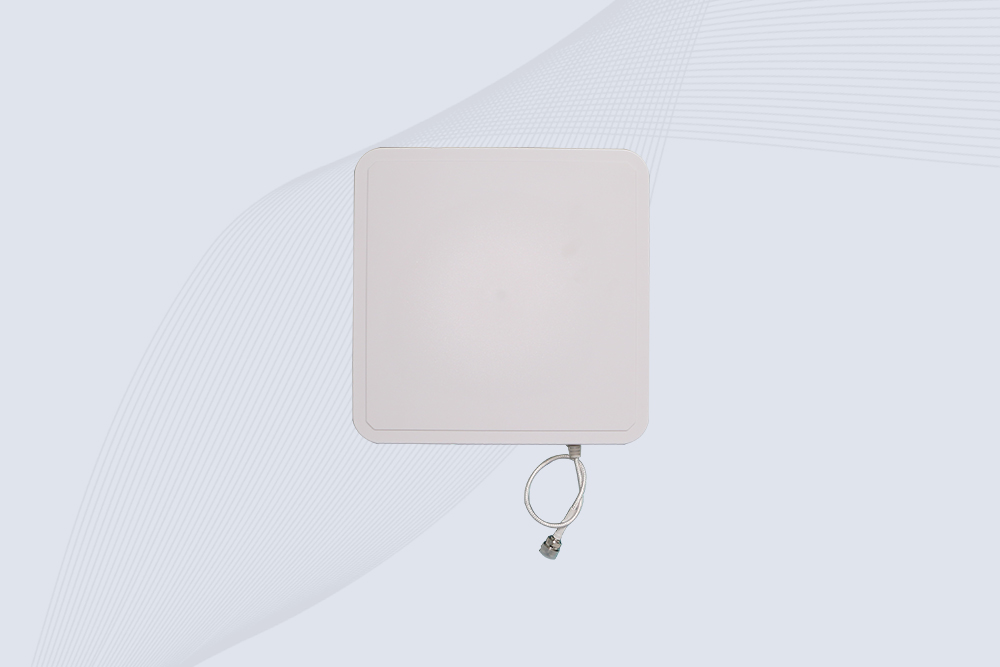
Explore the SSD-A07 UHF RFID antenna with 7 dBi gain, circular polarization, adjustable 840–960 MHz frequency, and 60°/75° beamwidth for stable RFID read/write performance.
SSD-A06 UHF RFID antenna with circular polarization, adjustable 840–960 MHz frequency, ≥4.5 dBi gain, and a compact directional design for RFID systems.
SSD-R16L Multi-Channel RFID Infrastructure for Automated Inventory Management ✔️ 16-Port High-Density RFID Reading Equipped with 16 SMA antenna ports, SSD-R16L supports multi-antenna deployment for warehouses, retail stores, logistics, production lines, and large-area RFID identification. ✔️ High-Speed & Long-Range Performance With up to 33…
SSD-R8L 8-port UHF RFID reader with 33dBm output, up to 20m reading range and 600+ tags/s recognition. Ideal for warehouse, logistics, retail and asset tracking.
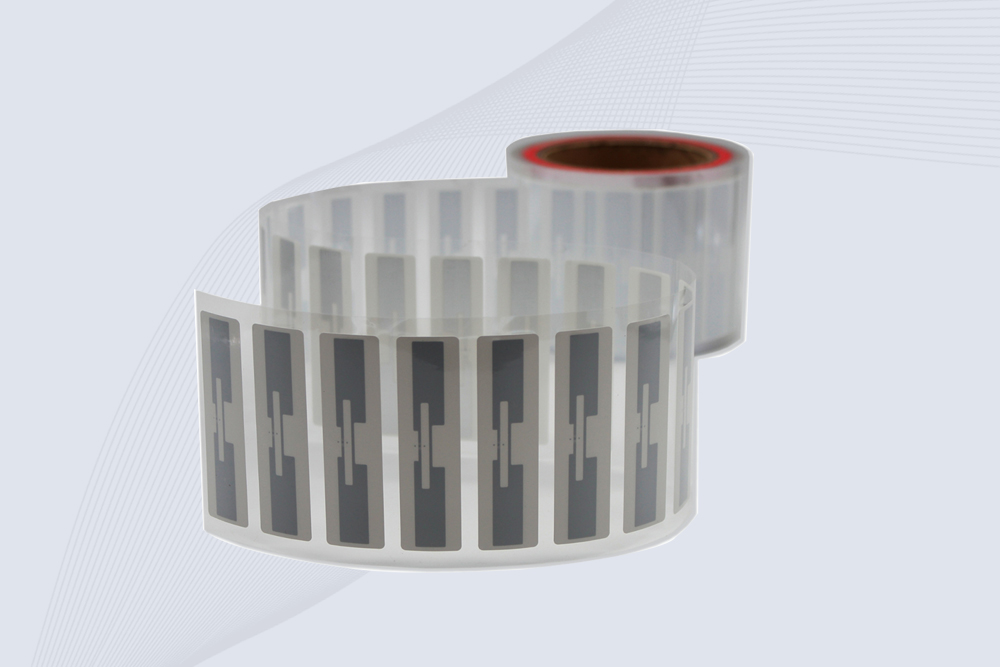
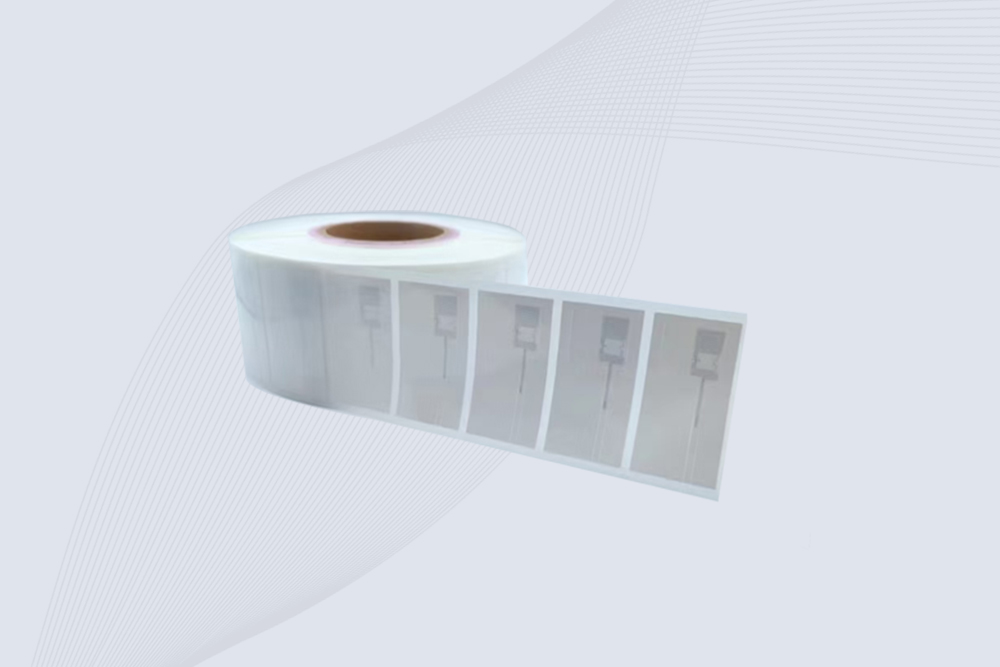
CYKEO Passive RFID Tags are made for wet and high-humidity environments where standard labels do not last. This rfid passive tag is often used around liquids, chemicals and temperature changes, providing stable reading distance and long data life for industrial tracking.
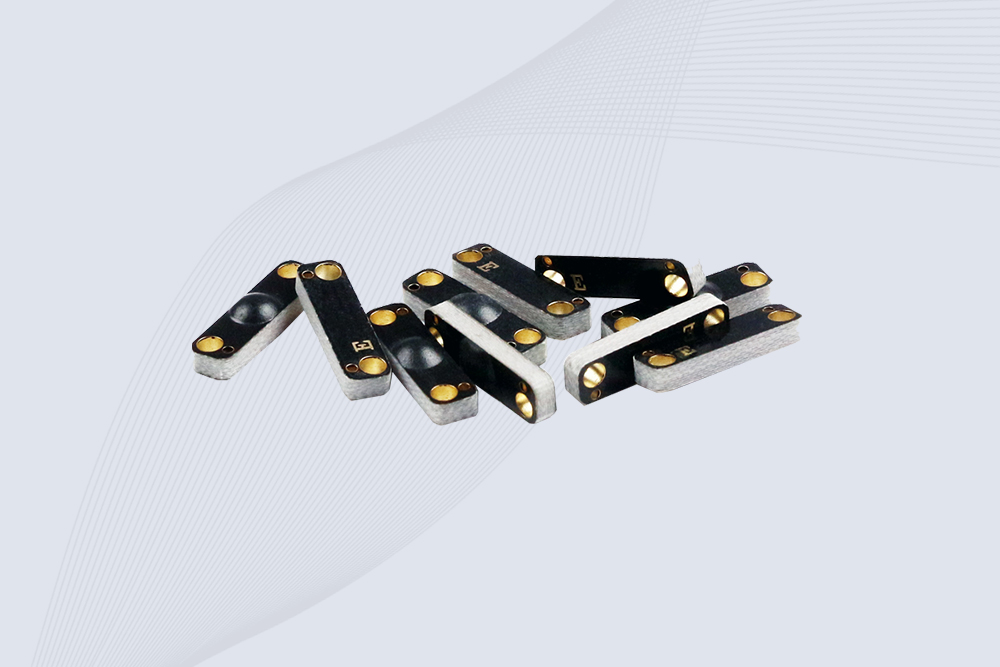
CYKEO CYKEO-PCB1504 Metal RFID Tags is a compact anti-metal UHF RFID solution built for direct mounting on metal surfaces. With stable 8-meter read range, Ucode-8 chip, and long data retention, this rfid metal tag fits tools, containers, automotive parts, and industrial asset tracking.
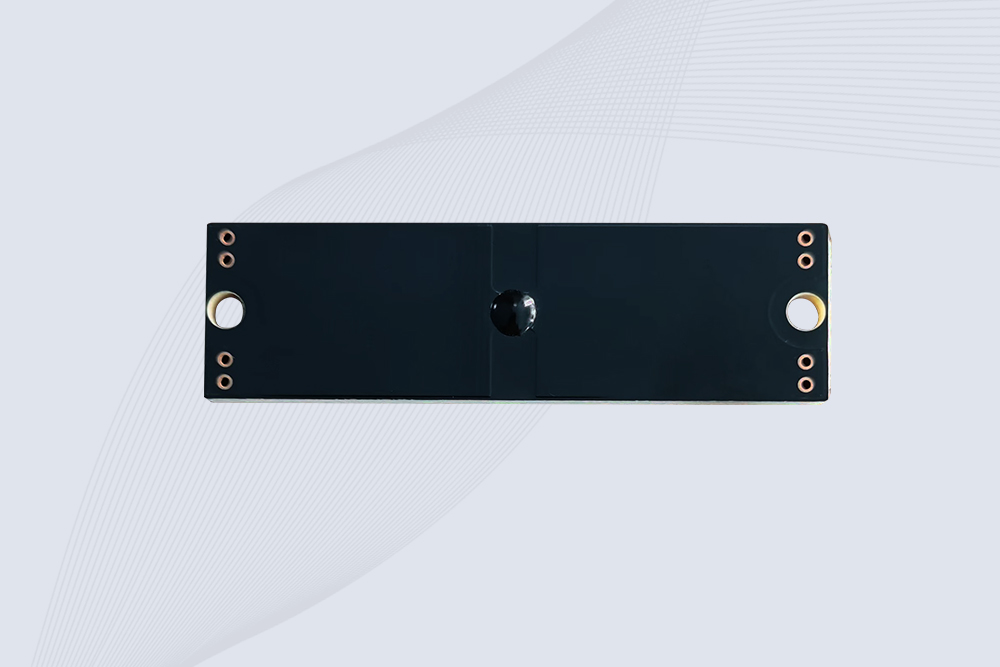
CYKEO CYKEO-PCB7020 On-Metal RFID Tags are designed for reliable tracking on steel and metal surfaces. Built with an FR4 epoxy body and industrial-grade chips, these On-Metal RFID Tags deliver stable performance, long data life, and chemical resistance, making them a dependable RFID anti-metal tag for harsh environments.
The CYKEO CYKEO-60-25 Anti-Metal RFID Tag is built for metal surfaces where standard tags fail. Designed for long-range performance, harsh environments, and stable data retention, this Anti-Metal RFID Tag is ideal for industrial assets, containers, and equipment tracking using on metal RFID tags.
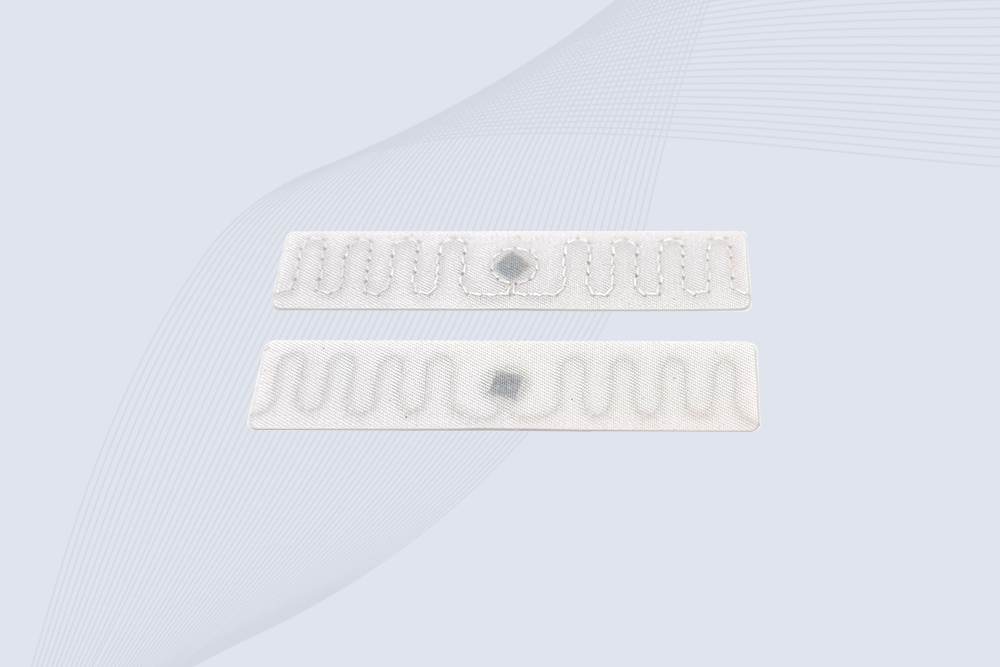
The CYKEO RFID Laundry Tag is designed for long-term textile identification in harsh laundry environments. Built to withstand high heat, chemicals, and repeated washing, this RFID Laundry Tag delivers stable performance for hotels, hospitals, and industrial laundry operations using laundry rfid tags at scale.
The CYKEO CYKEO-125-7 RFID Book Tag is designed for reliable book and document tracking in libraries and archives. This RFID Book Tag delivers long read range, dense placement support, and stable performance on shelves, making it a practical rfid tag on books for library automation, file management, and archival systems.
CYKEO RFID tags in hospitals are designed for sterile environments where accuracy matters. These autoclavable RFID tags support long-term tracking of surgical tools, implants, and medications, helping hospitals improve visibility, compliance, and patient safety.
CYKEO RFID Cable Tie Tag is built for reliable identification on metal surfaces. This UHF RFID Cable Tie Tag is widely used in rfid tags for inventory systems, industrial asset management and Hospital RFID Tags, offering stable read performance, long service life and global EPC Gen2 compatibility.
CYKEO RFID Asset Tag is designed for stable identification of metal assets in industrial environments. This UHF RFID Asset Tag is commonly used for rfid tag asset tracking on equipment, tools and containers, providing reliable reads, long service life and ISO/IEC 18000-6C support.
CYKEO UHF RFID Card is designed for fast identification and long-term use in industrial and commercial systems. Supporting ISO 18000-6C, this UHF RFID Card works at 860–960 MHz and is suitable for custom RFID cards used in asset tracking, access control and inventory management.
CYKEO HF RFID Cards are designed for secure and stable access control systems. These 13.56 MHz RFID key cards support ISO 14443-A, reliable rewriting and long service life, making HF RFID Cards suitable for offices, campuses, events and membership management.
CYKEO UHF RFID Tag is designed for reliable tracking of metal jewelry and high-value items. This Jewelry RFID Tag supports long-range reading up to 8 meters, anti-counterfeit protection and stable performance on metal, making it suitable for retail, inventory control and asset management.
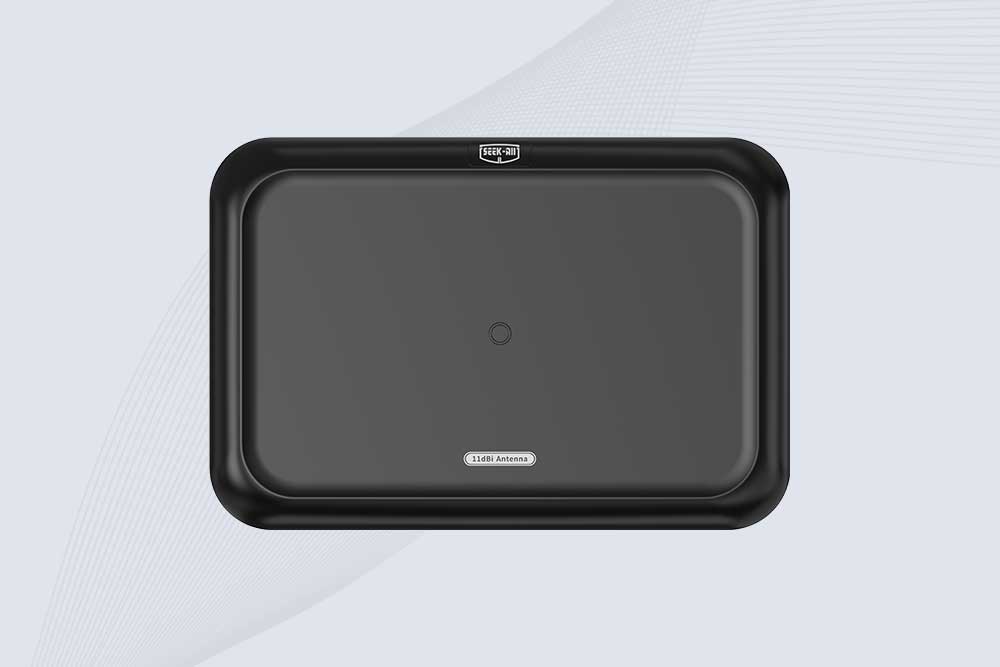
Cykeo CYKEO-A11 UHF RFID reader antenna delivers 11dBi gain, 840-960MHz frequency range, and IP65 ruggedness for retail, logistics, and industrial RFID systems. Features low VSWR and easy installation.
CYKEO Antenna RFID Reader delivers stable long-range UHF performance with a 10.5dBi directional design, built for warehouses, conveyor portals, and industrial RFID systems. This rfid reader antenna provides 20m+ read distance and rugged IP67 protection.
Cykeo CYKEO-A5B industrial Linear RFID Antenna delivers 5dBi gain, ≤1.5:1 VSWR, and IP65 rugged design for warehouse, production line, and logistics UHF systems.
Cykeo’s CYKEO-B12 Long Range RFID Antenna delivers 15m+ read range with 12dBi gain, IP65 rugged design, and global 840-960MHz UHF support. Ideal for warehouse/logistics asset tracking.
Cykeo CYKEO-B10 Long Distance RFID Antenna offers 10dBi gain, 840-960MHz frequency range, IP65 rating, and 20m+ coverage for logistics/warehousing/ETC systems. Low VSWR ensures stable signal transmission.
Cykeo CYKEO-A6 UHF RFID panel antenna features 6dBi gain, 840-960MHz broadband, IP65 metal-ready housing for logistics/smart retail. 18mm ultra-thin design with tool-free mounting.
Cykeo CK-A3 industrial antenna RFID UHF offers 5m+ tag detection, ≤1.3:1 VSWR, IP65 rugged design, and global UHF spectrum compatibility (840-960MHz) for warehouses, factories, and retail.
Cykeo CYKEO-B5 directional RFID antenna provides 5dBi gain with 60° narrow beamwidth for precise inventory tracking. IP65-rated, global UHF frequency support, and low VSWR.
Create your own high-performance DIY RFID antenna! 5dBi gain, 840-960MHz tunable, step-by-step guides. Compatible with Arduino, Raspberry Pi, and commercial UHF readers.
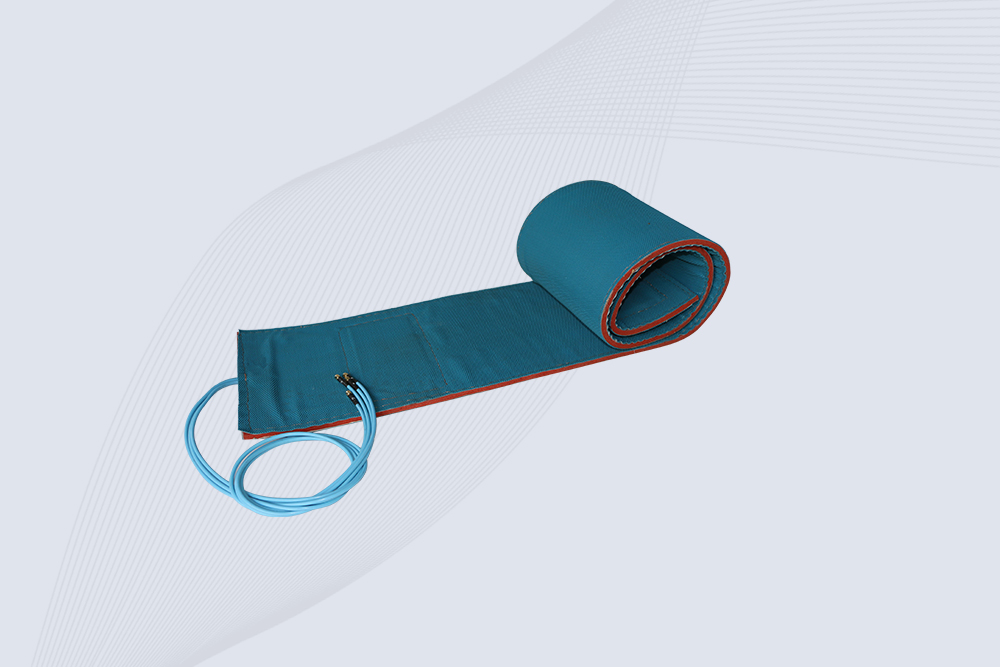
Cykeo CYKEO-A7 Flexible RFID Antenna features 840-960MHz wideband tuning, 7dBi gain, and IP68 rating for medical/retail/industrial curved surface deployments. 98% read accuracy with peel-and-stick installation.
Cykeo CYKEO-B5A industrial Passive RFID Antenna delivers 5dBi gain, 70° beamwidth, and -40°C~55°C operation for warehouses/smart cabinets. Compatible with Zebra/Impinj readers.
Cykeo’s CYKEO-A9B High Gain RFID Antenna delivers 15m+ read range with 9dBi amplification. Features IP54 rugged design, 840-960MHz bandwidth, and 80° beamwidth for warehouse/manufacturing RFID systems.
Cykeo’s enterprise-grade 8dbi Impinj RFID Antenna 10m+ read range with 840-960MHz tuning. Features IP65 housing, 1.4 VSWR, 35° beamwidth for retail/warehouse RFID systems.
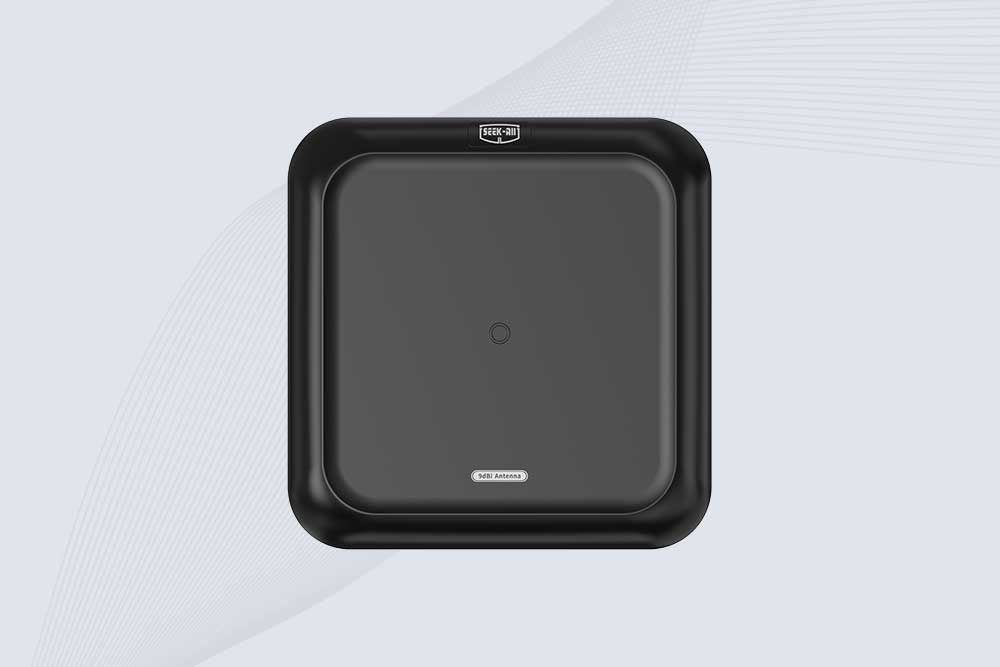
Cykeo CYKEO-A9 industrial UHF RFID antenna delivers 9dBi gain, 840-960MHz frequency range, and IP65 protection for warehouse/logistics/retail RFID systems. Features N-type connector and ≤1.3:1 VSWR.
CYKEO UHF RFID Antenna built for long-distance and industrial applications. This antenna rfid uhf delivers strong gain, outdoor durability, and reliable tag performance in warehouses, yards, and vehicle ID systems.
CYKEO Antenna RFID delivers reliable long-range UHF performance in warehouses, retail shelves, and cold-chain environments. This compact uhf rfid antenna provides stable reads with circular polarization and ultra-wide 840–960 MHz support, ideal for industrial tracking, smart shelves, and asset monitoring.
Cykeo’s CYKEO-C8 UHF RFID antennas delivers 8dBi gain, 840-960MHz full-band coverage, and IP65 ruggedness for manufacturing/warehouse RFID systems. Industrial RFID Antennas Features
Cykeo’s 8dBi UHF RFID antenna and reader kit delivers 10m+ range, 840-960MHz broadband, and IP65 ruggedness for factories, warehouses, and logistics. ISO 18000-6C & EPC Gen2 certified.
Cykeo’s CYKEO-A12C UHF Large RFID Antenna delivers 12dBi gain, 840-960MHz global frequency, IP65 ruggedness for logistics/warehousing/automotive. 40° beamwidth ensures stable 15m+ tag reads.
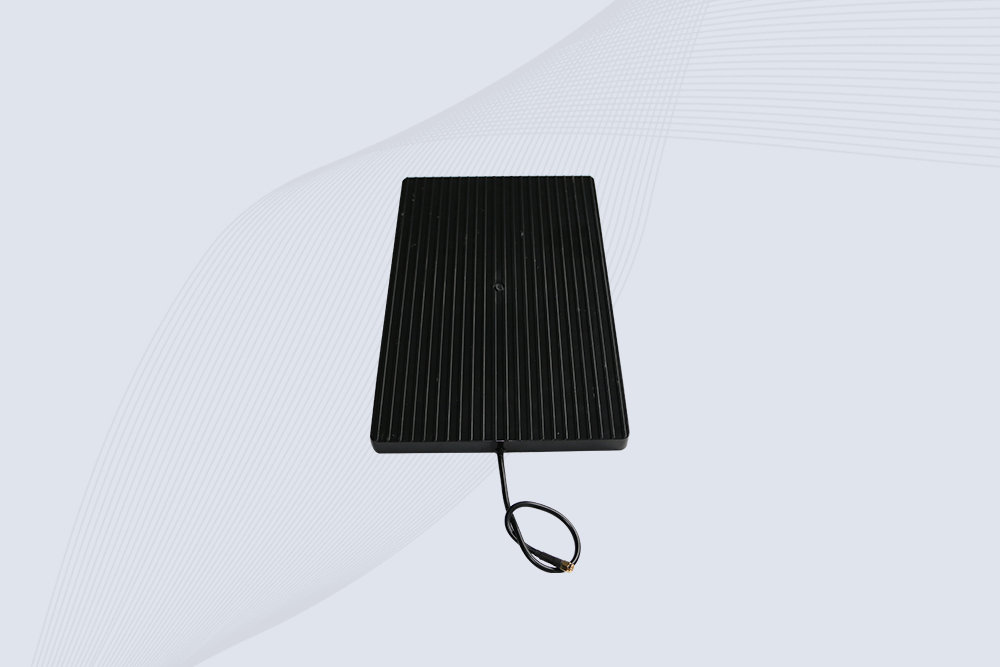
CYKEO Near Field RFID Antenna provides precise 5–30 cm reading for shelves, cabinets, and workstations. This compact rfid shelf antenna delivers stable short-range performance around metal and clutter, ideal for pharmacies, libraries, and electronics sorting.
Cykeo CYKEO-C1 industrial Forklift RFID Reader features 20m read range, 600 tags/sec scanning, Impinj R2000 chipset, and IP67 rugged design. Ideal for warehouse logistics and manufacturing. Supports ISO 18000-6C/6B protocols.
Cykeo CYKEO-R4 industrial UHF RFID Fixed Reader features 4 TNC ports, 400+ tags/sec speed, IP67 housing, and global frequency compliance for vehicle inspection, smart warehouse, and asset management systems.
CYKEO CYKEO-R8L Fixed RFID Reader with 8-port UHF design, Impinj-based RF core and up to 20m read range. An industrial Fixed RFID Reader for vehicle inspection, warehouse portals, smart manufacturing lines and secure access checkpoints.
RFID tags use wireless identification to enable fast book check-in/out, accurate inventory, and anti-theft management. This article explains how RFID works and its advantages over traditional barcode systems.
Discover the 5 hidden costs of cheap RFID readers and learn how Cykeo’s high-performance RFID solutions save you money, improve efficiency, and ensure long-term ROI.
RFID enables businesses to identify, track, and automate physical objects by connecting RFID tags, readers, and digital systems for better operational visibi...
 Cykeo RFID IoT Solution Products R&D Manufacturer