 Cykeo RFID IoT Solution Products R&D Manufacturer
How Does RFID Antenna Work?
388Discover how does RFID antenna work in detail. Learn about signal transmission, read range factors, and antenna types for your RFID system solutions.
MoreAll RFID Product
what can you do with rfid? RFID allows businesses to identify, track, manage, and automate physical objects through wireless communication between RFID tags and readers. It can improve inventory accuracy, monitor assets, support manufacturing workflows, and connect real-world operations with digital systems.
RFID is often introduced as a tracking technology, but in industrial environments, its role is broader.
During RFID system deployments, engineers do not start by asking how powerful the reader is or how far a tag can be detected. The first question is usually: what operational problem needs better visibility?
A warehouse may need to know when pallets arrive. A factory may need confirmation that the correct component reached the correct workstation. A hospital may need to locate reusable equipment.
The RFID tag provides identity.
The reader captures the event.
The software turns the event into a business decision.
This simple structure is the foundation behind many successful RFID applications.
RFID can connect physical objects with digital information.
Unlike traditional identification methods that depend heavily on manual scanning, RFID systems can automatically capture tag information when objects enter a defined reading area.
According to GS1, RAIN RFID enables automatic identification of physical items and supports data exchange throughout supply chains.
Businesses can use RFID to:
However, RFID is not a single device.
A complete RFID solution normally includes:
| Component | Purpose |
|---|---|
| RFID Tag | Provides unique item identity |
| RFID Reader | Communicates with tags |
| RFID Antenna | Controls RF communication area |
| Middleware | Filters and processes reads |
| Software Platform | Converts data into actions |
| Database | Stores operational information |
The value comes from how these parts work together.
Inventory management is one of the most common RFID applications because companies need accurate information about physical stock.
In a traditional warehouse, employees may scan products individually. This works for smaller operations, but becomes challenging when thousands of items move every day.
RFID creates a different workflow.
A pallet entering a warehouse can be identified automatically.
A group of tagged products can be counted without scanning each label individually.
A shipment can be verified before leaving the facility.
Common inventory applications include:
| Scenario | RFID Function |
|---|---|
| Receiving | Automatically identify incoming goods |
| Storage | Associate items with inventory records |
| Cycle counting | Improve counting efficiency |
| Shipping | Verify outgoing products |
| Returns | Confirm returned item identity |
Research from Auburn University examined RFID inventory visibility in retail environments. One study covering 13 stores over 23 weeks reported an approximately 26% reduction in inventory record inaccuracy after RFID adoption. Further research across 62 stores and five product categories showed that results depend on product characteristics and implementation conditions.
This is an important practical point.
RFID does not improve inventory simply because tags exist.
The improvement comes from designing the complete system:
In real warehouse projects, the biggest improvement is often visibility at critical points.
For example:
Receiving dock
A reader detects tagged pallets entering the warehouse.
The system records:
Production area
A workstation reader confirms that the correct material arrived.
Shipping area
A fixed reader verifies outgoing goods before dispatch.
The RFID system creates a digital record of physical movement.
This reduces dependence on manual confirmation and helps companies understand what is actually happening on the floor.
Many organizations use RFID not only for products but also for valuable reusable assets.
Examples include:
The challenge with assets is usually not identification.
A company knows what a tool looks like.
The challenge is knowing:
An RFID tag gives each asset a unique electronic identity.
For example:
| Asset | RFID Identity |
|---|---|
| Torque tool | Asset ID 10001 |
| Transport container | Asset ID 10002 |
| Inspection device | Asset ID 10003 |
Once connected with readers and software, these identities become searchable operational records.
Manufacturing environments often involve repeated movement of materials between multiple stations.
RFID can help companies understand where products are during production.
Typical applications include:
A production workflow may look like:
At each stage, RFID readers can capture the item’s identity.
For example, an automotive component can carry an RFID tag throughout production.
The system can record:
The RFID tag does not replace the manufacturing execution system.
It provides additional physical data that helps the software understand production activity.
Modern supply chains involve many handoffs.
A product may move through suppliers, factories, warehouses, distributors, and retailers.
Each handoff creates a possible information gap.
RFID can create automatic identification events throughout the journey.
GS1 EPCIS defines a framework for sharing supply-chain event information, including what happened, when it happened, where it happened, and why it happened.
A practical example:
| Supply Chain Stage | RFID Application |
|---|---|
| Supplier shipment | Identify incoming goods |
| Warehouse receiving | Confirm arrival |
| Storage | Track movement |
| Order fulfillment | Verify items |
| Delivery | Support traceability |
The important concept is not that RFID follows an object everywhere.
Instead, RFID records meaningful identification events at planned checkpoints.
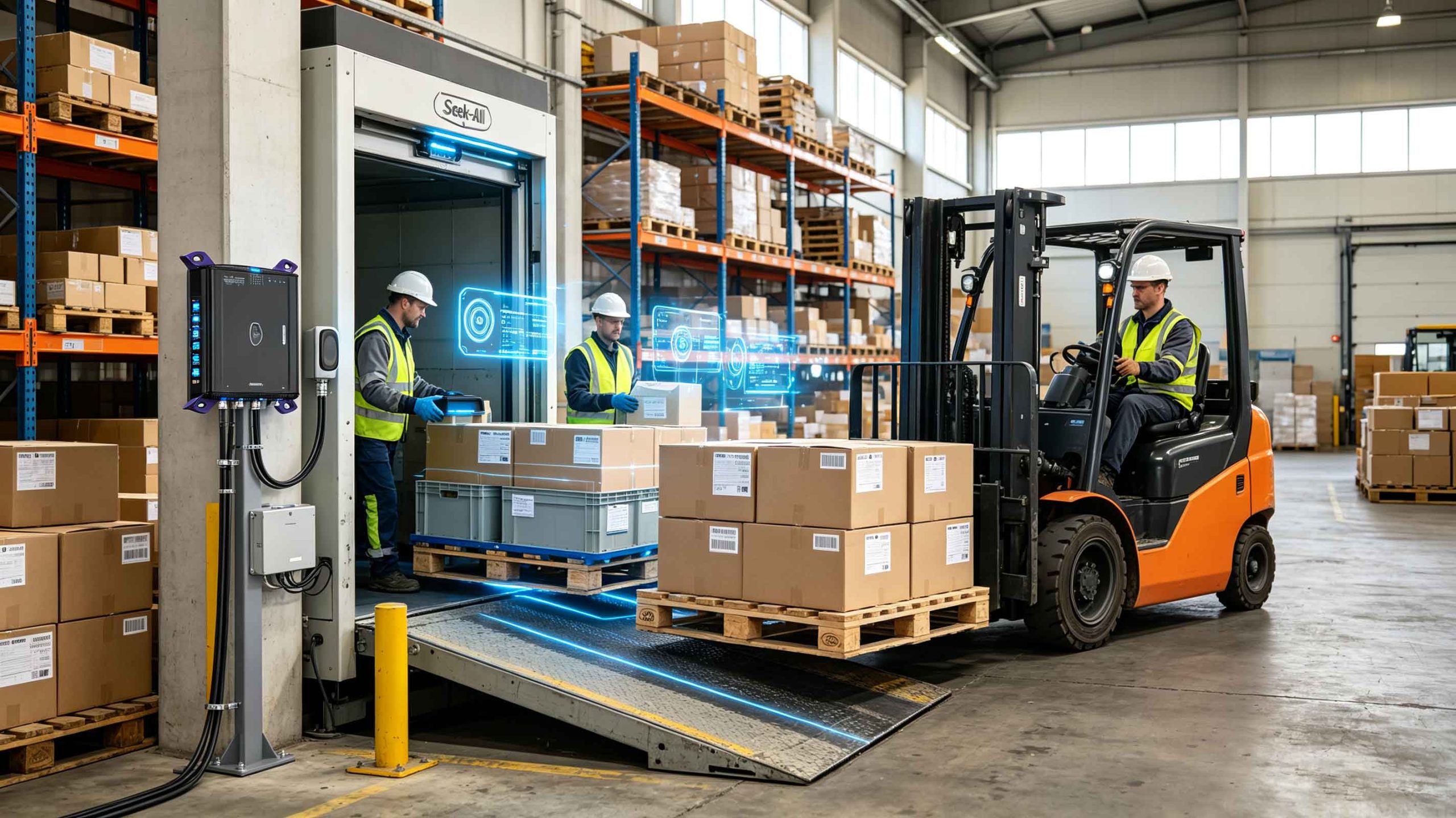
Automation is one of the main reasons companies adopt RFID.
In manual processes, employees often create the connection between physical objects and software records.
They scan.
They confirm.
They enter information.
RFID can reduce some of these manual steps by allowing systems to capture identification events automatically.
Examples include:
A well-designed RFID system does not remove people from operations.
Instead, it allows employees to focus on decisions rather than repetitive identification tasks.
At Cykeo, RFID solutions are developed around real operational requirements.
Industrial environments are rarely perfect testing conditions.
Metal shelves, liquids, moving machinery, and dense product arrangements can influence RFID performance.
During deployment planning, engineers evaluate:
Cykeo UHF RFID products, including CYKEO-RA9L / CK-D9L fixed RFID readers and CYKEO-M4L RFID modules, are designed for industrial identification applications requiring reliable communication with RFID tags.
The goal is not simply reading a tag.
The goal is creating useful operational information.
RFID and barcode technology are both used for identification, but the way they collect information is different.
A barcode requires optical scanning. The scanner normally needs a clear view of the printed code.
RFID communicates through radio waves. Depending on the tag type, reader configuration, and environment, RFID can identify multiple tagged objects without requiring each label to be manually positioned.
| Feature | Barcode | RFID |
|---|---|---|
| Reading method | Optical scanning | Radio communication |
| Line of sight | Usually required | Usually not required |
| Multiple item reading | Limited | Supported |
| Manual operation | Often required | Can be automated |
| Data collection speed | Depends on operator | Depends on system design |
| Environmental sensitivity | Label visibility | RF environment |
GS1 notes that RAIN RFID and barcodes can complement each other, and companies should select the identification technology according to the application requirements rather than assuming one technology fits every situation.
In many real projects, RFID does not completely replace barcodes.
A warehouse may still print a barcode for human handling while using RFID for automatic inventory events.
The two technologies can work together.
Retail environments use RFID to improve product visibility from the distribution center to the store shelf.
A retailer may need to manage thousands of individual products across multiple locations.
RFID can support:
For example, a clothing retailer may attach UHF RFID tags to garments.
During receiving, readers can identify incoming products.
During inventory checks, employees can scan shelves using handheld readers.
During fulfillment, the system can verify whether the correct item has been selected.
The advantage is not only speed.
The deeper benefit is reducing the gap between system records and physical reality.
A database may say an item exists.
RFID helps verify whether that item is actually present.
RFID can also support identification-based security applications.
Examples include:
An RFID tag can provide a unique identity that a system checks before allowing an action.
However, RFID itself does not make the final security decision.
The complete process usually includes:
For example:
An employee presents an RFID badge.
↓
The reader captures the credential information.
↓
The access-control system checks permissions.
↓
The system allows or denies access.
The RFID component provides identification. The software provides the decision logic.
Healthcare organizations manage many mobile assets that must remain available and identifiable.
RFID can be used for:
A hospital may have thousands of movable assets.
The challenge is not only knowing what equipment exists.
The challenge is knowing whether the right equipment is available at the right time.
RFID can help create visibility around:
Healthcare applications often require specialized RFID tags because equipment may involve metal surfaces, sterilization procedures, temperature changes, or strict durability requirements.
The tag design must match the environment.
One important misunderstanding about RFID is assuming the tag itself contains all business information.
In professional deployments, RFID usually works as an identification layer.
The common architecture is:
RFID Tag → Reader → Software Platform → Database → Business Action
For example:
A reader detects a pallet.
The system identifies the pallet number.
The database checks the shipment order.
The software confirms whether the correct goods are being shipped.
The RFID tag provides the connection between physical movement and digital records.
Some RFID tags support writable memory. GS1 explains that RAIN RFID tags may include EPC memory and, when supported, additional User memory areas for application data.
However, many enterprise systems keep detailed information in databases because it is easier to update, search, and manage.
Industrial automation is where RFID becomes especially valuable because production environments contain repeated movements and strict process requirements.
Examples include:
RFID-tagged tools can be identified when entering or leaving a tool cabinet.
Possible benefits:
RFID tags attached to components or carriers can help identify products moving through manufacturing stations.
Possible benefits:
Fixed readers can capture tagged pallets or containers at planned checkpoints.
Possible benefits:
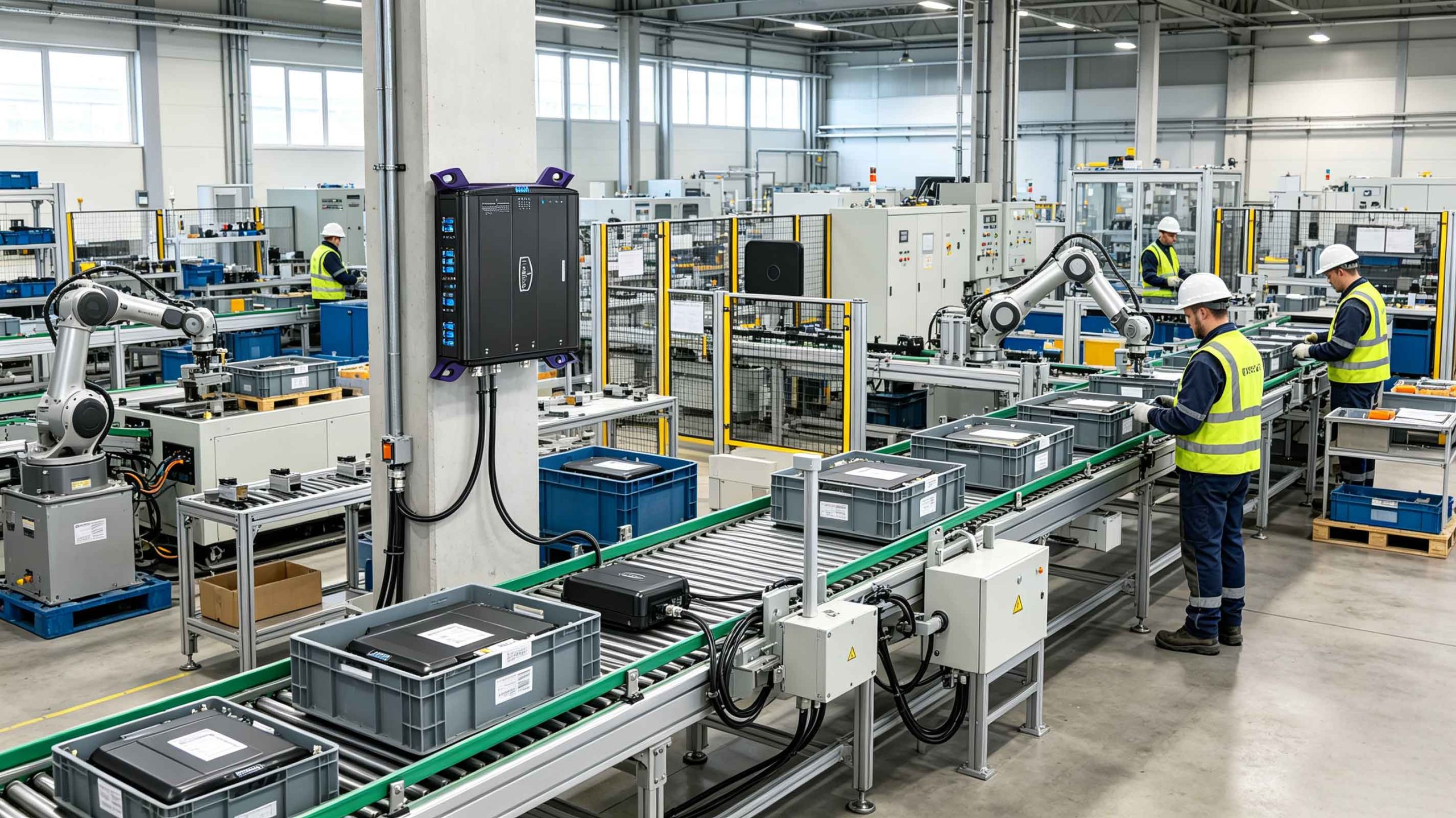
Successful RFID projects usually begin with the application, not the hardware.
Before selecting tags or readers, engineers normally analyze:
For example:
A cardboard carton in a warehouse may use a standard UHF RFID label.
A metal container may require an on-metal RFID tag.
A high-temperature manufacturing process may require a specialized industrial tag.
The physical environment determines the correct RFID design.
This practical approach is also used in Cykeo RFID projects.
Cykeo develops RFID solutions using components such as:
Products including CYKEO-RA9L / CK-D9L fixed UHF RFID readers and CYKEO-M4L RFID modules are designed for industrial applications where reliable identification and system integration are required.
RFID can help businesses identify products, track assets, automate inventory processes, improve supply-chain visibility, and connect physical operations with digital management systems.
RFID does not provide GPS location by itself. A tag becomes visible when detected by an RFID reader. Software can then associate that detection event with a known location or process point.
Yes. UHF RFID systems are designed for multi-tag identification. Actual performance depends on reader settings, tag design, antenna arrangement, and the surrounding environment.
Yes. Passive RFID tags operate without internal batteries. They receive energy from the reader’s RF field and respond with identification information.
RFID can reduce manual counting work by automatically identifying tagged items, but the final improvement depends on system design, tag placement, reader installation, and software integration.
RFID is used in logistics, manufacturing, retail, healthcare, transportation, libraries, asset management, and many other industries where physical objects require digital identification.
The answer to what can you do with RFID is that RFID creates a practical connection between physical objects and digital systems.
It can identify inventory, monitor assets, support automation, improve traceability, and provide operational visibility.
From warehouse pallets to manufacturing components, from medical equipment to retail products, RFID allows organizations to understand what is happening in the physical world.
The strongest RFID solutions are not created by using the most powerful hardware.
They are created by matching:
At Cykeo, RFID technology is developed around real application requirements, helping businesses build reliable identification systems for modern industrial environments.
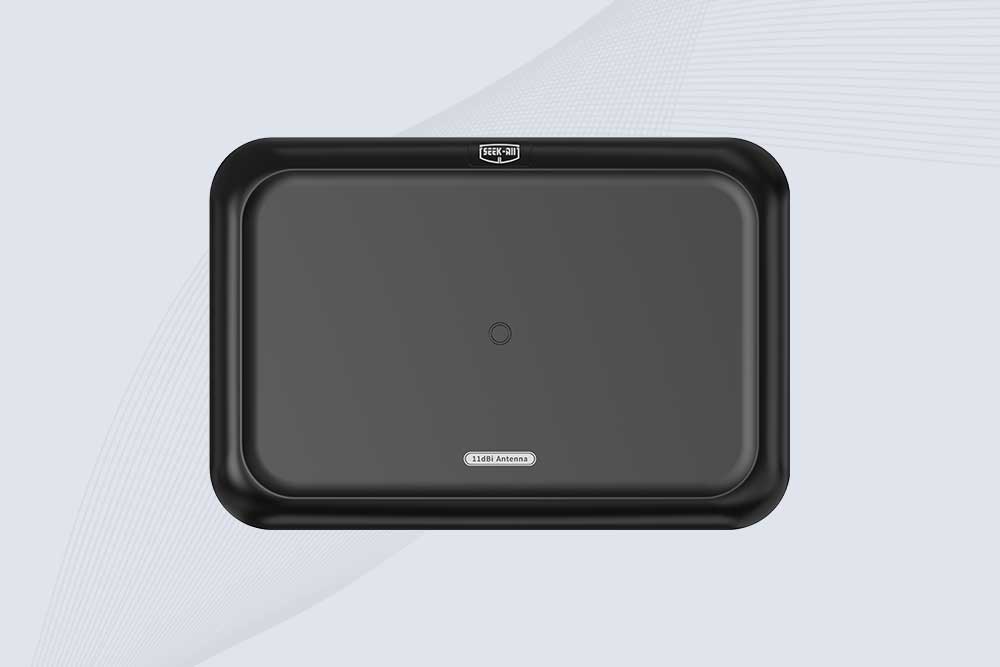
SSD-A11 UHF RFID antenna features 840–960 MHz adjustable frequency, ≥10.5 dBi gain, circular polarization and 50Ω impedance for fixed RFID systems.
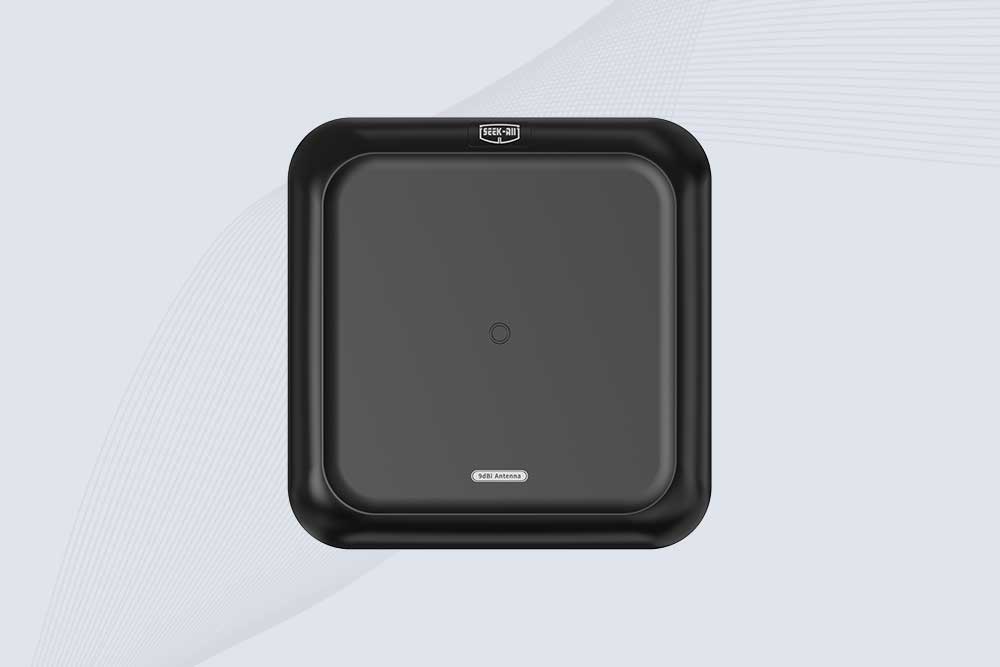
SSD-A09 is a 9 dBi UHF RFID antenna with 840–960 MHz adjustable frequency, circular polarization, 50Ω impedance and directional 60° × 60° coverage.
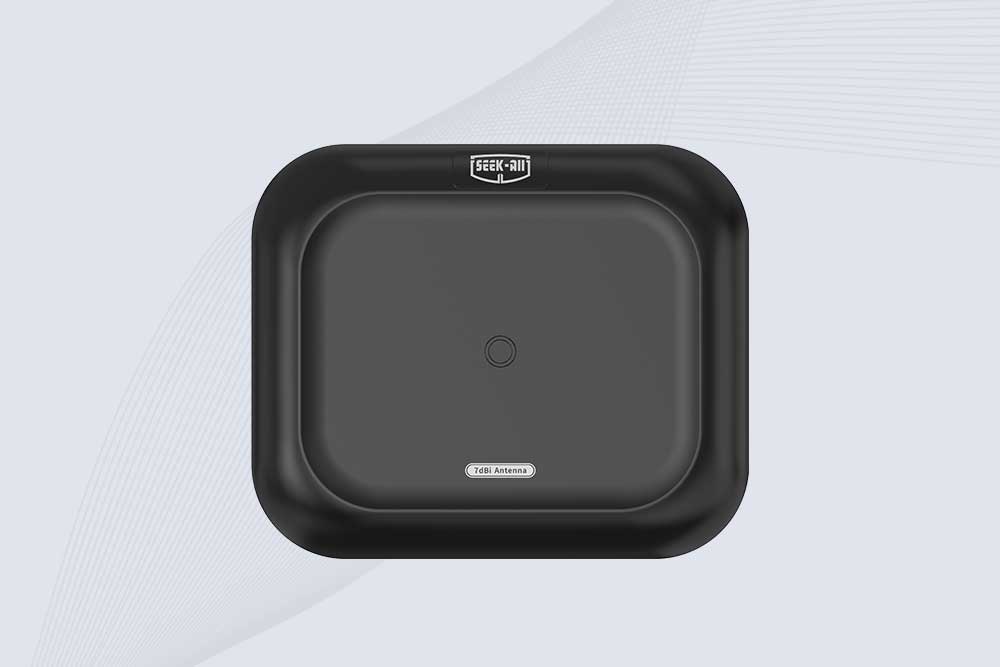
Explore the SSD-A07 UHF RFID antenna with 7 dBi gain, circular polarization, adjustable 840–960 MHz frequency, and 60°/75° beamwidth for stable RFID read/write performance.

SSD-A06 UHF RFID antenna with circular polarization, adjustable 840–960 MHz frequency, ≥4.5 dBi gain, and a compact directional design for RFID systems.
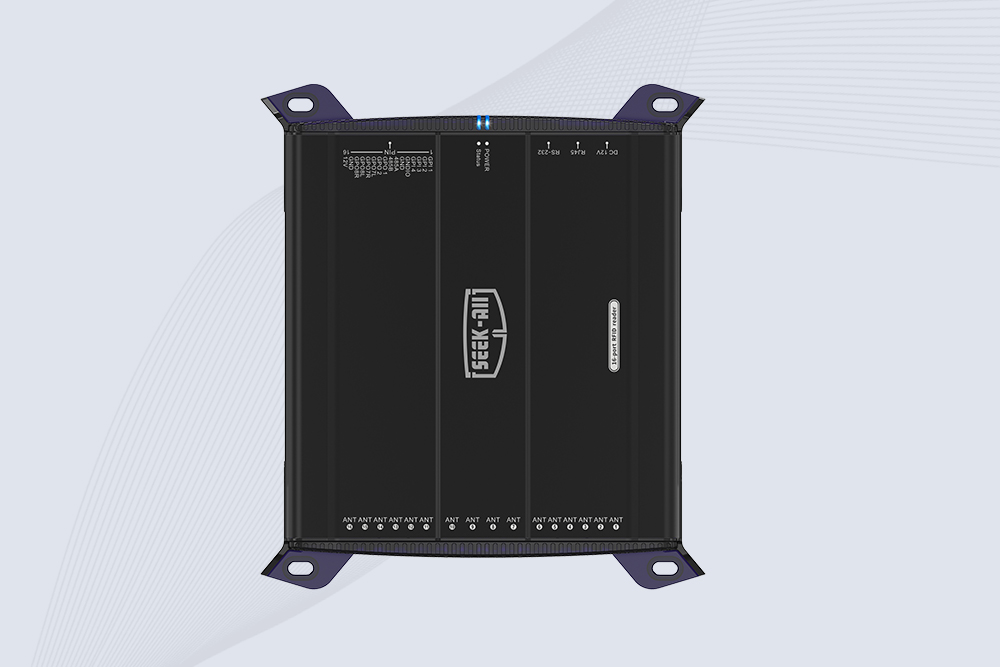
SSD-R16L Multi-Channel RFID Infrastructure for Automated Inventory Management ✔️ 16-Port High-Density RFID Reading Equipped with 16 SMA antenna ports, SSD-R16L supports multi-antenna deployment for warehouses, retail stores, logistics, production lines, and large-area RFID identification. ✔️ High-Speed & Long-Range Performance With up to 33…
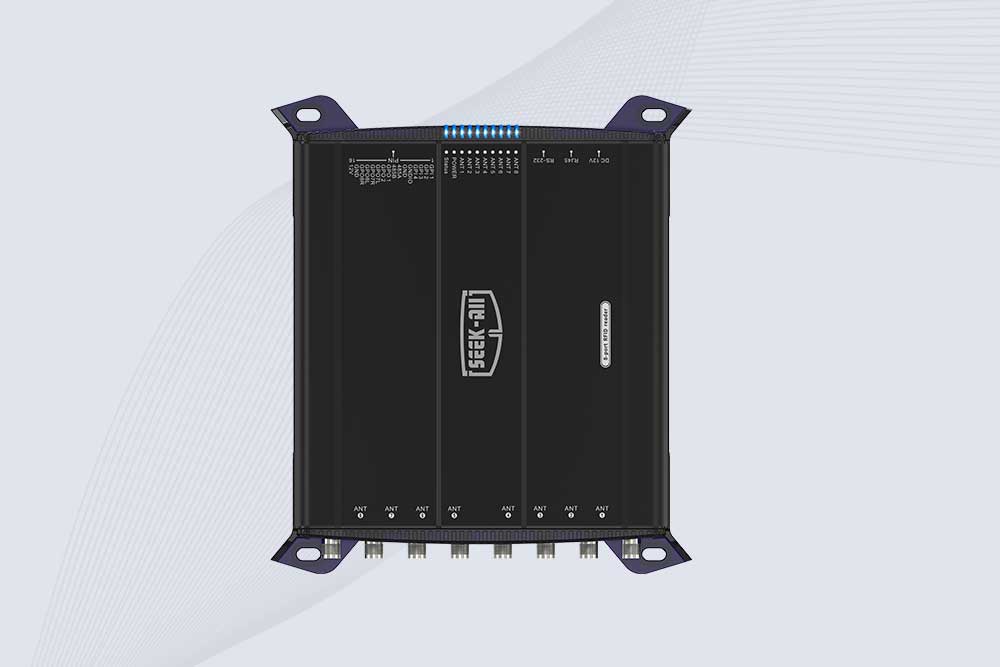
SSD-R8L 8-port UHF RFID reader with 33dBm output, up to 20m reading range and 600+ tags/s recognition. Ideal for warehouse, logistics, retail and asset tracking.
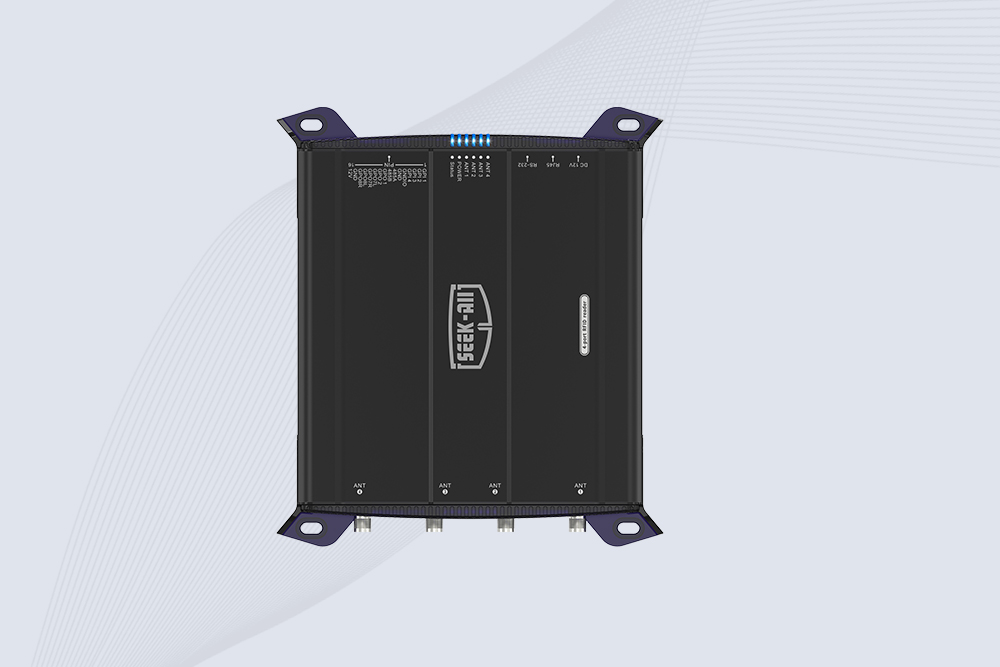
SSD-R4L is a 4-port UHF RFID fixed reader with 33dBm output power, up to 20m reading range, EPC C1G2 support and 600+ tags/s reading speed.
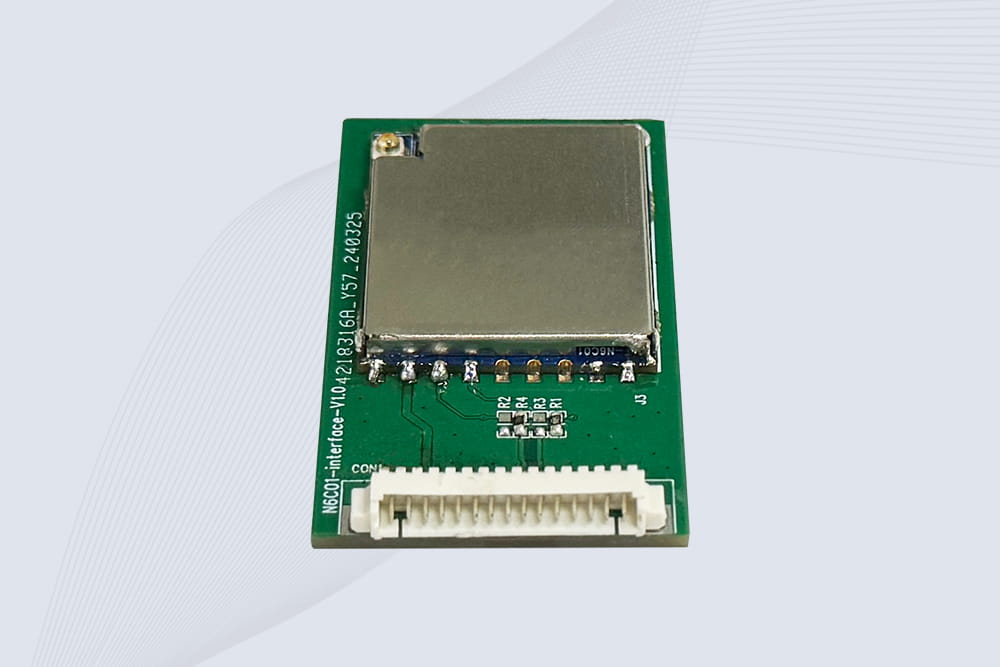
CYKEO Embedded RFID Modules are designed for compact industrial and IoT devices that require stable UHF performance. These UHF RFID Modules support global protocols, flexible power control, and reliable multi-tag reading for smart cabinets, production lines, and asset tracking systems.
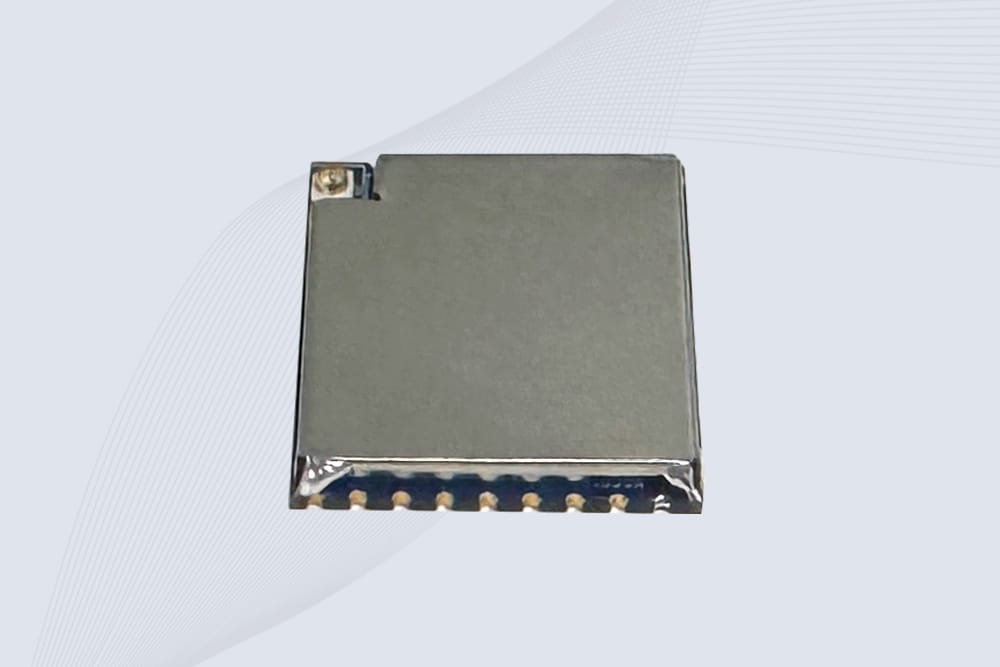
CYKEO Embedded RFID Module is built for compact IoT and industrial devices that need stable UHF performance. This UHF module supports global protocols, low power operation, and reliable multi-tag reading for smart lockers, production lines, and always-on RFID systems.
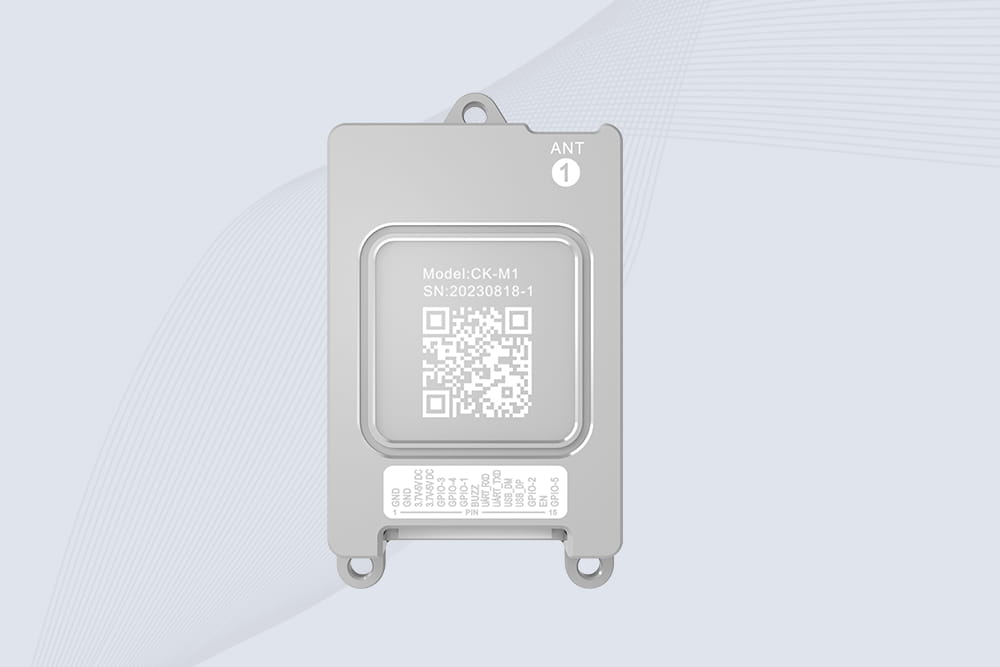
CYKEO CYKEO-M1 drone rfid module is a compact UHF RFID reader module designed for drones and UAV platforms. It supports long-range aerial scanning, fast multi-tag reading, and stable performance in wind, vibration, and outdoor environments.
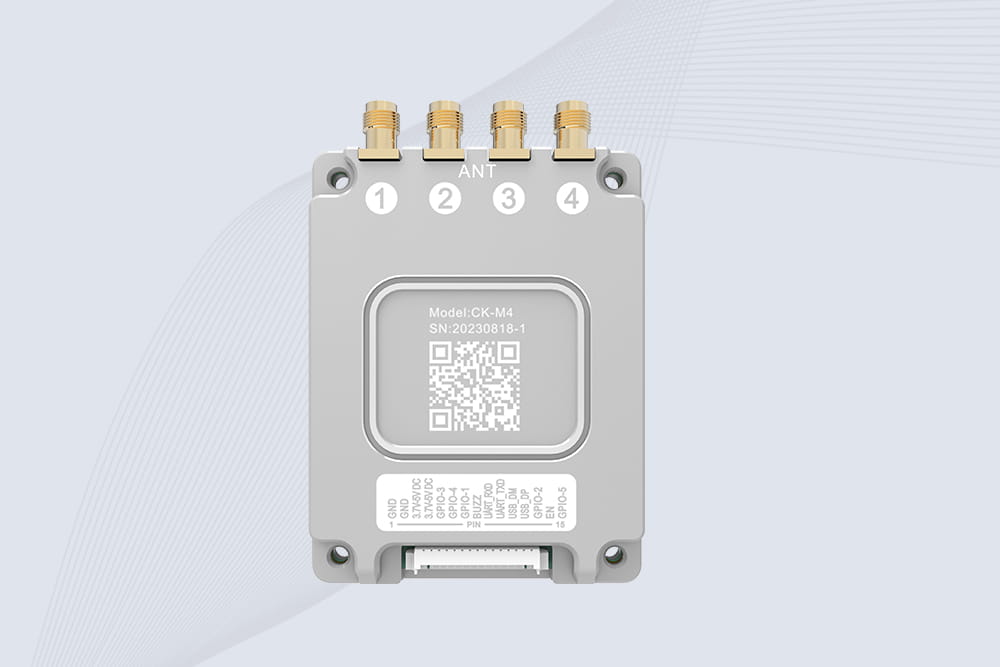
CYKEO CYKEO-M4 RC522 RFID Module is an industrial-grade UHF RFID reader with 4 ports, supporting ISO, EPC, and GB protocols. High-speed, accurate reading for IoT, automation, and warehouse applications.
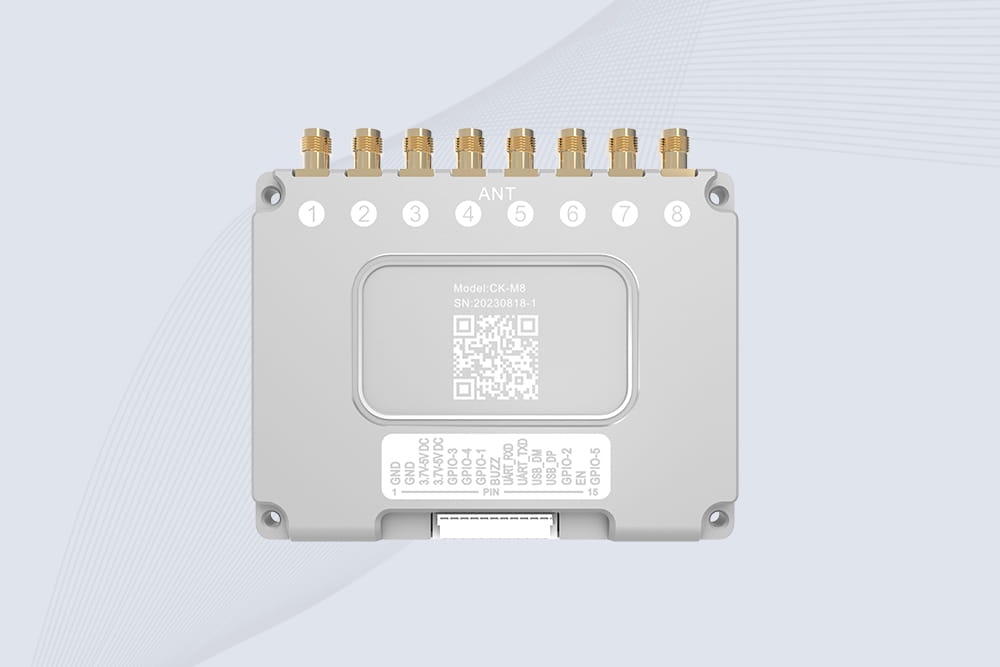
CYKEO CYKEO-M8 Module RFID is an 8-port UHF R2000 RFID Module designed for high-density, multi-tag environments. Stable 33dBm output, ISO & GB protocol support, ideal for warehouses, factories, and automated systems.
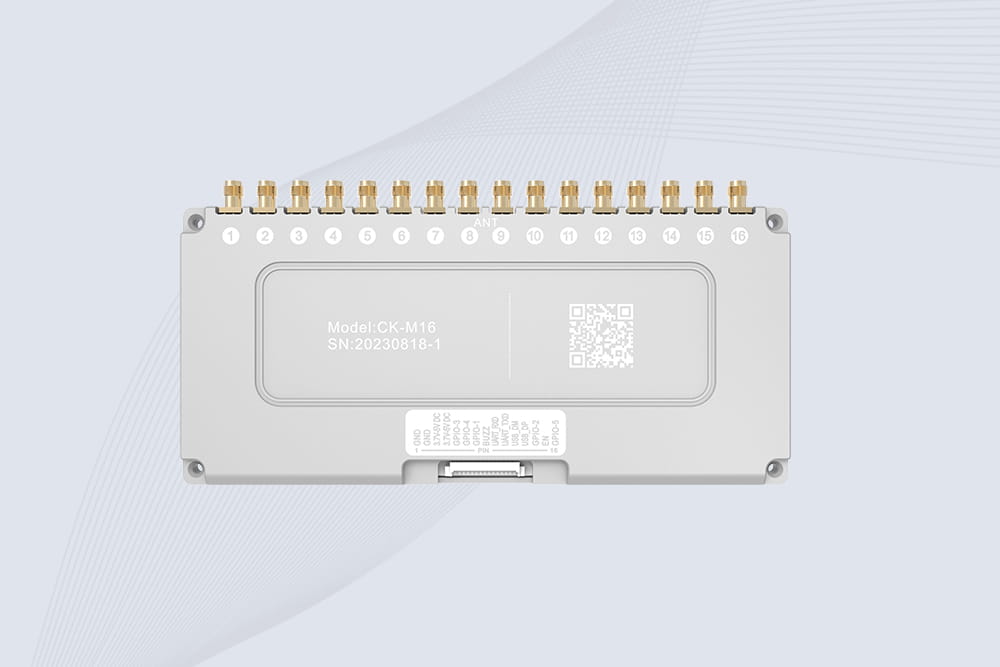
CYKEO CYKEO-M16 RFID Module is a 16-port UHF RFID reader module based on the R2000 chipset. Designed for dense tag environments, it supports ISO and GB standards and delivers stable multi-antenna control for industrial automation.
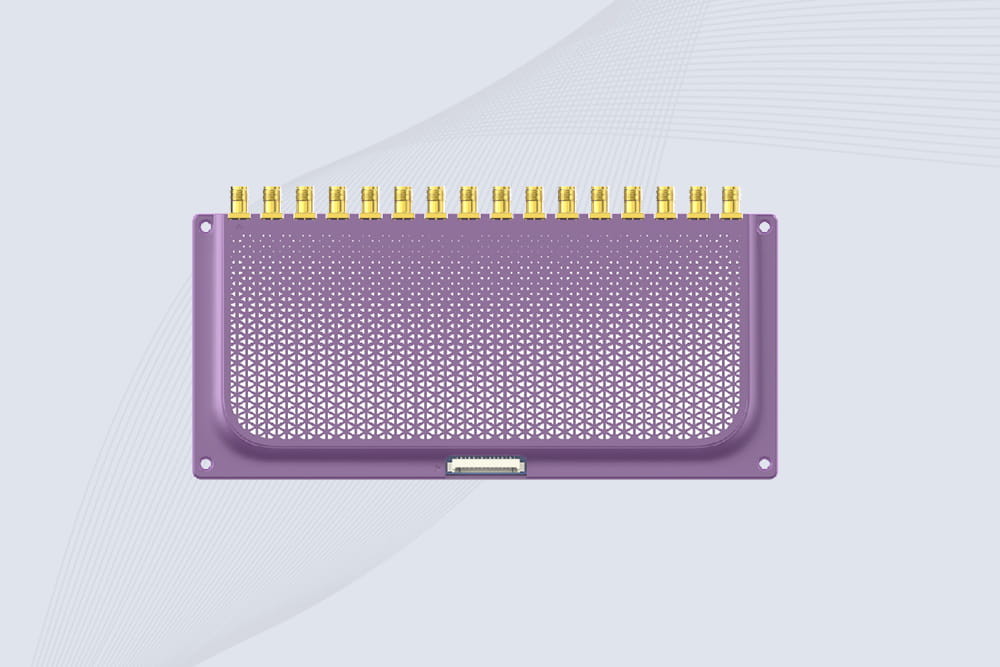
The CYKEO CYKEO-M16L RFID Reader Module is a 16-channel UHF RFID core designed for dense tag environments. With adjustable 33dBm output, multi-protocol support, and stable multi-antenna control, this RFID Tag Reader Module fits industrial automation, warehouse systems, and large-scale IoT deployments.
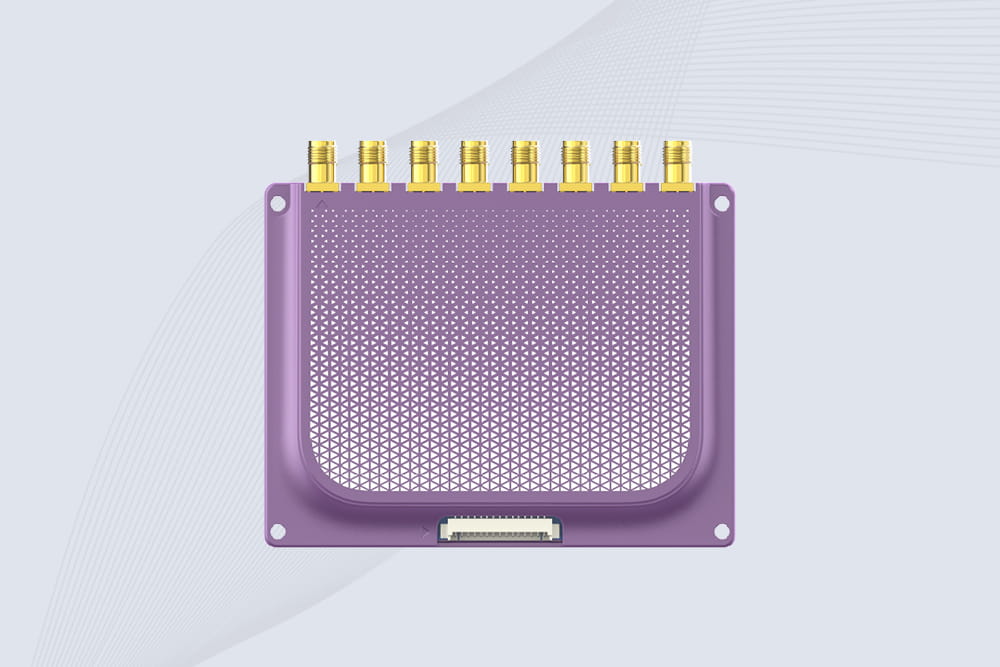
CYKEO CYKEO-M8L module RFID is a compact industrial UHF module built for dense tag and multi-antenna environments. With 8 RF ports, adjustable 33 dBm output, and ISO & GB protocol support, it is widely used in factories, warehouses, and automated tracking systems.
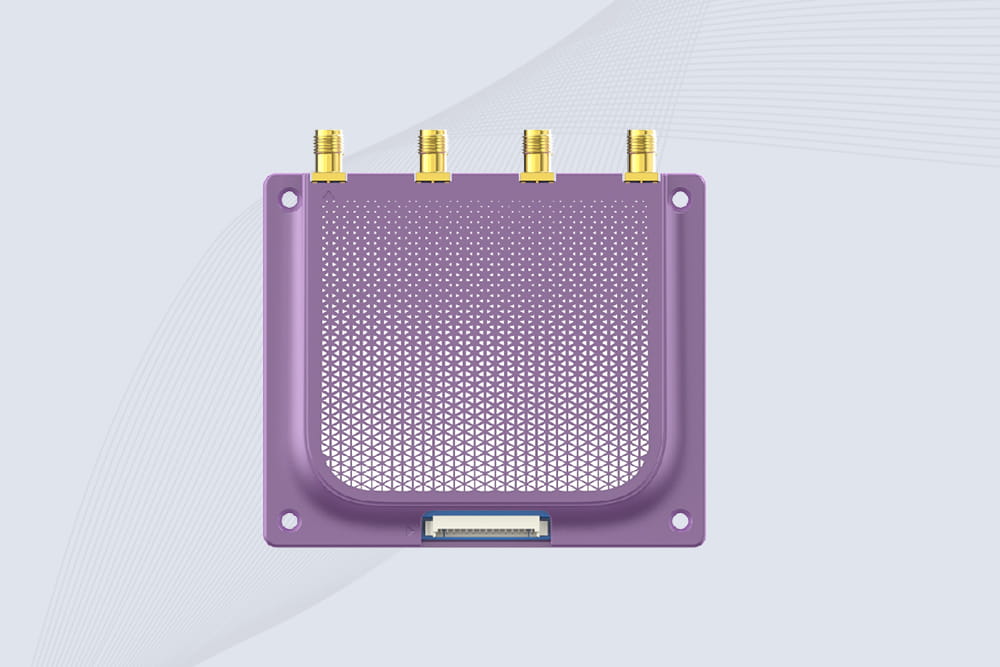
CYKEOCYKEO-M4L UHF RFID Module is a compact 4-channel RFID tag reader module designed for dense tag environments. Supporting ISO and GB protocols, it delivers stable reads up to 10 meters for industrial and IoT systems.
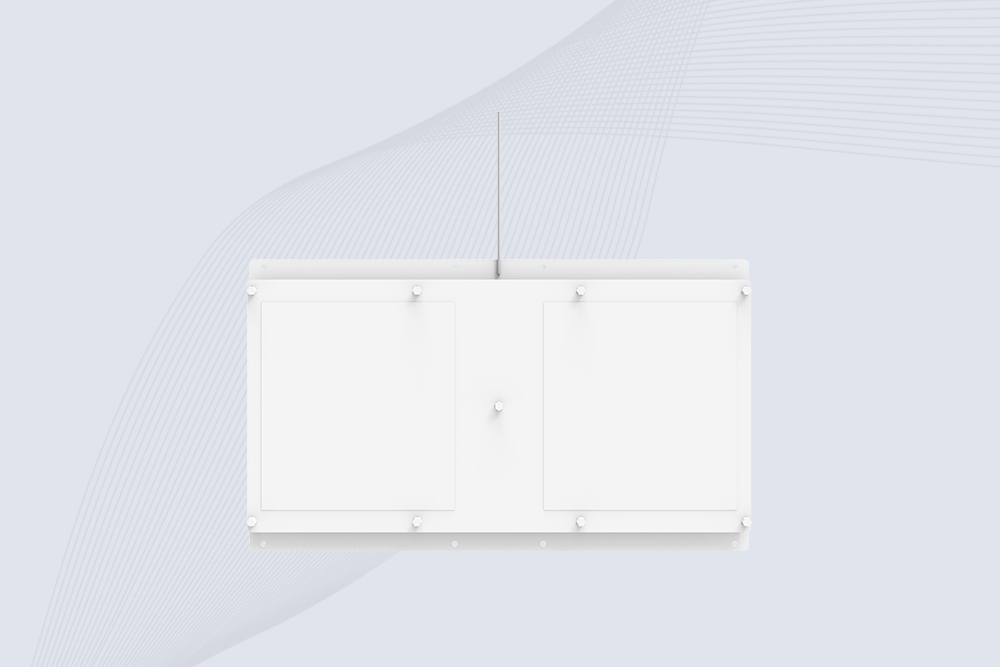
Cykeo CYKEO-A11 UHF RFID reader antenna delivers 11dBi gain, 840-960MHz frequency range, and IP65 ruggedness for retail, logistics, and industrial RFID systems. Features low VSWR and easy installation.

CYKEO Antenna RFID Reader delivers stable long-range UHF performance with a 10.5dBi directional design, built for warehouses, conveyor portals, and industrial RFID systems. This rfid reader antenna provides 20m+ read distance and rugged IP67 protection.

Cykeo CYKEO-PHF3 industrial HF RFID Antenna offers 24-point dynamic tracking, ISO 14443A/15693 protocols, metal-environment stability for archives/libraries/manufacturing.

Cykeo CYKEO-A5B industrial Linear RFID Antenna delivers 5dBi gain, ≤1.5:1 VSWR, and IP65 rugged design for warehouse, production line, and logistics UHF systems.

Cykeo’s CYKEO-B12 Long Range RFID Antenna delivers 15m+ read range with 12dBi gain, IP65 rugged design, and global 840-960MHz UHF support. Ideal for warehouse/logistics asset tracking.
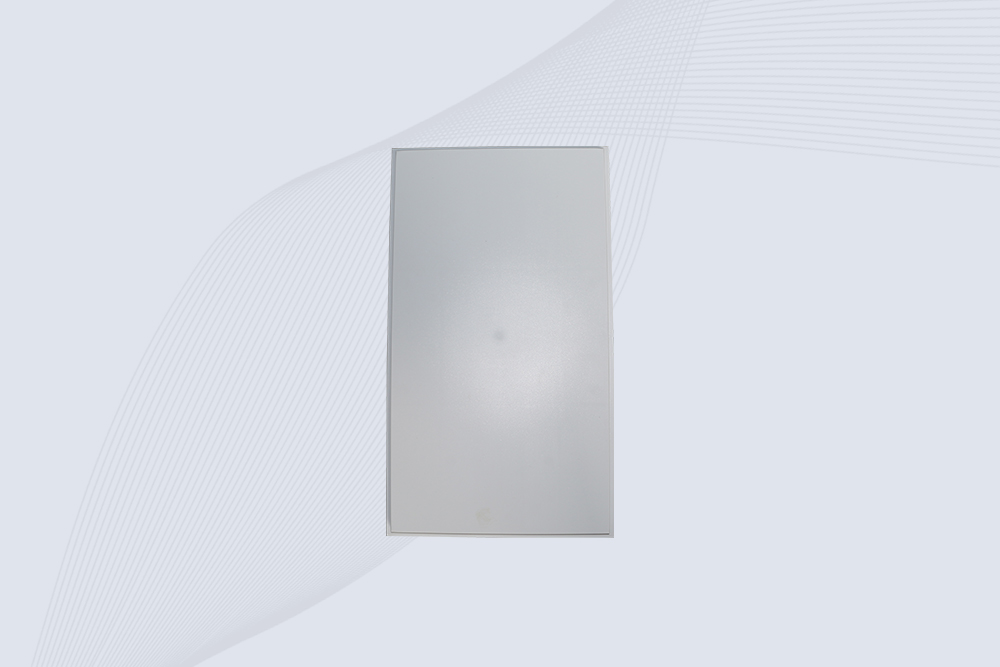
Cykeo CYKEO-B10 Long Distance RFID Antenna offers 10dBi gain, 840-960MHz frequency range, IP65 rating, and 20m+ coverage for logistics/warehousing/ETC systems. Low VSWR ensures stable signal transmission.
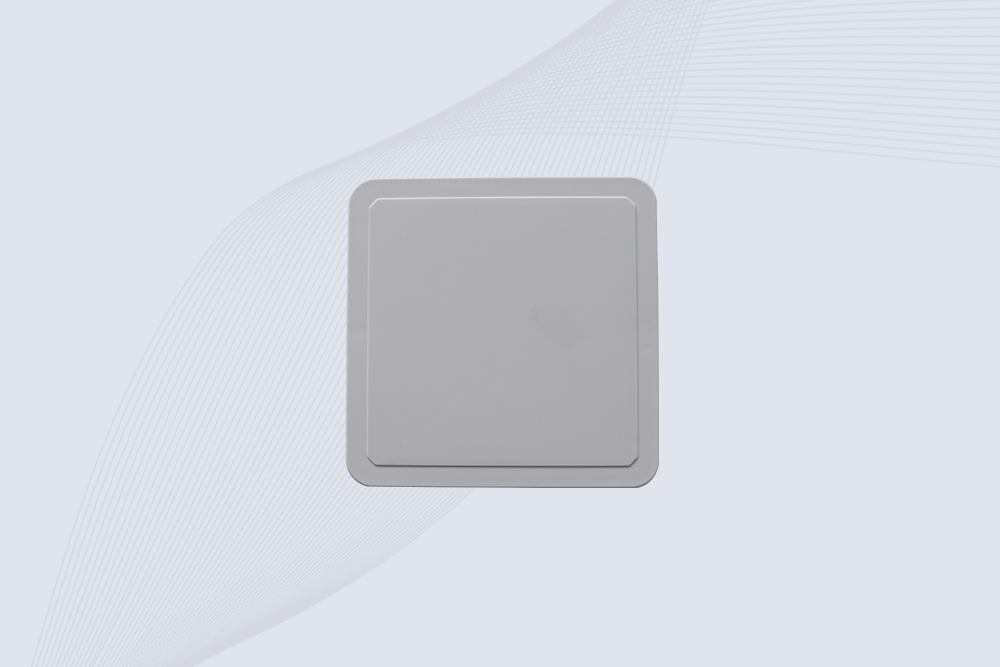
Cykeo CYKEO-A6 UHF RFID panel antenna features 6dBi gain, 840-960MHz broadband, IP65 metal-ready housing for logistics/smart retail. 18mm ultra-thin design with tool-free mounting.

Cykeo CK-A3 industrial antenna RFID UHF offers 5m+ tag detection, ≤1.3:1 VSWR, IP65 rugged design, and global UHF spectrum compatibility (840-960MHz) for warehouses, factories, and retail.
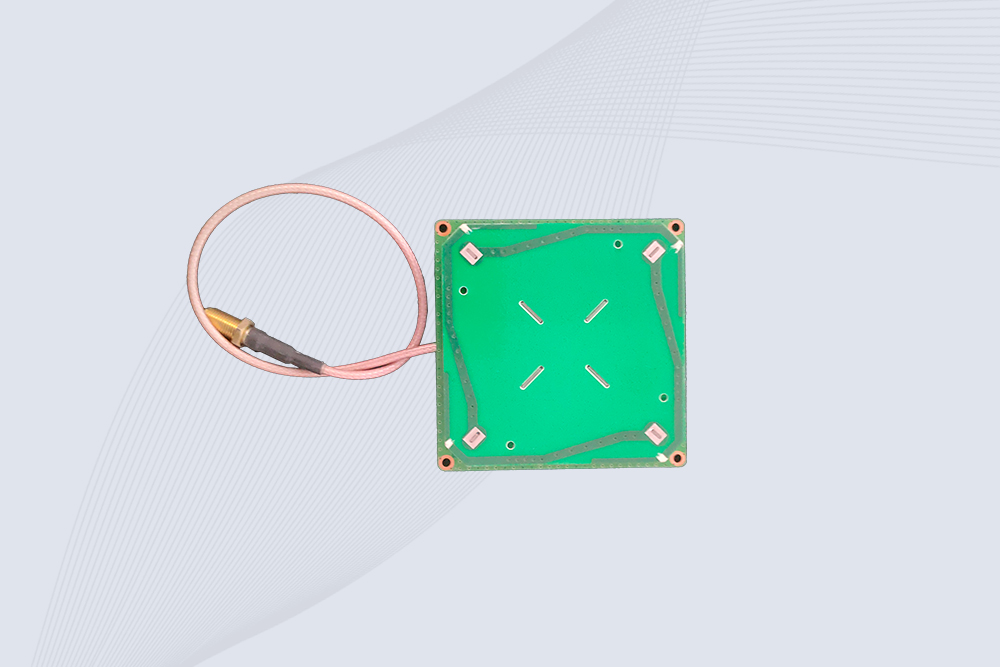
Cykeo CYKEO-B5 directional RFID antenna provides 5dBi gain with 60° narrow beamwidth for precise inventory tracking. IP65-rated, global UHF frequency support, and low VSWR.
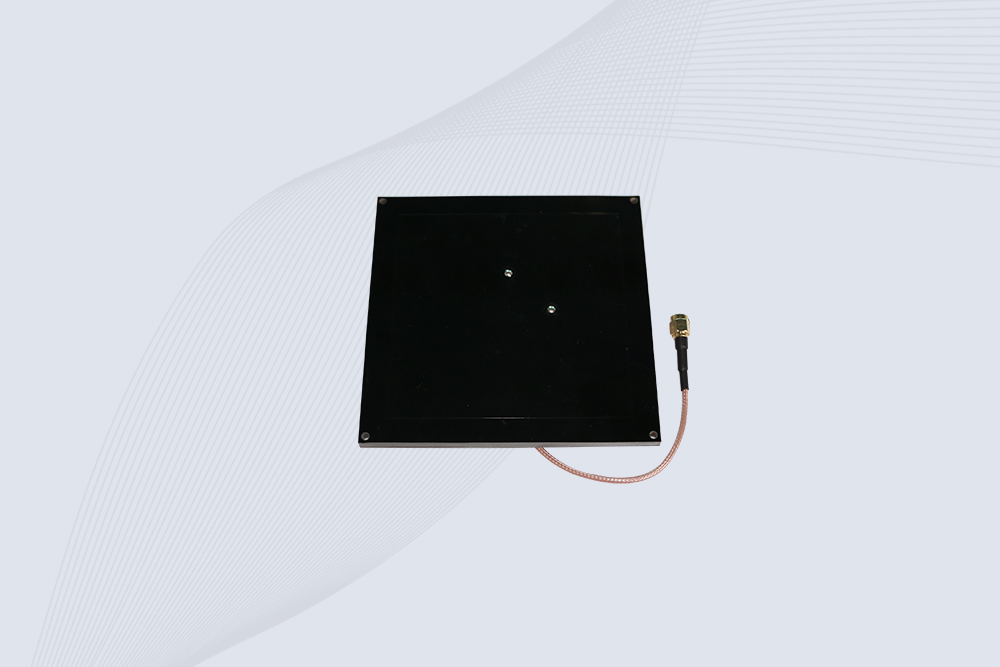
Create your own high-performance DIY RFID antenna! 5dBi gain, 840-960MHz tunable, step-by-step guides. Compatible with Arduino, Raspberry Pi, and commercial UHF readers.
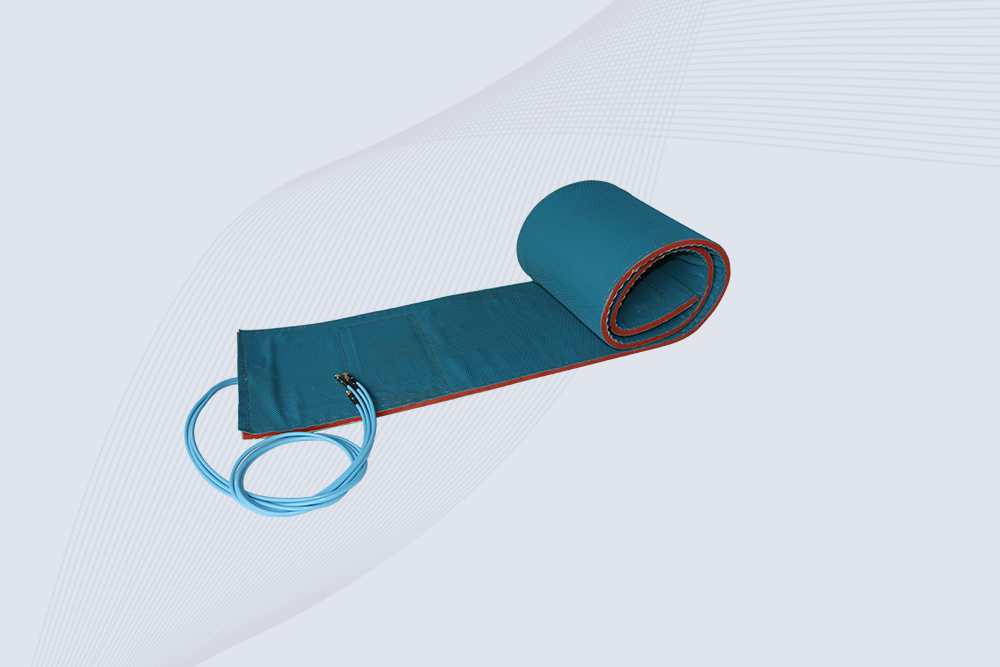
Cykeo CYKEO-A7 Flexible RFID Antenna features 840-960MHz wideband tuning, 7dBi gain, and IP68 rating for medical/retail/industrial curved surface deployments. 98% read accuracy with peel-and-stick installation.

Cykeo CYKEO-B5A industrial Passive RFID Antenna delivers 5dBi gain, 70° beamwidth, and -40°C~55°C operation for warehouses/smart cabinets. Compatible with Zebra/Impinj readers.
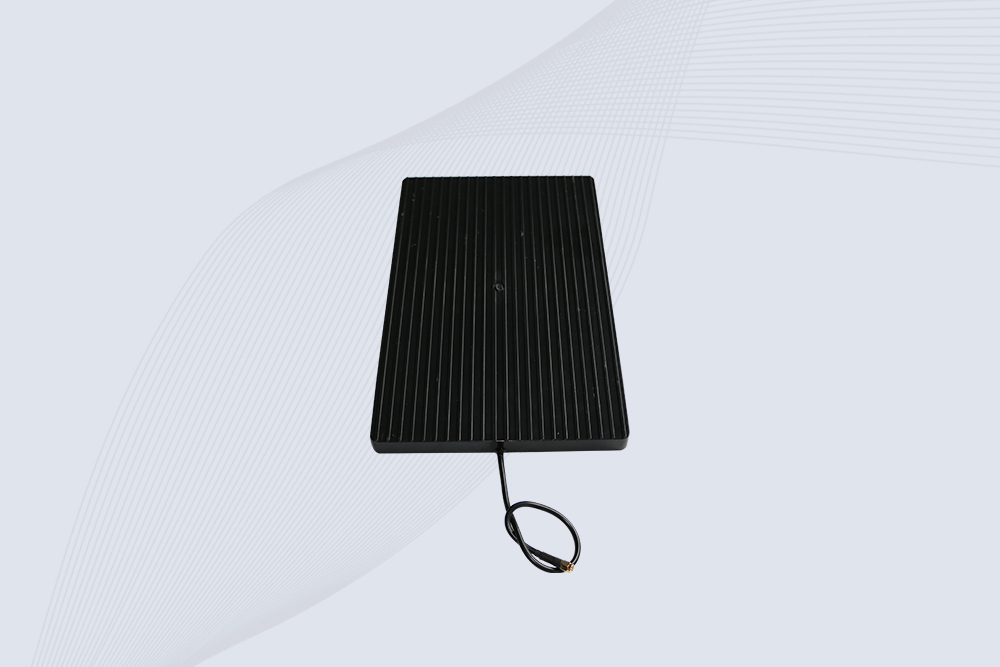
Cykeo’s CYKEO-A9B High Gain RFID Antenna delivers 15m+ read range with 9dBi amplification. Features IP54 rugged design, 840-960MHz bandwidth, and 80° beamwidth for warehouse/manufacturing RFID systems.

Cykeo’s enterprise-grade 8dbi Impinj RFID Antenna 10m+ read range with 840-960MHz tuning. Features IP65 housing, 1.4 VSWR, 35° beamwidth for retail/warehouse RFID systems.
Cykeo CYKEO-A9 industrial UHF RFID antenna delivers 9dBi gain, 840-960MHz frequency range, and IP65 protection for warehouse/logistics/retail RFID systems. Features N-type connector and ≤1.3:1 VSWR.
CYKEO UHF RFID Antenna built for long-distance and industrial applications. This antenna rfid uhf delivers strong gain, outdoor durability, and reliable tag performance in warehouses, yards, and vehicle ID systems.
CYKEO Antenna RFID delivers reliable long-range UHF performance in warehouses, retail shelves, and cold-chain environments. This compact uhf rfid antenna provides stable reads with circular polarization and ultra-wide 840–960 MHz support, ideal for industrial tracking, smart shelves, and asset monitoring.
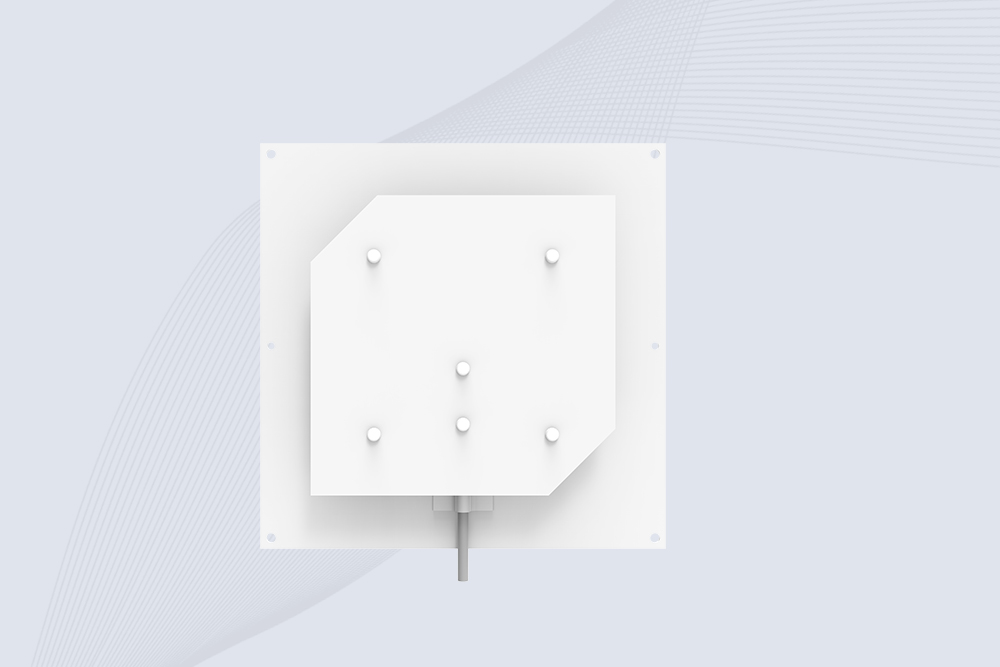
Cykeo’s CYKEO-C8 UHF RFID antennas delivers 8dBi gain, 840-960MHz full-band coverage, and IP65 ruggedness for manufacturing/warehouse RFID systems. Industrial RFID Antennas Features
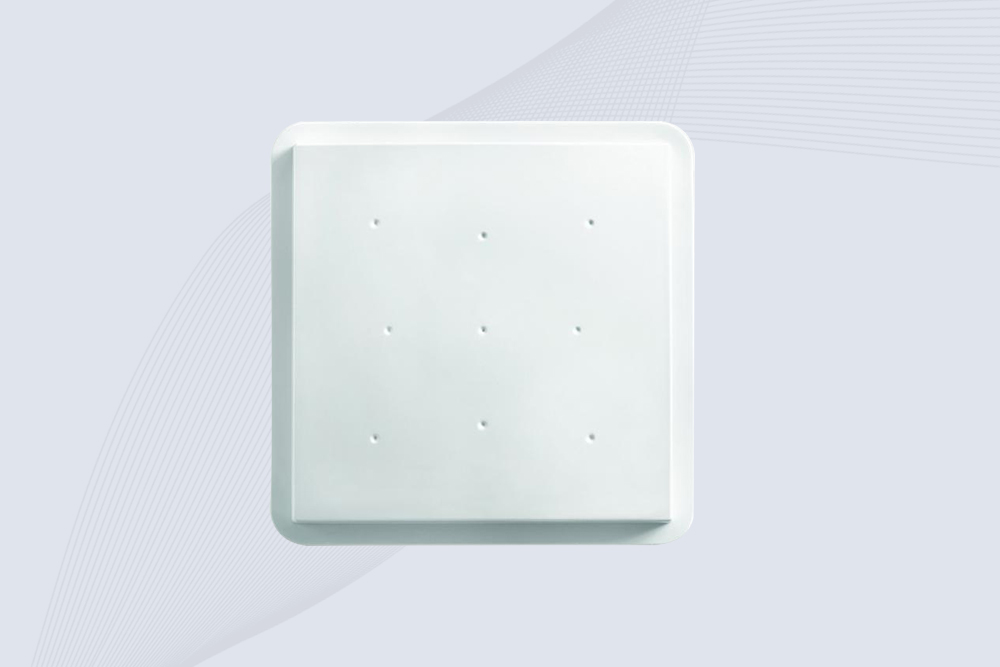
Cykeo’s 8dBi UHF RFID antenna and reader kit delivers 10m+ range, 840-960MHz broadband, and IP65 ruggedness for factories, warehouses, and logistics. ISO 18000-6C & EPC Gen2 certified.
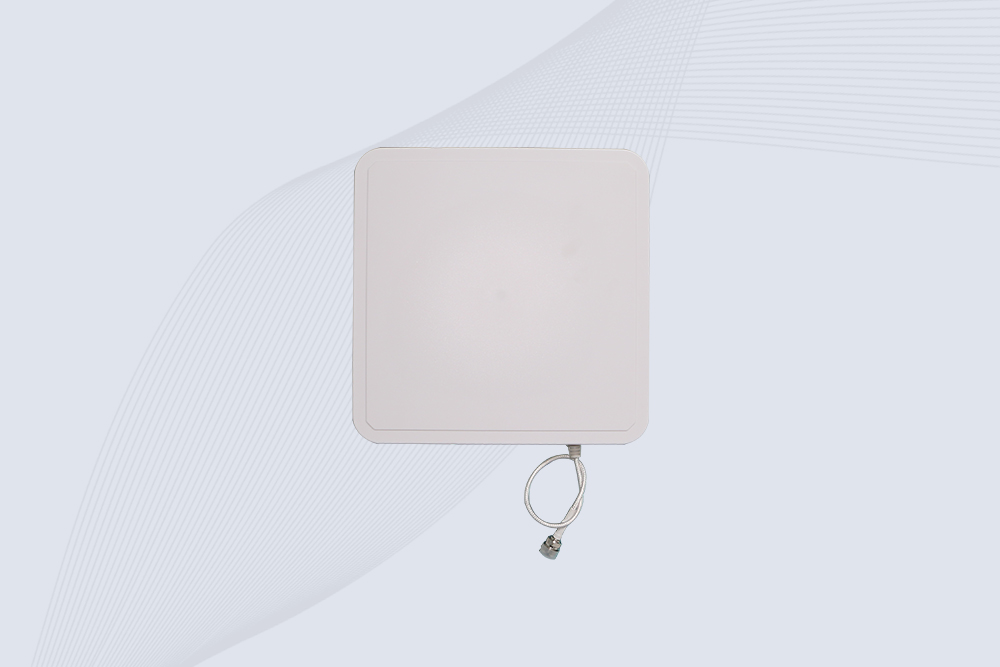
Cykeo CYKEO-A9A industrial UHF RFID reader and antenna kit delivers 10m range, 500 tags/sec, IP65 ruggedness for manufacturing/logistics. Supports EPC Gen2, ISO18000-6C.
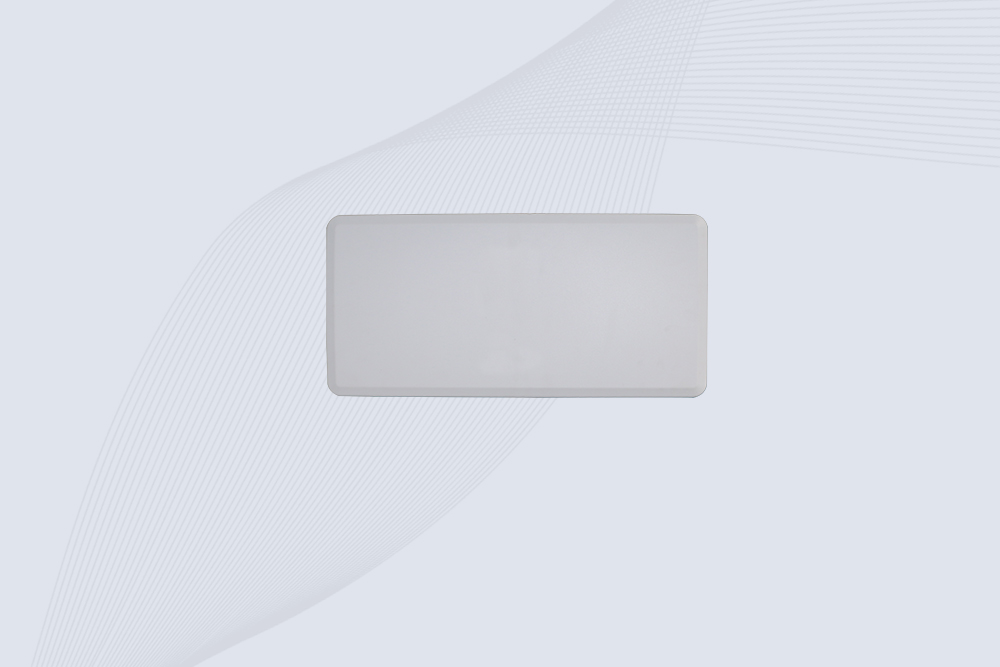
Cykeo’s CYKEO-A12C UHF Large RFID Antenna delivers 12dBi gain, 840-960MHz global frequency, IP65 ruggedness for logistics/warehousing/automotive. 40° beamwidth ensures stable 15m+ tag reads.

CYKEO Near Field RFID Antenna provides precise 5–30 cm reading for shelves, cabinets, and workstations. This compact rfid shelf antenna delivers stable short-range performance around metal and clutter, ideal for pharmacies, libraries, and electronics sorting.
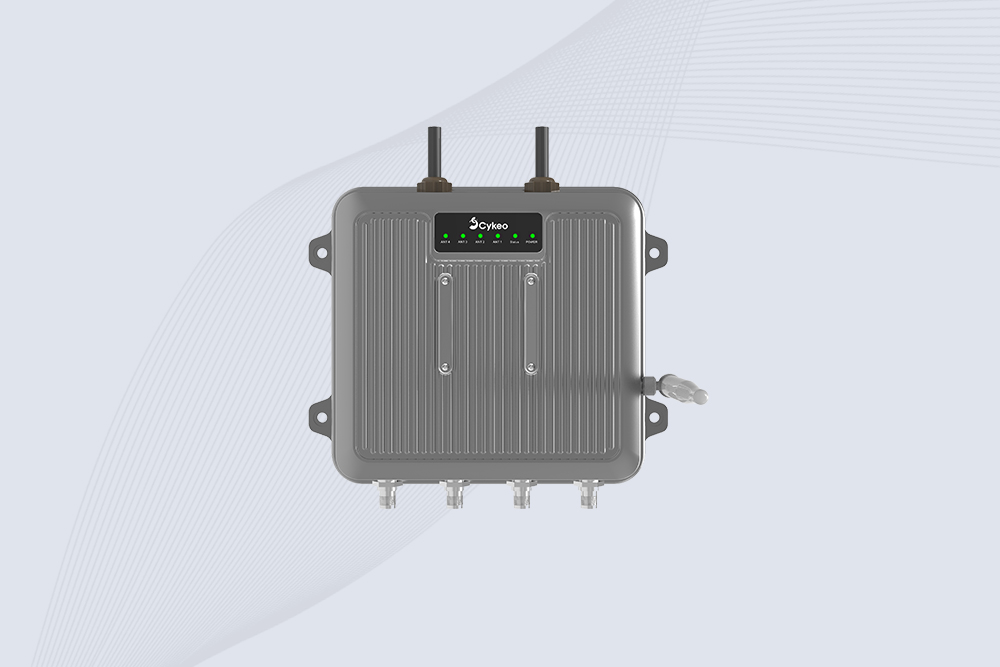
Cykeo CYKEO-C1 industrial Forklift RFID Reader features 20m read range, 600 tags/sec scanning, Impinj R2000 chipset, and IP67 rugged design. Ideal for warehouse logistics and manufacturing. Supports ISO 18000-6C/6B protocols.
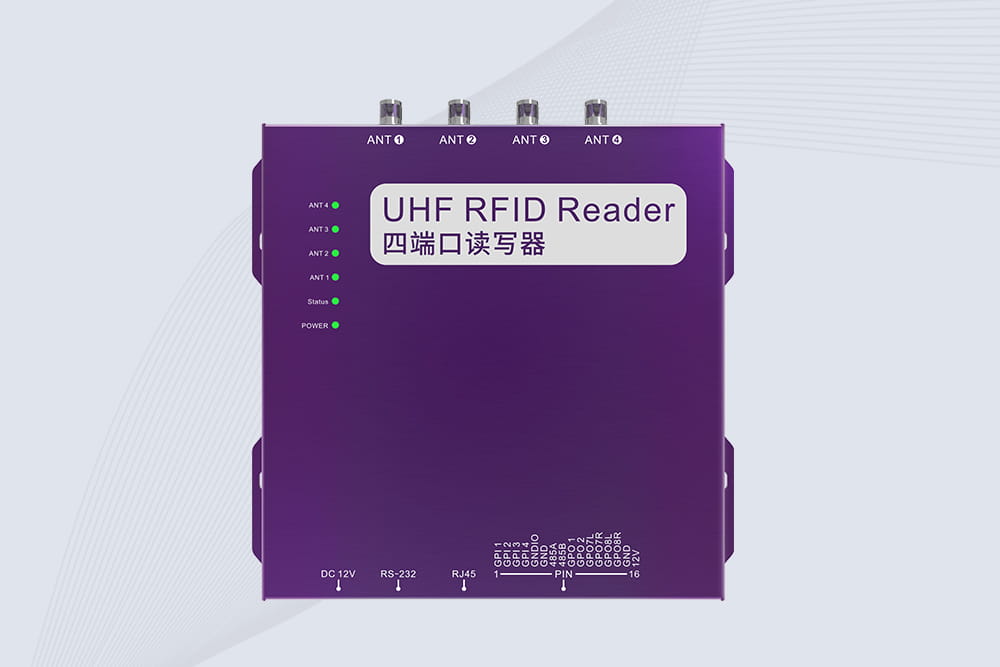
Cykeo CYKEO-R4 industrial UHF RFID Fixed Reader features 4 TNC ports, 400+ tags/sec speed, IP67 housing, and global frequency compliance for vehicle inspection, smart warehouse, and asset management systems.
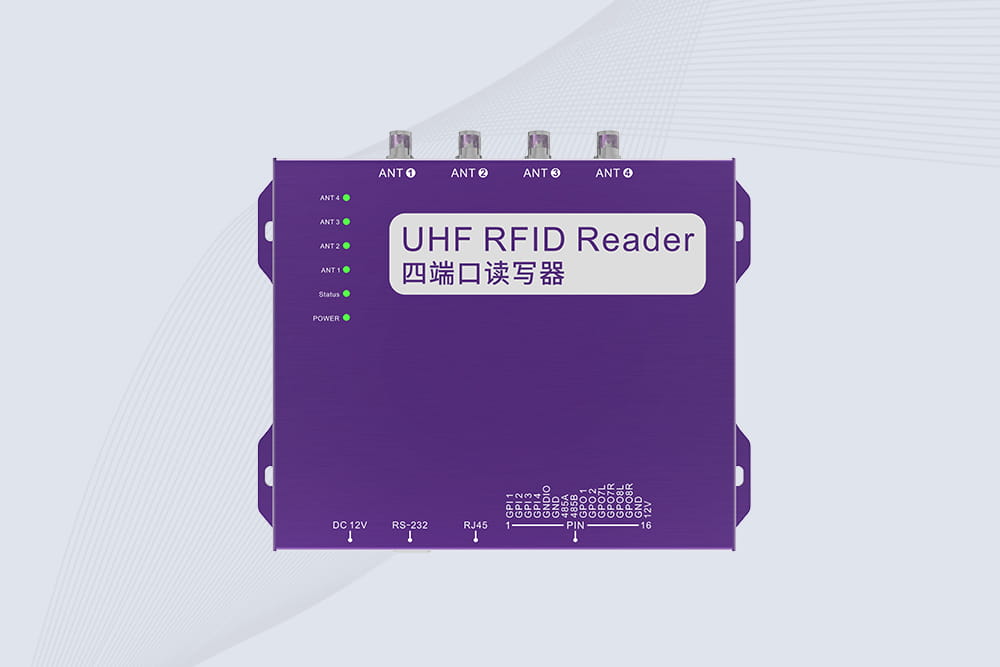
Cykeo’s CYKEO-R4L 4-port Fixed UHF RFID Reader delivers 400 tags/sec scanning, ISO 18000-6C compliance, and IP65 protection. Ideal for warehouse automation, manufacturing WIP tracking, and logistics management.
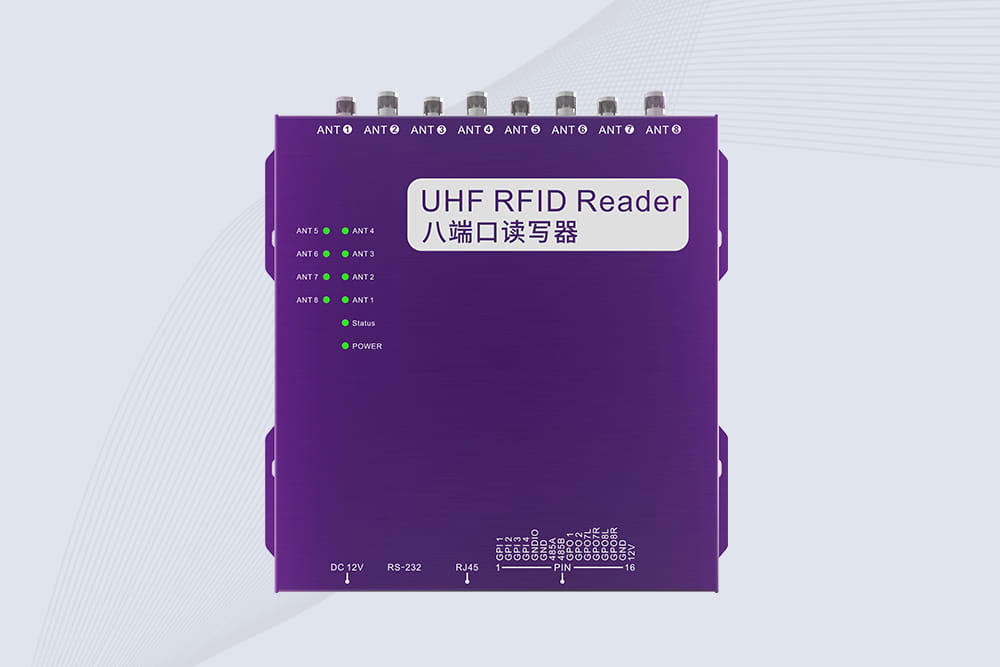
CYKEO CYKEO-R8L Fixed RFID Reader with 8-port UHF design, Impinj-based RF core and up to 20m read range. An industrial Fixed RFID Reader for vehicle inspection, warehouse portals, smart manufacturing lines and secure access checkpoints.
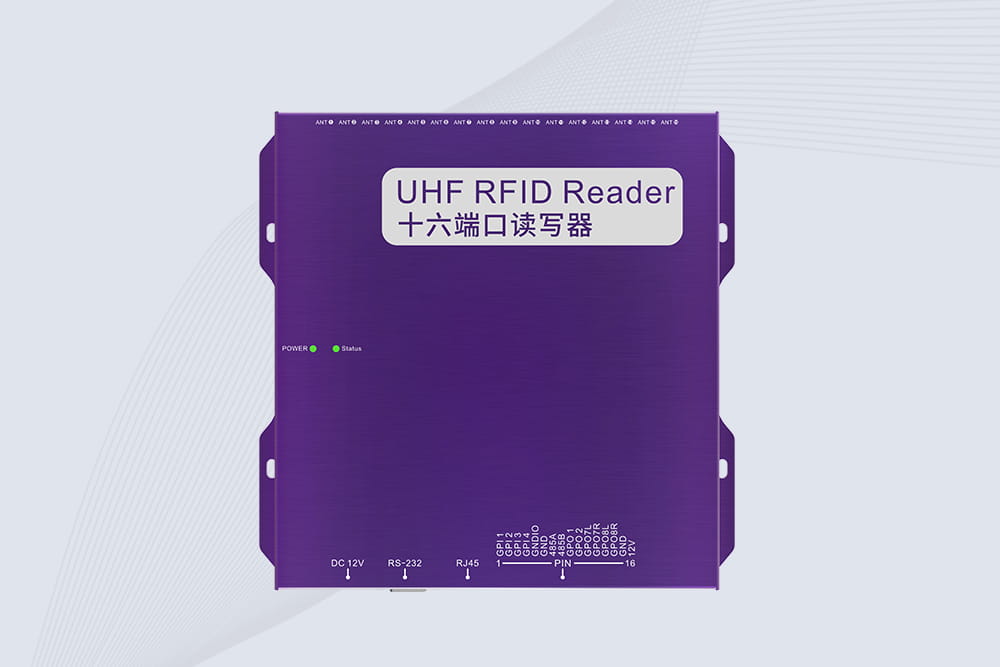
RFID Fixed Reader from CYKEO – the CYKEO-R16L 16-port UHF fixed reader for warehouses, smart cabinets, and production lines. Long-range, multi-tag reading, stable performance for 24/7 industrial use.
Discover how does RFID antenna work in detail. Learn about signal transmission, read range factors, and antenna types for your RFID system solutions.
More
What's the real cost of an RFID file tracking system? Get transparent 2025 pricing ranges, key cost factors, and ROI insights for businesses. No surprises.
More
Regular RFID tool cabinet maintenance helps keep tool identification, access control, inventory records, and software communication reliable. This guide expl...
More
Wondering how to design an RFID antenna? We break down the practical steps from defining your goal to prototyping, and when to choose a commercial solution.
More