Businesses track expensive assets with RFID because it helps them identify valuable equipment, improve inventory visibility, and record asset movements with less manual scanning. By attaching compatible RFID tags to equipment and using readers at designated locations, organizations can simplify audits, investigate missing assets, and improve accountability.
Expensive assets are not always easy to manage. A company may own specialized tools, diagnostic equipment, laptops, industrial instruments, or reusable machinery that moves between departments and job sites. When records depend on handwritten logs or occasional barcode scans, equipment can become difficult to locate, even when it is still somewhere on the premises.
Radio frequency identification (RFID) offers a practical way to collect asset-identification data during routine operations. Its value is not simply that a tag can be read wirelessly. It is that businesses can build identification into equipment check-in, storage, transfer, maintenance, and audit processes.
For organizations considering RFID, the central question is how much better asset visibility can protect valuable equipment and reduce the time spent managing it.
What Is RFID Asset Tracking?
RFID asset tracking uses radio-frequency identification tags, readers, and software to associate physical assets with digital records. A tag is attached to an item, a reader captures its identifier, and the asset-management application uses that identifier to retrieve or update the corresponding record.
A typical record might include:
Asset ID and description
Manufacturer, model, and serial number
Purchase date and acquisition value
Assigned department or responsible employee
Current recorded location or storage area
Maintenance schedule and service history
Inspection status and transfer history
The RFID tag does not necessarily contain all this information. Many systems store a unique identifier on the tag and maintain detailed asset information in a database.
This approach helps keep the asset record consistent when information changes. If a diagnostic instrument is reassigned to another department, the authorized user can update its assignment in the asset-management system without necessarily rewriting the tag.
How RFID Identifies Valuable Equipment
Passive UHF RFID tags receive energy from a compatible reader’s radio signal and respond with their encoded information. They do not require an onboard battery for ordinary tag communication. Other RFID types, including active systems, operate differently and may be appropriate for different tracking requirements.
When a tagged item enters a reader’s effective reading zone, the system can capture its identifier. Depending on the application, this may happen during a handheld inventory check, at a storage cabinet, or as equipment passes through a designated doorway.
The software then interprets the read according to its rules. A read near a tool-room entrance, for example, may help confirm that an item was observed at that checkpoint. It does not automatically prove who took the item, why it moved, or whether a formal checkout transaction was completed.
That distinction matters when designing an asset-tracking system. RFID supplies identification data; the application connects that data to meaningful business events.
Why Track Expensive Assets with RFID Instead of Manual Records?
Expensive assets deserve more attention than ordinary consumables because their loss, downtime, or unnecessary replacement can have a disproportionate financial impact.
A missing torque tool may delay a maintenance job. An unlocated diagnostic instrument may force a technician to borrow equipment from another department. In a data center, failing to identify the correct server component can complicate inventory reconciliation and maintenance planning.
These problems are not always caused by theft. Assets can be misplaced, transferred without updating records, stored in the wrong cabinet, or returned to a different location.
RFID helps address these everyday gaps by making asset identification less dependent on individual scanning actions.
Evidence from Real Asset-Tracking Projects
A case study published by RFID.com describes an RFID asset-management implementation at NASA’s Langley Research Center. The project addressed challenges involving laboratory equipment, IT assets, and costly equipment moving between facilities.
According to the published case study, NASA reported an approximately 80% improvement in inventory-taking speed, 100% inventory accuracy for its mobile laboratory assets, and a return on investment of 18 months for the complete project. These are results from that particular implementation, not universal performance guarantees.
A separate case study involving Rentex, an equipment rental business, reported that RFID reduced one two-person process from 2.5 hours to 15 minutes. That represents a 90% reduction in elapsed time, while also reducing the number of workers required for that task. The company managed approximately 200,000 assets across ten locations after its rollout.
These examples illustrate why businesses evaluate RFID for expensive equipment: the technology can improve the process used to find, count, and verify assets. Whether the investment makes financial sense still depends on the asset population, operating procedures, tag and reader costs, and value of the time saved.
Which Expensive Assets Should Be Tracked with RFID?
Not every item needs an RFID tag. The best candidates are usually valuable, frequently moved, shared, or difficult to account for using existing procedures.
Asset category
Typical tracking challenge
Potential RFID benefit
Industrial tools
Tools move between technicians, workstations, and storage rooms
Faster identification and inventory checks
IT equipment
Laptops, servers, and network components move between rooms or facilities
Better asset reconciliation and transfer records
Medical equipment
Mobile devices move between departments and storage areas
Faster inventory checks and improved availability visibility
Laboratory instruments
Specialized equipment is shared and may be difficult to locate
Improved identification and audit efficiency
Rental equipment
Items are assembled into kits, dispatched, returned, and inspected
Faster check-in and verification
Construction equipment
Tools and selected equipment move between work areas
More efficient identification at designated checkpoints
Reusable transport assets
Containers and equipment circulate between locations
Improved identification and return processing
The common factor is not simply the item’s purchase price. It is the cost of losing control over the item’s location, availability, or ownership record.
A moderately priced tool used every day by multiple teams may justify RFID tracking sooner than a more expensive machine that rarely moves and is already easy to monitor.
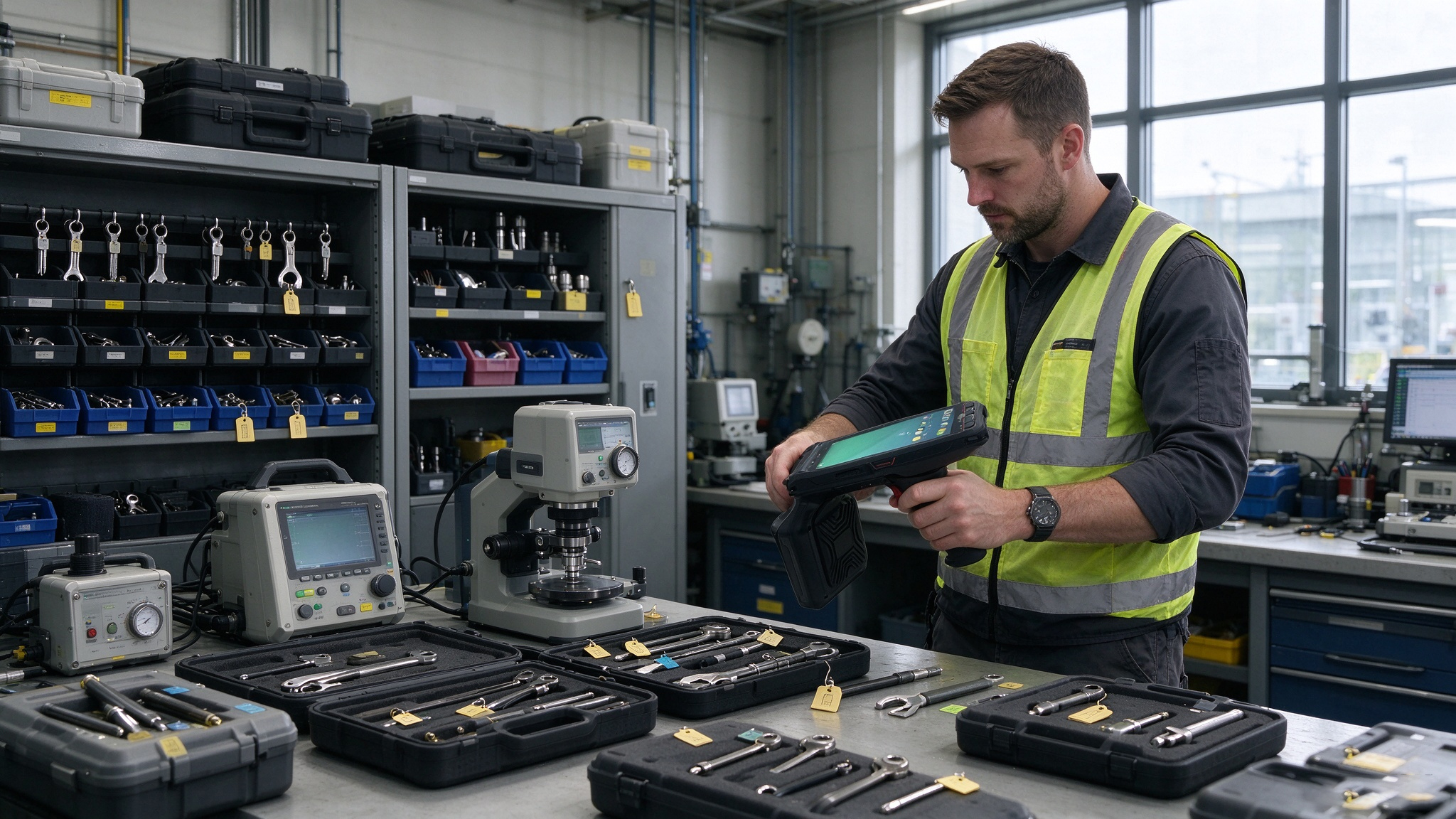
RFID helps maintenance teams identify shared equipment and improve visibility into asset inventory.
How RFID Tracking Works Across an Asset’s Lifecycle
RFID is most useful when it supports more than a one-time inventory count. A well-designed system can connect identification to several stages of an asset’s lifecycle.
Asset registration. Assign each asset a unique identifier and associate the tag with its existing record in the asset-management database.
Assignment and checkout. Record the employee, department, project, or location responsible for the equipment according to the organization’s procedures.
Movement and identification. Use handheld readers or fixed readers at designated checkpoints to capture the tag identifier.
Inventory audits. Compare observed tags with the expected asset list and investigate missing, unexpected, or incorrectly assigned items.
Maintenance and return. Update service, inspection, storage, and availability records as part of the relevant business process.
This lifecycle approach makes RFID more useful than treating tags as electronic labels alone. The value comes from linking reliable identification to clear procedures and accurate asset records.
Part 2 will examine the limitations of RFID, tag and reader selection, security considerations, implementation costs, six FAQs, and the final cover-image specifications.
When Does RFID Asset Tracking Deliver the Most Value?
RFID is most useful when an organization has enough asset movement, inventory work, or search-related disruption to justify a more automated identification process.
Three situations are worth examining closely.
1. Equipment Is Shared Between Departments
When multiple teams use the same tools or instruments, the recorded location can become outdated quickly. RFID checkpoints and handheld inventory checks can help staff identify where tagged equipment was last observed and reconcile its current status.
For expensive equipment, this can reduce unnecessary purchases made because existing assets cannot be located promptly.
2. Manual Audits Consume Too Much Time
If an asset audit requires employees to open storage cabinets, inspect individual labels, and enter serial numbers manually, the work can become expensive when repeated across multiple facilities.
RFID can accelerate identification by reading multiple compatible tags during a single operation. The actual improvement depends on the equipment, tag placement, reader configuration, and audit procedures.
3. Missing Equipment Disrupts Operations
When a production line, maintenance team, or laboratory depends on a particular instrument, an unlocated asset can create costs beyond its replacement value.
RFID can help organizations identify assets at designated checkpoints and improve the quality of inventory records. However, a basic passive RFID system does not automatically provide continuous location tracking or identify the person who moved an item. Those capabilities require appropriate infrastructure and application features.
For Cykeo customers, the starting point should be a clearly defined asset-management problem—not simply the decision to attach RFID tags to everything.
What Should Businesses Consider Before Tracking Expensive Assets with RFID?
RFID can improve asset visibility, but the results depend on tag compatibility, reader placement, the surrounding environment, and how the collected data is used. A tag that reads reliably on a plastic equipment case may perform poorly when attached directly to metal machinery. Before purchasing hardware, test the system with the actual assets and operating conditions.
1. Choose the Right RFID Tag for the Asset
Tag selection should start with the asset’s material, size, operating environment, and required read distance.
Metal equipment: Standard labels may detune or lose performance when mounted directly on metal. Use tags designed for on-metal mounting where appropriate.
Plastic cases and containers: Conventional passive UHF tags may be suitable when their read performance matches the application.
Small, high-value instruments: Check tag dimensions, attachment method, durability, and whether the tag affects normal equipment use.
Assets exposed to heat, moisture, chemicals, or repeated handling: Confirm that the tag’s housing and adhesive can withstand the real environment.
Items requiring frequent identification at close range: A desktop or handheld reader may be more practical than a fixed portal, depending on the workflow.
Passive UHF RFID is often useful for inventorying multiple tagged assets without scanning each label individually. However, read distance varies with the tag, antenna, reader settings, mounting surface, and local radio-frequency conditions. A longer advertised range does not automatically produce a more accurate asset inventory.
2. Select Readers Based on the Workflow
The reader should match where and how assets are identified.
Whether the checkpoints capture the movements that matter
Large-scale asset identification integrated with software
Reader, antennas, middleware or API, and asset database
Data quality and integration with existing systems
RFID can read multiple identifiers without requiring the optical line of sight normally needed for barcodes. NIST’s RFID guidance discusses this advantage for asset-management tasks, while also emphasizing that system design and implementation affect results.
The key design question is not simply how many tags a reader can detect. It is whether the system can reliably distinguish the assets that belong in the intended inventory zone from those that happen to be nearby.
3. Make the Asset Database Useful
An RFID reader identifies tags; asset-management software turns those reads into operational records. The database should link each tag’s identifier to a specific asset and keep the information relevant to the business.
Useful fields may include:
Asset ID, asset name, model, and serial number
Department, assigned employee, or responsible team
Expected location and last recorded checkpoint
Purchase information and warranty details
Maintenance, inspection, and repair history
Checkout, return, transfer, and audit records
Avoid treating every RFID read as a confirmed transfer. A tag detected near a doorway, for example, does not necessarily prove that an asset crossed the doorway or establish who carried it. Movement rules, antenna coverage, event logic, and supporting workflow records are needed to interpret reads correctly.
Common RFID Asset-Tracking Problems—and How to Reduce Them
Even a well-chosen RFID system can produce inconsistent results if installation and operating procedures are overlooked.
Missed reads. Tags may be poorly oriented, shielded by metal, damaged, or outside the effective read zone. Test different mounting positions and reader settings with the real asset rather than relying on a tag’s specification sheet alone.
Unintended reads. A reader may detect tagged equipment on the other side of a wall or near an adjacent storage area. Adjust antenna placement and power, define the read zone, and test the system under normal operating conditions.
Duplicate or misleading records. A tag may be read repeatedly during a single visit. Software should handle repeated observations appropriately and distinguish a tag detection from a meaningful business event.
Unclear responsibility. RFID may identify the equipment without identifying the person responsible for it. If accountability is important, connect asset transactions to an authorized user, checkout record, or other suitable identification process.
Incomplete location information. A passive RFID tag does not inherently provide GPS coordinates or continuous location tracking. A system using fixed readers can record detections at configured checkpoints, but its location detail depends on the infrastructure and software.
These limitations are manageable, but they should be considered during the pilot rather than discovered after deployment.
How Can Businesses Measure the ROI of RFID Asset Tracking?
The business case should compare the total cost of the RFID system with measurable improvements in asset management. Purchase price alone is not enough: tags, readers, antennas, installation, software integration, staff training, maintenance, and ongoing support can all affect the final cost.
Potential benefits include less time spent conducting inventory, fewer hours searching for misplaced equipment, more reliable checkout records, and reduced disruption when an essential asset cannot be found.
Published case studies illustrate what is possible in particular environments:
Rentex: Its RFID deployment covered approximately 200,000 rental assets across ten locations. The company’s case study describes an inventory process that changed from about 2.5 hours with two people to approximately 15 minutes with one person. This is a company-specific result, not a guaranteed outcome for other businesses.
NASA Langley: An RFID asset-management case study reported faster inventory work and improved accuracy for mobile laboratory assets, with an estimated 18-month return on investment in that implementation.
Before deployment, establish a baseline using the current process. Record how long a typical audit takes, how often assets are missing or incorrectly assigned, and how many staff hours are spent locating equipment. After the pilot, compare those measurements using the same method.
For a useful comparison, calculate net financial benefit over a defined period and account for recurring operating costs. Avoid counting the full purchase value of an asset as a saving unless the RFID system demonstrably prevents a corresponding loss.
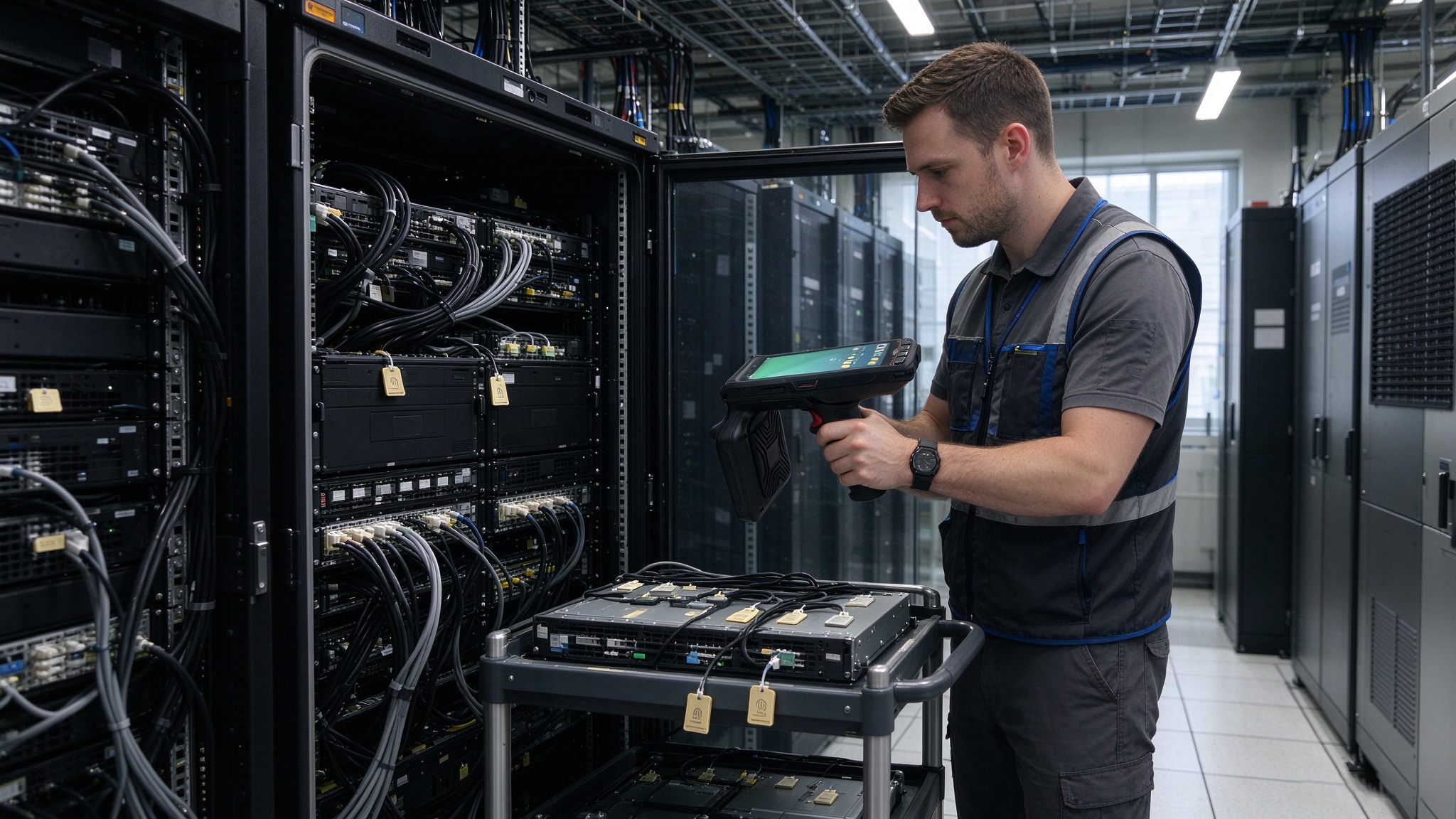
RFID can help IT teams identify tagged equipment and improve the efficiency of scheduled asset inventories.
How Cykeo RFID Solutions Fit into an Asset-Tracking System
For businesses considering RFID for valuable equipment, the appropriate setup depends on the workflow rather than the price of the asset alone.
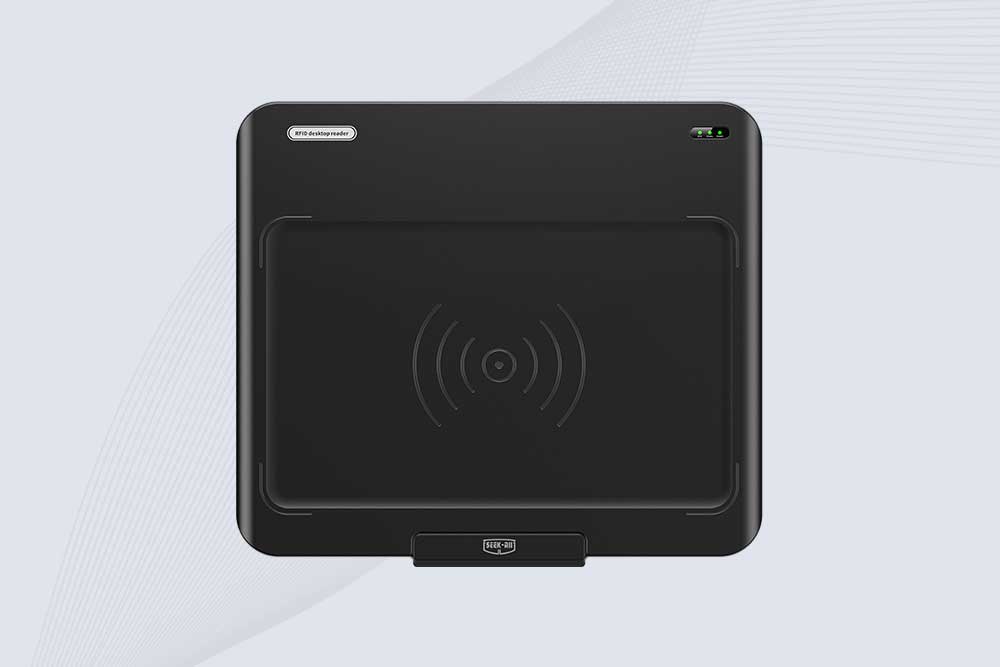
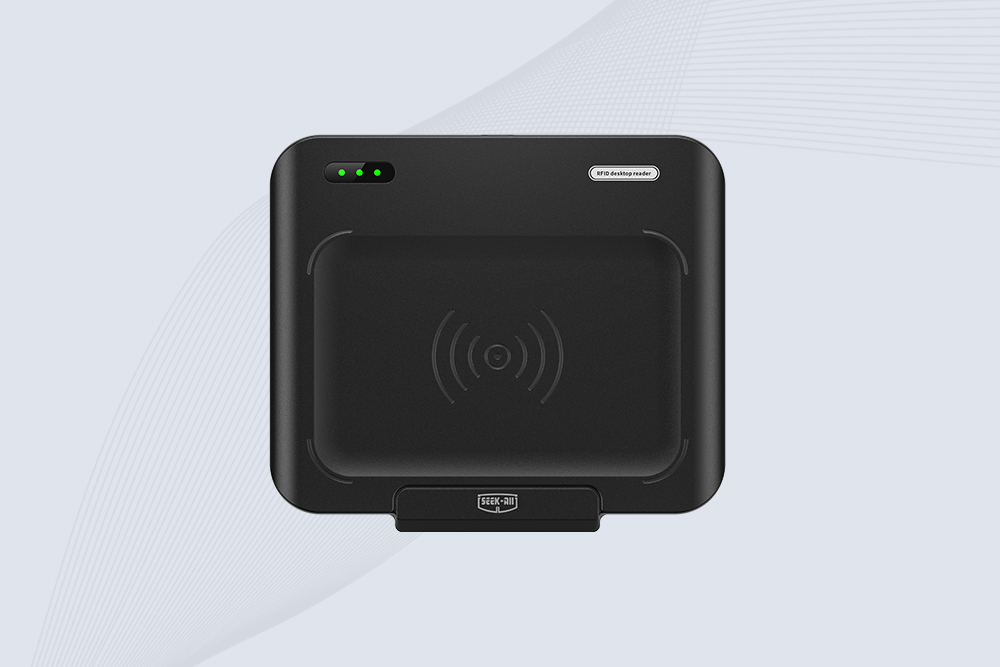
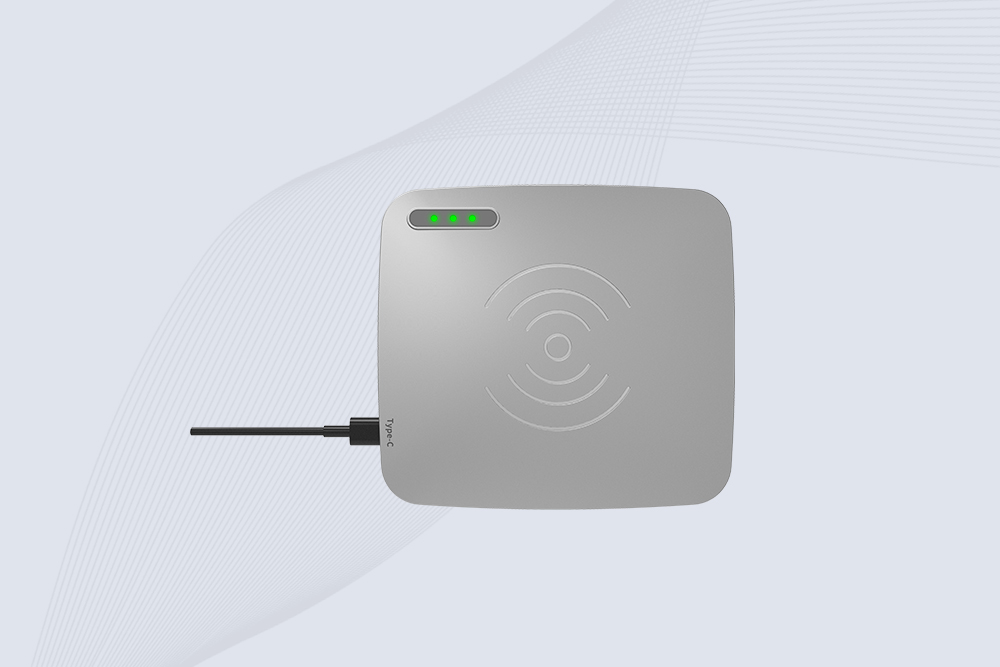
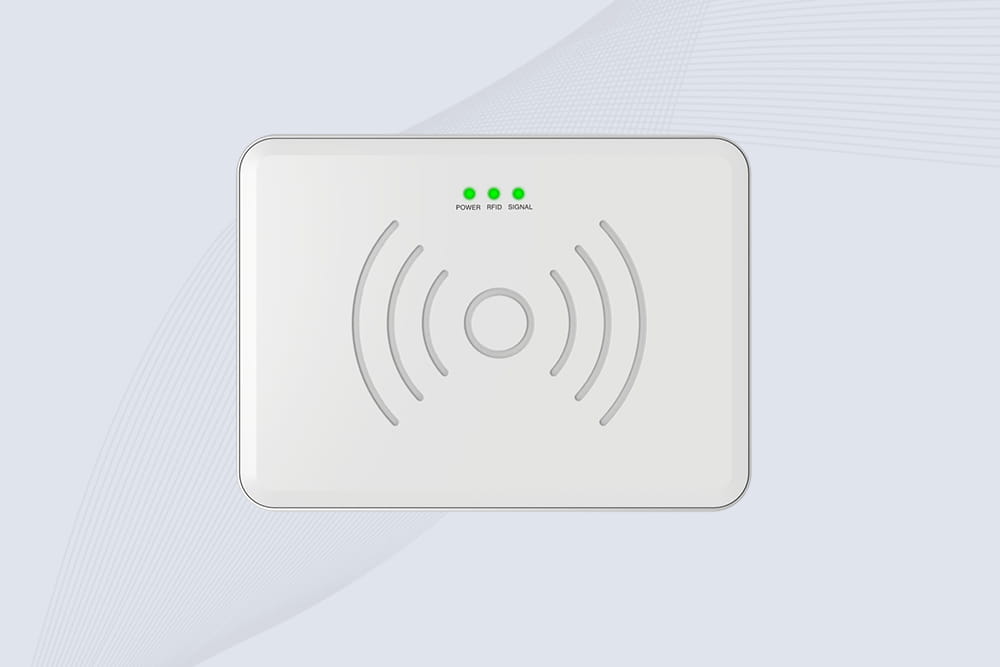
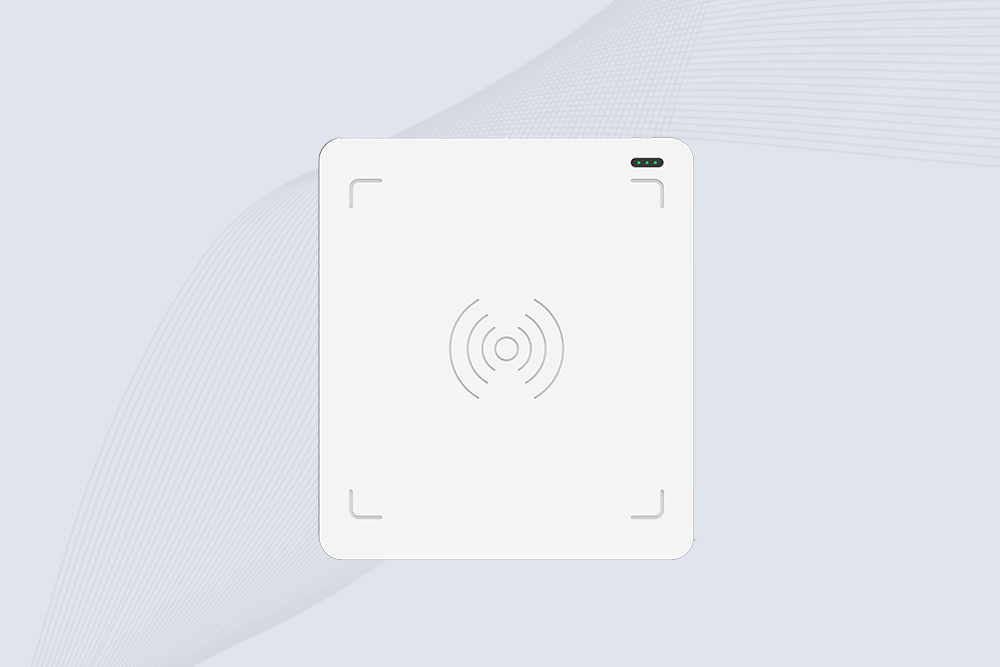
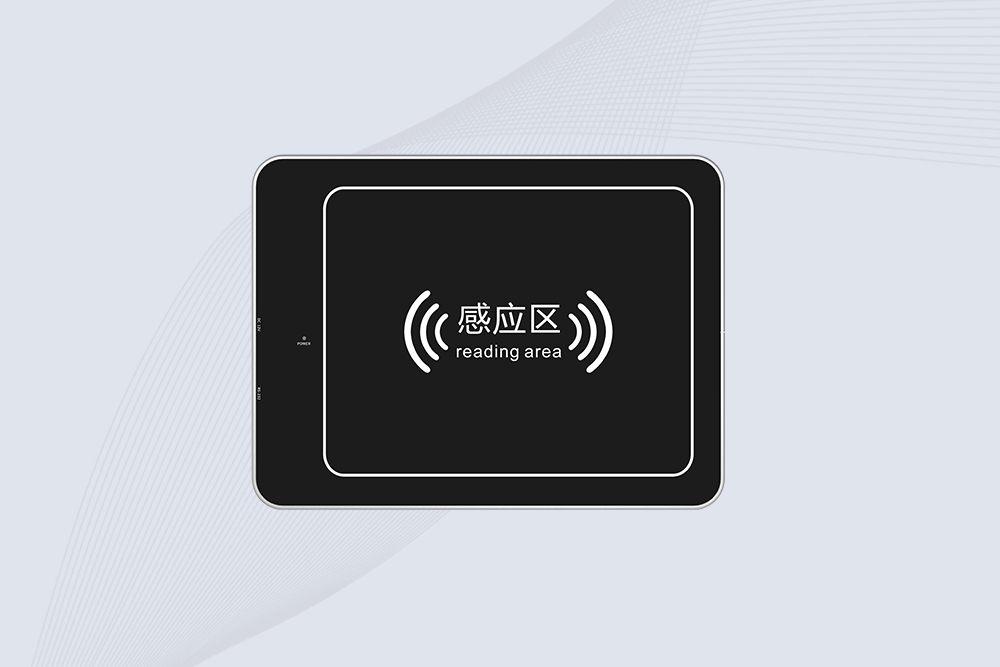
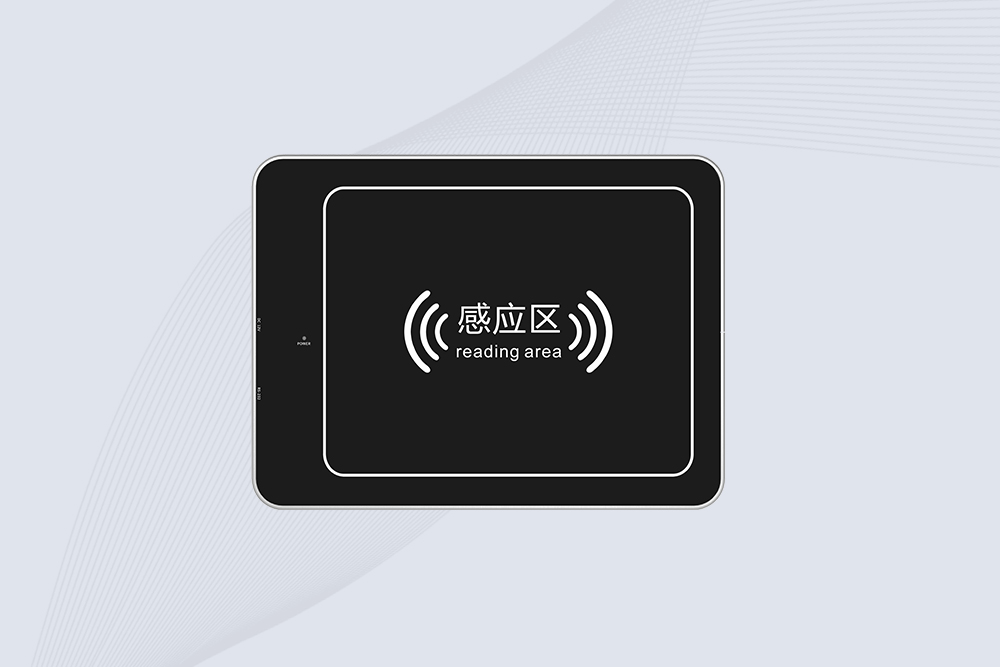
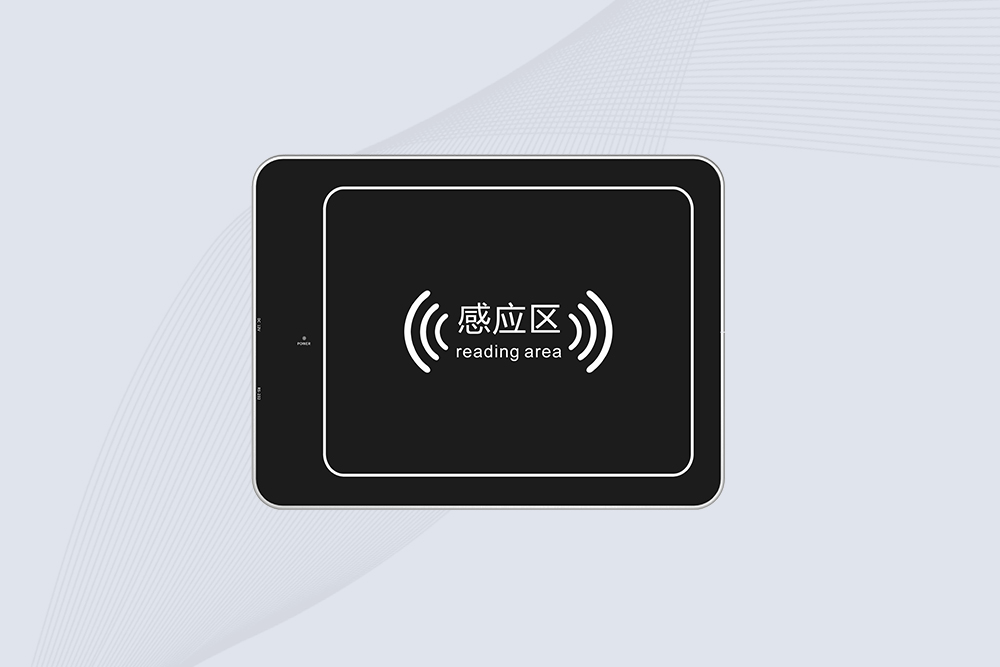
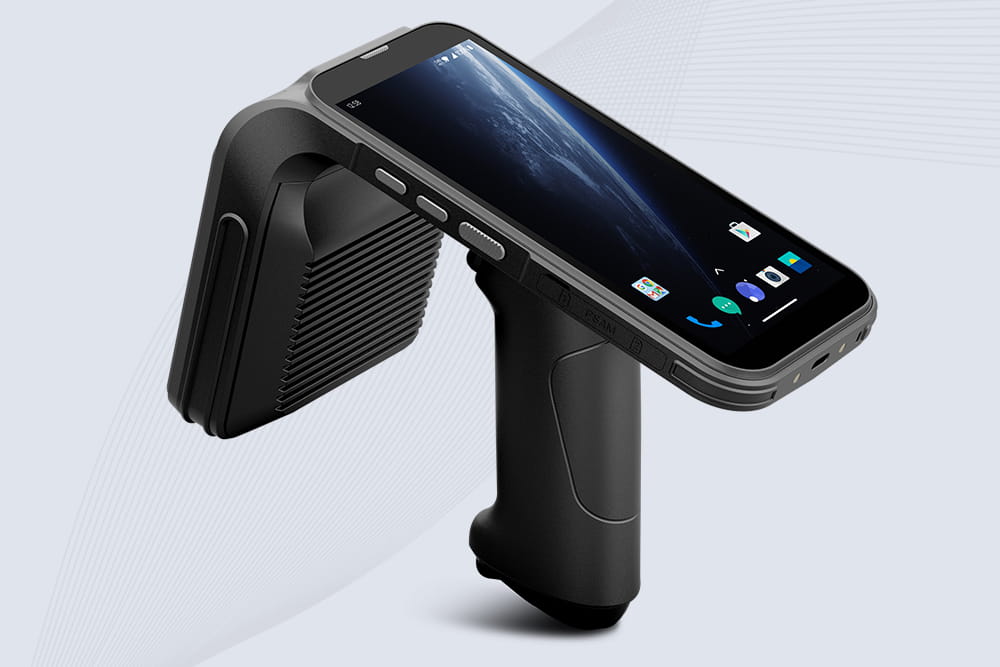
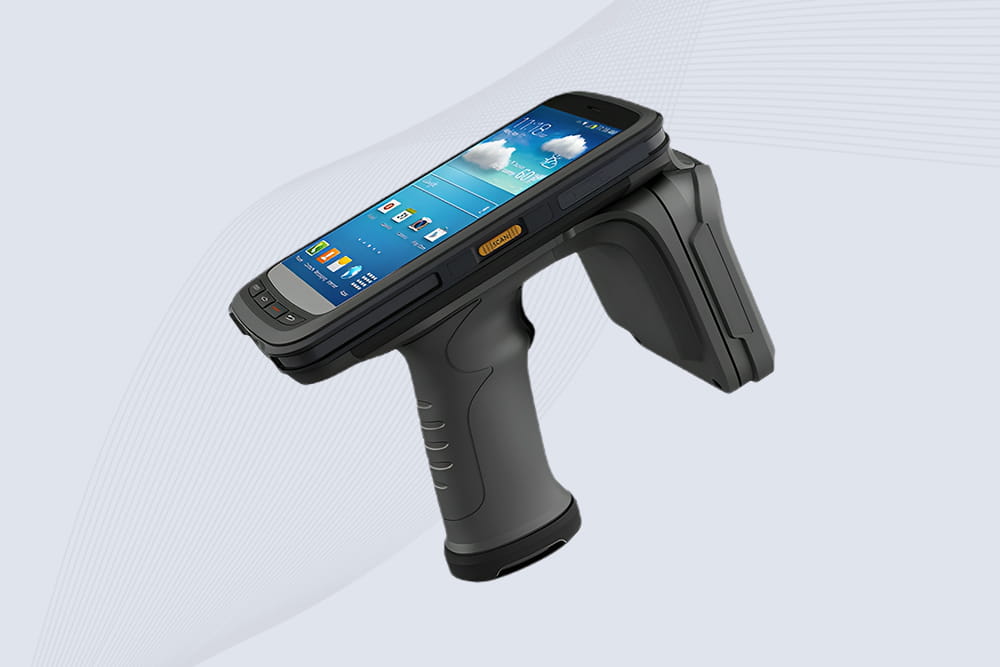
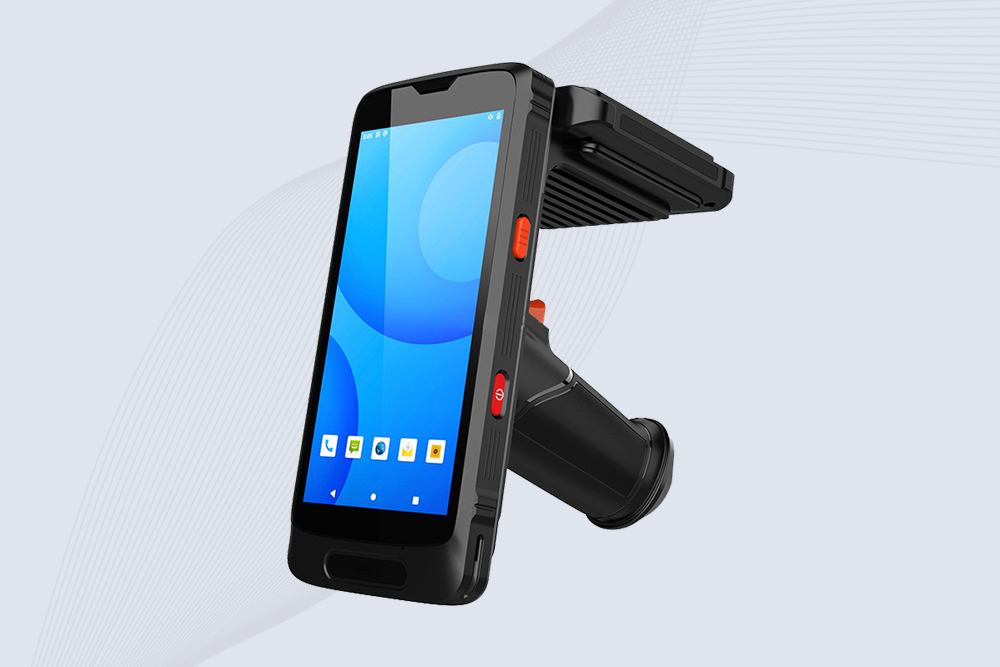
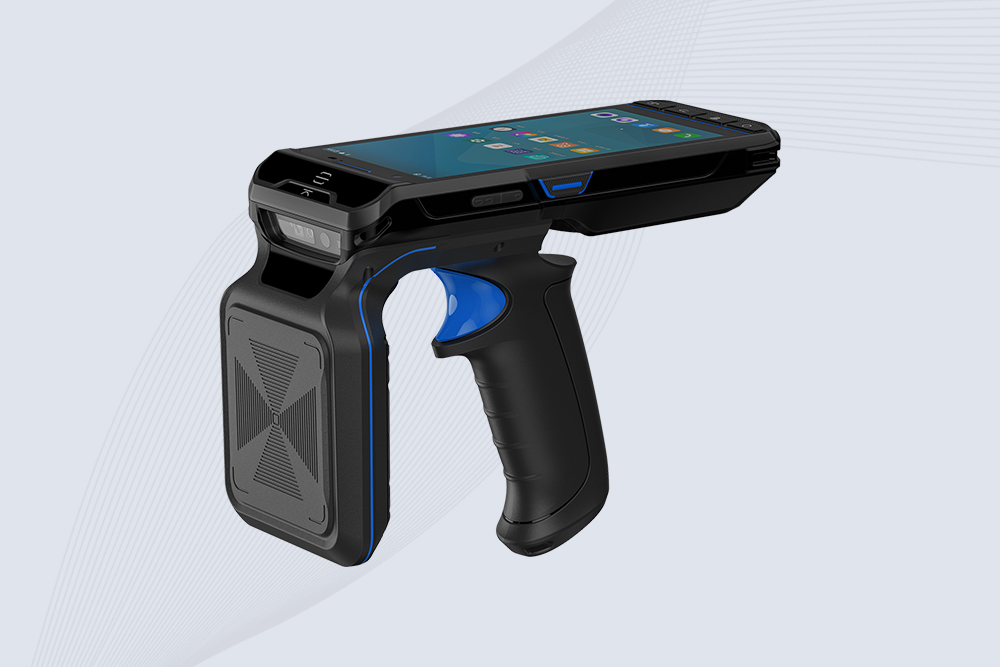
A handheld rfid reader may suit periodic audits across multiple rooms. A fixed reader may be appropriate at a controlled entrance or equipment return point. A desktop RFID reader can support close-range registration or tag administration. In a larger deployment, reader hardware needs to work with the asset database and the business rules that define registration, movement, checkout, return, and audit events.
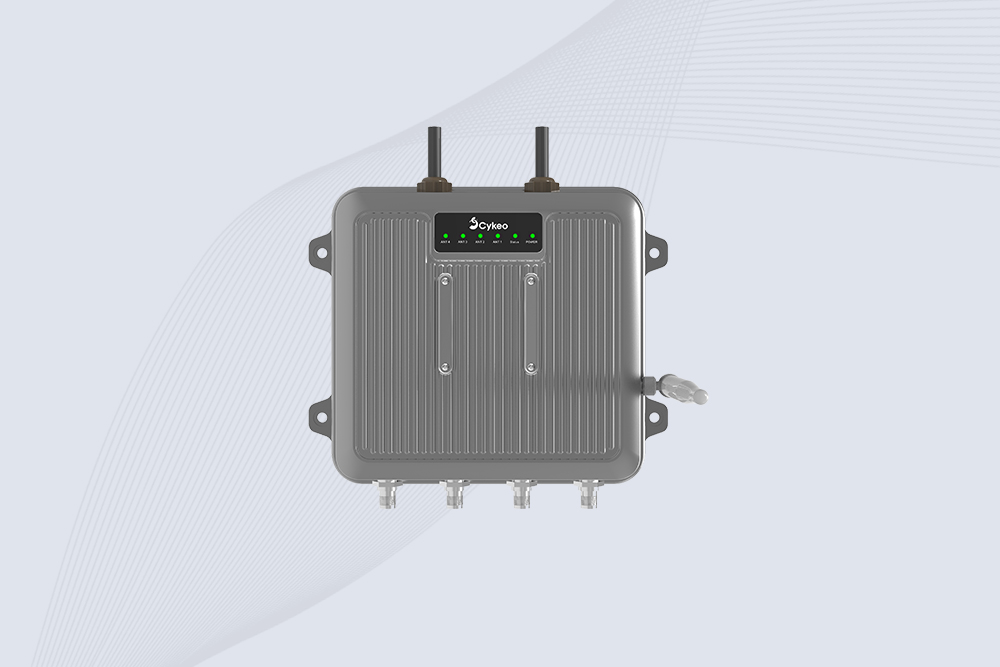
Cykeo offers RFID reader options for different deployment scenarios, including fixed readers, OEM modules, and desktop tag-management equipment. When evaluating a solution, confirm the supported RFID protocols, regional frequency requirements, tag compatibility, communication interfaces, software integration options, and environmental specifications for the particular model.
A practical pilot should answer four questions before the system is expanded:
Can the selected tags be read consistently on the actual assets?
Can the reader distinguish the intended inventory area from nearby areas?
Can asset records be updated without creating misleading movement events?
Does the workflow save enough time or reduce enough operational risk to justify the total cost?
Start with a defined group of high-value assets and a measurable problem. Expand only after the results demonstrate that the system works under everyday conditions.
Frequently Asked Questions
1. Why track expensive assets RFID instead of using barcodes?
RFID can identify multiple tagged assets without requiring each label to be optically scanned one at a time. This can make inventory work more efficient, especially when many assets need to be checked. Barcodes may still be more economical for small inventories or workflows where individual scanning is already quick and reliable.
2. Can RFID track the real-time location of expensive equipment?
It depends on the system. RFID tags can be detected by readers within their effective read zones, and fixed readers can record events at selected checkpoints. Continuous or more precise location visibility requires suitable infrastructure and software; a basic passive RFID tag does not independently provide GPS tracking.
3. Does RFID work on metal equipment?
Yes, when the tag and installation are designed for the application. Ordinary RFID labels may perform poorly when attached directly to metal, so on-metal tags or suitable mounting arrangements may be required. Test the chosen tag on the actual equipment before deployment.
4. Is passive or active RFID better for expensive assets?
Passive RFID is often suitable for cost-conscious identification and inventory applications where readers interrogate tags within a defined area. Active RFID uses a powered tag and may be appropriate when the application requires different detection or location capabilities. The right choice depends on range, update frequency, environment, infrastructure, and total cost.
5. Does RFID prevent expensive assets from being stolen?
RFID can improve identification, inventory visibility, and the detection of certain asset movements when readers and software are configured to capture them. It does not, by itself, physically prevent theft or guarantee that every unauthorized movement will be detected. Security controls and suitable operating procedures remain necessary.
6. How should a business start an RFID asset-tracking project?
Choose a representative group of assets, document the current inventory process, test suitable tags and readers, and integrate the results with a reliable asset database. Measure read reliability, inventory time, missing-asset rates, and operating costs before deciding whether to expand.
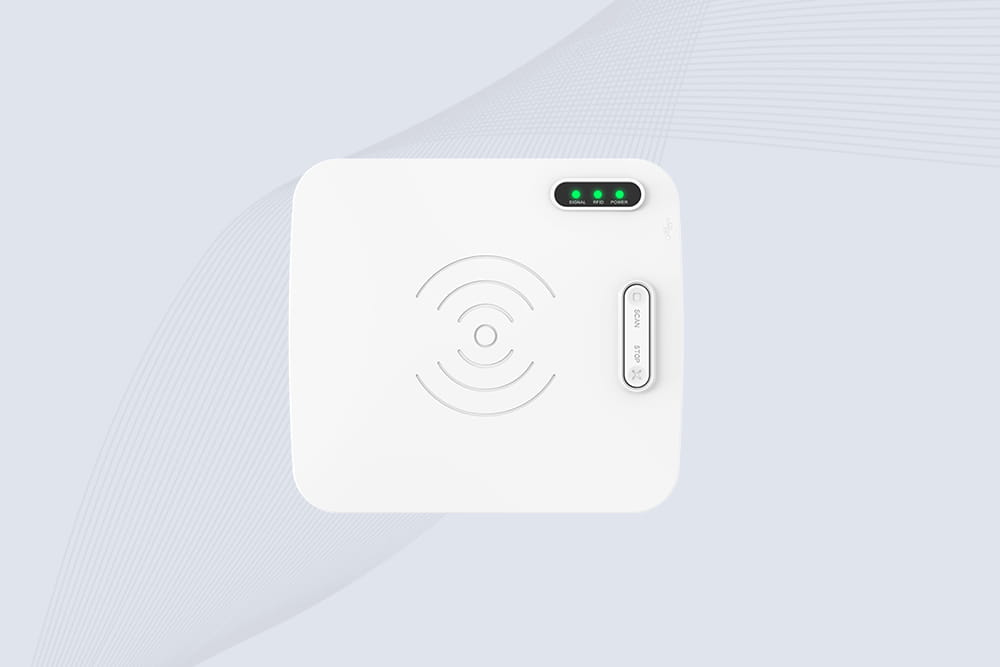
SSD-D3AL is a USB-HID UHF RFID reader with 0–30 cm reading, 0–15 cm writing, over 600 tags/s recognition, USB plug-and-play operation and OEM Logo customization.
SSD-D1AL is a compact USB UHF RFID reader with Impinj E710/X3M1 chipset, USB-HID, 600+ tags/s recognition, 4/8/16 antenna support and plug-and-play USB power.
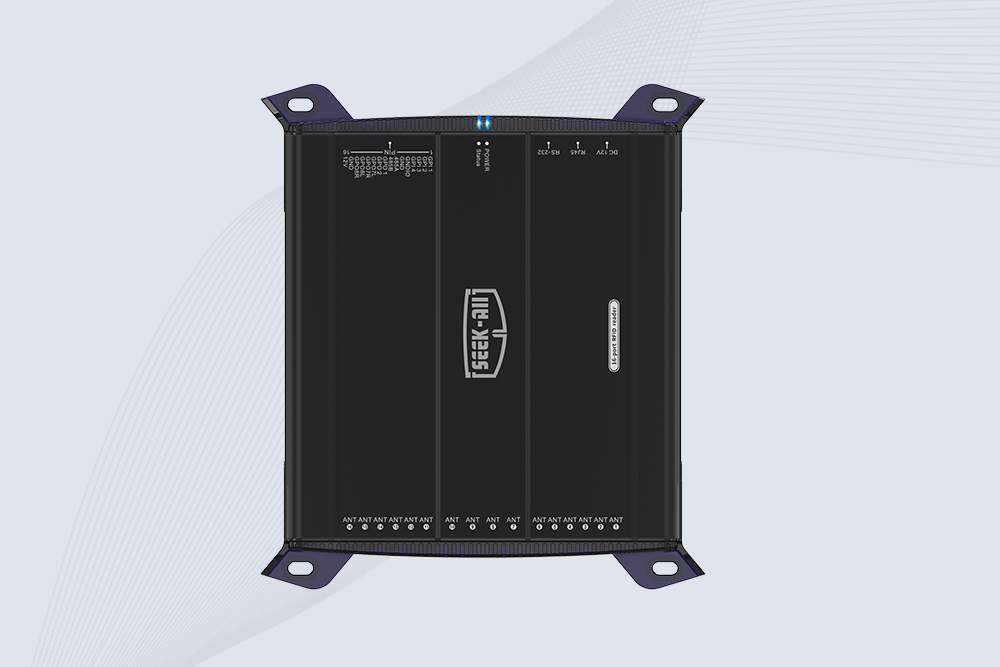
SSD-R16L Multi-Channel RFID Infrastructure for Automated Inventory Management ✔️ 16-Port High-Density RFID Reading Equipped with 16 SMA antenna ports, SSD-R16L supports multi-antenna deployment for warehouses, retail stores, logistics, production lines, and large-area RFID identification. ✔️ High-Speed & Long-Range Performance With up to 33…
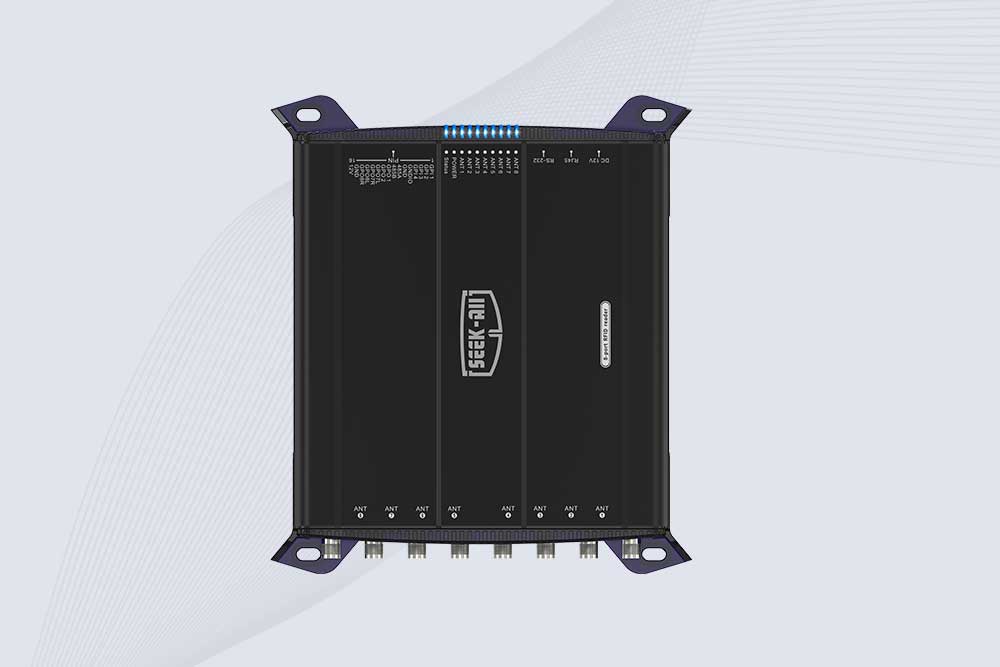
SSD-R8L 8-port UHF RFID reader with 33dBm output, up to 20m reading range and 600+ tags/s recognition. Ideal for warehouse, logistics, retail and asset tracking.
CYKEO CYKEO-D1LA USB RFID Reader is a compact desktop solution with near-field control for precise tag reading and encoding. Powered by USB, supporting ISO 18000-6C, and built for stable batch writing, this usb rfid tag reader fits retail, libraries, offices, and controlled RFID encoding tasks.
CYKEO CYKEO-D1L RFID scanner USB is a compact desktop UHF RFID scanner designed for short-range tag writing and verification. This usb rfid scanner supports batch encoding, stable 0–26 dBm output, and works across Windows, Linux, and Android systems.
CYKEO CYKEO-D1C USB RFID Card Reader is a near-field UHF desktop writer designed for secure, short-range tag encoding. With USB-C connectivity and stable 26 dBm output, this rfid reader usb c is ideal for badge issuance, label encoding, and controlled desktop RFID workflows.
CYKEO CYKEO-D2L RFID Reader USB is a compact desktop encoder built on the Impinj R500 chip. With near-field control and stable USB power, this usb rfid card reader delivers precise tag writing for offices, retail counters, and small-scale logistics encoding tasks.
CYKEO CYKEO-D3L USB RFID Tag Reader delivers stable UHF tag reading and writing for daily desktop and light industrial tasks. Designed for controlled short-range operation, this USB RFID Tag Reader works reliably with rfid tag and reader systems in libraries, tool tracking, and inventory registration.
The CYKEO CYKEO-D4L UHF RFID Tag Reader is a stable Desktop RFID Reader designed for accurate tag registration, borrowing, and return workflows. Built with the Impinj R2000 chip, this UHF RFID Tag Reader delivers controlled short-range reads for libraries, asset tracking, and inventory management environments.
The CYKEO CYKEO-D5L Desktop RFID Card Reader is a stable UHF RFID Card Reader designed for controlled short-range reading and writing. Built for libraries, tool rooms, and asset desks, this UHF RFID Card Reader supports dense tag handling, secure data processing, and easy USB integration.
The CYKEO CYKEO-D6L RFID Reader Writer is a heavy-duty Desktop RFID Reader designed for short-range, high-accuracy tag programming. Built for libraries, labs, and asset desks, this RFID Reader Writer supports batch processing, stable 33dBm output, and seamless integration with existing management systems.
Cykeo CYKEO-D8A embedded RFID badge reader offers 30+ tags/sec scanning, 20cm anti-crosstalk precision, and DC 12V power for unmanned stores, warehouses, and smart inventory systems.
Cykeo’s CYKEO-D8C UHF RFID gate reader achieves 200-tag/batch scanning with adjustable power control, ideal for retail inventory and smart warehouse management.
CYKEO Embedded RFID Modules are designed for compact industrial and IoT devices that require stable UHF performance. These UHF RFID Modules support global protocols, flexible power control, and reliable multi-tag reading for smart cabinets, production lines, and asset tracking systems.
CYKEO Embedded RFID Module is built for compact IoT and industrial devices that need stable UHF performance. This UHF module supports global protocols, low power operation, and reliable multi-tag reading for smart lockers, production lines, and always-on RFID systems.
CYKEO CYKEO-M1 drone rfid module is a compact UHF RFID reader module designed for drones and UAV platforms. It supports long-range aerial scanning, fast multi-tag reading, and stable performance in wind, vibration, and outdoor environments.
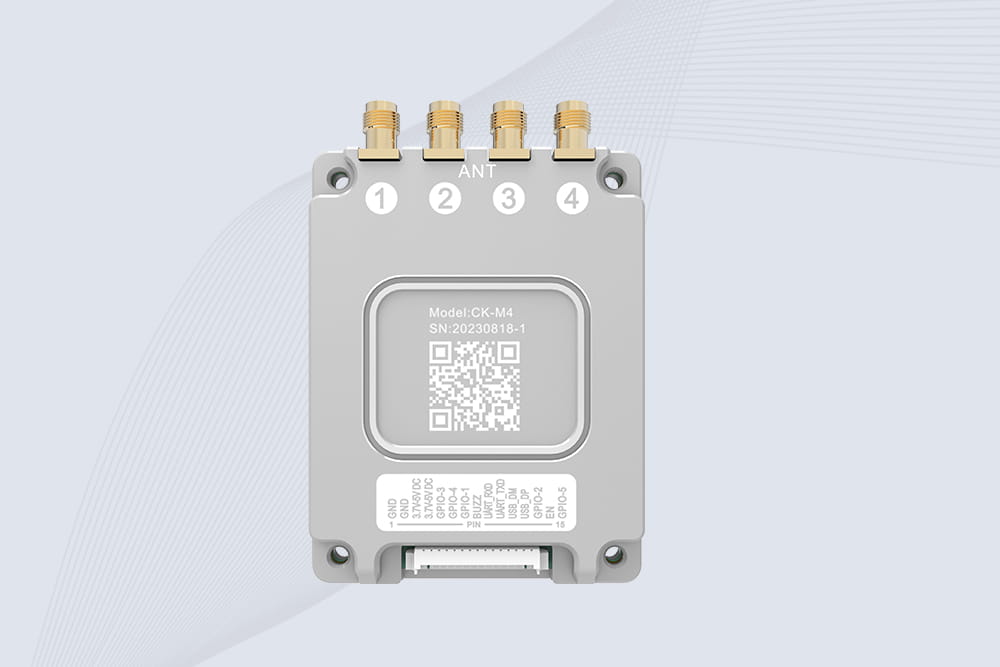
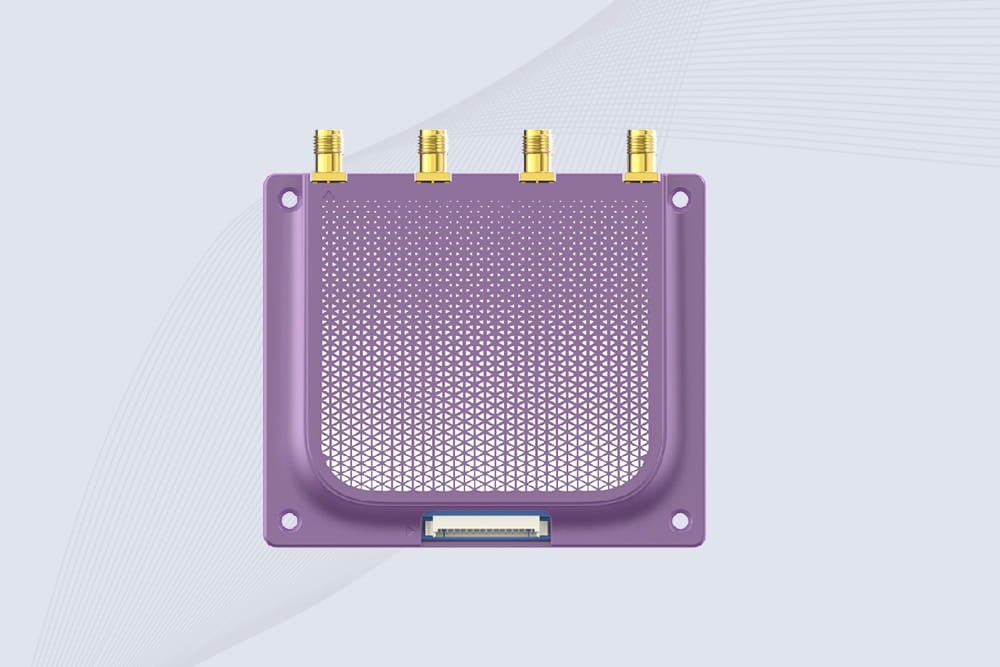
CYKEO CYKEO-M4 RC522 RFID Module is an industrial-grade UHF RFID reader with 4 ports, supporting ISO, EPC, and GB protocols. High-speed, accurate reading for IoT, automation, and warehouse applications.
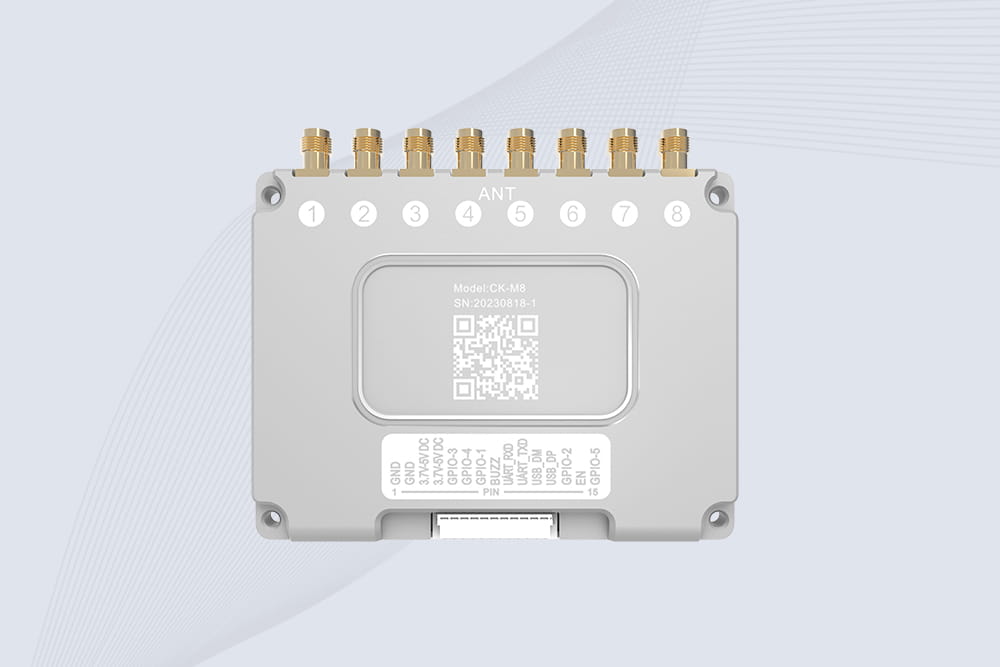
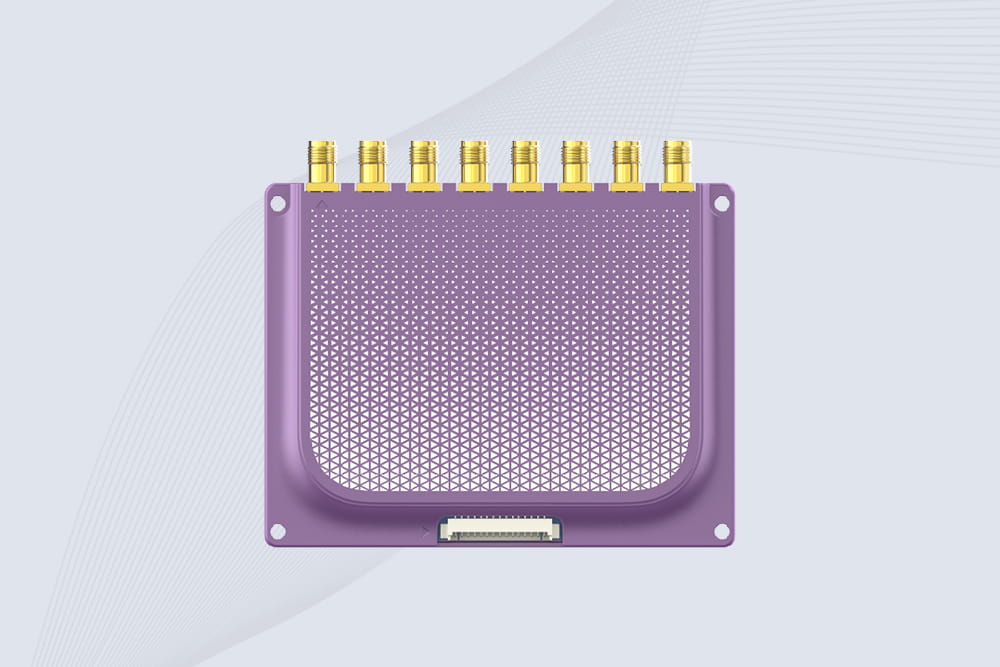
CYKEO CYKEO-M8 Module RFID is an 8-port UHF R2000 RFID Module designed for high-density, multi-tag environments. Stable 33dBm output, ISO & GB protocol support, ideal for warehouses, factories, and automated systems.
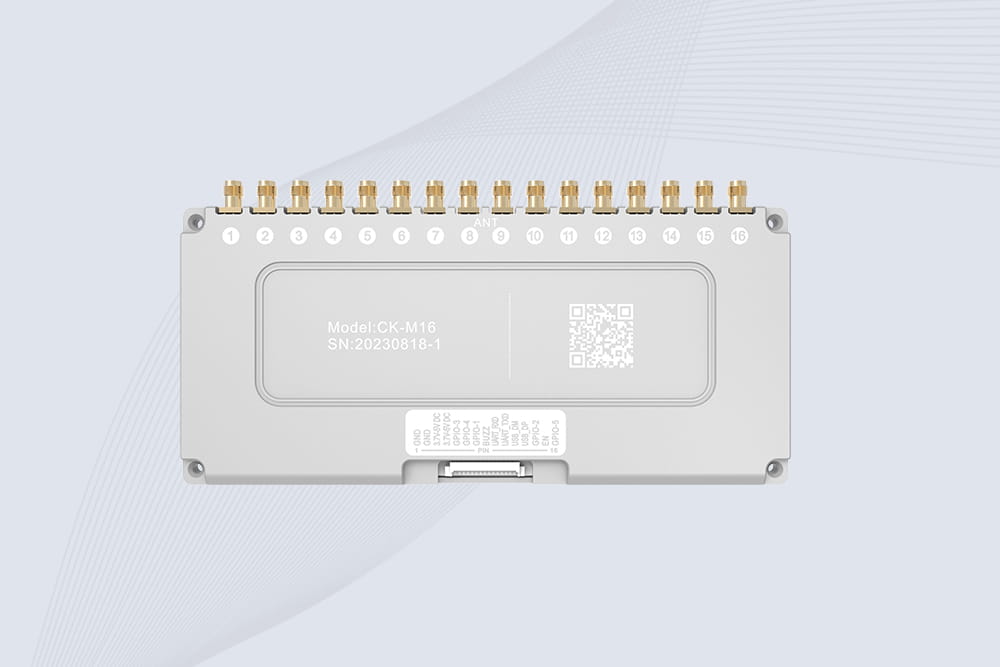
CYKEO CYKEO-M16 RFID Module is a 16-port UHF RFID reader module based on the R2000 chipset. Designed for dense tag environments, it supports ISO and GB standards and delivers stable multi-antenna control for industrial automation.
The CYKEO CYKEO-M16L RFID Reader Module is a 16-channel UHF RFID core designed for dense tag environments. With adjustable 33dBm output, multi-protocol support, and stable multi-antenna control, this RFID Tag Reader Module fits industrial automation, warehouse systems, and large-scale IoT deployments.
CYKEO CYKEO-M8L module RFID is a compact industrial UHF module built for dense tag and multi-antenna environments. With 8 RF ports, adjustable 33 dBm output, and ISO & GB protocol support, it is widely used in factories, warehouses, and automated tracking systems.
CYKEOCYKEO-M4L UHF RFID Module is a compact 4-channel RFID tag reader module designed for dense tag environments. Supporting ISO and GB protocols, it delivers stable reads up to 10 meters for industrial and IoT systems.
Cykeo CYKEO-C1 industrial Forklift RFID Reader features 20m read range, 600 tags/sec scanning, Impinj R2000 chipset, and IP67 rugged design. Ideal for warehouse logistics and manufacturing. Supports ISO 18000-6C/6B protocols.
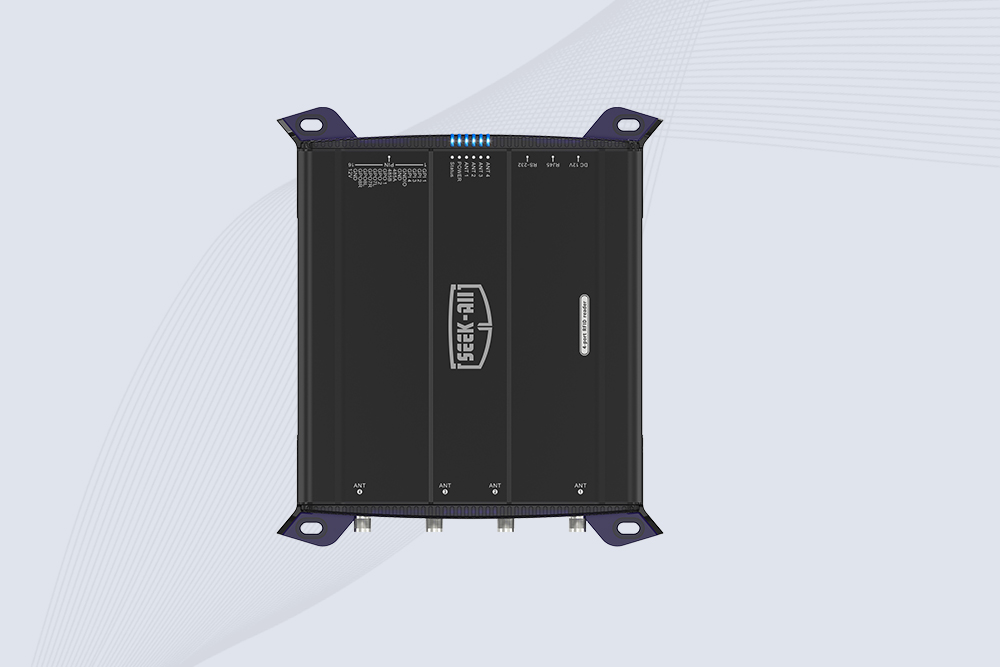
Cykeo CYKEO-R4 industrial UHF RFID Fixed Reader features 4 TNC ports, 400+ tags/sec speed, IP67 housing, and global frequency compliance for vehicle inspection, smart warehouse, and asset management systems.
CYKEO CYKEO-R8L Fixed RFID Reader with 8-port UHF design, Impinj-based RF core and up to 20m read range. An industrial Fixed RFID Reader for vehicle inspection, warehouse portals, smart manufacturing lines and secure access checkpoints.
RFID Fixed Reader from CYKEO – the CYKEO-R16L 16-port UHF fixed reader for warehouses, smart cabinets, and production lines. Long-range, multi-tag reading, stable performance for 24/7 industrial use.
Discover how RFID tag for inventory management improves inventory accuracy, visibility, and operational efficiency. Learn best practices, real deployment insights, and expert guidance from Cykeo.
To write an RFID card, use a compatible UHF RFID reader writer to select the correct memory bank, encode the required data, and verify the result immediately.
Key management has always been a troublesome issue in daily life. Traditional methods often come with various problems, such as disorganized manual management and the inability to access keys when key personnel are unavailable. These issues not on...
 Cykeo RFID IoT Solution Products R&D Manufacturer