 Cykeo RFID IoT Solution Products R&D Manufacturer
What Is RFID Tag Used For: Understanding RFID Identification Applications
108What is an RFID tag used for? Learn how RFID tags support tracking, inventory control, retail automation, logistics, and industrial identification.
MoreAll RFID Product
RFID tag for inventory management enables businesses to identify and track inventory automatically without line-of-sight scanning, significantly improving inventory accuracy, reducing manual labor, and providing real-time stock visibility across warehouses and supply chains.
Inventory teams often ask whether RFID tags are worth the investment. After participating in RFID warehouse deployments for manufacturing, logistics, retail distribution, and industrial asset management over the past several years, my answer remains consistent: when properly designed, RFID delivers measurable operational improvements that barcode systems simply cannot achieve at scale.
Unlike theoretical demonstrations, these observations come from commissioning RFID portals, tuning reader power, testing tag placement on metal products, and validating inventory accuracy before warehouse go-live.
Traditional inventory counting depends heavily on manual barcode scanning. Every carton must be visible, every label must face the operator, and every scan requires human intervention.
RFID changes that workflow entirely.
Multiple tagged items can be identified simultaneously while moving through dock doors, conveyor systems, storage racks, or receiving stations.
According to GS1, RFID enables automatic identification without requiring direct line of sight, making it particularly effective for high-volume inventory operations.
The U.S. National Institute of Standards and Technology (NIST) also notes that automated identification technologies improve inventory visibility while reducing manual data collection.
In practical warehouse deployments, this means workers spend less time counting products and more time moving inventory.

The process appears simple on paper but requires careful engineering.
| Component | Function |
|---|---|
| Passive RFID Tag | Stores a unique EPC identifier |
| RFID Reader | Energizes and reads nearby tags |
| RFID Antenna | Creates optimized read zones |
| Middleware | Filters duplicate reads |
| WMS / ERP | Updates inventory records automatically |
When goods pass through a read zone:
This process happens in milliseconds.
Across multiple warehouse implementations, the largest improvements usually come from operational consistency rather than raw read speed.
Typical measurable improvements include:
One widely cited industry benchmark comes from the University of Arkansas RFID Research Center, whose retail studies found RFID significantly improved inventory accuracy compared with traditional barcode-only processes.
Meanwhile, Auburn University’s RFID Lab has published extensive research demonstrating RFID’s effectiveness in retail and supply chain inventory management.
Rather than replacing employees, RFID allows warehouse staff to focus on exception handling instead of repetitive scanning.
Not every RFID tag performs equally.
Selection depends on:
Typical passive UHF inventory applications operate between 3 and 10 meters depending on antenna gain, tag design, environmental interference, and regulatory power limits.
In our field testing, tag placement often affects read performance more than reader output power.
A tag placed beside a metal bracket may lose over half its expected reading distance, while relocating it only a few centimeters restores stable performance.
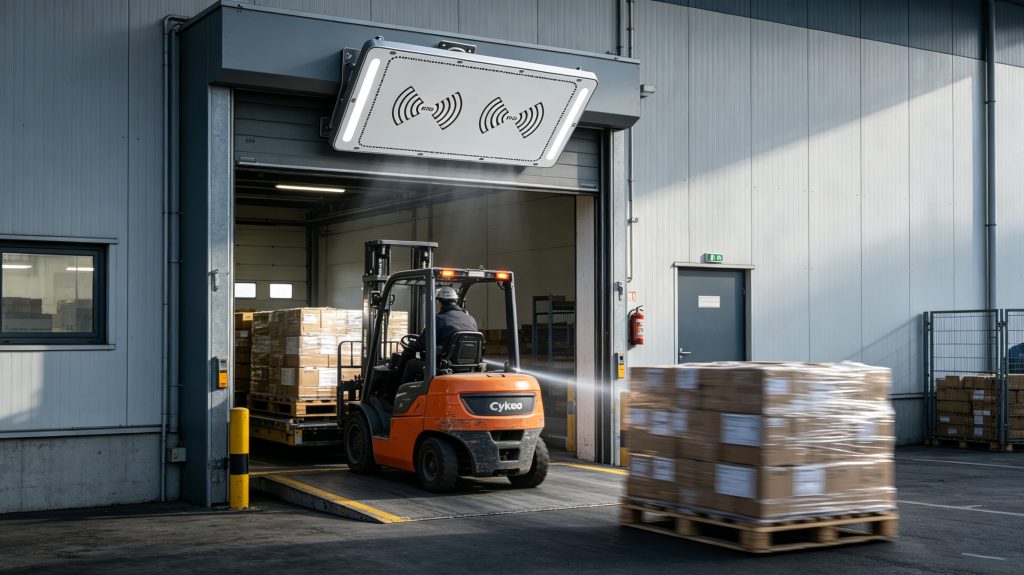
RFID inventory systems are widely deployed in:
Each industry has different tag durability and reading requirements, making proper tag selection essential.
In many warehouse operations, yes. However, many organizations continue using RFID alongside barcodes because barcodes remain useful for customer-facing labeling and manual exception handling.
Passive UHF RFID (EPC Gen2 / ISO 18000-63) is the industry standard for warehouse inventory because it provides long read distance and rapid multi-tag reading.
Most inventory applications use passive RFID tags, which draw energy from the RFID reader and require no internal battery.
Yes. Modern UHF RFID systems can identify numerous tagged items within a single read event, making them ideal for pallet, carton, and bulk inventory management.
Having supported RFID deployments from pilot testing through full warehouse commissioning, one lesson consistently stands out: successful inventory management depends less on reader specifications than on system design. Reader placement, antenna orientation, tag selection, and software integration collectively determine performance. A well-engineered RFID solution delivers reliable, repeatable inventory visibility that scales with business growth.
A well-designed RFID tag for inventory management solution enables faster inventory counts, greater stock accuracy, and real-time operational visibility. When paired with industrial-grade readers, optimized tag placement, and proper warehouse integration, RFID becomes a long-term infrastructure investment rather than simply another identification technology. At Cykeo, we help organizations deploy reliable RFID systems tailored to real warehouse environments, ensuring that every RFID tag for inventory management contributes to measurable operational efficiency.
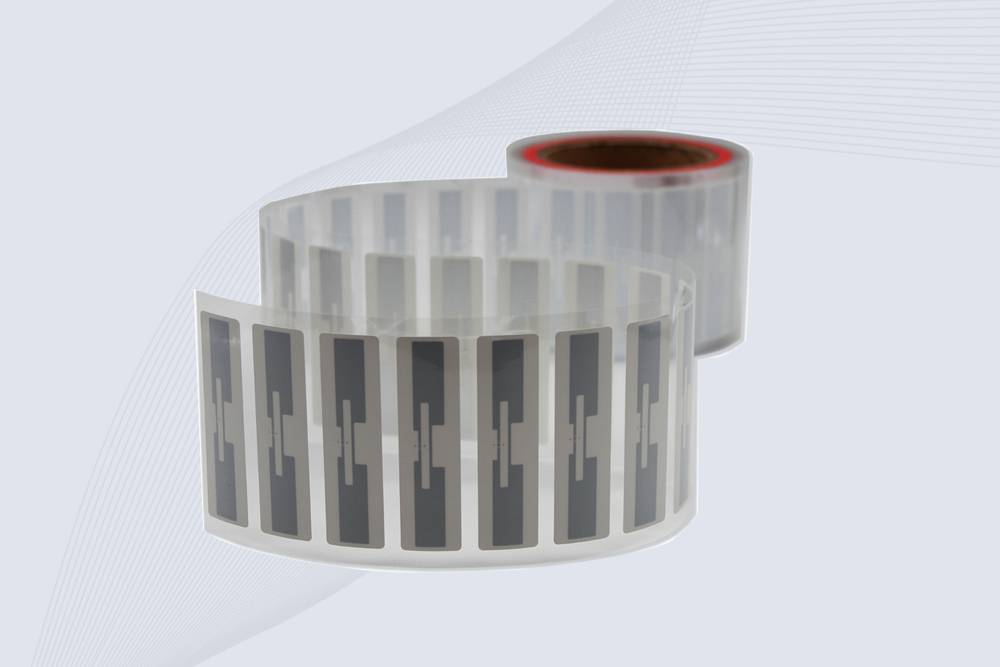
CYKEO Passive RFID Tags are made for wet and high-humidity environments where standard labels do not last. This rfid passive tag is often used around liquids, chemicals and temperature changes, providing stable reading distance and long data life for industrial tracking.
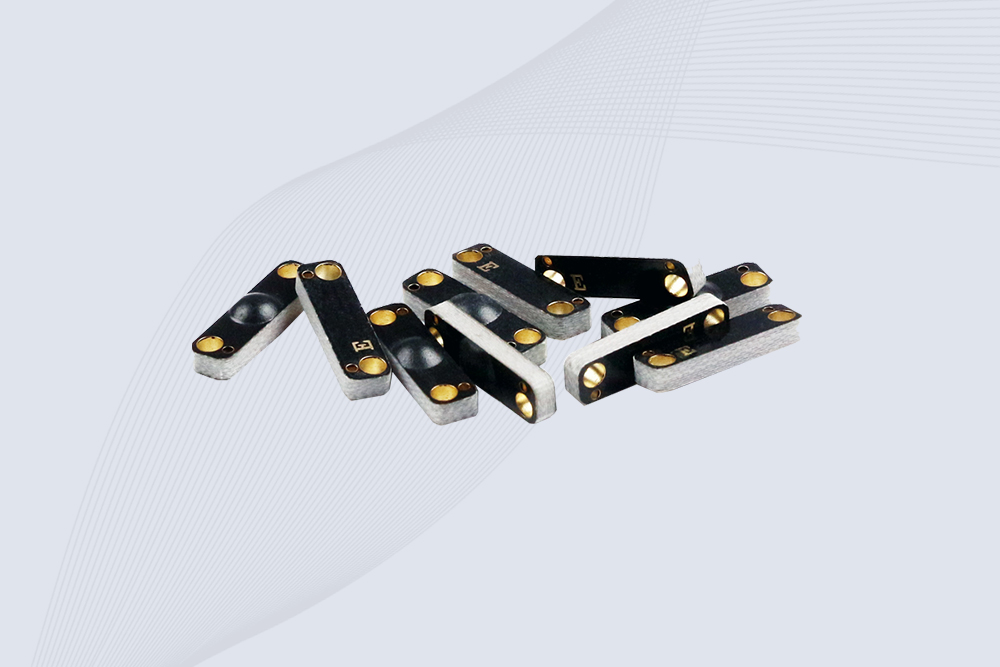
CYKEO CYKEO-PCB1504 Metal RFID Tags is a compact anti-metal UHF RFID solution built for direct mounting on metal surfaces. With stable 8-meter read range, Ucode-8 chip, and long data retention, this rfid metal tag fits tools, containers, automotive parts, and industrial asset tracking.
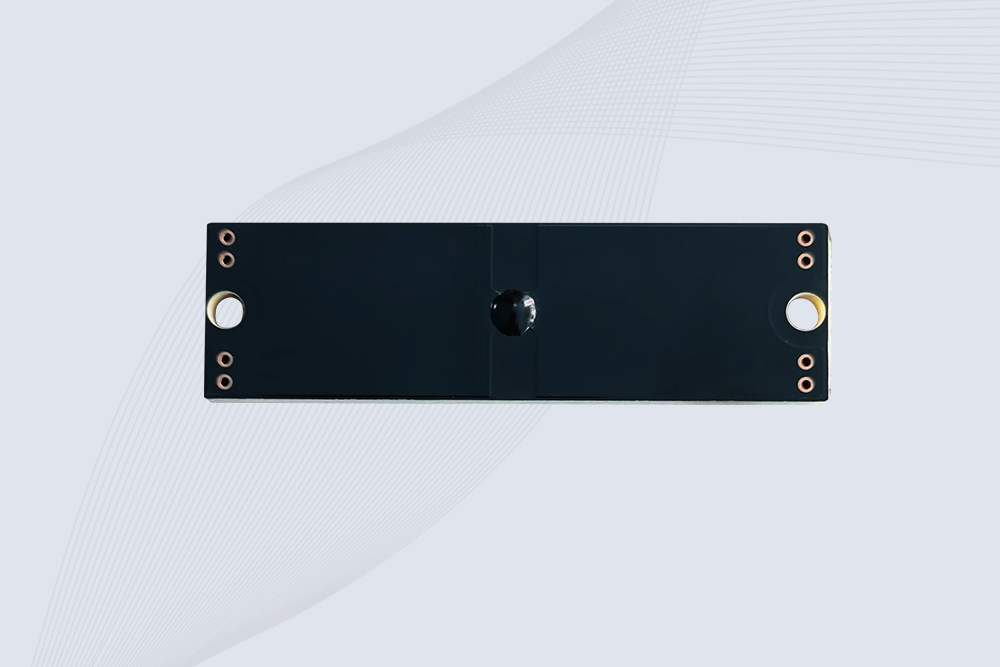
CYKEO CYKEO-PCB7020 On-Metal RFID Tags are designed for reliable tracking on steel and metal surfaces. Built with an FR4 epoxy body and industrial-grade chips, these On-Metal RFID Tags deliver stable performance, long data life, and chemical resistance, making them a dependable RFID anti-metal tag for harsh environments.
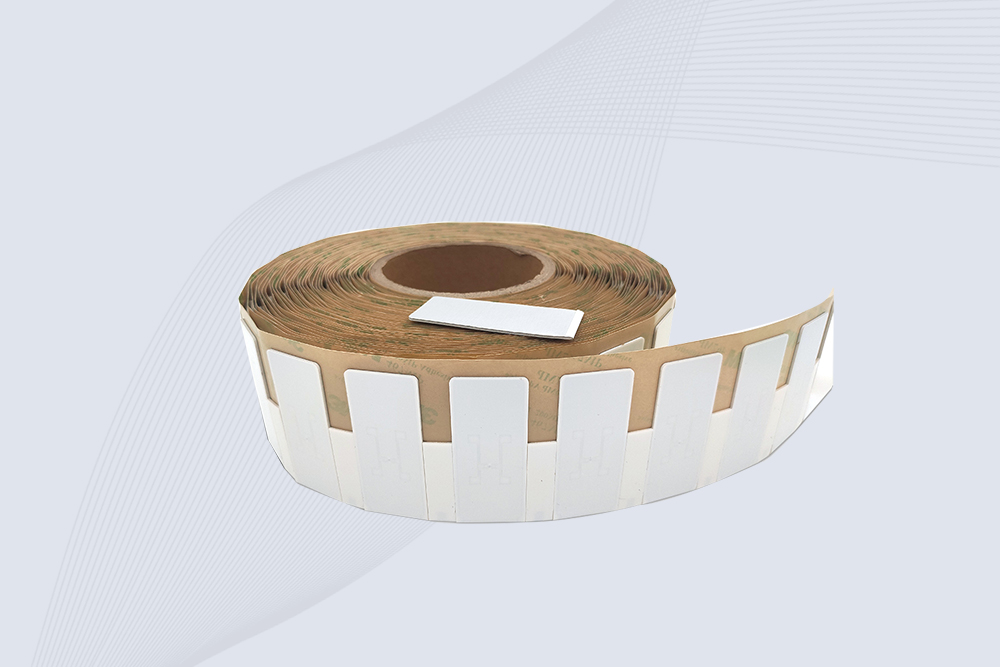
The CYKEO CYKEO-60-25 Anti-Metal RFID Tag is built for metal surfaces where standard tags fail. Designed for long-range performance, harsh environments, and stable data retention, this Anti-Metal RFID Tag is ideal for industrial assets, containers, and equipment tracking using on metal RFID tags.
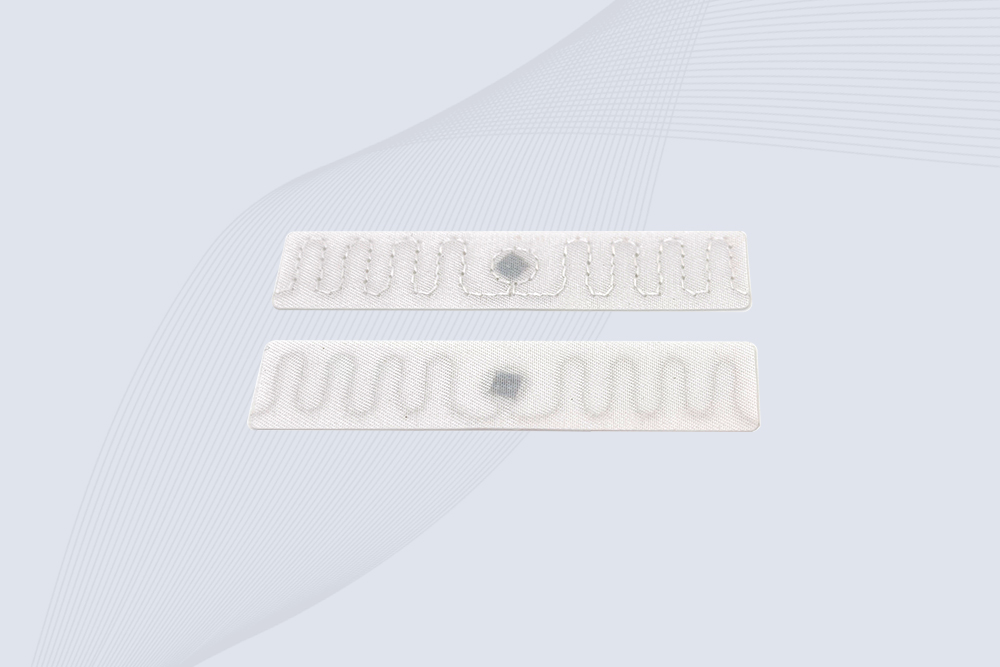
The CYKEO RFID Laundry Tag is designed for long-term textile identification in harsh laundry environments. Built to withstand high heat, chemicals, and repeated washing, this RFID Laundry Tag delivers stable performance for hotels, hospitals, and industrial laundry operations using laundry rfid tags at scale.
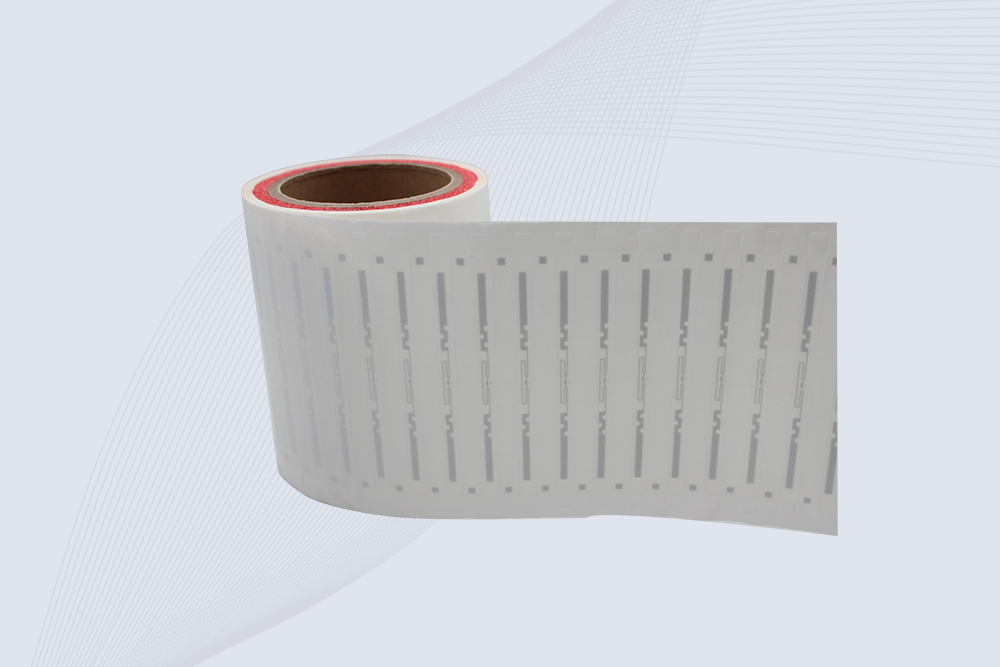
The CYKEO CYKEO-125-7 RFID Book Tag is designed for reliable book and document tracking in libraries and archives. This RFID Book Tag delivers long read range, dense placement support, and stable performance on shelves, making it a practical rfid tag on books for library automation, file management, and archival systems.
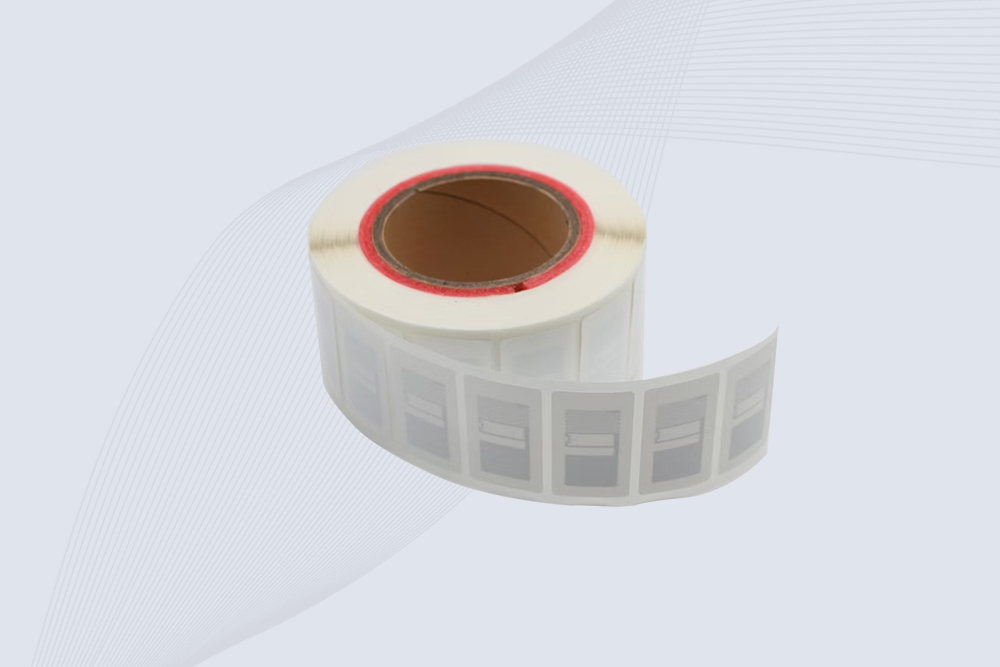
CYKEO RFID tags in hospitals are designed for sterile environments where accuracy matters. These autoclavable RFID tags support long-term tracking of surgical tools, implants, and medications, helping hospitals improve visibility, compliance, and patient safety.

CYKEO RFID Cable Tie Tag is built for reliable identification on metal surfaces. This UHF RFID Cable Tie Tag is widely used in rfid tags for inventory systems, industrial asset management and Hospital RFID Tags, offering stable read performance, long service life and global EPC Gen2 compatibility.
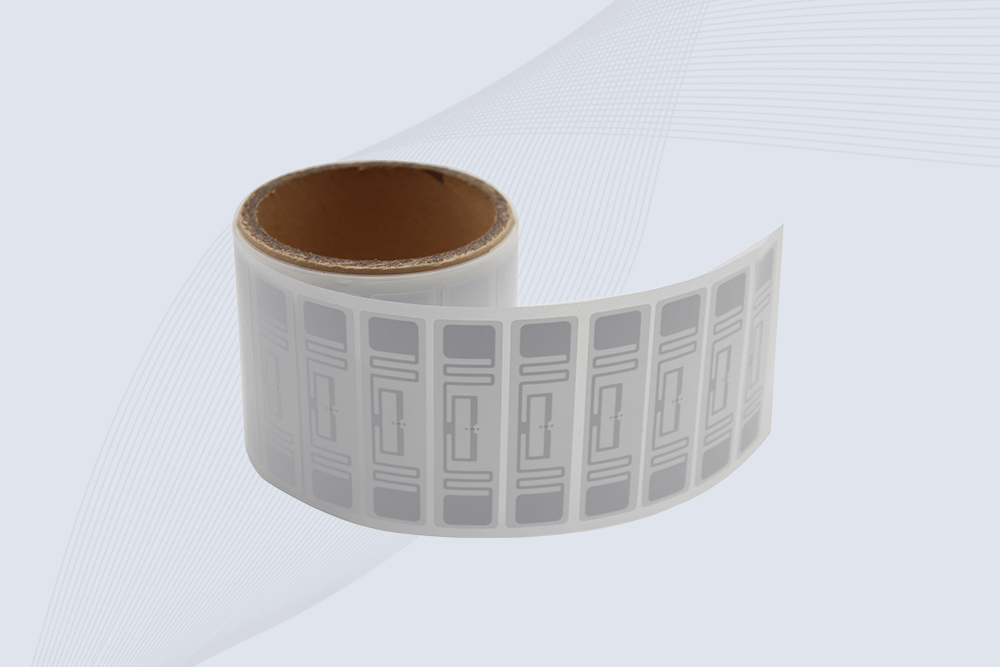
CYKEO RFID Asset Tag is designed for stable identification of metal assets in industrial environments. This UHF RFID Asset Tag is commonly used for rfid tag asset tracking on equipment, tools and containers, providing reliable reads, long service life and ISO/IEC 18000-6C support.

CYKEO UHF RFID Card is designed for fast identification and long-term use in industrial and commercial systems. Supporting ISO 18000-6C, this UHF RFID Card works at 860–960 MHz and is suitable for custom RFID cards used in asset tracking, access control and inventory management.
CYKEO HF RFID Cards are designed for secure and stable access control systems. These 13.56 MHz RFID key cards support ISO 14443-A, reliable rewriting and long service life, making HF RFID Cards suitable for offices, campuses, events and membership management.
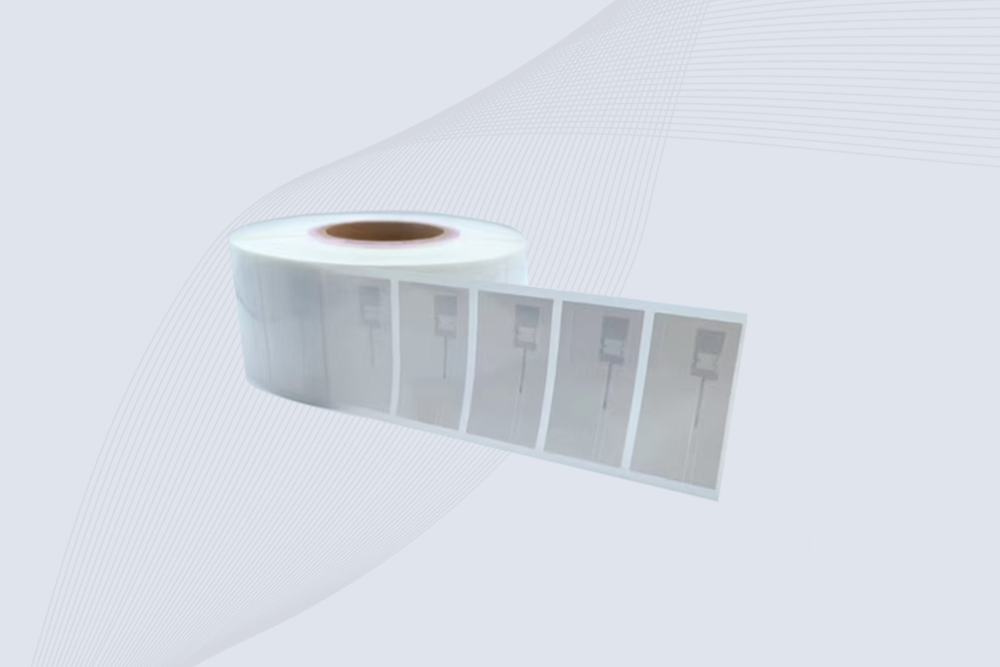
CYKEO UHF RFID Tag is designed for reliable tracking of metal jewelry and high-value items. This Jewelry RFID Tag supports long-range reading up to 8 meters, anti-counterfeit protection and stable performance on metal, making it suitable for retail, inventory control and asset management.

What is an RFID tag used for? Learn how RFID tags support tracking, inventory control, retail automation, logistics, and industrial identification.
More
Learn what is rfid technology, how RFID systems work, and why industries use RFID for tracking, inventory, and automation with Cykeo solutions.
More
Learn how door RFID readers work, common types, buying tips, and future trends to help you find the best access control solution.
More
RFID chips provide electronic identification, wireless communication, and data support for inventory, asset tracking, traceability, and automated business pr...
More