 Cykeo RFID IoT Solution Products R&D Manufacturer
How to Track Tools and Equipment
129Learn how to track tools and equipment using RFID technology. Improve visibility, automate tool management, reduce losses, and achieve real-time inventory control with Cykeo RFID solutions.
MoreAll RFID Product
An rfid reader device uses ultra high frequency identification technology to capture tag data automatically, enabling fast inventory tracking, real-time visibility, and hands-free asset management in industrial environments.
The first time I watched a UHF RFID system scan an entire rolling tool cart without stopping the operator, I understood why warehouses are moving away from barcode-only workflows. No aiming. No line-of-sight. Just motion, data, and confirmation in seconds.
That deployment happened inside a manufacturing warehouse handling calibrated tools. Workers pushed carts through an RFID checkpoint equipped with a Cykeo rfid reader system. More than 180 tagged items were identified almost instantly. Nobody paused to scan anything manually.
The difference was operational, not theoretical.
An rfid reader device communicates wirelessly with RFID tags using radio frequency signals. In UHF systems, the reader transmits energy to passive tags, receives backscattered data, and processes identification information in real time.
Unlike barcode systems, UHF RFID does not require direct visual alignment.
That changes workflow speed dramatically.
Modern industrial RFID reader devices typically support:
According to GS1 EPCglobal RFID Standards, EPC UHF RFID systems are widely adopted for logistics, retail, healthcare, and industrial traceability because they improve inventory visibility and operational efficiency.
Around 2022, several warehouse operators we worked with reached the same problem.
Their barcode systems technically worked — but labor costs kept climbing.
One warehouse supervisor told me:
“The scanning itself isn’t slow. Repeating it 40,000 times a week is.”
That sentence stayed with me.
UHF RFID reader devices reduced repetitive handling by allowing entire groups of items to be scanned simultaneously.
In practical environments, this means:
| Task | Barcode Workflow | UHF RFID Workflow |
|---|---|---|
| Tool checkout | Manual scan one-by-one | Bulk automatic reading |
| Inventory audit | Hours | Minutes |
| Asset tracing | Manual lookup | Real-time visibility |
| Human error | Frequent | Reduced |
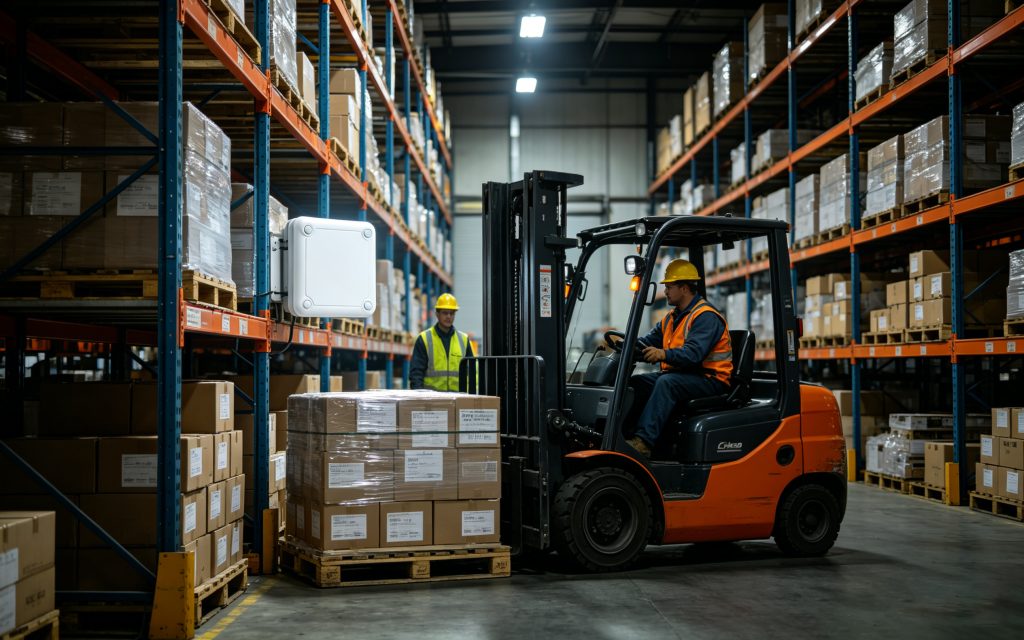
One deployment involved a semi-open industrial maintenance room.
Conditions were not ideal:
The Cykeo UHF RFID reader device was configured with directional antennas and power adjustment settings.
At first, we noticed stray reads from adjacent storage zones.
Lowering reader power slightly improved isolation immediately.
That is something spec sheets rarely mention: stronger RF output is not always better.
The final deployment achieved:
The biggest operational improvement was accountability.
Workers stopped arguing over missing tools because every transaction had a timestamp and user record.
Warehouses use RFID readers for:
According to RAIN Alliance Industry Data, billions of UHF RFID tags are deployed annually worldwide, with logistics remaining one of the fastest-growing sectors.
Hospitals increasingly use RFID reader systems for:
A healthcare automation analysis published by Deloitte Insights identified inventory visibility and automation as major operational priorities for hospitals seeking supply chain resilience.
This remains one of the most practical UHF RFID deployments.
Smart RFID cabinets automatically track:
Instead of manual spreadsheets, everything updates automatically.
Industrial environments rarely involve single tags.
A reliable reader should process hundreds of tags rapidly while maintaining stable anti-collision performance.
Dense reading environments require careful RF control.
Too much power can cause:
Industrial systems commonly require support for:
Compatibility reduces deployment risk.
This becomes critical in long-term deployments.
Future protocol updates and algorithm improvements extend reader lifecycle without replacing hardware.
A perfectly good reader can appear “unstable” simply because tags are mounted inconsistently.
We saw read performance improve by over 20% after changing tag placement angle on plastic totes.
Many installers assume higher mounting improves coverage.
Sometimes it creates larger uncontrolled RF zones.
Controlled read areas are usually more valuable than maximum theoretical range.
Metal carts, steel racks, and concrete walls affect signal behavior constantly.
Real-world RFID deployment still requires field testing.
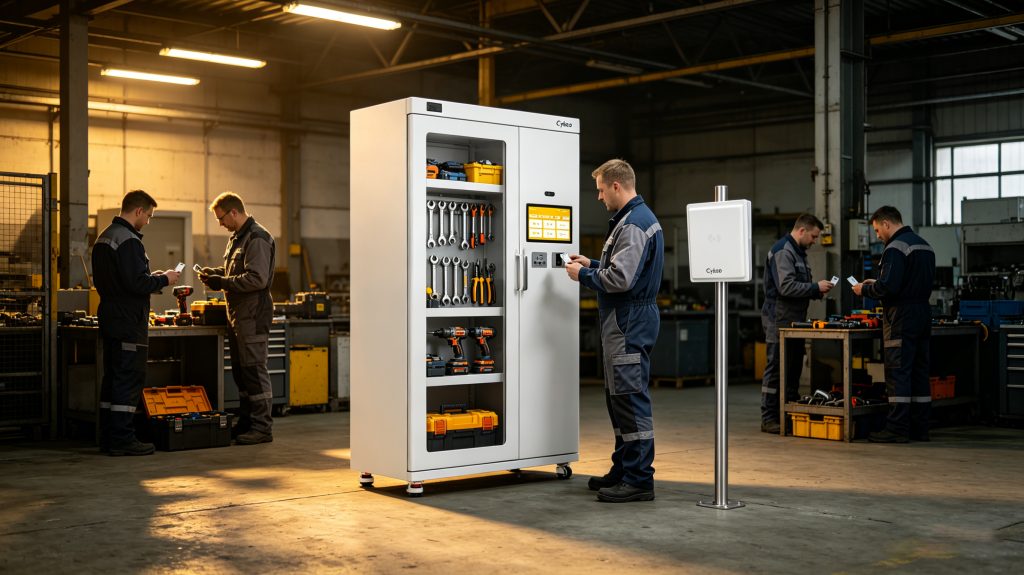
An rfid reader device wirelessly identifies RFID tags using radio frequency communication for tracking, inventory, and automation purposes.
UHF RFID can identify multiple tags simultaneously without direct line-of-sight, while barcode systems require manual visual scanning.
Read distance depends on antenna design, tag quality, environment, and power settings. Industrial UHF systems may reach several meters under optimized conditions.
Yes, but deployment requires careful antenna placement, power adjustment, and suitable tag selection.
Yes. Modern industrial RFID readers are widely used in manufacturing, logistics, healthcare, retail security, and tool tracking systems.
A professional rfid reader device is no longer limited to retail experiments or pilot projects. In modern industrial environments, UHF RFID systems are becoming infrastructure — quietly managing inventory, tools, medical supplies, and assets in the background.
The difference is not only speed.
It is visibility.
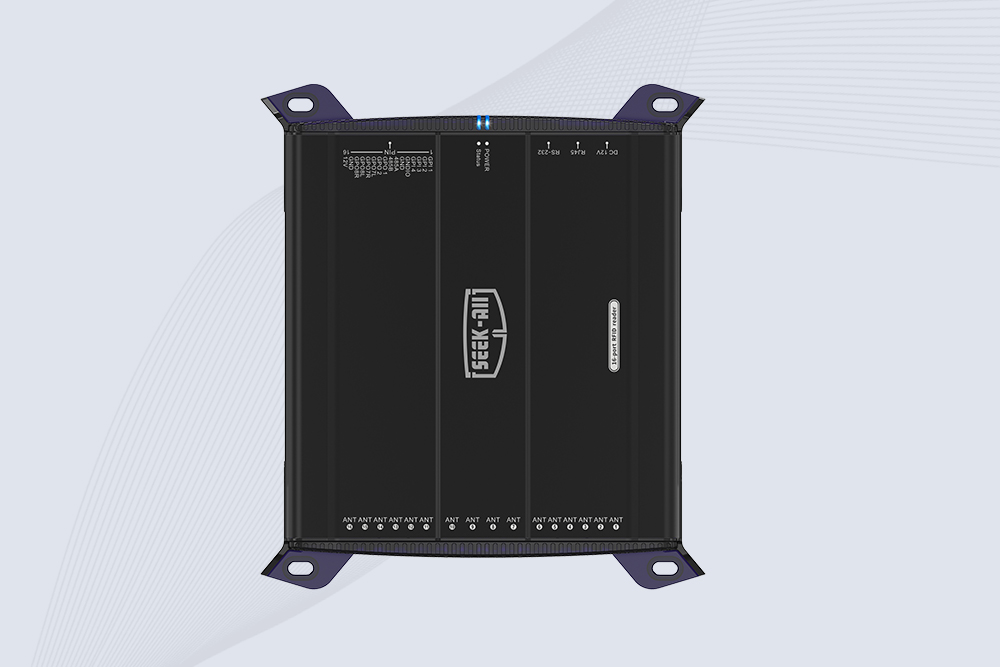
SSD-R16L Multi-Channel RFID Infrastructure for Automated Inventory Management ✔️ 16-Port High-Density RFID Reading Equipped with 16 SMA antenna ports, SSD-R16L supports multi-antenna deployment for warehouses, retail stores, logistics, production lines, and large-area RFID identification. ✔️ High-Speed & Long-Range Performance With up to 33…
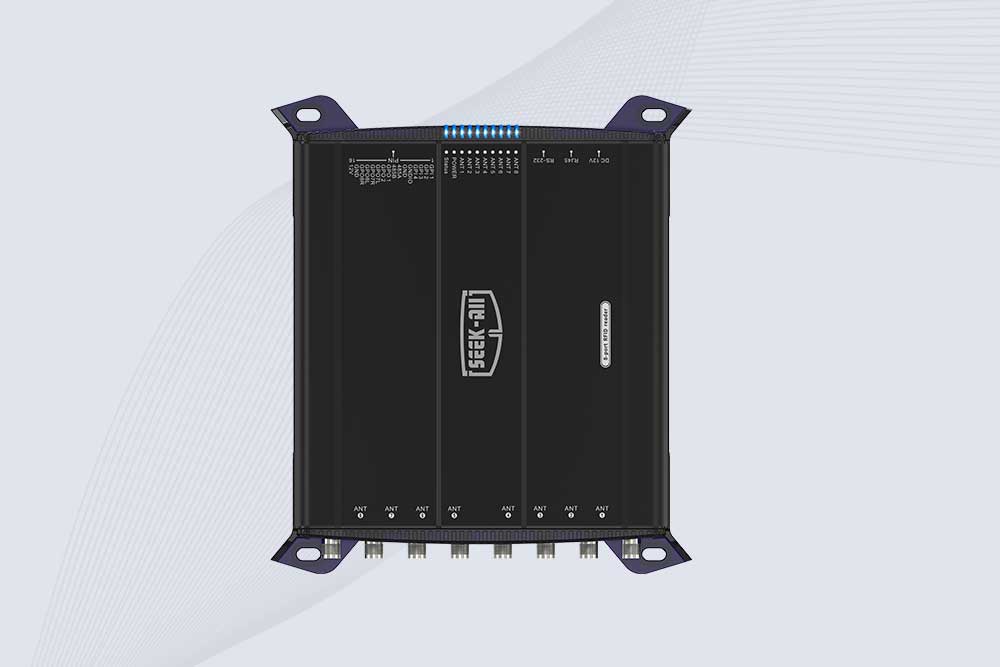
SSD-R8L 8-port UHF RFID reader with 33dBm output, up to 20m reading range and 600+ tags/s recognition. Ideal for warehouse, logistics, retail and asset tracking.
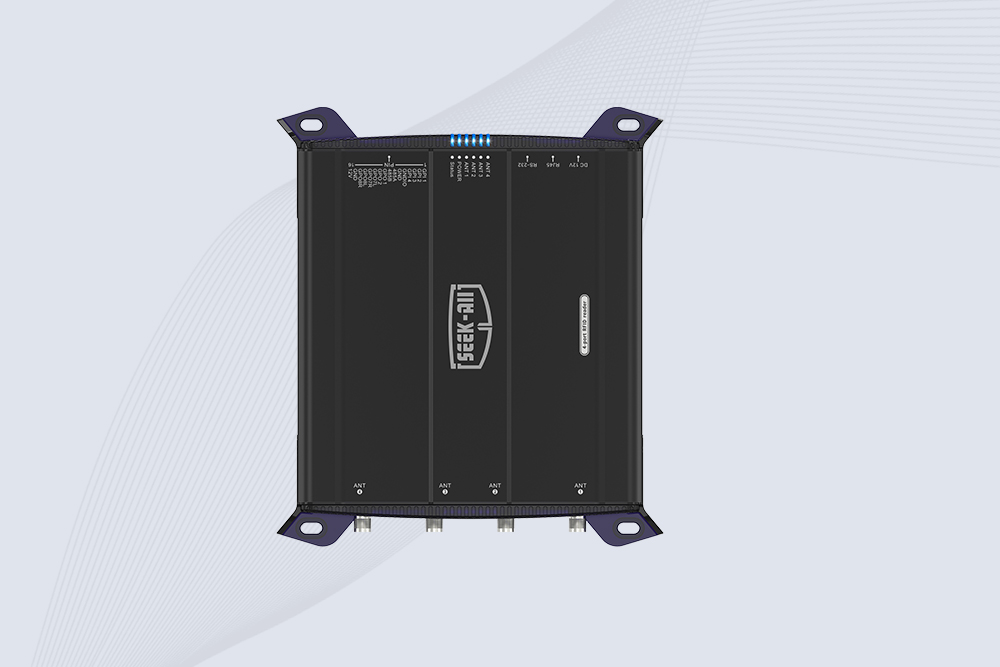
SSD-R4L is a 4-port UHF RFID fixed reader with 33dBm output power, up to 20m reading range, EPC C1G2 support and 600+ tags/s reading speed.
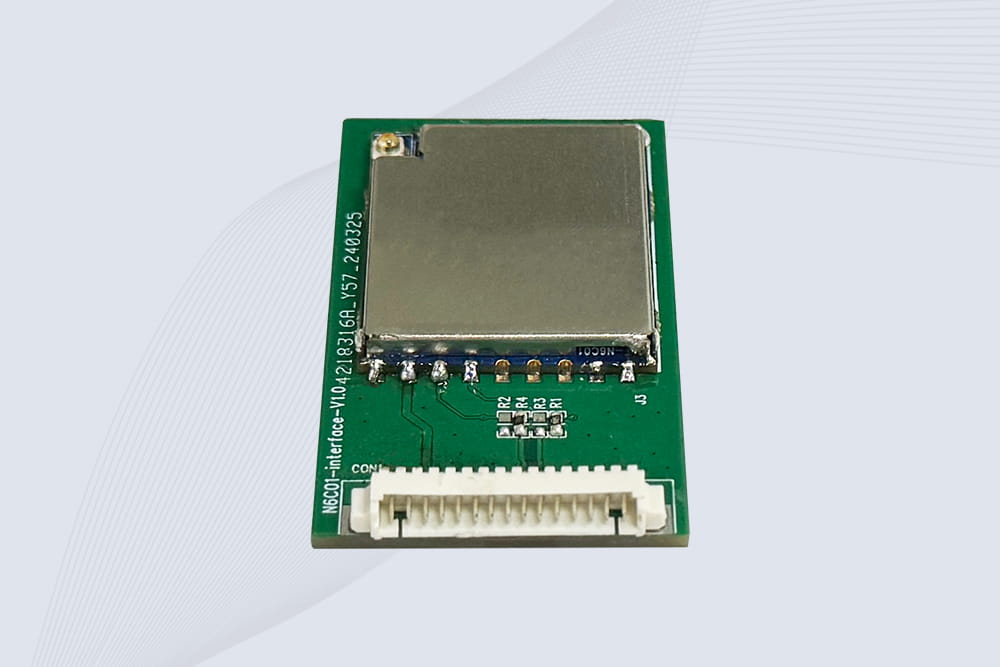
CYKEO Embedded RFID Modules are designed for compact industrial and IoT devices that require stable UHF performance. These UHF RFID Modules support global protocols, flexible power control, and reliable multi-tag reading for smart cabinets, production lines, and asset tracking systems.
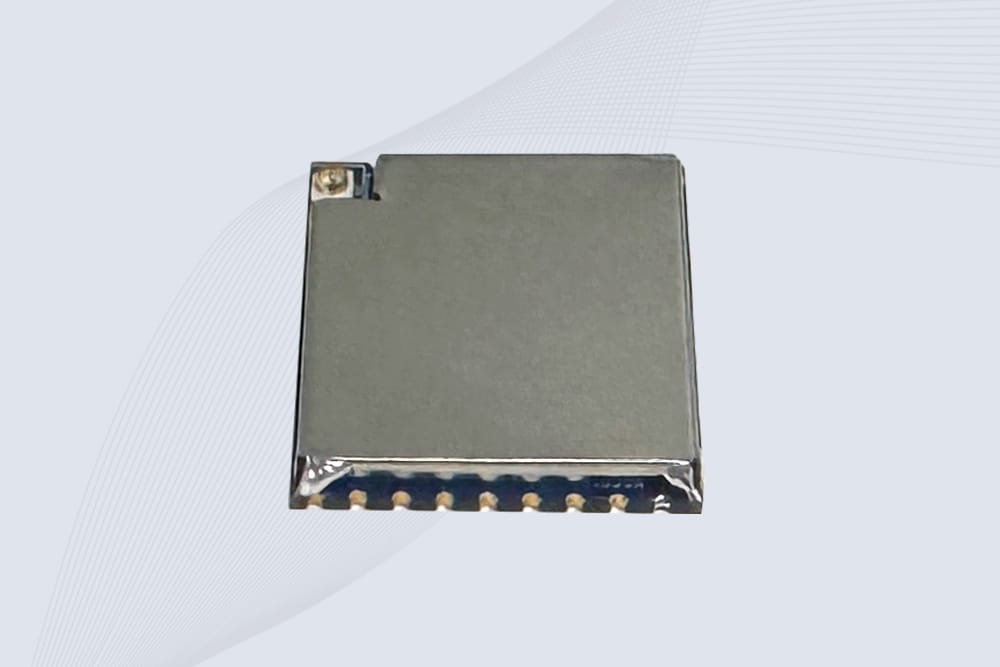
CYKEO Embedded RFID Module is built for compact IoT and industrial devices that need stable UHF performance. This UHF module supports global protocols, low power operation, and reliable multi-tag reading for smart lockers, production lines, and always-on RFID systems.
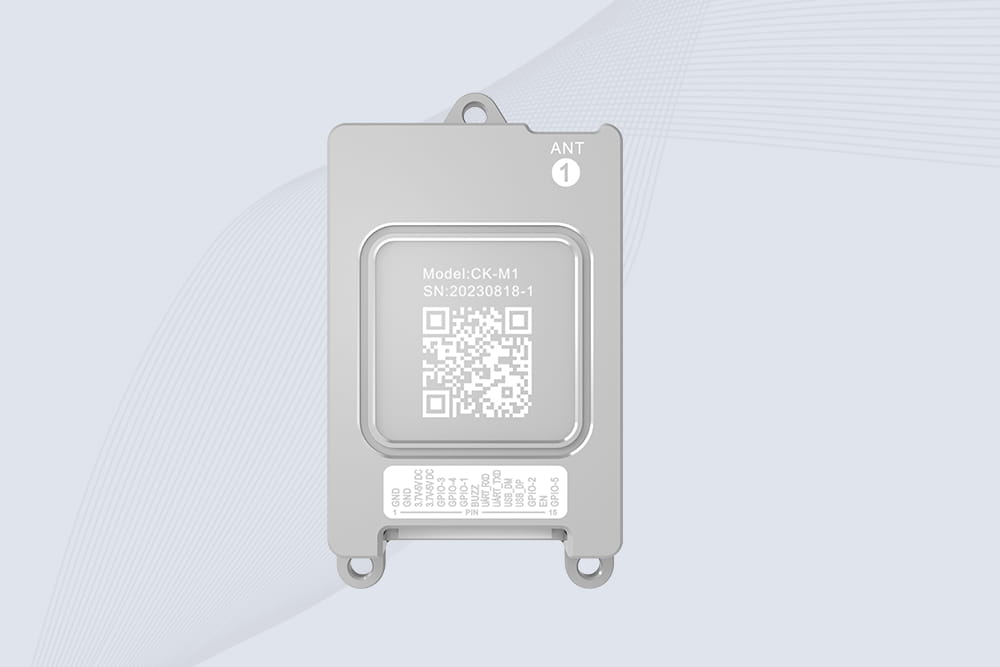
CYKEO CYKEO-M1 drone rfid module is a compact UHF RFID reader module designed for drones and UAV platforms. It supports long-range aerial scanning, fast multi-tag reading, and stable performance in wind, vibration, and outdoor environments.
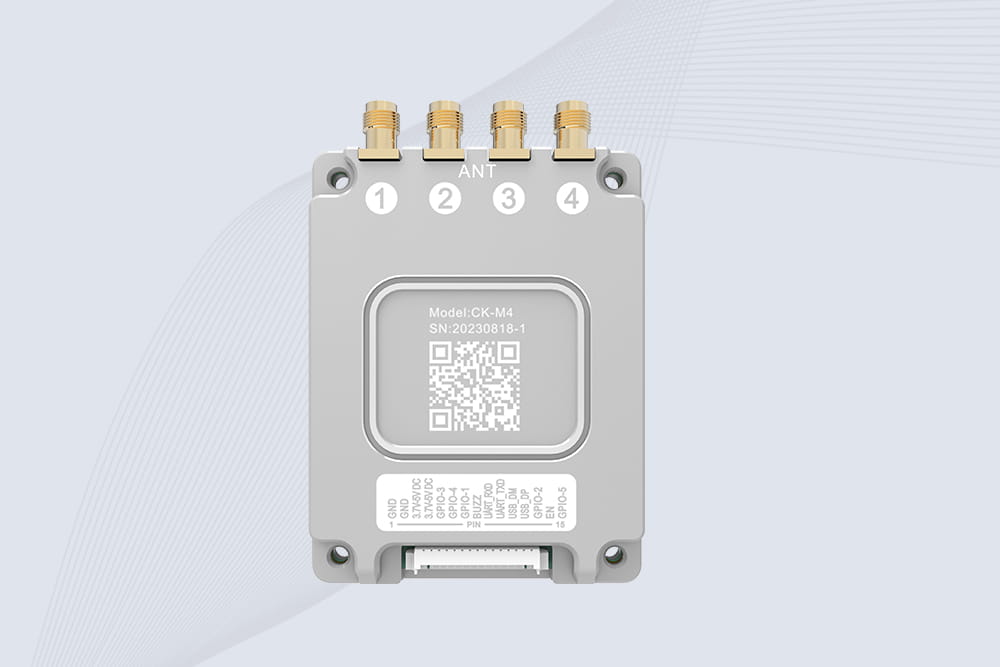
CYKEO CYKEO-M4 RC522 RFID Module is an industrial-grade UHF RFID reader with 4 ports, supporting ISO, EPC, and GB protocols. High-speed, accurate reading for IoT, automation, and warehouse applications.
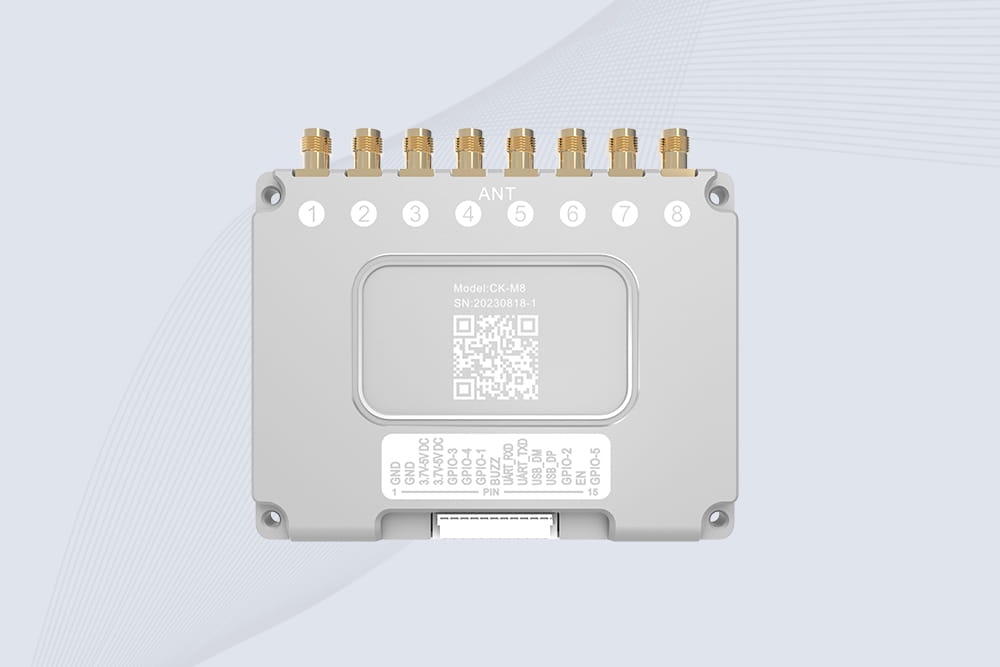
CYKEO CYKEO-M8 Module RFID is an 8-port UHF R2000 RFID Module designed for high-density, multi-tag environments. Stable 33dBm output, ISO & GB protocol support, ideal for warehouses, factories, and automated systems.
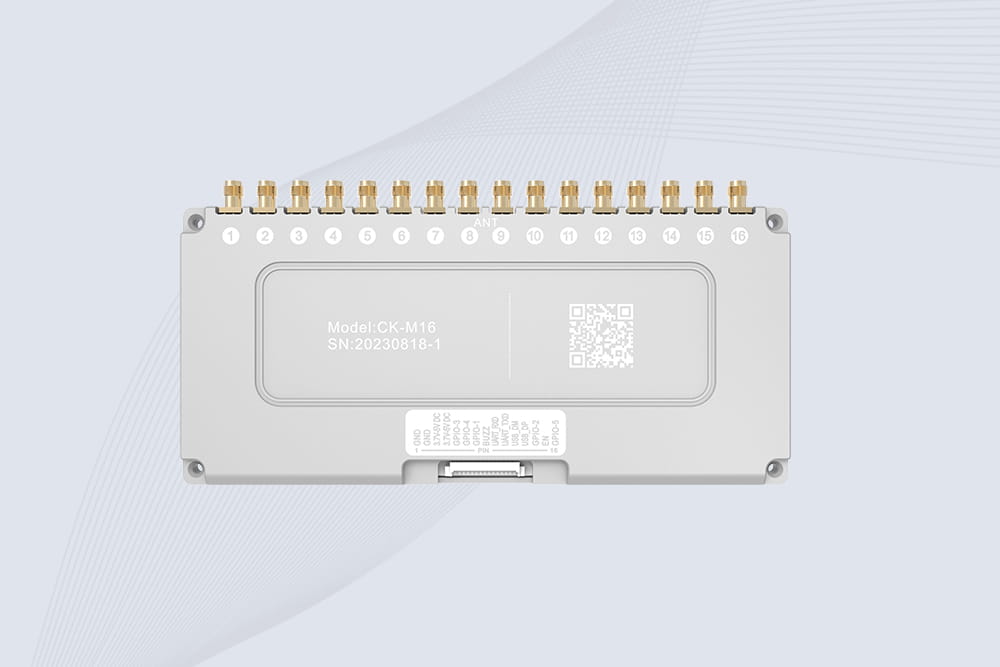
CYKEO CYKEO-M16 RFID Module is a 16-port UHF RFID reader module based on the R2000 chipset. Designed for dense tag environments, it supports ISO and GB standards and delivers stable multi-antenna control for industrial automation.
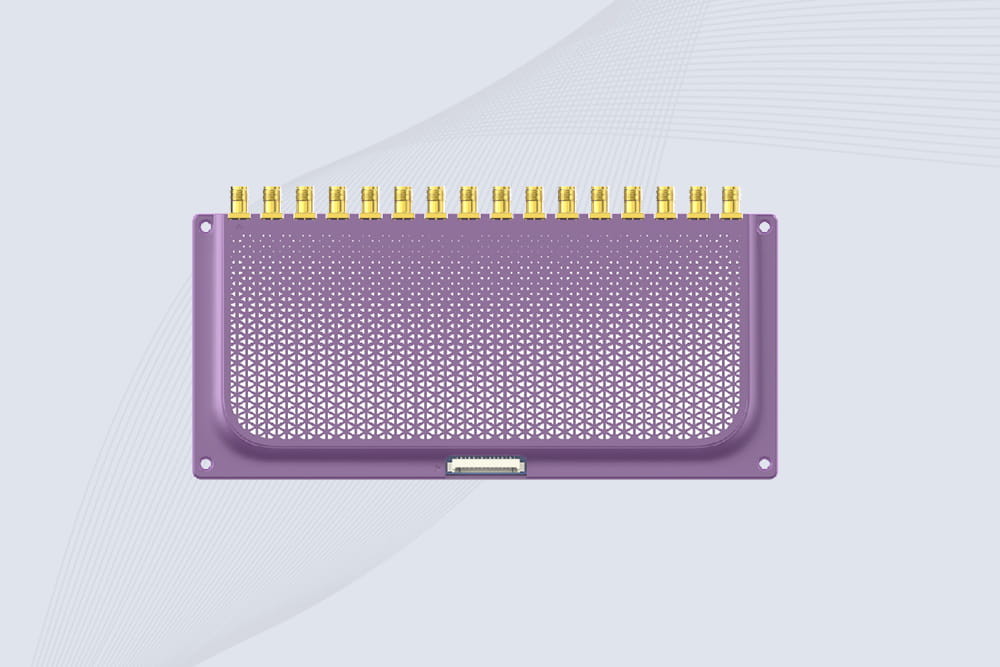
The CYKEO CYKEO-M16L RFID Reader Module is a 16-channel UHF RFID core designed for dense tag environments. With adjustable 33dBm output, multi-protocol support, and stable multi-antenna control, this RFID Tag Reader Module fits industrial automation, warehouse systems, and large-scale IoT deployments.
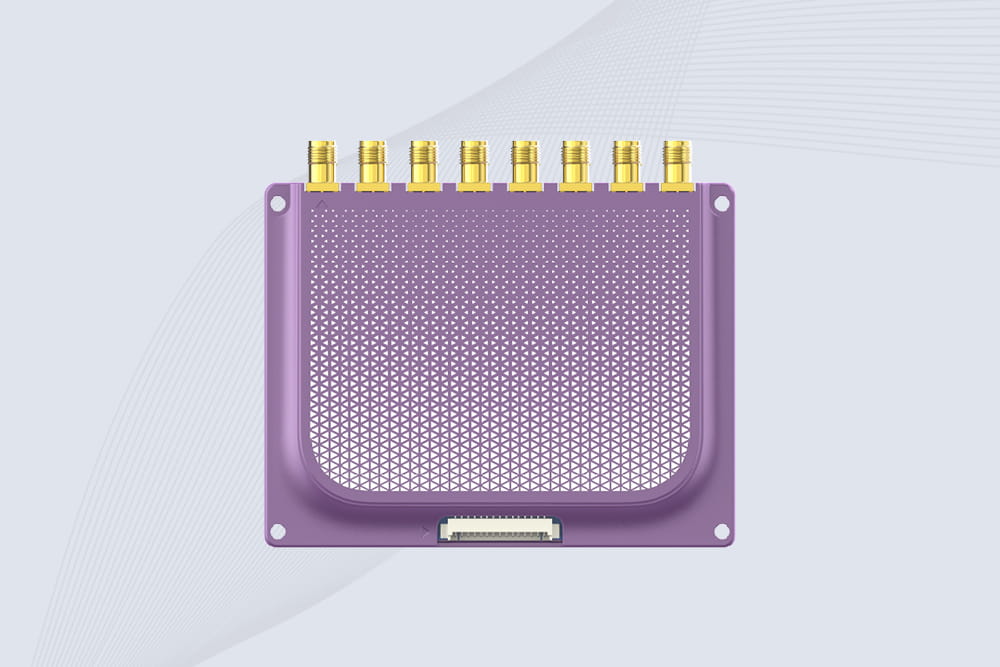
CYKEO CYKEO-M8L module RFID is a compact industrial UHF module built for dense tag and multi-antenna environments. With 8 RF ports, adjustable 33 dBm output, and ISO & GB protocol support, it is widely used in factories, warehouses, and automated tracking systems.
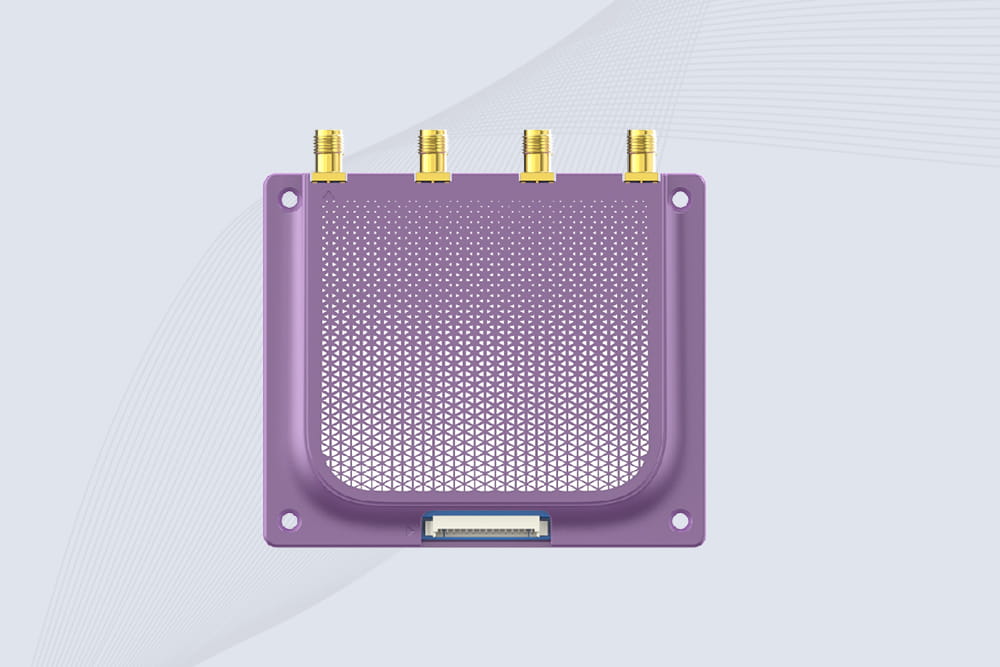
CYKEOCYKEO-M4L UHF RFID Module is a compact 4-channel RFID tag reader module designed for dense tag environments. Supporting ISO and GB protocols, it delivers stable reads up to 10 meters for industrial and IoT systems.
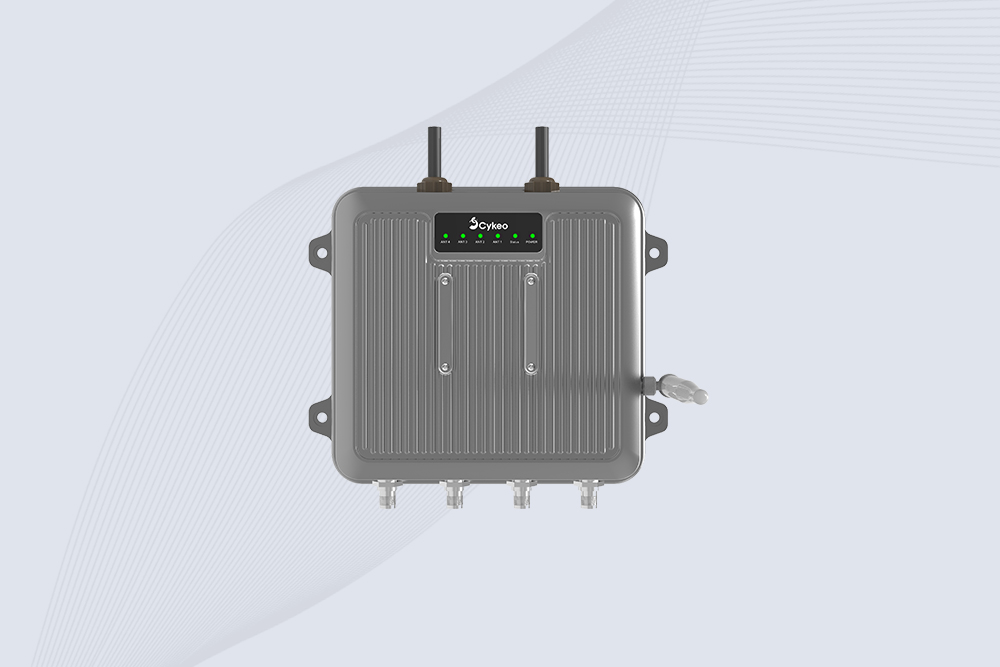
Cykeo CYKEO-C1 industrial Forklift RFID Reader features 20m read range, 600 tags/sec scanning, Impinj R2000 chipset, and IP67 rugged design. Ideal for warehouse logistics and manufacturing. Supports ISO 18000-6C/6B protocols.
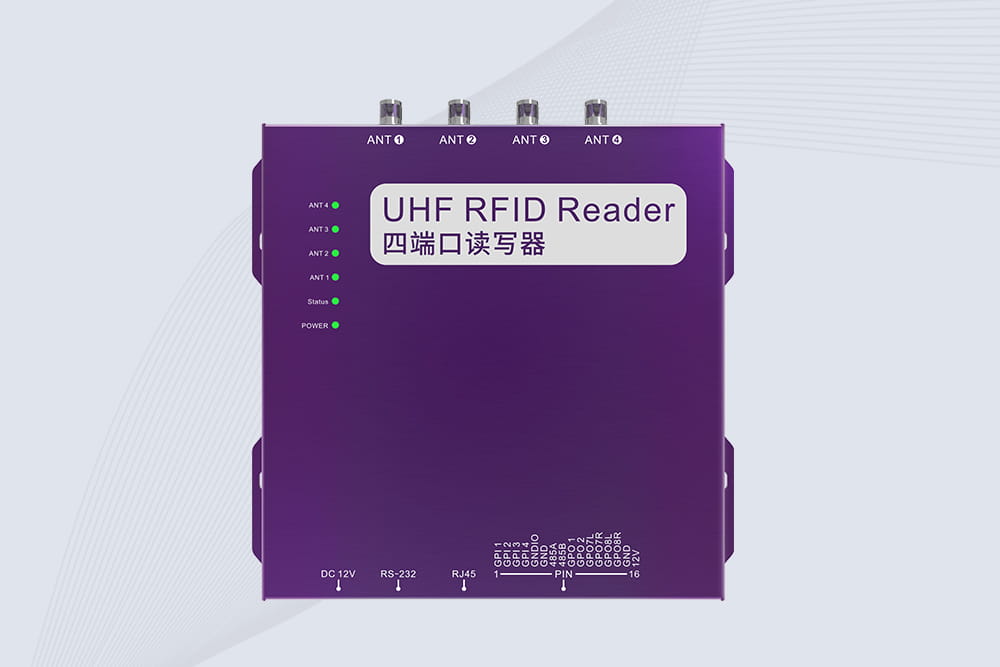
Cykeo CYKEO-R4 industrial UHF RFID Fixed Reader features 4 TNC ports, 400+ tags/sec speed, IP67 housing, and global frequency compliance for vehicle inspection, smart warehouse, and asset management systems.
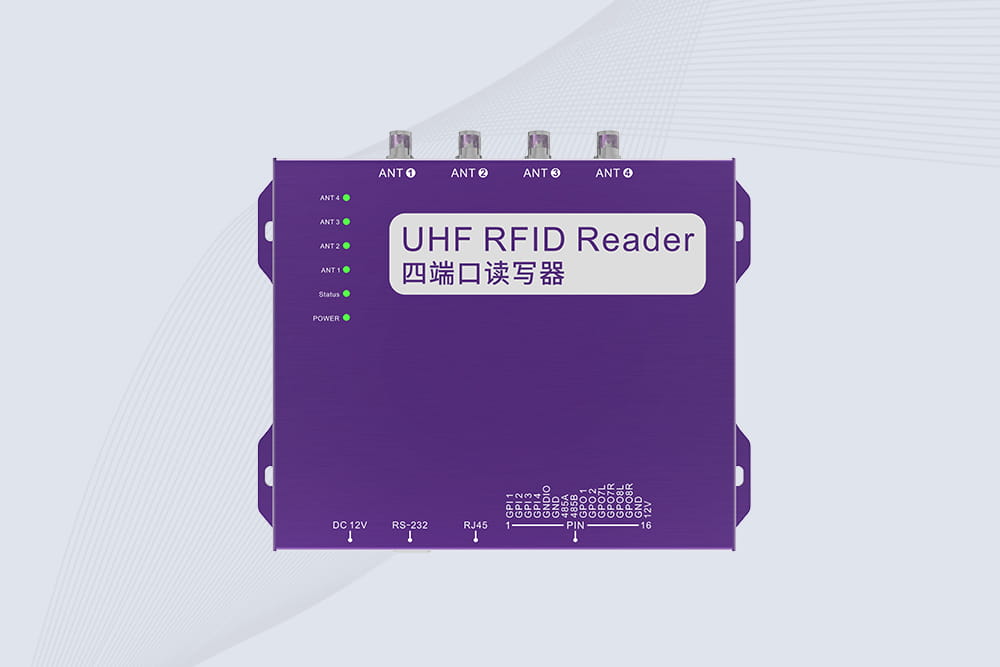
Cykeo’s CYKEO-R4L 4-port Fixed UHF RFID Reader delivers 400 tags/sec scanning, ISO 18000-6C compliance, and IP65 protection. Ideal for warehouse automation, manufacturing WIP tracking, and logistics management.
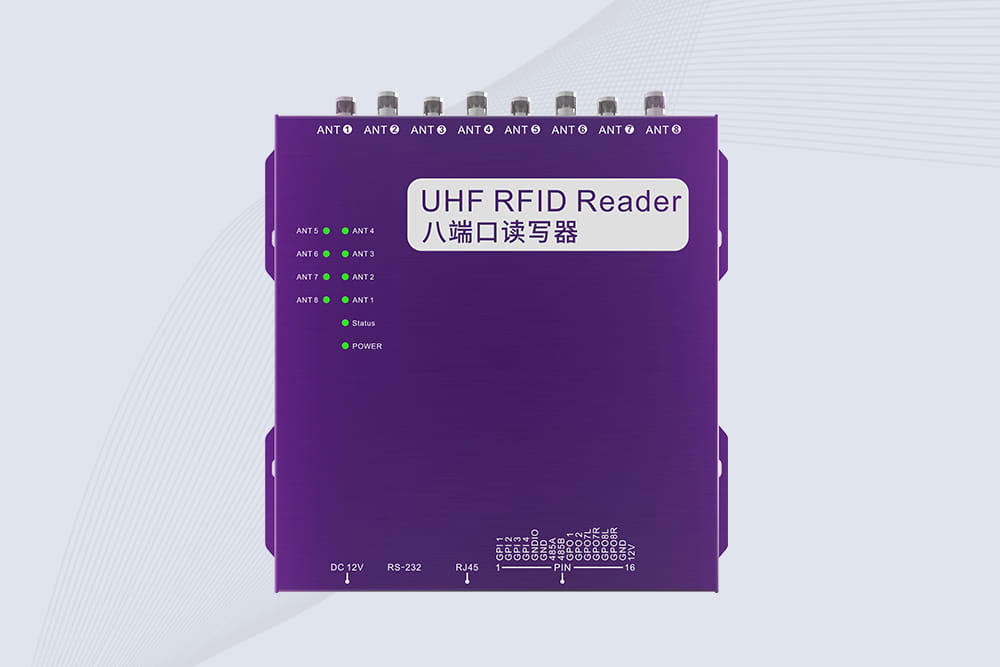
CYKEO CYKEO-R8L Fixed RFID Reader with 8-port UHF design, Impinj-based RF core and up to 20m read range. An industrial Fixed RFID Reader for vehicle inspection, warehouse portals, smart manufacturing lines and secure access checkpoints.
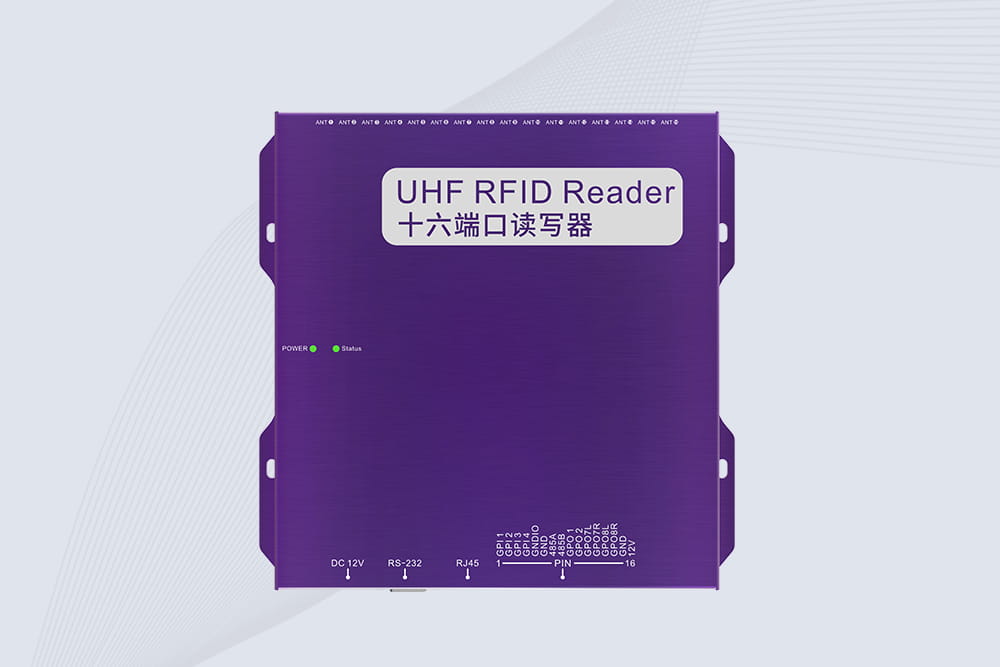
RFID Fixed Reader from CYKEO – the CYKEO-R16L 16-port UHF fixed reader for warehouses, smart cabinets, and production lines. Long-range, multi-tag reading, stable performance for 24/7 industrial use.
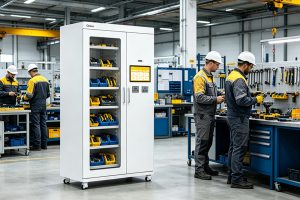
Learn how to track tools and equipment using RFID technology. Improve visibility, automate tool management, reduce losses, and achieve real-time inventory control with Cykeo RFID solutions.
More
Upgrade your library, warehouse, or retail space with the CK-DP4B Wall-Mounted RFID Kiosk. Fast, secure, and efficient self-checkout and real-time asset tracking. Streamline your operations today.
More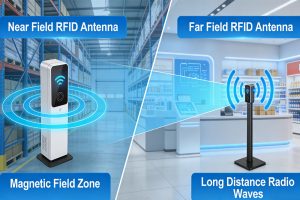
Near-field and far-field antennas play different roles in RFID systems. Learn how they work, their advantages, and how RFID solution providers choose the right antenna for different applications.
More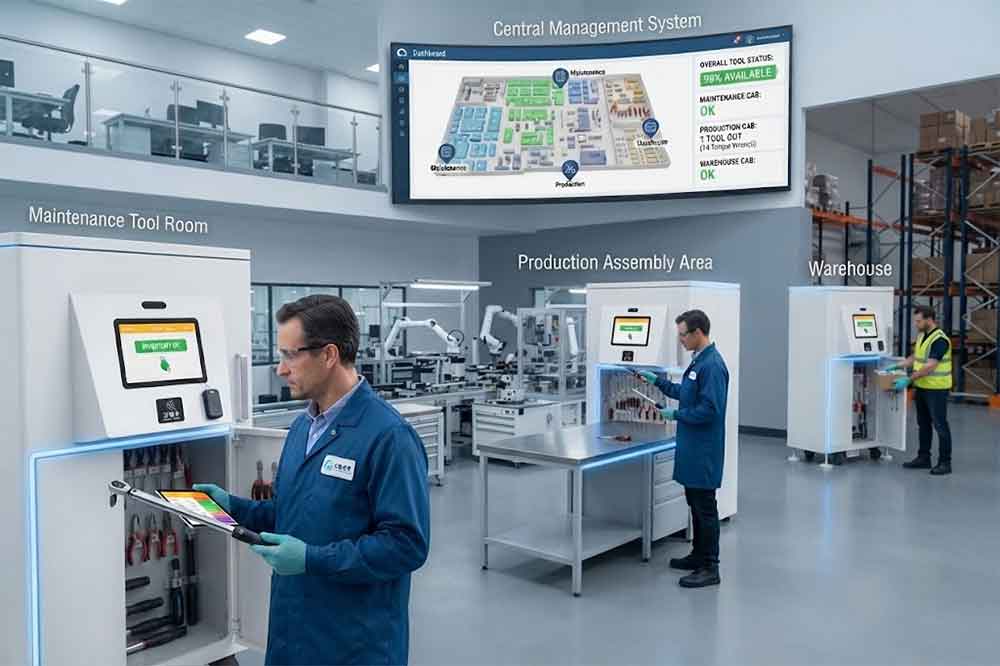
RFID tool cabinet deployment requires more than installing multiple cabinets. A scalable project should standardize RFID tags, hardware, software, user permi...
More