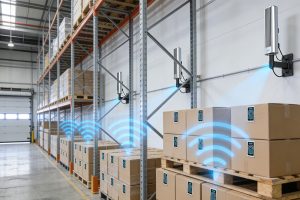
An RFID label printer is a specialized device that prints and encodes RFID labels simultaneously, enabling accurate data writing and physical labeling for real-time asset tracking and automated inventory systems.
In one warehouse deployment I observed, operators were still printing barcode labels separately and later attaching RFID stickers manually. It looked harmless at first, but errors accumulated quietly—wrong tag IDs, mismatched assets, and repeated re-labeling cycles.
The turning point came when the site switched to an integrated rfid label printer workflow.
Instead of treating printing and encoding as two steps, the system combined them into one controlled process: data generation, label printing, RFID chip encoding, and verification in a single pass. That shift reduced inconsistency more than anyone expected.
At Cykeo, we see this pattern repeatedly in logistics centers, manufacturing floors, healthcare supply rooms, and fixed asset management stations where labeling accuracy directly affects traceability.
What Makes an RFID Label Printer Different?
Unlike standard barcode printers, an RFID label printer does more than produce a visible code. It writes digital data into a UHF or HF RFID chip embedded inside the label.
That means every label carries two identities:
Human-readable print (text, barcode, QR)
Machine-readable RFID data
Core RFID Label Printing Process
A typical workflow inside Cykeo-integrated systems includes:
Data input from ERP or inventory system
Label layout generation
Thermal printing of visible content
RFID encoding inside tag chip
Automatic verification scan
Output confirmation log
This reduces manual mismatch between printed information and encoded identity.
According to GS1 RFID Standards, consistent encoding structure is critical for global interoperability in RFID-based supply chain systems.
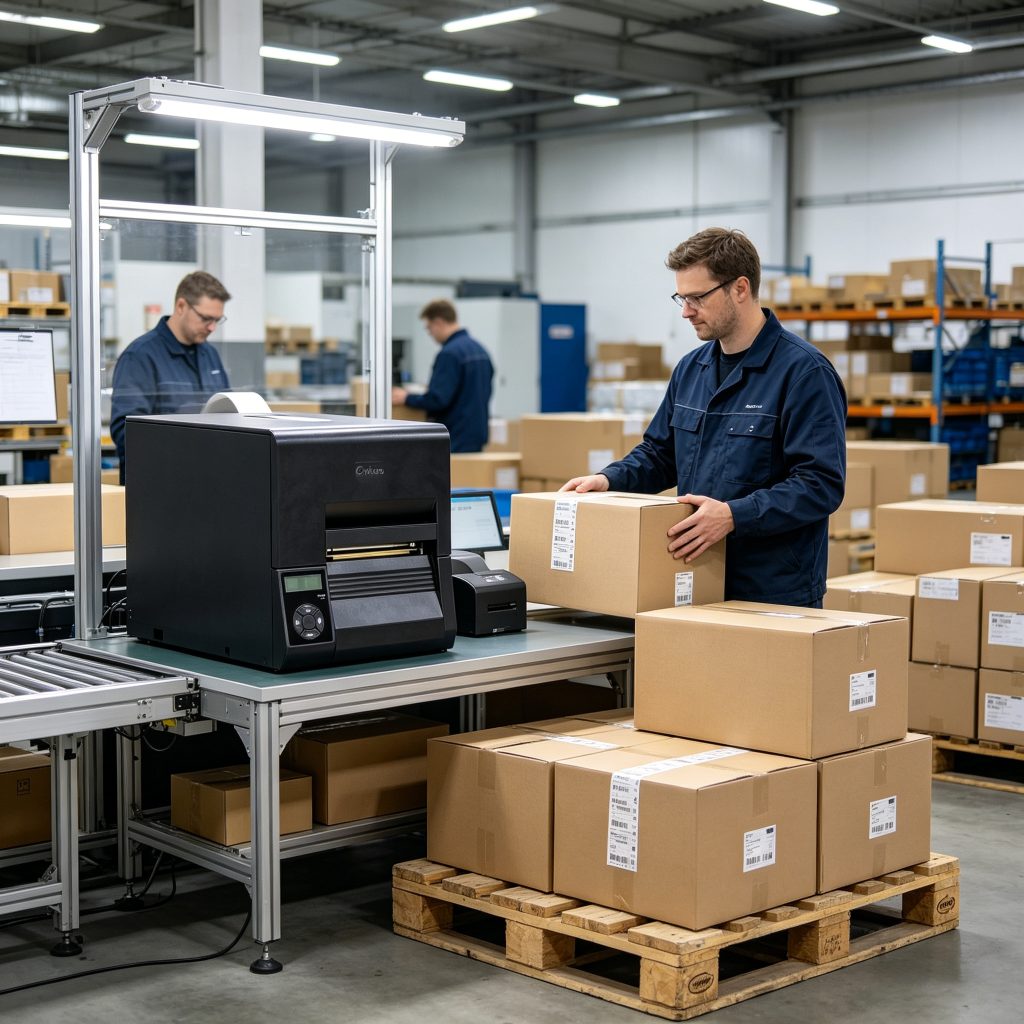
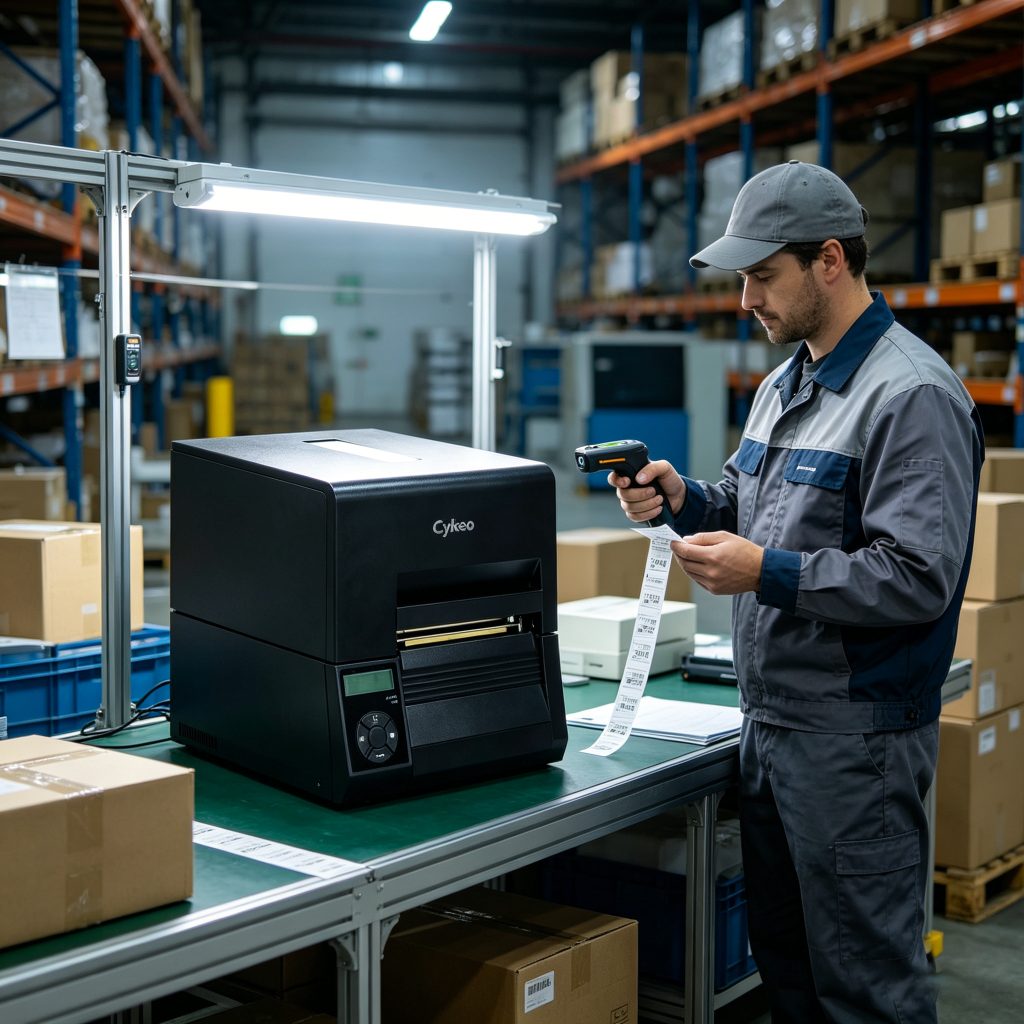
Cykeo RFID label printer integrates printing and encoding into one workflow.
Why RFID Label Printers Matter in Real Operations
The advantage is not printing speed—it is data integrity.
When labels are printed and encoded separately, small human errors create large downstream problems.
We once audited a distribution center where 3.7% of manually applied RFID labels had mismatched EPC codes. That may sound small, but at scale, it meant thousands of tracking inconsistencies.
After integrating an automated RFID label printer system:
Encoding errors dropped below 0.5%
Re-labeling workload decreased significantly
Inventory reconciliation time improved
Real-World Impact Comparison
Operation Stage
Manual Labeling
RFID Label Printer System
Label creation
Separate steps
One integrated process
Error rate
Higher mismatch risk
Automated verification
Inventory updates
Delayed
Real-time synchronization
Traceability
Partial
End-to-end visibility
Industrial Use Cases of RFID Label Printers
RFID label printers are widely used in environments where traceability is not optional.
Common Application Areas
Warehouse inventory labeling
Healthcare consumable tracking
Retail item identification
Manufacturing WIP tracking
Logistics parcel encoding
Fixed asset registration
In healthcare environments, for example, RFID labeling supports strict compliance tracking for consumables and instruments.
A 2024 industry overview from Deloitte Insights highlights increasing adoption of digital traceability systems in healthcare and logistics due to rising demand for end-to-end supply visibility.
Cykeo RFID Label Printing Integration
Cykeo systems are designed to connect RFID printing with downstream tracking hardware such as:
UHF RFID cabinets
Fixed RFID gateways
Handheld RFID readers
Smart inventory stations
This creates a continuous data loop:
Print → Encode → Store → Track → Verify
Why Integration Matters
Standalone printers solve labeling.
Integrated systems solve operations.
When RFID label printing is directly connected to inventory management software, every label becomes part of a live asset network instead of a static identifier.
That is where operational value increases significantly.
RFID label printers ensure encoding accuracy through automated verification.
Common Printing Challenges in RFID Systems
Even with advanced printers, problems usually come from setup rather than hardware.
Typical Issues Observed in Deployments
Incorrect antenna alignment during encoding
Poor label material selection
Environmental interference in metal-heavy areas
Software mismatch with EPC formats
One manufacturing client experienced inconsistent tag readability simply because labels were stored near high-heat machinery before application.
Small environmental factors often produce large system inconsistencies.
FAQ About RFID Label Printer
What does an RFID label printer do?
It prints human-readable labels and simultaneously encodes RFID chips with digital asset data.
Can RFID label printers work with UHF tags?
Yes. Most industrial systems support UHF RFID for long-range and bulk scanning applications.
Is RFID printing fully automated?
Modern systems can fully automate printing, encoding, and verification in one workflow.
Where are RFID label printers commonly used?
They are widely used in logistics, healthcare, manufacturing, retail, and asset management industries.
Final Thoughts on rfid label printer
A modern rfid label printer is not just a printing device—it is a data control point.
When printing, encoding, and verification happen together, organizations reduce mismatch risk and improve traceability at scale.
In Cykeo deployments, the most noticeable change is not speed—it is stability. Fewer errors. Cleaner data. More predictable operations.
That is the real value of integrated RFID labeling systems in industrial environments.
This article explains how to properly install RFID stickers on various surfaces such as metal, plastic, and glass. Learn key installation techniques and common mistakes to ensure a stable and efficient RFID identification system.
This article deeply explores how RFID gate access technology is revolutionizing warehouse management by significantly improving goods throughput efficiency, inventory accuracy, and warehouse security. Combining real-world cases and technical insig...
Want longer RFID read distance? This practical wholesale guide breaks down 6 key factors affecting RFID reading range and how to choose the right setup for bulk projects.
Discover how RFID smart linen cabinets like Cykeo CK-G2224 help hospitals automate linen tracking, reduce waste, improve infection control, and save staff time.
 Cykeo RFID IoT Solution Products R&D Manufacturer