 Cykeo RFID IoT Solution Products R&D Manufacturer
How RFID Scanners Work: UHF RFID Identification in Real Operations
147RFID scanners use RF energy and backscatter to identify multiple tags and transmit digital data to connected systems.
MoreAll RFID Product
The logistics industry thrives on speed, accuracy, and visibility. Yet, traditional asset tracking methods—manual counts, barcode scans, or spreadsheets—often lead to delays, errors, and costly inefficiencies. Enter RFID readers, a technology revolutionizing how logistics companies track everything from pallets and containers to forklifts and delivery vehicles. In this article, we’ll explore how RFID readers streamline asset tracking, reduce operational costs, and why Cykeo’s solutions are becoming the backbone of modern logistics.
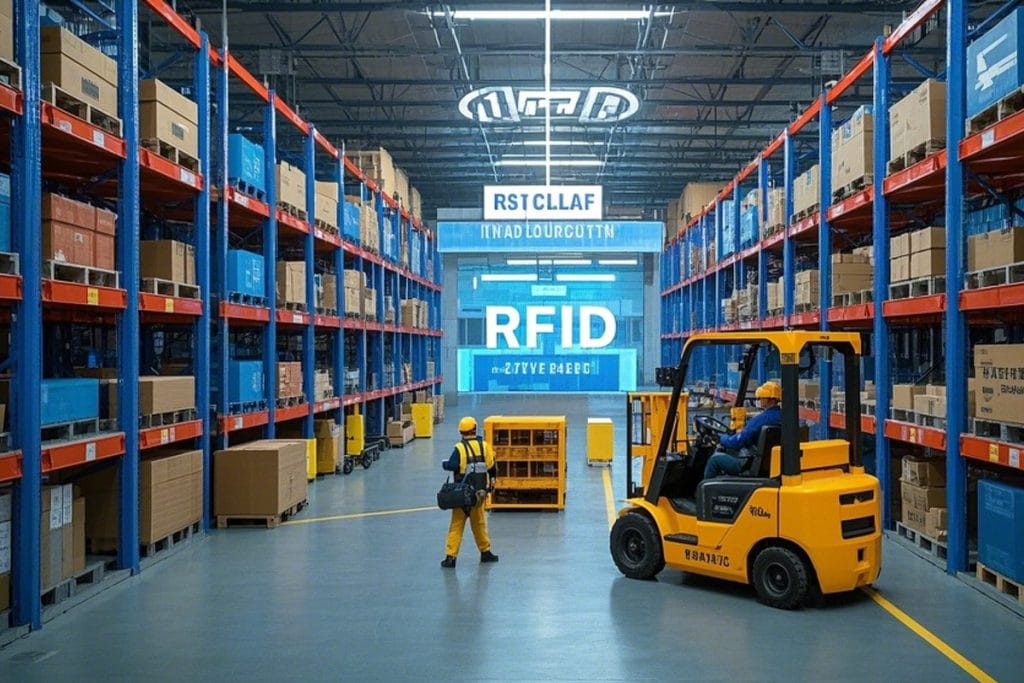
The Hidden Costs of Inefficient Asset Tracking
Before diving into solutions, let’s quantify the problem. Poor asset tracking in logistics leads to:
For a mid-sized logistics company, these inefficiencies can cost millions annually. RFID readers address these pain points head-on.
How RFID Readers Transform Asset Tracking
RFID (Radio Frequency Identification) readers automate data capture by wirelessly scanning tags attached to assets. Unlike barcodes, RFID doesn’t require line of sight and can scan hundreds of items per second. Here’s how they work:
The result? A system that eliminates manual errors and provides instant insights into asset locations and statuses.
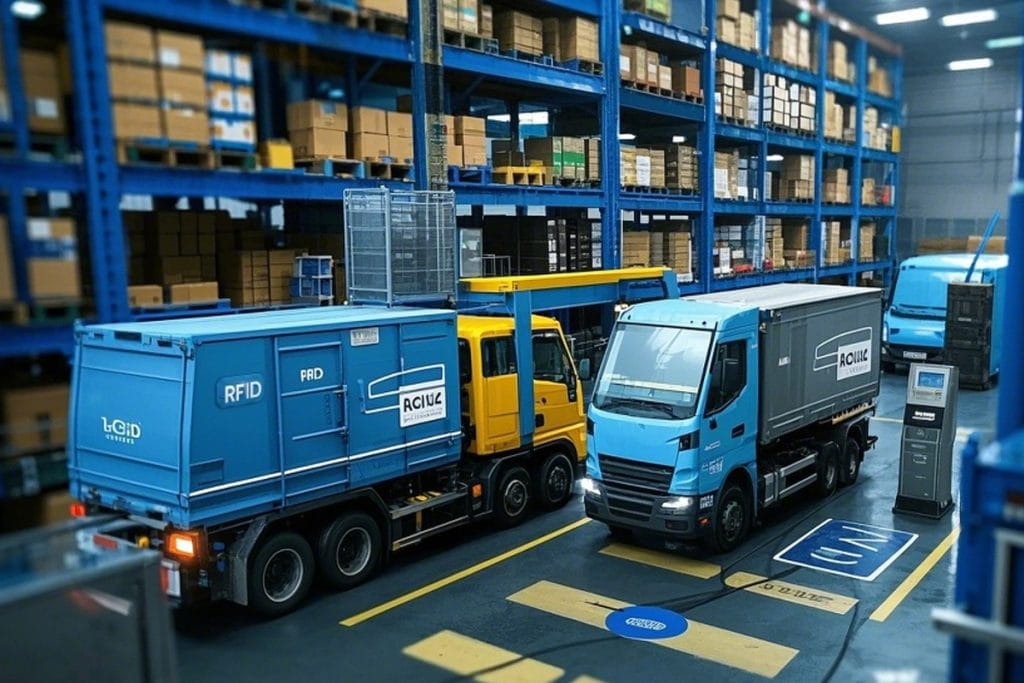
RFID readers scan tagged assets automatically as they move through warehouses, loading docks, or transit routes. This enables:
Cykeo Case Study: A 3PL provider reduced misplaced container searches by 90% using Cykeo’s fixed RFID readers at warehouse exits.
Manual barcode scans at dock doors create bottlenecks. RFID readers scan entire pallets or containers in seconds, even through packaging.
Idle forklifts or trailers drain resources. RFID tracking reveals usage patterns, enabling smarter allocation.
RFID tags store maintenance histories. Readers trigger alerts when equipment nears service deadlines.
RFID readers detect unauthorized asset movements:
Why RFID Outperforms Barcodes in Logistics
| Feature | Barcodes | RFID Readers |
| Scan Speed | 1–2 items per second | 100–300 items per second |
| Line of Sight Required | Yes | No |
| Durability | Labels fade or tear | Tags withstand heat, moisture, impacts |
| Data Capacity | Limited to basic ID | Stores maintenance logs, location history |
Cykeo’s RFID Solutions: Built for Logistics Challenges
We engineer RFID systems to tackle logistics-specific pain points:
Client Success: A cold chain logistics company reduced perishable spoilage by 25% using Cykeo’s temperature-sensitive RFID tags.
Implementing RFID: Best Practices
Tag containers, forklifts, and high-risk shipments first to maximize ROI.
Attach tags to flat, non-metallic surfaces for reliable reads. Use specialized tags for metal assets.
Ensure staff can interpret dashboards showing asset locations and alerts.
Begin with a single warehouse or dock before expanding network-wide.
Ready to Revolutionize Your Asset Tracking?
Don’t let inefficiencies slow your logistics operations. Contact Cykeo’s experts at contact@cykeo.com to design a customized RFID solution that boosts accuracy, speed, and profitability.

RFID scanners use RF energy and backscatter to identify multiple tags and transmit digital data to connected systems.
More
How to choose RFID solution for retail operations with smart checkout, RFID readers, self-service systems, and retail automation solutions for modern stores.
More
how RFID antennas work, optimize read zones, handle industrial interference, and ensure reliable tag reading in warehouses and logistics systems.
More
Learn the different RFID types including LF, HF, and UHF RFID and understand how to choose the right RFID technology for asset tracking, logistics, and inventory management.
More